Refine search
Actions for selected content:
15 results for 9781316018668
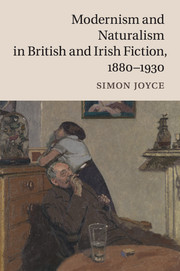
Modernism and Naturalism in British and Irish Fiction, 1880–1930
-
- Published online:
- 05 November 2014
- Print publication:
- 23 October 2014
Chapter 1 - How Zola crossed (and didn’t cross) the English Channel
-
- Book:
- Modernism and Naturalism in British and Irish Fiction, 1880–1930
- Published online:
- 05 November 2014
- Print publication:
- 23 October 2014, pp 28-52
-
- Chapter
- Export citation
Modernism and Naturalism in British and Irish Fiction, 1880–1930 - Title page
-
-
- Book:
- Modernism and Naturalism in British and Irish Fiction, 1880–1930
- Published online:
- 05 November 2014
- Print publication:
- 23 October 2014, pp iii-iii
-
- Chapter
- Export citation
Chapter 4 - Photo-sensitivity
-
- Book:
- Modernism and Naturalism in British and Irish Fiction, 1880–1930
- Published online:
- 05 November 2014
- Print publication:
- 23 October 2014, pp 119-150
-
- Chapter
- Export citation
Modernism and Naturalism in British and Irish Fiction, 1880–1930 - Half title page
-
- Book:
- Modernism and Naturalism in British and Irish Fiction, 1880–1930
- Published online:
- 05 November 2014
- Print publication:
- 23 October 2014, pp i-ii
-
- Chapter
- Export citation
Chapter 3 - A naturalism for Ireland
-
- Book:
- Modernism and Naturalism in British and Irish Fiction, 1880–1930
- Published online:
- 05 November 2014
- Print publication:
- 23 October 2014, pp 84-118
-
- Chapter
- Export citation
Chapter 5 - The voice of witlessness
-
- Book:
- Modernism and Naturalism in British and Irish Fiction, 1880–1930
- Published online:
- 05 November 2014
- Print publication:
- 23 October 2014, pp 151-179
-
- Chapter
-
- You have access
- HTML
- Export citation
Introduction
-
- Book:
- Modernism and Naturalism in British and Irish Fiction, 1880–1930
- Published online:
- 05 November 2014
- Print publication:
- 23 October 2014, pp 1-27
-
- Chapter
- Export citation
Contents
-
- Book:
- Modernism and Naturalism in British and Irish Fiction, 1880–1930
- Published online:
- 05 November 2014
- Print publication:
- 23 October 2014, pp v-vi
-
- Chapter
- Export citation
Index
-
- Book:
- Modernism and Naturalism in British and Irish Fiction, 1880–1930
- Published online:
- 05 November 2014
- Print publication:
- 23 October 2014, pp 211-216
-
- Chapter
- Export citation
Afterword
-
- Book:
- Modernism and Naturalism in British and Irish Fiction, 1880–1930
- Published online:
- 05 November 2014
- Print publication:
- 23 October 2014, pp 180-189
-
- Chapter
- Export citation
Copyright page
-
- Book:
- Modernism and Naturalism in British and Irish Fiction, 1880–1930
- Published online:
- 05 November 2014
- Print publication:
- 23 October 2014, pp iv-iv
-
- Chapter
- Export citation
Chapter 2 - Portraits and artists
-
- Book:
- Modernism and Naturalism in British and Irish Fiction, 1880–1930
- Published online:
- 05 November 2014
- Print publication:
- 23 October 2014, pp 53-83
-
- Chapter
- Export citation
Notes
-
- Book:
- Modernism and Naturalism in British and Irish Fiction, 1880–1930
- Published online:
- 05 November 2014
- Print publication:
- 23 October 2014, pp 190-210
-
- Chapter
- Export citation
Acknowledgments
-
- Book:
- Modernism and Naturalism in British and Irish Fiction, 1880–1930
- Published online:
- 05 November 2014
- Print publication:
- 23 October 2014, pp vii-viii
-
- Chapter
- Export citation
