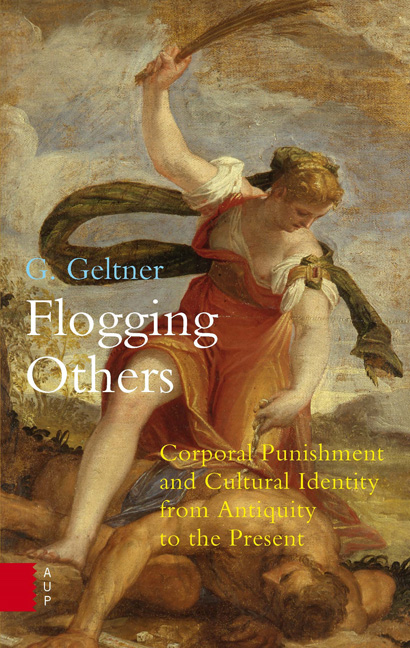
This chapter is part of a book that is no longer available to purchase from Cambridge Core
Conclusion
Summary
In 2007, the Malaysian government released a crime-fighting video showcasing its treatment of major offenders. The culprit in question was a convicted drug dealer, who was sentenced to long-term incarceration and twenty blows with a rotan, a punishment illustrating how a supposedly staple premodern and an emblematic modern mode of punishment continue to coexist. The images of the caning session are vivid and disturbing. With effort, I watched through to the fourth blow, but other viewers evidently found the experience less taxing, judging by the nearly 400,000 views it has logged so far. Either way, scrolling down the hundreds of written reactions offers a sobering reminder of how undecided the matter of corporal punishment remains across the globe, and why. Crass jokes and sexual innuendo aside (‘in Malaysia it's a punishment, in San Francisco it's a lifestyle choice’), most comments ran the gamut from utter revulsion (‘animals!’) to wholehearted approval. Among the latter – heirs to a strong tradition of Virtue flogging Vice – not a few, ostensibly Western, responders considered what they just saw as a potentially useful way to fight crime on the streets and improve discipline at home: ‘We need this in Europe’; ‘I wish our local PD would do this for all the little punks caught burglarizing homes and stealing stereos’; ‘A measure designed to deter illegal immigrant workers. Sounds good to me. How about also for CEO's who outsource your jobs to third world countries as well??’
To readers of the foregone pages, the alternating acceptance and rejection of such practices among Western commentators should come as no surprise. What could also be expected at this juncture are the terms in which genuine shock and horror were expressed (‘Brutal, savage, primitive and immoral’) and how quickly some of the comments moved to characterize the event as symptomatic of a non-human society (‘monkeys’) or a deviant civilization, especially when several viewers pointed out that the video hails from Malaysia, a Muslim country, rather than Singapore, as the title caption incorrectly announces. Although both Malaysia and Singapore are, from a certain Western perspective, far-flung former colonies, the latter can be construed as an exotic quasi-Western outpost, whereas the former can more easily succumb to the label of a religious and cultural other.
Information
- Type
- Chapter
- Information
- Flogging OthersCorporal Punishment and Cultural Identity from Antiquity to the Present, pp. 83 - 84Publisher: Amsterdam University PressPrint publication year: 2014
Accessibility standard: Unknown
Why this information is here
This section outlines the accessibility features of this content - including support for screen readers, full keyboard navigation and high-contrast display options. This may not be relevant for you.Accessibility Information
Accessibility compliance for the PDF of this book is currently unknown
and may be updated in the future.