Refine search
Actions for selected content:
3102 results in Computing and Society

Legal Tech and the Future of Civil Justice
-
- Published online:
- 02 February 2023
- Print publication:
- 09 February 2023
-
- Book
-
- You have access
- Open access
- Export citation
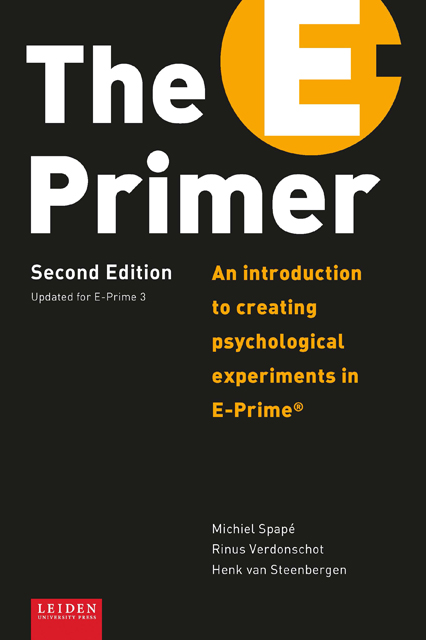
The E-Primer
- An Introduction to Creating Psychological Experiments in E-Prime
-
- Published by:
- Amsterdam University Press
- Published online:
- 22 November 2022
- Print publication:
- 04 March 2019
-
- Book
- Export citation
19 - From Corporate Governance to Algorithm Governance
- from Part VI - Responsible Corporate Governance of AI Systems
-
-
- Book:
- The Cambridge Handbook of Responsible Artificial Intelligence
- Published online:
- 28 October 2022
- Print publication:
- 17 November 2022, pp 331-346
-
- Chapter
-
- You have access
- Open access
- HTML
- Export citation
15 - Discriminatory AI and the Law
- from Part IV - Fairness and Nondiscrimination in AI Systems
-
-
- Book:
- The Cambridge Handbook of Responsible Artificial Intelligence
- Published online:
- 28 October 2022
- Print publication:
- 17 November 2022, pp 252-278
-
- Chapter
-
- You have access
- Open access
- HTML
- Export citation
11 - Intellectual Debt
- from Part II - Current and Future Approaches to AI Governance
-
-
- Book:
- The Cambridge Handbook of Responsible Artificial Intelligence
- Published online:
- 28 October 2022
- Print publication:
- 17 November 2022, pp 176-184
-
- Chapter
-
- You have access
- Open access
- HTML
- Export citation
22 - Medical AI
- from Part VII - Responsible AI Healthcare and Neurotechnology Governance
-
-
- Book:
- The Cambridge Handbook of Responsible Artificial Intelligence
- Published online:
- 28 October 2022
- Print publication:
- 17 November 2022, pp 379-396
-
- Chapter
-
- You have access
- Open access
- HTML
- Export citation
23 - “Hey Siri, How Am I Doing?”
- from Part VII - Responsible AI Healthcare and Neurotechnology Governance
-
-
- Book:
- The Cambridge Handbook of Responsible Artificial Intelligence
- Published online:
- 28 October 2022
- Print publication:
- 17 November 2022, pp 397-411
-
- Chapter
-
- You have access
- Open access
- HTML
- Export citation
21 - Artificial Intelligence in Financial Services
- from Part VI - Responsible Corporate Governance of AI Systems
-
-
- Book:
- The Cambridge Handbook of Responsible Artificial Intelligence
- Published online:
- 28 October 2022
- Print publication:
- 17 November 2022, pp 359-376
-
- Chapter
-
- You have access
- Open access
- HTML
- Export citation
8 - Fostering the Common Good
- from Part II - Current and Future Approaches to AI Governance
-
-
- Book:
- The Cambridge Handbook of Responsible Artificial Intelligence
- Published online:
- 28 October 2022
- Print publication:
- 17 November 2022, pp 123-149
-
- Chapter
-
- You have access
- Open access
- HTML
- Export citation
4 - Risk Imposition by Artificial Agents
- from Part I - Foundations of Responsible AI
-
-
- Book:
- The Cambridge Handbook of Responsible Artificial Intelligence
- Published online:
- 28 October 2022
- Print publication:
- 17 November 2022, pp 50-66
-
- Chapter
-
- You have access
- Open access
- HTML
- Export citation
7 - The New Regulation of the European Union on Artificial Intelligence
- from Part II - Current and Future Approaches to AI Governance
-
-
- Book:
- The Cambridge Handbook of Responsible Artificial Intelligence
- Published online:
- 28 October 2022
- Print publication:
- 17 November 2022, pp 104-122
-
- Chapter
-
- You have access
- Open access
- HTML
- Export citation
Part VII - Responsible AI Healthcare and Neurotechnology Governance
-
- Book:
- The Cambridge Handbook of Responsible Artificial Intelligence
- Published online:
- 28 October 2022
- Print publication:
- 17 November 2022, pp 377-444
-
- Chapter
-
- You have access
- Open access
- HTML
- Export citation
Acknowledgements
-
- Book:
- The Cambridge Handbook of Responsible Artificial Intelligence
- Published online:
- 28 October 2022
- Print publication:
- 17 November 2022, pp xix-xx
-
- Chapter
-
- You have access
- Open access
- HTML
- Export citation
6 - Artificial Intelligence and the Past, Present, and Future of Democracy
- from Part II - Current and Future Approaches to AI Governance
-
-
- Book:
- The Cambridge Handbook of Responsible Artificial Intelligence
- Published online:
- 28 October 2022
- Print publication:
- 17 November 2022, pp 85-103
-
- Chapter
-
- You have access
- Open access
- HTML
- Export citation
Part III - Responsible AI Liability Schemes
-
- Book:
- The Cambridge Handbook of Responsible Artificial Intelligence
- Published online:
- 28 October 2022
- Print publication:
- 17 November 2022, pp 185-226
-
- Chapter
-
- You have access
- Open access
- HTML
- Export citation
Copyright page
-
- Book:
- The Cambridge Handbook of Responsible Artificial Intelligence
- Published online:
- 28 October 2022
- Print publication:
- 17 November 2022, pp iv-iv
-
- Chapter
-
- You have access
- Open access
- HTML
- Export citation
24 - ‘Neurorights’
- from Part VII - Responsible AI Healthcare and Neurotechnology Governance
-
-
- Book:
- The Cambridge Handbook of Responsible Artificial Intelligence
- Published online:
- 28 October 2022
- Print publication:
- 17 November 2022, pp 412-426
-
- Chapter
-
- You have access
- Open access
- HTML
- Export citation
Contributors
-
- Book:
- The Cambridge Handbook of Responsible Artificial Intelligence
- Published online:
- 28 October 2022
- Print publication:
- 17 November 2022, pp xi-xviii
-
- Chapter
-
- You have access
- Open access
- HTML
- Export citation
1 - Artificial Intelligence
- from Part I - Foundations of Responsible AI
-
-
- Book:
- The Cambridge Handbook of Responsible Artificial Intelligence
- Published online:
- 28 October 2022
- Print publication:
- 17 November 2022, pp 11-18
-
- Chapter
-
- You have access
- Open access
- HTML
- Export citation
5 - Artificial Intelligence and Its Integration into the Human Lifeworld
- from Part I - Foundations of Responsible AI
-
-
- Book:
- The Cambridge Handbook of Responsible Artificial Intelligence
- Published online:
- 28 October 2022
- Print publication:
- 17 November 2022, pp 67-82
-
- Chapter
-
- You have access
- Open access
- HTML
- Export citation
