





Introduction
L2 research on individual differences (IDs) tends to be motivated by theoretical accounts of individual development (e.g., Atkinson & Taylor, Reference Atkinson and Taylor2025). This line of research, including some L2 interaction studies that specifically investigated IDs (see Trofimovich et al., Reference Trofimovich, Ammar, Gatbonton and Mackey2007), often exhibits a primary focus at the individual level in data collection, analysis, and interpretation, although interaction itself embodies the social construction of meaning between interlocutors and thus entails an inherently social dimension. Additionally, the study of how L2 learner development unfolds and what learner factors can help explain variation in rates and routes of learning tends to be framed individually (Li, Reference Li and Li2024; Li et al., Reference Li, Hiver and Papi2022). The fact that social perspectives of L2 research on IDs remain relatively tacit and implied rather than explicit is notable, especially considering that language use and learning are widely seen as socially situated and informed by the relationships between language meanings, environmental dynamics, individuals’ identities and positionings, and motives in context (Block, Reference Block2003). A “commitment to embedding individual activity in social settings” (Nolen et al., Reference Nolen, Horn and Ward2015, p. 235) requires a somewhat different account of learning behaviors such as learners’ task engagement and the accompanying motives (e.g., interaction mindset and learners’ task perceptions) underlying them. In this study, we adopt Social Interdependence Theory (SIT) as a conceptual framework to investigate issues that have yet to receive full attention in L2 research (see also Sato, Reference Sato2017). This social framing of (a) learner factors (or IDs), (b) L2 learning processes, and (c) outcomes within SIT can help illuminate differences between individualistic and cooperative efforts in task engagement and the conditions under which each is more appropriate and insightful. Specifically, this study investigated the relationships between two learner factors (i.e., interaction mindsets and learners’ perceptions of tasks) and L2 learning processes (i.e., task engagement) and L2 learning outcomes (i.e., task completion and lexical learning) within a unified framework of SIT. Given that no research has explored the comprehensive cycle of (a) learner factors→(b) task engagement→(c) task completion and learning outcomes, this study addresses this gap by bringing together these dimensions within a socially oriented theory: SIT.
Social Interdependence Theory and its application to L2 education
SIT proposes that the way goals are structured determines how individuals interact (e.g., collaboratively, competitively, or individualistically), which in turn creates the outcomes of the situation (Johnson & Johnson, Reference Johnson and Johnson2005, Reference Johnson and Johnson2009). When individuals perceive that they can achieve their goals only if others also reach their goals, they strive to promote each other’s success. From this perspective, the essence of a group and its performance of an activity is the interdependence among members (Johnson, Reference Johnson2003). Group members become interdependent through common goals, and social interdependence exists when individuals’ outcomes are affected by their own and others’ goals and actions (Johnson & Johnson, Reference Johnson, Johnson, Tindale, Heath, Edwards, Posavac, Bryant, Suarez-Balcazar, Henderson-King and Myers1998). SIT is well-established in educational contexts and forms the foundation for structured cooperative learning approaches that are widely used in classrooms (Deutsch, Reference Deutsch1949; Johnson & Johnson, Reference Johnson and Johnson2009).
When applied to the L2 learning domain, this perspective helps foreground the contextual and interpersonal influences that drive development (Sato, Reference Sato2017). SIT recognizes that language learning and use do not happen in isolation but are deeply embedded in physical, cultural, and social environments and opportunities for interaction that shape what and how we learn. In classroom-based language learning, goals are typically those tied to accomplishing L2 learning tasks; actions or interactions are those that arise between participants through their task engagement; outcomes are the outcomes of L2 learning and use such as task completion and learning that result from these interactions, and learner factors are the combined social psychological factors that accompany learners and that emerge in the learning situation. Similar to other social perspectives that problematize the assumption that learning is an intra-mental process (Block, Reference Block2003), SIT also acknowledges that knowledge and performance do not reside exclusively within individuals but are distributed across communities, tools, and environments. L2 learning, thus, requires an investment of psychological energy toward others and objects (e.g., tasks) outside the self. In this study, we set out to use this novel theoretical framing to investigate how learner factors (i.e., interaction mindsets and perceptions of L2 tasks) impact learning processes (e.g., learners’ task engagement) and in turn lead to differences in task completion and L2 learning (operationalized as lexical learning).
Linking learner factors with learning processes and outcomes within SIT
Most current work in the field acknowledges that a range of learner factors influence the processes and outcomes of interaction that are part of task-based language teaching (Jackson, Reference Jackson, Johnson and Tabari2025). Learner factors are aspects “that make learners unique as individuals, cause variation among learners, and are hypothesized to have a direct and/or indirect impact on learning outcomes” (Li et al., Reference Li, Hiver and Papi2022, p. 4). At the task level, there is increased focus on task-specific learner factors, which differ in significant ways from domain-general or global L2 learner factors, because these are thought to impact task performance and task-based learning in important ways. Indeed, these cognitive, social-psychological, and affective factors can both contribute to and constrain the effectiveness of L2 tasks and task-based interaction as a vehicle for learning (Robinson, Reference Robinson2011).
Task-specific learner factors are individual characteristics, abilities, and states that directly influence how learners perceive, approach, and undertake tasks (e.g., Dao et al., Reference Dao, Hiver, Nguyen, E and Yang2025; Dao, Reference Dao2020; Li et al., Reference Li, Hiver and Papi2022; Phan & Dao, Reference Phan and Dao2023). Among others, these include factors that arise from task design, structure, and task features (i.e., learners’ goals and chosen course of action when presented with opportunities for interaction), from the cognitive task demands (i.e., how learners process task-related information and instruction), as well as from learners’ disposition toward a task (i.e., what they think and feel about their task involvement), and from their social orientation and peer group preferences (i.e., how learners relate to, support, and work with others). Though at times segmented into learner-internal factors (e.g., individuals’ dispositions and characteristics), and learner external factors (e.g., task and context-specific characteristics) (see e.g., Li, Reference Li and Li2024), the consensus is that it is essential to carefully account for the individuals who are given tasks and asked to perform or complete them in the course of their L2 learning (Lambert et al., Reference Lambert, Aubrey and Bui2023; Philp & Duchesne, Reference Philp and Duchesne2016). In combination, such factors play an important role in determining how well a given learner can perform a particular learning task or achieve specific learning objectives from the task-based interaction.
One theoretical model that recent research has applied to expand understanding of how learners respond to opportunities for interaction and learning within L2 tasks is Personal Investment Theory (Maehr, Reference Maehr, Ames and Ames1984). Personal investment, in the context of task-based interaction, refers to the meaningfulness that task content and outcomes have for learners (Lambert, Reference Lambert, Lambert, Aubrey and Bui2023, p. 19). There is a small yet productive body of research showing that both task design and task implementation can generate personal investment by judiciously providing autonomy over the type of task that learners complete, and the topic, content, details, and language on which the task relies (e.g., Lambert Reference Lambert2017, Reference Lambert, Lambert, Aubrey and Bui2023). As a more individual-centric perspective, Personal Investment Theory places a heavy emphasis on personal choice and individual meaning-making, which potentially underestimates the environmental and contextual conditions and does not sufficiently account for social aspects of task-based interaction (e.g., interlocutor relationships, peer influence, situational dynamics, and group composition).
Clearly, no single framework has a monopoly on explaining the role of learner factors in task-based interaction. Since learner factors span the spectrum of cognitive, conative, affective, social, and demographic characteristics, multiple perspectives can provide a fuller picture of learner factors’ influence. Some, like Personal Investment Theory, are more individual in nature, while others, like SIT, bring in a new social angle of looking at things. Arguably, SIT provides a productive framework for conceptualizing the links among learner factors (i.e., interaction mindsets and task perceptions), task engagement, task completion, and L2 learning. We turn now to several of these topics in more detail individually, before bringing them together.
L2 interaction mindsets
Recent work investigating the variation underlying learners’ interactional behaviors has highlighted that interaction mindsets are an influential learner factor in task-based interaction. Learners’ interaction mindsets are their dispositions toward the task and/or their interlocutors (Sato, Reference Sato2017), and they reveal important insights into how learners’ beliefs about L2 interaction affect their behaviors and learning outcomes. Situated in L2 interaction research, interaction mindsets provide an indication of how learners orient to a task and to their interlocutors with respect to their attitudes to collaboration and peer support during interaction (Sato, Reference Sato2022). Interaction mindsets also emphasize the critical role of affective, social, and cognitive dimensions in language development, providing what Sato terms “an affective-socio-cognitive” framework for looking at the interactions between various influences on learners’ interactional behaviors (Sato, Reference Sato2017, p. 273).
One of the key findings from this strand of research is the relationship between interaction mindsets and interactional behaviors, which are vital for L2 development. For instance, studies on interaction mindsets in language learning have shown that learners with more collaborative mindsets tend to initiate more language-related episodes (LREs) and resolve more linguistic issues in LREs (Sato, Reference Sato2022). Learners who possess positive interaction mindsets communicate more effectively with peers, which then leads to enhanced collaborative interaction and corrective feedback exchanges (Sato & McDonough, Reference Sato and McDonough2020). Learners with a strong disposition towards interactive engagement also tend to seek and more readily respond to corrective feedback, an interactional behavior that is seen as crucial for language learning (Sato, Reference Sato2017; Sato & Storch, Reference Sato and Storch2022). However, it should be noted that learners’ interaction mindsets are not always directly linked to their interactional behaviors, such as language use (Calzada & Azkarai, Reference Calzada and Azkarai2024). Additionally, to the authors’ best knowledge, this line of research has not yet evidenced the link between interaction mindsets and learning outcomes. Together, these gaps therefore call for further research to shed more light on learners’ interaction mindsets and their impacts, for example, on learners’ engagement (i.e., interactional behaviors) and subsequent learning (e.g., lexical learning).
Conceptually, interaction mindsets are categorized into several facets, including peer interaction, collaboration, and reception and provision of feedback (Sato et al., Reference Sato, McDonough and Oyanedel2020). This multifaceted approach shows that interaction mindsets are not merely about the desire to engage in interaction but involve a broader social orientation that incorporates learning goals, attitudes toward collaboration, responses to peer interactions, and especially social interdependence among interlocutors/learners during task interaction (Johnson & Johnson Reference Johnson and Johnson2005, see also Sato et al., Reference Sato and McDonough2020). Additionally, the impact of interaction mindsets extends beyond individual behaviors to affect group dynamics within a classroom (Sato, Reference Sato2017; McDonough et al., Reference McDonough, Ammar and Sellami2022). Such dynamics are crucial because group-based interactions facilitate authentic language use and L2 development. Interaction mindsets can also influence learners’ problem-solving and collaborative learning behaviors (Sato, Reference Sato2017). However, individually held interaction mindsets do not always translate to collaborative behaviors in social contexts and in some instances can lead learners to exhibit undesirable learning behaviors like negative perfectionism (Sato, Reference Sato2022).
Overall, research illustrates that interaction mindsets shape the way learners engage in interaction and mediate important language learning processes. From SIT, interaction mindsets arguably determine whether learners interact either collaboratively, competitively, or/and individualistically. These interaction mindsets then influence the quality of learners’ task-based interactions and highlight the need for instructional strategies that can nurture positive interactional dispositions for more supportive L2 interactions. Still more work is needed to link interactional mindsets to learners’ task performance (e.g., task engagement) and their learning, which is a gap addressed in our current study. Besides interaction mindsets, learners’ perceptions of tasks are another prominent learner factor that has received growing attention, but remains unexplored in relation to interaction mindsets. The next section reviews this factor in detail.
Learners’ perceptions of tasks and their impact on interactions
Learners’ perceptions of tasks/task features have been one of the key foci of L2 interaction research and task-based language teaching (TBLT) research over the past two decades. In this line of L2 research, learners’ perceptions of tasks and task features can be perceived broadly as learners’ general attitudes toward tasks and task features and/or their subjective interpretation of task demands, goals, and features prior to, during, or after task performance (see Dao, Reference Dao2021; Révész, Reference Révész2014; Révész et al., Reference Révész, Michel and Gilabert2016). It should be noted that, although ‘perceptions’ is a generic term with an understandable meaning, there has not been a systematic, shared conceptualization of this term/concept in L2 research, nor does it refer to a rigorously defined psychological construct. Consequently, previous research often conceptualizes this concept in a non-technical sense (see Gurzynski-Weiss & Baralt, Reference Gurzynski-Weiss and Baralt2014; Mackey et al., Reference Mackey, Gass and McDonough2000). In recent L2 research, the operationalization of this concept is often dependent on a specific focus of study within a specific research area/line. For example, in some TBLT research, learners’ perceptions of tasks/task features are broadly perceived as (a) learners’ attitudes about the task (i.e., task type) as a whole and/or (b) learners’ views of specific task features (e.g., convergent or divergent task goal) that were of interest in a specific study (see Dao, Reference Dao2021). Within the line of task complexity research, learners’ perceptions of tasks are conceptualized and operationalized along many dimensions of task complexity, such as (a) mental effort induced by the task, (b) ability to complete task successfully, (c) interest in task, (d) task anxiety and stress, (e) task confidence, (f) task difficulty and so on (see Révész et al., Reference Révész, Michel and Gilabert2016; Révész, Reference Révész2014; also see Zhang & Zhang, Reference Zhang and Zhang2022 and Yoon, Reference Yoon2021 for recent similar conceptualization of this term/concept). Following these lines of TBLT and task complexity research on learners’ task perceptions, it is arguable that the concept of “perceptions” is appropriately conceptualized based on the focus of the study as well as the theoretical framework informing the study within which this concept of task perceptions is investigated. Additionally, to enable cross-study comparisons of research on this important concept, there needs to be some concrete parameters underlying its conceptualization and operationalization in each study. This ensures that findings can be meaningfully compared when similar parameters are used to conceptualize task perceptions. To address these issues, this study adopts conceptual parameters of SIT to frame the concept of learners’ task perceptions. Specifically, following SIT as a theoretical framework for this current study, we conceptualize learners’ perceptions of tasks as learners’ holistic view of task as a whole (positive, negative or neutral) in relation to two parameters: (a) perceived task goal and (b) how learners’ perceived task interaction shapes their interaction with peers collaboratively, competitively and/or individualistically (see the method section for a further detailed operationalization of learners’ task perceptions). The focus on a holistic subjective view of tasks in relation to (a) task goals and (b) perceived prospective interaction patterns (collaborative, competitive, or individual) aligns closely with SIT, which argues that how task goals are structured shapes how individuals interact (e.g., collaboratively, competitively or individualistically), which in turn, determines the goals and outcomes of task performance (Johnson & Johnson, Reference Johnson and Johnson2005, Reference Johnson and Johnson2009).
Conceptually, investigating learners’ perceptions of tasks is essential because learners do not respond directly to task design/features but to their overall subjective perceptions/interpretation of these tasks or task features, which is an approach adopted in conceptualizing task perceptions in this study. This approach of viewing learners’ perceptions as the overall interpretation of tasks aligns with the notions of “task-as-workplan” and “task-as-process,” in which tasks are always interpreted by learners. As a result, what a task is aimed to achieve (i.e., the task-as-workplan) may not match what it actually achieves when performed (i.e., the task-as-process) (Ellis et al., Reference Ellis, Skehan, Li, Shintani and Lambert2020, p. 28). Additionally, from the cognitive–interactionist perspective, the effects of tasks on learners’ interaction are often filtered through learners’ subjective perceptions of tasks (e.g., task goal, interaction induced by task features, task difficulty, purpose, and processing requirements) (Ellis, Reference Ellis2003; Robinson, Reference Robinson2011; Skehan, Reference Skehan2018). Task perceptions therefore constitute a learner-specific construct (i.e., a focal learner factor examined in this study) that explains variability in task performance beyond task design alone. Empirically, studies to date that have explored learners’ perceptions of tasks or task types overall revealed that learners’ views of tasks both prior to and during task interaction shape their interaction patterns and/or behaviors (see Bygate et al., Reference Bygate, Skehan and Swain2013). Additionally, studies that investigated learners’ views of specific task features showed that learners’ task perceptions affected what and how they focused on during the task performance (Dao, Reference Dao2021) and whether they were motivated by tasks prior to task execution (Hiver & Dao, Reference Hiver and Dao2025a). Notably, these views of tasks can be changed during the task interaction with other interlocutors and can interact with other learner factors (e.g., learner proficiency, views of partners’ familiarity) (Dao & McDonough, Reference Dao and McDonough2018; Dao, Reference Dao2021) to affect their interaction dynamics. Overall, this existing research has evidenced the effects of learners’ task perceptions on their interactional behaviors, patterns, and performances. However, while this research on learners’ task perceptions provides insights and pedagogical implications for practice, it has not linked this learner factor to learner engagement (a multidimensional construct), which is a gap addressed in the current study. We turn now to learners’ task engagement, a prominent framework for examining learners’ deliberate involvement in task-based interaction.
Learner engagement in L2 tasks and learning outcomes
Learner engagement is a metaconstruct that consists of several interrelated components (e.g., behavioral, cognitive, and emotional). Originally informed and motivated by student engagement research in educational psychology and the learning sciences (Dao, Reference Dao2024; Christenson et al., Reference Christenson, Reschly and Wylie2012), it has recently gained increased attention in L2 research (see Dao et al., Reference Dao, Hiver, Nguyen, E and Yang2025; Hiver et al., Reference Hiver, Dao and Yamazaki2025 for recent reviews). When applied to L2 learning contexts, the conceptualization and operationalization of learner engagement exhibit several conceptual and methodological issues that contribute to a jingle–jangle fallacy (see Dao et al., Reference Dao, Hiver, Nguyen, E and Yang2025 for a recent systematic review). One prominent issue identified in these recent systematic reviews concerns the level at which learner engagement is framed (e.g., task-level, classroom-level, or learning-level engagement). Among these levels, learner engagement at the task level (i.e., task engagement) has begun to materialize as a more independent construct with its own research agenda (see Hiver et al., Reference Hiver, Dao and Yamazaki2025 for a research agenda on task engagement; see also Egbert & Panday-Shukla, Reference Egbert and Panday-Shukla2024; Mercer & Dörnyei, Reference Mercer and Dörnyei2020; Namkung, & Kim, Reference Namkung, Kim and Li2024; Svalberg, Reference Svalberg2018 for recent reviews). Perceived as a variation of student engagement from educational psychology and/or learning sciences, learners’ task engagement (i.e., “a heightened state of attention and involvement,” Philp & Duchesne, Reference Philp and Duchesne2016, p. 51) plays a vital role in language learning by combining cognitive, social, and affective elements that, when properly supported through task design, lead to improved language development. It should be noted that task engagement conceptually differs from interaction mindsets. That is, task engagement, especially when measured using discourse-analytic measures or markers, indicates learners’ observable actions/behaviors during interaction, whereas interaction mindsets refer to learners’ dispositional and/or situational orientations toward the interaction. Given their conceptual differences, it is worth investigating their direct relationships and their links to L2 learning processes and outcomes.
To date, a growing body of task engagement studies has primarily investigated the impact of various task design features on task engagement (e.g., Aubrey et al., Reference Aubrey, King and Almukhaild2022; Hiver et al., Reference Hiver and Dao2025a,Reference Hiver and Daob; Lambert & Aubrey, Reference Lambert and Aubrey2025; Lambert et al., Reference Lambert, Aubrey and Bui2023; Namkung & Kim, Reference Namkung, Kim and Li2024; Phan & Dao, Reference Phan and Dao2023; Qiu et al., Reference Qiu, Ge and Cai2026). These studies reported that learners’ task engagement is significantly influenced by various features of the tasks, regardless of whether they are real-world or pedagogic tasks (see Namkung & Kim, Reference Namkung, Kim and Li2024, for a review). However, learner factors (e.g., interaction mindsets) are rarely examined in this research. Also implicit in much of the existing L2 task engagement research is the assumed link between learners’ participation in meaningful interaction and their subsequent learning and development. As such, studies that explicitly connect task engagement and interaction to desired L2 learning outcomes remain relatively infrequent (see Hiver & Dao, Reference Hiver and Dao2025a,Reference Hiver and Daob for a few exceptions). Recent examples show that different dimensions of task engagement can impact learning in direct and indirect ways depending on how that learning is operationalized and measured (Hiver & Dao, Reference Hiver and Dao2025a,Reference Hiver and Daob; Garcia-Ponce & Tavakoli, Reference Garcia-Ponce and Tavakoli2022). Given that previous research has evidenced the link between learner factor (i.e., learners’ task motivation) and lexical learning through the mediation of task engagement (Hiver & Dao, Reference Hiver and Dao2025a), this study follows this line of research proposing that there is a potential link between learners’ interaction mindsets (another learner factor) and task engagement as well as its direct link to subsequent learning (i.e., lexical learning). It should be noted that L2 learning can be measured at different levels using different measures. In this study, the adoption of lexical learning gains as a specific measure of L2 learning is guided by previous research (Hiver & Dao, Reference Hiver and Dao2025a; Newton, Reference Newton2013), which has documented that lexical learning can occur incidentally (and non-incidentally) through interaction and the performance of interactive and collaborative tasks. Because the present study employed collaborative tasks similar to those used in previous research, the use of lexical learning gains is both plausible and appropriate for measuring learning outcomes resulting from task performance and interaction. In sum, to date, no research has examined (a) the link between learner factors and task engagement alongside (b) the association between task engagement and learning outcomes and/or task completion within a unified framework, a gap addressed directly in the current study.
The current study
In this study, we pull together threads (interaction mindsets, learners’ perceptions of task, task engagement, task completion, and learning outcomes) from these various conceptual areas to inform our own design. We adopt SIT as a novel conceptual framework to investigate how learner factors are situated socially and how such contextual considerations influence learners’ task-based interaction and learning outcomes. Specifically, this study investigated the predictive relationships between these consequential but previously separate areas of research (see the study’s conceptual framework in Figure 1).
A conceptual framework: Conceptualizing links between learner factors and L2 learning processes and outcomes.
Note: Dashed arrows present the potential links that are not examined in this study.

Figure 1. Long description
On the left, two ovals labeled Interaction mindsets and Perceptions of tasks represent learner factors. Solid arrows from both ovals point to a central oval labeled Task engagement. A dashed arrow from Interaction mindsets also points to Task engagement. From Task engagement, a solid arrow points right to a rectangle labeled Task completion, and a dashed arrow points further right to the label L 2 lexical learning. Dashed arrows indicate potential links not examined in the study. The spatial order is left-to-right: learner factors, L 2 learning processes, outcomes.
As mentioned above, most research on learner factors remains focused on the individual despite the inherently social nature of task-based interaction, and our study explicitly foregrounds the interpersonal influences that drive learners’ task engagement behaviors. Task engagement dimensions serve as a crucial mediating process between learners’ initial perceptions of tasks and dispositions towards the task and peers and task-related learning outcomes. Our study tests these relationships, which are visualized by solid arrows in Figure 1. Due to the scope of the study and because prior research has already examined the relationships among variables shown with dashed arrows in Figure 1, these relationships were not directly examined in the present study (Hiver & Dao, Reference Hiver and Dao2025a). Using SIT to link the focal variables conceptually, our study aims to provide a more comprehensive understanding of how situated social-psychological factors (i.e., interaction mindsets and task perceptions) work together to influence L2 learning processes and outcomes in task-based contexts. Two main research questions were formulated to guide this study.
-
1. How do learners’ interaction mindsets relate to their task engagement and learning outcomes?
-
2. How are learners’ perceptions of tasks related to their engagement, and how is such engagement linked to task completion?
Method
Instructional context and participants
As part of a larger research project that explored learner factors in L2 task-based interaction (Dao, Reference Dao2024), the current study was conducted at two private language centers in Vietnam that offered a variety of English courses (see Appendix 1 for course descriptions). After receiving the project’s introductory flyer from their class teachers, participants (n = 105; 38 males; age range = 16 to 26 years) from two private language centers voluntarily took part in the project without any financial compensation. At the time of data collection, they were enrolled in either B1/B2 CEFR English courses or IELTS courses at the 4.5–5.5 and/or 5.5–6.5 band levels. Their proficiency was estimated to be at the intermediate (B1/B2) level based on the centers’ placement tests. Although participants were placed in courses based on their proficiency, they varied in age, with three age groups represented within the same classes: high school students (n = 12), university students (n = 84), and the remaining participants were full-time or part-time employees. Additionally, they reported not having traveled to, studied in, or lived in an English-speaking country.
The study’s design
This study adopted a within-groups design to explore the role of learner factors (i.e., interaction mindsets and learners’ task perceptions) in task-based interaction (i.e., task engagement), task completion, and L2 lexical learning. Specifically, the study investigated: (a) the predictive role of interaction mindsets in learners’ task engagement and lexical learning, (b) the potential impact of learners’ perceptions of tasks on their task engagement, and (c) the association between task engagement and task completion. Five key variables were examined in this study: interaction mindsets (continuous variable), task engagement (continuous variable), learners’ task perceptions (categorical variable), task completion (categorical variable), and lexical learning (categorical variable) (see Appendix 2 for the conceptualization and operationalization of these five variables following SIT).
Materials
Interaction Mindset Questionnaire
The Interaction Mindset Questionnaire, adapted from Sato and McDonough’s (Reference Sato and McDonough2020) questionnaire, was used to assess learners’ interaction mindsets at the task level. The adaptation primarily involved adding items and modifying the wording to more clearly reflect the task level. For example, the item “I like doing group work in my English classes” was changed to “I like doing group work in interactive tasks.” The questionnaire consisted of 18 items divided into five components: peer interaction (4 items), collaboration (4 items), form orientation (4 items), provision of peer feedback (3 items), and reception of peer feedback (3 items) (see Appendix 3 for mindset questionnaire and Appendix 4 for model fit indices).
Engagement questionnaire
This study adopted Dao et al.’s (Reference Dao, Nguyen, Duong and Tran-Thanh2021) learner engagement questionnaire that focused on the learners’ engagement at the level of task. This engagement questionnaire was validated using psychometric measures (i.e., factor loadings) and showed high reliability (α > .70) for all dimensions of engagement (Dao et al., Reference Dao, Nguyen, Duong and Tran-Thanh2021). The questionnaire consisted of three main sections: cognitive engagement (k = 8 items), social engagement (k = 8 items), and emotional engagement (k = 7 items) (see Appendix 5 for the engagement questionnaire and its reliability and validity checks).
Debriefing interview, pre-/post-tests, and tasks
The debriefing explored learners’ perceptions of tasks, their interaction mindsets prior to task performance, their task engagement, and their experience of task interaction. The interview responses were designed to elicit participants’ personal viewpoints (i.e., emic perspective) for a more nuanced understanding of the relationships among the five focal variables of the study (see Appendix 6 for interview prompts). Pre-/post-tests that examined learners’ lexical learning were designed in a format of a combined form and meaning recall of 45 target vocabulary items that were seeded in both interactive tasks used in this study: Zoo Design Consensus task (i.e., collaborative spatial planning task) and Map Comparison task (i.e., asymmetric visual comparison task) (see Appendix 7 and 8 for task descriptions and Pre/post-tests of lexical learning).
Procedure
The data collection took place over a series of sessions in the participants’ classrooms, with the classroom teacher administering the tasks and a research assistant supporting the setup of the recordings of the pairs’ interactions, administering questionnaires and pre/post-tests, and conducting debriefing interviews with the participants (see Figure 2 and Appendix 9 for the detailed description).
Data collection procedure.

Figure 2. Long description
From left to right, the flowchart is divided into three labeled columns. Session 1 includes: briefed on the research, signed consent form, completed the interaction mindset questionnaire individually, took the pre-test. Session 2 includes: selected classmate to perform tasks, given a portable recorder to record their interactions, carried out two tasks in dyads using a counterbalanced design, completed the engagement questionnaire twice, once after each task. Session 3 includes: completed the post-test, took part in the debriefing interview, note that participants took a break after each session as well as an additional break between the two task performances. Arrows connect each session, indicating the order of procedures.
Coding
Four types of data were collected in this study: (a) self-reports (i.e., mindsets and engagement questionnaires), (b) interaction data (i.e., recordings of pairs’ interactions), (c) qualitative data (i.e., interview responses), and (d) test scores (i.e., pre-/post-tests). The recordings of participants’ interactions were transcribed with support from AI transcription (i.e., Microsoft Transcribe in Word Online) and verified by two research assistants. These transcripts were then coded for evidence of learner engagement (which was operationalized as LREs, SETs, and instances of responsiveness (see Appendix 2) by the authors (10% of the dataset) and by a research assistant (100% of the dataset), independently. Inter-coder reliability was at an acceptable level: Cohen’s Kappa for types of SET (κ = .85) and categories of responsiveness (κ = .81), and Pearson’s r for the number of LREs (r = .89).
Analysis
To explore the relationship between participants’ interaction mindsets and their task engagement (RQ1), a series of linear regression models was built, with the five components of interaction mindsets as predictors and each dimension of task engagement as an outcome variable. Given that the tasks used in this study are of the same type (i.e., interactive tasks) although they differ in some features (see Appendix 8) and that task type is not the focus of this study, we performed regression models on different tasks, which is an approach aligning with previous published research (Hiver & Dao, Reference Hiver and Dao2025a). To examine the association between participants’ interaction mindsets and their lexical learning, regression analyses were conducted, with interaction mindsets as predictors and lexical learning gains as a categorical outcome variable. To explore participants’ perceptions of task features and their potential impact on task engagement (RQ2), both qualitative (i.e., interview responses) and quantitative (i.e., engagement questionnaires) data were analyzed. Qualitatively, the interview responses were analyzed using content analysis to determine (a) whether participants had an overall holistic positive, neutral, or negative perception of each task, and (b) whether they perceived the task as having a shared goal and whether/how their perceived task goal lead them to adopt and interact in certain ways: competitively, collaboratively, or individualistically (as guided by social interdependence theory or SIT). The responses were also analyzed in terms of learners’ perceptions of task features/foci and their explanations of how these perceived features influenced their approach to the tasks, and how these approaches affected their engagement levels. Quantitatively, MANOVA was conducted to examine differences in participants’ engagement levels across the two tasks. Finally, to examine the relationship between participants’ task engagement and task completion, logistic regressions were performed, with measures of task engagement as predictors and task completion as a categorical outcome variable.
Results
RQ1a. Learners’ interaction mindsets and task engagement
To examine the predictive relationship between learners’ interaction mindsets and their task engagement, regression analyses were conducted for all six measures of engagement (i.e., the dependent variable) in two tasks (see Table 1 for descriptive statistics).
Descriptive Statistics for Interaction Mindsets and Task Engagement

Table 1. Long description
The table is divided into two main sections: Zoo task and Map task. For the Zoo task, under Task Engagement, Cognitive measures include L R Es with mean 9.16 and standard deviation 5.77, S E T with mean 19.77 and standard deviation 12.39, and Self-reported with mean 5.18 and standard deviation 0.84. Social measures include Responsiveness with mean 5.42 and standard deviation 0.83, and Self-reported with mean 5.18 and standard deviation 0.84. Emotional Self-reported has mean 5.48 and standard deviation 0.75. Under Interaction Mindsets for the Zoo task, Peer interaction has mean 5.70 and standard deviation 0.45, Collaboration 4.72 and 1.03, Form orientation 5.54 and 0.55, Feedback production 4.98 and 0.87, and Feedback reception 4.14 and 1.33. For the Map task, under Task Engagement, Cognitive L R Es has mean 8.74 and standard deviation 5.14, S E T 9.25 and 7.67, and Self-reported 5.20 and 0.94. Social Self-reported is 5.40 and 0.81. Emotional Self-reported is 5.46 and 0.81. No Interaction Mindsets data are reported for the Map task. S E T stands for Semantically Engaged Talk, L R Es for Language-Related Episodes.
Note: SET = Semantically engaged talk; LREs = language-related episodes
Only predictors that showed significant correlations with the dependent variable were included in the regression models. In Table 2, all five components of interaction mindsets (i.e., peer interaction, collaboration, form orientation, feedback provision, and feedback reception) were significant predictors of different aspects of engagement (see significant predictors marked with an asterisk in Table 2).
Pearson Correlation Between Interaction Mindsets and Task Engagement
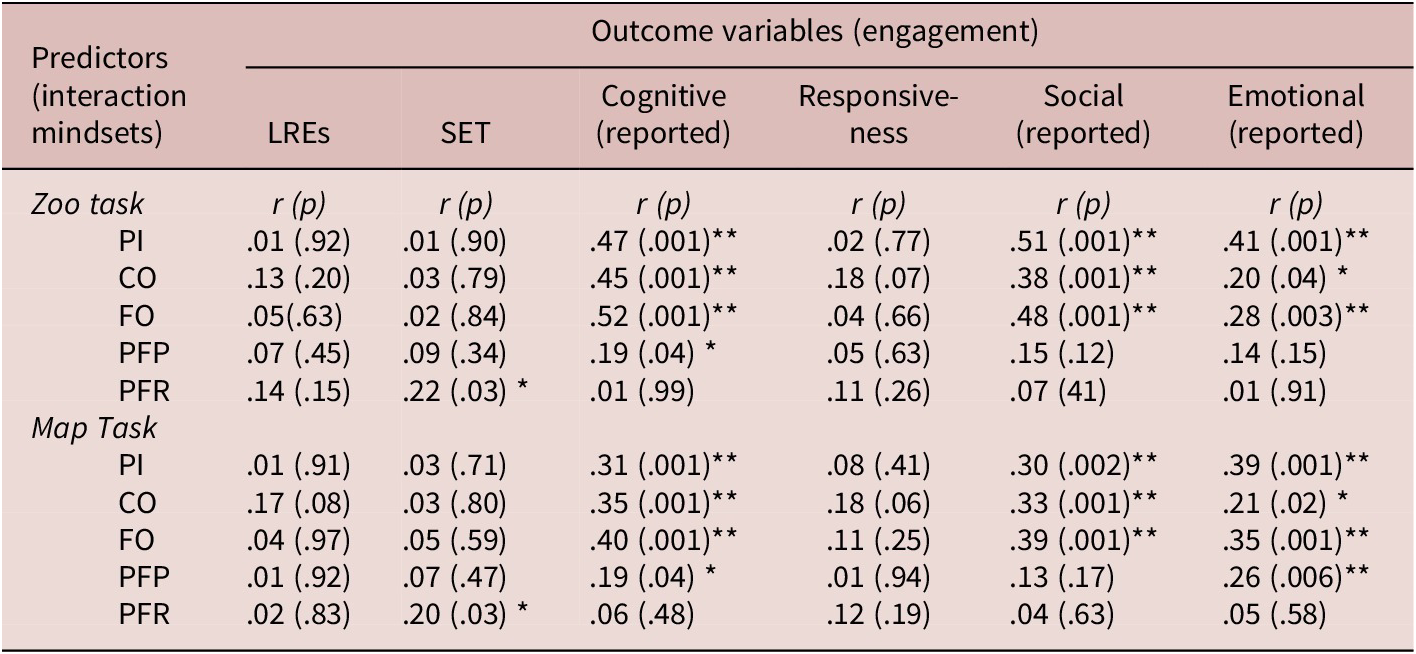
Table 2. Long description
The table is organized with predictors (interaction mindsets: PI, CO, FO, PFP, PFR) in rows under two main tasks (Zoo task and Map task). Across the top, outcome variables are LREs, SET, Cognitive (reported), Responsiveness, Social (reported), and Emotional (reported). For the Zoo task, PI shows significant positive correlations with Cognitive (.47, p=.001), Social (.51, p=.001), and Emotional (.41, p=.001) engagement. CO is significantly correlated with Cognitive (.45, p=.001), Social (.38, p=.001), and Emotional (.20, p=.04). FO is significantly correlated with Cognitive (.52, p=.001), Social (.48, p=.001), and Emotional (.28, p=.003). PFP is only significant for Cognitive (.19, p=.04). PFR is significant for SET (.22, p=.03). For the Map task, PI is significantly correlated with Cognitive (.31, p=.001), Social (.30, p=.002), and Emotional (.39, p=.001). CO is significant for Cognitive (.35, p=.001), Social (.33, p=.001), and Emotional (.21, p=.02). FO is significant for Cognitive (.40, p=.001), Social (.39, p=.001), and Emotional (.35, p=.001). PFP is significant for Cognitive (.19, p=.04) and Emotional (.26, p=.006). PFR is significant for SET (.20, p=.03). Double asterisks indicate significance at the .01 level, single asterisk at .05. All other correlations are non-significant.
Note: Peer interaction = PI; Collaboration = CO; Form orientation = FO; Peer feedback provision = PFP; Peer feedback reception = PFR; ** and * = significant at the .01 and .05 levels, respectively
All predictors met the linearity assumption, and collinearity diagnostics indicated no issues with multicollinearity or interdependence among the predictors. The regression analyses were then conducted and the results are summarized in Tables 3, 4, and 5.
Regression Models: Interaction Mindsets and Cognitive Engagement

Table 3. Long description
Starting from the top, the table is divided into two main sections: Zoo task and Map task. For the Zoo task, the first model is Semantically engaged talk-SET, with predictor P F R showing B equals 1.989, S E equals 0.88, b equals 0.22, t equals 2.24, p equals 0.01. The second model, Reported cognitive engagement, lists four predictors: P I with B 0.45, S E 0.20, b 0.24, t 2.21, p 0.02; C O with B 0.26, S E 0.07, b 0.31, t 3.58, p 0.01; F O with B 0.38, S E 0.18, b 0.25, t 2.15, p 0.03; and P F P with B 0.06, S E 0.08, b 0.06, t 0.72, p 0.46. For the Map task, the Semantically engaged talk-SET model shows P F R with B 1.16, S E 0.55, b 0.20, t 2.11, p 0.03. The Reported cognitive engagement model includes P I with B 0.13, S E 0.25, b 0.06, t 0.51, p 0.60; C O with B 0.20, S E 0.09, b 0.23, t 2.30, p 0.02; F O with B 0.43, S E 0.22, b 0.25, t 1.20, p 0.04; and P F P with B 0.01, S E 0.10, b 0.01, t 0.15, p 0.87. Statistically significant predictors (p less than 0.05) are P F R, P I, C O, and F O in various models. Abbreviations are defined as follows: P I is peer interaction, C O is collaboration, F O is form orientation, P F P is peer feedback provision, and P F R is peer feedback reception.
Note: Peer interaction = PI; Collaboration = CO; Form orientation = FO; Peer feedback provision = PFP; Peer feedback reception = PFR
Regression Models: Interaction Mindsets and Social Engagement

Table 4. Long description
The table is divided into two main sections: Zoo task and Map task. For each, reported social engagement is the outcome variable. Under Zoo task, predictors are PI, CO, and FO. For PI, B is 0.65, S E is 0.20, b is 0.36, t is 3.21, p is 0.002. For CO, B is 0.19, S E is 0.07, b is 0.23, t is 2.71, p is 0.008. For FO, B is 0.21, S E is 0.18, b is 0.14, t is 1.19, p is 0.24. Under Map task, for PI, B is 0.09, S E is 0.22, b is 0.05, t is 0.43, p is 0.66. For CO, B is 0.16, S E is 0.08, b is 0.21, t is 2.16, p is 0.03. For FO, B is 0.40, S E is 0.19, b is 0.27, t is 2.13, p is 0.03. Significant predictors (p less than 0.05) are PI and CO for Zoo task, and CO and FO for Map task. Table columns are Outcome variable (engagement), Predictors (interaction mindsets), B, S E, b, t, and p. Abbreviations: PI is Peer interaction, CO is Collaboration, FO is Form orientation.
Note: Peer interaction = PI; Collaboration = CO; Form orientation = FO; Peer feedback provision = PFP; Peer feedback reception = PFR
Regression Models: Interaction Mindsets and Emotional Engagement

Table 5. Long description
The table is divided into two main sections: Zoo task and Map task. For the Zoo task, under reported emotional engagement (Model 7), three predictors are listed. PI has B 0.67, S E 0.20, b 0.41, t 3.26, p 0.001, indicating a significant positive effect. CO has B 0.08, S E 0.07, b 0.11, t 1.11, p 0.26, and FO has B 0.05, S E 0.17, b 0.04, t 0.31, p 0.75, both not significant. For the Map task, under reported emotional engagement (Model 8), four predictors are listed. PI has B 0.45, S E 0.22, b 0.26, t 2.05, p 0.04, showing a significant effect. CO has B 0.05, S E 0.08, b 0.07, t 0.65, p 0.52, FO has B 0.15, S E 0.19, b 0.11, t 0.80, p 0.43, and PFP has B 0.12, S E 0.09, b 0.13, t 1.30, p 0.20, all not significant. Significant results are only found for PI in both tasks.
In Table 3, the regression models (Models 1 and 3) revealed that peer feedback reception (PFR), as a component of mindsets, statistically predicted learners’ cognitive engagement, as measured by SET, in both the Zoo task (F1, 104 = 5.03, p = .01, R2 = .04) and the Map task (F1,104 = 4.45, p = .03, R2 = .04). In addition, while the regression models (Models 2 and 4) were significant for both the Zoo task (F4, 101= 14.98, p < .001, R2 = .37) and the Map task (F4, 101 = 6.42, p < .001, R2 = .20), only FO (form orientation) and CO (collaboration) significantly predicted learners’ self-reported cognitive engagement. PFP (peer feedback provision) was not a significant predictor in either task, while PI (peer interaction) was significant in the Zoo task but not in the Map task.
In Table 4, both regression models were significant, with CO (collaboration) predicting learners’ self-reported social engagement in both the Zoo task (F3, 102 = 17.51, p < .001, R2 = .34) and Map task (F3, 102 = 8.06, p < .001, R2 = .19). PI (peer interaction) was a significant predictor in the Zoo task but not in the Map task, while FO (form orientation) was significant in the Map task but not in the Zoo task.
Table 5 shows that PI (peer interaction) was the only significant predictor of learners’ self-reported emotional engagement in both the Zoo task (F3, 102 = 7.22, p < .001, R2 = .18) and Map task (F4,101 = 5.67, p < .001, R2 = .18).
RQ1b. Learners’ interaction mindsets and lexical learning
To examine the predictive relationship between learners’ interaction mindsets and lexical learning, point-biserial correlations were conducted between interaction mindsets scores (a continuous variable) and lexical learning scores (a categorical variable).
In Table 6, the results showed that only PFP (Peer Feedback Provision) was significantly correlated with the lexical learning, so a generalized linear mixed-effects logistic regression was performed.
Correlation Between Interaction Mindsets and Lexical Learning

Table 6. Long description
The table has two rows and six columns. The header row lists outcome variable at the far left and predictors (interaction mindsets) to the right: P I, C O, F O, P F P, and P F R. The second row, under outcome variable ‘Lexical learning’, lists the following values for each predictor from left to right: P I is point one four with point eight five in parentheses, C O is point eight six with point three eight in parentheses, F O is one point eight five with point zero six in parentheses, P F P is four point five zero with point zero zero one in parentheses and three asterisks as superscript, and P F R is one point one two five with point two six in parentheses. The highest correlation is for P F P, marked as statistically significant.
In Table 7, the regression model showed an overall significant effect, which indicates that the amount of peer feedback perceived to be received by learners during interaction was significantly predictive of their subsequent lexical learning.
Generalized Linear Mixed-Effects Logistic Regression: Interaction Mindsets and Lexical Learning Gains

Table 7. Long description
The table presents results from a generalized linear mixed-effects logistic regression analyzing the effect of interaction mindsets on lexical learning gains. The header row lists outcome variable on the left and predictor columns labeled B, S E, z, and p. The single data row reports peer feedback provision as the outcome variable, with B equal to 0.20, S E equal to 0.08, z equal to 2.70, and p equal to 0.007, indicating a statistically significant positive effect.
RQ2a. Learners’ perceptions of tasks and task engagement
To examine learners’ perception of tasks and its relationship to their task engagement, both qualitative data (i.e., debriefing interviews) and quantitative data (i.e., interaction data) were analyzed. The results of the debriefing interview analysis showed that learners (98.11%; n = 104) holistically viewed both tasks positively mostly because they matched their preference and expectations (Excerpt 1), except for two learners who had neutral perceptions, reasoning that they “had done similar tasks before in their classrooms” (Participant PS17). None of the participants expressed negative perceptions of either task.
Excerpt 1. Learners’ positive perceptions of Map and Zoo tasks.
In general, we really liked those interactive tasks because they were something we rarely did frequently in our classes. We often did a lot of grammar exercises and individual tasks (e.g., reading comprehension) to prepare for the exams. But, they were boring because we did them all the time. We preferred something like these communicative tasks to improve our English, especially our speaking skills. We were very weak at speaking.
(Participant PT24)When asked further whether any features of the two tasks had an impact on their engagement, all learners converged on agreeing that they had different foci when completing two tasks despite their shared task goal (Excerpt 2).
Excerpt 2. Learners’ perceived different foci in two tasks.
The [two] tasks required different things, so we had to make sure together we achieved what they asked for. For example, Task 1 [Zoo Task] …there were so many things [items, structures, and animals] to consider, so we had to think together a lot how to best place them to make a good plan [of the zoo]. It required a lot of thinking and discussion. However, Task 2 [Map task], the key was the confirmation of the information between us because we had to ask so many questions back and forth to find out the differences. It did not require hard thinking but collaborating and asking questions each other to find out the locations of things were crucial. Otherwise, there is no way to complete it.
(Participant PT10)Excerpt 2 shows that in the Zoo task learners focused on organizing the best zoo layout using the given resources (animals, items, facilities), whereas the Map task required exchanging and confirming information to identify differences between past and present maps. The learners emphasized that asking questions and following up were essential to completing the task. Otherwise, “there is no way to complete it.” Notably, all participants also stated that both tasks required collaboration (rather than individual or competitive stance/interaction) and thus they had a shared goal between them despite the tasks themselves being different. This collaborative stance/interaction was also reflected in Excerpt 2, in which multiple phrases/words such as “together”, “collaborating”, “we”, “confirmation between us”, “asking each other” (see bold/highlighted sentences in Excerpt 2) were used to describe their shared goal of the tasks. This revealed that all participants viewed their partner’s contribution or involvement as an indispensable part to complete their shared task goal and thus interacted collaboratively rather than competitively or individualistically.
To quantitatively examine the potential impact of task type on learners’ engagement, MANOVA (Pillai’s trace) was then performed ( Table 8).
Descriptive Statistics and Follow-Up Univariate Tests: Task Type and Task Engagement

Table 8. Long description
Starting from the top row, columns are: Task engagement type, Measure, Zoo task mean (M) and standard deviation (SD), Map task M (SD), F, p, eta p squared, observed power, and direction. For Cognitive engagement, L R E s: Zoo task 9.16 (5.77), Map task 8.74 (5.14), F 0.56, p 0.45, eta p squared 0.01, observed power 0.11, direction Z T greater than M T. For Cognitive engagement, S E T: Zoo task 19.77 (12.39), Map task 9.25 (7.67), F 109.95, p less than 0.001, eta p squared 0.51, observed power 1.00, direction Z T greater than M T, double asterisk. For Cognitive engagement, Self-reported: Zoo task 5.18 (0.84), Map task 5.20 (0.94), F 0.09, p 0.77, eta p squared 0.01, observed power 0.08, direction Z T less than M T. For Social engagement, Responsiveness: Zoo task 25.26 (20.95), Map task 32.01 (18.15), F 18.09, p less than 0.001, eta p squared 0.15, observed power 0.99, direction Z T less than M T, double asterisk. For Social engagement, Self-reported: Zoo task 5.42 (0.83), Map task 5.40 (0.81), F 0.17, p 0.77, eta p squared 0.68, observed power 0.01, direction Z T greater than M T. For Emotional engagement, Self-reported: Zoo task 5.48 (0.75), Map task 5.46 (0.80), F 0.09, p 0.76, eta p squared 0.01, observed power 0.06, direction Z T greater than M T. Notes: Z T equals Zoo task, M T equals Map task, double asterisk indicates p less than 0.001, S E T equals Semantically engaged talk, L R E s equals language-related episodes.
Note. ZT = Zoo task; MT = Map task; * p < .001; SET = Semantically engaged talk; LREs = language-related episodes
In Table 8, MANOVA yielded a significant main effect with large effect size, V = .63, F(1,105) = 28.39, p < .001, ηp2 = .63. Follow-up univariate tests showed that there were statistically significant effects of task type on two measures of task engagement: semantically engaged talk (SET) and responsiveness. Table 8 shows that learners’ cognitive engagement, as measured by SET, was significantly greater in the Zoo task than in the Map task. Meanwhile, their social engagement, as measured by responsiveness, showed the opposite pattern, being greater in the Map task than in the Zoo task. Taken together, the results revealed that while learners holistically viewed both tasks positive and collaborative, their focus differed due to their perceived task features (Excerpt 2). The quantitative results aligned with the qualitative findings, indicating that learners placed greater emphasis on discussing ideas and content in the Zoo task (with SET being the significant predictor of their task engagement) and on exchanging information in the Map task (with responsiveness being the significant predictor of their task engagement).
RQ2b. Learners’ task engagement and task completion
To explore the relationship between learners’ task engagement and task completion, we constructed two logistic regression models for the two tasks: Zoo and Map tasks, and the results are summarized in Table 9.
Logistic Regression Models: Task Engagement and Task Completion

Table 9. Long description
The table presents logistic regression models for task completion, divided into Zoo task (Model 1) and Map task (Model 2). For each model, predictors are listed in the leftmost column: L R Es, S E T, Responsiveness, Cognitive (self-reported), Social (self-reported), and Emotional (self-reported). For each predictor, columns display B, S E, Wald, p, and Exp B. In Model 1 (Zoo task), Responsiveness has B 0.04, S E 0.02, Wald 4.18, p 0.04 (significant at 0.05), Exp B 1.04. Other predictors are not significant. In Model 2 (Map task), Responsiveness has B 0.05, S E 0.02, Wald 7.47, p 0.01 (significant at 0.01), Exp B 1.05. Other predictors are not significant. Significance is marked with a single asterisk for p less than 0.05 and double asterisks for p less than 0.01. Task completion is coded as completed versus partially completed. Task engagement variables are continuous.
Note: Task completion variable has two levels (completed versus partially completed); task engagement variables are continuous; ** and * = significant at the .01 and .05 levels, respectively.
Both logistic regressions were statistically significant. Model 1 yielded χ2(6) = 18.29, p <.01, explaining 24.4% of the variance in task completion (Nagelkerke’s R2) and correctly classifying 78.3% of cases; χ2(6) = 16.70, p = .01. Model 2 yielded χ2(6) = 16.69, p = .0, explaining 20.0% of the variance (Nagelkerke’s R2) and correctly classifying 74.5% of case. Table 9 shows that in both Zoo and Map tasks, only learners’ responsiveness was a significant predictor of their task completion. In other words, increasing learners’ responsiveness was associated with an increased likelihood of fully completing the task.
Discussion
Complex relationships between interaction mindsets and learner engagement
Overall, the results evidenced a direct link between learners’ interaction mindsets and task engagement, particularly through their semantically engaged talk (SET) measure and self-reported engagement. These results generally align with previous research that documented the impact of positive interaction mindsets on learners’ interactional behaviors (e.g., discussion of language issues) and interactional patterns (e.g., peer collaboration and frequent feedback exchanges) (Sato, Reference Sato2022; Sato & McDonough, Reference Sato and McDonough2020). Thus, from an SIT perspective, we argue that when learners possess positive interaction mindsets, it is likely to lead them to form a collaborative and socially interdependent stance rather than competitive or individualistic interaction, and this is thus likely to result in a higher level of cognitive, social, and emotional engagement.
Despite the overall significant link, when considering the relationships between the five sub-dimensions of interaction mindsets and the three sub-dimensions of learners’ task engagement, the results revealed more complex patterns. Dimensions of interaction mindsets were generally not associated with learners’ task engagement measured by discourse analytic measures (e.g., LREs and instances of responsiveness), except for SET (semantically engaged talk). Only one dimension of interaction mindsets (i.e., peer feedback reception) predicted SET (i.e., a cognitive dimension of engagement). The significant link between peer feedback reception (PFR) and SET indicates that when learners have positive perceptions regarding receiving or accepting peer feedback, they are more likely to engage semantically with each other’s ideas during task performance. The non-significant links between other discourse-analytic measures of task engagement (i.e., LREs and responsiveness) and the five dimensions of interaction mindsets suggest a potential incongruence between the discourse-analytic measures of task engagement and self-reported measures of interaction mindsets. This potential methodological issue was noted by Hiver and Dao (Reference Hiver and Dao2025a), who reported divergent results stemming from differences between discourse-analytic and self-reported measures of learner engagement.
However, when self-reported measures of task engagement were used, the results revealed several significant predictive associations between three dimensions of engagement (i.e., cognitive, social, and emotional) and five dimensions of interaction mindsets. These results support a strong predictive association between multiple dimensions of interaction mindsets and all three dimensions of task engagement. In other words, positive interaction mindsets in terms of form orientation (FO), collaboration (CO), and peer interaction (PI) can result in higher cognitive, social, and emotional engagement. Methodologically, the alignment between self-reported measures of task engagement and interaction mindsets, and their divergence from discourse-analytic measures, highlights the need to carefully consider how mindsets and task engagement are measured. Arguably, as Hiver and Dao (Reference Hiver and Dao2025a) suggested, both discourse-analytic and self-reported measures are valuable: the former capture observable interactional behaviors (etic perspective), while the latter reveal unobservable, emic perceptions, which makes them complementary.
Notably, the discourse-analytic measures of task engagement exhibited very large standard deviation values in both tasks as compared to the self-reported values. These large standard deviations are potentially because discourse-analytic measures of task engagement (a) capture more fine-grained, moment-to-moment variation in observable behaviors and (b) are often highly sensitive to contextual and situational factors (e.g., task interaction), so this potentially results in greater dispersion of the scores/values of engagement. Meanwhile, the self-reported measures of task engagement rely on retrospective and global/aggregated perceptions of task engagement and are susceptible to ceiling effects as well as the limited scale resolution (i.e., fixed responses in the Likert-scale of task engagement), which could therefore reduce variability and thus produce more homogeneous responses. These differences indicate that the discourse-analytic and self-reported measures of task engagement might have tapped into two different facets of task engagement, with the former capturing “observable” engagement and the latter capturing “perceived” engagement. However, this discrepancy needs to be interpreted with caution, and it highlights the importance of considering discourse-analytic and self-reported measures as complementary rather than directly comparable indicators of engagement, as noted above.
Direct link between learners’ interaction mindsets and lexical learning
The results revealed a significantly predictive and direct link between learners’ interaction mindsets and their lexical learning. As previous research had not directly addressed this link, these results provided the first but important evidence for the predictive power of learners’ interaction mindsets on learners’ lexical learning. In other words, learners with positive interaction mindsets prior to their interaction are more likely to learn lexical items through task interaction. It should be noted that L2 learning was operationalized narrowly as incidental lexical learning in this study, so it is unclear whether interaction mindsets are linked to the learning of other linguistic features beyond vocabulary. Additionally, previous research (e.g., Sato, Reference Sato2017) suggested that L2 learning (e.g., learning of a linguistic feature and vocabulary productivity), which was linked to learners’ interactional behaviors (e.g., feedback and collaborative interaction patterns), was mediated by interaction mindsets. While this study did not examine the indirect impact of interaction mindsets on lexical learning through the mediator (i.e., learner engagement), it is also possible that learners’ task engagement may mediate the relationship between interaction mindsets and lexical learning. That is, prior to and/or during the interaction, learners’ overall attitudes and dispositions toward the task (e.g., task goals and task features), the interlocutor, and the interaction generated by the task, termed interaction mindsets, shape the extent to which learners actively engage in tasks, and this task engagement, in turn, affects learning outcomes. For example, learners with more collaborative interaction mindsets may allocate greater attention and cognitive resources (cognitive engagement), heighten their collaboration for completing the task (social engagement), and experience more positive emotions (emotional engagement) during task activities, which together facilitate the lexical learning. This potential mediating role of task engagement highlights the importance of considering how learners’ mindsets translate into observable engagement behaviors, which in turn are likely to result in L2 learning. Previous research has documented that this lexical learning is significantly predicted by learners’ task engagement (Hiver & Dao, Reference Hiver and Dao2025a), so we tentatively suggest that interaction mindsets directly predict lexical learning, which could be potentially mediated by learner engagement.
Notably, while interaction mindsets predicted lexical learning, none of its sub-dimensions (e.g., peer interaction (PI), form orientation (FO), and peer feedback reception (PFR) showed direct predictive links, except for Peer feedback provision (PFP). These results suggest that the amount of peer feedback perceived to be received by learners during interaction may be a key factor in facilitating subsequent lexical learning. Additionally, the perceptions of providing feedback to peers during interaction demonstrate a prominent aspect of social interdependence, as it requires collaboration and social interdependence between interlocutors. As argued at the outset of this study, it is necessary to adopt the social framing of learner factors (i.e., interaction mindsets), the learning process (i.e., task engagement), and learning outcomes (i.e., lexical learning) through a unified theory (e.g., SIT) to foreground learners’ social creation of meaning through interaction to complement the theoretical accounts of individual development (e.g., Atkinson & Taylor, Reference Atkinson and Taylor2025), and the results of this study validated this social framing by providing empirical evidence to support this direct link.
Learners’ task perceptions and their impact on engagement
The results showed learners’ positive holistic perceptions of tasks without any learners reporting negative perceptions, except for two learners with neutral perceptions. It is possible that the tasks in this study, which required genuine interaction, likely matched learners’ preferences for interactive activities (Excerpt 1) over individual, grammar-based tasks typical in their learning context, which thus led to their positive perceptions. Additionally, activating learners’ positive holistic perceptions of tasks is necessary to emotionally and socially prepare them to engage in peer task-based interaction (see Philp et al., Reference Philp, Adams and Iwashita2013), which is an essential condition, from the socio-cognitive interactionist perspective (see Mackey, Reference Mackey2007), for fostering productive interaction and learning. Thus, arguably, it is important to foster learners’ positive perceptions of tasks prior to task execution to pave the way for productive learner engagement.
Despite their overall positive perceptions of tasks, the learners stated different foci when completing the two tasks. These qualitative results were supported by the quantitative results, which showed statistically significant effects of task features (i.e., the task goal) on two measures of learner engagement: semantically engaged talk (SET) and responsiveness. Specifically, learners’ SET significantly predicted learner engagement in the Zoo task, which reflected learners’ greater emphasis on discussing ideas and content. Meanwhile, responsiveness significantly predicted learner engagement in the Map task, suggesting that learners concentrated more on exchanging information, so they had to respond to each other to complete the task. The findings that learners’ perceived foci in tasks align with their subsequent interactional behaviors (i.e., engagement) are consistent with the majority of previous task-based research that has documented the impact of learners’ perceptions of task goals and features on their interactional behaviors (Dao, Reference Dao2021; Bygate & Samuda, Reference Bygate, Samuda, Mackey and Polio2009). Thus, this study further supports the notion that task features, especially those perceived by learners as goals, strongly shape their focus and engagement.
Furthermore, according to SIT, the way goals are structured in tasks determines how individuals interact (e.g., collaboratively, competitively, or individualistically), which in turn shapes the outcomes of the situation (Johnson & Johnson, Reference Johnson and Johnson2005, Reference Johnson and Johnson2009). In this study, all participants reported that both tasks required collaboration (rather than individual or competitive engagement) (see Excerpt 2), meaning they shared a common goal when completing the tasks. This indicates that learners viewed their partner’s contribution as indispensable to achieving the shared task goal. In other words, their perceptions of the tasks as requiring collaboration (i.e., social interdependence) likely led them to interact collaboratively rather than competitively or individualistically. Thus, this study provides additional evidence supporting the claims of SIT that the structure of task goals determines how individuals interact, which in turn influences task engagement. While evidence supporting SIT exists in other fields (e.g., business and general education), this study is among the first to demonstrate its relevance to the L2 language learning domain, and thus highlights its value as a theoretical framework for understanding links among learner factors, L2 learning processes, and outcomes.
Direct link between social dimension of learner engagement and task completion
With a focus on understanding L2 learning processes, this study additionally examined the link between learner engagement and task completion. The results revealed that learners’ responsiveness was significantly predictive of their task completion in both tasks. These findings suggest that the required task elements of collaborative discussion to reach a consensus on the zoo’s design in the Zoo task and exchanging information in the Map task might have led learners to better respond to each other (i.e., to engage socially). This indicates the impact of task design on learners’ interactional behaviors (i.e., responsiveness), a result that strongly aligns with previous findings (Dao et al., Reference Dao2021). This finding also suggests that increasing learners’ responsiveness or social engagement through task design, when it is required for task completion, enhances the likelihood of fully completing the tasks.
Notably, while learner engagement was operationalized as comprising cognitive, social, and emotional components, the significant predictive link between social engagement (i.e., responsiveness) and learners’ task completion strongly supports the argument that the social dimension of the L2 learning process needs to be foregrounded more explicitly, rather than being implicitly assumed under the notion that all learning is socially situated. This emphasis should be considered alongside, and not overshadowed by, the predominant cognitive perspective and/or the recently emerging emotional perspectives in L2 research (e.g., Lambert et al., Reference Lambert, Aubrey and Bui2023). It should also be noted that the non-significant predictive links between the cognitive and emotional dimensions of learners’ engagement and task completion do not necessarily suggest that these dimensions are unimportant. They may still be directly linked to subsequent L2 learning, as demonstrated in previous research (Hiver & Dao, Reference Hiver and Dao2025a,Reference Hiver and Daob), but they might not be readily observable through task completion alone. Overall, we argue that the cognitive, emotional, and social dimensions need to be equally foregrounded, a perspective we believe aligns with both Johnson and Johnson’s (Reference Johnson and Johnson2009) SIT and Sato’s (Reference Sato2017) affective-social-cognitive model of L2 learning.
Theoretical and methodological implications
Based on the results of the current study, the links established within SIT are visually illustrated in Figure 3.
Established links of learner factors, L2 processes, and outcomes.
Note. Dashed and solid arrows are used interchangeably to enhance visual understanding. They all illustrate the links established this study.

Figure 3. Long description
From the left, two vertical ovals labeled Perceptions of tasks and Interaction mindsets anchor the diagram. Perceptions of tasks connects to Holistic task features, Perceived task interaction, and Perceived task goal. Interaction mindsets connects to Peer interaction (P I), Collaboration (C O), Form orientation (F O), Peer feedback reception (P F R), and Peer feedback provision (P F P). These learner factors feed into three central rectangular boxes labeled Emotional, Cognitive, and Social, representing L2 learning processes. All three processes point to Task engagement, an oval in the center-right. Task engagement leads to Task completion and Lexical L2 learning, both in rectangles on the far right. Lexical L2 learning also receives input from Peer feedback provision. Solid and dashed arrows indicate direct and indirect influences among all components, illustrating the established links in the study.
From a theoretical perspective, the results of this study provide empirical evidence to support the applicability of SIT in understanding learner factors, L2 learning processes, and L2 learning outcomes, especially at the level of task-based interaction. Most crucially, SIT lends strong support for highlighting the social dimension (i.e., social interdependence among L2 learners) in conceptualizing the links among (a) L2 learner factors→(b) task engagement→(c) task completion and/or L2 learning outcomes, and it brings together this social dimension with cognitive and emotional aspects through learner engagement to provide an interrelated and comprehensive insight into L2 learning processes and outcomes.
While serving as a useful framework for L2 research, the results of this study also point out conceptual and methodological benefits and issues associated with SIT, which merit further consideration. Regarding the benefits, while SIT was originally conceptualized and operationalized at a broader social psychological level, the results of this study suggest that it is possible to adopt this theory to investigate learner factors and L2 learning processes and outcomes at the task level. Also, this theory enables L2 scholars to conceptualize interaction mindsets and learners’ perceptions of task using its key principle: social interdependence (see the components of these variables in Figure 3 and Appendix 2 for how they were operationalized using the “social interdependence” principles). Furthermore, the results of this study highlight the complexities of the relationships among the focal variables (i.e., learner factors, task engagement, task completion, and learning outcomes), which suggests the need for caution against making broad assumptions about the links between them and instead advocates for a closer examination of the connections among their individual dimensions.
Despite the benefits, SIT presents issues that need to be addressed when applied to L2 research. First, the theory identifies a shared goal as the key factor that determines, for example, the occurrence of interaction patterns: competitive, cooperative, and individualistic. This study indicated that it was the combination of (a) the shared task goals, i.e., exchanging information to identify map differences (Map task) and discussing to reach a consensus on the zoo’s design (Zoo task), (b) the perceived patterns of interaction generated by the nature of the tasks (i.e., interactive tasks that require collaboration), and (c) a holistic view of task features that align with learners’ previous experiences (i.e., participants in this study preferred interactive tasks over grammar-focused and individual tasks) that together affect or determine how learners interact: competitively, cooperatively, or individualistically. Also, this combined effect was evident not only in the learners’ interaction patterns (competitive, cooperative, and individualistic) as manifested through social engagement but also in the cognitive aspect of interaction, as evidenced by the quantitative results (Table 8), and in the emotional aspect, as reflected in the qualitative data (98.11% of learners viewed the tasks as holistically positive). Thus, it is important not only to rely on the shared task goal, as indicated by SIT but also to consider learners’ perceptions of interaction generated by task features, as well as their previous experiences and task preference, to examine their engagement.
Second, aligning with SIT, learners’ interaction mindsets were operationalized as consisting of five components that highlight the social dimension (i.e., collaborative, competitive, and individualistic) (see Figure 3). The results of this study showed that peer feedback provision (PFP) perceived by learners was not statistically predictive of any dimension of learner’s task engagement. It is possible that when learners decide to provide feedback on a partner’s language issues during task interaction, it does not necessarily indicate mutual collaboration between the provider and the receiver of feedback. Rather, only when peer feedback is received by partners does it indicate the collaborative behaviors or the social interdependence among L2 learners. As such, peer feedback provision (PFP) perceived by learners might not be a strong indicator of positive interaction mindsets. Also, while the components of interaction mindsets in this study were operationalized at the task level, they are not explicitly linked to the shared goal of the task, so it might be more beneficial to include task-goal-related items in the interaction mindsets survey to better reflect this key principle when adopting SIT as a theoretical framework. Finally, while there appears to be both congruence and incongruence between the discourse analytic and self-reported measures of interaction mindsets and task engagement within SIT, this suggests that using both quantitative measures, supplemented or triangulated with qualitative data, is necessary, as it aligns with the multimethod approach, which is highly relevant in L2 research.
Conclusion
This study investigated the relationships between two learner factors, task engagement, and their links with task completion and L2 learning outcomes. Our results evidenced a direct predictive link between interaction mindsets and task engagement as well as lexical learning. This study also documented the predictive links between learners’ task perceptions and engagement, as well as a predictive relationship between social engagement and task completion. These results suggest some pedagogical implications. First, considering learners’ perceptions of tasks before and after task design is necessary, as these perceptions are closely linked to learner engagement. Caution is warranted in the context of large classes: while it may not be feasible to tailor instruction to the individual needs of every learner, it is possible to gain a general understanding of the types of tasks learners tend to view positively. For example, in L2 English learning contexts where opportunities for communication are limited outside the classroom, learners often hold more positive views of communicative tasks conducted in pairs or groups than of individual tasks (see Philp et al., Reference Philp, Adams and Iwashita2013; Dao et al., Reference Dao2021). Second, exploring learners’ interaction mindsets early on is also essential for classroom practice, as these factors are likely to influence their engagement. In other words, early exploration of and discussion with learners about their interaction mindsets can help raise awareness and foster more positive orientations toward interaction, with the goal of enhancing engagement and facilitating learning. Third, because learners’ (social) engagement is directly linked to task completion, it may be necessary to provide opportunities for learners to reflect on their interaction experiences (i.e., through reflective practice activities), which may in turn increase their engagement.
Admittedly, the study has limitations. First, the conceptualization and operationalization of two learner factors (i.e., interaction mindsets and learners’ task perceptions) within SIT was among the first try, which therefore requires more validation, especially on groups of participants beyond Vietnamese learners of L2 English. Second, this study framed SIT at the task level, so it is possible to test this theory beyond this task-related level (e.g., L2 learning level) in future research. Third, the conceptualization of task perceptions draws on the premises of SIT. On one hand, this enables cross-study comparison, especially among future studies that adopt SIT as a framework when investigating this same construct: task perceptions. On the other hand, because this conceptualization of task perceptions is constrained by the parameters of SIT, it may not be generalizable to other studies (e.g., task complexity research) that use different parameters to conceptualize this concept, and caution is needed when comparing studies that conceptualize and operationalize task perceptions differently. Additionally, due to the focus and scope of this study, the potential mediation effect of task type was not examined, so future research can add this important task factor into their conceptual framework and analyses to provide further insights. Finally, it should be acknowledged that the study’s experimental, laboratory setting may have limited its ecological validity, particularly by influencing learner behaviors, so future research could address this by using quasi-experimental designs in real classroom settings. Despite these limitations, this study provides insights into the complex but significant associations between interaction mindsets, task perceptions, task engagement, and L2 learning, and it highlights the applicability of SIT in L2 research.
Supplementary material
The supplementary material for this article can be found at http://doi.org/10.1017/S027226312610182X.
Acknowledgments
This research received a start-up funding from the Faculty of Education, University of Cambridge, awarded to the first author.
Declaration
We have used AI to proofread the manuscript.
Appendix 1. Private language centers and their English courses
Two private language centers where the current study was conducted were located in the South of Vietnam. These private language centers offered a variety of English courses for learners of different proficiency levels and age groups who reported varying purposes for attending these paid English lessons. They included, for example, improving general English proficiency to perform well in English exams at public schools, preparing for national university entrance exams, applying for jobs that require English communication skills, studying abroad for undergraduate or postgraduate studies, and for travel or entertainment purposes (e.g., watching movies in English or creating YouTube/TikTok videos in English as media micro-influencers). The curricula for English programs at these private language centers were both standardized and bespoke. The standardized curriculum was structured in two ways: IELTS Band score-based structure: English courses were organized and classified according to IELTS band score levels, for example, a 4.5–5.5 band score course, a 5.5–6.5 band score course, and a 6.5+ band score course. This structure aimed to help learners eventually sit for the IELTS exam and obtain a certificate after completing all courses designed within the curriculum. CEFR Level-Based Structure: English courses were also structured based on communicative English proficiency levels ranging from beginner to intermediate and advanced, according to the CEFR levels: A1/A2, B1/B2, and C1/C2. In addition to the standardized curriculum, the centers offered bespoke English courses tailored to learners’ specific needs. These included communicative English courses, work-related English courses, and intensive training in test-taking strategies (e.g., IELTS preparation).
The materials used across these curricula were a combination of commercially available textbooks, which were updated throughout the year as new materials became available. While there were no fixed criteria for textbook selection, academic managers reported using a holistic approach by matching course objectives with the textbook’s content, aims, and design, to make informed decisions. For the standardized curricula, communicative approaches such as Task-Based Language Teaching (TBLT) and Communicative Language Teaching (CLT) were reported to be used, though the extent to which these methods were fully embraced and implemented remained unclear. Teachers in these courses were either English teachers from public schools working in the evenings or independent teachers hired by the centers. There were no official formative assessments during the courses; however, learners were given a summative exam at the end of the course to determine their eligibility to progress to the next level. In the case of bespoke courses, such as IELTS test-taking strategy intensives, no official exams were administered at the center, but learners eventually sat for the official IELTS, and their results were used to assess the course outcomes. Both standardized and bespoke English courses were typically offered in the evenings after learners finished school or on weekends. Some classes, particularly bespoke courses, also took place during weekdays, usually at lunchtime or twilight hours, depending on learners’ availability.
Appendix 2. Conceptualization and operationalization of the five focal variables
Interaction mindsets were operationally referred to as learners’ “disposition toward the task and/or an interlocutor prior to and/or during the interaction” (Sato, Reference Sato2017, p. 250; see also Sato & McDonough, Reference Sato and McDonough2020; Sato & Storch, Reference Sato and Storch2022). While Sato’s definition of interaction mindsets does not explicitly mention learners’ disposition toward language use, his operationalization of this construct included a focus on language use, especially in the components of form orientation, feedback provision, and reception. To fully reflect the operationalization of the construct and more clearly contextualize the setting of L2 learning, namely, the interaction at the level of task (instead of the classroom), interaction mindsets in this study was perceived as learners’ disposition toward the task, their interlocutor, and language use prior to engaging in task-based interaction that is generated by the performance of an interactive task. While interaction mindsets can be fluid, dynamic, and malleable during task-based interaction, as acknowledged in earlier research (Sato, Reference Sato2017), in this study it was only assessed before the learners began their task performance. Therefore, we emphasized learners’ interaction mindsets prior to the task-based interaction, rather than prior to and/or during the interaction, a subtle but important distinction and a limitation in the conceptualization and operationalization of interaction mindsets, which we acknowledged in the study. As originally proposed by Sato (Reference Sato2017), interaction mindsets are distinctively different from psychological mindsets, which are often operationalized as either a fixed or growth mindsets based on implicit theories (Dweck, Reference Dweck2006), and from language learning mindsets, which primarily concerns learners’ perceptions of their language ability as influenced by both inherent aptitude and controllable elements (Mercer, Reference Mercer and Gao2019). Componentially, interaction mindsets are multifaceted, consisting of five components that reflect the “social interdependence” among learners and the “language-related” focus: (a) learners’ dispositions regarding pair/group work interaction (i.e., peer interaction), (b) collaboration in tasks, (c) attention to language form and use, (d) provision of peer feedback, and (e) reception of peer feedback during task-based interaction (see the Interaction Mindsets Questionnaire below for a detailed operationalization of these components).
Task engagement was conceptualized as learners’ heightened involvement in multiple aspects of task-based interaction, including cognitive, social, and emotional engagement. It should be acknowledged that other dimensions of engagement, such as behavioral engagement (Philp & Duchesne, Reference Philp and Duchesne2016) and agentic engagement (Reeve & Tseng, Reference Reeve and Tseng2011), have also been incorporated into learner engagement models. However, they were not considered in the current study, given the argument that behavioral engagement is actually the manifestation of other engagement dimensions (i.e., social, cognitive, and emotional) (Dao, Reference Dao2024), and that agentic engagement is more relevant to learners’ proactive actions to transform the instruction given to them at a broader instructional level, rather than at the task level, which was the focus of the current study. Following the multimethod approach (Hiver & Dao, Reference Hiver and Dao2025a,Reference Hiver and Daob), all dimensions of task engagement in the current study were captured via two types of measures: discourse analytic measures and self-reports. Based on the discussion of the conceptualization of each task engagement dimension above, cognitive engagement was operationally focused on two main aspects: language- and content-related aspects. Discourse-analytic measures of language- and content-related cognitive engagement were LREs and semantically engaged talk (SET) (Dao et al., Reference Dao2021), respectively. The discourse analytic measure of social engagement was instances of responsiveness (Dao et al., Reference Dao2021). Finally, cognitive, social, and emotional aspects of task engagement were also captured through self-report using Dao et al.’s (Reference Dao2021) validated questionnaire on learner engagement at the task level.
Following a holistic approach and guided by Social Interdependence Theory (Deutsch, Reference Deutsch1949, 1962; Johnson & Johnson, Reference Johnson and Johnson2005, Reference Johnson and Johnson2009), learners’ task perception was conceptualized as their holistic, subjective view of the task as a whole (i.e., negative, positive, or neutral) in relation to (a) a shared task goal and (b) the prospective patterns of interaction elicited by the task (collaborative, competitive, or individualistic). Methodologically, this holistic task perception was operationalized as comprising three levels of perception (i.e., positive, neutral, and negative) of the aforementioned aspects. Admittedly, this categorical operationalization of learners’ task perceptions was not without issues, given that it did not provide learners with any specific criteria to assess how they perceive the tasks. However, this holistic approach to operationalizing task perceptions arguably enables learners to use their own personal perspective to perceive (a) task features, (b) task goals, and (c) prospective interaction patterns using their previous or existing experience without any potential top-down influences from existing task evaluation frameworks. As such, it could provide a holistic assessment of the tasks, an approach that is feasible and relevant to provide pedagogical implications for teachers when it comes to task evaluation. Arguably, drawing on Social Interdependence, the way a learner perceives the goals and features of tasks, particularly in relation to their perception of their partner’s involvement and prospective interaction patterns in achieving mutual goals, shapes how they interact with peers either collaboratively, competitively, or/and individualistically, and these categories of interaction patterns, guided by social interdependence theory, ultimately determine task outcomes (e.g., task completion and L2 lexical learning). It should be noted that one might argue that learners’ perceptions of tasks, operationalized at three levels (i.e., negative, neutral, and positive), potentially overlap with the notion of ‘emotions’ that emerge from task performance, which are considered an indication of emotional engagement (Hiver & Wu, Reference Hiver, Wu, Lambert, Aubrey and Bui2023). However, learners’ task perceptions are limited to their interpretations of the task as a whole and its features, whereas emotional engagement is a response to various sources and factors (e.g., partners and interaction processes) that arise during task performance and extend beyond the task itself. Therefore, there is a clear distinction between learners’ perceptions of tasks and the construct of emotional engagement operationalized in this study.
As for the task completion variable (see the detailed description of Zoo task and Map task used in this study in Appendix 8), we categorized it into two levels: partially completed and completed. For the Zoo task which asks learners to sketch a zoo outline, the completed category referred to participants’ submission of a complete design sketch of the Zoo using all items (i.e., trees, animals, and facilities) provided in the task materials at the end of the task, whereas the partially completed category referred to submissions that did not include all the items. For the Map task, the completed category referred to participants identifying all seven target differences between the two maps. When participants were able to identify some, but not all, of the target differences, their performance was coded as partially completed. It should be noted that there is an argument that task completion can be considered an indicator of behavioral engagement (Hiver & Wu, Reference Hiver, Wu, Lambert, Aubrey and Bui2023). However, engagement in general (including behavioral engagement) is a process-based construct that reflects the ongoing process of how a learner engages in task performance. Meanwhile, task completion is arguably more of a product-based construct that indicates the outcome of engagement and task performance; thus, it is plausible to conceptualize and operationalize it as an outcome of the task performance and learning process, an approach adopted in this study.
Finally, in this study, L2 learning gains, measured by the pre-/post-tests (see the description of the pre-/post-tests below), were operationalized narrowly as incidental learning of lexical knowledge of words seeded in the tasks (see Appendix 4 for description and explanation regarding the operationalization of L2 learning as incidental lexical learning).
Appendix 3. Interaction Mindsets questionnaire
Interaction Mindsets: Cronbach’s alpha and confirmatory factor analysis: model fit indices

Table 10. Long description
At the top, the table reports overall Cronbach’s alpha equals point seven seven. The first section, Peer interaction, includes four items: enjoyment of interactive tasks with classmates, perceived helpfulness for improving English, preference for group work, and liking to talk to classmates during interactive tasks. The next section, Collaboration, lists four items: collaborating with classmates to practice English, helping classmates improve, caring about classmates’ improvement, and viewing collaborative work as necessary for English improvement. The Form orientation section contains four items: focusing on classmates’ language use, importance of correct English, noticing mistakes, and attention to English usage. The Provision of peer feedback section has three items: thinking it is rude to correct mistakes (RI), believing corrections interrupt performance (RI), and feeling comfortable correcting mistakes. The final section, Reception of peer feedback, includes three items: feeling embarrassed when corrected (RI), doubting accuracy of corrections (RI), and believing classmates should not correct mistakes (RI). RI denotes reversed item.
RI: Reversed item
Appendix 4. Model fit indices and structure of interaction mindsets
To assess its validity, confirmatory factor analysis (CFA) was performed. Fit indices (χ2, CFI, TLI, SRMR, RMSEA) indicated an acceptable model fit for the Interaction Mindsets structure (see the Table below). The Interaction Mindsets questionnaire also demonstrated an overall acceptable reliability (Cronbach’s α = .77).

Table 11. Long description
From the top row downward, the table presents: Chi-square, denoted as chi-squared with degrees of freedom in parentheses and p-value, showing 4.97 with 3 degrees of freedom and p equals point one seven. Comparative Fit Index, labeled C F I, with a value of point nine eight. Tucker Lewis Index, labeled T L I, with a value of point nine four. Standardized Root Mean Square Residuals, labeled S R M R, with a value of point zero three. Root Mean Square Error of Approximation, labeled R M S E A, with a value of point zero seven. Each statistic is paired with its value in adjacent columns.
Structure of Interaction Mindsets
Note: PI = Peer interaction; CO = collaboration; FO = Form orientation; FBP = Feedback provision; FBR = Feedback reception

Figure 4. Long description
At the top center is an oval labeled Interaction Mindset with the value 1. Five arrows extend downward to five rectangles, ordered left to right as P I with value 12, C O with value 10, F O with value 4.6, F B P with value 3, and F B R with value 5.7. Each arrow is labeled with a coefficient: .47 to P I, .61 to C O, .62 to F O, .26 to F B P, and .53 to F B R. Beneath each rectangle is a circle labeled epsilon sub 1 to epsilon sub 5, with values .78, .63, .62, .93, and .26 respectively. Additional arrows connect epsilon sub 1 to P I with .58, and epsilon sub 4 to epsilon sub 5 with .26. The diagram illustrates structural relationships among interaction types and their associated error terms.
Appendix 5. Learners’ task engagement questionnaire: Reliability and validity
Emotional engagement
I felt that the task was enjoyable to do.
I felt excited while I was doing the task.
I felt contented while I was doing the task.
I felt interested while I was doing the task.
I felt discouraged while I was doing the task.
I felt that the task was tedious.
I felt bored while I was doing the task.
Social engagement
I collaborated with my partner during the interaction.
I felt my partner collaborated with me during the interaction.
I responded to my partner’s opinions during the interaction.
I felt my partner responded to my opinions during the interaction.
I helped my partner with language problems during the interaction.
My partner helped me with language problems during the interaction.
I responded to my partner’s request of language help.
My partner responded to my request of language help.
Cognitive engagement
I attended to my own language issues during the interaction.
I attended to my partner’s language issues during the interaction.
I provided feedback on my partner’s language issues during the interaction.
I attended to my partner’s opinions on language in order to complete the task.
I thought hard to contribute ideas to complete the task.
I thought hard about my partner’s contributing opinions/ideas during the interaction.
I always justified my opinions during the interaction.
I provided a lot of ideas to contribute to the task.
Reliability and validity
To test the psychometric validity of the engagement questionnaire, an unweighted least squares (ULS) estimator was used to fit a three-factor model, and the results yielded a strong overall fit: χ2 (402) = 661.436, p < .001; CFI = .98; TLI = .97, RMSEA = .078; SRMR = 0.09, with all standardized factor loadings satisfying established benchmarks for quality. Cronbach’s alphas were high across all dimensions of task engagement for both tasks: for the Zoo task: cognitive (α = .91), social (α = .95), and emotional engagement (α = .90); and for the Map task: cognitive (α = .94), social (α = .92), and emotional engagement (α = .92).
Appendix 6. Interview prompts
The interview prompts were designed to elicit participants’ personal viewpoints (i.e., emic perspective) for a more nuanced understanding of the relationships among the key variables of the study: interaction mindsets, task engagement, learners’ task perceptions, task completion, and incidental learning (i.e., lexical acquisition). Based on these objectives of the study, interview prompts were developed, including, for example, the following questions:
-
• What do you think about the tasks and whether they affected how you see/perceive the tasks and how you engage? If so, why? If not, why not?
-
• What were the main factors affecting your engagement in the performance of the two tasks? Please explain how they affected your engagement.
-
• What do you think about the benefits or values of interacting with friends in tasks prior to your task performance? How did those perceptions about task interaction with partners affect your engagement and learning in tasks?
-
• What have you learned from performing the tasks in terms of language features? Please provide examples, if there are any.
-
• Is there anything else you would like to share about your experience in performing the two tasks?
Follow-up questions were also asked based on the participants’ responses to further clarify their views on the impact or causal relationship among the key variables of the study.
Appendix 7. Incidental lexical learning and pre-/post-tests
In this study, L2 learning gains, measured by the pre-/post-tests, were operationalized narrowly as incidental learning of lexical knowledge of words seeded in the tasks. According to Nation’s (2001, 2022) framework of vocabulary knowledge, three fundamental elements of lexical knowledge include knowledge of form, meaning, and use. Critical to the focus of this study was the establishment of form-meaning associations for target lexical items during task-based interaction that enable participants to recall the meaning of words that they encounter and produce appropriate words when they wish to convey a specific meaning. The focus on this form-meaning mapping as the target of the operationalized L2 learning was deemed appropriate for this study, given that seeded target lexical items were expected to be used to complete the task and thus they could be potentially used and incidentally learned during task-based interaction. Arguably, participants’ engagement in task interaction was to play a role in the establishment of these form-meaning associations (Lambert et al., Reference Lambert, Lambert, Aubrey and Bui2023; Lambert & Aubrey, Reference Lambert and Aubrey2025). However, the narrow operationalization of lexical meaning, particularly focused on form-meaning mapping rather than knowledge of word use, was acknowledged as a limitation of this study. Nevertheless, this definition aligns with previous research that employs similar operationalizations of L2 or lexical learning, thereby allowing for cross-study comparisons (Hiver & Dao, Reference Hiver and Dao2025a,Reference Hiver and Daob; Lambert et al., Reference Lambert, Lambert, Aubrey and Bui2023; Qahl & Lambert, Reference Qahl and Lambert2025).
Pre-/post-tests
Pre-/post-tests featured a format of a combined form and meaning recall of 45 target vocabulary items that were seeded in both interactive tasks. The pre-/post-test consisted of two parts. In the first part, participants listened to recordings of the words and wrote them down (form recall). Then, they were presented with a list of all 45 target lexical items and asked to provide the meaning of each word in either English or Vietnamese. These target lexical items were drawn from the task materials used in the participants’ syllabus and textbooks. As expected, some items on the target vocabulary list were already known to participants before the interaction. Therefore, only the items that were not known, based on inaccurate responses in the pre-test, were used to assess learning for each participant. In other words, while all 45 lexical items were tested for every participant, each participant had a different set of target items based on their pre-test results (see Table 12 below for the detailed overview of lexical items used in the pre-/post-tests). Learning gains (i.e., learning of lexical items) were coded categorically for each test item as either a “correct” or “incorrect” response.
The Number of Lexical Items Used in the Pre-test and Post-test

Table 12. Long description
The table has five columns. The first column on the left lists the pre-test target lexical items for all participants, with a value of 45. The next four columns present post-test lexical items tested per participant, labeled as descriptive statistics. The second column shows the average as 21.85. The third column lists the standard deviation as 10.16. The fourth and fifth columns display the range, with minimum value 4 and maximum value 45. The pre-test value is higher than the post-test average, and the post-test range spans from 4 to 45 lexical items.
In Table 12, the total number of lexical items used for the pre-test was 45. Based on the results of the pre-test, items that were known to the participants were excluded from the post-test. Table 12 shows a range of lexical items tested per participant in the post-test after excluding the items they already knew. Specifically, on average, there were 21.85 lexical items tested per participant with a standard deviation of 10.16.
Appendix 8. Task materials
Two pedagogic interactive tasks used in this study were taken from the textbooks (e.g., IELTS Cambridge 14 Academic: Authentic practice tests, 2019) adopted by the participants’ teachers in their currently enrolled English classes: (a) Zoo Design Consensus task (i.e., collaborative spatial planning task) and (b) Map Comparison task (i.e., asymmetric visual comparison task). Arguably, if tasks, especially real-world ones, align with participants’ personal interests, identities, and future needs, they could potentially impact their personal investment and engagement in task performance. However, because the English courses in which the participants were enrolled focused on improving English proficiency for participants with diverse goals, motivations, and needs, the curriculum and syllabus in these courses often include pedagogic tasks similar to those adopted in the current study. According to Ellis (Reference Ellis2017), while pedagogical tasks may not promote situational authenticity like real-world tasks, they can foster interactional authenticity. Under the task-supported teaching framework, this is still valuable for enhancing learners’ proficiency, as these pedagogic tasks can lead to patterns of turn-taking, repairs of misunderstandings, and other features typical of everyday conversation, thereby achieving interactional authenticity.
The two interactive tasks adopted in this study featured similar characteristics, including a focus on meaning, two-way information flow, goal orientation, and learner autonomy in using their own (para)linguistic resources to complete the task. Both tasks were also seeded with target lexical items that were tested in both pre-/post-tests (see descriptions of target-seeded lexical items and pre-/post-tests) to evidence potential incidental lexical learning through task performance. The two tasks, however, differed in (a) access to task information and (b) the potential to elicit different interactional discourse and learners’ perceptions of task due to these differences. The Zoo Design Consensus task (collaborative spatial planning task) asked participants to interact, discuss, and converge on a sketch (i.e., the outcome) of a zoo plan/map using the items provided as linguistic input in the task materials (e.g., animals, trees, and facilities). Given that all participants had access to the same task information and input (i.e., lexical items presented as words and pictures for animals, trees, and zoo infrastructure), the task could potentially be completed without much interaction between participants, although they were asked to collaborate. In contrast, the Map Comparison task (asymmetric visual comparison task) required participants to exchange information to identify differences in structures between the visuals of two parks in the past and the present. Each participant had access to either the present or the past version of the park map, and they needed to communicate to figure out the changes between the two time points. Given that the participants had asymmetric access to the task information (i.e., different versions of the visual), the task could only be completed when they collaborated and exchanged information.
Appendix 9. Description of data collection
The data collection took place over a series of sessions in the participants’ classrooms which were used as a lab-based setting for research activities. In Session 1, participants were briefed on the research project by the research assistant, signed the consent form, completed the interaction mindsets questionnaire individually, and then took the pre-test. In Session 2, the teacher asked participants to select a partner/classmate to perform two tasks. The tasks were carried out in dyads using a counterbalanced design: half of the class completed the Zoo Design Consensus task first, followed by the Map Comparison task, while the other half completed the tasks in the reverse order. Each pair was given a portable recorder to audio-record their interactions. All participants completed the engagement questionnaire twice, once after each task. In Session 3, which took place on the same day, participants completed the post-test and took part in the debriefing interview. To avoid potential fatigue, participants took a break after each of the sessions described above, as well as an additional break between the two task performances. It should be noted that because this was an experimental study, the interactions were conducted in a lab-based setting. Participants were placed in private, small rooms and larger rooms within a school to carry out the interactions without distractions. This lab-based setting allowed for the proper setup of equipment (e.g., audio recorders) and thus ensured recording quality sufficient for later transcription. In other words, the learners were not recorded in their usual classrooms, although these rooms were used for teaching activities at other times when the research was not taking place. All pairs’ interactions were recorded separately. Multiple research assistants were present during data collection to monitor the process and to resolve any technical or logistical issues that arose. The principal researchers were also present to oversee the data collection.
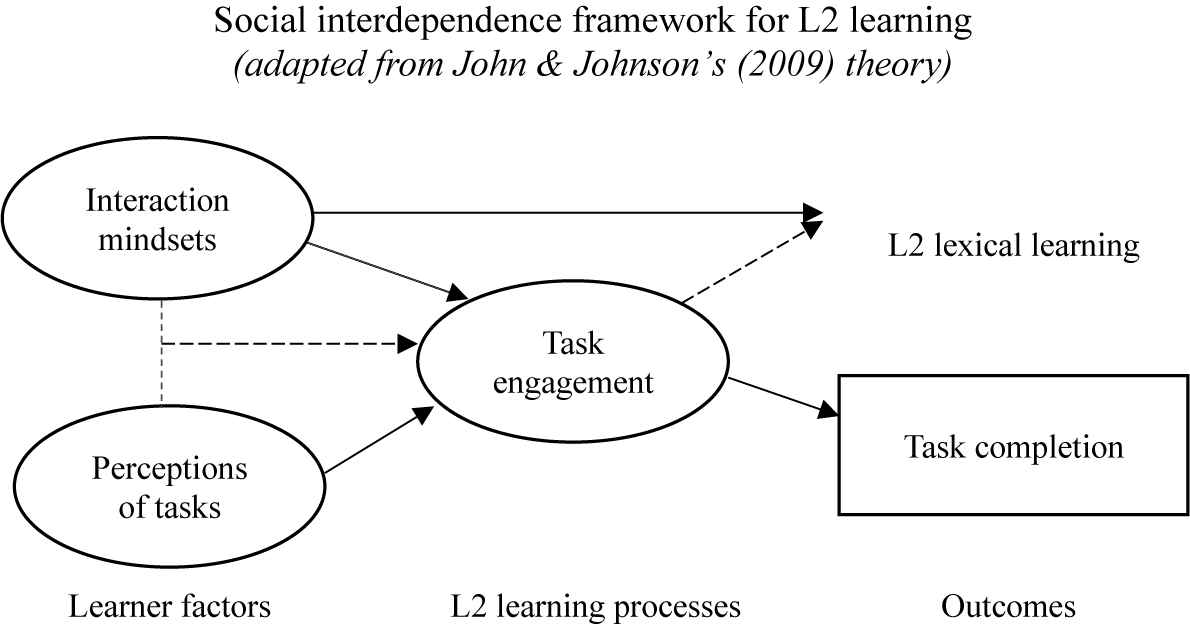
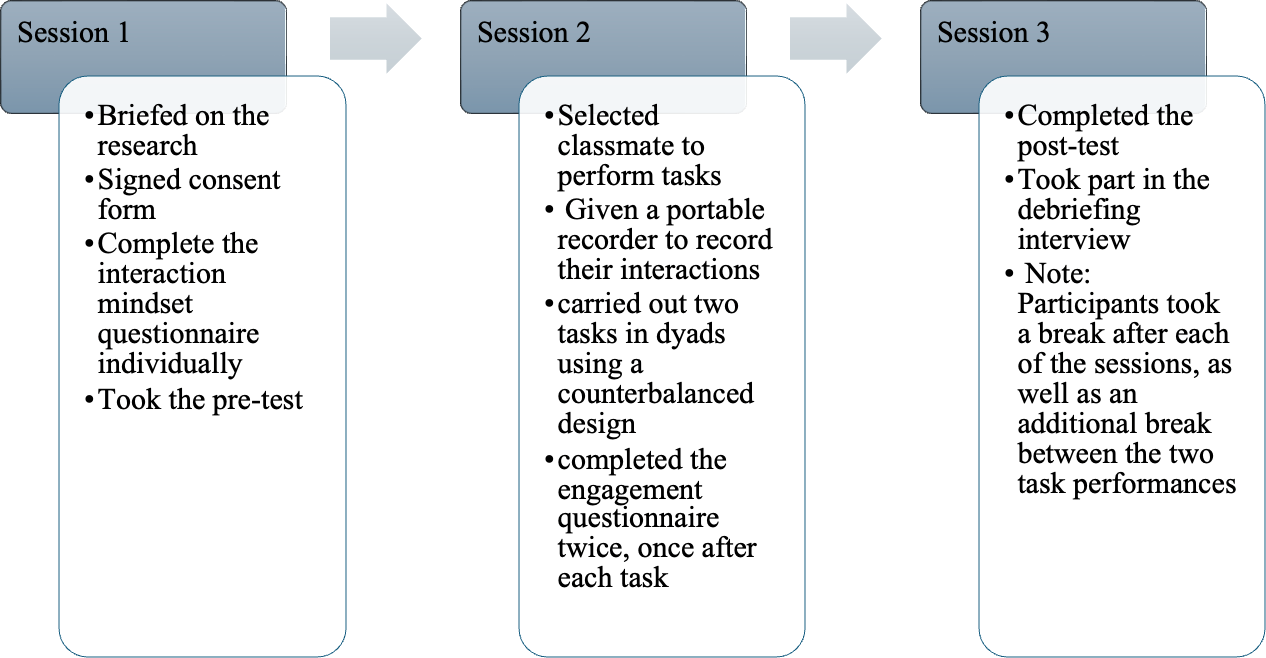
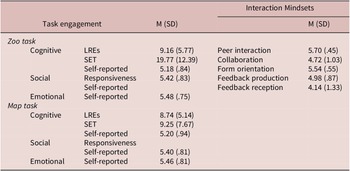
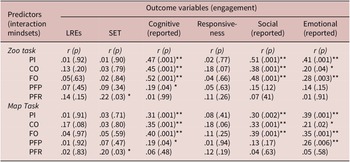
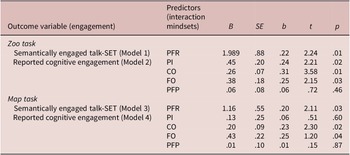
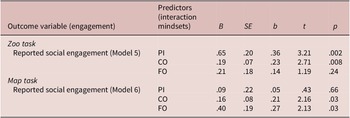
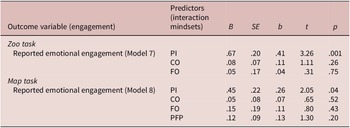



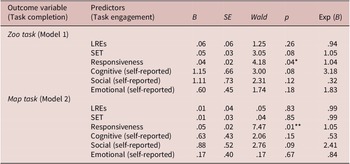
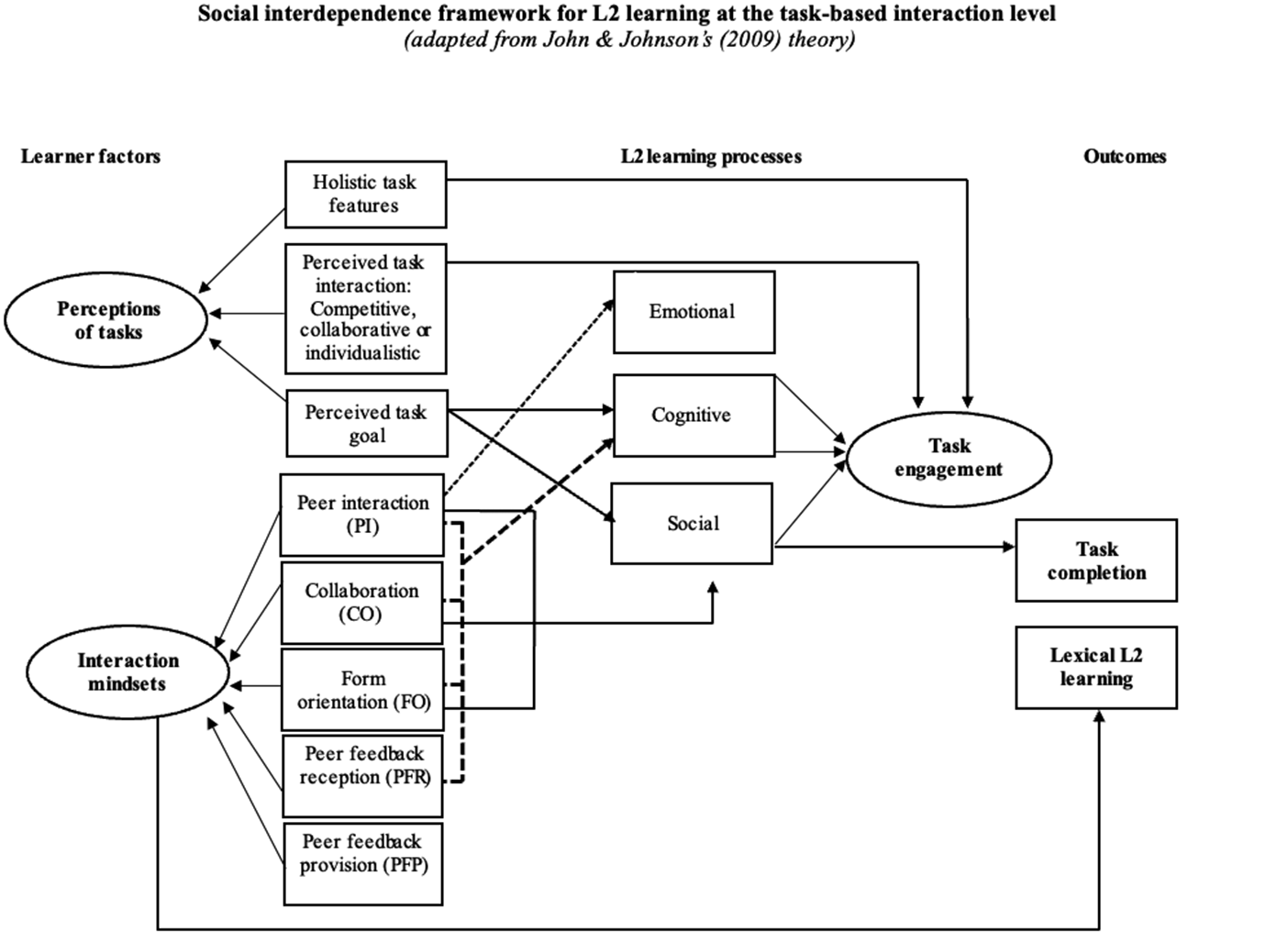
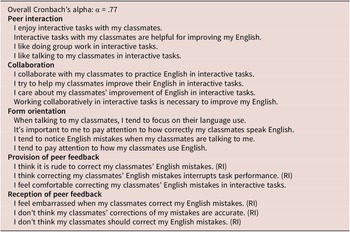

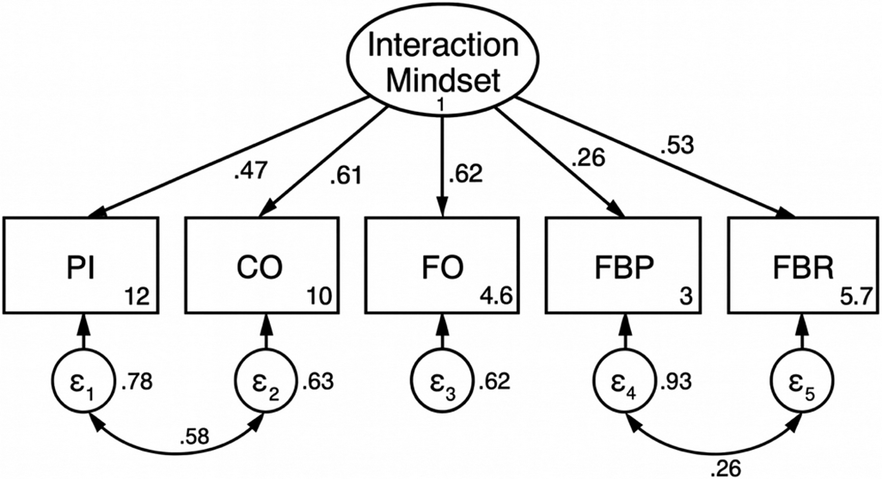
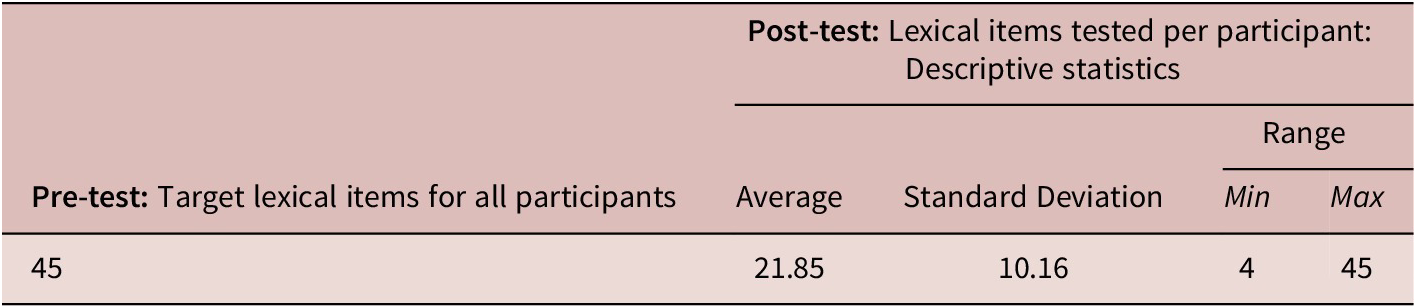


 Open access

