

Introduction
In the USA, consumer demand for value added poultry products such as those from organic or pasture raised systems is expanding and is associated with consumer preference for local/regional and environmentally friendly products (Laux, Reference Laux2012). Producers attempting to serve this market face difficulties sourcing appropriate feed.
Commercial poultry diets in the USA are generally reliant on corn as a carbohydrate source. Over 90% of corn grown in the USA is from genetically modified (GM) varieties (Fernandez-Cornejo et al., Reference Fernandez-Cornejo, Wechsler, Livingston and Mitchell2014). Seed or forage grown from such varieties is explicitly forbidden as feedstuffs in organic production, and beyond the organic market there is also substantial demand for GM-free foods (Heneghan, Reference Heneghan2015). Not only is non-GM corn planted on a small proportion of US cropland, but contamination by wind-borne GM pollen or commingling in the supply chain also can prevent it from being sold as organic or GM-free, further limiting availability of non-GM corn (Greene et al., Reference Greene, Wechsler, Adalja and Hanson2016). In recent years, US demand for organic feed corn has surpassed domestic production capacity and the shortfall has been made up by imports, primarily from Turkey, Romania and Argentina (Bjerga, Reference Bjerga2015; Global Agricultural Trade System, 2016). US Department of Agriculture data show that imports represented 18.8% of the total value of the US organic corn supply in 2014 and that this figure is increasing year on year (National Agricultural Statistics Service, 2015; Global Agricultural Trade System, 2016). Although the availability of imports has helped improve the supply situation in recent years, a large price differential continues to exist between organic and non-organic feed corn. The 2011–2013 3-yr average price of organic corn in the USA was USD492 mt−1 (Economic Research Service, 2014), compared with USD246 mt−1 for non-organic corn (National Agricultural Statistics Service, 2016a).
The dominance of corn as a feed grain in the USA and the scale and methods of its cultivation have given rise to concerns about its impact on agricultural biodiversity and the natural environment (Liebman et al., Reference Liebman, Helmers, Schulte and Chase2013; Aguilar et al., Reference Aguilar, Gramig, Hendrickson, Archer, Forcella and Liebig2015). At the same time, there are many regions of the USA which lack appropriate conditions for the economic production of corn for grain (Shaw, Reference Shaw1988): for example, the coastal Pacific Northwest lacks sufficient heat units, and the inland Pacific Northwest lacks sufficient water during the summer. In such regions, reliance on corn in poultry feed formulations represents an obstacle to the development of locally grown feed sources, which could be attractive to consumers of value added poultry products.
Wheat is also used as a carbohydrate source in poultry feeds. Wheat is the fourth most widely grown crop category in the USA following corn, soybeans and forage (National Agricultural Statistics Service, 2014). Expansion of wheat production to replace corn as a feed grain may have limited potential to enhance agricultural biodiversity at the national level, although it may offer benefits at the regional level. Like organic corn, organic wheat from domestic sources is generally in short supply. While not as expensive as organic corn, it can be a costly feed ingredient: according to USDA data, the 3-yr average organic feed wheat price for 2011–2013 was USD415 mt−1 compared with USD493 for organic corn (Economic Research Service, 2014), and USD268 for non-organic wheat during approximately the same period (Economic Research Service, 2016).
Incentives therefore exist to develop alternatives to corn and wheat in organic and/or value added poultry feeds. Hulless oats (a variant of cultivated hexaploid oat Avena sativa L.; also known as naked oats) may represent one such alternative. The oat plant is generally adapted to cooler climates than corn, offering the opportunity for its production as a locally grown feed outside traditional corn-growing areas (Brouwer and Flood, Reference Brouwer, Flood and Welch1995). Production of oats is also practiced within traditional corn-growing regions such as Iowa, Illinois, Minnesota and Wisconsin (National Agricultural Statistics Service, 2016b), where the production of organic corn is more difficult owing to widespread presence of GM pollen. Hulless oats lack the lignified lemma and palea, which reduce the energy density of hulled (husked) oats and make them unpopular as a feed for non-ruminants. Hulless oats typically show grain oil concentration, energy density and protein concentration values surpassing those of wheat and corn (Macleod, Reference Macleod2004). Because GM varieties of oat are not available, oats are easier to certify GM-free than corn or soy.
In vivo studies have demonstrated the feed value of hulless oats. A broiler feeding trial carried out by Maurice et al. (Reference Maurice, Jones, Hall, Castaldo, Whisenhunt and McConnell1985) concluded that naked oats could constitute up to 400 g kg−1 of dietary intake without adverse effects on meat quality and production. A study of laying hens demonstrated that egg yields and feed utilization were equal where hulless oats were substituted for corn and soy, though at a high proportion (600 g kg−1) of dietary intake, oats were associated with a 4-day delay in sexual maturity (Cave et al., Reference Cave, Hamilton and Burrows1989). Adverse effects of hulless oat in poultry diets have been associated with their high concentration of the soluble fiber β-glucan, which can impair birds’ ability to metabolize the grain (Macleod et al., Reference Macleod, Nute and Wade2004).
Hulless oat varieties differ in terms of both agronomic characteristics (such as yield potential or lodging resistance), affecting their ease of cultivation, and chemical composition of the grain, potentially affecting their feed value. Valentine (Reference Valentine and Welch1995) reported grain lipid values ranging from 4.3 to 11.4% and grain protein values between 13.2 and 23.6% from 11 studies using eight hulless oat varieties. Values for β-glucan content of several hulless oat varieties evaluated in two recent studies ranged between 3.4 and 6.8% (Macleod et al., Reference Macleod, Nute and Wade2004; Brindzová et al., Reference Brindzová, Čertík, Rapta, Zalibera, Mikulajová and Takácsová2008). A recent UK project reported differences for in vivo metabolizable energy values of hulless oat varieties, but did not include oat variety comparisons in feeding tests of effect on meat quality (Macleod et al., Reference Macleod, Nute and Wade2004). Other studies of hulless oat feed value have generally used just one variety. Whether the magnitude of grain compositional differences between hulless oat varieties is sufficient to cause a commercially or economically relevant impact on their performance in terms of practical factors such as egg productivity and feed conversion efficiency remains to be confirmed. If sufficiently large differences exist, it will be necessary to explore what variety characteristics should be sought in hulless feed oats.
The present study evaluates hulless oats as a component of layer diets in comparison with current commercial alternatives with a focus on organic systems. Corn, wheat or a fraction of each are substituted with hulless oats in organic diets fed to Hy-Line Brown birds, a commercially typical laying strain, and the effects measured in terms of hen health and egg production. Three varieties of hulless oat differing in grain oil and grain protein concentration are separately evaluated in order to explore the importance of variety choice when using hulless oats in feed. In addition, we evaluate the economic impact of replacing imported organic corn or organic wheat with locally grown hulless oats. The aim of the study is to determine whether bird health and laying system economic performance can be maintained where hulless oat is used to substitute corn and/or wheat in feed.
Materials and Methods
Oat production
Spring hulless oat varieties Streaker and Paul were selected for the present study because they are the most readily available to US growers on the commercial seed market. Canadian variety AC Gwen was also included although it is less readily available, because it was observed in testing nurseries to have shorter plant height and better lodging resistance than Streaker and Paul (i.e., superior agronomic characteristics).
Seed of all varieties was grown at Washington State University's Northwest Washington Research and Extension Center in Mount Vernon, WA during 2015. Oats were grown under organic management practices in a field certified organic by the Washington State Department of Agriculture according to standards established in the US Department of Agriculture's National Organic Program. They were harvested at approximately 14% grain moisture and cleaned over screens and an aspirator using a Clipper AGM 224 (A.T. Ferrell Company Inc., Blufton, IN) to remove weed seed and hull particles prior to incorporation into diets.
Diets
Four diet formulations were studied, three of which included hulless oat grain at 200 g kg−1 and one of which was an oat-free control resembling a typical commercial organic feed. So that the effect of corn, wheat and oat in the diet could be independently evaluated, the oat-based diets were (i) Oat + corn; (ii) Oat + wheat; and (iii) Oat + wheat + corn. Three versions of each oat based diet were studied, each containing one of three varieties of hulless oat: (i) AC Gwen; (ii) Paul; and (iii) Streaker. There were ten experimental diets in total.
All diets contained soy meal, vitamin–mineral mix and limestone as the calcium source and were formulated to standardize percent content of crude protein, crude lipid, calcium, phosphorous and energy value and to be sufficient in the sulfuric amino acids cysteine and methionine. Owing to lack of storage capacity and the need to purchase feed ingredients in batches, a single batch of soybean seed meal was lower in protein than other batches (44 versus 46%). This batch was used in all diets containing oat variety Gwen, and ingredients were adjusted to achieve equivalent final protein content across diets (Table 1). All feeds, including those fed to juvenile birds, were mixed at Oregon State University and fed in mash form.
Formulation and calculated nutritional composition of experimental diets.

1 Requirements are taken from the Hy-Line Management Guide (Hy-Line International, 2016) for Hy-Line Browns in peak production feeding phase. They are based on the maximum listed hen.day consumption of 113 g, which is less than average consumption in the present study. Amino acid requirements are given as total rather than digestible amino acids whose amounts are calculated for corn- and soy-based diets and therefore may not be as accurate for oat- and wheat-based diets.
Grain and feed nutritional composition
Established procedures were used to analyze crude protein (combustion, AOAC 992.15 and 990.03; AOCS Ba 4e-93), crude lipids (Soxhlet extraction, AOAC 948.22), crude fiber (AOAC 962.09) and ash (AOAC 942.05) in oat, corn and wheat grain samples and β-glucan (AOAC 995.16 and AACC 32–23.01) in oat samples (AOAC, 2005; AOCS, 2013). Amino acid analysis of oat grain was carried out using high-performance liquid chromatography after acid hydrolysis (AOAC 994.12) with pre-oxidation by performic acid for the sulfuric amino acids (AOAC 985.28) and base hydrolysis for tryptophan (AOAC 988.15). Calculated nutrient concentrations were based on analyzed values for oat and reference values for other ingredients (Batal et al., Reference Batal, Dale and Persia2011).
Birds and housing environment
All animal care procedures were approved by Oregon State University's Institutional Animal Care and Use Committee. They were not in accordance with US organic standards, but it was felt that they would nonetheless generate high-quality data, which was applicable to organic systems. Three hundred Hy-Line Brown chicks were obtained from Wilcox Family Farms (Roy, WA) at one day old on 15th October 2015. Chicks were wing banded and weighed. They were then brooded collectively on the floor of a fan-ventilated grow-out building with the temperature set to 35°C at hatch and reduced by 2°C week−1 thereafter until it reached 18°C. Feed and water were provided ad libitum throughout brooding. Chicks received a ‘starter’ diet from hatch to four weeks and a ‘grower’ diet from four to 16 weeks, both of which were formulated with corn, wheat and soy.
At 16 weeks of age, birds were weighed and placed in individual cages measuring 30.5 cm × 45.7 cm in a fan-ventilated laying house with all cages on a single level. Laying house temperature varied between 16 and 27°C, and photoperiod was set to 14 h light, 10 h dark. From 16 to 18 weeks of age, birds were fed a corn/wheat/soy ‘pre-lay’ diet and from 18 to 24 weeks, the experimental control (oat-free) diet. Oat-based experimental diets were introduced at 24 weeks of age when the hens reached nearly full production. Birds were randomly allocated as groups of ten consecutive cages to test diets such that one row of ten birds with a shared feeding trough constituted one replicate of one treatment. There were three replicates per treatment. Throughout the experiment, birds had ad libitum access to feed and water.
Data collection
Egg production by each bird was recorded daily throughout the experiment. At weeks 1, 3, 5, 7 and 9, one egg per bird was weighed and a representative sample of four eggs per replicate group (three in week 1) were evaluated for shell thickness (shell + membranes) using an Ames Pocket Thickness Measure (B. C. Ames Inc., Framingham, MA), yolk color using a Roche color fan, albumen height using an Ames Egg Quality Micrometer, and the presence of blood or meat spots in the egg. Haugh Units, a measure of egg protein quality and freshness, were calculated according to the method of Eisen et al. (Reference Eisen, Bohren and McKean1962). Hens were weighed at 0, 4 and 8 weeks after the introduction of the experimental diets (i.e., at 24, 28 and 32 weeks of age). Feed consumption per group of ten hens was estimated by recording the weight of feed added to troughs at weeks 0 and 4 and the weight of feed remaining at weeks 4 and 8 of the experimental treatment period. The denominator for calculating feed conversion efficiency was derived by taking the replicate-average daily egg production rate per hen in weeks 0–4 and 5–8, respectively, and multiplying it by that replicate's average egg weight.
Economic analysis
Economic performance of systems was estimated from egg data generated at weeks 1, 3, 5 and 7 of the experimental treatment period, but in order to minimize the influence of random variability, data were aggregated to generate just two economic estimates, one for performance during weeks 1–4 and the second for performance during weeks 5–8.
At each collection date, each bird's egg was allocated by its weight to a size class according to Washington State Government Standards (Washington State Legislature, 2016). A Jumbo egg was taken to be any egg weighing >68.4 g, Extra Large 61.3–68.3, Large 54.2–61.2 g, Medium 47.2–54.1 g, Small 40.1–47.1 g and Peewee any egg weighing <40.0 g. Values used for price per egg were set with reference to organic egg national average market prices for Monday, June 27, 2016 (Agricultural Marketing Service, 2016a), taking the median of the published range for Large eggs as the reference value. Because the organic egg report does not provide prices for all size classes of egg, prices for Jumbo, Extra Large and Medium eggs were estimated using the organic egg reference value and the price differential between egg size classes of non-organic eggs published on June 29, 2016 (Agricultural Marketing Service, 2016b). The prices used in USD were: Jumbo, 0.278; Extra Large, 0.259; Medium, 0.110. None of the eggs produced in the present study was graded Small, and Peewee eggs were assumed to have no market value. The average daily egg production of each hen for each time period (weeks 0–2, 2–4, 4–6, 6–8) was multiplied by the price of the egg it laid to generate a daily revenue value for that hen at that collection date. From these values, replicate means were calculated for each 4-week interval of the economic analysis.
Feed ingredient prices used in the economic analysis are presented in Table 2. Corn, soybean seed meal and soybean oil prices were taken from organic feed ingredient market prices published by the US Department of Agriculture (Dewey, Reference Dewey2016). To control for the high volatility of feed markets, an average of Quarter 2 prices in 2015 and 2016 was used, except for wheat grain, where only 2015 data were published. Since the present study was conducted in the coastal Pacific Northwest, the price displayed for hulless oats in Table 2 represents cost of spring oat grain production in the Willamette Valley area of northwest Oregon as estimated in an enterprise budget published by Oregon State University Extension (Eleveld et al., Reference Eleveld, Silberstein, Mellbye, Flowers and Lahmann2010). The climate and economic conditions of this area were considered to be broadly representative of the greater study region. Most importantly for a conservative approach, we consider it highly unlikely that the enterprise budget underestimates the cost of producing oat grain elsewhere in the coastal Pacific Northwest. The price estimate was corrected upwards for inflation between the time of its publication (2010) and the time of writing (2016) using the consumer price index. Values for Fertrell Poultry Nutri Balancer and limestone represent the price at which they were purchased for the present study, since they were purchased from major suppliers of the organic poultry industry in this region.
Prices of feed ingredients used in an economic analysis of egg production from hens in a feeding trial of hulless oats in combination with corn and/or wheat.

1 Prices are based on data from various sources, see Materials and Methods for details.
Statistical analysis
The experimental design was completely randomized, with group (ten hens) as the experimental unit on which repeated measures were taken over time. There were three groups of hens (replicates) per diet/oat combination. Data were fit by restricted maximum likelihood (REML) in a linear model with diet/oat combination, time period and their interaction as fixed effects, where error across time for each individual group of hens was modeled as correlated. For each dependent variable, models using (i) compound symmetry, (ii) unstructured (iii) auto-regressive and (iv) auto-regressive heterogeneous correlation structures were compared, and the most appropriate model for reporting of results was chosen on the basis of AIC, BIC and log-likelihood scores. Model residuals were examined to verify assumptions of random-normal distribution and heteroscedasticity. Comparisons between individual factor levels were carried out using linear contrasts in the chosen model. All contrasts for a given dependent variable were pre-defined and evaluated simultaneously so that reported P values are adjusted for multiple comparisons (single-step procedure, Bretz et al., Reference Bretz, Hothorn and Westfall2011). To compare the effect sizes of diet category (Control; Oat + corn; Oat + wheat; Oat + corn + wheat) and oat variety (Gwen, Paul or Streaker), analysis of variance was run using ‘diet’, ‘oat variety’ and ‘time period’ with their interactions as predictors with error modeled as a random effect, and the proportion of total sum of squares associated with each term (both on its own and in interaction with ‘time period’) was taken as an approximate indication of effect size. All analyses were implemented in the R statistical software environment (R Development Core Team, 2008) with packages ‘nlme’ for the initial model fit (Pinheiro et al., Reference Pinheiro, Bates, DebRoy and Sarkar2016) and ‘multcomp’ for post-hoc tests (Hothorn et al., Reference Hothorn, Bretz, Westfall, Heiberger, Schuetzenmeister and Scheibe2008).
Results
Nutrient concentrations
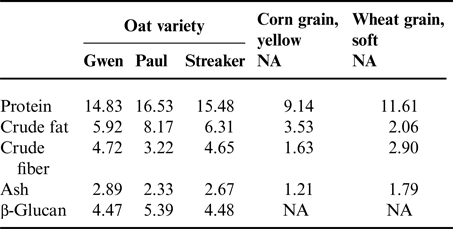
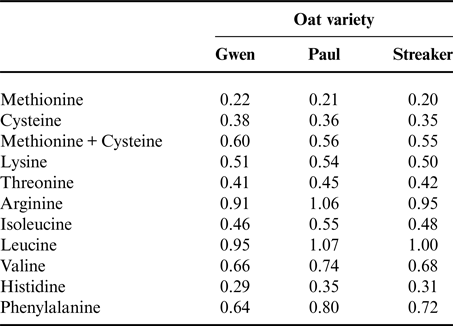
Chemical analysis of feed ingredients indicated that hulless oat variety Gwen was lowest and Paul was highest in concentration of both protein and fat, with a difference between the two varieties being 1.70% of grain dry matter for protein and 2.25% for fat (Table 3). Gwen was also higher in fiber than other varieties. Paul was higher in the essential amino acid lysine. These differences generally suggest that Paul may possess a better profile as a poultry feed grain, but Paul was also higher in the insoluble fiber β-glucan, which can inhibit nutrient uptake in avian digestive systems. Also, amino acid profiles of the grain differed such that despite having lower crude protein content, Gwen was nonetheless higher in the essential sulfuric amino acids, methionine + cysteine (Table 4). All oat samples were substantially higher in both protein and fat than corn and wheat samples analyzed, but were also higher in fiber.
Nutrient concentrations of bulk ingredients, % dry basis1.
1 Values represent the mean of two subsamples.
Poultry-digestible amino acid content of three varieties of hulless oat grain, % dry basis.
Final diet formulations and calculated nutrient concentrations are presented in Table 1. The Oat + wheat and Control diets showed somewhat lower protein content than other diets. Nutrient concentrations in all diets tended to be lower than required values, but feed consumption in the present study (137 g day−1 in weeks 1–4 and 151 g day−1 in weeks 5–9) was higher than that on which the published requirements are based (113 g day−1). Overall, it appears likely that while most nutritional requirements of birds were met by each diet, Oat + wheat and Control diets may have verged on deficiency in the essential amino acids methionine and cysteine, and the Oat + wheat diets in the essential amino acid lysine.
Hen health and productivity
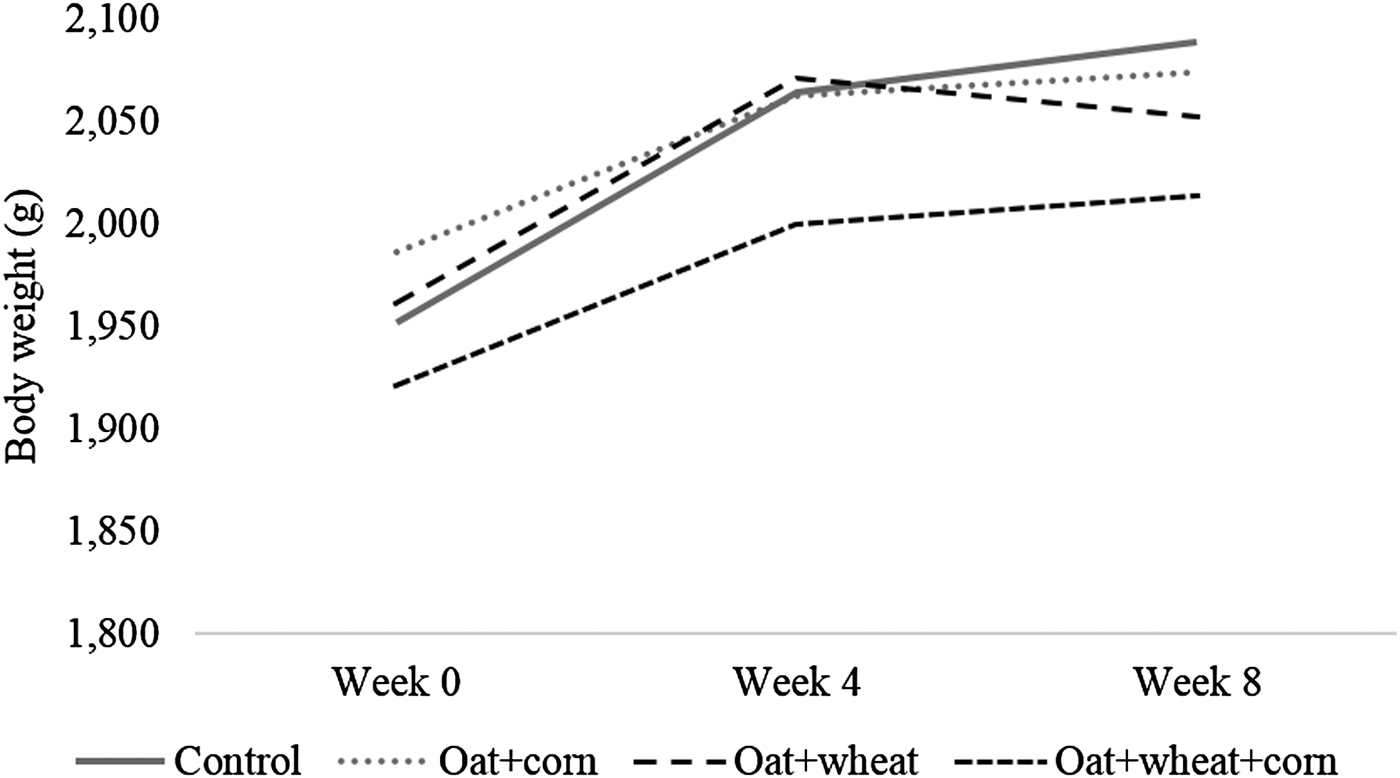
Hen body weights tended to increase during the experiment, consistent with expectations based on their age, but decreased between weeks 5 and 8 of the experimental period for all three Oat + wheat diets (Fig. 1). Analysis showed a significant interaction between diet and time period on body weight (P < 0.05, Table 54), and contrasts showed that the difference in weight change between Oat + wheat and all other diets during the second half of the experiment was statistically significant (P < 0.01, contrast estimate −32 g, see Table 6 for standard error and confidence intervals).
Hen body weights measured at 0, 4 and 8 weeks after introduction of experimental diets. Values are averaged across oat varieties and represent the mean weight in g of 90 birds per diet.
Egg production was close to maximum for all treatment groups throughout the duration of the experiment, the least productive group, Oat + wheat/Gwen producing at 97% (Table 5). Analyses detected no significant effect of diet, time period or the interaction between them on daily egg production. To eliminate the influence of the initial period after test diet introduction, during which the hens were still adjusting to the experimental diets, a subset of the data from weeks 4 to 10 were extracted for analysis with the same model. No significant terms were yielded in this model either.
Treatment means with pooled standard error and statistical significance of treatment effects after model fit by REML1.
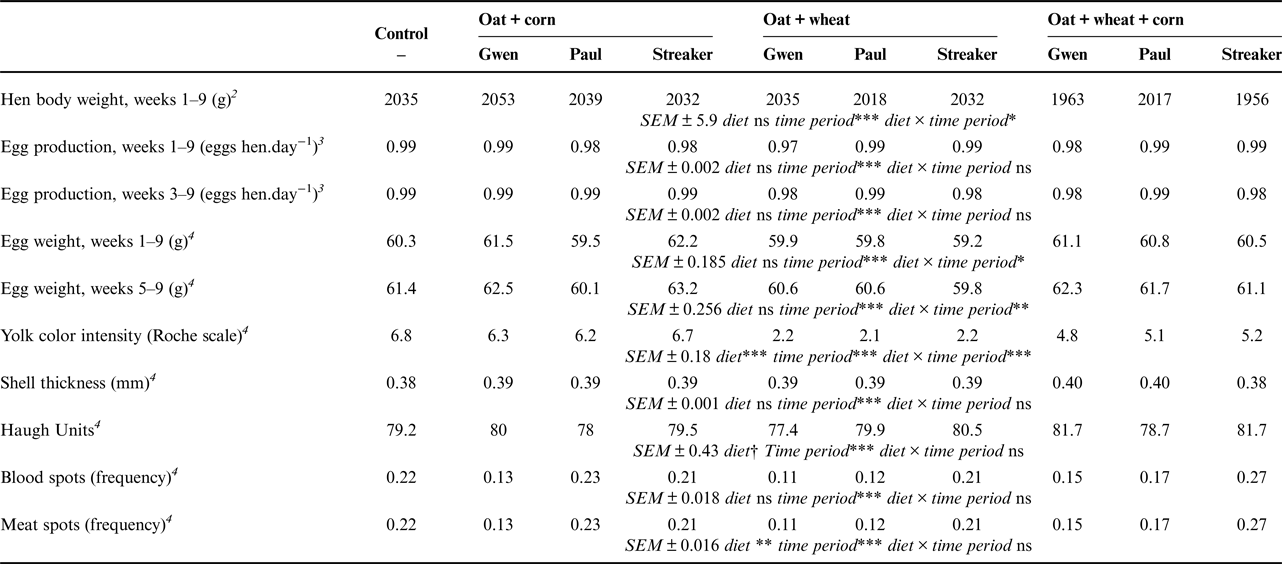
1 Probability value codes are ns = nonsignificant, * = P ≤ 0.05, ** = P ≤ 0.01, *** = P ≤ 0.001, and † = P ≤ 0.10. All data were collected from three replicates of ten hens each. ‘Diet’ indicates the nine combinations of diet formulation (Oat + corn, Oat + wheat, Oat + wheat + corn) and oat variety (Gwen, Paul, Streaker); ‘Time period’ indicates intervals at which measurements were taken (differing depending upon the variable, see below). Pooled standard error of the mean (SEM) is calculated from 150 observations.
2 Values represent the average of measurements taken at 24, 28 and 32 weeks of age (i.e., 0, 4 and 8 weeks after introduction of experimental diets).
3 Values represent averages calculated from daily collection data from hens aged 24–33 weeks of age (1–9 weeks after introduction of experimental diets) and a subset of the same dataset from 27 to 33 weeks (3–9 weeks after introduction of test diets).
4 Values represent averages from measurements taken at 25, 27, 29, 31 and 33 weeks of age (1, 3, 5, 7 and 9 weeks after introduction of experimental diets), except for ‘Egg weight, weeks 5–9’ which only includes measurements taken at 29, 31 and 33 weeks.
The whole trial average egg weight was 60.5 g. The greatest diet/oat mean egg weight was attained with the Oat + wheat + corn/Gwen diet during week 5 of the experiment. With the exception of this and the Oat + corn/Paul diet, which also showed peak egg weight at week 5, all diets showed peak egg weight at seven weeks. Both time period and the interaction between diet and time period were shown in the initial model to have significant effects on egg weight. Contrasts were carried out to explore the effects of oat, wheat and corn in all nine oat based diets during weeks 3–9, when hens were expected to have adjusted to the experimental diets. The six corn containing diets tended to yield heavier eggs during this period than the three corn free diets (+1.49 g), and the difference approached statistical significance (P = 0.09). Wheat-containing diets tended to yield lighter eggs than the wheat-free diet (−0.92 g), but the difference was not significant. The Control diet was not significantly different from Oat + wheat or Oat + wheat + corn diets but tended to yield substantially lighter eggs in weeks 1–4 and marginally lighter eggs in weeks 5–8 (Table 6).
Summary of planned linear contrasts to explore experimental diet effects on hen body weight, egg production and egg quality.

1 Contrasts were carried out for variables where statistically significant effects of diet or diet × time period were identified in model fit by REML (Table 4).
2 Probability value codes are ns = non-significant, * = P ≤ 0.05, ** = P ≤ 0.01, *** = P ≤ 0.001 and † = P ≤ 0.10. Reported P values are adjusted for multiple comparisons according to the number of contrasts carried out; see Materials and Methods for details.
Feed conversion efficiency (g feed per g egg) was similar for most diets during both time periods, tending to be lower in Oat + wheat diets (2.3 versus 2.2 g for the average of all other diets). Feed conversion efficiency showed a small but significant decrease over time from 2.2 g in weeks 1–4 to 2.3 g in weeks 5–8 of the experiment. Oat variety accounted for a very small proportion of variance in feed conversion efficiency, relative to diet (3.2 versus 18.9%, Table 7).
Percent variance explained by oat variety versus diet.
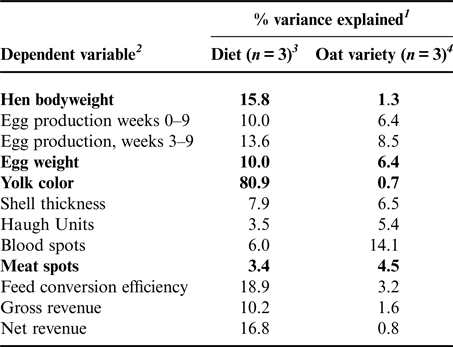
1 Estimated as proportion of total sum of squares allocated to each term in an analysis of variance using diet, oat variety, time period and their three-way interactions as predictors, with error as a random term.
2 Bold font indicates variables for which significant effects of diet or diet × time period were identified in model fit by REML (Table 4).
3 Diets were Oat + corn, Oat + wheat and Oat + wheat + corn.
4 Oat varieties were Gwen, Paul and Streaker.
Egg quality
Higher scores on the Roche color fan indicate greater intensity of yellowness. Mean yolk color scores during weeks 3–9 of the trial were 7.1 on the control diet and 6.1–7.0 on the Oat + corn diets. They were intermediate in the Oat + corn + wheat diet and lowest in the Oat + wheat diets, providing evidence in support of their association with corn. Effects of both diet and time were highly significant (P < 0.001) and there was no interaction between them. While diet explained approximately 80.9% of yolk color variance, oat variety accounted for only 0.7% (Table 7). Therefore, diets were the focus of post-hoc comparisons. Corn-containing diets had significantly higher color scores than corn-free diets by 4 on average (P < 0.001), and wheat-containing diets had lower scores by 3 on average (P < 0.001, Table 7) during weeks 3–9 of the experimental period, when the birds were adjusted to the diets.
Shell thickness was significantly affected by time period but not by diet. Eggs from all diets showed similar whole trial mean shell thickness measurements of 0.38–0.40 mm.
Whole-trial average Haugh Unit measurement was 79.7. Haugh Units showed near significant influence of diet (P = 0.066) and significant influence of time period (P < 0.001), tending to fall over the course of the experiment. In contrast to other variables, sum of squares partitioning for Haugh Units suggested that oat variety accounted for more variance than did diet (5.4 versus 3.5%, Table 7). Since neither accounted for statistically significant variation, however, this trend could not be further explored.
Whole-trial frequency of meat spots ranged between 0.077 for Oat + wheat + corn/Gwen and 0.328 for Oat + wheat/Paul, with a mean of 0.164 across all treatments. Both diet and time period had significant effects on meat spot occurrence (P < 0.01), but their interaction was not significant. Multiple comparisons were therefore carried out on a model which pooled time period with error. They showed that no diet/oat combination was significantly different from the control diet, though three pairwise oat based diet contrasts were significant (α = 0.05, Table 6). The whole-trial average frequency of blood spot occurrence in eggs was 0.18, with maximum by group of 1.0 and minimum of 0. There were no differences associated with diet or time period.
Economic analysis
Cost and revenue data are displayed in Table 8. Estimated cost per 100 kg of experimental diets ranged between USD62.95 for the Control and 65.98 for Oat + wheat/Gwen. Gwen diets tended to be more expensive owing to the larger quantity in their formulations of soybean seed meal or soybean oil or both. These formulations took into account both the lower protein concentration of Gwen oats and the lower protein content of the soybean seed meal available for those diets. Oat inclusion had a strong influence on diet cost since it was the second most expensive bulk ingredient after soybean seed meal. Analyses showed no significant difference between diet/oat combinations and no significant interaction between diet and time period for gross revenue.

All diets were associated with an increase in estimated net revenue between weeks 1–4 (USD1.29) and 5–8 (USD1.40), despite reduced feed conversion efficiency. Net revenue on seven of nine oat-based diets was higher than that on the control in weeks 1–4 of the experiment (Oat + corn/Paul and Oat + wheat + corn/Gwen being the exceptions). In weeks 5–8, only four of nine oat-based diets earned as much as or more than the control. Nonetheless, no differences between diets or diet/oat combinations in terms of gross or net revenue were detected in statistical analyses. Oat variety accounted for a marginal proportion of variance relative to diet in sum of squares partitioning for gross and net revenue (Table 7).
Discussion
The use in organic poultry feed of hulless oat as an alternative to corn or wheat has incentives, including the potential to increase agricultural biodiversity, enhanced possibilities for locally grown feeds both within and outside corn-growing regions, ease of GM-free certification and the opportunity to appeal to consumer concern about these issues. At the core of producers’ sustainability, however, is the biological and economic performance of their system. The present study was developed in order to establish whether hulless oats in poultry diets can sustain hen health, productivity and the economic performance of organic laying systems as effectively as wheat or corn, in the current production and market context.
Oat–corn–wheat comparison
Chemical analysis showed that oat varieties included in the present study were higher in both protein and fat than corn or wheat samples, but also higher in fiber (Table 3). Previous work has shown that β-glucan, a soluble fiber found in oat and barley grain, can reduce feed conversion efficiency and cause sticky droppings in poultry (McNab and Smithard, Reference McNab and Smithard1992; Józefiak et al., Reference Józefiak, Rutkowski, Jensen and Engberg2006). It was therefore of interest in the present study to monitor β-glucan concentration resulting from inclusion of hulless oats in our experimental diets. Chemical analysis showed that the oat variety with highest β-glucan concentration was Paul (5.39% db). With hulless oats included in feed at 20 g kg−1 and with no other ingredients containing β-glucan, final formulations using variety Paul are estimated to have contained just 1.08% β-glucan. Based on evidence from Welch et al. (Reference Welch, Peterson and Schramka1988) that the minimum concentration at which β-glucan shows anti-nutritional effects in poultry diets is between 2.6 and 3.4%, we conclude that β-glucan is unlikely to have influenced experimental diet performance in the present study.
Reduced intensity of yolk color was observed in Oat + wheat and to a lesser extent in Oat + wheat + corn diets. This effect was expected, since neither wheat nor oats contain carotenoid pigments, whereas corn is rich in xanthophylls. Loss of yolk color arising from the substitution of corn for wheat was reported in previous work by Hsun and Maurice (Reference Hsun and Maurice1992) and Burrows et al. (Reference Burrows, Cave, Hamilton and Morris1993). Consumers tend to prefer more intensely orange-colored yolks, associating them with stronger flavor and greater health-promoting properties (Hernández et al., Reference Hernández, Beardsworth and Weber2005; Hernández and Blanch, Reference Hernández and Blanch2006; Sandeski et al., Reference Sandeski, Ponsano and Neto2014; Spada et al., Reference Spada, Selani, Coelho, Savino, Rodella, Souza, Fischer, Lemes and Canniatti-Brazaca2016), so poultry producers substituting hulless oats for corn may need to consider supplementing other ingredients to intensify yolk coloration such as alfalfa or marigold meal (Marusich and Bauernfeind, Reference Marusich, Bauernfeind and Bauernfeind2012). The cost of such supplementation will depend upon the market price of the supplement chosen, the fraction of the diet at which it is incorporated and the ingredient(s) which it replaces, and should be an economic consideration in future research in this area.
While hen body weight and egg weight were equivalent on control, Oat + corn and Oat + corn + wheat diets, hens on the Oat + wheat diets lost weight during weeks 5–8 and tended to yield lighter eggs. It is not possible to conclude from our data whether these observations are explained by properties of corn or wheat or by uncontrolled variation in nutrient concentrations of the experimental diets. We were not able to achieve perfect equalization of crude protein and essential amino acids across diets, and calculated analysis suggested that Oat + wheat formulations may have been deficient in protein (Table 1). The trend toward reduced feed conversion efficiency of hens on Oat + wheat diets (Table 8) also suggests protein deficiency. Cave et al. (Reference Cave, Hamilton and Burrows1989) previously reported association of lower protein diets with reduced feed conversion efficiency; and they observed no effect on hen body weight of feeding hulless oat at 300, 600, 782 or 808 g kg−1 for 51 weeks.
Oats are reported to contain a higher concentration of antioxidants than other feed grains (Webster, Reference Webster, Webster and Wood2011), raising the possibility that their inclusion in layer diets could improve the oxidative stability of yolk and albumen, delaying deterioration in storage and thereby offering a benefit to the consumer and a marketing advantage. Albumen viscosity is increased by the presence of antioxidants, and is easily measured by the albumen height of the broken-out egg. The Haugh Unit index adjusts the raw albumen height measurement for the size of the egg. Previous investigators have examined the influence of hulless oats on Haugh Unit values. Macleod (Reference Macleod2004) reported a change in Haugh Unit value of +1.9 in eggs from hens fed with 250 g kg−1 and +5.0 in eggs from hens fed with 500 g kg−1 hulless oats. The same author reported that thiobarbituric acid reactive substances, formed as a byproduct of lipid peroxidation and inhibited by the presence of antioxidants, was lower in stored eggs from hens fed 250 or 500 g kg−1 hulless oats than from those on wheat-based diets (Macleod, Reference Macleod2004). In the present study, eggs from oat containing diets did not have consistently greater Haugh Unit values than eggs from the oat-free control (Table 5). The proportion of oats in our experimental formulations was lower than either of those used by Macleod (Reference Macleod2004), suggesting that a higher proportion may be required for detectable effects. We also did not compare stored to fresh eggs, and therefore cannot exclude the possibility that oats at 200 g kg−1 may yet contribute to improved keeping qualities. This would be an interesting avenue for further research.
The general lack of treatment effects in the present study suggests that inclusion of hulless oats in layer diets is not associated with negative effects on hen health or productivity, a finding which concurs with previous work. Macleod (Reference Macleod2004) observed no effect on feed conversion efficiency, egg production or egg weight of including oats at 250 or 500 g kg−1 in Lohmann Brown and Isa Brown laying hens for 53 weeks. Similarly, Cave et al. (Reference Cave, Hamilton and Burrows1989) observed no significant effects of hulless oat inclusion on final body weight, shell characteristics or feed utilized per egg laid. They did, however, report a 4.7% improvement in feed conversion efficiency on diets containing 600 g kg−1 hulless oat (P < 0.05), an effect they attributed to higher crude protein in oat containing diets, which resulted from formulating for equal lysine levels. Hsun and Maurice (Reference Hsun and Maurice1992) found that they could include hulless oats at up to 66 g kg−1 of layer diets in place of all or part of the corn and all or part of the soybean meal with no adverse effects on performance.
Economic analysis
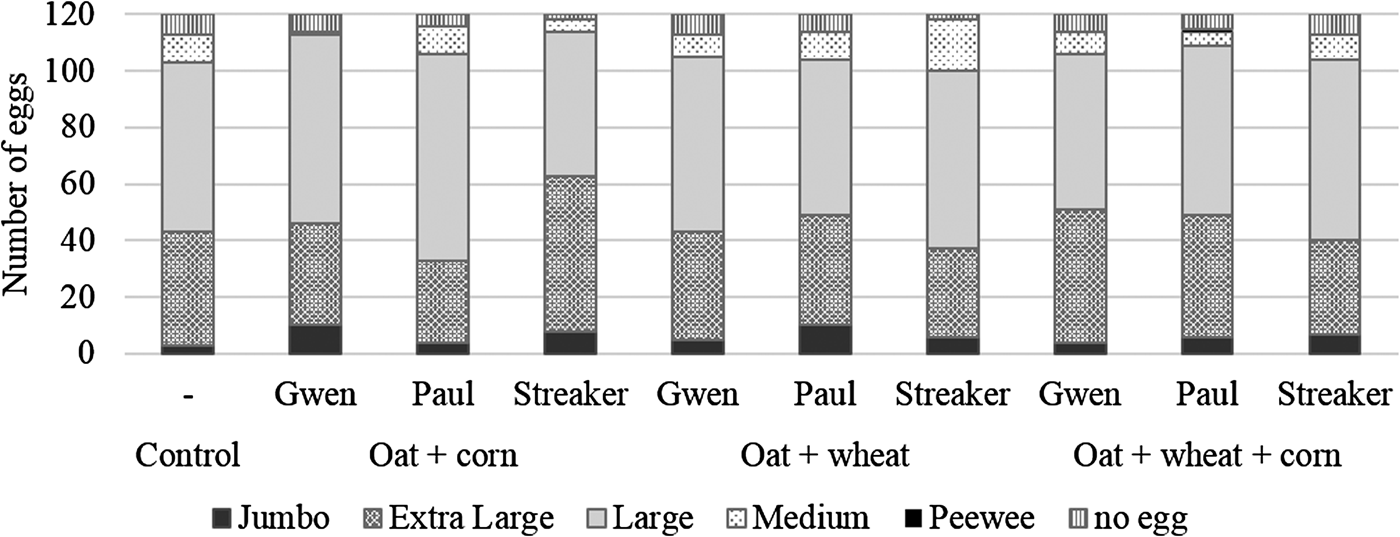
Although estimated feed costs for oat containing diets were higher than that of the control diet in the present study, net revenues were not significantly different. This appears to have been because the oat-based diets tended to yield larger eggs than the control diet, particularly in the first half of the experiment (Table 9, Fig. 2). A similar observation was made by Cave et al. (Reference Cave, Hamilton and Burrows1989), who reported a 2% increase in egg weight when corn and soybean meal was substituted for 300, 600, 782 or 808 g kg−1 hulless oats. Those authors attributed the effect to increased intake of fat associated with the oats.
Size distribution of eggs produced by hens fed ten experimental diets between 24 and 32 weeks of age. Number of eggs per treatment represents a sample of four days’ worth of eggs, collected respectively during weeks 3, 5, 7 and 9 of the experiment from three replicates of ten birds each per diet. Egg size grades were based on weight; see Materials and Methods for details.
Number of eggs graded Large, Extra Large or Jumbo (mean per group per treatment)1.

1 Values represent eggs per group of ten hens, averaged across three replicates; number of weeks represents weeks after introduction of experimental diets, when hens were 24 weeks of age. Eggs were weighed twice at 2-week intervals each during weeks 1–4 and 5–8.
Recognizing that markets are constantly evolving and the assumptions on which our economic analysis is based will not hold in every case, we took what we considered to be a strongly conservative approach. The cost of oats as a feed ingredient will depend on the efficiency of their production, and we assumed efficiency to be low, reflecting the relative lack of cultivation experience with hulless oats in the study region of the coastal Pacific Northwest. Even on this basis, results suggest that hulless oats do not incur an economic sacrifice for organic laying systems. Efficiency gains through the use of improved oat varieties from modern plant breeding programs and the accumulation of production experience could bring down the price of oats in the region and further enhance the competitiveness of oat-based diets.
Oat variety comparisons
The three oat varieties included in the present study varied in protein, fat, crude fiber and β-glucan by 1.7, 2.25, 1.5 and 0.92%, respectively. Sum of squares partitioning in most variables showing statistically significant treatment effects (hen body weight, egg weight, yolk color) indicated little effect attributable to oat variety (Gwen, Paul, Streaker) relative to diet formulation (Control, Oat + corn, Oat + wheat, Oat + wheat + corn). Higher ratios of oat variety to diet effect were observed for shell thickness, egg production, Haugh Units and blood spots, but treatment effects for these variables were not statistically significant and observed patterns may have been random (Table 5). Only in the case of meat spots were we able to both identify a statistically significant diet/oat effect and allocate a higher proportion of variance to oat variety than diet. Even in this case, however, pairwise contrasts showed no consistent patterns (Table 6). Meat spots and blood spots can be caused by stress rather than dietary factors (Campo and García Gil, Reference Campo and García Gil1998), raising the possibility that observed effects may have had to do with spatial variation in the barn not accounted for by the randomization of cage allocation.
In the economic analysis, diets with Gwen oats were costlier (Table 8) because a greater quantity of soybean meal was incorporated to compensate both for lower protein content of that ingredient and for lower protein in the oat grain (Table 3). However, calculated nutrient concentrations (Table 1) suggested that formulations actually over compensated and resulted in elevated feed conversion efficiencies for Gwen diets (Table 8), balancing economic performance.
We conclude that differences of grain nutritional concentrations at the magnitude of those observed between oat varieties included in the present study do not appear to give rise to differences in feed performance at a scale that would be detectable or relevant in commercial poultry operations. In the absence of variety-related physiological effects, producers should be guided by agronomic characteristics in variety selection, as higher yields will reduce the cost of hulless oat grain. At the same time, however, hulless oat varieties exist which show nutritional concentrations beyond the range of those studied here (Macleod et al., Reference Macleod, Valentine, Cowan, Wade, McNeill and Bernard2008). Such varieties may be sufficiently different to give rise to more pronounced effects on feed performance, positive or negative.
Conclusions
The oat plant grows well in areas with milder, wetter climates than those optimal for production of wheat or feed corn. The replacement of corn or wheat in poultry diets in such areas provides poultry producers with a locally grown option, which may appeal to market demand for environmentally friendly food and may be cheaper than organic corn or wheat, both of which are expensive, in high demand and not always available from domestic sources. Data from the present study were not sufficiently robust to generate strong conclusions regarding the comparison between substituting wheat and substituting corn, but do provide strong support for the viability of replacing either grain with hulless oats in organic poultry diets, even when hulless oats are assumed to cost more than organic corn. The increased cost of oat containing diets relative to an oat-free control in the present study was offset by larger egg sizes in Hy-Line Brown hens between 24 and 32 weeks of age. Effect size associated with oat variety was generally much smaller than that associated with diet formulation, and too small to be of interest in a commercial context.
Acknowledgements
L. R. W. is funded by a graduate fellowship from the Seed Matters initiative. This work was funded by a grant from Wilcox Family Farms of Roy, WA. The funder had no involvement in the design, execution, analysis or interpretation of the study. The authors offer their grateful thanks to Todd Coffey for assistance with statistical method development, Heaven Le A. Roberts and Kaitlyn Vander Pas for their participation in egg data collection, and in particular to Kimberley Goertzen for her excellent care of the hens.


 Open access

