





Introduction
Children are most vulnerable to the climate crisis, as they are unevenly exposed to its long-term environmental and socio-economic consequences (Hickman et al., Reference Hickman, Marks, Pihkala, Clayton, Lewandowski, Mayall, Wray, Mellor and van Susteren2021; IPCC, 2022). The micro and macro environmental factors and the lived experiences have a critical role in shaping the children’s understanding of climate change and its impact. Recent studies find that children who directly experience climate-related events demonstrate higher levels of understanding of climate change impacts, adaptation and mitigation issues (Goswami & Ahmad, Reference Goswami and Ahmad2025; Gürbüz, Reference Özcan Tan and Demirkaya2025; Mezzacapo et al., Reference Mezzacapo, Voltolina, Gencarelli, Esposito, Mondini, Salvati, Tondini, Carlone, Sarretta, Galizia, Sterlacchini and Marchesini2025). Children living in climate sensitive regions have a greater chance of getting affected by the impacts of climate change and are more likely to perceive it as a real threat. These concerns have the possibility to motivate and mobilise them to engage with information and strategies to address the issues of climate change impacts (Bouman et al., Reference Bouman, Verschoor, Albers, Böhm, Fisher, Poortinga, Whitmarsh and Steg2020).
Such challenges are increasingly being discussed within the framework of the Anthropocene, which conceptualises humans as a major force transforming planetary systems and environments (Brauer, Reference Brauer2024; Ferguson et al., Reference Ferguson, Tytler, White and Oliver2025). Recent research in climate change education suggests that climate education should not be confined to the teaching of the facts only, and instead, it should adopt participatory, interdisciplinary and action-oriented learning methods that can help students to develop critical thinking, adaptive skills and agency (Thanapornsangsuth et al., Reference Thanapornsangsuth, Park, Sato, Boadie-Ampong, Li and Konishi2025; Walshe et al., Reference Walshe, Edwards and Perry2025; Xiong et al., Reference Xiong, Song and Zhu2025). At the same time, it is being urged in these consulted studies that climate education needs to be connected to actual school settings, resources and school infrastructure. The studies further emphasised that the local constraints need to be considered as they have a strong impact on the implementation of climate learning (Kraft et al., Reference Kraft, Malik and Falken2025; Rushton & Walshe, Reference Rushton and Walshe2025). Recent reviews of climate change education emphasise the need for transformative approaches to link day-to-day experiences of students with the broader understandings of climate and sustainability (Guimerà-Ballesta et al., Reference Guimerà-Ballesta, Calafell-Subirà, Jiménez-Valverde and Esparza-Pagès2025). These developments indicate that climate change education is not only important for the development of climate literacy but also for the strengthening of critical awareness and preparedness of the younger generations.
It was noted that the impacts of climate change are disproportionately distributed, with low- and middle-income countries bearing a lopsided share of the burden due to the greater exposure and lower adaptive capacity (IPCC, 2022). The mountain regions like Indian Himalayas are especially vulnerable and have been witnessing accelerated glacier melt, erratic rainfall and high frequency of floods and landslides (Bolch et al., Reference Bolch, Shea, Liu, Azam, Gao, Gruber, Immerzeel, Kulkarni, Li, Tahir, Zhang, Zhang, Wester, Mishra, Mukherji and Shrestha2019; Wester et al., Reference Bolch, Shea, Liu, Azam, Gao, Gruber, Immerzeel, Kulkarni, Li, Tahir, Zhang, Zhang, Wester, Mishra, Mukherji and Shrestha2019). Long-term station analysis for Dharamshala (1951–2010) has recorded a substantial variability in temperature and rainfall trends and highlighted the climatic instability of the region (Jaswal et al., Reference Jaswal, Kumar and Khare2014). The Himalayan town has been experiencing both the rising maximum and minimum air temperature throughout the year and also is receiving extreme rainfall events during the monsoon season. The geographic and developmental pressures have made Dharamshala one of the most landslide prone cities in Kangra valley (Himachal Pradesh, India) with year-round susceptibility due to its fragile geology (Sharma & Mahajan, Reference Sharma and Mahajan2018). AI-based landslide susceptibility mapping indicates that steep topography and rapid urban development have increased the landslide hazard profile of the city of Dharamshala significantly (Sweta et al., Reference Sweta, Goswami, Peethambaran, Bahuguna and Rajawat2022).
Dharamshala’s distinct geomorphological and ecological setting has undergone significant transformation over the past two decades, largely due to rising human activities such as tourism and rapid urban development. At the same time, the region has been increasingly exposed to natural hazards including earthquakes, landslides, flash floods and wildfires. Evidence suggests that ongoing climate change has further intensified the frequency of landslides, flash floods and wildfires (Free Press Journal, 2021). Unscientific and poorly planned human interventions have heightened the region’s vulnerability to such climatic disasters. In addition, activities at higher altitudes such as dam and road construction for micro-hydropower projects, expansion of settlements and land-use changes from forest to agriculture or from cedar to pine plantations have disrupted the hydrological cycle by increasing surface run-off and reducing natural spring flows (Panwar, Reference Panwar2021). These combined environmental pressures directly threaten local livelihoods and infrastructure, underlining the urgent need for climate awareness and preparedness within the community.
Some recent research studies on climate change education explored youth as an active learner and participant of engagement and not merely a recipient of information. Systematic reviews demonstrate that youths are more and more involved in pro-environmental movements and collective action as a component of their image and civic involvement (Romano et al., Reference Romano, Russo, Gladwin and Panno2024). Studies also observed that civic knowledge, digital media use and confidence among youths are linked to more pro-environmental attitudes and behaviours (Hansen et al., Reference Hansen, Taylor and Knowles2025). Youth climate justice activism studies also identify the promises of participatory research and co-learning methods to establish youth voice and participation in environmental concerns (Mayes & Arya, Reference Mayes and Arya2024). Furthermore, the promotion of pro-environmental behaviours in adolescents shall be well supported through climate change training and education interventions (Munerol et al., Reference Munerol, Parodi, Polo, Milelli, Loglisci, Rania, Bracco and Coppola2024). These studies highlight the necessity of student-agency and participatory pedagogies that can be applied to different global settings.
On the contrary, some other studies observed that the young people’s engagement with climate change is complex. Neither adolescent growing children are directly responsible for causing climate change, nor they perceive themselves as stakeholders, hence are usually less motivated to act (Thomaes et al., Reference Thomaes, Grapsas, Wetering, Spitzer and Poorthuis2023). But there is no doubt that climate change is reshaping how young people envision their futures, while reinforcing their sense of responsibility to contribute to a more sustainable environment (Jones, Reference Jones2023). Children respond to climate change in multiple ways. It was evident from recent studies that learning about solutions from practical life situations help children to cope with climate anxiety (Ratinen, Reference Ratinen2021). In highly vulnerable regions, such as the state of Himachal Pradesh and Uttarakhand of India, school-based disaster preparedness programmes including drills, risk communication workshops and preparedness training can strengthen children’s resilience and their ability to support household and community responses during emergencies (Goswami & Ahmad, Reference Goswami and Ahmad2025). Integrating local, context-specific case studies into environmental science curricula at the school level can enhance students’ engagement and sense of efficacy in addressing the challenges of climate change impact (Ramirez et al., Reference Ramirez, Monsalve, González-Ruiz, Almonacid and Peña2022; Stevenson et al., Reference Stevenson, Peterson and Bondell2016). This can also help them to understand the mitigation strategies through energy-saving and recycling behaviours at home (Ciepiela et al., Reference Ciepiela, Wróbel, Wałaszek and Hess2025). The use of emotional coping strategies such as peer discussions, climate clubs at the school level and climate activism can help the children to convert their concerns into action (Hickman et al., Reference Hickman, Marks, Pihkala, Clayton, Lewandowski, Mayall, Wray, Mellor and van Susteren2021; Ojala, Reference Ojala2012). In recent environmental education scholarship, there is a focus on how climate change education should go beyond knowledge transmission to be participatory, critically reflective and action-based to enable agency among learners (Thanapornsangsuth et al., Reference Thanapornsangsuth, Park, Sato, Boadie-Ampong, Li and Konishi2025; Walshe et al., Reference Walshe, Edwards and Perry2025). These strategies become significant in the context of climate-vulnerable communities, in which climate learning is directly related to the lived socio-ecological conditions and daily experiences of environmental change (Guimerà-Ballesta et al., Reference Guimerà-Ballesta, Calafell-Subirà, Jiménez-Valverde and Esparza-Pagès2025; IPCC, 2023; Offei Manteaw et al., Reference Offei Manteaw, Agyeman Boafo, Owusu, Enu and Amoah2025).
Some recent research studies indicate that many school students demonstrate incomplete or fragmented understanding of key climate concepts such as the greenhouse effect, global warming, the role of the ozone layer and the relationship between local pollution and broader climate systems (Gürbüz, Reference Gürbüz2024; Özcan Tan & Demirkaya, Reference Özcan Tan and Demirkaya2025). However, educational interventions can improve their knowledge and awareness about climate change especially when these interventions are customised and tailored in terms of local contexts and language (McCuin et al., Reference McCuin, Hayhoe and Hayhoe2014; Tang, Reference Tang2025). Further, direct or indirect exposure to environmental phenomena such as air pollution events, rising temperature, or flooding can also increase the relevance of climate education, enhancing both engagement and retention of that knowledge among the school children (Börner et al., Reference Borner, Berends, Deken and Feldberg2023; UNICEF, 2022).
There is limited evidence from the Indian sub-continent on the effects of educational interventions designed to improve children’s knowledge of climate change, particularly how lived exposure may moderate the intervention effects. Developed on the framework of experiential learning and health belief models, this study has designed and implemented a school-based intervention in the form of a short film to provide information about climate science and phenomena among middle-grade students of the selected schools in the hill town of Dharamshala, in Himachal Pradesh of India. This study deals with a cluster-based quasi-experimental evaluation of the intervention, focusing on the moderating role of the lived exposure. The study intends to assess the effectiveness of the intervention in improving climate change knowledge among middle-school children and finds that all studied students have shown gains, but those with higher lived exposure had demonstrated significantly greater improvements compared to their lower-exposure peers. This study intends to evaluate the outcomes of the intervention in enhancing climate change knowledge among children in the middle-school and investigates that how and in what ways the lived exposure to climate-related hazards have an impact on the learning process of the students. The analytical term of lived exposure applied in this study mostly refers to the day-to-day experience of students in dealing with climate-related disturbances (e.g., smoke, landslides, water scarcity) and is not treated as a deficit-based concept of student ability or agency.
Many existing studies in South Asia and other Global South contexts have examined school-based climate education through activities such as disaster preparedness drills, environmental clubs, or curriculum-based modules, very fewer studies, rooted in Global North settings, have systematically assessed the role of films as structured pedagogical interventions within climate change education. This reflects broader disparities in climate and environmental scholarship between Global North and Global South contexts (Bera et al., Reference Bera, Vilchez and Muenster2025; Climate research in the Global South, 2025; de Arruda Filho et al., Reference de Arruda Filho, Torres and Jacobi2024). This study attempts to address some of these gaps by positioning lived exposure as a moderating factor in film-based pedagogy.
This study intends to fill the gaps by discussing the concept of film-based pedagogy referring to the deliberate and organisational use of educational films in the classroom environment through guided reflection, facilitated discussion and auxiliary learning tasks. Some consulted studies on integrating films in education indicates that movies have the potential to serve as a form of pedagogical aid to increase engagement, meaning-deriving and concept-building when they are incorporated into an intentionally designed course instead of passively watched (Diller, Reference Diller2025; Kankal et al., Reference Kankal, Patra and Panda2023). The recent literature in environmental and sustainability education also urges the value of participatory and context-sensitive pedagogies that bring together learning and lived realities and community participation, which holds the systematic use of films as learning materials (Offei Manteaw et al., Reference Offei Manteaw, Agyeman Boafo, Owusu, Enu and Amoah2025; Xiong et al., Reference Xiong, Song and Zhu2025). This study also placed the lived exposure of students to climate hazards as a mediated learning that influences the process of interpretation and internalisation of film-based climate messages.
It was observed that climate learning is not only shaped by classroom instruction but also by students’ prior lived experiences of environmental change. In climate-vulnerable regions, direct encounters with hazards such as landslides, water scarcity, or forest-fire smoke may influence how learners interpret climate information and connect abstract scientific concepts to observable local realities (Tang, Reference Tang2025). The observed lived exposure functions as a contextual scaffold that strengthens climate meaning-making and supports deeper conceptual understanding.
The study is premised on the expectation that all students will demonstrate significant knowledge gains following the intervention (H1), as structured climate education interventions tend to produce measurable learning improvements. It also hypothesises that students with higher levels of lived exposure will experience larger improvements than their lower-exposure peers (H2), supported by evidence that past experience and direct interactions with climate-related phenomena significantly shape adolescents’ climate conceptions and engagement with climate knowledge (Tang, Reference Tang2025). In doing so, the research evaluates the pedagogical potential of film-based climate education and observes that how direct experience of environmental risks can strengthen the assimilation of new scientific knowledge (Aeschbach et al., Reference Aeschbach, Schwichow and Rieß2025; Guimerà-Ballesta et al., Reference Guimerà-Ballesta, Calafell-Subirà, Jiménez-Valverde and Esparza-Pagès2025; Kankal et al., Reference Kankal, Patra and Panda2023).
Methodology
The conceptual and analytical framework
This study is anchored in two complementary theoretical perspectives: Social Cognitive Theory (Bandura, Reference Bandura1986) and Constructivist Learning Theory (Piaget, Reference Piaget1952; Vygotsky, Reference Vygotsky1978). Social Cognitive Theory emphasises observational learning, where individuals learn by observing modelled behaviours and their consequences. In climate change education, film has been recognised as a powerful modelling environment through which learners can vicariously encounter climate-related concepts, behaviours and outcomes without direct experience (Diller, Reference Diller2025; Kankal et al., Reference Kankal, Patra and Panda2023). When used as a structured pedagogical intervention rather than passive viewing, film enables students to engage with environmental narratives, observe pro-environmental behaviours and develop climate awareness and environmental self-efficacy – processes that align directly with the observational learning mechanisms described by Bandura (Reference Bandura1986). In this study, the educational film Tomorrow functioned as such a modelled learning environment within the climate change education context.
Constructivist Learning Theory, by contrast, emphasises that learners actively construct new knowledge by connecting incoming information with their prior experiences and existing cognitive schemas (Piaget, Reference Piaget1952; Vygotsky, Reference Vygotsky1978). In environmental and sustainability education, this perspective supports the use of contextually grounded and participatory pedagogies that link learning to learners’ lived realities (Offei Manteaw et al., Reference Offei Manteaw, Agyeman Boafo, Owusu, Enu and Amoah2025; Xiong et al., Reference Xiong, Song and Zhu2025). In climate-vulnerable Himalayan contexts, students’ lived exposure to environmental risks such as landslides, water scarcity and pollution provides meaningful experiential reference points through which abstract climate concepts presented in film can be interpreted and internalised. The study therefore applies film-based pedagogy, applied as the structured use of film as an instructional resource within climate change education supported by guided classroom facilitation and reflection (Diller, Reference Diller2025; Kankal et al., Reference Kankal, Patra and Panda2023). It further analytically positions lived exposure as a moderating factor shaping how students assimilate film-based climate messages.
Bringing together, these two theoretical frameworks provide a coherent basis for the study design and analytical focus. Social Cognitive Theory accounts for the pedagogical mechanisms through which film-based climate narratives support observational learning, while Constructivist Learning Theory explains how students’ prior lived environmental experiences are hypothesised to shape the depth to which they interpret, integrate and retain new climate knowledge. This integrated framework thus connects the role of film as a pedagogical tool in environmental education with the contextual conditions of learners and provides the theoretical basis for examining differential learning outcomes across student exposure groups.
Study setting and participants
The study was conducted in the western Himalayan region in the District of Kangra in the State of Himachal Pradesh, India. The region of the study has a diverse topography ranging from low-lying valleys to high Dhauladhar mountain range and is susceptible to heavy rains, flash floods and landslides during monsoon season. The region is also vulnerable to forest fires and lies in seismic Zone 5(India’s highest earthquake risk category). All of these factors make the residents of the district vulnerable to extreme weather events and climate vulnerabilities. The role of knowledge about climate change as a phenomenon becomes critical for the people living in this region. Schools provide an important learning space where students can explore climate change concepts, connect scientific knowledge with local environmental realities and develop critical awareness and action-oriented competencies.
Three government-funded schools in the district Kangra (Dharamshala) (Figure 1) were purposively selected based on their higher enrolment in middle grades. Within each selected school, participating students from Grades 6–8 were allocated evenly across classes for the implementation of the intervention. The study did not involve random sampling at the school level and is therefore classified as a cluster-based quasi-experimental design. A total of 135 students were recruited, with the distribution across schools and grades illustrated in Figure 2.
Study area: Dharamshala, Kangra, Himachal Pradesh, India.

Figure 1. Long description
The map displays the geographic area of Dharamshala, Kangra, Himachal Pradesh, India, highlighting the locations of three educational institutions. The Government High School and Government Senior Secondary School are marked with a red pin, while the AFCB High School is marked with a yellow pin. The map includes a yellow line connecting these schools, indicating their relative positions within the region. The surrounding landscape features mountainous terrain and valleys, with the towns of Kotla and Gaggal labeled for reference.
Random allocation of 135 students across three schools and three classes (n = 15 per class).

Figure 2. Long description
A flowchart illustrating the random allocation of 135 students across three schools and three classes. The process begins with the random selection of 135 students. These students are then randomized and divided equally into three schools: School 1, School 2, and School 3, each receiving 45 students. Each school further divides its students equally into three classes: Class 6, Class 7, and Class 8, with each class containing 15 students. The flowchart visually represents this distribution with labeled boxes and arrows indicating the flow from the initial selection to the final class allocation.
The intervention and film selection
The intervention consisted of a classroom screening of the animated environmental film Tomorrow (Reference Hasan, Hasan and Hirok2019). Tomorrow is an animated short film directed by Mohammad Shihab Uddin. The film addresses key concepts such as climate change, global warming, the greenhouse effect, the effects of climate change and ways to live in harmony with nature in a sustainable manner. The children were the primary audience for the film as the protagonist of the film was an adolescent child who lives near the coastal area of Bangladesh.
The film is 25 minutes and 50 s long, including all titles and credits. For the purpose of this study, the film was screened in its Hindi language for the easy comprehension of the children inducted in the study.
The selection of the film is based on its age-appropriateness, using child as the main protagonist and its narrative storytelling abilities and connect. The film addresses key climate concepts mostly having their presence in the school curriculum like greenhouse effect, renewable energy, rising temperatures, etc. The film was found to be culturally relevant, depicting settings and challenges that resonated with students’ lived realities in the Himalayan communities. The screening of a single, standardised film across the selected schools was to ensure intervention fidelity.
The screening followed a standardised script (introduction, viewing and a brief no-discussion cool-down) to ensure consistency across classrooms and minimise variation in delivery conditions (Figure 3). This approach was adopted to strengthen internal validity and allow learning changes to be confidently attributed to the film-based intervention rather than creating differences in facilitation style, which is an important consideration in evaluating climate change education interventions (Aeschbach et al., Reference Aeschbach, Schwichow and Rieß2025).
Students watching the film “Tomorrow” as part of the intervention activity.

Figure 3. Long description
The flowchart outlines a quasi-experimental pre-test–post-test design. On Day 1, children are exposed to climate vulnerability and climate change knowledge-based content, followed by a baseline questionnaire. On Day 4, an intervention occurs with the screening of an animated film titled ‘Tomorrow’ in Hindi, supervised in the classroom. On Day 6, a post-test is conducted, including a climate change knowledge-based assessment and a climate action assessment of students post-intervention, followed by a post-test questionnaire matched with unique IDs assigned earlier.
Data collection
The study was designed as a pre/post intervention based quasi-experimental design to assess changes in the student’s baseline knowledge regarding climate change after viewing the film “tomorrow.” The data were collected in three stages. In the first stage, a baseline survey was administered. This was followed by the intervention, in which students participated in a classroom film-screening session as part of a structured climate learning activity. In the final stage, a post-intervention survey was conducted to assess changes in students’ climate knowledge and related responses following the intervention. The overall quasi-experimental pre-test–post-test study design is illustrated in Figure 4.
Quasi-experimental pre-test and post-test study design.

Figure 4. Long description
The bar graph compares pre-test and post-test percentage scores of students’ knowledge across three schools. The x-axis lists School 1, School 2, and School 3. The y-axis ranges from 0 to 70 percentage. Each school has two vertical bars: a blue bar for pre-test scores and an orange bar for post-test scores. School 1 shows a pre-test score of 36.79 percentage and a post-test score of 61.97 percentage. School 2 shows a pre-test score of 39.26 percentage and a post-test score of 60.74 percentage. School 3 shows a pre-test score of 39.75 percentage and a post-test score of 55.06 percentage. The graph indicates an improvement in post-test scores for all schools. All values are approximated.
The baseline survey
The baseline survey was conducted on Day 1, during which participants completed a 17-item pre-test questionnaire. This consisted of three items to collect the information about the participant demography (age, gender and grade) and a five-item exposure index captured students’ lived experiences of environmental risks common in Himalayan communities. The five-item exposure index was developed by the authors based on commonly reported climate-related hazards and service disruptions in the Himalayan region, including forest fires, landslides, irregular water supply, changing snowfall patterns and climate-driven migration. The items were finalised after consultation with school teachers and review of locally relevant climate vulnerability reports to ensure contextual relevance and age-appropriate wording. Items asked whether students had experienced forest-fire smokes, landslides, irregular piped water supply, perceived decline in seasonal snowfall and hazard-driven family migration. Each of the five items were presented as a multiple-choice question and coded numerically (Yes = 1, No = 0, Unsure = 0.5). For the water reliability item specifically, responses were coded as “always” = 1, “not every day” = 0.5 and “many days we don’t get water” = 0. In addition, a set of nine multiple-choice climate knowledge questions were administered, each aligned with the concepts presented in the intervention film. Items addressed topics such as climate change, global warming, the greenhouse effect, renewable versus non-renewable energy and air and water pollution. Each question had a single correct answer and was scored dichotomously (1 = correct, 0 = incorrect or “unsure”). Individual items were analysed separately to note changes in knowledge across specific concepts before and after the intervention.
Intervention
Three days after the baseline survey, on Day 4, participants viewed the film in a supervised classroom session. The film was screened for around 25 minutes, including all titles and credits. For the purpose of the study the film was screened in Hindi language for the easy comprehension of the children inducted in the study. The goal of the film was to increase awareness, strengthen knowledge and enhance the participation of middle-grade students in understanding climate change–related phenomenon. Screening followed a standardised script (introduction, viewing and a no-discussion cool-down) to reduce facilitator effects. The film was presented in the classroom with consistent audiovisual settings. The 2019 Bangladeshi short film Tomorrow was selected for three reasons: (i) it is age-appropriate, using a child protagonist and narrative storytelling accessible to adolescents; (ii) it communicates key climate concepts through simple visuals and everyday examples; and (iii) it aligns closely with the knowledge domains assessed in the questionnaire. The film, dubbed into Hindi for this study, narrates the story of a young boy named Ratul who experiences a dream-like vision of two contrasting futures presented by an old man. In one scenario, Bangladesh is severely affected by climate change, including flooding due to sea-level rise and widespread hardship. In the other scenario, the country transitions away from fossil fuels toward renewable energy, resulting in improved living conditions and sustainability. Through these contrasting narratives, the film highlights the greenhouse effect and global warming, the consequences of air and water pollution and the role of renewable energy in climate mitigation. Key scenes aligned to item topics - greenhouse effect, renewable versus non-renewable energy, air and water pollution.
The post-intervention survey
The post-intervention survey was conducted on Day 6, following the screening of the intervention film. The same nine climate knowledge questions were re-administered from the baseline survey, allowing for the paired comparison of pre- and post-intervention knowledge gain. In addition, five items under the theme of Applied Practices and Agency were included, exploring how students could apply their climate knowledge in practical ways. These items were developed by the authors based on key mitigation and adaptation practices shown in the film and were aligned with climate change education research that emphasises linking climate knowledge with student agency and action-oriented behaviour (Thanapornsangsuth et al., Reference Thanapornsangsuth, Park, Sato, Boadie-Ampong, Li and Konishi2025; Walshe et al., Reference Walshe, Edwards and Perry2025). These questions focused on the steps students might take to reduce air and water pollution, their views on the importance of tree planting, the strategies they could use to create awareness within their surroundings and their reflections on what they had learned from the film. Responses were collected through multiple-response items in a checkbox format, allowing students to select all options they considered applicable.
The assessment design and data analysis
The assessment design of the study was conceptualised to analyse how variations in exposure to climate vulnerability influence students’ understanding of climate change–related issues. It was further elevated to assess students’ baseline knowledge of climate change and evaluate the impact of the education intervention on their knowledge and understanding in the post-intervention phase. The primary and secondary outcomes documented students’ direct experiences with climate and disaster events as well as the indirect impacts of vulnerability on their daily life. Each of the five exposure items were treated as an outcome in its own right because the question text directly measured the theme it represented (for example, “have you seen smoke from a forest fire near your home or school?” is a straightforward measure of local smoke exposure). Household water supply regularity and irregularity was linked to the indirect-impact theme because interruptions in tap water plausibly affect every day routines, hygiene and schooling. Perceived decline in nearby snow and observed migration were considered community-level indicators of longer-term environmental change and social disruption. These items were reported as simple counts and percentages to show the scope and pattern of direct and indirect vulnerability in students’ communities.
To assess the impact of the intervention on students’ climate action, we included five post-test multiple-response questions that asked what actions they could take (e.g., reducing air and water pollution, planting trees, creating awareness and lessons learned). For each option, we counted how many students selected it and calculated the percentage, reflecting their willingness to engage in climate-related action. The secondary outcomes were aimed to assess the direct experience of the students with climate change and disaster events and to assess the indirect impact of climate vulnerability on the day-to-day life of the students and the impact of the interventions in terms of climate mitigation and resilience.
The data was compiled in Excel and the analysis was performed on R/R Studio (version R Studio 2025.05.1 + 513). The Analyses followed a four-part structure used throughout the manuscript: the first part was the responses to the five exposure items (forest-fire smoke, landslide experience, piped water regularity/irregularity, perceived snow decline and hazard-driven migration). The responses were coded as Yes = 1, No = 0, Not-sure = 0.5; the water regularity/irregularity item used “always” = 1, “not every day” = 0.5 and “many days we don’t get water” = 0, further a mean exposure index (range 0–1) was calculated for each participant and classified into two groups for inferential work: Lower Exposure (index 0.00–0.66) and Higher Exposure (index ≥ 0.67). These two categories are hereafter referred to as exposure profiles in the Results section. Descriptive tables present frequencies and percentages (reported to one decimal place) for all exposure items and groups across the full sample (n = 135).
In the second part, we measured pre–post knowledge change, and each of the nine knowledge questions were scored dichotomously (1 = correct, 0 = incorrect or unsure). Within-subject pre–post changes on individual items were assessed using two-sided exact McNemar’s tests, with statistical significance interpreted at thresholds of p < .001. For items showing statistically significant changes, we also report Cohen’s g to describe the intensity of the change, with values of 0.05, 0.15 and ≥0.25 interpreted as small, medium and large effect sizes, respectively.
In the third part, we measured the impact of the intervention on students with varying levels of exposure to climate vulnerability. Since each student’s responses were coded as binary outcomes and students were nested within schools, item-level responses could not be treated as independent. To account for this dependency and to evaluate whether knowledge gains differed across background characteristics, we employed generalised linear mixed-effects models (GLMMs) with a logit link as the primary inferential strategy. The models included fixed effects for time (pre vs. post), exposure group (high vs. low, based on the composite index), grade and the interaction between time and exposure. Random intercepts for school, student and question were specified to account for clustering at the school level, repeated measures within students and variation across items. Formally, the model can be expressed as: ${\rm{logit}}\left( {{\rm{P}}\left( {{{\rm{Y}}_{{\rm{ijkt}}}} = 1} \right)} \right) = {\beta _0} + {\beta _1}{\rm{Tim}}{{\rm{e}}_{\rm{t}}} + {\beta _2}{\rm{Exposur}}{{\rm{e}}_{\rm{j}}} + {\beta _3}\left( {{\rm{Tim}}{{\rm{e}}_{\rm{t}}} \times {\rm{Exposur}}{{\rm{e}}_{\rm{j}}}} \right){\rm{ + }}{\beta _4}{\rm{Grad}}{{\rm{e}}_{\rm{i}}} + {{\rm{u}}_{{\rm{k}}}} + {{\rm{v}}_{{\rm{i}}}} + {{\rm{w}}_{{\rm{q}}}}$
Where P(Yijkt=1) indicates whether response t by student i in school k to question q was correct (1) or incorrect (0); βs represent fixed-effect coefficients; and uk, v i and wq denote random intercepts for school, student and question. Results are reported as adjusted odds ratios (ORs) with 95% confidence intervals (CIs) and p-values, where ORs> 1.0 indicate higher odds of a correct response at post-test relative to pre-test. For interpretability, model estimates were converted into predicted probabilities at pre- and post-test, with percentage-point changes, 95% CIs and p-values. Statistical significance was defined as p < 0.05.
In the fourth section, responses to the five post-intervention items on climate action assessment of students post intervention were analysed. Pearson’s chi-square test was employed to examine differences between students with high and low levels of exposure to vulnerability. Each of the five items was presented in a multiple-response, select-all-that-apply format, allowing students to endorse more than one option.
Results
Exposure of children to climate vulnerability
Children in the Himalayan region, like Dharamshala, have grown up surrounded by climate vulnerabilities such as landslides, drinking water shortages, forest fires and the changing snowfall pattern. These challenges affect their life both at home and at the school thus making them directly exposed to the impacts of climate change. This kind of exposure not only increases their risks but also shapes how they understand and respond to climate issues. In such settings, children’s lived experiences can act as a bridge, helping them to connect their classroom learning to the real environmental changes they see around them.
At baseline, the 135 middle school participants reported a high degree of direct exposure to climate sensitive events and service disruptions (Table 1). Observations of forest-fire smoke were especially common: 84 students (62.2%) reported smoke near their home or school in the past 3 years, whereas 36 (26.7%) reported that they had not seen smoke and 15 (11.1%) were unsure. Landslides were also widely experienced: 62 students (45.9%) had seen or experienced one locally in contrast to 50 (37%) who had not, and 23 (17%) who did not know.
The Water-supply irregularity was found to be the major household-level vulnerability. 72 students (53.3%) reported their homes “always” received regular piped water, while 39 (28.9%) reported “not every day.” 24 (7.8%) reported there were “many days” with no water supply. A majority also reported perceived decreases in snow cover at the mountain: 72 students (53.3%) indicated less snow compared to their previous years, while 32 (23.7%) indicated no change and 31 (23.0%) were unsure. Finally, hazard-driven migration was reported by 37 students (27.4%), of which 54 (40.0%) reported no such migration and 44 (32.6%) were uncertain.
When the responses were aggregated together, the results highlighted the importance of local hazard exposure amongst adolescents of Dharamshala. Importantly, the large proportion of “Not sure” responses (between 11–33%) justifies our choice to code uncertainty as 0.5 instead of 0 in the composite exposure index, thus reflecting partial recognition of climate stressors instead of considering such responses as missing or null. Using the 0.00–0.66 vs. 0.67–1.00 classification, 79 students (58.5%) and 56 students (41.5%) were classified as Lower Exposure Group and Higher Exposure Group, respectively.
School and grade variation
The study observed that the exposure scores were not evenly distributed across schools and grades. For example, the students from schools located closer to steep slopes reported significantly higher landslide exposure, whereas, the older students (Grades 7–8) tended to report higher exposure scores than younger students, reflecting longer cumulative experience. These baseline patterns suggest that exposure is not randomly distributed across students, but reflects both contextual differences (school location) and developmental differences (grade/age). Schools located in different ecological and infrastructural settings reported varying exposure profiles, while older students demonstrated greater awareness of environmental risks. This indicates that climate learning outcomes are simultaneously shaped by where students live and their stage of cognitive development.
Gain in conceptual understanding of students post-intervention
Descriptive trends
Table 2 presents the overall pre-test and post-test performance across schools, grades and exposure groups. Across all categories, students demonstrated clear gains in climate change knowledge after viewing the educational film.
Student responses to items on climate vulnerability, reported as frequencies and percentages

Table 1. Long description
The table presents student responses to five questions about climate vulnerability, reported as frequencies and percentages. It has five rows and four columns. The columns are labeled ‘S. No.’, ‘Climate vulnerability’, ‘Yes/always (n, %)’, ‘No (n, %)’, and ‘Unsure/other (n, %)’. The rows detail specific questions about experiencing forest fires, landslides, water irregularity, snow reduction, and community movement due to environmental factors. Notable trends include a high percentage of students reporting forest fires (62.2%) and water irregularity (53.3%), while a significant portion is unsure about community movement due to environmental factors (32.6%).
Percentage of students’ knowledge scores (Pre-test, post-test and gain) by school

Table 2. Long description
A table with three rows and four columns compares the percentage of students’ knowledge scores across three schools. The columns are labeled Category, Pre percentage, Post percentage, and Gain percentage. School 1 shows a pre-test score of thirty-six point seventy-nine percentage, a post-test score of sixty-one point ninety-seven percentage, and a gain of twenty-five point eighteen percentage. School 2 has a pre-test score of thirty-nine point twenty-six percentage, a post-test score of sixty point seventy-four percentage, and a gain of twenty-one point forty-eight percentage. School 3 presents a pre-test score of thirty-nine point seventy-five percentage, a post-test score of fifty-five point zero six percentage, and a gain of fifteen point thirty-one percentage. The table highlights the improvement in students’ knowledge scores after viewing an educational film.
School-level patterns
At the school level, all three sites showed significant knowledge gains, with School 1 showing the largest (+25.2%), followed by School 2 (+21.5%) and School 3 (+15.3%). These descriptive trends suggest that prior exposure to climate-related hazards may have amplified students’ ability to assimilate film content (Table 2). The school-wise pre-test and post-test knowledge scores are illustrated in Figure 5.
Pre vs. Post Correct Responses Rates (n = 135). Pre- and post-test correct response rates for nine climate knowledge items (n = 135). All items show improvement following the film intervention.

Figure 5. Long description
The bar graph compares pre- and post-test correct response rates for nine climate knowledge items, with data from 135 participants. The x-axis lists the climate knowledge items: What is climate change, What is global warming, What is the greenhouse effect, Choose the renewable source of energy, Choose the non-renewable source of energy, Major cause of rising temperature, Reasons for landslides, Reasons for air pollution, and Reasons for water pollution. The y-axis represents the percentage correct, ranging from 0 to 70 percent. Each item has two horizontal bars: one blue for pre-test rates and one orange for post-test rates. The blue bars show pre-test percentages: 38.5 percent for What is climate change, 36.3 percent for What is global warming, 30.1 percent for What is the greenhouse effect, 47.4 percent for Choose the renewable source of energy, 40.7 percent for Choose the non-renewable source of energy, 35.5 percent for Major cause of rising temperature, 34.1 percent for Reasons for landslides, 42.2 percent for Reasons for air pollution, and 41.5 percent for Reasons for water pollution. The orange bars show post-test percentages: 63 percent for What is climate change, 51.9 percent for What is global warming, 53.3 percent for What is the greenhouse effect, 62.2 percent for Choose the renewable source of energy, 58.2 percent for Choose the non-renewable source of energy, 56.3 percent for Major cause of rising temperature, 54.8 percent for Reasons for landslides, 67.4 percent for Reasons for air pollution, and 65.9 percent for Reasons for water pollution. All values are approximated.
These findings demonstrate that the film-based intervention produced measurable short-term gains in improving climate knowledge. These pre–post improvements were statistically significant, as confirmed by two-sided exact McNemar’s tests across all knowledge items (all p < .001; see Table 3) and supported by GLMM analyses.
Pre and post-intervention correct responses (%), percentage-point gains, p-values and effect sizes (Cohen’s g)

Table 3. Long description
The table presents data on pre and post-intervention correct responses in percentage, percentage-point gains, p-values, and effect sizes (Cohen’s g) for nine climate knowledge questions. The table has nine rows and five columns. The columns are labeled Question, Pre percentage, Post percentage, Gain in percentage points, p-value (2 tail), and Cohen’s g. Each row corresponds to a specific question (Q1 to Q9). Notable trends include significant gains in correct responses post-intervention across all questions, with p-values indicating statistical significance (all below 0.001). For instance, Q1 shows a pre-intervention percentage of 38.51 percent, a post-intervention percentage of 62.96 percent, a gain of 24.45 percentage points, a p-value of 0.000012, and a Cohen’s g of 0.2444. Similar patterns are observed for other questions, demonstrating the effectiveness of the intervention.
Note: Two-sided exact McNemar; thresholds: p < 0.05, p < 0.01, p < 0.001. Cohen’s g: 0.05 = small, 0.15 = medium, ≥0.25 = large Cohen’s g reports the magnitude of change, with thresholds of 0.05 = small, 0.15 = medium and 0.25+ = large effect sizes.
The McNemar’s test results
To examine item-level changes in students’ climate knowledge following the intervention, McNemar’s test was applied to each of the nine paired pre-test/post-test knowledge items. McNemar’s test is appropriate for paired nominal data and evaluates whether the proportion of correct responses significantly changed after the intervention. Specifically, the test compares the number of students who shifted from incorrect to correct responses with those who shifted from correct to incorrect responses, thereby indicating whether the intervention produced statistically significant improvement in students’ responses at the item level.
Table 3 and Figure 6 show that students improved on all nine questions after watching the film. The gains ranged from 15% to 25%, and all the results were statistically significant, meaning the improvements were real and not by chance. The strongest gains were seen in air pollution, climate change and water pollution, while other topics like renewable energy, adaptation and mitigation also improved well. The Cohen’s g effect sizes ranged from 0.15–0.25, consistent with medium educational effects. The largest effect was observed for air pollution (g = 0.25), while renewable energy showed the smallest (g = 0.15), but still exceeded the threshold for a medium effect.
Forest Plot adjusted ORs (with 95% CIs0 per knowledge item). Forest plot of adjusted odds ratios (ORs) with 95% confidence intervals for the Time × Exposure interaction across knowledge items. ORs> 1 favour greater relative improvement in the High exposure group. Dashed line marks OR = 1 (no difference.

Figure 6. Long description
A horizontal box-and-whisker plot displays the adjusted odds ratios (ORs) with 95% confidence intervals for the Time × Exposure interaction across various knowledge items. The x-axis represents the adjusted odds ratio on a logarithmic scale, ranging from 0.5 to 10.0. The y-axis lists the knowledge items labeled from Q.1 to Q.9. Each box plot shows the median, lower quartile (Q1), and upper quartile (Q3) values, with whiskers extending to the minimum and maximum values. The dashed red line at OR equals 1 indicates no difference. ORs greater than 1 favor greater relative improvement in the High exposure group. The plot includes ten horizontal box plots, each representing a different knowledge item. The boxes vary in size and position, indicating different levels of adjusted odds ratios and confidence intervals. The whiskers extend to different lengths, showing the range of data for each knowledge item. All values are approximated.
IImpact of intervention on students with varied exposure to climate vulnerability
Beyond the overall pre–post learning gains, a key goal of this study was to also test whether or not students’ prior experiences with climate-related hazards and environmental stressors conditioned their ability to learn and retain new knowledge. The theoretical rationale for this analysis is based on the theory of constructivist learning, where new content is interpreted by the learner in relation to lived experiences, and social cognitive theory, which stresses the importance of the environmental context on learning and behaviour. In this framework, students with High Exposure (index >= 0.67) were expected to benefit more strongly from the intervention than students with Lower Exposure (index <= 0.66), as direct encounters with climate-relevant stressors from students with a high index could provide cognitive anchors for the abstract scientific concepts.
To examine this, we used mixed-effects logistic regression models with fixed effects for Time, Exposure, Grade and their Time×Exposure interaction and random intercepts for School, Student and Item. Tests of the interaction are used to test whether High exposure students improved more than Lower exposure peers. ORs with 95% CIs are shown in Table 4. These are adapted estimates from the GLMM. For transparency, unadjusted descriptive percentages are also provided in the table.
Item-level pre/post correctness and adjusted odds ratios (GLMM)

Table 4. Long description
The table presents data on pre and post percentages for various questions, categorized by lower and higher exposure groups. It includes nine questions with corresponding percentages before and after exposure, adjusted odds ratios, confidence intervals, and p-values. The table has nine rows and seven columns, with columns labeled as Question, Pre-lower percentage, Post-lower percentage, Pre-high percentage, Post-high percentage, Adjusted OR TimeExposure, 95 percentage Confidence interval Lower-Upper, and p-Value. Notable trends include higher post-exposure percentages in the high exposure group across all questions, with varying degrees of improvement. The adjusted odds ratios and confidence intervals provide insights into the statistical significance of these improvements.
Note: Values are raw proportions of correct responses (%). Adjusted odds ratios (ORs) and 95% confidence intervals (CIs) are derived from a GLMM (Correct ∼ Time*Exposure + Grade + (1|School) + (1|StudentID) + (1|Question)). CIs use the Wald method. Reference levels: Time = Pre, Exposure = Lower. OR> 1 indicates greater relative improvement for High vs Lower exposure. Percentages rounded to 1 decimal; ORs and CIs to 2 decimals; p-values to 3 decimals. Indicates p < 0.01;**; Indicates p < 0.05*.
Item-level effects (Table 4)
Table 4 presents the item level results of the student’s knowledge gains that showed how correct response changed from pre- to post-test for each question. It also includes the adjusted odds ratios (GLMM) which compare if students with higher exposure to climate hazards improved more than students with a lower exposure.
Table 4 presents raw pre- and post-test percentages alongside adjusted ORs from the mixed-effects logistic regression. Both exposure groups improved, but students in the High-exposure group generally achieved larger gains. The Time×Exposure adjusted ORs exceeded 1.0 for all nine items, indicating directionally greater improvement in the High group; however, only four items reached conventional statistical significance (95% CI excluding 1.0): global warming (Q.2; OR = 3.74, 95% CI 1.17–11.95, p = 0.026), greenhouse effect (Q.3; OR = 3.60, 95% CI 1.08–11.93, p = 0.037), non-renewable energy (Q.5; OR = 3.41, 95% CI 1.02–11.41, p = 0.046) and air pollution (Q.8; OR = 5.03, 95% CI 1.56–16.17, p = 0.007). Several other items (for example, Q.6: rising temperature; OR = 2.40, 95% CI 0.84–6.85, p = 0.102) showed positive but non-significant trends. Although some confidence intervals are wide and reflected modest per-item sample sizes. The consistent direction of effects suggests that lived exposure tended to enhance learning, particularly for items with strong local salience.
Figure 7 presents the forest plot of adjusted ORs with 95% confidence intervals for the Time × Exposure shows interaction across knowledge items. ORs> 1 favour greater relative improvement in the high exposure group. Four items (Q2, Q3, Q5, Q8) have shown statistically significant advantages; while others have shown positive but non-significant trends. Dashed line marks OR = 1.
Forest Plot adjusted ORs (with 95% CIs0 per knowledge item).

Figure 7. Long description
A two line graph illustrates the predicted percentage of correct responses before and after an intervention for two groups labeled as Lower and High. The x-axis represents two time points: Pre and Post, while the y-axis indicates the predicted percentage correct, ranging from 0 to 100. The solid line represents the Lower group, and the dashed line represents the High group. Both groups show an increase in the predicted percentage correct from Pre to Post. The Lower group starts at approximately 35 percentage correct pre-intervention and rises to around 55 percentage correct post-intervention. The High group begins at about 40 percentage correct pre-intervention and increases to roughly 75 percentage correct post-intervention. Error bars are present for each data point, indicating the variability in the predictions. All values are approximated.
The overall impact of the intervention on students
To account for possible baseline imbalances, we fitted a logistic regression model to the entire pre- and post-test dataset, using Grade as a fixed effect and random intercepts for School, Student and Item. The focus of interest was the parameter of Time × Exposure interaction, which provides an estimate of whether or not post-test gains were greater for students with High exposure compared to those with Lower exposure. The model suggested that there was a significant interaction (OR = 2.32, 95% CI: 1.50-3.58, p = 0.0002), i.e., High exposure students had significantly greater improvements from pre- to post-test compared with Lower exposure peers.
Model-predicted probabilities from the GLMM are summarised in Table 5 and visualised in Figure 8. At baseline both groups scored below 50%: Lower = 38.1% (95% CI: 30.4–46.5) and High = 33.1% (95% CI: 25.3–42.0). At post-test, predicted performance increased to 52.5% (95% CI: 43.9–60.9) in the Lower exposure group and to 69.3% (95% CI: 60.6–76.8) in the High exposure group. This represents a post-test difference of 16.8 percentage points (69.3 − 52.5) and a difference-in-gains of 21.8 percentage points (High gain 36.2 − Lower gain 14.4).
Model-predicted probabilities of correct responses (GLMM).

Figure 8. Long description
The image shows a classroom setting with students seated and facing a screen mounted on the wall. The students are wearing uniforms and appear to be engaged as they watch a film. The film displayed on the screen shows a scene with greenery and people. The classroom has a chalkboard and a teacher standing to the side, possibly facilitating the activity.
Figure 3 clearly illustrates the divergence: while both groups benefited from the intervention, High exposure students demonstrated a distinctly stronger trajectory.
The Table show the model-predicted probabilities of correct responses from the GLMM in terms of exposure group and time. The error bars represent 95% confidence intervals. While both groups show improved post-test, the High exposure group further demonstrated a substantially post-test difference (∼16.8 percentage points).
Climate action assessment of students post-intervention
What steps can you take to reduce air pollution?
Table 6 shows student responses to the item “What steps can you take to reduce air pollution?” Both exposure groups frequently endorsed tree planting, with 78.9% of the higher-exposure group and 65.8% of the lower-exposure group selecting this option; although the difference favoured the higher-exposure group, it did not reach statistical significance (p = 0.064). Endorsement of public transport or cycling was significantly higher among the higher-exposure group (77.2%) compared with the lower-exposure group (58.2%, p = 0.013). A minority of students selected the incorrect option of burning trash in the backyard, with similar levels across groups (26.5% lower vs. 21.1% higher, p = 0.492). Finally, the use of sustainable energy sources such as solar or wind was reported more often by higher-exposure students (70.2%) than by lower-exposure students (51.8%), a difference that was statistically significant (p = 0.022).
Model-predicted probabilities of correct responses (GLMM)

Table 5. Long description
The table presents model-predicted probabilities of correct responses using a generalized linear mixed model (GLMM). It includes four rows and four columns, with headers for Time, Exposure, Predicted Percentage Correct, and 95% Confidence Interval (Lower and Upper). The rows are labeled as Pre and Post for Time, and Lower and High for Exposure. Key data points include a predicted percentage correct of 38.1% for Pre-Lower exposure, 52.5% for Post-Lower exposure, 33.1% for Pre-High exposure, and 69.3% for Post-High exposure. The 95% confidence intervals vary accordingly. Notable trends show an increase in predicted percentage correct from Pre to Post for both Lower and High exposure levels, with the highest predicted percentage correct observed in the Post-High exposure group.
Note: Predicted probabilities are marginal predictions from the GLMM (fixed effects only). 95% CIs for predicted probabilities are computed by applying the inverse logit to the linear predictor ±1.96×SE (Wald method). Percentages rounded to one decimal.
Student responses to the item “What steps can you take to reduce air pollution?”

Table 6. Long description
The table presents student responses to the question of what steps can be taken to reduce air pollution, comparing both lower and higher exposure groups. It includes four options: planting more trees, using public transport or cycling, burning trash in the backyard, and using sustainable energy sources like solar or wind. Each option is detailed with the number of responses, the percentage of responses in both lower and higher exposure groups, and the p-value indicating statistical significance. Planting more trees received the highest endorsement from both groups, with 78.9% of the higher-exposure group and 65.8% of the lower-exposure group selecting this option, though the difference was not statistically significant. Using public transport or cycling was significantly more endorsed by the higher-exposure group at 77.2% compared to 58.2% in the lower-exposure group. Burning trash in the backyard was selected by a minority, with similar percentages across both groups. The use of sustainable energy sources was reported more frequently by the higher-exposure group at 70.2% compared to 51.8% in the lower-exposure group, a difference that was statistically significant.
Which practices can students adopt to reduce water pollution?
Table 7 shows responses to practices for reducing water pollution. Endorsement of eco-friendly products was higher among the higher-exposure group (48.2%) than the lower-exposure group (39.2%), but the difference was not statistically significant (p = 0.299). Very few students in either group selected the incorrect option of not dumping waste into nearby water bodies (16.4% lower vs. 17.8% higher, p = 0.831). Spreading information about water quality was endorsed by 58.9% of the higher-exposure group and 50.6% of the lower-exposure group, with no significant difference (p = 0.399). Similarly, participation in local clean-up events was more common in the higher-exposure group (57.1%) than in the lower-exposure group (46.8%), but this difference was also not significant (p = 0.315).
Practices students adopt to reduce water pollution

Table 7. Long description
The table presents data on the endorsement of various practices for reducing water pollution among lower and higher exposure groups. It includes four rows and five columns, with column headers labeled as Option, N (All), percentage (Lower), percentage (High), and p-Value. The first row shows that 58 participants endorsed using eco-friendly products, with 39.2% from the lower-exposure group and 48.2% from the higher-exposure group, and a p-value of 0.2993889. The second row indicates that 23 participants selected not to dump waste in nearby water bodies, with 16.4% from the lower-exposure group and 17.8% from the higher-exposure group, and a p-value of 0.8310212. The third row reveals that 72 participants endorsed spreading information about water quality, with 50.6% from the lower-exposure group and 58.9% from the higher-exposure group, and a p-value of 0.399444. The fourth row shows that 69 participants endorsed participating in local clean-up events for water bodies, with 46.83% from the lower-exposure group and 57.1% from the higher-exposure group, and a p-value of 0.314576.
Which practices can students adopt to reduce air pollution?
Table 8 presents reasons students endorsed for tree planting. Clean air was identified by the majority of students in both groups (87.5% high vs. 79.7% lower, p = 0.238). Similarly, recognition of trees providing wildlife habitat (55.3% vs. 44.3%, p = 0.206) and soil protection (44.6% vs. 37.9%, p = 0.437) was higher in the higher-exposure group, but differences were not significant. The largest and statistically significant difference was observed for the item “reduces air pollution,” where 89.2% of higher-exposure students endorsed this compared with 69.6% of lower-exposure students (p = 0.007). Providing habitats and food for various species was also more frequently endorsed by the higher-exposure group (83.9% vs. 75.9%), though the difference was not significant (p = 0.260).
Reasons students endorsed for tree planting

Table 8. Long description
The table presents reasons students endorsed for tree planting, comparing percentages and p-values for different options between higher and lower exposure groups. The table has five rows and five columns. The columns are labeled Option, N (All), percentage (Lower), percentage (High), and p-Value. The rows are labeled Clean Air, Wildlife Habitat, Soil Protection, Reduces air pollution, and They provide habitats and food for various species. Clean Air was identified by 112 students, with 79.7% in the lower group and 87.5% in the higher group, with a p-value of 0.237786. Wildlife Habitat was identified by 66 students, with 44.3% in the lower group and 55.3% in the higher group, with a p-value of 0.205578. Soil Protection was identified by 55 students, with 37.9% in the lower group and 44.6% in the higher group, with a p-value of 0.437228. Reduces air pollution was identified by 105 students, with 69.6% in the lower group and 89.2% in the higher group, with a p-value of 0.006772. They provide habitats and food for various species was identified by 107 students, with 75.9% in the lower group and 83.9% in the higher group, with a p-value of 0.259919.
How can you create awareness in your surroundings?
As shown in Table 9, 57.1% of higher-exposure students reported talking with friends and family compared with 46.8% of lower-exposure students, a difference that was not statistically significant (p = 0.238). Participation in Eco-Club activities was slightly higher in the higher-exposure group (76.7%) than in the lower-exposure group (68.3%), but again non-significant (p = 0.283). Making posters, drawings, or slogans was endorsed by 82.1% of the higher-exposure group and 75.9% of the lower-exposure group, with no significant difference (p = 0.388). A statistically significant difference emerged for organising or joining tree planting and cleanliness drives: 87.5% of higher-exposure students endorsed this compared with 67.0% of lower-exposure students (p = 0.014).
Student responses to create awareness in their surroundings

Table 9. Long description
The table presents data on student activities, comparing higher and lower exposure groups across four activities. The columns include the number of participants, percentage of lower-exposure students, percentage of higher-exposure students, and p-values indicating statistical significance. The activities listed are talking to friends and family, participating in Eco-Club activities, making posters or drawings, and organizing tree planting or cleanliness drives. Notably, organizing tree planting or cleanliness drives shows a statistically significant difference, with 87.5% of higher-exposure students participating compared to 67% of lower-exposure students.
What have you learned after watching the film?
Table 10 shows post-test learnings reported by students. Learning about climate change and the greenhouse effect was similarly endorsed by both groups (67.8% high vs. 72.1% lower, p = 0.590). Recognition of glaciers melting and rising sea levels (69.6% vs. 74.6%, p = 0.518) and understanding shortages of drinking water (57.1% vs. 64.5%, p = 0.383) also showed no significant group differences. Saving the planet through renewable energy use was more often reported by the lower-exposure group (77.2%) than the higher-exposure group (62.4%), though the difference approached but did not reach significance (p = 0.100). Similarly, learning about environmentally responsible construction (54.4% vs. 51.2%, p = 0.762) and the importance of cycling or electric vehicles (82.2% vs. 76.7%, p = 0.432) showed no significant group differences.
Learning outcomes after watching the film

Table 10. Long description
The table presents data on post-test learnings reported by students, focusing on various environmental topics and comparing two exposure groups. It consists of six rows and five columns. The columns are labeled as Option, N (All), percentage (Lower), percentage (High), and p-Value. Each row details a specific learning topic, the total number of students (N), the percentage of students in the lower-exposure group who reported learning about the topic, the percentage in the higher-exposure group, and the p-value indicating the significance of the difference between the groups. Notable trends include similar endorsements for learning about climate change and the greenhouse effect, with 72.1% in the lower-exposure group and 67.8% in the higher-exposure group (p-Value 0.590287). Recognition of glaciers melting and rising sea levels was reported by 74.6% of the lower-exposure group and 69.6% of the higher-exposure group (p-Value 0.517684). Understanding shortages of drinking water was noted by 64.5% of the lower-exposure group and 57.1% of the higher-exposure group (p-Value 0.383125). Saving the planet through renewable energy use was more often reported by the lower-exposure group (77.2%) than the higher-exposure group (62.4%), with a p-Value of 0.099804. Learning about environmentally responsible construction was reported by 54.4% of the lower-exposure group and 51.2% of the higher-exposure group (p-Value 0.761535). The importance of cycling or electric vehicles was recognized by 82.2% of the lower-exposure group and 76.7% of the higher-exposure group (p-Value 0.431815). The table highlights that there are no significant group differences in most learning topics.
Discussion
This study demonstrates that short educational films can be useful in improving climate knowledge among middle-school students in the western Himalayan region. However, the value of such knowledge gains goes beyond improved test performance, as climate concepts can help the students to interpret and make sense of the environmental disruptions they encounter in their everyday lives. In climate-vulnerable Himalayan communities, where learners frequently experience hazards such as landslides, forest fires, heavy rainfall and water scarcity, climate education has the potential to strengthen students’ capacity to connect scientific explanations with lived realities and community-level concerns. The stronger gains observed among students with higher levels of prior climate-hazard exposure suggest that lived experience may function as an interpretive resource, enabling students to anchor abstract climate concepts in local contexts. Both descriptive pre/post comparisons and GLMM-adjusted analyses indicates that film-based learning can contribute to climate literacy in ways that are central to the complexities and dynamics of student’s emotions in local context.
The high-exposure group had significantly higher post-test probabilities and stronger item-level odds ratios, especially to those questions about visible and familiar hazards like air pollution, global warming and renewable energy. Instead of proposing a generalised cognitive advantage, the results have been consistent with constructivist views on climate change education with a focus on the idea that learners acquire and synthesise new climate notions based on previous experiences and locally contextualised environmental realities (Guimerà-Ballesta et al., Reference Guimerà-Ballesta, Calafell-Subirà, Jiménez-Valverde and Esparza-Pagès2025; Offei Manteaw et al., Reference Offei Manteaw, Agyeman Boafo, Owusu, Enu and Amoah2025; Tang, Reference Tang2025). In this context, the experiential exposure to climate-induced disturbances could serve as interpretive reference points that enable students to relate the abstract scientific accounts with practical-life situation based experiences, which could make idea conceptualisation more applied and practical in nature.
Film-based pedagogy as an effective tool
The consistent improvement across all the nine knowledge items demonstrates the effectiveness of film-based pedagogy in adolescent climate education. Post-test gains ranged from 15% to 25%, with particularly strong improvements for air pollution and the greenhouse effect. These concepts are often difficult to grasp through conventional lecture-based instruction (Shepardson et al., Reference Shepardson, Niyogi, Choi and Charusombat2011). This study observed that even a single, short film session yielded medium effect sizes (Cohen’s g = 0.148–0.252) further indicating that narrative-driven visual media can meaningfully enhance conceptual understanding. The format of the film combining storylines with scientific content has well supported attention, engagement and memory retention in ways that traditional instruction medium alone may not achieve. The previous studies of audiovisual learning have shown that emotionally salient characters and local imagery can anchor abstract climate concepts into concrete experiences (Anderson, Reference Anderson2012; Monroe et al., Reference Monroe, Plate, Oxarart, Bowers and Chaves2019). The findings of the study substantiate that climate-based films can bring notable change in children’s understanding of climate change and its mitigation.
Exposure as a reinforcing factor
Exposure emerged as a significant moderator of knowledge gains. Logistic regression showed that high-exposure students had more than twice the odds of correctly answering questions on global warming, the greenhouse effect, non-renewable energy and air pollution compared to their lower-exposure peers. Other items, such as climate change, renewable energy, rising temperature, landslides and water pollution, showed positive but non-significant trends in the same direction. This aligns with the conducted research demonstrating that lived experience of climate-sensitive hazards sharpens risk perception and makes related knowledge more salient (Howe et al., Reference Howe, Marlon, Mildenberger and Schild2019; van der Linden et al., Reference Van der Linden, Leiserowitz, Feinberg and Maibach2015). The students, who had already witnessed hazards in the form of smoke, landslides, or water scarcity, also seemed to be in a better position to relate the messages in the film to the local realities that they were familiar with, and this indicates that lived experience can facilitate learning about climate. This may have a significant educational consequence: more exposed students might transfer their experiences onto other students and educate them about the dangers of climate change by telling small narratives. This kind of peer-based learning has the potential to reinforce collective sense-making and this may provide a scope for the students to become leaders in school climate education. In this case, exposure cannot be considered just as a moderating variable, but also as a resource that can contribute to participatory learning and student agency.
Importantly, by explicitly modelling pre- and post-test responses together, the study observes that the high exposure students not only scored higher post-test but also exhibited significantly greater improvements. This strengthens causal inference, as the exposure effect cannot be explained by baseline differences alone. At the same time, the persistence of wide confidence intervals around item-level odds ratios suggests that exposure effects vary in strength across different domains. In particular, the absence of significant exposure effects for water pollution highlights the potential role of contextual variation (e.g., localised differences in access to clean water or waste management practices) in shaping student learning.
School- and grade-level differences
All the three schools showed knowledge gains, but the magnitude varied. Khaniyara (+25.18%) and Kotwali (+21.48%) saw greater improvements than Yol (+15.31%), suggesting that institutional or classroom-level factors such as teacher facilitation, follow-up discussion, or the immediate learning environment may influence the effectiveness of film pedagogy based intervention. Such differences are consistent with the past studies showing that media interventions are more effective when embedded within supportive pedagogical contexts (Monroe et al., Reference Monroe, Plate, Oxarart, Bowers and Chaves2019; Leiserowitz et al., Reference Leiserowitz, Smith and Marlon2011). In particular, teachers’ ability to frame and debrief film content likely plays a role in how well students connect cinematic messages to existing curricular concepts.
Beyond Knowledge (climate action assessment of students post intervention)
Post-intervention results show that both high and lower-exposure students endorsed intuitive practices such as tree planting, sustainable transport and collective drives. Significant group differences were observed mainly for applied and action-oriented items: high-exposure students more frequently selected public transport/cycling, renewable energy and recognised the role of trees in reducing air pollution. They also reported greater willingness to join tree planting and cleanliness activities, indicating that lived vulnerability strengthens the translation of knowledge into collective action. In contrast, no significant differences emerged for water-pollution practices, where both groups endorsed eco-friendly products, awareness campaigns and clean-up activities at comparable rates. Similarly, post-test learning outcomes showed broad uptake of climate knowledge across groups, but without significant group-level variation. This suggests that the film effectively conveyed scientific messages to all students, while lived exposure shaped the adoption of more practice-oriented responses. This indicates that students’ everyday experiences of local climate hazards may strengthen the relevance of climate learning and support action-oriented thinking.
A key concern noted in this study is the persistence of misconceptions: about one-quarter of students still endorsed burning trash as a pollution-reduction strategy. This highlights the limitations of film alone in correcting entrenched beliefs and the need for targeted pedagogical reinforcement. Overall, film-based interventions can enhance knowledge broadly, but contextual reinforcement is necessary to promote accurate, action-oriented climate practices.
The theoretical contribution of the study
The finding of the study complements both the theoretical frames of the study. The Social Cognitive Theory (Bandura, Reference Bandura1986) focuses on the importance of observational learning: via interaction with characters students can relate to and an emotionally salient story, students were able to vicariously learn about climate-related concepts and increase their environmental self-efficacy. This process is useful in accounting for broad-based gains across schools and grades. Whereas, the Constructivist Learning Theory (Piaget, Reference Piaget1952; Vygotsky, Reference Vygotsky1978) emphasises the role of prior experience in the construction of new knowledge. The direct experiences of environmental dangers by the students, such as landslides, water scarcity, or pollution, provided scaffolds which helped the students to incorporate the film content. High exposure students in particular benefited from this matching of the lived experience and scientific explanation. The given intervention also works in accordance to the learner’s Zone of Proximal Development. Finally, the agency outcomes contribute to the broader framework of the theories: they show how constructivist and social cognitive frameworks go beyond knowledge learning to behavioural intentions and applied practices. Students have not only gained the concepts beyond climate, but also shared actions they could take, individually and collectively. This suggests that short film interventions can be used to activate not only cognitive but also socio-behavioural dimensions of climate literacy. The results of this study indicate that lived exposure should not be considered only as a moderating variable, but a pedagogical resource that can influence the interpretation and internalisation of climate education. Extending the Social Cognitive Theory, lived exposure may present meaningful contexts through which students make sense of modelled behaviours and messages presented through film narratives. Similarly, from a constructivist point of view, previous experiences with climate-related disruptions could serve as cognitive anchor points that allow students to link abstract scientific ideas with lived realities. Importantly, this framing doesn’t suggest that vulnerability is good, but rather that everyday experiences of students can be pedagogically significant, facilitating situated learning, agency and local action-oriented understanding about climate change. The implications are significant for policy and curriculum design: film-based modules could be systematically embedded within India’s National Education Policy (NEP) 2020, which emphasises on experiential and competency-based learning, to complement class-room teaching with disaster-preparedness content and contribute to broader goals of resilience and sustainability education.
Limitations and future directions
There were a number of limitations that could be considered in this study. First, the research determined only short-term returns; the post-test survey was used two days after watching the film. Although results are promising in the short term, longitudinal studies are required to determine how knowledge can have additional long-term retention and how it can be converted into behaviour change. Second, exposure was categorised based on self-reported experiences and equal interval cut-offs (0.00–0.66 vs. 0.67–1.00). The index could be improved in the future with weighted indicators or community-level hazard data triangulation. Third, the logistic regression included random effects of school but the small sample size (N = 135) restricted statistical power on certain subgroup comparisons.
Further research will be a continuation of this design in three ways: (i) durability of learning outcomes: will it hold over months or even academic term; (ii) film interventions: how to incorporate the interventions into participatory learning activities in the classroom to enhance the effect on adolescent audiences; (iii) media: will any features of the media have the greatest impact on adolescent viewers?
Besides, the study used one-group pre–post quasi-experimental design, which does not include a comparison control group. The improvements observed, though statistically significant across items and confirmed by mixed-effects modelling were not accompanied by a control group, and as such, it is not possible to rule out other possible explanations of the observed improvements, including effects of testing, short-term sensitisation to the questionnaire items or maturation. Thus, one should take causal conclusions about the usefulness of the film-based intervention with care. Causal assertions would be increased by future research applying randomised controlled or matched comparison designs.
Conclusion
This study observed that film-based pedagogy can have a significant role in promoting climate education among the middle school students. The intervention has significantly increased the existing knowledge of the students in all domains by helping them to convert the abstract scientific concepts into readable narratives. This trend was observed in both the higher and the lower-exposure groups. Notably, the students who had experienced climate vulnerabilities in their day-to-day life had demonstrated more consistent increases in the same, which highlights the role of direct experience in increasing the assimilation of new concepts and reinforcing the connection between knowledge and practice. This study finds that vulnerability, which is usually perceived as a risk factor, can also be a pedagogical resource which can help the students to connect the scientific messages with their own realities of life. This study urges that films as a tool of imparting knowledge and creating narratives have the potential to bridge the knowledge gap between scientific concepts of climate-related issues and real-life experiences in climate-prone regions. With the help of classroom discussion and reflective practices, film-based learning can help the young students to understand the mitigation and adaptation strategies that can be locally relevant. This can further help them to become more active as learners and members of the community. Interestingly, the study talks about the potential of narrative-driven audio–visual interventions to complement classroom instruction and strengthen adolescents’ environmental literacy. It urges to embed locally relevant, narrative-driven films within the school curricula to enhance climate preparedness, empower students to connect scientific knowledge with their lived experiences, support broader adaptation and mitigation strategies in climate-sensitive regions and to make ready a climate aware next generation.
The policy implications of the study
The consistent knowledge gains in climate concepts of students observed in this study demonstrates that short, narrative-driven films can serve as an effective, low-cost supplement to classroom teaching. The noted improvements observed among high-exposure students suggest that vulnerability itself can be leveraged as a pedagogical asset. From a policy perspective, these findings highlight the potential for integrating film-based interventions into the India’s New Educational Policy framework which emphasises on context-based learning. Embedding films within national climate literacy campaigns could provide a scalable and contextually resonant pathway for strengthening both environmental knowledge and pro-climate practices among adolescents in vulnerable regions.
Data availability statement
All data generated or analysed during this study is provided within the manuscript.
Acknowledgements
The study is undertaken jointly as a part of the Behavioral Change Communication & Policy Lab, Central University of Himachal Pradesh, India and the Environment Policy Lab at Indo Pacific Studies Center, Sydney, Australia.
Ethical statement
This is to confirm that all experimental protocols were approved by the Research and Publication Ethics Committee of the Central University of Himachal Pradesh, India vide reference no. F.No. Dir.(Research)/2-7/CUHP/2022/88 dated – 24.09.2025 and all the participants of the study were adequately informed of the aims, methods and sources of funding, any possible conflicts of interest and institutional affiliations in accordance with the Helsinki Declaration. The anticipated benefits and potential risks of the study and the discomfort it may entail, and any other relevant aspects of the study were clearly stated to the participants. Informed consent was obtained from the entire individual participant included in the study.
Financial support
This research received no specific grant from any funding agency, commercial, or not-for-profit sectors.
Author Biographies
Krishna Kharwar is a PhD scholar in New Media whose research lies at the intersection of climate change, gender and social equity. As Lead Investigator of the Climate Change Communication Lab, he focuses on qualitative and intersectional approaches to understanding vulnerability, marginalisation and environmental justice. His work includes participatory communication for environmental conservation and intervention-based climate education. With expertise in media writing, visual storytelling and PRISMA-informed systematic reviews, he integrates research, culture and communication to design inclusive, evidence-based climate communication strategies.
Pradeep Nair (PhD) is a Senior Research Fellow in Earth System Governance Project, Department of Earth Sciences, Uppsala University, Sweden and is affiliated as an Expert with Sabin Center for Climate Change Law, Columbia Climate School, Columbia University in the city of New York. He is a Senior Fellow and Project Lead in Environmental Policy Lab of Indo Pacific Studies Center, Sydney, Australia for the priority impact area – climate change, capacity development, governance and science to policy. As a Senior Professor of New Media Studies at Central University of Himachal Pradesh, India, he is also the Director Research of the University.
Deepak Kumar Vaishnav (PhD) is an Assistant Professor in the Department of New Media at the Central University of Himachal Pradesh and serves as the Director of the Behaviour Change Communication (BCC) Lab. His work focuses on using communication as a strategic intervention tool in climate change and public health – the two central pillars of the Lab. He holds a Ph.D. in Health Communication from the Faculty of Management Studies, University of Delhi, India. His research integrates behavioural science, media analysis and intervention design to develop evidence-based communication strategies that influence health decision-making, climate risk perception and sustainable behaviour.
Akriti Bansal is a doctoral researcher in New Media working at the intersection of digital health, climate change communication and science communication. As Lead Investigator of the Health Communication Lab, she specialises in systematic reviews, meta-analysis and evidence synthesis to inform public health policy and practice. With expertise in research design, data visualisation and strategic storytelling, she focuses on translating rigorous evidence into accessible, impact-oriented communication that supports behavioural change and health equity.
Lauren Dagan Amos (PhD) is a scholar specialising in India’s foreign and security policy. She is affiliated with Begin-Sadat Center for Strategic Studies, Bar Illan University, Israel. She is a member of the Debora Forum and has been a lecturer at Bar-Ilan University since 2013. In recent years, her research interests have expanded to include the Indo-Pacific region, where she examines emerging security strategies and the geopolitical dynamics shaping this critical area.
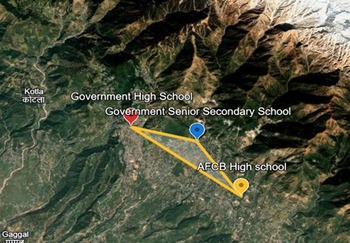
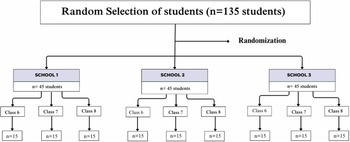

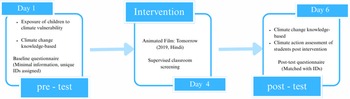


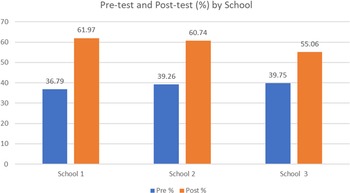

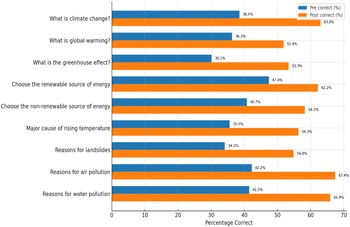

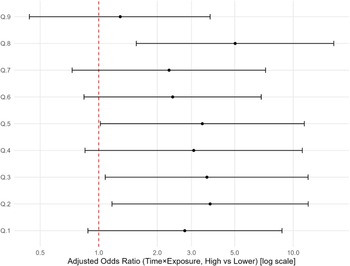


 Open access

