


n-3 Long-chain PUFA (LC-PUFA) from fish and fish oils have been shown to improve markers of the metabolic syndrome (MetS), such as plasma TAG and blood pressure in adults and seem to reduce CHD mortality( Reference Mozaffarian and Wu 1 ). In adults, the MetS is defined as a cluster of cardiovascular risk factors including abdominal obesity, dyslipidaemia, glucose intolerance and hypertension( Reference Zimmet, Alberti and Kaufman 2 ). Although no universal definition of the MetS exists for paediatric populations, waist circumference, mean arterial pressure, plasma HDL-cholesterol and TAG, and the homeostasis model assessment-insulin resistance (HOMA-IR) index are commonly used markers of the MetS in children( Reference Eisenmann 3 ). Metabolic dysregulations during childhood and adolescence increase the risk of the MetS and type 2 diabetes in adulthood( Reference Morrison, Friedman and Wang 4 ), and in parallel with the obesity epidemic, increasing numbers of children in the Western world now show features of the MetS( Reference Duncan, Li and Zhou 5 ). However, little is known about the effects of n-3 LC-PUFA on MetS markers in school children.
Previous trials conducted by our group showed that fish oil supplementation reduced blood pressure in infants and teenage boys( Reference Damsgaard, Schack-Nielsen and Michaelsen 6 , Reference Pedersen, Molgaard and Hellgren 7 ), as is seen in adults( Reference Campbell, Dickinson and Critchley 8 ). In contrast, our previous cross-sectional study in Danish 17-year-olds, demonstrated a positive association between erythrocyte n-3 LC-PUFA status and systolic blood pressure, indicating higher blood pressure with a higher intake of n-3 LC-PUFA( Reference Lauritzen, Harslof and Hellgren 9 ). In a 7-year follow-up of a randomised controlled trial, our group previously found higher blood pressure in the boys of mothers who were fish oil-supplemented, when compared with olive oil-supplemented during lactation( Reference Asserhoj, Nehammer and Matthiessen 10 ). Overall, this indicates that the acute effect of high-dose n-3 LC-PUFA in the form of fish oil on MetS markers may be different from that of habitual, long-term intakes of n-3 LC-PUFA from fish. Furthermore, studies in adults have indicated that the two major dietary n-3 LC-PUFA, EPA and DHA, affect different components of the MetS cluster( Reference Wei and Jacobson 11 ).
The boys of the fish oil-supplemented mothers also had a lower physical activity level and a higher energy intake compared with the control group( Reference Asserhoj, Nehammer and Matthiessen 10 ). Whether the effects of habitual n-3 LC-PUFA intake on MetS markers may be mediated by behavioural changes leading to, for example, changes in the physical activity level or energy intake is currently unexplained. Therefore, the aim of the present study was to investigate the association between n-3 LC-PUFA status, measured as EPA and DHA in the whole blood, and markers related to the MetS in 8–11-year-old Danish school children, and to explore the potential mediating effects of physical activity and energy intake.
Methods
Study design and participants
The present exploratory study was based on cross-sectional data from the OPUS (Optimal well-being, development and health for Danish children through a healthy New Nordic Diet) School Meal Pilot study. One of the main aims of the OPUS project is to investigate the effects of school meals based on the New Nordic Diet on health, well-being and cognitive performance. The present study was conducted according to the guidelines laid down in the Declaration of Helsinki and all procedures involving human subjects were approved by the Danish National Committee on Biomedical Research Ethics (no. H-1-2010-023). All children from 3rd and 4th grades (n 105) at a school in the north-eastern part of Denmark were invited to participate in the study, which was conducted from January to April 2011. Exclusion criteria were severe food intolerances or allergies or concomitant participation in other research projects involving blood sampling or radiation. Written and oral information was given before study start, and written parental consent as well as child assent was obtained for eighty-three children. The present study is based on cross-sectional baseline data from the seventy-three children from which all relevant measurements were collected.
Data collection
The participating families underwent a 2 h in-depth interview, either at school or in their home, about socio-economic status, food habits and other characteristics, and during which instructions on dietary recordings and physical activity and sleep measurements were given. Socio-economic status in the present study was evaluated as the reported education of the parent of the household with the highest education level and classified based on the Danish Nomenclature of Education levels obtained from Statistics Denmark 2011 (Copenhagen, Denmark). The families fell into four educational classes: (1) vocational education and basic schooling (a total of 11–13 years schooling and education); (2) short higher education (mainly theoretical, 13–15 years in total); (3) bachelor degree or equivalent (15–16 years in total); (4) master degree or higher ( ≥ 17 years in total).
With help from their parents, the children recorded their daily intake of food and beverages for 7 d by a Web-based dietary assessment software developed specifically for children aged 8–11 years in the OPUS School Meal Pilot Study( Reference Biltoft-Jensen, Trolle and Christensen 12 ). Amount consumed was estimated by selecting the closest portion size among four different digital images in 320 photo series. Energy and nutrient intake was calculated for each individual using the software system GIES (version 1.000 d – 26-02-2010) developed at the National Food Institute, Technical University of Denmark. Concomitantly, to measure physical activity, the children were asked to wear an ActiGraph™ (GT3X+ tri-axis accelerometer monitor; Actigraph) in an elastic belt tightly at the right hip for seven consecutive days, and to remove it only during water activities, i.e. showering or swimming. At the end of the observation period, data were reintegrated to 60 s epochs and analysed using ActiLife (version 6.0.0; ActiGraph). For the present study, only data obtained between 06.00 hours and midnight were used. Periods of at least 15 min of consecutive zeros using vector magnitudes were assumed to be monitor non-wear time and removed before analysis. The remaining time was considered as monitor wear time. To remove sleep and sleep activity during the evening (present as small bursts of activity), consecutive wear time of less than 60 min was disregarded before analysis. Mean physical activity was calculated as the total number of vertical counts divided by wear time and was expressed as counts/min. Time spent on sedentary activity was defined as all minutes showing ≤ 100 counts/min, which is a widely used cut-point( Reference Trost, Loprinzi and Moore 13 ). Furthermore, light-, moderate- and vigorous-intensity activity was defined as the number of minutes spend on physical activity of 101–2295, 2296–4011 and ≥ 4012 counts/min, respectively, according to recently suggested paediatric cut-offs( Reference Trost, Loprinzi and Moore 13 ). All children had a minimum of 4 d of at least 10 h of measured monitor wear time between 06.00 hours and midnight. Median days of valid recording was 7 (range 6–7) d with a mean monitor wear time (excluding sleep time) of 892 (sd 32) min/d.
Clinical measurements and blood sampling were performed in the morning in an air-conditioned, double-decker truck equipped as a mobile laboratory. Standardised procedures were used for all measurements. The children had fasted overnight except for one to two glasses of water. After 10 min rest, systolic and diastolic blood pressure and the heart rate were measured three times in the supine position with an automated device (UA-787 Plus; A&D Medical). The mean of the last two measurements was used in the data analyses. The mean arterial pressure was calculated as: 1/3 × systolic blood pressure+2/3 × diastolic blood pressure. For the measurements, two different cuff sizes were used (18–22 or 22–32 cm) and the ambient temperature inside the truck was measured by an electronic thermometer. Height was measured three times to the nearest millimetre with a transportable stadiometer (CMS Weighing Equipment Limited), body weight was measured with the child in underwear or light clothes using a Tanita BWB-800S electronic scale (Tanita Europe) and waist circumference was measured three times to the nearest millimetre with a measuring tape at the position of the umbilicus. Body composition of the lightly clothed children was assessed by dual-energy X-ray absorptiometry using a Lunar Prodigy Pro SW scanner (GE Healthcare) with Encore software version 13.5 (Encore Software Ltd). Only whole-body fat percentage (BF%) was used in the present study. The percentage of children being normal weight v. overweight and obese was assessed based on sex and age according to Cole et al.( Reference Cole, Bellizzi and Flegal 14 ).
Blood sampling and analyses
Local anaesthetic patches (Emla; Astra Zeneca) were sent to the families with an instruction before the clinical measurements. A fasting venous blood sample (35–40 ml) was drawn from the antecubital vein. Whole-blood glucose and Hb concentrations were analysed immediately after sampling using a Hemocue Glucose 201 and a Hemocue Hb 201 analyser, respectively (Hemocue Danmark). The Hemocue Glucose 201 calculates plasma glucose concentrations from whole blood concentrations. Glycosylated Hb in the whole blood was measured on a Quo-Test A1c (Quotient Diagnostics Limited). The inter-assay CV was 3·4 and 0·8 % for the glucose and Hb analysis, respectively. According to the manufacturer, intra- and inter-assay CV were 2·6 and 1·4 %, respectively, for the glycosylated Hb analysis.
Heparinised blood was mixed with 0·1 % butylated hydroxytoluene (Sigma-Aldrich) in ethanol (0·1 ml/ml blood) and stored at − 80°C for later analysis of fatty acid composition or was centrifuged at 2500 g , 10 min for storage at − 80°C of plasma for the measurement of cholesterol and TAG. Blood collected in serum separation tubes with gel was centrifuged at 2500 g , 10 min after 30 min coagulation at room temperature, and serum was stored at − 80°C for analysis of insulin concentration.
Whole-blood fatty acid composition was measured by high-throughput GC. Fatty acid methyl esters were prepared from whole blood samples by direct transesterification with convectional heat as described previously( Reference Armstrong, Metherel and Stark 15 ). Briefly, 50 μl of whole blood were added to 1 ml of 14 % boron trifluoride in methanol (Pierce Chemicals) and 300 μl of hexane containing 50 μg/ml of butylated hydroxytoluene (Sigma-Aldrich) and 10 μg of an internal standard (22 : 3n-3 ethyl ester; Nu-Check Prep). Samples were briefly mixed and convectionally heated on a heating block for 60 min at 90°C. Samples were allowed to cool to room temperature and additional water and hexane were added (1 ml each), after which the samples were mixed for 1 min, and then centrifuged for 5 min at 3000 rpm. The top hexane layer was collected for analysis on a Varian 3900 gas chromatograph (Varian Medical Systems, Inc.) equipped with a DB-FFAP 15 m × 0·10 mm inner diameter × 0·10 μm film thickness, nitroterephthalic acid-modified, polyethylene glycol, capillary column (J&W Scientific from Agilent Technologies) with hydrogen as the carrier gas( Reference Metherel, Taha and Izadi 16 ). Samples (2 μl) were introduced by a Varian CP-8400 autosampler (Varian Medical Systems, Inc.) into the injector heated to 250°C with a split ratio of 200:1. The initial temperature was 150°C with a 0·25 min hold followed by a 35°C/min ramp to 200°C, an 8°C/min ramp to 225°C with a 3·2 min hold and then an 80°C/min ramp up to 245°C with a 15 min hold at the end. The flame ionisation detector temperature was 300°C with air and N2 make-up gas flow rates of 300 and 25 ml/min, respectively, and a sampling frequency of 50 Hz( Reference Metherel, Taha and Izadi 16 ). Total whole-blood fatty acids amounted to 175 (sd 28) μg/100 μl (range 112–260 μg/100 μl). Numbers are evaluated in w/w% of the total whole-blood fatty acids with retention times between 12 : 0 and 22 : 6n-3 (FA%). The intra- and inter-assay variation of the analysis was 1·3 and 4·5 % for EPA and 2·4 and 6·4 % for DHA, respectively.
Plasma total and HDL-cholesterol and TAG were measured by an automated enzymatic colorimetric assay on a Vitros 5.1 FS analyser (Ortho-Clinical Diagnostics, Johnson & Johnson). LDL-cholesterol concentrations were calculated by use of Friedewald's equation( Reference Friedewald, Levy and Fredrickson 17 ). Serum insulin was measured by an automated chemiluminescent immunoassay on an ADVIA Centaur XP (Siemens Healthcare). The inter- and intra-assay variations of the analyses were 1·8 and 1·2 % for total cholesterol and 1·9 and 1·2 % for HDL-cholesterol, and the inter-assay variation was 5·9 % for insulin. HOMA-IR was calculated as plasma glucose (mmol/l) × serum insulin (mIU/l)/22·5( Reference Cutfield, Jefferies and Jackson 18 ). Insulin concentrations were converted from pmol/l to mIU/l by dividing with 6·945.
Statistical analysis
Data were analysed with SPSS version 20 (IBM Corporation) and statistical significance was established at P< 0·05. All data are presented as means and standard deviations separately for girls and boys, as sex has a significant impact on most of the MetS variables. As the only outcome variable, plasma TAG was not normally distributed, and was log-transformed before statistical analysis. The MetS markers, whole-blood fatty acid composition and other characteristics of girls and boys were compared by the unpaired t test. In order to check the validity of the measured n-3 LC-PUFA status, the association between whole-blood n-3 LC-PUFA and fish intake was tested in ANCOVA with sex as the categorical variable and age and total whole-blood fatty acid content as covariates. Investigation of the possible associations between whole-blood n-3 LC-PUFA and the MetS markers was also done in ANCOVA. For each outcome variable, two different models were used; the simple model included sex as the categorical variable and age and total whole-blood fatty acid content as covariates and for blood pressure also ambient temperature at blood sampling; the fully adjusted model further included parental education as the categorical variable as well as energy intake and mean daily physical activity and, except for anthropometric outcomes, also BF% as covariates. Each model also included a sex × n-3 LC-PUFA interaction term which was removed if non-significant. If this interaction term was statistically significant, subsequent analysis was performed in each of the sexes separately. The adjustment for total whole-blood fatty acid concentration to some extent adjusts for the variation in the size of plasma lipid pool (which is more likely to be influenced by the last meal) relative to the size of the more stable blood cell membrane pool. Finally, associations between EPA and DHA and either mean physical activity or energy intake were analysed by ANCOVA using simple and fully adjusted models. However, for these outcomes, energy intake, physical activity and BF% were not included in the fully adjusted models, since they could be effects of the associations rather than mediators or confounders.
Results
As expected, most children were normal weight (Table 1). Girls had higher BF%, diastolic blood pressure, heart rate, serum insulin, HOMA-IR, glycosylated Hb, TAG and HDL:TAG, and were less physically active than boys. Girls and boys spent 509 (sd 68) v. 497 (sd 49) min/d (P= 0·43) on sedentary activity, 354 (sd 61) v. 348 (sd 43) min/d (P= 0·65) on light activity, 21 (sd 10) v. 38 (sd 14) min/d (P>0·001) on moderate activity and 7 (sd 5) and 11 (sd 8) min/d (P= 0·009) on vigorous activity, respectively. We found no differences in the intake of macronutrients or fish between the sexes (Table 1).
Characteristics of the children (Mean values and standard deviations; medians, 25th and 75th percentiles)
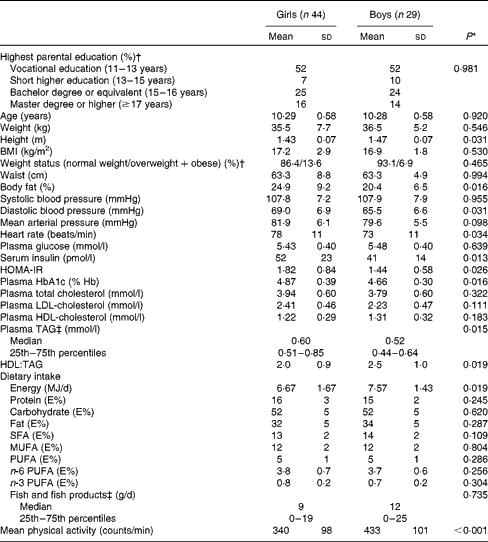
HOMA-IR, homeostasis model assessment-insulin resistance; HbA1c, glycosylated Hb; E%, percentage of energy intake.
* Differences between the sexes were tested by the unpaired t test, unless otherwise stated.
† The distribution within sexes was tested by the χ2 test.
‡ Differences between the sexes were tested by the Mann–Whitney U test.
No differences in whole-blood fatty acid composition were seen between the sexes (Table 2). Whole-blood EPA and DHA were both associated with fish intake adjusted for age, sex and total whole-blood fatty acid concentration (β = 0·30, P= 0·011 for EPA and β = 0·28, P= 0·017 for DHA). We also assessed other potential composite whole-blood markers of fish intake: the n-6:n-3 PUFA ratio, n-3 highly unsaturated fatty acid:total highly unsaturated fatty acid and DHA:total PUFA, which were all found to be associated with fish intake (β values about 0·35 and P values about 0·002).
Whole-blood fatty acid composition in the children* (Mean values and standard deviations)
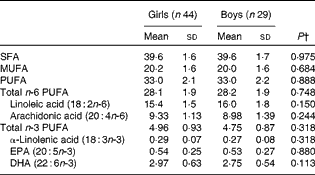
* All values are given as w/w% of all whole-blood fatty acids with retention times between 12 : 0 and 22 : 6n-3.
† Unpaired t test.
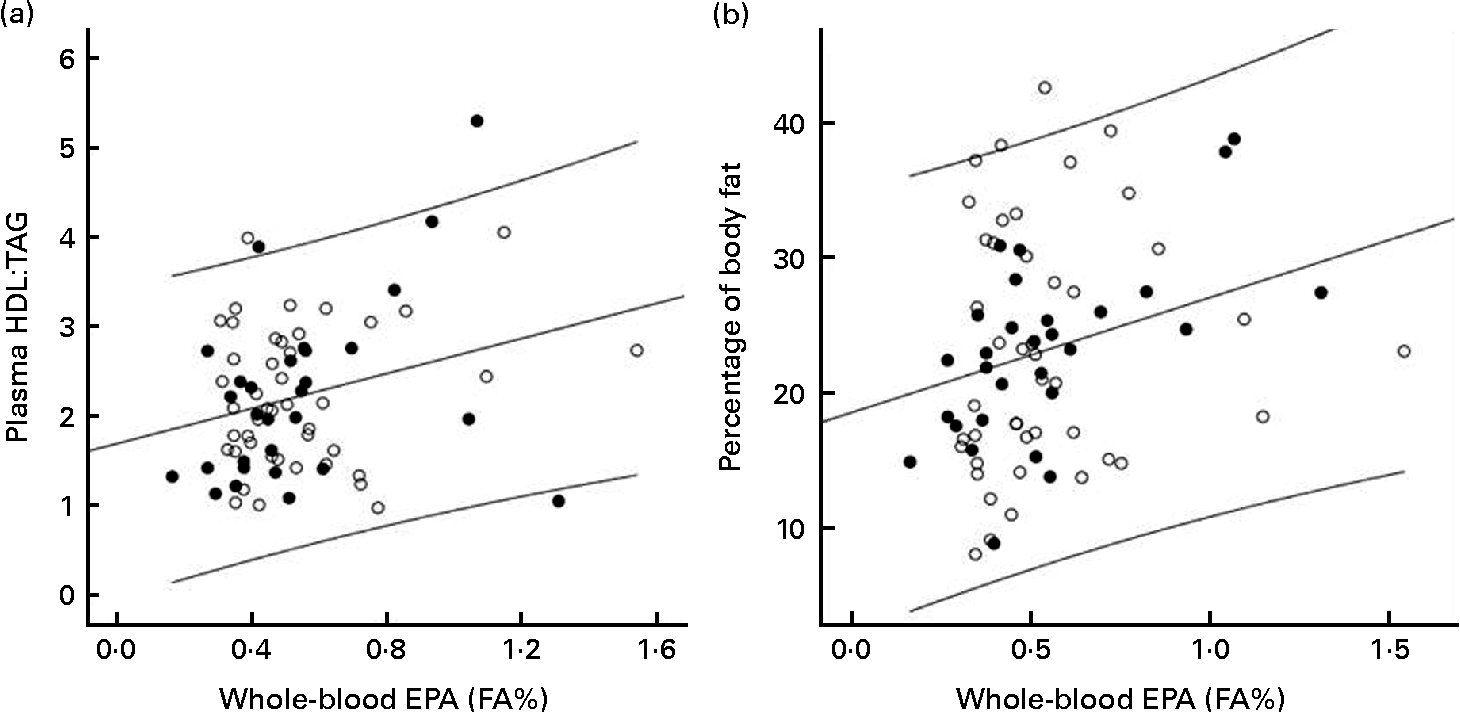
Whole-blood EPA was positively associated with BF%, also after adjustment for energy intake and physical activity (Table 3 and Fig. 1), whereas an association between whole-blood EPA and BMI was found only in the fully adjusted model. BF% was also positively associated with DHA in the fully adjusted model, but the association was much weaker than that for EPA (Table 3). We found higher HDL-cholesterol and HDL:TAG with increasing EPA in the whole blood (Fig. 1), and these associations were strengthened in the fully adjusted models (Table 3). Total plasma cholesterol was positively associated with both EPA and DHA in the fully adjusted models, but no association was seen for LDL-cholesterol (data not shown). Neither blood glucose, insulin, HOMA-IR nor glycosylated Hb was associated with EPA or DHA.
Association between whole-blood n-3 long-chain PUFA (LC-PUFA) and the markers related to the metabolic syndrome*
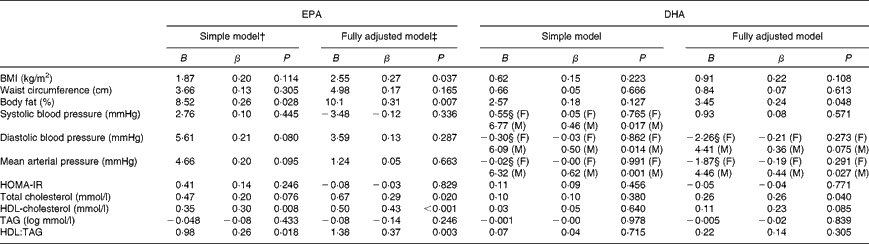
B, slope coefficient; β, standardised regression coefficient; F, female; M, male; HOMA-IR, homeostasis model assessment-insulin resistance.
* Partial regression coefficients and P values are shown based on ANCOVA models of the associations between n-3 LC-PUFA status and the metabolic markers. All models initially included an n-3 LC-PUFA × sex interaction term, which was removed from the models if non-significant.
† The simple models were adjusted for sex, age and total whole-blood fatty acid concentration and for blood pressure also ambient temperature.
‡ The fully adjusted models further included parental education, energy intake, mean daily physical activity and, except for anthropometric outcomes, body fat percentage.
§ Due to a DHA × sex interaction (P< 0·05), the effect was determined separately in the sex subgroups.
(a) Plasma HDL-cholesterol:TAG and (b) body fat percentage v. whole-blood EPA status. Variables on both axes were adjusted for sex, age and total whole-blood fatty acid concentration (simple model). Regression lines and 95 % CI are shown (●, boys; ○, girls), (a) β = 0·28, P= 0·015 and (b) β = 0·26, P= 0·025. FA%, w/w% of the total fatty acids in the whole blood.
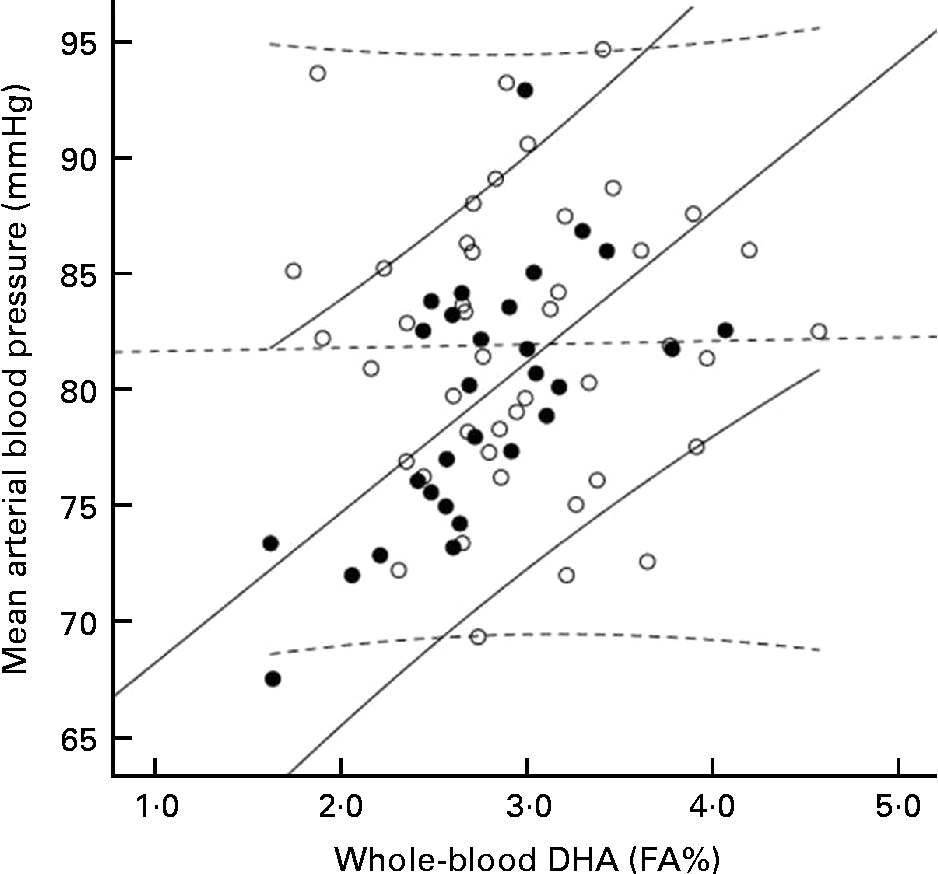
When we used systolic, diastolic and mean arterial blood pressure as the outcomes, we found a significant interaction between whole-blood DHA and sex (P= 0·041, 0·027 and 0·010, respectively; Table 3). Therefore, we performed the simple analyses for blood pressure separately in the sexes. These revealed positive associations between whole-blood DHA and both systolic and diastolic blood pressure in boys only, and most highly significant for mean arterial pressure (Table 3 and Fig. 2). The interaction between DHA and sex was also found in the fully adjusted models, but only borderline significant for systolic blood pressure (P= 0·052; Table 3). Despite the interaction, DHA was not associated with diastolic blood pressure in boys or girls separately in the fully adjusted models. Heart rate was not associated with EPA or DHA in either the simple or the fully adjusted model (P>0·32). Systolic, diastolic and mean arterial blood pressure, adjusted for age and sex, were all strongly associated with BF% (P< 0·005).
Mean arterial blood pressure increases with increasing whole-blood DHA status in boys only. Variables on both axes were adjusted for age, total whole-blood fatty acid concentration and ambient temperature (simple model). Regression lines and 95 % CI are given (  and ●, boys: β = 0·64, P< 0·001; ○ and
  , girls: β = 0·02, P= 0·92). FA%, w/w% of the total fatty acids in the whole blood.
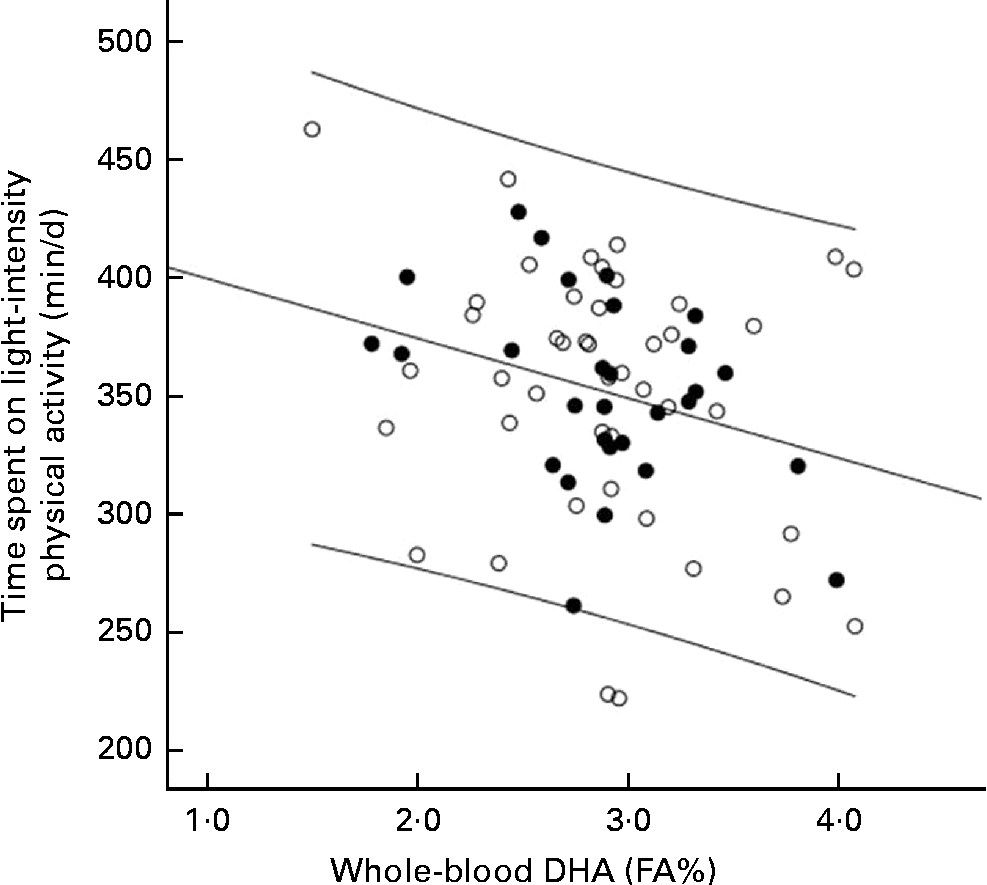
No association between either EPA or DHA and energy intake was seen in either the simple or fully adjusted models (data not shown). The mean physical activity was negatively associated with whole-blood DHA in the fully adjusted model (B= − 44 (sem 19) counts/min per FA%, β = − 0·22, P= 0·024) including parental education, but only borderline significant in the simple model (β = − 0·17, P= 0·086). When we separated physical activity into time spent on sedentary, light, moderate and vigorous activity, DHA was associated with time spent on light physical activity only (B= − 25 (sem 11) min/d per FA%, β = − 0·28, P= 0·024) (Fig. 3). Whole-blood EPA was not associated with physical activity in any of the models (data not shown).
Time spent on light-intensity physical activity decreases with increasing whole-blood DHA. Light physical activity was defined as 101–2295 counts/min. Variables on both axes were adjusted for sex, age, parental education and total whole-blood fatty acid concentration (simple model). Regression lines and 95 % CI are given (●, boys; ○, girls), β = − 0·28, P= 0·019. FA%, w/w% of the total fatty acids in the whole blood.
Discussion
Few studies have investigated the potential associations between n-3 LC-PUFA status and markers of the MetS in children. In the present study, we consistently found higher plasma HDL-cholesterol and HDL:TAG with higher whole-blood EPA in 8–11-year-old Danish school children, despite an increased BF% with higher EPA status. Most trials in adults have shown TAG-lowering effects of fish and n-3 LC-PUFA over a wide range of intakes( Reference Mozaffarian and Wu 1 ). Although some studies have seen increased HDL-cholesterol and total cholesterol with fish oil supplementation, meta-analyses have shown that these effects are negligible in adults( Reference Hooper, Thompson and Harrison 19 ). Evidence regarding the relationship between n-3 LC-PUFA intake or status and plasma lipid profile in children is sparse. In line with the present findings, we previously found increased plasma HDL, but no effect on TAG in slightly overweight teenage boys randomised to fish oil-enriched breads( Reference Pedersen, Molgaard and Hellgren 7 ). In infants, previous work from our group showed increases in LDL-cholesterol and total cholesterol, but not HDL-cholesterol with fish oil supplementation and a negative association between n-3 LC-PUFA status and TAG( Reference Damsgaard, Schack-Nielsen and Michaelsen 6 ). In our previous cross-sectional study among 17-year-old Danes, there was no association between n-3 LC-PUFA status and plasma lipid profile( Reference Lauritzen, Harslof and Hellgren 9 ); however, in contrast to the present study, n-3 LC-PUFA status was measured in erythrocytes in that study. Mechanistically, the effect of n-3 LC-PUFA on plasma lipid profile is believed to be mediated by the modulation of transcription factors that are regulated by the liver X receptor-α/retinoid X receptor-α heterodimer and which control TAG assembly and oxidation in the liver( Reference Davidson 20 ). These receptors have counteracting effects on reverse cholesterol transport and thereby modulate plasma HDL-cholesterol levels( Reference Davidson 20 ).
To our surprise, we found that mean arterial blood pressure was increased with higher DHA status among boys in the present study, and the same overall pattern was seen for diastolic blood pressure. This is in contrast with the blood pressure-lowering effect of fish oil supplementation, which has been demonstrated in adults( Reference Campbell, Dickinson and Critchley 8 ) and in our previous randomised trials among children of different ages( Reference Damsgaard, Schack-Nielsen and Michaelsen 6 , Reference Pedersen, Molgaard and Hellgren 7 ). A follow-up of children who received n-3 LC-PUFA during the first 4 months of life also showed reduced blood pressure 6 years later in the fish oil-supplemented group when compared with the control( Reference Forsyth, Willatts and Agostoni 21 ). However, the findings of the present study are in agreement with our recent study in 17-year-olds in which mean arterial pressure and diastolic blood pressure were positively associated with n-3 LC-PUFA status( Reference Lauritzen, Harslof and Hellgren 9 ). Also, we previously found similar blood pressure-increasing effects in the 7-year-olds who were exposed to a high intake of n-3 LC-PUFA early in life via the breast milk of their fish oil-supplemented mothers – especially among boys( Reference Asserhoj, Nehammer and Matthiessen 10 ).
Apart from the blood pressure effect, the physical activity of children was reduced with higher DHA status in both sexes in the present study, particularly physical activity of light intensity. Our previous study showed a lower physical activity level in children whose mothers received fish oil during lactation, again mostly among boys( Reference Asserhoj, Nehammer and Matthiessen 10 ). Furthermore, it has recently been shown that a high dose of n-3 PUFA lowered locomotor activity in mice( Reference Drew Rockett, Harris and Raza Shaikh 22 ). Obesity and body fat are associated with increased blood pressure in children( Reference Tu, Eckert and DiMeglio 23 ) and physical activity is known to reduce blood pressure in adults( Reference Whelton, Chin and Xin 24 ). The increased BF% and reduced physical activity with increasing n-3 LC-PUFA status in the present study may be partial mediators of the associations between DHA and blood pressure in boys, since these were weakened by adjustment for BF% and physical activity. Behavioural mechanisms and central nervous system-related effects may be in play. Light-intensity physical activity covers a broad spectrum of activities with an intensity between sedentary activities, such as lying and sitting, and more demanding activities such as brisk walking and bicycling( Reference Trost, Loprinzi and Moore 13 , Reference Treuth, Butte and Adolph 25 ). We speculate that higher n-3 LC-PUFA intake and status make the children calmer and that they therefore spent less time on these types of activities. In animals, n-3 LC-PUFA have been shown to modulate noradrenaline secretion and serotonin and dopamine systems( Reference Kodas, Galineau and Bodard 26 , Reference Takeuchi, Fukumoto and Harada 27 ), which are involved in the regulation of mood, blood pressure and heart rhythm. Also, trials among students and substance abusers have shown that fish oil lowers anxiety and aggression( Reference Hamazaki, Sawazaki and Itomura 28 , Reference Buydens-Branchey and Branchey 29 ). The blood pressure-increasing effects of higher habitual DHA status could be indirectly mediated via a reduction in physical activity. In contrast, the opposite and direct blood pressure-lowering effects of high-dose n-3 LC-PUFA supplementation, for example in the form of fish oil, may overrule the potential behaviour-mediated blood pressure-increasing association with habitual DHA status. However, these considerations are highly speculative and should be investigated further. Causality cannot be determined from the present explorative cross-sectional study and whether the lower physical activity and higher BF% and mean arterial blood pressure with increasing n-3 LC-PUFA status have negative implications for long-term cardiovascular risk is unknown. Although the Nordic countries may have a higher fish intake and thereby higher n-3 LC-PUFA consumption than many other Western populations, our dietary data showed that fish consumption in this group of school children was only about one-third of the recommended 200–300 g/week in the Nordic countries( 30 ), and potentially suboptimal. Fish intake was comparable with that reported in a national sample of Danish children( 31 ).
The present study used whole-blood EPA and DHA as markers of n-3 LC-PUFA status, and they were shown to reflect the reported fish intake of children. In a small sample of normolipidaemic individuals, erythrocytes, plasma and buffy coat (containing mainly leucocytes) accounted for approximately 30–35, 50–60 and 10–15 % of the total fatty acids in the whole blood (K. D. Stark and A. H. Metherel, unpublished results). Whereas erythrocyte n-3 LC-PUFA reflect intakes over the last months, plasma n-3 LC-PUFA reflect the last days or weeks; the response of the whole blood to dietary n-3 LC-PUFA supplementation has been shown to be intermediate between plasma and erythrocytes( Reference Metherel, Armstrong and Patterson 32 ). Although erythrocyte n-3 LC-PUFA would reflect even longer-term intakes, whole blood was therefore still a relevant analysis material and has the benefit that elaborate erythrocyte washing, which would have been difficult in the laboratory truck, is not required.
As discussed, EPA was correlated mainly with the plasma lipid profile and DHA with blood pressure and physical activity. In a recent literature review, Mozaffarian & Wu( Reference Mozaffarian and Wu 33 ) concluded that the clinical effects of EPA and DHA seem to differ on exactly HDL-cholesterol and blood pressure. However, in a meta-analysis, DHA turned out also to be the most efficient with respect to the modulation of the plasma lipid profile( Reference Wei and Jacobson 11 ). We do not know whether the different associations found in the present study reflect that (1) the effects are mediated via different molecular mechanisms with specific sensitivity to EPA and DHA or (2) EPA and DHA are merely markers of different pools of n-3 LC-PUFA in the whole blood. DHA tends to be mainly located in inner membranes of lipoproteins and erythrocytes, whereas EPA tends to be mainly found in the more dynamic outer membranes( Reference Metherel, Armstrong and Patterson 32 ). In line with this, plasma EPA has been shown to respond more readily to the immediate intake of n-3 PUFA when compared with DHA( Reference Burdge, Sala-Vila and West 34 ). Therefore, mechanism (2) described above is certainly a possibility. Also, it seems plausible that the plasma lipid profile is affected by the acute intake via modulation of liver receptors, whereas the effects on blood pressure and behaviour would require a more stable supply of n-3 LC-PUFA.
The higher BF%, insulin, HOMA-IR and TAG and lower physical activity of girls, when compared with boys, have also been described in a cohort of 386 Danish 9-year-olds( Reference Andersen, Harro and Sardinha 35 ). American data also show higher TAG( Reference Cooper and Bayse 36 ) and higher HDL-cholesterol( Reference Olson 37 ) in girls at this age. However, in contrast with the present results, Andersen et al. ( Reference Andersen, Harro and Sardinha 35 ) found slightly higher systolic and diastolic blood pressure values in boys, when compared with girls, in their Danish cohort. Whether this sex difference is explained by the higher prevalence of overweight and obesity among girls than boys of the present study is unknown.
A strength of the present study is that it is based on a homogeneous group of school children measured under highly standardised conditions and that we were able to adjust for potential mediators and confounders including parental education. The study is limited by the relatively small sample size and, theoretically, the results could be artifacts of the multiple adjustments in the regression models. However, we find this rather unlikely since the same overall pattern was seen in the simple and fully adjusted analyses. In the present study, blood pressure was measured at only one occasion. Compared with, for example, 24 h repeated blood pressure measurements, we may have overestimated actual resting blood pressure values due to the ‘white coat syndrome’. However, all measurements were performed under standardised conditions and 24 h blood pressure measurements were not logistically possible in the school setting. Finally, we had no data on the pubertal status of children. Puberty affects the MetS markers and may therefore add some unexplained variation. However, since the children covered a relatively narrow age span and most were under 10 years of age and normal weight, pubertal variation among them and the resulting potential confounding effect of puberty may be limited.
In conclusion, in a group of apparently healthy, 8–11-year-old children, n-3 LC-PUFA status was positively associated with plasma HDL and HDL:TAG, but also with higher BF% and lower physical activity and with higher blood pressure in boys only. This is the third time we have observed such tendencies in Danish children. The long-term consequences and potential causality and behavioural mechanisms should be investigated further.
Acknowledgements
Thanks to Stine-Mathilde Dalskov, Rikke A. Petersen, Louise B. Sørensen, Vivie K. Pedersen, Inge Rasmussen, Vivian J. Anker, Christel D. Raagaard, Debbie Nadelmann, Birgitte Hermansen, Rikke P. Laursen and Majken E. Rasmussen for their help with data collection and all the participating children, their parents and the school management and staff for their contribution to the study. C. T. D., M. F. H, A. B.-J., K. F. M. and A. A. designed the study; C. T. D., M. F. H. and A. B.-J. conducted the study; K. D. S. and L. L. analysed the data; C. T. D. and L. L. wrote the paper. All authors read and approved the final manuscript. The authors have no conflicts of interest to declare.



