



Population ageing is a global phenomenon influencing health patterns in nearly all countries( 1 ). In Australia, the population aged 65 years and over is increasing rapidly as a result of the ageing of the large post-war baby boom cohort, increasing life expectancy at age 65 years( 2 ). Furthermore, the composition of the older population has been shifting with increasing proportions of men reaching advanced old age as well as the ageing of migrants including many who had arrived from Europe during the 1950s and 1960s. From 2012 to 2061, it is projected that the proportion of people aged 65 years and over will increase from 14 to 25 % and the proportion of people aged 85 years and over will increase by 4·2 % with a notable increase in the proportion of men in this age group (from 35 to up to 46 %)( 3 ).
It is well known that diet is an important modifiable factor affecting the maintenance of health in old age( Reference Mathers 4 ). Adequate nutritional intake is associated with reduced morbidity and mortality as well as improved quality of life in older age( Reference Nowson 5 ). An Australian longitudinal survey recently reported that nutrition at baseline was an independent predictor of older people’s ‘ageing well’, defined as continuing to live in the community with independence in daily living and with good self-rated health and psychological well-being( Reference Kendig, Browning and Thomas 6 ). Nutritional requirements of older people are the same, if not greater, compared with younger adults( Reference Löwik, Westenbrink and Hulshof 7 ). However, older people tend to have lower dietary intakes compared with their younger counterparts( Reference Löwik, Westenbrink and Hulshof 7 – Reference Meydani 10 ).
Decline in dietary intake is related to physiological, social-economical and psychological changes observed in older people, and may increase the risk of nutritional inadequacy( Reference Meydani 10 – Reference Wham, Teh and Robinson 15 ). Factors such as country of origin( Reference Wham, Carr and Heller 16 ), living conditions( Reference Wham, Teh and Robinson 15 , Reference Charlton 17 ) and physical disability( Reference Wylie, Copeman and Kirk 18 ) increase the likelihood of nutritional inadequacy. Older men are at even higher risk of nutritional inadequacy than women due to their limited involvement in the planning and preparation of meals( Reference Hankin 19 ).
Although dietary habits have been reported for older men in Europe and North America, there have been limited studies on the dietary intake of older men in Australia( Reference Webb, Schofield and Lazarus 20 , 21 ). This is of concern when considering the predicted increase in the number of older men living in Australia.
The primary aim of the present study was to describe and assess the risk of not meeting the requirements for energy and nutrient intakes among community-dwelling men aged 75 years and over living in Sydney, Australia. The secondary aim was to investigate factors associated with having a poor intake of key nutrients in older age.
Methods
Participants
The Concord Health and Ageing in Men Project (CHAMP) is a longitudinal cohort study of the health of older men based in Sydney, Australia, which has followed-up men aged 70 years and over since 2005( Reference Cumming, Handelsman and Seibel 22 ). In 2012, collection of nutritional data using a diet history methodology was added to the third wave of CHAMP data collection (5-year follow-up).
The original selection of CHAMP subjects has been described in detail elsewhere( Reference Cumming, Handelsman and Seibel 22 ). In brief, 3005 men aged 70 years and over living in the suburbs of Burwood, Canada Bay and Strathfield in Sydney, Australia, who were on the electoral roll were invited to participate in CHAMP. A total of 1705 men participated in the project during the baseline data collection phase in 2005–2007. The only exclusion condition was living in a residential aged care facility. Participants completed a questionnaire at home (approximately 45 min to complete) and then attended a clinic (approximately 3 h to complete) where further data were collected through interview and examination.
A total of 954 participants took part in the 5-year follow-up assessment. Of the 751 men who did not complete the 5-year follow-up, the majority were either deceased (51 %) or too ill (23 %) to attend the study clinic. For the nutritional component of the study, 794 (83 %) of them agreed to participate. Of the 160 (17 %) non-respondents, 49 % stated that they were too busy or not interested, 19 % were deceased, 16 % were too ill/not able, 5 % were not reachable, 5 % had limited English literacy, 4 % had moved away from the study area and 2 % had withdrawn completely from the study. Respondents were significantly younger, more likely to be married, more likely to have a higher education level and more physically active than non-respondents, but did not significantly differ in terms of age, country of birth, occupational history, income or self-rated health.
Diet history
Usual dietary intake was determined through collection of diet histories( Reference Burke 23 ), conducted by a research dietitian at the participant’s residence using a standardised diet history method between August 2010 and August 2013, covering all the seasonal variations. The diet history questionnaire form (open-ended questions on food consumption at different meal times) used in CHAMP was adapted from the Sydney South West Area Health Service outpatient’s diet history form. Participants were asked questions about their usual dietary intake during the previous 3 months, and quantities of foods consumed were ascertained by means of food models, photographs( Reference Williams 24 ) and household measures – for example, cup size. A checklist of common food items was included to verify those food items often forgotten. Validity of this dietary record has previously been reported by comparison with a 4-d weighed food record collected in a subgroup of fifty-six CHAMP men( Reference Waern, Cumming and Travison 25 ). The diet history interview took an average of 45 min to be completed. Participants’ wives, carers and/or family members were encouraged to be present during the interview as this has been found to assist participants’ ability to recall( Reference Hankin 19 ).
Misreporting
CHAMP participants’ activity levels were measured using the Physical Activity Scale for the Elderly (PASE)( Reference Washburn, Smith and Jette 26 ), which uses a different scoring system to physical activity level (PAL). It was not feasible to convert PASE scores to PAL; instead, data of participants who reported energy intakes above or below 2 sd from the median energy intake (n 33) were excluded because of probable under- and over-reporting. The final sample, therefore, contained 761 men aged 75 years or older.
Data handling
Participants’ daily dietary intakes were converted into nutrient intakes using FoodWorks 7 Professional for Windows (Xyris Software (Australia) Pty Ltd), which uses the Australian Food, Supplement and Nutrient Database 2007 (AUSNUT 2007) that contains thirty-seven nutrient values for 4425 foods( 27 ). Nutrient values for vitamin B6 and B12 are not included in this database, and therefore were not assessed. Vitamin D values from AUSNUT 2007 are to be interpreted with caution as data were derived from a small set of analyses and values were based on a number of assumptions( 28 ). Na intakes reported in this study include Na naturally present in foods as well as Na added during processing, but excludes the ‘discretionary salt’ added by participants in home-prepared foods or ‘at the table’. A coding manual was developed to assure consistent data entry of the diet history questionnaire, where 869 food items were identified and standardised. Standardising food coding involved looking for described food items in the FoodWorks’ database (AUSNUT 2007), selecting the closest possible options and recording respective entries used in FoodWorks for future reference. Recipes of uncommonly consumed dishes were entered separately using specific ingredients and amounts described by participants. Recipes of commonly consumed foods were entered as the closest possible option. Takeaways and pre-prepared (e.g. meals on wheels) dishes were identified and entered according to the information provided on the restaurant menu/package/website. Consumed leftovers were entered according to participants’ descriptions of amounts and frequency. Dietary supplements consumed as meal replacement or snacks (e.g. TwoCal HN; Abbott Nutrition) were entered accordingly. Foods consumed in different seasons (outside the 3-month cut-off) were not taken into consideration, as they would not reflect the usual intake of the past 3 months. The median daily dietary intakes of energy, fat, protein, carbohydrates, alcohol, dietary fibre, thiamin, riboflavin, niacin and dietary folate equivalents, vitamins A, C, D, E, Ca, Fe, Zn, Mg, P, K, I and Na were calculated for each participant. Estimated energy requirements were calculated using BMR( Reference Schofield 29 ) multiplied by the PAL of 1·6 (light activity) for older men( 30 ). Percentage of energy derived from fat, protein, carbohydrates and alcohol was calculated. Intake of protein was also expressed per kg of body weight.
The Australian nutrient reference values (NRV) consist of a set of evidence-based nutritional recommendations. The median dietary intake of each nutrient in the CHAMP data set was compared with the NRV for males aged 70 years and over as follows: estimated average requirement (EAR) or adequate intake (AI) when recommended dietary intake – and consequently EAR – had not been established; upper level (UL) of intake to assess excessive Na intake. Acceptable macronutrient distribution range (AMDR) – amount of macronutrients (as a percentage of contribution to energy) was used to assess appropriate intake of macronutrients( 30 ). To measure acceptable percentage contribution to energy (%E) from alcohol, we used the recommendations from the Australian dietary guidelines( 31 ). Prevalence of inadequate intakes was calculated by comparing the group’s usual intake with corresponding NRV( 32 ).
Total energy is not a nutrient but it is necessary for a number of essential activities in the body( 30 ). From this point onwards, we will refer to energy as a dietary component. Total energy and six nutrients have been identified as of particular importance in older age, and they are as follows: protein, Fe, Zn, riboflavin, Ca and vitamin D( Reference Nowson 5 ). To investigate the proportion of men meeting the requirements for these dietary components, and to determine some of the factors associated with their poor nutritional intake, a composite key nutrients intake variable was created. This variable was dichotomised as ‘poor’ (meets the requirements of four or fewer nutrients) and ‘good’ (meets the requirements of five or more nutrients).
Foods included in the AUSNUT 2007( 27 ) have an assigned name, food description, inclusions, exclusions and an eight-digit code; these eight-digit food codes are grouped into major, sub-major and minor groups( 28 ). The sub-major food group was used to identify the three main food sources of each nutrient for all the men included in the analysis.
Measurements
Information on socio-demographic and economic factors, smoking status, alcohol consumption, physical activity and other factors known to affect food intake were obtained through a self-completed questionnaire. Height and weight were measured according to a standardised protocol, and BMI was calculated as kg/m2. BMI was categorised as underweight (<22 kg/m2), normal (22–30 kg/m2) and overweight/obese (>30 kg/m2) in accordance with recent studies in older people (65 years and over) that have shown that there is an increased risk of mortality in the lowest and highest cut-offs( Reference Bannerman, Miller and Daniels 33 – Reference Winter, MacInnis and Wattanapenpaiboon 38 ). Country of birth was grouped as Australia and New Zealand, Italy and Greece and other. Source of income was categorised as age pension only and other (repatriation pension, veteran’s pension, superannuation or other private income, own business/farm/partnership, wage or salary, other or any source of income combination). We used source of income as a proxy of personal income, assuming that age pensioners had the lowest income. Self-rated health was obtained through response to the question ‘compared to other people of your own age, how would you rate your own health?’, and data were dichotomised into excellent/good v. fair/poor/very poor. Participants were asked about change in their eating patterns in the past 5 years and whether they had any financial issues in the last 12 months that prevented them from buying food.
Data on medical conditions were obtained from a self-reported questionnaire in which participants reported whether a doctor or a health care provider had told them that they had any of the following diseases: diabetes, thyroid problems, osteoporosis, Paget’s disease, stroke, Parkinson’s disease, kidney stones, dementia, depression, epilepsy, hypertension, myocardial infarction, angina, heart failure, intermittent claudication, chronic obstructive lung disease, liver disease, chronic kidney disease, arthritis and cancer (excluding non-melanotic skin cancer and benign tumours such as bowel polyps and meningioma). Multi-morbidity was defined as having two or more of these conditions( Reference Diederichs, Berger and Bartels 39 ).
Statistical analysis
Nutritional adequacy was assessed by comparing participants’ median intakes with the NRV recommended for males aged 71 years or older. A secondary analysis of the data was performed using the composite dichotomised key nutrients intake variable. The dichotomised key nutrients intake variable (poor or good) was used in a logistic regression model to examine associations with socio-demographic, economic, health, lifestyle and meal-related activities of daily living factors.
Data were analysed using SAS version 9.3 (SAS Institute Inc.). A number of statistical methods (e.g. Shapiro–Wilk) were used to examine data distribution, and we found that all the nutrients analysed (except carbohydrate (%E)) were not normally distributed; therefore, subjects’ characteristics and energy and nutrient intakes were reported as medians and 5th (P5) and 95th (P95) percentiles when numerical values were obtained and as percentages when categorical values were obtained. Evidence against null hypotheses was considered statistically significant if P values were <0·05. The goodness of fit of the final adjusted logistic regression model was assessed using the Hosmer–Lemeshow statistic.
The data presented on vitamin and mineral intakes refer to food consumption only; intake through nutritional supplements was not assessed as data are unavailable at present.
Results
Participants’ characteristics
Socio-demographic, economic, health risk and meal habit-related information are presented in Table 1. Participants’ mean age was 81±4·4 years, and a total of 57 % were 80 years or older. Mean BMI was 27·7 (sd 4·0) kg/m2, with a total of 27 % of the men categorised as overweight/obese, 67 % as normal and 6 % as underweight. The majority of men were married (75 %), lived with someone (80 %), received other than just age pension as source of income (61 %) and were born in Australia or New Zealand (54 %). Most men considered their health as excellent or good (75 %) in spite of living with two or more morbidities (72 %). Few men were unable to shop for groceries (2 %) or prepare their own meals (4 %), and only 3 % had received some kind of meal service in the previous year. Alcohol consumption was most likely to be at a safe level (62 %) and very few men were current smokers (3 %).
Participants’ descriptive characteristics
(Mean values and standard deviations; number of subjects and percentages)

PASE, Physical Activity Scale for the Elderly; MOW, meals on wheels.
* Repatriation pension/veteran’s pension, superannuation or other private income, own business/farm/partnership, wage or salary, other or any source of income combination.
† Manager/professional/para-professional/tradesperson/clerk/salesperson/personal-service worker/inadequately stated/unknown.
‡ Trade/apprenticeship/certificate/diploma/no qualifications.
When asked about changes in their dietary intake over the past 5 years, 77 % of the participants reported no change in their diet. Only 1 % of the participants responded yes when asked the question ‘in the past 12 months, was there any time when you could not afford to buy food?’.
Dietary intake
Table 2 shows the median values and 5th/95th percentiles intake of each studied nutrient, the proportion of participants not meeting NRV and the three main food sources of each nutrient.
Median daily intake of energy and nutrients, proportion of participants not meeting the recommended intake and main food sources of each nutrient
(Median values and 5th/95th percentiles; percentages and number of subjects)

EER, estimated energy requirements; EAR, estimated average requirement; %E, percentage contribution to energy; AMDR, accepted macronutrient distribution range; AI, adequate intake; ADG, Australian dietary guidelines; UL, upper level.
* EER will vary according to height, weight and physical activity level of each individual.
† Eight missing, one refusal and two unable to weigh.
‡ Of the 16 % of the participants not meeting the AMDR for protein (%E), 46 % (n 58) had an average intake below the AMDR and 54 % (n 67) above the AMDR.
§ All the participants (n 626) not meeting the AMDR for carbohydrate (%E) had an average intake below the AMDR.
∥ Of the 48 % of the participants not meeting the AMDR for total fat (%E), 3 % (10) had an average intake below the AMDR and 97 % (359) above the AMDR.
¶ Retinol equivalent.
** Vitamin D data should be interpreted with caution.
†† α-Tocopherol equivalents.
‡‡ Includes Na naturally present in foods as well as Na added during processing, but excludes the ‘discretionary salt’ added by participants in home-prepared foods or ‘at the table’; inadequate intake refers to the proportion of participants who consumed amounts above the UL.
Participants’ median daily intake of total energy was 8728 kJ (P5=5762 kJ, P95=12 303 kJ), and there was no significant difference in intakes between age groups (data not shown). Median macronutrient distribution is presented in Fig. 1. Participants’ median percentage contribution of protein to energy was within the NRV; participants’ median carbohydrate contribution to energy was below the AMDR, whereas their median total and saturated fat intakes were above their respective AMDR. Most participants’ median micronutrient intakes reached their respective NRV, with only Ca, K, vitamin D and vitamin E intakes being below their respective NRV. Participants’ vitamin D median intake (32·5 % of NRV) was the lowest compared with its NRV, followed by Ca (73 % of NRV) and K (87 % of NRV). Although participants’ median intakes of nutrients such as Fe, P, niacin and vitamin C were more than double of what is recommended, median intakes did not exceed UL of intake.
Macronutrient (%) distribution of total energy intake of 761 men aged 75 years and over. * Other, sugar alcohol and dietary fibre. † Monounsaturated and polyunsaturated fats.

Dietary adequacy and food sources
The majority of participants met the NRV for energy, protein per kg of body weight, thiamin, riboflavin, niacin, folate, vitamin A, vitamin C, Fe, Zn, P and I (Table 2). Nutrients of particular concern were vitamin D, Ca, K and dietary fibre, for which less than half of the participants met their requirements. Although the median intake of Na was below the UL of intake, 31 % of the participants were consuming amounts considered harmful – that is, above UL. Two-thirds of the participants were consuming saturated fat amounts above the recommended intakes.
Milk was among the main food sources of many nutrients such as protein, Ca, vitamin D and P. Breakfast cereal was the second most predominant food source and provided participants with nutrients such as thiamin, folate and Fe.
Factors associated with poor intakes of key nutrients
A total of 48 % (n 362) of the participants were considered to have a poor nutritional intake, based on meeting recommendations for four or fewer of the seven key nutrients of interest for older adults (total energy, protein, Fe, Zn, riboflavin, Ca and vitamin D). At the univariate level (Table 3), country of birth (P>0·0001), source of income (P=0·002) and occupational history (P=0·02) were significantly associated with nutritional intake. Italian- or Greek-born men had an overall lower dietary intake of all the key nutrients. Although not reaching statistical significance, we found that current smokers (P=0·06) and those who were unable to prepare their own meals (P=0·09) had slightly higher risk of having a poor intake of key nutrients, whereas men with a university education had a slightly higher nutritional intake of key nutrients (P=0·06).
Univariate analyses for nutritional intake of key nutrients for older adults and socio-demographic and economic, health and lifestyle and meal-related activities of daily living (ADL) factors
(Number of subjects and percentages; odds ratios and 95 % confidence intervals)

PASE, Physical Activity Scale for the Elderly; MOW, meals on wheels.
* OR of having a poor nutritional intake of key nutrients for older adults – that is, meeting the recommendations for four or less key nutrients.
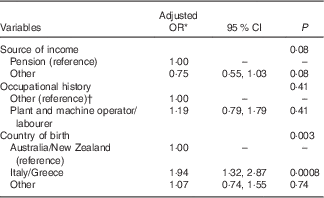
A multivariate logistic regression analysis showed that only the association between country of birth and nutritional intake remained significant after adjustment for occupational history and source of income (Table 4). Participants born in Italy/Greece were more likely to have poor nutritional intake of key nutrients (OR 1·94; 95 % CI 1·32, 2·87, P=0·0008).
Final logistic regression model with adjusted odds ratios for poor nutritional intake (four or less) of key nutrients of interest for older adults
(Odds ratios and 95 % confidence intervals)
* OR of having a poor nutritional intake of key nutrients for older adults – that is, meeting the recommendations for four or less key nutrients.
† Trade/apprenticeship/certificate/diploma/no qualifications.
Age group, BMI classification, PASE classification, marital status, living arrangement, education, alcohol consumption, self-rated health and multi-morbidity were not associated with poor nutritional intake. Very few participants were unable to prepare their own meals, to shop for food or received meal service assistance in the previous year; therefore, conclusions cannot be made in relation to associations between these factors and dietary intake.
Discussion
In this study, we provide the nutritional intake information of the largest and oldest sample of older men ever recruited in Australia. Our findings are comparable with the latest nationally representative Australian Heath Survey (AHS)( 21 ), despite the use of different dietary methodologies in the two studies (AHS used 24-h recall). The similarity of results suggests that nutrition-related findings from CHAMP can be generalised to the Australian population of older men in the very old age group. However, in assessing the findings, it is important to take into account important ‘survival effects’ – that is, men with poor nutrition are relatively less likely to live to the advanced ages as examined in our study( Reference Kendig, Browning and Thomas 6 ).
Although we found that the majority of participants met or exceeded NRV for most nutrients, it was alarming how low the intakes of vitamin D and Ca were among our sample. Being born in Italy or Greece was associated with a poor nutritional intake of key nutrients in older men, as was income and occupational history, with pensioners and participants with a history of physically demanding jobs being at higher risk.
These findings suggest a number of areas for targeted interventions. Macronutrient-unbalanced diets may lead to obesity, malnutrition, poor micronutrient intakes and nutritional deficiencies (e.g. anaemia)( 30 ). We observed high total and saturated fat intakes (%E) and below the recommended level intake of carbohydrates (%E) among CHAMP participants. Other studies have found similar total fat intakes among older men( Reference Hurson, Corish and Sugrue 11 , Reference Webb, Schofield and Lazarus 20 , Reference Volkert, Kreuel and Heseker 40 ); one study has found higher intakes ( Reference Rothenberg, Bosaeus and Steen 41 ) and several others have found lower intakes( Reference Löwik, Westenbrink and Hulshof 7 , 21 , Reference Dewolfe and Millan 42 , Reference Marshall, Stumbo and Warren 43 ) compared with our study.
Carbohydrate intakes in our study, both as a proportion of energy and as absolute intake, tended to be lower compared with other studies among older men( Reference Hurson, Corish and Sugrue 11 , Reference Volkert, Kreuel and Heseker 40 – Reference Marshall, Stumbo and Warren 43 ). However, CHAMP data for carbohydrate intakes were similar to those from older men in the AHS( 21 ).
Although 72 % of participants met their total energy requirements, it was notable that nearly a third of the participants were at risk in this respect. Assessment of total energy requirements is determined by calculating individuals’ BMR – which varies according to body weight, sex and age – and PAL. CHAMP participants’ activity levels were measured using the PASE( Reference Washburn, Smith and Jette 26 ), which could not be converted to PAL. As there is no set PAL cut-off for older men, and studies have reported ranges from 1·54 to 1·75( Reference Ritz 44 ), we chose the mid-point of the range (1·6; light activity) to calculate CHAMP participants’ energy requirements.
Sun exposure is the main source of vitamin D for all age groups; however, older people may have insufficient sunlight exposure, and thus nutritional intake of vitamin D becomes more important. Dietary requirements of vitamin D increase from 5 mcg for males up to 50 years of age to 15 mcg for males aged 71 years and older( 30 ). Very few men in CHAMP achieved their vitamin D requirements; however, adults may find it difficult to obtain more than 5–10 % of their vitamin D requirement from dietary sources in Australia, and if sun exposure is insufficient vitamin D supplementation is recommended for older individuals( Reference Nowson, McGrath and Ebeling 45 ).
Ca intake was also very low among men in CHAMP, with only 19 % reaching the recommendations for this nutrient. Combined, Ca and vitamin D are two of the most important nutrients for bone health maintenance( Reference Gennari 46 ), and their deficiency is associated with adverse outcomes such as increased incidence of osteoporosis, bone fractures and poor quality of life( Reference Gennari 46 ). Low vitamin D and Ca intakes have been raised as a concern in several other studies of older people( Reference Dewolfe and Millan 42 , Reference Marshall, Stumbo and Warren 43 , Reference Foote, Giuliano and Harris 47 ).
We found that, although the median intake of Na was not above the UL of intake, 31 % of participants were consuming potentially harmful amounts of Na. It is important to highlight that participants’ Na intake may be higher when considering the extra salt potentially added to food at the time of consumption, which was not measured in the present study. High dietary consumption of Na can be particularly detrimental to the cardiovascular health of adults; CVD is among the leading causes of death worldwide( Reference Taylor, Ashton and Moxham 48 – 50 ).
Breakfast cereal was the main source of many nutrients. In Australia, cereal and cereal products such as wheat flour used in bread are mandatorily fortified with thiamin and folic acid, iodised salt is used to make bread and some other nutrients may be voluntarily added to specific foods( 51 ).
Among the many factors that we assessed, only country of birth and source of income were related to quality of dietary intake, as measured by meeting the NRV for five or more of the seven key nutrients (total energy, protein, Fe, Zn, riboflavin, Ca and vitamin D).
A large proportion of CHAMP’s participants were born in Italy or Greece (23 %); however, their macronutrient intake distribution was not very different from participants born in Australia and other countries, with the exception of alcohol intake (2·3 v. 1·2 %E). Overall, Italian- or Greek-born participants were more likely to have a poor dietary intake of total energy (with a higher proportion of energy coming from alcohol) and virtually all nutrients of interest compared with participants born elsewhere.
Men who received other sources of income (i.e. superannuation, business owners, on a salary, combination of age pension and other sources or other) tended to have a better nutritional intake compared with men with the age pension only. The elevated risk for those on a pension only indicated the importance of income adequacy for purchasing food. An earlier study of older people in NSW found that food insecurity was a significant issue for a small proportion of older men and women( Reference Quine and Morrell 52 ). However, when asked the question ‘in the past 12 months, was there any time when you could not afford to buy food?’, only 1 % of our participants said yes, suggesting that food insecurity was not perceived to be an issue in the overall group, and perhaps nutritional education rather than affordability is a concern in this age group.
A strength of our study was that we used a validated diet history method to assess the nutritional intake of our study population( Reference Waern, Cumming and Travison 25 ). Diet histories obtained by dietitians are a reliable( Reference Margetts and Nelson 53 , Reference Gibson 54 ) approach to capture the dietary intake of individuals over a longer period of time (past 3 months in the present study). Diet histories do not limit the variability of response( Reference Gibson 54 ) and have less systematic errors than FFQ, making them more suited to estimate usual nutrient intake. Diet histories are particularly indicated for older people because their diets tend to be consistent over long periods of time and, although it is a retrospective technique, it does not rely on short-term memory and uses a much more interactive approach than other methods( Reference Hankin 19 , Reference Visser, LC and Deurenberg 55 – Reference Van Staveren, Burema and Livingstone 57 ). Moreover, diet histories have low respondent burden, which may improve response rates among older people and require no literacy or numeracy skills from participants( Reference Margetts and Nelson 53 , Reference Shahar, Earland and Abdulrahman 58 , Reference Willett 59 ), making them suitable for participants of culturally and linguistically diverse backgrounds. The high response rate to the dietary component of our study (83 %) confirmed that the diet history method is well suited for older men, regardless of country of birth, occupational history, source of income or self-rated health. As with most dietary assessment studies, this study’s findings are based on estimation of intake and should be considered as such. There will always be limitations with food composition data, as nutrient content of food is variable and depends on a range of factors( Reference Pennington 60 ). In particular, we acknowledge that vitamin D data reported in this study may be less accurate than the data regarding other nutrients as they were derived from a small set of analyses and values were based on a number of assumptions( 28 ). However, given that they are the most up-to-date data available on vitamin D concentration in foods in Australia( Reference Williams, Sobolewski and Fraser 61 ), we feel that it is important to report participants’ intakes through Australian food sources.
In summary, our study of a large population sample of men living in the community in Sydney, Australia, found that the dietary intake of older Australian men is adequate for most of the nutrients analysed (except vitamin D and Ca intakes, which were far below the recommended intakes). However, about half of the participants in this study had a poor nutritional intake of the combined key nutrients for older people. Being born in Italy or Greece was associated with poor nutritional intake of key nutrients in older men, suggesting the need for nutritional education targeted at older men from culturally and linguistically diverse backgrounds. Men on the age pension had the worst intake of key nutrients for older men, even though the vast majority of men reported no financial issues that prevented them from affording food, which highlights that education and behavioural change – rather than affordability – may be the issue in this age group.
These findings suggest a number of avenues for further research and policy action. It seems likely that the nutritional patterns described in this study arise from complex cultural and socio-economic factors that arise earlier in life and persist or change with transitions into later life. The mechanisms leading to nutritional adequacy or risk require further investigation in CHAMP and other longitudinal surveys. Findings on a small but significant number of individuals at nutritional risk indicate the importance of targeted health promotion for ageing and older people as well as examination of the value of meal services and nutritional interventions for clinical populations.
Acknowledgements
The authors thank all the CHAMP staff and participants for their contributions. The authors thank Ms Nilakshi Gunatillaka-Samarage for her valuable contribution in data collection.
The CHAMP study is funded by the National Health and Medical Research Council (301916) and the Ageing and Alzheimers Institute. R. V. R. W. and H. V. are funded by the Australian Research Council Centre of Excellence in Population Ageing Research.
R. G. C., F. B. and V. N. designed and developed the project. R. V. R. W., M. A.-F. and R. G. C. designed the protocol for diet history measurement of dietary intake. R. V. R. W. collected the majority of nutritional data and trained the staff for nutritional data collection, conducted all the data analyses and wrote the first draft of the manuscript. V. H. and R. G. C. oversaw the statistical analyses. R. G. C., V. H., F. B., V. N., M. A.-F., D. L. C., H. K. and S. J. S. collaborated in writing. All authors reviewed and approved the final version of the manuscript. All authors had primary responsibility for the final content.
There are no conflicts of interest.



