




Introduction
The name of the German physician and chemist Heinrich Mückter (1914–87) is commonly associated with the thalidomide scandal, one of the most serious pharmaceutical scandals in history. The active ingredient thalidomide (alpha-phthalimido-glutarimide) was synthesised in the spring of 1954 by two newly hired members of the research staff at the pharmaceutical company Chemie Grünenthal in Stolberg near Aachen: pharmacologist Herbert Keller (1925–2001) and pharmacist Wilhelm Kunz (b. 1920). It was first marketed as the combination drug Grippex against common colds in late 1956, and in 1957 as the sedative Contergan. Use of the drug during pregnancy caused damage to embryonic development, resulting in severe congenital malformations. As head of Grünenthal’s research department, Heinrich Mückter must be regarded as a key figure in the development, testing, and market launch of the drug.Footnote 1
To this day, vague, oversimplified, and inaccurate accounts circulate regarding Heinrich Mückter’s activities during the Second World War (1939–45). In the leading German news magazine Der Spiegel, journalist Armin D. Steuer referred to Mückter’s Nazi past. According to Steuer, in the post-war period Mückter accepted the harm caused by thalidomide just as he had previously accepted harm to the health of concentration camp inmates in Buchenwald – ‘possibly also in Auschwitz’ – through vaccine experiments.Footnote 2 Some thalidomide survivors have even promoted the dubious conspiracy theoryFootnote 3 that thalidomide was synthesised as early as 1944 as an antidote to the nerve agent sarin (designated ‘drug #4589’)Footnote 4 and that it was ‘tested on women prisoners of war at the Auschwitz concentration camp by Doctors Heinrich Mückter and Otto Ambros,Footnote 5 who worked under the supervision of Mengele’.Footnote 6 However, drawing on Steuer’s reference to the vaccine trials at Buchenwald, some scholarly publications have also linked Mückter to human experiments on concentration camp inmates, in which typhus vaccine from the Institute for Typhus and Virus Research (Institut für Fleckfieber- und Virusforschung) of the Army High Command (Oberkommando des Heeres, OKH) in Krakow was tested.Footnote 7 Anne Crumbach even states that Mückter himself carried out experiments on concentration camp inmates.Footnote 8 Gine Elsner merely notes that Mückter had been accused by the Polish judiciary of involvement in vaccine experiments.Footnote 9 Ernst Klee, by contrast, refers only to Mückter’s affiliation with the Institute for Typhus and Virus Research of the OKH.Footnote 10
The typhus experiments conducted at the Buchenwald concentration camp near Weimar were mentioned by the former inmate and medical clerk Eugen Kogon (1903–87) in his influential work Der SS-Staat: Das System der deutschen Konzentrationslager [The SS State: The System of German Concentration Camps].Footnote 11 They were part of the German efforts to develop an effective typhus vaccine for use by German troops on the Eastern Front. With Hitler’s invasion of Poland in September 1939, the diagnosis, treatment, prevention, and study of typhus became a priority for German physicians, health officials, and scientists.Footnote 12 The Germans undertook a range of measures to counter the threat of typhus, pursuing two main strategies: active immunisation – primarily through vaccines – and the eradication of lice infestations through physical and chemical means.Footnote 13 The segregation and ghettoisation of the Jewish population in the occupied eastern territories must also be seen in this context, as the racist stereotype of typhus as a distinctly ‘Jewish disease’ played a significant role.Footnote 14
The history of Nazi typhus control and research is comparatively well researched, as is the disease’s significance for Nazi health and population policy, particularly in connection with the ghettoisation and systematic murder of the Jewish population in the eastern territories.Footnote 15 A meticulous study has also recently been published on Hermann Eyer (1906–97), the head of the Institute for Typhus and Virus Research of the OKH,Footnote 16 who, like Mückter, was broadly accused of involvement in human experimentation at Buchenwald.Footnote 17 However, there is still no in-depth scholarly analysis of Mückter’s role in German typhus control and vaccine research. In most of the studies on Nazi typhus control and research cited above, he is not even mentioned by name, with the exception of the works by Schütz and Elsner. This article aims to fill this research gap: after providing a brief biographical sketch, we reconstruct Mückter’s activities during the Second World War using a variety of historical sources and situate them within the context of what Schütz has termed the ‘Nazi typhus complex’ (nationalsozialistischer Fleckfieberkomplex).Footnote 18 With regard to the question of human experimentation conducted by the Institute for Typhus and Virus Research of the OKH, our findings draw primarily on Polish investigative files on Hermann Eyer and Heinrich Mückter,Footnote 19 which have not yet been examined in German- or English-language scholarship. Moreover, drawing on a wide range of additional sources, we critically re-evaluate the overall extent of cooperation in vaccine testing and production between Eyer’s institute and the research station at Buchenwald concentration camp.
Heinrich Mückter: a brief biographical outline
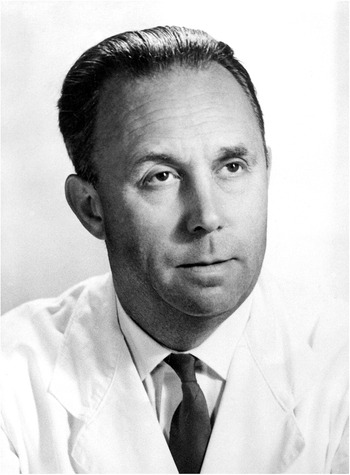
Heinrich Mückter (Figure 1) was born on 14 June 1914 in Körrenzig, a small village in what is now the district of Düren near Aachen, the son of the road mender Heinrich Mückter (b. 1879) and his wife Margarete (b. 1891), née Jäger. He was one of eleven children. While still a student at the public grammar school in Jülich, Mückter joined the Nazi Party’s (Nationalsozialistische Deutsche Arbeiterpartei, NSDAP) paramilitary organisation, the Sturmabteilung (SA), in May 1933 – reportedly out of youthful enthusiasm. After graduating (Abitur) with distinction in 1934, he served in the Reich Labour Service (Reichsarbeitsdienst) in Goch on the Lower Rhine between May and October of the same year. From the winter semester of 1934 to the summer semester of 1939, Mückter studied medicine at the universities of Bonn and Freiburg im Breisgau. His studies were co-financed by the Reichsstudentenwerk (Reich Student Union). In February 1940, he received his doctorate in medicine from the University of Bonn with a dissertation in physiology. During his studies in Bonn, he was initially a member of the Catholic student association Unitas-Salia for two semesters, before joining the Nazi Party in 1937. After completing his medical training, Mückter began studying chemistry at the University of Bonn in January 1940. He obtained his intermediate diploma (Vordiplom) in 1942 and, following a wartime interruption, completed his studies with honours in late 1946.Footnote 20
Dr Heinrich Mückter, 1968. Picture alliance | dpa.

During his medical studies, Mückter had already worked at the Physiological Institute in Bonn under Ulrich Ebbecke (1883–1960). Under Ebbecke’s supervision, he also completed his doctoral thesis, ‘Der Einfluß hoher Drucke auf den Ruhestrom der Froschhaut’ [The Influence of High Pressure on the Resting Current of the Frog Skin],Footnote 21 which was awarded magna cum laude. In the winter semester of 1938/9, he served as an assistant at the Anatomical Institute in Bonn under Philipp Stöhr (1891–1979),Footnote 22 a former participant in the Kapp Putsch with strong ties to leading Nazi figures such as Science Minister Bernhard Rust (1883–1945).Footnote 23 After receiving his war-related provisional medical licence (Notapprobation) in October 1939,Footnote 24 Mückter became a devoted student of the Bonn pharmacologist Werner Schulemann (1888–1975), who is widely regarded as his academic mentor.Footnote 25 Schulemann, like Mückter later, was both a physician and a chemist. He had long served as head of research at Bayer (IG Farben) in Elberfeld before being appointed professor of pharmacology in Bonn in February 1938. Notably, he delivered his inaugural lecture in SA uniform.Footnote 26 Under Schulemann’s supervision and with financial support from the German Research Foundation (Deutsche Forschungsgemeinschaft, DFG), Mückter spent approximately one year conducting research on the chemotherapy of streptococcal infections.Footnote 27
From December 1940 to April 1945, Heinrich Mückter served in the Wehrmacht, initially as an Officer Aspirant (Unterarzt, ‘Junior Physician’). He was stationed in Norway from February to April 1941 and, after a brief return to the University of Bonn, was deployed in what is now Belarus and Poland from early 1942 until early 1945.Footnote 28 Mückter was commissioned as a Medical Officer in June 1942 (Assistenzarzt, ‘Assistant Physician’, Second Lieutenant) and was subsequently promoted to Oberarzt (‘Senior Physician’, First Lieutenant) in May 1943 and Stabsarzt (‘Staff Physician’, Captain) in November 1944.Footnote 29 From spring to December 1942, he served in Heeres-Betreuungs-Kompanie 14 in Grodno (Białystok District), which operated a delousing facility until spring 1943.Footnote 30 In December 1942, Mückter transferred to the Institute for Typhus and Virus Research of the OKH, eventually becoming head of its Krakow branch, which remained operational until just before the city’s capture by Soviet forces on 19 January 1945. For his work in vaccine production for the German Army, Mückter was awarded the War Merit Cross, Second Class (Kriegsverdienstkreuz II. Klasse), in 1944. On 17 January 1945, he transferred to the institute’s evacuation site in Roth near Nuremberg, where he was captured by US forces in April and held as a prisoner of war until September. After his release, he returned to the University of Bonn and completed his chemistry studies in late 1946. In June of the same year, he was appointed head of research and production at Chemie Grünenthal in Stolberg.Footnote 31 Although the Polish judiciary had been investigating him between 1945 and 1947 – among other charges, for conducting human experiments on Polish workers – and had issued an arrest warrant, Mückter was neither apprehended by the Western Allies nor extradited to Poland.Footnote 32
The pharmaceutical company Grünenthal was founded in January 1946 by the Wirtz family, owners of the long-established soap and detergent manufacturer Dalli-Werke Mäurer & Wirtz. In the company’s early years, Heinrich Mückter played a central role and served both as head of research and head of production; he received at least a one-percent share of profits from product sales – amounting to over 1.9 million Deutsche Mark between 1951 and 1961.Footnote 33 Mückter had succeeded in acquiring Penicillium strains from Theodor Joseph Bürgers (1881–1954), professor of hygiene in Göttingen (formerly in Königsberg), whom he had met through his work at the delousing facility in Grodno, and from Hans Knöll (1913–78), head of the Institute of Microbiology at Schott in Jena. Following an initial phase of improvised small-scale production, the first liquid penicillin preparation was clinically tested on sick infants at the St Vincenz Children’s Home in Stolberg, in collaboration with Theodor Kersting (1901–76), chief physician of the affiliated children’s hospital. The test subjects – mostly malnourished infants, likely suffering from impetigo infectiosa – had frequently died within days due to sepsis. According to Mückter’s report, the trials yielded positive results, prompting him and the company heads to initiate mass production. By 1948, Grünenthal was able to manufacture penicillin on an industrial scale, enabling the company to expand significantly.Footnote 34
Mückter’s subsequent involvement in the development and distribution of thalidomide, as well as the related legal proceedings from January 1968 to December 1970, has been thoroughly researchedFootnote 35 and cannot be addressed here. In April 1968 – while, as a defendant in the thalidomide trial, he was at the centre of national and international press coverage – Mückter was questioned by the North Rhine-Westphalia State Criminal Police Office about his activities and observations in Grodno in 1942. The interrogation was unrelated to the thalidomide trial and took place in the context of investigations directed against the two former Gestapo officers Heinz Errelis (1912–94) and Kurt Wiese (1914–87). Between 1941 and 1943, Errelis and Wiese had been centrally involved in the planning and execution of mass shootings and deportations of Jewish civilians in Grodno. Mückter, however, had no direct connection with either of the two men and was questioned only as a witness in the proceedings; any possible involvement by Mückter in (medical) crimes was not under investigation.Footnote 36 After retiring in the mid-1970s,Footnote 37 Heinrich Mückter died in Aachen on 22 July 1987.Footnote 38
Nazi wartime typhus research, epidemic control, and health policy in the occupied eastern territories
Epidemic typhus, also known as Typhus exanthematicus or louse-borne typhus (German: Fleckfieber, literally ‘spotted fever’Footnote 39), is caused by Rickettsia prowazekii and transmitted by body lice, typically when their faeces enter skin abrasions or the mucous membranes of the eyes or mouth. Symptoms typically appear after an incubation period of seven to fourteen days and include sudden onset of high fever, severe headache, and profound prostration. Body temperature remains elevated (around 40°C) for approximately two weeks. On days four to six, small pink macules usually emerge, spreading across the trunk and extremities, though typically sparing the palms, soles, and face. Splenomegaly may occur, and hypotension is common among severely ill patients. The most effective preventive measures are immunisation and louse control. Before the discovery of antibiotics, the disease was fatal in ten to twenty per cent of cases.Footnote 40
A few weeks after the German invasion of the Soviet Union on 22 June 1941, lice infestation began to spread rapidly among German troops. By December, typhus had broken out along the entire Eastern Front. During the winter of 1941/2, more than 15,000 soldiers in the Eastern Army contracted the disease; by August 1942, the number had risen to 32,718, and over the first three and a half years of the war, more than 50,000 soldiers were affected.Footnote 41 According to the Army Surgeon, as of 20 August 1942, there were 39,913 documented cases of typhus in the Eastern Army, Ukraine, Ostland, the General Government (Generalgouvernement), and KönigsbergFootnote 42 – compared to just 40 casesFootnote 43 in the West. However, it was not only soldiers in overcrowded quarters who were at risk: epidemic outbreaks also frequently occurred among civilians and in prisoner-of-war camps. In particular, concentration camps were highly susceptible to typhus due to frequent overcrowding, abysmal hygiene, and extremely poor living conditions.Footnote 44
Against this background, in early 1942, the Waffen-SS (armed wing of the Nazi Party’s Schutzstaffel) began testing new typhus vaccines on prisoners at Buchenwald concentration camp – in close collaboration with civilian and military authorities and the pharmaceutical industry. Vaccine production under SS authority commenced in 1943/4.Footnote 45 However, vaccine research was not limited to the Department for Typhus and Virus Research of the Waffen-SS Hygiene Institute (Abteilung für Fleckfieber- und Virusforschung des Hygiene-Instituts der Waffen-SS), which oversaw the Buchenwald testing station. It also involved a broad network of partly competing institutions. In addition to the aforementioned Wehrmacht facility – the Institute for Typhus and Virus Research of the OKH in Krakow – civilian institutions such as the renowned Robert Koch Institute in Berlin, the State Institute for Experimental Therapy in Frankfurt am Main, and the Warsaw branch of the Hamburg Tropical Institute were also engaged in typhus research.Footnote 46 Vaccine trials on concentration camp inmates were not confined to Buchenwald: Eugen Haagen (1898–1972), a researcher at the Robert Koch Institute and later professor at the Reich University of Strasbourg, also conducted several series of experiments at the Schirmeck and Natzweiler-Struthof concentration camps.Footnote 47 As a whole, the Nazi typhus complex ‘clearly show[s] the cooperation between civil medical research institutions, military medicine within the German armed forces and SS, and the pharmaceutical industry’.Footnote 48 Gerhard Baader characterised much of the biomedical research and experimentation conducted in the concentration camps as ‘thoroughly reliable in terms of approach and purpose’.Footnote 49 More recent scholarship has also emphasised the scientific rigor of many of these human experiments. Volker Roelcke, for instance, notes that the sulfonamide experiments in Nazi concentration camps regarding their ‘design’ and methodology ‘corresponded to the contemporary state of scientific knowledge and to the methodological standards at the time the experiments were started’.Footnote 50 Overall, medical-historical research in recent years has underscored that most Nazi human experiments were not examples of ‘pseudoscience’, but rather followed the logic of contemporary biomedical research.Footnote 51 Nevertheless, these experiments – carried out in the ethically unrestrained environment of the concentration camps – were unquestionably brutal medical crimes that claimed several thousands of lives by the end of the war.Footnote 52
Although typhus vaccinations among German soldiers on the Eastern Front eventually helped reduce mortality under relatively stable frontline conditions, the vaccines initially had little impact. Quantities were insufficient and deliveries arrived far too late. As a result, medical command focused not only on immunisation but also on improving hygiene and implementing large-scale delousing operations to contain the spread of typhus. The German occupying forces pursued both the segregation of the civilian population and delousing through physical and chemical means.Footnote 53 As Christopher R. Browning has pointed out, the persistent antisemitic stereotype of Jews as carriers of disease – rooted in medieval imagery of the ‘plague-bearing Jew’ – resurfaced in the Nazi era, with typhus replacing plague as the perceived threat. The revival of the ghetto as a supposed ‘medical solution’ was emblematic of this logic. The establishment of the Warsaw Ghetto became a model for similar policies throughout the occupied eastern territories.Footnote 54 The association of ‘Eastern Jews’ (Ostjuden) with typhus – initially derived from local living conditions – was reinforced and institutionalised through the policy of mass ghettoisation, which in turn created the very conditions that promoted disease. This process, as Browning observes, became a ‘self-fulfilling prophecy’.Footnote 55
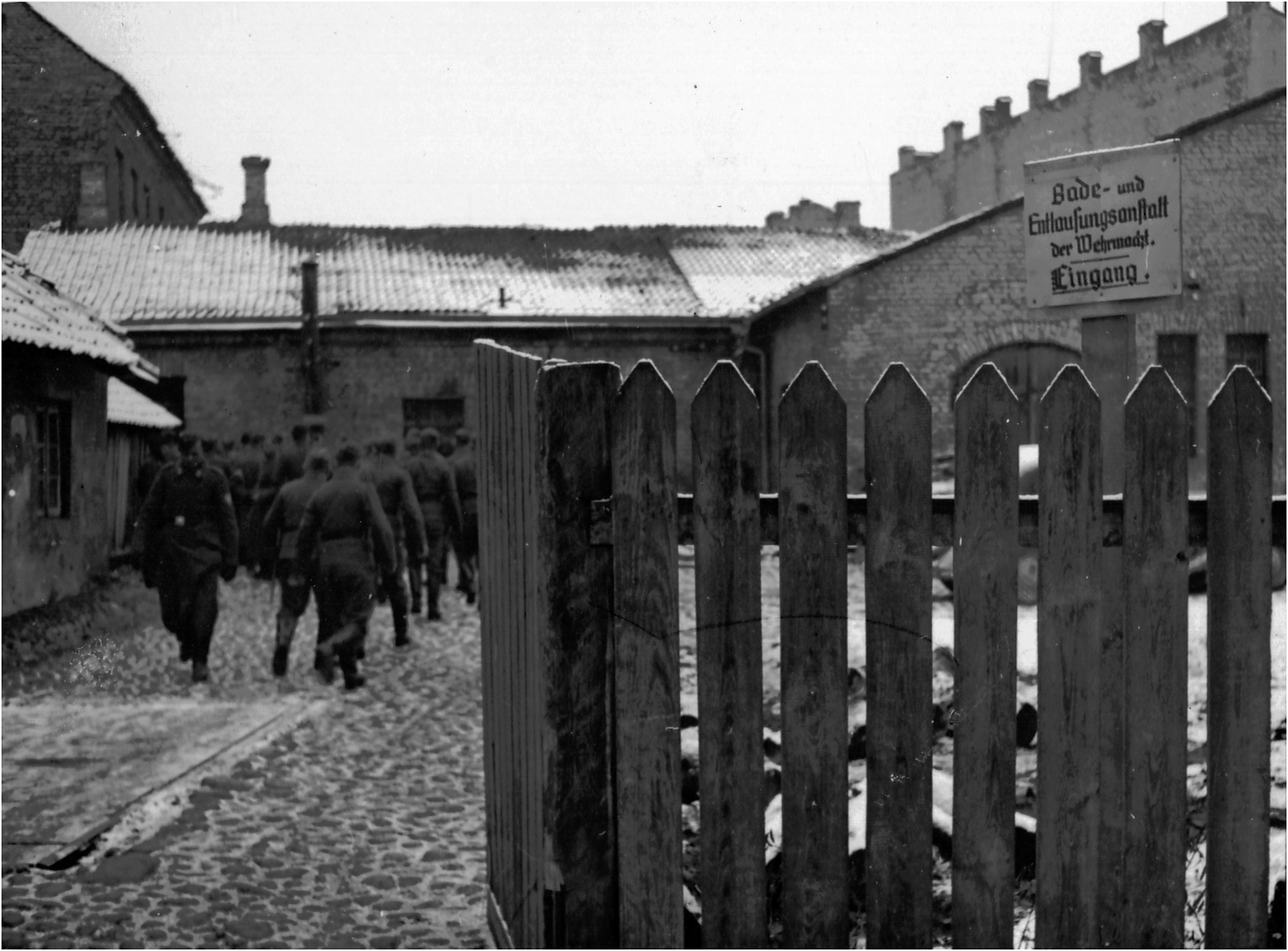
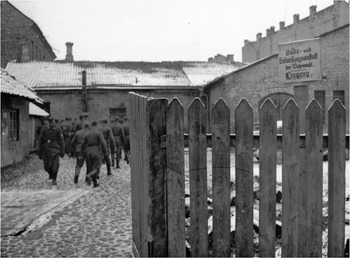
In addition to racially motivated segregation and ghettoisation measures targeting the civilian population, delousing procedures through disinfection (Entseuchung) and vermin control (Entwesung) primarily targeted German soldiers, prisoners of war, non-German auxiliary volunteers, and forced labourers. Entseuchung referred to the elimination of Rickettsia, while Entwesung meant the eradication of lice as disease vectors. To achieve both aims, the German authorities commonly treated clothing with hot air and steam. Chemical delousing agents were also used, including Lauseto, the gas Ventox, and Zyklon B (prussic acid), which would later be employed in Auschwitz for mass murder.Footnote 56 Delousing stations (Entlausungsanstalten) (Figure 2) with a daily capacity of three to five thousand people were established along the East Prussian border, in the General Government, and in the occupied Soviet territories.Footnote 57 However, in addition to segregation measures, delousing efforts also targeted local civilians, particularly those presenting with fever and headaches. These individuals were identified and registered by so-called epidemic squads (Seuchentrupps). Suspected typhus cases were subjected to compulsory delousing procedures: they were shaved bald, their homes disinfected with chemical agents, and their clothing deloused. During this time, suspects were forcibly hospitalised, and their close contacts were placed under a seven-day quarantine. In some regions, all non-sedentary individuals were classified as potential typhus carriers and interned in camps.Footnote 58
Wehrmacht delousing facility in Vilnius, Lithuania, 1940s. Private collection.
As will be shown, Heinrich Mückter operated ‘between Grodno and Krakow’ in the East; that is, he played a significant role in both typhus control measures in Grodno (Białystok District, now Belarus) and in vaccine research and production in Krakow (General Government, now Poland).
Heinrich Mückter in Grodno, Białystok District
From spring until December 1942, Heinrich Mückter worked at a delousing facility in Grodno, located in the Białystok District, together with the oto-rhino-laryngologist Josef Terrahe (b. 1901), father of Klaus Terrahe (1935–2023). The facility was primarily responsible for delousing military personnel prior to their return home, as well as foreign labourers who were being transported to the Reich for work assignments.Footnote 59 In a brief article on the diagnosis of typhus, Mückter described his experiences with the ‘mass delousing of Russians’Footnote 60 – carried out in what was one of the central sites of Holocaust atrocities.
The Białystok District was a site of open, genocidal violence against the Jewish and Polish civilian population, where the mass extermination of Jews – the so-called Holocaust by bullets – began earlier than in many other regions. By the time the Red Army liberated the area in July 1944, approximately 210,000 Jews and 72,000 Poles had been murdered there.Footnote 61 The perceived risk of typhus served the occupiers as a pretext for violence, functioning as what Paul Weindling has termed an ‘incitement to kill on medical pretexts’.Footnote 62 In early November 1942, the Jewish population across the entire Białystok District was forcibly confined to ghettos. In Grodno, two large ghettos had already been established in November 1941: Ghetto I for Jews deemed fit for labour, and Ghetto II for those classified as unfit. Between late November and early December 1942, at least five thousand people were deported from Grodno to Auschwitz, where most were murdered.Footnote 63 Earlier that year, Reserve Police Battalion 91 had already shot elderly and sick people as actual or potential carriers of typhus.Footnote 64
Heinrich Mückter later claimed to have been unaware of these mass shootings and extermination transports. During the 1968 interrogation, he recalled the two ghettos and admitted that Jewish forced labourers had been employed at the delousing facility. One of them was his laboratory assistant, the (former) medical student Henryk Bronstein, who lived in the ghetto and suddenly stopped coming to work one day. According to Mückter, Bronstein must ‘have been taken away at that time’. On the record, Mückter stated that he had ‘no knowledge of any deportations from the ghettos in Grodno or even acts of murder against Jews’.Footnote 65 This statement, however, is clearly contradicted by the testimony of Mückter’s orderly, Friedrich Grau (b. 1905), and the nurse Karl-Heinz Herling (b. 1920), which indicates that both the ongoing shootings and the sealing off of the ghettos, as well as the large deportation transports and their destination – Auschwitz – were generally known to the staff of the delousing facility.Footnote 66 It is noteworthy that the delousing facility was dissolved in the spring of 1943Footnote 67 – shortly after Mückter’s transfer to Krakow – at a time when both ghettos had already been liquidated and the remaining Jewish population deported to the Białystok ghetto or to extermination camps.Footnote 68 This temporal proximity suggests that the work of the delousing facility was at least indirectly connected to the ghetto system and its guard structures.
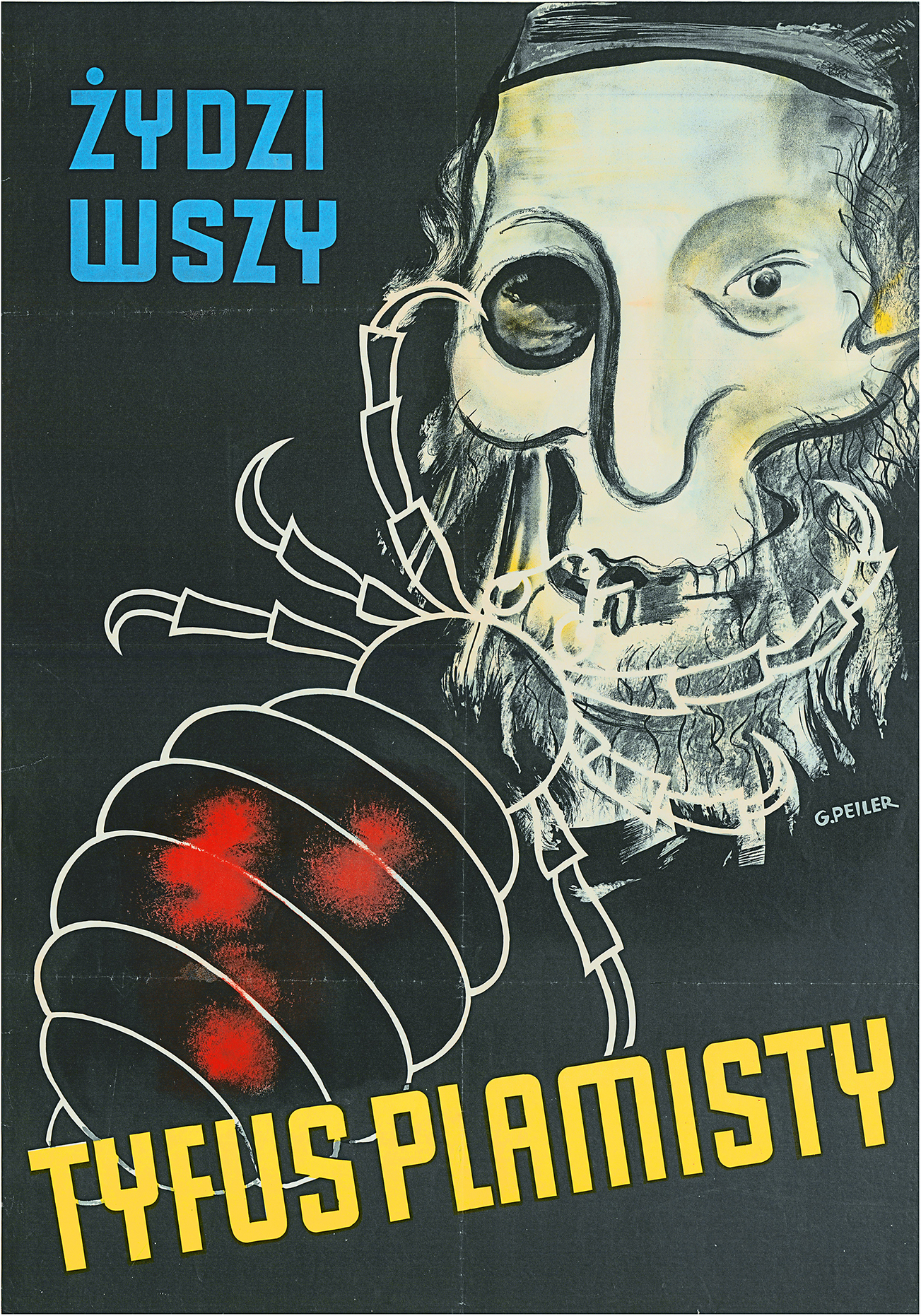
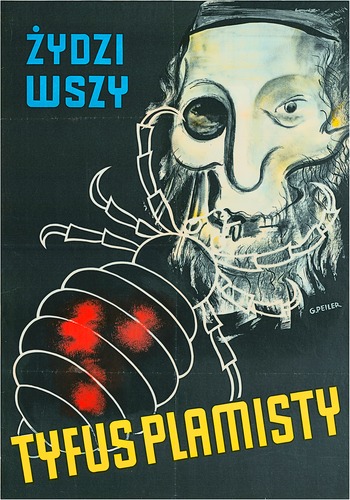
Jost Walbaum (1889–1969), Gesundheitsführer (‘Health Leader’) in the General Government, made it unequivocally clear at a health policy conference in October 1941 that the spread of typhus from Jewish ghettos to German civilians and soldiers had to be prevented at all costs, even if this meant shooting Jews without hesitation. Among those present was Hermann Eyer, later Mückter’s superior in Krakow.Footnote 69 Eyer himself promoted the most radical linkage between antisemitic and anti-Slavic stereotypes and the threat of typhus. In 1940, he asserted that the disease originated among ‘people of unhygiene’ and that typhus lice were bred in ‘filth-encrusted squalid dwellings [schmutzstarrenden Elendsquartieren] of Polish Jews’, in the ‘fur coat [Kozuch] of the Polish cottager’, and in the ‘caftan of the ghetto Jew’.Footnote 70 In a review, Eyer explicitly endorsed Walbaum’s view that the ‘typhus question’ could be resolved most quickly and efficiently through ‘the complete removal of the Jewish population from Poland’.Footnote 71 Against this background, and in light of the testimony of the delousing facility staff mentioned above, it seems highly implausible that Mückter was unaware of the extermination operations and their ideological and practical context. These measures were part of a broader policy that fused public health rhetoric with genocidal practice – an approach that, according to Walbaum, was openly discussed and advocated on site.Footnote 72 Here, epidemic-control measures were intertwined with an exterminatory racism: in the wake of the failed ghettoisation strategy, segregation measures originally intended to isolate and eliminate the pathogen escalated into measures aimed at the extermination of the human carrier (Figure 3). Thus, medically indicated measures to combat typhus – and, in Browning’s terms, particularly their failure as a ‘self-fulfilling prophecy’ – played a decisive role in theoretically legitimising and practically initiating genocide in the period between 1939 and 1941/2. This path to genocide, however, was, as is widely recognised, by no means linear but rather shaped by processes of cumulative radicalisation among various actors and divergent interest groups, situational contingencies, and countervailing developments.Footnote 73 At the same time, particularly in the fields of hygiene and bacteriology, such hierarchies of value, patterns of thought, and genocidal practices facilitated the growing ethical erosion of research conducted on those regarded as ‘racially worthless’ Slavic and Jewish ‘subhumans’ (Untermenschen).Footnote 74
‘Jews – lice – spotted typhus’. Antisemitic propaganda poster issued by the German occupation authorities in the General Government, featuring an illustration by G. Peiler, 1941. Biblioteka Jagiellońska, 804981 V, T.3/61(4). Public domain.
Heinrich Mückter in Krakow, General Government
In 1983, Grünenthal’s company magazine stated that Mückter ‘approached problems of delousing so scientifically that, by December 1942, he had already found himself at the Institute for Typhus and Virus Research of the Army High Command in Krakow’.Footnote 75 A laboratory had originally been established at the University of Krakow in November 1939 to produce a typhus vaccine exclusively for the German Wehrmacht. In early 1940, it was expanded into the Institute for Typhus Research – later renamed the Institute for Typhus and Virus Research – of the OKH (until June 1940 of the Oberkommando der Wehrmacht, OKW).Footnote 76 Additional branches followed: Lviv (Lwów, Lemberg) in July 1941 and Rabka in the Tatra Mountains in early 1943. In April 1944, the Lviv branch was evacuated to Częstochowa (Tschenstochau) and Krakow. While the newly established branch in Częstochowa had fallen into the hands of the Red Army, the Rabka branch and the section of the Krakow main facility originating from Lviv had been relocated to Roth, near Nuremberg, by August 1944. Following the complete evacuation from Krakow to Roth in January 1945, the institute was handed over to American troops on 20 April 1945. The Krakow main facility was originally divided into five technically and organisationally coordinated departments: the Lice Breeding Department, Lice Infection Department, Lice Preparation Department, Vaccine Production Department, and Vaccine Control and Dispatch Department.Footnote 77 By the end of the war, over three million vaccine doses had been manufactured from lice intestinesFootnote 78 – according to other estimates, as many as 4.5 million.Footnote 79
Having initially served as head of the Vaccine Production Department, Heinrich Mückter ultimately took over as head of the Krakow branch of the institute – most likely in August 1944, following the relocation of his superior, Hermann Eyer, the director of the overall institution, to Roth.Footnote 80 Born in Mannheim in 1906, Eyer studied medicine and chemistry in Heidelberg, where he earned doctorates in both fields. He joined the SA in 1933 and the Nazi Party in 1935, completed his postdoctoral qualification (Habilitation) in hygiene and bacteriology in Erlangen in 1936, and from 1937 was affiliated with the Military Medical Academy in Berlin, which assigned him to the Robert Koch Institute for further training. In early 1940, Eyer established vaccine production in Krakow, focusing on the so-called Weigl vaccine, developed by the Austrian-Polish biologist Rudolf Weigl (1883–1957),Footnote 81 which was derived from the intestines of lice. In 1943, he was appointed adjunct professor (außerplanmäßiger Professor) at the Institute of Hygiene of the University of Berlin.Footnote 82 Together with Mückter, Eyer conducted four experimental studies – most notably a study on the value assessment of typhus vaccines – for which protocols were kept, although they were never finalised for publication due to time constraints.Footnote 83 The manuscripts are now considered lost.Footnote 84
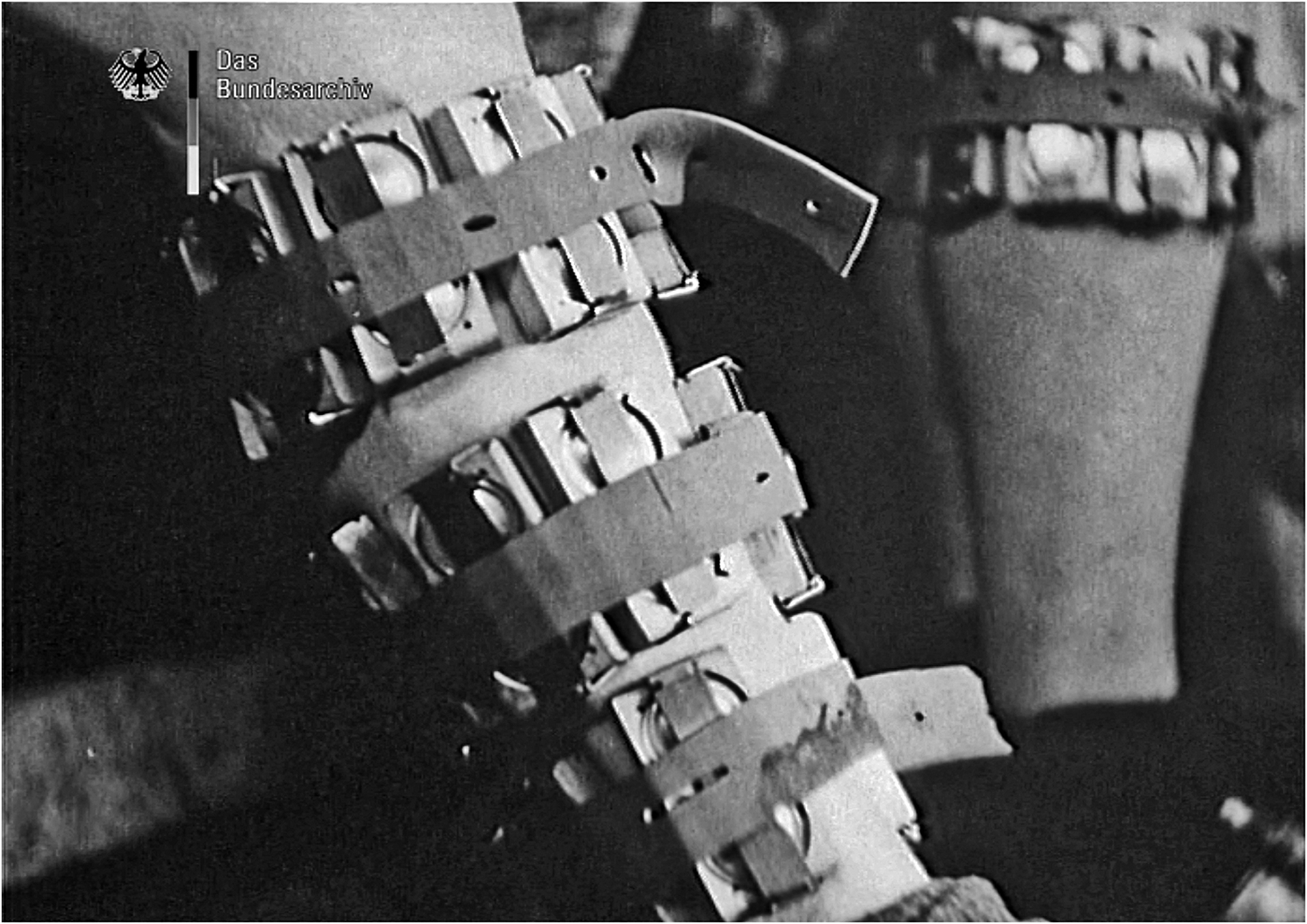
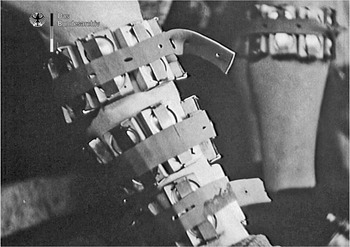
The production of the Weigl vaccine involved an extremely complex process that depended on the participation of a large number of individuals. Eyer reportedly employed up to two thousand Polish workers – what Paul Weindling called ‘a small army’.Footnote 85 These individuals served as ‘infectors’ (Infektoren) and ‘louse-feeders’ (Läusefütterer).Footnote 86 The complete procedure is shown in detail in the educational and propaganda film Kampf dem Fleckfieber! [Fighting Typhus!], produced in 1941.Footnote 87 In Krakow, specially bred body lice were initially infected per-anally with Rickettsia bacteria, which then multiplied in living tissue. For several days, the lice were fed on human blood by the louse-feeders (Figure 4). Their intestines, filled with Rickettsia, along with their excrement – also containing pathogens – were then emulsified in a phenol-saline solution. This process inactivated the bacteria while preserving their antigenic properties, resulting in an inactivated vaccine against typhus.Footnote 88 Louse feeding weakened the feeders physically and increased their susceptibility to infectious diseases.Footnote 89 According to Weindling, the Germans regarded this work as ‘a task for racial inferiors’.Footnote 90 Eyer, Mückter, and other institute personnel later testified that the louse-feeders had volunteered and received a fixed salary, food, and performance-based cash bonuses.Footnote 91 A US military report likewise stated that there were ‘always plenty of towns people’ willing to volunteer.Footnote 92 This notion of ‘voluntariness’ under occupation must be seen in context: Polish louse-feeders were generally shielded from arbitrary arrest and persecution, as they were classified as essential war workers – a status that placed them under a precarious form of protection.Footnote 93
Louse-feeders at the Krakow institute with so-called louse cages attached to their lower legs, March 1941. Film still from Kampf dem Fleckfieber! Bundesarchiv, Film 4273, min. 21:38.
The Polish bacteriologist Zdzisław Przybyłkiewicz (1908–96) offered a markedly different account of conditions on site, including the role of Heinrich Mückter. Like Rudolf Weigl, who continued his work at ‘his institute’ – formally the Lviv branch of the OKH institute headed by Eyer’s deputy Josef Daniels (1910–83) – Przybyłkiewicz had worked closely with Hermann Eyer during the war; his testimony led to Eyer’s brief imprisonment by British authorities. He accused Eyer of looting and destroying equipment at the universities of Krakow and Lviv, and of subjecting Polish subordinates to harsh treatment and disproportionate punishments for minor infractions.Footnote 94 He made similar allegations against Mückter, stating that he had stolen materials from the Krakow Institute of Bacteriology and transferred them to Germany. In his testimony, Przybyłkiewicz further asserted:
While working with the German Institute Mückter was very brutal to the Polish personnel, insulting them, very often striking. But he has been particularly brutal to the patients. I had seen him on many occasions forcing patients who had typhus and 40°C of temperature to walk and to wait for him in his waiting room for hours. This treatment resulted in death of some of the patients. I saw him twice kicking a patient out of his bed as the man was too weak to get up.Footnote 95
However, as Mathias Schütz notes, Przybyłkiewicz’s credibility was already being questioned during the investigations against Eyer. The scientist appears to have enjoyed a privileged position with the German authorities due to his expertise in Weigl vaccine production, while many of his Polish colleagues were deported. It is conceivable that Przybyłkiewicz sought to obscure his own wartime collaboration in the ‘tense Polish post-war atmosphere’ and therefore deliberately incriminated former colleagues – Mückter among them – with particular severity.Footnote 96
While Schütz offers only a cautiously affirmative answer to the question of whether human experiments were conducted in Krakow,Footnote 97 the Polish investigation files include original documents from the institute that provide unequivocal proof of such experiments. Specifically, they contain two detailed reports by Mückter, dated 15 November and 30 December 1944, concerning experiments with trench fever pathogens conducted on Polish louse-feeders between September and December 1944.Footnote 98 Trench fever (Schützengrabenfieber, Wolhynisches Fieber, Fünftagefieber, or Quintana in German) is a louse-borne disease caused by Bartonella quintana (originally known as Rickettsia quintana). It was first observed among soldiers during the First World War (1914–8). The disease typically manifests with intermittent fever, headache, and limb pain, most notably symmetrical pain in the tibiae. Splenomegaly is consistently observed during the acute phase; both early and late relapses may occur. Infections frequently occurred among the louse-feeders during the production of the Weigl vaccine, caused by exposure to lice infected with Bartonella quintana. Footnote 99
According to the reports, Mückter conducted two series of human experiments to test a vaccine against trench fever. An initial trial on guinea pigs was taken to indicate that laboratory animals were unsuitable for such experiments. However, Mückter reported having demonstrated evidence of immunity in a self-experiment with experimental infection, carried out in September 1944 together with three other institute employees who had previously contracted the disease, using two newly recruited louse-feeders as a control group. Encouraged by these results, he initiated a first series of experimental infections involving an unknown number of test subjects from among new louse-feeders who had no history of either typhus or trench fever. Mückter claimed that full consent had been obtained from the participants – a claim that must be questioned in light of the testimony of one of those affected.Footnote 100 Schütz comments: ‘The long tradition of medical self-experimentation turned into an escalation of research on humans during the Nazi era’.Footnote 101 Particularly revealing is Mückter’s rationale for using new louse-feeders as test subjects: according to him, the infections served economic purposes – as a kind of side experiment during ongoing typhus vaccine production. It also highlights the ethically questionable practices involved in vaccine production. He wrote:
The fact that every newly recruited blood donor [ie., louse-feeder] in the breeding program sooner or later went through their trench fever, resulting in undesirable losses of lice for us and financial loss for the individual, provided the rationale for experimentally immunising a number of blood donors, following typhus vaccination, through experimental quintana infection before the start of feeding.Footnote 102
In a second series of trials on the prophylaxis and treatment of trench fever, fifty-five healthy female test subjects aged fifteen to forty-four – newly recruited as louse-feeders – were infected subcutaneously with an emulsion prepared from Bartonella quintana-rich lice intestines. At various time points – prior to infection in the prophylaxis trial – an antigen derived from Bartonella quintana-containing lice faeces was administered. In addition, the use of Pyrifer (a fever-inducing agent containing inactivated Escherichia coli) and a combination of antigen and Pyrifer were tested. All variations, however, led to the sobering conclusion that effective prophylactic immunisation using inactivated pathogens could not be achieved, and none of the three treatment methods demonstrated any significant therapeutic benefit. Mückter summarised the clinical presentation of the previously healthy test subjects as follows:
At the centre of the individually shaped course of illness are the periodically recurring fever episodes and the neuralgia-like complaints, which typically fluctuate in intensity at the same time. […] The sick individual has become a chronic excretor of Rickettsiae [ie., Bartonella quintana] in urine and lice. Subjectively, a certain fatigue and, in some cases, persistent neuralgia serve as reminders of the illness.Footnote 103
Notably, a study conducted immediately after the end of the war suggests that human experiments involving artificial infection would, from the outset, have been unnecessary, as the question of immunisation against trench fever by vaccination could already have been answered in rabbits: independently of Mückter’s results, it demonstrated that, unlike in the case of typhus, vaccination offered no substantial protective efficacy.Footnote 104 Mückter’s experiments, however, were not only methodologically questionable but ethically indefensible in several respects – even by the standards of the time. This applies, for example, to the official but largely ineffectiveFootnote 105 research guidelines issued by the Reich Ministry of the Interior in 1931. These guidelines stipulated that any experiment on human beings must be rejected ‘if it can be replaced by an experiment on animals’ and may only be undertaken once comprehensive evidence has been obtained by means of laboratory and animal experiments. They further declared that scientific experiments involving individuals under the age of eighteen were inadmissible ‘if they endanger the child or adolescent even in the slightest’.Footnote 106 Even in the criminal vaccine trials conducted at the Buchenwald concentration camp, all test subjects were at least twenty years old.Footnote 107 The guidelines also explicitly referred to the heightened risks associated with experiments ‘involving living microorganisms, in particular living pathogens’. Ultimately, they emphasised that the conduct of an experiment ‘in the absence of consent is under all circumstances inadmissible’ and that ‘medical ethics reject any exploitation of a person’s social distress’ for the purpose of scientific experimentation.Footnote 108 As with the lice-breeding and feeding program, the question of voluntariness must again be assessed against the backdrop of the overall coercive conditions faced by the Polish population in the General Government. Individuals volunteered only to the extent that a participation offered relative protection from arrest and violence under the occupation regime. Although the experiments were not conducted under direct physical coercion, they were nevertheless carried out through the systematic exploitation of this underlying state of ‘social distress’ – and most likely without explicit informed consent from the test subjects, who had originally been recruited solely as louse-feeders. However, for those deemed ‘racially inferior’, such standards simply had little, if any, validity within the occupiers’ racist hierarchies of value and utilitarian patterns of thought. Nonetheless, Mückter’s explicit reference to the alleged consent of the test subjects in his report suggests at least some awareness of the problematic nature of coerced research. If one also considers the remarkably brief section of the report dealing with the initial, unsuccessful animal trials on guinea pigs – which reads more like a perfunctory justification for the subsequent human experiment – it appears that Mückter was indeed familiar with the formal requirements for human experimentation set out in the 1931 guidelines.
As is evident from an article by Rudolf Weigl published in early 1947, Eyer’s institute conducted human experiments not only on trench fever but also on typhus vaccines: ‘A comparative experimental study on the efficacy of all three types of typhus vaccine [ie., louse, egg-yolk, and mouse-lung vaccine] was carried out in this Institute not only on laboratory animals but also on men’.Footnote 109 Although the individual motives of the actors involved – Weigl among them – were certainly pluralistic, from a structural perspective, the trials to assess and optimise the protective efficacy of different typhus vaccines ultimately contributed indirectly to sustaining the anti-Slavic war of conquest and annihilation in the East. The same applies to the unsuccessful series of trench fever vaccine trials, as becomes evident from the rationale that Mückter explicitly mentioned in his report. The immunisation of the louse-feeders against trench fever was by no means meant to protect the health of the Polish workers; rather, it was intended solely to prevent production losses in the manufacture of the Weigl typhus vaccine. The workers were treated merely as a cheap and interchangeable human resource in the production process, whose health and adequate nourishment (‘financial loss for the individual’) were of concern only insofar as they ensured high output and greater efficiency – and thus, ultimately, the preservation of the occupiers’ purported supremacy.
Heinrich Mückter and the typhus vaccine trials on inmates of Buchenwald concentration camp
On 18 December 1943, the renowned medical journal The Lancet published a reviewFootnote 110 of a paper entitled ‘Über die Schutzwirkung verschiedener Fleckfieberimpfstoffe beim Menschen und den Fleckfieberverlauf nach Schutzimpfung’ [On the Protective Effect of Different Typhus Vaccines in Humans and the Course of Typhus after Vaccination],Footnote 111 from the Hygiene Institute of the Waffen-SS. The reviewer noted that its (alleged) author, a certain Erwin Ding,Footnote 112 gave his military rank as SS-Sturmbannführer (a mid-level SS officer rank equivalent to major), and that the study must have involved several hundred individuals whose exact day of infection he knew and whose incubation period was remarkably short. It concluded with the remark: ‘Thus, it seems that particularly heavy infections occurred in some hundreds of persons on known days during the investigations of a storm-troop leader. We leave our readers to make their own deductions’.Footnote 113 As this episode illustrates, there was already suspicion abroad by 1943 that large-scale human experimentation with deliberate infection was taking place in German camps – although it was presumably prisoners of war, rather than concentration camp inmates, who were initially assumed to be the test subjects.Footnote 114
Erwin Ding (1912–45) served as head of the typhus research station at Buchenwald concentration camp from early 1942. From 1943 onwards, the facility operated as part of the Buchenwald Department for Typhus and Virus Research of the Waffen-SS Hygiene Institute. Ding was born in Bitterfeld in 1912 as the illegitimate son of colonial physician Carl Freiherr von Schuler (1876–1934) and was adopted by the merchant Heinrich Ding (1867–1936). In 1944, he formally took his biological father’s surname – though without the aristocratic title – and henceforth called himself ‘Schuler’. He had previously served as an SS camp physician at Buchenwald in 1938 and 1939. After brief assignments with the SS Death’s Head Division and the SS Medical Academy in Graz, as well as bacteriological training at the Hygiene Institute of the University of Graz (followed in 1942/3 by further training at the Pasteur Institute in occupied Paris), he returned to Buchenwald at the end of 1941 on a ‘scientific mission’ from SS chief hygienist Joachim Mrugowsky (1905–48).Footnote 115
According to research by Paul Weindling, nine typhus vaccine trials were conducted under the direction of Erwin Ding-SchulerFootnote 116 between early 1942 and late 1944, involving a total of 480 test subjects who were artificially infected with typhus – 92 of whom died as a result. These figures do not include preliminary trials, therapeutic studies, and the infamous ‘typhus passages’ (Fleckfieber-Passagen) beginning in April 1943, in which individuals were deliberately infected solely to propagate the pathogen (instead of using animal passages in human-fed lice, as practised in Krakow). In total, Weindling estimates that approximately 1,000 prisoners were subjected to typhus-related experimentation, including those used for passage purposes and therapeutic studies. Of the 590 victims identified by name, 116 died as a direct consequence of the experiments.Footnote 117 At the core of the main trials was the objective ‘to evaluate various vaccines for their ability to induce immunity with acceptable side effects’.Footnote 118 The symptoms reported among the abused prisoners were diverse. According to Weindling and Farrell, primary symptoms included ‘fever, rash, severe headache, limb and back pain, weight loss, conjunctivitis, nosebleeds, facial swelling, paralysis, pain and swelling of the spleen, liver, and kidneys, cognitive impairment, cardiac and circulatory dysfunction, and fluctuations in eosinophil and lymphocyte counts’.Footnote 119
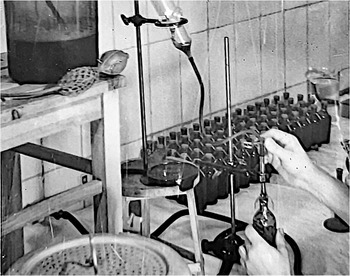
Let us return to Heinrich Mückter. Was he involved in the aforementioned experiments, as has frequently been claimed – albeit without supporting details or evidence? To anticipate the answer: There is no evidence or indication that Mückter ever personally visited the Buchenwald research station or had direct contact with those responsible for the experiments. His connection was indirect: among the typhus vaccines tested in Buchenwald was the Weigl vaccine produced by Eyer’s OKH institute in Krakow. According to Eugen Kogon, the OKH vaccine was considered the most effective – although extremely labour-intensive to produce – and was ‘used for control purposes’ in the comparative trials.Footnote 120 It can be reconstructed that the Krakow vaccine was used in three of the nine trial series: the first, beginning in January 1942 (Trial Series I; 5 fatalities, none in the group receiving the Weigl vaccine); a failed comparative study from May 1943 (Trial Series VII; 53 fatalities, including 9 in the Weigl group); and the final series from July 1944 (Trial Series IX; 24 fatalities, including 5 in the Weigl group). However, the already established OKH Weigl vaccine was not the focus of the experimental inquiry; as Kogon clearly noted, it served instead as a benchmark for the evaluation of newer and more economical preparations. In addition to the SS’s own ‘Weimar’ vaccine (Figure 5) – produced using mouse and rabbit lungs following the method developed by the French researchers Paul Durand (1886–1960) and Paul Giroud (1898–1989), and successfully tested against the Weigl product in July 1944 – the trials included, among others, novel preparations developed by the Robert Koch Institute and by the Behringwerke in Marburg (IG Farben), which were produced using incubated chicken eggs, based on modified versions of the method introduced by the American researcher Herald R. Cox (1907–86).Footnote 121
Original photograph documenting the bottling of the ‘Weimar’ vaccine in the laboratory of the Department for Typhus and Virus Research of the Hygiene Institute of the Waffen-SS at Buchenwald concentration camp, 1944. Rijksarchief in België, Dienst Archief Oorlogsslachtoffers, R 696/Tr 255612/1547.
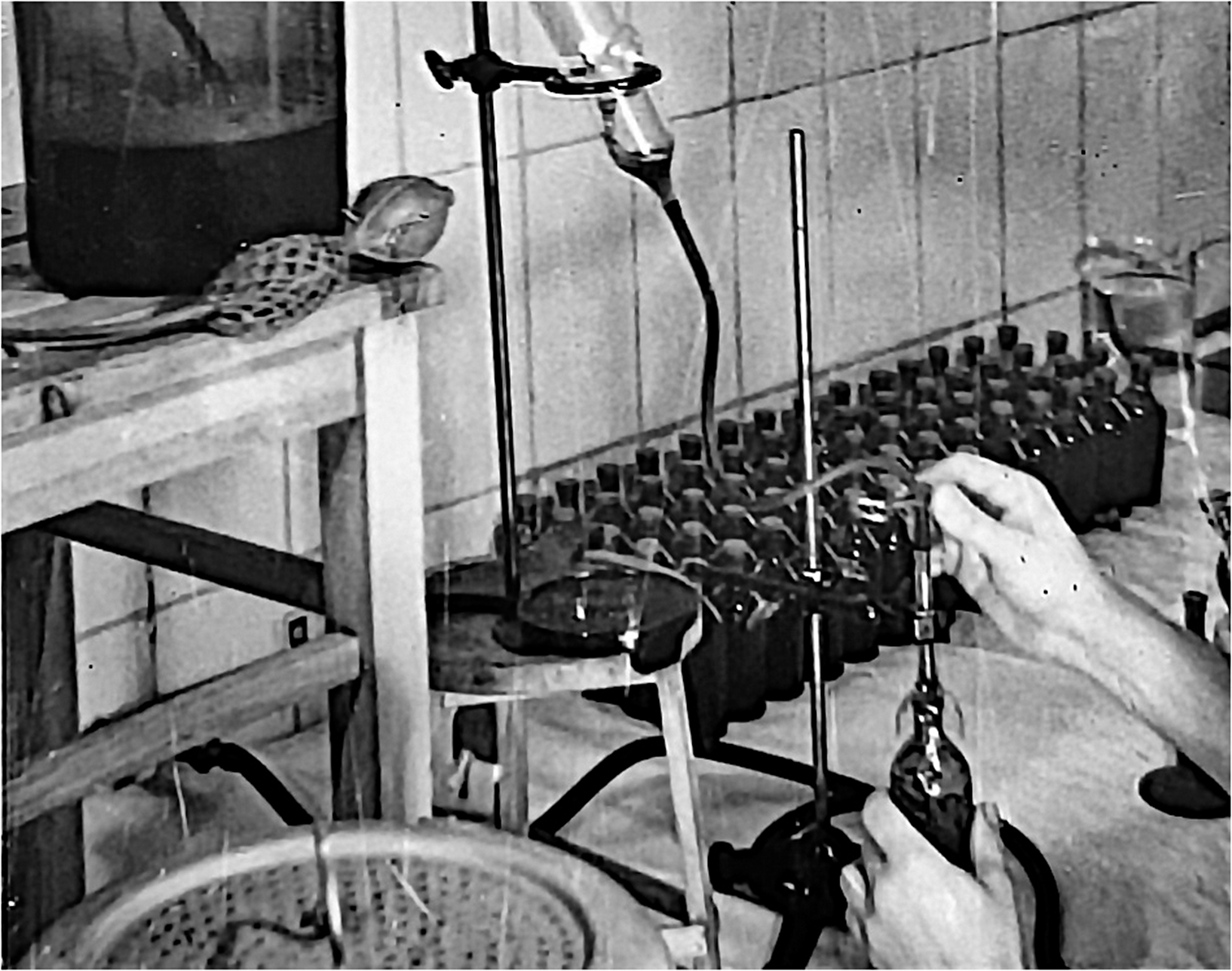
Figure 5. Long description
In the foreground on the right, a pair of hands holds a dark glass bottle beneath a metal dispensing nozzle. A thin, dark tube connects this nozzle to a larger glass vessel held aloft by a metal ring stand in the center. Behind the dispensing area, dozens of small, dark glass vials are arranged in neat, dense rows on the laboratory bench. To the left, a wooden table holds a large dark container and a small, rounded object. The background consists of a tiled wall, and the overall lighting is harsh, creating high contrast between the dark liquids and the light-colored surfaces of the laboratory at the Hygiene Institute of the Waffen-S S.
Although he did not initiate the testing of the OKH Weigl vaccine at Buchenwald himself, and the provision of the ampoules took place directly via the Hygiene Institute of the Waffen-SS and the Army Medical Inspectorate (Heeres-Sanitätsinspektion), it is documented that Hermann Eyer received a written report on the results of the first trial series (including the fatalities) from SS chief hygienist Joachim Mrugowsky. Thus, it is almost certain that Heinrich Mückter was also informed about the test results via Eyer. However, to conceal the deliberate infection of concentration camp inmates, Mrugowsky claimed in his report that the trials had been carried out during a typhus epidemic.Footnote 122 At the same time, records of Erwin Ding-Schuler indicate that from at least October 1943 onwards there was no contact or collaboration between Ding-Schuler’s SS department at Buchenwald and Eyer’s OKH institute in Krakow, except for a single instance in the spring of 1944.Footnote 123 A diary entry dated 3 May 1944 records that a courier (the department’s SS medical orderly August Feld) had ‘returned from Krakow with rickettsia-infected mouse lungs from the Typhus Institute of the OKH’.Footnote 124 The rickettsial strains obtained from the mouse lungs were used in Buchenwald for the production of the forthcoming SS vaccine.Footnote 125 By contrast, a telegram from Ding-Schuler to Mrugowsky further underscores that the OKH Weigl vaccine used comparatively in human trials was not obtained directly from Eyer in Krakow, but through the Waffen-SS Hygiene Institute, and that Ding-Schuler had to request and even press for its delivery.Footnote 126 Overall, Eyer and Mückter appear to have had no direct influence on the experiments and likely kept their distance from the affairs in Buchenwald – not least due to the rivalry between the Wehrmacht and the SS in typhus vaccine research and production, personified in the antagonism between Eyer and Ding-Schuler.Footnote 127 Notably, by the end of the war, Eyer’s OKH institute was no longer solely producing the Weigl vaccine derived from lice intestines. In 1943, under the direction of Ralf Bickhardt (b. 1912), it began manufacturing vaccines from both mouse lungs and egg yolk sacs – primarily at the branch facility in Rabka, which had been specially established for this purpose earlier that year.Footnote 128 However, these novel OKH vaccines were evidently not included in the Buchenwald trials. Nonetheless, Eyer’s departure from his earlier categorical rejection of alternatives to the Weigl vaccine may also have been prompted by the positive results of the first two trial series conducted on 204 test subjects from January to April and August to November 1942Footnote 129 at Buchenwald. While several trial series failed from late 1942 onwards, these initial trials confirmed the results of earlier experimental tests on guinea pigsFootnote 130 and, for the first time, systematically demonstrated a comparable efficacy and better tolerability of the now-optimised egg-yolk and lung preparations in human subjects.Footnote 131 As evidenced by Weigl’s aforementioned account and earlier trials aimed at reducing the dosage of the Weigl vaccine, these findings were subsequently substantiated at the OKH institute through further comparative trials with the new preparations on Polish louse-feeders.Footnote 132
Based on Ernst Klee’s publications, research has discussed a visit by Hermann Eyer to the Buchenwald concentration camp in February 1943Footnote 133 – a visit that Klee, in his later works, erroneously associated with the testing of the Krakow Weigl vaccine.Footnote 134 In fact, no trials involving the OKH typhus vaccine were conducted at Buchenwald during this period.Footnote 135 As Klee had correctly noted earlier, Eyer’s visit to the research station was instead related to a series of yellow fever vaccine trials.Footnote 136 Notably, these trials were conducted on behalf of and in close cooperation with the Army High Command. They involved an assessment of the tolerability of different yellow fever vaccines intended for the German Africa Corps. Since the test subjects were not deliberately infected with the virus, these trials were, in terms of their criminal nature, at least not directly comparable to the often lethal experiments carried out to evaluate the efficacy and tolerability of new typhus vaccines. The first three of eleven trials commenced on 11 and 13 January 1943. A total of 85 inmates were vaccinated: Trial 0 comprised 50 individuals who received a previously tested vaccine batch from the Robert Koch Institute to assess its effect on working capacity, while Trials I and II involved 35 individuals who were administered three untested vaccine batches from the Behringwerke and five from the Robert Koch Institute (each batch tested on three to five subjects). After eight further trials, the series was discontinued on 17 May 1943 due to a war-related halt in vaccine production following the Axis defeat in the North African campaign. By then, approximately 500 subjects had been used in the test series.Footnote 137
Together with Bernhard Schmidt (1906–2003), a hygienist from the Army Medical Inspectorate, Eyer visited the research station on 8 February 1943.Footnote 138 In the post-war period, both claimed that the visit had merely served to demonstrate a new vaccine ampoule and the technique for opening it.Footnote 139 It seems possible that such an ampoule-opening technique was indeed demonstrated during their visit to Buchenwald.Footnote 140 However, Eyer and Schmidt concealed the broader context in which such a demonstration may have taken place: the commencement of Yellow Fever Vaccine Trial V, in which an OKH vaccine from Krakow was tested.Footnote 141 On 25 February 1943, the first inmate – who had been vaccinated with the Krakow preparation on 8 February – died.Footnote 142 Although the actual purpose of the visit had indeed been different, during his stay in Buchenwald Eyer demonstrably also inspected typhus test subjects and was shown medical records and fever charts.Footnote 143 These subjects had been artificially infected as part of the concurrent (later failed) Typhus Vaccine Trial Series V, in which a modified Cox vaccine provided by the Behringwerke was tested.Footnote 144 From February 1943 at the latest, Eyer must therefore have known from his own observations that the infections in the previous SS trials had not, as Mrugowsky had claimed in his 1942 report, occurred during a typhus epidemic, but that they were the result of coerced research on concentration camp inmates.
Conclusion
As a physician at the delousing facility in Grodno, in the Białystok District, Heinrich Mückter was part of a typhus control programme heavily shaped by racist and antisemitic stereotypes – a programme whose exterminatory consequences he witnessed first-hand in what was a ‘hotspot’ of the Holocaust. As a scientist in Krakow, he was directly involved in at least one ethically problematic method of vaccine production and in highly unethical and methodologically questionable human experimentation on the Polish population. However, there is no evidence linking him to direct involvement in the criminal typhus experiments conducted at the Buchenwald concentration camp. Nonetheless, during his typhus-related activities in the Second World War, Mückter operated within different ‘Nazi spaces of violence’: the General Government and the territories targeted by the Generalplan Ost (‘Master Plan for the East’) – the two principal spaces for testing and implementing the Holocaust.Footnote 145 Just as typhus research conducted within the Reich territory (first space) was linked to the more radically unrestrained vaccine research and production practices in the General Government (second space) – with overlap occurring in concentration camps as inherently unbounded spaces – the typhus program as a whole was embedded within the genocidal health and population policies pursued in the General Government and the area targeted by the Generalplan Ost (third space). As Paul Weindling writes: ‘Preventive medicine, research, and extermination were intertwined’.Footnote 146 The unifying ideological framework behind health and extermination policy across all three spaces of violence was a proclaimed geo-medical approach to epidemic control that linked disease, territory, and culture.Footnote 147 While Mückter may not have committed acts of open personal violence or ever set foot in a concentration camp or its affiliated research facilities, he was – like his superior Hermann Eyer – part of a far-reaching network of civilian and military scientists, health officials, and representatives of the pharmaceutical industry who accelerated the erosion of ethical boundaries in biomedical research and contributed to an exterminatory health and population policy that formed part of the German war of annihilation in the East and ultimately culminated in the Holocaust.
Acknowledgements
The authors made use of ChatGPT to assist with the language editing of this article. GPT-40 was accessed from chatgpt.com and used without modification on 21 May and 25 July 2025; GPT-5.2 was accessed and used without modification on 9 February 2026. The intellectual property of this work lies solely with the authors.
Competing interest
Dominik Groß is a trustee of the Grünenthal Foundation for Palliative Medicine. Lukas Frank and Nico Biermanns declare no competing interests.

 Open access

