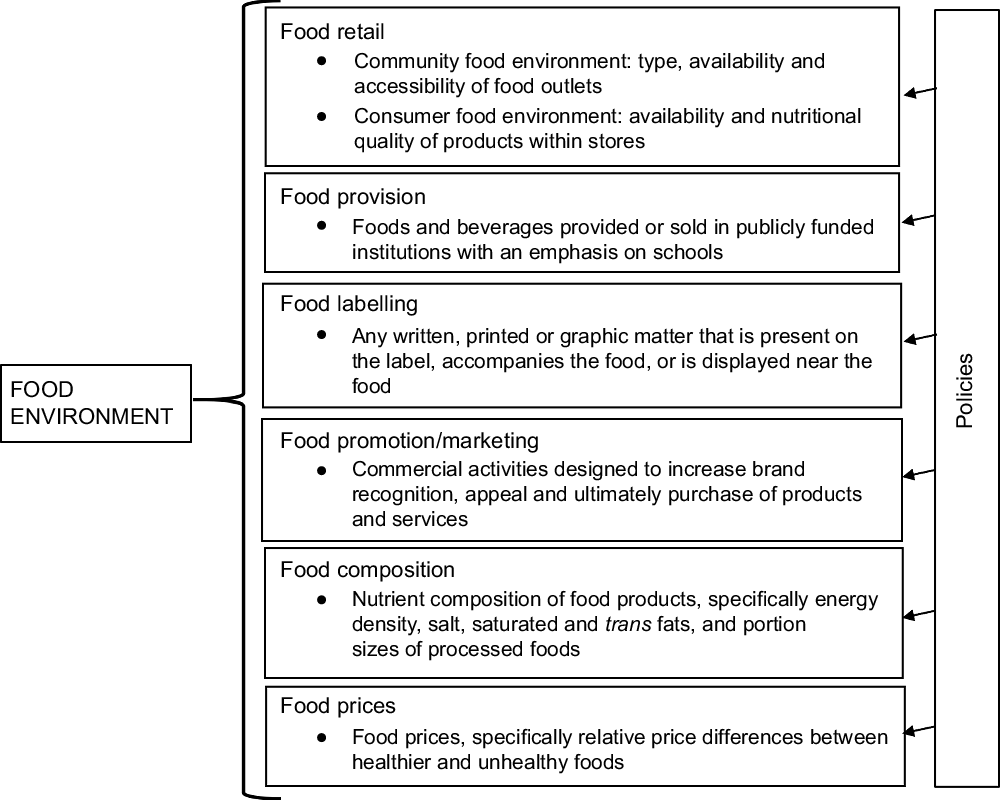
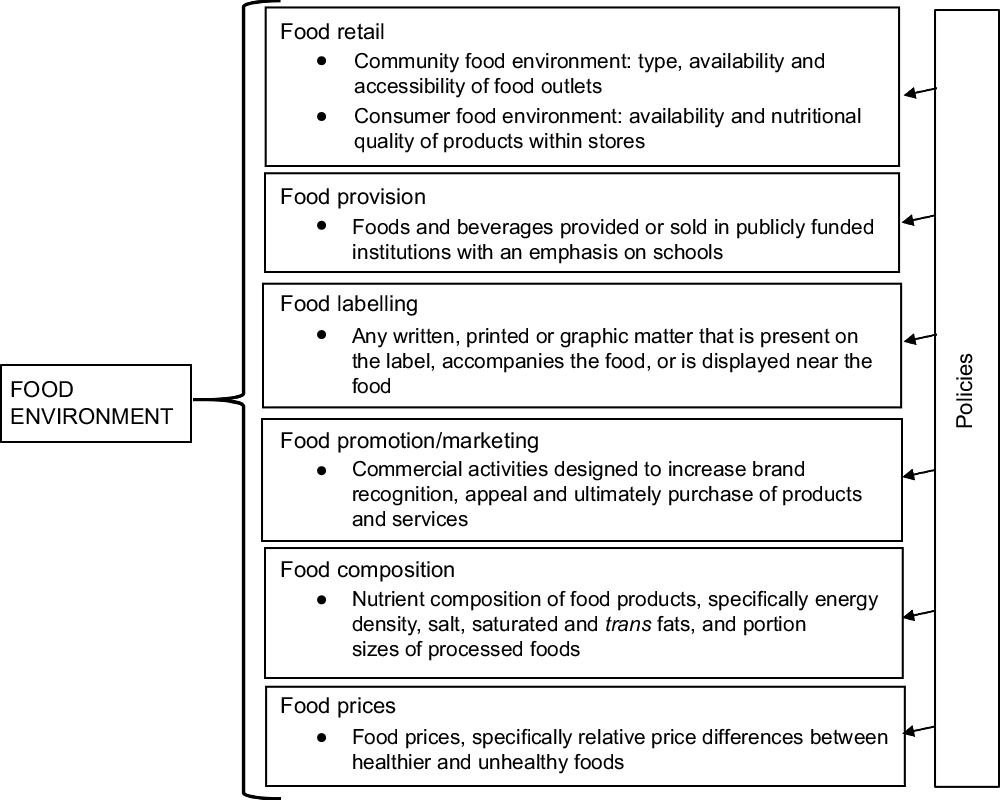
Food environments are the collective physical, economic and policy conditions that influence people’s food and beverage choices and nutritional status(Reference Swinburn, Sacks and Vandevijvere1). They work as a bridge between the macro food system – food supply chains, processing, wholesale and logistics(Reference Popkin and Reardon2) – and people’s dietary choices. The International Network for Food and Obesity/non-communicable diseases Research, Monitoring and Action Support (INFORMAS) has provided a comprehensive framework to study the food environment, operationalizing it into seven distinct dimensions: food retail, provision, labelling, marketing/promotion, prices, composition, and trade and investment (Fig. 1)(Reference Swinburn, Sacks and Vandevijvere1). These dimensions independently influence dietary behaviours, body weight and related health outcomes(Reference Caspi, Sorensen and Subramanian3–Reference Sadeghirad, Duhaney and Motaghipisheh9) and are amenable to intervention through health promotion policies. Examples of policies that modify the food environment include effective food labelling systems, regulation on the type and number of food outlets around schools, regulation of advertising of unhealthy foods to children, taxation of sugar-sweetened beverages (SSB) and reformulation of food products(Reference Perez-Escamilla, Lutter and Rabadan-Diehl10).
Conceptual food environment framework adapted from INFORMAS (International Network for Food and Obesity/non-communicable diseases Research, Monitoring and Action Support) for the current systematic review of food environments relevant to obesity and related chronic diseases in Latin America(Reference Swinburn, Sacks and Vandevijvere1,Reference Rayner, Wood and Lawrence18,Reference Kelly, King and Baur20,67,Reference L’Abbe, Schermel and Minaker125)
The Latin American region is comprised of thirty-three countries, home to 650 million people. Most Latin American countries are well underway in the nutrition transition(Reference Rivera, Barquera and Gonzalez-Cossio11) and face a large public health burden due to obesity and related chronic diseases(Reference Forouzanfar, Alexander and Anderson12). There is a growing body of literature on the food environment arising from Latin American countries which has not been summarized to date.
The objective of the current systematic review was to summarize the scientific literature on the food environment in Latin America. We focused on the following INFORMAS dimensions of the food environment: food retail, food provision, food labelling, food marketing, food price and food composition (Fig. 1). The INFORMAS framework is a fairly new framework (2013) and only in recent years have studies adopted it for monitoring the food environment(Reference Nieto, Rodriguez and Sanchez-Bazan13,Reference Kelly, Vandevijvere and Ng14) . This framework is useful to examine and characterize the peer-reviewed literature on the food environment in Latin America because dimensions are clearly defined and strongly relate to policy options to prevent obesity and obesity-related chronic diseases. The current review includes: (i) descriptive studies of the food environment and policies targeting the food environment; and (ii) associations identified between one or more dimensions and dietary behaviours, BMI, obesity and obesity-related chronic diseases. We identify whether some of the work to date can be used to inform public health policy and areas where more research is needed.
Methods
We followed the PRISMA (Preferred Reporting Items for Systematic Reviews and Meta-Analyses) guidelines for systematic reviews(Reference Moher, Liberati and Tetzlaff15). We searched the literature published from 1 January 1999 up to July 2017 using Web of Science (which includes the indexes in PubMed), LILACS and SciELO. The search strategy and comprehensive list of search terms were developed with input from all members of the writing group (see Supplemental File S1 for keywords and example syntax). Our search strategy was broad in order to identify descriptive studies of the food environment and those which investigated the association between the food environment and a health outcome or policy. In brief, the search strategy was designed to include (diet-food AND spatial) OR food retail OR food composition OR food marketing OR food labelling OR food price AND Latin America. Keywords were translated into Portuguese and Spanish by native Portuguese/Spanish speakers and used for the SciELO and LILACS databases. After refining the search 2688 records were retrieved and the writing group identified seven more after consulting with food environment experts participating in a regional meeting in Antigua, Guatemala in May 2018. Titles were screened by the first author taking a conservative approach: only titles that were clearly unrelated to food, human nutrition or Latin America were excluded at this stage (1602 records). Two independent reviewers fluent in English and Spanish (C.P.-F., M.F.K.-L.) then screened the abstracts in English and Spanish. Abstracts in Portuguese were reviewed by two native Portuguese speakers (M.C.M., L.O.C.). In total, 1093 abstracts were reviewed. Upon disagreement, a third reviewer (A.H.A.) read the abstracts and decided whether to include them or not. Reasons for exclusion at each stage are presented in Fig. 2. One hundred and ten full texts were screened, and eighty-four studies met inclusion criteria. See Supplemental File S1 for the list of exclusion criteria and Supplemental File S2 for the full list of included studies.
Flow diagram of manuscript selection for the current systematic review of studies investigating the food environments relevant to obesity and related chronic diseases in Latin America. *Records were identified from the following databases: Web of Science (n 2265), Scielo (n 128) and LILACS (n 295). †The bases for exclusion of papers were as follows: context outside Latin America (n 80), not focused on food–diet–obesity–chronic diseases (n 351), no explicit link to food environment (n 339), not focused on empirical quantitative field data (n 119), consumer demand-side behaviours (n 54), home food environment (n 20), very small analytic sample (n 4), instrument or methodology development and/or validation (n 12), food environment as covariate (n 4). ‡The bases for exclusion of papers were as follows: not focused on food–diet–obesity–chronic diseases (n 3), no explicit link to food environment (n 1), not focused on empirical quantitative field data (n 7), consumer demand-side behaviours (n 4), trade and investment (n 11)

Using an Excel template, we extracted study information including: country; sample size; study setting; study design; data collection methods; INFORMAS dimension; key variables; main findings; whether findings were stratified by a variable of socio-economic position; funding sources; and language. For each INFORMAS dimension we identified key aspects of the studies using as a guideline the extraction fields used for INFORMAS systematic reviews(Reference Lee, Mhurchu and Sacks16–Reference Kelly, King and Baur20). See Supplemental File S1 for details on extraction. The retail and provision dimensions were combined because there was much overlap between them (e.g. sale of foods in schools would classify in both food retail and provision).
Narrative synthesis was used to summarize, integrate and interpret findings. Narrative synthesis was chosen because our review included a wide range of research designs, types of data and measures, which could not be summarized using quantitative methods. Narrative synthesis involved two steps(Reference Popay, Roberts and Sowden21). First, we classified studies according to INFORMAS dimension, country, study design and other general characteristics as detailed in Tables 1 and 2, then conducted a preliminary synthesis of findings. Second, we further classified studies within each INFORMAS dimension (see sub-headings in Tables 3, 4 and 5 and Supplemental Tables S1 and S2).
General characteristics of studies included in the current systematic review of food environments relevant to obesity and related chronic diseases in Latin America
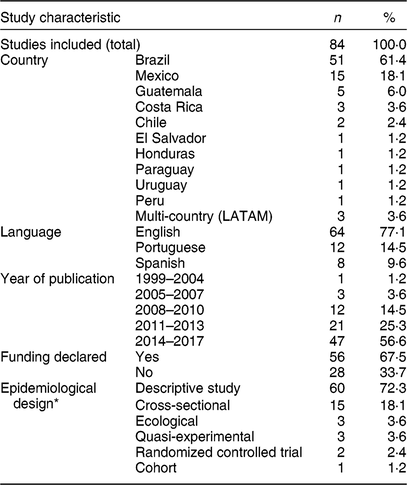
* None were case–control.
Specific characteristics of studies included in the current systematic review of food environments relevant to obesity and related chronic diseases in Latin America
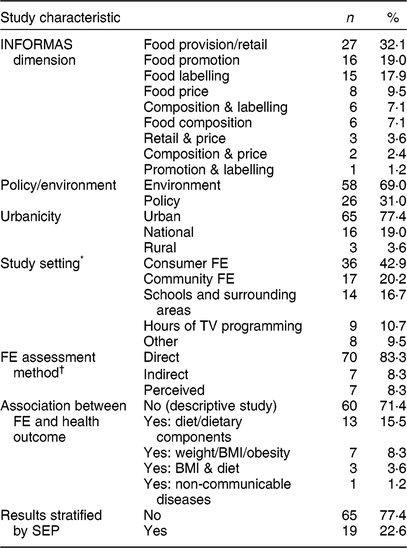
INFORMAS, International Network for Food and Obesity/non-communicable diseases Research, Monitoring and Action Support; FE, food environment; SEP, socio-economic position; TV, television.
* Study setting: consumer FE studies investigate characteristics of products sold in supermarkets and shops; community FE studies investigate density of food shops, distance to shops, perceived FE in neighbourhoods; school studies investigate foods sold in schools and surrounding areas; hours of TV programming studies investigate foods advertised on TV; other studies use household budget surveys.
† FE assessment method: direct studies counted and classified e.g. number of shops or TV advertisements, or analysed food composition in a laboratory; indirect studies deduced something about the FE from other measures e.g. food prices through household expenditure data; perceived studies asked the study participants about their environment.
Retail studies* included in the current systematic review of food environments relevant to obesity and related chronic diseases in Latin America
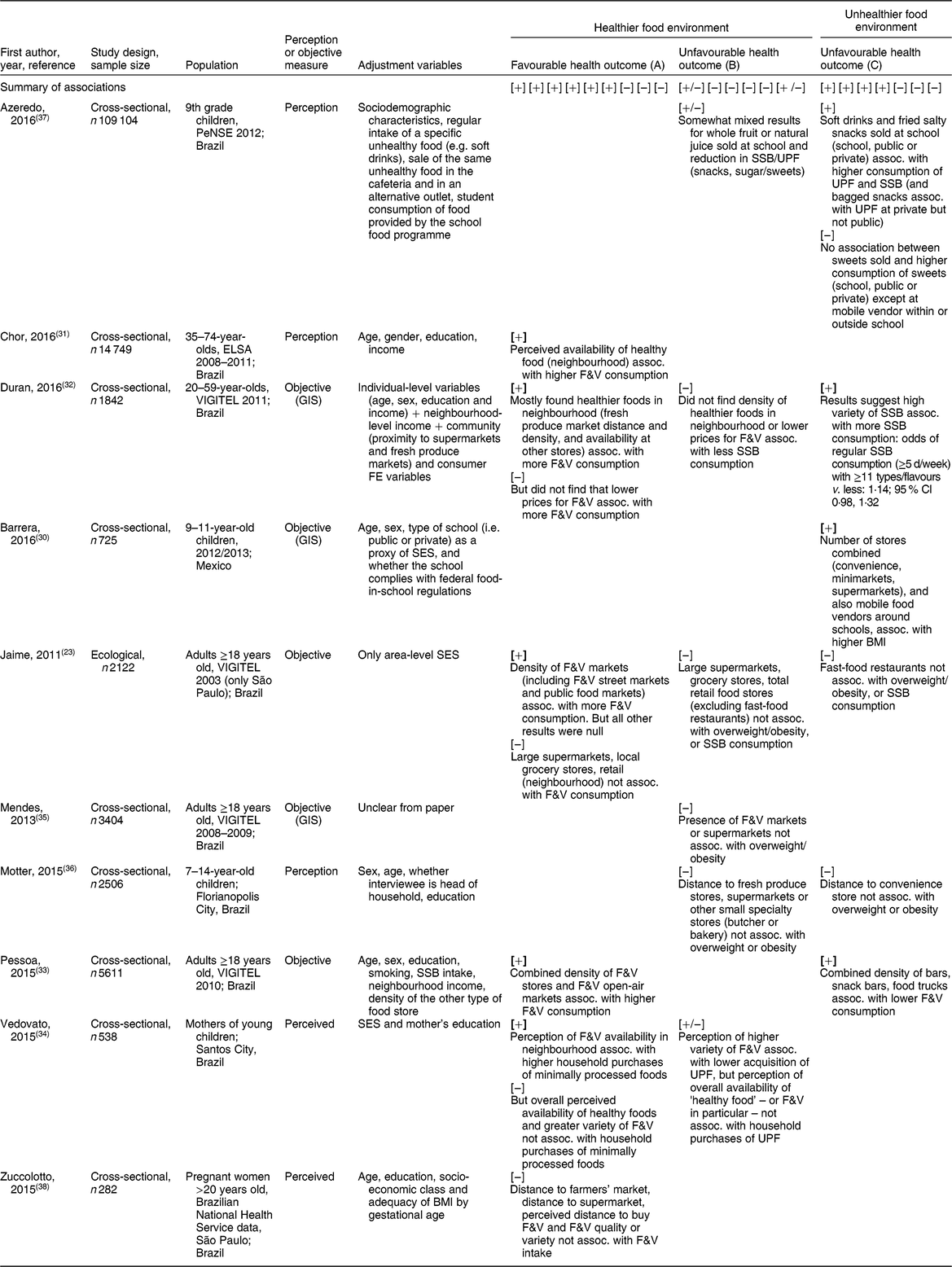
+, association in the expected direction (association in agreement with hypothesis); –, null association (none were in opposite direction to hypothesis); PeNSE, National Survey of School Health (Pesquisa Nacional de Saude do Escolar); ELSA, Longitudinal Study of Adult Health (Estudo Longitudinal de Saúde do Adulto); VIGITEL, Chronic Disease Risk Factor Telephonic Monitoring System (Sistema de Vigilância de Fatores de Risco e Proteção para Doenças Crônicas por Inquérito Telefônico); GIS, geographic information system; FE, food environment; SES, socio-economic status; SSB, sugar-sweetened beverage; assoc., associated; F&V, fruit and vegetable; UPF, ultra-processed food.
* Only studies that presented a measure of association and a health outcome are included (some studies(Reference Duran, Diez Roux and Latorre22,Reference Gartin42,Reference Matozinhos, Melendez and Pessoa126) were excluded for this reason). Three experimental studies and one cohort study which evaluated a multicomponent intervention (i.e. changes to the FE plus nutrition education(Reference Safdie, Jennings-Aburto and Levesque40,Reference Alvirde-García, Aguilar-Salinas and Gómez-Pérez41,Reference Jaime, Machado and Westphal127,Reference Carrillo-Larco, Miranda and Bernabe-Ortiz128) ) were excluded.
Labelling studies (including labelling and composition)* included in the current systematic review of food environments relevant to obesity and related chronic diseases in Latin America
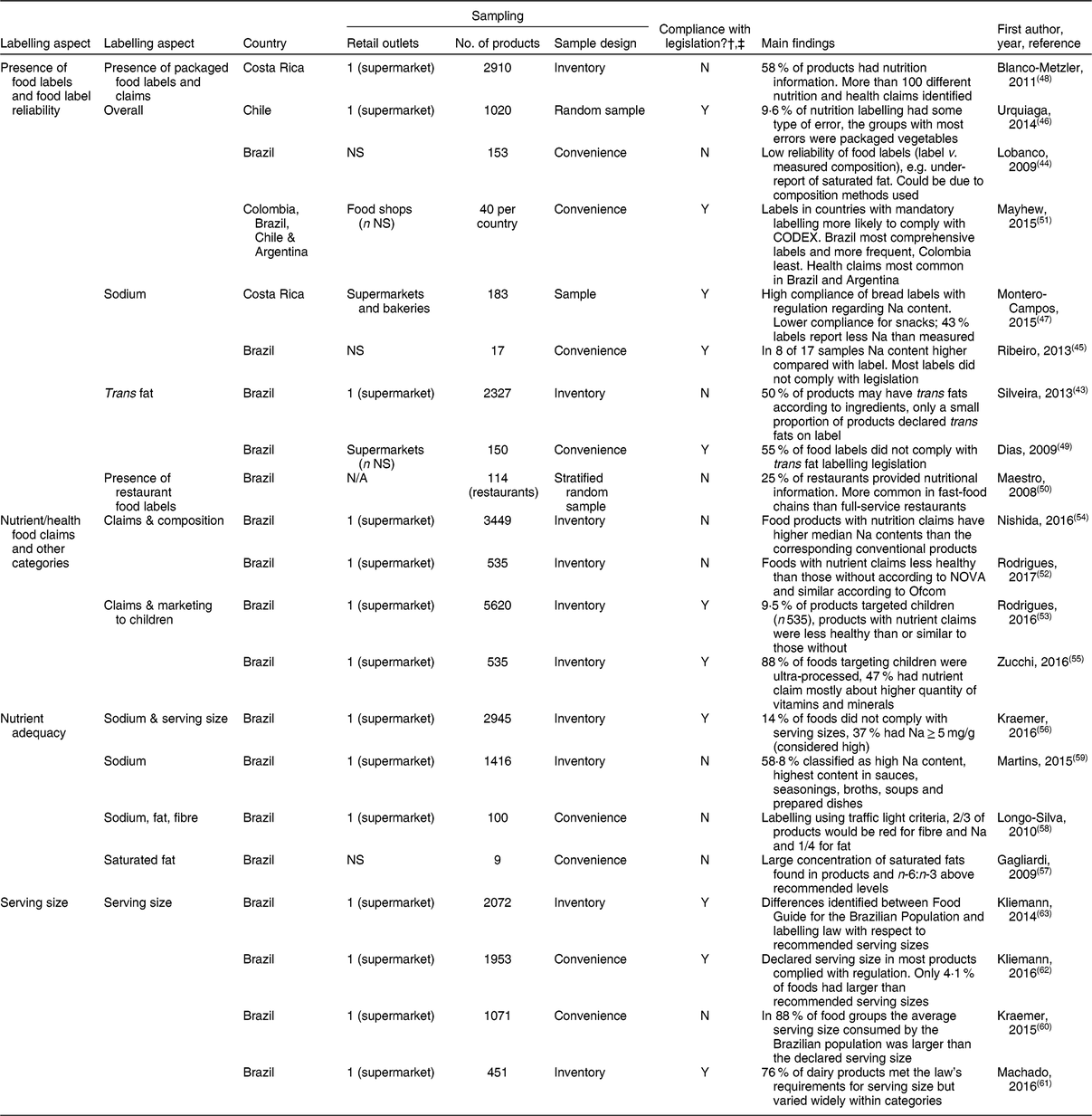
NS, not stated; N/A, not applicable; N, no; Y, yes.
* All studies included were descriptive.
† Study evaluates compliance of food labels with law or regulation on food labels.
‡ Brazilian labelling regulation: the following nutrients must be declared in packaged products per portion; energy, carbohydrates, protein, total fat, saturated fat, trans fat and sodium. Additionally, if a nutrition claim is present in the label, nutrition information must report the quantity of the nutrient the nutrition claim refers to(64). Centro American (Nicaragua, Guatemala, El Salvador, Honduras and Costa Rica) nutrition labelling regulation: the following nutrients must be declared in food products per portion or 100 g or 100 ml; total energy, total fat, saturated fat, carbohydrates, sodium and protein. If a nutrition claim is present, the nutrient in question must be included. Nutrition claims definitions for different nutrients included in regulation(65,66) . Former Chilean labelling law required nutrition facts table(129).
Promotion studies* included in the current systematic review of food environments relevant to obesity and related chronic diseases in Latin America
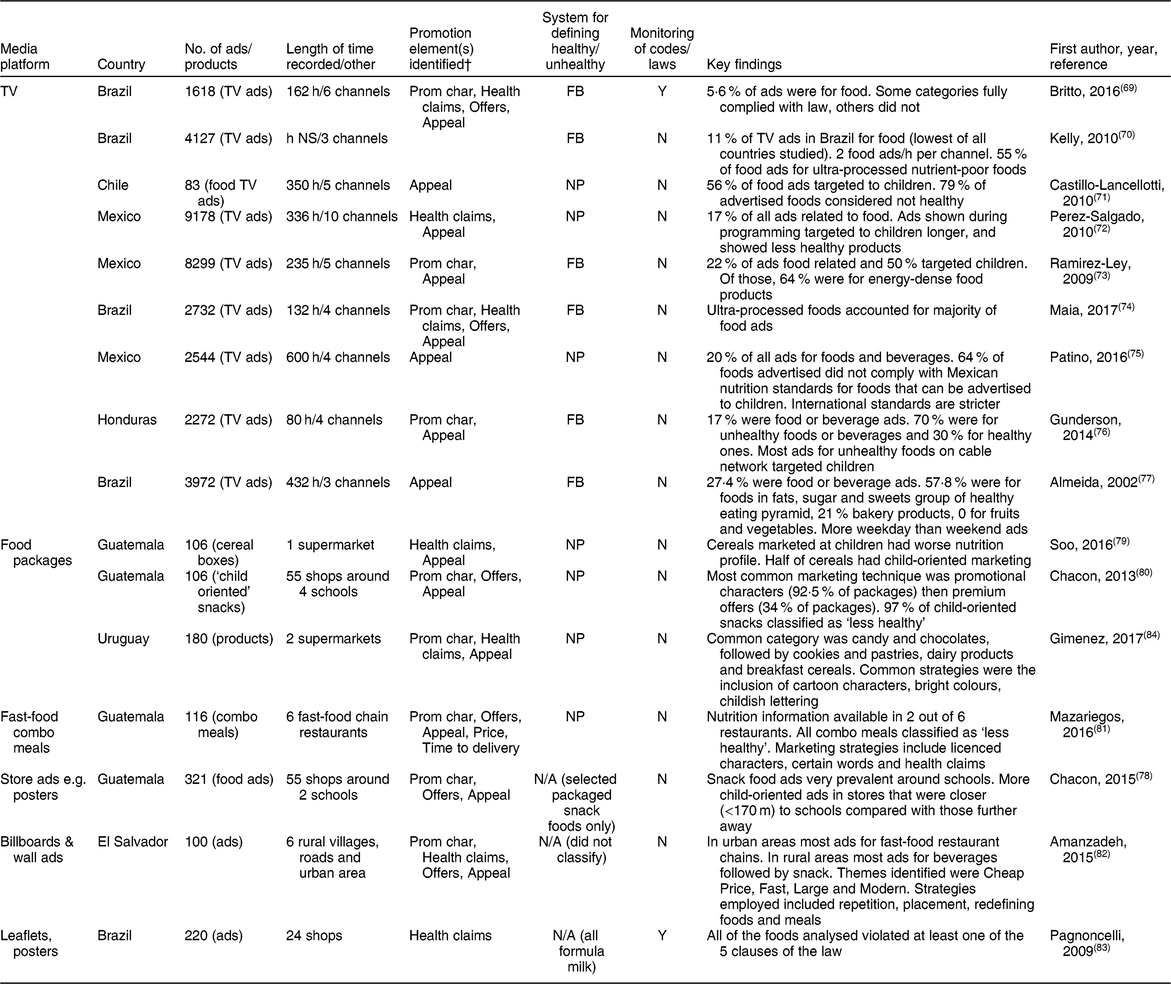
Ad, advertisement; TV, television; NS, not stated; FB, food based; NP, nutrient profiling; N/A, not applicable; Y, yes; N, no.
* All studies included were descriptive. One intervention study on social marketing of water in schools(Reference Carriedo, Théodore and Bonvecchio68) was excluded.
† Prom char, promotional characters (e.g. cartoon figures or celebrities) on ads or packages; health claims, statement about a relationship between food and health (e.g. high source of fibre or plant sterols help lower cholesterol); offers, premium offers (e.g. two-for-one, extra product for the same price); appeal, product design, use of colour and fonts appeals to the target population group.
For descriptive studies, we looked for consistency of findings by INFORMAS domain. In analytic studies, we looked for consistency in the direction and strength of associations. Our summary of analytic studies was limited to the food retail dimension because other dimensions had too few analytic studies to attempt summarizing associations. We evaluated the direction and strength of each association and classified according to whether the association was in the expected direction (i.e. in agreement with hypothesis), null or in an unexpected direction (see Supplemental File S1 for details).
Results
Over 60 % of the eighty-four eligible studies were conducted in Brazil, followed by Mexico (18 %) and Guatemala (6 %). Other countries in Latin America contributed between one and three papers to the review (Table 1 and Supplemental Fig. S1). The number of papers published on this topic has increased gradually over time; more than half (n 47) of the studies identified were published between 2014 and 2017. Most studies (77·4 %) focused on urban areas (Table 2). Seventy-one per cent of included studies were descriptive. Seventy-five per cent of association studies (eighteen out of twenty-four) utilized a cross-sectional or ecological design to study associations between the food environment and health or nutrition outcomes/behaviours (Tables 1 and 2). Out of the twenty-four association studies, sixteen investigated the retail food environment.
In terms of INFORMAS dimensions, food provision/retail was the dominant topic (32 %) followed by promotion (19 %), labelling (18 %) and composition (14 %). Price was the least explored (10 %). Forty-three per cent of studies investigated the consumer food environment, 20 % the community food environment and a further 17 % the school food environment. Most studies (67 %) collected primary data. The following sections present more detail on the design and results of studies within each food environment dimension.
Food retail/provision
Twenty-seven studies related to the food retail/provision dimension. Descriptive studies of the community food environment mainly investigated the availability of healthy and unhealthy foods by area-level socio-economic position and consistently showed higher availability of healthy foods in more affluent neighbourhoods. Results were fairly consistent across diverse contexts in Brazil (three cities: São Paulo, Florianopolis and Belo Horizonte) and Mexico (four cities: Mazatlán, Guadalajara, Mexico City and Puerto Vallarta)(Reference Duran, Diez Roux and Latorre22–Reference Pessoa, Mendes and Caiaffa27). There were mixed results regarding the availability of unhealthy foods in more disadvantaged neighbourhoods. Relative to more advantaged neighbourhoods, higher availability of unhealthy foods was found in more disadvantaged neighbourhoods in four Mexican cities (as listed above) and in one Brazilian city (São Paulo)(Reference Duran, Diez Roux and Latorre22–Reference Soltero, Ortiz Hernandez and Jauregui25), but two other studies in Brazil found fewer food stores (both healthy and unhealthy) in more disadvantaged neighbourhoods (Belo Horizonte and Florianopolis)(Reference Correa, Padez and de Abreu26,Reference Pessoa, Mendes and Caiaffa27) . The descriptive studies of the consumer food environment focused on evaluating and classifying food stores as healthy or unhealthy according to types of foods found in the stores. As can be seen in Supplemental Table S1, consumer food environment studies used a mix of instruments to evaluate food stores. Several studies adapted and validated the Nutrition Environment Measures Survey in Stores (NEMS-S)(Reference Glanz, Sallis and Saelens28,Reference Martins, Cremm and Leite29) while others used locally developed and validated instruments, for example the auditing tool for markets, supermarkets and grocery stores (ESAO)(Reference Duran, Diez Roux and Latorre22).
Table 3 shows results for the analytic, observational food retail studies with a health or nutrition outcome/behaviour (n 10). All but one study(Reference Barrera, Rothenberg and Barquera30) were carried out in Brazil and all studies had a cross-sectional design except for one which was ecological(Reference Duran, Diez Roux and Latorre22). There were consistent results regarding the association of healthier food environments, specifically those with a higher density of fruit and vegetable shops (measured or perceived), with higher consumption of fruits and vegetables (Table 3; column A)(Reference Jaime, Duran and Sarti23,Reference Chor, Cardoso and Nobre31–Reference Vedovato, Trude and Kharmats34) . There were mostly null findings for the association between healthier food environments and unfavourable health outcomes/behaviours such as overweight, obesity or SSB consumption (Table 3; column B)(Reference Jaime, Duran and Sarti23,Reference Duran, de Almeida and Latorre32,Reference Vedovato, Trude and Kharmats34–Reference Motter, de Vasconcelos and Correa36) . However, a couple of studies found expected associations(Reference Vedovato, Trude and Kharmats34,Reference Azeredo, de Rezende and Canella37) . Azeredo et al.(Reference Azeredo, de Rezende and Canella37) found selling fruit and natural fruit juice in private schools was associated with lower consumption of SSB and ultra-processed foods. Vedovato et al.(Reference Vedovato, Trude and Kharmats34) found that perceiving higher variety of fruits and vegetables (but not perceived availability of fruit and vegetables) was associated with lower purchases of ultra-processed foods. Finally, there were mixed findings regarding the association between unhealthy food environments and unfavourable health outcomes (Table 3; column C). Two studies found that the density of unhealthy food outlets (e.g. convenience stores and mobile food vendors) was associated with unfavourable health outcomes/behaviours (higher BMI and lower fruit and vegetable consumption)(Reference Barrera, Rothenberg and Barquera30,Reference Pessoa, Mendes and Gomes33) . On the other hand, Jaime et al.(Reference Jaime, Duran and Sarti23) found that the density of fast-food restaurants around individuals’ homes was not associated with overweight, obesity or SSB consumption and Motter et al.(Reference Motter, de Vasconcelos and Correa36) found that the distance from home to convenience stores was not associated with overweight or obesity. Availability (density) and accessibility (distance) to supermarkets were not associated with nutrition outcomes/behaviours in Brazilian studies(Reference Jaime, Duran and Sarti23,Reference Mendes, Nogueira and Padez35,Reference Zuccolotto, Barbieri and Sartorelli38) . Finally, regarding analytic retail food environment studies, there were three small, local experimental studies included (data not shown), which found that intervening on the food environment (i.e. cart offering fruits and vegetables in a neighbourhood(Reference Constante Jaime, Sarti Machado and Faria Westphal39) and changes to school food(Reference Safdie, Jennings-Aburto and Levesque40,Reference Alvirde-García, Aguilar-Salinas and Gómez-Pérez41) ) were associated with higher consumption of fruits and vegetables and a decline in energy intake.
Overall, results on the retail food environment were mostly limited to urban areas of Brazil. There was limited evidence for Mexico and virtually no studies published on the retail food environment for other Latin American countries with the exception of Paraguay that had one study that investigated the food environment in one low-income urban neighbourhood(Reference Gartin42). Measurement of food availability, i.e. density of different shop types at neighbourhood level, was consistent across studies (Supplemental Table S2). However, neighbourhood definitions varied considerably. Four studies used administrative units (e.g. census tract as proxy for neighbourhood), while seven used different sized buffers around schools, homes or health facilities to define the local neighbourhood. One study used a qualitative description of neighbourhood (i.e. area around where you live) and three studies did not define neighbourhood (Supplemental Table S2). Availability (density of stores) was more frequently measured than accessibility (distance to stores). Only one study objectively measured distance using a geographic information system and found that living closer to supermarkets and fresh produce markets was associated with higher consumption of fruits and vegetables(Reference Duran, de Almeida and Latorre32). Perception measures of distance to shops were not associated with nutrition or health outcomes/behaviours in two studies(Reference Motter, de Vasconcelos and Correa36,Reference Zuccolotto, Barbieri and Sartorelli38) .
Food labelling
Nineteen out of twenty-one studies in this dimension (labelling, and composition and labelling together) were carried out in Brazil (Table 4). All food labelling studies were descriptive. In most studies, processed or packaged products from one supermarket were either selected for a sample (n 3 random; n 8 convenience) or inventoried (n 10). Studies ranged considerably in size from 100 to 5620 products. The most common themes studied were the presence of food labels and whether labels correctly reflected the nutrient composition of products(Reference Silveira, Gonzalez-Chica and Proenca43–Reference Mayhew, Lock and Kelishadi51), the nutrition quality of products with or without health or nutrition claims(Reference Rodrigues, Rayner and Fernandes52–Reference Zucchi and Fiates55), nutrient adequacy(Reference Kraemer, de Oliveira and Gonzalez-Chica56–Reference Martins, de Sousa and Veiros59) and serving size(Reference Kraemer, Machado and Kliemann60–Reference Kliemann, Veiros and Gonzalez-Chica63). An overarching theme was to evaluate compliance of food labelling with current legislation on these aspects. Labelling regulations in Brazil, Chile and Costa Rica require a nutrition facts table with at least five nutrients (total fat, saturated fat, carbohydrates, protein and sodium) and total energy declared on the label(64–66). Nutrient claims are allowed and, if present, the nutrition facts table must include the nutrient mentioned in the claim. Nine studies evaluated the presence of food labels and their reliability. Of them, three studies analysed labelling across all types of food in Chile, Brazil, Colombia and Argentina, finding that those with mandatory labelling were more likely to comply with the Codex Alimentarius Commission Guidelines(67); Brazil had the most comprehensive labels (6·4/7 nutrients required by CODEX and most readable), while Colombia had the least (4·6/7 nutrients required by CODEX)(Reference Mayhew, Lock and Kelishadi51). In terms of reliability of labels, three Brazilian studies suggested inaccuracy in label contents compared with measured composition specifically for saturated fat, trans fat and sodium content(Reference Silveira, Gonzalez-Chica and Proenca43–Reference Ribeiro, Ribeiro and Vasconcelos45) while one Costa Rican study reported accuracy in labels specifically for sodium content in breads(Reference Montero-Campos, Blanco-Metzler and Chan47). Four studies showed that the nutritional quality of foods with and without nutrition- and health-related claims was not different(Reference Rodrigues, Rayner and Fernandes52–Reference Zucchi and Fiates55). Claims were used as a persuasive marketing technique for foods targeted to children, for example highlighting vitamin and mineral content in products that were high in sugar(Reference Rodrigues, Rayner and Fernandes52–Reference Zucchi and Fiates55). Four studies from Brazil evaluated serving size reported in labels v. labelling law or the average serving size consumed by the population, finding that compliance with regulations was above 75 % of products but large differences were observed when compared with average serving sizes consumed by the population(Reference Kraemer, Machado and Kliemann60–Reference Kliemann, Veiros and Gonzalez-Chica63).
Food marketing/promotion
Table 5 shows the sixteen food promotion studies conducted in seven countries, their characteristics and findings. Except for one study(Reference Carriedo, Théodore and Bonvecchio68), all were descriptive. Nine out of sixteen studies monitored food and beverage advertisements on television (TV) by recording TV programming, counting and classifying advertisements(Reference Britto, Viebig and Morimoto69–Reference Almeida, Nascimento and Quaioti77); four focused on food package design(Reference Chacon, Letona and Villamor78–Reference Mazariegos, Chacon and Cole81); and the rest evaluated advertisements on billboards and shops(Reference Chacon, Letona and Villamor78,Reference Amanzadeh, Sokal-Gutierrez and Barker82,Reference Pagnoncelli, Batista and Da Silva83) . The proportion of TV advertisements relating to foods and beverages ranged from 5·6 to 22 % depending on the channel and country (studies came from Brazil, Mexico and Honduras). Between 55 and 79 % of all food advertisements were for ultra-processed foods or foods considered unhealthy by the system used in the study(Reference Kelly, Halford and Boyland70,Reference Castillo-Lancellotti, Perez-Santiago and Rivas-Castillo71,Reference Ramirez-Ley, De Lira-Garcia and Souto-Gallardo73,Reference Maia, Costa and Coelho74,Reference Gunderson, Clements and Neelon76,Reference Almeida, Nascimento and Quaioti77) . Advertisements shown during children’s TV programming tended to be longer and show more unhealthy products compared with those in adult programming(Reference Kelly, Halford and Boyland70,Reference Perez-Salgado, Rivera-Marquez and Ortiz-Hernandez72,Reference Gunderson, Clements and Neelon76) . In Guatemala, breakfast cereals had worse nutrition profiles when cereal box messages were designed for children compared with when they were designed for adults(Reference Soo, Letona and Chacon79); and stores that were nearer to schools were more likely to use child-oriented advertisements for unhealthy snack foods(Reference Chacon, Letona and Villamor78). Commonly used persuasive marketing techniques targeted to children included promotional characters, premium offers (e.g. competitions and toys), health or nutrition claims, and attractive package designs(Reference Soo, Letona and Chacon79–Reference Mazariegos, Chacon and Cole81,Reference Gimenez, de Saldamando and Curutchet84) . The only analytic study in this dimension reported results from a social marketing intervention in four schools that aimed to increase water consumption. Water consumption was higher in intervention schools (v. control schools) but differences were not statistically significant(Reference Carriedo, Théodore and Bonvecchio68).
Food price
Ten studies explored price (or price and composition of foods) of which six were from Brazil, three from Mexico and one from Guatemala. Seven out of ten studies were descriptive. Out of these, five focused on the price of food relative to its nutritional quality(Reference Pulz, Martins and Feldman85–Reference Yuba, Sarti and Campino89); with findings mostly consistent. Two studies suggested a higher relative price of processed and ultra-processed foods compared with healthier dry goods (e.g. beans, rice)(Reference Claro, Maia and Costa86); however, fresh foods (e.g. fruits, vegetables and meat) were more expensive than processed foods(Reference Claro, Maia and Costa86,Reference Moubarac, Claro and Baraldi88) and prepared foods made with processed ingredients were cheaper than similar items made from unprocessed ingredients(Reference Pulz, Martins and Feldman85). Furthermore, an analyses of price trends over 60 years found a relative increase in the prices of fresh fruits and vegetables and a relative decrease in the prices of sugars/sweets and processed foods(Reference Yuba, Sarti and Campino89).
The three analytic studies in this dimension were from Mexico and explored the effect of the Mexico SSB tax(Reference Colchero, Guerrero-Lopez and Molina90–Reference Colchero, Zavala and Batis92). They found the tax (excise tax of 1 peso ($US 0·05) per litre) was fully passed on to consumers and that it had the expected effect on sales: a reduction of between 6·2 and 8·7 %(Reference Colchero, Guerrero-Lopez and Molina90–Reference Colchero, Zavala and Batis92).
Food composition
Six studies reported on micro- or macronutrients in foods(Reference Morales-Guerrero, Garcia-Zepeda and Ruiz-Jimenez93–Reference Bandoni, Canella and Levy98). Studies documented high sodium levels in fast foods(Reference Heredia-Blonval, Blanco-Metzler and Montero-Campos94) and found consumers did not reject processed foods after sodium was lowered via reformulation(Reference Ferrante, Apro and Perel97). One study found that meals offered at four workplace cafeterias in the city of São Paulo had higher fibre density, included more fruits and vegetables, and had a lower energy density than meals consumed at home or at restaurants. Restaurant meals had the highest content of fat and sugar(Reference Bandoni, Canella and Levy98). Three chemical analysis studies drew linkages between food supply and health conditions by reporting details on fatty acid and cholesterol content in foods(Reference Scherr and Ribeiro96); micronutrients in commonly consumed prepared foods(Reference Morales-Guerrero, Garcia-Zepeda and Ruiz-Jimenez93); and compliance with Brazil’s regulatory limits on trans-fatty acids(Reference Suzuki, Montanher and Visentainer95).
Discussion
We aimed to systematically review and summarize the literature about the food environment in Latin America that relates to risk factors for obesity and associated chronic diseases. We identified eighty-four studies analysing six out of seven dimensions proposed by INFORMAS(Reference Swinburn, Sacks and Vandevijvere1): food retail/provision, labelling, promotion, price and composition. The most studied areas were food retail/provision followed by promotion and labelling. Cross-sectional results consistently found associations between healthy food retail environments and better diet; and descriptive studies consistently reported a high prevalence of health claims and marketing strategies that aimed to promote unhealthy products to children. Notable gaps in research were in longitudinal studies and analytic studies more generally along all dimensions of the food environment.
The current review consistently found a positive association between the availability of healthy foods or healthy food outlets (such as specialty fruit and vegetable shops and markets) and better diet quality; these studies were cross-sectional. Although more robust study designs are needed to confirm this association (i.e. longitudinal studies), these findings could potentially represent an opportunity for health promotion. Policies that support the continued presence of specialty fruit and vegetable shops and markets may support dietary quality. The retail food environment in Latin America is similar to North America and Europe in that there is a strong presence and growth of large supermarket chains and convenience stores at the expense of traditional retail channels such as local markets(Reference Hawkes99). However, in contrast to more developed countries, the traditional non-chain channels remain an important source of food in Latin America(Reference Popkin and Reardon2,Reference Duran, de Almeida and Latorre32,Reference Motter, de Vasconcelos and Correa36) .
Studies investigating the food environment in developed countries tend to focus on fast-food restaurants and convenience stores but rarely explore the effect of healthy food shops other than supermarkets(Reference Cobb, Appel and Franco4). Consistent with findings from systematic reviews from the USA, our findings were inconclusive on whether convenience stores and fast-food restaurants are associated with low quality diet or BMI in Latin America(Reference Cobb, Appel and Franco4,Reference Giskes, van Lenthe and Avendano-Pabon100) . Further, there was no evidence that density of supermarkets was associated with weight (overweight or obesity)(Reference Viola, Arno and Maroko101). In Latin America, store type alone may be a poor indicator for healthfulness(Reference Caspi, Sorensen and Subramanian3) given that there is great heterogeneity within categories such as supermarkets, grocery stores or even fast-food restaurants.
Food marketing studies included in the current review consistently found that regardless of country or TV channel, unhealthy food products were more likely to be advertised than healthy food products. Further, marketing of unhealthy products to children via advertisements in children’s TV programmes, food packages and stores near to schools, using a series of persuasive marketing techniques, was common practice in the countries studied. These findings are salient since there is a large body of literature that has demonstrated associations between aggressive food marketing and food preferences, especially among children(Reference Sadeghirad, Duhaney and Motaghipisheh9,Reference Cairns, Angus and Hastings102) . The channels and strategies used in Latin America are very similar to those in developed countries (i.e. TV, food package design, use of promotional characters, premium offers and heath claims). For example, widely used licensed characters are associated with taste preferences and food selection(Reference Roberto, Baik and Harris103) and exposure to TV food advertisements is associated with food intake in children(Reference Halford, Gillespie and Brown104). Health claims are often used to market unhealthy food to mothers and as the current review has found, foods with nutrition- or health-related claims are often less healthy than those without them. Ten of the sixteen promotion studies included in our review were carried out after the adoption of the WHO’s Resolution WHA63.14 that aims to restrict the marketing of unhealthy food products to children and adolescents(Reference Kraak, Vandevijvere and Sacks105). This resolution was accompanied by a set of twelve recommendations for national governments(Reference Kraak, Vandevijvere and Sacks105,106) . Our findings suggest that governments in the region have not taken the necessary actions to protect children from the harmful impact of unhealthy food marketing and that voluntary codes adopted by the food industry have not been effective.
Brazil was the first country in the region to introduce mandatory labelling in 2001(Reference Hawkes and Albert107). Other Mercosur countries (Argentina, Chile, Colombia, Ecuador, Paraguay and Uruguay) followed suit with slightly different labelling requirements(Reference Hawkes and Albert107,Reference Kasapila and Shaarani108) . Studies identified in the current systematic review show that when food labelling is mandatory, food products are more likely to have labels and comply with the basic Codex Alimentarius Commission guidelines(Reference Mayhew, Lock and Kelishadi51,67,Reference Hawkes and Albert107) . However, in some contexts, compliance with labelling laws was low or mediocre (in Brazil, studies reported less than half of products complying on some aspect of the label(Reference Ribeiro, Ribeiro and Vasconcelos45,Reference Dias and Goncalves49) ). Further, even when compliance is high(Reference Perez-Escamilla, Lutter and Rabadan-Diehl10,Reference Urquiaga, Lamarca and Jimenez46) , the impact of labels on food choices depends on the design and interpretability of the label(Reference Urquiaga, Lamarca and Jimenez46,Reference De la Cruz-Gongora, Torres and Contreras-Manzano109,Reference De la Cruz-Gongora, Villalpando and Rodriguez-Oliveros110) . In order to have a larger impact on food choice, some countries have converted traditional nutrition facts tables into graphical nutrition labels that may be better understood(Reference Perez-Escamilla, Lutter and Rabadan-Diehl10,Reference Cominato, Di Biagio and Lellis111) . In the future it will be crucial to monitor compliance with labelling regulations, consumer understanding of the labels and their effect on food choices.
We identified five key areas of opportunity where more research is warranted to better inform public health policy in the region. The first is to carry out more policy evaluations. Policy evaluations were largely absent from the literature, with the exception of evaluations of the soda tax in Mexico(Reference Colchero, Guerrero-Lopez and Molina90–Reference Colchero, Zavala and Batis92). Upcoming policy evaluations of the Chilean and Peruvian labelling laws, the regulation of school food in Mexico and the banning of trans fats in Argentina, for example, will enhance the literature. Further on this point, research should also monitor existing regulations so that governments and industry can be held accountable. The second area of opportunity identified is to strengthen the design of studies in the food retail dimension in order to improve causal inference; this will increase their relevance to policy makers. This could be done by designing cohort/panel studies and experiments rather than cross-sectional and ecological studies(Reference Diez Roux and Mair112). The two experiments identified in the present review suggested that a change in the food environment had the expected effect on diet; however, both studies were small and at a local level(Reference Constante Jaime, Sarti Machado and Faria Westphal39,Reference Alvirde-García, Aguilar-Salinas and Gómez-Pérez41) . Causal inference can also be improved by better measurement of the neighbourhood food environment; for example, by using standardized instruments(Reference Glanz, Sallis and Saelens28,Reference Vandevijvere and Swinburn113) to measure and characterize the consumer food environment. Further research on the retail food environment could also assess whether it is availability or accessibility through which healthy food outlets or traditional retail channels affect diet and ultimately health. Only one study assessed accessibility objectively (distance using a geographic information system)(Reference Duran, de Almeida and Latorre32). A third area of opportunity for research is to better explore the role of food price. We found few studies investigating price and relative price of healthy v. unhealthy foods. Controversy exists on whether the price of healthy foods is a determinant of obesity and obesity inequalities in Latin American countries. While this has been demonstrated in the USA(Reference Drewnowski114,Reference Drewnowski, Aggarwal and Hurvitz115) , the price of the traditional diet composed of staple foods and seasonal fruits and vegetables in Latin American countries may be cheaper than packaged ultra-processed foods. The fourth area of opportunity is regarding marketing and advertising on other media platforms not only TV and printed media. We do not yet know the reach of food marketing in digital media, i.e. through online video platforms, advergames, popular websites and apps, or its effects on food choices. Emerging evidence from other countries suggests that it has the same persuasive effect as marketing through traditional channels(Reference Folkvord and van ’t Riet116,Reference Buchanan, Kelly and Yeatman117) . Finally, a fifth area of opportunity for research is investigating the role of worksite food environments for health. Only one study on the worksite environment was found in the current literature review(Reference Bandoni, Canella and Levy98).
It is important to acknowledge that in order to conduct more and better research on the food environment in Latin America, funding for these types of studies is necessary. Research funding in Mexico and Brazil has traditionally supported basic science, infections and parasitic diseases, and health services(Reference Martinez-Martinez, Zaragoza and Solano118,Reference Moura, Pacheco-Santos and Peters119) . Health research funding priorities are not in line with the most pressing public health problems(Reference Martinez-Martinez, Zaragoza and Solano118) which in these countries are poor diets, obesity and non-communicable diseases(Reference Forouzanfar, Alexander and Anderson12). Research funding for food environment studies must also be independent of conflict of interest. Evidence suggests that research funded by the food industry tends to be biased in favour of the industry(Reference Barquera, Garcia-Chavez and Navarro-Rosenblatt120,Reference Lesser, Ebbeling and Goozner121) . At minimum, the field would benefit from more transparency(Reference Fletcher and Ferris122). In the current review of the literature, a third of studies did not declare the source of funding. Out of those that declared it, one was funded by the food industry(Reference Alexander, Yach and Mensah123).
Now we weigh the evidence thus far and comment on potential policy options. The research on the food labelling and food marketing dimensions in Latin America highlights the need for policy interventions in these two areas. Some policy options include stricter regulation of health and nutrition claims, graphical food labels such as the ones introduced by Chile and Ecuador, and mandatory (as opposed to industry-led) regulations on food marketing that comply with WHO recommendations(Reference Perez-Escamilla, Lutter and Rabadan-Diehl10,Reference Kelly, Vandevijvere and Ng14) . Further context-specific research should inform the finer details of marketing and labelling regulations (i.e. what to regulate: type of product, content of advertisements) and their effectiveness(Reference Kelly, Halford and Boyland70). Policy options in the food price dimension relate to food taxes and subsidies. The evidence for Mexico shows that taxes are viable and effective to reduce the consumption of SSB. Alternative pricing strategies such as subsidies were not studied and could be evaluated in future. In terms of food composition, reformulation as a policy option was understudied but could be promising(Reference Basto-Abreu, Braverman-Bronstein and Camacho-Garcia-Formenti124). Finally, if associations between healthier food retail environments and diet are confirmed with more robust research designs, protecting and promoting local fruit and vegetable stores could be tested as a retail policy option. In addition to new policies it is of utmost importance to monitor existing codes and regulations around labelling, marketing, price/taxes and provision of foods in schools, among others, to ensure compliance and to determine whether the regulation is beneficial or not.
A limitation of the current review is that it does not include the trade and investment dimension because most studies in this area were reviews or qualitative studies that did not meet inclusion criteria. Trade and investment studies are crucial to understand recent changes in the food system and the food environment in Latin America. For example, in Mexico, the North American Free Trade Agreement led to a twenty-five-fold increase in foreign direct investment in the food processing industry in the 1990s, as well as exponential growth of multinational retailers(Reference Popkin and Reardon2,Reference Hawkes99) . Another limitation relates to the representativeness of studies. Most studies were representative of neighbourhoods or cities but not entire countries or regions. There were very few multi-city or multi-country studies; these could have given a better picture of differences and similarities in the food environment within the region. Because most studies were descriptive, we did not conduct a detailed assessment of study rigour besides providing information about sample size and sampling design. Even among the analytic studies, we did not conduct meta-analyses due to high heterogeneity in epidemiological design, measures and food environment dimensions. Nevertheless, we were able to provide a narrative summary of the direction of associations.
Conclusion
In conclusion, the literature on the food environment in Latin American countries has grown in size over the past few years, probably as a result of the rising obesity prevalence and increasing recognition of the food environment’s role. This body of literature had not been systematically summarized to date. Our literature review contributes to the literature in two ways. First, it highlights areas where evidence is consistent enough to inform policy making; for example, evidence on marketing of unhealthy food to children and inadequate use of health claims. Second, it identifies knowledge gaps which should be addressed by future research: evaluations of policies which aim to modify some aspect of the food environment; monitoring of existing regulations; improving causal inference of food retail studies; further investigating the relative cost of healthy v. unhealthy foods; exploring other marketing and advertising channels such as digital marketing; and investigating the role of worksite food environments.
Acknowledgements
Acknowledgements: The authors acknowledge the support of SALURBAL investigators. For more information on SALURBAL and to see a full list of investigators, please visit https://drexel.edu/lac/salurbal/team/. Financial support: This work is part of the Salud Urbana en América Latina (SALURBAL)/Urban Health in Latin America project funded by the Wellcome Trust (grant number 205177/Z/16/Z). More information about the project can be found at www.lacurbanhealth.org. The funder had no role in the design, analysis or writing of this article. Conflict of interest: None. Authorship: A.H.A. and C.P.-F. designed the study. C.P.-F., A.H.A., M.F.K.-L., M.C.M. and L.O.C. ran searches in the different databases. All authors read a subset of abstracts to discuss inclusion and exclusion criteria. C.P.-F. wrote the article with key input from T.B.-G. and A.H.A. (data interpretation and analysis). All authors critically revised the manuscript for important intellectual content, approved the final version and agreed to be accountable for all aspects of the work. Ethics of human subject participation: Not applicable.
Supplementary material
To view supplementary material for this article, please visit https://doi.org/10.1017/S1368980019002891