

INTRODUCTION
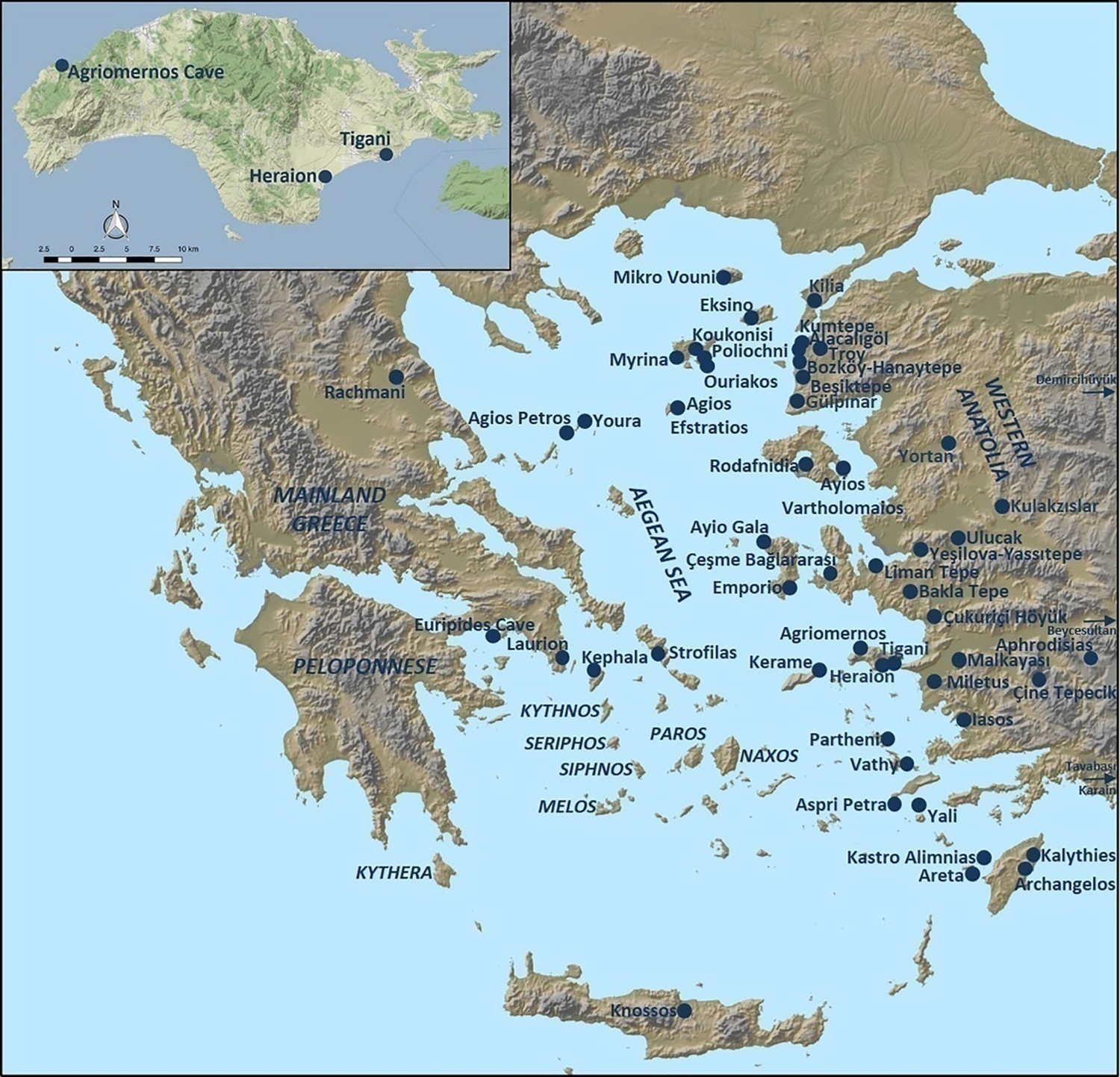
Samos, located off the coast of western Anatolia, is one of the few Aegean islands that provide published evidence for its inhabitation since the mid-sixth millennium BC, while the archaeological evidence gathered so far from most of the other islands suggests that the majority were first inhabited in the late fifth and fourth millennia BC (Kouka Reference Kouka, Horejs and Mehofer2014; Schwall Reference Schwall2018, 83–100, figs 10–12, with further references) (Fig. 1). Permanent settlements on the east Aegean islands, as well as the long-term or periodic use of caves appeared from the Aegean Late–Final Neolithic period onwards (Poliochni on Lemnos; Agios Vartholomaios Cave on Lesbos; Ayio Gala Cave and Emporio on Chios; Vathy Bay Cave on Kalymnos; Aspri Petra Cave on Kos; Kalythies Cave on Rhodes: Kouka Reference Kouka2002, 135–6; Benzi Reference Benzi2020; Sampson Reference Sampson1987; Reference Sampson2006, 219–52; Schwall Reference Schwall2018, 36–8, 83–100). Nevertheless, recent data has extended the earliest human presence in the insular east Aegean further back to the Palaeolithic (e.g. Imbros/Gökçeada-Eksino: Erdoğu, Yücel and Demir Reference Erdoğu, Yücel and Demir2021; Lemnos-Ouriakos: Efstratiou et al. Reference Efstratiou, Biagi, Karkanas and Starnini2013; Agios Efstratios-Alonitsi: Sampson et al. Reference Sampson, Kabouroglou, Kaczanowska and Kozlowski2018; Lesbos-Rodafnidia: Galanidou et al. Reference Galanidou, Athanassas, Cole, Iliopoulos, Katerinopoulos, Magganas, McNabb, Harvati and Roksandic2016) and Mesolithic periods (Ikaria-Kerame: Sampson, Kaczanowska and Kozłowski Reference Sampson, Kaczanowska and Kozłowski2012; Chalki-Areta: Sampson, Kozlowski and Kaczanowska Reference Sampson, Kozlowski and Kaczanowska2016), when sea fluctuations allowed easier sea crossings. Enriched Palaeolithic–Mesolithic data also from coastal western Anatolia sheds new light into early human dispersals and possible connections with the offshore islands from the beginning of the Holocene (Reingruber Reference Reingruber, Mărgărit and Boroneanţ2017; Horejs Reference Horejs2019; Karaburun Peninsula: Çilingiroğlu and Dinçer Reference Çilingiroğlu and Dinçer2021; Bozburun Peninsula: Atakuman et al. Reference Atakuman, Erdoğu, Gemici, Baykara, Karakoç, Biagi, Starnini, Guilbeau, Yücel, Turan and Dirican2020).
Map with selected Palaeolithic, Mesolithic and predominantly Aegean LNL–FNL/Anatolian MCh–LCh sites mentioned in text (© map by the authors).
The analysis of ceramic assemblages and the identification of interaction markers, through the determination of stylistic influence and fabric provenance, allow the re-evaluation of previously established archaeological narratives regarding insularity and seafaring activities from the seventh to the fourth millennia BC. To that end, previous analytical work on Neolithic pottery from the Aegean islands of Youra-Sporades (Middle and Late Neolithic; Quinn et al. Reference Quinn, Day, Kilikoglou, Faber, Katsarou-Tzeveleki and Sampson2010), Salamis-Euripides Cave (Late–Final Neolithic; Whitbread and Mari Reference Whitbread and Mari2014), Chios (Emporio and Ayio Gala; cf. Lambrechts Reference Lambrechts2015), and Crete (Early Neolithic Knossos; Tomkins and Day Reference Tomkins and Day2001) suggest the operation of maritime connectivity in rather busy seascapes as early as at least the Neolithic period (Broodbank Reference Broodbank2013, fig. 5:2). In fact, with more sites and datasets being studied in detail and published consistently, it becomes apparent that communities across the Aegean were interacting in more dynamic and systematic ways with one another in the period known in Aegean terms as Late–Final Neolithic and in Anatolian terms as Middle–Late Chalcolithic (Table 1).Footnote 1 During this time, significant technological advances, primarily in ship-building (longboats) and seafaring, enabled the circulation of raw materials across the Aegean, such as obsidian from Melos, marble from Paros and Naxos, lead, silver and copper from Laurion, Siphnos, Seriphos and Kythnos, emery from Naxos, along with finished products, i.e. obsidian arrow-heads, marble vessels, and pottery, used in various socio-economic contexts (Kouka Reference Kouka, Brodie, Doole, Gavalas and Renfrew2008; Reference Kouka, Panagiotopoulos, Kaiser and Kouka2015).
Relative chronological correlations between Samos and relevant regions discussed in the paper.

Analytical work with emphasis on petrography of MCh–LCh and EBA pottery from the eastern Aegean, an area covering the offshore Greek islands and the western Anatolian littoral (coastal Turkey), has only attracted particular attention relatively recently, and the majority of related studies are only preliminarily published.Footnote 2 By contrast, in the geographical regions of insular and Mainland Greece (Fig. 1), particularly the central Aegean (Cyclades: e.g. Vaughan Reference Vaughan, Hardy, Doumas, Sakellarakis and Warren1990; Hilditch Reference Hilditch, Renfrew, Philaniotou, Brodie, Gavalas and Boyd2018; Kordatzaki et al. Reference Kordatzaki, Sbonias, Farinetti and Tzachili2018), Crete (e.g. Day et al. Reference Day, Kiriatzi, Tsolakidou and Kilikoglou1999; Day, Relaki and Faber Reference Day, Relaki, Faber, Wiener, Warner, Polonsky and Hayes2006; Mentesana et al. Reference Mentesana, Amato, Day, Ghilardi, Kilikoglou, Longo, Todaro and Ghilardi2016; Nodarou Reference Nodarou2011), Thessaly and Macedonia in central and northern Greece (e.g. Hitsiou Reference Hitsiou2017; Dimoula Reference Dimoula2017; Pentedeka et al. Reference Pentedeka, Koutsovitis, Magganas and Rassios2019; Urem-Kotsou et al. Reference Urem-Kotsou, Dimoula, Elezi, Papadakou, Papaioannou, Saridaki, Siamidou, Silva, Tzemopoulou, Kotsakis, Kalogiropoulou and Sarris2017), analytical work in the characterisation of ceramic technologies and reconstruction of prehistoric networks has been carried out in a more systematic fashion.
The work presented here aims at partly filling this gap, by making a brief introduction to the early pottery production and ceramic traditions of Samos. This is achieved through the re-evaluation and analysis of MCh–LCh pottery from the Kastro-Tigani settlement, an old excavation of the German Archaeological Institute, supplemented with data from its recently excavated neighbouring settlement at the Heraion. Excavations undertaken north of the Sacred Road of the Heraion by the University of Cyprus (2009–13), alongside the re-evaluation of all the ceramic assemblages from older investigations (1950s, 1980s) beneath the Sanctuary of Hera, have brought to light previously missing MCh–LCh strata, which date to the late fifth and fourth millennia BC and are partially synchronous with Kastro-Tigani (Table 1). Ultimately, the comparative analysis of pottery from both sites aims at reconstructing technology and provenance, in order to trace patterns and cultural relationships between the two neighbouring settlements and to establish the analytical profile of these early periods on Samos. Besides the compositional characterisation of the fabric groups, which have been macroscopically defined as local, further goals include the investigation of craft organisation, technological traditions, intra-island ceramic circulation in south-east Samos, and investigation of the island's early connections with other regions. The latter is attempted through the identification of off-island ceramic imports with suspected or unidentified provenance, and also by discussing other material culture categories that are highly distinctive for tracing mobility and interaction.
ARCHAEOLOGICAL BACKGROUND
Location and history of research
Archaeological research on south-east SamosFootnote 3 since the 1920s has revealed stratified levels of the MCh–LCh period at two sites located at the most extensive, easily accessible and best-watered plain on the island. Kastro-Tigani is situated on a low-hilled (c. 20 m height above sea level) rocky peninsula in the eastern side of Pythagoreion Gulf, at the western extension of the Neogene Mytilinii Basin, and has produced the earliest archaeological traces so far identified on the island (mid-sixth millennium BC). It is bounded to the east by the ancient town of Samos (modern Pythagoreion), to the north and north-east by the south slopes of Mount Ambelos (Spiliani and Pountes hills) and to the west by the Chora plain, which is intersected by a network of seasonal streams. Of these, more significant in terms of waterflow and extent are the Imvrassos and the Chesios rivers, which are already known since antiquity. This area combines different ecological zones and safe anchorages, providing an ideal location for habitation and the development of various economic activities, documented also in the diachronic evolution of the ancient town (Fig. 1).
The toponym Kastro relates to the presence of the nineteenth-century tower of Lykourgos Logothetis at the promontory, while Tigani had replaced the name of the ancient city of Samos since the late fifteenth century and was generally used for the natural extension of the harbour (Demetriadis Reference Demetriadis2003, 192). The most prevalent explanation for the Tigani toponym is linked to the development of intense maritime trade on Samos, possibly deriving from the French douane/doine or Italian dogana (i.e. customhouse). Kastro-Tigani, referring today only to the prehistoric site, was renamed as Pythagoreion by 1955 to cover also the modern town (Demetriadis Reference Demetriadis2003, 198–205). The prehistoric settlement deposits, explored in 1928–30 under the auspices of the German Archaeological Institute,Footnote 4 lie below Hellenistic–Late Antique architecture. Excavations that were resumed between 1965 and 1968, in an attempt to trace the Hellenistic occupation of the site (Jantzen Reference Jantzen1968), have brought to light LNL I–FNL finds in several soundings and isolated pits in the bedrock under Hellenistic–Roman layers on the south-east part of the hill. These finds were later thoroughly published by Felsch (Reference Felsch1988), who synthesised the material within the then-known context of the wider Aegean LNL I–FNL and the western Anatolian MCh–LCh periods.
Bordering the western side of the Pythagoreion Gulf, the Heraion was extended on a flat ground by the banks of Imvrassos River. PreviousFootnote 5 and ongoing work on the EBA (c. 3000–2000 BC) and MBA (c. 2000–1750 BC) Heraion has firmly suggested that Samos’ advantageous location on maritime communication arteries opposite the Maeander River Delta, linked diachronically the south with the north Aegean and western Anatolia with the Cyclades (cf. Kouka Reference Kouka2013; Reference Kouka, Panagiotopoulos, Kaiser and Kouka2015; Reference Kouka2019a; Kouka and Menelaou Reference Kouka, Menelaou, Horejs and Alram-Stern2018; Menelaou and Day Reference Menelaou and Day2020; Menelaou Reference Menelaou and Miloglav2020; Kouka and Menelaou Reference Kouka, Maniatis, Marketou and Vitaleforthcoming; Kouka and Maniatis Reference Kouka, Maniatis, Marketou and Vitaleforthcoming). On the other hand, Kastro-Tigani became in the MBA–LBA (second millennium BC; Wrede Reference Wrede1935–6, 116–24; Heidenreich Reference Heidenreich1935–6, 165–9, figs 49–54, 67:4, 68–70) one of the most important harbour sites in the south-east Aegean with the habitation extending beyond the rocky peninsula to the fertile banks of the Chesios River.Footnote 6 Nevertheless, Samos’ early past has not been extensively investigated beyond the construction of relative chronological sequences and architectural-ceramic contexts (Felsch Reference Felsch1988; Kouka Reference Kouka, Panagiotopoulos, Kaiser and Kouka2015). Enriched archaeological data of the past four decades in the wider region further allows its synchronisation with the Aegean LNL I–FNL and western Anatolian MCh–LCh. Future research in unexplored parts of the island might enlighten so far unknown pre-NL periods, given the size, rich natural resources and close proximity of the Anatolian mainland, similarly to the aforementioned recent data from Samothrace, Imbros, Lemnos, Lesbos, Ikaria, and the islands of the Dodecanese.Footnote 7
Contexts and relative chronological observations
Habitation at Kastro-Tigani comprises four phases, I–IV, as defined by Felsch on the basis of the stratigraphy of isolated pit clusters (Felsch Reference Felsch1988, 10–40, figs 1–2) and the variations of pottery shapes and styles; several sub-phases have also been assigned on the basis of stylistic criteria and typological organisation of the ceramic material (Felsch Reference Felsch1988, 41–71, 128, table 2; Table 1). Although no absolute datings exist, Tigani I to III correspond to the Aegean LNL I–II–start of FNL/Anatolian MCh and Tigani IV to the FNL/LCh period (Felsch Reference Felsch1988, 38–40, 124–9, table 2; Schoop Reference Schoop2005, 263, 271; Kouka Reference Kouka, Horejs and Mehofer2014, 48; Schwall Reference Schwall2018, 90, fig. 11).
Tigani I includes circular pits and pebble floors that may represent remains of subterranean permanent houses or temporary shelters, the stone foundation of a wall and a stone arrangement for the support of storage vessels (Felsch Reference Felsch1988, 31–4, figs 14–5, pls 2:2, 3:1–4, 5:2–3). Similar pit architectural features are present at Kumtepe IA and Gülpinar in the Troad region (Takaoğlu Reference Takaoğlu2006, 293–4, fig. 4). More pits and a clay hearth are datable to Tigani II–III (Felsch Reference Felsch1988, 12–15, 35–7, figs 2–3, 16, pls 4:3, 5:1,4), while Tigani IV comprises some stone concentrations and parts of stone-paved areas (Felsch Reference Felsch1988, 37). The ceramic material suggests a correlation of Tigani I–II with the Aegean LNL I–II, Tigani III with the earlier part of the Aegean FNL, and Tigani IV with the later part of the Aegean FNL and the beginning of the EBA I (c. 4500–3000 BC). These correlations would be translated in current Anatolian chronological terms as follows:Footnote 8 Tigani I–III is contemporary with the MCh and Tigani IV with the LCh (Table 1). The closest parallels for Tigani I–III derive from the eastern Aegean/Troad/south-west Anatolia, such as Emporio IX–VIII and Ayio Gala Upper Cave on Chios, Kumtepe IA, Beşik-Sivritepe, Gülpınar III, Ulucak III, Liman Tepe VIIb, Miletus Ia, Çine-Tepecik IV, Malkayası Cave, Tavabası Cave, Vathy Cave on Kalymnos, Aspri Petra Cave on Kos, Yali, Archangelos I and Kalythies Cave I–III on Rhodes (Sampson Reference Sampson1987; Takaoğlu Reference Takaoğlu2004; Schwall Reference Schwall2018, figs 6–8, 10–12; Benzi Reference Benzi2020). The hiatus that follows the Anatolian MCh during c. 4400–3300 BC seems to be present also at Tigani.Footnote 9 Finally, Tigani IV shows correlations with Emporio VII–VI on Chios, Poliochni Black on Lemnos, Liman Tepe VIIa, Bakla Tepe V, Çukuriçi Höyük VII–Vb, Miletus Ib, Beycesultan LCh 2–4 and the FNL cultures of Attica-Kephala and Rachmani in the central and western Aegean.
The hitherto chronological gap between the NL and EBA at Kastro-Tigani was bridged through the recent excavations at the Heraion (Kouka Reference Kouka, Horejs and Mehofer2014; Reference Kouka, Panagiotopoulos, Kaiser and Kouka2015, figs 1–2; Kouka and Menelaou Reference Kouka, Menelaou, Horejs and Alram-Stern2018, 119, table 1). Chalcolithic architecture at Heraion Phase 6 was unearthed in limited areas among and beneath house foundations of the EBA and MBA and is documented only by roof clay, wooden beams, a hearth and sea-pebble floors (Kouka Reference Kouka, Panagiotopoulos, Kaiser and Kouka2015, 226, fig. 2; Kouka and Menelaou Reference Kouka, Menelaou, Marketou and Vitaleforthcoming). The stylistic study of the pottery suggests a division into two sub-phases, Heraion 6b and 6a, that correspond to Tigani III and IV and Miletus Ia–b (Kouka Reference Kouka, Marthari, Renfrew and Boyd2019b, 239, fig. 1), and are contemporary with the later parts of the Anatolian MCh and LCh respectively. Radiocarbon samples date the beginning of the LCh Phase 6a to 3252 BC (Kouka and Maniatis Reference Kouka, Menelaou, Marketou and Vitaleforthcoming) and of Miletus Ib at 3500 BC (Brückner et al. Reference Brückner, Müllenhoff, Gehrels, Herda, Kniping, Vött and Eitel2006, 70–1, figs 1–3, tables 1–2; Kouka Reference Kouka, Marthari, Renfrew and Boyd2019b, 239), while no absolute datings are available for the late fifth and early fourth millennia BC from these sites.Footnote 10
THE POTTERY ASSEMBLAGE: MORPHO-STYLISTIC FEATURES, TYPOLOGICAL CORRELATIONS AND REGIONAL INFLUENCES
The pottery of the MCh–LCh in the eastern Aegean/western Anatolia exhibits technological uniformity in macroscopic terms. With respect to fabrics and shape repertoire it is usually interpreted as homogeneous with common features being the coarse, vegetal-tempered clay pastes and the dark brown–black or red burnished surfaces with areas of discolouration, due to the fast, low-firing procedures most likely occurring in open-air constructions. The pottery assemblage from Kastro-Tigani is representative of the east Aegean region. However, despite some stylistic links with the contemporary site of Emporio on nearby Chios (overlapping roughly with phases X–VI, Hood Reference Hood1981, 90–111, 240–354, pls 30–56), one of the most immediate sites for comparison with Kastro-Tigani, there are considerable differences between them, especially in Phase Tigani IV/Emporio VII–VI (Felsch Reference Felsch1988, 72–83). The morphological and stylistic features of each phase are presented in detail in the final publication of the site (Felsch Reference Felsch1988).
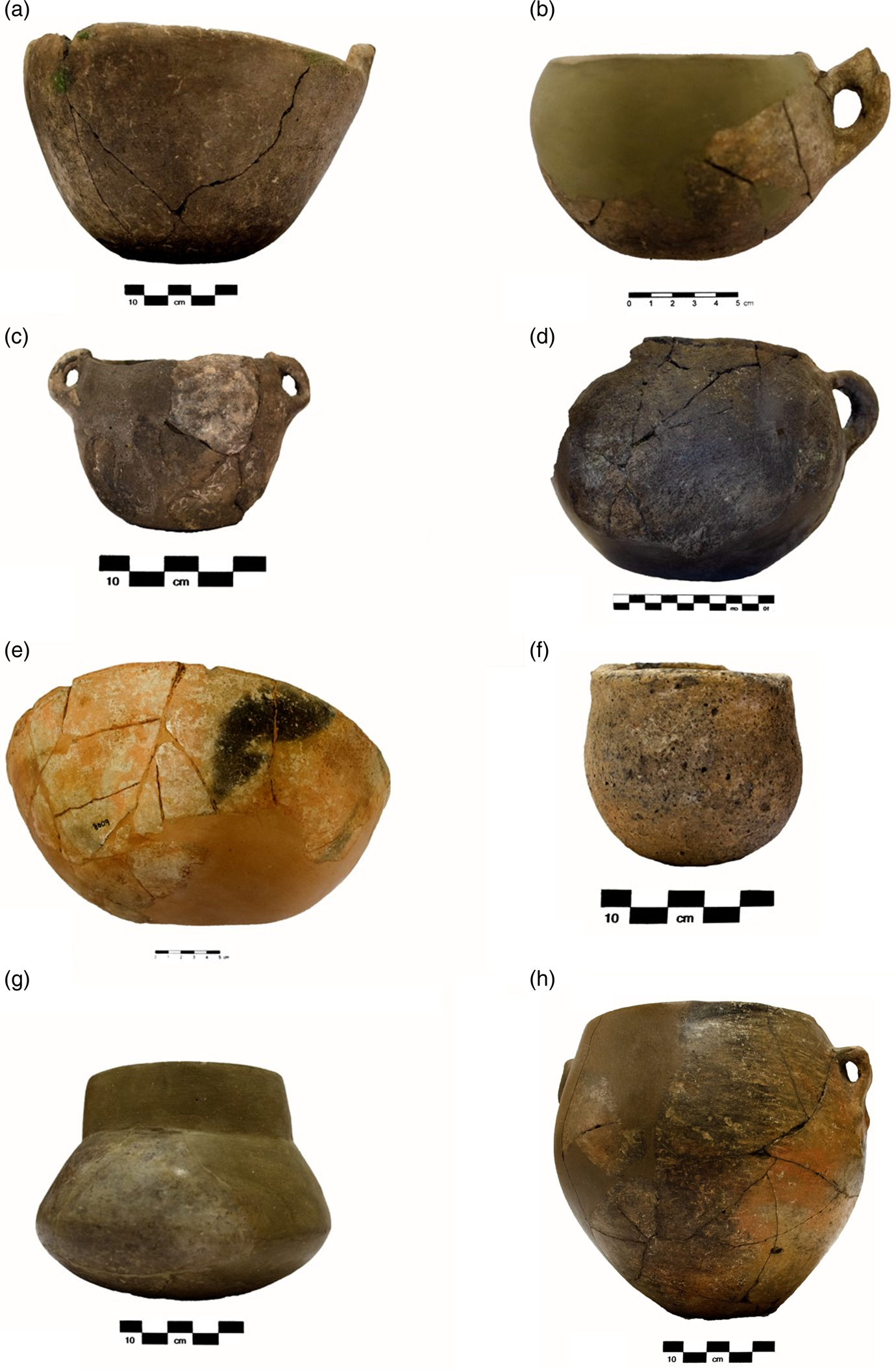
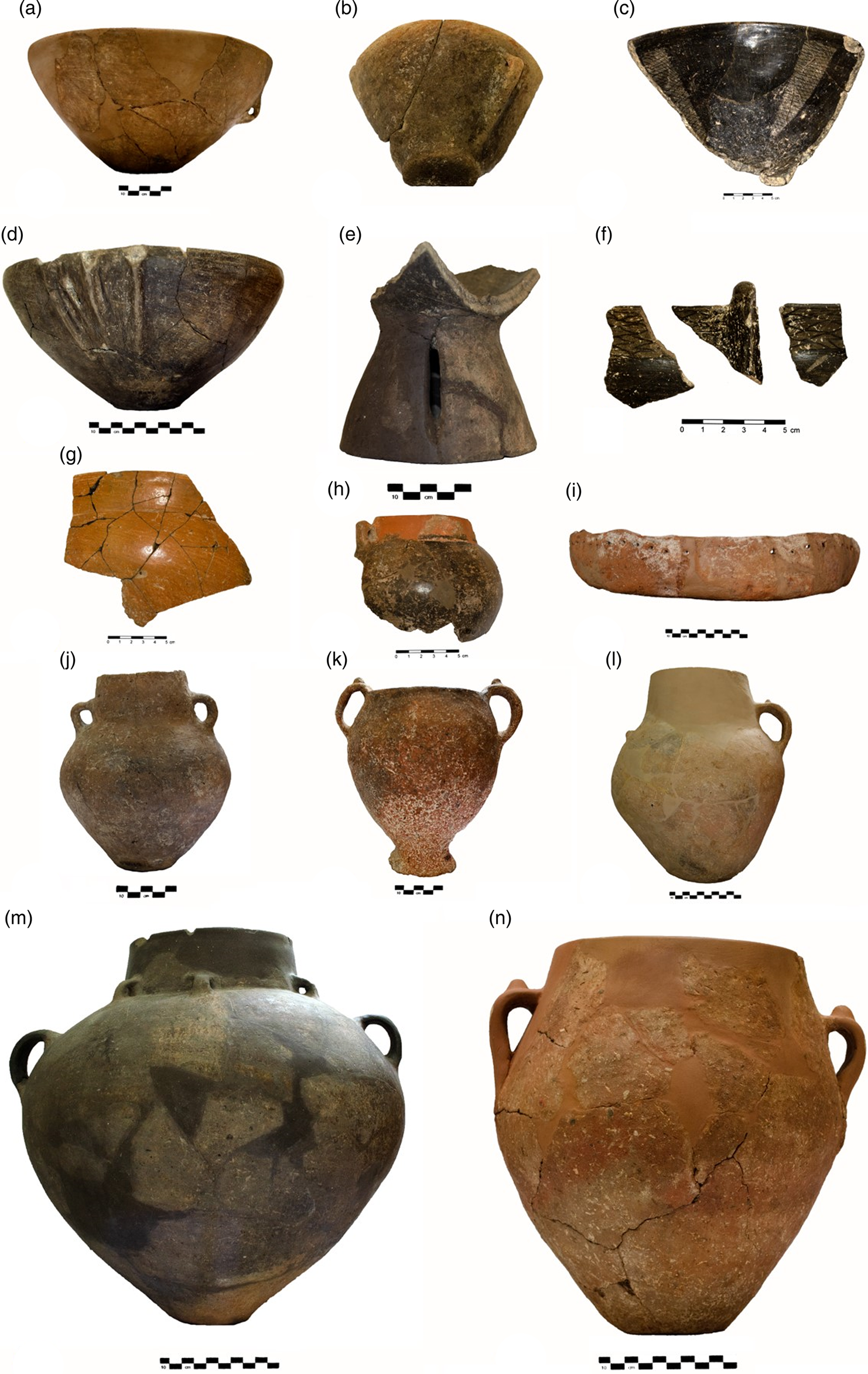
A number of surface treatments (wares) have been distinguished at Kastro-Tigani (Furness Reference Furness1956, 174–88; Felsch Reference Felsch1988, 41–71). These are the black-burnished ware, with technical variations in the quality of the burnish; pattern-burnished, with narrow or wide linear stripes on a glossy background; white-painted or white-on-dark particularly attested on bowls; red slipped, black to reddish grey smoothed and plain wares corresponding to coarse vessels. Incised and punctured motifs and/or relief decorative elements appear on various vessel types but are particularly more common on black-burnished ware (Figs 2–5).
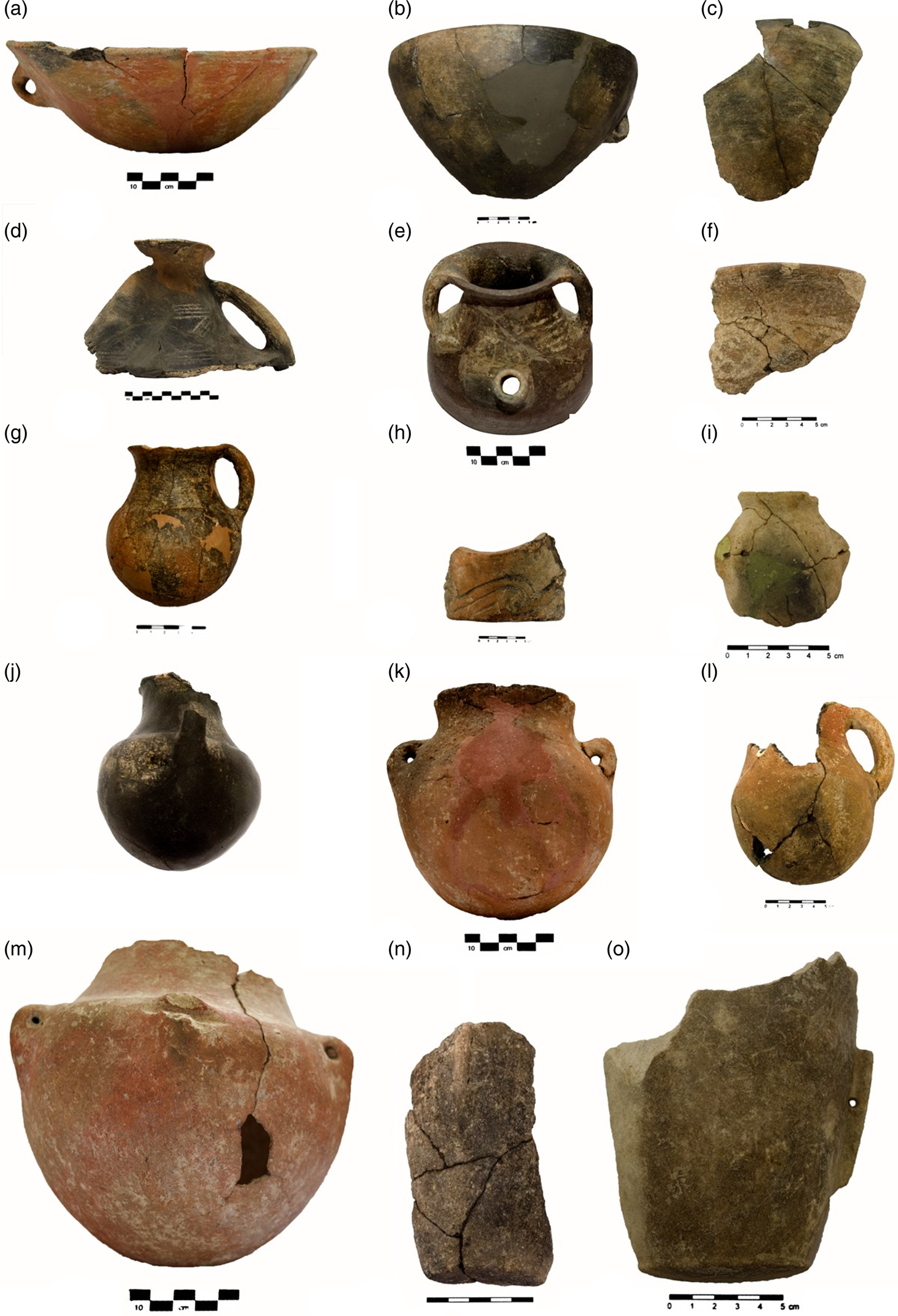
Representative ceramic types of Phase Tigani I (cf. Felsch Reference Felsch1988, pls 11:5, 14:1, 16:1,8, 17:1–2, 29:4, 79:37.2). (a) Bowl with lug handle; (b) One-handled cup with horned handle; (c) Two-handled cooking jar; (d) Hole-mouth cooking jar (cf. KT15/30); (e) Shallow bowl; (f) Cup; (g) Collar-necked jar; (h) Pithos (© photos by O. Kouka and C. Papanikolopoulos).
Representative ceramic types of Phase Tigani II (cf. Felsch Reference Felsch1988, pls 18:7–8, 19:4, 20:1–2, 28:1–4, 33:5). (a) Jug with conical body (KT15/34); (b) Conical bowl; (c) Carinated bowl; (d) Bowl with carinated body; (e)–(f) Bowls with prong handles (© photos by O. Kouka and C. Papanikolopoulos).

Representative ceramic types of Phase Tigani III (cf. Felsch Reference Felsch1988, pls 24:1,4, 27:1–2,4, 29:5, 30:2–4, 31:3–6, 33:1–2,4, 36:1–2,10, 37:6–7). (a) Conical bowl (cf. KT15/25); (b) Conical bowl/cup (KT15/20); (c) Bowl with pattern-burnished decoration (KT15/24); (d) Conical bowl with plastic decoration; (e) Fenestrated pedestal bowl (cf. KT15/07); (f) S-shaped bowl with pattern-burnished decoration (KT15/27); (g) Bowl with funnel rim (KT15/09); (h) Globular collar-necked jar with horned handles (KT15/02); (i) Cheesepot (cf. KT15/11); (j) Collar-necked amphora; (k) Pedestal cooking jar; (l) Jug with plastic knobs; (m) Collar-necked amphora; (n) Wide-mouthed pithos (© photos by O. Kouka and C. Papanikolopoulos).
Representative ceramic and marble vessel types of Phase Tigani IV (cf. Felsch Reference Felsch1988, pls 33:5, 38:1–2, 39:2,4,6, 40:1,5,7, 43:1–2,6, 44:5, 48:1, 75:500, 79:371). (a)–(b) Bowls with lug handles (for a cf. KT15/13); (c) Bowl with out-turned rim; (d) White-painted amphora (KT15/33, cf. KT15/19); (e) White-painted amphora with side spout (cf. KT15/21); (f) White-painted bowl rim; (g) Globular jug (cf. KT15/18); (h) Pedestal stand/model with incised maeandroid decoration; (i) Miniature kratiriskos; (j) Jug (KT15/29); (k) Two-handled cooking pot; (l) Jug; (m) Kratiriskos (cf. KT15/31); (n) Ceramic beaker; (o) Marble beaker (© photos by O. Kouka and C. Papanikolopoulos).
Phase Tigani I
Tigani I comprises hemispherical bowls (rounded; flaring-rimmed; S-curved; carinated; straight-sided), hole-mouth jars, conical-necked jars, funnel-mouthed jars and wide-mouthed pithoi, the first so-called cheesepots, closed vessels with horned lug-handles, crescent-shaped lugs or horizontal tubular lugs, commonly with white-painted decoration (Felsch Reference Felsch1988, 41–7, pls 11–18) (Fig. 2), that in the eastern Aegean varies from site to site (Furness Reference Furness1956, 190, fig. 10:13,16, pls XIX:11–14, XX:10; Ayio Gala on Chios: Hood Reference Hood1981, 59–60, nos 276–83; Kalythies on Rhodes: Sampson Reference Sampson1987, 36–42, figs 51–62, pls 12–18; Vathy I and Cheiromandres on Kalymnos: Benzi Reference Benzi, Erkanal, Hauptmann, Şahoğlu and Tuncel2008, 88–9, figs 31–2; Reference Benzi2020, pls 25e, 26e–h). White-painted decoration is found exclusively on closed vessels at Tigani I (Felsch Reference Felsch1988, 41–71, pls 11:4 and 51:34, 12:1 and 51:33, 12:3 and 54:74), where the designs are simple and rectilinear, but the white-painted on dark-burnished tradition becomes widespread during Tigani IVb with the decoration occurring on both open and closed vessels (Felsch Reference Felsch1988, 46, pls 39, 40:8 and 70:426, 41:7–8 and 72:459–462, 43:2 and 75:498, 69:381–8,399,401,403–4,406–7, 78:F69, 79:39,2). Although Sotirakopoulou (Reference Sotirakopoulou, Erkanal, Hauptmann, Şahoğlu and Tuncel2008, 533–6) previously suggested that this tradition originated and spread from south-west Anatolia towards the west Aegean, through Chios and Samos, the current distribution in western Anatolia, the Aegean islands, and Mainland Greece suggests that this decoration was a rather common feature in the Aegean during the fifth–fourth millennia BC (Schwall Reference Schwall2018, 264–5, fig. 110). Mat-impressed pottery, another class used as a marker of interaction during the fifth–fourth millennia BC (Horejs and Schwall Reference Horejs, Schwall, Dietz, Mavridis, Tankosic and Takaoğlu2018, 534–6), is sparsely found at Tigani I–II (Heidenreich Reference Heidenreich1935–6, 139, pl. 35:2–3).
Phases Tigani II–III
Tigani II comprises open vessels such as conical carinated bowls or bowls with in-turned rims, horned lugs and knobs or prong handles (Felsch Reference Felsch1988, 55, pl. 23:3, no. 216), wide bowls with upraised knobbed or twisted handles, double-handled vessels, and other features (Felsch Reference Felsch1988, 48–51, pls 19–20, 47:2,5, 74:5) (Fig. 3), with close parallels at Emporio X–VIII on Chios (Hood Reference Hood1981, 255–7, fig. 122:133–45) and Vathy on Kalymnos (Benzi Reference Benzi, Erkanal, Hauptmann, Şahoğlu and Tuncel2008, 88–90, figs 10–2; Reference Benzi2020, pl. 28d–e), as well as the Troad region (cf. Blum Reference Blum, Horejs and Mehofer2014, 128, figs 4–5). Dark-burnished surfaces and incised or relief decoration are common and distinguish this phase from the previous. The conical bowls and closed vessels with horned lugs continue in Tigani III, while new types include pedestaled bowls, cups, pithoi, various amphora types, globular jars with tapered or collar necks, and cheesepots (Felsch Reference Felsch1988, 51–63, pls 21–37) (Fig. 4). Variability is also observed in the surface treatments (black-burnished; red slipped and burnished; incised wares). Common decorative motifs on jars of Tigani II–III (Heidenreich Reference Heidenreich1935–6, pls 29:2–3, 30:1–3; Felsch Reference Felsch1988, pls 25:6 and 61:248, 26:2 and 61:251, 35:3 and 66:310) include horizontal incised triangles filled with hatchings or punctured dots (pointillé) and find close parallels at Agios Petros on Kyra Panagia in the Sporades (Efstratiou Reference Efstratiou1985, figs 239–40:25–6), Agio Gala Upper Cave on Chios (Hood Reference Hood1981, 61, fig. 42:286), Vathy II on Kalymnos (Benzi Reference Benzi2020, pls 7cl, 8b), Kalythies on Rhodes (Sampson Reference Sampson1987, fig. 35:385), and Kulaksızlar (Takaoğlu Reference Takaoğlu2004). Red slipped and burnished ware can be paralleled with Kalythies III and Archangelos I on Rhodes, Kastro on Alimnia, Partheni on Leros, Yali, and Vathy on Kalymnos in the Dodecanese (cf. Benzi Reference Benzi2020, 17). Pattern-burnished ware from Tigani II–III (Heidenreich Reference Heidenreich1935–6, pls 41–2; Felsch Reference Felsch1988, pls 19:5–6, 27:1–2, 32:1,3,5, 60:231,233–4, 62:255, 64:291,295, 65:303, 66:315, 67:341,349–51, 68:358,367–8) shows the closest parallels with Gülpinar and other sites in the Troad region, where it constitutes the most distinctive feature of early MCh, with the cross-hatched and zig-zag patterns most common (Takaoğlu Reference Takaoğlu2006, 301, fig. 10; Blum Reference Blum, Horejs and Mehofer2014, 132, fig. 4). Variations in burnished patterns occur in open vessels from Turkish Thrace up to south-western Anatolia in the sixth–fourth millennia BC; they constitute, though, the hallmark of the MCh in these regions (Schwall Reference Schwall2018, 253–4, fig. 101). A less common type, i.e. large open vessels with finger-impressed dots on the rim, appears from Tigani I to III (Felsch Reference Felsch1988, pls 18:4.120, 22:4).
Phase Tigani IV
The vessel repertoire of Tigani IV shows a wider variety of new forms and wares. It comprises coarse open storage jars, amphorae, tripod cooking pots with roughly trapezoidal legs (cf. Schwall Reference Schwall2018, 267, fig. 113), and more frequent cheesepots (Heidenreich Reference Heidenreich1935–6, pl. 31:6; Felsch Reference Felsch1988, 64–71, pls 37–44). Although appearing in the beginning of the fifth millennium BC in the east Aegean, cheesepots became particularly common in the Dodecanese islands, as well as Chios and Samos, during the FNL/LCh (e.g. Partheni on Leros, Alimnia, Yali; Benzi Reference Benzi2020, 27; Nowicki Reference Nowicki2014, 302–68). They are spread across the Cyclades, Crete, the north-east Aegean islands, the eastern part of Mainland Greece, and western Anatolia at about the same time (Alram-Stern Reference Alram-Stern, Horejs and Mehofer2014, 313–15, fig. 7; Schwall Reference Schwall2018, 262–3, fig. 108; Nowicki Reference Nowicki2002, 54–9) and are still in use during EBA I in some sites (Bakla Tepe: Şahoğlu and Tuncel Reference Şahoğlu, Tuncel, Horejs and Mehofer2014, 75). The Tigani IVa sub-phase comprises medium-coarse, red polished bowls with an S-profile and out-turned thickened rims with pierced lugs, fenestrated pedestal bowls (Felsch Reference Felsch1988, pls 59:214, 74:485, 82:UP37–UP38), and bowls with black pattern-burnished decoration (Felsch Reference Felsch1988, pls 38:1–8, 68:359–68, 59:206,209,228). In Tigani IVb brown polished conical bowls, wide mouthed jugs, and amphorae with white-painted, linear decoration dominate (Felsch Reference Felsch1988, pls 39, 41, 69) (Fig. 5), similarly to other contemporary sites in the north-east Aegean.
There are also vessel shapes which indicate strong influences from other regions. For instance, the rolled-rim bowl, sparsely found at Kastro-Tigani and the Heraion, is thought to reflect an Anatolian influence (Heidenreich Reference Heidenreich1935–6, pl. 38:6; Sotirakopoulou Reference Sotirakopoulou, Erkanal, Hauptmann, Şahoğlu and Tuncel2008, 537–8; Kouka Reference Kouka, Horejs and Mehofer2014, 52). In this phase, beakers, i.e. elongated/tapering conical vases with a flat base and two symmetrically opposed vertical perforated lugs below the rim (Felsch Reference Felsch1988, pls 42:3 and 74:486–7, 48:1–2,5, 75:V24–25,26,28), and conical bowls with vertically elongated pierced lugs (Felsch Reference Felsch1988, pls 48:3–4 and 75:V27, 36:10 and 67:348), make their appearance in marble and clay, which was thought to reflect Cycladic influences (Fig. 5no). However, marble conical beakers/rhyta, with a pointed base, are known from several MCh sites in coastal and inland western Anatolia (Şahoğlu and Sotirakopoulou Reference Şahoğlu and Sotirakopoulou2011, 282, cat. nos 174–5; Takaoğlu Reference Takaoğlu2005, pl. 30/217–19; Takaoğlu and Bamyacı Reference Takaoğlu, Bamyacı, Dietz, Mavridis, Tankosic and Takaoğlu2018; Schwall Reference Schwall2018, 261–2, fig. 107), such as Kumtepe IA (one base fragment; Sperling Reference Sperling1976, 322), Beşik-Sivritepe (two rim fragments), Gülpınar III (three fragments; Takaoğlu Reference Takaoğlu2006, fig. 14:42,43), Bozköy-Hanaytepe (one fragment) in the Troad region, Demircihöyük (one rim fragment; Efe Reference Efe1988, pl. 38:7), Yeşilova-Yassıtepe Höyüğü II, Liman Tepe VIIb (Tuncel and Şahoğlu 2018, fig. 53:11d), Çukuriçi Höyük IV, Çine-Tepecik IV (one fragment; Günel Reference Günel, Dietz, Mavridis, Tankosic and Takaoğlu2018, fig. 55:8) in the Izmir region, Dağdere (four fragments; Takaoğlu Reference Takaoğlu2006), and Tigani IIb–III on Samos (Felsch Reference Felsch1988, 132–3, 221–2, pls 48, 75:V20,V23). The so far limited evidence for the production of such marble rhyta at the workshop site of Kulaksızlar in inland western Anatolia during the mid-fifth millennium BC suggests a possible provenance for the aforementioned Anatolian examples (Takaoğlu Reference Takaoğlu2005; Reference Takaoğlu2011, 158–60, figs 3–4). It has been suggested that such marble vessels served as prototypes for typologically comparable examples (Takaoğlu Reference Takaoğlu2004) that are characteristic of the late fifth to early third millennium BC (FNL or early EBA I Grotta-Pelos Phase) in the Aegean island sites (Getz-Gentle Reference Getz-Gentle1996) of Kephala on Keos (Coleman Reference Coleman1977, 106, pls 23, 67), Zas Cave on Naxos, Koukonisi on Lemnos (Devetzi Reference Devetzi, Doumas and La Rosa1997, 559, fig. 1), and Tigani IVb, and the LCh/EBA I Carian sites of Iasos (Pecorella Reference Pecorella1984, 55, fig. 10, pls XXXVII:138, XLVI:184) and Bybassos-Oyuklu Tepe (Gerber Reference Gerber, Horejs and Mehofer2014, fig. 2A) in western Anatolia. Similar vessels with a more tapering body were recently uncovered at Yeşiltepe in inland western Anatolia (Takaoğlu and Bamyacı Reference Takaoğlu, Bamyacı, Dietz, Mavridis, Tankosic and Takaoğlu2018).
Whether the EBA I flat-based beakers, which are also imitated in clay at Tigani IVb (Felsch Reference Felsch1988, pls 40:5–6, 70:427) and Iasos (Pecorella Reference Pecorella1984, pls XXXVIII:146, XXXIX:153), reflect a long process of importation from the Aegean to western Anatolia, technological transfer, or hybridisation is unclear and requires a larger-scale systematic study. However, it is noteworthy that the late-fourth-millennium BC Aegean examples differ substantially from the mid-fifth-millennium BC Anatolian examples, which Takaoğlu (Reference Takaoğlu2006, 309) has described as probable heirlooms in later deposits. Such vessels were most likely of special use and symbolic value, given their rarity, size, and the labour invested in their manufacture. Furthermore, their morphological features in addition to the vertical lugs and early pointed base further strengthen such a claim. While suspension of the pointed-based beakers was a functional requirement, the later flat-based vessels suggest the continuation of their social significance in the social display of such high-valued containers, most likely for the use of liquids (Stroulia Reference Stroulia2020).
Another highly distinctive ceramic type of this phase, the clay collared jar with truncated conical neck, known at Tigani IVb (Heidenreich Reference Heidenreich1935–6, 141, pl. 36:1; Felsch Reference Felsch1988, pls 40:5, 43:5–6, 73:470, 75:497, 79:36,1, 81:AA 1928) and Iasos (Pecorella Reference Pecorella1984, fig. 6:35–6) as kratiriskos (Fig. 5im), seems to reflect an imitation of or influence by the Early Cycladic I marble footed kandila (Renfrew Reference Renfrew1972, 153, 160, fig. 10:3–4, pl. 1:3). Other possible imported vessels at Tigani IV (black incised ware) were macroscopically described as Cycladic (Heidenreich Reference Heidenreich1935–6, 135–6, pl. 34:1–2).
Finally, a number of non-diagnostic ceramic fragments of Tigani IVb, originally described as rhyta (Heidenreich Reference Heidenreich1935–6, 137–8, pls 32:1–3, 33:1–4,6; Felsch Reference Felsch1988, 70–1, 199, nos 501, 504, 506–7, pl. 44:2,4,5,7) (Fig. 5h), are likely to represent quadrangular vessels on legs with a flat or concave surface. Decoratively (deeply incised spiral and meander motifs) and morphologically similar vessels have been invariably described as pedestaled stands, libation or cult tables, and models of altars (Furness Reference Furness1956, 187; Terzijska-Ignatova Reference Terzijska-Ignatova, Dietz, Mavridis, Tankosic and Takaoğlu2018 for further discussion). Although their function is uncertain (ritual vessels, liquids or pigments containers, incense-burners have been suggested), parallels from northern Greece and the Balkans, south-east and central Europe, and less commonly Anatolia during the LCh period are perhaps suggestive of the circulation of these objects or of the ideological transfer related to their use. Alternatively, the Samian examples are linked with the scoop type from Kalymnos (Benzi Reference Benzi2020, 28, 84–5, pls 6m, 29b).
CHRONOLOGICAL CORRELATIONS BETWEEN TIGANI III–IV AND HERAION PHASE 6
The pottery from Heraion Phase 6 largely correlates with Tigani III–IV. Phase Heraion 6b dates to the Anatolian MCh (c. 4500–4000 BC) and includes coarse, orange, reddish brown to black coated and/or burnished hemispherical bowls with a thickened rim, conical bowls with pattern-burnished decoration, a low pedestaled bowl with slotted openings, jugs with incised handles, horned handles from jars with conical neck, and collar-necked cooking jars with globular body and vertical relief applications (Fig. 6).Footnote 11
Representative ceramic vessel types of Heraion 6b–a. (a) Bowl with everted rim; (b) Pyxis; (c) Cut-away spouted jug; (d) Cooking pot with a pair of knobs; (e) Cooking pot; (f) Foot of a cooking pot; (g) Jar with everted rim; (h) Jar with vertical applications; (i) Closed jar (HR15/179); (j)–(k) Cheesepots (cf. HR15/68, 84, 128, 160); (l)–(m) Bowls with pattern-burnished decoration (cf. HR18/227); (n) Pedestal bowl with slotted openings; (o) Collar-necked jar (HR15/184); (p) Jar with conical neck; (q) Jar horned handle; (r) Jug incised handle (© drawings by A. Kontonis and C. Kolb and photos by C. Papanikolopoulos).
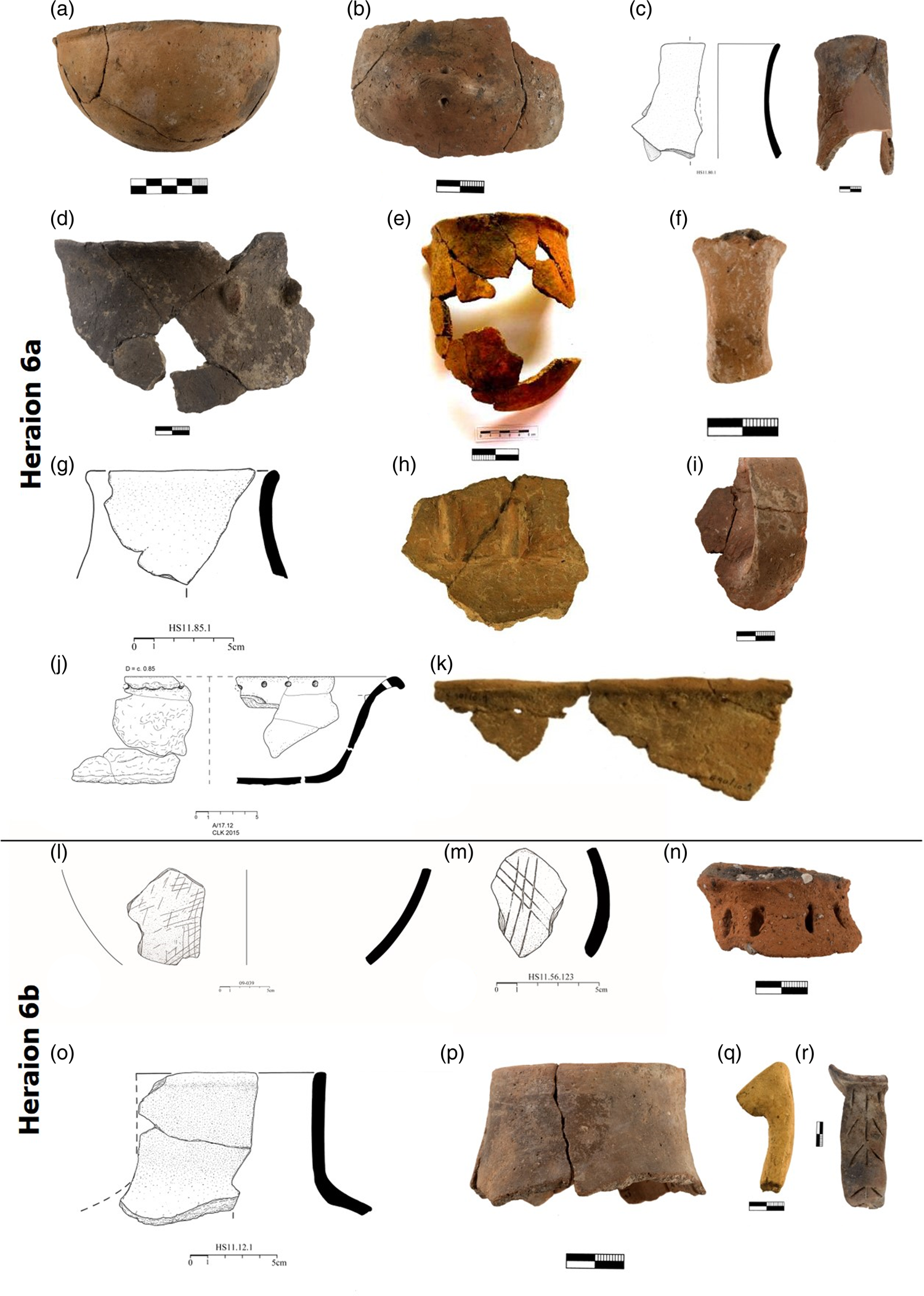
The LCh phase Heraion 6a includes deep bowls with inverted or everted rims, pyxides with vertically pierced lugs, cut-away spouted jugs with incised handles, collar-necked jars with narrow vertical or everted rims and unpierced lugs, as well as cooking pots with a pair of plastic knobs beneath the rim, or tripod ones with rectangular and trapezoidal legs, and cheesepots (Kouka Reference Kouka, Horejs and Mehofer2014, 52, fig. 4A,C–E,G; Reference Kouka, Panagiotopoulos, Kaiser and Kouka2015, 226, fig. 6de; Menelaou and Kouka Reference Menelaou and Kouka2021, fig. 3) (Fig. 6). The pottery of Heraion 6b–a is comparable with that found at Tigani III–IV, Emporio VII–VI, Çukuriçi Höyük VII, Liman Tepe VII, Miletus Ιa–b, and Beysesultan LCh 2–4 and indicates a chronological correlation between the Heraion, the Izmir region, and south-west Anatolia, while it also represents the technological and ideological transfer visible in the formation of a ceramic koine in the MCh–LCh East Aegean (Kouka Reference Kouka, Horejs and Mehofer2014, 56–8) (Table 1).
Re-evaluation of the published material from the old excavations in the south-west part of the settlement has allowed the identification of scattered sherds, previously falsely ascribed to the EBA period, that are diagnostic for pattern-burnished ware (Milojčić Reference Milojčić1961, pls 28:1–5, 48:5–20, 34; unpublished excavations of Walter Reference Walter1963; Fig. 6lm), as well as cheesepots of the FN period (Milojčić Reference Milojčić1961, pls 35:74, 37:16, 38:5, 40:25). Similarly, ceramic and lithic finds previously described simply as pre-Heraion I (before c. 2750 BC), in the context of the 1980s excavations (Kyrieleis, Kienast and Weisshaar Reference Kyrieleis, Kienast and Weisshaar1985, fig. 42:1,4,10), are now ascribed to the Ch period (see below).
SMALL FINDS AND EXOTICA FROM KASTRO-TIGANI AND THE HERAION
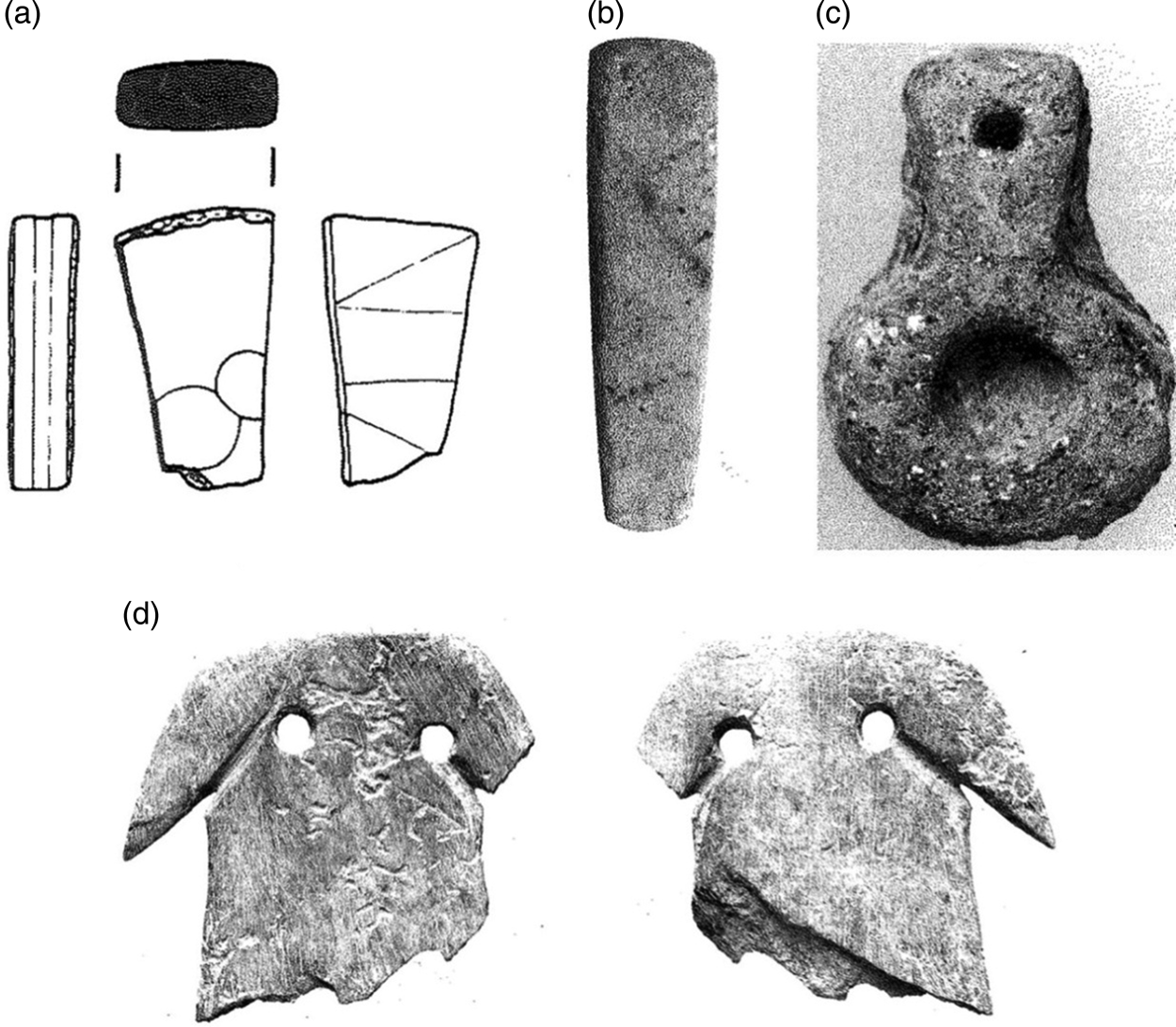
Small finds from Ch Kastro-Tigani and the Heraion clearly suggest – beside the above noted influences on pottery – contacts with the Cyclades. These include obsidian flakes and tools from Melos found in Tigani II–IV (Felsch Reference Felsch1988, 223–36, pls 87–90) and Heraion 6 (Kouka Reference Kouka, Horejs and Mehofer2014, 52), marble conical beakers from Tigani II–IV (Fig. 5o), and an attachment on the lug handle of a bowl in the form of a ring-shaped figurine from Tigani II or III (Fig. 7c).Footnote 12 Of particular interest for the rather indirect contacts with Mainland Greece are a marble acrolithic figurine from Tigani IV (Felsch Reference Felsch1988, 221, cat. no. V17, pl. 47:11 with parallels) and a similar one from Heraion 6 (Kyrieleis, Kienast and Weisshaar Reference Kyrieleis, Kienast and Weisshaar1985, fig. 42:1) inspired by the FNL Rachmani culture in Thessaly (Fig. 7a–b). Finally, a fragment of a bone pendant or figurine from Tigani III early (Felsch Reference Felsch1988, 220, cat. no. V12, pl. 46:7–8; Fig. 7d) in the form of western Anatolian marble figurines of the Kilia typeFootnote 13 indicates the sharing of a symbolic code between the insular and coastal communities of the eastern Aegean.
(a)–(b) Acrolithic figurines from Heraion 6 and Tigani IV; (c) Ring-shaped attachment, Tigani II/III; (d) Bone pendant or figurine of Kilia type, Tigani III early (after Kyrieleis, Kienast and Weisshaar Reference Kyrieleis, Kienast and Weisshaar1985, fig. 42:1; Felsch Reference Felsch1988, pls 47:11, 47:8, 46:7–8).
ANALYTICAL METHODOLOGY
The systematic macroscopic examination of the NL–Ch ceramic assemblage of Kastro-Tigani, covering the whole range of typological and morpho-stylistic classes, defined a number of Macroscopic Fabric Groups (MFG), which further led to the selection of samples for laboratory analyses. The main technique employed in the analysed material is thin section petrography, combined with macroscopic observations, contextual/chronological information, refiring tests, and elemental analysis by Wavelength Dispersive X-Ray Fluorescence Spectroscopy (WD-XRF). Raw material samples collected from around the island, as part of a geological survey, were also taken into consideration in the determination of provenance, further supported by comparing their mineralogy with local geological maps (Theodoropoulos Reference Theodoropoulos1979), as discussed below. The selected ceramic samples are presented in Table 2, with information about the archaeological context and morpho-stylistic classification.
Catalogue of samples from Kastro-Tigani (KT).

Standard petrographic thin sections of 34 samples were prepared at the Fitch Laboratory, British School at Athens, and examined with the polarising light microscope by Menelaou. Having been grouped into fabric classes, based upon the nature of their dominant non-plastic inclusions, clay matrix and textural features, these groups were described using the system proposed by Whitbread (Reference Whitbread1995, 379–88; Reference Whitbread and Hunt2016). The petrographic analysis aimed at characterising the raw materials used in pottery production and, thus, determining the potential provenance of the pottery. Equally significant was the reconstruction of craft choices, manufacturing traditions and technological changes, allowing us to address issues relating to pottery production organisation. Not all stages of production (forming, finishing, firing) are reconstructed in as much detail as the exploitation, procurement and processing of the raw materials used for making the ceramic pastes.
All samples were subjected to refiring tests in controlled conditions for one hour (oxidising atmosphere) at temperatures of 1000°C, in order to eliminate any variation in clay colour caused by the ancient firings and thus generate a basic optical distinction between different clay compositions (Whitbread Reference Whitbread1995, 390). The colours for both the clay paste and slip were recorded with the Munsell Soil Color Charts.
Subsequently, based on the macroscopic and petrographic results, a sub-set of 15 samples was selected for chemical analysis with the aim of drawing preliminary conclusions on the provenance of local pottery production on Samos during the LNL–Ch period. The chemical analysis was carried out on a WD-XRF BRUKER S8-TIGER wavelength dispersive spectrometer with a Rh excitation source, in order to characterise their elemental composition according to the calibration method developed at the Fitch Laboratory (Georgakopoulou et al. Reference Georgakopoulou, Hein, Müller and Kiriatzi2017). Quantitative bulk elemental analysis was undertaken on ignited powdered samples prepared as fused glass beads. Twenty-six major and trace elements were determined (Na, Mg, Al, Si, P, K, Ca, Ti, V, Cr, Mn, Fe, Co, Ni, Cu, Zn, Rb, Sr, Y, Zr, Ba, La, Ce, Nd, Pb and Th), and the data were subjected to statistical multivariate analysis using the R software.Footnote 14 The statistical treatment followed the approach proposed by Buxeda i Garrigos (Reference Buxeda i Garrigos1999).
A number of selected Ch samples from the neighbouring settlement of the Heraion are discussed in this paper, in relation to the fabrics identified at Kastro-Tigani. Only those samples analysed chemically are included here (Table 3), while others are discussed elsewhere (Menelaou Reference Menelaou2018; Menelaou and Kouka Reference Menelaou and Kouka2021).
Catalogue of samples from the Heraion (HR).

GEOMORPHOLOGICAL AND GEOLOGICAL SETTING OF THE STUDY AREA
Samos consists of five main geomorphological and physiographic units: three mountain massifs that are separated by the geologically distinct lowland areas of the Neogene–Quaternary basins, i.e. Mount Kerketeas (1433 m) lying at the western end of the island, Mount Ambelos (1150 m) covering mostly the central part, the Zoodochos Pigi Massif (433 m) in the east of the island, the western lowlands consisting of the Karlovassi Basin, and the eastern lowlands consisting of Palaiokastro and Mytilinii basins. The latter, which constitutes our immediate area of interest, is important in terms of alluviation and hydrology. It accommodates the largest water sources on Samos (Imvrassos and Chesios rivers), which have been responsible for the formation of two large coastal plains, the Kambos-Chora plain and Mesokambos plain. As an extremely mountainous island, this part of Samos is the most easily accessible and suitable for habitation and exploitation.
The island's location between the Attic-Cycladic geotectonic zone to the west and Menderes Massif to the east is responsible for its complex and heterogeneous geological background, which shares similarities with the Cyclades (especially the northern complex), a part of Attica and southern Euboea (Ring, Laws and Bernet Reference Ring, Laws and Bernet1999, fig. 1) and the Dilek Peninsula in western Anatolia (Candan et al. Reference Candan, Dora, Oberhänsli, Oelsner and Dürr1997, fig. 1; Çakmakoğlu Reference Çakmakoğlu2007). The complex geology of Samos (Fig. 8a) is made up of various metamorphic nappes (Kerketeas: dolomitic marbles, schist bodies; Aghios Nikolaos: metagranitic gneiss, garnet-mica schists, dolomitic marbles; Ambelos: marbles, various schists, epidote amphibolites, phyllites, intercalations of ultramafic igneous rocks, volcanic bodies – including the sub-units of Aghios Ioannis [metabasites with epidote, metabauxites, glaucophane] and Vourliotes-Zoodochos Pigi [muscovite, quartzite, chlorite schists]; Selçuk: ultramafic igneous rocks, peridotites, serpentinites, metagabbros, ophiolites) of the Cycladic Blueschist Unit, overlaid by a Late Oligocene–Miocene non-metamorphic formation in the western part (Kallithea nappe: acid and basic plutonic rocks, peridotites, limestones) (Ring, Laws and Bernet Reference Ring, Laws and Bernet1999, 1575, fig. 2; Ring, Okrusch and Will Reference Ring, Okrusch and Will2007).
Geological maps of Samos. (a) The main lithological formations and localities mentioned in the text; (b) Detailed map of the Mytilinii Basin (Kambos-Chora plain) (prepared by C. Kolb, simplified after Theodoropoulos Reference Theodoropoulos1979).
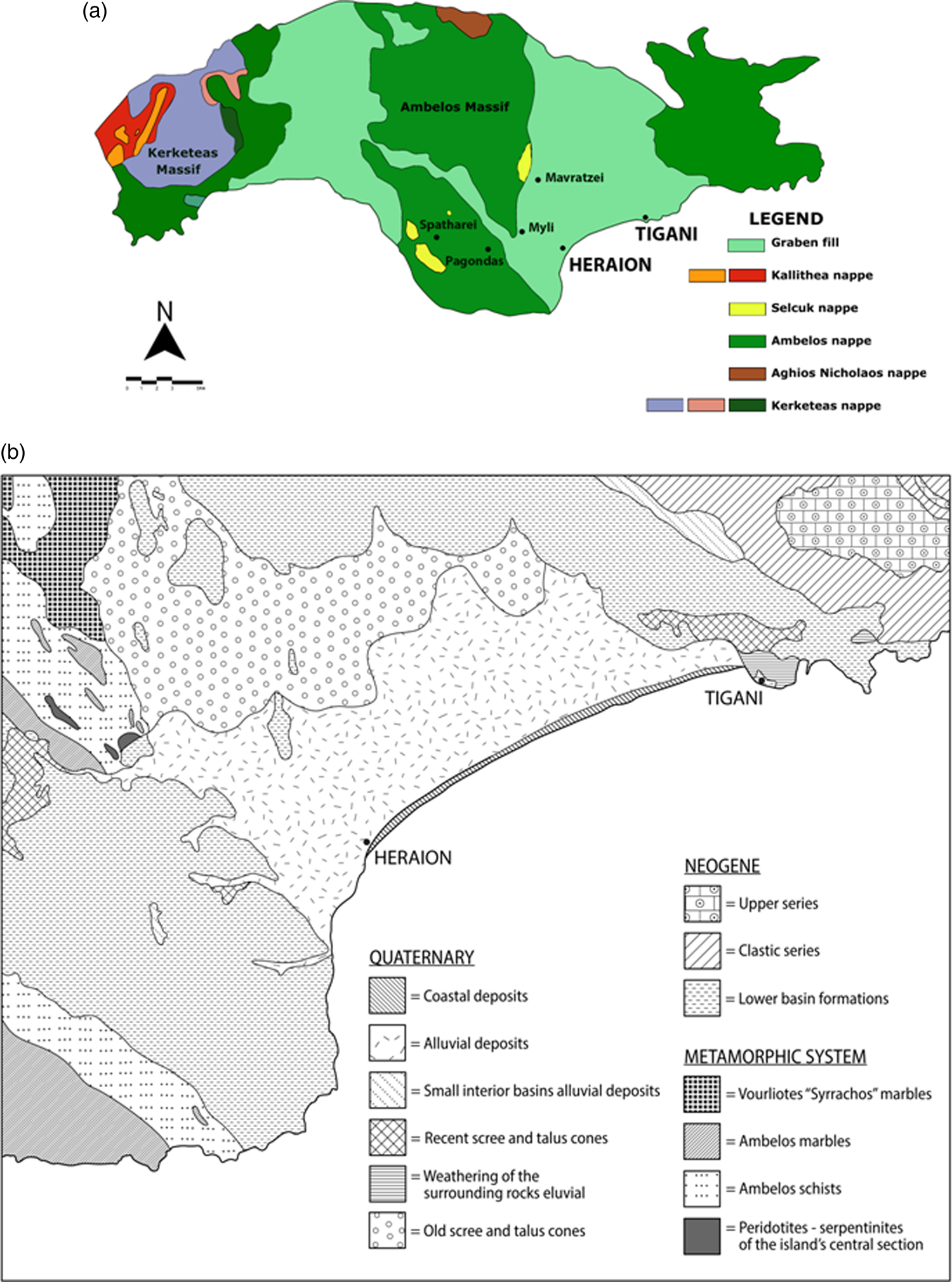
The south-east part of Samos, and more particularly the Mytilinii Basin that accommodates the sites under investigation (Fig. 8b), comprises mainly Neogene sediments that consist of five successive lacustrine-fluviatile formations, thin-bedded marls, clays and red-yellow soils with interbedded tuffs and tuffites (Weidmann et al. Reference Weidmann, Solounias, Drake and Curtis1984, fig. 2; Owen, Renaut and Stamatakis Reference Owen, Renaut and Stamatakis2011; Koufos et al. Reference Koufos, Kostopoulos, Vlachou and Konidaris2011, 239–40, fig. 2) corresponding to a limnic palaeoenvironment (Whitbread Reference Whitbread1995, 124; Ring, Laws and Bernet Reference Ring, Laws and Bernet1999, 1581, table 2; Ring, Okrusch and Will Reference Ring, Okrusch and Will2007, 7, fig. 3). The Chora plain is extensively made up of Quaternary alluvial deposits with clayey-sandy material, terra rossa with grits, coarse torrential material, and recent scree, while on the coastal areas there is finer deposition of clays. The Heraion is situated within these deposits and in very close proximity to outcrops of the Pythagoreion and Hora formations to the north-west, while Kastro-Tigani is situated to the eastern limit of the Chora plain, in proximity with the confluence of the Chesios River and closer to outcrops of the Mytilinii Formation, with basaltic lavas in the lower strata (Theodoropoulos Reference Theodoropoulos1979; Koufos et al. Reference Koufos, Kostopoulos, Vlachou and Konidaris2011, fig. 1). The geology here is mainly characterised by the presence of metamorphic rocks, intersected by other geological formations (e.g. ophiolite bodies, serpentinite-peridotite bodies, limestone deposits, igneous sills). The study of the geology through maps and geological literature is particularly useful in the assessment of provenance in the analysis of pottery. Although now generally acknowledged, no direct correlation can be established between ceramics and ancient raw material sources, due to geomorphological transformations, but an approximate analytical comparison is possible through geological prospection of locally available clayey raw materials in the determination of provenance (cf. Buxeda i Garrigos and Kilikoglou Reference Buxeda i Garrigos, Kilikoglou and van Zelst2003; Montana Reference Montana2020; Hein and Kilikoglou Reference Hein and Kilikoglou2020). Such fieldwork, albeit preliminary,Footnote 15 has been carried out on Samos by Menelaou in 2015–16 (Menelaou Reference Menelaou2018) and allowed important insights into the identification of raw materials mineralogically similar to the ceramic fabric recipes from the Heraion (cf. Menelaou and Kouka Reference Menelaou and Kouka2021, fig. 5, table 5). Previous chemical analysis of modern clays in the Chora plain showed much compositional variation between the sources (Jones Reference Jones1986, 288–9), which is also reflected in our analysis of the pottery.
ANALYTICAL RESULTS
Macroscopic analysis
The macroscopic features recorded were identified in 34 hand specimens (colour, hardness, feel, texture, lustre, porosity) through the examination of fresh breaks across the core (Fig. 9), in order to determine preliminary compositional and technological aspects of the manufacturing sequence (groundmass, coarse and fine fractions, nature/sorting of inclusions, forming technique, firing, surface treatment). The macroscopic fabric group classification is based on a combination of the abundance of the same type of inclusions, similar density and distribution of inclusions, as well as similarities in fabric colour and texture. Aside the samples included in this paper, further macroscopic observations were made on the overall ceramic assemblage from Kastro-Tigani, which allowed for the identification of possible Cycladic imports (Phase IVb kratiriskoi; Fig. 5m) in a micaceous metamorphic fabric (Felsch Reference Felsch1988, pls 43:5–6, 75:497).
Photomacrographs of the main Macroscopic Fabric Groups identified under a stereoscope. (a) MFG1; (b) MFG2; (c) MFG3.

MFG1 is characterised by a range of reddish yellow/greyish brown to buff (5YR 6/6, 10YR 5/3) colours with varied coarse inclusions in a non-calcareous clay paste (Fig. 9a). Common inclusions include yellowish brown to greenish grey fragments, most likely identified as serpentinite, and frequent vegetal temper. It corresponds mainly to jars (cooking pots?) and cheesepots, with single examples of a jug and a bowl. Most vessels have a distinct grey core and heterogeneous clay body, but there is variability with respect to the surface treatments, from dark grey/greyish brown burnished to red slipped and burnished, reddish brown slipped and plain rough. All samples appear to have undergone low-temperature firings in mixed conditions. It corresponds to MFG1 from the Heraion (Menelaou and Kouka Reference Menelaou and Kouka2021, table 2: MG1).
MFG2 covers the majority of samples. It is characterised by a range of non-plastic inclusions, identified as volcanic-related on the basis of comparative material from the Heraion, where it corresponds to MFG3 (Menelaou Reference Menelaou2018; Menelaou and Kouka Reference Menelaou and Kouka2021, table 2: MG3). The clay paste is largely heterogeneous and coarse to medium-coarse, light/reddish brown to greyish brown (5YR 6/3–6/4, 7.5YR 6/3–6/4) and usually has a dark core. Most characteristic are those inclusions with a light brown chalky feel and a soft/porous texture, black mafic minerals, white/grey or transparent crystalline minerals belonging most likely to quartz and feldspar grains, as well as elongate silver rock fragments and mica (Fig. 9b). The majority of vessels are rich in vegetal temper. MFG2A varies on the basis of possible carbonate rocks (e.g. limestone). No correlation was identified between vessel type and surface treatment, the latter varying from dark grey/black burnished, greyish brown burnished, red/reddish brown slipped and burnished, red slipped, yellowish red burnished and pattern-burnished. All vessel types are represented (Table 4).
Mineralogical and technological characteristics of the petrographic groups identified at Kastro-Tigani.

Abbreviations: a = angular; eq = equant; el = elongate; r = rounded; sa = sub–angular; sr = sub–rounded; TCFs = Textural Concentration Features.
MFG3 constitutes a medium-coarse sandy fabric with common white transparent crystalline inclusions (most probably quartz), grey and silver angular ones related to metamorphic rock fragments, and few–rare organic matter (Fig. 9c). The fabric might represent an alluvial metamorphic environment. The paste is dark greyish brown coloured and homogeneously fired, whilst the surface is dark grey burnished, pattern-burnished (KT15/33) or decorated with white filled incisions and pointillé motifs (KT15/6). This group is rarely present and corresponds to MFG5 or MFG6 from the Heraion (Menelaou Reference Menelaou2018).
Refiring tests
The refiring tests have confirmed observations from the macroscopic examination of the ceramic samples and have allowed the distinction between fabrics likely to be low/non-calcareous or calcareous. In Table 4, it becomes obvious that fabrics identified petrographically as non-calcareous refired red, corresponding mainly to MFG1. The refired chips in this group exhibit a similar range of fresh break colours in reddish brown (2.5YR 5/4), yellowish red (5YR 5/6) and brown (7.5YR 5/3). The homogeneity in the refired colours reflects the use of similar types of clays. In contrast, those samples characterised petrographically as calcareous (Petrographic Fabric Group/PFG 3 and 3A) refired reddish yellow. This corresponds to MFG2 and 2A and implies either the use of calcareous clays or is related to the presence of calcite temper in some of the samples. Variability amongst the latter group in terms of colour, ranging from dark greyish brown (10YR 4/1–4/2, 5/2) to light grey–brown (10YR 7/2) and very pale brown (10YR 7/4–6/3), could be due to anthropogenic clay mixing and/or the use of naturally varied clay sources, or could even reflect varied firing conditions. Significant changes in colour were recorded for MFG3, represented by dark greyish brown (10YR 4/1–4/2) in fresh breaks, which refired to different hues of red. The slip, where preserved, turned homogeneously red (2.5YR 5/6) for all samples across all MFGs. The optical activity of the groundmass is consistently moderate to high, suggesting original firing to temperatures around 750–800°C, mostly in oxidising/reducing atmosphere. The common presence of a grey core implies a rather short duration and so does the partly combusted vegetal temper.
Petrographic analysis
The thin sections from Kastro-Tigani were subdivided into a total of seven different petrographic fabrics, comprising small groups and isolated vessels classified as loners (Table 4). Over two-thirds of the samples are represented by a range of volcanic-related fabrics, but are further distinguished on the basis of mineralogical and technological differences, which are explained in detail below.
Petrographic Fabric Group 1: Ophiolite-derived with Serpentinite and Metabasites
The first petrographic group (PFG1; n = 6) relates to naturally varied sediment sources of small-sized ophiolite outcrops and peridotite-serpentinite sills in the Selcuk nappe, occurring north-west of the Heraion in the area of Pagondas-Spatharei. It corresponds directly to PFG1 from the Heraion, where it constitutes one of the largest fabric groups, particularly for the manufacture of cheesepots in the LCh and amphorae in EBA II early (Menelaou and Kouka Reference Menelaou and Kouka2021, 7, table 2: PG1, table 4, fig. 5:AB). Its non-plastics suite (Fig. 10a) includes mainly serpentinite fragments of various degrees of oxidation and metamorphism of basic igneous rocks, that occasionally preserve their original texture, chlorite aggregates or mafic-rich rocks showing evidence of chloritisation, serpentinised mica-rich metamorphic rocks and few metagabbro fragments (Table 4). It appears as a naturally heterogeneous group in terms of range, size, frequency, and sorting of inclusions, as well as the colour of the clay paste (predominantly yellowish brown to dark brown in PPL, dark red to reddish/greyish brown in XP). KT15/19 was separated as a variant on the basis of its mineralogical differences; its inclusions represent volcanic rocks of intermediate composition and a number of serpentinised rocks and metabasites (Fig. 10b). In his analysis of samples from Kastro-Tigani, Whitbread has identified a metamorphic fabric with zoisite schist, chlorite, and epidote-rich inclusions corresponding to cheesepots, that can be correlated with PFG1 to a certain degree.Footnote 16
Photomicrographs of ceramic thin sections from Kastro-Tigani, taken under crossed polars (XP). (a) PFG1 (KT15/23); (b) PFG1A (KT15/21); (c) PFG1 (KT15/19); (d) PFG2 (KT15/4); (e) PFG2, (KT15/28); (f) PFG3 (KT15/9); (g) PFG3 (KT15/18); (h) PFG3A (KT15/1); (i) PFG4 (KT15/7); (j) PFG5 (KT15/5); (k) PFG6 (KT15/33); (l) PFG7 (KT15/6).
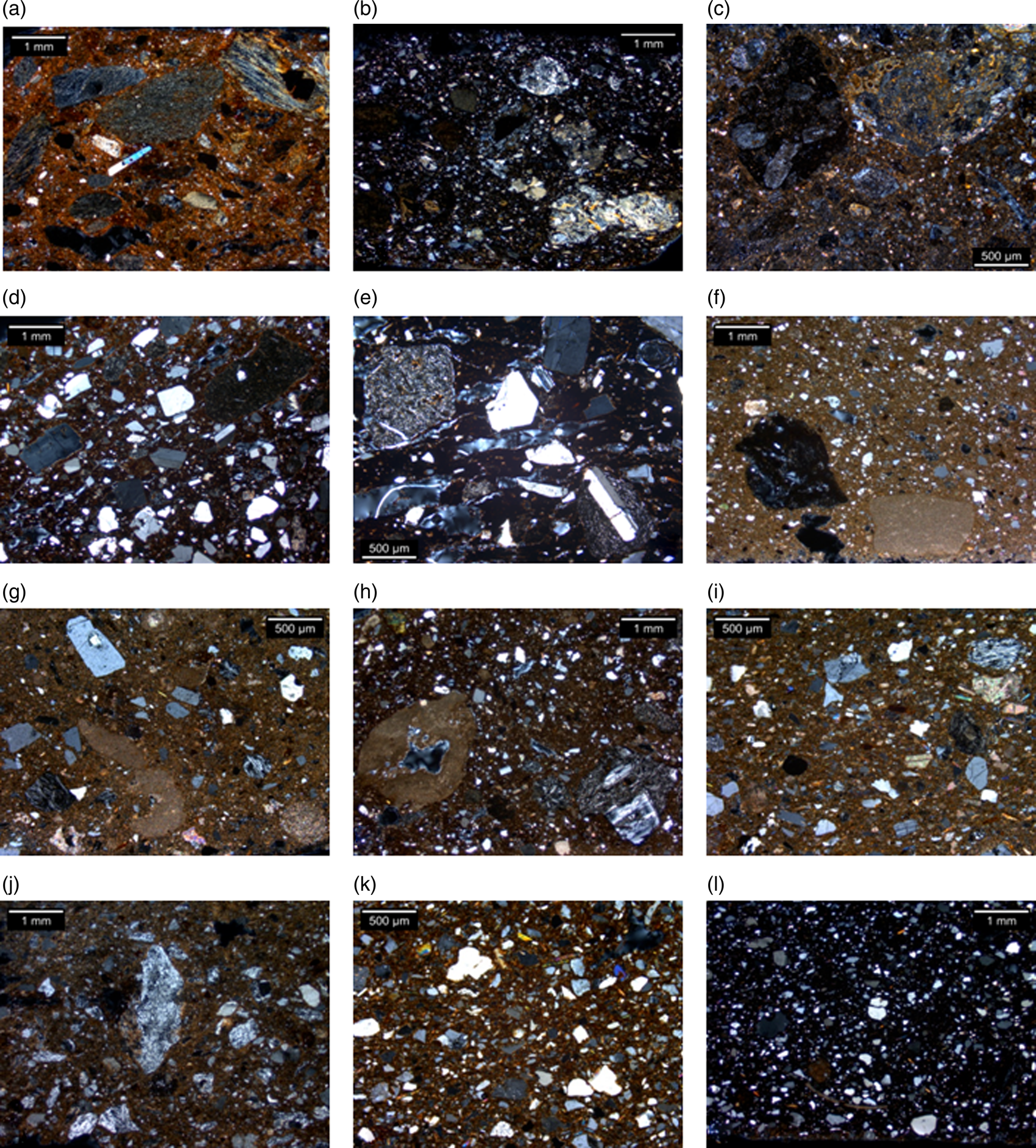
Although generally compatible with the main group, KT15/21 (PFG1A; Fig. 10c) varies compositionally and texturally; the vegetal temper is almost absent, the firing colour is darker, the non-plastic inclusions are less packed, the serpentinites exhibit a different texture/colour than those of the main group and are outnumbered by quartz/feldspar crystals and epidote group minerals. The differences suggest the exploitation of a discrete raw material deposit that relates with the same geological formation. A few samples exhibit a darker margin possibly related to compaction of the surface due to smoothing.
Petrographic Fabric Group 2: Coarse Volcanic
This fabric (n = 7) is dark-fired and slightly heterogeneous in terms of firing colour (majority of samples uniformly coloured in dark brown and others display some colour differentiation between a dark core and yellowish brown–dark red colour) and density of inclusions with a bimodal grain size distribution, consisting of various volcanic rock fragments and their constituent minerals (fresh untwinned feldspars, quartz, amphibole, biotite and occasionally quartz-mica schists) (Fig. 10de). This fabric was first identified and described by Whitbread (Granitic Gneiss Fabric) in a previous small-scale sampling (Mavridis Reference Mavridis2007, 255–7, 355, tables 27, 33, 36) and has more recently been named as Volcanic (feldspar volcanic rock limestone schist) fabric (Whitbread and Mavridis Reference Whitbread and Mavridisforthcoming). Regardless of some mineralogical differences, it can be correlated with PFG3 from the Heraion (Menelaou Reference Menelaou2018; Menelaou and Kouka Reference Menelaou and Kouka2021, table 2: PG3). A degree of compositional and technological variability can be observed when the samples from the two sites are compared, but the main features consist of volcanic rock fragments of intermediate to basic composition and a porphyritic or devitrified matrix, as well as vegetal temper in the form of elongate voids. Different types of Textural Concentration Features (TCFs), with one of low optical density, clear boundaries, or forming clay striations, are perhaps indicative of the natural heterogeneity in the clay source. It is defined as local to the Chora plain and relates to the small volcanic bodies intersecting within the metamorphic formations.
Petrographic Fabric Group 3: Calcareous Volcanic
This fabric (n = 11) can be distinguished from the previous group by its high micritic content (micrite clots, rare bioclasts), substantial amount of large limestone crystals and calcareous clay concentrations in the micromass (Fig. 10fg), which suggests the use of a calcareous base clay or clay mixing, perhaps even tempering with volcanic sand as implied by the high bimodal distribution. Similarly to PFG2, there is a range of smaller and fewer volcanic rock fragments, as well as mainly fine-grained rocks with dark devitrified matrices with acid to intermediate composition and rare volcanic glass fragments, which are probably related to tuff or tuffite deposits (Fig. 10f). A considerable amount of vegetal temper occurs in all samples, as identified by elongate voids in the microstructure. The groundmass appears fairly homogeneous with respect to frequency and sorting of inclusions, textural features and colour (yellowish brown/orange–brown uniformly coloured; slight colour differentiation between dark brown core and yellowish brown margins). It is highly calcareous and the generally moderate to high optical activity of the micromass indicates a low-firing temperature. The colour variation may reflect variable firing conditions rather than different clay sources. This fabric is chronologically and typologically varied, though mostly covering open vessels and bowls of Periods III and IV. Most samples in this group (KT15/3, KT15/9, KT15/24–7) preserve thin layers (>1 mm) of red–brown iron-rich slip, being visually distinct from the calcareous groundmass.
A sub-fabric can be distinguished (PFG3A, n = 5), where the volcanic rock fragments are larger in size and mainly of a fresher texture. Its mineralogical composition is characterised by the constituent minerals of these volcanic rocks (Fig. 11h). The groundmass appears highly calcareous and the moderate to high optical activity of the micromass indicates a low-firing temperature. This subgroup is characterised by larger vessels such as jars and one cheesepot, which might explain the use of a coarser clay recipe, richer in vegetal temper.
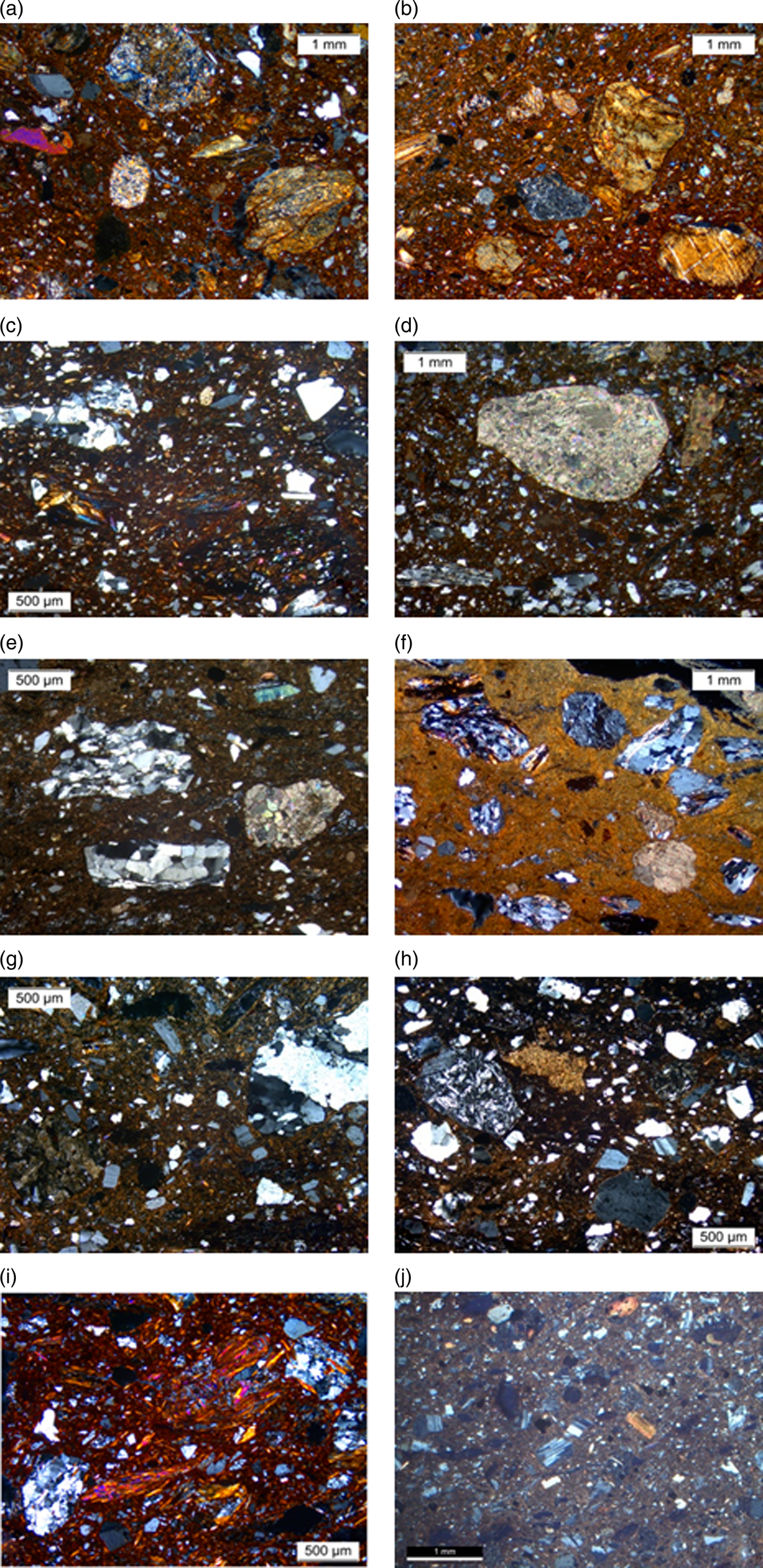
Photomicrographs of ceramic thin sections from the Heraion, taken under crossed polars (XP). (a) PFG1 (HR15/58); (b) PFG1 (HR15/128); (c) PFG2 (HR15/168); (d) PFG2A (HR15/56); (e) PFG2C (HR15/160); (f) PFG2D (HR15/179); (g) PFG3 (HR15/84); (h) PFG3 (HR15/180); (i) PFG4 (HR15/3); (j) PFG5 (HR18/227).
Loner fabrics
In addition to the main groups, a number of loner fabrics have also been identified. PFG4 (Coarse Volcanic and Metamorphic; Fig. 10i) can be linked to PFG3A by the presence of shared volcanic and siliceous rocks, dissociate minerals, and limestone (sparite-micrite aggregates and calcite temper), but differs on the basis of its metamorphic rock content. Similar lithological features have been identified in raw material samples collected south of the Karlovassi plain in north-west Samos.
PFG5 (Coarse Quartz-rich Metamorphic; Fig. 10j) differs texturally from the rest of the samples and is mineralogically related to a metamorphic environment. Its most diagnostic feature is the dominant presence of quartz-rich rocks and their constituent minerals set in a well-sorted texture. Although compositionally compatible with later-dated samples from the Heraion, this loner appears more compacted and mineralogically less diverse (absence of mixed metamorphic rocks). A possible local provenance in deposits of the Chora plain on the south-east coast cannot be excluded.
PFG6 (Well-sorted Quartz and Muscovite Mica; Fig. 10k) is also texturally different and shares some common features with PFG5, but it stands out by the quantity and sorting of muscovite mica in the groundmass, related to mica-rich low-grade metamorphic rocks. Similar fabrics, found in the EBA at the Heraion in small quantity, are believed to be imported from the western Anatolian coast (Menelaou Reference Menelaou2018).
PFG7 (Medium-coarse Sandy/Alluvial Metamorphic; Fig. 10l) has a well-packed texture and is dominated by silt- and sand-sized monocrystalline quartz grains and a few metamorphic rocks, as well as rare micritic bioclasts. The weakly bimodal to unimodal grain size distribution of the fabric and the uniformity of its constituents suggest that a residual, unrefined sandy sediment rich in silicate minerals was used for the manufacture of the ceramic vessel. A possible match was identified in Whitbread's Felsic Fabric Group (Mavridis Reference Mavridis2007, 255–7, 355, tables 27, 33, 36; Whitbread and Mavridis Reference Whitbread and Mavridisforthcoming). Its mineralogy reflects an alluvial metamorphic environment and is taken as broadly local.
Petrographic results from the Middle–Late Chalcolithic Heraion
There was undoubtedly a strong ceramic manufacturing tradition at the Heraion since the foundation of the site. This concerns a rather homogeneous manufacture in terms of fabric, finish, forming, and firing techniques employed for the production of the full range of domestic vessels, large bowls, jars of various types, jugs, and cooking pots.
The petrographic results distinguished at least three main fabrics at the Ch Heraion and a number of subgroups and loners (Table 3). PFG1 (Ophiolite-derived with Serpentinite) is directly linked with PFG1 at Kastro-Tigani, but their mineralogical and textural differences could be a symptom of exploiting discrete raw materials deposits that are related to the same geological formation (ophiolite outcrops and peridotite-serpentinite sills in the Selçuk nappe) and the natural heterogeneity of these exploited deposits (Menelaou and Kouka Reference Menelaou and Kouka2021, table 4, fig. 5A–C) (Fig. 11ab). This fabric is used at the Heraion exclusively for the manufacture of vessels related to cooking or the preparation of food (cheesepots, cooking jars), similarly to Kastro-Tigani (KT15/15, KT15/23), but at the latter site it is also used for other functional categories.
PFG2 (Coarse Mixed Metamorphic) and PFG2A (Red Coarse Metamorphic) were characterised as broadly local to the Chora plain (alluvial deposits of the Ambelos nappe) and are linked on the basis of a heterogeneous, naturally mixed lithology, with more common coarse high-grade metamorphic inclusions and related minerals (Fig. 11cd). This series of fabrics or sub-groups comprises the most common clay recipe used throughout prehistory at the Heraion, and its compositional variability is also supported by comparable clay samples collected in the vicinity of the site (Menelaou and Kouka Reference Menelaou and Kouka2021, table 2: PG2, table 4, fig. 5D–I). On the basis of its compositional and technological variability, PFG2 was further divided into more sub-groups (Menelaou Reference Menelaou2018), 2C (Coarse Metamorphic – Common Quartz-Mica Schist and Vegetal Temper; Fig. 11e) and 2D (Sand-tempered Metamorphic). The latter fabric consists of Ch/EBA I dark red-slipped collar-necked jars and is characterised by oxidised quartz-muscovite schists and greywacke fragments, as well as limestones that are occasionally fossiliferous (Fig. 11f). The presence of such coarse inclusions in a generally very fine groundmass strongly suggests the intentional addition of sand temper in the clay paste. This sub-group is texturally distinctive and finds very close parallels in the Sand-tempered fabric group from Çukuriçi Höyük in western Anatolia, which is considered as local and covers EBA I samples belonging to closed vessels and tripod cooking pots (Peloschek Reference Peloschek and Piesker2016, 192–3, fig. 2, Phases IV–III). This could potentially represent imports at the Heraion, but the provenance will become more confident with more analysed comparative material. No further parallels could be identified petrographically for metamorphic fabrics at Kastro-Tigani.
PFG3 spans from the Ch to the EBA III and is defined as broadly local at the Heraion. It relates to the small volcanic bodies intersecting as sills within the schist formations in the eastern side of the Ambelos Massif. Although exhibiting substantial mineralogical and textural similarities with the volcanic fabrics from Kastro-Tigani, on the basis of an intermediate-basic composition and a porphyritic or devitrified matrix, these are, however, distinct. The volcanic class from the Heraion shows a greater variability and differs from that at Kastro-Tigani in the sorting and distribution of minerals, the calcareous content, and the occasional presence of metamorphic inclusions (Fig. 11gh). It is probably more similar to PFG4 from Kastro-Tigani. Perhaps it should be distinguished in sub-groups: 3A (Fresh and Altered Volcanic) and 3B (Felsic Volcanic and Metamorphic).
Two secure imports were further identified petrographically at the Ch Heraion. The first belongs to a cheesepot that is made in the Muscovite-rich Medium-grade Metamorphic fabric (Fig. 11i) and can be correlated with the red-brown metamorphic fabric series with a provenance in the north-west Cyclades, possibly the island of Kea (see Menelaou and Kouka Reference Menelaou and Kouka2021, table 2: PG30, fig. 6AB for fabric parallels). Although the function/use of this vessel form is still under dispute, it is noteworthy that cheesepots have a wide distribution (cf. FNL IV Kephala-Petras, east Crete: Papadatos and Tomkins Reference Papadatos and Tomkins2013, 358, 360, fig. 6). However, analytical data in favour of the local manufacture of these vessels at the Heraion and Kastro-Tigani and their contextual association with ash layers of stone hearths (Felsch Reference Felsch1988, pl. 31:3–6), similarly to cheesepots from Çukuriçi Höyük (Schwall Reference Schwall2018, 262–3, fig. 108), suggest a link with cooking or baking practices or drying of fruits/grains. Based on their one-sided open shape and position of internal handles, as in examples from Kastro-Tigani (Felsch Reference Felsch1988, pl. 35:8), the finds at Yeşilova Höyük in the Izmir region also suggest the use of cheesepots as portable bread-baking pots (Derin and Caymaz Reference Derin, Caymaz, Dietz, Mavridis, Tankosic and Takaoğlu2018, 501, fig. 51:8). Perhaps in support also of a special use of these vessels, it is noteworthy that an almost complete cheesepot at Kastro-Tigani was found containing a large triton (Felsch Reference Felsch1988, 173–4, no. 289; Fig. 4i).
The second import, a sherd from a closed vessel in pattern-burnished ware, corresponds to the Porphyritic Intermediate Volcanic fabric (Fig. 11j), which appears in substantial frequency in EBA I–II (Menelaou Reference Menelaou and Miloglav2020). Based on morphostylistic and fabric parallels, this vessel has a provenance in coastal western Anatolia (cf. volcanic fabrics from Ulucak Höyük III: Müller, Kiriatzi and Çevik Reference Müller, Kiriatzi and Çevik2016), but a closer resolution is currently infeasible in the absence of published comparanda.
Chemical analysis
WD-XRF analysis confirmed the macroscopic and petrographic observations and distinction of the main fabric classes. The compositional variation matrix for 26 elements was calculated (Table 5) in order to assess the total variation and variability of each element (Buxeda i Garrigos Reference Buxeda i Garrigos1999). As suggested by the evenness variability graph (Fig. 12), the total variation value is very high, both for all the 26 chemical elements (vt = 12.26) and after excluding Cu, Na, P, and Pb from the multivariate statistical treatment (vt = 10.99). This is reflective of a polygenic population (Buxeda i Garrigos and Kilikoglou Reference Buxeda i Garrigos, Kilikoglou and van Zelst2003), in agreement with the results of the petrographic analysis. The variability of the excluded elements may be related to post-depositional alteration/contamination in the pottery. The element that introduced the highest variability in the dataset was Cr, followed by Ni, MgO, and Th. After showing the lowest variance in the log-ratio transformation of 22 element concentrations, Al was chosen as common divisor. The results of testing the similarity of all samples towards the groups’ average compositions, through cluster analysis, allowed for establishing three main clusters, further divided to more sub-clusters, and two loners in the dendrogram (Fig. 13). These differences were also confirmed through a principal component analysis (PCA). According to Table 6 relatively homogeneous compositions are observed among the clusters, with variations in a series of elements as described below, related to some major and minor elements.
Evenness chemical variability graph for 22 samples analysed (τ.i=trace of the covariance matrix; vt = total variation).

Dendrogram resulting from the cluster analysis, excluding Pb, P, Na and Cu.

Chemical compositions of the samples. Oxides, loss of ignition (LOI), and sum are expressed in wt% and elements in parts per million (ppm).

Chemical composition of the analysed pottery: average values (M) and relative standard deviation (rsd); oxides are expressed in wt% and elements in ppm.

As observed through the cluster analysis, the chemical data clustering seems to broadly overlap with the petrographic groups (Fig. 12). Cluster A (n = 5) consists entirely of samples petrographically grouped to PFG1, with samples from both Kastro-Tigani and the Heraion. It stands out from the rest of the groups, both mineralogically and chemically, due to its high concentrations of Cr, Ni, Co, and MgO (as well as Fe2O3). This is associated with the abundance of serpentinite, metabasites, and other ophiolite-related rocks in the fabric, further examined through raw material samples collected from ophiolite outcrops and peridotite-serpentinite sills of ultramafic lithologies (Menelaou and Kouka Reference Menelaou and Kouka2021, figs 4 and 5C). Ceramics produced from such clays present increased concentration of these trace elements (Hein and Kilikoglou Reference Hein and Kilikoglou2017, 566). KT15/21 (PFG1A) was clustered with the main group, although higher values are noticed in MgO (18.66 per cent), Cr (2594 ppm), Mn (1367 ppm), Co (108 ppm), and Ni (1727 ppm), compared to the rest of the samples.
Cluster B is divided into chemical sub-clusters B1 and B2. B1 (n = 3) consists of samples exclusively from the Heraion and corresponds to variants of the metamorphic fabric group (Menelaou and Kouka Reference Menelaou and Kouka2021, 7–8). This chemical sub-cluster is distinguished by higher and lower values in K2O and Cr concentrations respectively, compared to the other clusters. Although clustered together (Fig. 13), perhaps due to the frequency of metamorphic rocks, HR15/84 has comparatively higher values in K2O (2.35 per cent), Rb (129 ppm) and Sr (377 ppm), and lower values in V (75 ppm), Cr (602 ppm), Fe2O3 (4.82 per cent), and Ni (129 ppm), and is also petrographically different. B2 (n = 3) is petrographically similar to B1, on the basis of metamorphic-related minerals, as indicated in the relatively elevated iron content (7–12 per cent) most likely as a result of iron-rich secondary minerals in the schist rocks, but differs in the concentration values of Cr, Co, Ni, and Sr. KT15/06, petrographically singled-out as a loner fabric (PFG7), appears in B2 together with two samples from the Heraion on the dendrogram (Fig. 13); this is also supported in the PCA plot, where it appears closer to Cluster C2 (Fig. 14). However, it differs chemically, as seen in the higher values of MgO and K2O and the lower values in Mn and Zn. Interestingly, sub-clusters B1 and B2 are broadly grouped together in the dendrogram (Fig. 13), suggesting that the metamorphic-rich raw material sources were preferably exploited at the Heraion and not at the nearby settlement of Kastro-Tigani.
The principal component plot of the WD-XRF data including 22 elements for 22 samples and projections of discriminating elements.

With regard to trace element composition and internal homogeneity, Cluster C and its sub-varieties are linked between one another, confirming the petrographic observations, possibly related to the presence of igneous rocks. However, their chemical differentiation was consistent with the petrographic results, with chemical clusters and fabric groups largely matching, further confirmed by the low total variation values obtained for the individual sub-clusters. In particular, C1 (n = 3) corresponds to PFG2, C2 (n = 3) to PFG3 also including sample KT15/07 (PFG4) which is petrographically different but clustered together with PFG3 samples on the basis of its high CaO percentage (14.34 per cent), and C3 (n = 3) corresponds to PFG3A. The high frequency of volcanic and less commonly of metamorphic minerals in the aforementioned clusters could account for the relatively high values in Zn, in comparison with the values obtained for Clusters A and B. Nevertheless, different values in certain trace elements exist between the chemical groups of Cluster C, for instance in the values of V, Co and others. CaO concentrations range between 3.2 per cent (Cluster C1, low calcareous) to 6.50 per cent (Cluster C2, intermediate calcareous), and 16.2 per cent (Cluster C3, high calcareous), in association with clay pastes rich in carbonates. The differentiation was consistent with the petrographic results, which showed an assumed non-calcareous composition for C1. In terms of CaO presence, Cluster A appears to be intermediate calcareous (6.70 per cent), while Clusters B1 (2.51 per cent) and B2 (3.77 per cent) are low calcareous.
The presence of two samples behaving as chemical loners, namely KT15/19 and KT15/05, is observed in both the dendrogram and the PCA plot (Figs 13–14). Although distinguished petrographically as a variant of PFG1, KT15/19 is chemically different in the concentration values of certain elements (lower Cr and Ni; higher V and Mn). Nevertheless, this sample plots in association with Cluster A in the PCA, where the samples form a loose and scattered group on the right side of the plot. Loner KT15/05 plots apart from all clusters in the PCA and is also distinguished in the dendrogram; its provenance remains undetermined, although on a fabric basis it could represent a distinct raw material source of the repetitive metamorphic lithology on Samos.
The chemical results reflect on the one hand the complex geology of Samos and, thus, of the exploited raw material sources for pottery manufacture at the south-east part of the island, which is firmly represented in the mineralogically very different fabric groups. On the other hand, it is noteworthy that, despite the nature of the dataset and its very high total variation, perhaps also due to the small number of the samples analysed, as well as the loose clustering and fairly high relative standard deviation values for most elements, the results indicate clear differences between the three main clusters. These differences show a good correlation with the petrographic results, suggesting the exploitation of different clay sources or even the concurrent operation of distinct production units during the LN–Ch. Intra-cluster variability and the formation of chemical sub-groups may in fact also be the outcome of technological variability (Buxeda i Garrigos and Kilikoglou Reference Buxeda i Garrigos, Kilikoglou and van Zelst2003, 192–6). A comparison between the results from Kastro-Tigani and the Heraion suggests the existence of compositional differences. While the volcanic fabrics identified at Kastro-Tigani are mineralogically similar to those used in later periods at the Heraion, they are chemically distinct. Similarly, the chemical clustering of metamorphic fabrics from the Heraion have no parallel in the Kastro-Tigani assemblage. These variations, also evident in the PCA plot, may indicate the selective exploitation and use of slightly different raw materials and/or clay paste recipes, although the chronological difference between the sites could also account for technological and compositional differences between them. The natural heterogeneity of the geological deposits exploited and repetitive geology of Samos, obvious in the analysis of raw material samples (Menelaou and Kouka Reference Menelaou and Kouka2021, figs 4–5), could also explain much of the chemical and petrographic variability observed in the samples.
DISCUSSION
Determining local provenance and relations between Kastro-Tigani and the Heraion
The combination of several methods and stages of analysis allowed us to produce some useful patterns in the determination of provenance of the analysed ceramics. In the absence of kiln materialsFootnote 17 that could be used as reference groups in such an effort, our analytical work has developed a pilot dataset and has defined the mineralogical and chemical signatures of local and possible imported pottery. A general drawback in the assessment of provenance between raw material sources and pottery relates to the fact that the resources exploited by the ancient potters are not immediately represented in today's landscapes. However, the mineralogical comparison between the two can provide useful information through petrography, and hints towards determining the geological provenance of a ceramic fabric (e.g. Montana Reference Montana2020).
Based on a thorough bibliographical study of the geological background in south-east Samos, we may infer Samos’ prehistoric communities’ choices of resources. More particularly, PFG1 at Kastro-Tigani corresponds petrographically and chemically to PFG1 at the Heraion (Menelaou and Kouka Reference Menelaou and Kouka2021, table 4, fig. 5A–C). Despite some mineralogical differences between the two, these seem to relate to naturally varied melange sediment sources of small-sized ophiolite outcrops and peridotite-serpentinite sills (Selçuk nappe), occurring north-west of the Heraion in the localities of Myli, Pagondas, Spatharei, and Mavratzei (Theodoropoulos Reference Theodoropoulos1979; Ring, Okrusch and Will Reference Ring, Okrusch and Will2007, 25–6, fig. 29; Bröcker, Löwen and Rodionov Reference Bröcker, Löwen and Rodionov2014, 237; Stouraitis et al. Reference Stouraitis, Pantziris, Vasilatos, Kanellopoulos, Mitropoulos, Pomonis, Moritz and Chiaradia2017, 13–14; Fig. 8). Ophiolite-related fabrics are generally compositionally varied, associated with the inherent lithological variability of the raw material sources. This is further exemplified in the recognition of variable samples (KT15/19) and sub-group 1A, which suggest the exploitation of discrete outcrops situated within the same geological formation used for the main class. The limited occurrence of such geological deposits at the aforementioned localities allows a more confident suggestion of local provenance. The possible relation of PFG1 with primary sources implies the direct exploitation of these deposits and perhaps even the existence of a production centre beyond the Heraion itself. At the Heraion this chronologically and typologically very consistent fabric is well represented, especially during the Ch and EBA I, for the manufacture of cooking pots and cheesepots but less frequently during EBA II early for the manufacture of amphorae. At Kastro-Tigani the majority of samples are typologically varied and date to the LCh (Phase IV), with the exception of two samples that date to Phases II–III. Only a detailed geological study of the area and more extensive analysis of clay samples may help to establish whether the differences are due to (a) the exploitation of distinct deposits (perhaps localities of Pagondas-Spatharei for the Heraion and the locality of Mavratzei for Kastro-Tigani), (b) the manufacture of pottery in this clay recipe at separate production centres for Kastro-Tigani and the Heraion or (c) its importation and consumption at Kastro-Tigani from the western part of the Mytilinii Basin (Heraion). A previous small-scale resource prospection and clay sampling in the area of Pagondas-Spatharei has identified raw materials that are petrographically identical with this fabric (Menelaou and Kouka Reference Menelaou and Kouka2021, table 5).
The volcanic fabric series at Kastro-Tigani comprises the majority of samples. The compositional differences between PFG2 and PFG3 (and sub-fabric 3A) can correlate with the chemical sub-clusters, reflecting the use of disparate raw materials. Samos has a limited presence of volcanic rocks (trachydacites, minor basalts, rhyolites, weathered tuffs and tuffites) restricted at the lower series of the Karlovassi and Mytilinii Neogene basins. Small volcanic bodies, formed in the early stages of the continental sedimentation of the basins, appear as sills along the eastern margin of the Karlovassi Basin and the western margin of the Mytilinii Basin during the Middle–Late Miocene, intersecting within the metamorphic formations (Theodoropoulos Reference Theodoropoulos1979; Pe-piper and Piper Reference Pe-piper, Piper, Taymaz, Yilmaz and Dilek2007, fig. 2; Owen, Renaut and Stamatakis Reference Owen, Renaut and Stamatakis2011). Such occurrences appear mostly near Pagondas, Pyrgos, and Mavratzei, together with red loams and clays, while mostly minor rhyolites and sodic basalts crop out at the small-sized Palaeokastro Basin, situated at the eastern part of Samos and the margins of the Vathy Basin to the north-east. Common volcanic rocks are identified also in PFG3, but differences occur in the presence of more carbonate minerals and arrangement of inclusions. Regardless of the presence of intermediate to basic volcanic rocks and their constituent minerals in a similar clay paste identified at the Heraion (PFG3), it is noteworthy that these are, to some degree, mineralogically and chemically recognisable. This is seen in the occasional presence of metamorphic rocks (see HR15/84), which are linked to the schist formations of the Mytilinii Basin, the almost total lack of clay pastes equivalent to PFGs3–3A from Kastro-Tigani, and the predominance of volcanic rocks with a weathered top. The latter are predominantly spherical, perhaps having been reworked through water action. These are related to volcaniclastic rocks and basaltic deposits with a weathered top occurring at the western margin of the Vathy Basin and near Pagondas and Pyrgos, overlain by felsic pyroclastic deposits that correlate with the Mytilinii Formation in the centre of the basin (Pe-piper and Piper Reference Pe-piper, Piper, Taymaz, Yilmaz and Dilek2007, 78; Menelaou and Kouka Reference Menelaou and Kouka2021, table 4, fig. 5JK). The mineralogical and chronological (predominantly EBA II–III at the Heraion) differences in the use of these volcanic-related fabrics at both sites suggest the exploitation of distinct raw material outcrops. The clay samples from the Chora plain analysed so far suggest the local provenance of this fabric series (Menelaou and Kouka Reference Menelaou and Kouka2021, fig. 5L).
A third group distinguished in our analytical work (Figs 11c–f and 13) corresponds to the metamorphic fabric series that occurs diachronically only at the Heraion from the Ch to at least the MBA for the manufacture of the whole range of vessel types and functional classes (Menelaou and Kouka Reference Menelaou and Kouka2021, table 4, fig. 5DE,G–I). Corresponding to PFG2 and its subgroups, it represents the main local fabric series, although the compositional variability in terms of coarseness, frequency, and quantity of metamorphic-related inclusions implies the exploitation of several raw material sources in the Chora plain. This fabric series was most likely produced from red alluvial deposits (schist bodies) that cover the immediate area of the Heraion, extending from the Chora plain to the foothills of the Ambelos Massif, and is broadly related to the metamorphic substrate of Samos (Fig. 8). However, the inherent variability of metamorphic geologies and the repetition of different geological formations over a wide area can prevent discrimination and a more precise provenance determination between the various subgroups. The compositional consistency with Samos’ geology was also supported by comparable clay sources sampled in the vicinity of the Heraion (Menelaou and Kouka Reference Menelaou and Kouka2021, fig. 5F), but even the most detailed geological prospection may not be able to provide direct petrological links due to intra-variation of the same outcrops and erosion/transportation of alluvial sediments through the action of rivers.
Aside from the aforementioned main clay recipes used synchronically and diachronically at the sites, a number of loners have also been identified at Kastro-Tigani, dated to Phases III and IV and representing amphorae/jars. Although a local provenance could be suggested for the majority of loners, it remains undetermined whether the mineralogical and textural differences reflect connections with other areas on the island that have been considered ‘empty’ so far (PFG4; Fig. 10i) or represent off-island products. The inconsistency of these loners is reflected to a certain degree also in the chemical analysis, where PFG4 and PFG7 differ in their trace element concentrations from their main clusters, while PFG5 behaves as a loner in the dendrogram and PCA plot (Figs 13–14).
Reconstructing the Middle–Late Chalcolithic Samian ceramic traditions: a diachronic technological view
Shifting away from a solely typological and morpho-stylistic approach, in this paper we adopt a theoretical framework that concentrates on the social dimensions of technological practice, according to which technology is a socially embedded dynamic process of combined social and material engagement (Sillar and Tite Reference Sillar and Tite2000). An attempt was made to reconstruct the operational sequence of pottery production, i.e. the various stages in the manufacturing process and related past technical systems, and social, cultural, and economic acts in the ways of making and transforming the raw materials to finished products (cf. Roux Reference Roux and Hunt2016). This section focuses on the micro-scale processes of pottery production, defined here as the interactions involving potters, their raw materials, and the social context in which the craft practice took place. By highlighting where in the production sequence variability and change occur, we can draw inferences concerning the location and organisation of ceramic production and the make-up of the earliest potting groups operating on south-east Samos, as well as the shared repertoire of technical know-how or learning environment that characterises different communities of practice.
More particularly, raw material exploitation and procurement strategies at Kastro-Tigani were focused on the use of two main lithological categories, with further varieties, distinct in the petrographic fabric variability discussed above. Interestingly, the analytical results can be generally correlated with our macroscopic observations. A picture of continuity in the choice of raw materials emerges. Regarding raw materials preparation and processing, the Ch potters chose either to use clays in their natural state or to process and manipulate the raw materials by refinement and mixing. The heterogeneity and freshness seen in PFG1 is indicative of the use of largely unprocessed raw materials, but the occasional presence of dark brown clay pellets might also suggest clay mixing. According to the freshness of inclusions in PFG2, the clay derives from a primary source close to volcanic parent rocks, but the angularity of the constituent minerals could even suggest crushing and tempering of the raw materials. Although mineralogically linked with the previous group, PFG3 exhibits the exploitation of rather different carbonate-rich raw material sources. The presence of fresh calcite perhaps suggests tempering, while the identification of texturally distinct red striations (e.g. KT15/3, 18) and micrite in the base clay might be indicative of some sort of mixing. It is worth noting that in Tigani Phase III a technological change occurs in the use of higher-calcareous clays, as illustrated in sub-fabric 3A. This differs from PFG3 because of a finer groundmass, perhaps a result of clay refinement, and the presence of well-distributed sand-sized limestone and well-rounded mineral inclusions. This fabric reflects the technological knowledge and decisions of potters to use a clay mix with coarser and abundant limestone, which would thus increase the toughness and strength of the manufactured jars (cf. Tite, Kilikoglou and Vekinis Reference Tite, Kilikoglou and Vekinis2001).
As already discussed in the previous section, procurement and exploitation strategies at the Heraion exhibit some differences from Kastro-Tigani Phases III–IV – considering also the chronological gap at Tigani III–IV – that could suggest the use of separate but lithologically compatible sources for the manufacture of pottery during the MCh–LCh period, but also the preferred exploitation of others. It is striking that, while the metamorphic fabric series (PFG2 and subgroups) at the Heraion constitutes the longest ceramic mix used from the Ch till at least the MBA, owing also to the widespread availability of related raw materials in the Chora plain, it is absent from Kastro-Tigani, even from its Period IV.
A common practice in the preparation of the various clay mixes can be seen in the use of vegetal temper, although varying in frequency. It is not as much present in PFG1 as in PFG2, where it mostly occurs in cooking pots of Phases II–III (e.g. KT15/17, 28, 30). Chaff-tempering is better embedded in the operational sequence of the Heraion's potting communities, which provides a good link between local fabrics and implies a long-lasting continuity of practice until EBA II. Vegetal-tempering might have been related to more than just techno-functional criteria (improvement of clay workability, thermal stress resistance, etc.). It is a widespread technological practice among various regions with a noticeable decrease from EBA II onwards (e.g. Kos: Vitale and Morrison Reference Vitale and Morrison2018; Chios: Hood Reference Hood1981, 167; Miletus: Kouka Reference Kouka, Horejs and Mehofer2014, 52; Beycesultan: Lloyd and Mellaart Reference Lloyd and Mellaart1962, 106), but it is noteworthy that it did not form part of the potting traditions at the neighbouring site of Çukuriçi Höyük, despite sharing lithologically comparable raw materials and relevant clay recipes (Peloschek Reference Peloschek and Horejs2017: red metamorphic-rich fabrics; buff calcareous ophiolite-related fabrics).
In terms of forming techniques, our macroscopic observations agree with the general tradition of handbuilt ceramics during the MCh–LCh period. Macroscopic evidence of relic coils (observed also petrographically in the form of concentrically arranged inclusions), pinching marks and finger grooves, secondary formation of handle attachments with no pushed-through examples and jar rims/necks joined separately the main body, and indentations on the exterior surfaces suggest the combination of different techniques. These may include coiling, slab-building, and pinching, and perhaps represent different potting traditions.
Several surface treatments and decorative elements have also been identified macroscopically and complemented with petrographic observations. No particular relationship seems to exist between fabric and surface treatment, but some degree of chronological patterning could be observed. For instance, dark burnishing is by far the most popular during the earlier phases at Kastro-Tigani, with a minor presence of white-painting and smoothing. The latter is found on the exterior surface of cheesepots, occasionally preserving traces of a red slip on the interior, most likely for reasons linked to their function in food preparation activities (e.g. reducing permeability: cf. Menelaou and Kouka Reference Menelaou and Kouka2021, 6–7). Dark burnished and red/reddish brown slipped surfaces of Tigani I–II are preferred for vessels made in PFG2. From Phase III onwards there seems to be a higher variability in surface finishes (black polished; red slipped and burnished; light brown slipped; pattern-burnished; incised and pointillé), even in typologically similar vessels, which should be examined in the framework of established stylistic regionalism and transfer of technological skills during mid-fifth and fourth millennia BC, as well as the exercise of different craft decisions by the local potting communities. Burnishing marks usually occur vertically but can also be multi-directional. The most obvious and better-preserved slips, which likely had an iron-based composition (red to reddish brown, in relation to burnished surfaces; e.g. KT15/09, 24–7) appear consistently in the thin sections of PFG3. Similarly, at the Heraion the slip layers vary in colour and thickness, especially those preserved on vessels of the volcanic fabric series (PFG3). Others exhibit areas near the surface edges with a strong, parallel orientation and slightly different optical activity, probably related to compaction due to smoothing, and the creation of a self-slipped surface (PFG2, non-calcareous and iron-rich clay). Surface finishes at the Heraion are less varied (absence of white-painted, very limited pattern-burnished and black-burnished, etc.).
Finally, the assessment of the firing conditions was undertaken through a combination of macroscopic and microscopic information. More particularly, the pottery was generally fired to low temperatures and varied atmospheric conditions with short oxidation, as suggested by the pronounced grey/reduced cores or core-margins colour differentiation, discolouration/mottling of surfaces, medium to high optical activity of the groundmass, and freshness of limestone inclusions in PFG3. The presence of partially combusted vegetal temper in some cases attests further to the low-firing temperature employed and related little control over the procedure. Previous targeted SEM-EDS analysis on pottery from the Heraion (Menelaou and Kouka Reference Menelaou and Kouka2021, 9, fig. 7) supports our evidence from Kastro-Tigani and an equivalent temperature in the range of 750–800°C. The prevalence of burnished finishes correlates also with employing low-temperature firing procedures. Firing at low temperatures also decreased the risk of breakage of such coarse-grained clay recipes.
Despite the small number of analysed samples at Kastro-Tigani, it is important to highlight some general correlations between preferred ceramic clay pastes and vessel types, with a marked identification of period-specific choices. To be more exact and following a chronological narrative, PFG2 is predominantly in use during Phase I for the manufacture of typologically and functionally different vessels (jars, bowls, cooking pots). PFG3 is mostly used in Phase III predominantly for the manufacture of bowls, with single examples also in Phases I and IV respectively, while sub-fabric 3A is used concurrently in Phases III–IV for the preferred manufacture of jars. PFG1, although known since Phases II–III, becomes the main ceramic recipe in Phase IV for the manufacture of different vessel types. The latter fabric, similarly to the equivalent at the Ch Heraion (Phase 6), is used for the manufacture of cheesepots and cooking-related vessels, but appears typologically more diverse at Kastro-Tigani. During the Ch at the Heraion, PFG1 and PFG2 are used for the manufacture of cooking pots and cheesepots, while PFG3 appears to be multi-functional.
Craft organisation and modes of pottery production in south-east Samos
The overall picture emerging from the technological assessment of MCh–LCh ceramic assemblages from the two neighbouring settlements is one of continuity and change. The organisation of production shows by no means a linear evolution and appears rather complex, with choices and decisions affecting discrete stages of the manufacturing procedures. The analytical work revealed that while potters at Kastro-Tigani had access to visually and lithologically distinct raw material sources in their immediate landscape, these were used largely concurrently from the earliest phase for functionally, typologically, and stylistically varied ceramic products. Nevertheless, different requirements led to divergent technological choices in manipulation practices and the preparation of distinct paste recipes. For instance, cheesepots are manufactured in different clay pastes, obviously with different technological properties, but potters adapted their methods of surface finishing even if other, available clays would provide the finished product with a self-slipped interior. The intra-fabric variations might represent the coexistence of different manufacturing traditions, particularly when considering the correlation with certain shape categories. Thus, continuity and shared practices are evident in the likely exploitation of clay sources, forming and firing, but marked discontinuities are observed in morphological features and surface finishing and the visual appearance of pottery.
At the Heraion we identify a different potting community of practice, where lithologically similar geological raw materials resources were exploited in proximity to the site and beyond, at least during the MCh–LCh period, but with evidence for rather different decisions in the manufacturing stages. This implies to a certain degree that direct transmission of knowledge and interaction existed between the potting communities from both sites, in the sense of verbal guidance about clay recipes and location of resources. Based on a combination of analytical data, stylistic, typological, and technological evidence, we can assume that some sort of specialised production existed, occasionally with clay recipes correlating with certain shapes or chronological periods. However, the two sites exhibit differences in the production of shapes (i.e. certain vessel types and wares are missing from the Heraion), which could also be a symptom of consumption preferences, technical expertise and tradition, divergent regional interactions, or visibility in the archaeological record and chronological inconsistencies between the sites in absolute terms.
Overall, a significant overlap in the craft organisation of local pottery production is observed, marked with the coexistence of multiple potting groups. Beyond physical attributes in the selection of raw materials, the longevity of certain clay recipes implies an in-depth knowledge of material properties, while shared practice suggests the inter-generational transmission of technical knowledge and technological traditions.
Aegean Late–Final Neolithic/Anatolian Middle–Late Chalcolithic cultural interaction and maritime connectivity
The concepts of connectivity and mobility in the prehistoric Aegean, as well as the mechanisms of communication, have taken up a significant amount of research in the last decades, particularly discerned through similarities in ceramic assemblages. In attempts to explain regional diversities, narratives of typological and stylistic influences alone are not sufficient, as we usually miss evidence lying beneath the surface. Nevertheless, judging from such morphostylistic similarities and shared techniques across such a wide geographical scale, we may assume that different sites were participating in networks, with common forms and decorative styles conveying social and symbolic ideologies. That is then why the identification of ceramic markers (e.g. cheesepots, pattern-burnished decoration, mat-impressed, etc.) is important not simply as narrating a homogeneous cultural view of a given region, but because, together with exotica, it can materialise the movement of people, cultural transmissions, consumption preferences, skills and status, and sharing of values (e.g. Stark, Bowser and Horne Reference Stark, Bowser and Horne2008).
The archaeological evidence from the MCh–LCh settlements of Kastro-Tigani and the Heraion illustrates two sites located respectively in the eastern and western part of the once deep Gulf of Pythagoreion that shared the same micro-landscape in the southern part of Samos Island. These agricultural sites commonly exploited the regional maritime environment through their safe anchorages just opposite the Maeander River Delta, which constitutes the most direct gate to the inland of western Anatolia, and is located on the natural sea-stream that connects the southern with the northern part of the east Aegean seascapes. Moreover, the nodal location of Samos in the central part of the east Aegean facilitated the connection between the south-east and the north-east Aegean islands, as well as between the Cyclades and western Anatolia (Fig. 1).
The aforementioned natural advantages elucidate resemblances at a micro-regional level in settlement longevity, architecture, ceramic, and lithic technology and production and importation of raw materials (obsidian) and various finished products (marble figurines, ceramic and marble vessels), from the mid-fifth through the late fourth millennia BC. The material culture of the discussed Samian sites is comparable with that documented in other east Aegean islands (from Lemnos to Rhodes) and in the western Anatolian littoral (from Kumtepe to Miletus), and is best exemplified – despite the underlying local ceramic traditions – in the homogenising recognition of a cultural koine in this part of the Aegean during these millennia (Kouka Reference Kouka, Horejs and Mehofer2014; Tuncel and Şahoğlu Reference Tuncel, Şahoğlu, Marthari, Renfrew and Boyd2019, 252–3). This becomes clear predominantly from the previous discussion on ceramic styles and technologies, but also from the presence of similar imported raw materials and exotic artefacts with a special symbolic value, either from the Cyclades or from western Anatolia, that reflect shared cognitive and social affinities, transgression of social borders, and the diffusion of ideas. Aside a handful of ceramic products (cheesepot, jars) identified at the Heraion as off-island (Menelaou and Kouka Reference Menelaou and Kouka2021, 9, fig. 6A), deriving from the Cyclades and western Anatolia, a small number of undetermined loner fabrics at Kastro-Tigani imply different contacts during the Ch period. This is indirectly also reflected in the preferred consumption of certain shapes and wares at each site. The patterning in the distribution of the various wares characterising the spatial framework of this paper could shed light into the mechanisms of technical transmission, being either indirect by observation or direct by verbal guidance and experiential learning, which may allude to the establishment of visually uniform regional traditions. Such a study, in fact, addressing the impact of long-term population fluctuations that influence the sharing of ceramic similarities, was carried out for the MNL and LNL (de Groot Reference Groot2020).
Of particular interest in our discussion of maritime connectivity is the acquisition of obsidian from Melos as a result of a long-distance maritime trade network between the Cyclades and the eastern Aegean island- and coastscapes. Such a network was established since the seventh millennium BC, as indicated by Melian obsidian tools found in the earliest known NL sites of western Anatolia at Ulucak VI and Çukuriçi Höyük XIII in the Izmir region (Horejs Reference Horejs2019, 74–7), and two LNL axes of jadeite from Syros at Çukuriçi Höyük XI and IX (Horejs Reference Horejs2019, fig. 4; Schwall et al. Reference Schwall, Brandl, Gluhak, Milic, Betina, Sorensen, Wolf and Horejs2020, 15–16, fig. 8:1–2). This trade network further flourished during the Anatolian MCh–LCh, as indicated by Melian obsidian found at the LCh Çukuriçi Höyük VII–Vb (Schwall Reference Schwall2018, 274–5), Yeşilova-Yassıtepe Höyüğü IIIA–B (Derin Reference Derin2020), and Bakla Tepe V (Şahoğlu and Tuncel Reference Şahoğlu, Tuncel, Horejs and Mehofer2014, 72; Kolankaya-Bostancı Reference Kolankaya-Bostancı2011), as well as at the MCh obsidian workshop at Liman Tepe VIIb (Tuncel and Şahoğlu Reference Tuncel, Şahoğlu, Dietz, Mavridis, Tankosic and Takaoğlu2018, 522, fig. 53:14). There, in addition to numerous flakes and blades, obsidian arrow heads also occur (Kouka Reference Kouka, Manning and Bruce2009, 143, fig. 5), which constitute prestige objects with a wide distribution in the LNL–FNL Aegean (Kouka Reference Kouka, Brodie, Doole, Gavalas and Renfrew2008, 272). The aforementioned sites may have received the Melian obsidian through Emporio on Chios, the last port off the coast of the Izmir region, and may have acted as gateways for its circulation further to north-western and inland Anatolia along established communication routes. Melian obsidian found at the Heraion (Kouka Reference Kouka, Horejs and Mehofer2014, 52), Tigani II–IV (Felsch Reference Felsch1988, 223–36, pls 87–90), Miletus Ia–b and other sites along the Maeander Valley (Malkayası Cave, Çine-Tepecik IV, Aphrodisias-Pekmez, Beycesultan LCh 1–4)Footnote 18 point to another trajectory of this network between the Cyclades and western Anatolian littoral with Samos and Miletus functioning as central links (Kouka Reference Kouka, Marthari, Renfrew and Boyd2019b, 247).
Further witnesses of Samos’ maritime communication with the western Aegean are the ring-shaped attachment on the lug handle of a bowl from MCh Tigani II or III (Fig. 7c) – imitating another prestige marker of the Aegean LNL–FNL used particularly in western Anatolian funerary contexts, such as at Bakla Tepe, until the EBA II (Keskin Reference Keskin2011, 148) – the marble acrolithic figurines from LCh Tigani IV and Heraion 6 of Thessalian inspiration (Fig. 7ab), the Early Cycladic I marble and clay flat-based conical beakers with vertical pierced lugs from Tigani IVb (Fig. 5no), as well as the kratiriskoi (Fig. 5m) also from the same phase. Conical beakers with flat base and kratiriskoi, either imported from the Cyclades or locally produced occur also as grave goods in the EBA I cist-graves of the cemetery at Iasos (Pecorella Reference Pecorella1984, fig. 6:35–6, pls XXXVIII:146, XXXIX:153), along with ingots of possibly Cycladic copper in the form of arm-rings or perforated axes (Pecorella Reference Pecorella1984, pls XXXII:117,119, XXIII:124, XLII:163, XLVI:186): these appear to signify another strong link between western Anatolia and the Cyclades towards the end of the fourth and the beginning of the third millenia BC.
Such long-distance maritime routes seem to have been intersected by local, short-distance maritime and land trade routes among the east Aegean islands, the littoral and the inland of western Anatolia, established through the obsidian trade. Clear markers of these routes are the MCh marble conical beakers and marble anthropomorphic figurines of the Kilia type with triangular, backwards bending head with relief elongated nose, long neck and wing-like arms (cf. Fig. 7d). Pointed conical beakers were found, as mentioned earlier, in MCh sites along the coast and in the inland of western Anatolia (see references above), as well as at Koukonisi on Lemnos and Tigani IIb–III on Samos (see references above). The discovery of conical beakers as final or unfinished products and of Kilia-type figurines at Kulaksızlar in the inland of the Izmir region, and the identification at this site of the only so far known marble workshop in the region during the mid-fifth millennium BC, suggest a possible provenance of the above Anatolian examples from this regional workshop (Takaoğlu Reference Takaoğlu2005; Reference Takaoğlu2011, 158–60, figs 3–5). Moreover, the workshop at Kulaksızlar seems to be contemporary with typologically comparable examples (Takaoğlu Reference Takaoğlu2004) of the late fifth millennium BC (FNL) from Kephala on Keos (Coleman Reference Coleman1977, 106, pls 23, 67; Coleman and Facorellis Reference Coleman, Facorellis, Dietz, Mavridis, Tankosic and Takaoğlu2018, 41). Given the highly specialised manufacture, and their low frequency primarily in domestic contexts of the MCh, the pointed conical beakers could be considered as high-valued containers, most likely for the use of liquids (Stroulia Reference Stroulia2020), owned by a few members of MCh societies. The transformation of this type into more elaborate, thin-walled and flat-based beakers and their limited use in the LCh–EBA I point to the transfer of value in such containers and use in special contexts.
Kilia figurines have been classified into two types according to the presence or absence of ears (Günel Reference Günel, Dietz, Mavridis, Tankosic and Takaoğlu2018, 544, fig. 55:9–10). They were produced in marble at Kulaksızlar in the early–middle fifth millennium BC.Footnote 19 Rarely they were produced also in bone (Tigani III early, Fig. 7d; Can Hasan 2A: French Reference French1963, 34–5, pl. IId) and shell and were used as figurines or pendants with suspension holes.Footnote 20 They derive mainly from settlements dating from the MCh (Aphrodisias-Pekmez VIIIA: Joukowsky Reference Joukowsky1986, 219–21, 526, 532) through the LCh and the EBA I (Beşik-Yassıtepe, Çukuriçi Höyük VII–III: Schwall and Horejs Reference Schwall, Horejs and Horejs2017, 54, fig. 3:1,3–4; Çine Tepecik IV: Günel Reference Günel, Dietz, Mavridis, Tankosic and Takaoğlu2018, 545–6, fig. 55:9–10), and rarely also from funerary contexts (EBA Yortan: Kamîl Reference Kamîl1982, 20, fig. 84:292) and caves (Malkayası Cave, Ch: Peschlow-Bindokat and Gerber Reference Peschlow-Bindokat, Gerber, Özdoğan, Başgelen and Kuniholm2012, 74, fig. 41:left; Karain II, Ch: Seeher Reference Seeher1988, 224). Their rarely intact preservation (Schwall and Horejs Reference Schwall, Horejs and Horejs2017, fig. 3:9), being usually discovered in fragments (heads, torso), in combination with their unsecure provenance mostly from mixed LCh/EBA contexts raises the question of intentional fragmentation of such figurines during special social events (ancestral ritual feasts) and their inheritance to the next generations, as was proposed for a Dokathismata type Early Cycladic II marble figurine in an early MBA context at Miletus (Kouka Reference Kouka, Marthari, Renfrew and Boyd2019b, 246). The high symbolic value of Kilia figurines becomes more evident by its clay equivalent, a triangular head fragment uncovered at EBA I Çine Tepecik (Tuncel and Şahoğlu Reference Tuncel, Şahoğlu, Marthari, Renfrew and Boyd2019, 253, fig. 28:10). Thus, Kilia figurines seem to have represented artefacts with a high symbolic value, which were circulated along with conical beakers and Melian obsidian (Kouka Reference Kouka, Horejs and Mehofer2014, 58) from Kulaksızlar to the north-western and western Anatolian coast and, based on seven fragmented examples from Çine Tepecik IV, possibly also in the Maeander Valley towards Aphrodisias, Can Hasan and Karain to the east and south-east and Tigani on Samos to the west. If we acknowledge that such exotic items signify exchange and mobility, and by extension social boundaries, then we may assume that elites, seafarers or others from Samos, being the last anchorage for Cycladic longboats with obsidian in their cargos off the Milesian coast, have gained such prestige objects from interaction with their equivalents travelling from both the Cyclades and western Anatolia.
Maritime interregional trade networks should have been managed by wealthy FNL Cycladic settlements, such as Strofilas on Andros (Televantou Reference Televantou, Brodie, Doole, Gavalas and Renfrew2008), for the transfer of Melian obsidian, metals (not in the case of Samos), artefacts with symbolic value, ceramic containers, technologies and ideas, alongside the mobility of people, towards the eastern Aegean seaboard, particularly at gateway communities occupying such nodal geographical positions. Such incentives and motives must have gradually opened new ways of communication at both sites of the Aegean, through the establishment of supra-regional routes, while the presence of the symbolic artefacts and adoption of exotica mentioned above signifies the emergence of societies with inequalities also in the eastern part of the Aegean well before the dawn of the Bronze Age.
CONCLUSIONS
This study provides new insights and contributes to the currently enriched picture of MCh–LCh pottery production and circulation of artefacts on Samos, with implications in understading connections and cultural trajectories in the eastern Aegean/western Anatolian region. The incorporation of Samos into this wider perspective of chronological associations and socio-cultural affinities was further allowed due to the increase in recently excavated data from a number of sites and evaluation of existing evidence. A more integrated analytical approach has been employed in our selective re-examination of the old ceramic assemblage from Kastro-Tigani, providing a fresh perspective beyond mere description of styles and shapes and the characterisation of ceramic chronological phasing. Through reconstructing the diachronic technological and provenance profile of the local ceramic sequence at this site, complemented through the analysis of samples from the partly contemporary neighbouring site of the Heraion, we were able to develop a nuanced understanding of pottery craft organisation and traditions in south-east Samos. Moreover, the discussion of ceramic and other exotica imports at both sites suggests that the local communities were engaged in maritime communication Aegean networks, with an apparent increase in the material visibility of connections in the Aegean LNL–FNL period. Building on these findings, our next step is to expand further our understanding of Samos’ regional and interregional connections in later prehistoric periods. Finally, the presentation of analytical results from two MCh–LCh sites on Samos will allow comparisons with currently ongoing and future relevant studies.
ACKNOWLEDGEMENTS
We would like to thank the German Archaeological Institute at Athens and the Ephorate of Samos and Ikaria (Ministry of Culture and Sports, Greece) for permits to accomplish the study, photography and sampling of the pottery. Moreover, we express our gratitude to the University of Cyprus, the A.G. Leventis Foundation, the Institute for Aegean Prehistory (INSTAP), the Fritz Thyssen-Stiftung, and the J.F. Costopoulos Foundation for generously financing the excavation, study and analysis of finds from the Heraion and Kastro-Tigani. The analytical work on the Heraion material was accomplished by Sergios Menelaou during his PhD at the University of Sheffield. The analysis of samples from Kastro-Tigani was carried out by Sergios Menelaou during a postdoctoral fellowship at Koç University, Research Center for Anatolian Civilizations (2018–19) in Istanbul and a Fitch Bursary Award (2019–20) at the British School at Athens. Sergios Menelaou would also like to thank Edyta Marzec and Stavroula Fouriki for their useful comments in the interpretation of the chemical data. The initial draft of the paper was prepared by Sergios Menelaou while a postdoctoral researcher at the University of Cyprus within the BORDER programme (Horizon 2020-OPPORTUNITY/0916/MSCA/0022), co-funded by the European Regional Development Fund and the Republic of Cyprus through the Research and Innovation Foundation. Pottery drawings from the Heraion have been prepared by Andreas Kontonis and Christina Kolb. Chronis Papanikolopoulos has photographed the finds from the Heraion and processed the pictures of the pottery from Kastro-Tigani. Special thanks are also owed to the anonymous reviewers for their useful comments and suggestions.
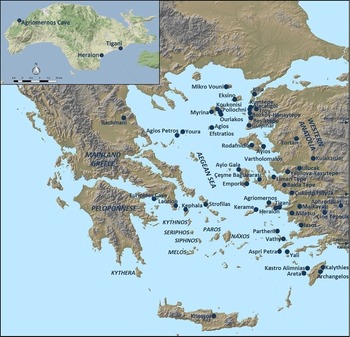

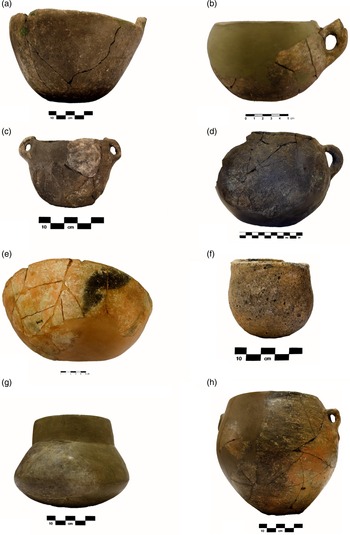
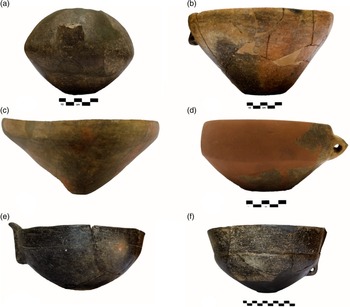
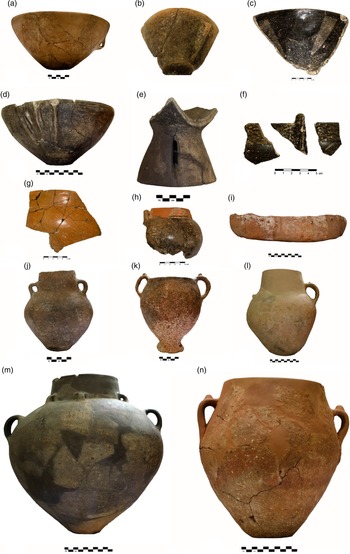
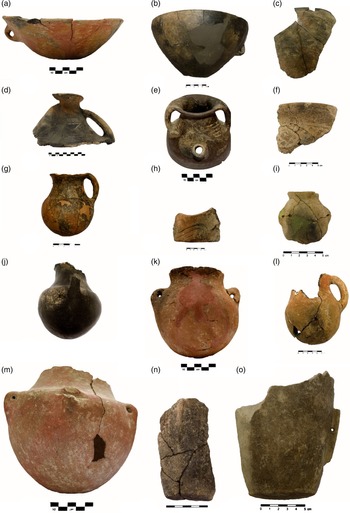
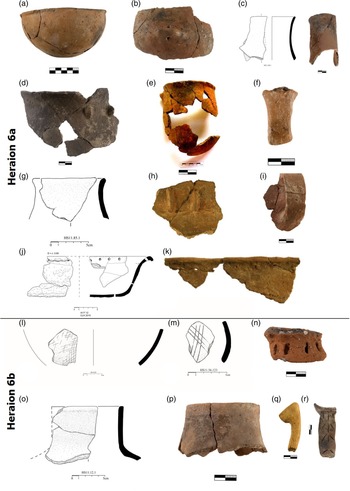
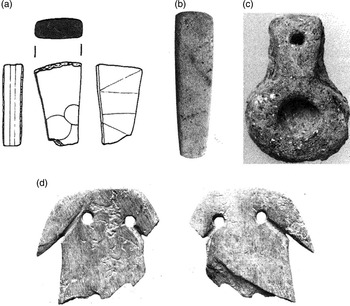


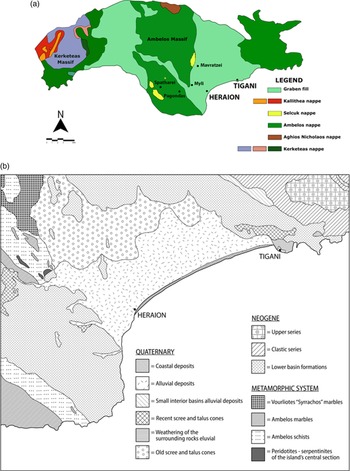
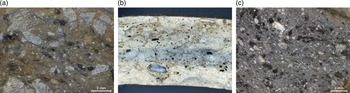
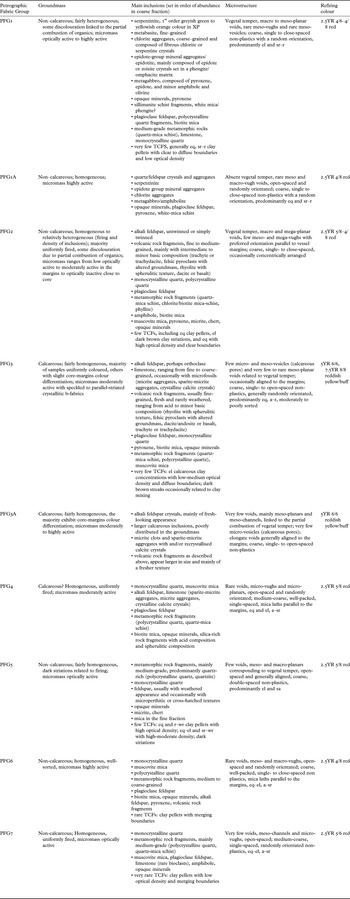
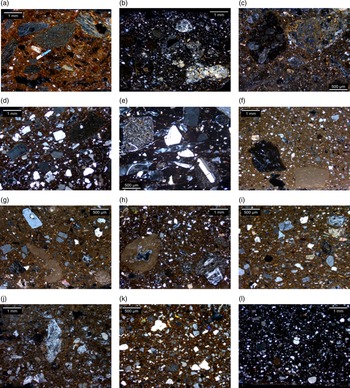
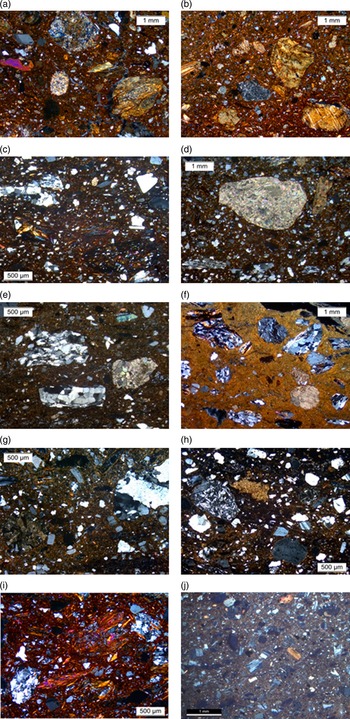


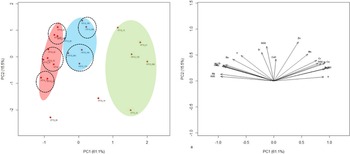

 Open access

