


Food security is defined as the access to enough food by all people, at all times, for an active and healthy life; food insecurity occurs when individuals or households cannot meet adequate and safe food and nutritional needs in socially acceptable ways(Reference Bickel, Nord and Price1). Although food insecurity is associated with reduced nutrient and energy intakes, it has also been associated with chronic diseases such as obesity, hypertension, diabetes and hyperlipidaemia(Reference Laraia2,Reference Seligman, Laraia and Kushel3) . In addition, food insecurity is known to contribute to psychological health, including depression symptoms and even suicide ideation, through environmental adversity, disadvantage and stressful events in individuals with low socio-economic status(Reference Jones4–Reference Davison, Marshall-Fabien and Tecson7). A previous cross-sectional study reported that food insecurity was more prevalent in adults with mood disorders and associated with worsening of their mania symptoms(Reference Davison and Kaplan8).
Adults with food insecurity are known to be at risk of physical inactivity, cigarette smoking, drinking, skipping breakfast and inadequate micronutrient intakes(Reference Laraia2,9,Reference Chun, Ryu and Park10) , which are potentially detrimental to their health conditions. Recent studies reported that individuals with food insecurity are more likely to be non-compliant to medications and have limitations in achieving a healthy lifestyle due to financial burden(Reference Afulani, Herman and Coleman-Jensen11–Reference Kushel, Gupta and Gee14). Particularly, the results showed that women were more likely to report cost-related medication underuse than men(Reference Afulani, Herman and Coleman-Jensen11,Reference Herman, Afulani and Coleman-Jensen13) . The vulnerability of food insecurity could lead individuals to pay little attention to disease management, such as taking medications in a timely manner and receiving education or counselling related to diseases(Reference Berkowitz, Seligman and Choudhry12,Reference Kushel, Gupta and Gee14–Reference Ivers and Cullen16) . The poor management of conditions among adults with food insecurity with one or more chronic illnesses would exacerbate their illnesses. Given the importance of health management on food insecurity and health outcomes, studies on their relationship in a nationally representative sample are limited.
Despite increased national food availability and purchasing power caused by rapid economic growth, food insecurity in South Korea is still high among lower socio-economic households, accounting for 54 % in the lowest household income group(Reference Kim and Oh17). Recently, differences in the quantity and quality of dietary intake based on socio-economic status have widened over time, leading to nutrition and health inequalities(Reference Hong, Kim and Kim18–Reference Kim, Shin and Shim21). The Korean government has planned to increase the proportion of households with food security as one of the objectives of the Health Plan 2020, and monitored its status and developed intervention programmes(22). Therefore, the objectives of the present study were to examine the combined effects of food insecurity and disease management on physical and mental health to explore whether lack of disease management may exacerbate the physical or mental health of adults with food insecurity, and to investigate whether there is a gender difference in these effects, among the representative Korean population using data from the Korea National Health and Nutrition Examination Survey (KNHANES).
Methods
Data
The present study was based on data from the consecutive KNHANES conducted from 2012 to 2015 by the Korea Centers for Disease Control and Prevention. These data were obtained from the KNHANES website (https://knhanes.cdc.go.kr/knhanes/sub03/sub03_02_02.do). The KNHANES is a nationwide cross-sectional survey initiated in 1998 to examine the health and nutritional status of the non-institutionalized Korean population. Using a stratified and multistage clustered probability sampling method, 31 006 representative Koreans aged ≥1 year have participated in the KNHANES from 2012 to 2015. Among 18 170 adults aged ≥30 years who participated in all health interviews, examinations and nutrition surveys, 17 934 adults (7247 men and 10 687 women) who completed the food insecurity questionnaire were included in the present analysis. Health interviews and examinations were conducted by trained medical staff and interviewers in mobile examination centres. The health interview provided detailed information on socio-economic characteristics (e.g. sex, age, education, marital status, household income, area of residence, recipients of basic livelihood security), health-related behaviours (e.g. smoking, drinking, activity), disease management (e.g. taking medications, trying to control weight, health examination, mental health counselling, nutrition education or counselling, unmet health-care needs) and mental health (e.g. perceived stress, depression experience, suicidal ideation). Anthropometrical, biochemical and clinical profiles were measured during the health examination survey.
Disease management-related factors
Questions, answerable by ‘yes’ or ‘no’, on the intake of medications for hypertension, diabetes or hypercholesterolaemia were asked to participants diagnosed previously with these diseases. Respondents who answered ‘trying to lose weight’, ‘trying to maintain weight’ or ‘trying to gain weight’ to ‘Have you ever tried to control your weight during the last year?’ were classified into the category of ‘trying to control weight’. We made the remaining response (‘never tried’) a reference category to calculate the OR. Information on health examination, mental health counselling, nutrition education or counselling and unmet health-care needs was obtained using a ‘yes’ or ‘no’ answer to ‘Have you received medical examination for health in the past 2 years?’, ‘Have you ever received counselling through visit, telephone, Internet or other means due to psychological problem in the last year?’, ‘Have you ever received nutrition education or counselling in the last year?’ and ‘Have you ever been unable to go to a hospital/clinic (excluding dental clinics) in the past year even though you needed to do so?’.
Physical health outcomes
Height to the nearest 0·1 cm was measured using a portable stadiometer. Weight to the nearest 0·1 kg was measured using a portable electronic scale. BMI was calculated as the ratio of weight to height squared (kg/m2). Obesity and underweight were defined as BMI ≥25·0 kg/m2 and BMI < 18·5 kg/m2, respectively, based on the redefined criteria of the WHO for obesity in the Asia-Pacific region(23). Hypertension was defined as mean systolic blood pressure and/or diastolic blood pressure of ≥140/90 mmHg or the current use of antihypertensive agents based on the criteria in the seventh report of the Joint National Committee(24). Based on the criteria of the WHO(25), diabetes was defined as a fasting plasma glucose of ≥126 mg/dl, a previous diagnosis of diabetes by a physician or the current use of antidiabetic agents or insulin. Hypercholesterolaemia was defined as a plasma total cholesterol of ≥240 mg/dl or the current use of cholesterol-lowering agents based on the guidelines for cholesterol of the National Cholesterol Education Program(26).
Mental health outcomes
Self-administered questionnaires were used to obtain information on mental health. The questions for mental health outcomes were developed based on the questionnaires of the Canadian Community Health Survey (CCHS)(27,28) . The participants selected their stress status using a four-point scale (‘extremely high’, ‘high’, ‘a little bit’, ‘almost not’) to ‘How much stress do you feel in your daily life?’. We classified the responses of ‘extremely high’ and ‘high’ into the perceived stress group. If the participants answered ‘yes’ to ‘Have you experienced a continuous feeling of sadness or despair for over 2 weeks that interfered with your daily life in the last year?’ and ‘Have you ever seriously considered committing suicide in the last year?’, they were classified into the depressed and suicidal ideation groups, respectively. As depressive experience and suicidal ideation were surveyed only in 2012, 2013 and 2015, and experience of mental health counselling was surveyed using the same question only in 2012 and 2015, the analysis using these variables included only data from the surveyed year.
Food insecurity
The Korean food insecurity questionnaire was developed by the Korea Centers for Disease Control and Prevention based on an eighteen-item US Household Food Security Survey Module (US-HFSSM). The household food insecurity questionnaire consisted of three questions on household food conditions and seven questions for adults. The additional eight questions for children were administered to households with children. Each question specified the food condition due to lack of money to buy food 1 year before the interview. A detailed description concerning the development and validation of this index has been published elsewhere(Reference Kim, Hong and Kwon29,Reference Kim, Hong and Kwon30) . In brief, the Cronbach’s α coefficient for internal consistency was 0·85, ranging from 0·83 to 0·86 after eliminating each item. To classify the household food insecurity status, a score of 1 for affirmative responses indicated food-insecure conditions (e.g. ‘often’ or ‘sometimes’, ‘almost every month’ or ‘some months but not every month’ and ‘yes’) or a score of 0 for all other responses was given to each question, and the scores were summed. Based on the criteria of the US-HFSSM(Reference Bickel, Nord and Price1), households were classified into food-secure and food-insecure groups if the total score was <2 and ≥3, respectively. The status of food insecurity of all family members within the household was classified.
Statistical analyses
To consider the complex sampling design of the KNHANES, all data on food insecurity from the 2012–2015 KNHANES were pooled into one data set and new sampling weights were calculated by dividing the sampling weight assigned to the participant by the number of survey years. The new sampling weight was applied to all analyses. Data were presented as percentages with their standard errors. P values for percentage differences between the food-secure and food-insecure groups were calculated using the χ 2 for univariate analysis. Age- or multivariate-adjusted prevalence, OR and 95 % CI were calculated by multivariate logistic regression analysis after adjusting for confounding factors. Age- or multivariate-adjusted prevalence was calculated using the LSMEANS statement and the OM option for specifying the weighting scheme in the PROC SURVEYLOGISTIC statement. Confounding factors were selected based on their association with food insecurity or health outcomes in the present study or established risk factors for health outcomes. Multivariate models adjusted for age (continuous), household income (quartiles), place of residence (rural or urban), smoking (never, past or current smoker), alcohol drinking (none, <high-risk drinker or high-risk drinker), regular walking (yes or no) and BMI (<18·5, 18·5–24·9 or ≥25·0 kg/m2). The statistical significance was defined as P< 0·05. The statistical software package IBM SPSS Statistics version 23 was used to analyse all data from a complex sample survey.
Results
General characteristics of men and women in the study
The general characteristics of men and women are presented in Table 1. The prevalence of men and women with food insecurity was 7·6 and 9·2 %, respectively. The proportions of older adults aged ≥65 years and of individuals with a lower education level were higher in men and women with food insecurity than in those with food security. Some 54·0 and 53·2 % of men and women with food insecurity, respectively, were reported to have the lowest household income. The proportion of divorced or widowed men and women with food insecurity was higher than in those without food insecurity. The proportions of recipients of basic livelihood security and food assistance were 6·0 and 2·2 % in men, respectively, and 8·2 and 3·1 % in women, respectively, showing a higher proportion in men and women with food insecurity.
General characteristics of participants aged ≥30 years (n 17 934) by food insecurity status, Korea National Health and Nutrition Examination Survey (KNHANES) 2012–2015

All percentages and se were calculated by applying sampling weights.
* P values for percentage differences between the two groups were calculated using the χ 2 test.
† Including livelihood, housing, education, medical benefits, etc. from the government.
‡ Experience for the last 1 year of food assistance, including the NutriPlus+ Program (a supplemental nutrition care programme for women, infants and children in Korea, adopting the US Special Supplemental Nutrition Program for Women, Infants, and Children (WIC)), senior meals programme in welfare centres or lunch-delivery programme for low-income families or children during school vacation.
Prevalence of disease management-related factors according to food insecurity status
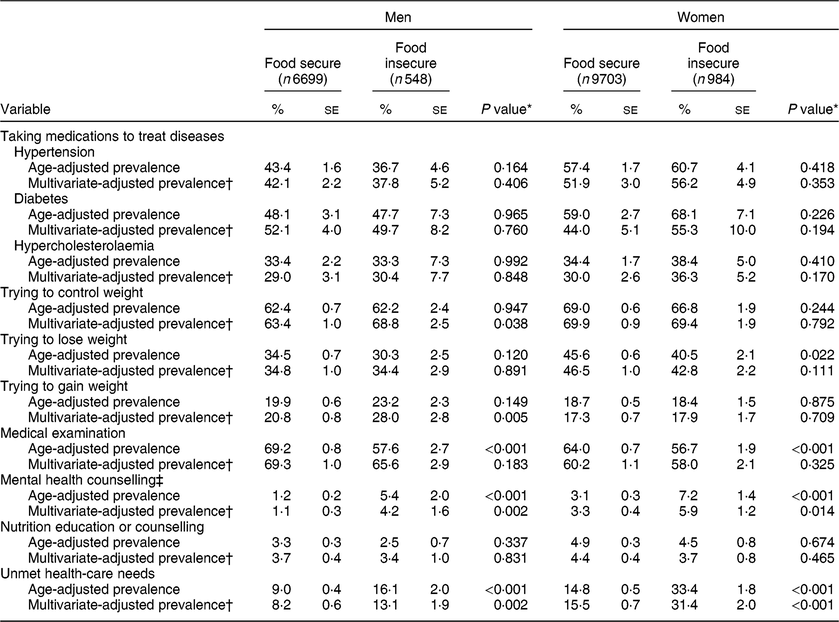
Table 2 shows the prevalence of taking medications, trying to control weight, health examination, education or counselling related to disease, and unmet health-care needs according to food insecurity. The prevalence of taking medications to treat hypertension, diabetes and hypercholesterolaemia was not different in the food-insecure group after adjusting for confounding factors. The prevalence of trying to control weight in men with food insecurity (68·8 %) was higher than that in men with food security (63·4 %). Significant differences were found in mental health counselling and unmet health-care needs in men and women with food insecurity. Compared with adults with food security (1·1 and 3·3 % in men and women with food security, respectively), men (4·2 %) and women (5·9 %) with food insecurity had a higher prevalence of counselling. The prevalence of unmet health-care needs was also higher in adults with food insecurity, accounting for 13·1 and 31·4 % in men and women with food insecurity, respectively.
Prevalence of disease management-related factors by food insecurity status among participants aged ≥30 years (n 17 934), Korea National Health and Nutrition Examination Survey (KNHANES) 2012–2015
All percentages and se were calculated by applying sampling weights.
* Age-adjusted prevalence and P values for percentage differences between the two groups were calculated using multivariate logistic regression analysis after adjusting for confounding variables.
† Adjusted for age (continuous), household income (quartiles), place of residence (rural or urban), smoking (never, past or current smoker), alcohol drinking (none, <high-risk drinker or high-risk drinker), regular walking (yes or no) and BMI (<18·5, 18·5–24·9 or ≥25·0 kg/m2). BMI was excluded in the model for trying to lose weight.
‡ Mental health counselling was surveyed using the same question only in 2012 and 2015.
Association of physical and mental health with food insecurity status
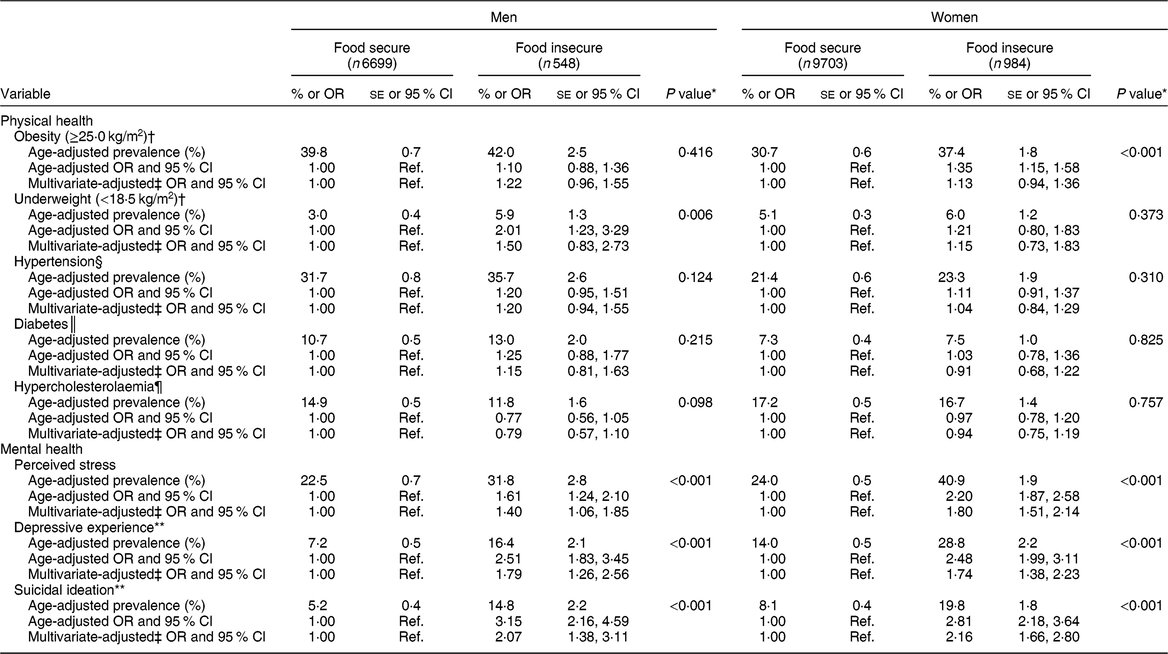
The association between food insecurity and physical and mental health is shown in Table 3. For physical health, the prevalence of obesity in women with food insecurity (37·4 %) was higher than in women with food security (30·7 %), but the prevalence of obesity was not different by food insecurity in men. On the contrary, the prevalence of underweight in men with food insecurity (5·9 %) was higher than in men with food security (3·0 %). No difference was found in hypertension, diabetes and hypercholesterolaemia prevalence in men and women with food insecurity. The OR for physical health outcomes were not significant in both men and women after adjusting for multivariate factors.
Association of physical and mental health with food insecurity status among participants aged ≥30 years (n 17 934), Korea National Health and Nutrition Examination Survey (KNHANES) 2012–2015
Ref., reference category.
All percentages and se, and OR and 95 % CI, were calculated by applying sampling weights.
* Age-adjusted prevalence and P values for percentage differences between the two groups were calculated using multivariate logistic regression analysis after adjusting for age.
† The control group included individuals with a BMI of 18·5–24·9 kg/m2.
‡ Multivariate OR and 95 % CI were calculated by logistic regression analysis after adjusting for age (continuous), household income (quartiles), place of residence (rural or urban), smoking (never, past or current smoker), alcohol drinking (none, <high-risk drinker or high-risk drinker), regular walking (yes or no), met medical service needs (yes or no), nutrition education or counselling (yes or no) and BMI (<18·5, 18·5–24·9 or ≥25·0 kg/m2). Mental health counselling instead of nutrition education or counselling was included in the model of mental health. BMI was excluded in the model for obesity and underweight.
§ Hypertension: ≥140 mmHg for systolic blood pressure, ≥90 mmHg for diastolic blood pressure, or user of antihypertensive agent.
║ Diabetes: ≥126 mg/dl for blood glucose, a previous diagnosis of diabetes by a physician, or user of hypoglycaemic agent or insulin.
¶ Hypercholesterolemia: ≥240 mg/dl for blood total cholesterol or user of cholesterol-lowering agent.
** Depressive experience and suicidal ideation were surveyed only in 2012, 2013 and 2015.
The risk of poor mental health was associated with food insecurity. The prevalence of adults with perceived stress, depressive experience and suicidal ideation was significantly higher in adults with food insecurity than in adults with food security. After adjusting for confounding factors, men and women with food insecurity showed significantly higher OR for mental health outcomes (OR = 1·40, 95 % CI 1·06, 1·85 for perceived stress; OR = 1·79, 95 % CI 1·26, 2·56 for depressive experience; OR = 2·07, 95 % CI 1·38, 3·11 for suicidal ideation in men; and OR = 1·80, 95 % CI 1·51, 2·14 for perceived stress; OR = 1·74, 95 % CI 1·38, 2·23 for depressive experience; and OR = 2·16, 95 % CI 1·66, 2·80 for suicidal ideation in women) compared with men and women with food security.
Combined effects of disease management and food insecurity status on physical and mental health
The combined effect of disease management and food insecurity status on physical and mental health was examined (Table 4). Men with food insecurity who could not use health-care services although needed were more likely to be obese or underweight compared with men with food security who could use these services (OR = 2·03, 95 % CI 1·17, 3·51 for obesity; and OR = 3·34, 95 % CI 1·02, 10·9 for underweight). Specifically, unmet health-care needs affected obesity differently in men with food security and insecurity (P interaction = 0·029). Men with food insecurity who tried to gain weight had the highest prevalence and risk of underweight as compared with other adults who were food secure or did not try to gain weight (OR = 3·48, 95 % CI 1·25, 9·70, P interaction = 0·038). Women with food insecurity were more likely to be obese when they did not receive nutrition education or counselling compared with women with food security who received nutrition education or counselling (P interaction = 0·010). In terms of mental health outcomes, adults with food insecurity who could not use health-care services although needed had the highest prevalence of all mental health problems than other adults who were food secure or could use health-care services and their health risk was about three times more than that in adults with food security who could use these services. In contrast, adults with food insecurity who received mental health counselling had the highest prevalence and risk of mental health problems than other adults who were food secure or did not receive mental health counselling (OR = 5·45, 95 % CI 2·05, 14·5, P interaction = 0·028).
Combined effects of disease management-related factors and food insecurity status on physical and mental health among participants aged ≥30 years (n 17 934), Korea National Health and Nutrition Examination Survey (KNHANES) 2012–2015

Ref., reference category.
* Age-adjusted prevalence was calculated by multivariate logistic regression analysis after adjusting for age.
† Multivariate OR and 95 % CI were calculated by logistic regression analysis after adjusting for age (continuous), household income (quartiles), place of residence (rural or urban), smoking (never, past or current smoker), alcohol drinking (none, <high-risk drinker or high-risk drinker), regular walking (yes or no), met medical service needs (yes or no), nutrition education or counselling (yes or no) and BMI (<18·5, 18·5–24·9 or ≥25·0 kg/m2). BMI was excluded in the model for obesity and underweight.
‡ The control group included individuals with a BMI of 18·5–24·9 kg/m2.
§ Mental health counselling was surveyed using the same question only in 2012 and 2015.
║ Depressive experience and suicidal ideation were surveyed only in 2012, 2013 and 2015.
Discussion
The limited access to healthy foods and poor disease management are important in the risk of diseases. Adults with food insecurity have been known to be more likely to have barriers to disease management and a higher risk of chronic diseases than adults with food security. Their passive disease management would exacerbate the risk of diseases, but studies on the combined effects of disease management and food insecurity on health outcomes are scarce. The present study found that among disease management-related factors, taking medications to treat diseases was not different by food insecurity status, but adults with food insecurity had higher unmet health-care needs and mental health counselling than adults with food security. The difference in disease management between adults with food security and food insecurity had a different impact on mental health and physical health outcomes.
Similar results have been shown in other studies in which food insecurity was associated with a lack of disease management and the two coexisting factors increased adverse effects on health(Reference Afulani, Herman and Coleman-Jensen11–Reference Kushel, Gupta and Gee14,Reference Seligman, Davis and Schillinger31,Reference Chan, DeMelo and Gingras32) . People on low incomes with food insecurity have high rates of poor access to care and are more likely to delay care when needed, tending to result in increased risk of obesity and diabetes(Reference Kushel, Gupta and Gee14,Reference Chan, DeMelo and Gingras32) . In the adult participants in the National Health Interview Survey, food-insecure people were less likely to use cost-related medication and suffered more from chronic conditions(Reference Berkowitz, Seligman and Choudhry12,Reference Herman, Afulani and Coleman-Jensen13) . Among adults with diabetes, food insecurity was associated with poor diabetes self-management and increased risk of hypoglycaemia(Reference Seligman, Davis and Schillinger31). On the other hand, a recent Canadian study reported that food insecurity was associated with increased health-care use and higher costs; the contrast with previous studies has been explained by different access to health insurance in the context of Canada’s universal health-care system(Reference Tarasuk, Cheng and de Oliveira33).
The possible aetiological mechanism underlying the association between food insecurity and physical or mental health outcomes has been proposed in previous studies(Reference Laraia2,Reference Seligman, Laraia and Kushel3,Reference Seligman, Davis and Schillinger31,Reference Seligman and Schillinger34) . Households with food insecurity could be more likely to experience episodic food shortages, thereby following an abnormal cyclic pattern of food consumption and metabolism alteration, and would be more dependent on inexpensive and high-energy-density foods. These negative experiences would also promote a stress response resulting in a preference for and intake of highly palatable foods that are energy dense and which can promote diet-induced obesity or insulin resistance(Reference Laraia2,Reference Seligman, Laraia and Kushel3,Reference Seligman, Davis and Schillinger31,Reference Seligman and Schillinger34) . In addition, the stress resulting from food shortages, constrained dietary options and complementary coping behaviours among food-insecure persons with low socio-economic status would result in psychological distress and poor mental health(Reference Chung, Kim and Kwak6–Reference Davison and Kaplan8). The pathways between food insecurity and health outcomes might be influenced by disease management(Reference Afulani, Herman and Coleman-Jensen11–Reference Kushel, Gupta and Gee14,Reference Seligman, Davis and Schillinger31,Reference Chan, DeMelo and Gingras32) . When food insecurity results in the development of chronic diseases, health-care expenditure and the time required for managing disease will increase. These circumstances put further strain on economic resources, exacerbating food insecurity. In this way, a cyclic relationship between food insecurity, poor health outcomes and disease management arises(Reference Seligman and Schillinger34). Thus, understanding the role of disease management in household food insecurity and the development of disease could be important for interventions targeting modifiable factors such as disease management.
In the present study, higher unmet health-care needs was an important risk factor for health problems in adults with food insecurity. Several studies have reported the major reasons for unmet health-care needs as financial burdens, limited availability of services or functional limitations in adults with food insecurity(Reference Berkowitz, Seligman and Choudhry12–Reference Berkowitz, Meigs and DeWalt15,Reference Kim, Lee and Moon35,Reference Srinivasan and Pooler36) . Additionally, a recent Korean study using Community Healthy Survey data found that use of health-care services to address mental health problems was positively associated with a high educational level(Reference Jang, Lee and Kim37). The study explained that the reasons could be that higher educated adults could have more opportunities to obtain information on access to mental health services and less stigma of what others would think about receiving mental health services. The findings implied that an increased accessibility to mental health services and increased public awareness about the services are important for vulnerable populations, including adults with food insecurity.
Despite the importance of mental health counselling, ironically, adults with food insecurity who underwent mental health counselling were more likely to have mental health problems than those who did not undergo counselling. This unexpected result could be explained by reverse causal inference because of the cross-sectional nature of the data. Given that persistently needy individuals seek more help, an at-risk population with mental health problems might be more likely to undergo mental health counselling. The findings also reflect that the current services could not be adequate to manage these problems. Several studies reported that legal frameworks have been established to implement community-based mental health services, but professional staff and budget are lacking(Reference Jung, Che and Chun38,Reference You and Lee39) . In addition, negative attitudes towards the services, distrust of the service effects, or lack of money and time could be the reasons for the non-persistent use of mental health services among the vulnerable population(Reference Lee and Song40,Reference Lee41) . Therefore, for the low-income mental health high-risk group, the mental health service system might be improved first in terms of resource planning and management, as well as promotion to raise the awareness of services.
For physical health outcomes, the prevalence of obesity and underweight was different between adults with food security and insecurity, with a higher prevalence of underweight and obesity in men and women with food insecurity, respectively. The physical health outcomes were the worst in adults with food insecurity who did not meet health-care needs or did not receive nutrition education or counselling in the present study. In recent times, obesity is a major health issue in the disadvantaged population, particularly among children and women in Korea(Reference Chun, Ryu and Park10,Reference Yoon and Kwon42) . The disparity would be partially mediated by a lower intake of healthy foods, such as vegetables and fruits(Reference Hong, Kim and Kim18–Reference Kim, Shin and Shim21). The present study showed that insufficient disease management, such as unmet health-care needs and low participation in nutrition education or counselling, could also affect the disparity of physical health problems. The health-care system should be more affordable and accessible to adults with food insecurity to reduce the inequality of the health-care burden which leads to health disparity.
Generally, in the present study, the gender difference in the relationship between food insecurity, disease management and health outcomes was not pronounced, suggesting that the potential influence of food insecurity and disease management on health is similar for men and women. Unexpectedly, both men and women were more likely to be obese or underweight regardless of food insecurity when they were trying to control weight compared with those who were not. This might be explained by reverse causality, like the result for the mental health counselling.
The present study has some limitations that should be addressed in future studies. First, the study was based on a cross-sectional survey; hence, only an association was observed and causality could not be confirmed clearly. Second, the mental health outcomes were assessed using a single-item self-reported questionnaire. In terms of the question for suicidal ideation, the single-item self-reported assessment had the possibility of increased risk of misclassification(Reference Millner, Lee and Nock43). On the other hand, several Western studies have found that a single-item self-reported question for depressive experience may be useful to identify depressive patients(Reference Reme and Eriksen44–Reference Maboney, Drinka and Abler46). However, one study among Korean older adults reported that a single question could substantially underestimate depression(Reference Kim, Chun and Kim47). Therefore, the prevalence of mental health outcomes in the present study may be underestimated and further studies using questionnaires fully valid for mental health outcomes are necessary. Third, the status of household food insecurity was applied to individuals to measure food insecurity. There is a possibility that an individual’s experience of food insecurity and that of family members are likely to differ depending on the allocation of resources within the household(Reference Bickel, Nord and Price1). However, the study population is adult members who are likely to be similarly food insecure(Reference Bickel, Nord and Price1), so that individual food insecurity measures applied from the household level measures might be suitable. Finally, we could not include possible confounding factors that were not available in the data set, such as substance use which could be an effect modifier of mental health in relation with food insecurity(Reference Davison, Holloway and Gondara48). Despite several limitations, the strength of the present study is the use of a nationally representative sample showing that intervention in health-care management may require a policy to further reduce the inequality in health problems due to food insecurity.
Conclusion
In conclusion, adults with food insecurity had higher unmet health-care needs and mental health counselling than adults with food security. Unmet health-care needs was related increased risk of obesity for food-insecure men and mental health problems for both food-insecure men and women. In addition, lack of participation in nutrition education or counselling was related to increased risk of obesity for food-insecure women. Food insecurity is one of the most significant nutritional determinants of health status. The policy and programme for adults with food insecurity need to provide integrated and persistent health-care services with basic social services, such as food and housing, through the timely recognition and identification of the health-care needs of such adults with physical and mental health conditions.
Acknowledgements
Financial support: The funding for this study was provided by the National Research Foundation of Korea (NRF-2016R1A2B4013798). The National Research Foundation of Korea had no role in the design, analysis or writing of this article. Conflict of interest: The authors declare no conflict of interest. Authorship: H.J.K. and K.K. conceived of the idea and designed the study; H.J.K. conducted the statistical analysis and wrote the method; K.K. wrote the draft of the manuscript; and both authors contributed to the final review of the manuscript. Ethics of human subject participation: All procedures and protocols used in the study were approved by the institutional review board of the Korea Centers for Disease Control and Prevention (2012-01EXP-01-2C, 2013-07CON-03-4C, 2013-12EXP-03-5C, 2015-01-02-6C). Written informed consent regarding the survey was obtained from all participants.



