


Meat (beef, pork, lamb, poultry) consumption is considerably higher in US adults than the global average( 1 ). A growing body of evidence has shown that diets high in red and processed meat are associated with elevated risk of major chronic conditions, including obesity, diabetes, CVD and several cancers( Reference Tilman and Clark 2 ).
Meat consumption also has an environmental impact, as consumption is a major driver of production( Reference Kearney 3 ). Studies have found that livestock production is associated with higher environmental costs in terms of greenhouse gas and water footprints than plant foods, and that the environmental impacts vary across types of animal protein( Reference Tilman and Clark 2 ). A study in the USA found that beef is associated with higher greenhouse gas emissions than pork, poultry, dairy or eggs( Reference Eshel, Shepon and Makov 4 ). Studies which calculated the water footprint of beef, pork, lamb or goat, and poultry production showed similar results, with beef having the largest water footprint, followed by lamb or goat, pork and poultry( Reference Mekonnen and Hoekstra 5 , Reference Gerbens-Leenes, Mekonnen and Hoekstra 6 ). In general, legumes, eggs, dairy, pork, poultry and non-trawled seafood have significantly less greenhouse gas emissions per gram of protein than ruminant meats (beef, lamb or goat)( Reference Tilman and Clark 2 ).
There are limited findings on current intake levels of types of meat in US adults despite recognition of the differential impact their consumption has on the environment. Since 2000, US Dietary Guidelines have encouraged the consumption of poultry, fish and plant protein instead of red and processed meat( 7 – 10 ), and several studies have reported reduced environmental costs of plant proteins compared with ruminant meats( Reference Pimentel and Pimentel 11 ), but it is unclear if beef, pork, lamb or goat, chicken, or turkey intake has changed during this period of time. There are earlier publications which described trends in dietary intakes of US adults, but these studies focused on total meat consumption (combined red meat, poultry and seafood)( Reference Wang, Beydoun and Caballero 12 , Reference Daniel, Cross and Koebnick 13 ) or food groups (red meat or processed meat)( Reference Rehm, Peñalvo and Afshin 14 ), and did not provide comprehensive or detailed data on specific types of protein. In addition, many studies of diet and the environment used economic data that are at the macro-scale level( Reference Tukker and Jansen 15 , Reference Notarnicola, Tassielli and Renzulli 16 ) or household food purchases, trade or consumption of selected products to assess the environmental impact associated with types of protein( Reference Eberle and Fels 17 ). Efforts have been made to quantify intake data at the individual level( Reference Heller, Willits-Smith and Meyer 18 ), but only recent estimates are available.
To address these gaps, we assessed trends in protein foods by different types of meat (beef, pork, lamb or goat, chicken, turkey, fish and shellfish), dairy, eggs, legumes, and nuts and seeds in a nationally representative sample from 1999 to 2010. We also examined trends in types of protein in population subgroups, including those with chronic disease who may have received specific recommendations about altering meat consumption as part of disease management.
Methods
NHANES data collection
Analyses were based on repeated cross-sectional surveys of the National Health and Nutrition Examination Survey (NHANES; six survey cycles of NHANES: 1999–2000, 2001–2002, 2003–2004, 2005–2006, 2007–2008 and 2009–2010). Every two years, NHANES uses a complex multistage, stratified, clustered sampling design to collect data on health and nutritional status of the non-institutionalized civilian US population. Participants complete a household interview at home, and subsequently attend a mobile examination centre where they provide biospecimens for laboratory measurements and complete physical examinations. Details on the sampling frame and study population have been published( Reference Zipf, Chiappa and Porter 19 ). Response rates for all surveys from 1999 to 2010 were greater than 70 %( 20 ). We included participants who were ≥20 years of age with one valid 24 h dietary recall. We did not include earlier or later NHANES surveys because they did not have meat type-specific data.
Trained interviewers who were fluent in English or Spanish collected in-person dietary recalls at mobile examination centres, in which participants reported all foods and beverages consumed in the last 24 h( Reference Zipf, Chiappa and Porter 19 ). In the earlier survey cycles (1999–2000 and 2001–2002), only one recall was collected( Reference Zipf, Chiappa and Porter 19 ). From 2003 and onwards, two dietary recalls were collected. To ensure comparability across cycles due to differing numbers of dietary recalls for each participant, we used the first dietary recall in all six survey cycles. One 24 h recall provides a reasonable estimate of population-level intake( 21 ). The number of adult participants in each survey cycle ranged from 4252 to 5762, and the total sample size was 29 145.
Types of protein
To evaluate how types of protein changed from 1999 to 2010, we converted all food codes reported in dietary recalls to a commodity item using the latest Food Commodity Intake Databases (FCID) and its recipe database. FCID are developed by the Environmental Protection Agency to disaggregate food items and mixed dishes into Environmental Protection Agency-defined commodity items( 22 ). Detailed methods for the disaggregation of food items and mixed foods have been reported previously( 22 ). Each matching food code includes a gram value of different commodity items per 100 g. When the food code indicated that its recipe was modified, we matched the food code along with a modification code to an appropriate FCID code. We combined similar commodity items into one protein food category. For example, beef meat, dried beef meat, beef meat by-products, beef fat, beef kidney and liver were aggregated as ‘beef’ (see the online supplementary material, Supplemental Table 1). The present study focused on the following items as types of protein: beef, pork, lamb or goat, chicken, turkey, all poultry, fish and shellfish, milk and milk products (dairy), eggs, legumes, and nuts and seeds. To be consistent with Dietary References Intakes for protein, intakes of all protein foods were divided by participants’ body weight and expressed as grams of food per kilogram of body weight( 23 ).
Population subgroups
We examined the trend in types of protein by the following subgroups: age (20–<40 years; 40–<65 years; ≥65 years), sex (men; women), race/ethnicity (non-Hispanic White; non-Hispanic Black; Mexican American; Other race/ethnicity), education level (<high school; high school; some college; college graduate), income (a ratio of family income to poverty threshold: <1·30; 1·30–<3·50; ≥3·50) and number of people in a household (one person; two people; three people or more).
We also assessed the trends in types of protein according to presence v. absence of major chronic diseases and their risk factors (obesity; hypertension; diabetes; heart disease; chronic kidney disease) to investigate if intakes differ for those who may have received targeted messages to reduce red meat consumption. Participants self-reported a doctor’s diagnosis of hypertension, diabetes or heart disease. Participants with a history of heart disease were defined as those reporting a diagnosis of CHD, congestive heart failure, stroke or heart attack. For obesity, we used participants’ BMI, which was measured by trained examiners at mobile examination centres( Reference Zipf, Chiappa and Porter 19 ). We compared participants based on BMI categories (obese, ≥30·0 kg/m2; overweight, 25·0–<30·0 kg/m2; normal weight, 18·5–<25·0 kg/m2). For chronic kidney disease, after calibrating serum creatinine measurements, we calculated estimated glomerular filtration rate using the 2009 Chronic Kidney Disease Epidemiology Collaboration equation which incorporated serum creatinine, age, sex and race( Reference Levey, Stevens and Schmid 24 , Reference Selvin, Manzi and Stevens 25 ). Chronic kidney disease was defined as reduced estimated glomerular filtration rate (<60 ml/min per 1·73 m2) and compared with those without reduced estimated glomerular filtration rate (≥60 ml/min per 1·73 m2).
Statistical analysis
We expressed dietary intake of types of protein in three ways. The population mean intake of types of protein was calculated for the overall study population (adults aged ≥20 years) and according to age group (20–<40 years; 40–<65 years; ≥65 years) in each survey cycle. Second, we estimated the proportion of US adults consuming each protein food on a given day. Third, we calculated the population mean intake of each protein food among consumers only, defined as those with more than 0 g of intake for each protein food. We tested for trend in linear regression models using survey cycle as an ordinal variable( Reference Rehm, Peñalvo and Afshin 14 ). As a post hoc analysis, we expressed our main results using grams of intake per 70 kg of body weight.
For population subgroups, we calculated only the mean intake of types of protein. We used the same method as the main analyses to test for trends within each subgroup. To evaluate if there were differences in the trends of mean intakes by these groups, we tested for cross-product terms between survey cycles and categorical variables (age category; sex; race/ethnicity; obese/overweight/normal weight; hypertension/no hypertension; diabetes/no diabetes; heart disease/no heart disease; chronic kidney disease/no chronic kidney disease) and ordinal variables (education levels; income level; number of people in a household) using Wald tests.
As sensitivity analyses, we: (i) tested for trends in grams of protein foods adjusting for total energy intake, instead of dividing grams of protein foods by kilogram of body weight; and (ii) calculated population mean intake of types of protein for the overall study population by averaging two days of dietary recalls (from 2003 to 2010).
We used an α level of 0·05 to assess statistical significance of trends and used a threshold of P <0·1 to examine statistically significant interactions in trends. All analyses were conducted in the statistical software package Stata version 13·0, and accounted for the complex survey design of NHANES using survey weights.
Results
Mean intake of types of protein in the overall study population
Among adults, mean (se) daily total meat intake (beef, pork, lamb or goat, chicken, turkey) did not change significantly (1·66 (0·04) to 1·64 (0·04) g/kg; P = 0·45) between 1999 and 2010. Beef, pork, or lamb or goat intake did not change, whereas the intake of recommended types of protein such as chicken (0·47 (0·02) to 0·52 (0·03) g/kg), turkey (0·09 (0·004) to 0·13 (0·008) g/kg), all poultry (0·57 (0·02) to 0·65 (0·02) g/kg), fish and shellfish (0·21 (0·01) to 0·27 (0·02) g/kg) and legumes (0·21 (0·01) to 0·26 (0·01) g/kg) increased (all P <0·03; Table 1). Nuts and seeds intake also increased over time but did not reach statistical significance (0·21 (0·01) to 0·25 (0·02) g/kg, P = 0·09). Dairy intake decreased (3·56 (0·15) to 3·23 (0·06) g/kg, P = 0·002) in the overall study population.
Trends in types of protein in US adults aged ≥20 years, National Health and Nutrition Examination Survey 1999–2010, USA
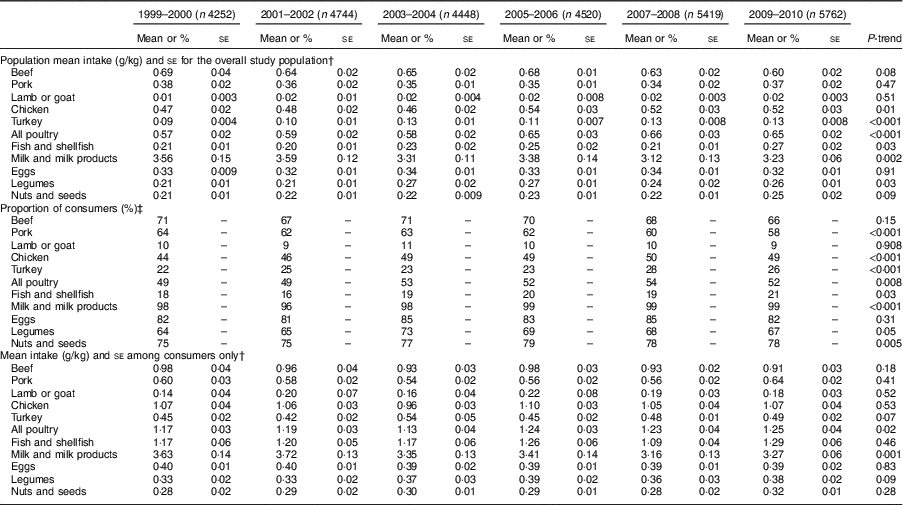
† g/kg indicates grams of food per kilogram of body weight.
‡ Consumers are defined as those with more than 0 g of reported intake of each protein food from the Food Commodity Intake Database.
Chicken and turkey intake increased from 1999 to 2010 among adults aged 40–<65 years (P <0·01; see online supplementary material, Supplemental Table 2). Among younger adults (20–<40 years), mean (se) pork (0·42 (0·04) to 0·37 (0·02) g/kg) and dairy (3·71 (0·17) to 3·19 (0·13) g/kg) intake decreased, whereas intake of legumes (0·16 (0·02) to 0·21 (0·03) g/kg) increased (all P < 0·04). There were no significant changes over time in different types of protein among older adults (≥65 years). Results on grams of intake per 70 kg of body weight can be found in Supplemental Table 3.
Percentage of consumers and mean intake of types of protein among consumers only
The proportion of US adults consuming pork (64 to 58 %) decreased over time, whereas those consuming chicken (44 to 49 %), turkey (22 to 26 %), all poultry (49 to 52 %), fish (18 to 21 %), dairy (98 to 99 %), and nuts and seeds (75 to 78 %) increased significantly (all P <0·01; Table 1). Among those who consumed poultry, mean (se) daily intake of poultry increased (1·17 (0·03) to 1·25 (0·04) g/kg; P = 0·02; Table 1). Among consumers of dairy, intake of milk and milk products decreased (3·63 (0·14) to 3·27 (0·06) g/kg; P = 0·001). Intake of other types of protein did not change significantly (all P ≥ 0·05).
Within all three age groups, the percentage of individuals consuming chicken, turkey, all poultry and dairy increased significantly over time (see online supplementary material, Supplemental Table 4). Among younger adults, the percentage of individuals consuming pork decreased (65 to 56 %; P <0·001). Mean (se) intake of turkey (0·46 (0·03) to 0·53 (0·04) g/kg; P = 0·04) and legumes (0·26 (0·03) to 0·34 (0·04) g/kg; P = 0·04) increased among younger adults who were consumers of each item (Supplemental Table 5). In older and younger adults consuming dairy products, milk and milk product consumption decreased.
Mean intake of types of protein in population subgroups
When consumption of types of protein (among consumers and non-consumers) was examined by subgroups, mean (se) egg intake increased for men (0·33 (0·02) to 0·34 (0·02) g/kg) but decreased for women (0·32 (0·01) to 0·30 (0·01) g/kg; P-interaction = 0·01; see online supplementary material, Supplemental Table 6). Fish (P-interaction = 0·06) and legume (P-interaction = 0·08) intake differed by race/ethnicity, with increasing intake of fish among non-Hispanic Whites (0·19 (0·02) to 0·27 (0·03) g/kg) and Mexican Americans (0·16 (0·02) to 0·24 (0·02) g/kg) but decreasing intake among non-Hispanic Blacks (0·33 (0·05) to 0·24 (0·02) g/kg) and other race individuals (0·44 (0·15) to 0·42 (0·05) g/kg; Table 2). Legume intake increased in non-Hispanic Whites (0·21 (0·02) to 0·25 (0·02) g/kg) and the other race group (0·27 (0·09) to 0·64 (0·17) g/kg), but decreased in non-Hispanic Blacks (0·25 (0·04) to 0·18 (0·02) g/kg) and Mexican Americans (0·19 (0·05) to 0·17 (0·02) g/kg).
Mean intake of types of protein in US adults aged ≥20 years, stratified by race/ethnicity, National Health and Nutrition Examination Survey 1999–2010, USA
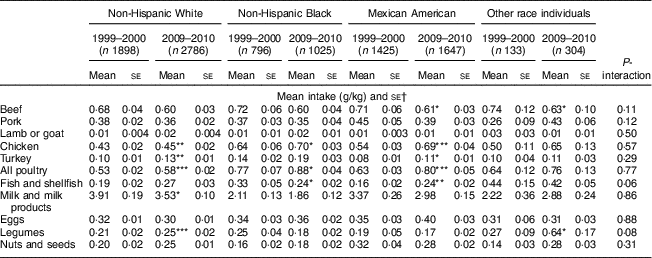
Statistical significance of trend in types of protein within a subgroup: *P <0·05, **P <0·01, ***P <0·001.
† g/kg indicates grams of food per kilogram of body weight.
Mean (se) beef intake decreased more for those with a higher education (<high school: 0·72 (0·04) to 0·67 (0·05) g/kg; high school: 0·74 (0·06) to 0·69 (0·04) g/kg; some college: 0·70 (0·05) to 0·60 (0·04) g/kg; college graduate: 0·58 (0·06) to 0·49 (0·03) g/kg; P-interaction = 0·06) or those with a higher income (ratio of family income to poverty threshold, <1·30: 0·66 (0·06) to 0·67 (0·03) g/kg; 1·30–<3·50: 0·74 (0·04) to 0·66 (0·04) g/kg; ≥3·50: 0·66 (0·05) to 0·53 (0·03) g/kg), although the interaction did not show significance for income (P-interaction = 0·20; see online supplementary material, Supplemental Table 7 and Table 3, respectively). Nuts and seeds intake increased more among individuals with less than a high-school education and college graduates relative to high-school graduates and those with some college education (<high school: 0·21 (0·01) to 0·25 (0·02) g/kg; high school: 0·17 (0·02) to 0·18 (0·01) g/kg; some college: 0·21 (0·02) to 0·23 (0·03) g/kg; college graduate: 0·27 (0·02) to 0·31 (0·02) g/kg; P-interaction = 0·004). Lamb or goat intake was low, but it increased slightly for individuals whose family income to poverty level was below 1·30 or 1·30–<3·50 whereas it did not change for higher-income individuals (<1·30: 0·01 (0·01) to 0·02 (0·001) g/kg; 1·30–<3·50: 0·01 (0·001) to 0·02 (0·01) g/kg; ≥3·50: 0·01 (0·01) to 0·01 (0·001) g/kg; P-interaction = 0·04). No significant differences in trends by household size were observed (Supplemental Table 8).
Mean intake of types of protein in US adults aged ≥20 years, stratified by income, National Health and Nutrition Examination Survey 1999–2010, USA
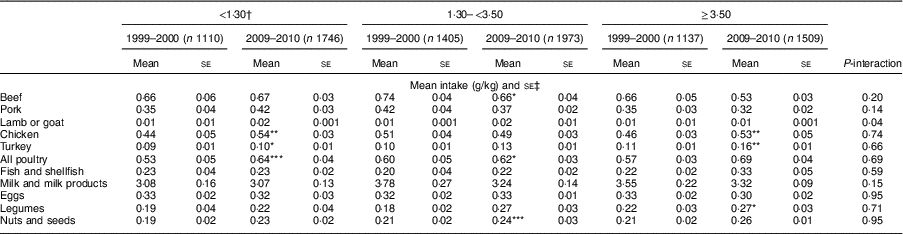
Statistical significance of trend in types of protein within a subgroup: *P <0·05, **P <0·01, ***P <0·001.
† A ratio of family income to poverty threshold.
‡ g/kg indicates grams of food per kilogram of body weight.
Mean intake of types of protein among those with or without a chronic disease and their risk factors
When we examined types of protein intake according to chronic disease status, mean (se) poultry intake (chicken or turkey) increased among those with a chronic disease and their risk factors (obese: 0·36 (0·03) to 0·43 (0·03) g/kg (chicken), 0·07 (0·01) to 0·10 (0·01) g/kg (turkey); hypertension: 0·09 (0·01) to 0·12 (0·01) g/kg (turkey); diabetes: 0·08 (0·02) to 0·17 (0·02) g/kg (turkey); heart disease: 0·27 (0·04) to 0·40 (0·02) g/kg (chicken); chronic kidney disease: 0·36 (0·03) to 0·44 (0·04) g/kg (chicken); all P-trend < 0·05; Table 4). Among individuals with hypertension, pork intake increased (0·31 (0·02) to 0·35 (0·02) g/kg; P = 0·04). No significant trend was observed for other types of protein among those with a chronic disease (all P >0·05).
Mean intake of types of protein in US adults (aged ≥20 years), stratified by presence v. absence of major chronic diseases and risk factors (obesity, hypertension, diabetes, heart disease and kidney disease), National Health and Nutrition Examination Survey 1999–2010, USA
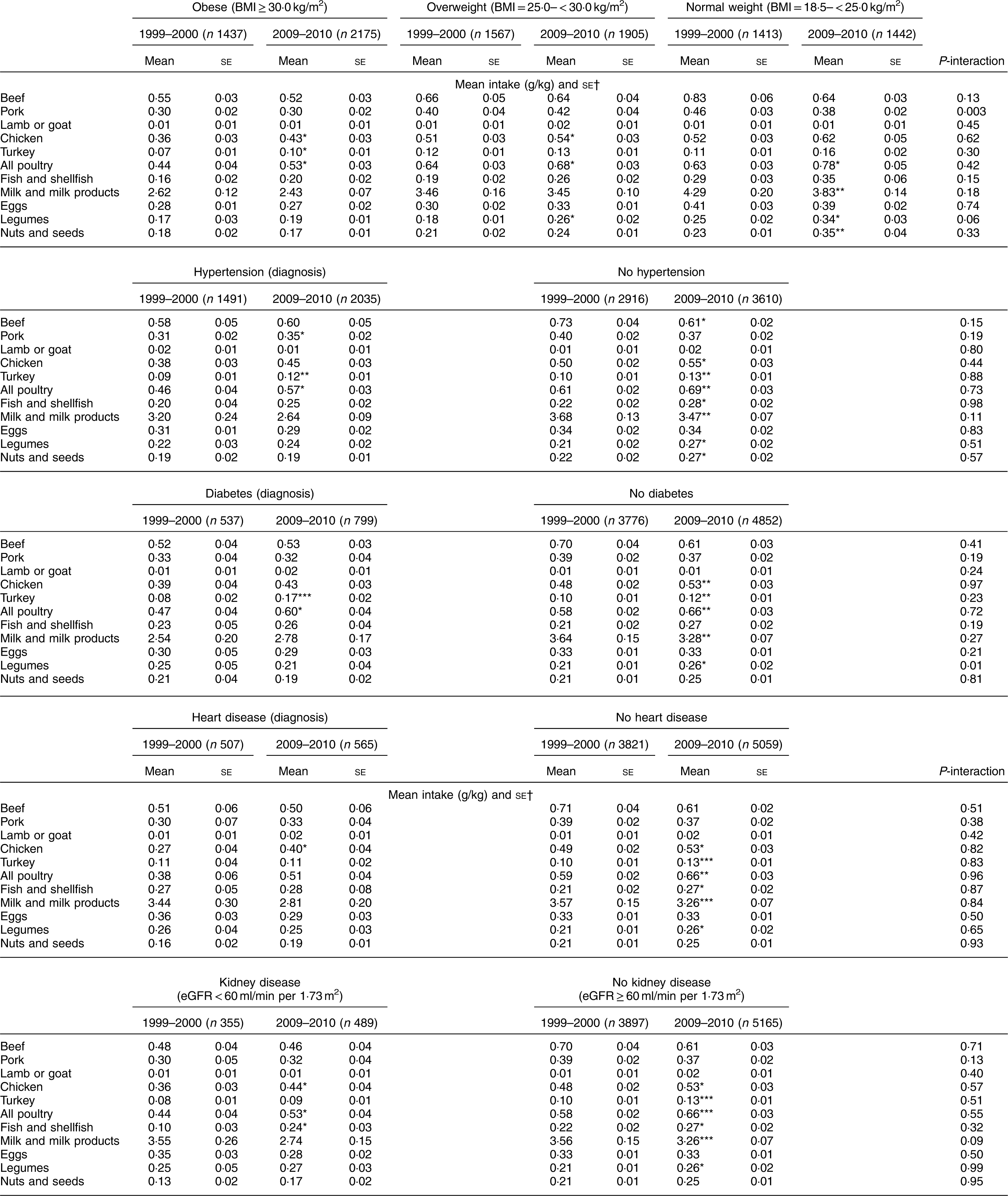
eGFR, estimated glomerular filtration rate.
Statistical significance of trend in types of protein within a chronic disease group: *P <0·05, **P <0·01, ***P <0·001.
† g/kg indicates grams of food per kilogram of body weight.
For most of the comparison groups, we found that the consumption of fish and shellfish, chicken, turkey, legumes, and nuts and seeds increased over time, similar to what was observed in the overall study population. Among individuals without hypertension, mean (se) beef intake decreased significantly (0·73 (0·04) to 0·61 (0·02) g/kg; P = 0·04). No significant change was observed for other types of protein among those without a chronic disease.
Mean (se) legume intake increased more substantially among individuals who were overweight (0·18 (0·01) to 0·26 (0·02) g/kg) and normal weight (0·25 (0·02) to 0·34 (0·03) g/kg) than among individuals who were obese (0·17 (0·03) to 0·19 (0·01) g/kg; P-interaction = 0·06). Consumption of legumes decreased among participants with diabetes (0·25 (0·05) to 0·21 (0·04) g/kg) and increased among participants without diabetes (0·21 (0·01) to 0·26 (0·02) g/kg; P-interaction = 0·01). Pork intake was stable over time for overweight and obese individuals but decreased for normal-weight individuals (P-interaction = 0·003).
Sensitivity analyses
When we adjusted for total energy intake instead of body weight, the results did not change (data not shown). However, when we repeated our analyses from 2003 to 2010 when two dietary recalls were available, we found that mean (se) beef intake decreased (0·66 (0·02) to 0·61 (0·02) g/kg; P-trend = 0·03) and no change was observed for turkey (0·12 (0·01) to 0·13 (0·005) g/kg), fish (0·23 (0·02) to 0·26 (0·02) g/kg), dairy (3·38 (0·13) to 3·26 (0·06) g/kg) and legumes (0·28 (0·02) to 0·29 (0·01) g/kg; all P-trend >0·05; see online supplementary material, Supplemental Table 9). The results on pork, lamb or goat, chicken, all poultry, and nuts and seeds intake did not change in sensitivity analyses.
Discussion
Several dietary changes, such as increased intakes of chicken, turkey, fish and shellfish, and legumes were observed from 1999 to 2010. We found a similar trend with chicken or turkey intake among those with a chronic disease. However, beef, lamb or goat intake did not change significantly in the overall study population or among those with a chronic disease. Trends in ruminant meat consumption differed by socio-economic status, with a larger decrease in beef intake observed among those with higher socio-economic status.
Our study contributes to existing knowledge by providing more detailed data on specific meats and by population subgroups, increasing the potential use in diverse sectors including nutrition, environmental health science and policy. Our data build upon a recently published paper which evaluated trends in protein and conformity to Dietary Reference Intakes by providing information on the types of protein that can be promoted among those who are below the RDA(Reference Berryman, Lieberman and Fulgoni26). In addition, our data coupled with a database (dataFIELD) which quantifies greenhouse gas emissions and energy demand of foods consumed in NHANES can be used to estimate the trends in environmental cost of protein foods or to compare intervention scenarios in adults or in different subgroups(Reference Heller, Willits-Smith and Meyer18).
Our results are consistent with a previous study of dietary trends in US adults which reported that consumption of unprocessed red or processed meat did not change, while poultry, fish, and nuts and seeds increased, and dairy decreased from 1999 to 2012( Reference Rehm, Peñalvo and Afshin 14 ). However, in our study, there was no statistically significant increase in the intake of nuts and seeds. Differences in the results may be due to the differences in the time period studied, as the previous study described trends in dietary intakes for a slightly longer time period than ours. Unfortunately, FCID for NHANES 2011–2012 has not been released and we were not able to study more recent trends. Furthermore, FCID does not have data on subtypes of meat according to levels of food processing, making it difficult to calculate trends in processed meats which may be more relevant for health risks. Future investigation on trends in unprocessed and processed subtypes of meat is warranted.
When the proportion of the US population consuming a protein food was examined, we found that, on a given day, the percentage of individuals consuming chicken, turkey, fish and shellfish, and nuts and seeds increased, while the percentage consuming pork decreased over time. In addition, among consumers of poultry, the intake of poultry increased. No significant change was observed for beef, lamb or goat. These results were largely consistent when we stratified by age, except among younger adults. These findings show that adults, especially middle-aged or older adults, may be consuming more protein foods without reducing the intake of beef, lamb or goat, potentially increasing the contribution of protein foods in their diets. Given that studies have reported health benefits when red or processed meat was replaced with plant-based protein, fish or poultry(Reference Song, Fung and Hu27), results from our study underscore that educating consumers on replacing red or processed meat with healthier alternatives remains a high priority.
Subgroup differences in trends suggest racial/ethnic and socio-economic disparities. Intake of recommended types of protein such as fish and legumes decreased over time for non-Hispanic Blacks, and intake of beef declined less while lamb or goat increased for those of a lower socio-economic status. Our results corroborate prior studies that found widening disparities across income and education groups(Reference Rehm, Peñalvo and Afshin14,Reference Wang, Leung and Li28) , with low-income adults consuming less fish, nuts/seeds/legumes but more processed meat than the recommended amount(Reference Leung, Ding and Catalano29). We complement these studies by providing details regarding specific types of meat, such as beef, and identifying that low-income populations should be targeted for intervention. Future interventions need to reconcile the complexity of behavioural shifts towards reducing ruminant meat intake, recognizing challenges related to food access, food preparation and the higher cost of healthier food items faced by low-income individuals(Reference Drewnowski and Darmon30).
We found higher poultry intake regardless of chronic disease status. Increased poultry intake among those with a chronic disease is encouraging, but beef, lamb or goat intake generally did not change for those with a chronic disease, and pork intake increased for individuals with hypertension over time. Given that those with a chronic disease consumed lower amounts of protein foods than the comparison groups from 1999, it is possible that the amount of consumption was already low to begin with and there was little room for improvement. Adults with a chronic disease have been encouraged to make dietary modifications by lowering red and processed meat(31,Reference Messina and Burke32) , but it is unclear if meat consumption is reduced in this population.
Research has shown that changing consumption patterns for plant proteins can significantly decrease environmental burdens associated with food production(Reference Behrens, Jong and Bosker33). Based on these findings, the scientific report of the US Dietary Guidelines Advisory Committee concluded that diets high in plant foods are more sustainable than meat-containing diets(34). Our results showing a lack of change in ruminant meat intake in the overall study population or among those who should have received messages on dietary changes highlight the need for interventions that will reduce ruminant meat consumption. Beyond the individual-level health benefits from reductions in consumption of red and processed meats, and in recognition that motivations for meat reduction may differ across persons(Reference Backer and Hudders35,Reference Zur and Klöckner36) , informing consumers of the environmental co-benefits of meat reduction may hold promise for reducing dietary environmental footprints.
To be consistent with the units used in Dietary Reference Intakes, we adjusted for body weight instead of total energy intake. When we compared the two analyses, the results did not change. In addition, our results (g/kg) were largely similar to a previous study on dietary intake of US adults which controlled for total energy intake( Reference Rehm, Peñalvo and Afshin 14 ). These results suggest that our findings are robust to adjustment of total energy intake or body weight.
The present study has several strengths, including the use of detailed intake data from a nationally representative sample of US adults and examination of the intake of types of protein in different population subgroups, including among adults with or without a chronic disease. However, limitations need to be considered. First, we only used one 24 h recall, which is subject to within-person variability. When we repeated our analyses from 2003 to 2010, beef intake showed a decline, and the trends in the intake of recommended types of protein (turkey, fish, dairy and legumes) attenuated. Attenuation may be due to the shorter time period studied rather than within-person variability in consumption, because we found that the means and se of population-level intake obtained from two days of dietary recalls were similar to the estimates from a single dietary recall. We studied trends from 1999 to 2010 to maximize the ability to assess trends. Furthermore, one 24 h recall provides a reasonable estimate of population-level intake, and previous studies used a single 24 h recall to describe trends in dietary intakes in the USA( Reference Wang, Beydoun and Caballero 12 , Reference Daniel, Cross and Koebnick 13 , 21 , Reference Wang, Leung and Li 28 ). Second, we could not study the trends in types of protein intake according to levels of food processing because these data were not available in FCID. Third, the findings on chronic disease status and types of protein should be interpreted with caution because our results do not represent a longitudinal association between the presence of a chronic disease and dietary intake. NHANES is a repeated cross-sectional survey in which different individuals were sampled biannually from 1999 to 2010.
Interventions that can shift dietary patterns remain important from both health and environmental perspectives, as research has shown that dietary changes are essential in reducing environmental burdens and can be more effective than technological options to mitigate greenhouse gas emissions( Reference Popp, Lotze-Campen and Bodirsky 37 ). In our analyses, US adults increased consumption of recommended types of protein over time without a clear reduction in ruminant meat intake. Our results highlight that interventions which target those with a chronic disease or with low socio-economic status could be improved, given no significant change in ruminant meat intake in these groups. Additional research should be conducted to identify interventions that can effectively reduce ruminant meat consumption in these subgroups.
Acknowledgements
Financial support: H.K., B.R. and K.E.N. were supported by a directed research grant from the Johns Hopkins Center for a Livable Future. C.M.R. was supported by a mentored research scientist development award from the National Institute of Diabetes and Digestive and Kidney Diseases (grant number K01 DK107782). The funding agencies had no role in the design, analysis or writing of this article. Conflict of interest: All authors have indicated they have no conflicts of interest relevant to this article to disclose. Authorship: C.M.R. and K.E.N. conceptualized the study, interpreted data and revised the article. H.K. conducted the statistical analysis and wrote the article. L.E.C. and R.R. contributed to study design, interpretation and critical revision of the article. Ethics of human subject participation: All data were obtained from secondary sources and available publicly. No protocol approval was necessary.
Supplementary material
To view supplementary material for this article, please visit https://doi.org/10.1017/S1368980018003348



