

Introduction
Given the global trend of hiring seasonal workers for short-term labour market roles, societies must advocate for seasonal worker schemes that uphold principles of justice (Brickenstein Reference Brickenstein2015; Kumar Reference Kumar2012). In New Zealand, the influx of iTaukei (Indigenous Fijian) workers presents both an economic opportunity and challenge in ensuring the health, safety, and environmental responsibility of these workers. Limited research has been conducted on the experiences of iTaukei workers in New Zealand regarding their worker safety since the inception of the scheme in 2006. These workers continue to remain silent about workplace issues for various reasons. This silence has led to neglect of their health and safety requirements. This study aims to shed light on the daily challenges that iTaukei Recognised Seasonal Employer (RSE) workers in New Zealand face when it comes to dealing with hazardous substances. There were two main underlying research questions that drove this study. Firstly, to what extent do RSE workers understand the safety risks associated with the hazardous materials they use daily? Secondly, how knowledgeable are RSE workers about the potential environmental hazards that the use of specific chemicals poses to the New Zealand ecosystem? We argue that it is important to conduct a review of RSE practices, employment terms, worker safety protocols, and overall management practices of the scheme. Such a review is essential to guarantee the well-being of iTaukei workers during their time in New Zealand (Bailey & Bedford Reference Bailey and Bedford2022).
This paper presents findings of research that was conducted in Otago, New Zealand to gauge the awareness and practices of iTaukei workers, concerning their interactions with hazardous substances. The report begins by providing a background of the RSE scheme. Next is a brief literature review, followed by the methodology and the analysis and discussion of these findings, leading to the final conclusions.
The RSE scheme: New Zealand and Fiji
Bedford and Bedford (Reference Bedford and Bedford2023) indicate that in 2022/2023, over 19,000 temporary workers were approved under the RSE scheme on short-term visas to assist with harvesting, packing, and pruning in the horticulture and viticulture industries. According to Prakash (Reference Prakash2023) from Fiji Broadcasting Commission news, over 2,400 Fijian workers have left for New Zealand under the RSE Work Scheme in 2023. This number was projected to double by year’s end, as discussed during a meeting between Fiji’s Employment Minister Agni Deo Singh and the New Zealand Ambassador Charlotte Darlow, reaffirming a commitment to strengthen bilateral ties. It seems like a perfect solution to the labour shortage problem in New Zealand and to the need for paid employment by iTaukei in rural areas. Prakash (Reference Prakash2023) added that the two governments welcomed the expansion of government-to-government links, which has seen cooperation flourish across various sectors, including peace and security, climate change and disaster resilience, labour mobility, agriculture and fisheries, economic reforms, and advocacy on Pacific issues.
The recruitment of RSE workers in Fiji is overseen by the National Employment Centre, a division of the Ministry of Employment, Productivity, and Industrial Relations (ILO 2022). One crucial aspect of this recruitment initiative that deserves emphasis is its primary focus on the Indigenous people of Fiji, namely the iTaukei. Ministry personnel hold information sessions in districts to explain the selection criteria, which include recommendations from community leaders, current unemployment status, at least 12 months of residence in the village, physical fitness, a clear police and immigration record, basic English literacy, some farming experience, and personal attributes such as a diligent and collaborative work ethic, honesty, and reliability. Before departure, all selected workers undergo a three-day pre-departure training programme following guidelines provided by Australia and New Zealand.
The RSE scheme is widely recognised as a best practice in low-skilled circular migration (Gounder et al Reference Gounder, Burch and O’Connor2024). Both governments have agreed on an immigration policy that allows Person Conducting Business Undertaking (PCBU) to recruit workers from Fiji. While widely considered a best practice, this paper argues that the RSE labour policies contain flaws that have contributed to negative reports regarding the treatment of workers. The PCBU, in this context, refers to the company offering employment to RSE workers. A central problem that often goes unaddressed is the assumption that importing workers from Fiji to New Zealand on a temporary basis is not inherently problematic. However, a broader debate exists regarding immigration policy, particularly the use of temporary foreign workers, in several countries, including Australia. It is surprising that this debate has not been as prominent in New Zealand. In Australia, government inquiries have identified issues related to temporary foreign workers, leading to a shift towards a more traditional focus on permanent migration (Clibborn and Wright Reference Clibborn and Wright2023). Similar trends are likely evident in New Zealand.
To gain a comprehensive understanding of the responsibility and duty of care, it is imperative to grasp the legal responsibilities of the two parties involved in the RSE scheme: the PCBU and the workers under the Hazardous Substances and New Organisms (HASNO) Act of 1996 and the Health and Safety at Work Act (HSWA) of 2015. The problem can be traced back to the immigration policy that restricts RSE workers from meeting the points criteria for permanent residence in New Zealand, which essentially limits the time RSE workers have to voice their concerns (Anderson Reference Anderson2021).
The Act mandates PCBU’s principal responsibility for duty of care
In general, the purpose of the HASNO Act of 1996 is to protect the health and safety of people, communities, and the environment, by preventing or managing the adverse effects of hazardous substances and new organisms (New Zealand Government 1996). All individuals performing roles, wielding authority, and carrying out responsibilities under this legislation, must acknowledge and incorporate the following two principles to fulfil the objectives of this Act. First, they should prioritise sustaining and improving the ability of individuals and communities to secure their economic, social, and cultural welfare, as well as meet the anticipated needs of future generations. Second, they must ensure the preservation of the life-supporting capacity of air, water, and ecosystems. The reference to this legislation is encapsulated in the Health and Safety at Work (Hazardous Substances) Regulation of 2017, which delineates the responsibilities of the PCBU (Reddy Reference Reddy2017). The pivotal aspect of the legislation pertinent to this research involves the nature of tasks to be undertaken by PCBU. This encompasses evaluating firstly, the potential risk of exposure for the workers; and secondly, the anticipated extent of such exposure. Under section 4.5 of the Act, the duty of the PCBU is to ensure that every worker who uses, handles, or stores a hazardous substance (including waste) is provided instruction and training on how to handle hazardous substances (Reddy Reference Reddy2017).
Within the Health and Safety at Work Act 2015 (HSWA), responsibilities for all parties involved are defined. The Act requires that workers are given the highest level of protection from workplace health and safety risks, as reasonably practicable. This includes the obligation to safeguard one’s own health and safety and to not negatively affect the health and safety of others. Compliance with workplace health and safety policies is also mandated (Worksafe 2016). For iTaukei workers, it is expected that they understand the provided training and are aware of their responsibilities to ensure their own safety and that of their colleagues.
The literature reviews
The domains of health, safety, and well-being for RSE workers are gaining prominence within New Zealand’s labour and workplace research (Bedford & Bedford Reference Bedford and Bedford2023). The literature indicates that agriculture and manufacturing industries where most of these RSE are employed often operate in areas with low union coverage, limited government regulation, and a highly casualised, mobile workforce (Bedford & Bedford Reference Bedford and Bedford2023; Maclellan Reference Maclellan2008; Schweder et al Reference Schweder, Quinlan, Bohle, Lamm and Ang2015). According to Schweder et al (Reference Schweder, Quinlan, Bohle, Lamm and Ang2015), seasonal workers in New Zealand experience injury rates twice as high as full-time workers, highlighting a significant occupational health and safety issue. Despite New Zealand’s longstanding social and economic ties with the Pacific region, reports of migrant worker mistreatment have emerged in both New Zealand and Australia, indicating a broader systemic problem (Boese et al Reference Boese, Campbell, Roberts and Tham2013; Clibborn & Wright Reference Clibborn and Wright2018, Reference Clibborn and Wright2023; Wright and Clibborn Reference Wright and Clibborn2020)). Building upon these systemic problems, broader literature on migrant workers identifies four key factors that influence their bargaining power and agency: residency status, mobility, skill level, and institutional protections (Sargeant & Tucker Reference Sargeant and Tucker2009). These factors are also pertinent to the New Zealand context. However, the literature review in this research examines three main issues. First, it points out the complex and challenging problems related to RSE schemes. Second, it provides insight into the hazardous substances that workers use and the potential impact on their health. Thirdly, it will explore the factors that motivate industries to embrace environmental responsibility (Kaitiakitanga) within the context of the RSE scheme.
First, according to Whatman et al (Reference Whatman, Bedford and Bedford2017), the RSE industries in New Zealand are confronted with wicked or complex problems. These include tight profit margins, increasing demand for labour, low wages and poor working conditions, poor quality work, and low productivity, as well as a trend towards the illegal use of casual workers under unacceptable working conditions. According to Araral et al (Reference Araral, Fritzen, Howlett, Ramesh and Xun2015), wicked or complex problems, especially those involving policy changes in areas with little consensus on the nature of the issue, can be particularly challenging. According to Clibborn and Wright (Reference Clibborn and Wright2018) noted a similar issue in Australia, where many migrant workers had little or no full-time work experience, leaving them unfamiliar with common workplace behaviours.
These workers often have little knowledge of their legal or employment rights in another country (Wright & Clibborn Reference Wright and Clibborn2020).
Secondly, the term ‘hazardous substances’ refers to any product or chemical that possesses characteristics such as explosiveness, flammability, oxidation potential, toxicity, corrosiveness, or harm to the environment (Patnaik Reference Patnaik2007; Worksafe 2018). This category includes commonly used construction materials such as asbestos, formaldehyde, diisocyanates, and polyvinyl chloride. These substances are commonly utilised in industries that depend on RSE schemes. In New Zealand, workplace exposure standards are crucial tools for monitoring the work environment, especially in the presence of hazardous or toxic substances. If the PCBU cannot eliminate these substances from the workplace, there is a responsibility to reduce and monitor workers’ exposure. The PCBU is also required, as far as reasonably possible, to ensure the continuous monitoring of workers’ health and workplace conditions. This measure is implemented with the primary objective of preventing work-related injuries or illnesses among workers (Worksafe 2018). However, exposure arises not only from static features of the workplace but also from the way work is organised (Bamford Reference Bamford2015). According to Bamford (Reference Bamford2015), there are four models that conceptualised the link between workplace hazard exposure and adverse health outcome, namely Demand-Control-Support (DCS), Effort-Reward Imbalance, Employment Strain, and Economic and Reward Pressure, Disorganisation and Regulatory Failure. Despite the considerable emphasis on these facets, there exists a noticeable lack of research addressing; first, the repercussions of exposure to hazardous substances encountered by RSE workers in their daily occupational pursuits, and second, the role of the PCBU in protecting these workers from hazardous substance harm.
Thirdly, the literature review on environmental responsibility indicated that demand for sustainable products and regulatory compliance are undoubtedly crucial factors, but they should not be the exclusive drivers for New Zealand industries to prioritise environmental responsibility (Berry & Rondinelli Reference Berry and Rondinelli1998; Bhaskaran et al Reference Bhaskaran, Polonsky, Cary and Fernandez2006; Delmas & Toffel Reference Delmas and Toffel2004). As suggested by Gabzdylova et al (Reference Gabzdylova, Raffensperger and Castka2009), external drivers also hold significant importance. These external pressures may encompass investor expectations, and the influence exerted by community groups, such as Indigenous stakeholders (Iwi/Hapu), as well as competitors who are progressively recognising the advantages of operating in a clean and chemical-free environment. For the most part, much of the hazardous substances end up in rivers and waterways. Cleaning chemicals such as caustic soda, citric acid, sulphur, paroxetine, and cleanskin are some of the chemicals that end up contaminating our air, water, and soil (Bhaskaran et al Reference Bhaskaran, Polonsky, Cary and Fernandez2006).
New Zealand industries under the RSE scheme are under increasing pressure to adopt sustainable practices. Marshall et al (Reference Marshall, Cordano and Silverman2005) conducted a comprehensive analysis of the factors driving sustainability within this sector. They highlighted factors such as personal values of managers, employee demands, and regulatory compliance. Despite the growing importance of this topic, there appears to be limited research specifically focused on sustainability drivers within the New Zealand wine industry. However, valuable insights can be gained from studies conducted in other wine-producing regions. For example, research from the USA, Australia, South Africa, the European Union, and Chile offers valuable insights into the environmental challenges faced by the industry globally. For instance, studies conducted in Australia (Bhaskaran et al Reference Bhaskaran, Polonsky, Cary and Fernandez2006; Marshall et al Reference Marshall, Cordano and Silverman2005) identified five key environmental issues impacting the wine industry: water usage, impact on surrounding communities (e.g. chemical spray drift, odours, noise, concerns over genetically modified organisms), waste management (including chemical storage containers, treated posts, cleaning agents, and grape marc), land-use practices and their impact on biodiversity, erosion, soil salinity, and vegetation clearance, and greenhouse gas emissions associated with energy use and waste treatment (Wine Reference Wine2016). These findings provide a strong foundation for further research exploring the specific sustainability challenges and drivers within this industry.
Methodology and methods
The research used a mixed-methods approach using survey and veivosaki methods (Tagicakiverata & Nilan Reference Tagicakiverata and Nilan2018). Two primary components were considered in this regard: firstly, the facilitation of access to the workers, and secondly, the method of data collection. A survey form was meticulously designed to systematically gather data from the participants. The survey format for data acquisition stemmed from the constrained time frame allocated for the research initiative. The structured nature of the survey not only guided participants in adhering to the stipulated parameters of what data needed to be collected, but it also facilitated the subsequent data analysis by enhancing interpretative clarity.
Many RSE workers reside collectively in hostels, quarters, or motels and actively participate in community events, primarily through their affiliated clans or Christian denominations. Adhering to their cultural protocols ensured that engagements were conducted in a manner that respects, values, and recognises the indigenous methods and practices of the iTaukei. Central to this study is the foundational iTaukei principle of relationships, termed “veiwekani”. Within these groups, there are traditional leaders who command considerable social respect. These individuals often serve as spokespersons for their community. The 3D veivosaki approach served as the chosen method for gaining access to participants, emphasising an understanding of the cultural protocols inherent in the iTaukei community ((Maiono and Ruwhiu Reference Maiono and Ruwhiu2024).
A pivotal aspect of 3D veivosaki is to first identify these influential leaders, given their potential to encourage group participation in the study. Upon identifying a group leader, the lead author went to his home and presented an “iSevusevu”, a customary iTaukei practice of presenting Kava, to seek permission to engage with group members about the research. The iSevusevu is a traditional gesture, signifying respect, and a request for entry, typically extended when visiting an iTaukei village or household.
The selection of the 3D veivosaki methodology was informed by the recognition that a substantial proportion of these workers migrate in groups, often structured along clan affiliations (Vanua) or Christian denominations (Lotu). This methodological approach aligns with the Vanua Research Framework (VRF) as a particularly appropriate tool for research involving iTaukei (Nabobo-Baba Reference Nabobo-Baba2008). The VRF’s eight-step process acknowledges the centuries-long development and ongoing evolution of iTaukei knowledge systems. These systems function as mechanisms for generating, storing, and transmitting knowledge across generations. Most importantly, the VRF emphasises the significance of understanding social processes within the iTaukei community. This ensures that data collection methods yield authentic representations of the participants’ voices.
Fieldwork location
The research fieldwork sites were Cromwell, Arrowtown, and Queenstown in Central Otago, and Oamaru in North Otago, all in the South Island of New Zealand. These locations were selected due to a significant increase in RSE workers in recent years. While Central Otago has been attracting RSE workers for orchard work for more than a decade, there has been a recent rise in the recruitment of workers for the construction and tourism industries. Similarly, Oamaru is experiencing a surge in RSE workers from Fiji, who are coming to work in the freezing or meat-processing industry. The study participants range in age from 18 to over 50 and include individuals of all genders. The participation is evenly distributed, with 50 participants from each location, resulting in a total of 100 participants.
Data collection instrument
The data collection involved participants filling out a survey form. The distribution and completion of the questionnaire were facilitated through the stages of the 3D veivosaki. Initially, during Da mai veivosaki (to some extent arriving at a shared understanding), participants were approached in communal settings, where permission to distribute the questionnaire was sought from their respective leaders. After obtaining their consent, the process transitioned to Datou mai veivosaki (collective sharing of thoughts) where smaller groups, consisting of fewer than five individuals, could collaboratively complete the survey. However, recognising the autonomy of participants, some preferred to complete the survey on their own, requiring individualised engagement in line with the Daru mai veivosaki (engaging in conversation) approach. Acknowledging the varying comfort levels and literacy skills of participants, they were given two options. Participants could choose to complete the questionnaire independently or provide verbal responses, which were recorded on their behalf. This flexibility ensured that all participants, regardless of their literacy or language proficiency, could actively and comfortably participate in the survey process. The survey is divided into three sections. The first section collects the bio data of the participants, the second focuses on Health and Safety Evaluation, and the third and final section is on Environmental Responsibility and Awareness.
Reflection on the methodology
Within the context of this research, we posit that the dependability of the acquired data hinges upon the voluntary comprehension of participants regarding their rights within the democratic framework of New Zealand under the HASNO Act (Hayward Reference Hayward2005). The argument advanced asserts that the fidelity of the data is contingent upon participants’ unfettered willingness to comprehend and exercise their rights without fear of repercussion. It is also imperative to pause and reflect upon the potential impact of the prevailing climate of suppression to which these participants have been subjected in Fiji over the past sixteen years under the governance of the Fiji First Government. During this period, a significant proportion of the populace encountered constraints against vocalising dissent towards the government, fostering an environment where individuals were discouraged from challenging authoritative directives. Participants, conditioned by this milieu, are predisposed to acquiesce to community leaders without questioning authority, thereby influencing their participation in the research.
The accuracy of the data collected is uncertain due to the ethical dilemma faced by workers who are hesitant to speak up about the issues they encounter in their workplace. Most of the workers with whom we talked were happy with the opportunity and did not really see a problem in them not wearing the right size of personal protective equipment (PPE). Although the questionnaire was designed in a way that did not make it seem like the workers were accusing their employers of failing to provide adequate health and safety measures, they understood the purpose of this research. One limitation of the methodology is that the questionnaire should have included a section on the industry. This would have allowed for the identification of industries that are not following the health and safety regulations. The questionnaire could have been better structured to ensure it made sense during the data analysis. The presentation of the data would have been clearer if the questionnaire had been structured based on themes or areas of interest in the research.
The findings and discussion
The survey results are presented in this section, followed by a discussion of the results or findings. Firstly, there will be an examination of the demographic characteristics of the participants. Secondly, the findings related to the Health and Safety section will be highlighted. Thirdly, attention will be directed towards the findings concerning environmental responsibility and awareness. Lastly, unexpected findings will be explored. The results are presented as percentages and rounded to the nearest decimal point.
Demographic
The first segment of the survey, encompassing questions 1 to 5, was crafted to gather biodata of participants. This section presents the demographic representation of the respondents. Initially, the demographic characteristics of participants from each region will be examined. Following this, the findings will be discussed in detail, along with an in-depth analysis of the demographic data.
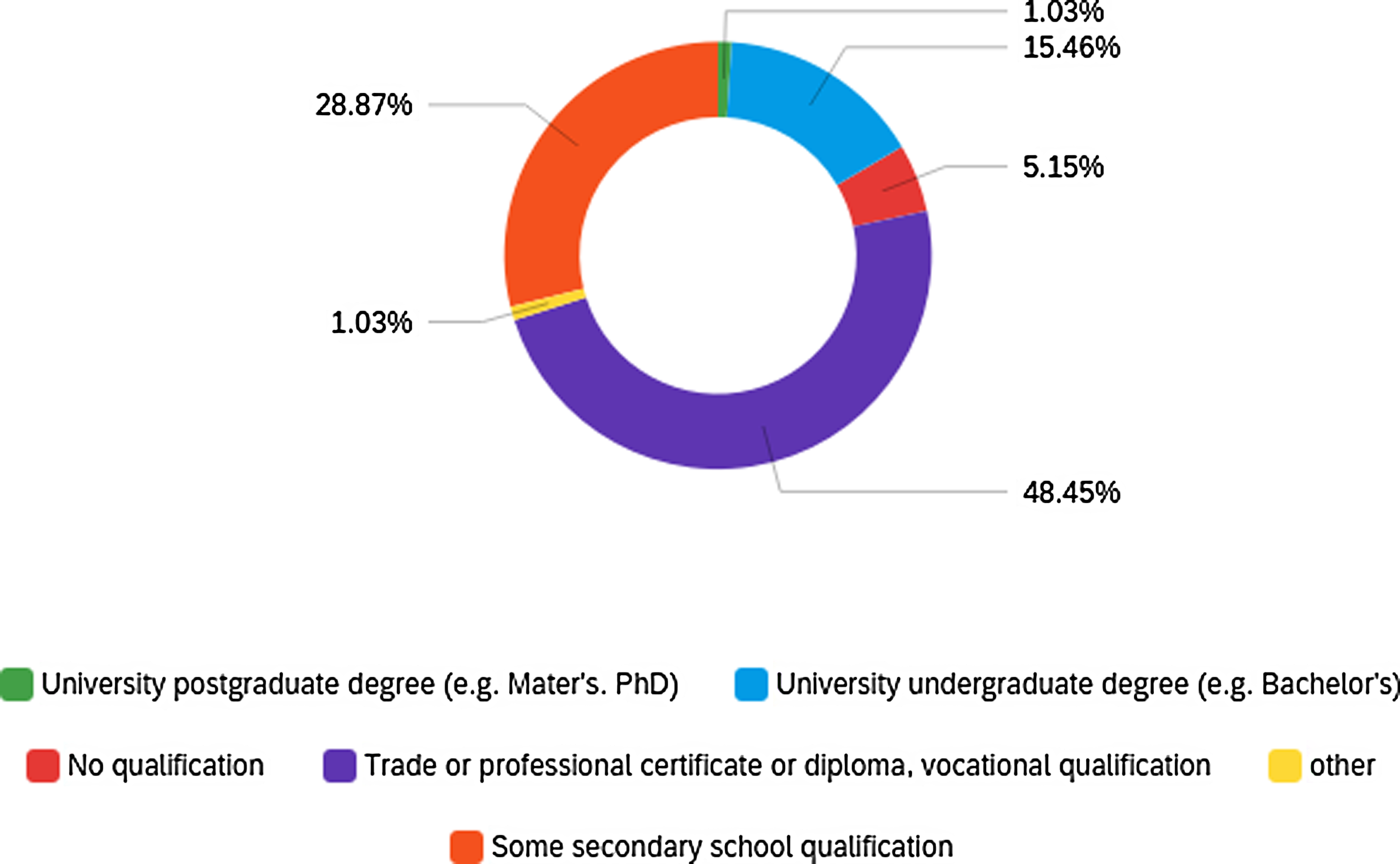
The Central Otago region includes Roxburgh, Cromwell, and Queenstown. The workforce within this region is engaged in three key industries: building and construction, hotels and restaurants, and orchard farms. In the survey conducted in Central Otago, it was observed that 25 participants had arrived in New Zealand in 2023, while 9 had arrived in 2022. The remaining 16 respondents had arrived in different years. Among the participants, 39% were aged 35 to 44, 20% were in the 45 to 54 age group, and 2% of respondents were over 55. Furthermore, 24% of participants were aged 25 to 34, and only 14% were in the 18 to 24 age group. The demographic distribution also showed that there were 28 male and 22 female participants, with no representation from the non-binary/third-gender category. Additionally, 63% of participants reported being either married or in a civil union, 33% had never been married, 4% indicated having divorced or participated in a dissolution of civil union/separation, and one respondent did not provide an explanation for their marital status. In terms of educational background, 6% of participants did not have any formal qualifications, 52% had trade or professional certificates, diplomas, or vocational qualifications, 15% held a bachelor’s degree, and 2% had a postgraduate degree. Furthermore, one participant chose not to disclose their educational qualifications.
The location of respondents for Oamaru includes not only the immediate vicinity of the town but also individuals employed on dairy farms. Primarily, the survey participants are affiliated with the meat-processing industry. Additionally, it includes a subset of workers currently residing in Dunedin and engaged in the forestry sector. The findings indicate that among the 50 participants, 29 individuals arrived in New Zealand in the year 2023, while 3 had arrived in 2022, and the remaining participants had arrived in various years, dating back to 2006. A demographic breakdown reveals that 48% of the participants fell within the age bracket of 25 to 34 years, with 26% belonging to the 35 to 44 years bracket. Additionally, 14% were aged between 18 and 24, 10% fell within the 45 to 54 years range, and a minority of 2% were over 55 years old. Most participants, accounting for 74%, are male, while 26% are female. Regarding marital status, 64% are either married or in a civil union, 30% are not married, 2% are divorced, and 4% have chosen not to disclose their marital status. Educational qualifications vary among the participants, with 45% holding a trade or professional certificate or diploma, 35% having no formal qualifications, 16% possessing a university degree, and 5% attaining some secondary school qualifications.
Discussion on demographic
The combined results from both regions are presented and analysed in this section. The findings show that 36% of these workers were between the ages of 25 and 34, while 32% were aged between 35 and 44. These individuals possess physical strength that enables them to meet the physical labour demands, a trait often associated with the iTaukei who mostly reside in rural areas. Furthermore, the results highlight that many of these workers, comprising 64%, are either married or in a civil union. Many of these individuals typically have young families with children attending school, which places significant stress on them to prioritise their well-being at the workplace. At the same time, they are expected to contribute significantly to both their village and their church community during their employment tenure. The recruitment policies formulated by the Fijian government reflect a commitment to addressing economic disparities among iTaukei, particularly those lacking reliable employment opportunities within their communities (ILO 2022; Prakash Reference Prakash2023).
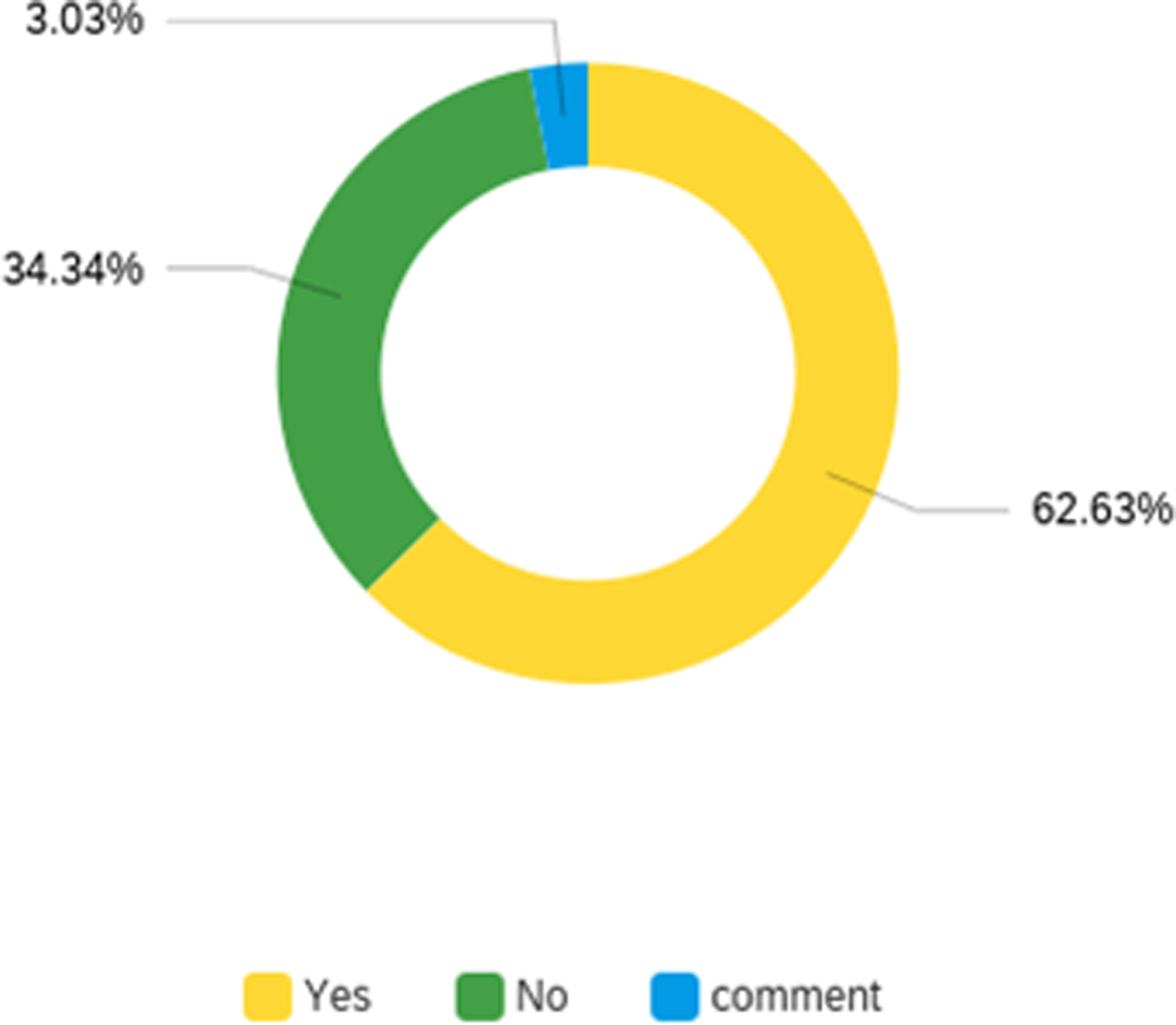
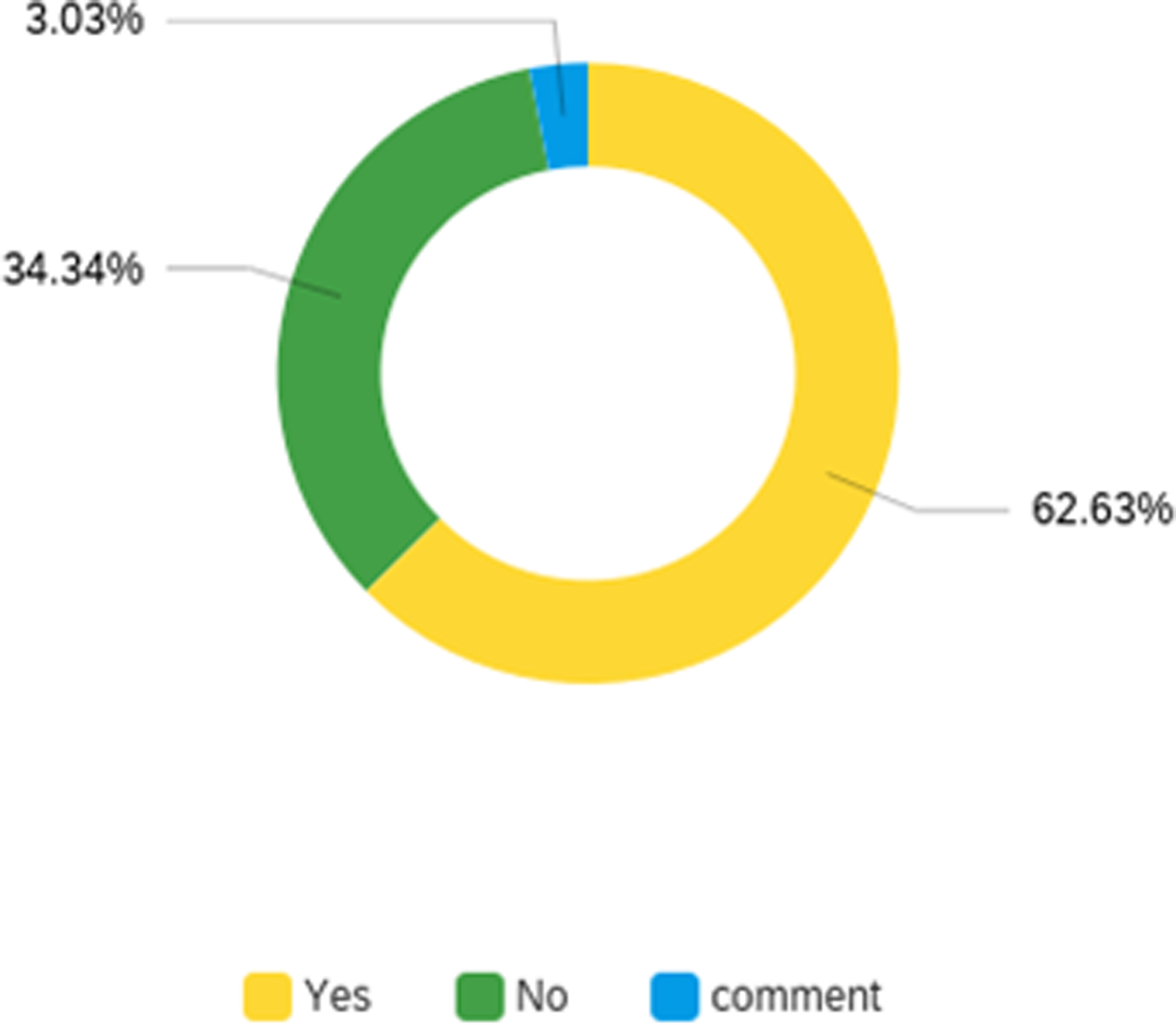
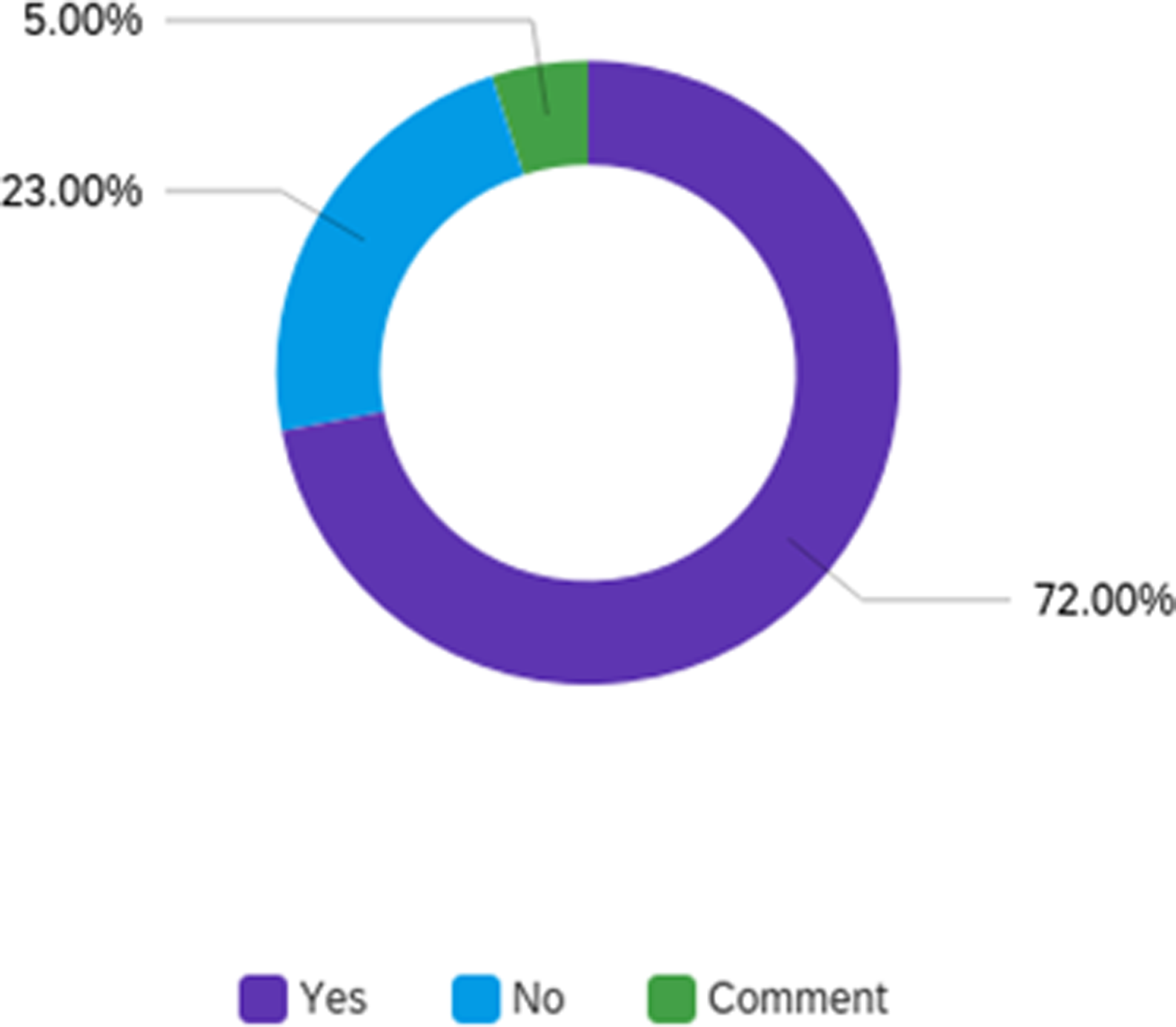
The research findings highlighted that many of these workers, totalling 66% of the participants, are male. This gender demographic is notable as it provides males with the opportunity to generate income for their families and contribute to the economic well-being of their communities. Crucially, the research identifies a key factor in the form of educational qualifications, revealing that over 45% of these iTaukei RSE workers hold formal qualifications, such as trade or professional certificates, diplomas, and vocational qualifications (see Figure 1). The educational attainment of these workers in Fiji plays a pivotal role in facilitating their comprehension of the hazards associated with the chemicals they encounter daily, as they possess the ability to read and understand verbal instructions from employers pertaining to chemical usage. Figure 1, Figure 2, and Figure 3 show the correlation between education level and level of understanding around the chemicals these workers use every day.
What is your highest education qualification?

Do you know the types of chemicals you use each day?
Are you capable of reading and accessing the Chemical Information Sheet (Safety Data Sheet) about the chemicals you use every day?

A staggering 62.6% of the participants know the types of chemicals they use each day, and 72% say they can also read and understand the Safety Data Sheet (SDS) as shown in Figure 3 below.
The focus of the inquiry was on the elements of well-being, aiming to understand the experiences of these workers in their specific context. The main reason they left their villages and joined the RSE scheme was to improve their economic opportunities. The Fiji Bureau of Statistics Household Income and Expenditure Survey for the period 2019–2020 revealed that 30% of Fiji’s population lived in poverty, with 75% of this group being of iTaukei (Narayan Reference Narayan2021). Paramount among their considerations is the pursuit of financial gain, a demand reinforced by the government, church institutions, the local community, and familial expectations. In the iTaukei cultural tradition, these obligations are considered inviolable, representing responsibilities that iTaukei men willingly undertake for the betterment of their Vanua (community), Lotu (church), and Matanitu (government). Participation in such programmes bestows pride and honour upon the families of these workers, although accompanied by a multitude of responsibilities. However, there is a pervasive lack of understanding in Fiji regarding the mental, physical, and spiritual hardships to which these workers are exposed. These workers are young and strong and often do not take health and safety seriously, even when dealing with chemicals.
Health and safety
The second segment of survey from question 6 to question 15 was designed to determine the level of awareness among iTaukei workers concerning their routine encounters with hazardous substances. The data obtained from the survey underwent further categorisation into four distinct sections: knowledge of hazardous substances, training initiatives, health monitoring practices, and the challenges encountered by RSE workers in accessing PPE. The discussion section attempts to explain the unexpected findings around training initiatives and health monitoring.
In Central Otago, the survey findings revealed that 64% of respondents possess some knowledge about the hazardous substances they encounter daily. Conversely, 30% reported a lack of knowledge, while 6% provided comments specifying the types of chemicals employed. When queried regarding their comprehension of responsibilities associated with the utilisation of hazardous substances in the workplace, a majority, 81% of respondents, asserted their understanding of these responsibilities. A divergence in responses was observed, with 8% of participants expressing a lack of awareness regarding their responsibilities, and an additional 10% indicating uncertainty in this regard. Notably, 72% of the participants affirmed their ability to read and access the Safety Data Sheet (SDS). Conversely, a minority of only 24% of the respondents admitted their inability to read or access the SDS, and 4% of respondents offered commentary on their proficiency in reading and accessing the SDS.
Regarding training and induction conducted in Fiji before their deployment, 44% reported having undergone such training, while 52% of the participants affirmed receiving no instruction or training on hazardous substances prior to their departure. Only 4% of participants provided additional comments concerning their responses. Only 39% understood the hazardous training that was provided to them, while 55% of the participants did not understand the content of the training; 6% of the participants made comments about their answers. A nominal proportion of 12% sought assistance from Pacific Island organisations for the translation of the SDS, in order to achieve a better understanding of the nature of chemicals being employed. Conversely, a significant majority, 86% of participants, did not avail themselves of any such assistance. Only a single participant expressed uncertainty regarding their engagement in seeking help for the translation of SDS. A total of 80% of participants were provided with PPE, whereas only 20% of participants did not receive any PPE.
In the context of health monitoring and exposure to chemical substances, two enquiries were posed. The first question sought information on whether participants had experienced exposure to hazardous substances and subsequently sought medical intervention from healthcare professionals. Only 4% affirmed such exposure and treatment, while the majority, constituting 92%, responded by saying no, with an additional 4% expressing uncertainty. The second inquiry pertained to whether medical assessments were undertaken both prior to and after exposure to toxic chemicals. A minority, specifically 40% of respondents, confirmed the occurrence of such medical checks, while 44% reportedly said no. Additionally, 16% of participants indicated they were not sure about the implementation of pre- and post-exposure medical examinations.
In response to enquiries concerning challenges encountered in accessing PPE, 14% of participants identified language barriers as the primary impediment. This linguistic obstacle may have further contributed to the 33% of respondents indicating that they did not know where to get PPE and an additional 2% cited ‘fear of the Boss’ as a deterrent. Another 35% of participants reported a lack of availability of appropriately sized PPE as a prominent hindrance. The remaining 16% articulated diverse comments pertaining to the challenges they faced, with one respondent highlighting they were not provided with any PPE at all.
In Oamaru, the survey findings revealed that most of the workers, totalling 61%, possessed knowledge about the types of chemicals they utilised daily, while a minority of 38% indicated a lack of such knowledge. In the domain of rights and responsibilities, a comprehensive 84% of respondents affirmed their awareness and understanding of their obligations concerning the use of chemicals in the workplace. Conversely, a nominal 8% acknowledged their lack of knowledge regarding their rights and responsibilities, while 6% expressed uncertainty on the matter. Additionally, 2% provided commentary on this aspect. Concerning the ability to read and access SDS for chemicals, 72% of participants expressed capability, 22% asserted incapacity, and a minor fraction of 6% offered comments based on their understanding of the chemicals.
Regarding the pre-departure induction and training for workers in Fiji, 56% conveyed that they had not received any training pertaining to hazardous substances, while 28% received some form of training. Notably, 6% commented that all hazardous substance training took place in New Zealand. A further breakdown reveals that 48% of participants claimed to understand the training provided, 44% asserted a lack of comprehension, and 8% offered additional comments. Concerning the comprehension and translation of SDS, most participants, totalling 62%, did not actively seek assistance from any Pacific organisation for support in translation. In contrast, 30% acknowledged having sought assistance for translation, while 6% expressed uncertainty, and an additional 2% provided comments on this matter. The data present a positive outlook on the provision of PPE, with an overwhelming majority of 94% indicating that PPE was made available at their workplace. Only a marginal percentage of 6% reported a lack of PPE provision.
Regarding medical checks and workplace protection: 41% of respondents noted the occurrence of medical checks conducted both before and after exposure to toxic chemicals. In contrast, 37% reported not being offered any form of medical check. Uncertainty was expressed by 18%, and 4% provided additional comments on the matter. A cumulative 82% of participants affirmed their non-exposure to hazardous substances necessitating medical treatment, whereas 10% acknowledged being exposed and subsequently seeking medical treatment. A marginal 6% expressed they were not sure about the matter, and a mere 2% provided additional commentary.
When queried about the challenges encountered while attempting to access PPE, a notable 33% of respondents cited the unavailability of PPE in their proper sizes. Additionally, 24% expressed a lack of knowledge regarding where to get their PPE from, and 8% identified language barriers as a hindrance in obtaining PPE. Moreover, 35% provided comments, explaining various challenges, or expressing an absence of challenges in this regard.
Discussion on health and safety
The research findings indicate that the workers in both locations have a good understanding of the hazardous substances they are regularly exposed to, as depicted in Figure 2. Additionally, they possess the ability to comprehend and interpret the SDS related to these chemicals, as illustrated in Figure 3. This can be attributed to the effective recruitment policy implemented in Fiji, where most of these workers arrive in New Zealand with relevant trade qualifications as shown in Figure 1. However, these findings also reveal a deficiency in health monitoring, which subsequently gives rise to various challenges encountered by these workers during their time in New Zealand. Smith et al (Reference Smith, Saunders and LaMontagne2013) posit that worker awareness and empowerment to participate in injury prevention are often assumed to be directly correlated with workplace policies and procedures. They outline four preliminary frameworks for measuring occupational health and safety vulnerability: the hazard potential faced by workers, organisational-level protections, hazard awareness, and worker empowerment to actively participate in injury prevention. In the context of this research, these frameworks appear to be largely absent. This section will provide further explanation of these challenges.
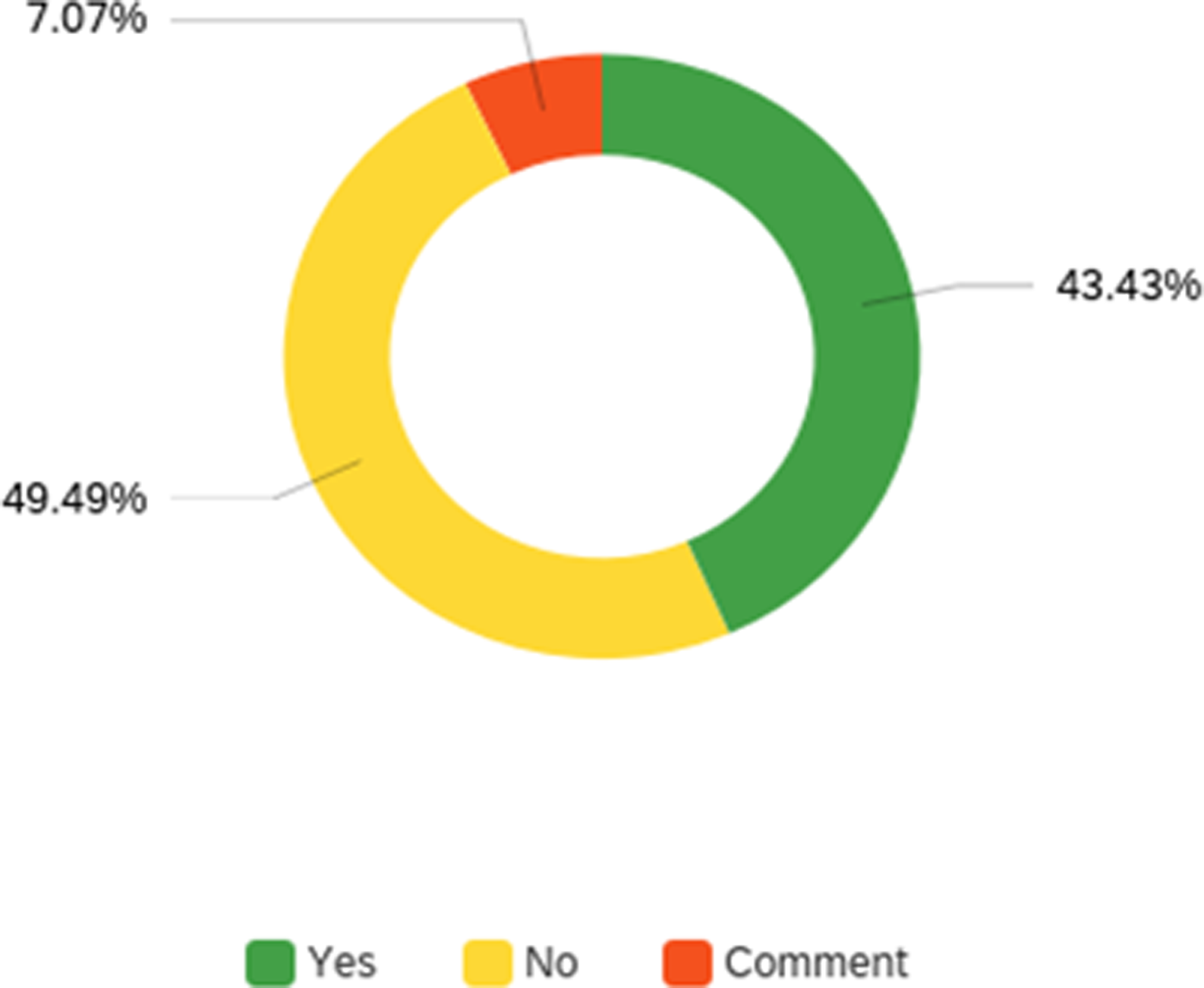
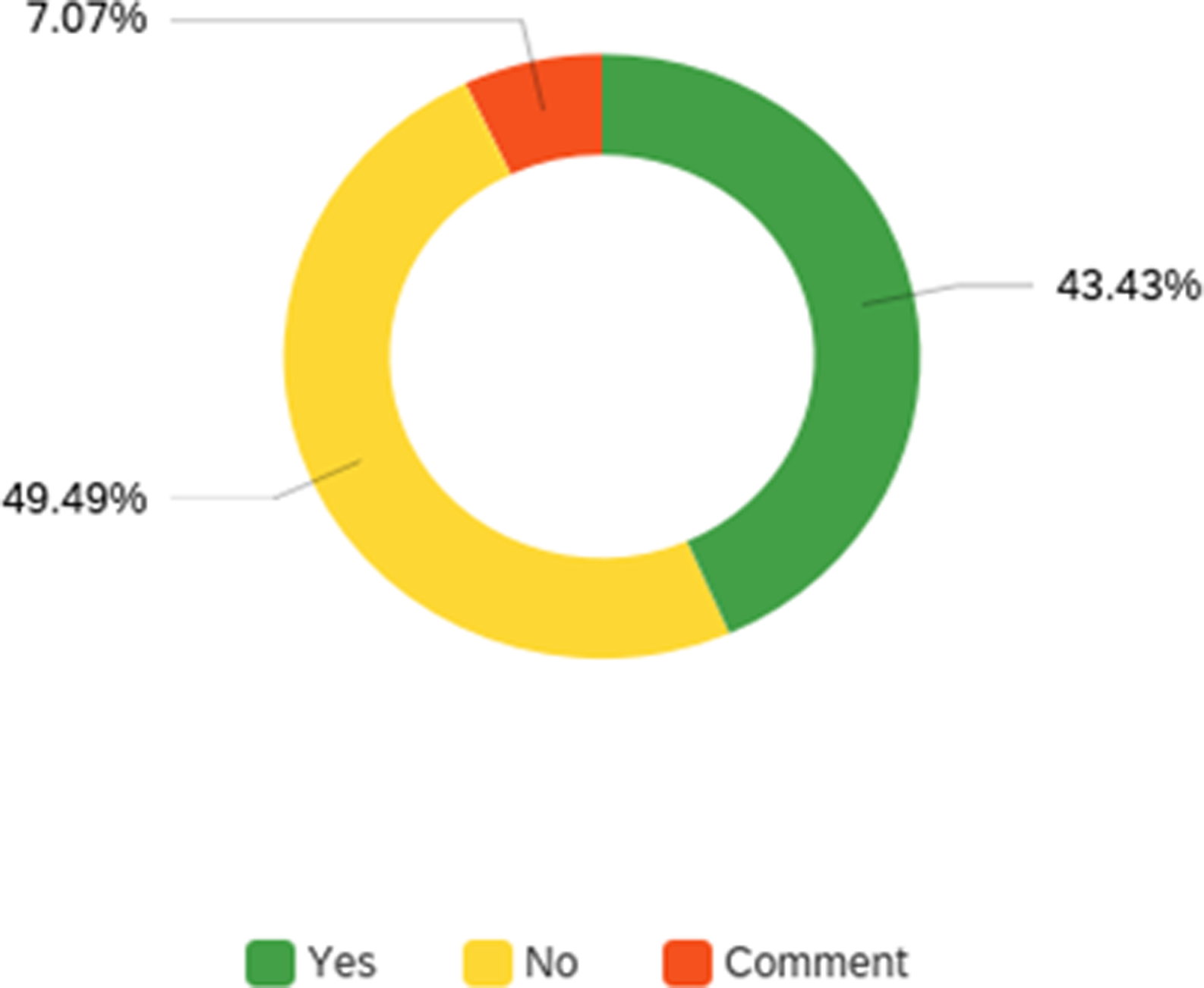
The findings reveal that training on hazardous substances is a significant area of concern. Although most participants have stated their familiarity with the chemicals they handle regularly (Figure 2) and their ability to read the SDS (Figure 3), there are doubts regarding their comprehension of the long-term consequences associated with prolonged exposure to these substances. Notably, in Figure 4, 49.5% of participants indicated a lack of understanding regarding hazardous substance training during their induction in Fiji before departing. While this may not initially appear to be a big issue, it is important to recognise that this knowledge gap can potentially pave the way for exploitation. People who do not understand the danger they are exposing themselves to, are vulnerable because they lack the knowledge of how to protect themselves from danger, since they were not aware of it in the first place. These findings align with the research of Peter Smith et al (Reference Smith, Saunders and LaMontagne2013) and Schweder (Reference Schweder2008), which suggests that workers unfamiliar with a workplace environment and processes are at increased risk of injury, regardless of their age or industry experience.
Did you understand the hazardous substance training that was part of your induction process in Fiji before you came?
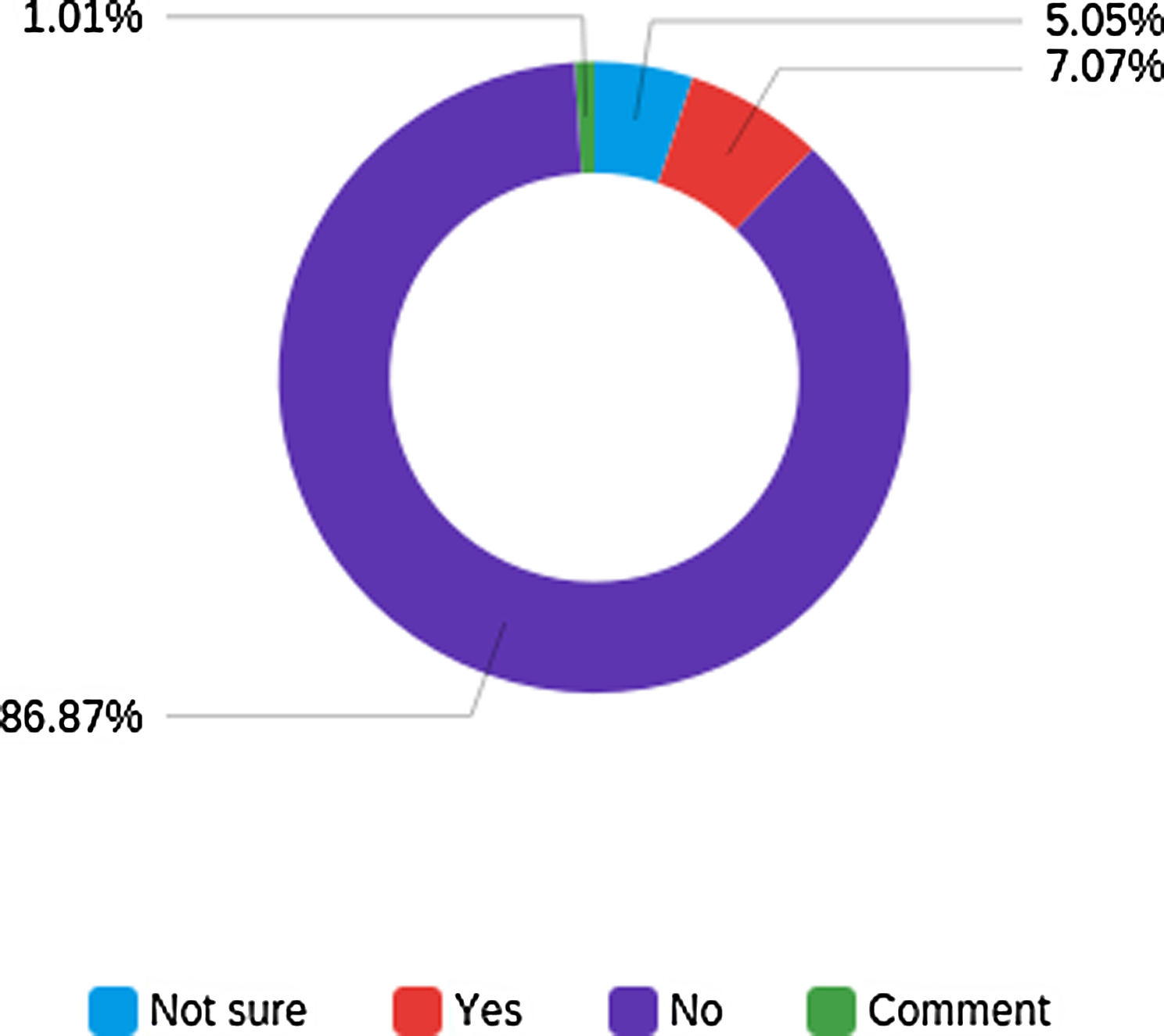
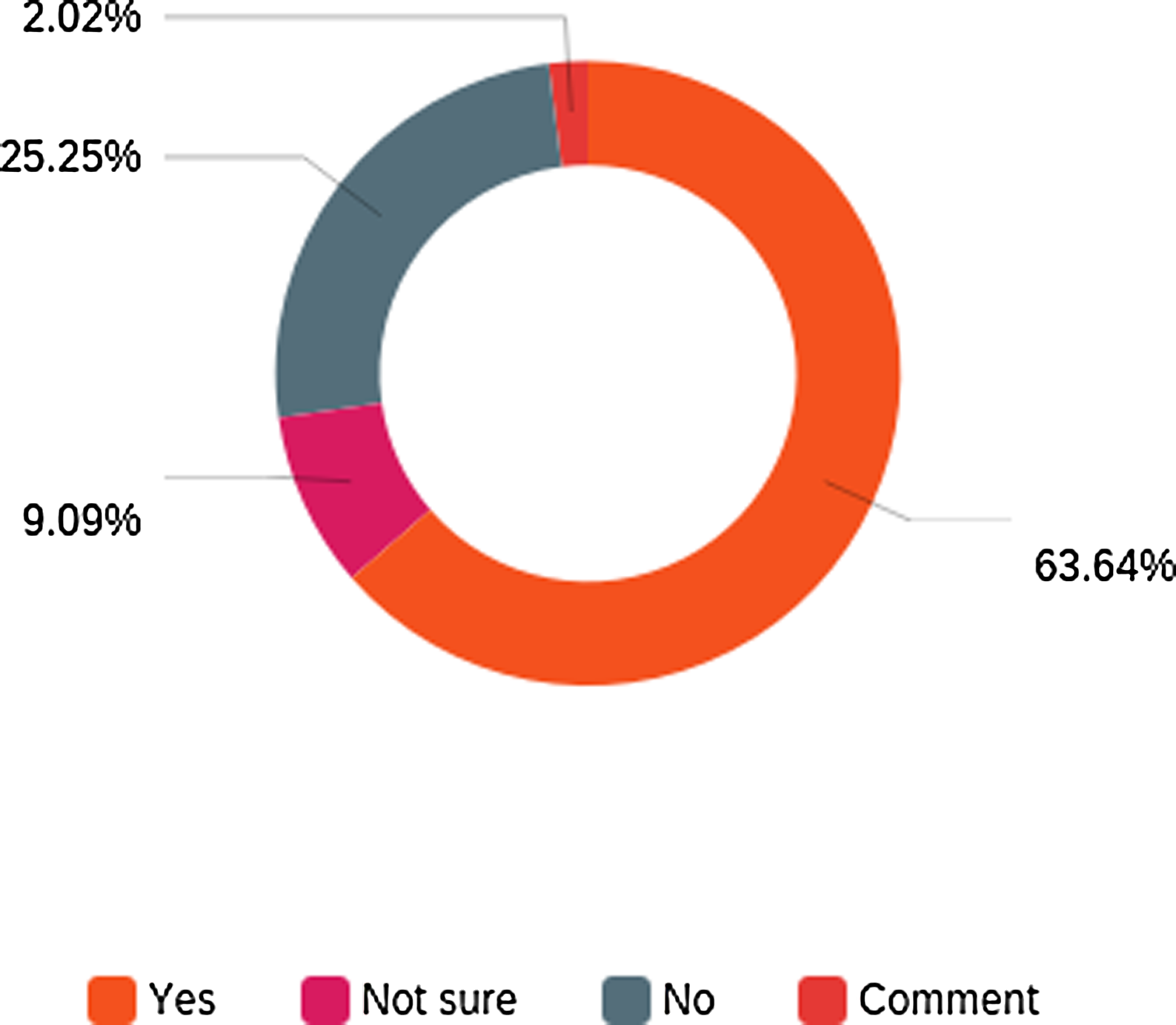
Health monitoring is a critical component in ensuring the safety of workers in New Zealand. It involves evaluating whether the worker’s health is being adversely affected by their work environment (Worksafe 2017). The research indicates that 40.4% of the participants reported that there are pre- and post-exposure medical checks for toxic chemicals. This entails inspecting any skin damage arising from exposure to hazardous substances and evaluating any associated health issues that could have resulted from such exposure. The damage caused by the chemicals used in these industries was not immediate. This helps to explain why most participants, 86.9% as shown in Figure 5 below, claimed that they had never been exposed to hazardous substances that required medical intervention. A health monitoring system would identify any changes in their health status.
Have you been exposed to hazardous chemicals and received medical treatment from a healthcare professional due to chemical exposure?

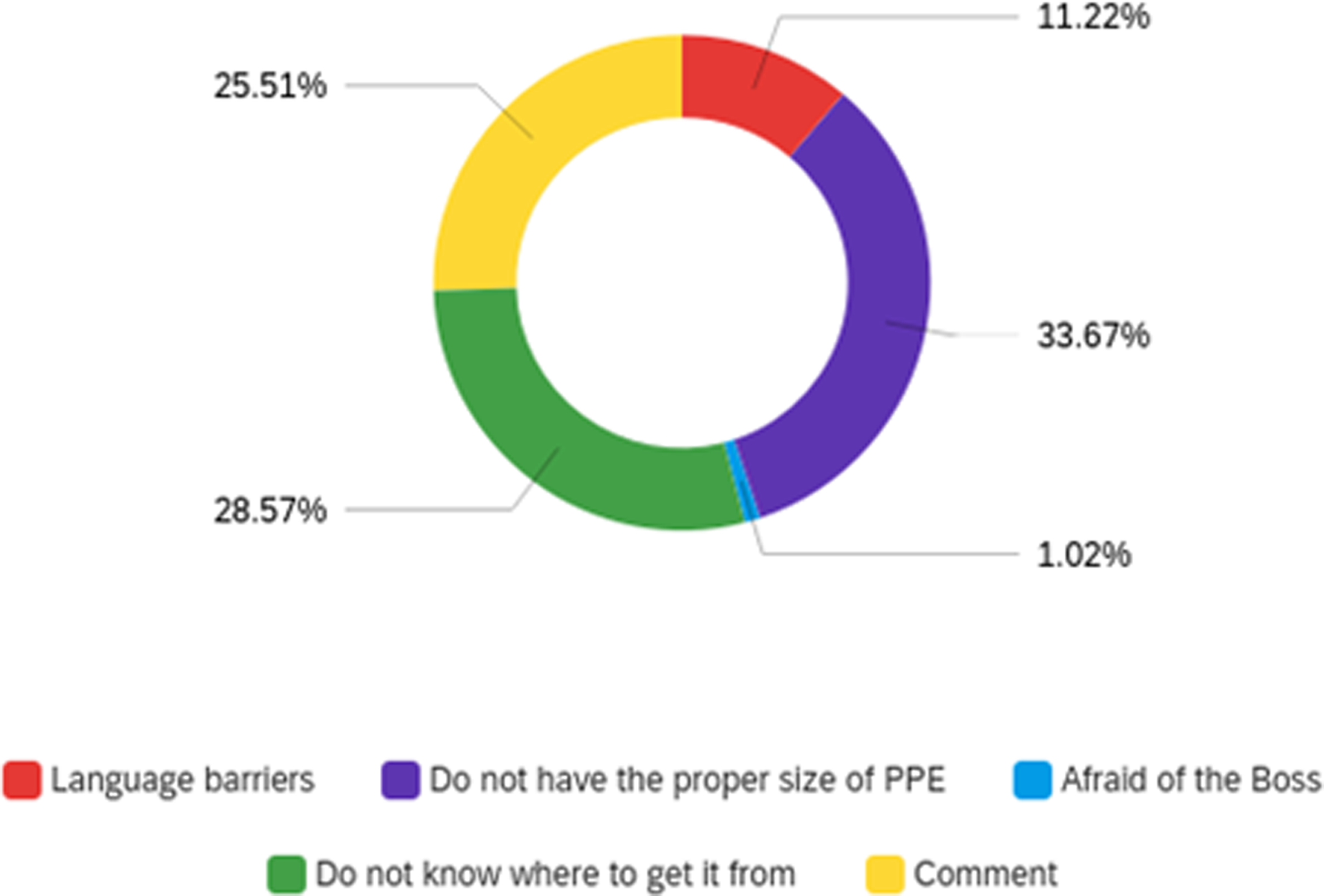
While this is only a preliminary report, it does show an important aspect of health and safety and the breach of responsibilities by the PCBU that requires urgent attention to ensure the protection of these workers. This brings to light the important findings of this research. At first glance, the findings suggest that both parties, the PCBU and RSE workers, understand their roles and responsibilities well when it comes to hazardous substance protection in the workplace. However, the findings also reveal that 34% of the participants indicate that one of the challenges they face when trying to access PPE is that they do not have access to the proper PPE size. This means that most of these workers are wearing the wrong PPE size, which completely defeats the purpose of wearing PPE in the first place. The other 29% of the participants indicated that they do not know where to obtain PPE from, as shown in Figure 6. This can indicate that most of these workers can go without PPE for a long period of time or buy their own if they are unaware of where to obtain it from their workplace.
What are the challenges have you faced when trying to access protective protection equipment?

Added to these challenges is the 11% of participants who indicated the language was a barrier, which can also contribute to the 1% of participants who are afraid of their boss. Health monitoring entails properly carrying out the health and safety process. This includes regular fit testing for half-face masks, checking the air quality in the room for those working indoors, and adjusting safety gear according to the season for those working outdoors. This is an area that requires further research on how it can be better implemented, as currently the PCBU only fulfils the minimum requirements for providing PPE, without ensuring its proper fit, regular checks, and monitoring.
Environmental responsibility evaluation
The third section of the survey from question 16 to question 21 sought to evaluate the awareness level among iTaukei workers concerning their environmental responsibilities in the usage and disposal of hazardous substances. The enquiries have been systematically restructured into three primary sections. The first section focuses on a participant’s workplace, distinguishing whether it is situated indoors within a building or outdoors on a farm or yard. The second part is designed to assess their knowledge of hazardous waste management. Lastly, the third section investigates whether participants have sought assistance from Pacific organisations to comprehend their roles and responsibilities in environmental stewardship within the context of New Zealand.
In Central Otago, a substantial 72% of respondents affirmed indoor work, while 8% reported engagement in outdoor farm activities. Moreover, 16% indicated dual involvement in both settings, and 4% provided qualitative comments on their work environments. Concurrently, participants were queried about their awareness of the volume of chemicals stored at their workplaces, a crucial factor influencing proper usage and waste disposal. Results indicated that 44% were cognisant of the chemical volume, 36% lacked awareness, 18% expressed uncertainty, and 2% mentioned storing 7 x 20-litre drums at their workplace.
When queried about their understanding of the environmental hazards associated with the chemicals they use, most participants 66% asserted their comprehension of its impact on the environment, 20% expressed a lack of knowledge, and 14% were uncertain. Similarly, when asked about their awareness of the proper disposal methods for hazardous substances, 62% confirmed their knowledge of appropriate disposal practices within their workplace. Conversely, 26% admitted to lacking such knowledge, 10% were uncertain, and 2% commented on their practice of disposing of waste on a flat surface, having been instructed not to drain it. This contrasts with the findings on the disposal practices of hazardous substance waste, wherein 80% of participants reported discarding it in provided bins, 10% disposed of it in drains, 8% relied on others for disposal, and 2% noted their effort to utilise all chemicals to minimise waste generation.
The final query was directed to participants, enquiring whether they had sought assistance from Pacific organisations for the translation of guidelines outlining their responsibilities. A mere 4% of respondents affirmed they sought help in translation, while a substantial majority of 92% conveyed that they did not require translation services. Additionally, 4% expressed uncertainty regarding the appropriate course of action.
In Oamaru, the research found that 78% of participants are employed within indoor facilities. Only 14% of respondents reported working outdoors on a farm, while 6% specified dual engagement in both indoor and outdoor farm-related activities. Additionally, a mere 2% of participants provided comments on their specific work locations. When queried about their awareness of the volume of chemicals stored in their workplace, 59% responded affirmatively that they were unaware of the specific quantities. Conversely, 27% asserted that they possess knowledge regarding the stored chemical volumes, while 14% expressed uncertainty on this matter.
The findings reveal that, when questioned about the environmental hazards associated with the chemicals they use, 65% of respondents asserted their awareness of such hazards. Meanwhile, 18% expressed uncertainty, 14% declared ignorance, and 2% offered additional comments on the matter. When asked about their knowledge of the proper disposal methods for hazardous substances, 65% claimed familiarity with the correct procedures. In contrast, 24% denied possessing such knowledge, 8% remained unsure, and 2% provided written comments. Regarding the disposal of chemical waste, 66% of participants indicated utilising provided bins, 20% admitted to disposing of it in drains, and 14% mentioned delegation of disposal responsibilities to someone else.
The research findings indicate that 33% of the participants sought assistance from Pacific Islands organisations for translation of their responsibilities. Conversely, 55% did not seek any translation assistance, 10% expressed uncertainty, and 2% provided additional comments on the matter.
Discussion on environmental responsibility evaluation
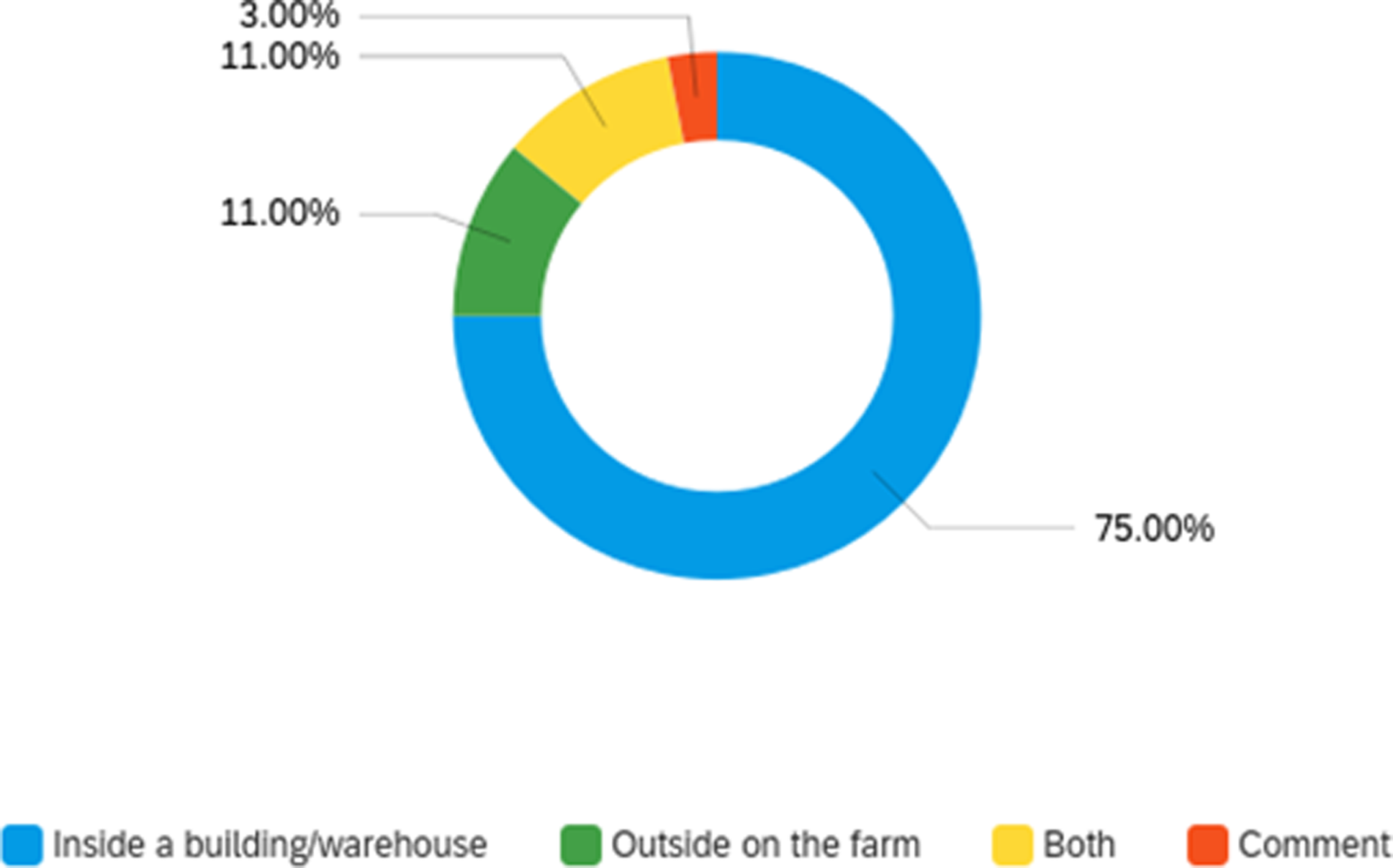
Most participants, comprising 75%, indicated that they work indoors, as shown in Figure 7 below. This outcome was unexpected, as I had hypothesised that most of them would be working outdoors, in yards, building sites, or farms. A significant number of participants are employed in the meat and hotel industries. Consequently, a large proportion of these workers are exposed to cleaning chemicals, as they commonly perform their duties in commercial kitchens or meat factories. Some of the chemicals found in these cleaning products include glutaraldehyde (used in dishwashing liquid), isopropyl alcohol (used for hygienic cleaning napkins), DDAC (didecyldimethyl ammoniochloride) (used in spray cleaners), and sodium hypochlorite (used in bleach-containing products like abrasives, all-purpose cleaners, and bleach) (Weerdesteijn et al Reference Weerdesteijn, Bremmer, Zeilmaker and Van Veen1999). The remaining 11% of participants work outside in orchards, forestry, and construction industry, which also involves the use of various agrochemicals. The three primary pesticides used in agriculture in New Zealand are herbicides, insecticides, and fungicides, each designed to target different types of pests (Close & Banasiak Reference Close and Banasiak2023; Holland & Rahman Reference Holland and Rahman1999). It is crucial to emphasise that the chemicals employed in these industries are designed to eliminate microorganisms and pests, signifying that prolonged and substantial exposure over an extended period can have adverse effects. A significant proportion of these chemicals ultimately find their way into streams and rivers.
Do you work inside a building or out on the farm?

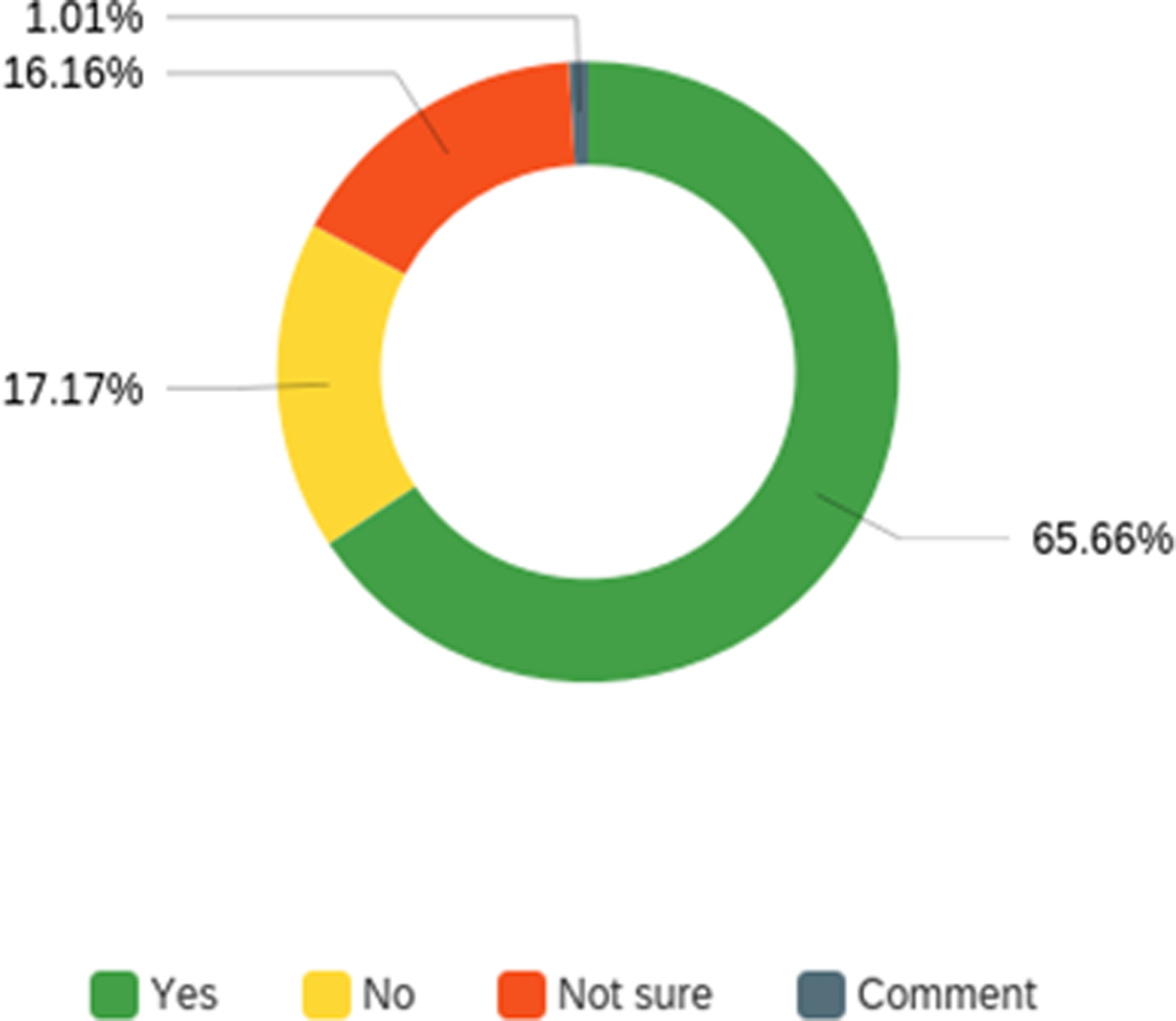
Once again, it should be noted that these workers possess a comprehensive understanding of the potential dangers associated with the chemicals they handle daily. This can be attributed to the fact that many of these workers are educated individuals (see Figure 1) who are aware of their environmental responsibilities. As evidenced by Figure 8, a significant proportion of the respondents 65% affirmed their awareness of the environmental hazards posed by the chemicals they used. Moreover, this correlation to the result in Figure 9 reveals that a considerable percentage of 63% of the participants demonstrate familiarity with the proper protocols for the disposal of hazardous chemicals. We expect that workers who have a clear understanding of the environmental hazards posed by the chemicals they handle daily would also possess the knowledge required to dispose of the chemical waste they generate properly and responsibly.
Do you know the environmental hazards of the chemicals you use?

Do you know the proper way of disposing of chemicals?
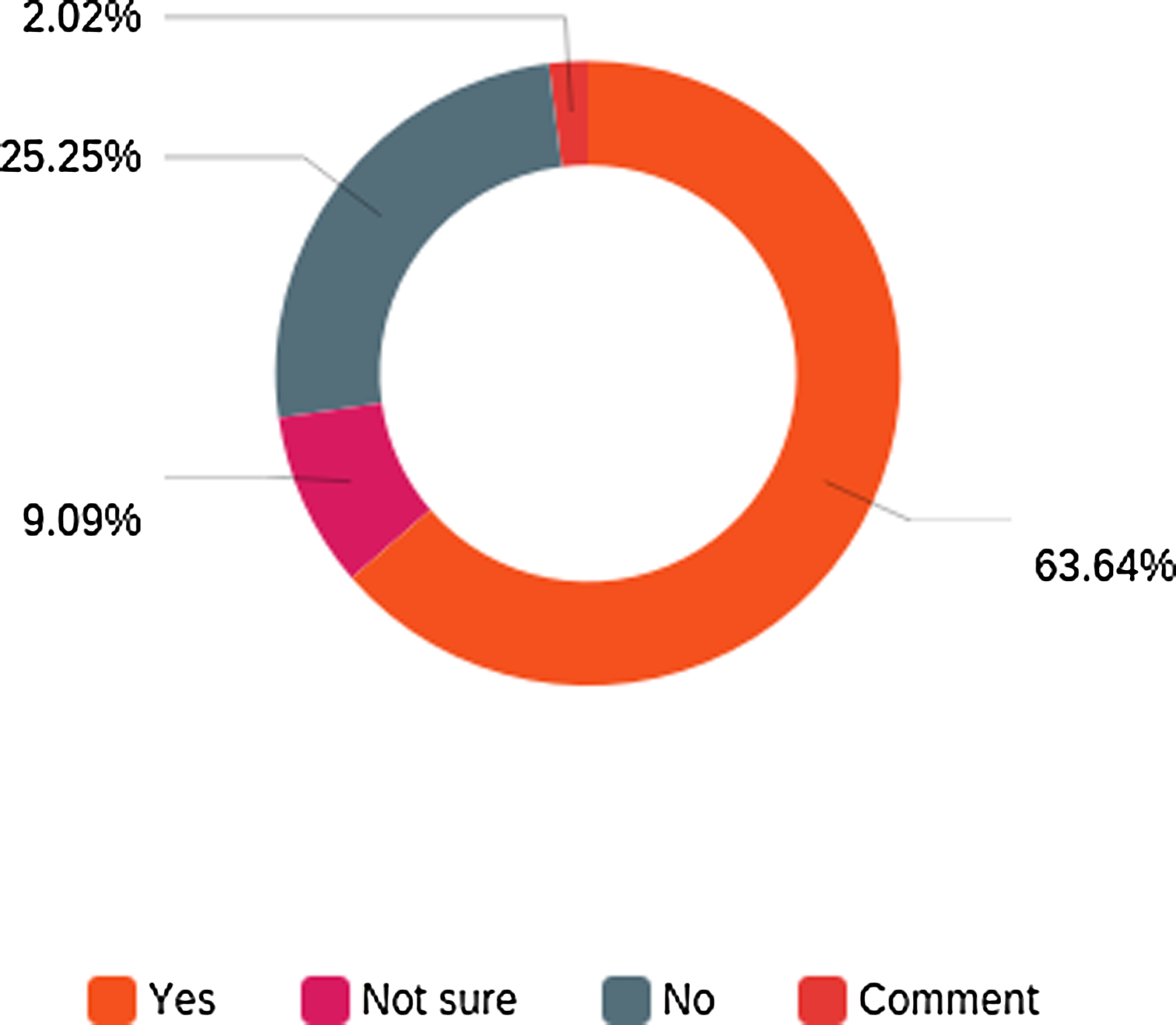
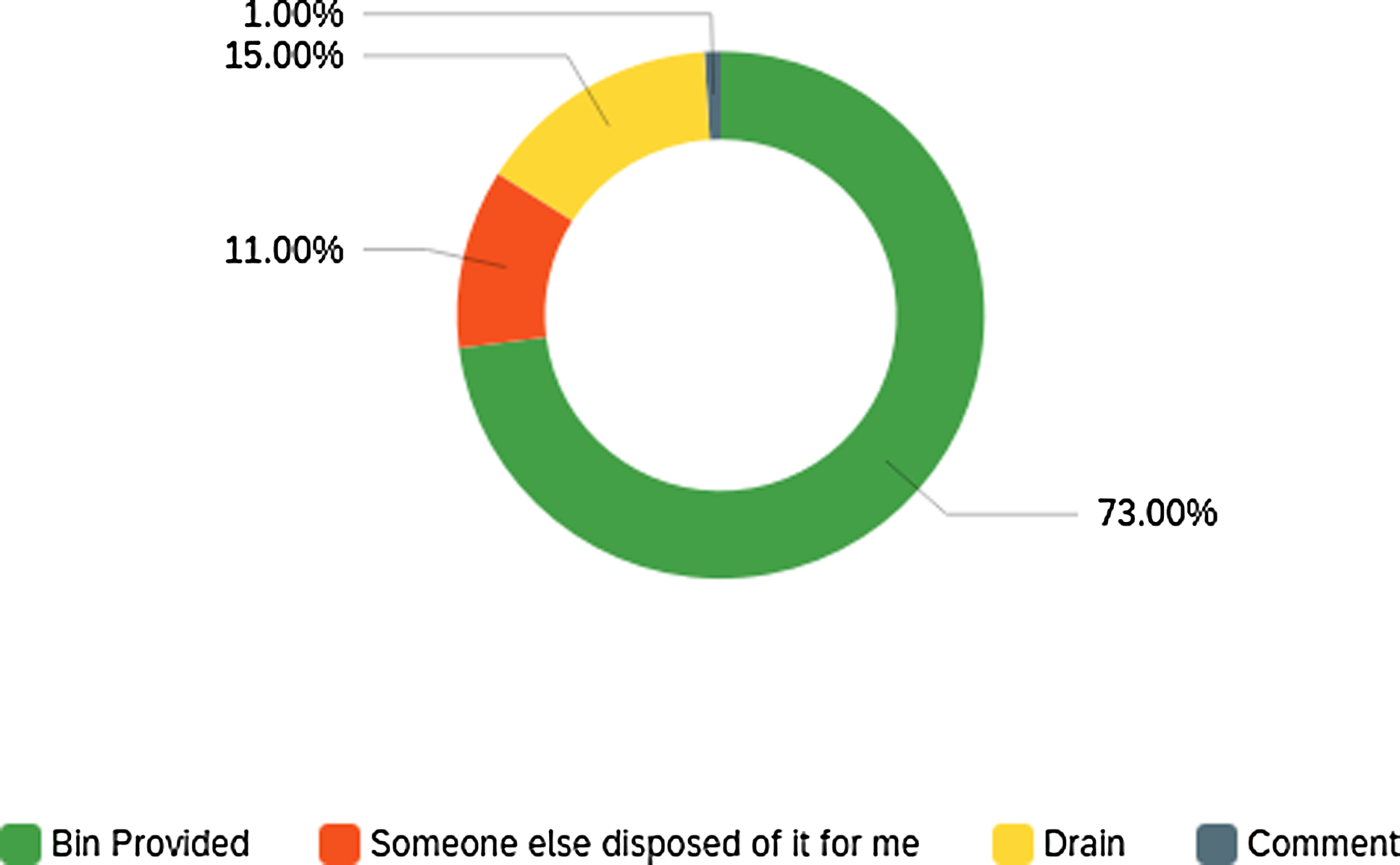
The outcomes additionally demonstrate a commendable degree of procedural adherence by the PCBU, as evidenced by the fact that 73% of the participants affirmed proper disposal of chemical waste in the designated bins at their respective workplaces, as shown in Figure 10 below. An additional 11% indicated reliance on other workers for the disposal process. In New Zealand, the disposal process of certain chemical waste is influenced by the nature of the chemicals used in different workplaces. This necessitates the involvement of specialised chemical handlers who are designated personnel responsible for both the delivery and disposal procedures. According to the HSWA regulations, anyone who stores, handles, uses, or manufactures hazardous substances is required to undergo training. Only the most dangerous substances, such as toxic classes 6.1A and 1B (acute toxicity categories 1 and 2), require a certified handler (Worksafe 2017). These individuals are responsible for ensuring that hazardous substances are controlled by experienced individuals who understand the associated risks and necessary precautions.
Where do you dispose of the chemical waste you use every day?

Training in managing hazardous substances is a crucial aspect, and it seems that these RSE workers have a good understanding of their rights and responsibilities. However, the processes to protect these workers lack chemical monitoring, which affects their effectiveness. To address this issue, it is necessary to provide training in the iTaukei language, like what was done during the COVID-19 pandemic. Merely providing PPE is not sufficient. Fit testing should be conducted for those wearing half-face masks, and workers who work outdoors should have two sets of protective clothing and gloves – one for winter and one for summer. Having a checklist for implementing health and safety procedures is not enough; these procedures must be implemented and tested to demonstrate their effectiveness. These measures will ensure proper protection for workers.
Conclusion
Firstly, the research concludes that RSE workers in Otago have a good understanding of their responsibilities and risk involved in handling hazardous substances. However, they seem to be unaware of their rights regarding the provision of PPE. If the provided PPE does not fit properly, they have the right to request PPE that does fit. Additionally, regular chemical monitoring and fit testing should be implemented to ensure their protection from toxic chemicals. While workers may not initially experience any symptoms of chemical exposure, over time they may develop such symptoms. Regular health monitoring is necessary to identify these symptoms. With three primary ways in which workers can be exposed to hazardous substances – through the skin (dermal exposure), inhalation, and ingestion (oral exposure) – a singular incident, such as exposure to toxic chemicals resulting in fatality has the potential to cast doubt on the future of the RSE scheme (Worksafe 2017).
Secondly, the employees have demonstrated a strong understanding of the environmental hazards posed by the chemicals they use daily. Their workplaces have implemented effective systems for appropriate waste management, and employees are well-trained in proper disposal methods, with easily accessible designated bins. While these internal processes represent a positive step towards environmental protection, a significant concern has arisen. Many industries were unprepared for the arrival of RSE workers, lacking an adequate supply of properly sized PPE. This lack of readiness reflects a failure to adapt to the diverse demographics of the workforce. Fijian RSE workers often have unique body types compared to other migrant workers, making it crucial to consider these differences in PPE provision
The daily effects of these hazardous chemicals are difficult to detect. Over time, the cumulative impact of these chemicals can make individuals gradually immune to their harmful effects. Although workers may appear resilient, they often become accustomed to the presence of these silent but harmful substances. iTaukei workers are required to handle large amounts of chemicals for tasks such as spraying farms, using either manual methods or tractor-based applications. Additionally, workers in construction and meat factories are also exposed to these chemicals. Since these workers do not have properly fitted respirators that are individually tested for a good fit, it means that they consistently inhale a variety of chemicals throughout their average workday. As a result, when these workers return to Fiji, they may face health complications that exceed the capacity of the country’s healthcare system to address.
Reflecting on the complex nature of the Scheme and its impact on economic and employment risks and opportunities for Indigenous peoples, as well as labour relations and policies, it is important to consider the role of the New Zealand government in protecting these workers. It is crucial to determine whether the scheme can establish policies that prioritise the safety of Indigenous workers, or if it is simply another way to exploit resources from the Pacific whenever it suits their interests, on their own terms and conditions (Patnaik Reference Patnaik2007; Worksafe 2017, 2018). Although these workers are generally young and physically fit, they may not fully understand the importance of participating in a health monitoring system. To effectively engage with Indigenous workers, PCBUs must acknowledge the diverse demographic and complex cultural backgrounds of these individuals. A respectful approach towards their leaders is essential, and managers should avoid taking advantage of their position. Instead, reciprocity should be demonstrated by treating these workers with the respect and honour they deserve. This reflects the reciprocal nature of many indigenous cultures, where respect for leaders is often reciprocated with respect for followers. While this study focused on iTaukei workers, the results suggest that similar approaches may be applicable to Vanuatu workers and other Pacific Island workers participating in the RSE scheme in New Zealand and Australia.
The value and honour of human life are the most important aspects of their cultural relationship and their responsibility towards each other. In addition, there are social considerations to be made, as these workers are often separated from their families for extended periods. The financial pressure to support their families can sometimes blind them to the risks they are exposing themselves to. Both countries need to adopt a more coordinated approach to ensure the success of this programme over the next decade. This will involve further investigation and research into best practices for recruiting Indigenous workers from overseas to meet labour demands in New Zealand. Ultimately, it is the PCBU’s responsibility to understand their roles and obligations under the HASWA Act 2015 in addressing any health and safety issues that arise from exposure to hazardous substances (Worksafe 2016, 2017).
Dr Jekope Ramala Maiono joined the Management Department in 2025 after completing his PhD in Sustainable Land Development in Fiji. Prior to academia, he spent over 13 years in the private sector, gaining extensive experience in management within large-scale warehouse operations. He is also a certified Hazardous Substances Specialist, with expertise in managing hazardous substances and mitigating exposure risks to both people and the environment.
Diane Ruwhiu was appointed as Dean of the Otago Graduate Research School in September 2024. While she maintains supervision and connection with the Department, she is physically located in the Graduate Research School. Diane has a strong portfolio of expertise related to Māori research and is a listed researcher with Ngā Pae o te Māramatanga (Māori Centre of Research Excellence). She has been involved in two National Science Challenges: Science for Innovation and Technology (2017-2022) an Ageing Well (2022-2024). Her research focuses on issues of relevance for Māori development, in particular the Māori economy and business. This research contributes to the increasingly prominent field of Indigenous studies in management and organisation, specifically concerning: research methodologies, understanding features of success for the Māori economy and enterprise, building Māori business capability, the intersection of Indigenous knowledge and science, and Indigenising management education. Diane also has a passion for teaching. In 2021, she was a recipient of a University of Otago Kaupapa Māori teaching excellence award and also the Ako Aotearoa National kaupapa Māori Teaching Excellence Award for her development of Indigenous curriculum in the Otago Business School. From 2022 until 2024, Diane held a Ministerial appointment to the New Zealand Productivity Commission (Te Kōmihana Whai Hua o Aotearoa) as a Commissioner, as well as a University appointment to Deputy Dean Graduate Research School. Research InterestsIndigenous (Māori) business and organisation – Indigenous forms of knowledge in organisational practice (business communication, entrepreneurship, business ethics, leadership, etc.) and research (research methodology). How do Māori businesses maintain and control the integrity of their product and services in the global value chain?Indigenous business education – What constitutes quality Indigenous business education? What are the consequences for business curriculum development? How do Indigenous values enhance business curriculum and better prepare our students to work in an increasingly diverse and multicultural world?

 Open access

