


INTRODUCTION
Gender, race, and other social markers strongly predict citizens’ encounters with bureaucracies, reflected in unequal treatment, access to services, and welfare (Grossman and Slough Reference Grossman and Slough2022; Park Reference Park2022). What, given these persistent inequalities, can improve the responsiveness of public agencies to citizens that they have long neglected or excluded? Policymakers around the globe grapple with this question, pursuing reforms in sectors such as education, health, welfare, policing, and beyond (Frederickson Reference Frederickson1990; Pandey et al. Reference Pandey, Newcomer, DeHart-Davis, Johnson and Riccucci2022; Park Reference Park2022). Most efforts fall into two types: allocating resources to build agency capacity to better serve marginalized groups (Colombini et al. Reference Colombini, Mayhew, García-Moreno, d’Oliveira, Feder and Bacchus2022; Evans, Acosta, and Yuan Reference Evans, Acosta and Yuan2024; Shettar Reference Shettar2023) and increasing bureaucratic representation by appointing personnel from under-represented backgrounds (Favero Reference Favero2024; Headley, Wright, and Meier Reference Headley, Wright and Meier2021; Riccucci and Van Ryzin Reference Riccucci and Van Ryzin2017). However, results are often disappointing. Dedicated resources are easily co-opted, while initiatives to diversify agencies are stymied by unsupportive organizational cultures (Husain Reference Husain2024; Jassal Reference Jassal2020; Reference Jassal2021).
This article examines the challenges of achieving responsiveness and the potential for institutional change within public-facing bureaucracies. We argue that efforts to increase responsiveness to marginalized groups are often hamstrung by siloed attempts to build either representation or local agency capacity. Attempts to build diversity without dedicated resources or support—that is, “just add and stir” approaches (Datzberger and LeMat Reference Datzberger and LeMat2018)—leave personnel disempowered, while resources without personnel with the capacity and incentives to use them can lay dormant. However, when jointly activated, investments in representation and resources can empower and motivate under-represented officials to meet under-served groups’ needs. We identify a key mechanism enabling this activation: institutional recognition, referring to organizational dynamics that enhance the visibility and value of social groups within public agencies. By acknowledging group needs, highlighting their presence, and assigning them worth, recognition expands spaces—physical, cognitive, and symbolic—for work benefiting those groups.
We build our theory of bureaucratic responsiveness through a study of genderFootnote 1 and policing. Gender-based violence (GBV)Footnote 2 and police reform are both “wicked problems” (Head Reference Head2008) for which change is difficult, making the nexus of the two particularly challenging. Globally, one in three women will experience sexual and/or physical violence in their lifetime. South Asia, Africa, and Latin America lead the world in femicide, while incidences of rape, domestic violence, public harassment, and trafficking of women and girls persist at alarming rates globally (UN Women 2023). This violence carries tremendous human, social, and economic costs, and has provoked wide-ranging policy responses and legal reforms (Htun and Jensenius Reference Htun and Jensenius2020; Tripp Reference Tripp2010). The police are central to many of these efforts, yet also represent an arena of the state where gender injustice and violence are reproduced (Lake Reference Lake2022). This makes the police a critical agency for investigating the possibilities and limitations of gender-oriented reforms.
Our empirical focus is on India: a country marked by constrained state capacity (Kapur Reference Kapur2020), entrenched patriarchal norms (Behl Reference Behl2019; Brulé Reference Brulé2020; Prillaman Reference Prillaman2023), and some of the highest rates of GBV in the world (Goldsmith and Beresford Reference Goldsmith and Beresford2018). India’s police force is overwhelmingly male (just 10% women) and is viewed as both “incapacitated and sexist … neither able nor willing to enforce [women’s] rights” (Roychowdhury Reference Roychowdhury2021, 22). Our research setting is Madhya Pradesh (MP), a large state (population 81 million) in north-central India. Drawing on sustained qualitative research and surveys in police stations, we demonstrate how women’s concerns are routinely dismissed due to resource constraints, political pressures, and dismissive narratives, while female officers are marginalized within male-dominated stations.
To understand what might begin to address these problems, we partnered with the Madhya Pradesh Police (MPP) to study a program that established Women’s Help Desks (WHDs), introducing resources, training, and new roles for female officers in local police stations. In a precursor paper (Sukhtankar, Kruks-Wisner, and Mangla Reference Sukhtankar, Kruks-Wisner and Mangla2022), we examined the impact of the WHDs through a randomized control trial (RCT) covering 180 police stations, serving a combined population of 23 million. One-third of those stations served as controls. The remainder received WHDs, one-half of which were mandated to be run by female officers.Footnote 3 We found that the presence of a WHD, particularly when staffed by female officers, led to significant increases in police registration of women’s cases—a 14% rise in recorded crimes against women and a 10% increase in cases filed by women. While case registration is only a preliminary step toward achieving justice, it is an essential one, without which there is no access to the justice system. The impact of the WHDs, however, was constrained by the persistence of patriarchal norms and a slow-moving and gendered judicial system (Jassal Reference Jassal2024; Roychowdhury Reference Roychowdhury2021): while the registration of women’s cases increased, such cases often flounder in the courts. The WHDs, moreover, did little—in the time span of our study—to move actual rates of violence against women or the rates at which women report violence, reflecting social constraints, including familial and community stigma and pressures, that dissuade women from approaching the police.
While the RCT identified the causal impact and limitations of the WHD program, it stopped short of explaining why, leaving us with an inadequate understanding of the contextual factors and mechanisms that enabled and constrained responsiveness to women. We draw on 4 years of intensive field research in MP, informing the design of the WHD program and process-tracing its implementation, amassing a total of 170 days of station-level visits and over 1,300 hours of interview and observational data. We used a grounded theory approach (Gioia Reference Gioia2021; Glaser and Strauss Reference Glaser and Strauss1967; Goulding Reference Goulding2002), allowing themes to emerge inductively (Fujii Reference Fujii2017). To complement our site-intensive fieldwork, we conducted surveys of over 2,000 police officers across all 180 stations, including 120 officers (women and men) assigned to run the help desks. This multi-method approach was built into the RCT, from pilot and baseline stages to qualitative research accompanying all arms of the intervention, to elucidate mechanisms, obstacles, and unanticipated effects—including those that may not be quantifiable (Rao, Ananthpur, and Malik Reference Rao, Ananthpur and Malik2017).
We argue that police responsiveness to women emerged from the interplay between representation (inclusion of female personnel) and resources (material inputs) supporting the WHD program. Although all officers at WHDs received resources to better address women’s needs, female officers used the resources more effectively, transforming available spaces for handling women’s cases. This included ensuring private, clearly marked, and well-equipped physical spaces within the police station. The creation of dedicated Help Desk posts, along with standard operating procedures and training, also expanded the cognitive space for officers’ attention to women’s cases.
The differential utilization of resources at women-run WHDs unfolded alongside agency-wide changes in how women were seen and valued, creating new symbolic space for women within the police. These shifts in recognition stemmed from senior officers’ commitment to the WHD program and were recursively amplified inside police stations. High-level policy support, resource allocation, and visible endorsements by senior officials, developed in a climate of heightened public attention to GBV, sent signals prioritizing women’s needs. Station-level actors responded by using the resources assigned to the WHDs. This, in a resource-constrained setting, enhanced both their professional standing and the visibility of women’s cases. That these dynamics were driven by female officers reflects the importance of recognition to women within the police, in a context where they have long been professionally marginalized. Female officers used the WHDs to assert their presence, develop expertise, and actively engage with male colleagues—marking a significant change in gendered workplace dynamics.
There are, however, potential limits to recognition as a catalyst for institutional change, including concerns that it could, by highlighting social differences, lead to segregation or resentment. Whether gains in responsiveness at the WHDs continue over time may depend on the extent to which recognition is institutionalized in a manner that integrates rather than isolates women. More generally, reforms that rest on recognition require institutional commitments that may be politically fragile and difficult to sustain, for example, in highly polarized environments.
Our study contributes to a growing body of work on the politics of violence against women in India and beyond (Htun and Weldon Reference Htun and Weldon2012; Roychowdhury Reference Roychowdhury2021) and the potential and limitations of police-centered reforms (Htun and Jensenius Reference Htun and Jensenius2020; Jassal Reference Jassal2024; Lake Reference Lake2022). Beyond law enforcement, our theory of bureaucratic responsiveness is also relevant to other resource-constrained public agencies in settings marked by histories of social exclusion. Under such conditions, our theory illuminates long-standing debates over substantive versus passive representation (Pitkin Reference Pitkin1967), extending beyond the electoral arena (Saward Reference Saward2006) to investigate what activates representation in public agencies (Riccucci and Meyers Reference Riccucci and Meyers2004), particularly for women (Durose and Lowndes Reference Durose and Lowndes2023). By demonstrating how social and material inequalities are reproduced and challenged within public agencies, we cast new light on the intersection of the politics of recognition, distribution, and accountability (Fraser Reference Fraser2005; Paller Reference Paller2019; Young Reference Young and Olson2008a).
In what follows, we first present our theory in relation to prior literature on representation, resources, and recognition. We then describe the crisis of GBV globally and in India, and the inadequacy of police responses, before introducing the WHD program and its impacts, as well as our research methods. We then illustrate the interplay of representation and resources at WHDs and the catalytic effects of institutional recognition in building police responsiveness to women. We go on to consider counterfactuals, alternatives, and limits to our theory, before concluding with a discussion of extensions beyond gender and policing.
A THEORY OF BUREAUCRATIC RESPONSIVENESS
In what follows, we develop a theory of bureaucratic responsiveness, arguing that it is the interactive product of representation, resources, and recognition within an agency. While we illustrate our theory in the domains of gender and policing, we first lay out the core components in general terms, as they might apply to multiple sectors and agencies.
We understand bureaucratic responsiveness as action by public personnel to meet citizens’ needs and demands. We are concerned with agency responsiveness to marginalized social groups—those lacking the socioeconomic or political power typically required to influence the distribution of public goods and services. Bureaucratic responsiveness in this specific sense involves dedicating resources and effort to historically neglected groups—for example, helping girls stay in school, addressing racial or gender health disparities, or responding to women’s reports of domestic abuse.
By resources, we refer to funding and material investments for specialized services to support those who are traditionally under-served; for example, community and classroom initiatives to support girls’ education (Evans, Acosta, and Yuan Reference Evans, Acosta and Yuan2024; Mangla Reference Mangla2022a; Reference Mangla2022b), health outreach to minority communities or targeted training to improve women’s health (Colombini et al. Reference Colombini, Mayhew, García-Moreno, d’Oliveira, Feder and Bacchus2022; Williams and Cooper Reference Williams and Cooper2019), or programs to improve women’s access to justice (Jassal Reference Jassal2020; Karim et al. Reference Karim, Gilligan, Blair and Beardsley2018). Formal resource allocation is an enabling but insufficient condition for responsiveness. Without personnel with the capacity and incentives to use them, resources can lay dormant or be repurposed to other ends.
We understand bureaucratic representation in descriptive terms as personnel who share characteristics with a given social group. Following the long-standing distinction in the literature, we distinguish passive from active representation, where the former refers simply to the presence of individuals with certain demographic features while the latter entails substantively advancing the interests of a given group (Jensenius Reference Jensenius2017; Phillips Reference Phillips1995; Pitkin Reference Pitkin1967). Theories of representative bureaucracy suggest that where the composition of public agencies reflects societal makeup, officials will more effectively meet citizens’ needs (Bishu and Kennedy Reference Bishu and Kennedy2019; Lim Reference Lim2006; Meier Reference Meier1993; Mosher Reference Mosher1968). Newer research focuses on the identity of individual bureaucrats and their actions toward those with a shared social background (Dhillon and Meier Reference Dhillon and Meier2022; Favero Reference Favero2024; Meier Reference Meier2019; Riccucci and Meyers Reference Riccucci and Meyers2004). Active bureaucratic representation occurs when personnel from a given social group expend effort and resources to meet that group’s needs.
Gender receives particular attention in theories of bureaucratic representation (Durose and Lowndes Reference Durose and Lowndes2023; Keiser et al. Reference Keiser, Wilkins, Meier and Holland2002; Park Reference Park2013). However, the presence alone of female personnel is unlikely to build agency responsiveness to women. Female employees in male-dominated agencies often face layers of marginalization, including overt discrimination and masculinized organizational cultures (Husain Reference Husain2024; Ramsay and Parker Reference Ramsay and Parker1991). For example, where police agencies impose quotas for hiring women, recruits are often posted to socially isolating, inhospitable, and even hostile work environments (Ahmad Reference Ahmad2022; Husain Reference Husain2024; Prenzler and Sinclair Reference Prenzler and Sinclair2013; Santos Reference Santos2004). Efforts in education and healthcare to hire more female teachers, nurses, and doctors similarly often fail to address underlying gender inequalities (Datzberger and LeMat Reference Datzberger and LeMat2018; Husain Reference Husain2024). Feminist scholars of bureaucracy, moreover, note how women are expected to conform to masculine norms, to be “one of the boys” (Kennedy, Bishu, and Heckler Reference Kennedy, Bishu and Heckler2020). Thus, while a link from passive to active representation in bureaucracies has long been suggested, the conditions under which this might occur are not well understood (Riccucci and Meyers Reference Riccucci and Meyers2004).
Our article focuses on this gap, asking how public personnel become responsive to the citizens they purportedly represent and how resources are deployed in the process. We argue that institutional recognition is a key mechanism enabling the joint activation of dedicated resources and personnel (Figure 1). Agency-wide shifts in recognition build visibility and ascribe value to particular social groups, both as members of the public and as employees. These dynamics unfold at multiple levels. Policymakers must first recognize the needs of marginalized groups through the allocation of resources and personnel. However, those initial inputs can lay dormant without further signals of commitment—including symbolic messaging and intra-agency communication—that encourage resource utilization by newly appointed personnel. This, in turn, builds recognition at the local agency level, enhancing capacity and spaces for work on marginalized groups’ behalf, as well as the status assigned to that work. This local agency recognition recursively feeds back into the broader organization.
Activating Bureaucratic Responsiveness to Marginalized Citizens

Our argument concerning recognition builds on scholarship on identity in the public sphere. Scholars of multiculturalism contend that recognition rests on a “politics of difference” (Taylor Reference Taylor and Gutmann1992; Young Reference Young, Seidman and Alexander2008b) that centers diverse identities and experiences in public discourse and policymaking. Phillips (Reference Phillips1995) argues that this requires attention to the “politics of presence” of socially marginalized groups as office bearers within public bodies, while cautioning that representation alone does not guarantee accountability. To move from passive to active representation requires material and power redistribution within political institutions (Phillips Reference Phillips1995; Young Reference Young and Olson2008a). Recognition, moreover, also involves a “politics of dignity” (Chakrabarti Reference Chakrabarti2024; Honneth Reference Honneth1995; Rao and Sanyal Reference Rao and Sanyal2010), where social acknowledgment is linked to respect and a sense of social and self-worth (Lamont Reference Lamont2018). By simultaneously engaging these politics of difference, presence, and dignity, recognition acknowledges the needs of marginalized social groups, makes them visible, and assigns them value.
Most scholarship on identity and recognition discusses these dynamics in relation to social and electoral spheres, or with regard to citizens’ claims of recognition from the state (Kumar Reference Kumar2025; Paller Reference Paller2019). We turn to a different but equally important locus of politics: public bureaucracies, which are critical sites where social and material inequalities are reproduced and contested (Durose and Lowndes Reference Durose and Lowndes2023; Eiró and Lotta Reference Eiró and Lotta2024). Within frontline agencies, appointed personnel exercise considerable discretion in policy implementation (Lipsky Reference Lipsky1980) and citizens seek recognition through non-electoral demands. We explore how institutional recognition is produced and how representation and resources are activated within public agencies. This occurs through policy design and implementation, as bureaucratic actors—operating within an institutional scaffolding of laws, policies, norms, and routines—interpret their mandates in ways that directly impact citizens’ welfare (Mangla Reference Mangla2022a). Shifts in institutional recognition reshape those interpretations, building visibility and ascribing priority to groups of citizens often neglected by the state. At the same time, recognition builds the standing of personnel from marginalized backgrounds who otherwise are isolated or stigmatized within their agencies.
Institutional recognition, in this sense, is an iterative dynamic: it is both a driver and a product of responsiveness within public agencies and so a source of endogenous institutional change (Ang Reference Ang2025; Koning Reference Koning2016). This, however, is a contingent and potentially fragile process. Each element—representation, resources, and recognition—rests on the others. To ensure sustained bureaucratic responsiveness to marginalized citizens, these elements must continue to work in tandem against structural inequalities, as well as counter resistance and backlash to change, which can surface at the frontlines of the state.
GENDER AND POLICING
As frontline agencies (Lipsky Reference Lipsky1980; Wilson Reference Wilson1968) and critical sites of citizen–state relations (Soss and Weaver Reference Soss and Weaver2017), the police have received much recent attention in scholarship on institutional change (Blair et al. Reference Blair, Weinstein, Cristia, Arias, Badran, Blair and Cheema2021, Reference Blair, Karim, Gilligan and Beardsley2022; González Reference González2019). A large body of work considers gender-oriented reforms, pointing to the considerable ambiguity that surrounds the police’s role in women’s security and justice (Ahmad Reference Ahmad2022; Santos Reference Santos2004). The police are charged with protecting women’s rights even as they perpetrate violence against women (Lake Reference Lake2022); they are a gateway to the broader justice system but also often an obstacle to women’s legal claims (Jassal Reference Jassal2024; Menjívar and Walsh Reference Menjívar and Walsh2016).
The empirical record on gender-oriented police reforms is mixed. Studies from advanced industrial settings have found that increasing the female police force is associated with greater reporting of GBV (Meier and Nicholson-Crotty Reference Meier and Nicholson-Crotty2006; Miller and Segal Reference Miller and Segal2019). However, in resource-constrained settings, the record is less conclusive. In India, research on all-women police stations has found no increase in registered crimes against women (Jassal Reference Jassal2020). A study in Liberia similarly found that the incorporation of more female officers did not alter gender sensitivity within the police (Karim et al. Reference Karim, Gilligan, Blair and Beardsley2018), while survey experiments in Uganda found little difference in how male and female officers assess cases (Wagner et al. Reference Wagner, Rieger, Bedi and Hout2017). Indeed, there is ample global evidence that female police, like their male counterparts, frequently blame or dismiss victims of GBV (Jassal Reference Jassal2021; Santos Reference Santos2004) and that women citizens may not express greater confidence in female officers than in male officers (Jassal and Barnhardt Reference Jassal and Barnhardt2024; Karim Reference Karim2020).
India is a critical site to study these dynamics, as it is one of the world’s most gender-unequal countries—ranked 140 out of 156 countries on the Global Gender Gap Index. India is rated among the most unsafe countries for women, topping a 2018 expert survey on the risk of sexual violence (Goldsmith and Beresford Reference Goldsmith and Beresford2018). A meta-analysis suggests that 40% of Indian women have experienced domestic violence by a partner or family member (Kalokhe et al. Reference Kalokhe, Rio, Dunkle, Stephenson, Metheny, Paranjape and Sahay2017). National Crime Records suggest that, on average, one woman dies every hour in a “dowry-related” dispute, two are raped, four are molested, and one is harassed (Behl Reference Behl2019). These official statistics are certainly undercounts. An anonymized survey across cities in MP found that one in eight women reported experiencing intimate partner violence in the past year (Neville et al. Reference Neville, Hilker, Humphreys, Husain, Khan and Lindsey2015), while a survey in Delhi found that 95% of women reported feeling unsafe in public spaces, and 51% of men admitted to perpetrating violence or harassment (UN Women 2021).
Adding to the societal challenge of GBV, police agencies in India are severely understaffed and resource-constrained. With just 1.2 officers per 1,000, India has one of the lowest police-to-population ratios globally, and just 10% of officers are female. Under conditions of resource scarcity, frontline officers may be less inclined to take on cases on behalf of women and other marginalized groups. This is manifest in officer hesitancy to register women’s complaints, leading to a serious under-recording of GBV. Comparing National Crime Records to women’s responses to national household surveys, an estimated 96%–99% of cases of sexual violence are not recorded by the police (Neville et al. Reference Neville, Hilker, Humphreys, Husain, Khan and Lindsey2015). Much of this is attributed to unwillingness on the part of women to report violence, often fearing social sanctions or other retribution. Yet, as we will show, even when women do report, their cases are often dismissed by the police.
Gendered Policing in Madhya Pradesh
Our study setting, MP, stands 25th out of 34 Indian states and union territories in terms of registered cases of Crimes Against Women (CAW).Footnote 4 Higher crime registration, however, may indicate a greater willingness among women to engage the police (Elman Reference Elman, Waylen, Celis, Kantola and Weldon2013). Indeed, MP ranked in the top three states on an index of “disposal” (timely processing) of cases of crime against women, and in the middle (13 out of 22) for citizen satisfaction with the police (CSDS 2019). Yet, as elsewhere in India, there are significant barriers to police registration of women’s cases.Footnote 5
Police stations in MP face serious resource constraints. Acute personnel shortages lead to conditions of overload (Dasgupta and Kapur Reference Dasgupta and Kapur2020), with officers working 14-hour shifts while managing multiple tasks (Mangla and Kapoor Reference Mangla, Kapoor and Vaishnav2024). This particularly impacts officers handling CAW, who must respond, with little or no training, to complex cases that require time, investigative resources, and coordination with other agencies (e.g., for medical, social, or child support). Registering such cases typically requires a First Information Report (FIR), in which police formally document the complaint, initiating investigation and criminal proceedings.Footnote 6 Filing FIRs of any kind requires significant investment of officer time, but these requirements are often greater for CAW cases given their complexity. Senior officers often push local stations to clear complaints quickly to avoid backlogs,Footnote 7 further discouraging the registration of time-intensive CAW cases.
Capacity and time constraints are compounded by political barriers to case registration. Senior officials face pressure to keep crime rates low (Ansari, Verma, and Dadkhah Reference Ansari, Verma and Dadkhah2015), particularly regarding GBV (Lodhia Reference Lodhia2015). One senior officer in MP, for example, recalled how as a District Superintendent his initiatives to encourage women’s crime reporting led to criticism from senior administrators who worried that rising crime statistics in his district reflected poorly on the police.Footnote 8 Frontline officers also reported political interference, particularly when powerful local figures were accused. In focus groups, officers cited “political interference” (rajnetik hastakshyep) as the most common reason for not registering sexual harassment cases.Footnote 9 Officers described working in a climate of caution, constantly assessing the political risks of filing cases.
Common narratives circulating within the police also suggest that filing women’s cases may be undesirable. Many officers believe women file “false cases” to “punish” men or gain social leverage. Complaints are often dismissed based on perceptions of women’s “dress,” “tone of voice,” or “demeanor,” rather than seeking to determine the facts. Some officers refuse to file cases in the absence of evidence of “visible harm,”Footnote 10 while others consider domestic disputes to be “matters of the home” (ghar ka mamla) to be resolved in private. Mediation through “family counseling” (parivar paramarsh) is often preferred to formal legal action. Officers express concern that legal proceedings could break families, with “saving families” (parivar ko bachana) a common refrain. These various narratives of dismissal lead to officers’ refusals to register women’s cases, delays (e.g., asking women to return repeatedly), or other forms of dissuasion, including demeaning treatment at police stations.
Female officers themselves are also marginalized in their workplaces and within the broader police organization. Women make up less than 10% of field officers in MP. Often, they work alone or get posted with only a few other women to a station, where they work long hours under inhospitable conditions (e.g., often without access to women’s toilets). As elsewhere in the world, they face a “masculinist” police culture (Santos Reference Santos2004), navigating gendered workplace norms (Ahmad Reference Ahmad2022). They are often socially isolated and professionally sidelined, while at the same time delegated nearly impossible tasks. Police procedures in India require that female officers assist in all cases involving women, for example, witnessing women’s statements or serving as medical or court escorts, while also requiring female officers’ presence at public events. With so few female personnel, the demands on their time are constant.
WOMEN’S HELP DESKS: INTERVENTION AND STUDY
Gendered policing norms and practices in MP make it an illustrative setting in which to explore efforts to improve police responsiveness to women. To do so, we partnered with the MPP to study a program that established WHDs in local stations, combining investments in resources and training with new roles for female officers. Our partnership was invited; senior MPP officials approached our team to suggest a collaboration, along with civil society partners working to support victims of GBV. The WHD program, as well as many aspects of data collection, were co-designed by our team and MPP’s Research Cell, enabling a locally and ethically grounded design that took into account existing conditions and practices.Footnote 11
The WHD program had four components (Figure 2): physical spaces within stations (rooms or partitioned areas) to establish desks, along with material inputs (furniture, equipment, and signage); newly appointed Help Desk Officers (HDOs); training for the HDOs and other officers on gender sensitization, legal requirements, and standard operating procedures for the desks; and community outreach to inform the public about the desks.Footnote 12
The Women’s Help Desk Intervention

MPP established the WHDs in 2019 as part of an RCT.Footnote 13 MPP purposively selected 12 districts (out of 51) in which to establish the program: those with the four largest cities, and eight others representative of geography, demographics, and socioeconomic conditions across the state. Within each district, our research team worked with MPP to randomly assign police stations into three groups: 61 received “regular” WHDs that had no requirement about the gender of the HDO (by default most—72%—were run by men); 59 received the same intervention but were mandated to assign female officers as HDOs (with a compliance rate of 90%); and 60 received no intervention, serving as controls. In total, these 180 stations served a combined population of 23.4 million and covered all the major geographic zones in the state.
The RCT design separated resources from representation. Resources were available to all WHDs, with no significant differences in monetary or material inputs to those that were “regular” or “women-run.” Almost all stations received additional personnel to run the desks, but only those in the second treatment arm were required to assign this role to a woman.Footnote 14 The WHD program did not attempt to create gender parity in those stations, where female officers remained a minority. Yet increases in women personnel were significant; for example, stations that initially had just one female officer doubled their female force. As importantly, female HDOs were assigned public-facing roles, significantly increasing the likelihood that a woman entering a police station would encounter a female officer.
The aim of the RCT was to evaluate the impact of the WHD program on the responsiveness of police officers to women, drawing on administrative data on crime registration and a survey of officers at baseline and endline, along with citizen surveys. Overall, we found that stations with WHDs registered significantly more FIRs in cases involving women.Footnote 15 Baseline data show that FIR registration for women was very low: just four cases per month in stations serving an average of 130,000 people. Compared to this, stations with WHDs saw a 14% increase in FIRs for CAW and another 10% increase in all cases filed by women.Footnote 16 In all, stations with WHDs filed 3,360 more FIRs involving women than control stations over the course of 11 months—the study period following the launch of the program. These are modest but statistically significant effects, given low baseline rates of case registration as well as low reporting by women.Footnote 17 The relationship between WHDs and arrests in CAW cases was also positive, although not statistically significant.Footnote 18 While this may indicate a limit to police responsiveness to women, it also reflects the complex factors that shape whether an arrest is appropriate or desired (including the nature of the case and whether complainants want perpetrators to be arrested).
These results reveal small but substantive changes in responsiveness in stations that traditionally have been inhospitable to and dismissive of women. While just one step, FIRs are of first-order importance since they precede other legal actions, including investigation, arrests (where deemed appropriate), and criminal proceedings. Filing an FIR all but guarantees access to the justice system, since nearly all (over 98%) result in court cases.Footnote 19
Methodology: Beyond the RCT
While the RCT showed a significant increase in the registration of women’s cases, it cast little light on why stations with WHDs filed more FIRs, particularly in light of the capacity constraints, political pressures, and dismissive narratives described above. How did the presence of a WHD shape officer behavior in resource-constrained police stations operating with entrenched patriarchal norms? What role did female officers play in settings where they are typically marginalized? In short, how did a public agency with a long history of neglecting women become more responsive to their needs?
To explore these questions, we take a multi-method approach that extends beyond the RCT. Our approach contributes to a growing set of studies combining field experiments with qualitative research, which aids in contextualizing an intervention and interpreting outcomes (Seawright, Druckman, and Green Reference Seawright, Druckman, Green, Druckman and Green2021); in explaining null effects and obstacles (Arkedis et al. Reference Arkedis, Creighton, Dixit, Fung, Kosack, Levy and Tolmie2021; Rao, Ananthpur, and Malik Reference Rao, Ananthpur and Malik2017); in analyzing complex causal processes and mechanisms (Bamberger, Rao, and Woolcock Reference Bamberger, Rao and Woolcock2010; Gottlieb Reference Gottlieb2016; Paluck Reference Paluck2010; Pierotti, Lake, and Lewis Reference Pierotti, Lake and Lewis2018); and in observing unintended outcomes—including those that may not be quantifiable or which were not pre-registered (Bamberger, Rao, and Woolcock Reference Bamberger, Rao and Woolcock2010; Rao, Ananthpur, and Malik Reference Rao, Ananthpur and Malik2017).
Our qualitative research was integral to all stages of the project, from theory building to program design and piloting, studying implementation over time, and exploring mechanisms and counterfactuals to build and bolster our theory.Footnote 20 Our approach was iterative, moving from open-ended observations and focus group discussions to semi-structured interviews to more structured qualitative data collection woven into the experimental design. This iteration helped open up the inner workings of police stations and embed station-level behaviors within the wider organizational context of policing in MP.
We began with scoping work, in conversation with senior MPP officers, including extended visits to police stations and accompanying officers on beat duty, which shaped our research questions and design. In the pilot phase, we interviewed and observed officers and attended police training, building our understanding of everyday conditions and police practices that would shape the operation of the WHDs. This helped inform the refinement of the program design, including the development of standard operating procedures and training modules, as well as the design of baseline officer surveys. With the program’s formal launch, we then intensively studied eight selected police stations. The stations were selected to mirror the experimental design (Supplementary Appendix A3), including those with WHDs run by female and male officers, as well as those with no WHD. Stations were spread across two districts, including both rural and urban areas. This allowed us to trace similarities and differences across treatment groups over time and across space.
Qualitative fieldwork in those stations involved semi-structured interviews and observations, allowing us to process-trace WHD implementation (Falleti Reference Falleti2016). Station-level observations enabled attention to how officers received and handled women’s cases in stations with and without WHDs, as well as the day-to-day operations of the desks, including their locations, infrastructure, and deployment of resources. In our interviews, we asked male and female officers about their work experiences and opinions related to gender and policing. Additional interviews with assigned HDOs focused on interactions with female complainants, their views of the WHD program, and assessments of how it affected their work and professional trajectories. This approach gave rise to unanticipated findings about the role of recognition—the core mechanism in our theory—which was not built into the experimental design of the WHD program but emerged organically from our interviews and observations of the program’s development and implementation.
Station-level qualitative research was primarily carried out by two research assistants (RAs): one male and one female (Supplementary Appendix A2). RAs visited stations biweekly over a 10-month period, making an average of 21.25 day-long visits per station. RAs interviewed 46 individual station-level officers of different ranks. To ensure that we captured women’s perspectives within the police, female officers comprised a significant proportion (22%) of our sample.Footnote 21 Interviews were in Hindi and lasted for 1 hour on average; most officers were interviewed multiple times. The PIs also visited a small number of stations, primarily during pilot stages and in field visits roughly every 2 months of the study period. In addition, we interviewed 18 senior officers across districts and 20 more in state headquarters, and observed training and monitoring sessions.
We are cognizant of a potential Hawthorne effect, where researcher presence could influence police behavior. However, we are confident that our qualitative research did not drive the results of the RCT. First, interviews in just 8 out of 180 study stations are unlikely to affect aggregate changes in police behavior, especially given strong barriers to case registration. Second, if a Hawthorne effect were at work, we would expect it across all stations. Yet, as we will show, the increase in women’s case registration primarily occurred in female-run WHDs. The greater concern is that the researcher presence in stations where RAs made repeated visits could have shaped officers’ reactions, biasing our qualitative findings. While we cannot fully rule this out, our RAs received extensive training on how to build rapport with frontline officers and collect data in unobtrusive ways (Supplementary Appendix A3). Moreover, in qualitative interviews, respondents did not hesitate to share concerns and criticisms of the WHDs (Supplementary Table A9), signaling that they were not holding back in the presence of our research team. It is possible that our engagement with senior officers influenced behaviors. However, an intervention working at scale with the government requires senior support, without which implementation is impossible. We interpret senior officer engagement as signaling commitment to the program, rather than a performative reaction to the researcher presence.
We analyzed our qualitative data using grounded theory practices, moving from open to more structured coding (Gioia Reference Gioia2021; Glaser and Strauss Reference Glaser and Strauss1967; Goulding Reference Goulding2002). We worked iteratively with RAs to interpret the data (Supplementary Appendix A3), reviewing field notes weekly as a group and highlighting themes for follow-up interviews. We engaged in collective open coding to distill core concepts, drafting thematic memos on emerging patterns. We then revisited the interviews to aggregate our codes into higher-level categories and analytical themes (Supplementary Tables A4–A6). As our categories solidified, we created tables to observe how the data aligned with our codes. To ensure inter-coder reliability, we engaged a third RA unfamiliar with the research site. Having fresh eyes revisit our data helped us to consolidate our codes and remove coding errors.
Given the limitations of space, we cannot present our qualitative data in full, so we provide additional interview evidence in Supplementary Tables A7–A11. We complemented the qualitative data with statistical analysis of officer surveys (n = 1,950) prior to the start of the WHD program and at the study endline (n = 1,961), with an additional survey of all assigned HDOs (n = 120).
THE INTERPLAY OF REPRESENTATION AND RESOURCES
A closer look at the RCT data reveals that, while stations with WHDs registered significantly more women’s cases than control stations, this effect was driven almost entirely by the second treatment arm composed of women-run WHDs. While stations with “regular” WHDs were statistically indistinguishable from control stations, those run by female officers filed 18.6% more FIRs in CAW cases and 10.5% more FIRs by women over the study period (Figure 3).
Case Registration Is Driven by Women-Run WHDs.
Note: Data from Sukhtankar, Kruks-Wisner, and Mangla (Reference Sukhtankar, Kruks-Wisner and Mangla2022). The X-axis is the number of registered cases per month. WHD = Women’s WHD; FIR = First Information Report, the formal criminal registration of a complaint. FIR (CAW) = FIR in a “Crimes Against Women” case, referring to specific categories of crimes in the Indian Penal Code.

This, we argue, reflects a differential deployment of resources where WHDs were run by female officers. While all WHDs received resources that theoretically built officer capacity to respond to women’s needs, female officers used those resources differently than men, enhancing and equipping spaces—both physical and cognitive—for work on women’s cases. We develop these themes below, with additional qualitative evidence from interviews given in Supplementary Appendix A3 (Supplementary Tables A8 and A9).
Creating and Equipping Physical Space for Women
All stations in the program established physical desks, and there were no significant differences between “regular” and “women-run” WHDs in the presence of HDO officers, numbers of training, or hours of operations (Table 1).
WHD Human Resources

Note: “HDO at desk” indicates whether the Help Desk Officer was at the WHD at the time of the interview. “Hours open” refers to the number of hours in a day the WHD was open. “No. of training” is the number of station-level training on WHDs. Data from endline survey of police officers. The full model and estimation equation are given in Supplementary Appendix A4.
However, beyond these basic indicators of program compliance (details in Supplementary Appendix A1), there were significant differences in the quality and depth of program implementation. Women-run WHDs were significantly more likely to have their own room, as opposed to a cubicle or just a desk (Table 2). Allocating room for the desks within stations made their work visible to other officers. In one police station, for example, the desk’s room was near the entrance of the main building, making it visible to all in the station. The room was well equipped, with curtains covering the windows and doorway, allowing for privacy, and seating for complainants and their family members. A male officer posted at the station took note, commenting: “Physical infrastructure has improved…There is a separate room for the help desk.”Footnote 22
WHD Infrastructure and Location

Note: “Separate room” indicates whether the WHD has its own room within the station. “WHD outside” indicates whether the WHD is in a building outside the main station. “Toilet” is an indicator of whether the police station had a women’s toilet for the WHD. “Board outside (inside)” is an indicator of whether the WHD had a board advertising its presence outside (inside) the station. Data from endline survey of police officers. Full model and estimation equation in Supplementary Appendix A4.
The allocation of rooms for WHDs not only enabled privacy, conducive to establishing better rapport with visitors, but also signaled the importance assigned to the program in cramped settings where officers often compete for space. In women-run WHD stations, rooms were also more likely to be clearly marked by a banner advertising the desk—making it visible to the public when visiting the station (Figure 4).
A Demarcated WHD Room and a Female HDO at Her Desk

Having dedicated space also helped to focus and motivate officers’ work on women’s cases. In one station, for example, the desk was positioned with a view of the main entrance gate, so that whenever a woman entered the station, the HDO could set her other work aside to attend to the complainant’s case. A female officer in a different station remarked, “One feels good sitting in that brand new room, which looks clean and tidy.”Footnote 23 The presence of a women’s toilet, while statistically not different across women-run and regular WHD stations, was particularly impactful for female officers. As one explained, “We lady officers had a tough time with common toilets which were not maintained hygienically…. We feel so respected that we have our own private toilet in the police station itself.”Footnote 24
All WHD stations received operating budgets to furnish their spaces. Most stations invested in tables, chairs, computers, and printers. Most also had basic supplies like stationery and copies of WHD documents, including operating manuals and activity registers. But women-run WHDs also had additional items available; an index of these items, including sanitary napkins, a first-aid box, medicines, and tea and coffee for visitors, is significantly higher given a female HDO (Table 3). This reveals a greater willingness of female officers to invest in the desks and an awareness of what would increase women’s comfort when visiting the police station.
WHD Resources

Note: “Documents” is an index tallying whether the WHD kept copies of (i) SOPs, (ii) daily register, (iii) intake forms, (iv) after hours form, (v) inter-agency form, (vi) outreach guide, and (vii) outreach plan. “HD furniture” is an index tallying whether the WHD had (i) chairs for visitors, (ii) tables, (iii) computers/printers, (iv) cupboards for personal items, (v) cupboards for office items, and (vi) couches. “HD items” is an index tallying whether the WHD had (i) a first aid box, (ii) sanitary napkins, (iii) common medicines, and (iv) tea and snacks. Data from endline survey of police officers. Full model and estimation equation in Supplementary Appendix A4.
Enlarging Cognitive Space for Attention to Women’s Cases
The WHD program also expanded the cognitive space, along with knowledge and skills, for officers to attend to women’s cases. Establishing the post of HDO was particularly impactful, given severe staff shortages that leave officers overburdened and often unable to process the many demands on their time. With newly appointed HDOs, police stations could focus more attention on women’s complainants. One female HDO described: “It is better now as manpower has increased, and I am fully dedicated to the desk.”Footnote 25 Several HDOs we interviewed expressed the view that “the desk allows me to focus.” As another HDO elaborated: “I like the help desk more than [working in] a normal station without the desk, because the work on crimes against women has become more structured and my working pattern has become more organized.”Footnote 26
This work was facilitated by a set of standard operating procedures developed by the senior MPP program team, who engaged seasoned police trainers, legal and gender experts in civil society organizations, as well as local officers. The procedures included directives on gender-sensitive practices to guide the intake of women’s cases (e.g., ensuring privacy, offering refreshments, readily available medical supplies, and procedures for referrals to medical and social services), as well as on legal requirements pertaining to how to handle and register CAW. The procedures were simplified through checklists and flowcharts, in a language familiar to local officers.
Training on those procedures took place at multiple levels: state, district, and police stations.Footnote 27 This brought trainers directly into local stations, in contrast to the typical approach where stations send a few officers to central training sites. These repeated rounds of training helped to reinforce legal and practical knowledge regarding how to record and handle CAW. In one female HDO’s words: “Now the ladies come to us, and we are able to concentrate on her case with more focus. For example, if she needs medical assistance or legal support, we are able to assist her, which has only been possible because of [the help desks].”Footnote 28 Station-level training also ensured that knowledge was not confined just to the assigned HDOs. Instead, other officers within the station also gained exposure to the program. As one female HDO observed, “It has been reinforced that the program is meant for women in need, and all officers and [Station Heads] have started thinking that the help desk is now an important wing of the police station.Footnote 29
RECOGNITION AS CATALYST
What drove and enabled female officers to use WHD resources differently and why did female HDOs appear to embrace the work of the desks more fully? We argue that investments in resources and representation at the WHDs were jointly activated by changes in how women were seen and valued within the police agency. As one female HDO described, “Now with the help desk program, crimes against women’s cases have a special and prominent identity, like having a support officer like me.”Footnote 30 This reveals a central mechanism enabling active representation at the WHDs: a deepening of the institutional recognition of women. In this section, we ask: how was this recognition produced within the police, how did it operate, and why did it appear to matter differently for female than male officers?
Recognition from Above and Below: Symbolic Space for Women
Resources allocated to the WHDs created and enlarged spaces for women: physical space within stations and cognitive space to attend to women’s cases. The program, we argue, also enhanced symbolic space within the police agency by acknowledging and prioritizing women’s needs and by building the professional standing of female officers. As we describe below, these shifts were both multi-scalar and multi-sited, occurring from above (through senior officer commitments) and from below (through station-level behaviors). Supplementary evidence from interviews is given in Supplementary Appendix A3 (Supplementary Tables A9 and A10).
Recognition was not formally part of the WHD program or RCT design and, as noted, was an unanticipated mechanism. That said, the process of building recognition began with intentional action by senior officers, who not only sanctioned resources but also publicly signaled their commitment to the program. The program emerged in the context of heightened political attention to women’s security, given media and civil society scrutiny of high-profile cases of rape, murder, and other atrocities against women. Yet senior politicians and officers within the MPP faced mixed incentives. On the one hand, there was an urgent need to be seen to be doing something to address the crisis of GBV, and police agencies across India had begun experimenting with reforms for women’s security. On the other hand, senior officers operated in an environment in which reform activities around women’s cases were not rewarded historically. Postings to the Crimes Against Women branch within the MPP headquarters, for example, were widely perceived as being lower status and less desirable compared to other positions. In addition, the concern persisted that initiatives leading to increased women’s case registration could give the police a “bad reputation” (bhigadi chavi).
In this context, the number of officers within MPP headquarters who initially took an active interest in gender-oriented reforms was small. Yet this group included some of the most senior officials—including the Director General of Police (DGP), Special DGs for training and human resources, and the director of the training department. This group seized on a moment of heightened political salience of women’s issues to push forward the WHD program. Through conversation with these senior officers, it became clear that, while they cared about gender issues from a normative perspective, the WHD program also presented a strategic opportunity to reframe dominant narratives about crime registration. Instead of indicating police apathy or rising violence, they believed that higher rates of recorded CAW could be reinterpreted by politicians, media, and the public as a sign of more accessible and responsive policing.
Senior MPP officers established the policy vision and groundwork for the WHDs, including the allocation of resources for the desks, training, and officer postings. A senior program team worked across subdivisions to mobilize resources, demarcating special budgets (totaling $1.82 million) for WHD infrastructure, materials, and training.Footnote 31 Skilled officers from MPP’s Training Department were assigned to manage program operations. Beyond those initial allocations, public statements and actions by high-level officers signaled their commitment. Notably, the DGP held press conferences to launch and inspect the desks, which were covered by state and local media. These commitments were made credible to district and frontline officers through continued rounds of monitoring. Districts were required to regularly collect “scrutiny reports” on WHD performance from local stations and to report their findings to the police headquarters. District Superintendents were called to monthly video conferences with the Special DG for training, who publicly praised well-performing districts and admonished laggards.
District Superintendents, in turn, played a central role in pushing local stations to perform. Superintendents held regular meetings with Station Heads, obtained monthly WHD progress reports from each station, and included reporting on the WHDs in their weekly crime meetings in which all stations reviewed active cases. Superintendents also appointed a nodal officer as the District Coordinator to manage training and monitor the implementation of the help desk. Based on this monitoring, Superintendents rewarded certain stations, including handing out commendations to particular HDOs. Importantly, none of these rewards at either the headquarters or district level were formally part of the WHD intervention design; instead, these practices unfolded at the discretion of senior officers, signaling their commitment to the program.
Station-level actors responded to those signals and, through their resource utilization, further amplified the recognition of women’s cases. By allocating physical spaces, budgets, and dedicated officers to attend to women’s cases, the WHD program ascribed importance to women’s needs within the scope of a station’s broader work. The resources channeled to the desks not only built officers’ capacity to handle cases but—in a resource-scarce environment—ascribed value to their work. In one station, for example, the help desk was in a back room; but since it had the only photocopier, officers from the whole station routinely visited. The female HDO posted there joked, “See, now everyone is coming to my room!”Footnote 32 In other instances, WHD resources became the subject of contestation—signaling how valued they were. In a striking example, a female HDO chained her desk and chairs to the wall so that others in the station would not take them, fighting to maintain the resources assigned to the WHD.
Recognition of Female Personnel
Theoretically, the same signaling of commitment from senior officers and increases in the visibility of women’s cases could have also motivated male HDOs to invest more deeply in their work. That this did not occur reveals a key difference in the responsiveness of male and female officers. We argue that this reflects a differential effect of institutional recognition for women within the police.
Male officers posted to the WHDs—despite receiving the same resources and messages as their female counterparts—did not appear to derive the same value from work at the desks. This may reflect that male officers tended to have broader avenues to gain institutional recognition, and so did not need to rely on the WHD program to build their professional standing. Some male HDOs, moreover, may have felt that WHD work was a distraction from “real” policing. Given the historical tendency to marginalize women’s cases, some men may have perceived their assignment to the WHDs as a demotion or signal that they were less valued in the stations.
In contrast, the WHDs were among the few arenas in which female officers—long sidelined within the police force—could gain recognition. Leading a help desk became a way to distinguish themselves. In one station, for example, a female HDO stated: “I am the most remembered and recognized woman constable in the station because of help desk work…. I have earned a good name in handling crimes against women.”Footnote 33 Notably, many of the WHDs had posters listing the name of the HDO alongside her photo.Footnote 34 In one police station that PIs visited, we saw such a poster alongside another with reproductions of news coverage concerning the WHD—all centrally featuring the female HDO (Figure 5). In stations where the names and photos of the largely male leadership are regularly displayed, this visual acknowledgment of female officers stood out. As one summed up, “I feel very proud being a female police officer.”Footnote 35
A Female HDO Stands Besides Posters Acknowledging Her Role and Work

The public-facing and centrally visible position of HDO also afforded female officers a unique opportunity to build their work profiles. Prior to the WHD program, female officers were typically assigned to routine station work (e.g., office or paperwork) and to law-and-order duty at public events. And while female officers are required to be involved in women’s cases (e.g., accompanying a woman for a medical report), few were assigned to fully handle the case—for example, to register the FIR, ensure investigation, and follow the case through the courts. Assignment to the WHDs and accompanying training, therefore, substantially expanded female HDOs’ responsibilities and legal and procedural knowledge.
Notably, the WHD program also drove shifts in gendered patterns of communication within local police stations. When filing an FIR, for example, HDOs had to seek sign-off from the Station Head. Since most heads are male, this meant that female HDOs had to communicate regularly with senior male colleagues. For example, in one station, we observed the female HDO routinely approaching the Station Head for guidance on legal questions, which raised her confidence in handling women’s cases.Footnote 36 Female HDOs also coordinated with other male staff when investigating cases. This represents a notable change in workplace dynamics in settings where women are typically sidelined.
DISCUSSION
Police responsiveness to women at the WHDs, we have argued, was the product of an interactive mix of representation, resources, and recognition. While all three components were necessary, none were sufficient on their own. To demonstrate, we briefly consider a set of counterfactuals. First, our RCT design allowed us to directly assess the impact of representation by comparing regular and women-run WHDs, which, as we have shown, enabled more case registration. Yet descriptive representation alone is unlikely to drive responsiveness. Elsewhere in India, for example, all-women stations staffed entirely by female officers do not appear to perform as the WHDs do. Instead, research suggests that these all-women stations may deter the filing of women’s cases by enabling ordinary (mixed-gender) stations to deflect responsibility for gendered crimes (Jassal Reference Jassal2020). A direct comparison of the WHD program to all-women’s stations is beyond the scope of this article. Our study design focused on ordinary as opposed to specialized police stations, of which there are very few in MP. Typically, there is only one all-women station per district located in urban centers, making them physically inaccessible to most women. Nonetheless, the example of all-women stations is instructive, as it demonstrates that simply posting female officers does not automatically generate responsiveness to women’s cases.
Second, while we cannot isolate the impact of resources within the RCT given that all WHDs received the same inputs, our interviews with female officers at baseline and in control stations reveal the severity of resource constraints. Officers frequently cited the lack of station-level resources impacting their work, including understaffing, the absence of basic supplies such as stationary or gas for vehicles, and long working hours.Footnote 37 While these constraints affected all officers, they were particularly acute for women who, as noted, are among the most overworked within a station. A female constable in a control station, for example, recounted: “My duty is 24 hours…. I cannot give time to anybody in my family and friends. I cannot commit time to reach home.”Footnote 38 Resource constraints also materially impacted female officers in differential ways, for example, due to a lack of toilets for women in most police stations, creating discomfort and demoralizing working conditions. As these examples show, resources are essential for policing; but, as their lesser utilization in regular WHDs reveals, resources are not automatically channeled toward women’s needs.
Third, to demonstrate that recognition is necessary, we must consider how the WHD program would have functioned absent the agency-wide shifts in the visibility and standing of women that we observed. Our RCT design again does not permit us to directly assess this scenario. However, the example of all-women stations offers a plausible counterfactual. A key difference between the WHDs and all-women stations, we suggest, lies in the institutional recognition that surrounds the initiatives. As Jassal (Reference Jassal2021, 631) has observed elsewhere in India, all-women stations “marginalize gender issues from the mainstream,” making women’s cases less rather than more visible, while leaving female officers isolated and unsupported. Despite their resources and being staffed fully by female officers, all-women’s stations appear not to have enhanced the recognition of female personnel or of women’s issues more generally.
To be sure, formal recognition alone is also insufficient. Here, we can learn from prior attempts by MPP to establish WHDs. In 2008, senior officials issued a circular calling for the creation of such desks in one station per district. Beyond written circulars, however, no dedicated budget was sanctioned. And while additional female officers were supposed to be posted, these posts largely remained vacant. Most help desks, therefore, existed “on paper only,” if at all.Footnote 39 The effort was renewed in 2012, following a gang rape case in Delhi that gained national media attention. A MPP circular sanctioned the creation of help desks in 184 police stations. However, this declaration from police headquarters was not accompanied by substantive commitments to reform. A senior officer reflecting on these efforts called them a “publicity gimmick” in response to “public hoopla.”Footnote 40 Recognition through public statements and policy proclamations did little on its own to build responsiveness without substantive investments to build capacity and representation in local stations.
Could other factors beyond resources, representation, and recognition also have driven responsiveness to women? We cannot exhaustively show that it is only these three components that impacted the implementation and performance of the WHDs, which, as we have described, was complex and multifaceted. We do argue, however, that these were the central factors at work, as opposed to a number of other alternative explanations.
First, perhaps women, newly aware of the WHDs, came to the police station more often—particularly if they learned that a female officer was posted to the desk. If so, case registration could have been driven by increased reporting by women rather than behavioral changes among officers. We rule out this possibility by looking at the rates at which women came to police stations with and without WHDs. Analysis of CCTV data, from cameras routinely placed by police at station entrances, shows no difference in women approaching police stations (Sukhtankar, Kruks-Wisner, and Mangla Reference Sukhtankar, Kruks-Wisner and Mangla2022). Any change in case registration is, therefore, most likely attributable to changes in police—rather than public—behavior. This, however, highlights a limitation of the WHD program: inadequate community outreach by officers,Footnote 41 in addition to a lack of impact on the social factors that inhibit women’s reporting.
Second, perhaps female officers, rather than responding to the dynamics of recognition as we described, were intrinsically motivated by a sense of gender solidarity. We cannot rule out that some female officers were driven by empathy toward other women. However, our baseline survey suggests that this was not widespread. In fact, female officers were more likely (55%) than male officers (45%) to believe that women report “false cases” against men. Prior research on police in India and elsewhere also documents the prevalence of patriarchal beliefs among female officers embedded in male-dominated stations (Hautzinger Reference Hautzinger2007). Notably, however, female officers were the only ones at the study endline to express a change in beliefs about false cases, aligning their views with their male counterparts. This suggests that it is possible that female officers, as they became more exposed to women’s cases and narratives at the WHDs, became more sympathetic to them—even if dismissive beliefs were not wholesale eliminated.
Third, perhaps the increase in FIRs reflected a change in bureaucratic incentive structures. For example, officers could have filed more women’s cases to attempt to gain promotions. This, however, is implausible, since police promotions are almost entirely based on seniority or part of formal recruitment drives. In addition, incentives against filing FIRs remained strong, as evidenced by how rare an event they remained—even with the WHD program. Nonetheless, it would also be incorrect to say that officers’ incentives did not change with the WHDs. Indeed, we argue that institutional recognition did shift incentives, but in a manner disconnected from formal institutional mechanisms such as promotion or transfer. Instead, recognition provided informal inducements, such as gaining prestige or respect within the police station.
However, there can also be downsides to recognition within public agencies. When personnel are empowered to serve marginalized groups, for example, their visibility might provoke resentment and even backlash from dominant groups (Brulé Reference Brulé2020). As Kanter (Reference Kanter1977) noted, minority personnel can face a high degree of scrutiny and pressure. The politics of difference that gives way to recognition, moreover, could paradoxically end up reinforcing segregation within the workplace (Jassal Reference Jassal2021) while reifying social identities (Islam Reference Islam2012).
Some female officers expressed concerns along these lines. For example, some appeared to resent being assigned “women’s work,” stating their preference to engage in a wider variety of tasks outside of the station, such as “beat duty” patrolling neighborhoods. Others worried about being partitioned off rather than integrated into the station, while still others felt that the desks created an excuse for men to offload work on them.Footnote 42 Some cited the added pressures of having to perform help desk work alongside their domestic duties. As one female officer put it: “It’s very challenging to balance work and personal life. I have to provide my family lunch, but I also have to be here in the station.”Footnote 43 While these critical views were expressed by a minority of female officers, they illustrate important heterogeneity in the experiences of the WHD program (Small and Calarco Reference Small and Calarco2022). Meanwhile, some male officers dismissed the WHD program’s contributions, while diminishing the value of female staff in their stations. As a Station Head exclaimed, “It is one of the worst things that the MPP has done by increasing [the hiring of] female police!”Footnote 44 These attitudes reflect the potential for backlash against gender-oriented reforms.
In addition, recognition from above—while essential—also introduces contingency to the reform process. The WHD program required continuous inputs and scrutiny from senior officials; but if such high-level attention fades, the value ascribed to women’s cases and the standing of officials assigned to that work may likewise erode. Much rests on whether the politics of recognition associated with the WHDs becomes institutionalized in a manner that integrates rather than sidelines women within the police. In a sign that commitments to the WHD program have been partially institutionalized, MPP has, since the completion of our study, scaled the program from the original 180 stations to over 1,000 stations, covering the full state. Yet questions remain about the program’s persistence and expansion and whether it can withstand backlash and other reactionary pressures.
There are, moreover, limits to the responsiveness engendered at the help desks, which did not fundamentally alter patriarchal norms within the police. The WHDs did challenge certain norms; for example, dismissive narratives leading to officer refusals to register women’s cases. Yet the program also conformed to other norms; for example, the posting of female HDOs may have reinforced the notion that women’s cases are best handled by other women and not of equal concern to male officers. The WHD program, in addition, did not produce observable changes in the rates at which women approached the police—suggesting that little shifted in women’s willingness to report violence within our study’s timeframe. This may reflect inadequate community outreach by the police but also is a function of myriad factors that inhibit women’s access to justice, including social pressure not to report, limits to women’s collective mobilization (Roychowdhury Reference Roychowdhury2021; Walsh Reference Walsh2008), and the gatekeeping role of men in patriarchal settings (Cheema et al. Reference Cheema, Khan, Liaqat and Mohmand2023).
The scope of gender-oriented reforms within the Indian police is further limited by barriers emanating from a severely overburdened justice system that systematically inhibits women’s access to justice (Roychowdhury Reference Roychowdhury2021). In a long, multi-agency process, women may become disillusioned if initial progress on a case is stymied at later stages (Jassal Reference Jassal2024), and gendered justice gaps may be shifted rather than diminished (Gunderson and Huber Reference Gunderson and Huber2024). Yet, despite these limitations, the WHD program demonstrates the possibility of change within the police. While the gains in responsiveness are incomplete, they nonetheless “poke holes in the blanket of impunity” (Gallagher Reference Gallagher2023) that surrounds violence against women.
CONCLUSION
The WHD program provides a unique window into a long-standing question in the study of governance and institutional reform: How might public agencies become more responsive to marginalized citizens? We propose a theory of bureaucratic responsiveness, in which institutional recognition catalyzes the representation of marginalized social groups while activating resources to serve those groups. We illustrated the theory in the crucial domains of policing and gender, where women’s concerns are routinely dismissed by officers embedded in capacity-constrained and patriarchal agencies. Against this backdrop, WHDs in local police stations increased the registration of CAW. This, we have shown, was primarily driven by female officers who built their professional standing by using resources to more effectively serve women.
We expect, broadly, that institutional recognition will play similarly critical roles regarding other social groups (beyond women) and in other public agencies (beyond the police) under three sets of conditions. First, the catalytic effect of recognition will be more pronounced for groups for whom it has been historically absent or muted; that is, recognition will matter most for those who have gone unseen and unheard within an agency. Second, institutional recognition requires visible commitments from senior management, particularly under conditions of organizational hierarchy where frontline personnel are acutely attuned to signals from above. Third, such commitments are more likely when there is an enabling sociopolitical environment signaling support for reforms.
All three of these conditions hold in the case of the WHDs and within the MPP: patriarchal norms and practices have long rendered women less visible within the police, making recognition particularly important to female officers; senior officers responded to an environment of civil society pressure and electoral demands for attention to women’s security; and the police is a steeply hierarchical organization, which makes signals from above highly salient to frontline personnel. Elsewhere, other studies of policing infer recognition’s importance by highlighting its absence. In Pakistan, for example, female officers were professionally stymied rather than rewarded due to agency-wide stigmatization—as opposed to recognition—of work on women’s cases (Husain Reference Husain2024). Similarly, Blair et al. (Reference Blair, Weinstein, Cristia, Arias, Badran, Blair and Cheema2021) explain the null effects of community policing across the Global South by highlighting gaps in police capacity (insufficient resources) undergirded by a lack of prioritization of reforms by police leadership (lack of recognition). Efforts to integrate officers from ethnic minorities (representation) did not alter these dynamics; indeed, a study in Liberia found that community patrols with minority officers were more likely to discriminate against minority civilians (Blair et al. Reference Blair, Karim, Gilligan and Beardsley2022).
Beyond policing, our research contributes to the study of gender and policy change (Brulé Reference Brulé2020; Htun and Weldon Reference Htun and Weldon2012), offering insights into what it takes to move from passive presence to active representation within public agencies (Riccucci and Meyers Reference Riccucci and Meyers2004). Other work in the context of deep-seated gender inequalities suggests a similar interplay between resources and representation, where each is insufficient without the other, and where neither is activated absent shifts in recognition. Reforms in India’s school system, for example, have promoted specialized programming for girls with broad mandates for female staff, but often without gender-oriented training and field support needed to fulfill those mandates (Mangla Reference Mangla2022b), while in Uganda, efforts to hire more female teachers have similarly been stymied by approaches that “add women and stir” while reinforcing divisions and marginalizing female personnel (Datzberger and LeMat Reference Datzberger and LeMat2018). In Pakistan’s healthcare sector, Lady Health Supervisors are charged with carrying out ambitious national vaccination campaigns but have no dedicated space within government hospitals to do their work (Husain Reference Husain2024). In all these cases, policy proclamations are transmitted to descriptively representative local agents who—in the absence of recognition—are too constrained or demotivated to embrace their mandates. The result, quite often, is performative governance rather than substantive institutional change (Ding Reference Ding2020).
Beyond gender, our study casts light on broader dynamics of how social inequality is reproduced within public agencies, and how it might be challenged by attention to the dynamics of institutional recognition. Future research should investigate whether and how racial and ethnic inequalities in public agencies might similarly be shifted. Our central contribution is to identify the catalytic role of institutional recognition in activating representation and mobilizing resources. Calling on the politics of difference, presence, and dignity, recognition lays bare the needs of marginalized social groups, acknowledges their presence within public institutions, and affirms their social worth. Precisely how this unfolds will likely vary given different political and social contexts (e.g., the political salience of caste is different than that of gender in India), as well as different forms of marginalization: histories of neglect and invisibility, for example, are different than histories of outright discriminatory targeting, which suggest that recognition may play a different role with regard to gender than caste or religion in India (Chakrabarti Reference Chakrabarti2024; Jensenius Reference Jensenius2017), or race in other contexts (Soss and Weaver Reference Soss and Weaver2017). We argue, though, that any effort to build responsiveness to marginalized citizens must contend with whether and how those citizens are seen and valued within and by a public agency. Our research highlights public agencies as critical arenas for citizen–state relations, sites where social inequalities are reproduced and greater responsiveness is sorely needed (Park Reference Park2022). Attention to the politics of recognition within these spaces can illuminate long-standing injustices as well as attempts to correct and mitigate inequality.
SUPPLEMENTARY MATERIAL
To view supplementary material for this article, please visit http://doi.org/10.1017/S0003055425100889.
DATA AVAILABILITY STATEMENT
Research documentation and data that support the findings of this study are openly available at the American Political Science Review Dataverse: https://doi.org/10.7910/DVN/AVXHJI.
ACKNOWLEDGEMENTS
We gratefully acknowledge the support of the Madhya Pradesh Police, in particular Vineet Kapoor, Anuradha Shankar, Rishi Kumar Shukla, Sanjay Rana, and Rajni Tiwari. We thank the J-PAL-SA research team, in particular Manisha Walia, Peeyush Kumar, Suddhasatwa Bhattacharya, Sakthi Suganya, Srijana Chandrasekhar, Mrignaina Tikku, Padmini Baruah, Krutika Ravishankar, Lucia Diaz-Martin, Shruthi Ramesh, Anshuman Bhargava, Avina Kohli, Mansi Tejpal, and Ayush Kumar; and the analysis team of Jenny Le, Eric Robertson, and Emily Gregory at the University of Virginia. For comments on drafts and presentations, we thank Yuen Yuen Ang, Dotan Haim, Nirvikar Jassal, Sonia Kruks, Carl Müller-Crepon, Susan Ostermann, Jacob Shapiro, Denise Walsh, and Martin Williams, as well as workshop and conference participants at the Allied Social Science Associations meeting, American Political Science Association meeting, Jameel Poverty Action Lab (J-PAL) webinar, Justice, Inclusion, and Victim’s Access (JIVA) Conference, Bhopal, Madhya Pradesh, London School of Economics and Political Science, National University of Singapore, University of Oxford (Centre for Socio-Legal Studies and Saïd Business School), Stanford University, United Kingdom Foreign, Commonwealth & Development Office, University of California, Berkeley, World Bank (Women’s Economic Empowerment in South Asia Lab), and University College London.
FUNDING STATEMENT
This research was primarily supported by J-PAL’s Crime and Violence Initiative (CVI) and the World Bank’s Sexual Violence Research Initiative (SVRI), with supplemental funding provided by the University of Virginia’s Center for Global Inquiry and Innovation (CGII) and the University of Oxford.
CONFLICT OF INTEREST
The authors declare no ethical issues or conflicts of interest in this research.
ETHICAL STANDARDS
The authors declare the human subjects research in this article was reviewed and approved by the University of Virginia (mu SBS #2548), the University of Oxford (SSH_SBS_C1A_18_065), and the Institute for Financial Management and Research in India (#7107). The authors affirm that this article adheres to the principles concerning research with human participants laid out in APSA’s Principles and Guidance on Human Subject Research (2020).
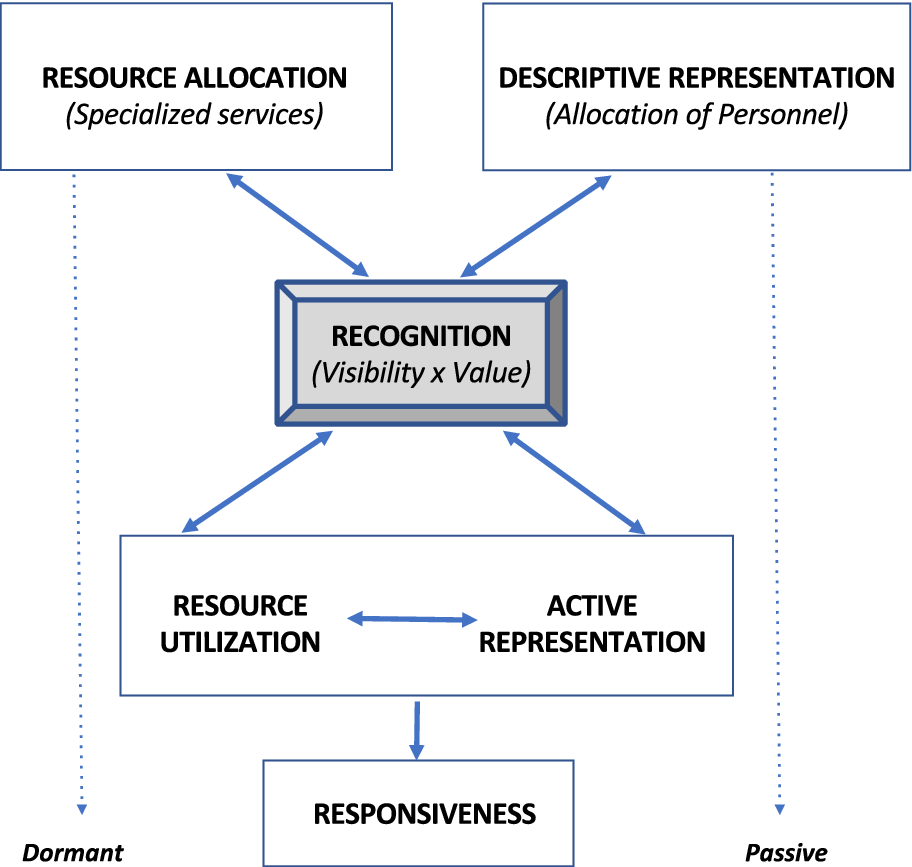
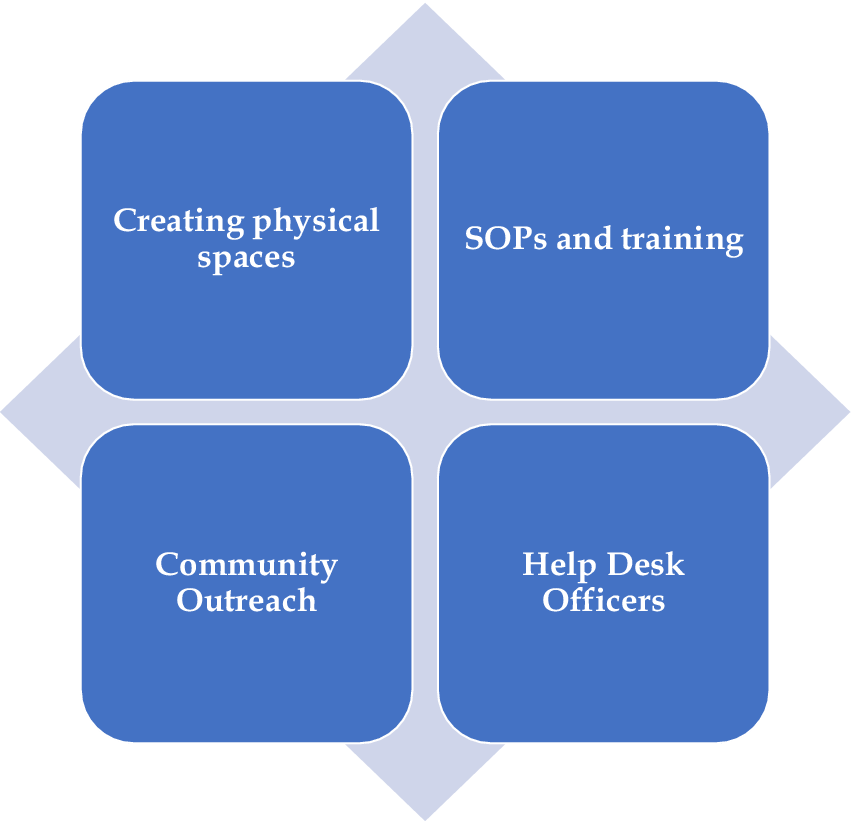


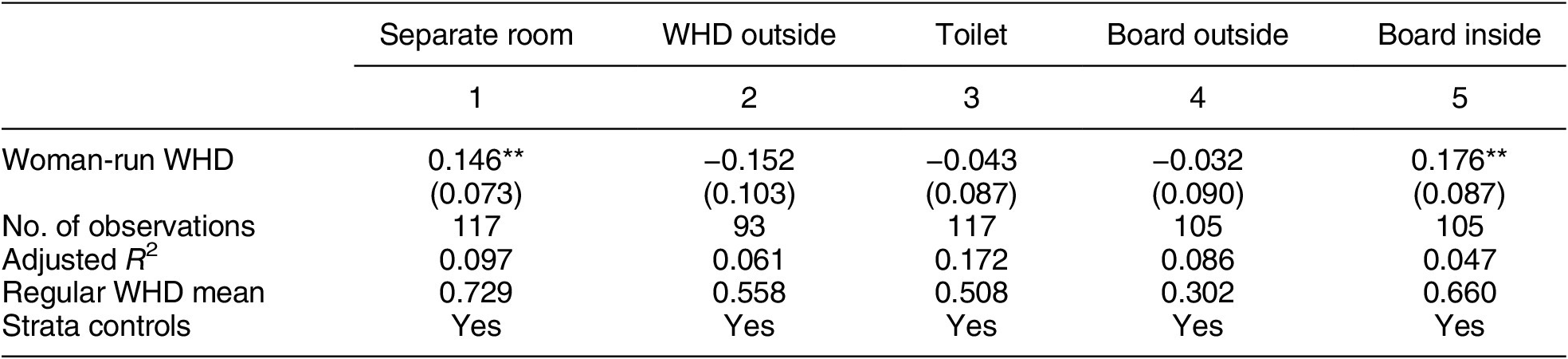

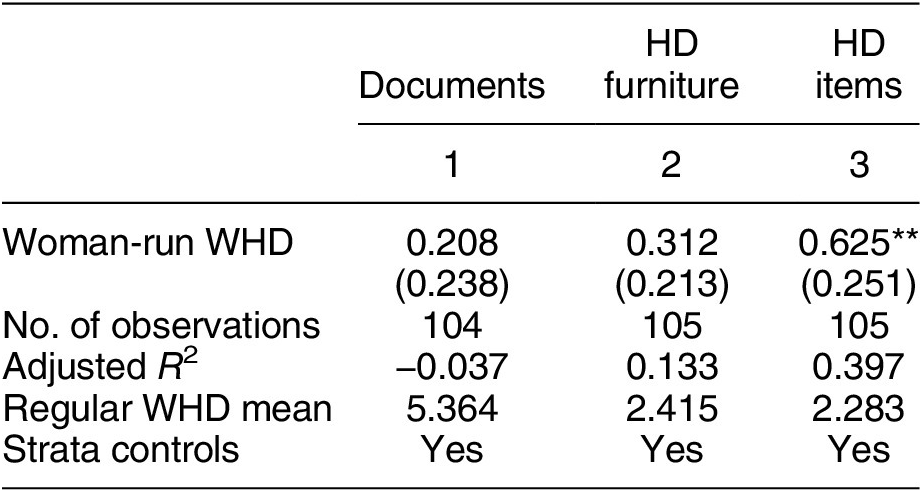
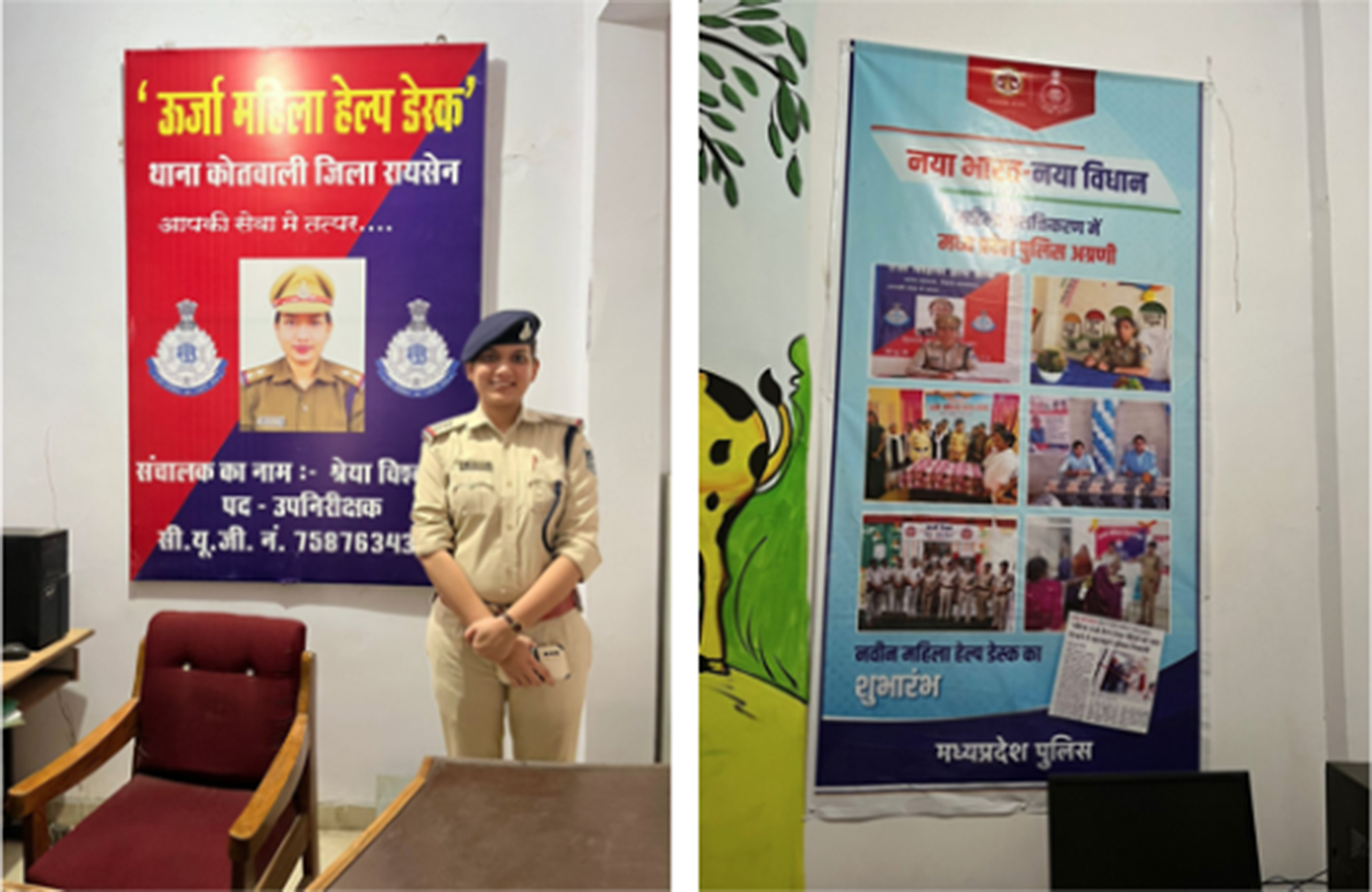


 Open access


Comments
No Comments have been published for this article.