

The late nineteenth to early twentieth century in the United States was a time of profound social transformations, marked by the emergence of the working class, the abolition of slavery, and substantial waves of immigration (Orser Reference Orser2011; Susman Reference Susman2003). Although laborers contributed to the nation's growth during late nineteenth-century industrialization, racialized groups continued to face discrimination and sometimes violence from dominant society. In this environment, marginalized communities employed various means of food acquisition and consumption to build community, negotiate identity, and navigate racism (Mintz Reference Mintz1996; Mullins Reference Mullins1999; Sunseri Reference Sunseri2015). Black Americans in Annapolis, Maryland, for example, developed different strategies to participate in the food consumer marketplace while also setting themselves apart from it. Some chose to opt out of the mainstream marketplace and established their own meat acquisition methods, such as raising poultry and fishing, to evade potentially racist vendors and establish their own economic networks (Warner Reference Warner1998). Meanwhile, Irish immigrants in New York forged a new Irish American identity by embracing new types of meat foods and American-style patterns of tableware and serving forms. Through these practices, they sought to shed the stigma of being perceived as the foreign “other” while expressing their desire for assimilation into mainstream American society (Brighton Reference Brighton2005, Reference Brighton2011).
Amid these broader social and cultural transformations, Chinese diaspora communities in California faced similar challenges. Between the late nineteenth and early twentieth century, approximately 400,000 people from China migrated to the United States. As they settled in urban enclaves such as Chinatowns or in rural areas working as miners, agricultural laborers, and railroad workers, they encountered virulent racism, discriminatory attitudes, and violence at times (Chang Reference Chang2019; Hsu Reference Hsu2000; Sunseri Reference Sunseri2020a). White working-class laborers saw Chinese migrants as a threat to their livelihoods, portraying them as economic competitors. Anti-Chinese sentiment became so widespread that it culminated in the passage of the Chinese Exclusion Act of 1882 (https://www.archives.gov/milestone-documents/chinese-exclusion-act#:~:text=This%20act%20provided%20an%20absolute,good%20order%20of%20certain%20localities), which significantly curtailed Chinese immigration because the law barred Chinese laborers from entering the United States (Lee Reference Lee2003). The Chinese Exclusion Act was continually renewed over the next six decades and would not be repealed until 1943; it was a period of time that many scholars refer to as the Chinese Exclusion Era.
This article explores how early Chinese migrants living in urban ethnic enclaves resisted structural racism during the Chinese Exclusion Era by investigating their strategies for food production. More specifically, we examine pig-raising practices and pork distribution in Los Angeles Chinatown by collecting firsthand accounts of Chinese butchers and by analyzing microfossils on pig teeth from archaeological deposits. Through the lens of production rather than consumption, we aim to shed light on strategies of resilience to various forms of structural racism faced by Chinese migrants. Our analyses reveal the establishment of wholly Chinese-owned and operated pork supply networks—from pig raising to butchering—that developed during a time when Chinese laborers were excluded from immigrating to the United States and pork sold by Chinese butchers was regularly portrayed as inferior.
Food Production, Racism, and Resilience
Historical and archaeological research indicates that Chinese migrants living in urban areas procured and consumed fresh meat, vegetables, and preserved foods imported from China. However, these practices were carried out under structural racism, which imposed discriminatory laws and restrictions on Chinese communities. For instance, the passage of the 1892 Geary Act (https://immigrationhistory.org/item/geary-act/) not only renewed the Chinese Exclusion Act but mandated Chinese migrants to register their legal status to remain in the United States, with the failure to possess the required certificate of registration resulting in deportation. Chinese merchants engaging in labor-related activities could also face deportation, as exemplified by the arrests of Riverside Chinatown merchants Wong Fong and Wong Hong in 1895 for driving vegetable wagons to their farms (Lawton Reference Lawton and Foundation1987). Over time, Chinese migrants became adept at negotiating local, state, and federal laws that were anti-Chinese. In the 1880s, a series of laws was enacted to prohibit Chinese individuals from commercial fishing in California, due to the fact that fishermen of other ethnic backgrounds sought to eliminate competition (Armentrout-Ma Reference Armentrout-Ma1981). Despite these challenges, Chinese merchants in San Francisco persisted in the fishing industry by securing a key role in salt fish trade, which involved procuring fish from California coasts via Chinese labor, salting it, and distributing it to overseas and urban Chinese communities such as the Market Street Chinatown in San Jose (Kennedy Reference Kennedy2017). The California Alien Land Law in 1913 (https://immigrationhistory.org/item/alien-land-laws-in-california-1913-1920/) prohibited Chinese from owning property, yet Chinese farmers adapted by forming companies to hold land deeds or purchasing land under the names of their American-born children (Fong Reference Fong2013:66–67). Amid boycott campaigns targeting Chinese vegetables, Chinese farmers in Riverside thrived by providing home delivery services to White residents who had chosen to plant fruit orchards rather than cultivate their own crops (Lawton Reference Lawton and Foundation1987). These strategies enabled the survival of Chinese migrants and the establishment of successful vegetable farms across California.
Although previous studies have explored diverse resilience strategies to structural racism among Chinese migrants, the area of pork production remains underexplored. Pork held significant importance in the culinary practices of Chinese diaspora communities, serving as the primary meat staple. Archaeological investigations have frequently examined pork consumption in Chinatown excavations (e.g., Chang Reference Chang2018; Greenwood Reference Greenwood1996; Gust Reference Gust and Wegars1993; Kennedy Reference Kennedy2016; Langenwalter Reference Langenwalter1987), but studies specifically focusing on pig husbandry and pork-meat distribution have been relatively scarce. Important research questions remain: How did Chinese migrants obtain and distribute pork for consumption while navigating structural racism during the Chinese Exclusion Era? Did Chinese migrants primarily rely on Anglo-American meat markets for pork, or did they raise their own pigs? This study seeks to address these questions by focusing on Los Angeles Chinatown, an urban community that thrived during the late nineteenth and early twentieth centuries. By examining how Chinese migrants obtained and distributed pork, our research aims to illuminate the labor and networks involved in pork economy within an environment that was vehemently anti-Chinese and, in particular, anti-Chinese labor.
Previous studies have primarily relied on two methods to examine the pork economy in Chinese diaspora communities. The first method involves analyzing butchery marks to differentiate between Chinese- and European-style butchering based on tool marks and bone fragmentation. Butchery mark analyses from urban Chinese diaspora sites demonstrate a predominance of shears on pork bones, suggesting that pork was likely sourced from Chinese butchers (e.g., Kennedy Reference Kennedy2016; Praetzellis and Praetzellis Reference Praetzellis and Praetzellis1982). However, identifying the butchers’ ethnicity could be complex due to the variation and overlap in the marks made by different tools, and this method does not reveal the origins of pork products. The second method relies on historical newspapers and articles. Some of these documents report instances of complaints about pig raising in Chinese communities, which were often viewed by Anglo-Americans as health hazards (e.g., Daily Alta California 1887a). It is unclear, however, whether these complaints reflect a widely adopted practice in Chinese urban residence sites or were invented. Despite these previous studies, little work has been done to investigate the sourcing and distribution of pork in Chinese diaspora communities (but see Kennedy and Guiry Reference Kennedy and Guiry2022).
This study offers an alternative and previously unexplored approach to investigating the origins of pork products consumed at Chinese diaspora sites. First, we conducted a microfossil analysis of pig dental calculus from a sample of pig teeth in the Los Angeles Chinatown faunal assemblage to trace the sourcing of these animals. Dental calculus is mineralized dental plaque that forms on teeth through a complex interaction between food, saliva, and bacteria, providing valuable insights into dietary patterns (Henry and Piperno Reference Henry and Piperno2008; Marcotte and Lavoie Reference Marcotte and Lavoie1998; Nava et al. Reference Nava, Fiorin, Zupancich, Carra, Ottoni, Carlo and Vozza2021). By examining plant microfossils such as phytoliths and starch in these dental deposits, we can identify specific plants that were consumed, and we can potentially determine the sources of pork. Historical records point to two ways of sourcing pork in nineteenth- and early twentieth-century California. The first is linked to the industrial meat trade and major livestock centers in the Midwest, characterized by reduced dietary variability and standardized feeding protocols focused on maize (Kennedy and Guiry Reference Kennedy and Guiry2022; Pacific Rural Press 1917). The second involves smaller-scale, local pig-husbandry practices largely relying on mixed food sources such as human food waste and locally grown feed such as barley, alfalfa, sweet potatoes, and other crops (Madera Mercury 1915; Pacific Rural Press 1875; Press Democrat 1917). These diverse feeding strategies would result in different microfossil assemblages in dental calculus, allowing us to approximate pork sources.
In addition, we investigated Chinese Exclusion Act case files and census records to reconstruct the lived experiences of Los Angeles Chinatown residents who participated in the Chinatown pork economy. The case files contain information regarding the immigration and legal status of Chinese immigrants, transcripts of interrogations, testimonies from Chinese and white witnesses, and identification photographs. These records, evaluated against other lines of evidence, are a resource for illuminating the lived experiences of Chinese immigrants in the United States during the Chinese Exclusion Era.
Historical and Archaeological Background of Los Angeles Chinatown
By 1880, a discernable Chinese ethnic enclave known as Chinatown appeared on Calle de Negros Street, south of the Los Angeles Plaza (Figure 1; Greenwood Reference Greenwood1996). The community, made up of male laborers and some families, steadily grew during the decade, with residents moving into vacant adobes surrounding the plaza. By the late 1880s, most of the growing Chinese community had settled in a new tract to the east of the plaza, which was centered on two east–west streets: Apablasa Street and Marchessault Street. This new Chinatown area was home to a host of Chinese-owned businesses, including stores, laundries, herbalists, and vegetable peddler operations. The Chinese population was anywhere between 5,000 and 15,000 based on different historical sources, and a Los Angeles Times article from 1933 noted that it had reached its peak at the turn of the twentieth century before beginning a gradual decline (Greenwood Reference Greenwood1996:37). The decline was attributable to several factors, including the success of the Chinese Exclusion Act and the city's purposeful neglect of the area, with little to no municipal services being provided to the densely populated neighborhood due to its private property status (Greenwood Reference Greenwood1996:18). The city's housing codes were intentionally unenforced, which resulted in unsanitary conditions, and these were later cited as a pretext for the city to raze Chinatown. In 1934, most of the new tract of Chinatown was destroyed to make way for the construction of Union Station, a new railroad passenger terminal. In response to this destruction, Chinese business leaders established another Chinese community approximately a mile away from the original location in 1938, which they called New Chinatown.
Sanborn Fire Insurance map of Los Angeles Chinatown, 1888. (Photo courtesy of Sanborn Digital Maps.)

It was not until the late 1980s that a team of cultural resource management archaeologists, led by Roberta Greenwood, excavated a portion of the Los Angeles Chinatown site during the construction of the Los Angeles Metro Rail at Union Station, revealing remnants of the Old Chinatown that had been hidden for decades. The excavation focused on a portion of Apablasa Street and uncovered thousands of artifacts that included ceramics, glass, metal, and plant and animal remains (Greenwood Reference Greenwood1996). A total of 59 cultural features from four loci were excavated, with each locus representing a specific excavation zone. The project successfully relocated deposits, structures, and roads that were previously considered destroyed. This allowed for the correlation of many features with specific addresses and functions, providing valuable data for interpreting the way of life in a limited section of the Los Angeles Chinatown. Some features, such as portions of a vegetable peddler wagon shed, were correlated with historic Sanborn fire-insurance maps. The sheer number of features present in every area accessible to excavation is a testament to the density of occupation, indicating that numerous other features remain present on the Union Station property.
The excavation revealed a significant number of faunal remains, with a sample of 6,964 bones from Features 2, 2B, and 3 analyzed at the Zooarchaeology Laboratory at the University of California, Los Angeles (Greenwood Reference Greenwood1996:127–129; Sandefur Reference Sandefur1990). The analysis indicated that pork was the most preferred meat of the Chinatown residents, with occasional consumption of food such as beef and local wild fauna. Among the identified animal species, pig bones show the highest number of identified specimens (NISP) and minimum number of individuals (MNI). Most of the pig bones belonged to juvenile animals aged between one and two and a half years, which were frequently cleavered into 2.5–7.6 cm (1–3-inch) lengths using Chinese butchering techniques, suitable for being picked up with chopsticks. All parts of the pig were present in the faunal assemblage, suggesting on-site butchering. The collection of pig remains, however, showed a noticeable underrepresentation of meatier parts such as femurs (Sandefur Reference Sandefur1990:17). This suggests that residents consumed less-expensive pork cuts from the pig they raised and probably sold more profitable parts to customers outside Chinatown for additional income. The strategy closely resembles that of low-income African American and immigrant families in the early nineteenth-century New York, who also relied on pig husbandry for sustenance because they sold the meat to butchers and the offal, fat, and bones to local manufacturers who created marketable products from those parts of the pig (McNeur Reference McNeur2014). Peabody's (Reference Peabody1871) descriptions of San Francisco Chinatown provision shops in the late nineteenth century further highlight the resourcefulness of Chinese migrants in their ability to maximize pigs for profit. He notes that “every part of the swine, even the coagulated blood is utilized” (Peabody Reference Peabody1871:661).
Pig Dental Calculus Analysis: Rice-Fed Pigs from Chinatown
To explore the sourcing of the Chinatown pork, we analyzed 12 faunal specimens, which included teeth from 10 pigs and two rib bones (Figure 2; Table 1). The two pig rib bones were included for analysis because they were recovered from the same depositional environment and curated together with the tooth samples. Consequently, they can serve as control samples to detect potential contamination from postdepositional and curation processes. These faunal remains are curated at the San Bernardino County Museum, a federally recognized archaeological repository in Redlands, California, and were recovered from two distinct features in the Chinatown area: Feature 18 and Feature 21 in Locus 2. These two features are trash deposits that are likely associated with a wagon shed and vegetable peddlers’ shed that were erected sometime between 1900 and 1925 based on the date ranges of diagnostic artifacts and an analysis of historic maps (Greenwood Reference Greenwood1996:54–55). It is likely that there are pig teeth in other features, but Features 18 and 21 were randomly selected for this study. Feature 18 was a trash pit estimated to be 102 cm in diameter and 57 cm in depth, with vertical walls, which indicated that it was specifically dug for refuse. This pit contained various Chinese artifacts, including fragments of bottle glass, Chinese porcelain and stoneware, amorphous metal, and a metal pipe (Greenwood Reference Greenwood1996:51). Our analysis included three pig jaws and one rib bone from this feature. Seven pig jaws and one rib bone were recovered from Feature 21, a dense deposit of refuse under Feature 17A, which was a compact trash scatter resulting from the demolition of Los Angeles Chinatown. Feature 21 was a trash pit that had sloping walls and no internal stratigraphy, indicating opportunistic use for a short period (Greenwood Reference Greenwood1996:52). Among notable artifacts from Feature 21 were ink bottles, gaming pieces, and several medicine bottles.
A selection of faunal samples analyzed in this study: (a–e) pig jaw specimens; (f) a rib bone (control sample 1). (Color online)

Microfossils from Dental Calculus and Control Samples.

For the extraction of microfossils and control samples, we used a method involving sonication, EDTA decalcification, and heavy liquid separation. Acidic chemical treatments, which could potentially damage microfossils (Piperno Reference Piperno2006:100), were not used in the process. Before sampling, each animal specimen was rinsed with distilled water to eliminate surface contaminants. Dental calculus samples were then collected from each specimen, placed in a sterile centrifuge tube filled with distilled water, and then sonicated in an ultrasonic bath for six minutes. This process disrupted the calculus structure and facilitated the release of microfossils (Radini et al. Reference Radini, Tromp, Beach, Tong, Speller, McCormick and Dudgeon2019). After sonication, microfossils were extracted using 0.5M EDTA (Tromp et al. Reference Tromp, Buckley, Geber and Matisoo-Smith2017), followed by sodium polytungstate separation at a density of 2.35 g/ml. Control samples were obtained by sonicating the rib bones and following the same microfossil extraction procedure.
Our analysis revealed two types of microfossils: phytolith and parasite egg (Figure 3). The phytolith assemblage primarily consisted of morphotypes derived from grasses, which can be identified to different taxonomic levels. The most abundant and ubiquitous phytolith types are from rice, including double peak (rice husk), Oryza-type bulliform (rice leaf), and parallel scooped bilobate (rice leaf), which are present in seven of the 10 pig specimens. Another notable type is articulated elongate dendriform, observed in two pig specimens. Dendriforms are produced in the epidermal long cells of the inflorescence bracts of various grass taxa, including several economically important crops such as wheat, barley, oats, and rye (Ball et al. Reference Ball, Vrydaghs, Mercer, Pearce, Snyder, Lisztes-Szabó and Pető2017). Additionally, interdigitating type phytoliths typical of Paniceae grass husk were identified in two samples. Of note is that none of the samples contain typical rondel phytoliths from maize, a common animal feed in Midwest industrial pig-husbandry practices.
Microfossils recovered from dental calculus of pigs from Los Angeles Chinatown: (a) double peak (rice husk); (b) Oryza-type bulliform (rice leaf); (c) parallel scooped bilobate (cf. rice leaf); (d and e) dendriform elongate (cf. Triticeae grass husk); (f) epidermal sheet with stoma (grass leaf); (g) interdigitating type (Paniceae grass husk); (h) parasite egg (Ascaris, unfertilized); (i) parasite egg (Ascaris, embryonated). (Color online)

Overall, the phytolith assemblage suggests a significant reliance on rice-based foods. Among the three types of rice phytolith recovered, double-peak phytolith from rice husk accounts for the highest ubiquityFootnote 1 and quantity (ubiquity = 60%, N = 85), followed by bulliform (ubiquity = 30%, N = 11) and parallel scooped bilobate (ubiquity = 20%, N = 11)—both from rice leaf. This indicates the inclusion of both rice husks and straws in the pigs’ diet, with rice husks being the relatively predominant food source. It is unclear whether the pig feed includes whole grains, given that no rice starch granules have been recovered. The absence of starch granules might be attributed to certain Cantonese culinary practices, which involve roasting pig heads for communal feasting events for special occasions or ceremonies (Greenwood Reference Greenwood1996:32). The high temperature during roasting could have caused the degradation of starch granules.
Another noteworthy finding was the recovery of Ascaris eggs—a type of parasitic roundworm—from three pigs. The parasite lives in the intestine and lays eggs that are then released in the feces of infected humans and animals. These eggs can survive in soil for several months. The finding of Ascaris eggs from the pig teeth could be attributed to the animal's consumption of feces or of soil that contained eggs (see Discussion section).
The quantity of phytoliths in the control samples was much lower than that of the calculus samples, with only one phytolith recovered from the two control samples (0.5/sample) compared to 19 phytoliths per sample in the calculus samples. This suggests that the calculus samples were unlikely to have been contaminated by postdepositional or curation activities.
Evidence from the Documentary Record: Butcher Shops and Pig Ranches
Immigration records, business directories, and previous archival research conducted by Greenwood (Reference Greenwood1996) reveal that Los Angeles Chinatown was home to at least four Chinese-owned butcher shops. One Chinese butcher shop was the Ong Quong Yee on 802 Alameda Street, owned by Way Lee in the mid-1890s (National Archives and Records Administration–Pacific Region (Riverside) [NARA–PR], Records of the US Immigration and Naturalization Service [INS], Record Group 85; Chinese Exclusion Act Case Files [CEACF], 1892–1944; Los Angeles District Office; Loo Yok interview, File 145, 1896; Perris, California); another was the Quong Yee Lung Chinese grocery and butcher shop on 761½ Alameda Street, owned by Loui Low in the mid-1890s and listed in the 1913 edition of the International Chinese Business Directory of the World ([NARA–PR][INS][CEACF] Loui Tip interview, File 338, 1897; Wong Reference Wong1913); there was an unnamed butcher shop owned by Wong On, located on 427 North Los Angeles Street, that was in operation by at least 1896 ([NARA–PR][INS][CEACF] Wong On interview, Wong Fung, File 116, 1896); and there was the Sam Sing & Company butcher shop, a store that dated back to at least 1890 and was located on 418 North Los Angeles Street by 1899 ([NARA–PR][INS][CEACF] Wong Done interview, Wong Ton, File 668, 1899). Of these, the Sam Sing & Company butcher shop has the most extensive historical documentation.
The Sam Sing butcher shop was first located in Los Angeles Old Chinatown and was already firmly established by 1890. Between the 1890s and 1930s, it had several addresses but was always located on the 400 block of North Los Angeles Street (Figure 4). The shop was operated by people with the surname Wong, and one of the butchers was named Wong Done, who was from the Gom Benn village cluster in Toisan County, Gwongdung Province, China (Figure 5; [NARA–PR][INS][CEACF] Wong Done interview, File 3905, 1910). The butcher shop would continue to be operated by people from Gom Benn through the late twentieth century, although it would eventually move to Spring Street below New Chinatown (Wong Reference Wong1980).
The Sam Sing Butcher Shop (lower-right storefront with white banner) on North Los Angeles Street in Old Chinatown, circa 1900. (Photo courtesy of the Security Pacific National Bank Collection/Los Angeles Public Library.)

Photo of Sam Sing butcher Wong Done in 1910 from his Chinese Exclusion Act case file. (Photo courtesy of the National Archives.)

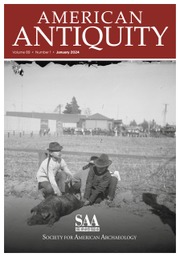
The immigration files provide additional information regarding Chinese butcher business practices and pig processing in Los Angeles Chinatown. Wong Coon, also known as Wong Bing Sai, worked in the Sam Sing butcher shop for at least three decades starting in 1902 (Certificate of Admission of Alien 1946; [NARA–PR][INS][CEACF] Wong Coon interview, Wong Done, File 3905, 1910). He noted in a 1902 immigration interview for his employee Wong Done that three partners were active in the store, whereas the fourth worked primarily at the slaughterhouse. Specifically, he mentioned that Wong Done was the person who “slaughters the hogs at the ranch for our store” ([NARA–PR][INS][CEACF] Wong Coon interview, Wong Done, File 1210, 1902). Although the location of the ranch is unknown, a recently digitized photograph from a collection of photos taken in Los Angeles Chinatown around the turn of the twentieth century provides further evidence of pig raising and pig slaughtering in or near Chinatown. The photo shows three Chinese men holding down a pig by its back legs (Figure 6). It is possible that other Chinatown butchers purchased their pigs from Sam Sing's pig ranch, or that the ranch was a cooperative between different butcher shops. This is supported by a statement made in 1896 by Wong On, who owned a butcher shop on the same street as the Sam Sing butcher shop. An English transcription of Wong On's interview in Chinese noted that he “killed hogs and retailed the meat” and that he carried some beef in his shop, but “not much” because “ChinamenFootnote 2 like hog meat best” ([NARA–PR][INS][CEACF] Wong On interview, Wong Fung, File 116, 1896).
Chinese men holding a pig down in a fenced area in or near Los Angeles Chinatown, circa 1881–1910. (Photo courtesy of the Lisa See Collection/Huntington Digital Library.)

In late nineteenth- and early twentieth-century California, ranches and farms were commercial ventures that involved the raising of livestock or crops for sale rather than self-sufficiency (Fogelson Reference Fogelson1993). Although farms typically comprised land that was originally a part of large ranches, the term “ranch” and “farm” appear to have been used interchangeably without regard to acreage. Hog ranches advertised for sale in Los Angeles newspapers during this time period could range from 7.7 ha to over a hundred. Although the size of Chinese pig ranches is unknown, Chinese butcher shops with their own livestock had a stock of pigs that fluctuated; for example, butcher Loui Low told immigration officers, “Sometimes I have fifty hogs and sometimes twenty” ([NARA–PR][INS][CEACF] Loui Low interview, Li Seed, File 47, 1896). The Chinese pig ranches mentioned in the historical record were likely small scale.
The historical record also reveals that stores such as Chinese-owned butcher shops provided important social and financial services to Chinese migrants during the Chinese Exclusion Era. For example, the Sam Sing butcher shop assisted Chinese immigrants, especially those with the surname Wong, living in Los Angeles and as far inland as Riverside, California. Wong Chet (also spelled Wong Chit), the store's manager in 1895, was formerly a merchant in Riverside, and he provided testimony verifying the identities of several Chinese migrants seeking to obtain return certificates to ensure that they could enter the United States after visiting China ([NARA–PR][INS][CEACF] Wong Chit interview, Wong Jong, File 41, 1895). One of these migrants was Wong Yee, a vegetable farmer in Riverside who kept his money at the Sam Sing store, which indicates that the butcher shop provided some banking services ([NARA–PR][INS][CEACF] Wong Yee interview, Wong Yee, File 213, 1897). Like most Chinese businesses, employees lived in the stores in which they were employed, and the 1900 census listed Sam Sing butchers Wong Nuen and Wong Done as residents at their place of employment (United States Census 1900). Two additional people on that census, Wong Tue and Wong Chew, were recorded as lodgers at the same address, an indication that the Sam Sing butcher shop also served as a boarding house. Indeed, farmer Wong Tue of Los Angeles testified to immigration officials that he lived at the Sam Sing store and paid $1.25 a week for meals and a bed ([NARA–PR][INS][CEACF] Wong Tue interview, Wong Tue, File 859, 1900). These examples show how reliant Chinese migrants were on Chinese-owned stores for surviving in a society that was vehemently anti-Chinese.
Overall, the historical record has revealed that Chinese butcher shops provided not only a source of meat for Los Angeles Chinatown residents but also economic opportunities that helped them navigate a racially discriminatory environment. Butcher stores employed laborers who worked for the meat shop, and they allowed for multiple Chinese migrants to become partners in the business, which gave partners merchant status so that they were exempted from the Chinese Exclusion Act. In addition, some Chinese butcher shops such as Sam Sing provided room and board for a fee, financial services, and testimony from employees on behalf of friends and clansmen. Historical documents also indicate a close connection between Chinese-operated butcher shops and pig raising, given that there is evidence that some butchers had their own hog ranches where they kept a stock of pigs and had employees slaughter them.
Discussion
During the latter half of the nineteenth century, the completion of the Transcontinental Railroad and the rapid industrialization of the meat industry led to the development of refrigerated rail cars, which facilitated the expansion of meat products to distant locations. These developments opened new markets for Midwest livestock and maize producers in the American West. The large Midwest meatpacking company Cudahy also looked westward and established a meatpacking plant in Los Angeles at the end of the nineteenth century. Despite these changes, Chinese migrants in Los Angeles appear to have continued to engage in small-scale, local pig husbandry. Our analyses of pig dental calculus, archaeological data, and immigration files suggest the existence of a self-reliant network of pork supply and distribution among Los Angeles Chinatown residents. This network may serve as a microcosm of the larger Chinese pork economy among Chinese communities in the area.
The phytolith assemblage indicates that the pigs in Los Angeles Chinatown mainly relied on rice, with minor contributions from Triticeae and Paniceae plants that potentially included wheat, barley, and other locally available grasses. This result is in line with stable isotope data of pigs in northern California, which indicates that locally raised pigs primarily consumed C3 foods (Kennedy and Guiry Reference Kennedy and Guiry2022). Among the main economic crops in North America, maize is classified as a C4 plant, whereas rice, wheat, barley, alfalfa, and sweet potatoes belong to the C3 category. In the temperate areas of the American West, C4 plants are uncommon and floras are C3 dominated (Olmstead and Rhode Reference Olmstead and Rhode2017). Consequently, pigs with a C3-rich diet were most likely raised locally in California rather than from major livestock centers in the Midwest, where maize was the main source of feed.
The discovery of rice husk phytoliths from pig teeth strongly suggests that the pigs analyzed in this study were raised by Chinese migrant communities rather than sourced from other local ethnic groups. Late nineteenth-century newspaper reports reveal that American hog farmers in California predominately relied on barley and alfalfa for feeding, with occasional supplements such as skim milk and Indian corn (e.g., Pacific Rural Press 1875, 1887). Our phytolith data, however, indicate that the Chinatown pigs were fed with predominantly rice, with a smaller proportion of other grasses, such as wheat and barley. This pig-rearing method aligns with historical accounts from early twentieth-century China. These accounts describe how farmers combined bran from rice and wheat husks, a by-product of crop milling, with table scraps and water to create a swill for pig feed (Shaw Reference Shaw1938). The practice of using rice bran as pig feed has been especially widespread in the rice-growing regions of southern China, the homeland of early Chinese diaspora communities, where rice farming flourished. Rice was first domesticated in the Yangtze River Valley and became a staple food around 5000 BP, and for thousands of years, rice by-products have been used as pig feed for small-scale pig-raising households and farms (Dong and Yuan Reference Dong and Yuan2020; Geng and Jie Reference Geng and Jie2022; Wang et al. Reference Wang, Liu and Qin2023). The Chinese term for rice bran, “米糠” (maihong in Cantonese), also frequently appears in historical literature related to pig husbandry practices (Geng and Jie Reference Geng and Jie2022).
The presence of rice-leaf phytoliths also suggests the existence of a larger Chinese business network in California, possibly involving the local cultivation and transportation of rice plants. The scalloped bulliform phytoliths recovered from pig teeth are produced exclusively by rice leaves (Huan et al. Reference Huan, Lu, Wang, Tang, Zuo, Ge and He2015), indicating the presence of rice plants in the region. Historical newspaper reports from the early twentieth century indicate that Chinese individuals owned and operated several successful rice fields in the Sacramento Valley and nearby areas (e.g., Sacramento Daily Union 1914; San Luis Obispo Tribune 1912). By-products from these fields, such as rice leaves and husks, were likely sold to pig ranchers and Chinatown residents as animal feed. Although it remains unknown whether there were rice farms in the Los Angeles region, the presence of rice-leaf phytolith lends further support that the pigs were raised locally by Chinese migrants.
Additional archaeological data and information from immigration files suggest that the pigs in Los Angeles Chinatown likely came from two sources: Chinatown resident themselves and Chinese pig ranches in or near Chinatown. The architecture and use of space in Los Angeles Chinatown was conducive to animal husbandry, with available space at the rear of dwellings that could have been used to raise vegetables, pigs, and chickens (Greenwood Reference Greenwood1996:141). This type of pig husbandry has historical roots in China, where pig pens were commonly attached to human toilets, and pigs were raised on kitchen scraps and human feces (Figure 7; Liu and Jones Reference Liu, Jones, Boyle, Rabett and Hunt2014; Nemeth Reference Nemeth and Nelson1998). Pigs could also feed on crop by-products in fields and gardens, such as leaves, vines, and husks, making small-scale intensive pig husbandry a residential form optimized for households (Itahashi Reference Itahashi2022). It is possible that this type of arrangement was present in Los Angeles Chinatown, where residents raised their own pigs for consumption or sale to butcher shops.
Han Dynasty ceramic model showing pig near a privy, probably fed with household food waste. (Photo courtesy of Jiajing Wang.) (Color online)

Besides raising pigs in their backyards, Chinese migrants might have been incentivized to operate their own pig ranches to sell some of their livestock to Cudahy, a large Midwestern meatpacking company that opened a plant in Los Angeles in 1893 on 803 E. Macy Street, less than a mile from Chinatown. Newspaper advertisements reveal that Cudahy requested that local pig farmers from Los Angeles and Orange Counties sell their pigs to the meatpacking plant; the plant sought to slaughter 500 pigs each day, but they complained that only 200–300 were being brought to them daily (Spitzzeri Reference Spitzzeri2020). Cudahy did not likely compete directly with local Chinese butcher shops who were selling fresh pork meat to consumers, whereas the meatpacking plant was focused on making lard and cured pork products such as ham, bacon, sausages, and tang, a product similar to Spam. Reports in regional newspapers have also mentioned the presence of “Chinese hog ranchers” in the city of Los Angeles, indicating that pigs raised in these ranches may have supplied residents beyond the Chinatown area (e.g., Los Angeles Herald 1888).
The discovery of parasite eggs in three pigs suggests that these pigs had ingested feces or soils containing Ascaris eggs, which could eventually lead to the development of parasitic worms within a pig's parenteral tissues (Dold and Holland Reference Dold and Holland2011). Ascaris is among the most prevalent human and pig parasites across various historical times (Miller et al. Reference Miller, Colby, Manning, Hoenig, McEvoy, Montgomery and Mathison2015), and early twentieth-century California newspapers frequently disseminated information on preventative measures and remedies for assisting farmers in the maintenance of their pigs’ health (e.g., Pacific Rural Press 1910, 1920). Given the presence of unfertilized eggs (e.g., Figure 3h), the exact status of infection in the pigs in our study remains uncertain, but it is noteworthy that Ascaris infection was a common issue in twentieth-century California, causing considerable economic loss annually, regardless of hog owners’ ethnic backgrounds (Campbell Press 1930; Corsair 1933).
Chinese entrepreneurship in the pork business faced significant challenges due to anti-Chinese sentiment, despite the long-standing practice of Chinese pig husbandry and culinary preferences. Beginning in the 1880s, unionized white butchers orchestrated multiple public events aimed at “taking the pork trade out of the hands of Chinese” (Daily Alta California 1886). They boycotted anyone who patronized Chinese dealers, discharged Chinese butchers from pork packing firms, and spread unvalidated claims that Chinese-raised pork was of the poorest quality (Daily Alta California 1887a, 1887b). For example, white butchers openly promoted the notion that “Chinese-grade meat ” was inferior to the American-style “corn-fed pork,” although such claims largely lacked concrete evidence (Sacramento Daily Union 1894). These anti-Chinese pork movements presented significant obstacles for Chinese migrants seeking access to the pork business, leading to a decline in the Chinese pork industry in some parts of California (San Francisco Call 1890). At the same time, some Anglo butchers may have refused to sell meat to Chinese customers due to widespread anti-Chinese racism and prejudice that pervaded the region (Sunseri Reference Sunseri, Rose and Kennedy2020b).
Despite these challenges, our study of Los Angeles Chinatown provides an example of Chinese migrants’ adaptability in establishing a self-reliant network of food acquisition and consumption. This network brought together Chinatown residents, pork butchers, ranchers, rice growers, and business dealers, providing Chinese migrants with the means to secure their own sources of fresh pork while also offering employment, housing, banking, and immigration assistance to their fellow community members. Moreover, this network may have helped Chinese migrants avoid confrontations with anti-Chinese vendors. By overcoming the obstacles presented by anti-Chinese sentiment through this network, Chinese migrants in Los Angeles exhibited their resilience and capacity to survive and thrive even in the face of racism.
Acknowledgments
We thank Paul Hoornbeek for proofreading our article, and Katheryn Twiss, Barbara Voss, and an anonymous reviewer for their constructive comments.
Funding Statement
This research was supported by funding from Faculty Research Grants from the Nelson A. Rockefeller Center at Dartmouth College (to Wang) and a Faculty Competitive Grant at Grinnell College (to Ng).
Data Availability Statement
The images of microfossils are curated at the Environmental Archaeology Lab at Dartmouth College and are in the possession of Jiajing Wang. These images can be examined upon request.
Competing Interests
The authors declare no competing interests.


 Open access

