



-
Understand the implementation of personalised medicine in general medicine and the implications for psychiatric clinical practice
-
Identify benefits and challenges in the implementation of personalised medicine to optimise outcomes to antipsychotic medication
-
Evaluate approaches to the use of personalised medicine in the treatment of schizophrenia
What is personalised medicine?
Personalised medicine has been defined as the ‘use of genetic or other biomarker information to improve the safety, effectiveness, and health outcomes of patients via more efficiently targeted risk stratification, prevention, and tailored medication and treatment management approaches’ (Reference Faulkner, Annemans and GarrisonFaulkner 2012).
It is a novel approach to therapeutic decision-making, which has particular relevance and potential in schizophrenia, given that individuals with the same diagnosis and receiving the same prescription have high variability in treatment response, leading to the switching of medications multiple times to achieve response.
Biomarkers are defined as characteristics which can be objectively measured and evaluated and used as an indicator of health, disease or pharmacological response to a therapeutic intervention (Biomarkers Definitions Working Group 2001). The ability of a biomarker to predict an individual's response or adverse effects to a particular therapy is central to the implementation of personalised medicine (Reference Weickert, Weickert and PillaiWeickert 2013). Biomarkers generally refer to genomic or proteomic variations, with neuroimaging, cognitive and psychological variations additionally relevant in schizophrenia. The use of such biomarkers to guide treatment choices can potentially reduce the clinical uncertainty associated with treatment decisions, leading to safer and more effective antipsychotic treatments, as well as increasing the speed of drug development through the focusing of trials on specific patient subsets. At present there are no specific biomarkers to guide the choice of antipsychotic treatment.
Personalised medicine across specialties
Personalised medicine has been practised in other fields of medicine for many decades (Table 1). For example, arthritis remains a clinical diagnosis, with symptoms and specific clinical signs used to make the diagnosis, but the presence or absence of rheumatoid factor (which is not a diagnostic test) is used to guide the choice of treatment (Reference Kapur, Phillips and InselKapur 2012). In other diseases, treatment response is used to guide subsequent treatment: for hepatitis C, the response at 12 weeks to interferon-alpha has a positive predictive value of 83% for predicting viral-free stages at week 24 of treatment and is used to determine which patients will continue with the treatment for a further 12 weeks (Reference Oquendo, McGrath and WeissmanOquendo 2014). Data from a recent prespecified pharmacogenetic testing study indicates that genetic polymorphisms in CYP2C9 and VKORC1 affect the pharmacological and safety outcomes of warfarin therapy. Specifically, CYP2C9 and VKORC1 genotyping could be used in patients to optimise the choice of treatment with warfarin, and to identify sensitive responders who will require a lower dose of warfarin to attain international normalised ratio (INR) levels within the therapeutic range and reduce the likelihood of over-anticogulation and overt bleeding (Reference Mega, Walker and RuffMega 2015).
Milestones in personalised medicine

It is in oncology that personalised medicine has had the most notable successes to date. In the best known example, the identification of the human epidermal growth factor receptor-2 (HER-2), which is overexpressed in approximately 20–30% of human breast cancers, allows for targeted treatment with the monoclonal antibody trastuzumab. HER-2-positive tumours make up around 20% of breast carcinomas and are generally more aggressive and carry a worse prognosis than HER-2-negative tumours, but the accurate testing for HER-2 positivity allows patients to benefit from the use of trastuzumab, with a reduction in metastatic disease and recurrence (Reference Moja, Tagliabue and BalduzziMoja 2012). Trastuzumab is effective for a subset of patients with breast carcinoma with HER-2-positive tumours, but is no better than standard therapy for those with HER-2-negative tumours. This use of a proteomic biomarker profile for the targeting therapeutic interventions was a major landmark in clinical therapeutics for the treatment of breast carcinoma. Such an approach offers hope for psychiatry, indicating that tests predictive of antipsychotic response could be used alongside existing DSM and ICD diagnostic classifications; although the underlying aetiology of the disorder may not be known, treatment stratification can still occur.
Genome-wide association studies (GWAS)
There has been some success for GWAS outside of psychiatry in validating important genetic variance, with CYP2C19*2 carriers treated with clopidogrel identified to be at higher risk for cardiovascular adverse events, particularly stent thrombosis, owing to a diminished platelet response to clopidogrel (Reference Sofi, Giusti and MarcucciSofi 2011). The utility of this finding has been demonstrated in a novel bedside genetic test which has been developed to identify carriers of the CYP2C19*2 allele using a buccal swab, helping to detect patients in whom clopidogrel should be avoided (Reference Roberts, Wells and Le MayRoberts 2012). This allows for the rapid identification of those who have a risk of being sub-optimally treated, thereby allowing a pharmacogenetic test to be used to guide antiplatelet treatment after percutaneous coronary intervention. This is a demonstration that ‘point of care’ genetic testing can be effectively performed at the bedside, potentially providing an important step towards the use of personalised medicine.
The case for personalised medicine in schizophrenia
Heterogeneity of clinical response to antipsychotics
The diagnostic classification of schizophrenia relies on the presence of specific symptoms and the course of the illness, without there being any diagnostically distinguishing molecular or genetic biomarkers to aid the diagnostic process. The phenotypical presentation of schizophrenia is highly heterogeneous, a characteristic that is reflected in the variability of response to antipsychotic medication in patients with the disorder. Approximately 50–70% of patients with a first episode of schizophrenia will respond to antipsychotic medication, with this response rate falling to 20% for those who require a second trial (Reference Agid, Arenovich and SajeevAgid 2011).
Although antipsychotics are the mainstay of treatment for schizophrenia, about a third of patients do not respond to them and are described as having treatment-resistant schizophrenia. Further, non-adherence to antipsychotic treatment is high and up to 75% of patients are not adhering to their antipsychotic medication regimen 2 years after discharge from hospital (Reference Leucht and HeresLeucht 2006). In large part this is due to intolerable adverse effects, leading to the discontinuation of antipsychotics.
The high cost of antipsychotic treatment failure
Antipsychotic treatment failure and intolerability comes with a high clinical and economic cost. The proportion of patients who recover from schizophrenia is far from impressive, with a recent systematic review estimating that only one in seven patients attain a functional recovery (Reference Jääskeläinen, Juola and HirvonenJääskeläinen 2013), and only 20–30% of people with schizophrenia have a complete remission of symptoms (Reference Fenton and McGlashanFenton 1991).
The cost of care for schizophrenia was estimated to be £6.7 billion in the UK alone in 2004–2005 (Reference Mangalore and KnappMangalore 2007), and the total societal cost in England is estimated at £11.8 billion per year, with a cost to the public sector of £7.2 billion (Reference Andrew, McCrone and ParsonageAndrew 2012). The cost of care for individuals with treatment-refractory schizophrenia is very high, with annual costs for patients with treatment-resistant schizophrenia being 3- to 11-fold higher than for patients with treatment-responsive schizophrenia (which are $15 500–$22 300 per annum in the USA) (Reference Kennedy, Altar and TaylorKennedy 2014). These findings reinforce the need to find better ways to predict antipsychotic treatment response and tolerability.
This heterogeneity in treatment response and tolerability in schizophrenia has led to emerging attempts to stratify the patient population by treatment response. In the rest of this review, we will focus on the general application of genomic and other biomarkers for the prediction of treatment response in schizophrenia and on obstacles to personalised medicine for the disorder.
Pharmacogenetics and antipsychotics
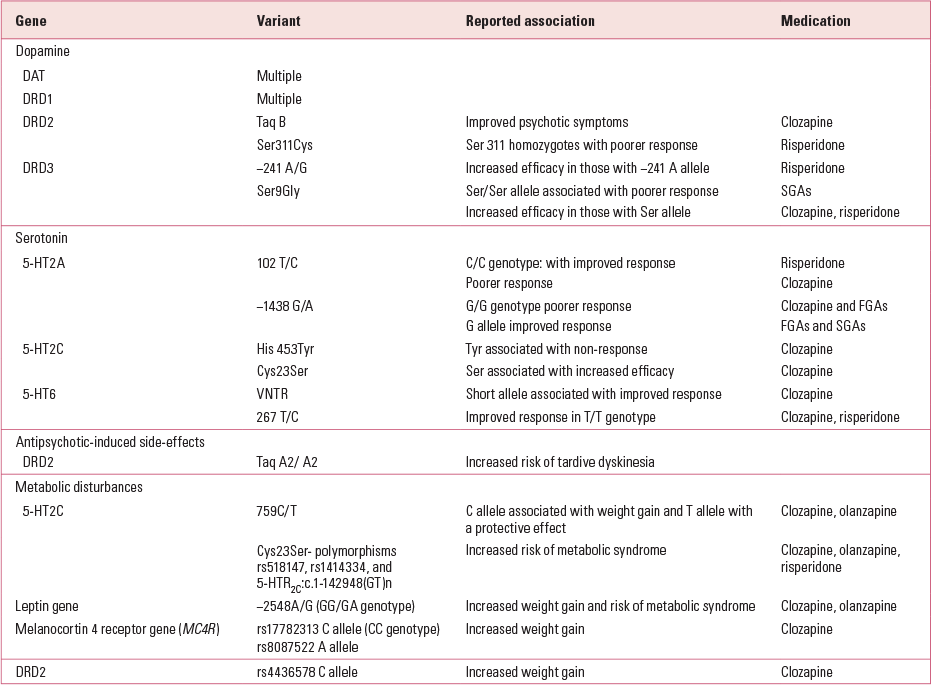
So far there is no evidence that testing for genetic polymorphisms in patients undergoing treatment with antipsychotics leads to improvement in outcomes, but there have been some promising leads with certain pharmacokinetic and pharmacogenetic tests, including the identification of pharmacogenetic changes relating to the cytochrome P450 (CYP450) enzyme system. A systematic review summarised current progress in the pharmacogenetics of antipsychotic medication focusing on studies from the past two decades (Reference Zhang and MalhotraZhang 2011). Most pharmacogenetic studies of antipsychotics have used a candidate gene approach, focusing on polymorphisms in genes coding for receptors in the dopamine and serotonin (5-HT) systems, as well as genes coding for enzymes that metabolise medications, such as catechol-O-methyltransferase (COMT) and CYP450 enzymes (especially CYP2D6), and for transmembrane transporters such as ABCB1. Although numerous studies suggest that antipsychotic efficacy and induced side-effects are associated with candidate gene polymorphisms, most findings are of modest effect, with inconsistent results to date. At present, there is little promising data to indicate that candidate gene testing is applicable to predict antipsychotic efficacy or the risk of antipsychotic-induced side-effects.
Table 2 summarises significant findings from candidate gene studies of antipsychotic efficacy and side-effects.
Positive candidate gene studies of treatment response and antipsychotic-induced side-effects in schizophreniaa
A recent systematic review identified only a sole ABCD1 gene polymorphism as being predictive of serum clozapine levels and response to clozapine (Reference Krivoy, Gaughran and WeizmanKrivoy 2015), although further longitudinal studies are required to elucidate the role of ABCD1 in clozapine pharmacokinetics.
The field of GWAS in psychiatry has developed rapidly, but this remains a novel area of research into antipsychotic treatment response. To the best of our knowledge there have only been two studies looking to predict antipsychotic response using a polygenic risk scoring method derived from GWAS (where the risk score is built from combining the cumulative risk of many genetic loci to identify patients most likely to respond). Reference Frank, Lang and WittFrank et al (2015) showed that a higher genetic risk for schizophrenia is associated with worse treatment outcomes, mirroring findings from Reference Ikeda, Yoshimura and HashimotoIkeda et al (2015), who showed that genes related to risperidone response overlap to a modest degree with genes that increase the risk for developing schizophrenia.
The potential benefits and function of pharmacogenetics in schizophrenia are listed in Box 1 and the biomarkers which have shown promise are shown in Box 2.
Pharmacogenomic biomarkers could provide tools to:
-
avoid toxicity and subsequent adverse drug reactions
-
avoid underdosing and subsequent lack of efficacy
-
avoid giving a drug to hypersensitive individuals
-
improve clinical diagnosis
-
rescue drugs previously withdrawn because of adverse drug reactions
The biomarkers that have shown promise in predicting antipsychotic response or toxicity are mostly genetic variants of:
-
drug-metabolising enzymes such as CYP2D6, CYP1A2, CYP3A4, CYP2C9, CYP2D6, and COMT
-
ABCD1
-
drug targets such as dopaminergic and serotonergic receptors
-
human leukocyte antigens (HLA alleles)
Pharmacogenetics and treatment-resistant schizophrenia
The challenges relating to developing pharmacogenetic testing in schizophrenia are outlined in Box 3. Some of these challenges are diminished when treatment-resistant schizophrenia is considered. Characteristics of treatment-resistant schizophrenia such as increased uniformity in diagnosis, the ability to monitor adherence from serum clozapine levels, the long-term follow-up of patients by clinical services and the existence of registers for clozapine monitoring services, which make individuals with treatment-resistant schizophrenia a potentially more suitable population in which to conduct pharmacogenetic studies.
Characterising/quantifying drug response
-
Measuring antipsychotic efficacy
-
Non-adherence
-
Treatment duration: early benefits with antipsychotic response v. longer duration of effect with clozapine
-
Concurrent medication use: mood stabilisers; cross-over of antipsychotics during drug switching
Patient characteristics
-
Differential diagnosis and unclear diagnostic boundaries
-
Illness course: first-episode psychosis and treatment-resistant schizophrenia
-
Comorbidities: substance misuse, depression
-
Risk of neutropenia increased in African–Caribbeans
-
Baseline characteristics: low body mass index in first-episode psychosis and greater risk of weight gain with antipsychotic treatment
Furthermore, a particular urgency exists in that there are no evidence-based effective treatments for the 30% of treatment-resistant patients who fail to respond to clozapine (Reference MeltzerMeltzer 1992; Reference Chakos, Lieberman and HoffmanChakos 2001) or in those in whom clozapine is discontinued because of adverse events. Last, the ability to predict in advance whether or not a given patient is likely to respond to clozapine has the potential to substantially reduce the delay in clozapine initiation.
Pharmacogenetic testing and clozapine response
Pharmacogenetic studies have investigated the importance of serotonergic and dopaminergic targeting for the antipsychotic effect of clozapine, but the results are conflicting and poorly replicated (Reference Zhang and MalhotraZhang 2011). No single polymorphism can be used for the prediction of clozapine response. The failed attempts to implement findings of candidate gene studies in predicting clozapine response is emblematic of the difficulties in the clinical utilisation of this testing in psychiatry. The lack of translational impact of candidate gene testing in predicting the efficacy of clozapine and other antipsychotics has been a hallmark of studies in this area and has led to more recent efforts to utilise GWAS and polygenic risk scores to provide more robust genetic markers.
Other putative biomarkers
Neuroimaging findings as biomarkers
Magnetic resonance spectroscopy has demonstrated that those who show a poor response to antipsychotic treatment in first-episode psychosis have higher levels of glutamate in the anterior cingulate cortex than patients who respond well. Further, high glutamate levels are associated with increased levels of negative symptoms and poor level of functioning (Reference Egerton, Brugger and RaffinEgerton 2012). These findings were replicated in treatment-resistant patients (Reference Demjaha, Egerton and MurrayDemjaha 2014), parallel to findings using positron emission tomography (PET) in the same individuals, which indicated that dopamine function is relatively normal (Reference Demjaha, Murray and McGuireDemjaha 2012). These observations suggest that the persistence of symptoms in treatment-resistant patients may be associated with elevated anterior cingulate glutamate levels.
There is some evidence that perfusion imaging may be predictive of response to clozapine; in previous single photon emission computerised tomography (SPECT) studies, symptomatic improvement following clozapine use has been associated with higher levels of resting state perfusion in the striatum, thalamus and prefrontal cortex prior to treatment (Reference Rodriguez, Andree and CastejonRodriguez 1997). There have been previous PET and SPECT studies which have shown frontal and perfusion decreases during clozapine treatment (Reference Molina, Gispert and ReigMolina 2005) and that this decrease is greater in responders than non-responders (Reference Rodriguez, Andree and CastejonRodriguez 1997). Subsequent discriminate analysis correctly identified 79% of cases (80% of clozapine non-responders and 78% of clozapine responders) according to thalamic and right prefrontal/cerebellum perfusion ratios prior to starting clozapine (Reference Rodriguez, Andree and CastejonRodriguez 1997), although this classification rate is not high enough to be clinically useful.
These findings, although remaining preliminary, suggest that treatment outcome in patients with schizophrenia may be predicted by neuroimaging. However, the actual clinical utility of such tests remains to be shown.
Homovanillic acid as a proteomic biomarker
Higher plasma levels of homovanillic acid, a major circulating dopamine metabolite, are generally associated with good subsequent response to antipsychotic treatment, whereas lower dopamine metabolite levels are associated with poor response (Reference Pickar, Labarca and DoranPickar 1986; Reference Davila, Manero and ZumarragaDavila 1988). A time-dependent decrease in homovanillic acid is correlated with antipsychotic response in most studies, a change which is not seen in patients with treatment-resistant schizophrenia. This is one of the best replicated proteomic biomarkers of antipsychotic treatment response in schizophrenia, although discrepant findings exist (Reference Stone, Raffin and MorrisonStone 2010). The use of homovanillic acid as a biomarker is limited by the use of plasma homovanillic acid measures in many studies, which is at best an indirect measure of brain activity, given that it is influenced by peripheral as well as central dopamine metabolism.
Pharmacogenetics and adverse reactions
Medication hypersensitivity
Although there are few examples of the use of pharmacogenetic testing to maximise treatment response in clinical practice, pharmacogenetics is more widely used in the prediction of hypersensitivity to certain medications such as carbamazepine. In people of South East Asian ethnicity, positivity for the HLA-B*1502 allele conferred an odds ratio of 2504 for developing carbamazepine-induced Stevens–Johnson syndrome/toxic epidermal necrolysis (Reference Ferrell and McLeodFerrell 2008). Similarly, screening for HLA-B*5701 reduces the risk of a hypersensitivity reaction to abacavir in HIV treatment, with positivity for the allele providing 100% specificity for the development of an hypersensitivity reaction (Reference Mallal, Phillips and CarosiMallal 2008). Both are examples of how a pharmacogenetic test can be used to avert a specific medication toxic effect.
Antipsychotic adverse effects
The prediction and avoidance of adverse events is an important goal in the use of antipsychotic medication. Two of the most widely studied adverse effects in pharmacogenetics are tardive dyskinesia and weight gain.
Probably the most robust evidence for a genetic finding associated with side-effects is that for antipsychotic-induced weight gain, with the 759T/C polymorphism in the promoter region of the HTR2C gene (rs3813929) associated with a greater than twofold increased risk of weight gain (Reference Arranz, Rivera and MunroArranz 2011). This effect is especially marked with olanzapine and clozapine, both of which have strong affinity to the 5-HT2C receptor.
With regard to tardive dyskinesia, despite several studies of dopamine receptor polymorphisms, the results have been inconsistent and there remains no pharmacogenetic test for the development of antipsychotic-induced tardive dyskinesia (Reference Ozomaro, Wahlestedt and NemeroffOzomaro 2013).
Clozapine and agranulocytosis
Clozapine is underprescribed and its use is limited by patients’ and clinicians’ fears about the emergence of life-threatening adverse events, in particular agranulocytosis. The mechanism of this idiosyncratic drug reaction is yet to be elucidated, although it is certainly multifactorial, with some evidence that genetic variance increases individuals’ susceptibility to clozapine-induced agranulocytosis. It remains an area which has not been extensively studied and, owing to the relatively low incidence of clozapine-induced agranulocytosis, it is dominated by small-sample studies.
The most replicated genetic evidence is for variation in the human leucocyte antigen (HLA) system. This includes several genetic variants involved in the HLA-DQB1 locus, including associations at two HLA amino acids (a single amino acid at HLA-DQB1(126Q) and an amino acid change in the extracellular binding pocket of HLA-B(158T)) (Reference Goldstein, Jarskog and HilliardGoldstein 2014). Previously, a case–control cohort found that the odds of developing clozapine-induced agranulocytosis were 16.9 times higher in patients with the sequence variant 6672G>C on the HLA-DQB1 gene (Reference Athanasiou, Dettling and CascorbiAthanasiou 2011). This single nucleotide polymorphism has been incorporated into commercially available tests, with test sensitivity and specificity calculated to be 21.5% and 98.4% respectively, indicating that about one in five patients at risk of clozapine-induced agranulocytosis would be identified by the test (Reference Athanasiou, Dettling and CascorbiAthanasiou 2011). Although the HLA-DQB1 locus may be implicated in the development of clozapine-induced agranulocytosis, for the test to have clinical utility for this adverse event, which has a prevalence of 0.8%, it requires high sensitivity as well as specificity. The low sensitivity of the test has been a limiting factor in its application in clinical settings; and it has not been a commercial success (Reference Chowdhury, Remington and KennedyChowdhury 2011; Reference Verbelen, Collier and CohenVerbelen 2015).
Obstacles to personalised medicine and pharmacogenetic testing in schizophrenia
Complexity and heterogeneity of the schizophrenia phenotype
Thus far, there has been little success in developing personalised medicine for schizophrenia. The reasons for this are manifold; not least that schizophrenia is a highly complex disorder influenced by multiple combinations of genes and molecular variances acting in the midst of even less clearly definable social and environmental factors, thus limiting the likelihood that a single biological risk factor will map onto a diagnosis of a psychotic disorder.
Lack of a mechanistic understanding of antipsychotics
The medication response phenotypes in psychiatry are based on clinical observation and not on the physiological processes or biomarkers that can be utilised in other medical specialties such as oncology and cardiovascular medicine. Our limited understanding of the mechanism of action of antipsychotics (compared with chemotherapeutic agents in oncology, for example), limits our ability to generate mechanistic hypotheses as to which biomarkers might be relevant to treatment response.
Clinical guidelines and interpretation
It is noteworthy that there are 121 known pharmacogenetic markers for medications currently listed for prescription by the US Food and Drug Administration, with a sizable minority (n = 26) for psychiatric medications (Reference HamiltonHamilton 2015). However, specific and clear guidelines for the clinical use of these pharmacogenetic markers are lacking. This highlights a recurring problem, not only in psychiatry, but across other medical specialties as well.
The most common psychotropic medication markers relate to CYP2D6 enzymes. This particular focus for pharmacogenetic research on CYP2D6 genotypes is not unexpected, given that this enzyme metabolises a number of antipsychotics, with most of the research focused on the relationship with risperidone use. Genotyping for CYP enzyme deficiencies could potentially offer a relatively simple solution for optimising antipsychotic medication dosing, although this has not been consistently borne out in practice and genetic testing for CYP polymorphisms is not currently in routine use for guiding antipsychotic choice or dosage. The predictive value of currently available tests is not sufficient to allow the integration of pharmacogenetic testing into clinical guidelines.
Clinician and public attitudes
Although clinicians and patients are generally positively disposed to the concept of personalised medicine, the introduction of personalised approaches will require a profound change in prescribing practice, with treatment decisions taken out of the hands of clinicians and patients and devolved to algorithms based on genetic tests or other biomarkers. This represents a growing challenge for medical education, if future generations of doctors are to be prepared for advances in the field (Reference SlaughterSlaughter 2012).
Communication and interpretation
The communication of pharmacogenetic test results is a critical step towards their widespread utilisation and this has been highlighted across medical specialties. In the future, the focus will shift from the costs of genotyping to the interpretation and production of reports for clinical use. The need to organise and interpret complex pharmacogenetic testing will rely on the utilisation of more highly integrated electronic patient records, to ensure that this information is available for all clinicians during any future clinical encounter.
Positive pharmacogenetic test results will have lifelong implications for a patient's response to, or tolerance of, antipsychotic medication. However, in a fragmented healthcare system, there is a risk that access to pharmacogenetic test information will be limited and that it will be lost to clinicians as the patient moves from one healthcare setting to another.
‘Orphan diseases’
A wider ethical question surrounds the potential for the creation of so-called ‘orphan diseases’ or, in patients with schizophrenia, a subset of patients with ‘Cinderella psychoses’. The implementation of reliable pharmacogenetic testing will inevitably result in the subdivision of patients into smaller subgroups. This would bring with it the possibility that some of these subgroups might be considered less profitable by the pharmaceutical industry, and thus stand a reduced chance of having treatments developed for them, particularly where markers are found that define patients with a low probability of treatment response. Further, there may be potential difficulties in finding adequate numbers of specific patient groups in order to identify variance in individual biomarker profiles. An example of this is the identification of patients at risk for clozapine-induced agranulocytosis, which due to its low incidence and unpredictable occurrence makes it difficult to assemble statistically adequate samples for prospective study. Patients with less profitable genotypes are therefore at risk of becoming therapeutic orphans.
Health economics
The cost-effectiveness of any personalised medication approach will depend on the prevalence of test-positive individuals, the accuracy and the cost of conducting the test, the predictive validity of the test and the cost of any newly developed medication as a result of the test (Reference Flowers and VeenstraFlowers 2004).
There is little research assessing the economic evaluation of the costs and outcomes of the use of pharmacogenetic tests in schizophrenia. We located one recent evaluation of the potential use of a pharmacogenetic test assessing CYP450 polymorphisms prior to treatment with risperidone (Reference Rejon-Parrilla, Nuijten and RedekopRejon-Parrilla 2014). In this study, pharmacogenetic testing prior to risperidone treatment was used to guide dosing and was compared with the usual ‘trial and error’ dosing scheme. The patient stratification strategy by pharmacokinetic testing improved health compared with traditional dosing schemes at a cost of £2059 per patient. This study's results are promising and indicate that the pharmacogenetic test for risperidone in schizophrenia could meet the requirements of cost-effectiveness set by the National Institute for Health and Care Excellence (NICE). One counter-argument to this approach is that it may be more cost-effective simply to treat with antipsychotics for which common CYP450 variation has little or no effect (e.g. amisulpride).
The stratification of patients with psychotic illness into more refined subsets may lead to increased efficiency of medication development, but with a reduction in the size of the total schizophrenia population. This may lead to the development of multiple subsets of patients and niche products, which will risk segmenting the market and increasing drug development costs (Reference EversEvers 2009), resulting in more expensive medications for small patient groups, which will not be economically viable products. This may in turn act as a barrier to future medication development by pharmaceutical companies.
Conclusions
We have described the potential value of personalised medicine in schizophrenia, identified a number of conceptual and practical obstacles to the development of personalised medicine in schizophrenia therapeutics, and have reviewed some of the successful implementations of stratified medicine in other fields, as well as the limited success to date in implementing such approaches in schizophrenia. We believe that with the rapid advance of genetic and other biological tests, there is a compelling case to pursue this field of research for the development of treatments and optimising the use of currently available antipsychotic medication. The integration of personalised medicine into schizophrenia treatment will involve multiple research strands, including neuroimaging and molecular and genetic methods, to improve treatment response and identify toxicity phenotypes in schizophrenia.
MCQs
Select the single best option for each question stem
-
1 All of the following are true of biomarkers in schizophrenia except:
-
a specific biomarkers can be used to aid diagnosis
-
b specific biomarkers exist to guide choice of antipsychotic medication
-
c specific biomarkers are used in clinical practice for disease prognosis
-
d specific biomarkers are used in clinical practice to determine treatment response
-
e specific biomarkers are used in clinical practice to enhance safety of medication.
-
-
2 Clozapine response has been shown to be predicted by examining genetic polymorphisms in:
-
a H2 receptors
-
b 5-HT2A receptors
-
c 5-HT2C receptors
-
d alpha-2 receptors
-
e none of the above.
-
-
3 Cytochrome enzyme polymorphisms can affect all of the following except:
-
a drug absorption
-
b drug efficiency
-
c drug interactions
-
d drug serum levels
-
e drug-related adverse events.
-
-
4 Potential outcomes of the successful implementation of pharmacogenetic testing include all of the following except:
-
a development of new antipsychotic medications
-
b lower rates of adverse events with antipsychotics
-
c stratification of patients into subgroups, some of which could be neglected in research
-
d lower rates of clinical response to antipsychotics
-
e tailored utilisation of extant antipsychotics.
-
-
5 Biomarkers and pharmacogenetic testing are used clinically with the following medications except:
-
a clopidogrel
-
b carbamazepine
-
c olanzapine
-
d abacavir
-
e trastuzumab.
-
MCQ answers

| 1 | b | 2 | e | 3 | a | 4 | d | 5 | c |




eLetters
No eLetters have been published for this article.