


Introduction
The discovery of 2,4-D during World War II initiated a new era of chemical weed control in agriculture by reducing the need for mechanical and manual weed management (Fite Reference Fite1980; Peterson Reference Peterson1967). Additionally, the discovery of residual herbicides including atrazine in the early 1960s promoted conservation agriculture in the United States (Triplett et al. Reference Triplett, Van Doren and Johnson1964), and consequently the use of herbicides increased markedly. For instance, Fernandez-Cornejo et al. (Reference Fernandez-Cornejo, Nehring, Osteen, Wechsler, Martin and Vialou2014) noted that the use of pesticides (including fungicides, herbicides, and insecticides) increased about three-fold (from 89 million kg ai in 1960, to 287 million kg ai in 1981) in the first 20 yr of conservation agriculture, though herbicide use increased more than 10-fold (from 16 million kg ai in 1960 to 217 million kg ai in 1981). The rapid adoption of glyphosate-resistant (GR) crops since their introduction in 1996 changed the herbicide use pattern in modern agriculture (Benbrook Reference Benbrook2016).
During the first 10 yr of GR crop commercialization in the United States, weed management programs relying only on POST application of glyphosate were sufficient to provide broad-spectrum weed control in GR crops; however, the evolution of GR weeds reduced the value of this technology. As of 2018, 41 weed species have been reported resistant to glyphosate worldwide, including 17 species in the United States (Heap Reference Heap2018), and 6 in Nebraska (Jhala Reference Jhala2018). Despite the increasing number of GR weeds and their widespread occurrence in the United States, growers continue to widely adopt GR crop technology. A recent survey reported that 89%, 91%, and 94% of corn, cotton (Gossypium hirsutum L.), and soybean acreage in the United States was under herbicide-resistant technology, primarily with GR crops (USDA-ERS 2017).
The choice of herbicides and agronomic practices in a cropping system can greatly influence a weed management plan. Widespread adoption of GR crops rapidly reduced the use of tillage for weed management in the Midwest (Sarangi and Jhala Reference Sarangi and Jhala2018). The results of a growers survey from six states including Nebraska reported that 56% of growers have shifted from conventional tillage to no-till or reduced tillage after the adoption of GR crops, and the adoption rate of conservation tillage was higher among continuous GR cotton and soybean growers (Givens et al. Reference Givens, Shaw, Kruger, Johnson, Weller, Young, Wilson, Owen and Jordan2009b). Additionally, the adoption of conservation tillage and changes in weed management practices altered the dynamics of the weed population (Buhler Reference Buhler1995; Nichols et al. Reference Nichols, Verhulst, Cox and Govaerts2015), resulting in a shift in the weed flora toward small-seeded weeds such as Amaranthus spp. (Kruger et al. Reference Kruger, Johnson, Weller, Owen, Shaw, Wilcut, Jordan, Wilson, Bernards and Young2009). A survey of weed scientists from 11 states in the midwestern, northeastern, southeastern, and southern United States noted that dayflower (Commelina spp.), common waterhemp, morningglory (Ipomoea spp.), nutsedges (Cyperus spp.), and winter annuals were the most problematic weeds in GR crops (Culpepper Reference Culpepper2006). Additionally, the same survey anticipated that annual grasses, common lambsquarters (Chenopodium album L.), copperleaf (Acalypha spp.), giant ragweed (Ambrosia trifida L.), and other Amaranthus spp. (along with common waterhemp) will become more problematic within the next few years as a result of the weed shifts.
Several surveys have been conducted in recent years to assess the attitude and perception of growers and crop consultants about their agronomic and weed management practices, as well as to identify problem weeds in the post-commercialization era of GR crops (Gibson et al. Reference Gibson, Johnson and Hillger2005; Norsworthy Reference Norsworthy2003; Riar et al. Reference Riar, Norsworthy, Steckel, Stephenson and Bond2013a, Reference Riar, Norsworthy, Steckel, Stephenson, Eubank and Scottb; Webster and Macdonald Reference Webster and Macdonald2001). Givens et al. (Reference Givens, Shaw, Johnson, Weller, Young, Wilson, Owen and Jordan2009a) noted that surveys conducted among growers and stakeholders provide invaluable information for weed scientists and agricultural analysists for understanding the current benchmarks for weed management in GR crops. Though several multistate surveys have included respondents from Nebraska (Prince et al. Reference Prince, Shaw, Givens, Owen, Weller, Young, Wilson and Jordan2012b; Givens et al. Reference Givens, Shaw, Kruger, Johnson, Weller, Young, Wilson, Owen and Jordan2009b; Shaw et al. Reference Shaw, Givens, Farno, Gerard, Jordan, Johnson, Weller, Young, Wilson and Owen2009), no extensive survey was conducted to understand the growers’ perceptions of the most problematic weeds and their management practices in different regions of Nebraska.
The University of Nebraska Extension, comprising 83 county offices and four extension centers serving 93 counties throughout the state, has an enormous impact on the state’s youth, families, farms and ranches, communities, and economy. A survey was developed for participants (growers, certified crop advisors, crop consultants, certified pesticide applicators, cooperative managers, and industry sales representatives) attending the University of Nebraska Extension’s winter annual meetings. The objectives of this survey were to identify stakeholders’ perceptions of most problematic weeds and assess their attitudes and perceptions about weed management practices in Nebraska.
Materials and Methods
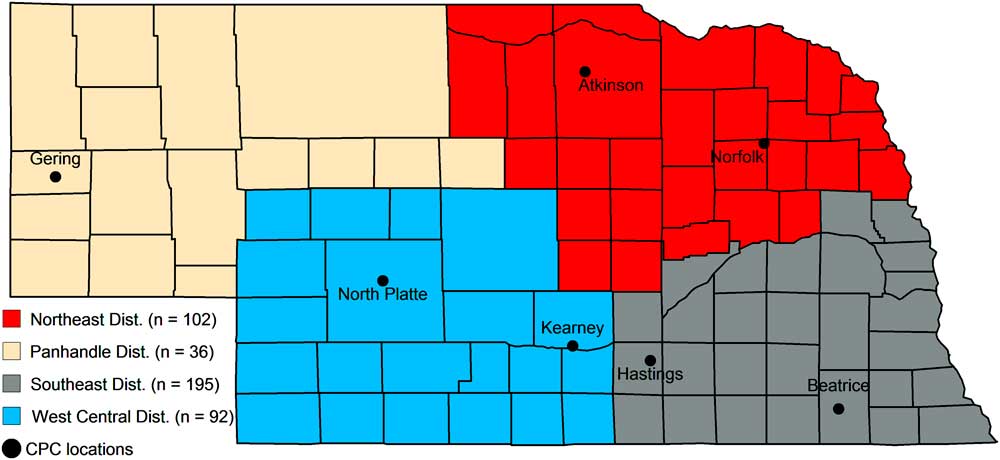
The survey was conducted at seven (Atkinson, Beatrice, Gering, Hastings, Kearney, Norfolk, and North Platte) locations in 2015 during winter extension meetings organized by the University of Nebraska Extension. Seven locations represent four major extension districts defined by the University of Nebraska Extension based on their agroclimatic characteristics, soil texture, and cropping systems (Figure 1). Responses recorded at Atkinson in Holt County and Norfolk in Madison County represent the Northeast district; Gering in Scottsbluff County represents the Panhandle district; Beatrice in Gage County and Hastings in Adams County represent the Southeast district; and Kearney in Buffalo County and North Platte in Lincoln County represent the West Central district. Paper copies of the questionnaire were distributed to all participants; the questions were mostly open-ended but some closed questions were also included. The questionnaire was pretested on 10 people, including weed scientists, agronomy undergraduate and graduate students, and field research technicians, to assess its acceptability and readability. Later, their responses and comments were reviewed by the survey team, and minor amendments were made to the text. The final questionnaire (Table 1) was divided into four sections:
1. Crop Production and Problem Weeds
2. Herbicide Use
3. GR Weed Management
4. Weed Management Research and Extension Priorities
County map of Nebraska divided into four districts along with seven locations of the extension meetings, Crop Production Clinics (CPCs), where the survey was conducted in 2015.
A condensed version of the survey questionnaire.
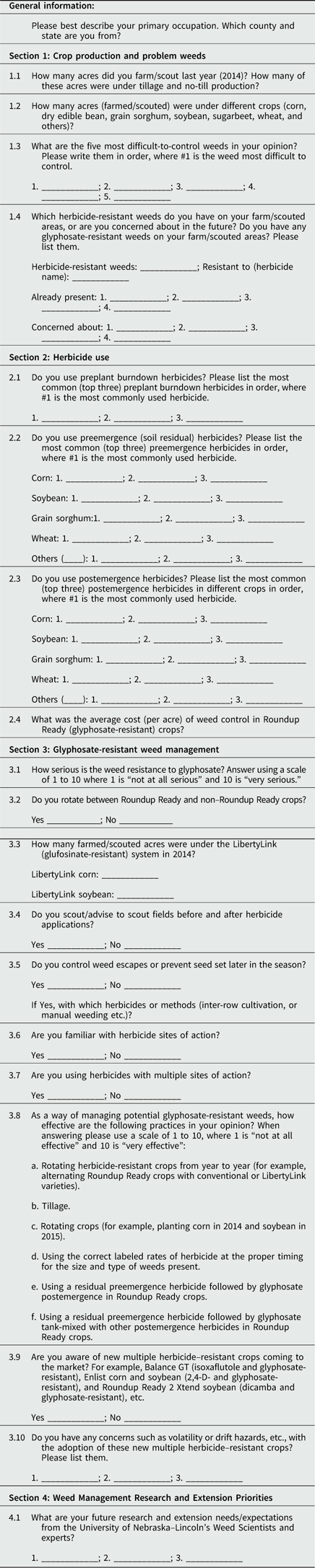
Respondents were asked about their primary occupation and their county and state of residence. Respondents were disqualified from the survey if they were not involved in farming, or making a decision regarding a farm or agribusiness, or if they did not reside in Nebraska. In Section 1, respondents were asked about their total number of farmed or scouted acres (Question 1.1 in Table 1); however, the responses were later converted into hectares. In the same section, respondents were asked to rank the five most problematic weeds according to their importance in crop production (Question 1.3). In Section 2, respondents were asked to list their top three commonly used preplant, PRE, and POST herbicides in order of their frequency of use (Questions 2.1 to 2.3). Section 3 included questions regarding different methods of managing GR weeds and delaying the evolution of GR weeds. This section was composed of several dichotomous questions with a possible answer: Yes/ No, as well as a slider-scale question (Question 3.8) about different approaches for managing and delaying the evolution of GR weeds at the farm level. In this section, respondents were also asked to list their concerns regarding the future adoption of crops resistant to multiple herbicides. In Section 4, respondents listed one to three research or extension priorities to improve future weed management practices in Nebraska (Table 1).
A total of 425 valid responses were returned across the seven locations in the statewide survey conducted in Nebraska in 2015. Respondents were categorized into three groups: growers, crop consultants, and others, based on their primary occupation reported. Considered as growers were those who owned farms and directly participated in farming or decision making on their farms. The survey respondents with the primary occupation of agronomist, certified crop advisor, crop consultant, or farm manager were categorized as crop consultants. Respondents not categorized as growers or crop consultants were placed in the third category, “others”, which included certified pesticide applicators, cooperative managers, farm workers, and industry sales representatives. Out of 425 respondents, 36%, 27%, and 37% were listed as growers, crop consultants, and others, respectively (Table 2). The maximum number of responses were listed from the Southeast district (n=195), followed by the Northeast (n=102), West Central (n=92), and Panhandle (n=36) districts.
The number of survey respondents categorized based on their occupational classification.
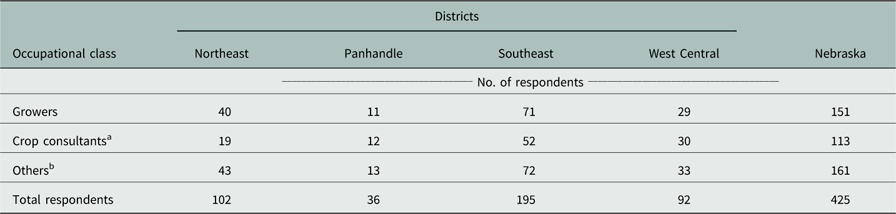
a Survey respondents with the primary occupation of certified crop advisor, crop consultant, agronomist, and farm manager were considered as “crop consultants.”
b Survey respondents not categorized as growers or crop consultants were considered as “others,” which included certified pesticide applicators, farm workers, cooperative managers, and industry sales representatives.
Data were imported to R (R Core Team 2016) and the results interpreted based on the frequency distribution for most of the questions, with a mean (average) and median calculated wherever possible. Pearson’s correlation coefficient (r) was estimated to quantify the association between average farm size and the adoption of no-till production system or the cost of weed management; two-sample t-tests were used for the test of significance (P<0.05). An ANOVA F-test was used to determine the test of significance (P<0.05) for the effectiveness of the weed management strategies (Question 3.8 in Table 1).
To rank the problem weeds and most commonly used herbicides in Nebraska, relative problematic/importance points was used. For example, five, four, three, two, and one problematic point was assigned to rank #1, #2, #3, #4, and #5 problem weeds, respectively (Question 1.3 in Table 1), and the relative problematic point (RP) was calculated for each weed species by using Equation 1:
 $$RP{\equals}{\rm }\mathop \sum\limits_{r{\equals}1}^5 {{FX} \over n}$$
where F is the number of respondents choosing a particular rank (r) for a certain weed species, X is the problematic points associated with that particular rank, and n is the total number of responses for that rank, including all the weed species. The top problematic weeds were reported at the state and district levels in Nebraska, and similarly, the most common preplant burndown, PRE, and POST herbicides (Questions 2.1 to 2.3 in Table 1) were ranked based on their level of importance, where three, two, and one importance points were assigned to rank #1, #2, and #3 of the most commonly used herbicide, respectively. The relative importance point for an herbicide was then calculated using Equation 1; however, r ranged from 1 to 3 in this case.
Results and Discussion
Crop Production and Problem Weeds
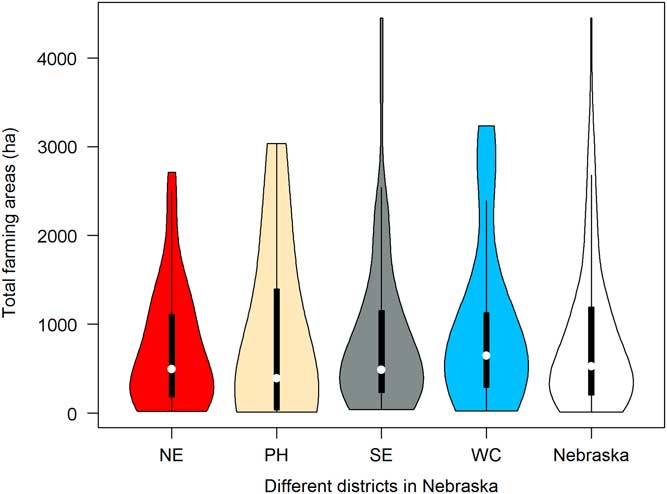
The growers and crop consultants represented 1.6% (120,951 ha) and 6.8% (526,806 ha), respectively, of the total area planted with the major crops (7,786,961 ha reported by USDA-NASS 2014b) in Nebraska in 2014. Average farmed areas reported by the growers for the 2014–2015 farming years were 710, 829, 814, and 961 ha in the Northeast, Panhandle, Southeast, and West Central districts, respectively, and the state average was 801 ha (Table 3). However, Figure 2 shows that the median farmland size was relatively lower than average farm holdings mentioned earlier and ranged from 392 to 648 ha in four districts, with a median value of 526 ha in Nebraska. It is evident that some of the larger values for per capita farm areas led to a relatively higher average value. A Census of Agriculture conducted by the United States Department of Agriculture (USDA) in 2012 reported that the average farm size in Nebraska was 367 ha; however, the USDA census data included farm areas under row crops and other commodity production systems such as dairy, fruit orchards, livestock and poultry farms, vegetables, and other woody crops (USDA-NASS 2014a), whereas in our survey the respondents were mostly row crop producers and pasture managers. The Census of Agriculture data collected between 1982 and 2007 showed that the midpoint acreage (a median estimate of the distribution of the farm size proposed by Lund and Price in Reference Lund and Price1998) in 16 states, including Nebraska, increased more than two-fold in 2007 compared to 1982, showing the consolidation of croplands as time progressed (MacDonald et al. Reference MacDonald, Korb and Hoppe2013). The same report also noted that the shift to a larger farm size was higher in five major field crops, such as corn, cotton, rice (Oryza sativa L.), soybean, and wheat in the United States.
Violin plots combining a boxplot and a kernel density plot to present the distribution of total farmed areas (ha) reported by the growers. The white dot at the center of the boxplot shows the median of the total farming area. NE, Northeast; PH, Panhandle; SE, Southeast; WC, West Central districts.
Information on average farm size, areas in no-till production, and primary crops.

a Values in parentheses represent the standard error of the mean (SEM).
b Responses of growers and the crop consultants were considered for this question.
c Abbreviation: NA, not available; respondents did not report the required information.
d No information on soybean was listed from the Panhandle district.
e Crop was reported only from Panhandle district of Nebraska; therefore, average state results were not calculated.
Crop consultants participating in this survey scouted average areas ranging between 3,151 and 5,869 ha in different districts, with a state average of 4,662 ha (Table 3). The maximum area in no-till production was reported from the Southeast district (68.3%), followed by the Northeast (58.9%), West Central (53.0%), and Panhandle (50.1%) districts, and the state average for no-till production area was 61.2%. A survey of no-till areas conducted in 2008 also showed that most of the no-till production fields were located in the Northeast and Southeast districts of Nebraska (NRCS-USDA 2008). The 2012 Census of Agriculture reported that an average 57% area of each farm was under no-till production in Nebraska (USDA-NASS 2014a), which was close to the results obtained in our survey. Estimation of the Pearson’s correlation coefficient (r) showed that the percentage of area under no-till management was not dependent (r=−0.12; P=0.17) on the farm size reported by the growers in Nebraska. Similarly, several other studies reported that the adoption of conservation tillage including no-till did not depend on the average farm size (Bultena and Hoiberg Reference Bultena and Hoiberg1983; D’Emden et al. Reference D’Emden, Llewellyn and Burton2008; Knowler and Bradshaw Reference Knowler and Bradshaw2007; Nowak Reference Nowak1987).
Area under Different Crops
The survey results showed that corn and soybean were the major crops in Nebraska, sharing 82.3% of total farmed or scouted area reported (Table 3). The crop production summary for 2014 also recorded that 75% of major cropland in Nebraska was under corn and soybean production (USDA-NASS 2015). Survey results indicated that the maximum corn- and soybean-producing areas were in the Northeast district (90.0% of total farmed or scouted areas), followed by the Southeast (88.5%) and West Central (79.2%) districts. No soybean production area was reported from the Panhandle district; however, 34.5% of the area was listed under corn production. The Census of Agriculture conducted in 2012 also reported no or minimum harvest areas for soybean in the counties from the Panhandle district (USDA-NASS 2014a); but areas under dry edible bean (Phaseolus vulgaris L.) (7.2%) and sugarbeet (Beta vulgaris L.) (11.4%) production were reported from the Panhandle district (Table 3). Results also indicated that the areas in Nebraska under grain sorghum and wheat production were 1.2% and 6.9%, respectively. Other crops including alfalfa (Medicago sativa L.), hay, proso millet (Panicum miliaceum L.), and potato (Solanum tuberosum L.) accounted for 7.8% of the area in Nebraska. Diversity in crop selection was mostly reported from the Panhandle district, where 46.9% of the area was under production of crops other than corn, dry edible bean, and sugarbeet.
Problem Weeds
The five weed species considered most difficult to control were common waterhemp, horseweed, kochia, velvetleaf (Abutilon theophrasti Medik.), and common lambsquarters (Table 4). Palmer amaranth, giant ragweed, and foxtails (Setaria spp.) were also listed as the sixth, seventh, and eighth most problematic weeds (data not shown). Higher relative problematic points (ranging between 2.2 and 3.0 out of a maximum possible 5.0 points) for common waterhemp, horseweed, and kochia showed that the majority of respondents listed them as the most problematic weeds in Nebraska. A recent survey conducted by the Weed Science Society of America (WSSA) showed that common waterhemp and horseweed were the most troublesome weeds in corn and soybean production systems in the United States (Van Wychen Reference Van Wychen2016a, Reference Van Wychenb). Additionally, common waterhemp, giant ragweed, horseweed, kochia, and Palmer amaranth resistant to glyphosate have been confirmed in Nebraska (Chahal et al. Reference Chahal, Varanasi, Jugulam and Jhala2017; Rana and Jhala Reference Rana and Jhala2016; Sandell et al. Reference Sandell, Datta, Knezevic and Kruger2011; Sarangi et al. Reference Sarangi, Sandell, Knezevic, Aulakh, Lindquist, Irmak and Jhala2015; Sarangi and Jhala Reference Sarangi and Jhala2017), a condition that might have led to the difficulty in controlling these weeds in GR corn/soybean production systems. In a multistate growers’ survey conducted in 2005–2006, Kruger et al. (Reference Kruger, Johnson, Weller, Owen, Shaw, Wilcut, Jordan, Wilson, Bernards and Young2009) reported that common waterhemp, velvetleaf, and foxtails were the three most problematic weeds in GR corn and soybean rotation in Nebraska; however, due to the evolution of resistance to glyphosate and multiple herbicides in recent years, horseweed, kochia, and common waterhemp top the list of most problematic weeds. In a crop consultants’ survey, Godar and Stahlman (Reference Godar and Stahlman2015) further reported that infestation of kochia had increased from 2007 (present in 47% of fields) to 2012 (present in 70% of fields) in western Kansas as a result of the evolution and widespread occurrence of GR kochia biotypes.
Respondents’ ranking of the weeds most difficult to control.Footnote a
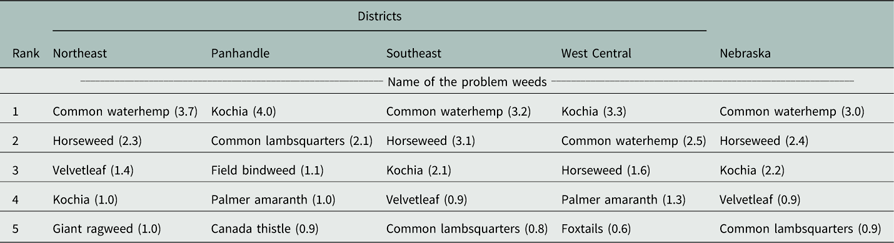
a Values in parentheses represent the relative problematic points for a weed, calculated using the equation: $RP{\equals}{\rm }\mathop \sum\limits_{r{\equals}1}^5 {{FX} \over n}$
where F is the number of respondents choosing a particular rank (r) for a weed species, X is the problem points (5 for r#1, 4 for r#2, 3 for r#3, 2 for r#4, and 1 for r#5) for that particular rank, and n is the total number of responses recorded in favor of that particular rank. The maximum possible relative problematic points for a weed species is 5.0.
Common waterhemp, horseweed, velvetleaf, kochia, and giant ragweed were the five weeds considered most difficult to control in the Northeast district, whereas respondents from the Panhandle district listed kochia and common lambsquarters as the most problematic weeds, followed by field bindweed (Convolvulus arvensis L.), Palmer amaranth, and Canada thistle [Cirsium arvense (L.) Scop.]. Diversity in the crops and weed management practices in the Panhandle district was believed to have an impact on weed species composition. Kochia and common lambsquarters were the most problematic weeds in continuous corn or sugarbeet production systems in the Panhandle district; however, Canada thistle was a problem weed in alfalfa, pastures, and rangeland. Common waterhemp, horseweed, kochia, velvetleaf, and common lambsquarters were listed as the most problematic weeds in the Southeast district. Additionally, respondents from the West Central district reported that kochia and common waterhemp were the most problematic weeds, followed by horseweed, Palmer amaranth, and foxtails (Table 4).
Herbicide-Resistant Weeds
The majority of stakeholders reported the presence of GR weeds in Nebraska, but only a small number of responses were recorded from the Panhandle district, so results were not presented in Table 5. An interesting aspect of this survey was that 22% of respondents in Nebraska did not record any information about the presence of herbicide-resistant weeds, and had no concern about a weed’s ability to evolve herbicide resistance in the future (data not shown). It can be assumed that herbicide programs used by those respondents were highly effective for controlling weeds or that these respondents were mostly unaware of the evolution of herbicide-resistant weeds on their farms or scouted areas.
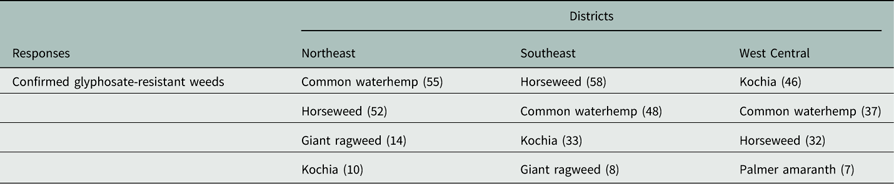
Weeds listed by the respondentsFootnote a for having confirmed glyphosate resistance.Footnote b , Footnote c
a Responses of the growers and crop consultants were considered for this question.
b Values in parentheses represent the percentage of the respondents who reported a certain weed species.
c Sufficient responses were not recorded from the Panhandle district; therefore, data from the Panhandle district were not included in this table.
In the Northeast district, 55% and 52% of respondents noted the presence of GR common waterhemp and horseweed, respectively, and the presence of GR giant ragweed and kochia was also reported by 14% and 10% of respondents, respectively (Table 5). This information also corresponds with the most problematic weeds in this region (Table 4). The presence of common waterhemp resistant to both 4-hydroxyphenylpyruvate dioxygenase (HPPD) inhibitors and ALS inhibitors was also reported by some of the respondents from the Northeast district (data not shown). A field-collected common waterhemp biotype from the Northeast district (Platte County) has been confirmed resistant to HPPD-inhibiting herbicides (Oliveira et al. Reference Oliveira, Jhala, Gaines, Irmak, Amundsen, Scott and Knezevic2017b). Respondents from the Northeast district were mostly concerned about the spreading of GR common waterhemp, horseweed, and kochia throughout the region, along with the evolution of GR Palmer amaranth (data not shown). In the Panhandle district, the presence of kochia resistant to glyphosate, ALS inhibitors, and growth regulators was reported by some of the respondents, who were also concerned about the future presence of GR Palmer amaranth and Russian thistle (Salsola tragus L.) in the region (data not shown).
Most of the survey participants in the Southeast and West Central districts listed glyphosate- and ALS inhibitor–resistant weeds as the predominant weeds. In the Southeast district, 58%, 48%, 33%, and 8% of respondents reported the presence of GR horseweed, common waterhemp, kochia, and giant ragweed, respectively (Table 5). Additionally, 19% of stakeholders were concerned about the spread of GR Palmer amaranth in the Southeast district (data not shown). A Palmer amaranth biotype from Southeast Nebraska (Thayer County) was recently confirmed 40-fold resistant to glyphosate (Chahal et al. Reference Chahal, Varanasi, Jugulam and Jhala2017). A recent survey by the WSSA ranked Palmer amaranth as the most troublesome weed in the United States (Van Wychen Reference Van Wychen2016a); however, our statewide survey revealed that Palmer amaranth is still not the biggest threat to Nebraska agriculture (Table 4), though respondents were concerned about the spread of this aggressive species in the near future. Similarly, Vieira et al. (Reference Vieira, Samuelson, Alves, Gaines, Werle and Kruger2017) also reported that occurrence of GR common waterhemp is widespread in the eastern part of Nebraska, though GR Palmer amaranth is relatively uncommon in Nebraska. Common waterhemp and Palmer amaranth are dioecious species and can transfer (i.e., inter- and intraspecific hybridization) herbicide-resistant traits via pollen movement (Oliveira Reference Oliveira2017; Sarangi et al. Reference Sarangi, Tyre, Patterson, Gaines, Irmak, Knezevic, Lindquist and Jhala2017b; Sosnoskie et al. Reference Sosnoskie, Webster, Kichler, MacRae, Grey and Culpepper2012), which can also hasten the evolution of multiple herbicide–resistant biotypes in these species and promote their rapid spread.
In the West Central district, 46%, 37%, 32%, and 7% of respondents listed GR kochia, common waterhemp, horseweed, and Palmer amaranth, respectively, as the primary herbicide-resistant weeds (Table 5). Survey respondents were concerned about the spreading of these four weed species in the West Central district and were also concerned about the evolution of PS II inhibitor– and auxinic growth regulator–resistant kochia in the future (data not shown). Averaging across districts, the survey showed that 40%, 26%, 23%, and 11% of growers reported having no, one, two, and three or more GR weed species, respectively, in their fields (data not shown).
Herbicide Use
Preplant Burndown Herbicide Use
The Census of Agriculture conducted in 2012 showed that 82% of cropland in Nebraska was treated with at least one herbicide for weed management (USDA-NASS 2014a). Controlling existing vegetation before crop planting has been recommended for effective weed management in no-till production systems (Stougaard et al. Reference Stougaard, Kapusta and Roskamp1984; Vangessel et al. Reference Vangessel, Ayeni and Majek2001). Between 55% and 77% of growers in the four districts, and collectively, 72% of the growers in Nebraska indicated that at least one preplant burndown herbicide was used in the spring (data not shown). Participant responses across all occupational classes (growers, crop consultants, and others) were included to rank the most commonly used preplant burndown herbicides in Nebraska, with the results showing that 2,4-D and glyphosate were the top two commonly used preplant burndown herbicides in Nebraska, along with saflufenacil, a PPO-inhibiting herbicide, ranking third (Table 6), followed by dicamba, and atrazine plus mesotrione plus S-metolachlor (data not shown). Several multistate surveys that included Nebraska also reported that glyphosate and 2,4-D were the most popular choices among growers for preplant burndown applications (Givens et al. Reference Givens, Shaw, Johnson, Weller, Young, Wilson, Owen and Jordan2009a; Prince et al. Reference Prince, Shaw, Givens, Newman, Owen, Weller, Young, Wilson and Jordan2012a). Additionally, Prince et al. (Reference Prince, Shaw, Givens, Newman, Owen, Weller, Young, Wilson and Jordan2012a) reported that synthetic auxins (e.g., 2,4-D) and PPO inhibitors were mostly used to control GR weeds during the spring.
Respondents’ ranking of the most commonly used preplant burndown herbicides.Footnote a

a Values in parentheses represent the relative importance points for an herbicide, calculated using the equation: $RP{\equals}{\rm }\mathop \sum\limits_{r{\equals}1}^3 {{FX} \over n}$
where F is the number of respondents choosing a particular rank (r) for an herbicide, X is the importance points (3 for r#1, 2 for r#2, and 1 for r#3) for that particular rank, and n is the total number of responses for that particular rank. The maximum possible relative importance points for an herbicide is 3.0.
PRE Herbicide Use
Sufficient responses for the use of PRE and POST herbicides were not recorded from the Panhandle district; therefore, survey results indicating PRE and POST herbicide use in the Panhandle were not included. In Nebraska, 74% and 59% of corn and soybean growers, respectively, reported using PRE herbicides (data not shown). Literature evaluating the change in herbicide use pattern following the adoption of GR crops reported that weed management in soybean has shifted from diverse herbicide programs including preplant, PRE, and POST herbicide applications to mostly POST-only herbicide programs (Shaner Reference Shaner2000; Young Reference Young2006); therefore, this survey result seems reasonable for the PRE herbicide usage pattern in soybean. However, several studies suggested that application of PRE herbicides in soybean is highly recommended to avoid marked yield reduction due to early-season crop–weed competition (Knezevic et al. Reference Knezevic, Evans and Mainz2003; Oliveira et al. Reference Oliveira, Feist, Eskelsen, Scott and Knezevic2017a; Sarangi et al. Reference Sarangi, Sandell, Kruger, Knezevic, Irmak and Jhala2017a).
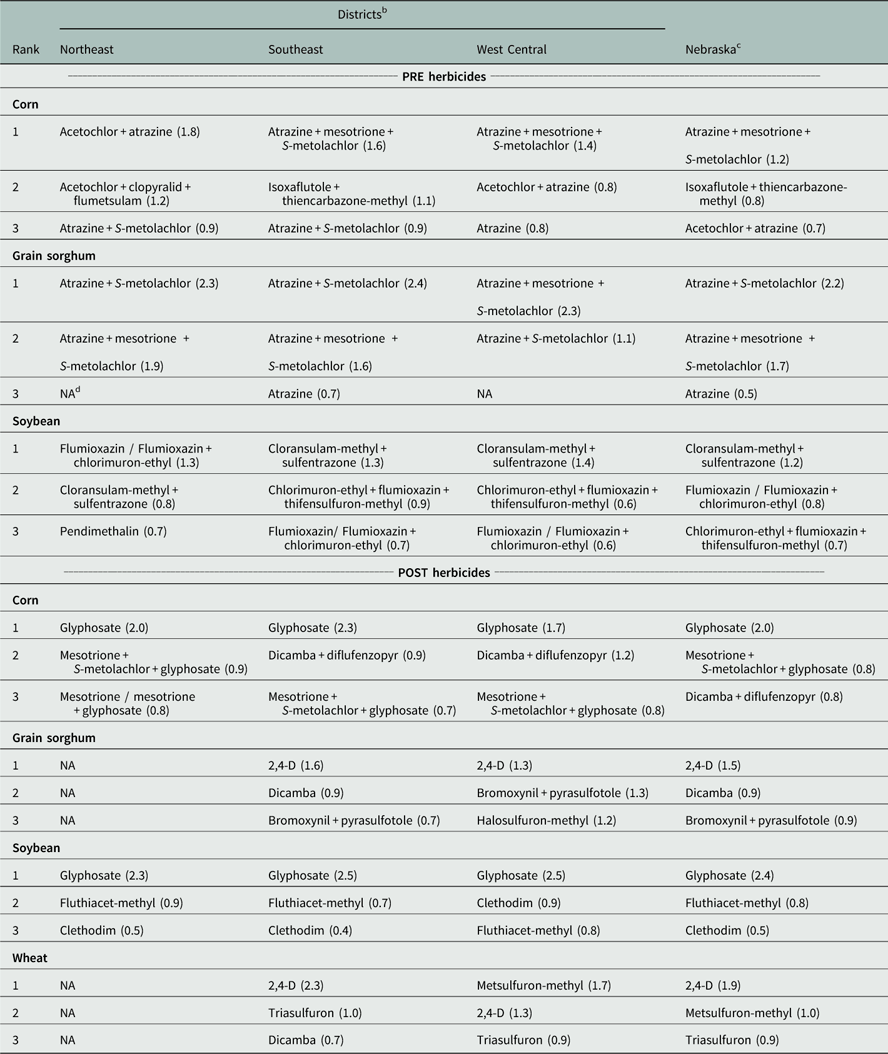
In Nebraska, the three most commonly used PRE herbicides in corn were atrazine plus mesotrione plus S-metolachlor, isoxaflutole plus thiencarbazone-methyl, and acetochlor plus atrazine (Table 7). Other major corn herbicides were atrazine plus S-metolachlor, acetochlor plus clopyralid plus flumetsulam, and atrazine (data not shown). Therefore, it is clear that commonly used PRE herbicides in corn predominantly included atrazine in herbicide premixes. The results of an Agricultural Chemical Use Survey conducted in 19 corn-producing states including Nebraska reported that atrazine was the most commonly used corn herbicide, applied to 60% of the surveyed farmlands in 2016 (USDA-NASS 2017). In this statewide survey, a few PRE herbicides were reported in grain sorghum; however, the most commonly used PRE herbicides were atrazine plus S-metolachlor, atrazine plus mesotrione plus S-metolachlor, and atrazine (Table 7). The Agricultural Chemical Use Survey, which included respondents from five grain sorghum-producing states in the United States including Nebraska, reported that 64% of planted grain sorghum areas were treated with atrazine alone or in tank mix or premix with other herbicides (USDA-NASS 2012).
Respondents’ ranking of the most commonly used PRE and POST herbicides in major agronomic crops.Footnote a
a Values in parentheses represent the relative importance points for an herbicide, calculated using the equation: $RP{\equals}{\rm }\mathop \sum\limits_{r{\equals}1}^3 {{FX} \over n}$
where F is the number of respondents choosing a particular rank (r) for an herbicide, X is the importance points (3 for r#1, 2 for r#2, and 1 for r#3) for that particular rank, and n is the total number of responses for that particular rank. The maximum possible relative importance points for an herbicide is 3.0.
b Sufficient responses were not recorded from the Panhandle district; therefore, data from the Panhandle district were not included in this table.
c Collective responses from three districts (Northeast, Southeast, and West Central) were listed under Nebraska.
d Abbreviation: NA, not available; respondents did not report the required information.
In soybean, most commonly used PRE herbicides were cloransulam-methyl plus sulfentrazone, flumioxazin alone or in tank mixture with chlorimuron-ethyl and thifensulfuron-methyl (Table 7). The results also suggested that soybean growers were mostly relying on PRE herbicides belonging to the two primary sites of action (SOAs), ALS inhibitors and PPO inhibitors, whereas PRE corn herbicide programs were more diverse.
POST Herbicide Use
Most of the growers (more than 80%) applied POST herbicide(s) for weed control in row crops (data not shown), whereas glyphosate was the most commonly used POST herbicide for weed control in GR corn and soybean in Nebraska (Table 7). A multistate survey also noted that more than 95% of the GR crop growers in 22 corn-, soybean-, and cotton-growing states including Nebraska applied glyphosate as their primary POST herbicide (Prince et al. Reference Prince, Shaw, Givens, Newman, Owen, Weller, Young, Wilson and Jordan2012a).
The statewide survey indicated that 10% and 15% of corn and soybean growers, respectively, did not use any preplant burndown or PRE herbicides and were relying only on glyphosate for POST weed control (data not shown). The most commonly used POST corn herbicides after glyphosate were mesotrione plus S-metolachlor plus glyphosate, and dicamba plus diflufenzopyr (Table 7). Soybean production systems were less likely to receive non-glyphosate herbicide applications compared to corn production systems; the relative importance points for glyphosate applied POST to soybean were 2.4 (out of 3.0) in Nebraska. Reports of the Agricultural Chemical Use Survey by the USDA noted that 85% of the soybean-producing areas in 19 states in the United States received glyphosate in 2015 (USDA-NASS 2016a). The most commonly used POST soybean herbicides after glyphosate were fluthiacet-methyl, clethodim, lactofen, imazethapyr plus glyphosate, and fomesafen (relative importance points ranging between 0.2 and 0.8; data not shown). A growers’ survey by Prince et al. (Reference Prince, Shaw, Givens, Newman, Owen, Weller, Young, Wilson and Jordan2012a) reported that GR soybean growers are using non-glyphosate herbicides primarily to control volunteer corn. GR volunteer corn has been reported as a serious problem in GR corn–soybean rotation in Nebraska (Chahal and Jhala Reference Chahal and Jhala2016), and clethodim was listed as one of the most commonly used herbicides for effective management of volunteer corn in GR or glufosinate-resistant soybean (Chahal and Jhala Reference Chahal and Jhala2015).
No grain sorghum or wheat POST herbicides were listed by respondents from the Northeast district; therefore, results were presented only from the Southeast and West Central districts. 2,4-D, dicamba, and bromoxynil plus pyrasulfotole were three most commonly used POST herbicides in grain sorghum; however, halosulfuron-methyl was also listed by respondents from the West Central district (Table 7). Respondents of this survey listed 2,4-D, metsulfuron-methyl, and triasulfuron as the top three commonly used POST herbicides in wheat in Nebraska (Table 7). The Agricultural Chemical Use Survey conducted in 2015 also listed metsulfuron-methyl as the most commonly used herbicide in winter wheat in the United States (USDA-NASS 2016b).
Cost of Weed Management in GR Crops
An increasing number of GR weeds in Nebraska compels growers to use PRE herbicides more frequently and tank-mix other herbicides with glyphosate for weed management, a trend that certainly increased the cost of weed management in GR crops. Under the most extreme situations, growers are using other weed control options, including tillage and roguing for the management of GR weeds in Nebraska. Averaged across districts, the cost of weed management in GR corn and soybean were $90 and $81 ha−1, respectively; however, responses for the average cost of weed management varied greatly within and across the districts (Table 8). Weed management cost ($105 ha−1) in GR sugarbeet was reported only from the Panhandle district, the major sugarbeet-producing area in Nebraska. The cost of weed management in GR crops negatively correlated (r=−0.23; P=0.03) with the land holdings. Similarly, Tan et al. (Reference Tan, Heerink, Kruseman and Qu2008) and Yilmaz et al. (Reference Yilmaz, Akcaoz and Ozkan2005) also reported that farm size had a negative impact on average herbicide cost and energy use in rice and cotton production systems.
Average cost of weed management in glyphosate-resistant crops as reported by the stakeholders.Footnote a Footnote b

a Responses of growers and crop consultants were considered for this question.
b Values in parentheses indicate the min to max range of the cost.
c Abbreviation: NA, not available; respondents did not report the required information.
d Crop was reported only from the Panhandle district of Nebraska; therefore, average state results were not calculated.
Glyphosate-Resistant Weed Management
The Problem of GR Weeds
Survey results indicated that 60% of growers in Nebraska reported the presence of at least one GR weed species on their farms; therefore, the survey results reflecting the stakeholders’ perceptions of GR weed management are discussed in this section. Respondents were asked to rate the problem of GR weeds on a scale of 0 to 10, with 0 meaning not at all a problem and 10 meaning highly problematic (Question 3.1 in Table 1). Averaged across districts, respondents reported that they were highly concerned (average score of 7.4 with a median 8.0) about the problem of GR weeds in Nebraska (Table 9). Respondents from the West Central district rated GR weeds as their biggest problem (average score of 8.1 with a median 9.0) compared to the other districts, explainable by the survey results showing that GR kochia was the biggest problem in the West Central district (Table 5). Because the literature suggests that kochia emerges earlier (in March) compared to other summer annual weeds in Nebraska (Dille et al. Reference Dille, Stahlman, Du, Geier, Riffel, Currie, Wilson, Sbatella, Westra, Kniss, Moechnig and Cole2017; Werle et al. Reference Werle, Sandell, Buhler, Hartzler and Lindquist2014), the application of preplant burndown herbicides in the spring is essential in controlling kochia. Because glyphosate was the stakeholders’ first choice of preplant burndown treatment in the West Central district (Table 6), this made GR kochia management more difficult.
Respondents’ knowledge and perception about the management strategies to control glyphosate-resistant weeds in Nebraska.

a Values in parentheses represent the standard error of the mean (SEM).
b Respondents for this question include only growers and crop consultants.
c Glufosinate-resistant crop area includes the total areas under corn and soybean except for the Panhandle district, where only corn area were reported.
d Abbreviation: SOA, site of action.
Non-GR Crop Production Systems
Collectively, 34% of growers in Nebraska responded positively toward rotating non-GR crops with GR crops (Table 9). The majority of the growers (73%) from the Panhandle district rotated GR and non-GR crops, whereas in other districts this number ranged between 19% and 38%, primarily due to the predominant production of GR corn and soybean in eastern and West Central Nebraska. Survey results indicated that the highest crop diversity (54.1% of total farmed or scouted areas under crops other than corn and sugarbeet) was reported in the Panhandle district (Table 3), which was believed to have led to the highest percentage of non-GR crops being planted in the Panhandle district. Results of this survey also revealed that in Nebraska, an average 5.2% area was under glufosinate-resistant crops (corn and soybean). A survey of crop consultants from four southern states in the United States similarly reported that 7% of cropland was under glufosinate-resistant cotton and soybean systems for the effective management of GR Palmer amaranth (Riar et al. Reference Riar, Norsworthy, Steckel, Stephenson, Eubank and Scott2013b).
Field Scouting and Late-Season Weed Control
Field scouting for weeds before and after herbicide application is the foundation for an integrated weed management program, reducing the risks of herbicide resistance evolution in weed species (Norsworthy et al. Reference Norsworthy, Ward, Shaw, Llewellyn, Nichols, Webster, Bradley, Frisvold, Powles, Burgos, Witt and Barrett2012; Young Reference Young2017). Averaged across districts, 93% of respondents reported they either have scouted or advised scouting farms before and after herbicide application (Table 9). Lambert et al. (Reference Lambert, Larson, Roberts, English, Zhou, Falconer, Hogan, Johnson and Reeves2017) surveyed cotton growers from 13 southern and midsouthern states in the United States and noted that field scouting is a remedial management tool for herbicide-resistant weeds; however, they also admitted that field scouting was expensive and labor-intensive. The percentage of growers controlling escaped weeds later in the season varied widely among different districts; the percentage of growers performing late-season weed control was lowest (44%) in the Panhandle district, whereas overall 75% of growers in Nebraska reported practicing late-season weed management (Table 9).
Late-season weed escapes are often ignored by growers, as they rarely affect crop yields; however, long-term biological, ecological, and economic benefits of late-season weed management cannot be disregarded. Several weed species, such as common waterhemp and Palmer amaranth, exhibit prolonged emergence patterns (Hartzler et al. Reference Hartzler, Battles and Nordby2004; Jha and Norsworthy Reference Jha and Norsworthy2009); thus, delayed emergence can cause weed escapes, as most POST herbicide applications in row crops are made early in the season. Bagavathiannan and Norsworthy (Reference Bagavathiannan and Norsworthy2012) noted that growers practicing low-input cropping systems, where priorities are given to farmland biodiversity, might not readily adopt late-season weed management strategies. This statewide survey also showed that glyphosate was the primary choice for most of the growers (25%) in Nebraska for late-season weed management; however, several other herbicides, such as dicamba plus diflufenzopyr (13%), 2,4-D (10%), fluthiacet-methyl (6%), and lactofen (4%), were also listed (data not shown). Manual and/or mechanical weed management was practiced by only 10% of the growers for late-season weed control (data not shown).
Use of Multiple Herbicide Sites of Action
This statewide survey showed that 93% of respondents had knowledge about herbicide SOAs, with 90% using at least two SOAs in their herbicide programs (Table 9). Prevalence of ALS inhibitor–resistant and GR weeds in Nebraska was believed to compel growers to use herbicides with multiple SOAs to reduce their reliance on glyphosate. Additionally, the inclusion of PRE treatments in the herbicide programs helped diversify the herbicide SOAs, as several commonly used PRE herbicides listed in this survey were premixes of two or more herbicides belonging to at least two SOAs (Table 7).
Weed Management Practices to Delay the Evolution of Resistance
Six management practices that might slow the rate of GR weed evolution were listed in Question 3.8 in Table 1, and the survey participants were asked to indicate their perception of the effectiveness of those management practices on a scale of 1 to 10. Results showed that stakeholders surveyed from all the districts appeared to rate the listed weed management practices in a similar way (P values: Districts=0.2, Districts × Management practices=0.7); however, a substantial difference (P<0.0001) between practices was observed in this statewide survey. Residual herbicides applied PRE followed by POST application of glyphosate tank-mixed with other herbicides was rated as the most effective means (average rating of 8.6 with the median 9.0) to ensure adequate weed control and reduce the evolution of resistance (Figure 3). Respondents’ perception of the effectiveness of herbicide applications following the label instructions (correct label rates, and weed types and growth stages) was also rated at a similar level (average rating of 8.4 with the median 9.0) as the aforementioned management practice. Tank-mixing herbicides for POST weed control was also considered one of the best management practices for delaying weed resistance evolution (Norsworthy et al. Reference Norsworthy, Ward, Shaw, Llewellyn, Nichols, Webster, Bradley, Frisvold, Powles, Burgos, Witt and Barrett2012). Several other studies also noted that PRE followed by a POST herbicide program using tank mixtures of two or more herbicides was considered the most effective measure to control GR weeds in GR crops (Ganie et al. Reference Ganie, Sandell, Jugulam, Kruger, Marx and Jhala2016; Legleiter et al. Reference Legleiter, Bradley and Massey2009; Sarangi et al. Reference Sarangi, Sandell, Kruger, Knezevic, Irmak and Jhala2017a). Among all of the weed management practices listed, tillage was considered the least effective (average rating of 6.1 with the median 6.0) option for GR weed management (Figure 3).
Boxplot presenting the respondents’ perception of the effectiveness of weed management choices for controlling glyphosate-resistant weeds in Nebraska. The line at the center of each boxplot shows the median value of the ratings. Respondents rated the effectiveness of a weed management choice on a scale of 1 to 10, where 1 means not at all effective and 10 means very effective. Details about the weed management choices are listed in Table 1.

Adoption of New Multiple Herbicide–Resistant Crops
Lack of new broad-spectrum herbicides with a novel SOA is leading toward the development of multiple herbicide–resistant crops as an effective management strategy for GR weeds (Green Reference Green2014). Table 9 includes information regarding stakeholders’ awareness of new multiple herbicide–resistant crops that were under the commercialization process in 2015. Results showed that 89% of the respondents in Nebraska were aware of these upcoming multiple herbicide–resistant crop technologies.
This survey also investigated the obstacles perceived by the survey participants for adopting the new multiple herbicide–resistant crops in the future. Responses by the stakeholders who were aware of the multiple herbicide–resistant crop technologies were included in this section. Among them, 45% of respondents showed no concerns regarding the adoption of new multiple herbicide–resistant crops in Nebraska (data not shown). This may be a reflection of their confidence in the potency of the new multiple herbicide–resistant crops for controlling herbicide-resistant weeds, particularly GR weeds, or indication of the lack of detailed information regarding the new technologies. The majority of the respondents (80%) among those who had expressed concerns regarding the adoption of the new technologies listed volatility or/and physical drift of the herbicides (mostly auxinic herbicides such as dicamba and 2,4-D) to nearby sensitive crops as their primary concern (Figure 4). Similarly, a survey of crop consultants in the midsouthern United States in 2011 reported that 77% of crop consultants were concerned about the off-target movement of the synthetic auxins to sensitive crops following the adoption of crops resistant to multiple herbicides (Riar et al. Reference Riar, Norsworthy, Steckel, Stephenson, Eubank and Scott2013b). In 2017, the use of dicamba on recently commercialized glyphosate/dicamba-resistant soybeans in the United States created a controversy because of its off-target movement (Bradley Reference Bradley2017a, Reference Bradleyb).
The relative importance of concerns reported by the survey respondents about the adoption of new crops resistant to multiple herbicides.
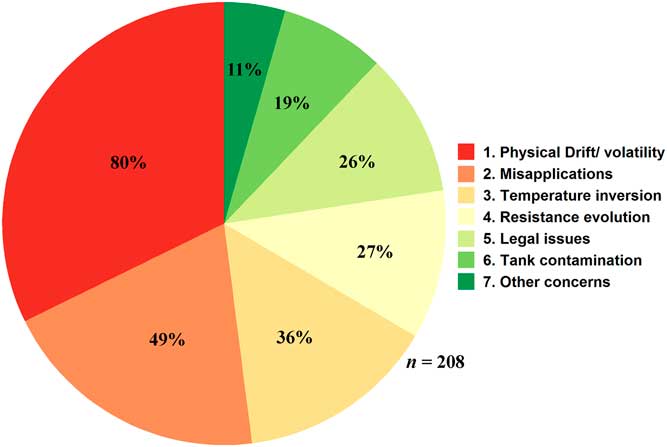
Several respondents (49%) also expressed their concerns regarding the misapplication of synthetic auxins and HPPD inhibitors to widely planted GR soybean areas (Figure 4). In this survey, 36% of respondents were also worried about the temperature inversion; however, they mentioned that a proper education and training program for growers and pesticide applicators could reduce long-distance herbicide drift due to temperature inversion.
Survey participants also feared the evolution of multiple-herbicide resistance in weed species; 27% of respondents noted that rapid adoption of new technologies would lead to the use of one or two specific herbicides as POST treatments, which would ultimately promote the evolution of multiple herbicide–resistant weeds (Figure 4). By 2017, nine weed species in Nebraska were confirmed resistant to at least one herbicide, with several showing multiple-herbicide resistance (Jhala Reference Jhala2018); therefore, a further increase in the number of weeds resistant to multiple herbicides is not desirable.
In this survey, 26% of respondents indicated that they did not want to deal with the legal issues following an off-target movement of auxinic or HPPD-inhibiting herbicides (Figure 4). According to these respondents, any sort of misapplication or off-target movement might create a conflict between neighbors, or between growers and pesticide applicators, that could end up in litigation. A substantial percentage (19%) of survey respondents also reported concerns about tank contamination due to improper sprayer cleanout (Figure 4). A survey by Riar et al. (Reference Riar, Norsworthy, Steckel, Stephenson, Eubank and Scott2013b) also reported that 12% of crop consultants were concerned about tank contamination of auxinic herbicides following POST application in auxinic herbicide–resistant cropping systems. In our statewide survey, 11% of respondents also expressed their concerns regarding several other issues, including selection of proper nozzles for a particular herbicide application, seed cost, and market issues for selling produce, among others.
Weed Management Research and Extension Priorities
Survey participants were asked to list three research and extension priorities to improve weed management in Nebraska (Question 4.1 in Table 1). Surprisingly, 61% of total respondents did not indicate any research or extension priority. Out of a total 166 respondents who listed at least one research or extension priority for future weed management, 48% indicated that there is a need to continue research on management of herbicide-resistant weeds in Nebraska (Figure 5). Several respondents also mentioned research on herbicide-resistant Palmer amaranth and kochia management by emphasizing topics such as the efficacy of different POST herbicides, determining the most effective timing for POST applications, and late-season weed control.
Future weed science research and extension priorities reported by the survey respondents.
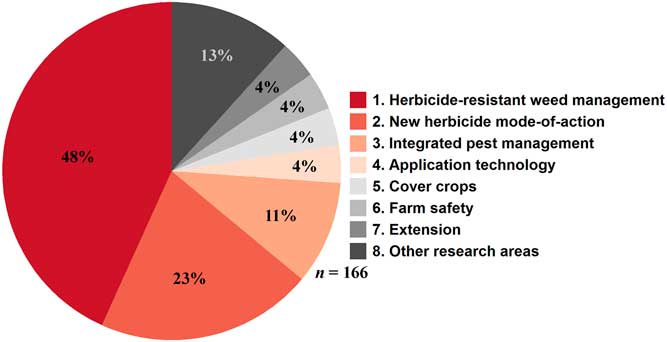
Several survey participants (23%) noted that additional herbicide SOAs are needed to control increasing numbers of weeds resistant to multiple herbicides in row crops. No corn/soybean herbicide belonging to a new SOA has come to the marketplace in the last three decades (Duke Reference Duke2012), and there is little possibility of commercialization of a new SOA herbicide in the near future. Additionally, a substantial number of survey participants (11%) identified the need for integrated pest management research in the future (Figure 5). Respondents were also interested in multidisciplinary research data where economists, entomologists, plant pathologists, and weed scientists would come together to recommend a sustainable pest management program in row crops. Nonchemical weed management was also listed by some stakeholders as an integrated weed management research area.
Several respondents also listed research areas of application technology, cover crops, and farm safety as their top priorities (Figure 5). Reduction in the off-target movement of auxinic herbicides was the major research priority listed under the application technology. In this survey, 4% of respondents were in favor of having a more effective extension system to create awareness among stakeholders about best management practices for controlling herbicide-resistant weeds and developing sustainable production systems. Additionally, some respondents (13%) included research areas other than the aforementioned priorities (Figure 5), which included weed management research in new crops resistant to multiple herbicides, research on the biology and management of invasive and noxious weeds, and weed management research in pastures, popcorn [Zea mays subsp. everta (Sturtev.) Zhuk.], oat (Avena sativa L.), grain sorghum, and wheat.
Acknowledgments
We thank Ian Rogers and Dr. Jatinder S. Aulakh for their assistance in disseminating and tallying the questionnaires. The authors also appreciate all the respondents who took time to complete this survey. We thank the USDA-NIFA–funded Nebraska Extension Implementation Program for supporting this project. No conflicts of interest have been declared.



