Impact statement
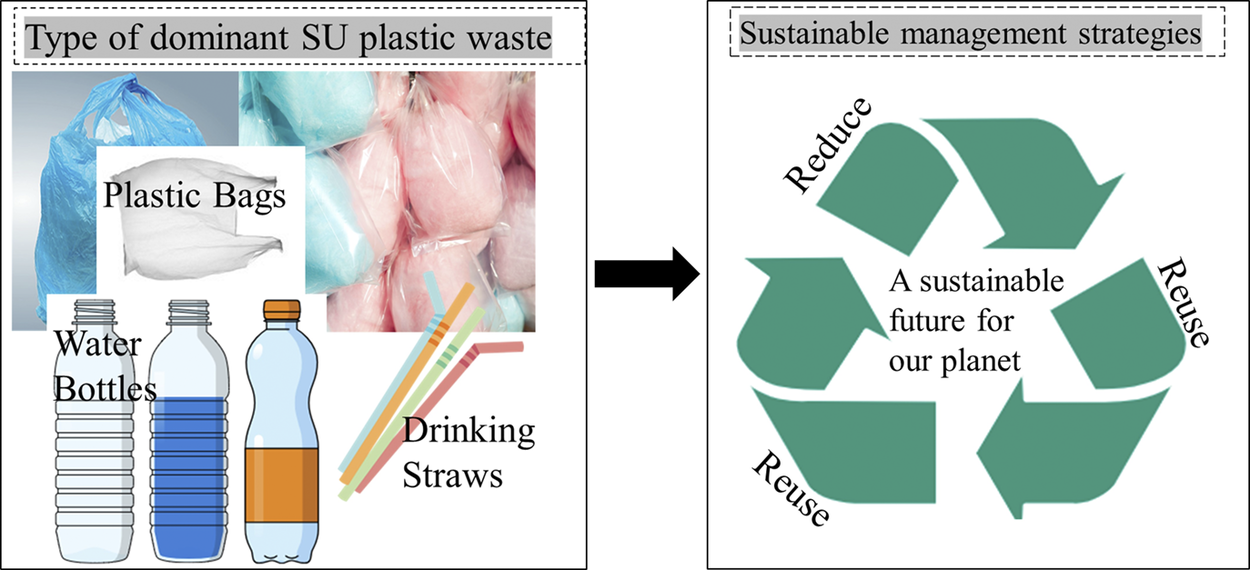
The rise in single-use plastic waste has raised global concern due to its significant environmental and health threats, prompting worldwide calls for zero-waste initiatives and better management strategies. Preventing plastic pollution requires public awareness, cooperation and investment in research and policy. Sustainable strategies like reduction, recycling and reuse are key to minimizing its impact. Also, switching from conventional plastic production and usage to alternative sustainable materials is encouraged to address environmental crisis issues. Alternative sustainable materials should be further explored in future research by advancing the science.
Highlights
-
✓ The per capita consumption of plastics in Ethiopia has drastically increased.
-
✓ The unprecedented increase in plastic consumption is an environmental challenge.
-
✓ Ethiopia should implement at least a 3Rs plastics management strategy.
-
✓ Bans on single-use plastics and strategic implementation of plastic waste management are required.
-
✓ Financing and citizen-science-based waste management practices can reduce this problem.
Introduction
Plastic pollution is widely recognized as contributing to a triple planetary crisis: climate change, natural and biodiversity losses and pollution and waste (Hellweg et al. Reference Hellweg, Benetto, Huijbregts, Verones and Wood2023). Plastic pollution and climate change are closely linked throughout the plastic life cycle, from production to disposal. Most plastics are made from fossil fuels, and their extraction, refinement and manufacturing require energy from carbon-intensive sources, leading to greenhouse gas emissions. Improper disposal, including landfills and incineration, further exacerbates climate change. Plastic pollution also harms natural carbon sinks like marine ecosystems and soils. As plastics degrade, especially in oceans and landfills, they release methane and ethylene, which contribute to global warming. In addition, a recent study has confirmed that plastic pollution can contribute to public health and economic crises. Trasande et al. (Reference Trasande, Belliveau, Krithivasan, Park and Obsekov2024) reported that exposure to plastics containing endocrine-disrupting chemicals added an estimated $249 billion to healthcare costs in the United States in 2018 (Trasande et al. Reference Trasande, Belliveau, Krithivasan, Park and Obsekov2024). This finding underscores the potential economic and public health crisis linked to plastic pollution. Consequently, plastic pollution must be recognized as contributing to a “quadruple crisis.” For example, climate change is not only an environmental issue but also has significant implications for the global economy, with its economic costs being staggering.
Plastic pollution includes microplastics, which can be categorized as primary or secondary microplastic debris (Browne et al. Reference Browne, Galloway and Thompson2010). Primary microplastics are intentionally manufactured for use in products like cosmetics and industrial abrasives. Secondary microplastics result from the degradation of larger plastic items, such as bottles and bags, breaking down into smaller fragments over time. This distinction is important for understanding the sources and impacts of microplastics on the environment and human health. Regardless of their size, microplastics pose a greater risk than macroplastics by harming the environment and impacting more species, owing to their small size and high bioavailability (Pettipas et al. Reference Pettipas, Bernier and Walker2016; Walker and Xanthos Reference Walker and Xanthos2018; Kurniawan et al. Reference Kurniawan, Said, Imron and Abdullah2021).
Plastic consumption in Ethiopia has been 0.044 million metric tons since 2007 but has drastically increased, reaching 0.308 million metric tons in 2020, a seven-fold increase (Statista 2023). In addition, the Federal Democratic Republic of Ethiopia’s Environmental Protection Agency (FDRE-EPA) reported that plastic imports increased from 86,000 to 386,000 tons from 2007 to 2022, representing a 421% increase over 15 years (EEPA 2024). Of these, 58.2% were packaging plastics out of all plastics imported. According to Euromap, Ethiopia’s per capita consumption of plastics has grown exponentially from 0.6 kg in 2007 to 2.6 kg in 2021. This increase has made Ethiopia the second-largest importer of plastic in East and Central Africa, with an annual spending of 17 million Euros on plastic packaging imports (Seyoum Reference Seyoum2023).
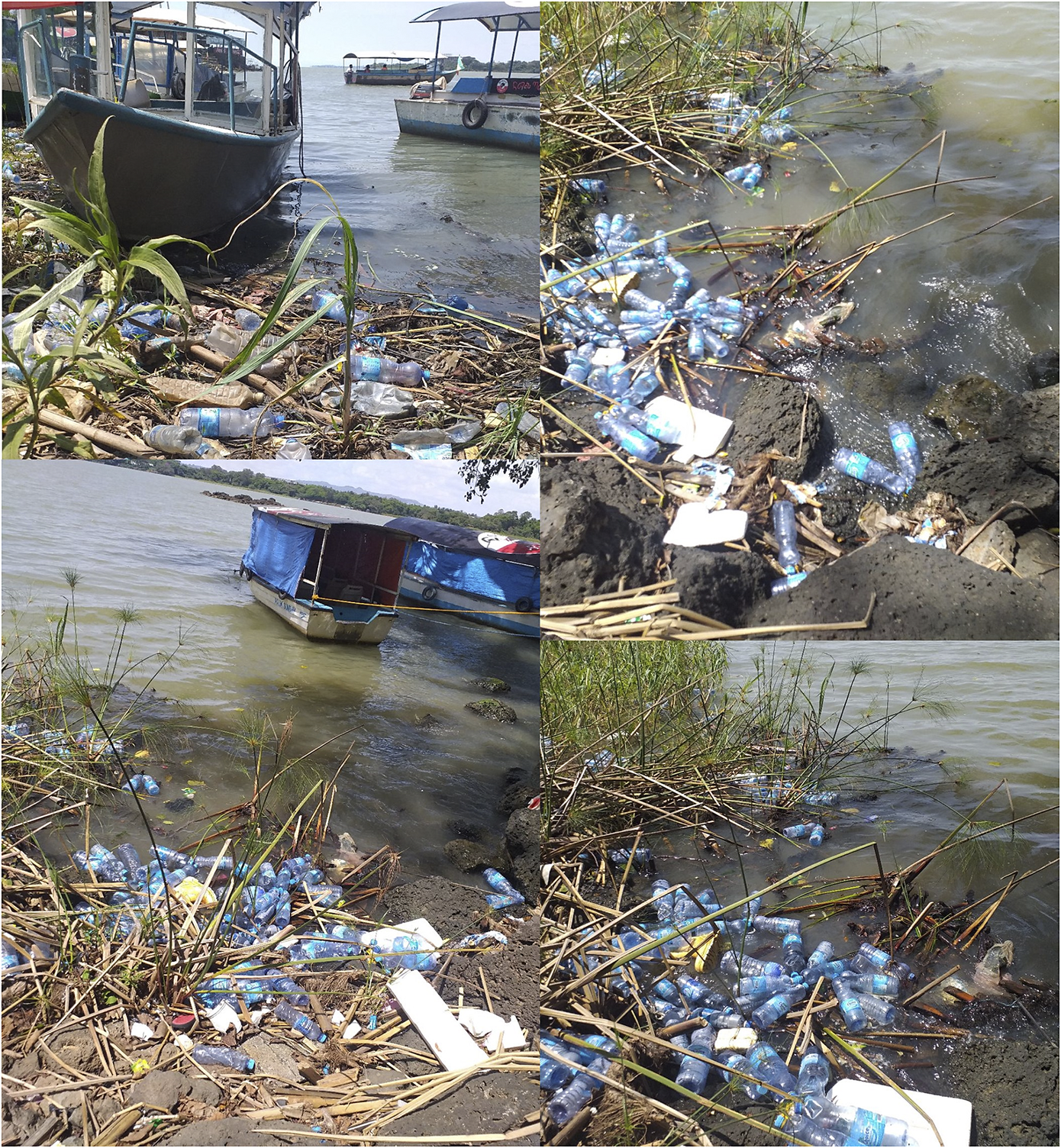
Quantitative plastic waste management strategies, such as the amounts of plastic that are recycled, reused and incinerated, are critical for effective waste management in any country. However, in Ethiopia, there is a lack of clear information in most cities regarding the quantities of plastic waste that have been recycled or reused, as well as other management strategies, due to insufficient databases and information systems. Limited data is available for some major cities, including Hosanna, Addis Ababa, Bahir Dar, Hawassa and Dire Dawa, where only 9% of all plastic waste is recycled and 12% is incinerated (EEPA 2024). The remaining 79% accumulates through open dumping and ultimately ends up in the aquatic environment. Additionally, recycling single-use plastic polymers is challenging and problematic (Walker et al. Reference Walker, Singh and Walker2024). In this regard, there are no clear policy guidelines on how collection and sorting strategies differentiate between thermoset and thermoplastic types, which makes recycling difficult and poses challenges for plastic management in Ethiopia. The current plastic waste management strategy in Ethiopia is inadequate, harming ecosystem services, threatening livelihoods and vulnerable communities and posing significant environmental challenges. Plastic waste has already been observed in water bodies and on walkways (Figure 1), as well as documented in the published literature. Numerous single-use plastics have been identified in aquatic environments. Studies have confirmed that Ethiopian aquatic environments such as Lake Ziway (Merga et al. Reference Merga, Redondo-Hasselerharm, Van den Brink and Koelmans2020), Lake Hawassa (Jeevanandam et al. Reference Jeevanandam, Talelign, Biru, Sakthi, Silva, Saravanan and Jonathan2022), Lake Tana (Aragaw Reference Aragaw2021), (Aragaw et al. Reference Aragaw, De-la-Torre and Teshager2022) and urban environments (Gela and Aragaw Reference Gela and Aragaw2022) are highly polluted by single-use plastic waste.
Figure 1.
Some photographic examples of plastic litter captured from Bahir Dar Shore of Lake Tana – the largest lake in Ethiopia. Photo credit: the present author.
In 2007, the Federal Democratic Republic of Ethiopia (FDRE) established policies for the management of solid waste (FDRE 2007). Under Proclamation No. 62/1999 and 2007, the directive includes the following key policy content aimed at minimizing plastic pollution. These are: (1) ban on production and import: the directive specifically bans the production and importation of plastic bags with a thickness of less than 0.03 mm. This regulation targets thin plastic bags, which are more prone to littering and environmental pollution; (2) plastic waste reduction: the policy is designed to reduce the environmental impact of single-use plastics, particularly thin plastic bags that contribute significantly to plastic pollution in landfills, water bodies and urban areas; (3) compliance and enforcement: the directive would require monitoring and enforcement to ensure that manufacturers, importers and retailers comply with the ban on thin plastic bags, promoting the use of alternatives. These measures align with broader efforts to manage plastic waste and address its environmental impact by targeting problematic products like thin plastic bags. However, this policy lacks details on plastic waste management strategies, roadmaps and implementation, making it ineffective in progressing toward zero plastic waste. Additionally, regional environmental authorities have not yet been established in all parts of the country (Ketema et al. Reference Ketema, Teklewold, Ailemariam and Woubishet2023), rendering the policy impractical. Under the existing policy (Proclamation No. 62/1999 and 2007), some non-governmental organizations have engaged in efforts to reduce and prevent plastic pollution, but the outcomes have not been fruitful. For example, the United Nation Development Programme (UNDP) has provided baling machines to the Ministry of Urban and Infrastructure of Ethiopia to assist cities in managing plastic waste (UNDP 2022). The UNDP provided 13 baling machines to Ethiopia’s Ministry of Urban and Infrastructure to assist in managing plastic waste. These machines were distributed to five major cities – Adama, Bahir Dar, Bishoftu, Dire Dawa, and Hawassa – where they compress plastic to one-third of its original volume, facilitating transport for waste collection businesses. Although the initiative aimed to combat plastic pollution and enhance business efficiency and income, it has not continued or been successful as planned.
Although there have been no updates to the plastic waste management policy from 2007 to 2023, the FDRE-EPA has recently developed national policies and legal instruments for plastic waste management strategies (EEPA 2024). This policy emphasizes the paramount importance of the 3Rs – reduce, reuse and recycle – as a critical preventive philosophy to foster sustainable production and consumption of plastics. It also aligns with a climate-resilient green economy and promotes a green legacy. Effective plastic waste management can rely on industry stewardship, making the implementation of the 3Rs mandatory through initiatives that reduce plastic consumption and production. The policy stipulates that sustained measures should be taken to improve end-of-life plastic waste management, to recycle 25% of plastic waste.
Although plastic plays a vital role in the economy, particularly in developing countries like Ethiopia, there is growing international momentum to rethink its entire life cycle – from design to disposal – and to reduce plastic litter in the environment. This article aims to provide an overview of plastic waste management strategies and offer recommendations for Ethiopia. It also discusses existing international and national policy instruments, as well as future directives, to serve as a foundation for developing policy documents to address plastic pollution in Ethiopia.
Policy instruments
Several African countries have implemented plastic waste management practices and policies to tackle plastic pollution. For example, Kenya implemented one of the strictest plastic bag bans in 2017, prohibiting the use, manufacture and importation of plastic bags (UNEP 2021). The ban includes harsh penalties for violations. This policy instrument also includes public awareness so that the country promotes waste segregation and plastic recycling through initiatives and partnerships with private organizations and incentivization. Similarly, Rwanda has been a leader in environmental protection, banning non-biodegradable plastic bags as early as 2008. The country has strict enforcement and it is often cited as one of Africa’s cleanest countries due to its commitment to waste management (GAIA 2021). Rwanda promotes alternatives to plastics and supports eco-friendly products like paper bags with financial support. Furthermore, many of the developed countries have implemented plastic waste management policy instruments. For example, France banned plastic bags in 2016 and has extended bans to single-use plastic items like straws, cups and plates. By 2040, the country aims to phase out all single-use plastics (CMS Expert Guide 2024). France has set goals to improve recycling rates and reduce plastic waste, including a deposit return system for plastic bottles. Like many countries worldwide, Ethiopia needs to address the significant amount of plastic waste and its associated pollution by establishing effective policy instruments. This issue must be urgently prioritized, as Ethiopia currently lacks suitable strategies to manage plastic waste and must quickly devise and implement practices that incorporate the 3Rs (reduce, reuse and recycle). Changing consumer behavior and implementing strategies for proper plastic management are essential for reducing pollution. Additionally, the plastic waste management system should include specific strategies, such as incentives, by adopting best practices from international policies. Reports confirm that international policies and the lack of financial incentives to discourage single-use plastics hinder efforts to curb their proliferation (Xanthos and Walker Reference Xanthos and Walker2017).
Many countries around the world, including those from East Africa like Kenya, have already successfully implemented bans on plastics, especially single-use plastic bags, while Ethiopia has only issued a restriction on the thickness (>0.03 mm) of the plastic bags. Although there is a ban on plastic thickness, it has not been effectively enforced. Additionally, Ethiopia needs to adopt various international policy instruments to assess and recommend an international plastic treaty that will support a clear national plastic management strategy. Policies banning plastic drinking straws, facilitating the return of plastic bottles and establishing producer responsibility are also necessary to reduce single-use plastics, holding producers accountable for the entire life cycle of their products. Recently, plastic straws have been used in large quantities in restaurants, recreational areas (such as beaches) and travel (Aragaw Reference Aragaw2023). This issue necessitates that Ethiopia develop sustainable management practices to move toward zero plastic waste programs, which can support the concept of a circular economy and address environmental pollution.
As a result of its multiple sources and transport pathways, plastic litter pollutes the natural environment worldwide, from the Antarctic to the Arctic, and from the deep sea to the summit of Everest (Tekman et al. Reference Tekman, Krumpen and Bergmann2017; Napper et al. Reference Napper, Davies, Clifford, Elvin, Koldewey, Mayewski, Miner, Potocki, Elmore, Gajurel and Thompson2020), as well as the atmosphere(Allen et al. Reference Allen, Allen, Phoenix, Le Roux, Durántez Jiménez, Simonneau, Binet and Galop2019; Wright et al. Reference Wright, Ulke, Font, Chan and Kelly2020). Consequently, governments around the world have struggled to establish conventions aimed at reducing plastic debris pollution. For example, the International Convention to prevent pollution from Ships (MARPOL 73/78) was signed in 1973 to prohibit the disposal of plastics at sea (IMO 1973). In 2015, G7 leaders recognized plastic pollution as a major threat at the United Nations Environment Assembly (UNEP 2015). Most recently, UN members adopted a mandate for the International Negotiating Committee (INC) to develop a legally binding UN treaty on plastic pollution (UNEP 2022). This mandate aims to address the entire plastic life cycle, from source to sea. A scientific group called “The Scientists’ Coalition for an Effective Plastic Treaty” has been established (Norad 2022), consisting of approximately 250 experts from 50 nations who are advocating for an agreement that will set legally binding targets to reduce plastic production. However, progress from government and industry representatives has been disappointingly slow, and negotiations have yet to deliver on their promises. These strategies have been adopted worldwide to address the specific needs of different countries. Ethiopia endorsed the resolution on plastic pollution during the fifth session of the United Nations Environment Assembly (UNEA) in 2022.
Strategies for managing plastic bags vary in range and scope across different countries. International governments have implemented measures such as banning the sale of lightweight bags, charging customers and imposing taxes on stores that sell them. For example, authorities in North America have enacted bans, partial bans and fees. In contrast, most European countries have adopted national approaches (Xanthos and Walker Reference Xanthos and Walker2017). In Ethiopia, the policy establishes a ban on plastic bags with a thickness of less than 0.03 mm. Therefore, initial studies are needed to assess the efficacy of single-use plastic bags, and it is essential to adapt international policies to ban single-use plastic bags regardless of their thickness. Similarly, many countries have implemented federal bans on single-use microbeads, with some, like Canada, designating them as toxic chemicals (Walker and Xanthos Reference Walker and Xanthos2018). However, Ethiopia currently lacks a policy to ban single-use microbeads, making it urgent to implement federal regulations for this material. Diverse sources of microbeads, including those from toiletries and cosmetics, pose significant risks to marine life, the environment and human health (Bostan et al. Reference Bostan, Ilyas, Akhtar, Mehmood, Saman, Sayyed, Shatid, Alfaifi, Elbehairi and Pandiaraj2023).
Limitation of plastic waste cleanup in water bodies
Plastic waste management in Ethiopia’s water bodies is still in its early stages, but efforts are underway to address the growing concern of plastic pollution. Key activities and initiatives include waste collection and cleanup efforts, legislation and policy development, public awareness and education, recycling initiatives, plastic waste management in major cities and research and monitoring. Among these, waste collection and cleanup activities have been increasingly implemented in Ethiopia’s water bodies. Local communities, non-governmental organizations and environmental organizations have organized cleanup campaigns around rivers, lakes and reservoirs to remove plastic waste, particularly around Lake Tana. Additionally, regional and federal environmental authorities, along with urban administrations, lead cleanup efforts in urban areas where plastic waste is prevalent. However, while these activities contribute to pollution reduction, they can also negatively impact marine organisms and biodiversity. To mitigate these risks, Ethiopia must adopt sustainable practices that balance both short- and long-term ecological impacts for effective plastic management in its water bodies.
Plastics pollute both land and oceans, with 80% of plastic pollution originating from land sources. This pollution alters habitats and disrupts natural processes, reducing the ability of ecosystem services to adapt to climate change and negatively impacting livelihoods, food production and social well-being. Plastics in water bodies harm food chains and threaten food security, affecting both wildlife and humans. Although the exact amount of plastic litter entering the ocean is uncertain, it is estimated that 1.7 million tons are transported, while 6.0 million tons enter rivers and coastlines (Ritchie and Roser Reference Ritchie and Roser2023).
Recently, ocean cleanup campaigns have been implemented worldwide to remove waste plastic and mitigate the impacts of plastic pollution in marine environments. These campaigns have also extended to freshwater systems, including rivers and lakes. However, this approach is not a sustainable solution, as it can disrupt the balance of ecosystem services. Aquatic environments are home to interconnected animals, plants and microorganisms that rely on one another and their surroundings, all of which can be negatively impacted during cleanup efforts. These ecosystems exhibit complex energy and material cycles, highlighting the interdependence of primary producers and predators. The adage “prevention is better than cure” is particularly relevant here; reducing the risk of complications to ecosystem services and improving long-term environmental health is essential. Efforts to clean up plastics from the ocean can negatively impact organisms and biodiversity in several ways. Common negative effects include: (1) disruption of habitats: physical disturbances and the removal of non-plastic debris can degrade marine environments; (2) bycatch and mortality: the unintentional capture of non-target species can lead to injury or stress within populations; and (3) chemical pollution: the release of toxic substances and plastic fragmentation can harm marine life. Additionally, disruptions to food chains – such as altered food webs and ecosystem imbalances – along with community disruptions, particularly regarding local communities, are significant concerns for ocean-dwelling organisms. A recent study highlighted serious issues within an ocean cleanup campaign, indicating that such efforts can pose considerable risks to the organisms inhabiting the ocean (Bergmann et al. Reference Bergmann, Arp, Almroth, Cowger, Eriksen, Dey, Helm, Krieger, Syberg, Tekman, Thompson and Villarrubia-go2023; Spencer et al. Reference Spencer, Culhane, Chong, Powell, Holst and Helm2023; Tessnow-von Wysocki et al. Reference Tessnow-von Wysocki, Wang, Morales-Caselles, Woodall, Syberg, Carney Almroth and Helm2023). According to Spencer et al. (Reference Spencer, Culhane, Chong, Powell, Holst and Helm2023), in the worst-case scenario, ocean cleanup activities could severely harm surface-dwelling species, and no company operating under such uncertain conditions can guarantee otherwise. Specifically, cleanup operations must understand the anthropogenic environment composed of plastic and microorganisms, known as the “plastisphere,” and how these microorganisms are affected. While removing plastics from the ocean is necessary, it is crucial to approach these efforts with a focus on minimizing harm to marine organisms and biodiversity. This includes careful planning, using less invasive techniques and prioritizing strategies that reduce plastic pollution at its source.
Future perspectives
Globally, around 400 million tons of plastic are produced each year, with projections indicating that production could double by 2050. Alarmingly, only 7–9% of this plastic is recycled annually, while a significant portion ends up in landfills or the environment (OECD 2022; UN 2023). In Ethiopia, plastic consumption has risen sharply, increasing from 0.044 million metric tons in 2007 to 0.308 million metric tons in 2020. Plastic imports grew by 421%from 2007 to 2022 (EEPA 2024). Despite the increasing production and import of plastics to meet rising demand, Ethiopia’s plastic waste management system remains underdeveloped. If this consumption trend continues without improved waste management practices, plastic could outnumber fish in Ethiopian water bodies. Therefore, a robust plastic pollution reduction strategy is urgently needed, focusing on reducing virgin plastic production and implementing effective mitigation and waste management programs. Ethiopia could focus on several key areas to advance toward a sustainable and effective plastic waste management system. These potential future directions include (1) strengthening policy and regulations, (2) promoting a circular economy, (3) increasing public awareness and education, (4) investing in green technology and innovation, (5) enhancing regional and international collaboration, (6) improving monitoring, data collection and research, (7) integrating plastic management with climate action, and (8) adopting the 3Rs (reduce, reuse, recycle) and a zero-waste approach.
Plastic users can contribute to a plastic-free future by adopting conscious and intentional living, such as using recycled bags, reusable utensils, plates and cups and eliminating plastic bottles. This shift in consumer behavior could indirectly reduce plastic production. Additionally, it is feasible to achieve near-zero mismanaged plastic waste if plastic pollution reduction policies are fully committed to and implemented. While completely ending plastic pollution may be challenging, significant reductions can be achieved by applying a comprehensive mix of plastic reduction policies. Future plastic production and imports should shift toward sustainable alternative materials and processes, reducing waste and pollution. Materials derived from renewable resources could serve as alternatives to petroleum-based plastics, playing a vital role in future plastic manufacturing.
Conclusion and recommendations
Conclusion
Plastics have placed immense pressure on the ecological balance of the natural environment. In Ethiopia, large quantities of plastics, particularly single-use plastics, are generated and improperly disposed of, resulting in widespread environmental pollution. Consequently, the large amount of plastic waste entering aquatic environments is rising, posing ongoing and severe threats to ecosystems and living organisms. This article discusses the status, perspectives and future directives of plastic waste management strategies in Ethiopia. It highlights several issues related to plastic pollution in aquatic environments, including management practices, national and international bans and the impact of ocean cleanup efforts on ecosystem services. Given Ethiopia’s current inadequacies in plastic waste management, it is crucial for the government to urgently address and implement policies to mitigate plastic pollution. As seen in many other countries, implementing plastic management strategies, such as reducing, reusing and recycling, along with introducing plastic bans, is unlikely to hinder Ethiopia’s sustainable economic growth. Many nations have successfully adopted these practices. However, the government may need to establish a council or scientific body to provide feedback and recommendations for a national plastic treaty before formulating policies. Additionally, adopting international policies and adapting them to the specific context of developing countries is crucial for effectively reducing plastic pollution in Ethiopia.
Recommendations
It is strongly recommended that the Government of Ethiopia adopt a strict plastic management system, including the banning of various single-use plastics, such as plastic bags, drinking straws, plastic packaging and other items, as well as microplastics like microbeads found in health and beauty products. The Ethiopian parliament, in its annual and semi-annual sessions, should have an agenda on developing and implementing strategies to address plastic pollution by promoting the reduction, reuse and recycling of plastics. Therefore, we urge the Government of Ethiopia to establish practical strategies that address the entire life cycle of plastics.
The following points are recommended for Ethiopia and a broad perspective worldwide as strategies to reduce plastic pollution.
-
• Poor archiving of online data sources on plastic production and consumption can hinder effective waste management and limit informed policymaking. These data should be openly available in national and international databases, as accessible data is crucial for science-based decision-making to combat plastic pollution. Collecting comprehensive data on annual plastic consumption, recycling and reuse rates and waste amounts is essential for addressing the root causes of plastic pollution.
-
• Academicians, researchers and policymakers should prioritize plastic pollution as a critical issue. It is essential to conduct research and implement interventions to develop policies for plastic management and related policy instruments. This approach will enhance societal decision-making by providing timely, reliable and effective decision support.
-
• The country should finance and incentivize plastic waste minimization approaches such as recycling, reusing, redesigning, rethinking and reducing plastic usage. As international negotiations for a plastic treaty to combat pollution are underway and expected to yield a list of control measures, Ethiopia should proactively adopt these practices, regardless of the outcome of the negotiations.
-
• An extended producer responsibility (EPR) framework is essential. To implement EPR effectively, producer responsibility organizations (PROs) must be established to coordinate national and international policies and assist businesses in overcoming challenges related to sustainable management.
-
• It is essential to establish a council of African unions focused on science, research and innovation, with Ethiopia as a participant. Integrating science into policymaking is crucial, as it provides policymakers with the essential data needed to make informed decisions and shapes political outcomes effectively.
-
• Finally, transparency regarding the chemical constituents of plastics must be addressed throughout the value chain and plastic life cycle to restrict harmful chemicals and explore alternatives. Over 13,000 chemicals associated with plastic production are identified as highly toxic and capable of migrating from plastics (UNEP 2023). Disclosing this information is vital, as it affects the lifecycle management of plastic waste. Ethiopia should actively participate in this campaign, as it can contribute to reducing plastic pollution and promoting resource efficiency within a toxic-free circular economy, while also ensuring the public’s right to know.





 Open access


Impact statement
The rise in single-use plastic waste has raised global concern due to its significant environmental and health threats, prompting worldwide calls for zero-waste initiatives and better management strategies. Preventing plastic pollution requires public awareness, cooperation and investment in research and policy. Sustainable strategies like reduction, recycling and reuse are key to minimizing its impact. Also, switching from conventional plastic production and usage to alternative sustainable materials is encouraged to address environmental crisis issues. Alternative sustainable materials should be further explored in future research by advancing the science.
Highlights
✓ The per capita consumption of plastics in Ethiopia has drastically increased.
✓ The unprecedented increase in plastic consumption is an environmental challenge.
✓ Ethiopia should implement at least a 3Rs plastics management strategy.
✓ Bans on single-use plastics and strategic implementation of plastic waste management are required.
✓ Financing and citizen-science-based waste management practices can reduce this problem.
Introduction
Plastic pollution is widely recognized as contributing to a triple planetary crisis: climate change, natural and biodiversity losses and pollution and waste (Hellweg et al. Reference Hellweg, Benetto, Huijbregts, Verones and Wood2023). Plastic pollution and climate change are closely linked throughout the plastic life cycle, from production to disposal. Most plastics are made from fossil fuels, and their extraction, refinement and manufacturing require energy from carbon-intensive sources, leading to greenhouse gas emissions. Improper disposal, including landfills and incineration, further exacerbates climate change. Plastic pollution also harms natural carbon sinks like marine ecosystems and soils. As plastics degrade, especially in oceans and landfills, they release methane and ethylene, which contribute to global warming. In addition, a recent study has confirmed that plastic pollution can contribute to public health and economic crises. Trasande et al. (Reference Trasande, Belliveau, Krithivasan, Park and Obsekov2024) reported that exposure to plastics containing endocrine-disrupting chemicals added an estimated $249 billion to healthcare costs in the United States in 2018 (Trasande et al. Reference Trasande, Belliveau, Krithivasan, Park and Obsekov2024). This finding underscores the potential economic and public health crisis linked to plastic pollution. Consequently, plastic pollution must be recognized as contributing to a “quadruple crisis.” For example, climate change is not only an environmental issue but also has significant implications for the global economy, with its economic costs being staggering.
Plastic pollution includes microplastics, which can be categorized as primary or secondary microplastic debris (Browne et al. Reference Browne, Galloway and Thompson2010). Primary microplastics are intentionally manufactured for use in products like cosmetics and industrial abrasives. Secondary microplastics result from the degradation of larger plastic items, such as bottles and bags, breaking down into smaller fragments over time. This distinction is important for understanding the sources and impacts of microplastics on the environment and human health. Regardless of their size, microplastics pose a greater risk than macroplastics by harming the environment and impacting more species, owing to their small size and high bioavailability (Pettipas et al. Reference Pettipas, Bernier and Walker2016; Walker and Xanthos Reference Walker and Xanthos2018; Kurniawan et al. Reference Kurniawan, Said, Imron and Abdullah2021).
Plastic consumption in Ethiopia has been 0.044 million metric tons since 2007 but has drastically increased, reaching 0.308 million metric tons in 2020, a seven-fold increase (Statista 2023). In addition, the Federal Democratic Republic of Ethiopia’s Environmental Protection Agency (FDRE-EPA) reported that plastic imports increased from 86,000 to 386,000 tons from 2007 to 2022, representing a 421% increase over 15 years (EEPA 2024). Of these, 58.2% were packaging plastics out of all plastics imported. According to Euromap, Ethiopia’s per capita consumption of plastics has grown exponentially from 0.6 kg in 2007 to 2.6 kg in 2021. This increase has made Ethiopia the second-largest importer of plastic in East and Central Africa, with an annual spending of 17 million Euros on plastic packaging imports (Seyoum Reference Seyoum2023).
Quantitative plastic waste management strategies, such as the amounts of plastic that are recycled, reused and incinerated, are critical for effective waste management in any country. However, in Ethiopia, there is a lack of clear information in most cities regarding the quantities of plastic waste that have been recycled or reused, as well as other management strategies, due to insufficient databases and information systems. Limited data is available for some major cities, including Hosanna, Addis Ababa, Bahir Dar, Hawassa and Dire Dawa, where only 9% of all plastic waste is recycled and 12% is incinerated (EEPA 2024). The remaining 79% accumulates through open dumping and ultimately ends up in the aquatic environment. Additionally, recycling single-use plastic polymers is challenging and problematic (Walker et al. Reference Walker, Singh and Walker2024). In this regard, there are no clear policy guidelines on how collection and sorting strategies differentiate between thermoset and thermoplastic types, which makes recycling difficult and poses challenges for plastic management in Ethiopia. The current plastic waste management strategy in Ethiopia is inadequate, harming ecosystem services, threatening livelihoods and vulnerable communities and posing significant environmental challenges. Plastic waste has already been observed in water bodies and on walkways (Figure 1), as well as documented in the published literature. Numerous single-use plastics have been identified in aquatic environments. Studies have confirmed that Ethiopian aquatic environments such as Lake Ziway (Merga et al. Reference Merga, Redondo-Hasselerharm, Van den Brink and Koelmans2020), Lake Hawassa (Jeevanandam et al. Reference Jeevanandam, Talelign, Biru, Sakthi, Silva, Saravanan and Jonathan2022), Lake Tana (Aragaw Reference Aragaw2021), (Aragaw et al. Reference Aragaw, De-la-Torre and Teshager2022) and urban environments (Gela and Aragaw Reference Gela and Aragaw2022) are highly polluted by single-use plastic waste.
Some photographic examples of plastic litter captured from Bahir Dar Shore of Lake Tana – the largest lake in Ethiopia. Photo credit: the present author.
In 2007, the Federal Democratic Republic of Ethiopia (FDRE) established policies for the management of solid waste (FDRE 2007). Under Proclamation No. 62/1999 and 2007, the directive includes the following key policy content aimed at minimizing plastic pollution. These are: (1) ban on production and import: the directive specifically bans the production and importation of plastic bags with a thickness of less than 0.03 mm. This regulation targets thin plastic bags, which are more prone to littering and environmental pollution; (2) plastic waste reduction: the policy is designed to reduce the environmental impact of single-use plastics, particularly thin plastic bags that contribute significantly to plastic pollution in landfills, water bodies and urban areas; (3) compliance and enforcement: the directive would require monitoring and enforcement to ensure that manufacturers, importers and retailers comply with the ban on thin plastic bags, promoting the use of alternatives. These measures align with broader efforts to manage plastic waste and address its environmental impact by targeting problematic products like thin plastic bags. However, this policy lacks details on plastic waste management strategies, roadmaps and implementation, making it ineffective in progressing toward zero plastic waste. Additionally, regional environmental authorities have not yet been established in all parts of the country (Ketema et al. Reference Ketema, Teklewold, Ailemariam and Woubishet2023), rendering the policy impractical. Under the existing policy (Proclamation No. 62/1999 and 2007), some non-governmental organizations have engaged in efforts to reduce and prevent plastic pollution, but the outcomes have not been fruitful. For example, the United Nation Development Programme (UNDP) has provided baling machines to the Ministry of Urban and Infrastructure of Ethiopia to assist cities in managing plastic waste (UNDP 2022). The UNDP provided 13 baling machines to Ethiopia’s Ministry of Urban and Infrastructure to assist in managing plastic waste. These machines were distributed to five major cities – Adama, Bahir Dar, Bishoftu, Dire Dawa, and Hawassa – where they compress plastic to one-third of its original volume, facilitating transport for waste collection businesses. Although the initiative aimed to combat plastic pollution and enhance business efficiency and income, it has not continued or been successful as planned.
Although there have been no updates to the plastic waste management policy from 2007 to 2023, the FDRE-EPA has recently developed national policies and legal instruments for plastic waste management strategies (EEPA 2024). This policy emphasizes the paramount importance of the 3Rs – reduce, reuse and recycle – as a critical preventive philosophy to foster sustainable production and consumption of plastics. It also aligns with a climate-resilient green economy and promotes a green legacy. Effective plastic waste management can rely on industry stewardship, making the implementation of the 3Rs mandatory through initiatives that reduce plastic consumption and production. The policy stipulates that sustained measures should be taken to improve end-of-life plastic waste management, to recycle 25% of plastic waste.
Although plastic plays a vital role in the economy, particularly in developing countries like Ethiopia, there is growing international momentum to rethink its entire life cycle – from design to disposal – and to reduce plastic litter in the environment. This article aims to provide an overview of plastic waste management strategies and offer recommendations for Ethiopia. It also discusses existing international and national policy instruments, as well as future directives, to serve as a foundation for developing policy documents to address plastic pollution in Ethiopia.
Policy instruments
Several African countries have implemented plastic waste management practices and policies to tackle plastic pollution. For example, Kenya implemented one of the strictest plastic bag bans in 2017, prohibiting the use, manufacture and importation of plastic bags (UNEP 2021). The ban includes harsh penalties for violations. This policy instrument also includes public awareness so that the country promotes waste segregation and plastic recycling through initiatives and partnerships with private organizations and incentivization. Similarly, Rwanda has been a leader in environmental protection, banning non-biodegradable plastic bags as early as 2008. The country has strict enforcement and it is often cited as one of Africa’s cleanest countries due to its commitment to waste management (GAIA 2021). Rwanda promotes alternatives to plastics and supports eco-friendly products like paper bags with financial support. Furthermore, many of the developed countries have implemented plastic waste management policy instruments. For example, France banned plastic bags in 2016 and has extended bans to single-use plastic items like straws, cups and plates. By 2040, the country aims to phase out all single-use plastics (CMS Expert Guide 2024). France has set goals to improve recycling rates and reduce plastic waste, including a deposit return system for plastic bottles. Like many countries worldwide, Ethiopia needs to address the significant amount of plastic waste and its associated pollution by establishing effective policy instruments. This issue must be urgently prioritized, as Ethiopia currently lacks suitable strategies to manage plastic waste and must quickly devise and implement practices that incorporate the 3Rs (reduce, reuse and recycle). Changing consumer behavior and implementing strategies for proper plastic management are essential for reducing pollution. Additionally, the plastic waste management system should include specific strategies, such as incentives, by adopting best practices from international policies. Reports confirm that international policies and the lack of financial incentives to discourage single-use plastics hinder efforts to curb their proliferation (Xanthos and Walker Reference Xanthos and Walker2017).
Many countries around the world, including those from East Africa like Kenya, have already successfully implemented bans on plastics, especially single-use plastic bags, while Ethiopia has only issued a restriction on the thickness (>0.03 mm) of the plastic bags. Although there is a ban on plastic thickness, it has not been effectively enforced. Additionally, Ethiopia needs to adopt various international policy instruments to assess and recommend an international plastic treaty that will support a clear national plastic management strategy. Policies banning plastic drinking straws, facilitating the return of plastic bottles and establishing producer responsibility are also necessary to reduce single-use plastics, holding producers accountable for the entire life cycle of their products. Recently, plastic straws have been used in large quantities in restaurants, recreational areas (such as beaches) and travel (Aragaw Reference Aragaw2023). This issue necessitates that Ethiopia develop sustainable management practices to move toward zero plastic waste programs, which can support the concept of a circular economy and address environmental pollution.
As a result of its multiple sources and transport pathways, plastic litter pollutes the natural environment worldwide, from the Antarctic to the Arctic, and from the deep sea to the summit of Everest (Tekman et al. Reference Tekman, Krumpen and Bergmann2017; Napper et al. Reference Napper, Davies, Clifford, Elvin, Koldewey, Mayewski, Miner, Potocki, Elmore, Gajurel and Thompson2020), as well as the atmosphere(Allen et al. Reference Allen, Allen, Phoenix, Le Roux, Durántez Jiménez, Simonneau, Binet and Galop2019; Wright et al. Reference Wright, Ulke, Font, Chan and Kelly2020). Consequently, governments around the world have struggled to establish conventions aimed at reducing plastic debris pollution. For example, the International Convention to prevent pollution from Ships (MARPOL 73/78) was signed in 1973 to prohibit the disposal of plastics at sea (IMO 1973). In 2015, G7 leaders recognized plastic pollution as a major threat at the United Nations Environment Assembly (UNEP 2015). Most recently, UN members adopted a mandate for the International Negotiating Committee (INC) to develop a legally binding UN treaty on plastic pollution (UNEP 2022). This mandate aims to address the entire plastic life cycle, from source to sea. A scientific group called “The Scientists’ Coalition for an Effective Plastic Treaty” has been established (Norad 2022), consisting of approximately 250 experts from 50 nations who are advocating for an agreement that will set legally binding targets to reduce plastic production. However, progress from government and industry representatives has been disappointingly slow, and negotiations have yet to deliver on their promises. These strategies have been adopted worldwide to address the specific needs of different countries. Ethiopia endorsed the resolution on plastic pollution during the fifth session of the United Nations Environment Assembly (UNEA) in 2022.
Strategies for managing plastic bags vary in range and scope across different countries. International governments have implemented measures such as banning the sale of lightweight bags, charging customers and imposing taxes on stores that sell them. For example, authorities in North America have enacted bans, partial bans and fees. In contrast, most European countries have adopted national approaches (Xanthos and Walker Reference Xanthos and Walker2017). In Ethiopia, the policy establishes a ban on plastic bags with a thickness of less than 0.03 mm. Therefore, initial studies are needed to assess the efficacy of single-use plastic bags, and it is essential to adapt international policies to ban single-use plastic bags regardless of their thickness. Similarly, many countries have implemented federal bans on single-use microbeads, with some, like Canada, designating them as toxic chemicals (Walker and Xanthos Reference Walker and Xanthos2018). However, Ethiopia currently lacks a policy to ban single-use microbeads, making it urgent to implement federal regulations for this material. Diverse sources of microbeads, including those from toiletries and cosmetics, pose significant risks to marine life, the environment and human health (Bostan et al. Reference Bostan, Ilyas, Akhtar, Mehmood, Saman, Sayyed, Shatid, Alfaifi, Elbehairi and Pandiaraj2023).
Limitation of plastic waste cleanup in water bodies
Plastic waste management in Ethiopia’s water bodies is still in its early stages, but efforts are underway to address the growing concern of plastic pollution. Key activities and initiatives include waste collection and cleanup efforts, legislation and policy development, public awareness and education, recycling initiatives, plastic waste management in major cities and research and monitoring. Among these, waste collection and cleanup activities have been increasingly implemented in Ethiopia’s water bodies. Local communities, non-governmental organizations and environmental organizations have organized cleanup campaigns around rivers, lakes and reservoirs to remove plastic waste, particularly around Lake Tana. Additionally, regional and federal environmental authorities, along with urban administrations, lead cleanup efforts in urban areas where plastic waste is prevalent. However, while these activities contribute to pollution reduction, they can also negatively impact marine organisms and biodiversity. To mitigate these risks, Ethiopia must adopt sustainable practices that balance both short- and long-term ecological impacts for effective plastic management in its water bodies.
Plastics pollute both land and oceans, with 80% of plastic pollution originating from land sources. This pollution alters habitats and disrupts natural processes, reducing the ability of ecosystem services to adapt to climate change and negatively impacting livelihoods, food production and social well-being. Plastics in water bodies harm food chains and threaten food security, affecting both wildlife and humans. Although the exact amount of plastic litter entering the ocean is uncertain, it is estimated that 1.7 million tons are transported, while 6.0 million tons enter rivers and coastlines (Ritchie and Roser Reference Ritchie and Roser2023).
Recently, ocean cleanup campaigns have been implemented worldwide to remove waste plastic and mitigate the impacts of plastic pollution in marine environments. These campaigns have also extended to freshwater systems, including rivers and lakes. However, this approach is not a sustainable solution, as it can disrupt the balance of ecosystem services. Aquatic environments are home to interconnected animals, plants and microorganisms that rely on one another and their surroundings, all of which can be negatively impacted during cleanup efforts. These ecosystems exhibit complex energy and material cycles, highlighting the interdependence of primary producers and predators. The adage “prevention is better than cure” is particularly relevant here; reducing the risk of complications to ecosystem services and improving long-term environmental health is essential. Efforts to clean up plastics from the ocean can negatively impact organisms and biodiversity in several ways. Common negative effects include: (1) disruption of habitats: physical disturbances and the removal of non-plastic debris can degrade marine environments; (2) bycatch and mortality: the unintentional capture of non-target species can lead to injury or stress within populations; and (3) chemical pollution: the release of toxic substances and plastic fragmentation can harm marine life. Additionally, disruptions to food chains – such as altered food webs and ecosystem imbalances – along with community disruptions, particularly regarding local communities, are significant concerns for ocean-dwelling organisms. A recent study highlighted serious issues within an ocean cleanup campaign, indicating that such efforts can pose considerable risks to the organisms inhabiting the ocean (Bergmann et al. Reference Bergmann, Arp, Almroth, Cowger, Eriksen, Dey, Helm, Krieger, Syberg, Tekman, Thompson and Villarrubia-go2023; Spencer et al. Reference Spencer, Culhane, Chong, Powell, Holst and Helm2023; Tessnow-von Wysocki et al. Reference Tessnow-von Wysocki, Wang, Morales-Caselles, Woodall, Syberg, Carney Almroth and Helm2023). According to Spencer et al. (Reference Spencer, Culhane, Chong, Powell, Holst and Helm2023), in the worst-case scenario, ocean cleanup activities could severely harm surface-dwelling species, and no company operating under such uncertain conditions can guarantee otherwise. Specifically, cleanup operations must understand the anthropogenic environment composed of plastic and microorganisms, known as the “plastisphere,” and how these microorganisms are affected. While removing plastics from the ocean is necessary, it is crucial to approach these efforts with a focus on minimizing harm to marine organisms and biodiversity. This includes careful planning, using less invasive techniques and prioritizing strategies that reduce plastic pollution at its source.
Future perspectives
Globally, around 400 million tons of plastic are produced each year, with projections indicating that production could double by 2050. Alarmingly, only 7–9% of this plastic is recycled annually, while a significant portion ends up in landfills or the environment (OECD 2022; UN 2023). In Ethiopia, plastic consumption has risen sharply, increasing from 0.044 million metric tons in 2007 to 0.308 million metric tons in 2020. Plastic imports grew by 421%from 2007 to 2022 (EEPA 2024). Despite the increasing production and import of plastics to meet rising demand, Ethiopia’s plastic waste management system remains underdeveloped. If this consumption trend continues without improved waste management practices, plastic could outnumber fish in Ethiopian water bodies. Therefore, a robust plastic pollution reduction strategy is urgently needed, focusing on reducing virgin plastic production and implementing effective mitigation and waste management programs. Ethiopia could focus on several key areas to advance toward a sustainable and effective plastic waste management system. These potential future directions include (1) strengthening policy and regulations, (2) promoting a circular economy, (3) increasing public awareness and education, (4) investing in green technology and innovation, (5) enhancing regional and international collaboration, (6) improving monitoring, data collection and research, (7) integrating plastic management with climate action, and (8) adopting the 3Rs (reduce, reuse, recycle) and a zero-waste approach.
Plastic users can contribute to a plastic-free future by adopting conscious and intentional living, such as using recycled bags, reusable utensils, plates and cups and eliminating plastic bottles. This shift in consumer behavior could indirectly reduce plastic production. Additionally, it is feasible to achieve near-zero mismanaged plastic waste if plastic pollution reduction policies are fully committed to and implemented. While completely ending plastic pollution may be challenging, significant reductions can be achieved by applying a comprehensive mix of plastic reduction policies. Future plastic production and imports should shift toward sustainable alternative materials and processes, reducing waste and pollution. Materials derived from renewable resources could serve as alternatives to petroleum-based plastics, playing a vital role in future plastic manufacturing.
Conclusion and recommendations
Conclusion
Plastics have placed immense pressure on the ecological balance of the natural environment. In Ethiopia, large quantities of plastics, particularly single-use plastics, are generated and improperly disposed of, resulting in widespread environmental pollution. Consequently, the large amount of plastic waste entering aquatic environments is rising, posing ongoing and severe threats to ecosystems and living organisms. This article discusses the status, perspectives and future directives of plastic waste management strategies in Ethiopia. It highlights several issues related to plastic pollution in aquatic environments, including management practices, national and international bans and the impact of ocean cleanup efforts on ecosystem services. Given Ethiopia’s current inadequacies in plastic waste management, it is crucial for the government to urgently address and implement policies to mitigate plastic pollution. As seen in many other countries, implementing plastic management strategies, such as reducing, reusing and recycling, along with introducing plastic bans, is unlikely to hinder Ethiopia’s sustainable economic growth. Many nations have successfully adopted these practices. However, the government may need to establish a council or scientific body to provide feedback and recommendations for a national plastic treaty before formulating policies. Additionally, adopting international policies and adapting them to the specific context of developing countries is crucial for effectively reducing plastic pollution in Ethiopia.
Recommendations
It is strongly recommended that the Government of Ethiopia adopt a strict plastic management system, including the banning of various single-use plastics, such as plastic bags, drinking straws, plastic packaging and other items, as well as microplastics like microbeads found in health and beauty products. The Ethiopian parliament, in its annual and semi-annual sessions, should have an agenda on developing and implementing strategies to address plastic pollution by promoting the reduction, reuse and recycling of plastics. Therefore, we urge the Government of Ethiopia to establish practical strategies that address the entire life cycle of plastics.
The following points are recommended for Ethiopia and a broad perspective worldwide as strategies to reduce plastic pollution.
• Poor archiving of online data sources on plastic production and consumption can hinder effective waste management and limit informed policymaking. These data should be openly available in national and international databases, as accessible data is crucial for science-based decision-making to combat plastic pollution. Collecting comprehensive data on annual plastic consumption, recycling and reuse rates and waste amounts is essential for addressing the root causes of plastic pollution.
• Academicians, researchers and policymakers should prioritize plastic pollution as a critical issue. It is essential to conduct research and implement interventions to develop policies for plastic management and related policy instruments. This approach will enhance societal decision-making by providing timely, reliable and effective decision support.
• The country should finance and incentivize plastic waste minimization approaches such as recycling, reusing, redesigning, rethinking and reducing plastic usage. As international negotiations for a plastic treaty to combat pollution are underway and expected to yield a list of control measures, Ethiopia should proactively adopt these practices, regardless of the outcome of the negotiations.
• An extended producer responsibility (EPR) framework is essential. To implement EPR effectively, producer responsibility organizations (PROs) must be established to coordinate national and international policies and assist businesses in overcoming challenges related to sustainable management.
• It is essential to establish a council of African unions focused on science, research and innovation, with Ethiopia as a participant. Integrating science into policymaking is crucial, as it provides policymakers with the essential data needed to make informed decisions and shapes political outcomes effectively.
• Finally, transparency regarding the chemical constituents of plastics must be addressed throughout the value chain and plastic life cycle to restrict harmful chemicals and explore alternatives. Over 13,000 chemicals associated with plastic production are identified as highly toxic and capable of migrating from plastics (UNEP 2023). Disclosing this information is vital, as it affects the lifecycle management of plastic waste. Ethiopia should actively participate in this campaign, as it can contribute to reducing plastic pollution and promoting resource efficiency within a toxic-free circular economy, while also ensuring the public’s right to know.
Open peer review
To view the open peer review materials for this article, please visit http://doi.org/10.1017/plc.2024.37.
Acknowledgment
The author thanks the institutes/universities affiliated with this study for allowing access to resources including computer and office materials.
Financial support
This study was not financed by any organization or individuals.
Competing interest
The authors declare that they have no known financial/personal relational competing interests that could influence the work reported in this study.
CRediT authorship contribution
Tadele Assefa Aragaw: Conceptualization, Validation, Formal analysis, Investigation, Writing – Original Draft, Writing – review & editing.