


Fruits and vegetables (F&V) are a consistent feature of diets associated with a lower risk of cancer and other diet-related diseases(1). F&V also play an important role in weight management and are promoted for obesity prevention because of their low energy density, higher fibre content and satiety value(2–Reference Boeing, Bechthold and Bub4). Yet, less than 15 % of US adults consume recommended amounts of F&V(Reference Moore and Thompson5). Low income is a risk factor for low F&V intake(Reference Kirkpatrick, Dodd and Reedy6–Reference Robinson8), highlighting the need for dietary intervention programmes and policies to promote F&V intake in low-income groups.
The Special Supplemental Nutrition Program for Women, Infants, and Children (WIC) serves low-income, nutritionally at-risk pregnant and postpartum women and children(9). The programme provides healthy foods to supplement diets (via WIC food packages), nutrition education and health-care referrals(9). In 2016, WIC reached 53 % of all infants born in the USA, along with their mothers, providing an unparalleled opportunity for intervention to promote F&V intake in low-income families(10).
In 1992, Congress established the WIC Farmers’ Market Nutrition Program (FMNP) to improve access to fresh, locally grown F&V through farmers’ markets among WIC participants and to expand awareness, use of and sales at these venues(11). Participants receive up to $US 30 in seasonal vouchers that can be used to buy F&V from WIC-authorized farmers(11). WIC participants also receive monthly cash value vouchers (CVV) to purchase F&V (redeemable at approved retail food vendors, e.g. supermarkets, grocery stores and convenience stores, and at farmers’ markets in twenty-nine states, including New Jersey, the location of the present study)(12). CVV were added to WIC food packages in 2009 (initially valued at $US 6 for children and $US 10 for adults; current amounts are $US 8 and $US 11, respectively) to reflect recommendations made in an Institute of Medicine report that found lower-than-recommended F&V intakes in the WIC population(13, 14). Despite the promise of FMNP vouchers and CVV for improving F&V purchases and consumption among WIC participants, voucher redemption is less than optimal. Nationwide, the 2018 FMNP voucher redemption rate (the number of vouchers (of the total number issued) redeemed by participants) was 52 %; less than 1 % of CVV issued to participants are redeemed at farmers’ markets among states reporting this information(15, 16). According to a 2016 report, most (76 %) of WIC retail food benefits (including CVV) are redeemed at large stores (superstores, supermarkets and large grocery stores)(Reference Tiehen and Frazao17). Structural and informational barriers limit farmers’ market use among low-income consumers, i.e. lacking or having inconsistent access to transportation and distance to markets, and not knowing the locations of markets, respectively(Reference Di Noia, Monica and Cullen18–Reference Pitts, Wu and Demarest20).
Farm-to-institution programmes are recommended to facilitate access to fresh F&V from regional farms to institutions(Reference Harris, Lott and Lakins21). Although programmes consist primarily of institutional purchases of locally grown farm products for use in such settings as cafeterias, salad bars and on-site restaurants, additional activities may include direct sales to customers at on-site farmers’ markets and community-supported agriculture produce box deliveries(Reference Harris, Lott and Lakins21). Comprehensive programmes also incorporate nutrition education and experiential learning opportunities to build consumer knowledge and skills(Reference Harris, Lott and Lakins21). Yet, programmes designed for the WIC setting are few.
Kaiser et al. explored produce preferences and buying habits among WIC participants and developed F&V fact sheets for use in a possible farm-to-WIC intervention(Reference Kaiser, Lamp and Ganthavorn22). Stallings et al. examined the effects, on F&V intake and nutrition knowledge and competencies, of having a farmer on-site during the FMNP voucher issuance period at each of two WIC clinics (clinic A and clinic B)(Reference Stallings, Gazmararian and Goodman23). The authors varied the time frame for FMNP voucher redemption (clinic A, day of issuance; clinic B, within 2 weeks of issuance) and the place and method of redemption (clinic A, participants made F&V selections from a list and the farmer packaged F&V from participants’ list selections; clinic B participants selected their own F&V (from the on-site farmer or area farmers’ markets)). From baseline to post-intervention, F&V intake increased among participants who redeemed all FMNP vouchers upon issuance. Ball et al. established a farmers’ market in the parking lot of a WIC clinic(Reference Ball, McCauley and Paul24). The market operated weekly on Thursdays over 24 weeks, involved twelve farmers (with six present on an average market day) and featured over fifty different types of F&V. From pre- to post-intervention, the countywide FMNP redemption rate increased from 51·3 to 62·9 %. Sales from FMNP vouchers alone represented $US 4888 in revenue for the participating farmers.
The present study examined the feasibility of a novel farm-to-WIC intervention (grounded in the Social Ecological Model and Social Cognitive Theory) to promote F&V intake and FMNP voucher redemption among urban WIC-enrolled women. Although the programme also established an on-site market (as did Stallings et al. and Ball et al.), a difference with the markets described in these studies was that a local farmer provided F&V for the market(Reference Stallings, Gazmararian and Goodman23, Reference Ball, McCauley and Paul24). Trained nutrition educators and WIC nutritionists operated the market, provided behaviourally focused nutrition education to participants, and conducted F&V recipe demonstrations and tastings. This approach was designed to benefit the farmer (by generating revenue via sales at the on-site market, reducing operational costs (e.g. costs to pay for a location and staff to operate the market) and freeing up the farmer to operate markets elsewhere) and WIC participants (via improved access to fresh, local F&V and high-quality instruction). By integrating the intervention into the WIC setting, the programme built upon existing WIC resources and extended the nutrition education WIC participants already receive(Reference O’Connor and Whaley25).
Methods
Overview of methodological approach
Guided by Bowen et al.’s framework for conducting feasibility studies(Reference Bowen, Kreuter and Spring26), two areas of focus were addressed: (i) implementation (the extent, likelihood and manner in which an intervention can be implemented as planned); and (ii) acceptability (how the intended recipients react to the intervention). For the implementation assessment, the outcome of interest was the success or failure of execution, i.e. whether components were implemented as intended and lessons learned in implementing the programme. Data also were collected on food and retail qualities affecting F&V purchases and consumption, i.e. the availability, variety and prices of F&V and the redemption of FMNP vouchers and CVV at the WIC-based market(Reference Blitstein, Snider and Evans27–Reference Krukowski, McSweeney and Sparks29). Also examined were whether F&V availability differed on days foods were delivered by the farmer relative to those on which they were not, an indicator of whether sufficient amounts were provided to last between deliveries, and whether F&V availability was associated with FMNP voucher redemption. Although the efficacy of the intervention was not formally examined, data provided by the collaborating agency were used to test for differences in the FMNP voucher redemption rate at the site with the farmers’ market and fourteen other sites for which FMNP voucher redemption data were available. Participants served at the main site were 70 % Hispanic, 14 % African American and 9 % White. Although the racial/ethnic composition of the fourteen other sites varied, the aggregate distribution for the fourteen sites combined was similar (primarily Hispanic (67 %), with small and similar percentages of African American (9 %) and White (18 %) participants served). Two dimensions of acceptability were assessed: (i) satisfaction with the intervention (including suggestions, if any, for improving the programme); and (ii) intentions to purchase F&V again at the market. Findings will add to the limited data on the feasibility of implementing a novel, theory-driven, farm-to-WIC intervention and the acceptability of the programme to recipients. Lessons learned may serve as a guide for the development of other similar such programmes.
Setting and design
The setting for the research was a large, multisite agency serving 21 500 WIC participants monthly. The farmers’ market was implemented at the agency’s main site located in Paterson, New Jersey, a densely populated, urban area. Site-level (within-agency) data were used to assess the feasibility of implementing the programme. Separate convenience samples of twenty and fifty-four women, respectively, were recruited to participate in in-depth interviews (held in May 2017 to pre-test F&V fact sheets planned for the project) and complete an exit survey (administered between June and August (when the WIC-based market was in operation) to assess the acceptability of the intervention). Inclusionary criteria for in-depth interviews were being an English- or Spanish-speaking WIC participant or caregiver of a child participant. For exit interviews, the criterion was having purchased F&V at the WIC-based market. The research was approved by the William Paterson University Institutional Review Board for Human Subject Research. All participants provided informed written consent prior to their study involvement.
Intervention
Collaboration with WIC agency partners
Conducting research with hard-to-reach populations, such as low-income and minority adults, is dependent upon establishing partnerships with community agencies serving these populations(Reference Brannon, Kuhl and Boles30). The current study is part of an ongoing collaboration between the lead author (a university-based researcher) and New Jersey state and local WIC agency representatives. Our partnership was formed due to shared interests in identifying effective approaches to promote FMNP voucher redemption, and correspondingly F&V intake, among urban, WIC-enrolled women.
In a 3-year study with US Department of Agriculture funding, our group developed an online lesson to promote FMNP voucher redemption and F&V intake in the targeted population. The research was informed by a participatory approach equitably involving WIC agency representatives in all phases of the work(Reference Israel, Schulz and Parker31). The intervention was evaluated in a randomized, longitudinal design. Although exposure to the lesson was associated with improvements in targeted knowledge and skills, there was a lack of programme effects on F&V intake and FMNP voucher redemption(Reference Di Noia, Monica and Sikorskii32). We attributed the lack of effects to the singular approach of targeting knowledge and skills alone without also addressing structural barriers limiting farmers’ market use, i.e. limited farmers’ markets in the area, limited public transportation options to markets and transportation issues reported by participants (lacking or having inconsistent access to transportation and distance to markets)(Reference Di Noia, Monica and Cullen18). The present study was undertaken to explore the feasibility of implementing a WIC-based market and delivering educational materials (found effective in our earlier work) at the market. WIC representatives were supportive of and fully involved with the design and implementation of the present study.
Guiding theoretical framework and intervention components
According to the Social Ecological Model, behaviour is shaped by influences operating at multiple levels, i.e. intrapersonal and interpersonal factors, community and organizational factors, and public policies(Reference Robinson8). The Social Cognitive Theory emphasizes targeting the environment (factors external to a person), behavioural capacity (knowledge and skills to perform a behaviour) and self-efficacy (confidence in the ability to perform a behaviour) using self-control strategies such as monitoring and feedback to regulate behaviour, observational learning (the acquisition of behaviours by observing outcomes of others’ behaviour, ideally credible and relatable role models) and reinforcement (incentives, rewards and feedback) to increase the likelihood of a behaviour(Reference Berlin, Norris and Kolodinsky33–Reference Bandura35).
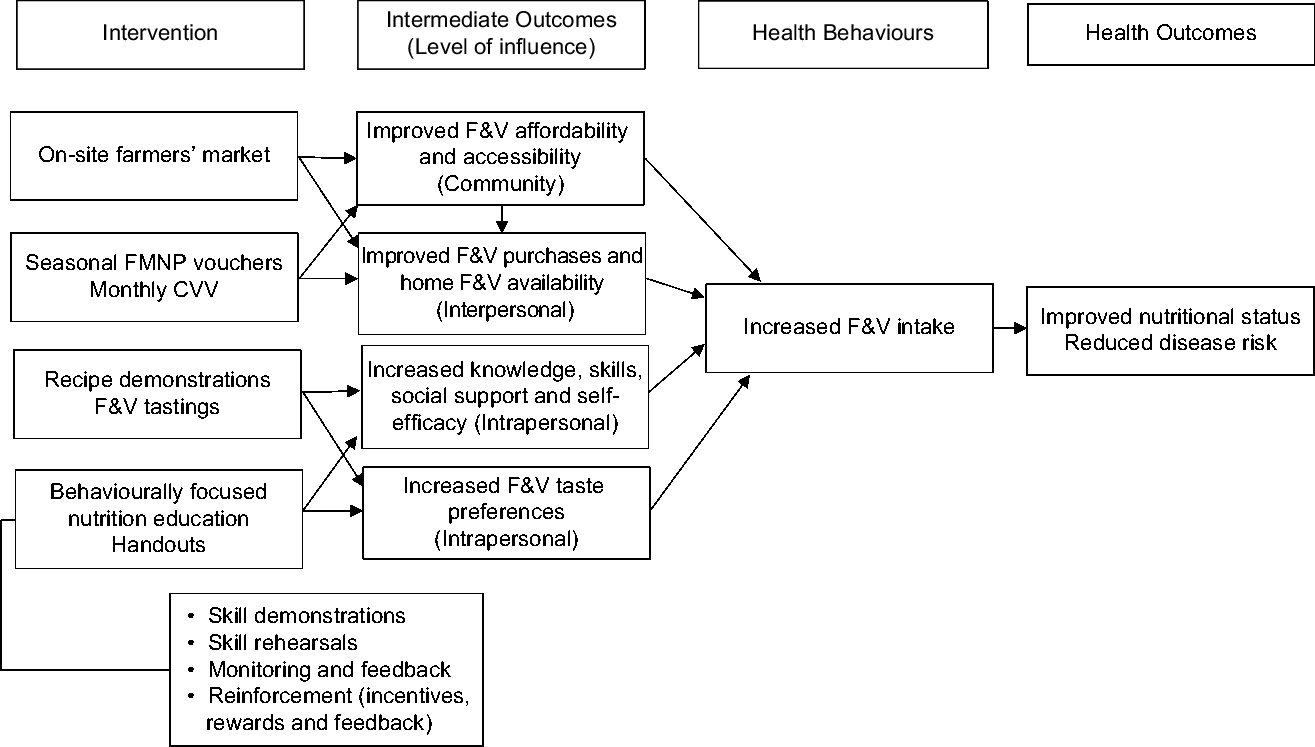
The programme consisted of: (i) a WIC-based farmers’ market (to improve community access to F&V, and among those purchasing F&V at the market, home F&V availability); (ii) behaviourally focused individual and group-based nutrition education (to enhance social support for F&V consumption and build relevant knowledge, skills and self-efficacy); (iii) F&V recipe demonstrations and tastings (to build F&V knowledge, preparation skills and preferences for unfamiliar F&V); and (iv) F&V handouts (to reinforce F&V knowledge and preparation skills). The logic model for intervention development is shown in Fig. 1. Our earlier research with women served by the collaborating agency revealed that participants’ vegetable (but not fruit) intake was below recommended levels(Reference Di Noia, Monica and Sikorskii32, Reference Di Noia, Monica and CullenNoia36, Reference Di Noia, Monica and Gray37). Therefore, the focus of intervention was promoting vegetable intake.
Logic model for intervention development (F&V, fruit and vegetable; FMNP, Farmers’ Market Nutrition Program; CVV, cash value voucher). Adapted with permission from Liberato et al.(Reference Liberato, Bailie and Brimblecombe47)
WIC-based market
In the planning stages of the study, a decision was made to work with a single farmer. Excluded were area farmers who offered a limited variety of produce and/or who could not provide foods across weekdays the market would be in operation (Monday–Friday). Of eligible farmers approached about collaborating, one agreed to do so. The farmer was known to and had previously collaborated with the local agency director on a similar initiative. As such, the farmer was interested in exploring new ways to increase FMNP voucher redemption.
The WIC-based market was implemented in 2017 during the FMNP voucher issuance period (19 June 2017 to 18 August 2017) in a classroom set aside for this purpose. The collaborating farmer provided F&V twice per week (foods were delivered on Monday and Wednesday mornings). Unsold items were stored at the end of each day in a conference room (F&V requiring refrigeration were stored in any of five on-site refrigerators).
The classroom was equipped with about twenty chairs arranged in rows facing the market. Women presenting for services were directed to wait for appointments in the classroom with the market. Groups of ten to twelve participants cycled through the classroom approximately every 20 min.
Signage (in English and Spanish) was posted throughout the clinic to raise awareness of the market. A script was developed for front-desk staff outlining the information to be provided to participants upon check-in, i.e. that there was an on-site market, that they could redeem their CVV at the market, and that if they received FMNP vouchers, they could also redeem them at the market. At the time of the study, pregnant and breast-feeding women and children aged 2–5 years were eligible to receive FMNP vouchers (two $US 10 vouchers per participant).
Although many state agencies issue WIC benefits using electronic benefit transfer, at the time of the study, FMNP vouchers and CVV were issued on paper. New Jersey WIC participants whose F&V purchases exceed the face value of FMNP vouchers and CVV are required to pay the difference out of pocket. To simplify transactions at the WIC-based market, F&V were priced by the piece or package such as $US 0·50 per ear of corn and $US 2·00 per quart of potatoes. As participants made their selections, market staff informed them of amounts spent/left on the vouchers, e.g. ‘That’s $6 so far. You have $4 left to spend’. As such, there were no instances in which a participant’s purchase exceeded the face value of a voucher requiring the participant to pay the difference out of pocket. FMNP vouchers and CVV were the only forms of payment accepted at the market. Although cash transactions were considered, because the local agency was located in a high-crime area, the agency director expressed concern regarding the potential to place market staff accumulating cash at risk of theft. Therefore, cash was not accepted at the market. Women purchasing F&V at the market were given cloth tote bags (provided by the collaborating WIC agency) to carry their produce home from the market.
Nutrition education
One or two bilingual (English/Spanish and English/Arabic) research staff and WIC nutritionists operated the market (depending on staff availability), and provided group-based instruction to women while waiting for appointments (during which they received CVV and FMNP vouchers (if eligible)) and individualized instruction to those returning to the classroom after appointments to purchase F&V with the vouchers. Topics included the FMNP (who was eligible to receive vouchers, where the vouchers could be redeemed (staff informed participants that they could purchase F&V from the on-site farmer or any other WIC-authorized farmer and reviewed the list of markets with WIC-authorized farmers provided to participants with the vouchers) and the voucher redemption period), CVV (participants learned that CVV could also be used to purchase F&V from WIC-authorized farmers), and the selection, storage, preparation and health benefits of seasonal F&V. Prior to their entry to the field, research staff attended a half-day training to review study protocols and rehearse intervention scripts.
Fruit and vegetable recipe demonstrations and tastings
Following the group-based instruction, WIC nutritionists demonstrated recipes for preparing F&V sold at the market (the agency paid the farmer for F&V used in recipe demonstrations). The nutritionists described recipe steps as they were shown, invited women and children to taste completed recipes, and distributed handouts (in English and Spanish) listing recipe steps.
Fruit and vegetable handouts
Participants could select any of several vegetable fact sheets (in English and Spanish) on display at the WIC-based market. A focus was unfamiliar vegetables among women served by the collaborating agency (identified previously(Reference Di Noia, Monica and CullenNoia36) and via in-depth interviews with twenty participants in the current study (60 % Hispanic, 30 % African American, 10 % White or other)). Developed elsewhere for a limited-literacy WIC audience, each fact sheet featured a single vegetable with tips on how to select, store and prepare the item(Reference Kaiser, Lamp and Ganthavorn22). The fact sheets were adapted for the project with permission from the developer(Reference Kaiser, Lamp and Ganthavorn22). Mindful that the Spanish names of foods in the original fact sheets (developed for Hispanics primarily of Mexican origin) might differ from the names used among the primarily Dominican- and Puerto Rican-origin women served by the collaborating agency, Hispanic interview participants also were asked to indicate whether the names shown were those they used to refer to the items and if not, to provide the names. Over a 4-week period, the wording was accordingly revised based on the feedback. Additional fact sheets were developed for local foods that were not among the items represented. Newly developed fact sheets were forward translated into Spanish and were independently reviewed and revised as needed by an individual who was fluent in English and Spanish and experienced in working with women served by the collaborating agency.
Measures
Programme implementation and acceptability
Daily logs were used to document programme activities, including problems, if any, encountered in implementing intervention components and strategies to address them (based on discussion with WIC representatives and the participating farmer). Research staff invited women who purchased F&V at the market to complete a brief exit survey (acceptability assessment). In accordance with health literacy universal precautions, an assumption was made that all participants had limited reading and writing skills. To maximize understanding of the survey, questions were orally administered(Reference Liang and Brach38). One Likert-scaled item assessed satisfaction with the programme (ratings were on a 7-point scale with higher ratings indicating greater satisfaction). A yes/no item queried intentions to purchase F&V again at the market, if available. To learn about key motivators for intending to purchase F&V again at the market, those responding affirmatively were presented with a closed-ended item querying reason(s) to do so (response options were the convenience of the market, the appeal of the F&V, the quality of the F&V, being able to get good amounts of F&V for the money, to help participating farmers stay in business, liking the handouts, the helpfulness of the staff, and other (a write-in option was available to record other reasons)). Finally, an open-ended item queried what, if anything, could be done to improve the programme.
Fruit and vegetable availability, variety and pricing
F&V availability (the number of items offered at the WIC-based market) and pricing (costs (set by the farmer) to purchase featured items) were assessed daily using data recorded by research staff at the start of each market day. F&V variety (the number of different types of F&V offered) also was assessed daily using data provided by the farmer on days produce was delivered to the market. To enable pricing comparisons, data were collected on the prices of F&V sold in the same way as at the on-site market (i.e. by the piece or package) at four area farmers’ markets with WIC-authorized farmers. Two of the markets were located in the same city as the WIC-based market (residents are primarily Hispanic (58 %), with 29 % living below the poverty level) and two were located in suburban areas (residents are primarily White (≥86 %), with less than 5 % living below the poverty level)(39).
Voucher redemption
At the end of each market day, staff recorded the number of FMNP vouchers and CVV collected from participants (used to construct measures of the number of vouchers redeemed daily and weekly (averaged across weeks during which the market was open on all five days to capture typical weekly patterns)). The collaborating agency provided data on the FMNP voucher redemption rate during the 2017 FMNP voucher redemption period (19 June 2017 through 30 November 2017).
Statistical methods
The focus of the implementation assessment was whether: (i) F&V were provided on schedule, i.e. in the morning before the agency opened on all scheduled dates; (ii) the market operated on all scheduled dates; (iii) group-based instruction was provided to participants while waiting for appointments; (iv) individualized instruction was provided to those returning to the market after appointments; (v) handouts adapted for the project were available at all times; and (vi) recipe demonstrations and tastings were implemented daily throughout the day. Descriptive statistics were used to characterize the daily availability and variety of F&V at the market, the weekly number of FMNP vouchers and CVV redeemed at the market, and responses to closed-ended survey items (for the item querying satisfaction with the intervention, a rating of ≥5·0 on the 7-point scale was considered evidence of a high degree of satisfaction). Differences in F&V availability on delivery v. non-delivery days were examined with an independent-samples t test. Pricing data were compared by item and foods were classified as being higher- or lower-priced at the WIC-based market relative to the four area farmers’ markets. The markets were grouped by location (located in the same urban area as the WIC-based market or a more affluent suburban area) and F&V were separately classified as being higher- or lower-priced at the WIC-based market relative to the urban and suburban markets. A Pearson correlation was calculated to assess the relationship between the number of F&V available at the market and the number of FMNP vouchers redeemed at the market daily. The FMNP voucher redemption rate at the site with the WIC-based market was compared with the rate among the other agency sites with a two-sample z test. Responses to the open-ended item on what could be done to improve the market were reviewed. Similar responses were grouped together and summarized based on frequency of mention, in accordance with established guidelines(Reference Braun, Clarke and Cooper40).
Results
The farmer delivered F&V on time and on all scheduled dates with one exception: there was no delivery on Monday 3 July because the farmer mistakenly thought that the agency was closed for the Fourth of July holiday. The market operated on all scheduled dates with the following exceptions: there was no market on Tuesday 4 July (because the agency was closed to the public for staff meetings) and for seven weekdays between 24 July 2017 and 1 August 2017 (because the agency ran out of FMNP vouchers and was waiting to receive additional vouchers from the state WIC agency). On average, 12 (sd 3) items were available daily at the market. The farmer provided, on average, 12 (sd 1) unique F&V per delivery. In total, twenty different types of vegetables (eight with sub-varieties, e.g. beefsteak, cherry and plum tomatoes), four fruits and one herb were offered over the course of the study. On average, the number of F&V available was higher on delivery days (13 (sd 2) items) than non-delivery days (11 (sd 2) items), t 32 = –3·46, P < 0·01. On four days (one Tuesday, one Thursday and two Fridays) the market closed early because all foods had sold out by midday. Storing unsold items was time and labour intensive, and taxed available resources. On most days, all on-site refrigerators were filled with items being stored for the next market day.
For thirteen of nineteen F&V, prices were lower at the WIC-based market than at area markets (Table 1). When examined by location, seven of thirteen F&V were lower-priced relative to suburban markets (Table 2). Of the remaining six F&V, three were lower-priced relative to urban markets and three were lower-priced relative to urban and suburban markets.
Prices of vegetables at the WIC-based market and area farmers’ markets*, New Jersey, USA, 19 June 2017–18 August 2017
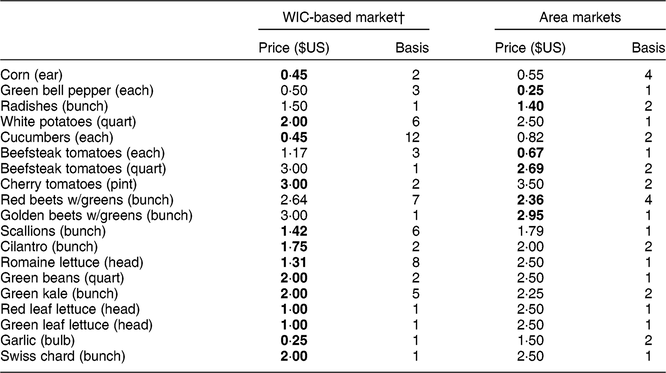
WIC, Special Supplemental Nutrition Program for Women, Infants, and Children; F&V, fruit and vegetable; FMNP, Farmers’ Market Nutrition Program; CVV, cash value voucher.
Comparatively lower priced items are highlighted in bold.
* Included were four markets with farmers authorized by WIC to accept WIC F&V vouchers (FMNP vouchers and CVV) located in the same county as the agency with the WIC-based market.
† Refers to the number of times the item was offered at the WIC-based market and the number of area markets for which comparative pricing data were available. Prices were averaged across the number of times items were offered at the WIC-based market and the number of area markets for which comparative pricing data were available.
Prices of vegetables at the WIC-based market and area farmers’ markets, by location of area markets*, New Jersey, USA, 19 June 2017–18 August 2017
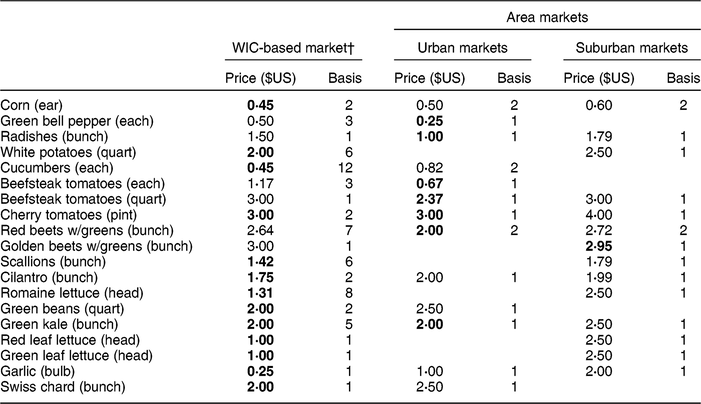
WIC, Special Supplemental Nutrition Program for Women, Infants, and Children; F&V, fruit and vegetable; FMNP, Farmers’ Market Nutrition Program; CVV, cash value voucher.
Comparatively lower priced items are highlighted in bold.
* Included were four markets with farmers authorized by WIC to accept WIC FMNP vouchers and CVV located in the same county as the agency with the WIC-based market. Two were located in an urban area (the same city in which the agency with the WIC-based market was located) and two were located in more affluent suburban areas.
† Refers to the number of times the item was offered at the WIC-based market and the number of area markets for which comparative pricing data were available. Prices were averaged across the number of times items were offered at the WIC-based market and the number of urban and suburban area markets for which comparative pricing data were available.
Across weeks, participants redeemed, on average, 166 (sd 31) FMNP vouchers and 7 (sd 2) CVV on-site (1193 FMNP vouchers and fifty CVV in total). Sales from the redemption of vouchers generated $US 16 680 in revenue for the farmer (exceeding expectations, as reported by the farmer). The number of F&V available daily was associated with the number of FMNP vouchers redeemed daily (r = 0·39, P < 0·05). The FMNP voucher redemption rate at the site with the WIC-based market (46 %) was higher than the rate among the fourteen other sites (39 %; z = 5·88, P < 0·01).
Classroom facilities were adequate to operate the market and provide nutrition education to participants. Group-based instruction was implemented as intended. There was great interest in the market among participants waiting for appointments (staff reported that there were lively discussions among participants about the market and that participants often requested information on unfamiliar F&V featured at the market). Personalized instruction also was delivered as intended. However, market staff reported that providing instruction was challenging when operating the market alone compared with a second person present (owing to the volume of clients returning to the classroom after appointments to purchase F&V at the market). Handouts were successfully adapted for the project as described above and were on display as planned.
WIC nutritionists conducted F&V recipe demonstrations and tastings throughout the day. Recipes were well received (the nutritionists noted anecdotally that participants reported learning new recipes and enjoying the taste of completed recipes, and often shared other recipes for preparing featured items with one another). On six days, there were no demonstrations and tastings as the agency was understaffed and could not devote nutritionists to the project.
Among fifty-four shoppers agreeing to complete the exit survey, the mean satisfaction rating was 6·89 (sd 0·57) on the 7-point scale. All respondents reported that they would purchase F&V again at the market, if available. Frequently reported reasons to do so (in descending order of frequency of mention) were the convenience of the market (reported by n 50 or 94 % of participants), the quality of the F&V (reported by n 42 or 79 % of participants) and the helpfulness of the staff (reported by n 41 or 77 % of participants). Of the fifty-four participants, forty responded to the item querying what, if anything, could be done to improve the market. Of these forty, twenty-six described what they liked about the market (e.g. ‘Great idea to have at this office’, ‘Makes it easier for us parents’ and ‘Love the fresh fruits and veggies. Thank you!’). Two themes emerged among the remaining fourteen participants reporting suggestions for improvement. These were to: (i) increase the availability of F&V offered at the market (reported by n 5 or 36 %; illustrative comments included ‘More produce would be good’, ‘It would be great if you could get more F&V’ and ‘I wish when they came back next time they have even more fruits’); and (ii) increase the variety of F&V (reported by n 4 or 29 %; illustrative comments included ‘Offer a bigger selection of produce’ and ‘Include more diverse options’). Two (14 %) participants suggested increasing both the availability and variety of offerings.
Discussion
The present study examined the feasibility of implementing a farm-to-WIC intervention and the acceptability of the programme to recipients. Findings revealed that it was feasible to implement the programme envisioned and the intervention was well received by participants. Factors influencing implementation fidelity and suggestions for further refining the intervention also were identified.
The unanticipated market closures highlight the need for improved communication and coordination among the investigators, the participating farmer and WIC agency representatives. For example, regular outreach to the farmer to confirm scheduled deliveries in advance may have limited misunderstandings about the agency’s holiday schedule. Moreover, delays in receiving additional vouchers may have been avoided by contacting state WIC agency representatives when the FMNP voucher supply was low (but not yet depleted) to request additional vouchers.
The early market closures suggest that sufficient amounts of F&V were provided per delivery to last that day and the next but not a third day (most commonly, F&V delivered on Wednesdays were sold out by midday on Fridays). Moreover, the lower number of items offered on non-delivery as compared with delivery days suggests that the amounts of F&V provided sold out quickly from one day to the next. Warranting investigation is the feasibility of alternative delivery schedules, e.g. delivery of foods daily by the farmer (and pick up of unsold items at the end of the day). In addition to improving consistency in the availability and variety of offerings, a daily delivery schedule would obviate challenges encountered in storing unsold items. Also warranting investigation is effective approaches to improve inventory management, i.e. stock amounts of F&V that sell out or come close to selling out before the next delivery.
Findings highlight staffing requirements to implement the intervention as intended. Group-based instruction was implemented as planned regardless of staffing. This is not surprising, as only one individual was responsible for providing this type of instruction; however, at least two people were needed to optimize the delivery of personalized instruction. Moreover, a third person was needed to conduct F&V recipe demonstrations and tastings. Knowledge of these staffing requirements may aid programme planners in designing similar such interventions.
Programme planners should consider having the instruction provided at the WIC-based market approved by WIC as a nutrition education lesson, thereby freeing up nutritionists’ time by having clients scheduled to attend nutritionist-led health education classes complete the lesson instead. To meet staffing requirements, having different nutritionists work at the market for part of the day (rather than full days) also should be considered. Consultation with WIC administrators is recommended to arrange staff schedules as some tasks (providing individualized counselling to high-risk clients) might be prioritized over staffing the market. Warranting consideration is the number of days to operate the market. FMNP vouchers are issued in the summer, a time of year when staffing shortages are common owing to holiday and vacation schedules. Although coverage might be improved by operating the market on set days (rather than the entire week), a trade-off is lost opportunities for those attending the clinic on non-market days to receive the intervention.
An early study of a large farmers’ market revealed that most farmers specialized in selling one or two produce products; a modest 5 % sold five or more products(Reference Brooker and Taylor41). The twelve items available, on average, daily at the WIC-based market compare favourably with these data. The twelve different types of F&V provided per delivery also compares favourably with data collected from thirty-four farmers’ markets revealing that, on average, 4·5 unique fruits and 8·4 unique vegetables were featured at the markets(Reference Valpiani, Wilde and Rogers42). Yet, the twenty-five unique F&V provided over the course of the present study is lower than the more than fifty different types of F&V featured at the WIC-based market described by Ball et al.(Reference Ball, McCauley and Paul24). Noteworthy is that the Ball et al. market included twelve farmers and operated over a 24-week period, whereas in the present study, there was one participating farmer; and the market was in operation over a shorter (8-week) period and was discontinued in mid-August, a time of year when many varieties of local F&V are not yet in season(43). The use of a single farmer, relatively shorter duration of the market and implementation of the market at the start of the local growing season may explain the smaller variety of F&V in the present study compared with the Ball et al. study. In the present study, the timing of intervention was determined based on the FMNP voucher issuance period. Warranting study is the effects on F&V variety of issuing FMNP vouchers later in the year, e.g. at the peak of the growing season, as the variety of local F&V farmers can provide will depend on which foods are seasonally available.
The lower F&V prices at the WIC-based market relative to area markets can be explained by the affluence of the neighbourhoods in which the area markets were located. For most comparisons, F&V prices were lower when compared with suburban markets or urban and suburban markets combined. The lower prices also may be due, in part, to the strong collaboration with the participating farmer. In discussions with the farmer during the planning stage of the project, the investigators shared the aim of enabling participants to get good amounts of F&V for their vouchers at the on-site market. The farmer was vested in providing a positive experience for participants and agreed to price foods competitively. The minimal costs to provide foods (transportation costs and costs for staff to package and deliver foods) likely afforded the farmer flexibility in setting F&V prices. That most foods were lower-priced and revenues exceeded the farmer’s expectations demonstrate that, as shown elsewhere, shared goals can be advanced through coordinated and collaborative efforts(Reference Conrey, Frongillo and Dollahite44).
The $US 11 930 in sales attributable to FMNP vouchers alone was more than double the $US 4888 generated at the market in the Ball et al. study(Reference Ball, McCauley and Paul24). Differences in the amounts may be an artifact of state-level differences in FMNP operations. As noted above, in the present study (conducted in New Jersey), FMNP participants received two vouchers valued at $US 10 each. In the Ball et al. study (conducted in North Carolina), participants received six FMNP vouchers valued at $US 4 each. The FMNP does not allow participants to get change back if their produce costs less than the face value of the vouchers. Possibly, more revenues were generated in the present study than in the Ball et al. study because participants had to purchase F&V in $US 10 (v. $US 4) increments.
The positive association between the variety of F&V at the WIC-based market and the number of FMNP vouchers redeemed at the market is not surprising in light of research demonstrating that the availability and quality of F&V at retail shopping venues influences F&V purchasing behaviour(Reference Blitstein, Snider and Evans27–Reference Krukowski, McSweeney and Sparks29). The 7 % difference between the FMNP voucher redemption rate at the site with the market (46 %) and the rate among the agency’s fourteen other sites (39 %) is promising. However, it is difficult to compare this difference with findings reported in one of the few other studies examining the implementation of a WIC-based farmers’ market owing to differences in the designs of the studies. In the present study, voucher redemption rates were compared at the end of the FMNP voucher redemption period whereas elsewhere, rates were compared before and after implementation of the WIC-based market. Nevertheless, the observed difference is practically meaningful considering the modest scope of the project. The fifty CVV redeemed at the on-site market is noteworthy, exceeding the number redeemed in our earlier intervention research examining the effects of nutrition education on the redemption CVV at farmers’ markets(Reference Di Noia, Monica and Sikorskii32). The higher number of CVV redeemed in the present study highlights the promise of combining nutrition education with improved access via the WIC-based market.
Satisfaction with the intervention was uniformly high. Moreover, all survey respondents reported intending to purchase F&V again at the market, providing evidence of the acceptability of the intervention. As noted earlier, transportation issues and distance to markets limit farmers’ market use among low-income consumers(Reference Tiehen and Frazao17–Reference Grace, Grace and Becker19), possibly explaining why the convenience of the market was the most frequently mentioned reason for intending to purchase F&V again at the market. Participants also were motivated by the helpfulness of the staff, highlighting the acceptability of our approach of using trained nutrition educators and WIC nutritionists (v. farmers or their staff) to support and educate participants about local produce.
Despite the high satisfaction found, the 7 % increase in the FMNP voucher redemption rate was modest, suggesting that factors other than satisfaction likely influenced voucher redemption. Possibly, the modest increase was due to the short (8-week) duration of the market, which precluded women returning to the market after the FMNP voucher issuance period from purchasing F&V at WIC. Whether this was in fact the case warrants further investigation. Also warranting study is factors influencing voucher redemption that should be a focus of intervention.
Warranting discussion is features of the WIC-based market unique to the present study. Decisions to price foods by the piece or package (to simplify transactions and allow participants to track their expenditures and keep them within voucher limits) and not to accept cash were driven by safety concerns. Programme planners are strongly encouraged to design similar such programmes collaboratively with WIC (as was done in the present study) to accommodate local concerns while also conforming to all rules and regulations governing WIC. In low-risk settings, for example, it may be feasible to price F&V by weight and allow participants to purchase F&V in amounts that exceed the value of FMNP vouchers and CVV to pay the difference with other forms of payment.
Limitations and strengths
The intervention was implemented in a single WIC agency. Unknown is how representative the setting was of a typical agency and whether the intervention could be implemented in other WIC agencies generally and those located in non-urban areas. Market-level characteristics were the focus of evaluation, precluding assessment of intrapersonal influences on purchases at the market, e.g. familiarity with and preferences for featured items. Pricing comparisons were based on F&V sold by the piece or package. Many F&V are sold by weight both at farmers’ markets and supermarkets. Excluding items sold by weight may therefore have biased the averages reported. Although site-level differences in the FMNP voucher redemption rate were examined, further research is needed to rigorously evaluate intervention effects on F&V voucher redemption. Survey results should be interpreted with caution in light of the mode of administration. Previous work has shown that oral interviews tend to produce more positive reports of satisfaction and to yield a higher proportion of socially desirable responses relative to self-administered questionnaires(Reference Conti and Pudney45, Reference Molina, Lim and Seow46). Participants who purchased F&V at the market were offered the opportunity to complete the survey, precluding assessment of reactions to the programme among all women visiting the market regardless of whether they purchased F&V. In light of these limitations, survey results should be considered suggestive rather than definitive.
Despite these limitations, the present study is one of the few to examine the feasibility of a farm-to-WIC intervention. The study builds upon the investigators’ prior intervention research with targeted audience members and extends existing research on the implementation and outcomes of WIC-based farmers’ markets(Reference Stallings, Gazmararian and Goodman23, Reference Ball, McCauley and Paul24) by additionally examining reactions to the intervention among recipients. The intervention approach is novel relative to those that involve having farmers sell F&V directly to participants on-site at WIC(Reference Stallings, Gazmararian and Goodman23, Reference Ball, McCauley and Paul24). The site-level FMNP voucher redemption rate was measured objectively using data provided by the collaborating agency.
Conclusion
Examined were whether a possible farm-to-WIC intervention could be implemented as intended and the acceptability of the programme to recipients. With modifications to improve communication and coordination among key stakeholders, F&V availability and variety, and staffing, the intervention is feasible. As such, it is appropriate for further testing(Reference Bowen, Kreuter and Spring26).
Acknowledgements
Financial support: This research received no specific grant from any funding agency in the public, commercial or not-for-profit sectors. Conflict of interest: None. Authorship: J.D.N. and D.M. designed the study, oversaw data collection, analysed data, and wrote the first draft with contributions from K.G. and L.A. A.S. provided statistical expertise. All authors have read and approved the final manuscript. Ethics of human subject participation: This study was conducted according to the guidelines laid down in the Declaration of Helsinki and all procedures involving human subjects were approved by the William Paterson University Institutional Review Board for Human Subject Research. Written informed consent was obtained from all subjects.



