





Non-technical Summary
Morphological novelties commonly evolve in nearshore marine environments, but the stratigraphic record of such settings is sparce. Where these environments are preserved, detailed sequence stratigraphy can help differentiate between stratigraphic and biotic controls on patterns of morphological variation. Latest Cambrian (about 490 million years ago) dikelocephalid trilobites from nearshore deposits of the upper Mississippi Valley are sufficiently abundant and widespread to permit insights into evolutionary tempo and mode in its sequence stratigraphic context. Here the relatively small sized dikelocephalid genus Osceolia is shown to appear regionally immediately above a maximum flooding surface in the oldest part of the subsequent early falling stage systems tract and to endure for approximately 0.4 Ma., where it commonly co-occurs with its relative Dikelocephalus. Its regional first appearance is thus stratigraphically controlled. Within O. osceola locality-related morphological variation reflects differences in mean specimen size, with larger individuals common in finer-grained sedimentary rocks, deposited in more distal environments. Such variation is thus primarily ontogenetic. Phenotypic variation in the presence of a ledge in the anterior cranidial border occurs in all well-represented bedding-plane collections. Despite additional minor character variation within the sample, no other trends in the morphology of O. osceola are evident during its range, although a distinctive new species, O. tumerispina, is recognized in a rarely exposed, offshore facies.
Introduction
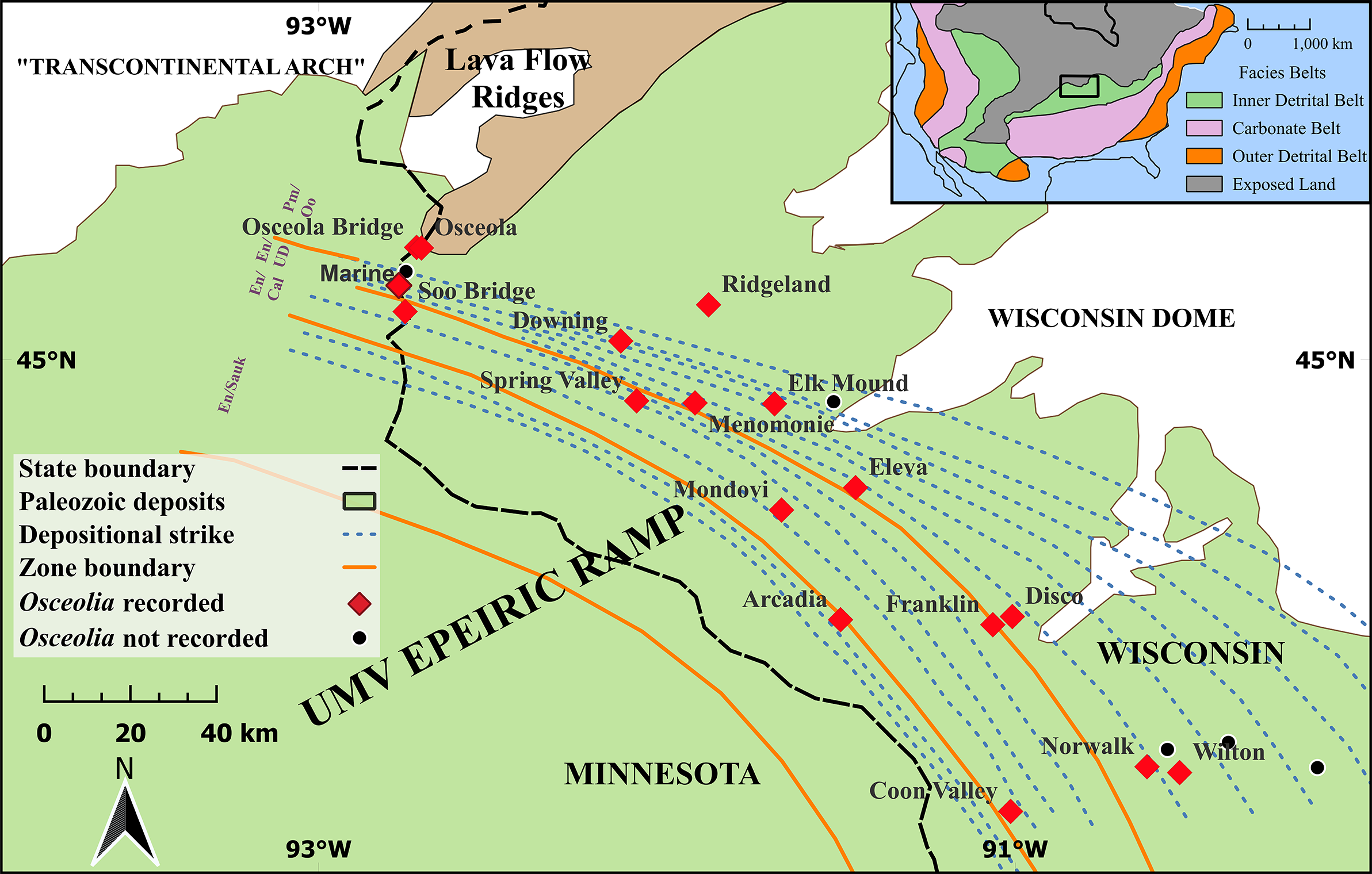
Osceolia Walcott, Reference Walcott1914, is a distinctive genus of dikelocephalid trilobites relatively common only as disarticulated sclerites in the northeastern outcrop area of latest Cambrian rocks in the upper Mississippi Valley of the midwestern United States (Fig. 1). Despite being represented by several hundred cataloged specimens spread among at least ten US museums, it has not been the subject of comprehensive evaluation for almost a century. Completing such an evaluation is a component of ongoing efforts to examine the evolutionary tempo and mode of the family Dikelocephalidae Miller, Reference Miller1889, in sequence stratigraphic context, of which Srivastava and Hughes (Reference Srivastava and Hughes2024) on Walcottaspis Ulrich and Resser, Reference Ulrich and Resser1930, is also a part. Here we consider the geographical and stratigraphic setting of Osceolia’s occurrence, assess patterns of morphological variation and their inferred controls within the genus, reconstruct the exoskeletal components, revise the systematics, and consider some paleoecological aspects of the genus.
Locality map of upper Mississippi Valley (UMV) region of the Laurentian cratonic interior showing where Osceolia-bearing strata occur. Inset shows location of the UMV region (boxed area) with respect to the late Cambrian lithofacies belts of Palmer (Reference Palmer, Boettcher and Sloan1960). Depositional strike lines are shown as black lines and are based on Runkel et al. (Reference Runkel, Miller, McKay, Palmer and Taylor2007). Eoconodontus notchpeakensis–Saukiella (En/Sauk) Subzone, Eoconodontus notchpeakensis–Calvinella (En/Cal) Subzone, Eoconodontus notchpeakensis–Upper Dikelocephalus (En/UD) Subzone, and Proconodontus muelleri–Osceolia osceola (Pm/Oo) Subzone boundaries are shown with orange curves and are based on Bell et al. (Reference Bell, Berg, Nelson and Rodgers1956), Nelson (Reference Nelson1956), and Miller et al. (Reference Miller, Evans, Loch, Ethington, Stitt, Holmer and Popov2003).
Geological Setting
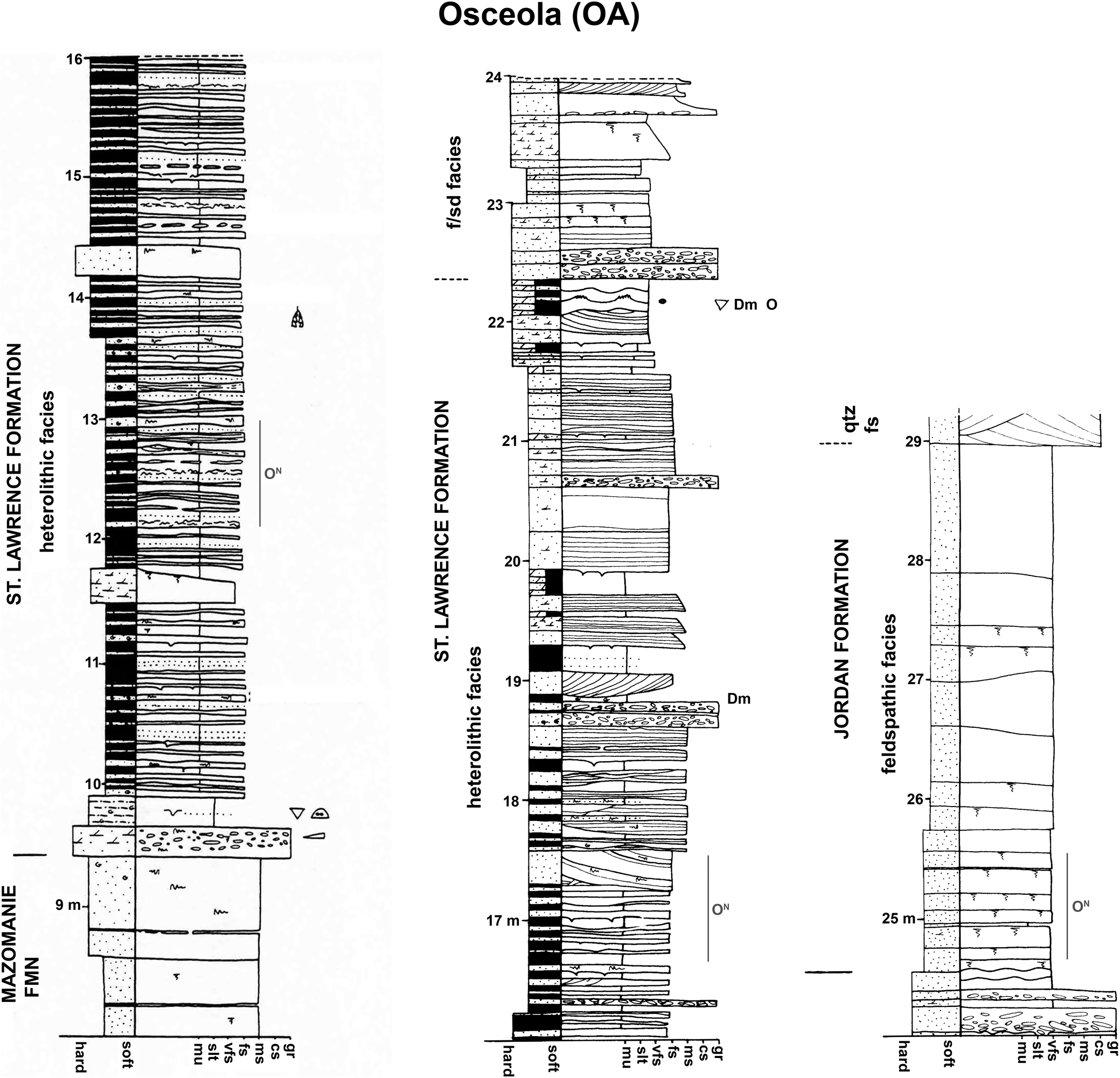
Osceolia occurs in all the various lithofacies of the St. Lawrence Formation including in fine-grained dolomitic siltstones of the heterolithic facies, in the stromatolitic dolomite facies, and in the laminated sandstones of the flat-pebble conglomerate and laminated sandstone facies (Hughes and Hesselbo, Reference Hughes and Hesselbo1997). It is also found in the feldspathic sandstones of the Norwalk Member of the overlying Jordan Formation (Figs. 2–4). Within this area the Osceolia osceola Subzone (Nelson, Reference Nelson1956) is recognized stratigraphically immediately beneath the local first appearance of Eoconodontus notchpeakensis (Miller, Reference Miller1969) and contemporary representative species of the trilobite genus Saukia (Runkel et al., Reference Runkel, Miller, McKay, Palmer and Taylor2007). Osceolia osceola’s regional occurrence is likely coincident with the Proconodontus muelleri conodont Zone, and its range possibly extends into the subjacent Proconodontus posterocostatus conodont Zone (Hughes and Hesselbo, Reference Hughes and Hesselbo1997; Runkel et al., Reference Runkel, Miller, McKay, Palmer and Taylor2007).
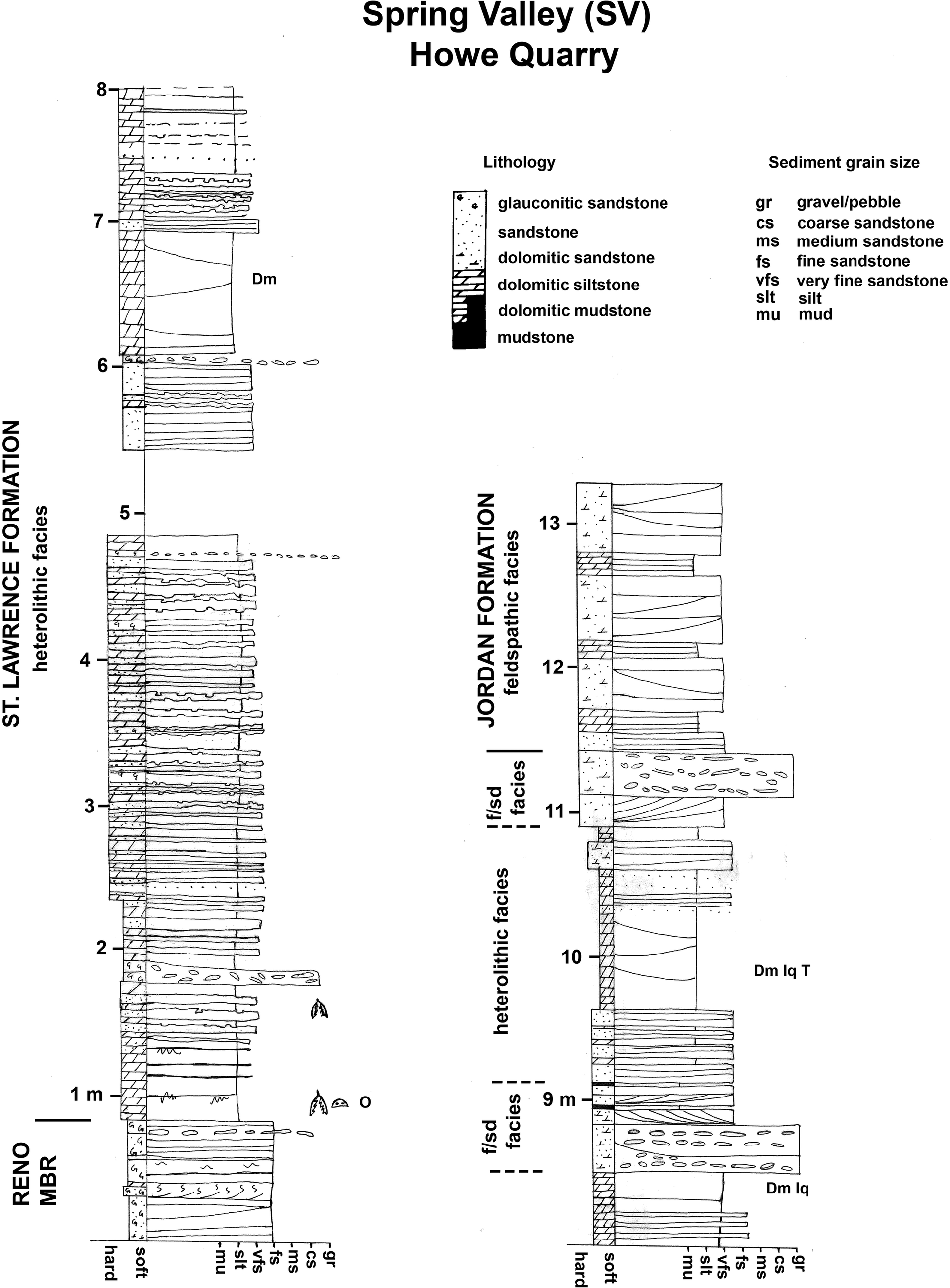
Stratigraphic section in the cascade and along the south side of MN State Highway 243 at Osceola (OA), Polk County, Wisconsin. The left column depicts lithology and degree of induration with G: glauconite. Symbols on right side of the log refer to presence of dendroid graptolites (tuning fork-like symbol), linguliiform brachiopods (‘∇’), hyolithids (right-angled triangle symbol), and aglaspidids (half-moon-like symbol). Trilobite occurrences marked on the log include: Dikelocephalus minnesotensis (Dm) and Osceolia (O); ON and the vertical gray line next to the symbol refers to approximate range of Osceolia collection made by Nelson (Reference Nelson1956) at this locality. The uppermost of these, at ~25 m, is almost certainly equivalent to the horizon of the USNM site 78 collection. FMN = formation, f/sd facies = feldspathic sandstone facies, qtz fs = quartzose facies (see Hughes and Hesselbo, Reference Hughes and Hesselbo1997, for further details). See Figure 4 for explanation of lithology and sediment grain sizes.
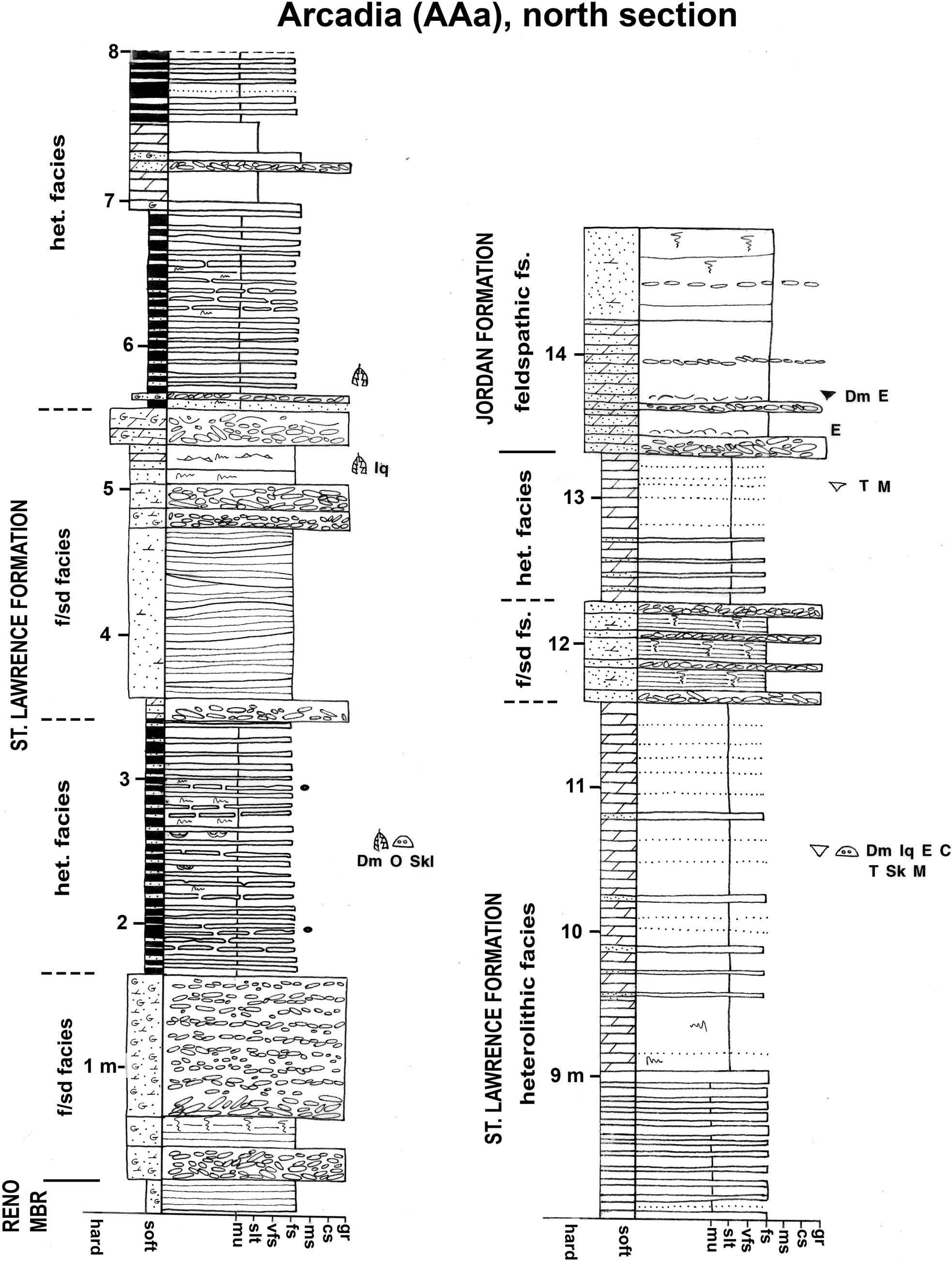
Stratigraphic section at Arcadia (AAa), north section, Trempealeau County, Wisconsin. Symbols on right side of the log refer to presence of dendroid graptolites (tuning fork-like symbol), linguliiform brachiopods (‘∇’), hyolithids (right-angled triangle symbol), and aglaspidids (half-moon-like symbol), the presence of wrinkle marks (flat, oval-like symbol), and rhynconelliform brachiopods (filled, inverted-triangle symbol). The trilobite occurrences marked on the log include: Dikelocephalus minnesotensis (Dm), Saukiella (Skl), Eurekia (E), Illaenurus quadratus (Iq), Tellerina (T), Macronoda (M), Calvinella (C), Saukia (Sk), and Osceolia (O). MBR = Member; fs. = facies; f/sd = feldspathic sandstone; qtz fs = quartzose facies; het. = heterolithic (see Hughes and Hesselbo, Reference Hughes and Hesselbo1997, for further details). See Figure 4 for explanation of lithology and sediment grain sizes.
Localities
Within the upper Mississippi Valley specimens of Osceolia are presently reported from 15 localities (Fig. 1) and were mostly collected early in the last century. Reposited specimens are available for all localities except Franklin, Wilton, and Norwalk in Wisconsin (Supplementary Data 1). Osceolia’s geographical restriction to the northern part of upper Mississippi Valley reflects the position of shoreface deposition during the early part of a falling stage systems tract (Runkel et al., Reference Runkel, Miller, McKay, Palmer and Taylor2007). In those localities closest to the cratonic interior, Osceolia is present in fossil-bearing horizons throughout much of the St. Lawrence Formation, and in the overlying Norwalk Member of the Jordan Formation (Fig. 2). In localities toward the southwest of its regional occurrence, such as Arcadia and Spring Valley, the genus is restricted to only the lower fossil-yielding beds of the St. Lawrence Formation (Figs. 3, 4). This presumably is because at these localities the genus was regionally extinct during the interval in which most of the St. Lawrence Formation was deposited, and thus absent from the higher fossil-bearing beds of this unit. Considering the southwestward progradation of the shoreline during this interval, it is likely that the oldest Osceolia regionally are those occurring stratigraphically lowest in the northeastern sections of the outcrop region, such as specimens in the dolomitic mudstones and laminated sandstones of the St. Lawrence Formation in Osceola and Ridgeland. Osceolia’s stratigraphic occurrence is thus regionally markedly diachronous (Nelson, Reference Nelson1956).
Where Osceolia is preserved, it is common among trilobites. It has been recorded at almost all fossil-bearing outcrops of the St. Lawrence Formation and Norwalk Member within the limits of its geographical range (Fig. 1) (also see Supplementary Data 2a and 2b). A new record is at Howe Quarry, 44°52′53″N, 092°5′13″W, about 200 m south of Highway 29 near the intersection of Road 150 and Route 560, about 13 km east of Spring Valley (SV) Dunn County, Wisconsin (Figs. 1, 4) and located within a short distance of the “Lucas (MT), Dunn Co, WI” locality of Hughes and Hesselbo (Reference Hughes and Hesselbo1997), located at 44°52′39″N, 092°5′58″W. Grid coordinates for occurrences of other Osceolia reported by Hughes and Hesselbo (Reference Hughes and Hesselbo1997) are Osceola (OA), Polk County, Wisconsin (45°19′11.67″N, 92°42′28.70″W) and Arcadia (AAa) Trempealeau County, Wisconsin (44°13′57″N, 091°28′17″W). Geographical restriction of Osceolia to northern localities appears sharply defined (Fig. 1), with no occurrences known south of Coon Valley, Wisconsin. Whether this was for stratigraphic (Hughes and Hesselbo, Reference Hughes and Hesselbo1997, p. 5–7), paleoecological, or sampling reasons remains unclear, but the occurrence of Saukia low in the St. Lawrence Formation in inboard, southeastern locations favors the first reason, and Osceolia’s nearly consistent appearance at localities within its geographic range (Fig. 1) argues against the last.
Sedimentology/Taphonomy
Osceolia appears in all major lithofacies represented within these units, which are interpreted to represent shoreface deposits (sandstones) and their somewhat deeper water, dolomite-rich lateral equivalents, all deposited in an equatorial, shallow water, epicontinental “inner detrital belt” setting.
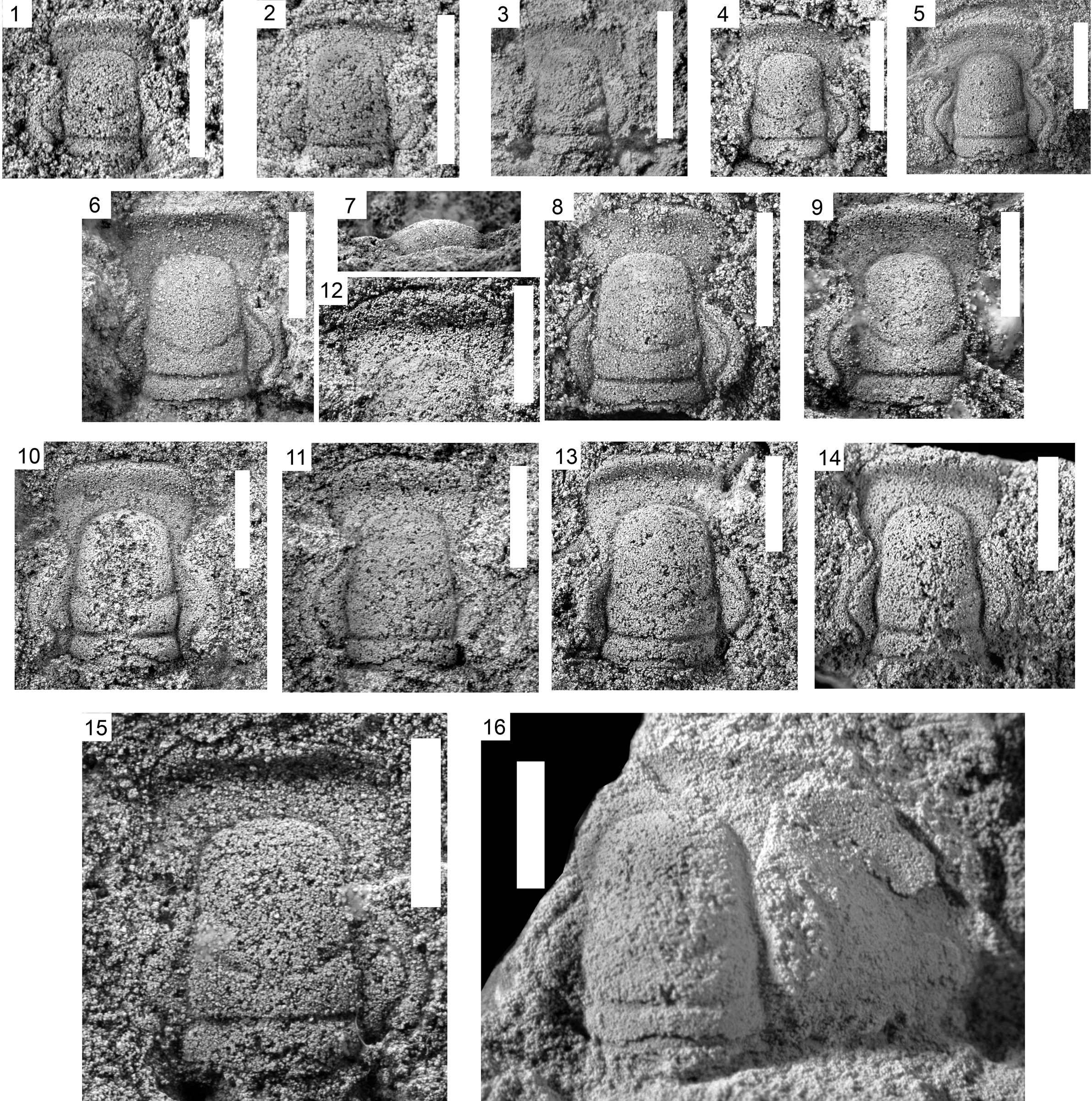
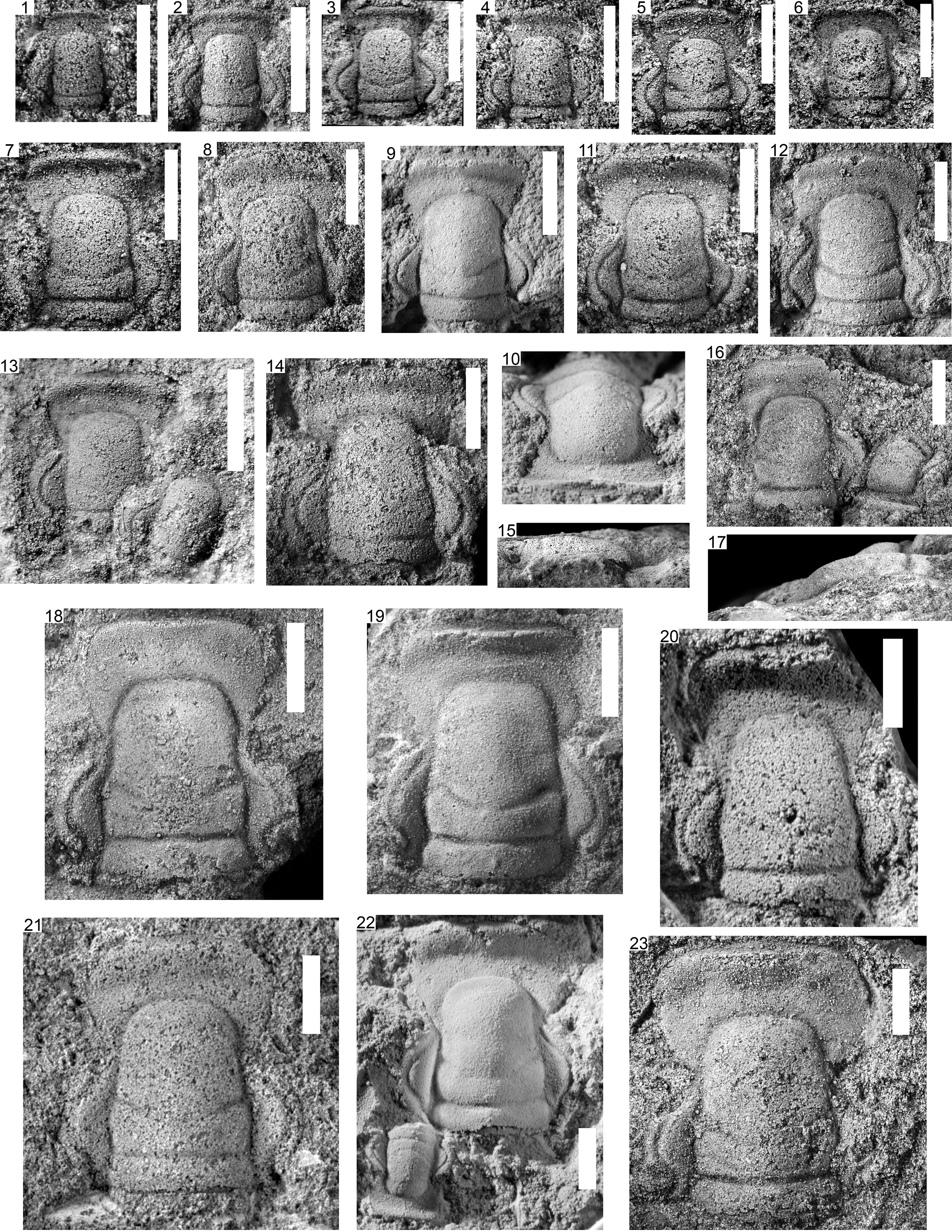
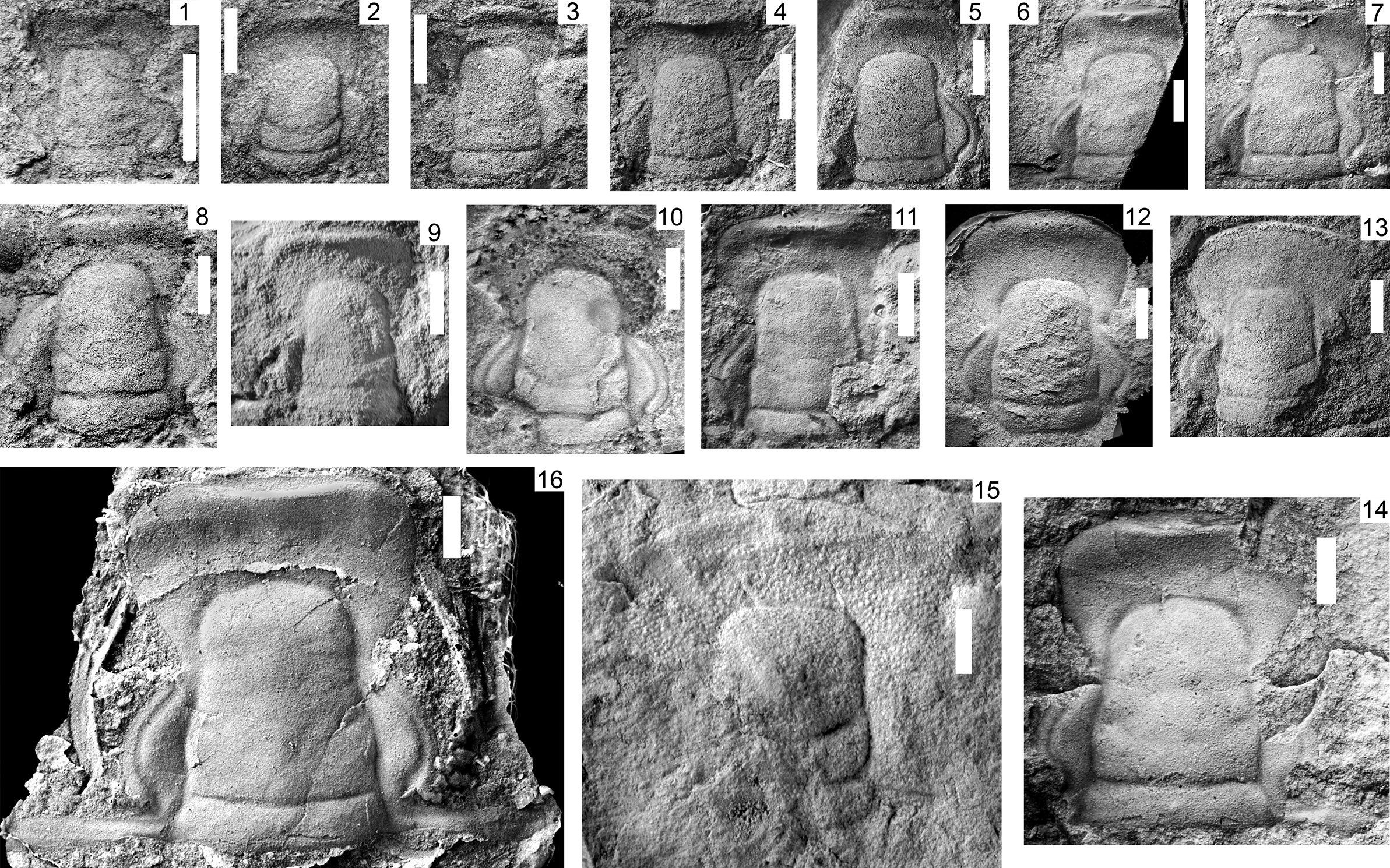
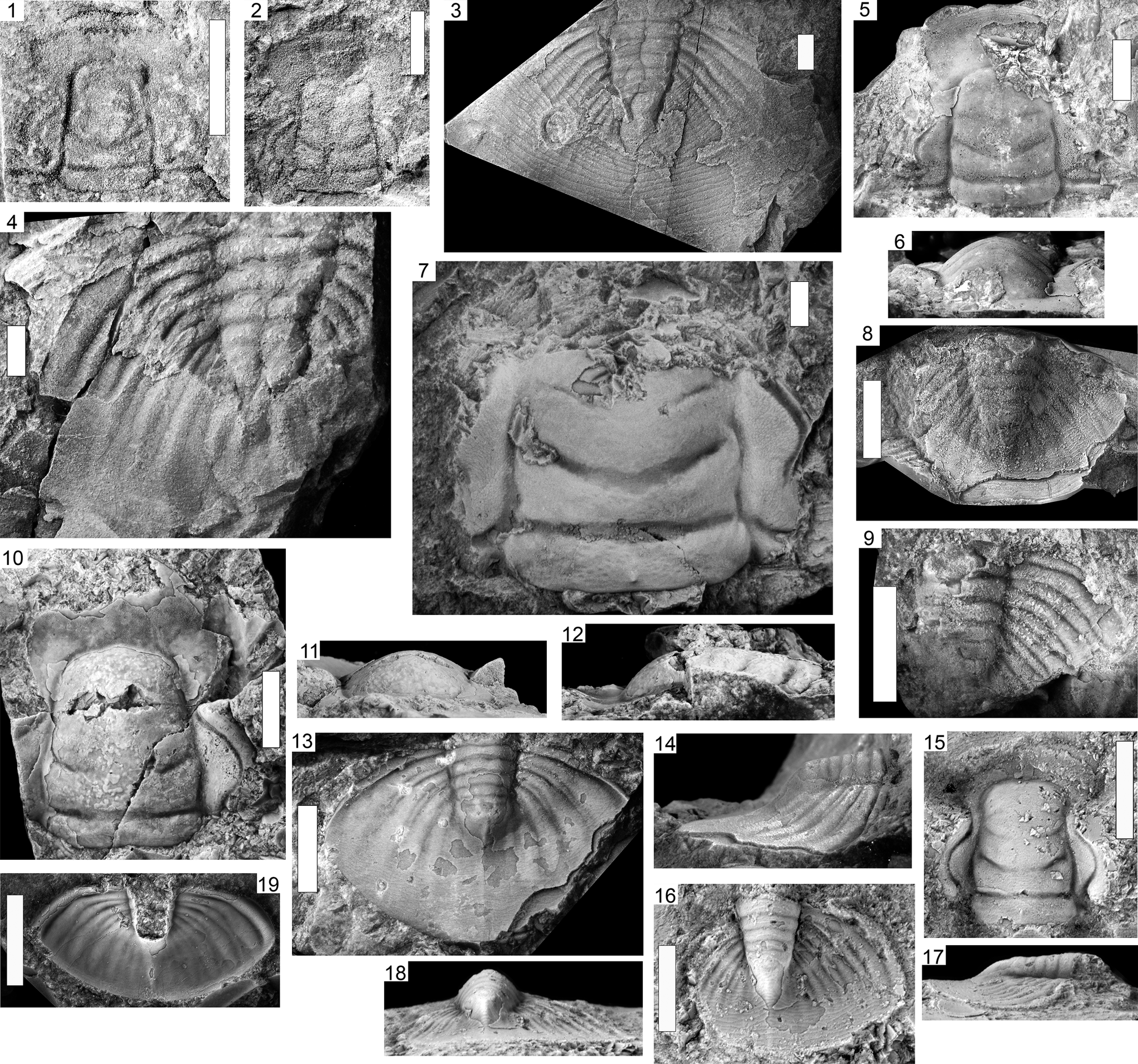
In all facies Osceolia occurs as intact but disarticulated sclerites (Figs. 5–17), as are many of its close relatives and homeomorphs (Figs. 18, 19), one exception being an articulated dorsal cephalic shield from the Norwalk Member at Osceola (Fig. 5.16). As is typical within these stratigraphic units, trilobites occur with moderate abundance in particular beds, and those occurring in the sandstones apparently formed thin shell beds now comprised mainly of internal and external molds (Figs. 5, 6, 12, 13). Within the dolomitic mudstones of the St. Lawrence Formation isolated specimens lie parallel to bedding, are composite molds, and commonly show a degree of compaction, including sclerite fracture (e.g., Figs. 7.4, 7.10, 14.6, 14.17). While such flattening has likely increased shape variance in samples from this facies, the extent of such flattening is difficult to ascertain. Flattening was apparently insufficient to mask some biologically related patterns of shape change and, due to the lateral confining pressure along the bedding plane, its influence appears confined to fractures within sclerites that accommodated flattening locally, rather than wholesale compressional splaying of sclerite form (also see Hughes, Reference Hughes and Harper1999). While flattening apparently increased shape variance in samples from dolomitic mudstone, it does not seem to have imparted a consistent bias upon the forms of these sclerites, and some specimens from dolomitic mudstone faithfully preserve high-relief features (e.g., Fig. 7.4, 7.11, 7.14).
Osceolia osceola (Hall, Reference Hall1863) cranidia from the Norwalk Member of the Jordan Formation collected at stratigraphically equivalent beds on both sides of the St. Croix River at Osceola, Wisconsin (WI) and Minnesota (MN) in the upper Mississippi Valley. (1) CMC-IP 91763b, WI (formerly UMPC 8040); (2) USNM-PAL 789889, WI; (3) AMNH 99388, WI (lectotype, Hall, Reference Hall1863, pl. 10, fig. 18); (4) USNM-PAL 789887, WI; (5) USNM-PAL 58666, WI (figured as O. osceola by Ulrich and Resser, Reference Ulrich and Resser1930, pl. 22, fig. 3); (6) LACMIP 29240.20, MN; (7) anterior view of (6); (8) USNM-PAL 789869, WI; (9) LACMIP 29240.19, MN; (10) LACMIP 29237.12, MN; (11) LACMIP 9681.1, MN; (12) anterior portion of (11); (13) USNM-PAL 789872, WI; (14) CMC-IP 91820b, WI (formerly UMPC 9410b); (15) LACMIP 12793.1, MN; (16) cephalon USNM-PAL 58667, WI (figured as O. osceola by Ulrich and Resser, Reference Ulrich and Resser1930, pl. 22, fig. 1). Scale bar = 5 mm in all images.
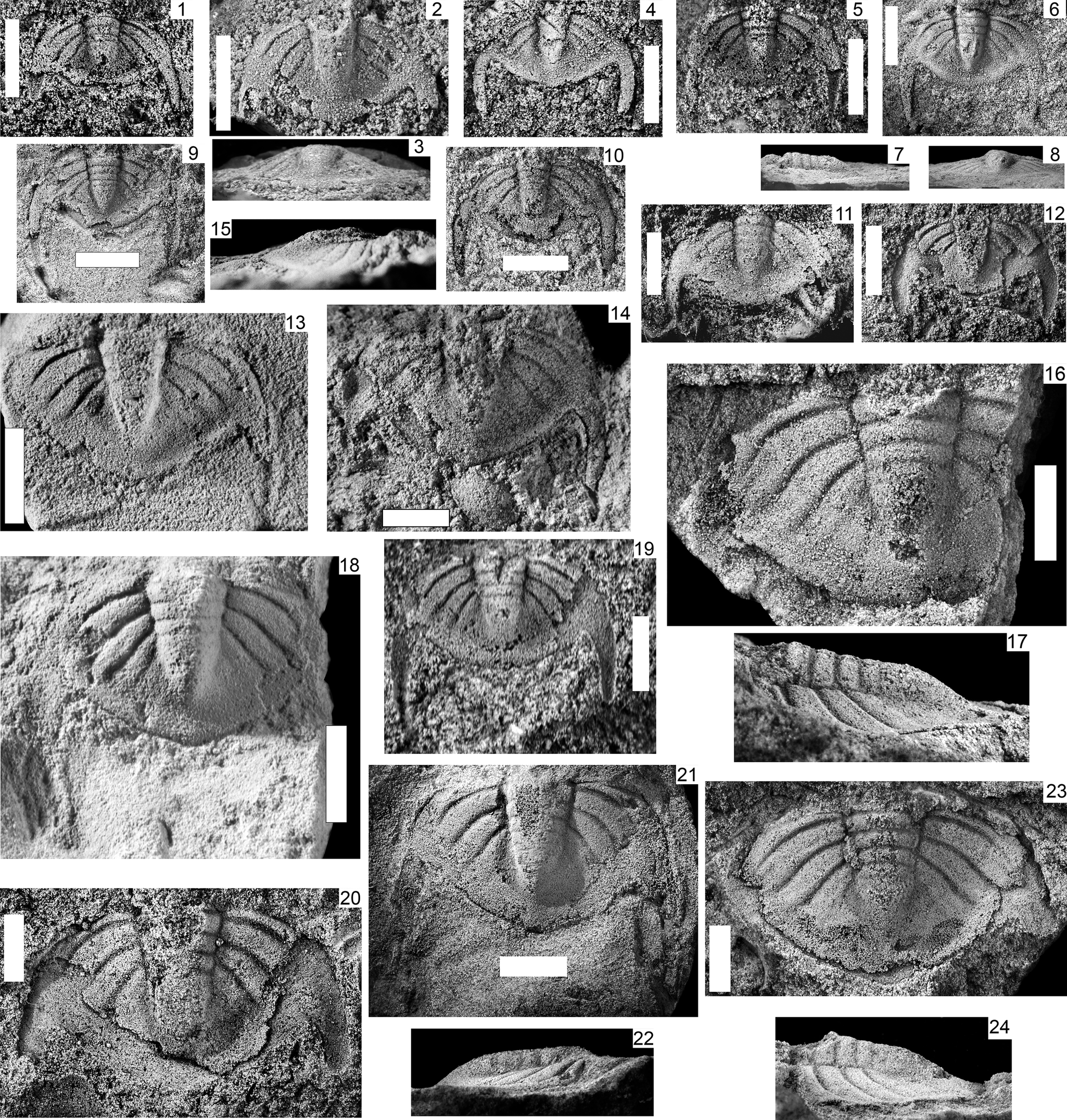
Osceolia osceola (Hall, Reference Hall1863) cranidia from sandstone facies illustrating ontogenetic variation from small to larger specimens. (1) USNM PAL 789877 from Norwalk Member, Osceola, WI; (2) USNM PAL 9555A from the Norwalk Member, Mondovi, WI; (3) LACMIP 29274.5 from the laminated sandstone facies of the St. Lawrence Formation, Ridgeland, WI; (4) USNM PAL 789879 from the Norwalk Member, Osceola, WI; (5) LACMIP 29240.27 from the Norwalk Member, Osceola, MN; (6) LACMIP 29240.30 from the Norwalk Member, Osceola, MN; (7) LACMIP 29240.21 from the Norwalk Member, Osceola, MN; (8) USNM PAL 789892 from the laminated sandstone facies of the St. Lawrence Formation, Eleva, WI; (9) CMC-IP 82027a from the laminated sandstone facies of the St. Lawrence Formation, Osceola, MN (formerly UMPC T6604a, figured as O. osceola by Nelson, Reference Nelson1951, pl. 110, fig. 9); (10) anterior view of (9); (11) USNM PAL 789899 from the laminated sandstone facies of the St. Lawrence Formation, Eleva, WI; (12) USNM PAL 9561B from the Norwalk Member, Mondovi, WI; (13) LACMIP 29246.4 from the laminated sandstone facies of the St. Lawrence Formation, Ridgeland, WI; (14) USNM PAL 340603C from the Norwalk Member, Osceola, MN; (15) right lateral view of (14); (16) USNM PAL 789901 from the Norwalk Member, Eleva, WI; (17) left lateral view of (16); (18) USNM PAL 78495 from the Norwalk Member, Mondovi, WI (syntype of O. separata Ulrich and Resser, Reference Ulrich and Resser1930, pl. 23, fig. 12); (19) latex of counterpart USNM PAL 9546 from the Norwalk Member, Mondovi, WI; (20) USNM PAL 78492 from the Norwalk Member, Eleva, WI (syntype of O. obsoleta reversa Ulrich and Resser, Reference Ulrich and Resser1930, pl. 23, fig. 9); (21) UWGM “L14” from the laminated sandstone facies of the St. Lawrence Formation, Osceola, WI (specimen currently missing); (22) USNM PAL 78494 from the Norwalk Member, Eleva, WI (syntype of O. arguta Ulrich and Resser, Reference Ulrich and Resser1930, pl. 23, fig. 11); (23) USNM PAL 789895A from the Norwalk Member, Eleva, WI. Scale bars on all images = 5 mm.
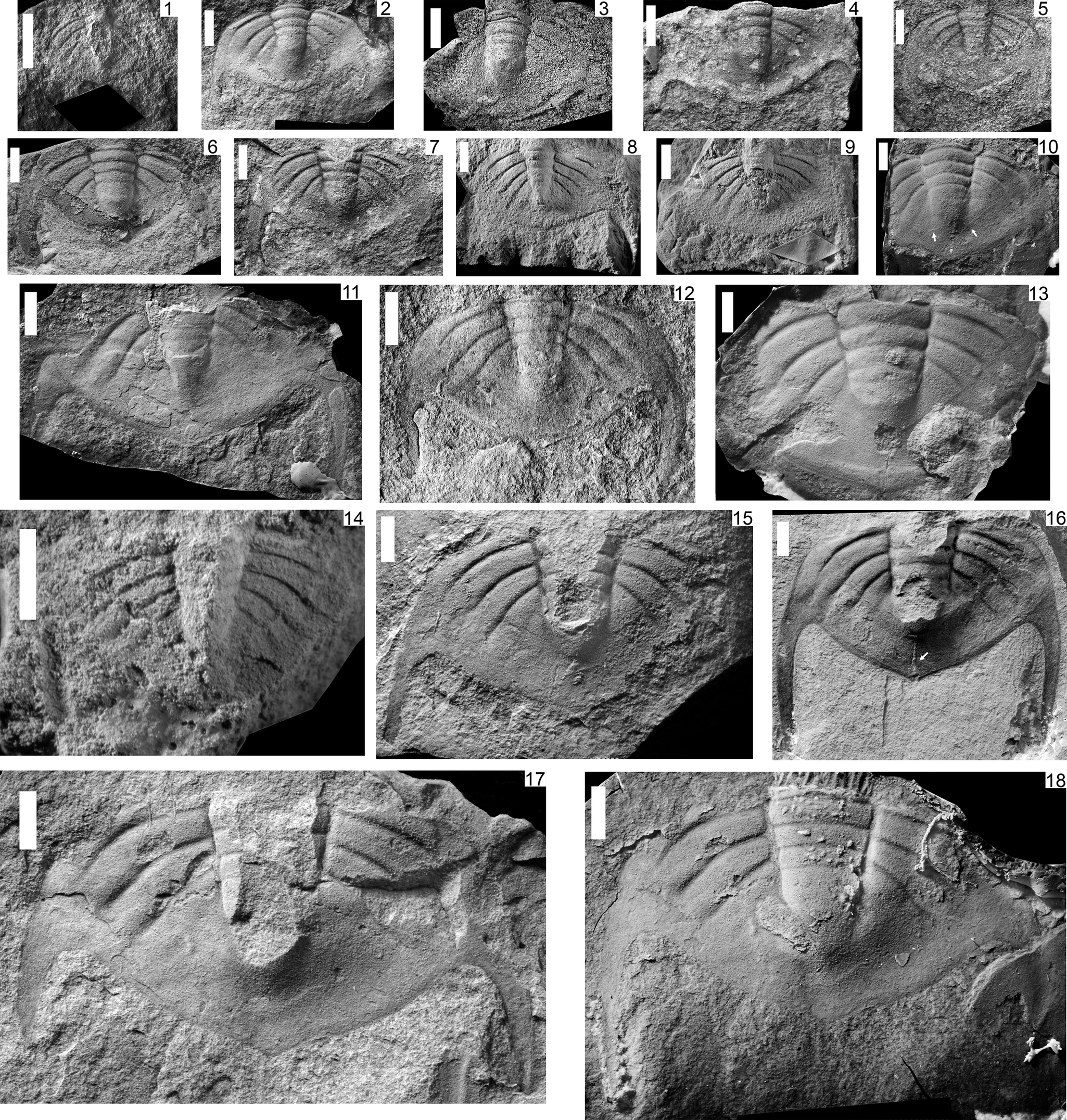
Osceolia osceola (Hall, Reference Hall1863) cranidia from the heterolithic facies of the St. Lawrence Formation from several localities in the upper Mississippi Valley. (1) LACMIP 29246.7 from Ridgeland, WI; (2) LACMIP 29239.8 from Osceola, WI; (3) LACMIP 29236.3 from Soo Bridge, MN; (4) LACMIP 29239.6 from Osceola, WI; (5) USNM-PAL 792115 from Elk Mound, WI; (6) CMC-IP 96960A from 1 m above the base of the formation, Spring Valley, WI; (7) latex of counterpart CMC-IP 96960B from 1 m above the base of the formation, Spring Valley, WI; (8) LACMIP 29235.17 from Soo Bridge, MN; (9) USNM-PAL 78499 from Osceola, WI (syntype of O. praecipta Ulrich and Resser, Reference Ulrich and Resser1930, pl. 23, fig. 16); (10) UWGM 7148 from Arcadia, WI; (11) latex of counterpart LACMIP 29246.9 from Ridgeland, WI; (12) latex of counterpart USNM-PAL 58622 from Osceola, WI (syntype of O. lodensis Ulrich and Resser, Reference Ulrich and Resser1930, pl. 23, fig. 19); (13) USNM-PAL 789885 from Osceola, WI; (14) LACMIP 29246.1 from Ridgeland, WI; (15) LACMIP 29239.1 from locality unspecified within Dunn County, WI, with fragment of aglaspidid cuticle (pustulated) superimposed; (16) latex of counterpart UWGM 7548 from Ridgeland, WI. Scale bar = 5 mm in all images.
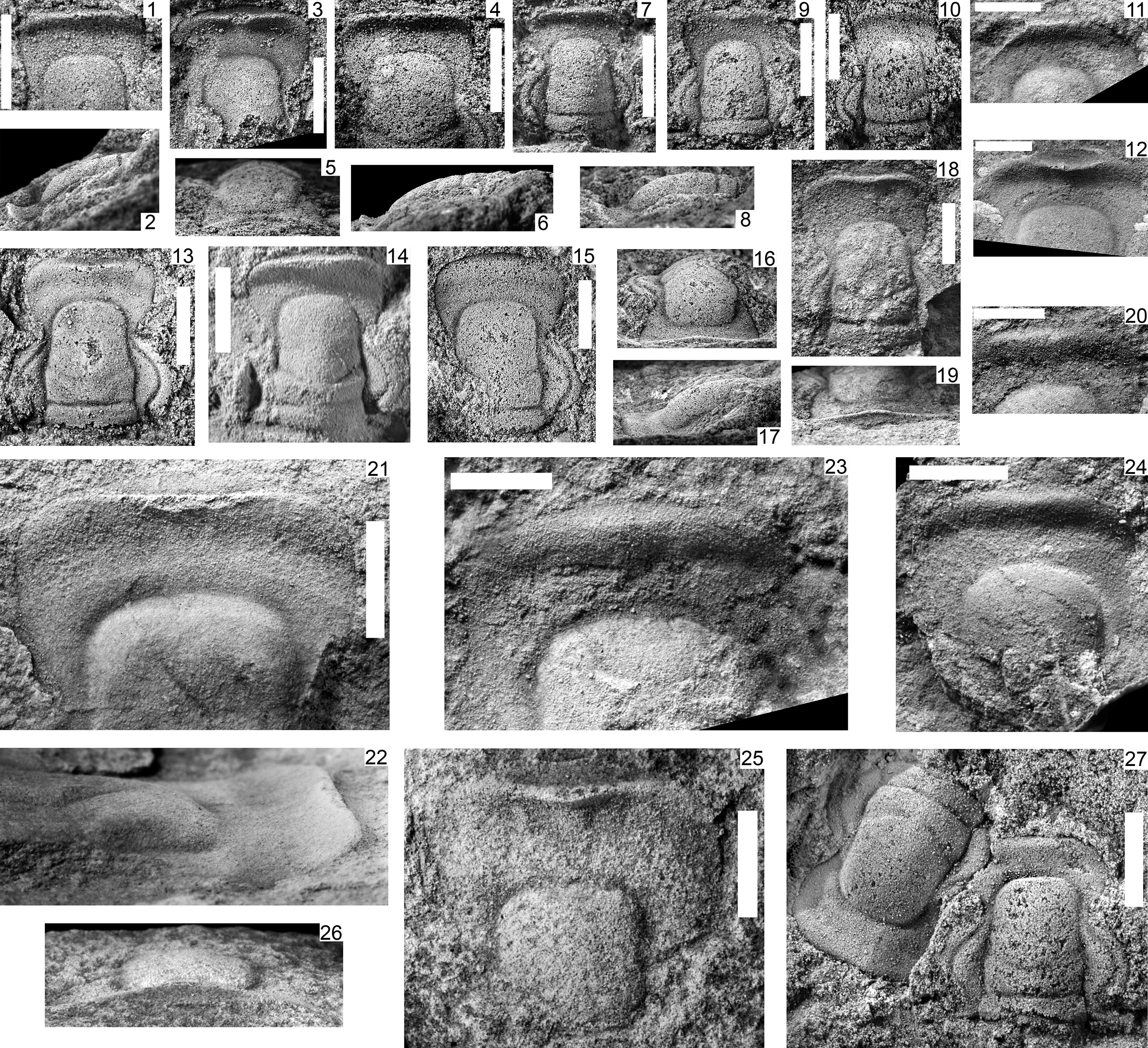
Variation in morphology of cranidial anterior border among O. osceola (Hall, Reference Hall1863) cranidia. (1) Anterior border of LACMIP 29240.26 from the Norwalk Member, Osceola, MN (strong ledge); (2) left lateral view of (1); (3) anterior border of LACMIP 29240.25 from the Norwalk Member, Osceola, MN (strong ledge); (4) anterior border of LACMIP 29240.23 from the Norwalk Member, Osceola, MN (strong ledge); (5, 6) anterior and left lateral views of (4); (7) LACMIP 29240.22 from the Norwalk Member, Osceola, MN (intermediate ledge); (8) left lateral view of (7); (9) LACMIP 29237.11 from the Norwalk Member, Osceola, WI (strong ledge); (10) USNM PAL 789876 from the Norwalk Member, Osceola, WI (intermediate ledge); (11) anterior border of LACMIP 29235.16 from the heterolithic facies of the St. Lawrence Formation, Soo Bridge, MN (intermediate ledge); (12) latex of counterpart anterior border of LACMIP 29236.5 from the heterolithic facies of St. Lawrence Formation, Soo Bridge, MN (strong ledge); (13) USNM PAL 78493 from the Norwalk Member, Eleva, WI (strong ledge; syntype of O. obsoleta reversa Ulrich and Resser, Reference Ulrich and Resser1930, pl. 23, fig. 10); (14) USNM PAL 78496 from the Norwalk Member, Mondovi (strong ledge; syntype of O. separata Ulrich and Resser, Reference Ulrich and Resser1930, pl. 23, fig. 13), WI; (15) MCZ-IP 202510 from the Norwalk Member, Osceola, WI (ledge absent); (16, 17) anterior and left lateral views of (15); (18) LACMIP 29239.7 from the heterolithic facies of the St. Lawrence Formation, Osceola, WI (strong ledge); (19) anterior view of (18); (20) anterior border of LACMIP 29235.17 from the heterolithic facies of the St. Lawrence Formation, Soo Bridge, MN (strong ledge); (21) anterior border of LACMIP 29275.1 from the heterolithic facies of the St. Lawrence Formation of Ridgeland, WI (strong ledge); (22) oblique right lateral view of (21); (23) anterior border of LACMIP 29235.9 from the heterolithic facies of the St. Lawrence Formation, Soo Bridge, MN (strong ledge); (24) latex of counterpart anterior border of LACMIP 29235.15 from the heterolithic facies of the St. Lawrence Formation, Soo Bridge, MN (strong ledge); (25) anterior border of USNM PAL 78503 from the heterolithic facies of the St. Lawrence Formation, Osceola, WI (strong ledge; syntype of O. lodensis reflexa Ulrich and Resser, Reference Ulrich and Resser1930, pl. 23, fig. 22); (26) anterior view of (25); (27) USNM PAL 789896A (ledge absent) and USNM PAL 789896B (intermediate ledge) (from left) from the Norwalk Member, Eleva, WI. Scale bars on all images = 5 mm.
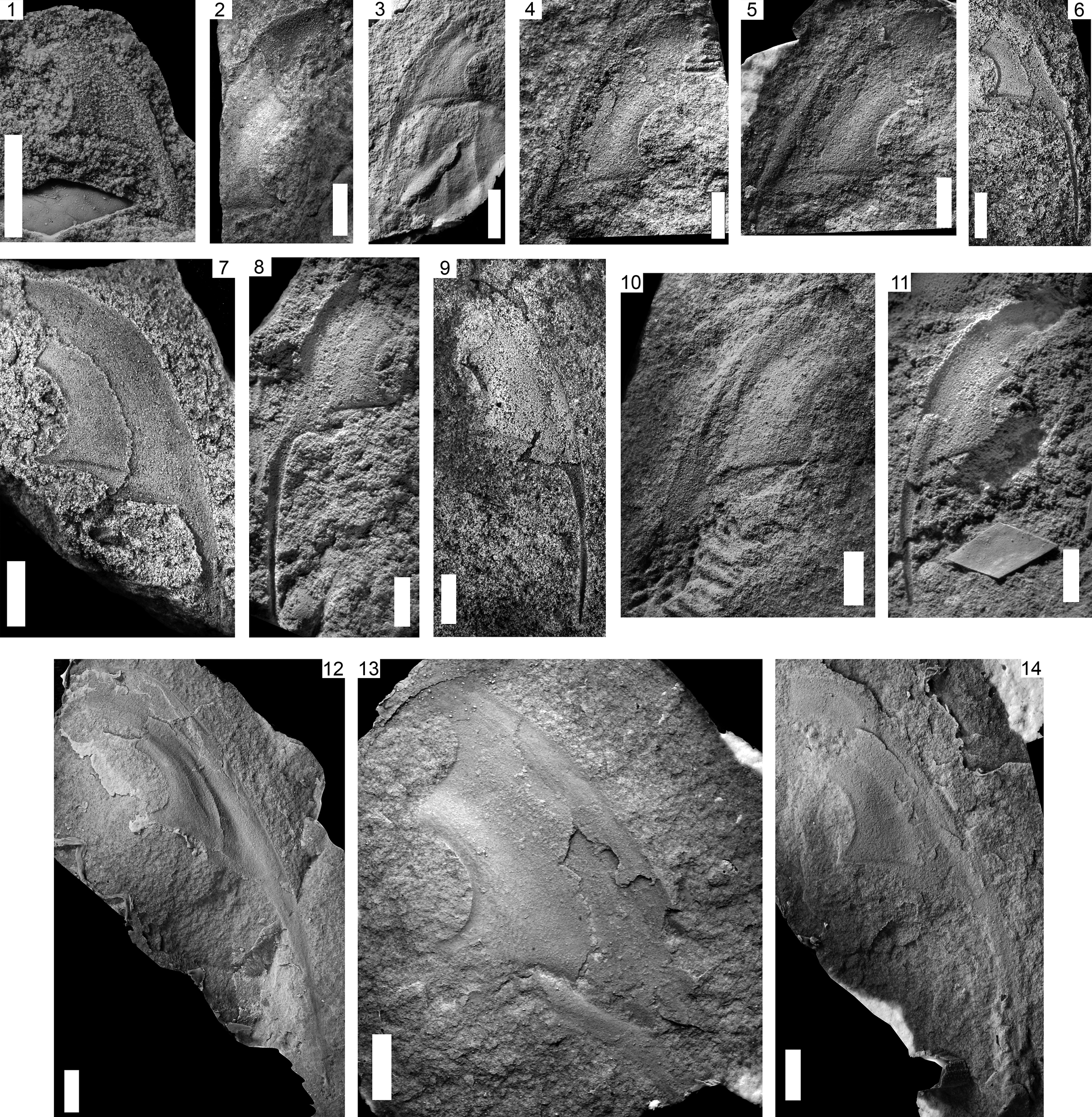
Osceolia osceola (Hall, Reference Hall1863) free cheeks from various localities. (1) Latex of counterpart AMNH 39115 from the Norwalk Member, Osceola, WI (paralectotype, Hall, Reference Hall1863, pl. 10, fig. 19); (2) LACMIP 29235.10 from the heterolithic facies of the St. Lawrence Formation, Soo Bridge, MN; (3) latex of counterpart LACMIP 29246.8 from the heterolithic facies of Ridgeland, WI; (4) LACMIP 29239.5 from the heterolithic facies the St. Lawrence Formation of Osceola, WI; (5) latex of counterpart LACMIP 29239.5 from the heterolithic facies the St. Lawrence Formation of Osceola, WI; (6) USNM PAL 789894 from the Norwalk Member, Eleva, WI; (7) USNM PAL 789900 from the Norwalk Member, Eleva, WI; (8) USNM PAL 78488 from the Norwalk Member, Osceola, WI (syntype of O. obsoleta Ulrich and Resser, Reference Ulrich and Resser1930, pl. 23, fig. 5); (9) MCZ-IP 926 from the Norwalk Member, Osceola, WI; (10) LACMIP 29235.11 from the heterolithic facies of the St. Lawrence Formation, Soo Bridge, MN; (11) USNM PAL 58665 from the Norwalk Member, Osceola, WI (figured as O. osceola by Ulrich and Resser, Reference Ulrich and Resser1930, pl. 22, fig. 4); (12) latex of counterpart CMC-IP 96961 from the heterolithic facies of the St. Lawrence Formation, Spring Valley, WI; (13) latex of counterpart CMC-IP 96979 from the heterolithic facies the St. Lawrence Formation, Spring Valley, WI; (14) latex of counterpart CMC-IP 96962 from the heterolithic facies of the St. Lawrence Formation, Spring Valley, WI. Scale bars = 5 mm in all images.
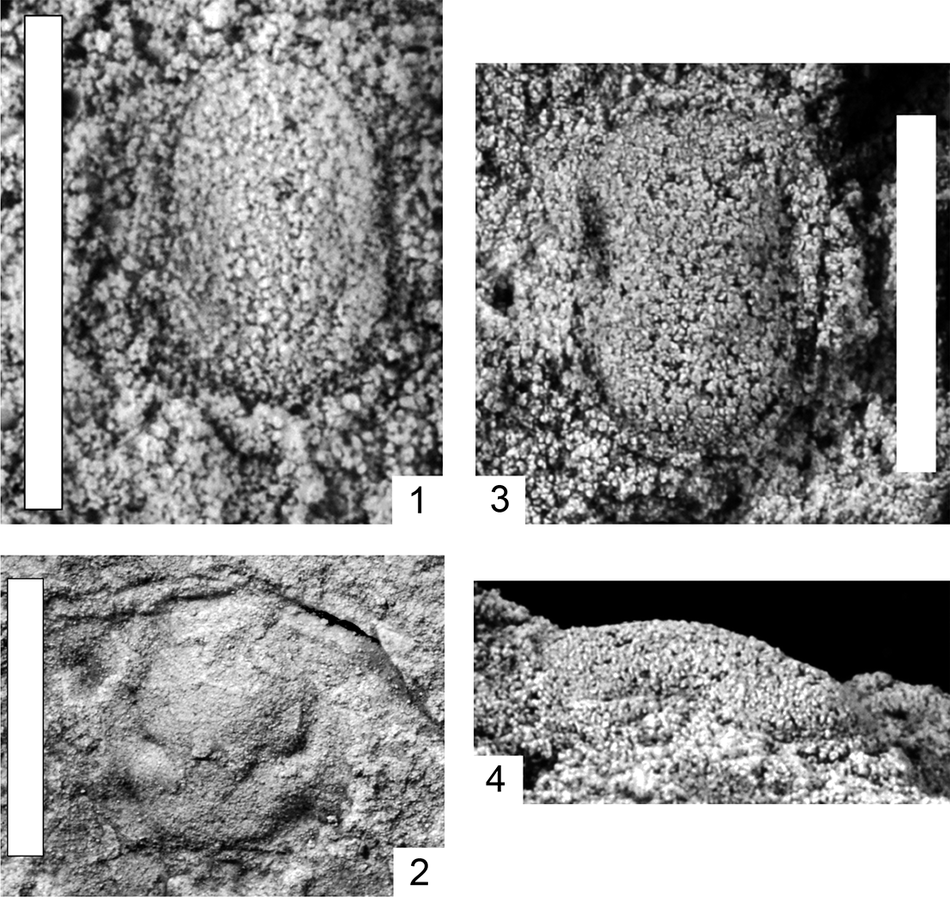
Osceolia osceola (Hall, Reference Hall1863) associated hypostomes from various localities. (1) Latex of counterpart MCZ-IP 202512 from the Norwalk Member, Osceola, WI; (2) LACMIP 29246.6 from the heterolithic facies of the St. Lawrence Formation of Ridgeland, WI; (3) USNM PAL 58668B from the Norwalk Member, Osceola, WI; (4) left lateral view of (3). Scale bars = 5 mm in all images.
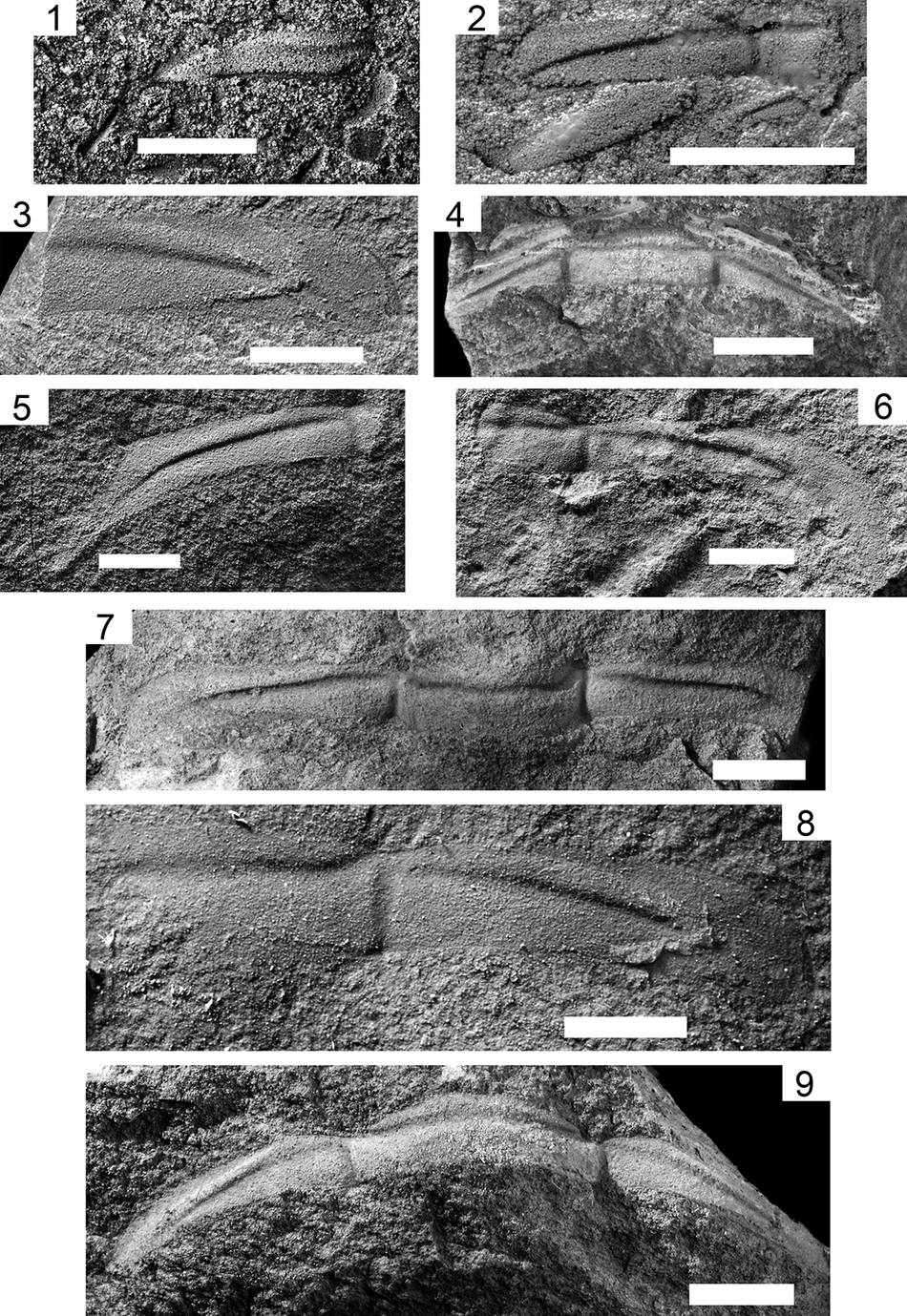
Osceolia osceola (Hall, Reference Hall1863) associated thoracic segments from various localities. (1) USNM PAL 72689B from the Norwalk Member, Osceola, WI; (2) LACMIP 29274.3 from the heterolithic facies of the St. Lawrence Formation at Ridgeland, WI; (3) CMC-IP 96970 from the heterolithic facies of the St. Lawrence Formation, Spring Valley, WI; (4) USNM PAL 340608A from the Norwalk Member, Osceola, WI; (5) CMC-IP 96969 from the heterolithic facies of the St. Lawrence Formation, Spring Valley, WI; (6) LACMIP 29245.5 from the heterolithic facies of the St. Lawrence Formation, Menomanie, WI; (7) USNM PAL 789886 from the heterolithic facies of Osceola the St. Lawrence Formation, WI; (8) latex of counterpart CMC-IP 96968 from the heterolithic facies, the St. Lawrence Formation, Spring Valley, WI; (9) USNM PAL 340608B from the Norwalk Member, Osceola, WI. Scale bars = 5 mm in all images.
Osceolia osceola (Hall, Reference Hall1863) pygidia from the Norwalk Member of the Jordan Formation at Osceola, on both Wisconsin (WI) and Minnesota (MN) sides of the St. Croix River in the upper Mississippi Valley. (1) USNM-PAL 789888, WI; (2) LACMIP 29240.31, MN; (3) latex of counterpart USNM-PAL 58669, WI (figured as O. osceola by Ulrich and Resser, Reference Ulrich and Resser1930, pl. 22, fig. 8); (4) left lateral view of (3); (5) latex of counterpart USNM-PAL 789881, WI; (6) latex of counterpart AMNH 342, WI (paralectotype, Hall, Reference Hall1863, pl. 7, fig. 49); (7) USNM-PAL 72689A, WI (formerly USNM 72689; figured as O. osceola by Ulrich and Resser, pl. 22, fig. 9); (8) USNM-PAL 789874, WI; (9) LACMIP 29240.24, MN; (10) latex of counterpart USNM-PAL 58670, WI (figured as O. osceola by Ulrich and Resser, Reference Ulrich and Resser1930, pl. 22, fig. 7); (11) USNM-PAL 789880, WI; (12) latex of counterpart MCZ-IP 202514, WI; (13) latex of counterpart LACMIP 29240.3, MN; (14) latex of counterpart LACMIP 29240.18, MN; (15) USNM-PAL 78491, WI (syntype of O. obsoleta Ulrich and Resser, Reference Ulrich and Resser1930, pl. 23, fig. 8); (16) CMC-IP 94405b, WI (formerly UMPC 8040); (17) USNM-PAL 789882A with Dikelocephalus minnesotensis Owen, Reference Owen1852, pygidium (left) on same slab, MN; (18) USNM-PAL 78489, WI (syntype of O. obsoleta Ulrich and Resser, Reference Ulrich and Resser1930, pl. 23, fig. 6). Scale bar = 5 mm in all images.
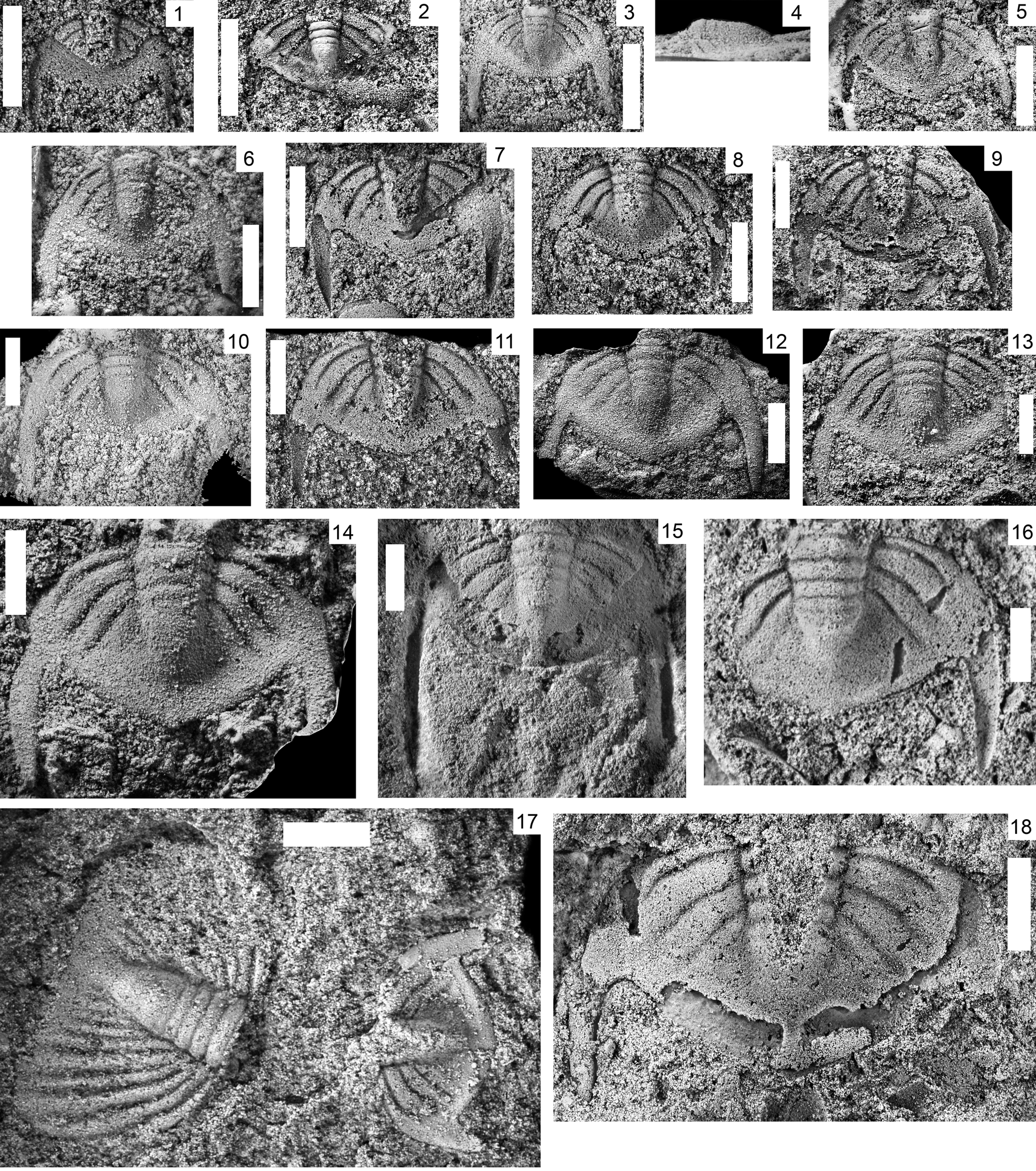
Osceolia osceola (Hall, Reference Hall1863) pygidia from sandstone facies from various localities illustrating ontogenetic variation from small to larger specimens. (1) USNM PAL 789875 from the Norwalk Member, Osceola, WI; (2) latex of counterpart USNM PAL 789884 from the Norwalk Member, Osceola, WI; (3) posterolateral view of (2); (4) USNM PAL 789897 from the Norwalk Member, Eleva, WI; (5) MCZ 202513 from the Norwalk Member, Osceola, WI; (6) latex of counterpart USNM PAL 9555B from the Norwalk Member, Mondovi, WI; (7, 8) left lateral and posterolateral views of (6); (9) USNM PAL 9561A from the Norwalk Member, Mondovi, WI; (10) USNM PAL 789891 from the Norwalk Member, Eleva, WI; (11) latex of counterpart USNM PAL 789895B from the Norwalk Member, Eleva, WI; (12) USNM PAL 58668A from the Norwalk Member, Osceola, WI (figured as O. osceola by Ulrich and Resser, Reference Ulrich and Resser1930, pl. 22, fig. 5); (13) CMC-IP 87992 from Norwalk Member, Mondovi, WI (formerly UMPC 3150); (14) CMC-IP 82027b from laminated sandstone of St. Lawrence Formation, Osceola, MN (formerly UMPC T6604b; figured as O. osceola by Nelson, Reference Nelson1951, pl. 110, fig. 10); (15) right lateral view of (14); (16) USNM PAL 789902 from the Norwalk Member, Osceola, WI; (17) left lateral view of (16); (18) latex of counterpart USNM PAL 78497 from the Norwalk Member, Mondovi, WI (syntype of O. separata Ulrich and Resser, Reference Ulrich and Resser1930, pl. 23, fig. 14); (19) USNM PAL 72688 from the Norwalk Member, Osceola, WI (figured as O. osceola by Ulrich and Resser, Reference Ulrich and Resser1930, pl. 22, fig. 6); (20) USNM PAL 789891A from the Norwalk Member, Eleva, WI; (21) USNM PAL 78498 from the Norwalk Member, Mondovi, WI (syntype of O. separata Ulrich and Resser, Reference Ulrich and Resser1930, pl.23, fig. 15); (22) right lateral view of (21); (23) USNM PAL 340603A from the Norwalk Member, Osceola, WI; (24) left lateral view of (23). Scale bars = 5 mm in all images.
Osceolia osceola (Hall, Reference Hall1863) pygidia from the heterolithic facies of St. Lawrence Formation from several localities in the upper Mississippi Valley. (1) USNM-PAL 78501 from Osceola, WI (syntype of O. praecipta Ulrich and Resser, Reference Ulrich and Resser1930, pl. 23, fig. 18); (2) latex of counterpart LACMIP 29234.3 from Soo Bridge, MN; (3) latex of counterpart USNM-PAL 789893 from Eleva, WI; (4) LACMIP 29235.14 from Soo Bridge, MN; (5) LACMIP 29239.9 from Osceola, WI; (6) LACMIP 29234.4 from Soo Bridge, MN; (7) LACMIP 29235.12 from Soo Bridge, MN; (8) USNM-PAL 58605 from Osceola, WI (figured as O. osceola by Ulrich and Resser, pl. 23, fig. 20); (9) USNM-PAL 78502 from Osceola, WI (syntype of O. lodensis Ulrich and Resser, Reference Ulrich and Resser1930, pl. 23, fig. 21); (10) latex of counterpart LACMIP 29235.5 from Soo Bridge, MN; (11) latex of counterpart LACMIP 29246.8 from Ridgeland, WI; (12) UWGM “L204” from Ridgeland, WI (specimen currently missing); (13) latex of counterpart LACMIP 29245.2 from Menomanie, WI; (14) USNM-PAL 78500 from Osceola, WI (syntype of O. praecipta Ulrich and Resser, Reference Ulrich and Resser1930, pl. 23, fig. 17); (15) CMC-IP 96972 from 1 m above the base of the formation, Spring Valley, WI; (16) CMC-IP 96971 from Spring Valley, WI; (17) CMC-IP 96973 from 1 m above the base of the formation, Spring Valley, WI; (18) latex of counterpart CMC-IP 96975 from Spring Valley, WI. Scale bar = 5 mm in all images. White arrows (10, 16) point to sinuous structures possibly reflecting infestation.
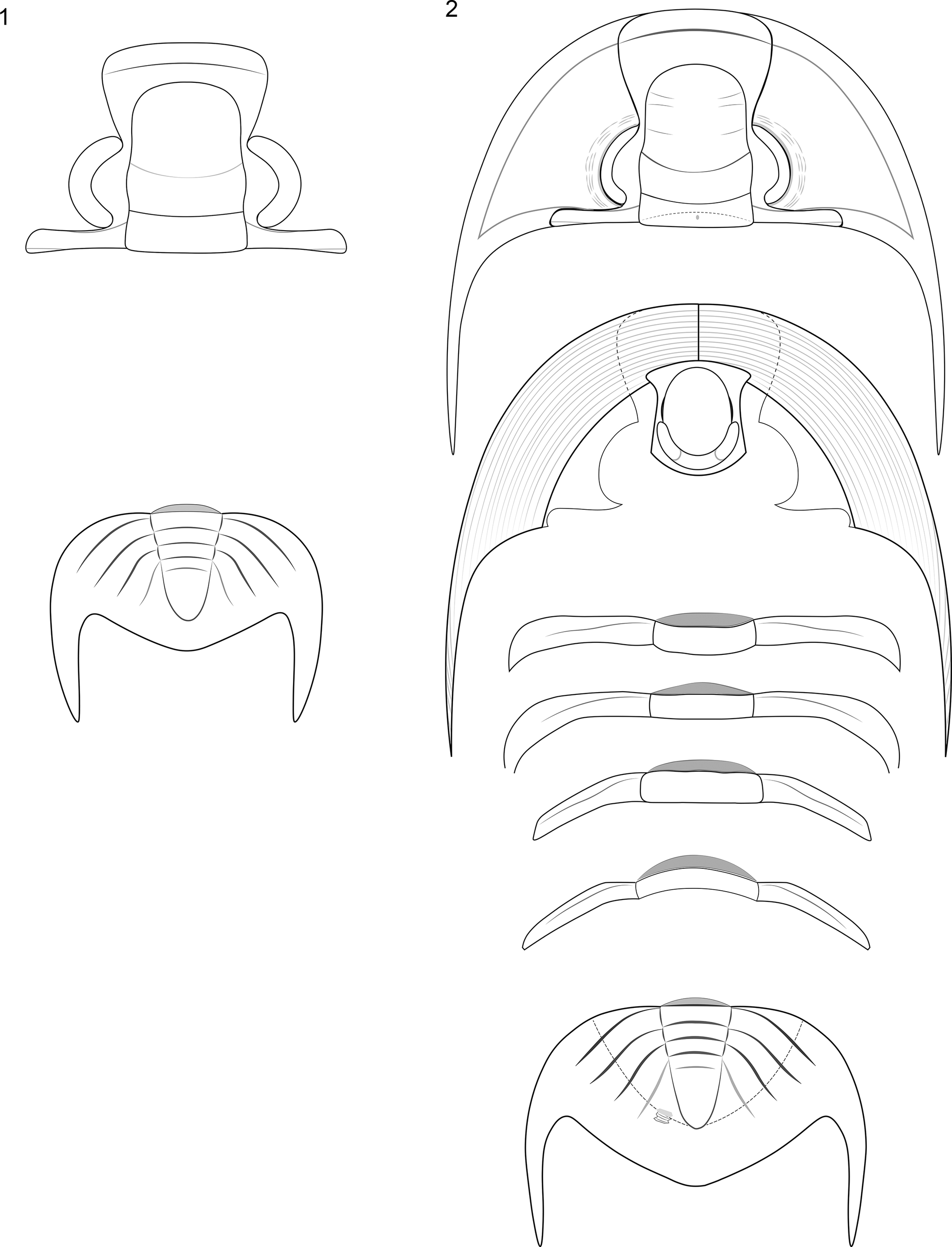
Reconstruction of Osceolia osceola representing the generalized shape of the exoskeletal components. (1) Dorsal view of small holaspid O. osceola cranidium and pygidium; (2) dorsal view of large holaspid, cranidium with median tubercle, free cheek with eye platform and surface ornamentation, ventral view of free cheek with terrace ridges, surface ornamentation and median suture, dorsal view of pygidium showing paradoublural line (dashed), and terrace ridges projected on the dorsal surface from the ventral side of pygidium (cutout view with zigzag outline), with associated thoracic segments and hypostome.
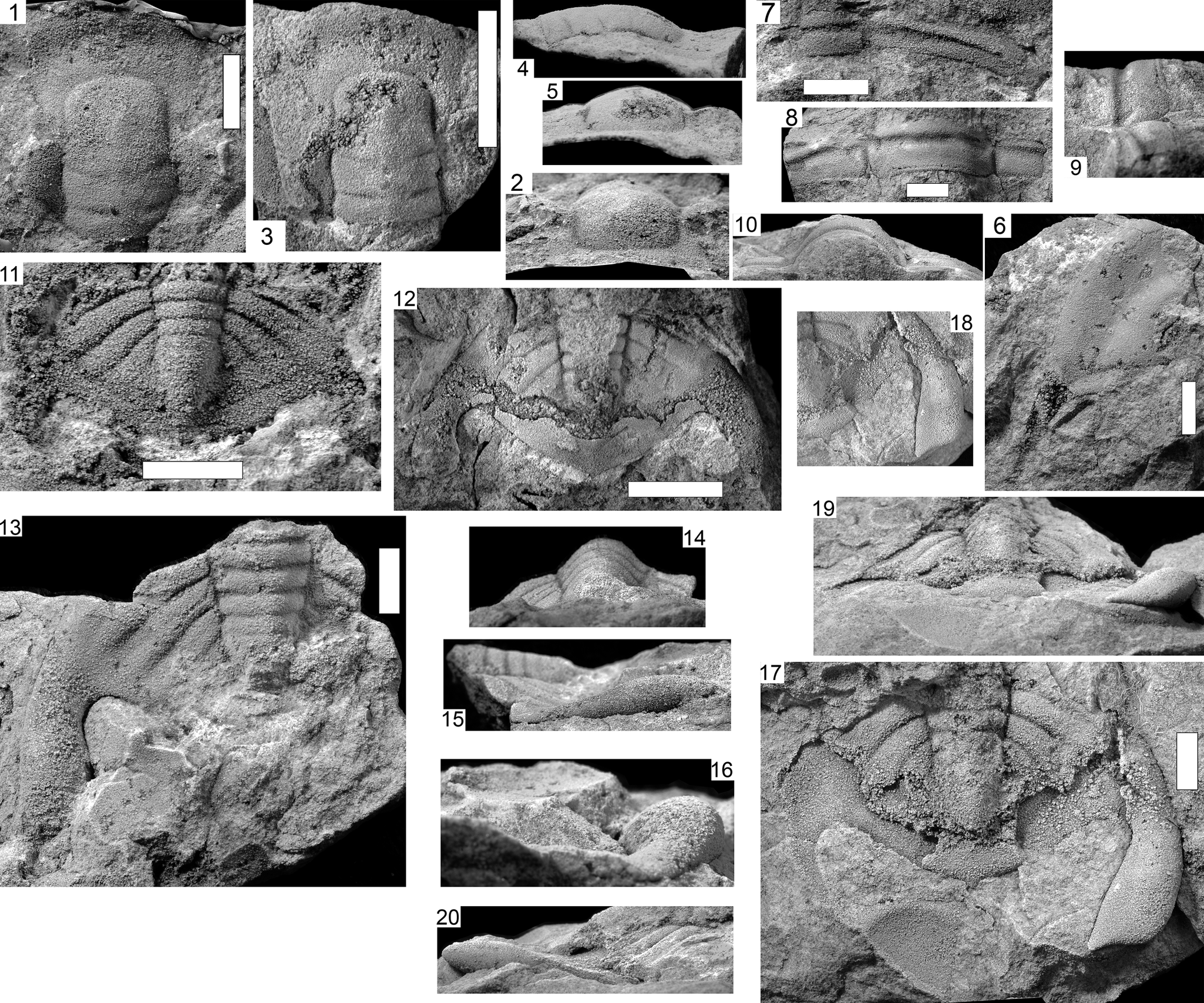
Osceolia tumerispina new species from the dolomitic facies of the St. Lawrence Formation, Coon Valley, WI. (1) Paratype, latex of counterpart cranidium UWGM 7459; (2) anterior view of (1); (3) paratype, cranidium UWGM 7455; (4, 5) right lateral and anterior views of (3); (6) paratype, free cheek UWGM 7456; (7) paratype, thoracic segment UWGM 7457; (8) paratype, thoracic segment UWGM 7454; (9, 10) left lateral and anterior views of (8); (11) paratype, pygidium UWGM 7458; (12) paratype, pygidium UWGM “L201” (specimen currently missing); (13) paratype, pygidium UWGM 7453; (14–16) posterior, left lateral, and anterior views of (13); (17) holotype, pygidium UWGM 7452; (18–20) right spine, posterior, and right lateral views of (17). Scale bars = 5 mm for (1, 2, 6–11, 13–17), 10 mm for (3–5, 12).
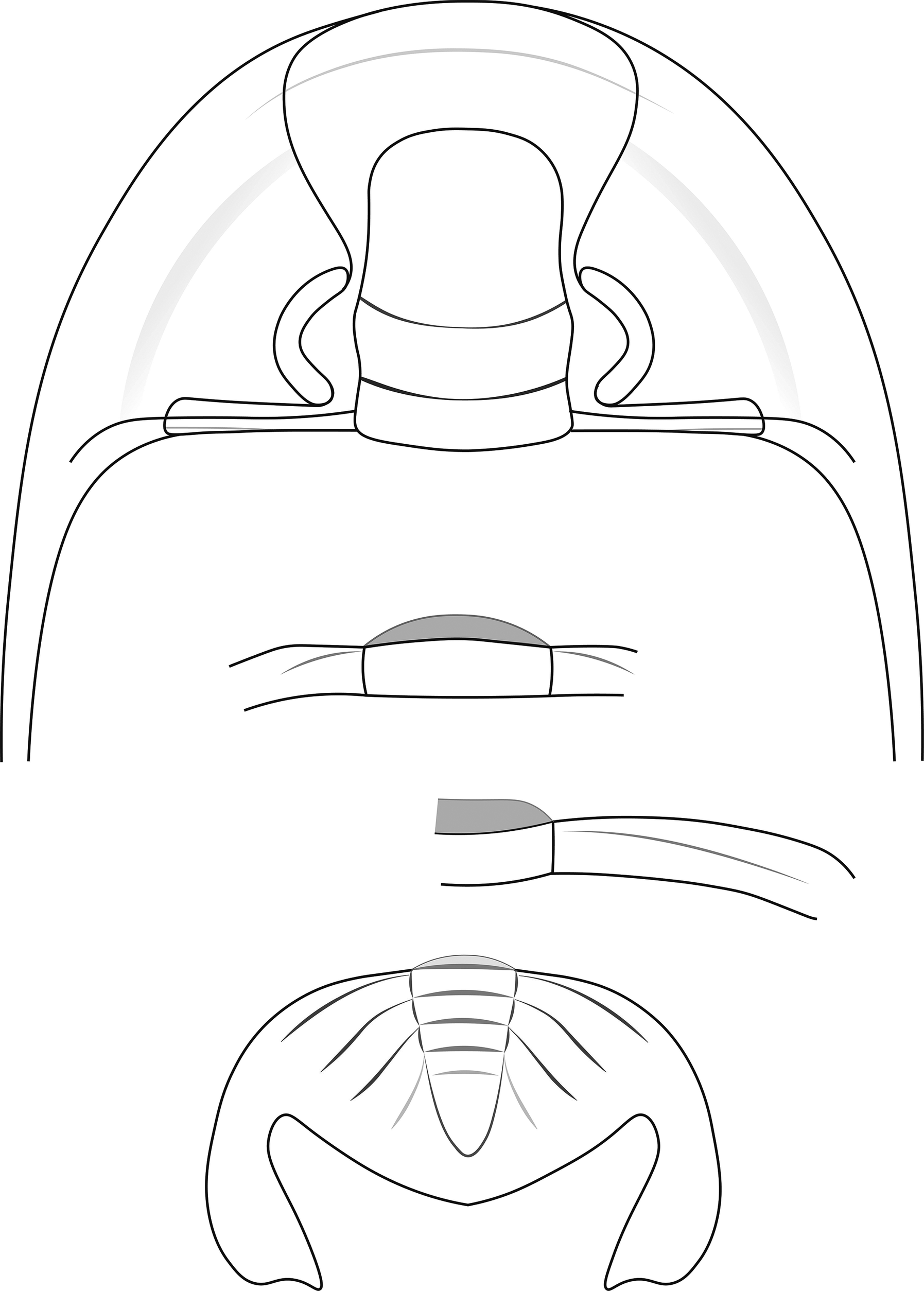
Reconstructions of Osceolia tumerispina n. sp. exoskeleton, cephalon with long frontal area, thoracic segments, and pygidium with club-like posterolateral spines. Lightly shaded region within the pleural platform of the free cheek indicates break in slope.
Briscoia species resembling members of Osceolia. (1) Cranidium, Briscoia coloradoensis Walcott, Reference Walcott1914, USNM PAL 795972, Sawatch, CO; (2) cranidium, Briscoia coloradoensis Walcott, Reference Walcott1914, USNM PAL 60673, Sawatch, CO (figured as Saukia coloradoensis by Walcott, Reference Walcott1914, p. 376, fig. 13); (3) pygidium, Briscoia coloradoensis Walcott, Reference Walcott1914, USNM PAL 60676, Sawatch, CO (figured as Saukia coloradoensis by Walcott, Reference Walcott1914, p. 376, fig. 16); (4) pygidium, Briscoia coloradoensis Walcott, Reference Walcott1914, USNM PAL 60675, Sawatch, CO (figured as Saukia coloradoensis by Walcott, Reference Walcott1914, p. 376, fig. 15); (5) cranidium, Briscoia texana Walcott, Reference Walcott1914, USNM PAL 795968, Burnet Co., TX; (6) anterior view of (5); (7) cranidium, Briscoia texana Walcott, Reference Walcott1914, USNM PAL 58621, Burnet Co., TX (figured as Dikelocephalus texanus by Walcott, Reference Walcott1914, p. 372, pl. 65, fig. 4); (8) pygidium, Briscoia texana Walcott, Reference Walcott1914, USNM PAL 795945c, Burnet Co., TX; (9) pygidium, Briscoia texana Walcott, Reference Walcott1914, USNM PAL 795945b, Burnet Co., TX; (10) cranidium, Briscoia nevadensis (Walcott, Reference Walcott1884), USNM PAL 24659A, Eureka, NV (figured as Dikelocephalus osceola by Walcott, Reference Walcott1884, pl. 9, fig. 25); (11, 12) anterior and left lateral views of (10); (13) pygidium, Briscoia nevadensis (Walcott, Reference Walcott1884), USNM PAL 792120, Eureka, NV; (14) right lateral view of (13); (15) cranidium, Briscoia sp., CMC-IP 102303, Dotsero Formation, at 17.33 m in South Bush Creek section, CO; (16) pygidium, Briscoia sp., CMC-IP 102304, Dotsero Formation, at 16.6 m in Lime Creek section, CO; (17, 18) right lateral and posterior views of (16); (19) pygidium, Briscoia sp., CMC-IP 102305, Dotsero Formation, at 15.65 m in South Bush Creek section, CO. Scale bars = 5 mm in all images.
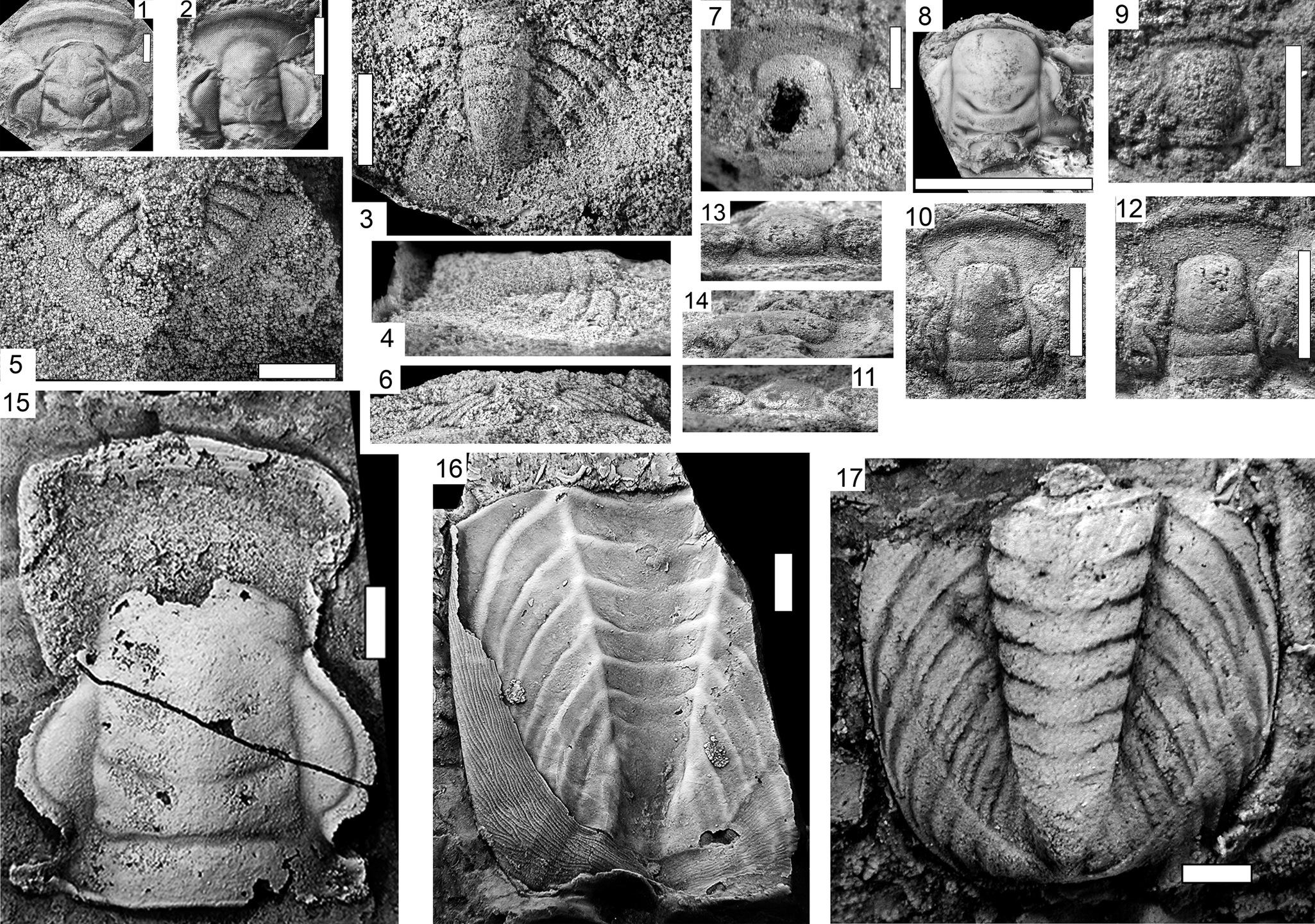
Cranidial homeomorphs of Osceolia, cranidia previously incorrectly assigned to the genus, and indeterminate pygidia from the Devil’s Lake Member. (1) Homeomorphic cranidium, Formosocephalus savitzkyi Pegel in Egorova et al. (Reference Egorova, Pegel, Chernysheva, Egorova, Shabanov, Pegel, Savitsky, Suchov and Chernysheva1982, pl. 51, fig. 6), sample 34/5, Lena River section, Siberia; (2) homeomorphic cranidium, Pseudoanomocarina eldachica Bognibova Reference Bognibova, Koptev, Mikhallova, Poleteva, Romanenko, Romanenko, Semashko, Tomashpolskaya, Fedyanina, Cherysheva and Cherysheva1971, figured in Savitsky, Reference Savitsky1976, pl. 38, fig. 15, sample 44/143, Siberia; (3) genus and species indeterminate, latex of counterparat pygidium, USNM PAL 791890, Devil’s Lake Member, Devil’s Lake, WI; (4) right lateral view of (3); (5) genus and species indeterminate pygidium, USNM PAL 791891, Devil’s Lake Member, Devil’s Lake, WI; (6) posterior view of (5); (7) cranidium, cf. Osceolia, CMC-IP 87150, Marine, MN (formerly UMPC 9407); (8) cranidium previously referred to Osceolia, Pseudosaukia brevifrons (Clark, Reference Clark1924), MCZ-IP 101227, Beekmantown series, Lévis, Québec; (9) cranidium previously referred to O. osceola by Hall (Reference Hall1863, p. 146, not previously figured), Saukiella pyrene (Walcott, Reference Walcott1914), AMNH 39114, Osceola, WI; (10) homeomorphic cranidium, Prosaukia lochmani Straatmann in Stitt and Straatmann, Reference Stitt and Straatmann1997, UMC 17170, Black Hills, SD; (11) anterior view of (10); (12) homeomorphic cranidium, Prosaukia lochmani Straatmann in Stitt and Straatmann, Reference Stitt and Straatmann1997, UMC 17171, Black Hills, SD; (13, 14) anterior and right lateral views of (12); (15) homeomorphic cranidium, Hamashania pulchera (Kobayashi, Reference Kobayashi1942), SNUP 4004, Taebaeksan Basin, Korea; (16) pygidium, Hamashania pulchera (Kobayashi Reference Kobayashi1942), SNUP 4007, Taebaeksan Basin, Korea; (17) pygidium, Hamashania sp. cf. H. busiris (Walcott, Reference Walcott1905), SNUP 4013, Taebaeksan Basin, Korea. Scale bars = 5 mm (3, 5, 7–10, 12, 15–17), or 10 mm (1, 2).
For our morphometric investigation of cranidial shape we divided specimens (n = 62) bearing sufficient landmarks (Fig. 20.1) for analysis from nine localities, including both those from dolomitic mudstones and from very fine-grained sandstones, into two groups based on an assessment of their overall preservational quality considering their completeness and degree of fracturing. Exact positioning of landmarks was judged more difficult to pinpoint in Grade 2 specimens due to factors such as only a single landmark preserved of those that were paired and somewhat reduced confidence in the exact positions of Type I and II landmarks. We then conducted analyses of shape variance within these two groups using the Two Group 8 module within the integrated morphometrics package suite (Sheets, Reference Sheets2014), of which Grade 1 was judged to be the better preserved (e.g., Figs. 5.1, 5.11, 7.10, 7.16). As expected, within-group variance was higher in Grade 2 (0.00291, n = 36, e.g., Figs. 5.13, 5.15, 7.7, 7.13) than in Grade 1 (0.00246, n = 26), which was anticipated to show less taphonomically related variance. However, because the difference in group variance (0.00045) was of similar magnitude to the largest error associated with measuring the same specimen multiple times (0.00037, see Supplementary Data 3), we could not exclude other explanations such as random factors, sample size differences, or differences in degrees of ontogenetically related change within the samples. Therefore, we saw no benefit in restricting our morphometric analyses to only those specimens belonging to Grade 1 and concluded that the combined Grade 1 and Grade 2 sample used to assess cranidial morphological variation, although not free from taphonomic influence, is as good as was available to us.
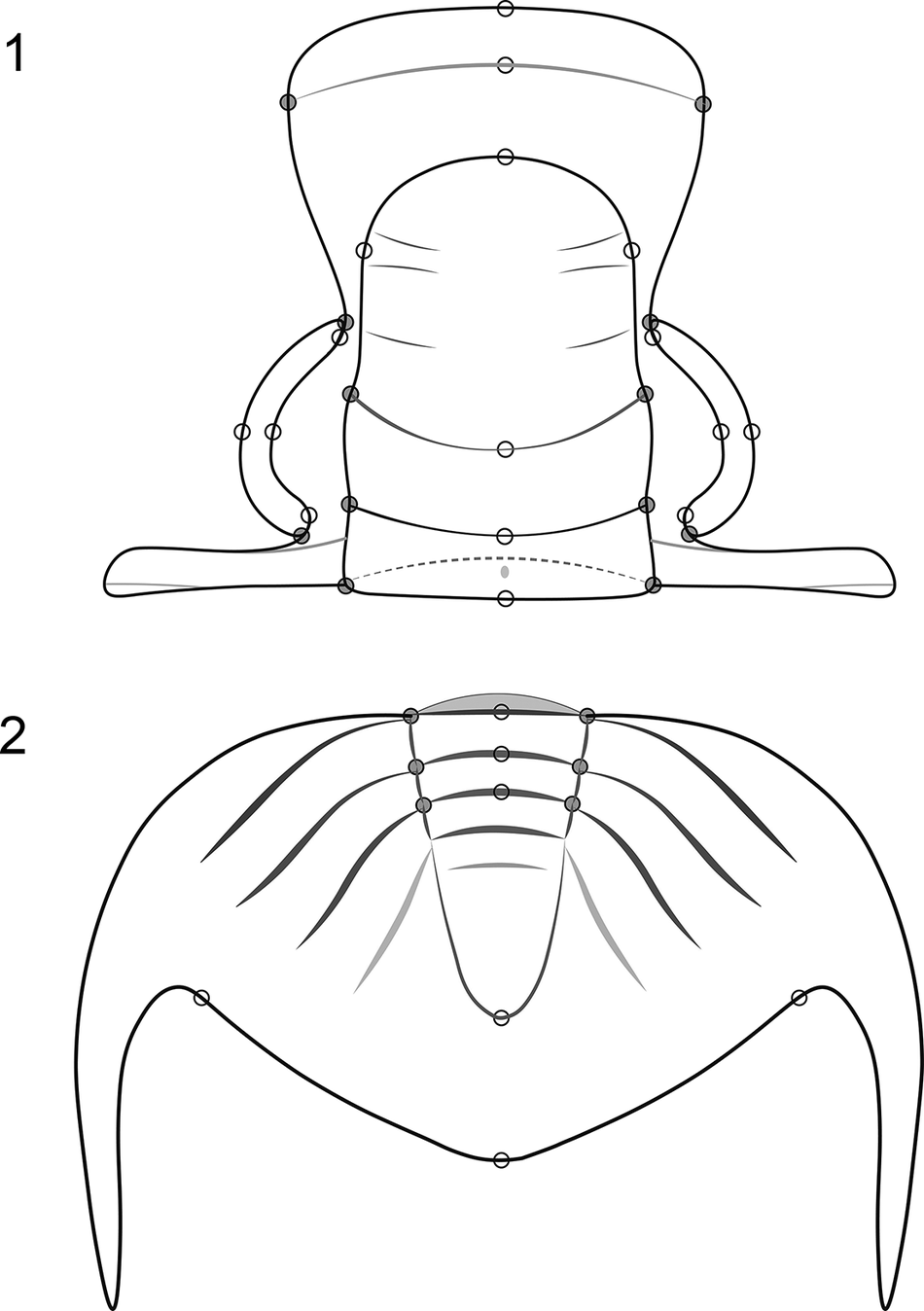
Reconstruction of Osceolia osceola cranidium and pygidium showing the set of landmarks used to assess geometric morphological variation. (1) Cranidium reconstruction with the set of 28 landmarks selected. Eligible specimens had to preserve all 6 axial landmarks, and at least one of each of the paired abaxial landmarks. (2) Pygidium reconstruction with the set of 13 landmarks selected. Eligible specimens had to preserve all 5 axial landmarks, and at least one of each of the paired abaxial landmarks. Type I landmarks (Bookstein, Reference Bookstein1991) are shown as gray shaded circles, Type II landmarks as open circles.
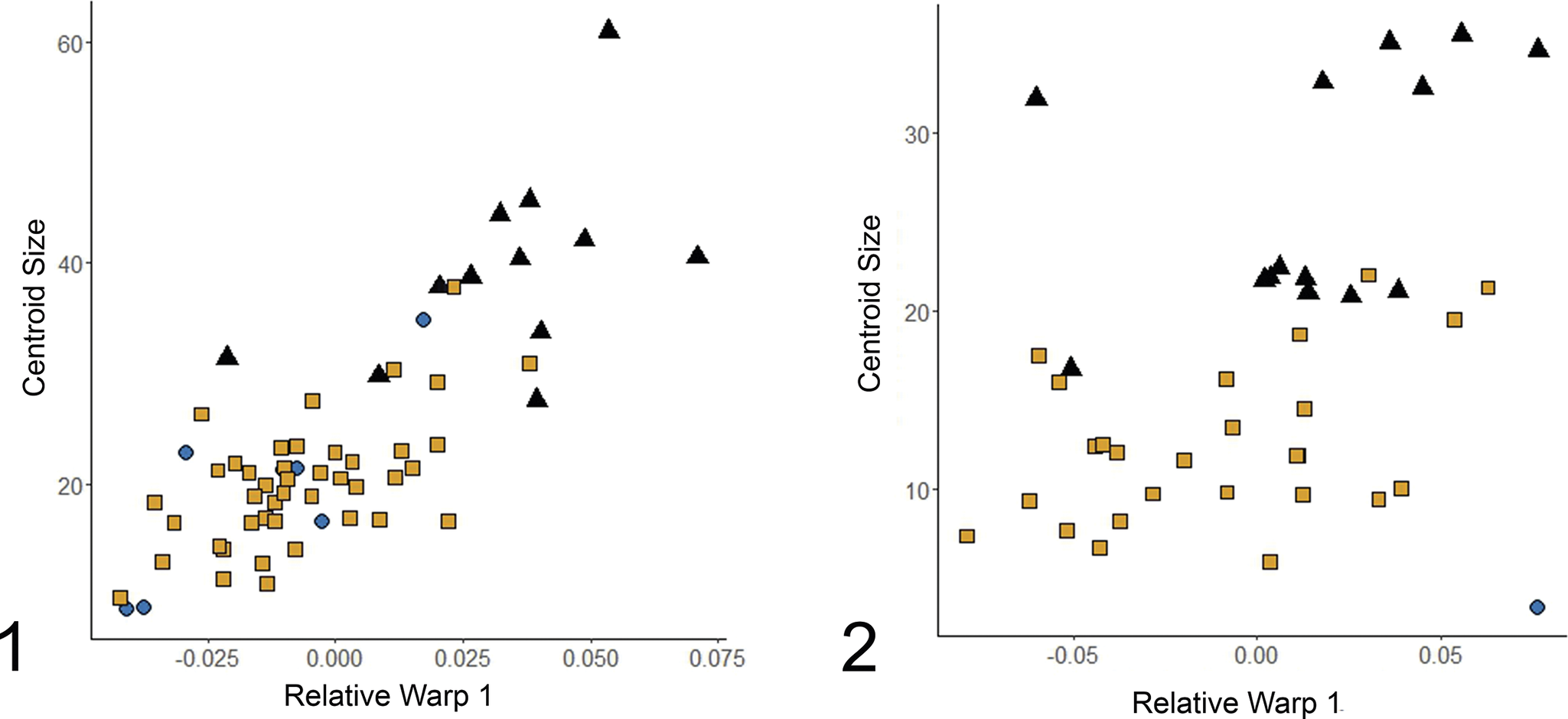
One lithologically related distinction among Osceolia specimens is that the mean sclerite size is larger in specimens from the dolomitic mudstones of the heterolithic facies than among those from the laminated sandstones of the Norwalk Member of the Jordan Formation (Fig. 21). This difference applies to all sclerite types sufficiently common to be assessed. Possible explanations include either (1) a pattern of lithofacies-related hydrodynamic sclerite sorting in which size rather than shape played a dominant role, or (2) different habitat preference for trilobites of different mean size. The markedly different shapes of the sclerites casts doubt on the first explanation, as physical models of the hydrodynamic behavior of trilobites sclerites suggest varied responses among sclerite types (Hesselbo, Reference Hesselbo1987). Additionally, sclerites of other co-occurring taxa can be of markedly different mean size to those of Osceolia, arguing against strong size-related sorting. Furthermore, out-of-habitat transport of fossil material in shallow marine settings is generally rare (Patzkowsky and Holland, Reference Patzkowsky and Holland2012).
Bivariate scatter plots of relative warp 1 versus centroid size for Osceolia osceola (1) 62 cranidia and (2) 41 pygidia categorized according to occurrence in different lithofacies. The lithofacies represented are: heterolithic facies dolomitic mudstone from the St. Lawrence Formation (black triangles), sandstone facies of the Norwalk Member, Jordan Formation (yellow squares), and laminated sandstone from the St. Lawrence Formation (blue dots).
Size-related habitat differentiation, on the other hand, may explain why immature or small individuals of many trilobite taxa are absent in the dolomitic mudstones despite the apparently high preservation potential for such material. The occasional occurrence of large dikelocephalid sclerites within the laminated sandstones is consistent with this explanation, arguing directly against size-related sorting, and consistent with anticipated mortality/molting of some large individuals while onshore. This is also congruent with the behaviors of the four extant species of horseshoe crab (Sekiguchi, Reference Sekiguchi and Sekiguchi1988; Brockmann, Reference Brockmann, Shuster, Barlow and Brockmann2003), mature individuals of which live in somewhat deeper water, coming briefly ashore to mate, while younger individuals develop in shallow water before migrating into deeper water when further developed. A similar explanation may also apply to the sclerites of D. minnesotensis Owen, Reference Owen1852, which also tend to be smaller in sandstones than in the mudstones (Hughes, Reference Hughes1993). Accordingly, it is plausible that in this area dikelocephalid trilobites moved into shallow waters to deposit their eggs and that these environments served as nurseries before larger individuals moved farther offshore for most of their mature lives. Comparable explanations for the occurrences of other trilobites have been invoked previously (e.g., Paterson et al., Reference Paterson, Jago, Brock and Gehling2007), although in the case of Osceolia no pre-holaspid specimens are known from any locality.
Free cheeks and pygidia of other dikelocephalids Dikelocephalus minnesotensis Owen, Reference Owen1852 and Walcottaspis vanhornei (Walcott, Reference Walcott1914) preserved in the dolomitic mudstones of the St. Lawrence Formation commonly show evidence of infestation by an organism that excavated shallow, flat-bottomed grooves etched into the internal surfaces of the dorsal exoskeleton and doublure in both species (see Hughes, Reference Hughes1993, p. 15; Srivastava and Hughes, Reference Srivastava and Hughes2024, p. 615). These are interpreted as the work of metazoan parasites or scavengers that mined associated soft tissues, and these two taxa may have been infested by the same taxa. The number of Osceolia pygidia preserved in the heterolithic facies exceeds that available for W. vanhornei, yet evidence of such infestation in Osceolia is generally absent and, where it might occur, is equivocal (see Fig. 14.10, 14.16). A common infesting organism was perhaps specific to the two large sister species, but less effective within their more distant relative. Degree of infestation may also relate both to available exoskeletal area for infestation and rate of molting, which likely slowed in large animals (Hartnoll, Reference Hartnoll and Abele1982). In such a case, evidence of infestation might be more common in the larger trilobites because a larger area of live tissue lining the exoskeleton was exposed for a longer interval of time.
Co-occurrent fossils and biostratigraphy
In multiple localities Osceolia occurs in bedding-plane assemblages that also yield Dikelocephalus sclerites, along with those of a number of other trilobite taxa (Raasch, Reference Raasch1951; Nelson, Reference Nelson1956). Thus, Osceolia and Dikelocephalus evidently coexisted within the same ecological community. Such co-occurrence is known in both the dolomitic mudstones of the St. Lawrence Formation at Osceola (Fig. 2) and Arcadia (Fig. 3), and in the very fine-grained sandstones of the Norwalk Member at Osceola on the Minnesota side of the St. Croix River (Fig. 12.17). Given their differences in morphology and maximum size, ecological partitioning between these forms is likely, but this pattern contrasts with the distributions of Walcottaspis and Dikelocephalus, for which there are no records of co-occurrence between these similarly large and cephalically closely comparable genera. This is despite Dikelocephalus occurring in beds closely below and almost immediately above Walcottaspis in the section at Hokah, Minnesota. In addition to D. minnesotensis, Osceolia has been reported to co-occur with species of the trilobite genera Saukiella, Tellerina, Eurekia, Corbinia, Triarthropsis, Macronoda, and Euptychaspis, and with Illaenurus quadratus Hall, Reference Hall1863 (Raasch, Reference Raasch1951; Nelson, Reference Nelson1956; Hughes and Hesselbo, Reference Hughes and Hesselbo1997), along with various aglaspidids, linguiliform brachiopods, and other more rarely represented groups including graptolites, mollusks, and serpulids.
Although the upper Mississippi Valley Cambrian trilobite faunas have a long history of investigation, several factors have hindered establishing an adequate trilobite biostratigraphy for the region. These include the marked diachroneity of fossil occurrences that led to the proposal that rock-based units be based on biostratigraphic criteria (e.g., Raasch, Reference Raasch1951), disagreements on the species-level taxonomy of the more common genera and, within the late Sunwaptan, fossil occurrence commonly being restricted to only single horizon or few horizons within any given section. That Osceolia only occurs in the oldest deposits of the St. Lawrence Formation was highlighted by Raasch (Reference Raasch1951) in his 14 “zonal unit” division of the Saukia Zone of the upper Mississippi Valley. Nelson (Reference Nelson1956) proposed the O. osceola Subzone, a unit that defines the lowest subzone of the Saukia Zone in the upper Mississippi Valley. Following recognition that the regional ranges of O. osceola and Rasettia (commonly referred to by earlier authors as Platycolpus) are at least partially coincident (Nelson, Reference Nelson1956, p. 172), the O. osceola Subzone has been biostratigraphically succeeded by the “upper Dikelocephalus Subzone” (e.g., Runkel et al., Reference Runkel, Miller, McKay, Palmer and Taylor2007). The O. osceola Subzone has been referred to as an assemblage zone (Nelson, Reference Nelson1956), but of its trilobite fauna only Osceolia is readily recognizable as diagnostic of the unit, making the subzone effectively the range of this taxon (see below). The name of the overlying “upper Dikelocephalus” Subzone suggests it is not based on the first appearance of a distinctly novel form. However, as Raasch’s (Reference Raasch1951) zonal units indicated, the genus Saukia apparently makes its first regional appearance in rocks just younger than those bearing Osceolia (e.g., Hughes and Hesselbo, Reference Hughes and Hesselbo1997, p. 37), and we know of no collection in which these two genera co-occur. It was for this reason that Hughes and Hesselbo (Reference Hughes and Hesselbo1997, p. 4) suggested recognition of a Saukia Subzone beginning shortly above the observed range of Osceolia. The first occurrence of Saukia may correlate with the base of the Eoconodontus notchpeakensis Zone in the region (Runkel et al., Reference Runkel, Miller, McKay, Palmer and Taylor2007).
Following the taxonomic revision proposed herein, Osceolia osceola occurs throughout the stratigraphic and geographic range of the genus within the upper Mississippi Valley, its range remaining useful in the definition of a regional subzone.
Sequence stratigraphic setting
Outcrops bearing Osceolia directly overlie a prominent maximum flooding surface that separates a transgressive systems tract represented by the upper part of the Tunnel City Group from the latest highstand and earliest falling stage systems tracts represented by the St. Lawrence and Jordan formations (Runkel et al., Reference Runkel, Miller, McKay, Palmer and Taylor2007, Reference Runkel, Miller, McKay, Palmer, Taylor, Pratt and Holmden2008). There is no evidence of Osceolia in the Tunnel City Group, although its close relatives may occur within that unit (Fig. 19.3–19.6). Osceolia’s apparently sudden appearance in the upper Mississippi Valley as a distinct dikelocephalid morphotype is thus apparently related to the stratigraphic condensation and hiatus associated with the maximum flooding surface. It might have evolved within the interval of that hiatus, possibly in farther inboard settings for which no sedimentary record remains preserved today. Alternatively, and especially so if Prosaukia lochmani Straatmann in Stitt and Straatmann, Reference Stitt and Straatmann1997, from South Dakota (Fig. 19.10–19.14) is confirmed to belong to the genus, earlier Osceolia may be represented elsewhere in shallow seas bordering the Laurentian cratonic interior.
Records from the Osceola and Ridgeland localities suggest Osceolia occurrences at multiple beds within the St. Lawrence Formation and Norwalk Member, with as many as four separate collection levels occurring in the St. Lawrence Formation at Ridgeland (Nelson, Reference Nelson1956, p. 180), and with a 15-meter interval between beds bearing the genus at Osceola (Nelson, Reference Nelson1956, p. 177–178) (Fig. 2) that includes a number of flat pebble conglomerate beds that may represent hiatuses in local accumulation history. Given prior estimates of the numbers of parasequences within individual sections and the average parasequence in these rocks being ca. 50,000 years in duration (Srivastava and Hughes, Reference Srivastava and Hughes2024), we estimate that Osceolia was represented with individual sections for an interval of eight parasequences, or approximately 400,000 years (see Runkel et al., Reference Runkel, Miller, McKay, Palmer and Taylor2007).
We are not currently able to trace individual parasequences across the outcrop belt, which hinders evaluation of whether the southern and westerly prograding architecture of the system increases the duration of the preserved record of Osceolia (and thus the duration of the O. osceola Subzone) in the region. Osceolia occurs in dolomitic mudstones near the base of the St. Lawrence Formation in Wisconsin localities at Spring Valley/Lucas (SV/MT) and Arcadia (AAa), and in stromatolitic dolomite at Coon Valley (CN). These may represent the toesets of coarser grained units in more proximal locations. In conclusion, the regional temporal range was likely minimally approximately 400,000 years. This temporal range estimate contrasts with the markedly shorter temporal range of Walcottaspis vanhornei, whose represented temporal range is estimated to have been between 50,000 to 250,000 years, and apparently toward the shorter end of this estimate (Srivastava and Hughes, Reference Srivastava and Hughes2024, p. 618).
Published views on Osceolia species and systematic affinities
Dikelocephalus osceola was introduced by Hall (Reference Hall1863) who noted five specimens available to him, of which pygidium AMNH 342 he questionably but correctly assigned to the species (Fig. 12.6). AMNH 39114, which he did not figure, in our opinion belongs to Saukiella pyrene (Walcott, Reference Walcott1914) (Fig. 19.9). Walcott (Reference Walcott1914, p. 386) established the genus Osceolia, illustrating additional specimens of O. osceola from the upper Mississippi Valley and reported expansion of the species’ geographical range to both Nevada and Texas. These southern and western occurrences are discussed and rejected in the Systematic Paleontology section below.
Walcott (Reference Walcott1914, p. 355) also referred to pygidia from the Devil’s Lake Member, Sauk County, Wisconsin (USNM locality 81b) as O. cf. osceola. These specimens were subsequently assigned by Ulrich and Resser (Reference Ulrich and Resser1930, p. 68) to their nomen nudum “Osceolina diabolo”. This material is figured here for the first time (Fig. 19.3–19.6) and is reassessed below.
Ulrich and Resser (Reference Ulrich and Resser1930, p. 15, 64) established the subfamily Osceolinae to accommodate species of both Osceolia and Walcottaspis based largely on supposed homology in the pattern of effacement of the pygidial interpleural furrows in both genera. Raasch (Reference Raasch1951, p. 141) questioned the status of the subfamily Osceolinae, suggesting that Walcottaspis is a descendant of Dikelocephalus while viewing Osceolia species as a “probably terminal offshoot of Briscoia”, but provided no character support for this assertion. Lochman (Reference Lochman1956, fig. 2) illustrated a similar view, and suggested basal species of Dikelocephalus, Walcottaspis, and Osceolia to each be derived from a separate lineage within Briscoia.
We reject the putatively homologous pattern of effacement of the pygidial interpleural furrows in Osceolia and Walcottaspis because rare specimens of Osceolia with remnant interpleural furrows show that its effacement occurred evenly along the entire interpleural furrow (Figs. 12.13, 13.14, 13.20, 14.6, 14.15, 14.16), whereas deeply incised interpleural furrows in Walcottaspis remain evident in the distal parts of all well-developed pygidial segments, with effacement abruptly confined to the adaxial part of the anterior interpleural furrows (Srivastava and Hughes, Reference Srivastava and Hughes2024, fig. 5). This notable difference between persistent, sharply localized, and inconsistent entire furrow effacement undermines the putatively synapomorphic basis for this subfamily (Srivastava and Hughes, Reference Srivastava and Hughes2024), with relationships instead suggesting that Walcottaspis vanhornei has its sister taxa within Dikelocephalus, and with Osceolia sensu lato occupying a more basal position (Srivastava and Hughes, Reference Srivastava and Hughes2024, fig. 11). The presence of a relatively long pygidial postaxial region in some W. vanhornei (see Srivastava and Hughes Reference Srivastava and Hughes2024, fig. 5.5) also questions putative W. vanhornei–Osceolia sensu lato synapomorphy based on a short postaxial region. This paper provides a revision of Osceolia that will allow us to undertake a more complete phylogenetic analysis of Dikelocephalidae when systematic revisions of Briscoia and Dikelocephalus species are completed.
In addition to the type species, O. osceola, Ulrich and Resser (Reference Ulrich and Resser1930) established five more species, two of which included distinct varieties both recognized on the basis of an adaxial ledge in the anterior border. Raasch (Reference Raasch1951) proposed synonymy of most but not all of Ulrich and Resser’s Osceolia species (see Systematic Paleontology section below).
Shape variation in Osceolia cranidia and pygidia
Morphological variation in Osceolia beyond that taphonomically induced was the basis for much of the finely resolved species and variety designations of Ulrich and Resser (Reference Ulrich and Resser1930), their subsequent nearly wholesale synonymy (Raasch, Reference Raasch1951) notwithstanding. In order to explore morphological variation within the genus, our approach has been to first assess patterns of intracollectional variation (c.f., Hughes, Reference Hughes1994), and then compare such patterns more broadly among different collections. This was applied to both cranidia and pygidia, because other sclerites were either too poorly represented or preserved, or too difficult to represent with homologous landmarks. Individual collections likely provide the highest temporal resolution among individuals available to us and were used to assess whether patterns seen across the sample as a whole mimic those seen within individual collections. We used landmark-based geometric morphometrics to explore such variation.
All Osceolia specimens were imaged in dorsal view with the palpebral lobe surface mounted horizontally and the pygidial axial furrow mounted horizontally. Except where prohibited, specimens were coated with ammonium chloride sublimate prior to being photographed in order to reveal the morphology more clearly. The image library was assembled intermittently between 1986 and 2024 and acquired mostly using a Nikon SLR camera with images captured either as 35-mm black and white negatives, or directly as digital images. Images were taken within the specimen’s host institution or at the University of California, Riverside. Negatives were digitally scanned with a Polaroid SprintScan 35 plus or an Epson Perfection V700 scanner. Cartesian X and Y coordinates of morphological landmarks for each specimen of cranidia and pygidia were measured using the freely available software tpsDig (http://www.sbmorphometrics.org/soft-dataacq.html).
Morphometric analysis of the landmark dataset was conducted using RStudio interface in R (https://www.rstudio.com). The R packages used for statistical analysis were Geomorph (Adams et al., Reference Adams, Collyer, Kaliontzopoulou and Baken2021; Baken et al., Reference Baken, Collyer, Kaliontzopoulou and Adams2021) for most of the morphometric functions, Residual Randomization Permutation Package (Collyer and Adams, Reference Collyer and Adams2018, Reference Collyer and Adams2021) for calculating linear regression models, and ggplot2 package to plot specimens as classified according to certain relevant parameters (Wickham, Reference Wickham2016). Here we defined “Type I” landmarks at juxtapositions of three surfaces/tissues (“discrete juxtapositions of tissues” of Bookstein, Reference Bookstein1991, p. 63–66), and “Type II” landmarks as points of maximum curvature along a boundary (“maxima of curvature”). Arguments for positional homology are stronger for Type I landmarks than for Type II and this study utilizes both kinds (Fig. 20), with the majority being Type II. This notwithstanding, the landmark scheme does not appear to have unduly influenced the observed overall variance, as measurement error in shape is broadly comparable to those of trilobites with a higher proportion of Type 1 landmarks (Supplementary Data 3; e.g., Hong et al., Reference Hong, Hughes and Sheets2014). This finding is echoed by a recent comparative analysis among landmarks categories (Wärmländer et al., Reference Wärmländer, Garvin, Guyomarc’h, Petaros and Sholts2019).
The analysis of cranidial shape was based on 28 cranidial landmarks (Fig. 20.1) and pygidial analysis was based on 13 landmarks (Fig. 20.2). Of several hundred Osceolia osceola cranidia and pygidia available to us, 62 cranidia (Taphonomic Grades 1 and 2 combined) and 41 pygidia preserved a sufficient number of landmarks to provide morphometric coverage capturing most major aspects of sclerite shape. Because the sample sizes of suitable specimens for most individual localities are small (< 10 specimens), we present only (1) analyses from the most prolific individual collection, which is from the Norwalk Member at Osceola, Wisconsin; and (2) an analysis that combines all measurable specimens of Osceolia osceola available to us.
Results
Shape variation within an individual collection
The Osceola, Wisconsin, Norwalk Member collection yielded 20 cranidia and 14 pygidia (n = 14) and is from USNM locality 78 (see below for details).
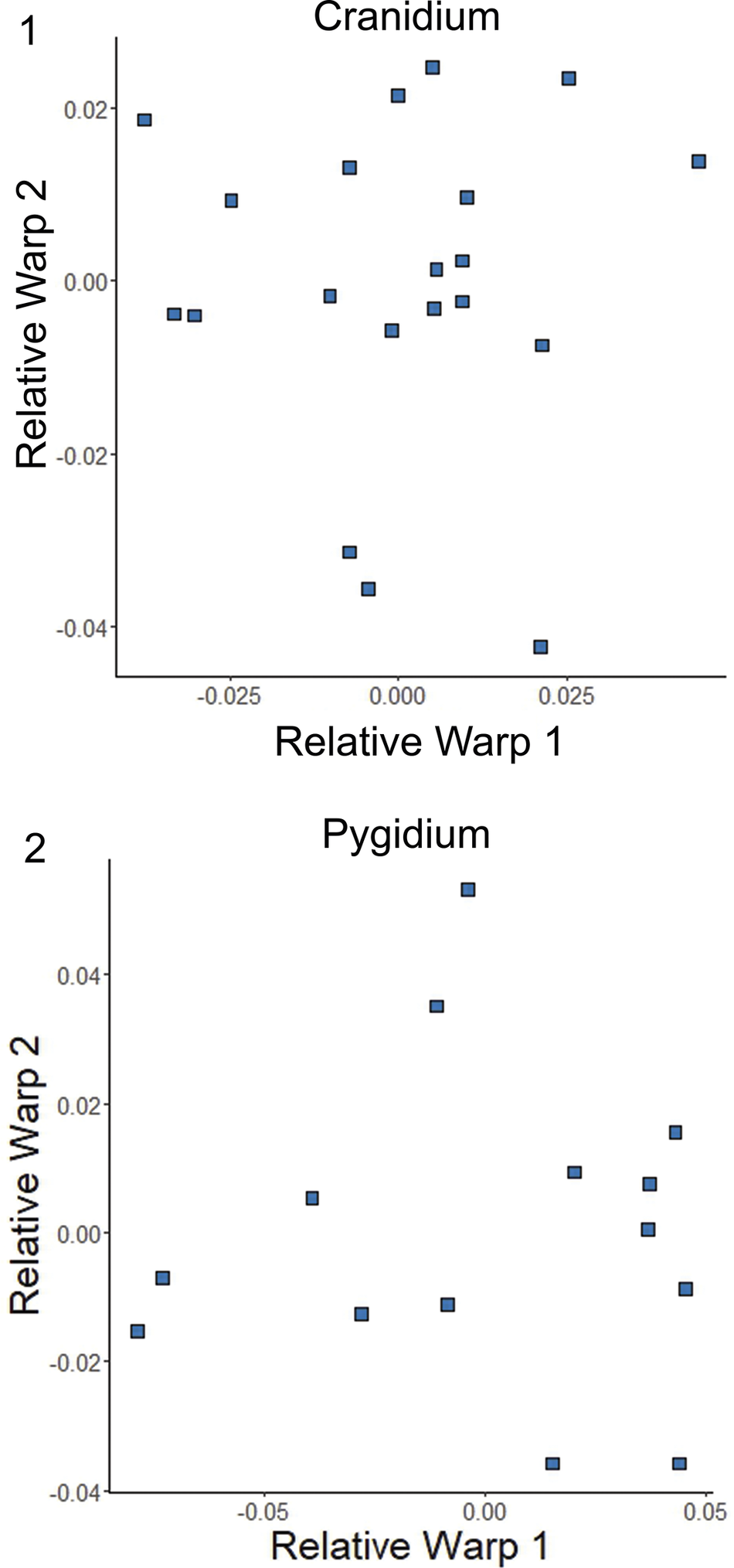
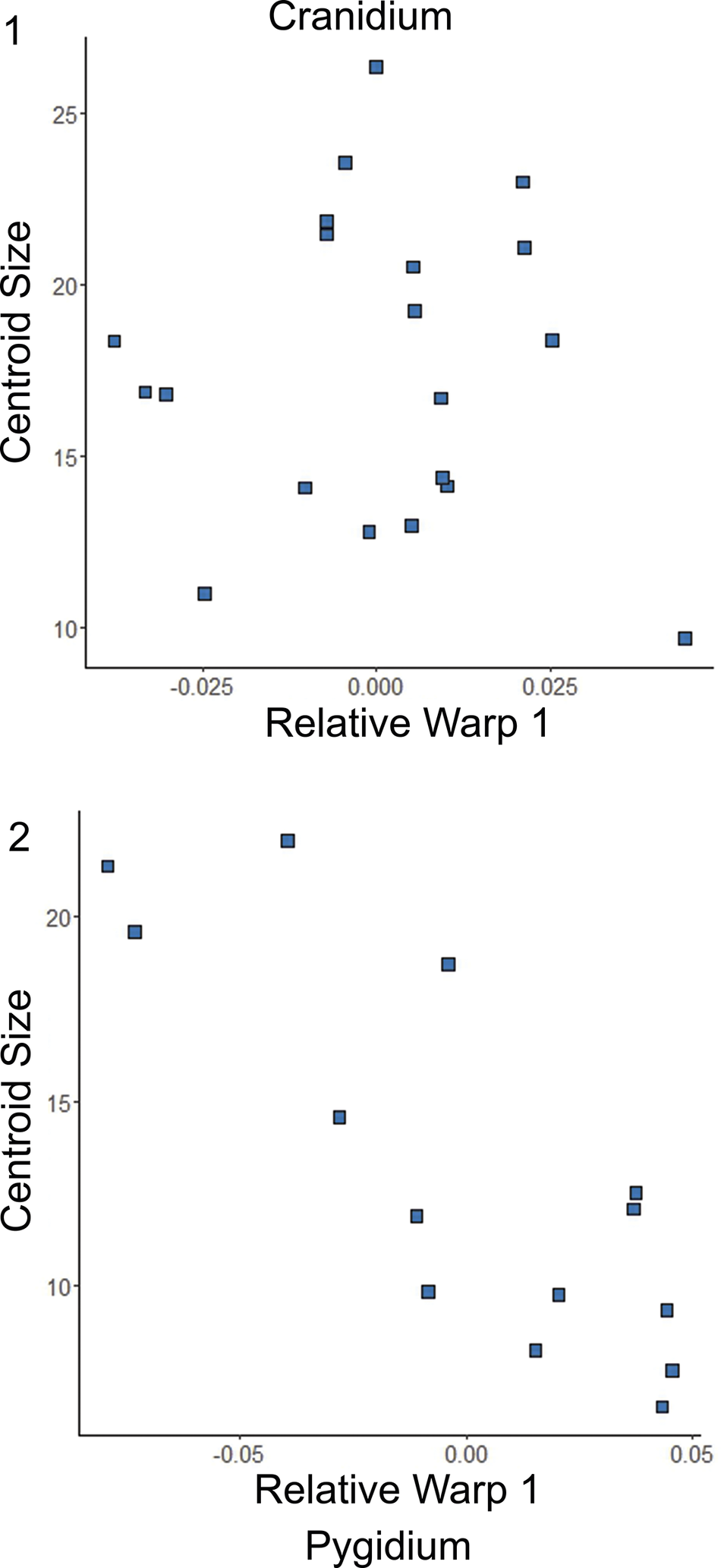
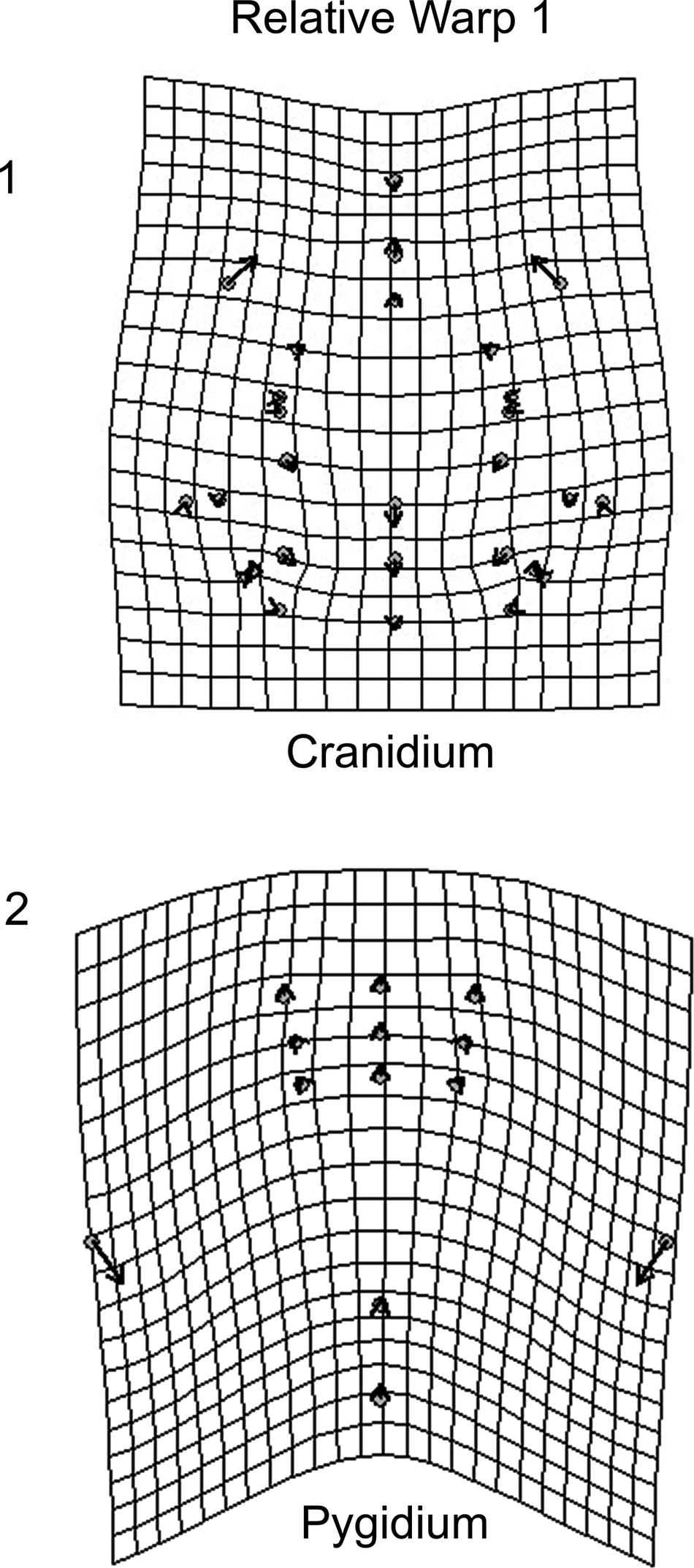
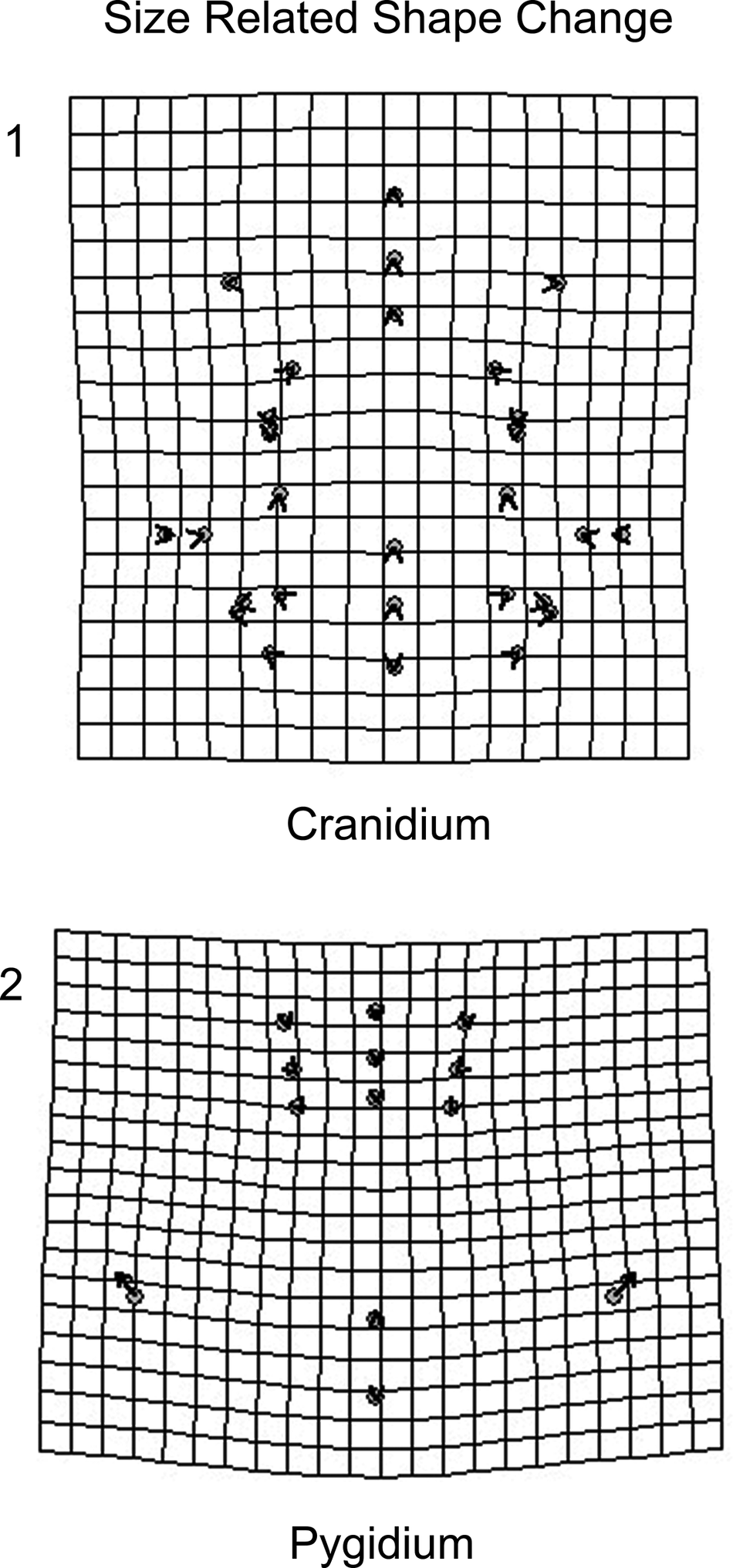
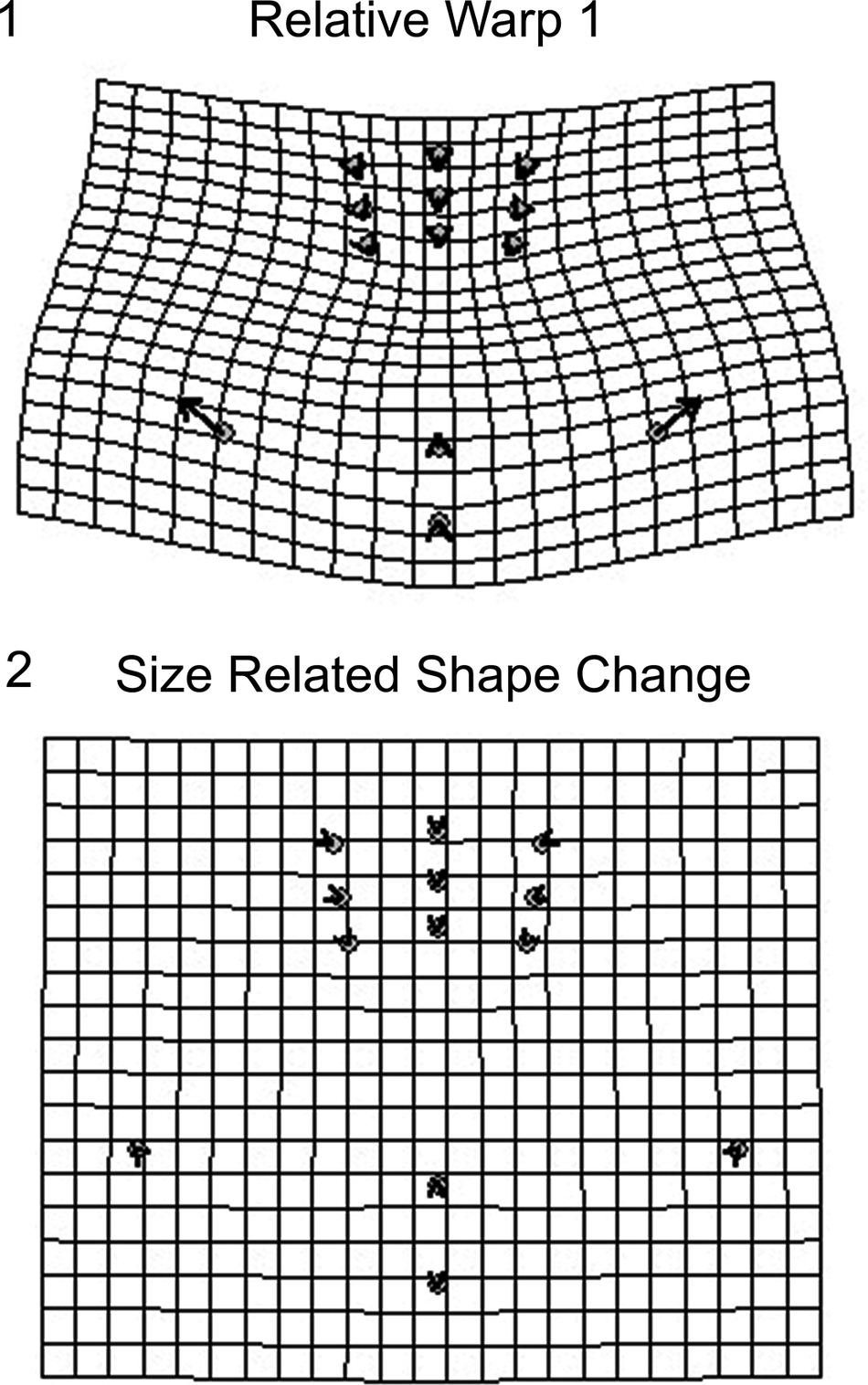
A principal component analysis (PCA) of the Procrustes-aligned coordinates of the cranidia shows that 50.2% of the total shape variance is captured by the first two relative warps with relative warp 1 (RW 1) and RW 2 explaining 31.7% and 18.5% of the total shape variance, respectively (Fig. 22.1). The other 17 RWs each contain 10% or less of the total shape variance (see Supplementary Data 5) and are not considered further herein. Centroid size was plotted against RW 1 to explore whether the principal variation in the sample might be ontogenetically related (Fig. 23.1). While no clear trend relates these variables, variance along RW 1 increased among larger sized individuals. A thin-plate spline grid of RW 1 captures variation in frontal area width and in the relative length (sag.) of the L1 lobe (Fig. 24.1). A regression of Procrustes-aligned landmark configurations onto the natural log of centroid size (ln CCS) suggests that 6.7% of the total shape change in the sample is ontogenetic. Size-related shape change according to this regression is widening of the frontal area (Fig. 25.1). The deformation grids of ontogenetic allometry and RW 1 are comparable in showing reduction of the relative palpebral lobe length, and widening and lengthening of the frontal area, with the polarity observed along RW 1 with respect to overall size being arbitrary. It is notable that although ontogeny accounts for a small component of shape change within this sample, similar shape changes nevertheless mark the major morphological variations in the sample (as captured by RW 1), suggesting phenotypic variation about ontogenetically variable trends. The relatively small ontogenetic component likely reflects the limited size range of the cranidia within this sample.
Bivariate scatter plots of first two relative warps showing Osceolia osceola cranidia and pygidia from only Osceola, WI, Norwalk Member collection. (1) Plot of RW 2 and RW 1 for 20 cranidia; (2) plot of RW 2 and RW 1 for 14 pygidia.
Bivariate scatter plots of centroid size versus relative warp 1 showing Osceolia osceola cranidia and pygidia from only Osceola, WI, Norwalk Member collection. (1) Plot of centroid size and RW 1 for 20 cranidia; (2) plot of centroid size and RW 1 for 14 pygidia.
Thin-plate spline deformation grid of relative warp 1 for Osceolia osceola cranidia and pygidia from only Osceola, WI, Norwalk Member collection. (1) Shape variation captured by RW 1 for cranidia; (2) shape variation captured by RW 1 for pygidia.
Thin-plate spline deformation grid of size related shape change for Osceolia osceola cranidia and pygidia from only Osceola, WI, Norwalk Member collection. (1) Allometric changes for cranidia; (2) allometric changes for pygidia. Arrows indicate direction of change from small to larger specimens.
A PCA of 14 pygidia shows that 78.9% of the total shape variance is captured by the first two relative warps: RW 1 contains 59.4% and RW 2 contains 19.5% of the total shape variance (Fig. 22.2). The remainder of the nine RWs contain 10% or less shape variance (see Supplementary Data 5) and are not considered further. Larger pygidia score low on RW 1 (Fig. 23.2), and a thin-plate spline reveals the major shape change along this vector as variation in the width between the posterolateral spine bases (Fig. 24.2). Procrustes-aligned landmark configurations were regressed onto the natural log of centroid size (ln CCS) in this dataset. The major size-related shape change according to the regression shows that the distance between the spine bases increases during ontogeny (Fig. 25.2), with the reversed polarity observed in RW 1 with respect to overall size being arbitrary. According to the sum-squared calculation of the regression-predicted values, 40.6% of the total shape change is ontogenetic (for additional analysis of the combined Osceola Norwalk collections from Wisconsin and Minnesota localities, see Supplementary Data 4).
Shape variation within the entire Osceolia osceola collection
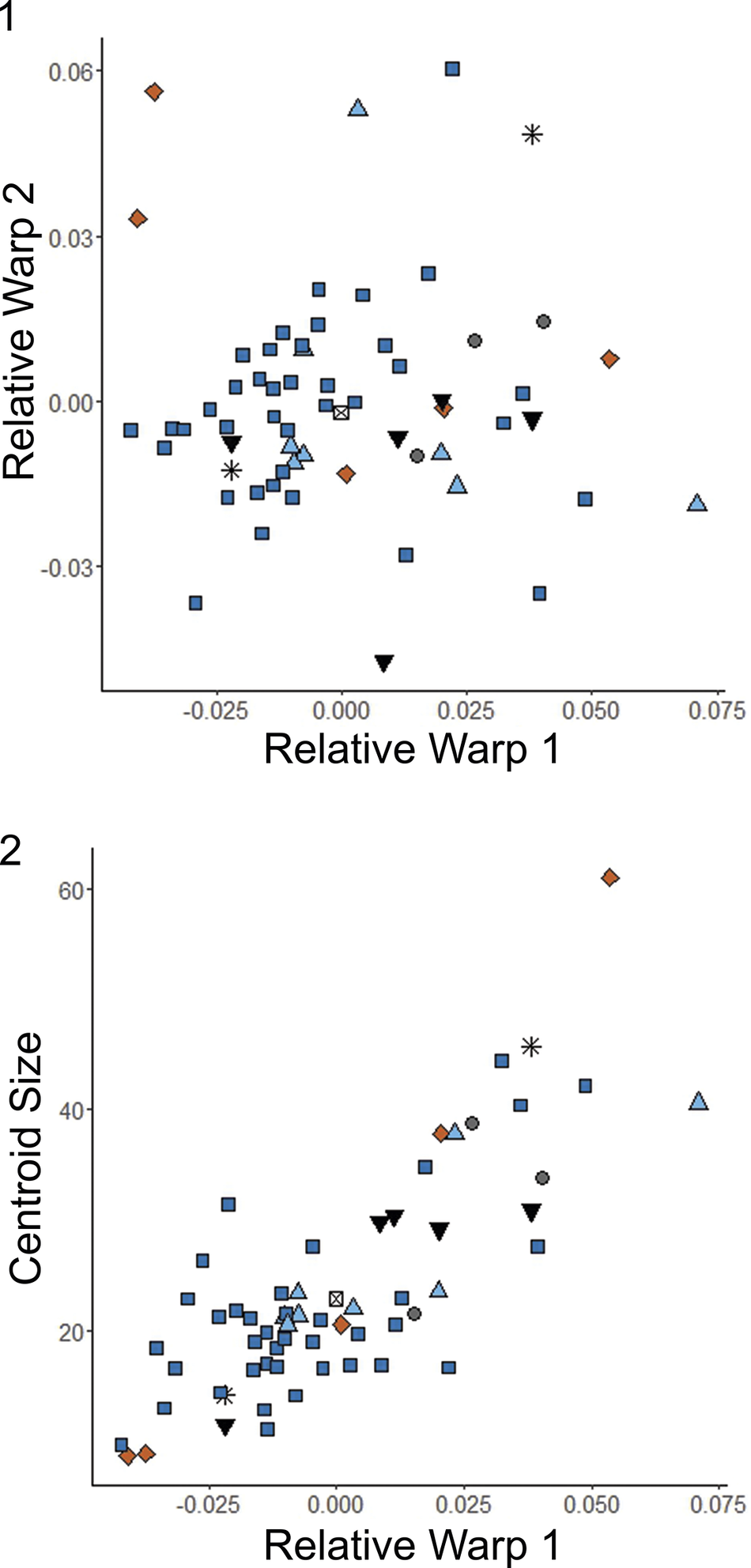
Sixty-two cranidia and 41 pygidia from all collections of O. osceola were pooled to analyze the shape variation in the species as a whole. A PCA of Generalized Procrustes-superimposed cranidia landmark configurations was then classified according to which collections the specimens belong (Fig. 26). The total shape variance contained in the first two relative warps was 45.2% (26.3% in RW 1 and 18.9% in RW 2) and the remaining 24 RWs contain less than 12% of shape variance (see Supplementary Data 5). The scatter of specimens from the pooled Osceola collections in the RW 1/RW 2 plot (blue square in Fig. 26.1) covers much of the total area occupied. The most striking result is that the larger specimens are mostly preserved in dolomitic mudstone, and smaller ones in feldspathic sandstone (Fig. 21.1) and that there is a transitional overlap in shape and size among specimens from these lithofacies. Smaller cranidia score lower on RW 1 than larger ones, and the pattern of size-related shape change weakly present within the Norwalk Member collection from Osceola (Supplementary Data 4, fig. 4.1.1) is consistent with the stronger pattern seen across the sample as a whole (Fig. 26.2). The major shape change captured by RW 1 is a marked ontogenetic decrease in the relative width (tr.) and slight decrease in the relative length (exsag.) of the palpebral lobe, an increase in the relative length and width of the frontal area, and a relative contraction in the anterior part of the glabella (Fig. 27.1). The pattern of allometric shape change is broadly consistent with the shape changes captured by RW 1 (Fig. 27.2). A regression of superimposed landmark configurations onto the natural log of centroid size suggests that 17.7% of the total shape variance in the pooled sample is ontogenetic. It effectively captures size-related differences in shape and any collection-related shape variation apparently largely reflects differences in mean specimen size among collections. Variation on RW 2 apparently is not size related.
Bivariate scatter plots of centroid size and relative warps showing 62 Osceolia osceola cranidia pooled from the entire collection categorized according to locality. (1) Plot of RW 2 versus RW 1; (2) plot of centroid size and RW 1. Different collections are color coded: Mondovi = black inverted triangles, Osceola = blue squares, Eleva = blue triangles, Spring Valley = stars, Ridgeland = red diamonds, Soo Bridge = gray dots, Elk Mound = square with cross.
Thin-plate spline deformation grids for Osceolia osceola cranidia pooled from the entire collection. (1) RW 1 shape change depicted in a deformation grid for cranidia; (2) Size-related shape change shown by a deformation grid for cranidia; vector arrows indicate direction of change from small to larger specimens.
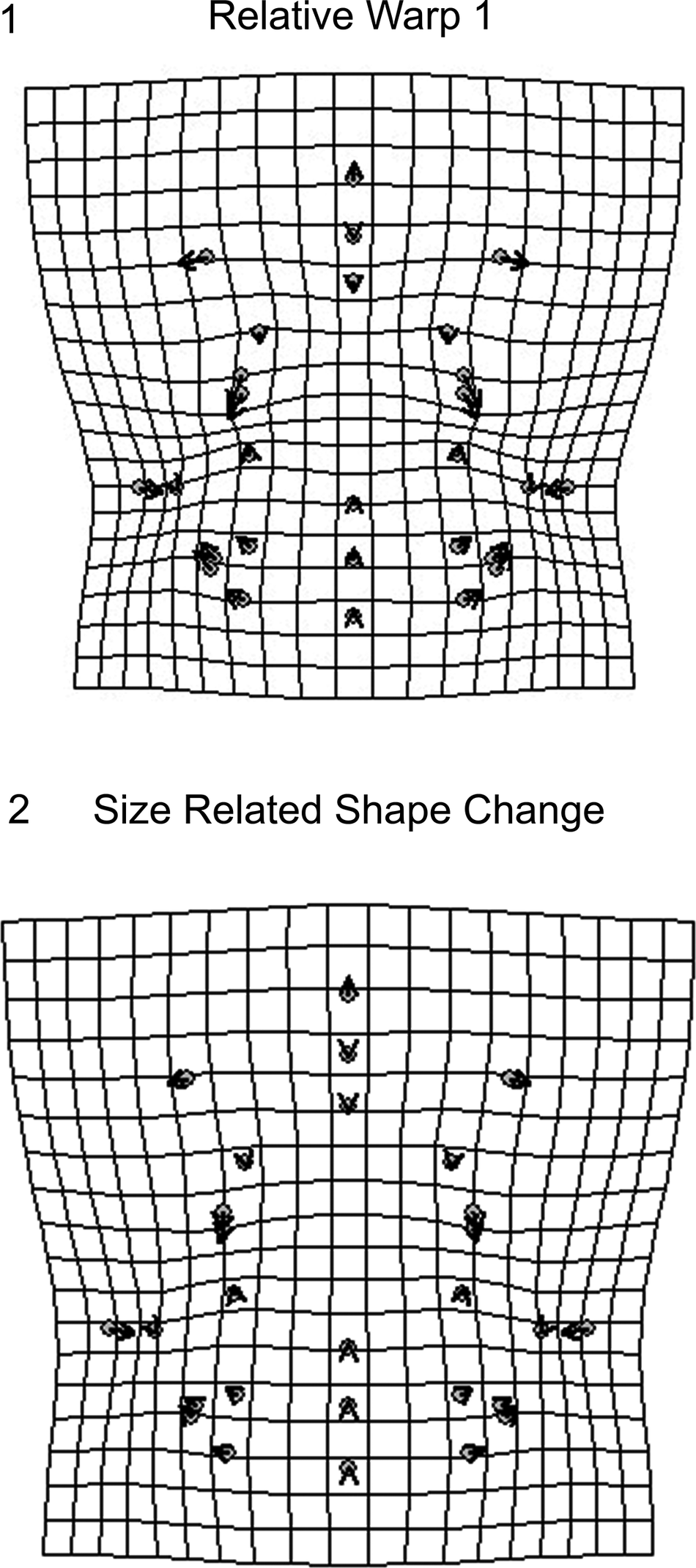
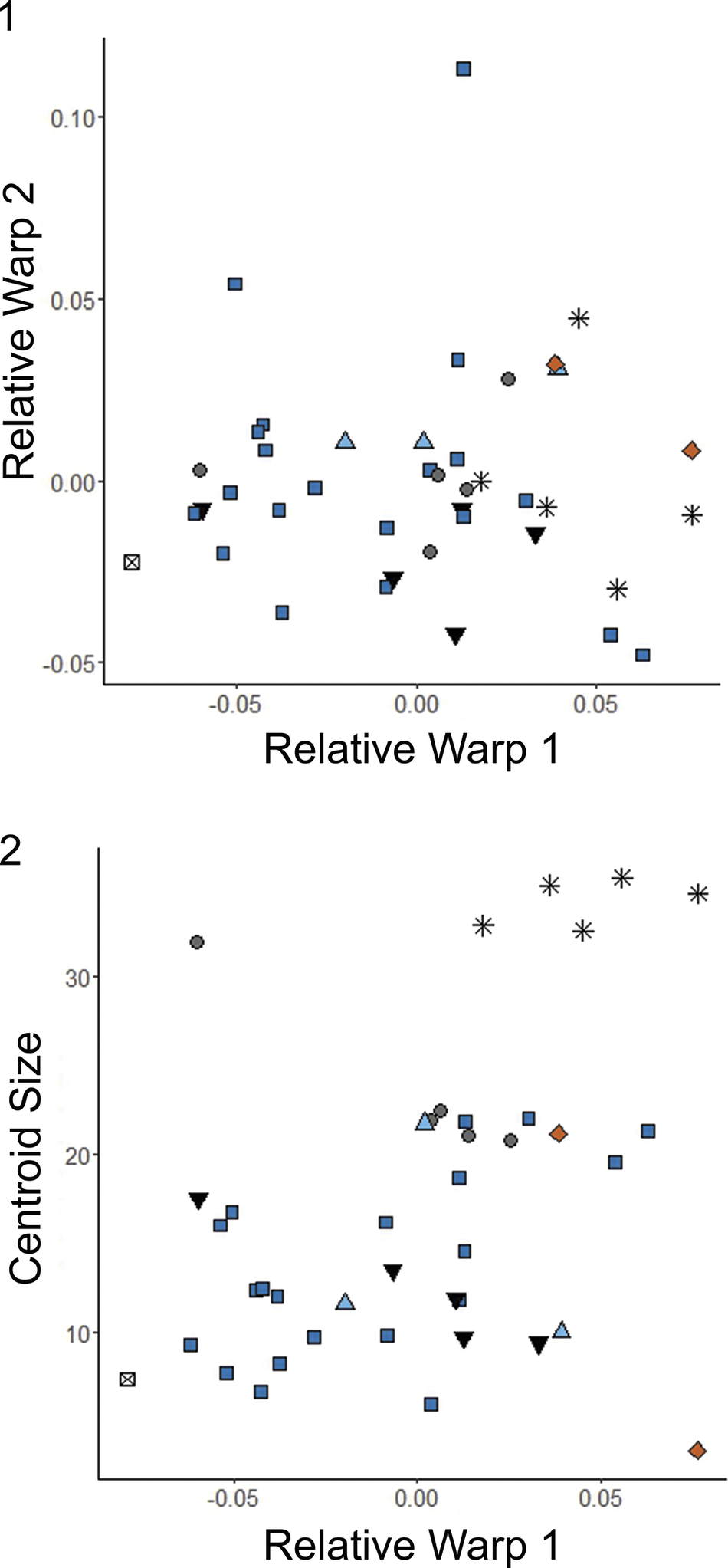
A PCA of the pygidial landmark dataset showed that 70.5% of the shape variance was contained in the first two relative warps (RW1 = 46.7%, RW 2 = 23.8%). The remaining nine RWs account for 12% or less of total shape variance (see Supplementary Data 5) and are not considered further. Much of the morphological variation within the entire O. osceola pygidial dataset mimicked that within that of the pooled Osceola sample (blue square in Fig. 28.1), as in the cranidial analysis. The pygidia with higher scores on RW 1 are larger than those with low scores (Fig. 28.2). The RW 1 thin-plate spline grid reflects a relative increase in the width between the posterolateral spine bases (Fig. 29.1). Regression of the Procrustes-superimposed landmarks onto ln CCS shows that 6.1% of the total shape variance is ontogenetic. The allometry grid shows shape change consistent with that seen in the RW 1 grid (Fig. 29.2).
Bivariate scatter plots of centroid size and relative warps showing 41 Osceolia osceola pygidia pooled from the entire collection categorized according to locality. (1) Plot of RW 2 and RW 1; (2) plot of centroid size and RW 1. Different collections are color coded as: Mondovi = black inverted triangles, Osceola = blue squares, Eleva = blue triangles, Spring Valley = stars, Ridgeland = red diamonds, Soo Bridge = gray dots, Downing = square with cross.
Thin-plate spline deformation grids for Osceolia osceola pygidia pooled from the entire collection. (1) Relative Warp 1 shape change depicted in a deformation grid for pygidia; (2) size-related shape change shown by a deformation grid for pygidia; vector arrows indicate direction of change from small to larger specimens.
None of the analyses presented above suggests shape-related subgrouping other than the facies-related size partitioning. Phenotypic variation is commonly associated with characters showing a component of ontogenetic variation. Below we consider these results from other perspectives, including prior systematic assignments and the variation of notable nominal or ordinal character states.
Ulrich and Resser type specimens
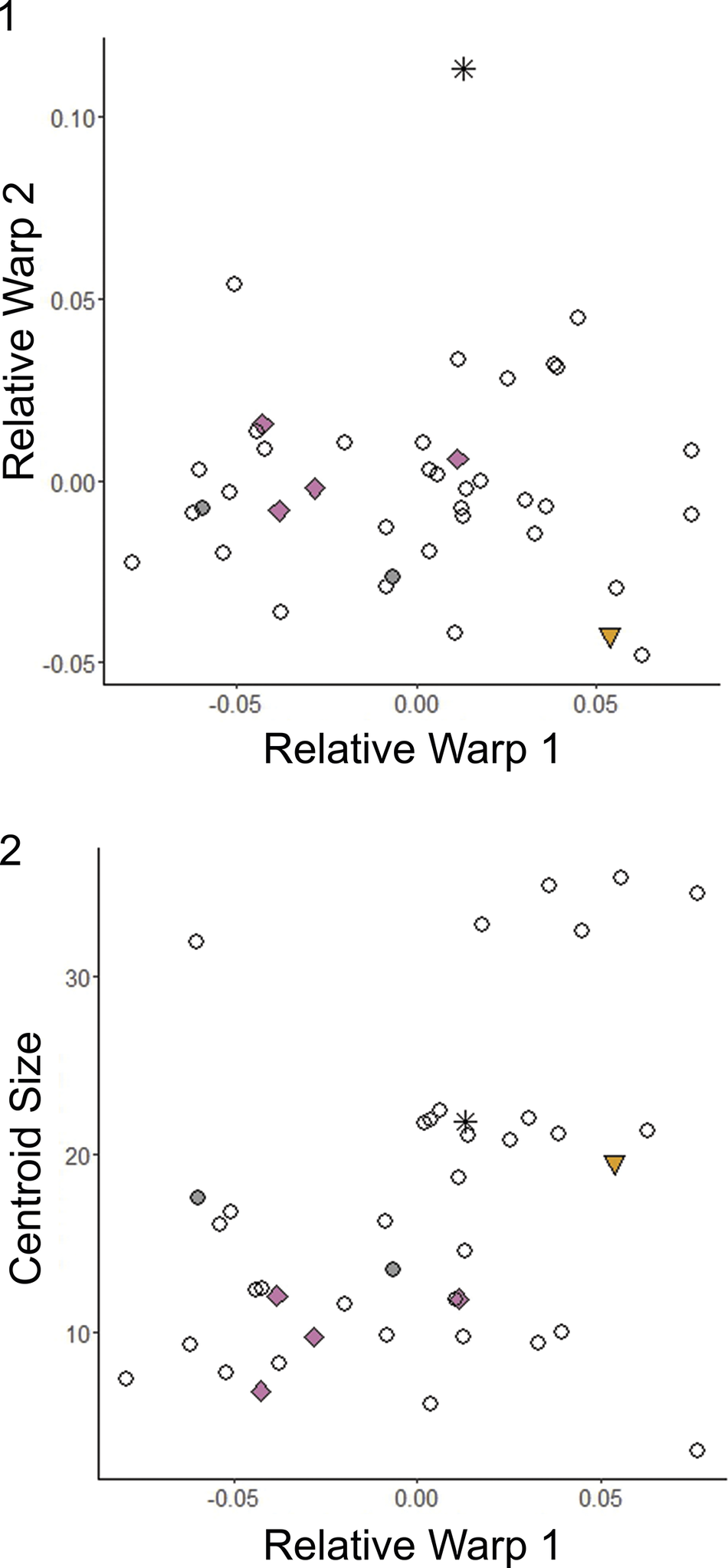
Several syntype cranidia and pygidia for the six species recognized by Ulrich and Resser (Reference Ulrich and Resser1930) were included in the analyses. These specimens fall within the spread of continuous variation seen in the sample as a whole (Fig. 30.1). The centroid size versus RW 1 plot for all cranidia shows that there is an ontogenetic trend in the complete dataset that encompasses the distribution of the type specimens (Fig. 30.2). It is clear that some of the shape differences among these Osceolia species were ontogenetically related. For example, specimens assigned by Ulrich and Resser (Reference Ulrich and Resser1930) to O. osceola were of distinctly smaller size than those assigned to other species (pink diamond in Fig. 30.2). Because Ulrich and Resser (Reference Ulrich and Resser1930) also used other features (not captured within the morphometric analysis) to justify their Osceolia species, this result alone does not discount their validity, but it questions the validity because this analysis of shape variation does capture several features that they used to differentiate among species. For the pygidial dataset, a notable result depicted in the plot comparing RW 1 and RW 2 scores is an outlier among the type specimens: a pygidium assigned to Osceolia lodensis Ulrich and Resser, Reference Ulrich and Resser1930 (star symbol in Fig. 31.1; discussed in the Systematic Paleontology section below). The plot comparing pygidial RW 1 and centroid size shows that specimens follow a general ontogenetic trend and, consistent with the pattern seen among cranidia, no marked clustering is apparent (Fig. 31.2).
Bivariate plots of centroid size and relative warps for Osceolia osceola cranidia pooled from the entire collection distinguishing O. osceola lectotypes of Hall (Reference Hall1863), syntypes of Ulrich and Resser’s (Reference Ulrich and Resser1930) new species of Osceolia, and their figured material of O. osceola. Colored data points are syntype specimens; open circles are non-type specimens from the rest of the collection. (1) Plot of RW 2 and RW 1; (2) plot of centroid size and RW 1. Cranidia are classified as: non-type = open circles, O. arguta = blue square, O. osceola = pink diamonds, O. obsoleta = orange inverted triangle, O. obsoleta reversa = orange triangles, O. separata = gray dots, O. lodensis = star, O. praecipta = diamond with plus.
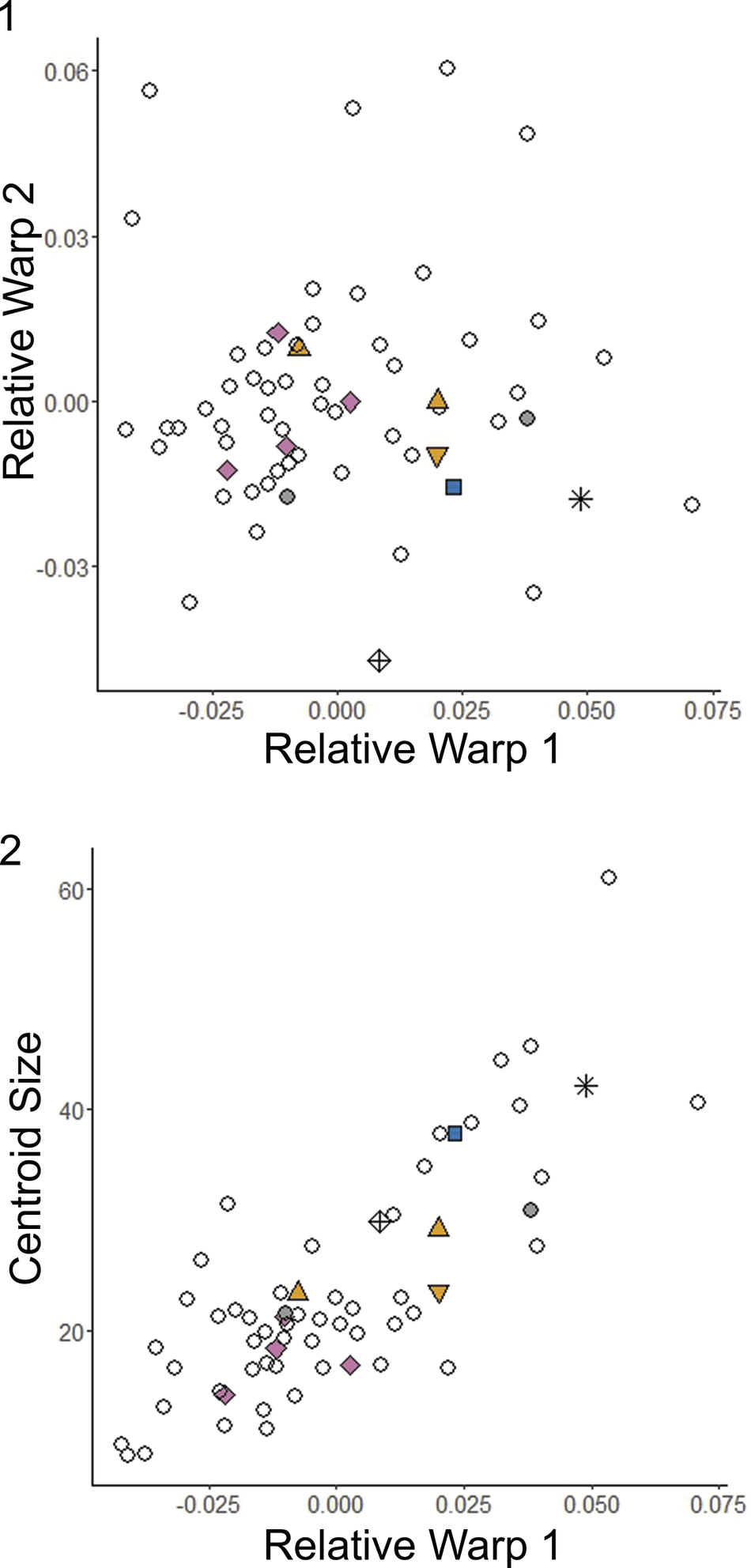
Bivariate plots of centroid size and relative warps for Osceolia osceola pygidia pooled from the entire collection distinguishing O. osceola lectotypes of Hall (Reference Hall1863), syntypes of Ulrich and Resser’s (Reference Ulrich and Resser1930) new species of Osceolia, and their figured material of O. osceola. (1) Plot of RW 2 and RW 1; (2) plot of centroid size and RW 1. Pygidia are classified as: non-type = open circles, O. osceola = pink diamonds, O. obsoleta = orange inverted triangle, O. separata = gray dots, O. lodensis = star.
Classification by anterior border ledge morphology
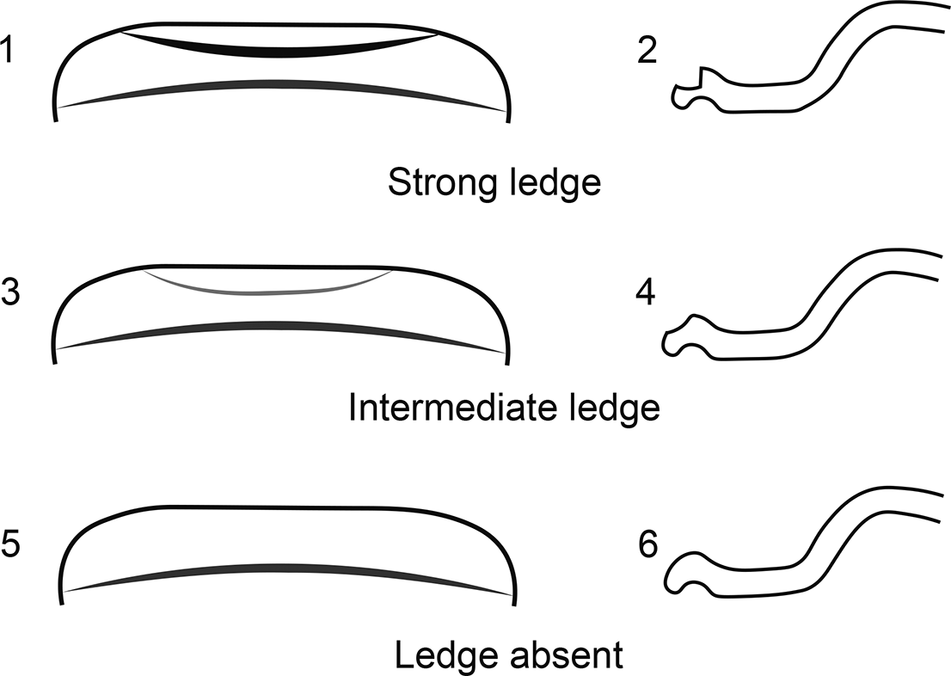
Many of Osceolia cranidial anterior borders possess a marked, axially developed, anterior ledge that appears impressed (Fig. 8). To assess variation in this character we devised three classes of ledge condition (Figs. 32, 33): strongly impressed ledge present (black square), weakly impressed ledge present (blue triangle), and no ledge present (pink dot). When ledge occurrence is compared to specimen size it is evident that all three forms occur across similar size ranges throughout much of holaspid growth except, perhaps, for the smallest holaspid specimens in which no ledge is known (Fig. 33.2). Examples of all three conditions occur in both feldspathic sandstone (Figs. 6.7, 6.14, 8.1) and in dolomitic mudstone (Figs. 7.12, 7.13, 8.12), thus there is no evident relationship between ledge occurrence and lithology.
Reconstruction of Osceolia osceola cranidial anterior border ledge morphology illustrating classification used for morphometric analysis of this characteristic. (1) Dorsal reconstruction of anterior border with strong ledge class; (2) cross section profile of (1); (3) dorsal reconstruction of anterior border with weak ledge class; (4) cross section profile of (3); (5) dorsal reconstruction of anterior border with no ledge; (6) cross section profile of (5).
Bivariate plots between centroid size and relative warps for Osceolia osceola cranidia categorized according to anterior ledge morphology class. (1) Plot of RW 2 and RW 1; (2) plot of centroid size and RW 1. Ledge morphology is color coded: strong ledge = black squares, weak ledge = blue triangles, ledge absent = pink dots.
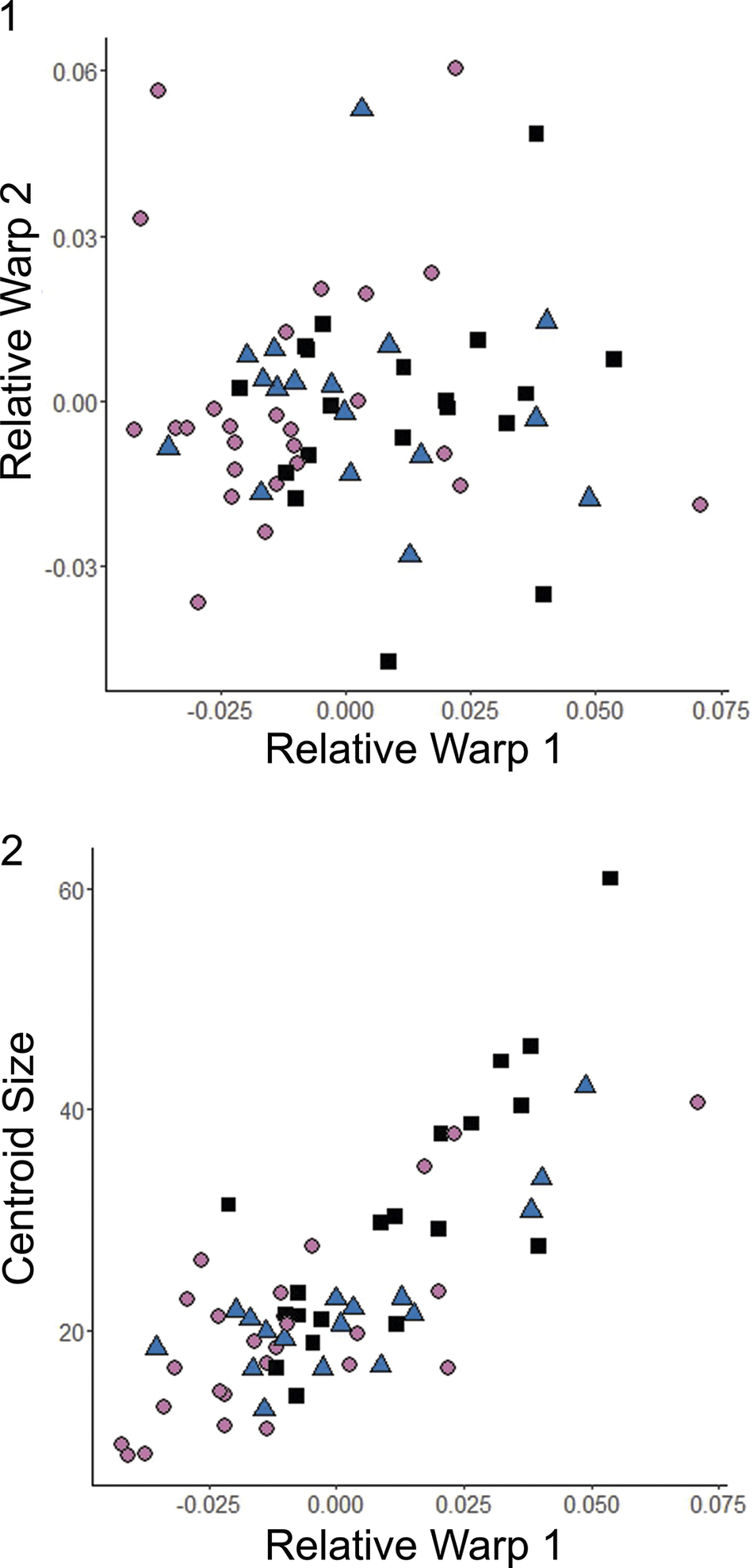
Ulrich and Resser (Reference Ulrich and Resser1930) designated two intraspecific “varieties”’ of Osceolia based on this character, Osceolia obsoleta reversa (Figs. 6.20, 8.13) and Osceolia lodensis reflexa (Fig. 8.25), both complemented by forms of the same proposed species that lack the ledge condition. These authors commonly based species on subtle putative differences in morphology (see Hughes and Labandeira, Reference Hughes and Labandeira1995), therefore their choice to recognize varieties in these cases was notable, but unexplained. Ledge occurrence within the entire sample is more common than Ulrich and Resser’s (Reference Ulrich and Resser1930) descriptions imply but, as their variety names suggest, the structure does vary notably in form and prominence. It is possible that the ledge is a dimorphic rather than polymorphic character, and that its occurrence is related to gender. While sexual dimorphism remains a plausible explanation for the occurrence of this feature, conditions for invoking it as a strongly supported explanation for patterns observed (see Hughes and Fortey, Reference Hughes, Fortey, Cooper, Droser and Finney1995) are not met. There is also a possibility that it was incised behaviorally in some manner. Here we treat the expression of this character as an intraspecific variant that does not merit formal designation as a subspecific variety.
Comparison of O. osceola cranidia with homeomorphic taxa
The long glabella, long-eyed, narrow fixigenae, notable anterior border cranidial form of Osceolia osceola is shared both with various other dikelocephalids and with some species from families considered to be far removed phylogenetically. To date, little morphometric exploration of such homeomorphy has been conducted in trilobites. Here we use the combined O. osceola cranidial dataset to explore phenetic similarity to various species judged by eye to be its homeomorphs. These included dikelocephalid species with comparably shaped cranidia (Figs. 19, 34) including Osceolia tumerispina n. sp. (Figs. 16, 34), and with homeomorphs from taxa generally considered to be phylogenetically (and also commonly stratigraphically) distantly related forms. These candidate homeomorphs were selected based on our general knowledge of Cambrian trilobite literature and are surely not exhaustive.
Bivariate plots between centroid size and relative warps of Osceolia osceola cranidia compared with homeomorphs and close relatives. (1) Plot of RW 2 and RW 1; (2) plot of centroid size and RW 1. Cranidia are color coded as: O. osceola = dark blue inverted triangles, O. tumerispina n. sp. = light blue triangle, Briscoia coloradoensis = black squares, Formosocephalus savitzkyi = red diamond, Prosaukia lochmani = gray dots, Hamashania pulchera = star, Pseudoanomocarina eldachica = open circle, Briscoia sp.= square with cross.
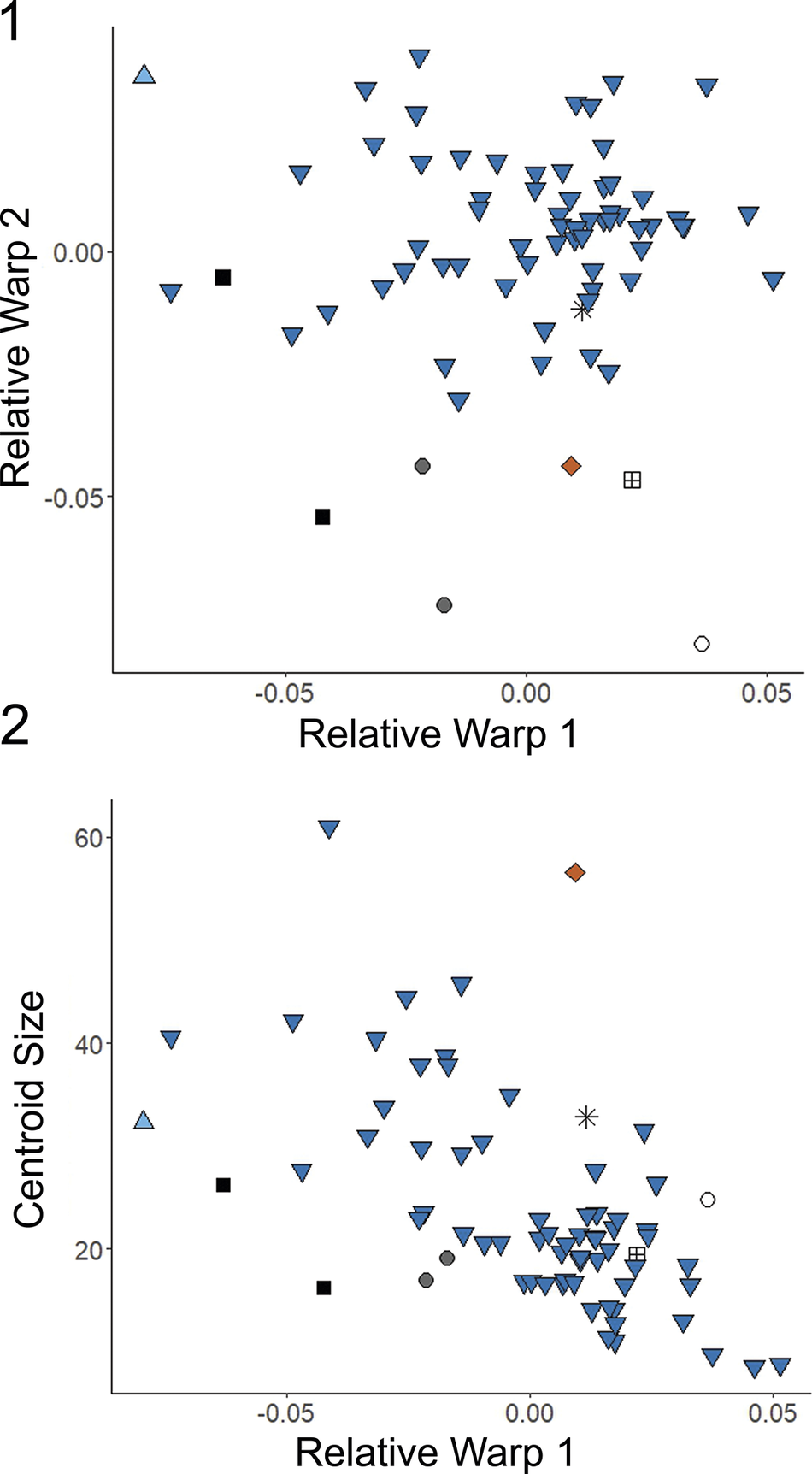
Overall, the morphometric analysis is effective in distinguishing O. osceola from its homeomorphs (dark blue upside-down triangle in Fig. 34) because there is little overlap between the O. osceola sample and other taxa. Among forms considered dikelocephalid, the sole O. tumerispina n. sp. cranidium (Fig. 16, light blue triangle in Fig. 34) plots adjacent to the O. osceola sample but not within it, a result consistent with shape differences described below. The sole cranidium of the Gondwanan late Cambrian Hamashania pulchera Kobayashi, Reference Kobayashi1942 (Fig. 19.15; star symbol in Fig. 34.2) suitable for morphometric consideration with O. osceola is strikingly similar, with the type of H. pulchera lying within the envelope of O. osceola specimens in the centroid size versus RW 1 plot, although it is distinct in scores on RW 2 (Fig. 34.1).
Other subtle differences in cranidial morphology not captured morphometrically permit further distinction between these forms. These include slight expansion of the anterior glabella (Fig. 19.15) and striations in the anterior border furrow that parallel the sagittal axis, possibly suggesting a plectrum (Sohn and Choi, Reference Sohn and Choi2005, fig. 3B) in H. pulchera. Furthermore, the pygidia of these species are strikingly different (Fig. 19.16 and 19.17) with a recent phylogenetic analysis (Srivastava and Hughes, Reference Srivastava and Hughes2024, fig. 11) placing these forms far apart within a broadly defined dikelocephalid clade (also see Sohn and Choi, Reference Sohn and Choi2005).
The similarity in cranidial form between O. osceola and H. pulchera is such that Jell and Adrain (Reference Jell and Adrain2003) placed them in a restricted family Dikelocephalidae that only included forms with extended frontal areas (but with variable degrees of doublure width). Our results suggest a more distant relationship, with strikingly convergent cranidial form. A similar morphometric result occurs with the cranidium of the middle Cambrian Altay Sayan form Pseudoanomocarina eldachica Bognibova in Bognibova et al., Reference Bognibova, Koptev, Mikhallova, Poleteva, Romanenko, Romanenko, Semashko, Tomashpolskaya, Fedyanina, Cherysheva and Cherysheva1971, as figured by Savitsky (Reference Savitsky1976, pl. 38, fig. 15) (open circle in Fig. 34, Fig. 19.2), which falls just within the field of O. osceola on RW 1 but is also quite distinct on RW 2. Again, cranidial similarity appears to be the result of strong cranidial shape convergence, in this case in a then geographically distant and significantly older earlier middle Cambrian form.
All other homeomorphs selected plot close to but outside the variation envelope of O. osceola. Several mid-sized homeomorphs show RW 1 scores comparable to those that O. osceola acquired only at its largest sizes. These also show RW 2 scores that equal or exceed the largest RW 2 scores of any O. osceola. Results suggest that the geometric morphometric scheme used is of help in distinguishing O. osceola from similar forms. These also include forms such as Prosaukia lochmani (Fig. 19.10–19.14, gray dot in Fig. 34), Briscoia coloradoensis (Walcott, Reference Walcott1914) (Fig. 18.1–18.4, black square in Fig. 34), and Briscoia sp. (Fig. 18.15–18.19, square plus symbol in Fig. 34) that are likely dikelocephalid relatives of O. osceola, but also forms such as Formosocephalus savitzkyi Pegel in Egorova et al., Reference Egorova, Pegel, Chernysheva, Egorova, Shabanov, Pegel, Savitsky, Suchov and Chernysheva1982, from the Tomagnostus fissus biozone of the Lena River section (Fig. 19.1, red diamond in Fig. 34) likely phylogenetically distant.
Although these taxonomically and stratigraphically varied homeomorphs of O. osceola cranidia differ detectably in shape from Hall’s species, the degree of intraspecific shape variation within the O. osceola collection is notable, with its scores on RW 1 spanning the morphological gap between various of the homeomorphs selected (Fig. 34.2). Despite some of the variation among O. osceola being taphonomically induced (see above), these results suggest that morphological variation within trilobite species can occupy significant morphospace.
Materials
Repositories and institutional abbreviations
Types, figures, and other specimens of Osceolia are reposited in the following institutions: University of Michigan Museum of Paleontology (UMMP); University of Minnesota Paleontological Collection (UMPC, now part of the Cincinnati Museum Center [CMCIP] collection); University of Missouri Collection (UMC); Seoul National University Paleontology (SNUP); Museum of Comparative Zoology, Harvard (MCZ); Natural History Museum of Los Angeles (LACMIP); University of Wisconsin, Madison (UWGM); Smithsonian United States National Museum of Natural History (USNM), Field Museum of Natural History (FMNH), Illinois Center for Paleontology, University of Illinois Urbana-Champaign (ICP), and American Museum of Natural History, New York (AMNH). See Supplementary Data 1 for list of cataloged specimens at each repository.
Systematic Paleontology
In the following, we employ the synonymy list notations of Matthews (Reference Matthews1973).
Class Trilobita Walch, Reference Walch1771
Subclass Libristoma Fortey, Reference Fortey1990
Order Asaphida Salter, Reference Salter1864; emended Fortey, Reference Fortey1990
Superfamily Dikelocephalacea Miller, Reference Miller1889; emended Ludvigsen, Westrop, and Kindle, Reference Ludvigsen, Westrop and Kindle1989
Family Dikelocephalidae Miller, Reference Miller1889; emended Ludvigsen, Westrop, and Kindle, Reference Ludvigsen, Westrop and Kindle1989
Genus Osceolia Walcott, Reference Walcott1914
Type species
Osceolia osceola (Hall, Reference Hall1863) from the St. Lawrence Formation and the Norwalk Member of the Jordan Formation of the upper Mississippi Valley.
Diagnosis
Dikelocephalid trilobite with rectangular to subtrapezoidal glabella with transverse SO firmly incised and open, V-shaped S1 continuous, either firmly or weakly incised. L1 with slight lateral anterior bulge. Extended (sag.) preglabellar field and short (sag.) anterior border, frontal area width comparable to maximum width between palpebral furrows or palpebral lobes, long (exsag.), wide (tr.) palpebral lobes with rear posterior to SO and anterior opposite S2 in large specimens, with firmly and evenly incised palpebral furrow, markedly narrow fixigenae, and free cheeks with conterminant doublure extending to median suture. Elongate hypostome with paired lateral swellings in posterior lobe. Associated thoracic segments fulcrate, some but not all with extended, posterolaterally directed pleural spines. Holaspid pygidium with 3 or 4 relatively narrow (tr.) axial rings defined by firmly incised ring furrows. Terminal piece posterior blunt. Postaxial region short for dikelocephalid: rachis about 80% of pygidial sagittal length. Three or four pairs of firmly incised pleural furrows, interpleural furrows usually entirely effaced, remnants continuous across pleural surface where rarely preserved. Pygidial anterior margin extends into pair of robust marginal spines that extend well posterior to sagittal posterior border. Pygidial doublure wide (tr.), extending to pleural platform.
Remarks
Occurrences of Osceolia outside of the upper Mississippi Valley suggested previously can be rejected, because no instances of taxa bearing the diagnostic characteristics listed above are known at present. Walcott (Reference Walcott1914, p. 386) reported Osceolia in both Nevada and Texas, having previously assigned a cranidium from Nevada (Walcott, Reference Walcott1884, pl. 9, fig. 25) to Dikelocephalus osceola (Fig. 18.10–18.12), along with cranidia and pygidia from Texas figured herein for the first time (Fig. 18.5–18.9) that were not assigned at the species level but attributed by Walcott (Reference Walcott1914) to the genus. Briscoia texana (Walcott, Reference Walcott1914, p. 372, pl. 65, fig. 4), based on a single incomplete cranidium (Fig. 18.7) from the Wilburns Formation at Baldy Mountain, northwest of Burnet, co-occurs with material that Walcott considered Osceolia. One relatively complete cranidium from this locality (Fig. 18.5 and 18.6) does resemble Osceolia in its elongated glabella and extended but relatively narrow frontal area. However, associated pygidia, illustrated here for the first time, show interpleural furrows and lack marginal spines (Fig. 18.8 and 18.9), characters that exclude this material from Osceolia.
We thus agree with Ulrich and Resser (Reference Ulrich and Resser1930, p. 68, 70) that all the material considered belongs within Briscoia texana. Briscoia Walcott, Reference Walcott1924, is here considered to encompass a paraphyletic group of species at best (see Srivastava and Hughes, Reference Srivastava and Hughes2024, fig. 11), but we retain it until more thorough dikelocephalid phylogeny allows us to better resolve lineages within the group and to propose wider revision of generic concepts. When that is completed apomorphy-based diagnoses for derived genera may be possible.
Resser (Reference Resser1937, p. 5) erected a new species, Briscoia nevadensis, to accommodate Walcott’s (Reference Walcott1884) Nevadan D. osceola specimens. Additional, previously unfigured material from the same locality also includes pygidia with interpleural furrows and lacking marginal spines (Fig. 18.13 and 18.14), likewise excluding it from Osceolia.
Osceolia brevifrons Clark, Reference Clark1924 (p. 30, pl. 4, fig. 4; Fig. 19.8) was reassigned by Rasetti (Reference Rasetti1944, p. 254, pl. 39, fig. 34) to Pseudosaukia, and may be a junior synonym of P. sesostris (Billings, Reference Billings1865). The lack of an extended frontal area and anterior position of the palpebral lobes excludes this form from Osceolia and from the extended doublure-bearing dikelocephalids.
Other material from outside the upper Mississippi Valley might belong within Osceolia. Prosaukia lochmani Straatmann in Stitt and Straatmann, Reference Stitt and Straatmann1997, was described on the basis of four cranidia (two of which were figured) from the upper part of the Ellipsocephaloides Zone in the Englewood section of the Deadwood Formation in South Dakota. The cranidia show features characteristic of Osceolia cranidia (see Fig. 19.10–19.14), although their proportions are slightly different (gray dot in Fig. 34). As no candidate associated pygidia are known, membership of Osceolia cannot presently be confirmed, but these cranidia are closely similar to that currently assigned to Briscoia sp. from the Dotsero Formation of Colorado, which is Illaenurus Zone in age (J.F. Taylor, pers. com., 2025) (Fig. 18.15). Although specific association of these Dotsero Formation cranidia with pygidia is not well resolved, with likely candidate pygidia showing either equally divided pleura or those with reduced propleurae (Fig. 18.16–18.19), both forms resemble those known among species attributed to Briscoia, and do not show the effaced interpleural furrows or marginal spine pair characteristic of Osceolia. Phylogenetic analyses assessing relationships among these forms more comprehensively will be presented elsewhere.
Osceolia osceola (Hall, Reference Hall1863)
v*Reference Hall1863 Dikelocephalus osceola Hall, p. 146, pl. 10, figs. 18, 19.
v*Reference Hall1863 Dikelocephalus osceola? Hall, p. 146, pl. 7, fig. 49.
non vReference Walcott1884 Dikelocephalus osceola; Walcott, p. 40, pl. 9, fig. 25 (rejected by Ulrich and Resser, Reference Ulrich and Resser1930, p. 67, 69, and assigned to Briscoia nevadensis by Resser, Reference Resser1937, p. 5).
Reference Brøgger1886 Conokephalina osceola Brøgger, p. 205.
non vReference Walcott1914 Osceolia cf. osceola; Walcott, p. 355 (considered below as Genus and Species indeterminate).
v*Reference Walcott1914 Osceolia osceola; Walcott, p. 356, 359, 361–362, 382, 385–386, pl. 68, figs. 4–10.
v*Reference Walcott1914 Dikelocephalus? limbatus (pars); Walcott, p. 369, pl. 65, fig. 5.
v*Reference Ulrich and Resser1930 Osceolia osceola; Ulrich and Resser, p. 69–71, 74, pl. 22, figs. 1–9, pl. 23, figs. 1-8, 11, 16–18, 22.
v*Reference Ulrich and Resser1930 Osceolia arguta Ulrich and Resser, p. 71, pl. 23, fig. 11.
v*Reference Ulrich and Resser1930 Osceolia lodensis Ulrich and Resser, p. 72, pl. 23, figs. 19–21.
v*Reference Ulrich and Resser1930 Osceolia lodensis reflexa Ulrich and Resser, p. 74, pl. 23, fig. 22.
v*Reference Ulrich and Resser1930 Osceolia obsoleta Ulrich and Resser, p. 70, pl. 23, figs. 1–8.
v*Reference Ulrich and Resser1930 Osceolia obsoleta reversa Ulrich and Resser, p. 70, pl. 23, figs. 9, 10.
v*Reference Ulrich and Resser1930 Osceolia praecipta Ulrich and Resser, p. 74, pl. 23, figs. 16–18.
v*Reference Ulrich and Resser1930 Osceolia separata Ulrich and Resser, p. 71, pl. 23, figs. 12–15.
v*Reference Twenhofel, Raasch and Thwaites1935 Osceolia osceola; Twenhofel, Raasch, and Thwaites, p. 1713.
v*Reference Nelson1951 Osceolia osceola; Nelson, p. 783, pl. 110, figs. 9, 10.
Reference Raasch1951 Osceolia osceola; Raasch, p. 141, 145, 147, 149.
Reference Raasch1951 Osceolia arguta; Raasch, p. 141 (reassigned to Osceolia osceola).
Reference Raasch1951 Osceolia lodensis Raasch, p. 138 (reassigned to Osceolia osceola).
Reference Raasch1951 Osceolia lodensis reflexa Raasch, p. 141 (reassigned to Osceolia osceola).
Reference Raasch1951 Osceolia praecipta Raasch, p. 141 (reassigned to Osceolia osceola).
Reference Raasch1951 Osceolia obsoleta Raasch, p. 141 (reassigned to Osceolia osceola).
Reference Berg1954 Osceolia osceola; Berg, p. 878.
Reference Nelson1956 Osceolia osceola; Nelson, p. 172, 177–178, 180–181.
Reference Harrington, Henningsmoen, Howell, Jaanuson, Lochman-Balk and Moore1959 Osceolia osceola; Lochman in Harrington et al., p. O254, figs. 191, 2a, b.
Reference Hughes1994 Osceolia osceola; Hughes, p. 9, 53.
Reference Hughes and Hesselbo1997 Osceolia osceola; Hughes and Hesselbo, p. 1, 4–5, 7, 9.
Reference Stitt and Straatmann1997 Osceolia osceola; Stitt and Straatmann, p. 92.
Reference Runkel, Miller, McKay, Palmer and Taylor2007 Osceolia osceola; Runkel et al., fig. 5 (subzone shown in zonation chart).
Lectotype
Selected herein: cranidium AMNH 99388 (Hall, Reference Hall1863, pl. 10, fig. 18) (Fig. 5.3) from the very fine-grained feldspathic sandstone of the Norwalk Member at USNM site 78 “quarry near St. Croix River, in suburbs of Osceola”, Wisconsin (see Walcott, Reference Walcott1914, p. 386). Walcott’s field notebook of 1883 records this location as “Osceola Mills, in the northern suburbs of the village, near St Croix River”. C.W. Schuchert’s field notes of 1893 and those of E.O. Ulrich in 1919 confirm that the Osceolia-bearing sandstone were located directly above the waterfall on Osceola Creek, which is the stratigraphic position of the ~3.5-m-thick Norwalk Member at this locality, 45°19′10.96″N, 92°42′12.30″W (see Supplementary Data 6 for copies of these fieldnotes).
Paralectoypes
Counterpart free cheek AMNH 39115 (Hall, Reference Hall1863, pl. 10, fig. 19) (Fig. 9.1), counterpart pygidium AMNH 342 (Hall, Reference Hall1863, pl. 7, fig. 49) (Fig. 12.6) from the very fine-grained feldspathic sandstone of the Norwalk Member at USNM site 78, Osceola, Polk County, Wisconsin.
Diagnosis
Osceolia species with cranidial frontal area length (sag.) less than 47% of occipital-glabellar length. Species includes morphs with and without an incised platform in the medial part of the cranidial anterior border. Pygidium with three or four firmly incised axial rings, and three firmly incised pleural furrows. Rachis around 65% of pygidial axial length (sag). Pygidial marginal spines narrow evenly toward sharp terminus.
Occurrence
Osceolia osceola Subzone, heterolithic and feldspathic sandstone facies of the St. Lawrence Formation and the Norwalk Member of the Jordan Formation of the upper Mississippi Valley, at localities in the northern and eastern parts of the outcrop area.
Description
Mature exoskeleton relatively small for dikelocephalid, largest likely not larger than about 20 mm occipital glabellar length (sag.). Cephalon transversely convex, outline crescentic. Likely isopygous or subisopygous. Pygidium lateral margin shape incongruent with shape of anterior cephalic margin.
Glabella rectangular to subtrapezoidal, inflated, maximum width posterior to SO furrow, L1 inflated just posterior to S1 furrow. Glabellar anterior margin transverse to slightly rounded. SO furrow entire, deeply incised, shallowing notably in central portion. S1 less firmly incised than SO, deepest abaxially, running obliquely slightly forward at confluence with lateral margin. S2–S4 faint where present, S2, slightly oblique forward abaxially, short (tr.) S3 and S4 furrows transverse. Occipital lobe widens subtly posteriorly. Occipital lobe posterior with short (sag.) anteriorly arched doublure. Median occipital tubercle apparent in some specimens. Axial furrow firmly incised. Frontal area length less than 47% of occipital-glabellar length, preglabellar field length 10–40% of occipital-glabellar length (sag.). Occipital lobe width (tr.) 53–89% of frontal area width (tr.). Anterior border varies from slightly narrower (tr.) than distance (tr.) between midpoints of palpebral furrow to as wide as distance (tr.) between midpoints of palpebral lobes. Preglabellar field gently convex to gently concave, anterior border furrow long (sag.). Fixigenae narrow, narrowest preocularly, maximum fixigenal width (tr.) opposite L1 lobe midpoint, less than occipital lobe length (sag.). Palpebral lobes extending just posterior of SO to opposite S2, wide (tr.). Posterolateral border short (sag.), strap-like, narrow (tr.) with transverse ridge that parallels posterior margin.
Free cheeks arcuate. Broad genal field, gently convex near margin defining low border and shallow border furrow, rising steeply concavely toward flat ocular platform. Opisthoparian dorsal suture marginal sagittally at anterior, laterally initially sweeping abaxially at angle of approximately 60°, then curves adaxially at 30–40° to sagittal axis. Ocular incisure arcuate, bounded abaxially by raised marginal eye socle and adjacent shallow arcuate furrow. Posterior border furrow curves evenly posteriorly, merging with lateral border furrow, and continuing into genal spine base. Genal spine length approximately equal to cranidial length (sag.). Doublure wide, extending at least 60% of distance from margin to midpoint of ocular incisure, with anterior flexure accommodating hypostome. Terrace ridges on ocular platform inosculate. Terrace ridges on doublure continuous, parallel margin. Doublure curves upward adaxially, close beneath dorsal surface.
Associated hypostome subquadrangular, longer (sag.) than wide (tr.), median body ovoid, inflated medially. Anterior lobe convex, rounded; posterior lobe short (sag.), convex. Median furrow slit-like abaxially, shallow axially; maculae apparent in one compressed specimen, confluent with lateral posterior lobe in uncompressed forms. Anterior border short (sag.), curving into anterior wing with processes. Lateral border triangular, widest (tr.) about midpoint of posterior lobe. Posterior border evenly short (sag., exsag.).
Associated thoracic segments with firmly incised axial furrows. Articulating half rings crescentic, articulating furrow transverse, shallower in medial portion. Anterior pleural margin transverse adaxially for short distance (tr.) to fulcrum, then curves posteriorly abaxially. Pleural furrow deeply incised, curving evenly posterolaterally, anterior face steeper than posterior face, extending toward pleural tip. Pleural region anterior margin concavely scalloped abaxial to fulcrum, posterior margin continuous. Pleural region abaxial to fulcrum varied among specimens, nearly transverse in some extending into short or longer posteriorly directed pleural spine, or more evenly curving posteriorly.
Pygidium subelliptical with anterior margin extending into pair of long, robust, progressively thinning posterolateral spines that project beyond pygidial sagittal posterior by up to approximately one-half pygidial sagittal length. Anterior margin evenly curved or with subtle fulcrum present close to axis. Axis convex, 70–80% of pygidial length (sag.) with anterior articulating half-ring, three distinct axial rings defined by broad and deeply incised inter-ring furrows, fourth ring occasionally well defined. Terminal piece bullet shaped, extending into postaxial ridge in rare specimens, but sagittal posterior border usually flat. Postaxial posterior border evenly curved or with slight inflection sagittaly. Three pairs of firmly incised pleural furrows extending to base of concave pleural slope, fourth pair of weakly incised pleural furrows present in most specimens. Interpleural furrows entirely effaced in most specimens, but remnants rarely preserved as continuous, shallow furrows. Border flat, narrow (tr, sag). Faint paradoublural line. Doublure extends to pleural platform top, and to end of terminal piece. Doublure terrace ridges sparsely spaced, continuous, parallel border.
Ontogeny
Based on their size, even the smallest specimens known are holaspid. Glabellar shape is rectangular in small individuals, becoming more subconical in larger forms. Across all sizes there is variation in the extent to which S1 and more anterior glabellar furrows are incised, but effacement appears more common among larger specimens. The frontal area is relatively longer (sag.) and wider (tr.) in large specimens. Palpebral lobes are hemispherical and relatively long (exsag.) and wide (tr.) in small cranidia, narrowing markedly, becoming relatively slightly shorter and with the anterior palpebral margin less strongly curved than the posterior margin in large specimens. The pygidial spine has a relatively wide base in small specimens, narrowing relatively in large specimens.
Remarks
In erection of the species Hall (Reference Hall1863, p. 146) mentioned only his figured cranidium AMNH 99388 (herein Fig. 5.3) as definitively belonging to it, with his figured pygidium AMNH 342 (herein Fig. 12.6) questionably referred to the species. This would seem to imply that AMNH 99388 is the holotype. However, Hall also figured free cheek AMNH 39115 (Fig. 9.1) under the same species name in the accompanying plate caption (Hall, Reference Hall1863, pl. 10, fig. 19), but did not mention this sclerite in his description of the species. Because two specimens were figured by Hall (Reference Hall1863) under the name Dikelocephalus osceola, we choose the cranidium as lectotype because of Hall’s clear intent that this specimen bears species-diagnostic characters. In a footnote, Hall (Reference Hall1863, p. 146) also mentioned that “at least five individuals of this peculiar species have been seen” and AMNH 39114 (Fig. 19.9) is one of these that was not figured by Hall (Reference Hall1863). The distinctly short preglabellar field of this specimen excludes it from O. osceola and allies it to Saukiella pyrene (Walcott, Reference Walcott1914), a form well known from this collection.
In their description of Osceolia, Ulrich and Resser (Reference Ulrich and Resser1930) drew attention to notable variation in the form of the axial part of the cranidial anterior border that we describe above as having a ledge-like morphology in some specimens. Among the five new species of Osceolia that Ulrich and Resser (Reference Ulrich and Resser1930) established, two showed varieties based on the presence of the ledge: their Osceolia obsoleta reversa from the Norwalk Member at Osceola (OA) and Eleva (EA), and their Osceolia lodensis reflexa from the dolomitic mudstones of the St. Lawrence Formation at Osceola. These occurred within the same collections as closely similar, and in their view conspecific, forms that lacked the ledge. As discussed above, we agree with Ulrich and Resser (Reference Ulrich and Resser1930) that this variation in ledge presence is an important intra-collectional variation among Osceolia specimens that does not appear size-related within the available sample (Fig. 33).
Most, but not all, of the morphological differences suggested by Ulrich and Resser (Reference Ulrich and Resser1930) to distinguish species and variants can be discerned when reviewing both images and descriptions of the six species described by them. However, we conclude, as Raasch (Reference Raasch1951) apparently also intended, that all are conspecific. Raasch (Reference Raasch1951) made no comment on the status of O. obsoleta reversa but that may have been because, unlike their O. lodensis reflexa, Ulrich and Resser (Reference Ulrich and Resser1930, p. 71, pl. 23, figs. 9, 10) did not give O. obsoleta reversa an individual variety heading in their systematic text, although they distinguished it by name in their figure caption. Likewise, for reasons unclear, Raasch (Reference Raasch1951) also omitted discussion of Ulrich and Resser’s (Reference Ulrich and Resser1930) O. separata. Of the Ulrich and Resser (Reference Ulrich and Resser1933) species preserved, like the type species, in very fine-grained sandstone, O. obsoleta was based on material in which the S1 and more anterior furrows were effaced, and on relatively large cranidia and pygidia (Figs. 30, 31) whereas their concept of O. osceola emphasized small pygidia with relatively wide and robust marginal spines. Expression of the incision of these glabellar furrows is continuously variable within collections, and the narrower pygidial marginal spines reflect later ontogeny, the curvature of which is also variable intracollectionally. Osceolia arguta was based on a single cranidium (Fig. 6.22) that is exceptional in no characters other than its relatively large size (Fig. 30), and because O. separata (Figs. 6.18, 8.14, 13.16, 13.21) was considered by those authors as intermediate between O. osceola and O. obsoleta, it is also a synonym.
Specimens preserved in dolomitic mudstones are generally larger (see above) and Ulrich and Resser (Reference Ulrich and Resser1930, p. 73) suggested that all these had consistently wider frontal areas than those preserved in sandstones. Although some specimens from dolomitic mudstone do have wider frontal areas, others do not (Fig. 7). Ulrich and Resser’s (Reference Ulrich and Resser1930) Osceolia lodensis (Figs. 7.12, 14.8, 14.9) contains those that are wider in this feature, and this form has pygidia with a relatively short and narrow axis with four axial rings clearly expressed, and a more transverse overall shape. We considered maintaining O. lodensis as a separate species confined to the earlier part of the range of O. osceola in this region but decided against this for reasons given below.
No shape-based grounds for the recognition of Ulrich and Resser’s (Reference Ulrich and Resser1930) species emerged from this study of those type specimens complete enough for inclusion in the morphometric analysis. Rather, any clustering among the types of their species in shape space reflected characters that varied ontogenetically (Figs. 31, 32), with the specimens from the dolomitic shales generally being larger (Fig. 21). Accordingly, because there are also no consistent differences based on meristic characters other than ledge occurrence, all specimens of Osceolia from the Norwalk Member and from the heterolithic facies and laminated sandstone facies of the St. Lawrence Formation are here considered conspecific. This is done acknowledging observable variation in specimen shape and features, taphonomic differences between sandstone- and mudstone-preserved specimens, and perhaps minor locality-related differences in mean form. If the quality of specimen preservation were higher, more refined morphospecies determination among O. osceola specimens might be possible. Given what is available, a conservative approach to species recognition is warranted, and maintaining species that are apparently ontogenetic variants or have no valid diagnostic features is likely to hinder rather than advance future understanding of these organisms. Hence the proposed synonymy.
There is some question concerning the association of hypostomes and thoracic segments with this species. In the case of the hypostomes, each one illustrated seems likely to belong to O. osceola because their shape and size is consistent with the elongated glabellar form, and differences among them may represent their different lithologies of preservation (Fig. 10). On the other hand, the hypostome preserved in dolomitic mudstone (Fig. 10.2) shows particular characters resembling other dikelocephalid hypostomes including maculae, a transverse posterior border with deep lateral pits, and a wide posterior lateral border, whereas in the two in sandstone these features are obscure (Fig. 10.1, 10.3, 10.4). For this reason, the dolomitic mudstone specimen will be the primary source for character-state coding in subsequent phylogenetic analyses. Association of the illustrated thoracic segments with this species is also insecure because some (such as Fig. 11.4, 11.9) might belong to other co-occurrent dikelocephalid/saukiid taxa. However, given both similarities in adaxial segment form and taxon abundance in collections based on cranidia and pygidia, it is likely that some O. osceola thoracic segments had long pleural spines and others had shorter spines.
Unlike in Walcottaspis vanhornei, the more highly curved pygidial posterior border does not match the gentle curve of the cephalic anterior, with the result that if the animal enrolled these structures could not have formed a fully encapsulated structure (Fig. 15.2). On the other hand, upon enrollment, the pygidial spines would have protruded forward of the remaining enrolled exoskeleton, possibly affording alternative protection.
Osceolia tumerispina new species
Holotype
Selected herein: pygidium UWGM 7452 (Fig. 16.17–16.20) from the stromatolitic dolomite facies of the St. Lawrence Formation, 4 km west of Coon Valley, Wisconsin, in the vicinity of 43°42′27″N, 91°03′02″W, 290 m altitude.
Paratypes
Cranidium part and counterpart UWGM 7455 (Fig. 16.3–16.5) and UWGM 7459 (Fig. 16.1 and 16.2), free cheek UWGM 7456 (Fig. 16.6), thoracic segments UWGM 7454 (Fig. 16.8–16.10), UWGM 7457 (Fig. 16.7), pygidia UWGM 7453 (Fig. 16.13–16.16), UWGM 7458 (Fig. 16.11), UWGM “L201” (specimen currently missing, Fig. 16.12), all from same locality as holotype.
Diagnosis
Osceolia species with distally swollen pygidial pleural spines, long cranidial frontal area and long/wide cephalic border.
Occurrence
Known only from carbonate-rich rocks of the stromatolitic dolomite facies of Hughes and Hesselbo (Reference Hughes and Hesselbo1997) that likely represent the distalmost St. Lawrence Formation environment preserved within the upper Mississippi Valley. Presently known only from a single locality, Raasch’s locality number 141.24 (417.1), fieldmap x 57.103 – Bed 6, along Hwy 14, approximately 4 kilometers west of Coon Valley, Vernon County, Wisconsin. Its relatively southwestern occurrence may suggest temporal equivalence to the later part of the range of O. osceola or possibly shortly thereafter.
Description
Frontal area ~50% of occipital-glabellar length, with long (sag.), low anterior border lacking ledge and weakly incised anterior border furrow. Glabella rectangular. SO entire, firmly incised, S1 entire, shallowing medially. Frontal area diverges preocularly at 20° angle. Free cheek with wide border and relatively narrow pleural slope. Confluence of lateral and posterior border furrows adaxial to genal spine base. Hypostome unknown. Thoracic segments with narrow transverse anterior pleural margin until fulcrum, gently posterolaterally inclined thereafter. Pygidium with three or four well-defined axial rings and triangular or bullet-shaped terminal piece, postaxial region short (sag.), rachis 75–85% of pygidial axial length minus sagittal spine. Anterior pleural border an even curve. Posterior pygidial margin with short sagittal spine in large specimens. Three or four deeply incised pleural furrows terminate before narrow, flat border. Pleural spines with broad (tr.) bases widening distally and strongly inflated on abaxial side to form a swollen (tr. and dorso-ventrally) club-like structure. Sharp terminal spine at distal, adaxial tip present in holotype, tip rounded in another specimen.
Etymology
From the Latin: tumer meaning swollen and spina spine, for the inflated, club-like pygidial marginal spines.
Remarks
The most obvious difference between O. tumerispina n. sp. and O. osceola is the club-like pygidial marginal spines in the new species, although cranidial proportions and form also differ (Fig. 34). However, the form of the pygidial spines shows notable variety within the small sample of O. tumerispina n. sp. available. Whereas in the holotype the inflated spine ends in a sharp tip, in a paratype it ends in a rounded inflated club on the left side spine, but in a broad-based, non-inflated, O. osceola-like spine on the right side of the same specimen. It is possible that this range of form includes teratologies of some kind, but the presence of swollen features on all pygidial specimens with spines preserved confirms that this character is taxonomically diagnostic. This is supported by the other, more subtle differences listed in the diagnosis. Osceolia tumerispina n. sp. is readily distinguished from O. osceola based on these characteristics and thus merits recognition as a new species within the same genus.
The notably long frontal area and low elevation of the anterior border resemble the condition of some of the largest specimens of O. osceola but in O. tumerispina n. sp. this condition is achieved at smaller size. While this character (which might be phylogenetically basal) could be hypermorphic compared to the O. osceola condition, the robust spines in large O. tumerispina n. sp. more closely resemble those of smaller O. osceola. Hence, any allometric repatterning in Osceolia evolution is likely complex.
Genus and species indeterminate
v.Reference Walcott1914 Osceolia cf. osceola Walcott, p. 355.
v.Reference Ulrich and Resser1930 Osceolina diabolo, Ulrich and Resser, p. 68. [nomen nudum]
Reference Srivastava and Hughes2024 Osceolina diabolo; Srivastava and Hughes, p. 620. [nomen nudum]
Material
USNM PAL 791890 (counterpart pygidium, Fig. 19.3 and 19.4) and pygidium USNM PAL 791891 (Fig. 19.5 and 19.6) from the Devil’s Lake Member, USNM site 81b, 4 km southwest of Baraboo, Wisconsin, apparently in the vicinity of 43°26′12.13″N, 89°46′22.30″W (see Supplementary Data 7).
Remarks
In 1884, working under the direction of Charles Walcott, Cooper Curtice made a collecting excursion to the upper Mississippi Valley. One of his collections was from the Devil’s Lake Member, a red quartzose sandstone with rounded grains exposed between Baraboo and Devil’s Lake, Wisconsin (see Supplementary Data 7). This unit is interpreted to have been deposited in a nearshore, island archipelago setting (Wanenmacher et al., Reference Wanenmacher, Twenhofel and Raasch1934; Dalziel and Dott, Reference Dalziel and Dott1970), and the various trilobite faunas found sporadically within it suggest that in the Baraboo district the Devil’s Lake Member lithology may have been deposited episodically over an extended interval of the late Cambrian. The collection from USNM site 81b was apparently one of the stratigraphically highest of these episodes of deposition, and one that for some time E.O. Ulrich considered to lie stratigraphically above the latest Cambrian deposition in the region and to represent the now abandoned, so-called “Ozarkian” System (Merk, Reference Merk1985; Weiss, Reference Weiss1992; Weiss and Yochelson, Reference Weiss, Yochelson, Cooper, Droser and Finney1995; Weiss and White, Reference Weiss and White1998). Currently these rocks are thought have been deposited in a nearshore setting temporally equivalent to the feldspathic-sandstone-rich Mazomanie Formation and the glauconite-rich Reno Member of the Tunnel City Group during the later part of the transgressive systems tract that is regionally immediately overlain by rocks of the St. Lawrence Formation (Wanenmacher et al., Reference Wanenmacher, Twenhofel and Raasch1934; Runkel et al., Reference Runkel, Miller, McKay, Palmer and Taylor2007). It is thus considered likely temporally equivalent to the rocks bearing Dikelocephalus freeburgensis Feniak in Bell et al., Reference Bell, Feniak and Kurtz1952, and Dikelocephalus postrectus Ulrich and Resser, Reference Ulrich and Resser1930, and thus deposited prior to the first regional records of Osceolia. This correlation is based on co-occurrence of the pygidia discussed below with species of Prosaukia, Briscoia, Rasettia, and Illaenurus.
Faunas recovered from the Devil’s Lake Member reveal differences from those of their putative more offshore correlates (Wanenmacher et al., Reference Wanenmacher, Twenhofel and Raasch1934), which partially explains Ulrich’s mistaken view that at least some of them were temporally distinct. Of particular interest to this study are two pygidia recovered from USNM site 81b that were mentioned by Walcott (Reference Walcott1914, p. 355, 386) as O. cf. osceola and by Ulrich and Resser (Reference Ulrich and Resser1930, p. 68) as the nomen nudum “Osceolina diabolo”. These specimens (Fig. 19.3–19.6) have not been illustrated previously. As Ulrich and Resser (Reference Ulrich and Resser1930, p. 67–68) stated, they resemble Osceolia in overall pygidial shape and proportions of axis and pleural regions, and in the extended doublure. A notable similarity is that they also lack the expression of interpleural furrows, while the pleural furrows are firmly incised, and it was this character that suggested to these earlier workers particular affinity with Osceolia. On the other hand, these pygidia differ from Osceolia in two notable ways: (1) they lack the prominent marginal pleural spines seen in association with the first pygidial segment in Osceolia and (2) they also have five, as opposed to three or four axial rings and have five, as opposed to three or four, firmly incised pleural furrows.
Although USNM site 81b yielded a diverse range of fossils (see Supplementary Data 6), no cranidium or other sclerite recovered there is obviously associated with these pygidia. Given that only the pygidium of this form is currently known, we choose not to formally recognize a new taxon, nor can we affirm definitively that these pygidia are dikelocephalid. On the other hand, this form is apparently the closest relative of the members of Osceolia known from the upper Mississippi Valley. If so, the origin of Osceolia involved reduction in the number of holaspid pygidial segments and the gain of the prominent marginal spine pair.
Conclusions
Following comprehensive review of Osceolia specimens and their occurrence, six previously described and illustrated species of Osceolia, two with designated varieties, are revised into the regionally relatively long-ranged species O. osceola (Hall, Reference Hall1863), which may have occurred locally for around 400,000 years. During this time O. osceola persisted in relatively nearshore settings, exhibiting notable morphological variation but shows little collection-related variation beyond a tendency for larger specimens to be found in slightly deeper water settings. Morphs either with or without a prominent ledge in the medial anterior cranidial border are both present in most collections from single beds, and detectable ontogenetic variation occurs within such collections. Osceolia tumerispina n. sp. with highly distinctive pygidial spine morphology is erected and is known only in the most offshore facies. The abrupt appearance of Osceolia species in the upper Mississippi Valley sedimentary record immediately postdates a maximum flooding surface. During the early part of the subsequent falling stage systems tract preserved in the region two congeneric species co-existed for a short period, one confined only to the distalmost facies.
Data availability statement
Data available from the Dryad Digital Repository: https://doi.org/10.5061/dryad.xwdbrv1rd.
Acknowledgments
We thank M.E. Hopkins and B.M. Hussaini – American Museum of Natural History, B.R. Hunda and C.E. Schwalbach – Cincinnati Museum Center, Paul Meyer – Field Museum of Natural History, P.S. Hong and S.B. Lee – Geological Museum, KIGAM, Korea, S.W. Heads and D. Swanson, Illinois Center for Paleontology, J.D. Cundiff – MCZ-Harvard, A.J. Hendy and J. Hook (and L.R. Saul and G.R. Kennedy in the 1980s) – Natural History Museum of Los Angeles County, N. Drew, M. Florence, C.C. Labandeira, and J.K. Nakano – Smithsonian Institution, C.A. Eaton and R. Slaughter – UW-Madison, J. Bauer – University of Michigan, and J. Huntley – University of Missouri for access to collections in their care. S.B. Lee also kindly provided photographs of Asian material reproduced herein. J.F. Taylor did the same for Laurentian material from his own collections and provided essential stratigraphic information. Thanks also to reviewers J.D. Loch and S.R. Westrop, and associate editor B.R. Pratt, for thoughtful evaluations and helpful suggestions. Fieldwork was undertaken with the help of G.O. Gunderson and R.E. Meyer and funded by a UK Natural Environmental Research studentship to N.C.H., advised by D.E.G. Briggs, and more recently by awards to S.S. from the American Association of Petroleum Geologists, the Paleontological Society, the Indo-US Science and Technology Forum, and the University of California – Riverside Mike Murphy fund. We thank E.A. Barefoot, A.C. Runkel, A.W.A. Rushton, and E. Vargas-Parra for discussion of sedimentary setting and morphological analysis/interpretation.
Competing interests
The author/authors declare no competing interests.
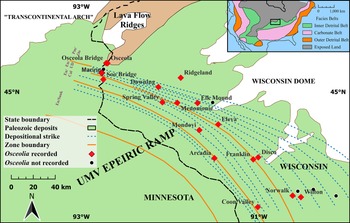
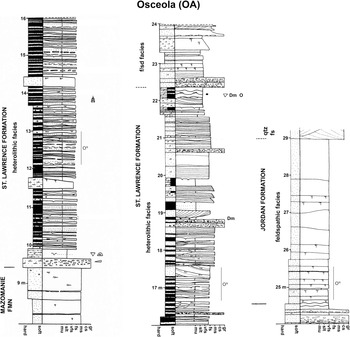
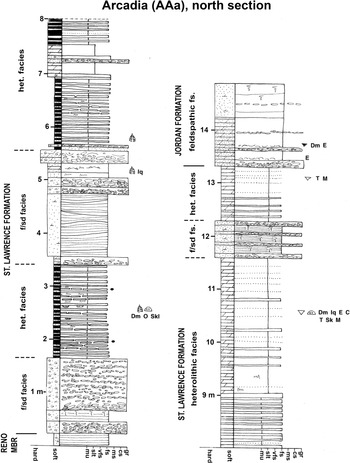
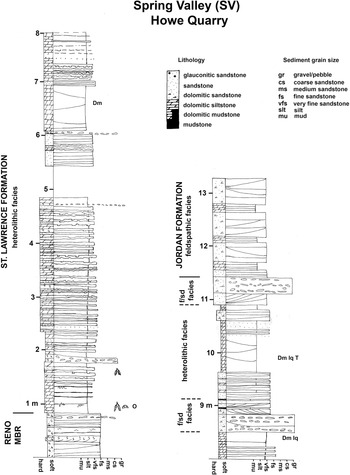
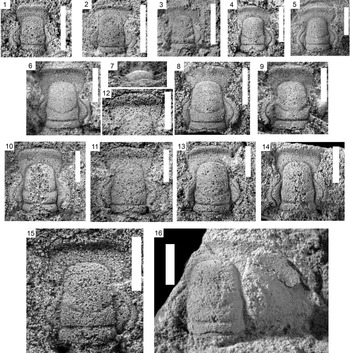
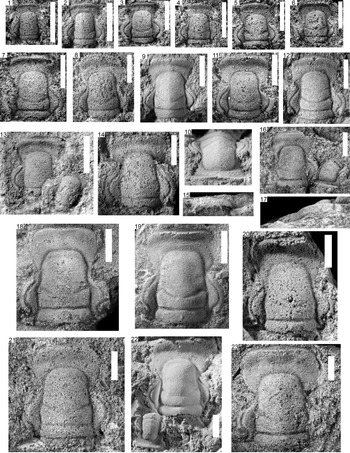
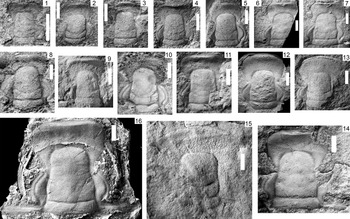
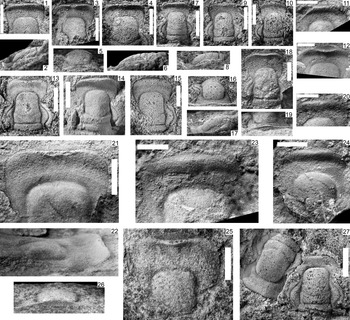
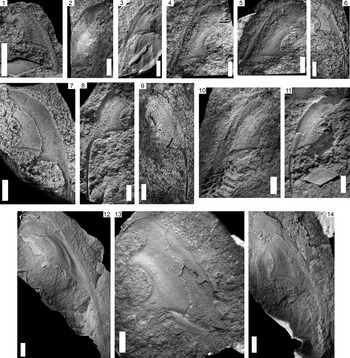

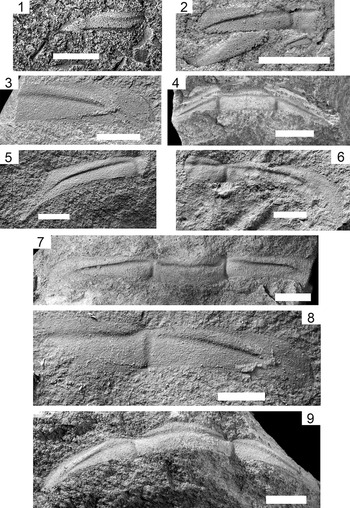
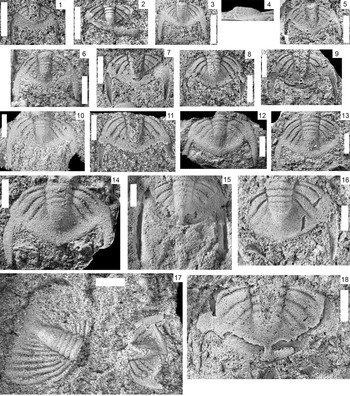


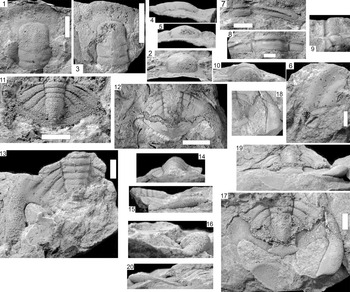
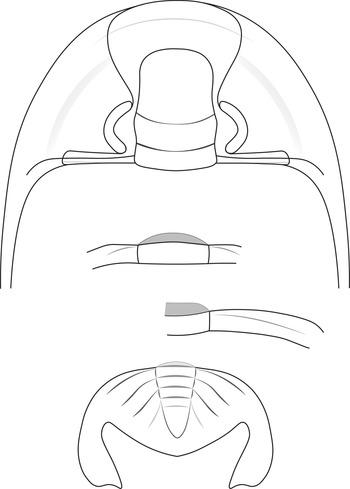

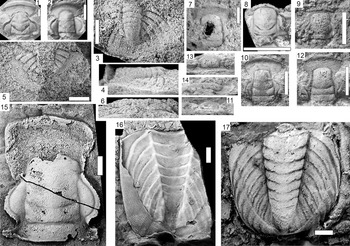
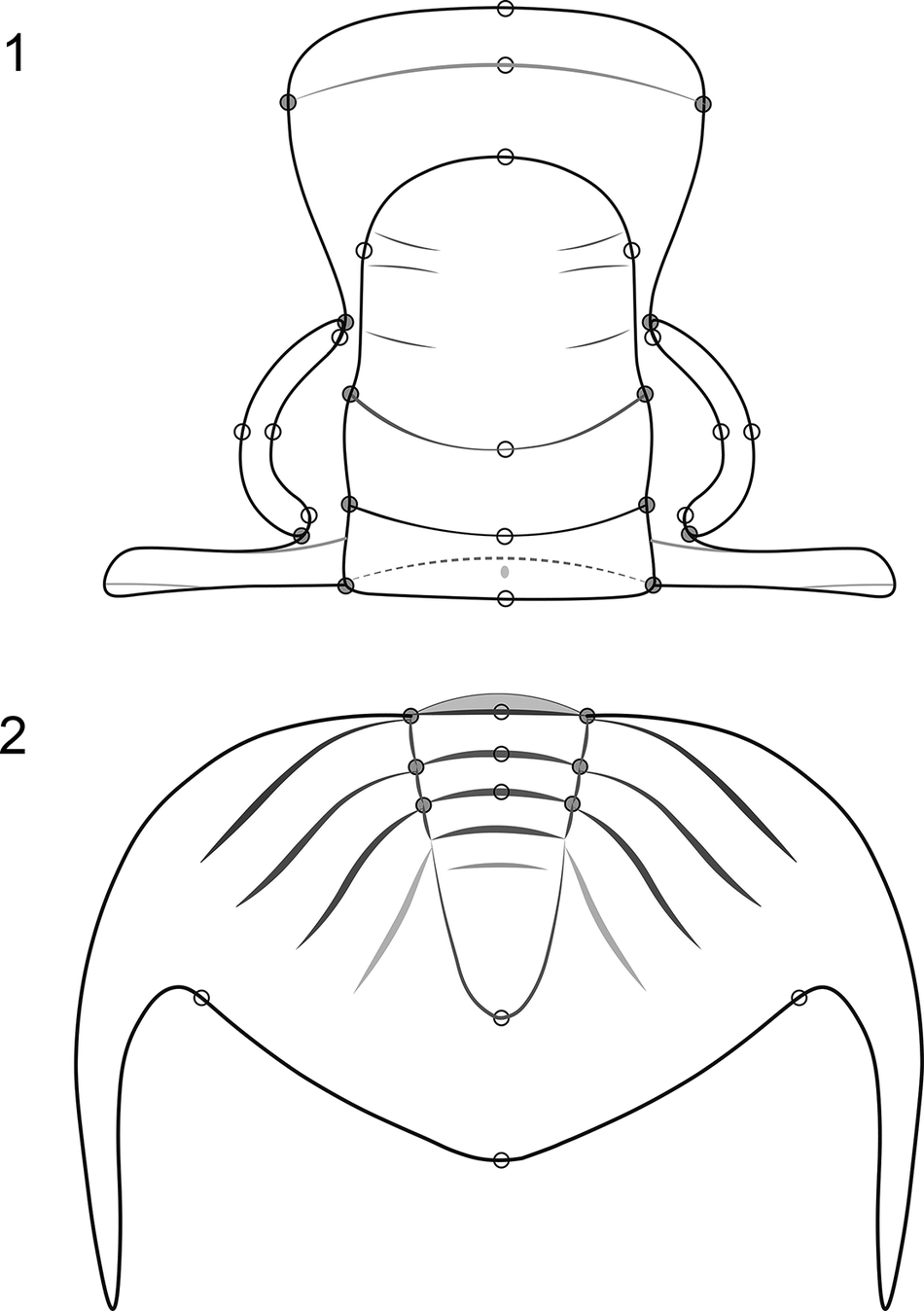
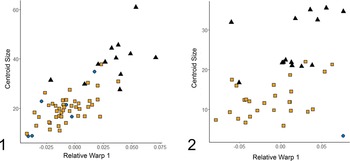
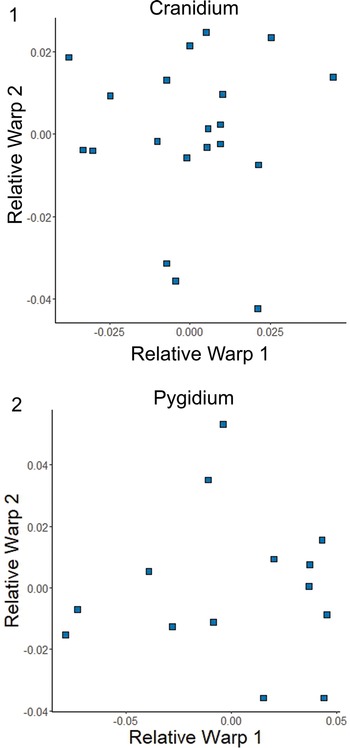
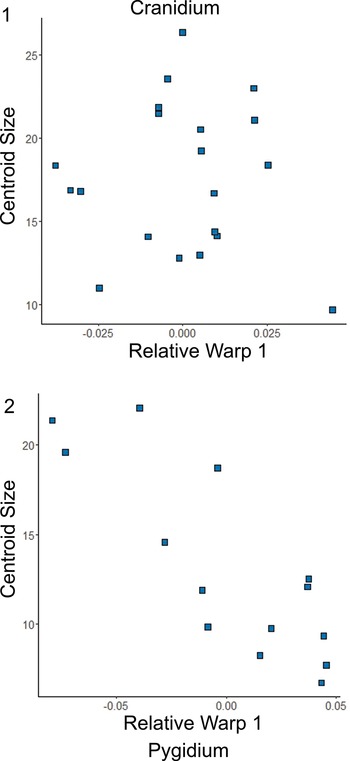
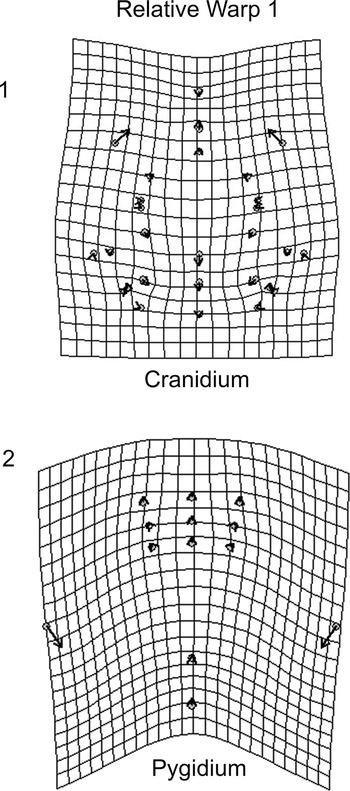

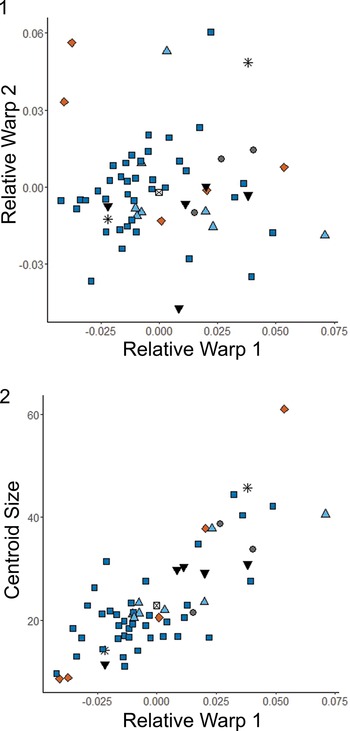
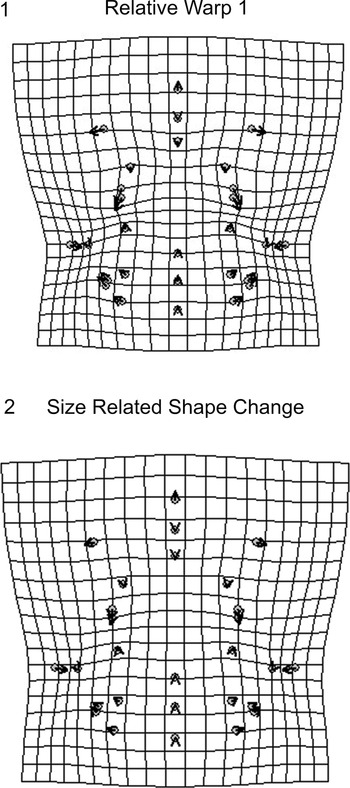
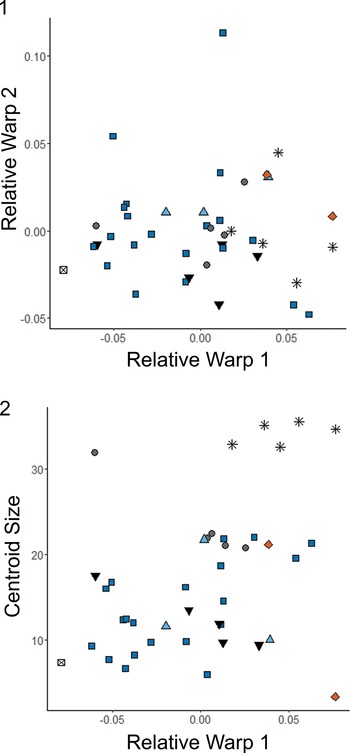
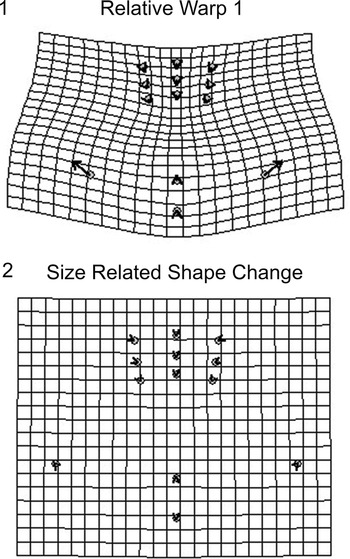
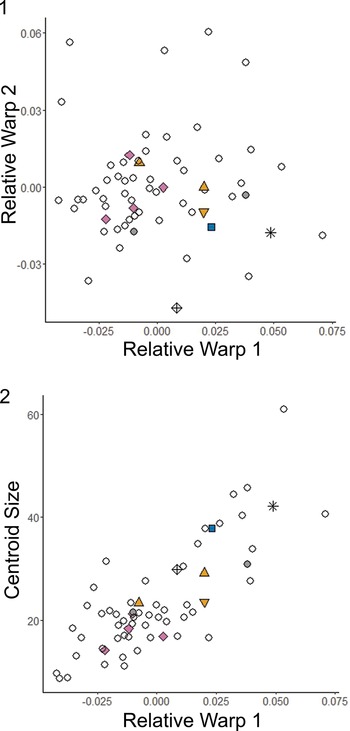
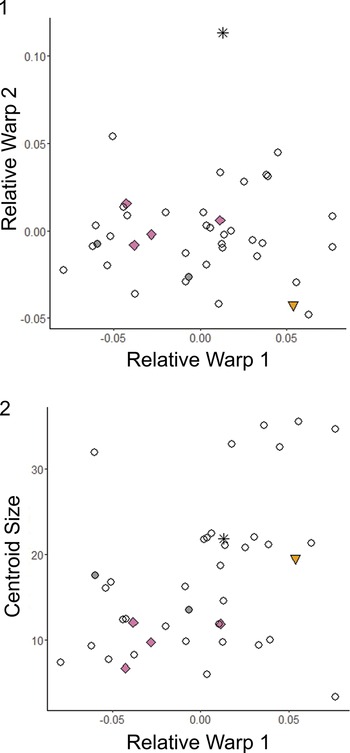
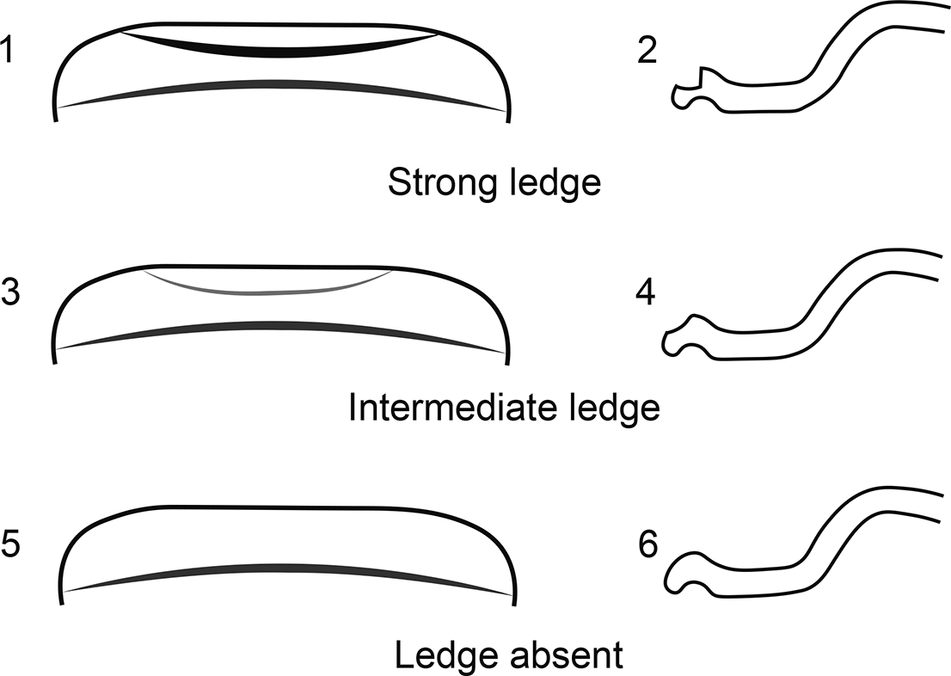
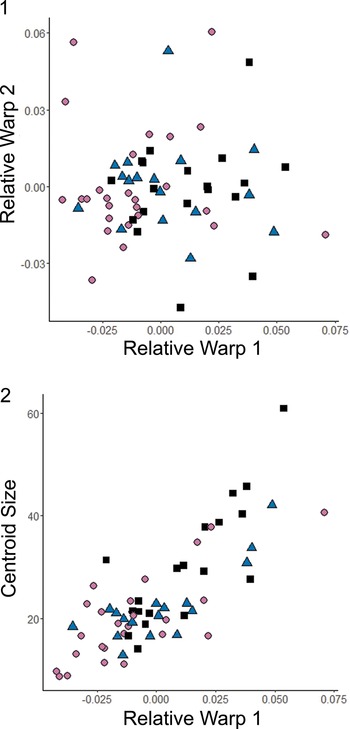
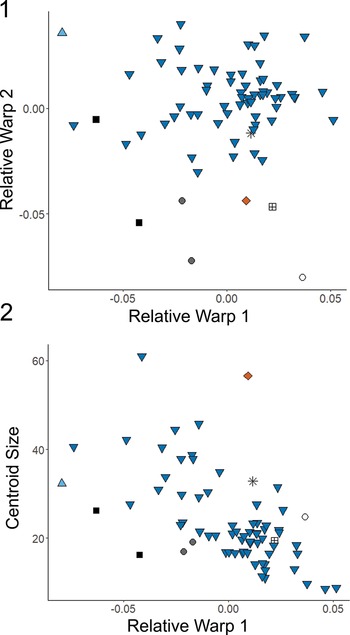

 Open access

