




Introduction
In 1910, in an issue of the college’s student periodical The Simmarian, one student summed up the immersive quality of the formation afforded students by its institutional life. As they expressed it: ‘Simmaries is not a building, nor lectures, nor fine or bad weather. It is a mental condition—the mutual feelings of the occupants of that building—the memory of corners in it, of incidents that took place around and within.Footnote 1 From its inception in the 1850s, St Mary’s College, at Brook Green, Hammersmith, London, was concerned with the training of male Catholic schoolteachers.Footnote 2 In the process of this educational endeavour, the experience made ‘Simmarians’, the adopted name of the college’s alumni, colloquially derived from a contraction of its name. Investigating the students through the institution’s own archives reveals a great deal about who these young men were, and their backgrounds, outlooks, and experiences. This article will explore how the students identified themselves, one another, and the world they inhabited, engaging with the thus far limited historiography concerning the training of Catholic teachers in the late nineteenth century. St Mary’s was a new institution, but it became a community, a sentiment emphasised across the archival record. College authorities aimed to recreate for students ‘the triadic unity of home, church and parish.’Footnote 3 Over several generations of the college’s intake, an emphasis was placed on continuity with their Catholic identity and their transformation into Catholic men and teachers. The community was rooted in a real and imagined Catholic past, by liturgical and extra-liturgical rituals alongside newly created traditions. ‘Emotional communities’ were created which transcended generations and were constantly being made and remade.Footnote 4 In this instance, young men with a shared faith and often shared social background, whose aim was to become teachers, were living, studying, learning, working, and playing together. Through their life together in Brook Green an emotional, homosocial community was self-consciously formed by the comradely norms, rituals, and language of their shared experiences, the epithet ‘Simmarian’ amongst them. By examining the formation of Catholic teachers through this lived emotional culture, the article seeks to extend institutional histories of teacher training by foregrounding the social and affective processes through which professional identities were shaped.
Following Barbara Rosenwein’s argument that emotional communities have their own ‘particular values, modes of feeling, and ways to express those feelings’, and echoing Sara Ahmed’s contention that such a sense of community is forged by fostering common feelings,Footnote 5 the young men of St Mary’s became an emotional community through the shared ‘guidelines, standards, and expectations for emotional expression.’Footnote 6 Theirs was a Catholic masculinity in the making. It has been argued that for Catholic men in nineteenth century Europe, ‘the practice of holiness could be made to serve the performance of manliness.’Footnote 7 Certainly, the efforts to ensure St Mary’s students were practising holiness can therefore be seen as the very performance of manliness. Segregated from others and immersed in a common, homosocial, environment, akin to their seminarian brothers, they were each ‘becoming a manly man of God’.Footnote 8 Indeed, as Iida Saarinen has argued for Scottish seminaries in the nineteenth century, membership appears to have been appealing precisely because of the promotion of established masculine themes.Footnote 9
St Mary’s was both of and for British Catholicism, drawn from Catholics across Britain, so in turn its community was a microcosm of it, or at least a masculine version.Footnote 10 St Mary’s both reflected and contributed to the remaking of Catholicism in Britain, bringing young men from different places and backgrounds together for intimate social, educational, and religious experiences, before sending them back into the world with a shared sense of being teachers, Simmarians, and Catholics. Eric Tenbus has outlined how the cause for education bound together the British Catholic community during the nineteenth century when divisions were clear between the old Catholic gentry, Oxford Movement converts, and the burgeoning Irish population.Footnote 11 People from these groups came together to set up, staff, and populate St Mary’s, though in uneven proportions, which in turn reflected Catholic education, and perhaps the wider Catholic experience. St Mary’s was one of the educational and social organisations through which the Church actively tried to bring unity to its flock and create a ‘self-contained Catholic community of sobriety and solid good behaviour.’Footnote 12
The story of the early development of maintained Catholic education in modern Britain has begun to be told, though there remains a ‘relative dearth of historiography’, especially around teacher supply.Footnote 13 Work has been undertaken by Tenbus, Noreen Nicholson, and Alexander Wall; however, their focus has largely been at an organisational level, looking through the writings and records of the leadership, reports by inspectors, the Committee of Council on Education (COC) and the Catholic Poor School Committee (CPSC).Footnote 14 Little attention has been paid to teacher education, or St Mary’s place within this. Three short publications intended for local consumption provide good overviews but lack detail, academic rigour, and are mostly history from above, institutional histories recalling dates and important individuals.Footnote 15 St Mary’s was summarily considered in Akhtar Shakoor’s 1964 thesis on teacher training in England and Wales.Footnote 16 Alexander Wall’s thesis on the supply of Catholic teachers 1848-70 covered the first decades of St Mary’s in some detail, but is essentially a top-down history, relying greatly on published CPSC reports.Footnote 17 Philip Walshe’s chapter on the Vincentian contribution to St Mary’s is necessarily a post-1899 institutional history, making no use of St Mary’s archives and similarly relying on published reports.Footnote 18 Noreen Nicholson discussed Catholic teacher training c.1840-70, using St Mary’s as the primary case study, but still relied mostly on published reports by the CPSC and inspectors, making only light use of the archival material held at the university.Footnote 19 Nicholson’s focus was also strongly on education. There is therefore significant scope to extend academic study of St Mary’s, and the wider Catholic teacher-education sector, beyond published reports and institutional histories. This article’s focus is on the students of St Mary’s rather than the college as an organisation per se. There are parallels in this approach to the study of female religious teacher training colleges undertaken by Kim Lowden.Footnote 20
St Mary’s historiographical elision and the limitations of what has been written might be explained by the inaccessibility of its own archives throughout much of its history.Footnote 21 This is an issue shared with other nineteenth-century Catholic teacher training colleges. Wall noted in 1983 that they lacked ‘organised or centrally located records’ and that ‘little documentation has been preserved’.Footnote 22 The same was true of St Mary’s, which at that time did not ‘have any organised archives’.Footnote 23 Indeed, as formal Catholic education mostly lay with religious orders or parish clergy, the archival situation is challenging.Footnote 24 However, as the oldest of the Catholic teacher training institutions, St Mary’s has been fortunate in receiving attention from archivists and others to preserve records in recent decades. Its archives contain a wealth of material which offers the possibility of detailed study, but the college did not systematically retain records over its history; what has been archived is uneven. In addition, a large proportion of the material concerns the management and operation of the institution, with a heavy weighting towards material from the twentieth century. However, what material there is from the nineteenth century is fascinating, not least in that it was created by students themselves.
Using the St Mary’s archive, it is possible to study the college and its students. This article is a contribution to the re-evaluation of teacher training colleges within the history of British Catholic education, of St Mary’s as part of this history, and of the trainee teachers themselves within this. There is great value in a social history approach that prioritises people, understanding them not as passengers to the history of the institution, but its driving force. In this way, it provides an opportunity to focus less on policy, legislation, and leadership and to centre teachers in the form of history from below.Footnote 25 The approach has combined quantitative analysis, to answer the question of student demography, with a qualitative study, to gain some understanding of their experience. A similar methodology was adopted by Charles More in his influential study on the training of teachers at the church colleges at Cheltenham between 1847-1947. Using the college’s archives, More traced the daily life of the students and their curriculum and extracurricular activities. Drawing upon More’s approach, this article is also a contribution to the historical study of the life and contribution of church colleges, offering a Catholic perspective to his study of Anglican teacher training.Footnote 26 The focus of this present article is on the St Mary’s student experience c.1854-1914. The timeframe for this runs from the admission of lay students in 1854, from which point records properly begin, to the outbreak of the First World War, a tumultuous period for Britain and St Mary’s, heralding significant change.Footnote 27 A timeframe of sixty years was achievable within the scope of this present article, while allowing for a sense of intergenerational continuity and change. This period is a coherent and logical span of time, and an era of social and educational change in Britain, British Catholicism, and British Catholic education, into which the history of St Mary’s can provide insights.
Demographic information has been drawn from published lists of students and contemporary registers. Documentary sources from college administration, collated by staff and in particular the Principal, are useful for demographic and experiential insight. These papers, particularly from the 1860s-90s, offer information on students and the structure of the educational, domestic, and faith experience they received. Reports from other organisations, especially the CPSC and the COC provide supporting information but have not been relied upon. The voices of students themselves are available in a few places, and these are foregrounded here. These begin as early as 1861-2 with letters written to St Mary’s student Charles Quinn by his friends and two former students, William Moloney and James O’Hanlon. All were from Airdrie near Glasgow and attended in 1859-62.Footnote 28 Recollections of three former students, Phil Doyle (1886-87), J. M. Duffy (1886-7), and James Cassidy (1895-7) are fulsome, though these reminisces were recorded half a century later. The student experience can be best reached firsthand from two diaries written by friends and contemporaries at St Mary’s, John Seddon, and Cyril Thompson. Seddon, from Leigh, and Thompson, from Manchester, both attended in 1910-12.Footnote 29 However, the considerable detail provided by these diaries compared to earlier sources, and the lack of other diaries, means these reflections are therefore fragments of moments in time, rather than characteristic of the St Mary’s experience in the longue durée. Lastly, some insights have been drawn from the student magazine, The Simmarian, which ran from c.1900. These provide access to the student ‘voice’ but have limited coverage and focus particularly upon leisure activities.
By foregrounding the emotional and spiritual formation of male teacher trainees within an ecclesiastical institutional setting, this article builds on work examining the professionalisation of elementary education but departs from traditional labour and policy-centred narratives by turning attention to the inner workings of a Catholic educational institution and those experiencing it. In doing so, it also complements emerging studies of masculinity and religious subjectivity, offering insight into how Catholic institutions shaped not only knowledge and discipline, but also vocation, affect, and identity. The ‘Simmarian’ experience, as reconstructed here, therefore speaks to broader transformations in the making of the Catholic professional self in late Victorian and early Edwardian England. Methodologically, this article shifts the study of Catholic teacher education from an institutional and policy focus to the lived emotional and cultural formation of students.
The wider Catholic educational contexts in the mid-Victorian period
Research on the St Mary’s community c.1854-1914 needs to be set in the context of Catholic education in Britain in the same period. From the 1830s mass education became an increasingly important issue with political reform and population growth allowing previously excluded groups, including Catholics, a voice.Footnote 30 The Victorian ‘spirit of charity’ had faith at its heart and Catholic philanthropy played a prominent role in the ‘battle for souls’.Footnote 31 However, a ‘coherent Catholic educational infrastructure was wholly lacking.’Footnote 32 In the 1840s, the education of the masses was given further impetus by Irish Catholic migrants fleeing the famine. The Catholic population of England rose from around 250,000 in 1825 to about 700,000.Footnote 33 Catholic working-class Irish and English children ‘were attending non-Catholic schools or not being educated at all.’Footnote 34 This crisis was met in 1847 by the creation of the CPSC.Footnote 35 The first grants to establish Catholic parochial schools were made in 1847, negotiated by the CPSC from the COC, the first government department with specific responsibility for education.Footnote 36 The CPSC ‘rapidly became the key vehicle for promoting Catholic schools, training future Catholic teachers, and overseeing the application of emerging legislation on education.’Footnote 37 Education was seen to provide a route to salvation and material improvement for working-class Catholics and as a means of galvanising Catholics, regardless of background, towards a common cause.Footnote 38 Recognising this, the bishops at the 1852 Synod declared educational provision their ‘first missionary priority’, especially for the children of the working class.Footnote 39
A new wave of schools operated by both lay and religious emerged from the 1860s onwards, some of which were relatively short-lived.Footnote 40 Concerns persisted about the provision of Catholic education. Cardinal Wiseman admitted in 1863 that ‘our weak side is the education of our children… whom our poverty prevents us from bringing up as we would desire’.Footnote 41 These two contradictory sentiments characterise the Church’s attitudes in mid-nineteenth century Britain. There was ‘enthusiasm and confidence’ alongside the ‘sober realization that… education, and namely education of the Catholic poor, was an issue in need of tireless effort.’Footnote 42 The 1870 Education Act provided much impetus and shape to English education in subsequent generations, as did the 1872 Scotland Education Act.Footnote 43 These Acts led to fears that Catholic schools might face government interference in religious instruction and though this ‘proved largely unfounded’ it was not without impact.Footnote 44 By 1902, ‘a strong secondary education infrastructure and important new Catholic contributions to scientific and technical education for a growing Catholic middle class, at least in England, were emerging.’Footnote 45 According to Tenbus, this process achieved more than just educational results: ‘the English Catholic community evolved in its pursuit of the education question.’Footnote 46 It was not an unequivocal success, however. Into the twentieth century, the bishops were still stridently working to advance education and ensure that it met the needs of Catholics.Footnote 47 Overall, there had been ‘enormous financial cost’ to the Catholic laity in their support of Catholic education.Footnote 48
From the outset, it was clear that ‘sustained high-quality Catholic education was unattainable without Catholic teacher training colleges.’Footnote 49 St Mary’s, Hammersmith was the first such institution to address this and was founded by the CPSC in 1850. Though there were sixteen such colleges by the 1920s, St Mary’s remained the only Catholic men’s teacher training college in Britain until 1946.Footnote 50 At the time of the 1870 Education Act, Thomas Allies declared there should be ‘Catholic schools for Catholic children, with Catholic teachers.’Footnote 51 This ‘remained the guiding principle on policy into the following century’, if not in practice.Footnote 52 The quality of these colleges generally appears to have been high. Susan O’Brien and Carmen Mangion note that Catholic female teacher training colleges provided a ‘superior education that was highly praised.’Footnote 53 During the late nineteenth century, teaching was ‘upgraded to professional status’ with training becoming ‘more methodological and institutionalised.’Footnote 54 Quantity of quality teachers, however, was an issue. Maurice Whitehead and Stephen Parker have both discussed the challenge of ensuring a sufficient supply of competent Catholic teachers and the anxieties this provoked.Footnote 55 The Rev. William Hastings reflected back on ‘the great difficulties’ of St Mary’s ‘Training School’ (as it was then called) during its first three decades, ‘with crises and anxieties of all kinds, financial and educational.’Footnote 56
Over the Hammersmith period of the college’s life, St Mary’s provided Catholic schools with over 2,000 male teachers, though only 901 of these were trained before 1900.Footnote 57 This may be considered a success or failure, depending on perspective: it was a substantial achievement for one institution, but still insufficient for requirements. Recruiting and training sufficient numbers of quality candidates was a struggle for St Mary’s. Records show that in the early decades even amongst the small number interested in training for qualification, few possessed the knowledge and ability to gain entrance and scholarship to support study. By the 1890s, the numbers of students and their quality appear to have been generally higher, with St Mary’s able to recruit almost entirely from experienced pupil teachers. Certainly, college records show strenuous efforts to find and prepare students willing to take examination for entry, and the Queen’s Scholarship was a critical factor in determining future study, but only a small number of candidates passed. The high bar for scholarships therefore excluded all but the brightest, or those with sufficient personal or family means to support themselves. Explanations for the difficulties in recruiting sufficient numbers of quality male candidates also include wider issues within the Church hierarchy and the schools system, the social and economic status of Catholics, a greater labour market, and income competition for men comparative to their female counterparts, combined with the gendered culture of elementary school teaching.
Using a thematic approach to assess and present the substantial archival material consulted allows us to turn to the demographics of St Mary’s student body. Observations may then be made about the students’ experience, along the themes of home, faith, education, community, and leisure, thus giving us a multifaceted sense of student life at the time. These themes were deeply interrelated and should not be considered as discrete. As each theme is explored, a growing number of aspects of St Mary’s life are illuminated to reveal a sum greater than its parts. This is not suggesting one theme had precedence over another but instead this approach is used to illuminate a totality of experience. From these observations of the college’s student body, the nature of British Catholic education, and British Catholicism, at least through the masculine lens of the trainee teacher, can be illuminated. The overall sense is of a wide range of young men being drawn together through a shared faith and desire to teach, mostly having already worked as pupil teachers, and being chiefly of Irish descent from urban working-class areas in the north of England and the Glasgow area of Scotland. Many were intelligent and driven, if under-educated. Their experience was relatively austere, especially in the first half century, with a strict regime imposed upon them. Active Catholic practice, discipline, and rigorous dedication to learning was expected. At the same time, numerous ways were found to entertain. In this crucible, community was forged, actively and passively with close living, camaraderie, shared activities, and a sense of identity.
Demographics
St Mary’s was both for and of its wider community. Its student demographics reflected the changing nature of British Catholicism and the college’s position within this. The makeup of the student body also contributed to the character of the college. This present overview outlines student numbers and backgrounds to provide a sense of who these students were. Researchers are well-served by pupil lists produced both contemporaneously and retrospectively. The Centenary Record, for example, a history of the college published in 1950, listed all known students up to that point.Footnote 58 This publication drew from the College Registers, kept from 1854 onwards, which recorded date of entrance, name, address, date of birth, previous occupation, date of leaving, exam results, and remarks, in varying detail over time.Footnote 59 By entering the student lists into a database, it has been possible to search, and to carry out quantitative analysis. This data has been supplemented by reports, letters, and other documents within the Principal’s papers where the numbers and backgrounds of students has been reflected upon.Footnote 60 Information from reports of the Catholic Poor School Committee and the Committee of Council on Education have been also drawn on as necessary.
Student numbers tell a key part of the St Mary’s story. Wall has outlined how the supply of teachers for Catholic schools developed ‘virtually from scratch’ in the 1840s through many setbacks and disappointments to be overcome by 1870.Footnote 61 In this, St Mary’s is a case-in-point and Nicholson identified the varying numbers and quality of students in the early decades.Footnote 62 While initially founded in 1850 to train male religious as teachers, by 1854 uptake was so slim that lay candidates were admitted. Such was the shift that an official college document later cited its ‘establishment’ as 1854.Footnote 63 Admissions rose, but remained much lower than hoped, causing significant anxiety. Just twenty-eight students were in residence in 1857, across both years.Footnote 64 Some more positive years were followed in 1860 by a fall to just seven first-year students.Footnote 65 This precipitated a period of significant struggle to recruit. In 1861 Principal Rowe requested school managers bring suitable and willing candidates to his attention, noting that ‘the difficulties to be encountered at St Mary’s are as you are aware very considerable.’Footnote 66
The College required quality and quantity. Applicants were insufficiently prepared for the Queen’s Scholarship examination whereby they would be provided a grant to train.Footnote 67 Candidates for entrance were disappointing, as were results for those who were admitted.Footnote 68 In 1857 over half failed the entrance examination.Footnote 69 Rowe set out to rectify the situation, establishing a class for prospective entrants to reside at the college while studying for the examination. This was a success, and in years where the preparatory class ran, a large majority of applicants passed.Footnote 70 This system ran on and off for several years, incurring considerable expenses due to housing candidates for several months before examination. In 1861 the CPSC justifiably complained that the proper role of St Mary’s was to build upon foundations already laid in secular and religious instruction rather than doing the groundwork that had been neglected by others.Footnote 71 A shortage of candidates was common to other Catholic teacher training schools at this time.Footnote 72 Working class boys were expected to contribute to family income, and they had a relatively wide range of jobs available to them; spending more time in education detracted from this. This context contributed to the limited numbers of applicants, let alone successful ones.
Neither numbers nor quality improved to a satisfactory degree, and by 1863 Rowe and Cardinal Wiseman were corresponding on the poor standard of candidates.Footnote 73 1867 was a crisis point with just fifteen pupils in residence.Footnote 74 The preparatory class was reinstated, and the following year the college welcomed twenty-five new students.Footnote 75 Rowe made clear to Wiseman that the poor numbers and quality of candidates were likely to cause the college to close and requested assistance in bringing the matter before the bishops.Footnote 76 It was suggested that each diocese be asked to send a minimum number of candidates each year.Footnote 77 Even at this point, almost twenty years after its establishment, there was a need to remind the bishops of their equal benefit from and obligation to the college, it ‘not being a local institution’ but for ‘the whole Catholic Body’.Footnote 78 Additionally, a £5 incentive was proposed for every master who sent a successful candidate.Footnote 79 Appeals at school level for candidates from 1862 were thus reinforced and aimed at the hierarchy. The 1869 Returns for St Mary’s recorded that, since 1854, 211 students had entered, excluding those currently enrolled.Footnote 80 Not only were these numbers small, but of these, only around two-thirds had gone into teaching positions.Footnote 81 The contribution by St Mary’s to the provision of Catholic schools for the first two decades of its existence was thus very small.
The efforts of Rowe and others in the 1860s to secure sufficient candidates of good quality, however, slowly took effect. The Returns of 1873 record fifty-three present students; since 1869 St Mary’s had received 115 students, averaging twenty-nine per year.Footnote 82 Maintaining those numbers was far from plain sailing. During 1873, two students were withdrawn due to misconduct, and two had died.Footnote 83 Expulsion was not uncommon; in the 1868-9 year, three students were expelled.Footnote 84 The attrition rate of those who made it into the college thus exacerbated the acute supply issues. However, student numbers remained steady over the coming years.Footnote 85 Later numbers varied but usually from the 1870s to the 1890s the yearly total number of students was in the fifties.Footnote 86 The preparatory class continued to be employed at points, at least into the 1880s, showing its value.Footnote 87 Standards expected for entry, and the Queen’s Scholarship, remained high and most applicants in the late nineteenth century failed.Footnote 88 From the 1870s, the college grew in status, becoming seen as ‘popular and successful,’Footnote 89 perhaps reflective of a more creditable student population. This shift also reflected the wider hold that public schools, to which St Mary’s can be broadly compared, came to have on the Victorian middle class from the 1870s.Footnote 90 However, qualified male teachers were still lacking in the 1880s, to the point of critical shortage according to Cardinal Manning, due mostly to the low numbers matriculating from St Mary’s.Footnote 91 The annual numbers remained around fifty until the 1900s when growth was further driven by Principal Byrne, securing 112 students in 1909.Footnote 92 A great deal of variation in student numbers would have altered the experience for each cohort in that period.
Who these students were, beyond the headline figures, is pertinent to understanding the character of the student body. The pipeline of suitable and sufficient candidates into St Mary’s took twenty years and significant effort to establish. Analysis of the experiential history of students in the light of both overall numbers and the character of the college population is revealing. In September 1869 twenty-seven of the fifty students in the college—just over half— had been pupil teachers.Footnote 93 The preparatory classes of the 1860s widened the recruitment base to those who had not been pupil teachers, as Nicholson has shown, although this was not necessarily a desirable development.Footnote 94 The Pupil Teacher System provided for children aged thirteen to become apprenticed to the heads of grant-aided schools, which had been favourably inspected. These pupils remained at the school for five years, teaching while also preparing for an annual examination. Pupil teachers received maintenance grants and heads were paid a small sum for each. At the end of their apprenticeship, pupils were entered for the Queen’s Scholarship Examination, which would enable them to train as teachers in elementary schools, supported by a grant.Footnote 95 In the quarter of a century from 1869, pupil teachers went from just over half of entrants to a near monopoly in a strong experiential shift; 95% by 1895 had been pupil teachers.Footnote 96 One student of the 1890s recalled that practically all the students were ex-pupil teachers from Catholic schools.Footnote 97 This potentially reflects greater applications from, or perhaps greater preference for, a higher ‘class’ of candidate.Footnote 98 The remaining 5% was split evenly between students who were not pupil teachers and those already working as teachers who were now joining as students, indicating the perceived value of St Mary’s to status and pay.
Despite the large proportion of rejections, and the regular need for a preparatory class, it appears those who came through the pupil-teacher system were driven and skilled.Footnote 99 Catholic schools could not afford expensive staff and so pupil teachers ‘had to teach all and every day, not study’, and heads neglected their training.Footnote 100 Pupil teachers who survived the rigorous work and passed the scholarship examination were clearly valued by the college, as demonstrated by their growing proportion in the student body, and the ongoing desire to support them with preparatory classes. The teaching technique of Catholic pupil-teachers was so good that it was cited as the reason headmasters of London schools strongly welcomed Simmarians onto their staff, associating one with the other.Footnote 101 There was a strong relationship between the route into elementary teaching and the social background of those who took it. Detailed studies of trainee teachers demonstrate that in the second half of the nineteenth century, both men and women trainees were predominantly drawn from either the aspirational upper working class or struggling lower-middle class.Footnote 102
According to both popular understanding among the Catholic community and published histories of the college, St Mary’s students fit into this general picture. Cardinal Vincent Nichols, Archbishop of Westminster, expressed it in this way in his preface to a 2020 history of St Mary’s, ‘The early students were young men, from families who were themselves not at all well-off, who trained as teachers for what were then known as Catholic Poor Schools. They knew they would earn very little money and would work under difficult conditions’.Footnote 103 At the same time, the collective memory in the Catholic community, reinforced by the published histories of the college, has celebrated as distinctive the idea that its students came from the rapidly growing Catholic urban populations of first-generation Irish migrants or families of Irish descent.Footnote 104 Building on earlier research into the background of St Mary’s students in the period up to 1870, this article extends the timeline, confirms important distinctive characteristics about the student profile, and adds nuance to the existing picture, while acknowledging the constraints of the data from which it is drawn.Footnote 105
In 1870, the CPSC estimated that out of 244 pupil teachers who had entered the College since 1855, 15.7% came from the London area, 17.8% from Scotland and 46.6% from the North of England.Footnote 106 None were noted to have come from Wales, underlining the poverty of Welsh Catholics and the challenges to parishes of affording lay teachers.Footnote 107 A further investigation of students’ places of origin was undertaken in the mid-1890s, probably by Principal Graham. His demographic investigations calculated that over the previous decade 54% of the students came from the ‘South Lancashire District’, 13% from the ‘Glasgow district’, 9% from the London Metropolitan area and 23% from the rest of England.Footnote 108 At least two-thirds of students in this period were assessed to have been from Scotland or the north of England, especially the two industrial conurbations around Glasgow and South Lancashire, which had seen the greatest Irish immigration following the Great Famine of the 1840s and 1850s. That this pattern had continued into the 1890s suggests some students were, by this time, second-generation Irish immigrants, hailing from the urban working classes.Footnote 109 That over half of pupils came from South Lancashire is a strong suggestion that the modern understanding that the college attracted Catholics of Irish descent during the nineteenth century is somewhat borne out. The strong Lancastrian character of Simmarians in this period is reflected in the college song, recorded in 1910 as beginning, ‘I am a simple country yokel, and from Lancashire I came’.Footnote 110 This is not the whole story, however. Scotland was well-represented in the student body, reflecting their high Catholic populations and, according to Noreen Nicholson, the high standards of their schools.Footnote 111
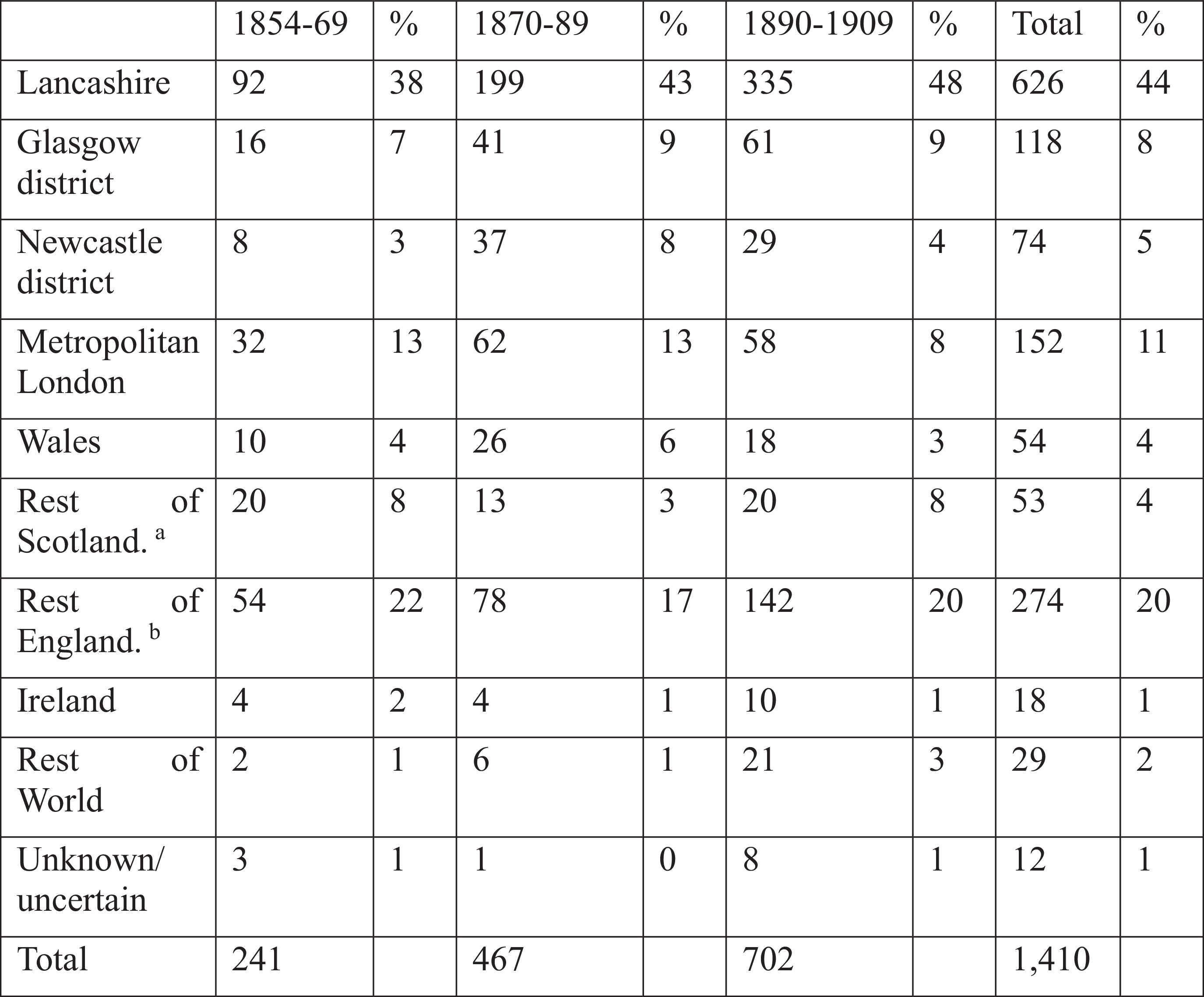
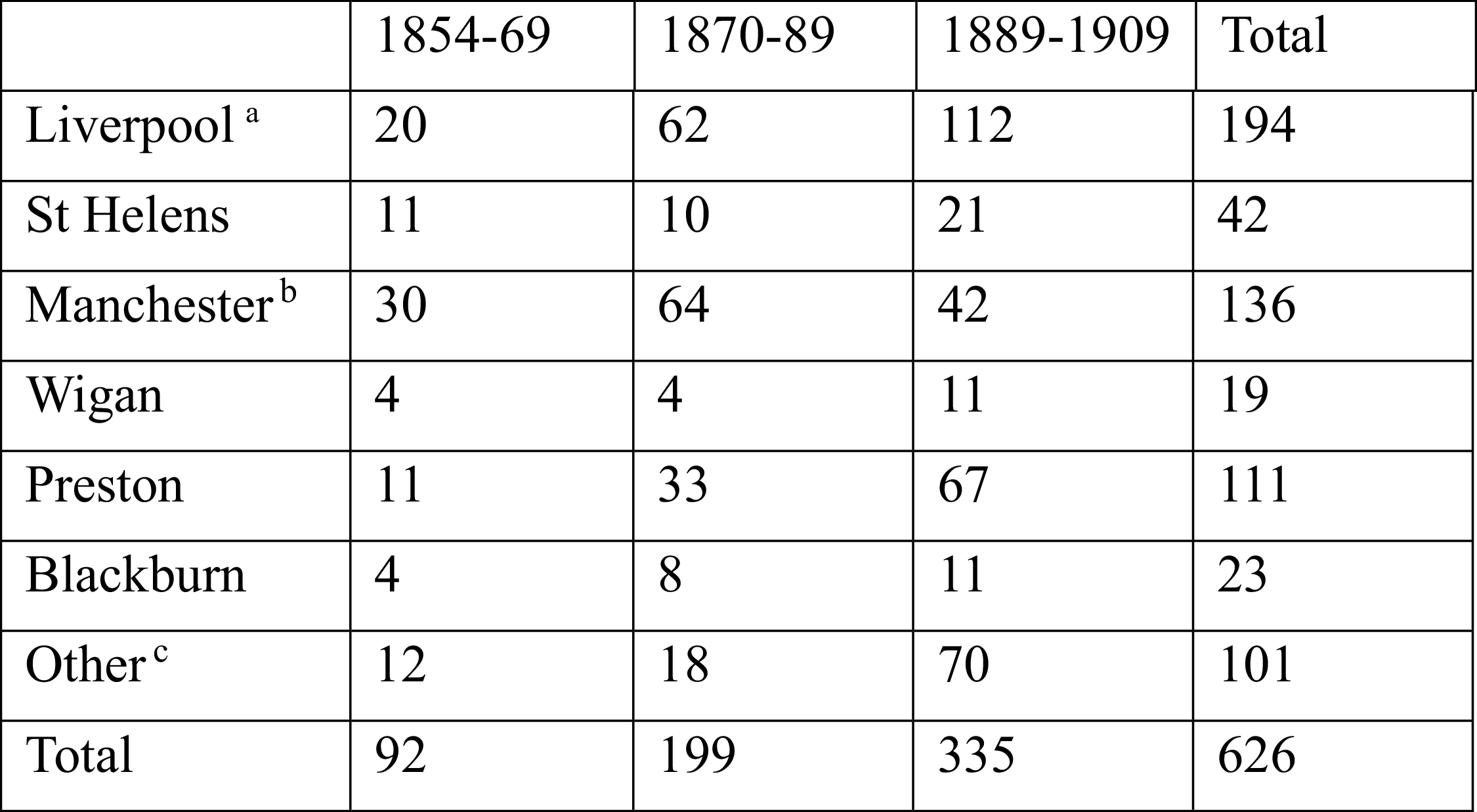
Analysis of student records for the most part supports the broad sketch provided by the complier of the 1890s note. Certainly, Lancashire provided the largest proportion of students. They were almost entirely drawn from large South Lancashire towns and cities, especially Liverpool, Manchester, Preston, and St Helens, which were known for their large Irish Catholic populations (Figure 1). Around 40% during the first decades were from this area, rising to nearly 50% by c.1900. The Glasgow district and London Metropolitan area each accounted for the next largest contributions, at around 10% each. The Newcastle area, including Gateshead and South Shields, was also a substantial contributor, with around 5%, though this had not been acknowledged in the 1890s sketch. Additionally, around 4% came from South Wales, another fact not noted by Principal Graham. The remaining students were almost entirely drawn from across England and Scotland, especially the major cities of Edinburgh and Bristol as well as West Yorkshire, and the cities of Leeds and Bradford, County Durham, and particularly Middlesbrough, and the Birmingham and Black Country region (Figure 2).
Student locations at registration, 1854-1901.Footnote 112 aEspecially Edinburgh in the earlier period and Dundee in the later; bEspecially Bristol, Birmingham and Leeds.
Lancashire student locations at registration, 1854-1909. aIncluding Bootle, Birkenhead and the Wirral; bIncluding Salford, Swinton, Ashton-under-Lyme, Oldham, Stalybridge and Stockport; cLancaster, Chorley, Bolton, Thurnham, Garstang, Pendleton, Ashton-in-Makerfield, Leigh, Kirkham, Ormskirk, Oswaldtwistle, Accrington, Burnley, Clitheroe, Brownedge, Widnes, Warrington, Blackpool, Newton-le-Willows, Heywood, Bury, Ince and Longton.
The outline provided here must be taken with some caution as evidence of student origin. The enrolment process recorded student addresses at the time of their entry to St Mary’s, which may have been different from where they had been living until a short time before, amidst the highly mobile nature of Victorian Britain. Nevertheless, together, the information gleaned from student registration, and the snapshot estimations from contemporary secondary sources (which may have better reflected student identification rather than the addresses given at the time of entry) provide a clear sense of the student population which can be confidently stated as urban, primarily from the north of England and Scotland’s major cities, and with a strong contingent from South Lancashire constituting the largest bloc —c.40-50%—throughout. Furthermore, while analysis has not been conducted on the family origins of students within the present study it is clear that the student body was significantly drawn from areas where Irish Catholic immigration had been strong during the middle of the nineteenth century. The Catholic community between the 1840s and 1880s has been simplistically described as comprising three important groups: the old English Catholic gentry, the Oxford Movement converts, and Irish Catholic immigrants, all with consistent points of dissension between them.Footnote 113 Only one of these groupings—those from an Irish immigrant background—appears to have been strongly represented within St Mary’s student population. This suggests that the Catholic teaching workforce was similar to the wider teacher workforce of the period, comprising individuals from upper working-class and lower middle-class upbringings.
Some students came to St Mary’s with personal links. James Cassidy entered thirty years after his father and was amused to discover himself occupying the same cell in the dormitory.Footnote 114 Other students chose St Mary’s perhaps because of friends. Charles Quinn, it seems, followed in the footsteps of two friends and former Simmarians.Footnote 115 One striking connection, transcending both family and friendship, was between St Mary’s and Malta. Simmarian Daniel Fallon became a professor at the University of Malta, likely initiating the long relationship between St Mary’s and that island.Footnote 116 In the 1880s, the colonial government of Malta, a predominantly Catholic country, decided to train male primary school headteachers at St Mary’s.Footnote 117 Geographic and familial ties were a key aspect to the feelings generated amongst the young men in those early decades of the college.
Home
The domestic regime at Brook Green was a crucible in which Catholic masculinity and communal identity were enacted day to day. Routine was strict and domestic arrangements sparse, but the college was a home. Initially, members of the ‘religious institute’ occupied the eighteenth-century Brook Green House, then in 1856 accommodation for fifty lay students was built.Footnote 118 A chapel, refectory, and a large lecture room had been built by 1850.Footnote 119 There were few significant changes over the following decades. The buildings, while ‘handsome’, were apparently unfinished, lacking some internal features. In 1897 a new wing was added to improve the space for science teaching, and a new dining room, common room, and library were also added.Footnote 120 What provision there was for communal spaces beforehand is unclear. The domestic space was austere. Students slept in ‘cells’, which they tidied weekday mornings.Footnote 121 One student of the 1890s described the ‘somewhat severe monastic rule and Spartan simplicity.’Footnote 122 Looking after this space in the 1880s and 90s were Xavierian Brothers, who, according to one former student, ‘were all Belgians or Germans’.Footnote 123 These Brothers undertook domestic work until Dr Graham appointed the first matron in 1898.Footnote 124
Following the 1902 Education Act, which created Local Education Authorities and sought to reduce the funding divide between voluntary and non-denominational schools, there was steady student growth. The premises had to be ‘considerably enlarged’,Footnote 125 a process that included demolition of the old house.Footnote 126 Other developments included renovations to the lavatories, heating system, chapel, and accommodation as well as a new manual training room and a second Fives court.Footnote 127 By 1910, there were four Junior dormitories called, by students, Kennels, Pups, Dogs, and Mongrels, with a separate dorm for Seniors.Footnote 128 Around eleven boys slept in each Junior dormitory, in bunk beds.Footnote 129
Routine provided familiar, if unbending, rhythms of life. An Order of the Day from the early 1890s shows expectations of what students did and when.Footnote 130 On weekdays, they were to rise at 6am followed by religious observance before breakfast at 8. The rest of the day had meals, learning and recreation at set times. 10pm was night prayer and bed. Wednesday and Saturday afternoons were half-holidays. One former student of the 1880s recalled that ‘we had little free time.’Footnote 131 Students were given leave to go beyond the college on Wednesday, Saturday, and Sunday afternoons. In the 1890s, they had to be back by 7pm with late passes sparingly granted and only then after an interview with the Principal.Footnote 132 Phil Doyle, a student of the 1880s, recalled that he enjoyed his time, ‘only that I never seemed to get enough sleep.’Footnote 133 Timings for waking and sleeping were strictly enforced, but were also challenged by students. In 1895, silence was expected after lights out to such a degree that talking in the dormitory could be used as a reason for expulsion.Footnote 134 In 1910, students were expected to be in and out of their beds at certain times, but could stay up later at night.Footnote 135
Food was a key feature of the daily routine and prominent amongst student concerns. Lecturers and students ate meals together, although staff sat ‘in state on a platform at the end of the refectory’.Footnote 136 Meals were taken in silence, at least until the 1880s, when dining was accompanied by a religious reading by a Senior.Footnote 137 The students’ set diet at this time consisted of ‘a cubic inch of butter, and tea, bread and dripping’ for Breakfast and Tea.Footnote 138 Dinner was ‘meat (two-helpings), potatoes and cabbage’, perhaps with bread and soup but ‘never’ green vegetables.Footnote 139 Pudding was twice a week with the ‘Sunday sweet… delectable and renowned in song and story.’Footnote 140 Apparently, ‘supper consisted of a glass of milk or beer, but nobody took the beer since it was simply vinegar.’Footnote 141 Students sought further sustenance, beyond the set meals of ‘meagre fare’ with long intervals between, which, noted one student, ‘made us ravenously hungry.’Footnote 142 In the 1880s, saveloys were a favourite, being both cheap and filling, with these ‘succulent morsels’ available to buy nearby at seven for sixpence.Footnote 143 The markets at King Street had ‘very cheap fruit’ including cherries and plums for 3d. a pound.Footnote 144
By 1910, dining had become an opportunity for conversation in the Refectory, or ‘Ref’.Footnote 145 Students were also similarly well-fed, as demonstrated by a weekly schedule of meals drawn up by student John Seddon.Footnote 146 Breakfast was porridge three times on alternate days, interspersed with boiled ham, cold beef, eggs, and sausages. Dinner on weekdays was either meat, meat pie or potato pie with fish soup, bread and butter on Friday and pudding or fruit at weekends. Tea was plain, currant or seed bread on alternate days. Bread and butter were supplied at breakfast, tea, and supper, with hot milk at supper. Additional sustenance was still prized, with a student-made rule that any of them receiving cake was to share it with his dormmates.Footnote 147 Certainly, students were not starved and Cyril Thompson, whose diary records his regular walks and gymnasium visits, noted ten weeks into his stay that he had gained a stone in weight.Footnote 148 On special occasions the food could be excellent. In the 1880s the Seniors’ farewell feast in their last training week was sanctioned by the authorities, ‘nor was the wine list censored’.Footnote 149 All Seniors contributed for a good supply of meat and vegetables which the Brothers cooked and ‘at 10pm we sat down to a goodly spread’ with songs, stories and speeches.Footnote 150 This was a far cry from the usual meagre fare and silence. The 1910 end of term supper consisted of, ‘wines, trifle, ham, jelly, sweets, fruits, cigarettes etc.’Footnote 151
Not every domestic experience was positive. There was an infirmary for sick students, and some died.Footnote 152 Discipline was strict, as has been observed for a contemporary Anglican institution, the Lincoln Diocesan Training College for School Mistresses, which was described as being run with the strictness of a mid-Victorian family with the rule of the father (Principal) and the regulation of the college day paramount.Footnote 153 In 1861, incoming student Charles Quinn was advised by friend and former Simmarian James O’Hanlon that, ‘I have ever observed the regulations to press most heavily on those who least exerted themselves to comply with them’.Footnote 154 Indeed, a year later Quinn’s acquaintance William Gallagher was expelled.Footnote 155 There were just seven dismissals from 1871 to the early 1890s.Footnote 156 Reasons include ‘disobedience, misconduct, insubordination, intoxication, public houses, drunkenness, staying out, stealing fruit, sloth, and neglect of studies’.Footnote 157 In 1895, John McCarthy was the first student to be dismissed in eight years, apparently for talking in the dormitory.Footnote 158 According to his fellow students, this was a ‘most common and slight offence’ compared to the previous year when four pupils had scaled the walls and spent the night out without leave but had only been ‘merely reproved for gross misconduct.’Footnote 159 ‘Authority was very much in evidence’ but, it seems, with uneven execution.Footnote 160
A letter to Principal Graham by McCarthy’s fellow students in his support fell on deaf ears, Graham having ‘treated us rather as children than as men’.Footnote 161 The strict hierarchy of the college sat uneasily on many of the now mature students, who by the 1890s had already lived and worked before entering their course of study. Everything was decided for the students without consultation or representation.Footnote 162 However, the petitioning regarding McCarthy’s expulsion shows their desire to be heard and to resist emasculation. Indeed, students of this period established a method of making requests to the Principal. For example, for a half-day holiday or a double beer ration, they would cry ‘first two, see the Principal’ and two students at the top of the table would go to make the request, followed by the next pair and so on.Footnote 163 In 1899, management of St Mary’s passed to the Congregation of the Mission, a transnational religious institute of priests and brothers founded in France in the seventeenth century and known in Britain and Ireland as the Vincentians. The Vincentians had only a small presence in Britain but were established providers of teacher education in Ireland. In the first decade or so of Vincentian administration, there appears to have been a softening of discipline, and greater interest in the happiness of the students.Footnote 164 Strictness had certainly dissipated by 1910 when John Seddon recorded not only plentiful discussion in the dormitories but much rowdier behaviour, discussed further below.Footnote 165 By this time, if not before, there is evidence that shared living saw the Simmarians ‘articulate, maintain and compose’ their ‘homosocial relationships’ in a more adult fashion than previous generations had been able.Footnote 166
Education
The purpose of St Mary’s Training School was to prepare young men to teach in Catholic schools. Classroom, examination, and private study were intended as intellectual and practical instruction in the subjects and methods required to teach Elementary-age children. Many young men gained their St Mary’s experience through their examination for entry and the Queen’s Scholarship. From the 1860s, many pupil teachers attended the preparatory school and, by the 1880s, about a hundred candidates lodged and boarded free for a week before their examination.Footnote 167 Only about twenty per cent of applicants qualified for admission.Footnote 168 The taxing entry process was followed by a ‘strenuous’ education.Footnote 169 J. M. Duffy, a student in the 1880s, recalled that, ‘it was arduous work, for our grounding was poor; we soon discovered the depths of our ignorance and that spurred us on to make good our deficiency.’Footnote 170 Students were taught via lecture and textbook from which they were meant to take notes and not expected to exercise independent thought.Footnote 171 These notes from lectures were on slates.Footnote 172 In Duffy’s Junior year there were twenty-five students with a (teaching) staff of six, which meant a high student-teacher ratio.Footnote 173 Students would have had attention from, and familiarity with, their teachers. The small teaching staff were required to ‘cope’ with a wide curriculum.Footnote 174 Wall noted how the St Mary’s teaching staff and the quality of the students, and therefore the curriculum offered, were regularly liable to change in the early decades.Footnote 175 However, from 1854, St Mary’s followed the core prescribed syllabus of examinations for male students set out by the government, with subsequent additions.Footnote 176
Two timetables from the archives give a sense of the education provided. Timetables were key to the tight regulation of the day in a nineteenth century Christian teacher training college; they ensured that the day was ‘very well filled’.Footnote 177 In 1869 students were expected to be in classes thirty-two hours a week, with a further eighteen of private study and six for written examination.Footnote 178 A list of subjects with time allocations shows first years were to take Religious Knowledge (4 hours per week), School Management and Writing (3), Grammar and Composition (3), Arithmetic and Algebra (5), Reading and Repetition (3), Euclid (2), History (2), Geography (2), Economy (2), Drawing (3) and Music (3). Second years took identical subjects with a slight adjustment in weightings: arithmetic was reduced by one hour in order to allow an additional hour for school management. The accompanying timetable provides some sense of the college day. The first hour of each day from 7am was for private study, followed up to lunch by most of the core subjects, varying daily. Afternoons were given mostly to private study, though with catechism and history classes and for Seniors time in the practicing school. There were half-holidays for all on Wednesdays and Saturdays; this was altered by the 1880s as mentioned above, when Sundays were included. Evenings alternated between written examinations, twice weekly for Juniors and three times for Seniors, with music and drawing on the other nights. All activities finished by 10pm.
Another timetable from 1888 shows some change and continuity.Footnote 179 Classes now ran from 8:45am, with breaks, until 9:45 in the evening. Up to lunchtime, lectures covered a range of subjects, changing daily and from first to second year. Afternoons for Juniors were still largely private study (and recreation), combined with four hours in the laboratory, while Seniors had eight hours in the practicing school; evenings again consisted of drawing, written examination, and then private study. The subjects studied had changed slightly. Juniors and Seniors now took two hours of Scripture a week and two hours of physiography. Juniors took two hours of Chemistry and Seniors three hours of Physiology. All students took History, English, Reading, Geography, Music, School Management and Grammar Exercises. While Juniors took four hours of Mathematics, Seniors had three hours each of Euclid and Algebra. Altogether, while the core subjects remained similar from 1869 by 1888 there had been some developments, especially in the inclusion of sciences and the increased differentiation between first- and second-year study.
There was some fluidity in the education provided.Footnote 180 Phil Doyle recalled that during his studies in the 1880s he and three other students had such high marks in History and Geography in the first year that they were excused from taking these subjects in the second year, with Dr Graham insisting they take Advanced Mathematics instead.Footnote 181 In the 1890s the curriculum widened to subjects students would later teach, with some elementary work dropped.Footnote 182 The 1902 Education Act allowed the opening of more Catholic schools and the extension of secondary education, and the college adapted its curriculum accordingly.Footnote 183 Correspondingly, standards at entry appear to have improved.Footnote 184
The very purpose of attendance at St Mary’s was to qualify as teachers. Many students had already been working as pupil teachers. A student of the 1880s recalled:
we had all been teaching for five years before we entered College and taught a half-hour per week in the Practicing School, having to submit our notes of lessons to the Master of Method. We never went to outside schools. At the end of our first year we had a model lesson before the H.M.I. [Her Majesty’s Inspector].Footnote 185
The onsite practising school had a permanent intake of pupils taught by their own staff of masters at the college and, at times, the present students.Footnote 186 When students taught in the school their efforts were judged and recorded in a line or two, such as: ‘Taylor. Slow and unimpressive. But anxious and industrious’.Footnote 187
Some education took place outside traditional classrooms. Physical fitness and discipline were stressed and students were drilled. In the 1880s, a Crimean War veteran ex-guardsman ‘came once a week to give the students an hours’ drill’.Footnote 188 In 1909-10, a gymnasium was built, and a Physical Training teacher was appointed.Footnote 189 Another activity outside the traditional classrooms consisted of substantial private study. By 1910, and likely earlier, books could be taken out of the library.Footnote 190 Students could make use of public educational facilities. From the early 1870s students could access the nearby libraries at the South Kensington museums, which proved very popular.Footnote 191
Education was all in aid of qualifying, though students applied themselves unevenly. Former Simmarian William Moloney wrote in 1861 that the start of the year should be ‘spent in an industrious manner’ and that ‘there would be far better results attained each Xmas.’Footnote 192 Writing to their friend Charles Quinn, Moloney and James O’Hanlon, both former students, expressed great interest in Quinn’s examinations.Footnote 193 Students sat many examinations, and good records were kept of results. In the 1880s, students had to pass a Government examination at the end of each year with additional exams for Science, Art Departments, and most importantly Religion, ‘which every student was expected to pass with credit.’Footnote 194 So imperative were they that a Senior’s pocket money was augmented if he had secured a First Class in the Religious Examination or the Government Examination.Footnote 195
Simmarians appear to have successfully applied themselves. By 1879, the Education Department apparently ‘thought more and more highly, as the time went on’ of the college according to the Marquis of Ripon, chairman of the Catholic Poor School Committee.Footnote 196 It seems that from the 1880s onwards Hammersmith was on more solid ground, and St Mary’s was keen to celebrate. It did so by involving the wider Catholic community with a grand annual prizegiving. At times this was presided over by prominent Catholics, including the Duke of Norfolk, the Archbishop of Westminster, and Lord Howard of Glossop.Footnote 197 Large sums of money, up to £4 each, were awarded to the students with the best Religious Knowledge and a silver watch called ‘Lord Howard’s Prize’ was presented to the student with the best general good conduct and proficiency.Footnote 198
Community
James Cassidy, who attended the college in the 1890s, recollected later in life the ‘marvellous spirit amongst the students, largely because numbers were small, and they became like a large family.’Footnote 199 Rituals, jokes, songs, and clubs all played their part in the formation of community, often binding men as Simmarians across cohorts and, in the words of J.M. Duffy, led them to offer ‘protestations of undying friendship’.Footnote 200 Male bonding at St Mary’s paralleled what Lucinda Matthews-Jones, in her study of the Rugby Club in the same period, has described as ‘social performance’.Footnote 201 Homosocial communities, such as St Mary’s and the Rugby Club, were established passively through close living and shared experiences but also actively through rituals of religious and non-religious kinds —some of which may be disturbing to twenty-first century readers—to co-create an emotional ethos of place. Scholars have noted that some emotional communities value hostile and aggressive interpersonal relations and many incorporate existing social hierarchies.Footnote 202 This insight can be applied to examples of communal rituals at St Mary’s that reflected xenophobic and racist attitudes embedded in nineteenth century Britain.
Students valued and held on to relationships and identities from their own communities. Homesickness was experienced, especially upon arrival: it featured in letters to student Charles Quinn in 1861 and in John Seddon’s diary of 1910.Footnote 203 Former Simmarian William Moloney wrote to his friend Charles Quinn requesting him to ‘remember me kindly to the Coatbridge lads’.Footnote 204 Some of these associations were carried into college life, such as students from Lancashire who could be found cheering ‘Lancashire’ when a group got together.Footnote 205 At the same time, students quickly became part of the St Mary’s community. John Seddon described how on his first night ‘the way the Kennels [his dormitory] behaved that night might have given anyone the impression we had been in college for months’.Footnote 206 A sense of community was actively fostered. At their first evening meal the Seniors greeted Seddon and his fellow newcomers with a shout of ‘welcome juniors’.Footnote 207 Seddon observed that ‘all college shouts are organised. That is to say that every one shouts at the same time’.Footnote 208 Such ‘shouts’ appear to have been quite common. A vocality carried across into the singing of the college song on numerous and spontaneous occasions, especially sporting ones, to help forge a sense of togetherness.Footnote 209 One ‘special’ song was ‘The Coll Chorus’ recorded by John Seddon in 1910, and elsewhere, which had to be sung while a procession was formed.Footnote 210
A key occasion for identity and group formation was the initiation ritual that took place at the start of the academic year. Seddon was explicit about ‘being made a Simmarian’ in ‘that eventful ceremony’, which for him took place on the first Monday of the 1910 academic year.Footnote 211 His description is recorded in full here for the insight it gives into the deliberate construction of homosocial male culture at St Mary’s. A highly choreographed event, it moved participants between excitement and fear, violence and release, incorporating elements of racial and religious mockery and caricature but culminating in inclusion on its own terms through shared experience, song, and procession:
After supper the juniors were assembled in the lavatory and cloak roam. We twigged that something was going to happen to us but thought it would be in the nature of a ducking. So we were very excited when the senior top man, Mr Moffat, came in. He called the roll to make sure no one was missing: told us to be as quiet as possible and that he would guarantee our LIVES. We got more rowdy through excitement. At last the door opened; in rushed several seniors dressed in grotesque manner. Some had nightshirts on and a pillow stuck underneath, an other was dressed in red Indian’s attire, shouting and booing whilst he waved in a mad manner; another was dressed as a parson, and another in cardinal’s clothes, red gown and cap carrying a wooden cross. All had their faces coloured with some kind of coloured matter. As they rushed madly in they shouted for the first man Arena: ‘Arena’ ‘Arena’ ‘Where is he?’ ‘Where is the blighter?’ Then they seized their man howling, booing and growling like mad barbarians. Savagely they collard Arena and carried him out to his doom. A laugh went up after this from the juniors but everyone was wishing his turn was over. Again they came and carried a man in procession round the cloak room, the procession being led by the cardinal. It came to my turn. ‘Seddon! Seddon! Where is he?’ I was violently got hold of and carried out; one man having his hand under my chin and others at my feet. I was carried to the smoke room. Anxiously I awaited the opening of that smoke room door and when it did open—what a sight! A more weird and frightful sight I’ve never seen before. Before me I could see weird lights (the room was in darkness but for these peculiar fires). Several seniors were lined up on each side from the door to these lights. These seniors were also dressed up. The central figure near the fires was a raised skeleton, besides which two wizards in white sat, white faces and blackened eyes. I was rushed between the two lines and had to kneel to the skeleton named ‘Rocco’. My name was given to the wizard. Whilst I knelt there, I felt some chaps rub my head and face over with some wet stuff. I couldn’t tell what it was, as it was dark. The wizard pronounced sentence on me — 13 spanks. I was then raised into the air and as many seniors as could get at me gave me 13 spanks. This happened to everybody some getting more than others. Several chaps got 60, 80, & going for 100 spanks (Hard pig Juniors) [sic]. After the last had been done the lights were turned on and we found our faces were blackened and also our hair till we looked like gollywogs. Meanwhile the seniors were shaking hands wholesale with juniors for now we were really ‘Simmarians’ Hoorah Hoorah. A procession was formed headed by the wizards bearing Rocco then came the characters & then seniors and juniors. We were quite jolly now. Songs were sung as the procession wended its way through the grounds and a stop was made round the lawn and ‘Buck up Simmaries’ was shouted with a hearty fling. The college song was now sung.Footnote 212
Emmanual Tonna recalled his own initiation at which he ‘like all the Juniors, had to swear fealty to the great god Rocco whose name is derived from Mr Rocco Farrugia, a fellow Maltese Simmarian, who introduced the swearing-in ceremony.’Footnote 213 As Tonna was a student in 1935-7 and Farrugia in 1904-6 we know the initiation, or at least a form of it, lasted at least thirty years. The chaotic and seemingly irrational nature of this ritual exemplifies what Rob Boddice has identified as the power of the history of emotions lens to undermine or destroy the ‘reason/emotion’ duality which has been a cultural touchstone of Western masculinity.Footnote 214 The making of Simmarians was emotional much more than rational, deliberately engendering a wide range of feelings.
There was also exclusion. A student of the 1880s recalled how one Junior would dress ‘immaculately attired in frock coat and glossy top hat’ and the other students proceeded to ostracise him.Footnote 215 Seddon recorded many instances of Seniors picking on Juniors but also recalled how his Maltese peer Joseph Arena was sometimes made fun of in ways that involved ‘othering’. The Maltese acts rather simple’, he recalled, ‘he has a funny foreign way with him so he was nicknamed Signor Gondittori. Signor Gondittori had never seen snow. He seemed very interested when he was told that boiled snowballs and snow pancakes were excellent for dinner, poor Joe’.Footnote 216 The students of 1910 displayed other racist attitudes.Footnote 217 Ironically this included Thompson teaching Arena, apparently to his delight, the song ‘My Name is Solomon Levi’ about a stereotypical Jewish man.Footnote 218 British students were also divided. According to James Cassidy in the 1890s ‘those worthy northerners were continually reminding us’ of their ‘superior attitude’.Footnote 219 How far this attitude ran and whether this related to a wider cultural sense or more specific Catholic differences is not clear.Footnote 220
Staff cannot have been unaware of the large-scale initiation ritual and while their attitudes to it are not known, some of the activities undertaken by students suggest a degree of permissiveness on their part. Indeed, the Editor of the college magazine, The Simmarian wrote in 1910 of his hope that one day the ‘tales and golden histories’ of the college would be written as ‘a new “Tom Brown”, not of Rugby but of Hammersmith.’Footnote 221 However, there were limits to disruptive behaviour. Cyril Thompson described hiding from the Dean in another dormitory while Seddon notes on one occasion that pupils waited until the Dean was away for some activity to take place.Footnote 222 This was also a self-policing community, for example, a meeting was called amongst the students ‘to discuss the matter of pilfering’ in September 1910.Footnote 223
Regular meetings were held amongst the student body at this time, potentially as part of a longer tradition. In September and October 1910 there were a total of eight meetings, four a month, as recorded by Seddon.Footnote 224 These do not appear to have been regular, but were called to discuss specific matters of business amongst the students, such as upcoming sports events and quality of food. However, they do seem to have been somewhat formalised, with some ‘general’ meetings as well as some for just juniors or seniors as well as election ‘committees’.Footnote 225 The construction of such modes of authority demonstrates the strong self-regulation and self-fashioning amongst the Simmarians by this time in the effort to exercise their autonomy. On occasion, they were able to support each other against the authorities, as evident in the case of John McCarthy, mentioned previously, whose expulsion in 1895 his fellow students, and some staff, petitioned against.Footnote 226
The sense of belonging to the Simmarian community was to persist beyond students’ time in College, evidenced informally through letters back to the staff from former students, but most powerfully through the establishment of local ‘Simmarian Clubs’ for the purpose of ‘organised social reunions’.Footnote 227 The strength of ties combined with the increased pool of former students by the early 1900s enabled such clubs to be established in Liverpool, London, Manchester, and Salford, and also an annual Simmarian reunion in 1910.Footnote 228
Faith
Alongside its focus on teacher training, the defining feature of St Mary’s College in the Hammersmith period was its Catholicism. In fact, the continued importance of faith at St Mary’s might be contrasted with evidence of the decline of the founding religious ideals at Church of England religious teacher training colleges in the same period.Footnote 229 In its earliest years, as already noted, Brook Green housed students who were training as teachers for religious orders. Records from this period are slim, but numbers were small and, judging from later sources, life would have looked and felt monastic. The arrival of lay students brought a different type of young man. By 1860, the relationship between the college and its co-founders, the Brothers of Christian Instruction, had been severed because students had shown so little interest in entering religious life, despite the Brothers’ hopes. While the new lay students were all Catholic, their knowledge and commitment were varied. In April 1862 Cardinal Wiseman wrote to Principal Rowe that the bishops had been ‘sorry to receive most unsatisfactory accounts of the religious knowledge with which Pupil teachers arrive furnished at the Training School’.Footnote 230 Students may have been less informed about their faith than their recent predecessors, but so too expectations may have been slow to adjust.
From the outset the atmosphere of the college was strongly influenced by the presence of members of religious lay brotherhoods and priests from religious institutes and the diocese who served on the staff in domestic, teaching, and spiritual capacities. After the Brothers of Christian Instruction, the Xaverian Brothers or Congregation of St Francis Xavier played an important role on the staff from 1861 to 1897, including in domestic affairs where they would have had daily contact with students. Several of the brothers who worked in the college also gained scholarships to study there.Footnote 231 It was assumed by the CPSC that a member of a religious institute or a priest would lead the college.Footnote 232 In the 1860s the Principal, Father J.B. Rowe, an Oratorian, established a close connection with the nearby Brompton Oratory, which lasted for several decades. During Rowe’s term of office, two of the Oratorian Fathers went regularly to instruct students in the Catechism and in Scripture History, and, even as late as 1899, a priest of the Oratory visited weekly for the spiritual direction of the students.Footnote 233 In 1899 an agreement was reached that the Vincentians would take on managing the college; from then until the early 1990s the principal was a Vincentian priest, as were some members of the teaching staff.Footnote 234 An early Vincentian spiritual initiative was the introduction of a start of term retreat which in 1910, for example, ran across a Friday and Saturday; it involved two days of silence except at recreation.Footnote 235 The retreat programme comprised the regular 6.30am start which was followed by prayers, Mass, a sermon, and Holy Communion before breakfast. In the late morning, there was a spiritual reading by the Dean, preparation for confession, then the Angelus, and a second sermon. Dinner and recreation preceded another spiritual reading by the Dean with rosary being said in the chapel before tea at 5pm. A visit to the Blessed Sacrament took place after tea, then a final sermon and Benediction. Supper was at 8pm and the day ended with the usual night prayers. Students would have been left in no doubt of the centrality of the active practice of their faith in their St Mary’s experience.
Seddon described a wide range of activities, but very few related to faith. This is likely a reflection of the continuity of this experience from home, and so was less novel and worthy of recording than his other activities. Indeed, faith was a key part of Seddon’s life, as noted by Cyril Thompson. Thompson regularly recorded his own religious activities, some of which were attended by Seddon.Footnote 236 These were an intimate part of Thompson’s daily life at St Mary’s. For example, the entry for 4 December, a Sunday, is as follows, ‘Sermon by Principal. Choir Practice from 11am till 12’. The following Saturday, he attended confession between a concert and supper.Footnote 237 Thompson records his approval on hearing that the former Lord Mayor of London, Sir John Knill, was a Catholic, while Seddon recorded mock shock at the prospect that one of his teachers was possibly an atheist.Footnote 238
As previously noted, active practice of the faith was expected by college authorities and was an integral part of daily routine. In the early 1890s, the expected activities of St Mary’s students included religious observance each weekday morning and night.Footnote 239 They were mandated to rise at 6am. This was followed at 6:30 by Morning Prayers, Meditation, Holy Mass, and Hymns after Mass. At 1pm was ‘Dinner, and Short Visit to B.[lessed] Sacrament’, while each night there were prayers before bed. On Sundays, the students were to rise at 7am with Morning Prayers, Meditation and Holy Communion before Missa Canata at 9. In the afternoon from 1.45-2.45 was ‘watching’ before the Blessed Sacrament which was optional and then at 3pm a sermon and benediction. Communion would not have been received at the later, sung Mass, as at the time Church rules decreed that anyone receiving Communion should fast from midnight and therefore was received each Sunday, separately from the Mass.Footnote 240 Students were expected to attend religious observances. A student of the 1880s recalled that ‘at 6.30 am the bell rang, and everyone was in Chapel for Mass at 7.Footnote 241 Another remembered that students who missed daily Mass were punished by being made to stay in ‘on the next half-day.’Footnote 242 Each night they assembled in the chapel for prayers before heading to bed.Footnote 243
Such an immersion in the practice of prayer, sermonising, and devotion seems to have co-existed alongside a lack of knowledge of doctrine, Scripture, and the Church’s teaching. The concerns of Principal Rowe in the 1860s about the poor level of religious knowledge among his students was echoed by the first Vincentian Principal, William Byrne. In 1900, he complained about the candidates’ backwardness in religion and secular knowledge, with only twenty per cent passing the diocesan religious examination.Footnote 244 The religiosity of Simmarians may have manifested itself more clearly in practice than in theory, but it was nonetheless quotidian, part and parcel of the lived experienced through language and routine. Letters between current and former Simmarians in the early 1860s made use of religious language when discussing non-religious topics.Footnote 245 At least until the 1880s, daily dining was accompanied by a reading from the Gospel of the day or from the lives of the saints.Footnote 246 Life at Brook Green, where domesticity was infused with faith, reflects the late Victorian cultural shift for men’s religious activities to be conducted in the home.Footnote 247 Perhaps the most striking example of the everyday infusion of religion is a small notebook, probably belonging to a member of staff. The first pages are used to record daily numbers of eggs (either collected or consumed) in 1891-2, but the volume was reused in 1894 for extracts of devotional works.Footnote 248
Students were perhaps so familiar with their religion they could be irreverent; one might speculate as to the emotional significance of these communal performances. The initiation to become a Simmarian was in many respects a subversion of Catholic practice. Many seniors dressed up. Of the costumes were the aforementioned ‘red Indian’, a Parson and a Cardinal in a ‘red gown and cap carrying a wooden cross’.Footnote 249 The latter, naturally, took a leading role in proceedings. The Simmarian initiation referred to earlier contained a procession, a form of baptism, satisfaction as ordered by their confessor (the wizard), and the swearing of allegiance to the idol head of Rocco.Footnote 250 The students were surely conscious of these parallels to Catholic practice. This was not the only time students of 1910 dressed up and aped religious activities. On one occasion they wore the Vincentian’s hats and gowns, while on another they gathered round a sick John Seddon with crucifixes to perform a mock burial service.Footnote 251
Leisure
Life extended beyond the College and the rigid schedule imposed upon students. In their free time Simmarians undertook a range of activities such as sports, music, jokes, and explorations of London. This aspect of the St Mary’s experience was important, and they dominate first-hand accounts. In this way, the students of St Mary’s followed the pattern identified in studies of contemporary women’s teacher training colleges where, within the rituals and rhythms of life, students forged their own identities beyond religious pedagogy.Footnote 252 At Brook Green there were few facilities for recreation so students made their own amusements. In the 1890s these were ‘largely by means of card games and a Sunday evening concert between supper and bed-time.’Footnote 253 Music was a key entertainment into 1910 when regular concerts were still being put on by students.Footnote 254 At this time there was a grand piano which students could play.Footnote 255 There were some standout moments in the calendar. Apparently ‘the brightest days of the year were Quarter Days, when pocket money was doled out’.Footnote 256 In the 1880s this consisted of a portion of the students’ entrance fee.Footnote 257 Card debts were ‘booked’ to be settled on that day, and, though they played for ‘very small stakes’ some unlucky students would enter the new quarter quite badly off.Footnote 258 Another date in the calendar was Bonfire Night. On Saturday 12 November 1910, after supper, the students had fireworks and a bonfire and ‘got in a row for burning college property such as forms, doors, platforms etc.’Footnote 259 The students’ observance of this tradition shows how national identity may have trumped religious identity in this instance, or perhaps simply reflects the rebellious undercurrent within the student body.
A lot of activity was rowdy by the turn of the century. Students constantly played jokes on one another, bordering at times on bullying, especially when older students targeted younger ones. Jim Cassidy recalled that on the day of arrival in 1895,
it was announced by a Senior that we Juniors were to leave out our boots and shoes over-night; they would be collected and cleaned and we could get them from the boot-room on the following morning. When we went to the boot-room we found our footware in a huge jumble, after having been first dipped in whitewash.Footnote 260
The Juniors that year also ‘had to undergo at the hand of the Second Year’ a mock oral examination and mock fire drill.Footnote 261 In 1910 near-constant ‘japes’ were played by fellow students on one another, especially by Seniors on Juniors, and between different dormitories.Footnote 262 Belongings could be moved, bedding hidden, and furniture relocated.Footnote 263 ‘Raids’, especially with water, were so common that Cyril Thompson’s dorm held a meeting to prepare for them.Footnote 264
Sports were very popular. Outside space was scarce, and with no proper playing fields for organised games, space was used wherever possible.Footnote 265 Some accommodation was, however, made for student sport and leisure. In the 1880s a handball alley was apparently always occupied, in contrast to a horizontal bar, parallel bars, and flying rings in the open which were seldom used as the ground was hard with no grass.Footnote 266 A keen interest in athletics developed in the early 1900s, and a gymnasium was built which students appear to have made great use of.Footnote 267 Handball, also called Fives or Alley was one of the only sports to be played regularly in the late nineteenth century, being a very popular pastime which kept students fit.Footnote 268 Cricket was also apparently played by all.Footnote 269 The lack of grass was also a problem for cricket: the ground was so hard it could give a batsman a black eye. It was therefore also played at the old Half Moon Ground at Putney, with the Principal paying £5 for eight games.Footnote 270 St Mary’s at this time used to play other London men’s training colleges and a few other teams at cricket, but apparently won very few matches.Footnote 271
Probably the most popular sport in the decades around 1900 was football, which was played by all on the grounds outside the College.Footnote 272 In the nineteenth century everyone was roped into games against other training colleges, and by the 1890s St Mary’s had established a reputation for football prowess.Footnote 273 This was attributed to the fact that many students came from Glasgow and Lancashire and were, therefore, good footballers, thus leaning into a stereotype of the day.Footnote 274 By 1910 football was an integral part of college life. On the first Friday of the new year a football ‘test match’ was played by the Juniors, arranged and presided over by the Seniors, with another match the following Monday.Footnote 275 Football was also a spectator event which took students beyond the college grounds to support the team at an away game.Footnote 276 In the 1900s the new student magazine the Simmarian regularly reported on sports fixtures and results.Footnote 277
Brook Green was central to the St Mary’s student experience: most activities centred around the site. However, the college was situated within a wider environment. While in the 1850s Brook Green could still be thought of as a hamlet on the western outskirts of London, the capital was never far away and during the nineteenth century it swallowed up the area. The metropolitan experience was new to many students; some took to the city, while others were less enthusiastic. ‘London did not impress me much’ recalled one former student.Footnote 278 By the 1880s, Hammersmith was a bustling suburb with horse cabs and buses, steamers that went down the Thames, and King Street, ‘a market-place filled with costers’ barrows.’Footnote 279
Students were ‘given leave’ to go outside the College from at least the 1880s for Wednesday and Saturday ‘half-day holidays’, and on Sundays between scheduled religious observances.Footnote 280 They had to be back in by 7pm (6pm on Sundays); as noted, late passes were sparingly granted and only after an interview with the Principal.Footnote 281 Exceptions were made for special occasions. Permission was given to attend Queen Victoria’s Golden and Diamond Jubilees, for which some students travelled into central London, and in 1887 they were allowed out all night.Footnote 282 There seems to have been considerable desire amongst students to escape Brook Green. In the 1890s, at least, some students were known to have climbed the walls to leave at night.Footnote 283
The geography of the St Mary’s student experience had broadened by the late nineteenth century. One student of the 1880s recalled they ‘often walked to the Strand and back’.Footnote 284 Thompson encapsulates the roaming Simmarian: he undertook a range of trips with fellow students to visit places across London. He left the college almost every day, sometimes twice a day in his first term.Footnote 285 His diaries record his trips, mostly walking with others, around the Hammersmith area and further afield across Westminster, West London, the City and into the East End.Footnote 286 Thompson’s explorations included many visits to concerts, often with others, usually to the nearby Albert Hall.Footnote 287 While music was a particular passion of his, this was an aspect of the student experience that was not unique to him, given their own concerts.
The student experience beyond St Mary’s could be lowbrow. Some students naturally patronised London’s drinking establishments. During the 1880s the ‘vinegar’ beer served at supper to students was made up for by the local pubs which could be visited during ‘walking out time.’Footnote 288 Duffy recalled that,
If a man wanted a drink during closing hours he could always plead that he was a bona fide traveller. Many a Sunday morning we spent on the ‘‘Dove’s’’ balcony, which overlooked the Thames. There we enjoyed the summer breezes and lingered lovingly over a single glass of beer. But there was no excess, one reason being that funds did not permit.Footnote 289
Some of course did find excess. Reasons for the few expulsions in the 1870s and 1880s, as previously noted, included ‘intoxication, public houses, drunkenness’.Footnote 290 Other vices were also in evidence. As well as drinking and gambling, as an enclosed male-only student community, women were sometimes on the minds of the men. For instance, the College song celebrated being bought drinks by a woman in London town, and one meeting of the Juniors, in 1910, was said to have discussed ‘girls in short skirts and hair loose’.Footnote 291
Conclusion
Rather than a policy-centred account, this article has foregrounded the lived formation of Catholic men, situating Catholic teacher education of the period as both an emotional community and a crucible of masculine identity. St Mary’s was founded in the immediate decades following Catholic Emancipation, a period in which the Church began to re-establish its legitimacy and place in wider society. This came at the same time as the foundations of state-funded education were beginning to be laid, providing a vehicle through which to assert the Church’s presence whilst also reinforcing its self-identity through an expanding system of formal schooling. Training teachers to populate the expanding school system thus became a priority for the Church, with evident challenges in recruiting sufficient quality candidates. Young Catholic men, mostly from the north of England and from Scotland, made up the largest constituency of those educated at St Mary’s. Their experience of this education was austere, their bonds were forged in homosocial, emotional communities marked by a demanding regime, modelled upon that of the seminary and the public school. By the end of the first period in the college’s history, however, being a ‘Simmarian’ had become a marker of Catholic pride for its alumni.
Despite the efforts of the staff at St Mary’s and the wider Church and Catholic community to attract men into teaching, and the clear success in the College’s production of teachers by the early 1900s, Simmarians only accounted for a small proportion of teachers. Catholic primary schools continued to rely heavily on pupil teachers and other uncertified teachers, most of whom were women. A range of factors may have contributed to this relative lack of interest, not least, as Yvonne Maria Werner has outlined, the increasing expectation from the middle of the nineteenth century that men’s experience of religion was exercised in the private sphere, not in public life.Footnote 292 The Church, however, continued in its pursuit of male teachers, and St Mary’s remained a men’s institution until the second half of the twentieth century. Certainly, within the scope of the present study there were successes in raising the number and quality of students entering St Mary’s, a promising projection of growth reflected by the move out of Hammersmith to bigger premises in the 1920s. The ongoing support, investment, and attention paid to St Mary’s by the Church during an often turbulent first fifty years with relatively small contribution to the teacher workforce suggests however that the Church valued St Mary’s beyond its direct impact. It is clear that the men in charge appear to have remained invested in the value of male teachers, despite the realities. It is logical therefore that the Simmarian project was seen as important in more abstract ways. Arguably, St Mary’s strongest success was in fostering male, Catholic community, and perhaps it was this quality which was perceived to extend beyond the walls of Brook Green, which ensured the Church’s continued dedication to it.
The emotional community which developed amongst the students of St Mary’s can be situated within wider masculinities as both reflective of middle-class men generally but also possessing of a specific Catholic manliness. The nineteenth century was pivotal, John Tosh has argued, in ‘entrenching’ an entrepreneurial, individualistic masculinity which was organised around a ‘punishing work ethic’, an increasing self-consciousness about occupation, with an emphasis on the importance of the home and a restraint on physical aggression.Footnote 293 The young men of St Mary’s can certainly be seen embracing many of these features, though by pursuing a teaching career commercial interests were eschewed while individualism was curtailed to a substantial degree through the rigour of College life. The divergence of the St Mary’s experience from the normative masculine ideal can be seen as their belonging to a distinctive Catholic masculinity of this period, as has been identified by Werner, which was based on a regulated religious life and ‘classical Christian ideals such as humility, obedience, and self-sacrifice’.Footnote 294 Certainly, life at St Mary’s ensured a regulated religious existence and encouraged humility, obedience, and self-sacrifice in a way which fostered a distinctly Catholic masculinity, as indeed did the teaching vocation to which the students eventually aspired. To some extent the organisation of the St Mary’s experience along such masculine lines appears to have been one of its appeals.Footnote 295
This article has illuminated the experiences of Simmarians and explored the students of St Mary’s in the first dedicated scholarly study of the institution. This research is an invitation to further academic investigation concerning St Mary’s, her students, and the wider history of Catholic education in Britain. In highlighting the Simmarian experience, the article contributes not only to Catholic educational history but also to wider debates on religion, masculinity, and emotional communities in Victorian and Edwardian Britain. It shows how institutions formed teachers by shaping affect, identity, and belonging as much as knowledge and method. The case of St Mary’s demonstrates how histories of education and religion must attend not only to policy and organisation but to the emotional and cultural work of institutions in forming gendered identities and communal belonging. The rich archival records of the College remain a relatively untapped source of knowledge, with many histories ready to be uncovered.
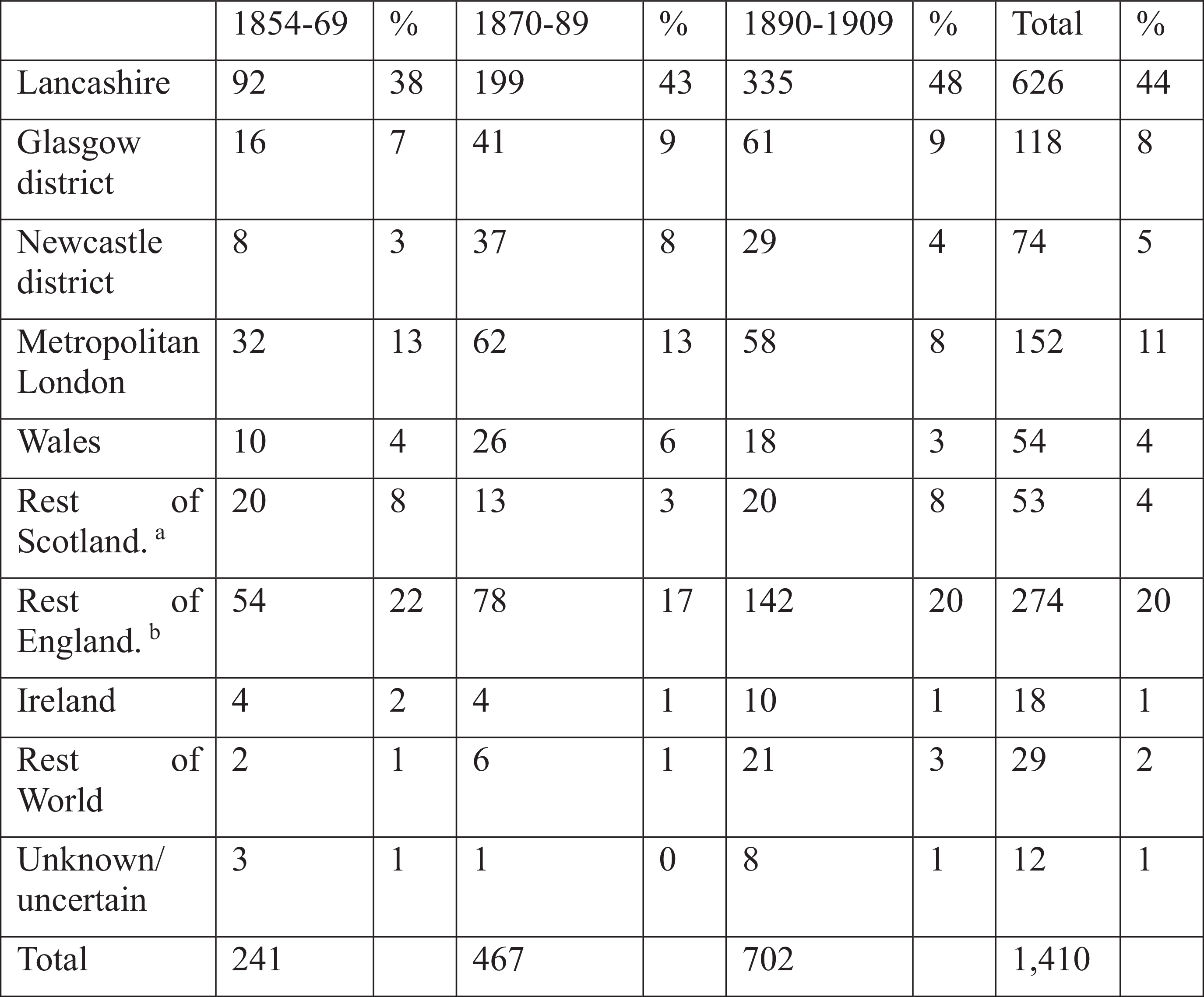
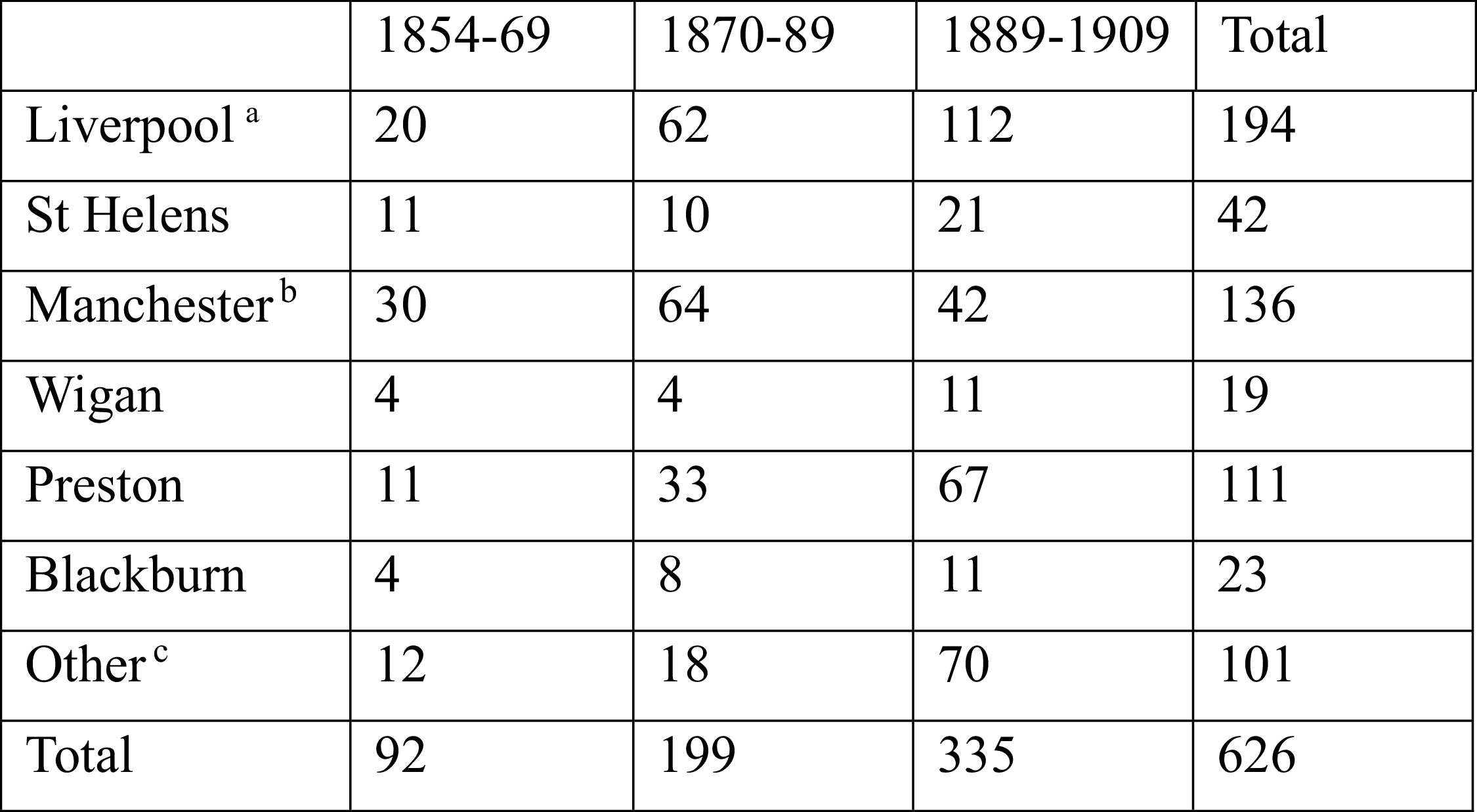

 Open access

