




Introduction
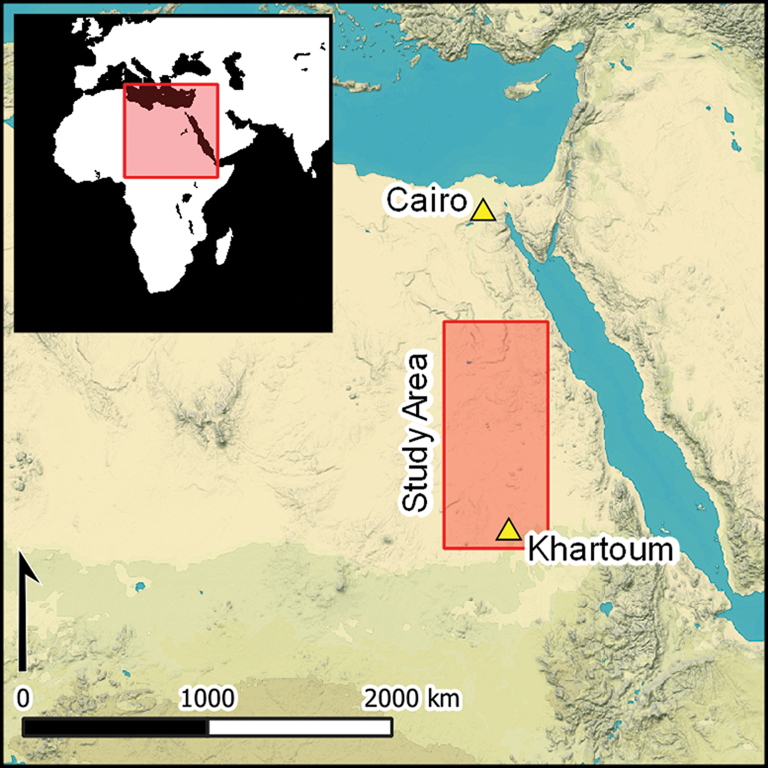
During the Neolithic, the land along the Nile River and the adjacent deserts from the First Cataract at Aswan to the confluence of the Blue and White Nile Rivers near Khartoum—collectively termed the Middle Nile Valley—was inhabited by pastoral societies. Their varied economies relied on the husbanding of domesticated cattle and caprines, hunting, fishing and the intensive foraging of wild plants. Archaeological research in this region is limited but suggests that, alongside hunting, the intensive collection/processing of wild plants was already practised by foragers near Nabta Playa in Egypt's Western Desert by the seventh millennium BC (Wendorf & Schild Reference Wendorf and Schild2001). The practice of cattle keeping, which likely pre-dates sheep/goat pastoralism in north-east Africa, is thought to have arisen in this same area c. 6300–6200 cal BC (Barich Reference Barich, Rowland, Lucarini and Tassie2021; Linseele Reference Linseele, Rowland, Lucarini and Tassie2021; Kabaciński et al. Reference Kabaciński, Kabaciński, Winiarska-Kabacińska and Chłodnicki2023), before expanding into Upper Nubia and Central Sudan (Barich Reference Barich2016). Over the subsequent 2500 years, different Neolithic pastoral groups lived across Lower and Upper Nubia and Central Sudan (Figure 1). Sites that have been excavated contain the remains of rich and diverse material cultures, but wind erosion and changing burial customs have contributed to the poor preservation and under-representation of human skeletal assemblages in the Middle Nile Valley (Kabaciński et al. Reference Kabaciński, Czekaj-Zastawny and Irish2019). Thus, until the early twenty-first century little was known about the people who had lived in this area and the biological relationships between groups across time and space.
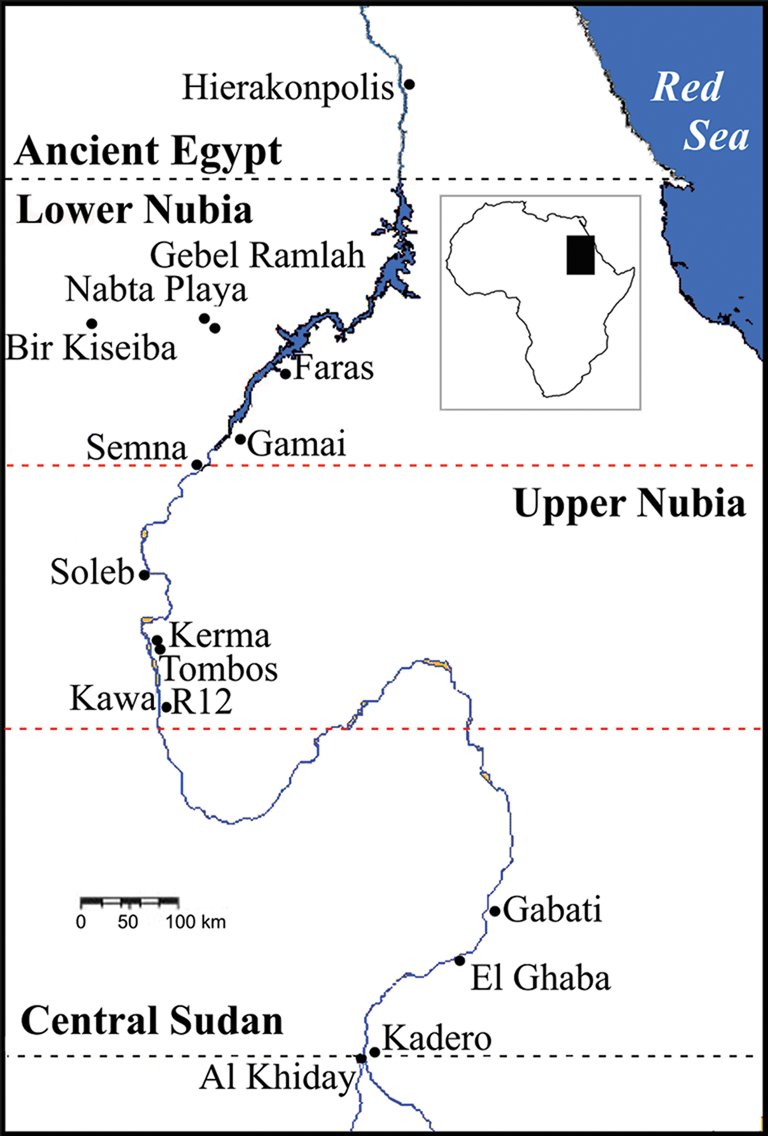
Locations of key sites from the text, including those from which dental samples derive (see Table 1) (figure by authors).
Dental samples used in the present study.
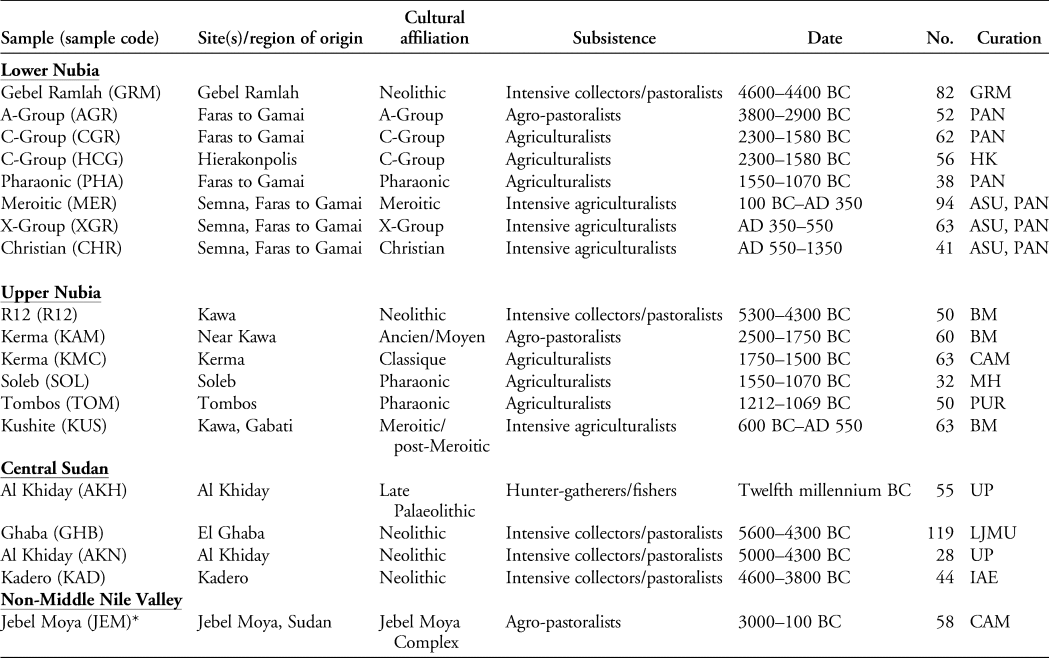
ASU: Arizona State University; BM: British Museum; CAM: Cambridge University; GRM: Gebel Ramlah site, Egypt; HK: Hierakonpolis; IAE: Institute of Archaeology
and Ethnology, Poznan; LJMU: Liverpool John Moores University; MH: Musée de l'Homme; PAN: Panum Institute; PUR: Purdue University; UP: University of Padova.
* Included for comparison only.
Over the past two decades, skeletal remains have been recovered from five Neolithic cemeteries in the Middle Nile Valley dated to the late sixth through to the first half of the fourth millennia BC: Gebel Ramlah in the Western Desert; Lower Nubia (Kobusiewicz et al. Reference Kobusiewicz, Kabaciński, Schild, Irish and Wendorf2004, Reference Kobusiewicz, Kabaciński, Schild, Irish, Gatto and Wendorf2010; Kabaciński et al. Reference Kabaciński, Czekaj-Zastawny and Irish2019); R12 in Upper Nubia (Salvatori & Usai Reference Salvatori and Usai2008); and, in Central Sudan, Kadero (Chłodnicki et al. Reference Chłodnicki, Kobusiewicz and Kroeper2011), El Ghaba (Salvatori et al. Reference Salvatori, Usai and Lecointe2016) and Al Khiday (Salvatori et al. Reference Salvatori, Usai, Zerboni, Kabaciński, Chlodnicki, Kobusiewicz and Winiarska-Kabacinska2018). Ancient DNA does not preserve well in this part of the world, due to heat degradation (e.g. Sawchuck Reference Sawchuk, Potts, Harkness, Neelis and McIntosh2021), but consideration of dental morphological data allows an insight into the biological affinities of populations (see below). Combining new dental data from Kadero with published material from the other four Neolithic cemeteries, we address the following question: does archaeological evidence for generalised cultural similarities in the Neolithic equate to comparable biological affinities? In other words, did Neolithic practices spread as a result of population migrations into Upper Nubia and Central Sudan? Our investigation builds on existing bioarchaeological research directly testing such a link in varied world populations (e.g. Sofaer Reference Sofaer2006; Knudson & Stojanowski Reference Knudson and Stojanowski2008; Buikstra & Scott Reference Buikstra, Scott, Knudson and Stojanowski2009), and in Nubia in particular (e.g. Buzon Reference Buzon2006, Reference Buzon2011).
The early dates for cattle at Nabta Playa, and nearby Bir Kiseiba and Gebel Ramlah (c. 6300–6200 BC, Site E-09-02; Kabaciński et al. Reference Kabaciński, Kabaciński, Winiarska-Kabacińska and Chłodnicki2023), support a geographic origin of the Nubian ‘pastoral’ Neolithic tradition in the Western Desert. By the early fifth millennium BC, sites such as El Ghaba and, later, Kadero in Central Sudan had artefacts and practices like Nubia, “suggesting a shift southward of population” (Gatto Reference Gatto and Raue2019: 268; Salvatori & Usai Reference Salvatori, Usai and Raue2019). Prospective cultural commonalities throughout Nubia and Central Sudan are then evident during the later Neolithic in pottery manufacture and form, lithic and ground stone technologies, personal adornments, funerary traditions and, as previously noted, practices of animal domestication and intensive plant collecting (Wendorf et al. Reference Wendorf, Schild and Close1984; Wetterstrom Reference Wetterstrom and Vogel1997; Wendorf & Schild Reference Wendorf and Schild2001; Kobusiewicz et al. Reference Kobusiewicz, Kabaciński, Schild, Irish, Gatto and Wendorf2010; Gatto Reference Gatto2011, Reference Gatto and Raue2019, Reference Gatto, Rowland, Lucarini and Tassie2021; Barich Reference Barich2016; Salvatori et al. Reference Salvatori, Usai and Lecointe2016).
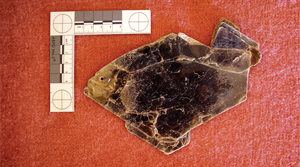
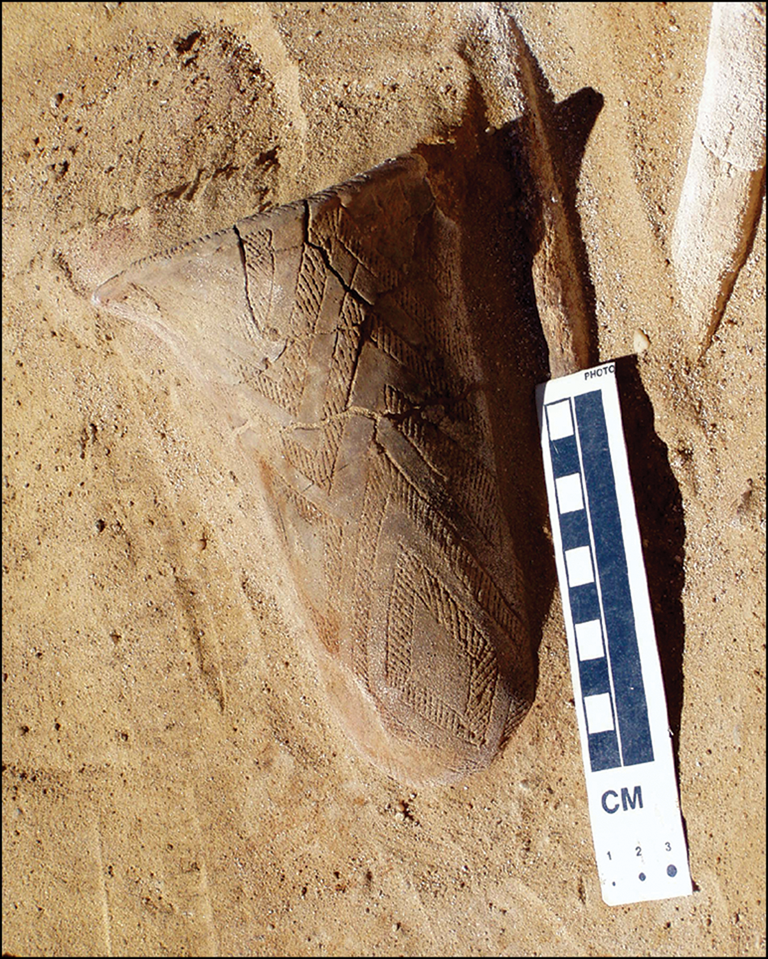
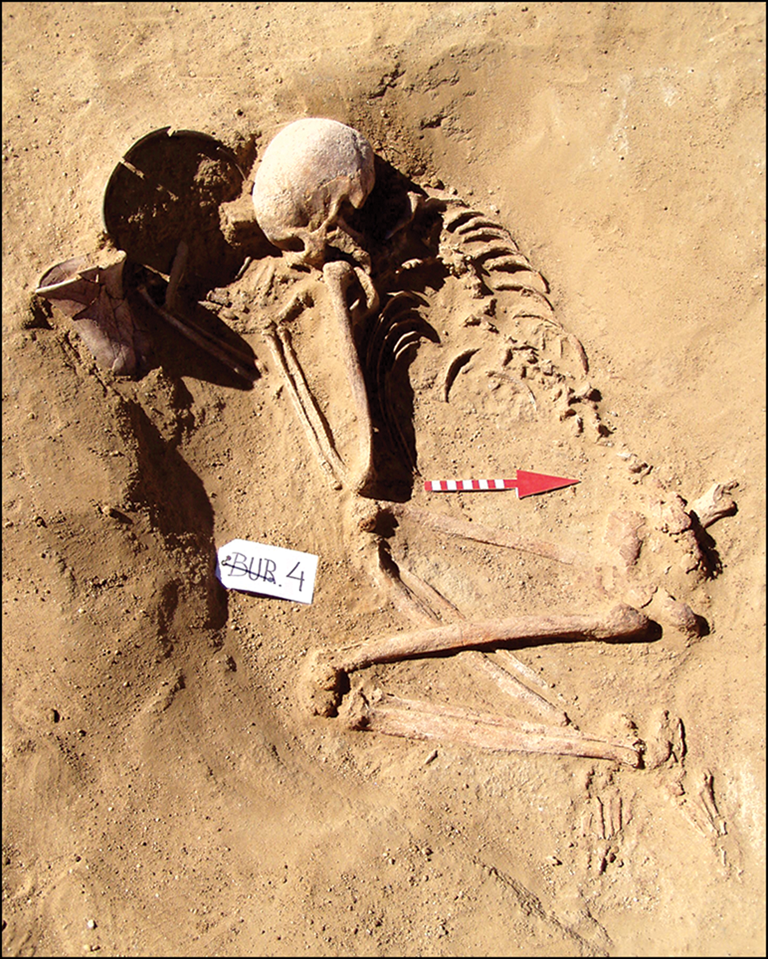
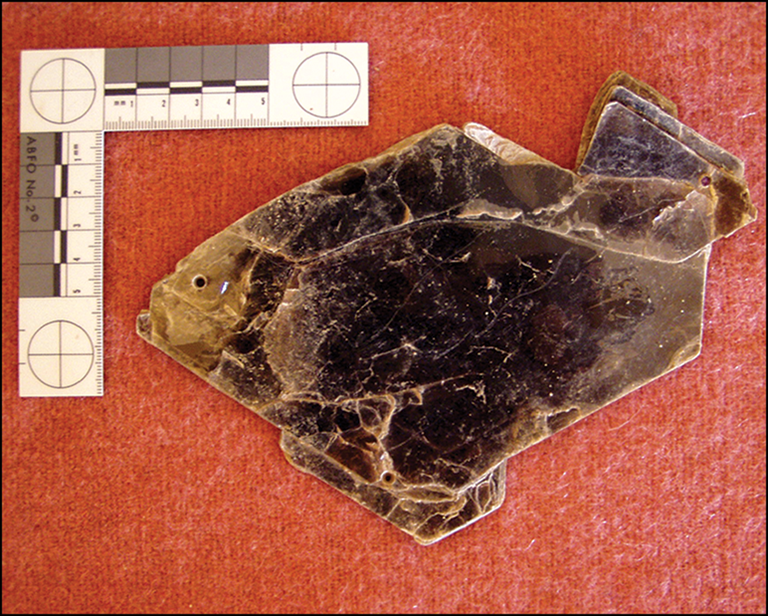
The most striking commonality may be the exquisite caliciform beakers found across Egypt, Nubia and Central Sudan (Gatto Reference Gatto2011, Reference Gatto and Raue2019; Salvatori et al. Reference Salvatori, Usai and Lecointe2016; Sanada Reference Sanada, Kabaciński, Winiarska-Kabacińska and Chłodnicki2023). While not identical, beakers from Gebel Ramlah (Figure 2) share similarities in manufacture, shape, decoration and exclusive presence in burials to those further south—especially narrow-fluted variants at R12, Kadruka, El Ghaba and Kadero (Salvatori & Usai Reference Salvatori and Usai2008; Kobusiewicz et al. Reference Kobusiewicz, Kabaciński, Schild, Irish, Gatto and Wendorf2010; Kobusiewicz Reference Kobusiewicz, Chłodnicki, Kobusiewicz and Kroeper2011; Salvatori et al. Reference Salvatori, Usai and Lecointe2016). Burials are also largely uniform in this region during the Neolithic; the deceased were interred near habitations in round/oval pits shortly after death (as indicated by the flexed position and full articulation of joints) and placed on their side in a contracted position (Figure 3). Accompanying artefacts were plentiful in some burials, but in others they were few or absent, perhaps implying social stratification (Kobusiewicz Reference Kobusiewicz, Chłodnicki, Kobusiewicz and Kroeper2011). Where present, goods include beakers, other pottery, ground stone, lithic and bone weapons and tools, personal adornments (torques, bracelets, ostrich eggshell and carnelian beads, nose plugs), marine- and freshwater shells, palettes, mica sheets (some carved (Figure 4)), polished pebbles, pigments and animal horns (Chłodnicki Reference Chłodnicki, Krzyżaniak and Kobusiewicz1984; Salvatori & Usai Reference Salvatori and Usai2002; Irish et al. Reference Irish, Kobusiewicz, Schild and Wendorf2003; Kobusiewicz et al. Reference Kobusiewicz, Kabaciński, Schild, Irish and Wendorf2004, Reference Kobusiewicz, Kabaciński, Schild, Irish, Gatto and Wendorf2010; Kobusiewicz Reference Kobusiewicz, Chłodnicki, Kobusiewicz and Kroeper2011; Krzyżaniak Reference Krzyżaniak, Chłodnicki, Kobusiewicz and Kroeper2011; Salvatori et al. Reference Salvatori, Usai and Lecointe2016). Though these cultural commonalities are apparent, the lack of consistency in regional terminology impacts the interpretation of relative regional chronologies (Gatto Reference Gatto2011, Reference Gatto and Raue2019).
Caliciform beaker from burial at Gebel Ramlah (figure by authors).
Burial from Gebel Ramlah denoting typical body position and grave contents, as mentioned in the text (figure by authors).
Mica sheet from burial at Gebel Ramlah fashioned in the shape of, what appears to be, a tilapia fish (figure by authors).
Local cultural variations are also apparent in pottery and lithic production across Nubia, and particularly in comparison with Central Sudan (Salvatori & Usai Reference Salvatori and Usai2008; Gatto Reference Gatto2011, Reference Gatto and Raue2019; Usai Reference Usai, Emberling and Williams2020). Beyond the general similarities in burial arrangement, regional and temporal differences are patent (Salvatori & Usai Reference Salvatori and Usai2002, Reference Salvatori and Usai2008). These and other variations reflect a cultural dynamic in the later Neolithic of the Middle Nile Valley that is currently receiving the attention it deserves, as evidenced by the preceding references.
Against this backdrop, this article has two objectives. First, to investigate the extent to which Neolithic material culture and practices parallel biological/population affinities in the Middle Nile Valley. Second, to explore (see Irish Reference Irish, Sulgostowska and Tomaszewski2008) whether the proposed spread of the Pastoral Neolithic from Lower Nubia and its eventual cross-regional manifestation resulted from 1) the migration of pastoral populations, 2) cultural diffusion of the toolkit and practices, or 3) both. Both objectives may be addressed statistically through hypothesis testing, specifically testing the null hypothesis that there are no significant differences in dental morphology between Neolithic populations against the alternative hypothesis that there are significant differences between one or more Neolithic samples. While further research across different fields is needed to conclusively address both objectives, the present approach should yield some useful insight for future studies to build upon.
Materials and methods
The five Neolithic sites included in this study are described briefly from north to south (Figure 1, Table 1); for more information on individual sites, the relevant references should be consulted. The settlements associated with cemeteries at Gebel Ramlah (4600–4400 BC) reflect a highly mobile lifestyle. Material culture from this period indicates an association with the Nubian Neolithic tradition, though with influences from the Egyptian oases and Upper Egypt. Subsistence involved wild plants, pastoralism and hunting, and ceremonial behaviour, including megalithic architecture and cattle burials, also suggests connections to nearby Late and Final Neolithic Nabta Playa (Kobusiewicz et al. Reference Kobusiewicz, Kabaciński, Schild, Irish, Gatto and Wendorf2010; Czekaj-Zastawny et al. Reference Czekaj-Zastawny, Goslar, Irish and Kabaciński2018). Located near Kawa in Upper Nubia, R12 (5300–4300 BC) displays similar settlement patterns and material cultural links to the Nubian Neolithic. A temporal shift in the broad-spectrum economy is observable at R12, moving from hunting to a greater reliance on gathering/agriculture (sorghum, barley) with stable animal husbandry. A characteristic feature is local pottery production, which changed through time (Salvatori & Usai Reference Salvatori and Usai2008). El Ghaba (5600–4300 BC), Kadero (5000–4300 BC) and Al Khiday (4600–3800 BC), in Central Sudan, are affiliated with the Khartoum Neolithic. All share cultural features, though with regional differences that are perhaps related to temporal trends. Shared material culture includes stone and lithic technologies and pottery production; vessels are thin-walled and often burnished, with zigzag and dentate impressions. Caliciform beakers are present at El Ghaba and Kadero but not at Al Khiday. Economies at these sites were diverse, with evidence for rudimentary agriculture and semi-sedentary base camps from which groups moved seasonally to herd and forage (Chłodnicki et al. Reference Chłodnicki, Kobusiewicz and Kroeper2011; Salvatori et al. Reference Salvatori, Usai and Lecointe2016, Reference Salvatori, Usai, Zerboni, Kabaciński, Chlodnicki, Kobusiewicz and Winiarska-Kabacinska2018).
Dental samples from 14 comparative sites, dating from the twelfth millennium BC to AD 1350, are also included in this study (Table 1). Thirteen are from the Middle Nile Valley (Irish Reference Irish2005; Irish & Usai Reference Irish and Usai2021). Jebel Moya (3000–100 BC), which lies approximately 250km south of Khartoum and is affiliated with eastern Sahel cultures, serves as an outlier for analyses (Irish & Konigsberg Reference Irish and Konigsberg2007; Brass et al. Reference Brass2019). Located 20km from Nabta Playa and 80km from Bir Kiseiba, the later Neolithic sample from Gebel Ramlah is tentatively cast as a descendent population of the groups who putatively initiated the Nubian Pastoral Neolithic. Neither of these earlier sites has yielded sufficiently preserved human remains for this analysis, but cultural and functional uniformity in time-successive local sites may promote the cautious use of Gebel Ramlah as an Early Neolithic proxy (Wendorf et al. Reference Wendorf, Schild and Close1984; Wendorf & Schild Reference Wendorf and Schild2001; Kobusiewicz et al. Reference Kobusiewicz, Kabaciński, Schild, Irish, Gatto and Wendorf2010). Inclusion of more samples from pre- and Early Neolithic populations of the Middle Nile Valley would be instructive, and it is hoped that future studies will be able to do this as suitable samples are excavated. Data from some seventh–sixth millennia populations from the Nile Valley have recently been published (Martin et al. Reference Martin2024) but these are not included here as they are not from Lower Nubia and the methods of analysis differ.
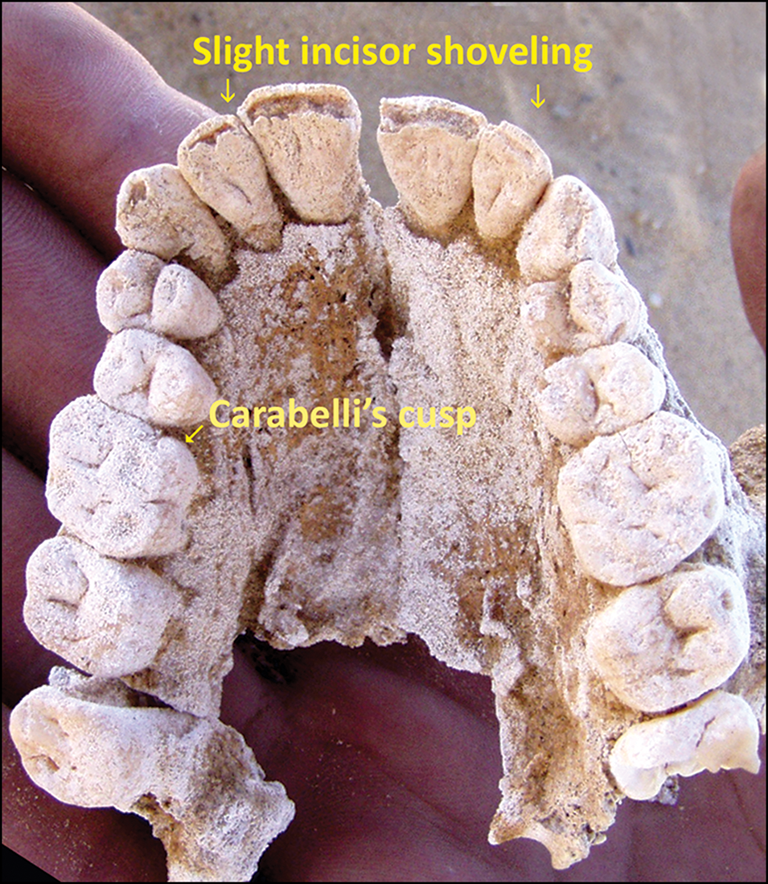
Up to 36 ASUDAS traits—variations in tooth crown and root morphology categorised by the Arizona State University Dental Anthropology System (Scott & Irish Reference Scott and Irish2017)—including incisor shovelling, Carabelli's cusp and molar groove patterns, were examined in samples from the 19 sites in this study (see Figure 5 and online supplementary material (OSM) Table S1). These traits may be employed to estimate biological affinity as they all have a genetic component to their expression, with many of high heritability (Higgins et al. Reference Higgins, Hughes, James and Townsend2009; Hughes & Townsend Reference Hughes and Townsend2011, Reference Hughes, Townsend, Scott and Irish2013; Stojanowski et al. Reference Stojanowski, Paul, Seidel, Duncan and Guatelli-Steinberg2019; Paul et al. Reference Paul, Stojanowski, Hughes, Brook and Townsend2020). Mean measure of divergence (MMD) distances—used to statistically model inter-sample biological relatedness—from ASUDAS traits also correlate strongly (rm=0.84) with genetic distances between modern populations measured through single nucleotide polymorphisms (Irish et al. Reference Irish, Morez, Flink, Phillips and Scott2020).
Fragmentary upper dentition of individual from Gebel Ramlah indicating two common morphological traits recorded in the study. See text (figure by authors).
The ASUDAS recording entails referencing standardised rank scale expressions to reduce inter-observer inconsistency, though even this margin for error was diminished here as all data were collected by the first author. Other advantages of using the ASUDAS traits include minimal differences in their expression between the sexes (allowing pooling for larger samples), their continued observability despite some tooth wear and their conservative evolution (allowing comparisons across wide time ranges) (Scott & Irish Reference Scott and Irish2017).
Traits were dichotomised into standard present/absent states (e.g. Irish & Usai Reference Irish and Usai2021) for MMD calculations. The MMD returns inter-sample distances, where the value 0.00 means there is no inter-sample difference and increasing values indicate increasing dissimilarity. To determine if two samples differ significantly, distances are compared with their standard deviations to test the null hypothesis Population 1 = Population 2, with rejection at 0.05 alpha (Irish Reference Irish2010, OSM Text S1). Though the MMD is a robust statistic, finer-grain resolution may be obtained when certain traits are removed, including those that are either infrequently or consistently expressed in each population, or have high inter-correlations (i.e. expressed together). OSM Text S1 provides details of the editing process through which such traits were identified in this study. The MMD distances can be visualised using 3D multidimensional scaling to ease interpretation (Kruskal & Wish Reference Kruskal and Wish1978) and cluster analysis for more detail concerning the Neolithic samples (Aldenderfer & Blashfield Reference Aldenderfer and Blashfield1984).
Results
Percentage presence for the 36 traits in the 19 population samples (OSM Table S1) were submitted initially to the MMD to provide a distance matrix (OSM Table S2) that is visualised in Figure 6. Uniformity among samples is implied by a review of the percentages and the relatively low MMDs, all <0.16, excluding Jebel Moya. This is evident by the seemingly random, yet proximate grouping of samples irrespective of date or Middle Nile Valley location. Focusing on Neolithic samples, Upper Nubian R12 and Central Sudanese El Ghaba, Kadero and Al Khiday share low insignificant distances, but Lower Nubian Gebel Ramlah differs significantly from all (p-values ≤0.03). For details see OSM Text S2.
Multidimensional scaling of 36-trait MMD distances among dental samples. For sample codes, see Table 1. Asterisks denote Neolithic samples (figure by authors).

Editing of the 36 traits left 25 highly discriminative traits (Table S1). Table 2 shows the resulting MMD matrix for the Neolithic samples (see Table S4 for the full matrix). General among-sample similarity is still implied, with distances <0.17, excluding Jebel Moya. Some slight increases in dissimilarity are apparent, with an average MMD of 0.05 compared to 0.04 for the full 36 traits (again excluding Jebel Moya), and these changes are evident in Figure 7, which still shows one grouping but with some shifting of samples relative to one another.
Multidimensional scaling of 25-trait MMD distances among dental samples. For sample codes, see Table 1. Asterisks denote Neolithic samples (figure by authors).
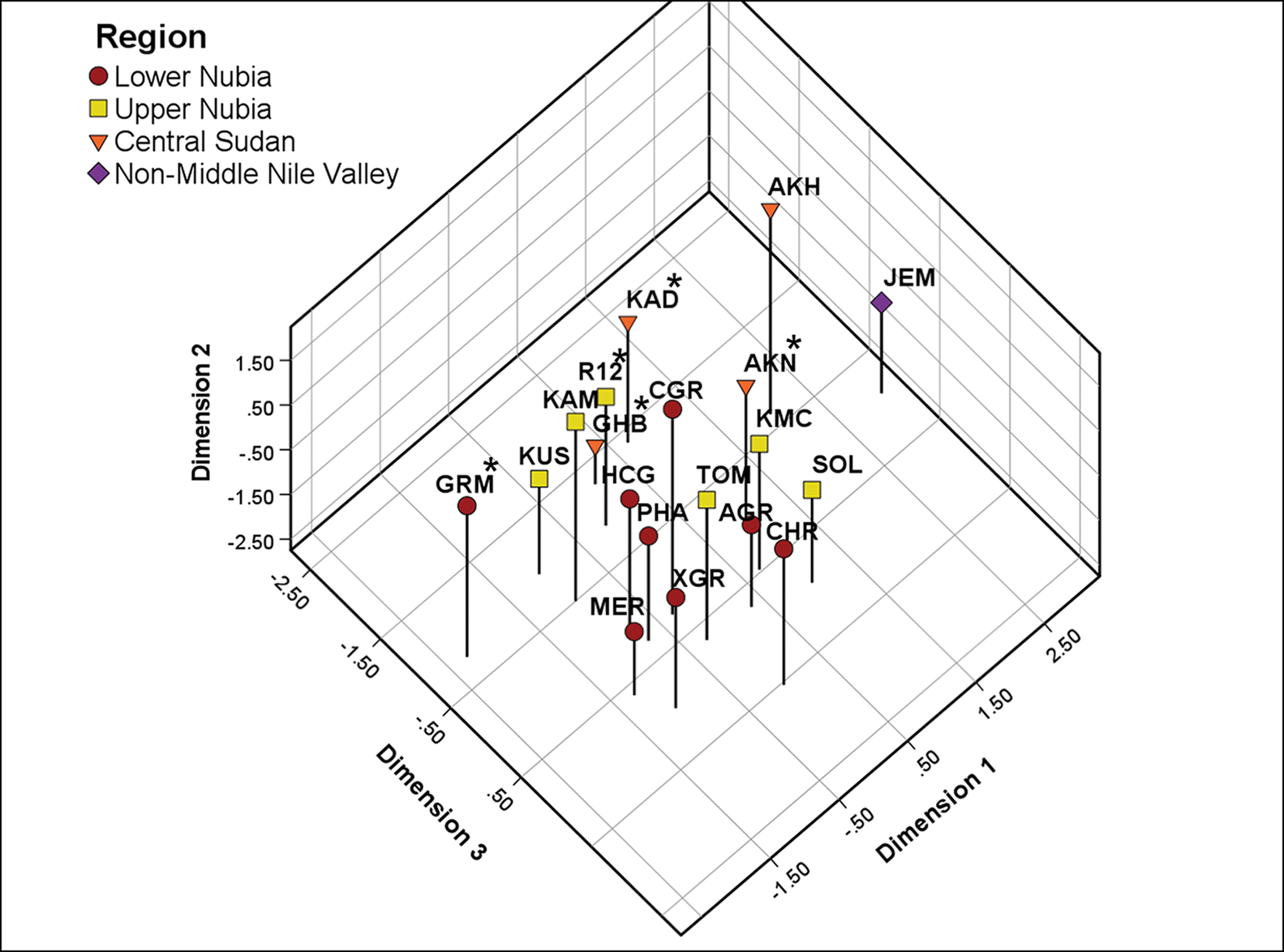
Matrix of MMD distances (lower/left diagonal) and p-values (top/right diagonal) based on 25 traits among the five Neolithic samples. For site abbreviations, see Table 1.
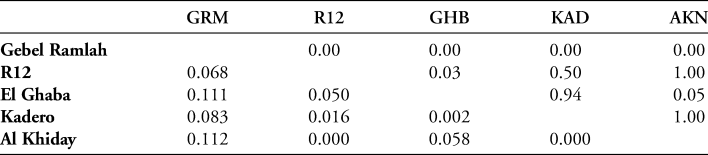
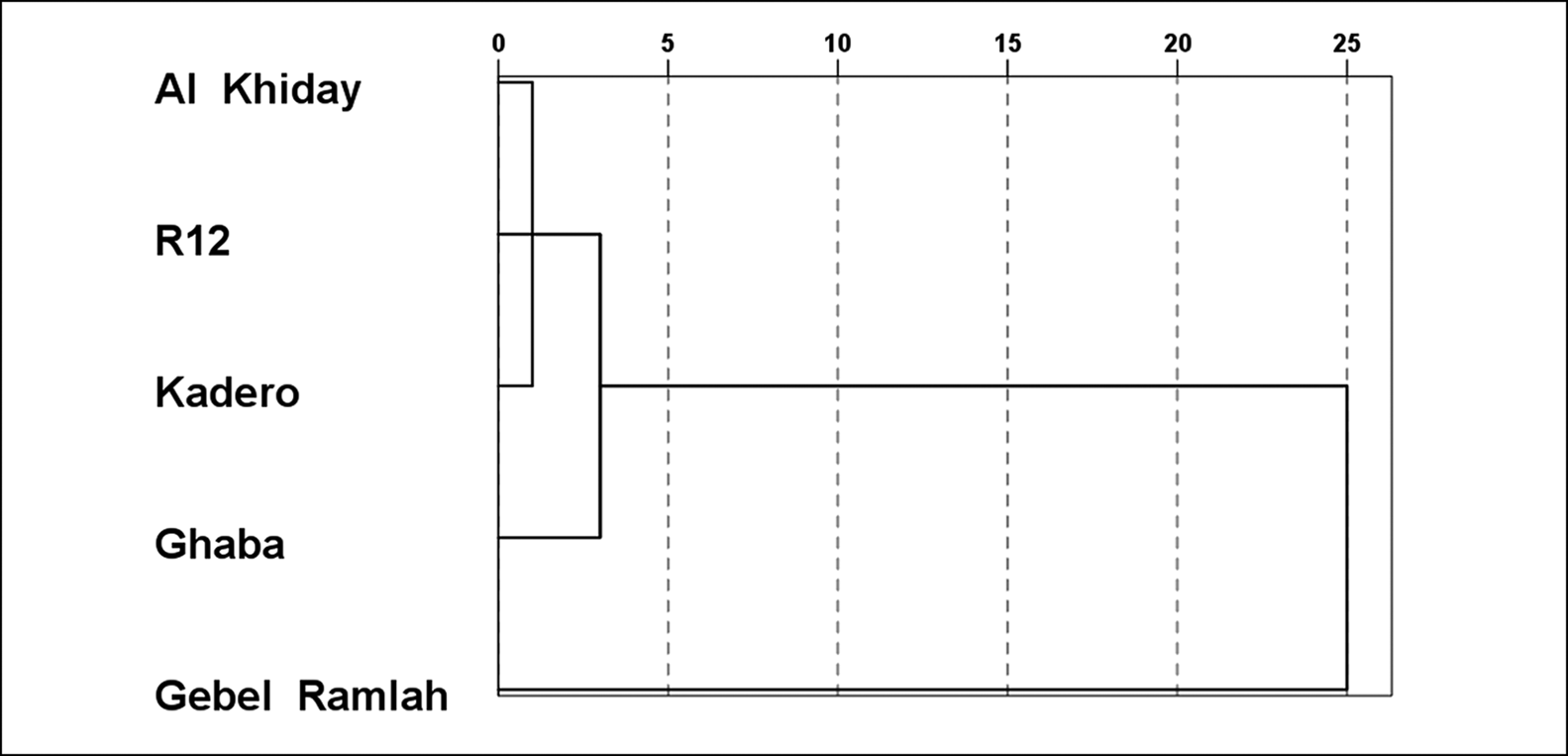
Multidimensional scaling of results for the edited traits reflects regionality. Lower Nubian samples cluster towards the near side of the plot, while Upper Nubian and Central Sudanese samples (plus Jebel Moya) are largely on the far side. The space between Jebel Moya and the other samples also diminishes when only the 25 traits are considered. Neolithic Upper Nubian R12 and Central Sudanese El Ghaba, Kadero and Al Khiday are closer together relative to other regional samples. That said, while the MMD distances are comparatively low (Table 2), expression of traits at El Ghaba does differ significantly from at R12 and Al Khiday. Neolithic Lower Nubian Gebel Ramlah sits further away from the grouping, trait expression remaining significantly different from all other Neolithic samples. Cluster analysis of MMD distances shows how these differences are reflected in the affinities between the five Neolithic populations (Figure 8).
Single-linkage cluster dendrogram of 25-trait Neolithic inter-sample MMD distances (figure by authors).
Discussion
Overall diachronic uniformity, or as some conclude, population continuity, in Lower Nubia is not a new idea (Greene et al. Reference Greene, Ewing and Armelagos1967; Carlson & Van Gerven Reference Carlson and Van Gerven1979; Calcagno Reference Calcagno1989). The same is suggested within the area encompassing Lower Nubia through Central Sudan (Irish Reference Irish2005). However, recent research examining non-ASUDAS traits, and including sixth–seventh millennia BC samples from Upper Nubia and Central Sudan (that appear biologically uniform), suggests discontinuity with later Neolithic groups (Martin et al. Reference Martin2024). Population discontinuity is also evident based on ASUDAS data in a Late Palaeolithic sample from Lower Nubia (Gebel Sahaba; Irish Reference Irish2005) but not a similarly dated sample from Central Sudan (Al Khiday; Irish & Usai Reference Irish and Usai2021). Like that research, the results presented here support a north-south cline in dental trait expression. Traits associated with sub-Saharan populations—including the presence of a seventh cusp on the lower first molar and a fifth cusp and/or Y-groove on the lower second molar (Irish Reference Irish1993, Reference Irish, Scott and Irish2013)—have a slightly higher presence percentage in Central Sudan and Jebel Moya. Following the removal of potentially confounding traits from the dataset, inter-region variation is discernible (Figure 7). This is not surprising given the role of the Nile River in north-south migrations throughout prehistory. Therefore, based on the most Middle Nile Valley samples compared to date, including those of Neolithic age, the results correspond with and support the cited dental and skeletal studies.
Nevertheless, the emphasis is on Neolithic affinities. So as asked, does archaeological evidence for overall cultural similarities—yet with regional differentiation—equate comparably to biological affinities? The hypothesis for Middle Nile Valley Neolithic origins in the Western Desert of Lower Nubia may also be testable, indirectly, as noted. It is indirect because no human remains dating to or before the sixth millennium BC were recovered at Bir Kiseiba, and the few from Nabta Playa (Wendorf & Schild Reference Wendorf and Schild2001) are too incomplete. Instead, it would have to be assumed that individuals comprising the Gebel Ramlah sample are descendants, and so representative of peoples who putatively initiated said Pastoral Neolithic package. Of course, this link cannot be confirmed, so caution is warranted in interpretation. Still, Gebel Ramlah is just 20km from Nabta Playa and 80km from Bir Kiseiba, while time-successive local sites are culturally and functionally uniform (Wendorf et al. Reference Wendorf, Schild and Close1984; Wendorf & Schild Reference Wendorf and Schild2001; Kobusiewicz et al. Reference Kobusiewicz, Kabaciński, Schild, Irish, Gatto and Wendorf2010).
In reference to the research question, broad cultural commonalities can be noted between Lower Nubian and more southerly Neolithic sites. Gatto (Reference Gatto, Rowland, Lucarini and Tassie2021) characterises Neolithic groups of the Middle Nile Valley as segmented and mobile, displaying similarities in material culture across large distances, though some variation is apparent (Gatto Reference Gatto2011). Figures 6 and 7 show Gebel Ramlah as part of the overall group of Middle Nile Valley samples. But it differs significantly from Upper Nubian R12 and Central Sudanese El Ghaba, Kadero and Al Khiday, both in the 36- and 25-trait datasets (Tables 2, S2 & S4). Similarities are also reported in the material culture and practices at R12, the Northern Dongola Reach in general and, more particularly, Central Sudanese El Ghaba, Kadero and Al Khiday (Wendorf et al. Reference Wendorf, Schild and Close1984; Wetterstrom Reference Wetterstrom and Vogel1997; Wendorf & Schild Reference Wendorf and Schild2001; Salvatori & Usai Reference Salvatori and Usai2002; Irish et al. Reference Irish, Kobusiewicz, Schild and Wendorf2003; Gatto Reference Gatto, Caneva and Roccati2006; Kobusiewicz et al. Reference Kobusiewicz, Kabaciński, Schild, Irish, Gatto and Wendorf2010; Barich Reference Barich2016; Salvatori et al. Reference Salvatori, Usai and Lecointe2016). These four samples share low insignificant MMD distances when 36 dental traits are compared (Table S2). Yet with the 25 most discriminative traits El Ghaba is seen to differ significantly from R12 and Al Khiday, while the latter two and Kadero remain akin (Table 2 & Table S4). The Figure 8 dendrogram illustrates these inter- and intra-regional affinities. Thus, there do appear to be general parallels between cultural and biological variation, notably in the south.
Two scenarios may account for the differing dental morphology of the Lower Nubia and Upper Nubia/Central Sudan samples. First, it may be that Gebel Ramlah is not actually representative of the Lower Nubian Neolithic populace (Irish Reference Irish2005, Reference Irish2006, Reference Irish, Sulgostowska and Tomaszewski2008; Irish & Usai Reference Irish and Usai2021). As no other skeletal assemblages are available from this region and period for confirmation, we introduce an Egyptian sample from Badari (40 individuals; Irish Reference Irish2006) as a quick test. Though from outside the study region and not Early Neolithic in date (c. 4400–4000 BC), Badari's potential Western Desert links are exemplified through similarities in grave construction, body position and burial offerings, although burials differ in orientation (head to the south, facing west) and do not contain caliciform beakers (Anderson Reference Anderson1992; Hendrickx & Vermeersch Reference Hendrickx, Vermeersch and Shaw2000). Like Gebel Ramlah, from which it is distinct (MMD Table S5), Badari too differs from El Ghaba and Kadero, but less so; of interest, it does not differ significantly from R12 and Al Khiday (MMD, Table S5). Therefore, while the clustering method is unable to specifically visualise these close relationships, it can be seen that Badari clusters nearer the Upper Nubian/Central Sudanese samples than does Gebel Ramlah in a second dendrogram (Figure S2). If not an artefact of some small trait samples (Irish Reference Irish2006), perhaps Badari is more characteristic biologically of northern Neolithic populations. Further analyses await.
A second scenario takes the assumption that Gebel Ramlah (or Badari) is representative of the Lower Nubian Neolithic population. In this scenario, MMD differences from all, or some, of the southern samples may imply that cultural diffusion was a greater causal factor in the distribution of a shared Neolithic ‘package’ than the migration of populations. A similar process has been suggested for the emergence of the Neolithic Tradition in Egypt and Nubia (Wendorf & Schild Reference Wendorf and Schild2001; Barich Reference Barich2016) from a source location in the Levant (Price Reference Price2000; Pinhasi & Stock Reference Pinhasi and Stock2011), and to account for biological diversity in culturally similar Neolithic sites elsewhere in the world (e.g. Irish et al. Reference Irish, Lillios, Waterman and Silva2017).
Diffusion of Neolithic cultural elements into the southern Middle Nile Valley is consistent with inter-regional artefact heterogeneity stressed earlier, including pottery, as ideas and practices change as they are passed on. Surface designs and fluting in caliciform beakers fluctuate between Gebel Ramlah and southern sites, particularly El Ghaba and Kadero. Intra-site variation is also seen in wider pottery production (compare images in Salvatori & Usai Reference Salvatori and Usai2008; Kobusiewicz et al. Reference Kobusiewicz, Kabaciński, Schild, Irish, Gatto and Wendorf2010; Chłodnicki et al. Reference Chłodnicki, Kobusiewicz and Kroeper2011; Salvatori et al. Reference Salvatori, Usai and Lecointe2016, Reference Salvatori, Usai, Zerboni, Kabaciński, Chlodnicki, Kobusiewicz and Winiarska-Kabacinska2018), in body position in burials and in grave construction and content. At Gebel Ramlah, individuals were typically buried flexed on their right side with heads to the west, facing south (again see Figure 3), though recent excavations have revealed exceptions. Individuals at R12 were also buried flexed, though mostly on their left side with heads to the west, facing north (Irish Reference Irish, Sulgostowska and Tomaszewski2008). Variations between and within more southerly Neolithic cemeteries also occur (Salvatori Reference Salvatori, Salvatori and Usai2008; Kobusiewicz et al. Reference Kobusiewicz, Kabaciński, Schild, Irish, Gatto and Wendorf2010; Chłodnicki et al. Reference Chłodnicki, Kobusiewicz and Kroeper2011; Krzyżaniak Reference Krzyżaniak, Chłodnicki, Kobusiewicz and Kroeper2011; Salvatori et al. Reference Salvatori, Usai and Lecointe2016, Reference Salvatori, Usai, Zerboni, Kabaciński, Chlodnicki, Kobusiewicz and Winiarska-Kabacinska2018).
Smaller variations in practices and artefacts mirror the closer affinities of the four Upper Nubian and Central Sudanese samples seen in the 36-trait dataset. The significant differences that emerge between El Ghaba and both R12 and Al Khiday in the 25-trait dataset could indicate a degree of reproductive isolation. Site R12 is approximately 400km north-west of El Ghaba and much further if travelling by river, but El Ghaba and Al Khiday (also Kadero) are much closer geographically. The El Ghaba site is slightly older than the others and was occupied for the longest period—5600–4300 BC (Salvatori et al. Reference Salvatori, Usai and Lecointe2016) compared to c. 5300–3800 BC for the rest. Yet, all 25-trait MMD distances remain low (≤0.058), so there is nothing overt to substantiate the presence of two or more disparate populations between R12 and Al Khiday at 5600–3800 BC.
In considering this 1800-year period covered by all five Neolithic samples, it is apparent that chronology cannot be discounted as a factor in affinities, despite overall diachronic relatedness since the twelfth millennium BC (Figures 6 & 7). Ideally, the Lower Nubian sample(s) would date to the sixth millennium BC or earlier, with increasingly younger samples collected sequentially from north to south to ‘track’ potential population movement. Instead, the site of Gebel Ramlah (and even Badari) is among the youngest of the sites included here, with the shortest date range, while the opposite is true for El Ghaba, the third most southerly site (Table 1). Such chronological asynchrony may explain further the distinctiveness of El Ghaba, which perhaps is more representative of the original local inhabitants than the younger sites of Kadero and Al Khiday, and Gebel Ramlah, which is potentially affected by extra-regional admixture given the evidence for transhumance (Wendorf & Schild Reference Wendorf and Schild2001; Kobusiewicz et al. Reference Kobusiewicz, Kabaciński, Schild, Irish, Gatto and Wendorf2010) and its lengthy reproductive isolation from populations in the southern Middle Nile Valley. It does not, however, explain the similarities in dental morphology between Badari and both R12 and Al Khiday, which requires further consideration. Intra-site temporal variation could also be a factor; El Ghaba was occupied for 1300 years and there are at least two cultural phases spanning 1000 years at R12, though cultural changes at the latter are comparatively minimal (Salvatori & Usai Reference Salvatori and Usai2008), while at Gebel Ramlah differences in body position and grave offerings in comparison with other contemporaneous cemeteries are evident.
Conclusion
The null hypothesis that there are no significant differences in dental morphology between one or more of the Neolithic samples from the Middle Nile Valley can be rejected. This supports the question of whether overall cultural similarities, though with regional differentiation, equate to comparable biological variation between Lower Nubia, Upper Nubia, and Central Sudan. Analysis of ASUDAS traits shows that biological affinities among Neolithic populations from Upper Nubia and Central Sudan are more nuanced and close biological (and cultural) parallels cannot be entirely ruled out. A scenario involving the southward spread of the Pastoral Neolithic through population migrations from a Western Desert origin is neither fully supported nor fully rejected by the available data, and a degree of cultural diffusion may be implied. Further work with dental and other bioarchaeological data and the compilation of cross-region chronologies is necessary to better understand Neolithic populations across the Middle Nile Valley, but the work presented here provides useful insights for ongoing study. More broadly, this work reaffirms the need for joint consideration of archaeological and biological evidence when researching ancient populations, and serves as a reminder that the inability to obtain ancient DNA does not necessarily preclude analyses of relatedness.
Acknowledgements
Thanks are extended to all individuals at institutions in Table 1 where the data were collected. We are indebted to the anonymous reviewers for their useful comments.
Funding statement
First author data collection was supported by the National Science Foundation (BNS-9013942, BNS-0104731), the Institute for Bioarchaeology, the American Museum of Natural History and, for both authors, the National Science Centre, Poland (2017/25/B/HS3/02385).Footnote *
Online supplementary material (OSM)
To view supplementary material for this article, please visit https://doi.org/10.15184/aqy.2024.199 and select the supplementary materials tab.


 Open access

