


Introduction
The encrusting bryozoan Juxtacribrilina mutabilis (Ito, Onishi and Dick, 2015), previously Cribrilina mutabilis Ito, Onishi and Dick, 2015 and colloquially known as the ‘ribbed bryozoan’, is a marine invertebrate likely native to the northwest Pacific Ocean, where it was misidentified as Membraniporella aragoi (Audoin, 1975) (currently Klugerella aragoi [Audoin, 1975]) from the early 1970s until its description in 2015 (Ito et al. Reference Ito, Onishi and Dick2015; Dick et al. Reference Dick, Waeschenbach, Trott, Onishi, Beveridge, Bishop, Ito and Ostrovsky2020; Martaeng et al. Reference Martaeng, Obst and Kuklinski2023). Over the past two decades, the bryozoan has undergone a rapid geographic range expansion and is now found as a nonindigenous species (NIS) throughout Europe (Dick et al. Reference Dick, Waeschenbach, Trott, Onishi, Beveridge, Bishop, Ito and Ostrovsky2020; Martaeng et al. Reference Martaeng, Obst and Kuklinski2023) and on the east coast of North America (Trott and Enterline Reference Trott and Enterline2019). Although multiple vectors could be responsible for the introduction and spread of J. mutabilis, it is hypothesized that the species has been transported to new regions primarily as a fouling organism on the hulls of vessels (Dick et al. Reference Dick, Waeschenbach, Trott, Onishi, Beveridge, Bishop, Ito and Ostrovsky2020).
Although the species can be found on a variety of natural and artificial substrates (e.g., macroalgae, plastic, mollusc shells; Dick et al. Reference Dick, Waeschenbach, Trott, Onishi, Beveridge, Bishop, Ito and Ostrovsky2020), J. mutabilis is of potential ecological concern due to its frequent settlement on seagrasses (e.g., eelgrass [Zostera marina Linneaus, 1753]; Ito et al. Reference Ito, Onishi and Dick2015; Trott and Enterline Reference Trott and Enterline2019; Dick et al. Reference Dick, Waeschenbach, Trott, Onishi, Beveridge, Bishop, Ito and Ostrovsky2020), which form economically and ecologically important habitats in coastal ecosystems around the world (Boström et al. Reference Boström, Jackson and Simenstad2006; DFO 2009; Dewsbury et al. Reference Dewsbury, Bhat and Fourqurean2016; Murphy et al. Reference Murphy, Dunic, Adamczyk, Bittick, Côté, Cristiani, Geissinger, Gregory, Lotze, O’Connor, Araújo, Rubidge, Templeman and Wong2021). This raises concerns that J. mutabilis could damage seagrass beds through epiphytism (e.g., by inhibiting photosynthesis), similarly to other epiphytic bryozoans. For example, the invasive encrusting bryozoan Membranipora membranacea (Linnaeus, 1767) has had significant negative impacts on laminarian kelp beds as a kelp epiphyte in the northwest Atlantic Ocean (Saunders and Metaxas Reference Saunders and Metaxas2008; Scheibling and Gagnon Reference Scheibling and Gagnon2009; Filbee-Dexter et al. Reference Filbee-Dexter, Feehan and Scheibling2016). However, very little research has been conducted to date on the ecology of J. mutabilis or its interactions with its putatively preferred substrate; thus, its effects on seagrasses remain unknown.
On the North American east coast, J. mutabilis was first reported in the Gulf of Maine by Trott and Enterline (Reference Trott and Enterline2019), who discovered the species in Casco Bay, Maine, USA, in 2018, where it had likely arrived from Europe. Despite this being the only published record of the species in the northwest Atlantic to date, the authors postulated that J. mutabilis was likely more widespread in the region than their observations indicated but had escaped notice (Trott and Enterline Reference Trott and Enterline2019). Additionally, based on the species’ broad temperature and salinity tolerances and its ability to spread via vessel traffic, a recent risk assessment indicated that J. mutabilis was highly likely to be introduced to and establish populations further north into eastern Canada (Pratt et al. Reference Pratt, Ashworth, DiBacco and Kingsbury2025).
Here, we report the detection of J. mutabilis at numerous sites in the provinces of New Brunswick (NB), Newfoundland and Labrador (NL), Nova Scotia (NS), Prince Edward Island (PEI), and Quebec (QC) in eastern Canada, as well as the nearby islands of St. Pierre and Miquelon (SPM; an overseas territory of France). We compiled a large dataset consisting of specimen- and environmental DNA (eDNA)-based detections of the bryozoan, providing a baseline distributional dataset for the species in eastern Canadian waters. We also conducted targeted surveys to assess the presence and abundance of J. mutabilis at five sites in NB and NS. We describe potential reasons why, despite reclassified records dating back to 2013, the presence of this species in eastern Canada has been largely overlooked to date. We also discuss potential introduction timelines and mechanisms, the species’ life history and environmental niche, and the possible ecological implications of the introduction of J. mutabilis for eelgrass ecosystems in eastern Canada. Lastly, we review the implications of this introduction for the management of marine NIS, in eastern Canada and more broadly.
Materials and methods
Study region
The provinces of NB, NL, NS, PEI, and QC are located in eastern Canada and, along with the territory of SPM (located just south of the island of Newfoundland), border the northwest Atlantic Ocean (Figure 1). The marine waters of this region are subject to a cold-temperate temperature regime with a large annual amplitude (Larouche and Galbraith Reference Larouche and Galbraith2016), with monthly minimum near-surface temperatures in some areas (e.g., on the Atlantic coast of NS) reaching below 0 °C in the winter and above 20 °C in the summer (Scrosati and Ellrich Reference Scrosati and Ellrich2020). Nearshore biogenic habitats in the region are composed primarily of macroalgae in rocky areas (Adey and Hayek Reference Adey and Hayek2011), and seagrasses (mainly eelgrass) in soft-bottom areas (Murphy et al. Reference Murphy, Dunic, Adamczyk, Bittick, Côté, Cristiani, Geissinger, Gregory, Lotze, O’Connor, Araújo, Rubidge, Templeman and Wong2021). Numerous marine invasive species are present in eastern Canada, which threaten these aquatic ecosystems and major economic activities in the region (e.g., shellfish aquaculture) (McKindsey et al. Reference McKindsey, Landry, O’Beirn and Davies2007; Klassen Reference Klassen2012; Sephton et al. Reference Sephton, Vercaemer, Silva, Stiles, Harris and Godin2017). Commercial shipping (ballast water and hull fouling) has been implicated in the introductions of most of these species (Lacoursière-Roussel et al. Reference Lacoursière-Roussel, Bock, Cristescu, Guichard, Girard, Legendre and McKindsey2012; Frey et al. Reference Frey, Simard, Robichaud, Martin and Therriault2014; Moore et al. Reference Moore, Vercaemer, DiBacco, Sephton and Ma2014), which have subsequently spread within the region through vectors such as recreational boating and aquaculture transfers (Darbyson et al. Reference Darbyson, Hanson, Locke and Willison2009; Klassen Reference Klassen2012; Pelletier-Rousseau et al. Reference Pelletier-Rousseau, Bernier, Clarke Murray, Drolet, Lacoursière-Roussel, Locke, Martin, McKenzie, McKindsey, Therriault and Simard2019).
(A) Map showing the area of concentrated detections of Juxtacribrilina mutabilis in eastern Canada: the Magdalen Islands (part of Quebec [QC]) and the provinces of New Brunswick (NB), Nova Scotia (NS), and Prince Edward Island (PEI). Locations where physical specimens were found are shown as squares, while eDNA detections are shown as circles. Point colour indicates date of detection. Sites of targeted surveys in NB, where J. mutabilis was not detected (black X’s; GM: Grand Manan; SA: St. Andrews), and NS, where J. mutabilis was detected (JH: Jeddore Harbour; PJ: Port Joli; PW: Pugwash) are labelled. For eDNA detections, point size indicates relative detection strength, measured by the number of total sequence reads (SRs) across replicate samples, according to the following scale: Strong: >500 SRs; Moderate: 100–500 SRs; Weak: 20–99 SRs; Very weak: 2–19 SRs. (B) Map showing the northeastern coast of North America, with detections reported on the island of Newfoundland (part of Newfoundland and Labrador [NL]) and the red diamonds representing detections of J. mutabilis outside of eastern Canada: St. Pierre and Miquelon (SPM), France, and Maine (ME), USA (Table S3). (C) Map showing all other reported detections of J. mutabilis outside of eastern Canada, on a global scale (Table S3). Star indicates a specimen collected on Japanese tsunami debris, reported by McCuller and Carlton (Reference McCuller and Carlton2018); there is no evidence of the species’ establishment on the west coast of North America to date. Triangle indicates a purported but unconfirmed detection of J. mutabilis on the northeastern coast of Honshu, Japan, as reported by Ito et al. (Reference Ito, Onishi and Dick2015). Red diamonds represent all other detections.

Data collection and analysis
After several opportunistic detections of J. mutabilis were made in eastern Canada, an effort was made in this study to compile these confirmed reports and to collect and analyse additional distributional, ecological, and genetic data on the presence of this bryozoan in the region. Unless otherwise stated, analyses in this study were conducted and presented using R (R Core Team, 2024) within the RStudio environment (Posit Team, 2025). A full list of R packages used can be found in Supplement 1 (section S.1).
Detections
Information was compiled on all available detections of J. mutabilis in eastern Canada (Figures 1A, B and 2; Tables S1, S2), the majority of which were opportunistic in nature. Physical specimens of the bryozoan were first detected in 2013, growing on plastic (polyvinyl chloride) settlement plates, positioned 1 m below the water surface, at multiple sites at the mouth of the Bras d’Or Lake, Cape Breton Island, NS (Ma Reference Ma2018a, Reference Ma2018b, Reference Ma2018c, Reference Ma2018d; Table S1), an estuary in the northern part of the province. However, these specimens were initially identified as Cribrilina annulata (now Juxtacribrilina annulata [Fabricius, 1780]), a morphologically similar native species; they were later confirmed as J. mutabilis in 2024 as part of data collection efforts for this study. Another specimen-based detection occurred in Baie Saint-Simon-Nord, northern NB, in 2014 (R.Y. Bernier, unpub. data; Table S1), but this specimen was identified as Cribrilina spp. at the time and was only classified as J. mutabilis in 2024 as a result of detection compilation efforts from this study. Similarly, a specimen-based detection from Arnold’s Cove, Newfoundland in 2016 was not identified as J. mutabilis until reexamination for this study. As a result, no observations of J. mutabilis specimens in eastern Canada were recorded until 2018, when J. mutabilis was identified (but not widely reported) from sediment core samples from Malpeque Bay, PEI (J. Barrell, unpub. data; Table S1). Additional specimens and eDNA metabarcoding detections were then collected intermittently from multiple locations in NS, PEI, and the Magdalen Islands (in QC) between 2019 and 2024 (Tables S1, S2), but either were not published until 2024 (see Trask Reference Trask2024) or remained unpublished until this study.
Example specimens of Juxtacribrilina mutabilis collected in this study. (A) Colonies of J. mutabilis on eelgrass in situ, at Île aux Loups Marins, Magdalen Islands, Quebec. Areas of concentrated colony growth are indicated by red ovals. (B) Close-up photo of multiple living colonies on a blade of eelgrass, collected at Île aux Loups Marins. (C) Micrograph of a live colony on eelgrass, composed primarily of I-type zooids, collected at Lingan Bay, Nova Scotia. Photo credits: A and B – B. Grégoire. C – T.A. Rawlings.

In late 2023, staff from the Fisheries and Oceans Canada (DFO) Maritimes Region’s Aquatic Invasive Species National Core Program (AIS-NCP) became aware of eDNA detections of J. mutabilis (later published by Trask Reference Trask2024) through discussions with colleagues from DFO’s Coastal Ecosystem Science Division. Subsequently, AIS-NCP shared information about these eDNA detections and their risk assessment for J. mutabilis in a presentation about a horizon scan for marine NIS in their region (Pratt et al. Reference Pratt, Ashworth, DiBacco and Kingsbury2025) at the International Conference on Aquatic Invasive Species (ICAIS). This led to broader discussions about J. mutabilis in eastern Canada, which raised awareness of the pre-existing physical detections and led to further efforts to elucidate its distribution in the region. As a part of this initiative, AIS-NCP implemented an informational campaign, whereby staff from other DFO departments and regions, along with marine professionals from other organizations in eastern Canada, were alerted about the presence of the bryozoan and given information and resources to help them identify it in the field (see Supplement 2). This campaign, and resultant efforts to locate observations of J. mutabilis in eastern Canadian waters, yielded numerous new and previously unreported physical and eDNA detections of J. mutabilis throughout NS, NB, PEI, insular Newfoundland, the Magdalen Islands, and SPM (Tables S1, S2). Physical detections occurred mainly on eelgrass but also on other substrates, including plastic settlement plates, rocks, and macroalgae. For contextual purposes, all known international detection locations for J. mutabilis were compiled from a combination of published literature, iNaturalist records, and unpublished records (Figure 1C; Table S3).
Morphological identification
Morphological identifications of physical specimens of J. mutabilis in this study were performed by taxonomic experts (R.Y. Bernier, Christina Carr, C. Goodwin, C. Hiltz, Rebecca Milne, and T.J. Trott), either through direct examination of the specimens or by examining high-quality photographs. Due to its small, whitish-pink, encrusting colonies, J. mutabilis is superficially similar to some native (e.g., Cribrilina cryptooecium Norman, 1903; Cribrilina macropunctata Winston, Hayward & Craig, 2000; Electra pilosa [Linneaus, 1761]; J. annulata) and non-indigenous (e.g., M. membranacea) encrusting bryozoans present in eastern Canada. However, J. mutabilis can be distinguished from these similar species based on the identification features summarized in Table 1 (see also Figure 3; see Figure S1 for scanning electron micrographs of the species). Membranipora membranacea and E. pilosa are readily distinguished from J. mutabilis due to their much less calcified frontal surface, while the remaining closely related species require detailed microscopic examination to reveal differences in the pattern of calcification (e.g., determining the number of zooid costae [ribs]) and the presence of avicularia and ovicells (Figure 3; Table 1).
Photographs of colonies and zooids of Juxtacribrilina mutabilis and other encrusting bryozoan species present in eastern Canada (see also Table 1). (A, B) J. mutabilis; (C, D) Membranipora membranacea; (E, F) Juxtacribrilina annulata; (G, H) Electra pilosa; (I, J) Cribrilina cryoptooecium; (K, L) Cribrilina macropunctata. Photo credits: A–D, G, H – C.J. Pratt; E – Olga Kotenko (used with permission); F, I, J – C. Goodwin; K – K.C.K. Ma; L – T.J. Trott. Scale bars were unavailable for images K and L, of C. macropunctata; see Table 1 for zooid size information.

Identification features for Juxtacribrilina mutabilis and some similar common eastern Canadian species (information from Dick et al. Reference Dick, Grischenko, Gordon and Ostrovsky2021; Hayward and Ryland Reference Hayward and Ryland1998; Ito et al. Reference Ito, Onishi and Dick2015; Kluge Reference Kluge1975; Saunders and Metaxas Reference Saunders and Metaxas2008, Reference Saunders and Metaxas2009; Spencer Jones and Rouse Reference Spencer Jones and Rouse2015; Winston and Hayward Reference Winston and Hayward2012). For photographs of each species, please see Figure 3.

* Note that Cribrilina punctata (Hassal, 1841), type locality Ireland, has historically been recorded along the east coast of Canada, but specimens differed morphologically from European ones (Bishop Reference Bishop1994) and some U.S. material was redescribed as C. macropunctata (Winston et al. Reference Winston, Hayward, Craig, Herrera Cubilla and Jackson2000). However, the eastern Canadian bryozoan fauna is poorly known and further taxonomic investigation of this group is required as some specimens appearing to conform to C. punctata are present in eastern Canadian material (C. Goodwin & T.J. Trott, unpub. data).
Genetic identification and analyses
We also sought genetic confirmation of the species’ identity using Sanger sequencing. Briefly, DNA from four specimens morphologically identified as J. mutabilis from Pugwash (Pratt Reference Pratt2024a), Shad Bay, and Owl’s Head, NS (K. Boerder, unpub. data; Table S1) was extracted using the DNeasy Blood & Tissue Kit (QIAGEN), followed by amplification of a 555-base-pair (bp) region of the gene cytochrome c oxidase subunit 1 (COI) with the primer set, CribCOIF/CribCOIR (Ito et al. Reference Ito, Onishi and Dick2015). Sequence data were generated using the Big Dye Terminator Kit v3.1 (Applied Biosystems) and an ABI 3500xl DNA Analyzer (Applied Biosystems). Raw COI sequences were trimmed in Geneious (GraphPad Software) to remove low-quality nucleotide calls, then forward and reverse reads were aligned to generate a 501-bp consensus sequence per sample. These consensus sequences were used in NCBI BLAST searches against the core nucleotide database, using default BLAST parameters (Sayers et al. Reference Sayers, Bolton, Brister, Canese, Chan, Comeau, Connor, Funk, Kelly, Kim, Madej, Marchler-Bauer, Lanczycki, Lathrop, Lu, Thibaud-Nissen, Murphy, Phan, Skripchenko, Tse, Wang, Williams, Trawick, Pruitt and Sherry2022), to identify high percentage sequence matches with published reference sequences. DNA extraction and sequencing analyses were conducted at DFO’s Aquatic Biotechnology Laboratory at the Bedford Institute of Oceanography, Dartmouth, NS. See section S.2 for a detailed description of the extraction and sequencing methodology.
To evaluate the genetic variation within and between samples collected for this study and published sequences, we imported all COI (or Cox1) sequences identified for J. mutabilis in GenBank (n = 27) into Geneious and aligned them using ClustalW 2.1 (Larkin et al. Reference Larkin, Blackshields, Brown, Chenna, McGettigan, McWilliam, Valentin, Wallace, Wilm and Lopez2007) with default multiple alignment parameters. Aligned sequences were trimmed to the same 501-bp fragment to enable equal comparison of sequences across samples. All single-nucleotide polymorphisms (SNPs) between the 31 COI sequences were identified (10 SNPs) and evaluated for similarity/dissimilarity and clustering tendency using a simple matching coefficient statistic within the R package nomclust 2.0 (Sulc et al. Reference Sulc, Cibulkova and Rezankova2022).
We also compiled the results of eDNA metabarcoding analyses of water samples from sites in eastern Canada where J. mutabilis had been detected (Table S2). In all but one case, these analyses targeted a 313-bp region of COI using primers mlCOIintF and jgHCO2198 (Leray et al. Reference Leray, Yang, Meyer, Mills, Agudelo, Ranwez, Boehm and Machida2013; Table S2). COI amplicon sequence variants (ASVs) associated with these detections were then assembled to determine the extent of genetic variation within and across eDNA sampling sites. ASVs were subsequently compared to those sampled in a DNA metabarcoding analysis of organisms that had settled on Autonomous Reef Monitoring Structures deployed across European shorelines (Martaeng et al. Reference Martaeng, Obst and Kuklinski2023).
Field surveys
Following initial opportunistic detections, we conducted targeted surveys for the presence and abundance of J. mutabilis in eelgrass beds at five nearshore sites in eastern Canada, in the summer and autumn of 2024: (1) Grand Manan, southwestern NB (SCUBA survey, 13 June 2024); (2) St. Andrews, southwestern NB (intertidal survey, 30 August 2024); (3) Jeddore Harbour, eastern NS (snorkeling survey, 25 September 2024); (4) Port Joli, southwestern NS (snorkeling survey, 4 October 2024); and (5) Pugwash, northwestern NS (snorkeling survey, 2 October 2024) (Figure 1). Sites were opportunistically selected to coincide with other field activities, and rather than based on their environmental characteristics or prior knowledge of J. mutabilis presence or abundance.
Juxtacribrilina mutabilis was not detected in surveys at either of the NB sites, but was detected at all three NS sites in varying densities. At the NS sites, a total of 163 eelgrass shoots (683 blades) were haphazardly collected from the eelgrass beds by snorkelers from depths between 0.5 and 2 m, and visually examined at the site for the presence of J. mutabilis using a magnifying glass. Site-specific sample sizes were 220 blades from 52 shoots at Jeddore Harbour, 334 blades from 75 shoots at Port Joli, and 129 blades from 36 shoots at Pugwash. The following data were recorded per shoot: number of blades with J. mutabilis colonies, number of colonies, mean colony diameter (in 0.5-mm increments, using a ruler), number of blades, and mean blade length.
From the above data, three metrics of J. mutabilis abundance were calculated on a per shoot basis. The mean number of J. mutabilis colonies per blade in a given shoot was calculated from the following equation:
 \begin{equation}\text{colonies per blade}=\text{ }\frac{n\text{ colonies}}{n\text{ blades}}\end{equation}
Incidence of J. mutabilis, defined as the ratio of blades with colonies to those without, was calculated following Trott and Enterline (Reference Trott and Enterline2019):
 \begin{equation}\text{incidence}=\text{ }\frac{n\text{ blades with colonies }}{n\text{ total blades}-n\text{ blades with colonies}}\end{equation}
Lastly, an estimate of percent cover of J. mutabilis colonies per unit area of eelgrass substrate was calculated. First, an estimate of blade width was calculated from measured blade length (using Eq. 20 from Abdelrhman Reference Abdelrhman2007):
 \begin{equation}\text{blade width}=\text{0.0232}\times\text{blade length }+\;\text{3.3323}\end{equation}
Blade surface area was then calculated using blade length and the resultant blade width estimate, assuming an eelgrass blade is approximately rectangular in shape:
 \begin{equation}\text{blade surface area}=\text{blade length }\times\text{blade width }\times\;2\text{ }\end{equation}
where multiplying by a value of 2 accounts for both sides of the blade. Surface area of J. mutabilis colonies per blade was estimated by assuming each colony was an approximate circle and calculating area using colony diameter:
 \begin{align}{\text{colony surface area}} =& {\text{ }}\left[ {\pi \times {{\left( {{\text{colony diameter}}}/2 \right)}^2}{\text{ }}} \right] \nonumber\\
& \quad \times {\text{colonies per blade}}\end{align}
\begin{align}{\text{colony surface area}} =& {\text{ }}\left[ {\pi \times {{\left( {{\text{colony diameter}}}/2 \right)}^2}{\text{ }}} \right] \nonumber\\
& \quad \times {\text{colonies per blade}}\end{align}Finally, percent cover was calculated:
 \begin{equation}\text{percent cover}\;\text{ = }\frac{\text{colony surface area }}{\text{blade surface area}} {\times 100}\end{equation}
In the absence of in situ measurements at these survey sites, remotely sensed environmental data were retrieved to investigate potential inter-site differences in environmental conditions which could drive differences in J. mutabilis colony size and abundance metrics. Data on temperature and salinity were retrieved, as temperature and salinity are two main variables known to affect the colony size and abundance of other bryozoans (Menon Reference Menon1972; Lord Reference Lord2017; Evseeva et al. Reference Evseeva, Ishkulova and Dvoretsky2022; Pratt et al. Reference Pratt, Denley and Metaxas2022b). Daily sea surface temperature (SST) data were retrieved at a 0.05° (∼5-km) resolution from NOAA’s CoralTemp database (NOAA Coral Reef Watch, 2024), while daily sea surface salinity (SSS) data were retrieved at a 0.08° (∼8-km) resolution from the Copernicus’ Global Ocean Physics Reanalysis dataset (E.U. Copernicus Marine Service Information [CMEMS], 2024), and values were extracted for each study site via the nearest grid cell. The validity of the SST data as a proxy for in situ temperature (IST) was evaluated through statistical comparisons to IST data available from a subset of detection sites (see section S.3). Similar analyses for SSS were not possible due to a lack of in situ data, but prior research in eastern Canada has found SSS to adequately approximate in situ salinity (Dumas and Gilbert Reference Dumas and Gilbert2023).
To examine and compare long-term trends in SST and SSS at each sampled site, which may have influenced the observed size and abundance of J. mutabilis colonies, mean values of SST and SSS were calculated over the 30 days up to the date of observation for each site. However, due to high collinearity between 30-day mean values of SST and SSS across the three sites (r = −0.92), further analyses (e.g., linear models) distinguishing the potential impacts of SST and SSS on colony size and abundance between sites were not possible. Instead, one-way ANOVAs were fit between each metric (i.e., colony size, abundance, incidence, and percent cover) and study site to statistically compare inter-site differences in colony size and abundance of J. mutabilis. Post hoc Tukey tests were then conducted to examine pairwise differences in these values between sites.
Zooid type analysis
Juxtacribrilina mutabilis produces three distinct types of autozooids (Ito et al. Reference Ito, Onishi and Dick2015; for details, see the ‘Life history’ subsection). Variation in the frequency of these three zooid types among colonies was explored by examining photographs of J. mutabilis from a subset of detection locations (see Table S1; one observation from SPM, Table S3), which occurred on plastic settlement plates, settlement plate bricks, eelgrass, and sugar kelp (Saccharina latissima [Linnaeus] C.E. Lane, C. Mayes, Druehl & G.W. Saunders, 2006). One to three colonies were surveyed per detection, depending on available photographs. For each colony, the numbers of intact and clearly focused R-, I-, and S-type zooids were counted and color-coded using Photoshop to track which zooids were classified.
Prior to statistical analyses, the data were inspected for trends in variation through graphical visualization of temporal and spatial differences among months, locations, and provinces. The data were categorical and therefore not normally distributed, which pre-empted the use of parametric tests. First, total counts for each zooid type were pooled among locations for each month of collection and were averaged. Their means and variation (±SD) were compared among months, first at each location and then among locations. Lastly, counts of each zooid type were pooled among locations for each province and the means were compared for trends in variation among provinces.
The data were organized into a matrix constructed with locations as samples and zooid types as variables. The matrix was populated with counts, or means of counts, for each zooid type recorded from each location. Notably, counts were influenced by two variables: (1) the number of zooids that could be surveyed depended on the size of a colony; and (2) of that total, some did not meet the criteria for classification. This meant that the total number of zooids available for classification varied with colony size, and of that total, not all zooids could be classified (only a maximum number). Therefore, to place counts of each zooid type and counts among locations on equal footing prior to nonparametric analyses, zooid types were standardized by the maximum recorded among locations and then locations were standardized by their total counts.
The similarity of colonies according to zooid type composition was compared among locations using analyses in Plymouth Routines in Multivariate Ecological Research (PRIMER 7) ( Clarke et al. Reference Clarke, Gorley, Somerfield and Warwick2014; Clarke and Gorley Reference Clarke and Gorley2015) and PERMANOVA+ (Anderson et al. Reference Anderson, Gorley and Clarke2008). Statistical significance for all tests was defined by α < 0.05. Resemblance among locations was investigated with hierarchical cluster analysis on standardized counts using Euclidean distance and group average as the cluster mode. Evidence of statistically distinct clusters was explored with the similarity of profiles test (SIMPROF). Patterns in similarities were then visualized with nonparametric multidimensional scaling (nMDS) and colony zooid composition displayed as a bubble chart for each location. The influence of the month and province of collection on colony resemblance was investigated using PERMANOVA, with month and province as fixed factors in the model design. Analysis used Type I (sequential) sums of squares with permutation of residuals under a reduced model and 9999 permutations. Significance was followed with pairwise comparison tests to determine which months or provinces differed significantly.
Variation in the percentage of each zooid type among colonies appeared to trend with the month of collection in preliminary analyses. This tendency was analysed using PERMANOVA, with month as a fixed factor in the model design to examine if the variation was similar among locations. Zooid types were standardized by location totals to yield percentages which were used to calculate resemblance matrices for each zooid type based on Euclidean distance. Analysis used Type III (partial sums of squares) since the model design included only one factor, with permutation of residuals under a reduced model and 9999 permutations. Pairwise tests explored differences in the percentages between months and their level of statistical significance.
The relationship of SST (retrieved as described in the ‘Field surveys’ subsection above) with similarities of colonies among locations was examined. Although IST data were available from a subset of sites with photographs suitable for zooid type analysis (see section S.3), SST data were used instead to maximize the number of observations included in the analysis. Three measures of SST (mean, minimum, and maximum), were used, and were extracted and calculated from satellite data collected from recordings made during the 30 days prior to sample collection. These metrics were fitted with Euclidean distance similarity matrices of colonies (based on zooid-types standardized as previously described) using the distance-based linear models (DISTLM) routine in PERMANOVA+. This procedure modelled the relationship between colony similarities using the SST variables as predictor variables. In general, DISTLM partitions the variation in multivariate data described by a resemblance matrix, and predictor variables are fit individually or sequentially to the model. Finally, the fitted model was visualized using the distance-based redundancy analysis (dbRDA) routine in PERMANOVA+ and the patterns of sample ordination seen on plots examined. The performance of the analysis was gauged by comparing the amounts of total variation and fitted variation in the similarity matrix explained by each axis of the dbRDA ordination.
Results
Genetic identification and analysis
The four suspected J. mutabilis specimens collected from Pugwash (n = 2), Shad Bay (n = 1), and Owl’s Head (n = 1) sequenced for genetic identification were confirmed to be J. mutabilis, with a range of 98.6–100% identity with published J. mutabilis COI sequences from Japan (GenBank Accession no. LC061280.1 to LC061293; Ito et al. Reference Ito, Onishi and Dick2015), Maine (GenBank Accession no. MN503281 to MN503290; Dick et al. Reference Dick, Waeschenbach, Trott, Onishi, Beveridge, Bishop, Ito and Ostrovsky2020), Norway (GenBank Accession no. MN503291; Dick et al. Reference Dick, Waeschenbach, Trott, Onishi, Beveridge, Bishop, Ito and Ostrovsky2020), and Sweden (GenBank Accession no. MN103546 & MN103547; Dick et al. Reference Dick, Waeschenbach, Trott, Onishi, Beveridge, Bishop, Ito and Ostrovsky2020; Table S4). Clustering analysis of SNP genotypes indicated that the sequences from samples collected from Shad Bay and Owl’s Head were more similar to northeast and northwest Atlantic published sequences (i.e., Maine, Norway, and Sweden), while the two samples collected from Pugwash shared greater SNP identity with the northwest Pacific sequences from Japan. Despite the greater sequence similarity of the Pugwash samples to the published sequences from Japan, these two samples formed their own cluster, with four unique SNPs not present in any of the other sequences analysed in this study (Figure 4).
Hierarchical clustering of Juxtacribrilina mutabilis cytochrome c oxidase subunit I (COI) sequences. Dendrogram represents the similarity of novel and published J. mutabilis COI sequences as determined by single-nucleotide polymorphisms (SNPs). Dendrogram was generated using a Simple Matching Coefficient hierarchical clustering statistic for nominal data with SNP genotypes within the same 501-base-pair fragment from each COI sequence. Branch and bar colours indicate sequences that cluster by SNP genotype. Published sequences are labelled by GenBank accession number while labels in bold are samples sequenced in the present study. Parentheses indicate the location from which each sequenced sample was collected: Japan (JP); Nova Scotia, Canada (NS); Sweden (SE); Maine (ME), USA; and Norway (NO).

Four ASVs 313 bp in length (named here as ASV A, B, C, D) were detected via eDNA metabarcoding across 16 sites sampled in Nova Scotia (Table S5), varying in sequence from 1 to 5 nucleotides (Table S6). The J. mutabilis sequence amplified from Grande Entrée Wharf, QC, was shorter (259 bp) than in other analyses and matched two of these four ASVs (A and B). All four ASVs were documented previously by Martaeng et al. (Reference Martaeng, Obst and Kuklinski2023) as part of a larger set of 21 ASVs detected in European waters from Norway to Crete. In eastern Canada, ASV A was dominant in terms of distribution across our sample sites (13/16 sites) and total number of reads (288, 670), followed by ASV B (9/16 sites; 4,746 reads) (Table S2). The remaining two haplotypes (C and D) were more limited in read number and geographic distribution based on our sampling (Table S2). Although a single ASV was detected at most sites (9/16), two ASVs were reported at four sites and three ASVs at two sites (Table S2). No obvious pattern was evident in the geographic distribution of J. mutabilis ASVs at sites sampled for eDNA thus far.
Martaeng et al. (Reference Martaeng, Obst and Kuklinski2023) aligned their 21 ASVs with publicly available sequences of J. mutabilis, recognizing 17 haplotypes globally across a common alignment of 264 bp. All 17 haplotypes were detected in European populations except for one (HP2) reported only from Japan. Our four ASVs from eDNA samples matched the following haplotypes: HP3 (ASV A, B), the dominant European haplotype, present from Svalbard, Norway, to Crete, Greece, and also reported from Maine (Dick et al. Reference Dick, Waeschenbach, Trott, Onishi, Beveridge, Bishop, Ito and Ostrovsky2020); HP1 (ASV D), with a distribution including Japan, northern Europe and Spain; and HP8 (ASV C), reported from Sweden and Spain (see Figure 2 of Martaeng et al. Reference Martaeng, Obst and Kuklinski2023). Similar to our results, European sites varied in ASV/haplotype diversity, with one haplotype detected at some sites and multiple haplotypes at others. Likewise, there was no obvious pattern in the geographic distribution of haplotypes. The 501-bp COI sequences from J. mutabilis colonies in Pugwash, Shad Bay and Owl’s Head only mapped across 248 bp of the 264-bp region used to score haplotypes by Martaeng et al. (Reference Martaeng, Obst and Kuklinski2023), and consequently could not be incorporated into their analysis. Nevertheless, across the 248-bp overlap, the Pugwash sequence matched haplotypes HP1 and HP2, and the Owl’s Head and Shad Bay sequences were a match to HP3, HP8, and HP10.
Field surveys
A total of 424 J. mutabilis colonies were counted on 683 blades from 163 eelgrass shoots at the three surveyed sites in NS. Colonies had a mean diameter of 1.7 mm across sites and diameter differed significantly between sites (F (2, 40) = 7.32, p = 0.002), with Jeddore Harbour having significantly larger colonies than Port Joli or Pugwash (Figure 5A). Although some individual shoots had over 10 colonies per blade, most blades had few J. mutabilis colonies across sites (mean = 0.64 colonies/blade), with Jeddore Harbour again having significantly more colonies per blade than the other two sites (F (2, 160) = 8.76, p < 0.001; Figure 5B). Incidence (overall mean = 0.23) showed the same trend and significance pattern as colonies per blade (F (2, 154) = 9.11, p < 0.001; Figure 5C). Percent cover was also very low across all sites (mean = 0.06%), with Jeddore Harbour having significantly higher percent cover than Port Joli but not Pugwash (F (2, 36) = 6.70, p = 0.003; Figure 5D). Mean SST over the previous 30 days was highest at Pugwash (17.8 °C), intermediate at Jeddore Harbour (16.6 °C), and lowest at Port Joli (15.4 °C). Conversely, mean SSS was highest at Port Joli (30.6 PSU), intermediate at Jeddore Harbour (29.7 PSU), and lowest at Pugwash (27.0 PSU).
Violin plots of colony size (A) and three metrics of abundance (B: colonies per eelgrass blade; C: incidence, following Trott and Enterline (Reference Trott and Enterline2019); D: percent cover) resulting from targeted surveys for Juxtacribrilina mutabilis at three sites in Nova Scotia (JH: Jeddore Harbour; PJ: Port Joli; PW: Pugwash). Black bars overlaid on the plot for each site represent the mean value at that site. Data points each represent one eelgrass shoot, and are horizontally jittered for greater visibility. Brackets on top of each plot indicate significance (α = 0.05) of pairwise differences in colony size and abundance between sites, as determined by post hoc Tukey tests (ns: not significant; *0.05 > p > 0.01; **0.01 > p > 0.001; ***p < 0.001).

Zooid type analysis
Seventy colonies collected from 36 locations distributed among five provinces were evaluated for their zooid type composition. A more comprehensive and larger sample size was desirable; however, since the observations were collected opportunistically, this influenced the breadth of the data set. Two to four colonies were analysed for 22 locations and one colony for the remaining 14 locations. Among a total of 4,670 zooids classified, 3% (n = 145) were R-type, 58% (n = 2687) were I-type, and 39% (n = 1838) were S-type. Counts of zooid types varied among colonies from the same location, but the magnitude of variation among locations was not consistent with how many colonies were analysed.
There were general trends in the occurrence of zooid types from June to November pooled among provinces and years: R-types decreased, S-types increased, and I-types peaked in August (Figure 6). Monthly means were based on a variable number of samples, which ranged from 3 to 30 colonies and 199 to 1220 zooids. Only one colony was available to analyse for July. In general, the overall range in SDs for each zooid type was proportional to the total number of each type counted. However, there were no consistent trends among provinces for changes in the magnitude of variation of counts for each zooid type pooled from all months and years.
Temporal changes in the average number of zooid types of Juxtacribrilina mutabilis. Sample sizes of means (number of zooids, number of colonies): jun, n = 199, n = 4; Aug, n = 216, n = 3; Sep, n = 1936, n = 30; Oct, n = 1061, n = 18; Nov, n = 1220, n = 14. July is represented by a single colony.

Similarity among colonies according to zooid type composition differed among locations and grouped into significantly different clusters (π = 4.935, p < 0.001, SIMPROF). There was a significant effect of month on the variability in colony composition (pseudo-F = 2.898, p = 0.006), but not province (pseudo-F = 0.1159, p = 0.12). There was no significant interaction effect of month and province although the p-value was not large (p = 0.07). Pairwise comparisons showed significant differences in colony variation between the months of June and October (t = 2.31, p = 0.022), July and October (t = 2.62, p = 0.0001), and October and November (t = 2.91, p = 0.009). Not all months could be compared because of low sample sizes, in particular June and August, June and July, and July and August.
The unconstrained two-dimensional nMDS ordination of colony similarity based on zooid type composition among locations produced a pattern that was clearly organized according to predominant zooid type (Figure 7). Month had a significant effect on the similarity of colonies based on the percentage of each zooid type when tested separately (Table S7). The overall conclusions of pairwise comparison tests closely matched the monthly changes in mean zooid types (Figure 6). Significant differences in the variation of colony similarities in June and November were common among all three zooid types. Colony dissimilarities based on S- and I-type percentages were significant for comparisons between August and November, and October and November. Lastly, colony dissimilarity based on R-type percentages was significant for comparisons between June and September, and June and October.
Ordination by nMDS of Euclidean distance similarities for colonies of Juxtacribrilina mutabilis classified by standardized zooid type composition. Distance between study sites indicates their similarity. TNNP = Terra Nova National Park. For locations and other sampling information, see Table S1.

No measures of SST (mean, minimum, maximum) were statistically significant predictors of the variation in colony similarities among locations when examined together and individually according to the DSTLM. Maximum SST best explained the variation (R 2 = 0.029) when all three variables were used to find the best solution predicting colony similarity among locations. Distance-based redundancy analysis (dbRDA) performed well and captured 100% of the total fitted variation in the first two axes of its ordination plot. However, this explained only 9.4% of the total variation in the similarity matrix.
Discussion
Previous studies reporting the distribution of J. mutabilis have concluded that the species is highly likely to have originated from the northwest Pacific Ocean, from which it was introduced to Europe sometime before 2008 (Dick et al. Reference Dick, Waeschenbach, Trott, Onishi, Beveridge, Bishop, Ito and Ostrovsky2020; Martaeng et al. Reference Martaeng, Obst and Kuklinski2023). The species is almost certainly nonindigenous to the North American east coast, as prior surveys and syntheses of bryozoan species in eastern Canada (e.g. Stimpson Reference Stimpson1853; Dawson Reference Dawson and Logan1859; Hincks Reference Hincks1888; Whiteaves Reference Whiteaves and Whiteaves1901; Cornish Reference Cornish1907; Osburn RC 1912; Powell and Crowell Reference Powell and Crowell1967; Powell Reference Powell1968a, Reference Powell1968b; Carson Reference Carson, Nielsen and Larwood1985; Brunel et al. Reference Brunel, Bossé and Lamarche1998; McCann et al. Reference McCann, Hitchcock, Winston, Chang, Carlton and Ruiz2025) and the northeastern USA. (e.g. Verrill Reference Verrill1874a, Reference Verrill1874b; Osburn RC Reference Procter1933; Winston et al. Reference Winston, Hayward, Craig, Herrera Cubilla and Jackson2000; Winston and Hayward Reference Winston and Hayward2012; McCann et al. Reference McCann, Hitchcock, Winston, Chang, Carlton and Ruiz2025) failed to record J. mutabilis or a species matching its description until its recent first report in the Gulf of Maine by Trott and Enterline (Reference Trott and Enterline2019). The opportunistic detections and additional field data compiled in this study represent a substantial expansion of the known distribution of the seagrass-fouling bryozoan J. mutabilis on the North American east coast, beyond its previously reported range in Casco Bay, Maine (Trott and Enterline Reference Trott and Enterline2019). These observations demonstrate the presence of J. mutabilis in eastern Canada since at least 2013. However, due to the opportunistic nature of many of the reports compiled in this study and their wide geographic distribution, it is difficult to estimate the initial date or location of arrival of J. mutabilis, or even the extent of its present distribution within eastern Canada. Nonetheless, in the following section, we present hypotheses related to the timing and mechanism of arrival of J. mutabilis in eastern Canada based on information available about the species and region-specific context. We also discuss the ecology and potential impacts of J. mutabilis in eastern Canada, its potential for future spread in the region, and lessons learned for the management of marine NIS.
Mechanism and timeline of introduction
Vector of introduction
Hull fouling is the main vector implicated in past introductions of J. mutabilis. The species has been documented on ship hulls and is thought to have been transported to Europe from its native northwest Pacific range as a fouling organism on commercial vessels (Dick et al. Reference Dick, Waeschenbach, Trott, Onishi, Beveridge, Bishop, Ito and Ostrovsky2020), and this vector has also been hypothesized as the mode of introduction of J. mutabilis to Maine from Europe (Trott and Enterline Reference Trott and Enterline2019; Dick et al. Reference Dick, Waeschenbach, Trott, Onishi, Beveridge, Bishop, Ito and Ostrovsky2020). Additionally, anecdotal observations of J. mutabilis growing on eelgrass attached to fouling assemblages (dominated by blue mussels [Mytilus edulis Linneaus, 1758]) on boat hulls; C.J. Pratt, pers. obs.; Pratt Reference Pratt2024b) demonstrate an alternative mechanism for hull-fouling-mediated transport of the species. Juxtacribrilina mutabilis likely has a very limited capacity for natural spread via larval drift or planktonic transport in ballast water given that, like other non-membraniporinid bryozoans (Waeschenbach et al. Reference Waeschenbach, Taylor and Littlewood2012), it has lecithotrophic larvae that have a planktonic phase of only a few hours (e.g., Nielsen Reference Nielsen1981; Orellana et al. Reference Orellana, Cancino, Hughes, Gordon, Smith and Grant-Mackie1996). Although passive rafting on seagrass is a possible vector for the species, it is likely to be relevant only for the secondary spread of J. mutabilis over short distances, because drift seagrass typically only remains buoyant for a limited period of time (days to weeks; Thiel and Haye Reference Thiel and Haye2006). For this reason, we have reported detections of J. mutabilis on drift eelgrass in this study (see Table S1), under the assumption that the source of the specimens was close to their site of detection. However, in the unlikely event of long-distance seagrass drift, predominant current patterns form a biogeographic barrier between the Gulf of Maine and eastern Canadian waters (Krumhansl et al. Reference Krumhansl, Gentleman, Lee, Ramey‐Balci, Goodwin, Wang, Lowen, Lyons, Therriault and DiBacco2023), presenting a low likelihood of drift seagrass having introduced J. mutabilis to eastern Canada from the Gulf of Maine. Furthermore, trans-Atlantic drift of seagrass from Europe is exceedingly improbable due to time constraints on seagrass buoyancy and the west–east flow direction of the Gulf Stream. Juxtacribrilina mutabilis colonies have also been observed on mollusc shells (Dick et al. Reference Dick, Waeschenbach, Trott, Onishi, Beveridge, Bishop, Ito and Ostrovsky2020; this study), presenting the possibility of its transport via shellfish aquaculture transfers. However, international shellfish aquaculture transfers to eastern Canada have been very rare since the 1990s (DFO, unpub. data; Locke et al. Reference Locke, Hanson, Ellis, Thompson and Rochette2007), making this vector an unlikely source of the bryozoan’s initial introduction to the region. Accordingly, in the absence of other plausible vectors of long-distance transport for the species, it is highly likely that J. mutabilis reached eastern Canada as a hull fouling organism. Commercial shipping is the most probable vector for the introduction of J. mutabilis to the region, being the highest-risk vector for the hull fouling-mediated introduction of marine NIS to eastern Canada, while non-merchant vessels (e.g., cruise ships, fishing boats, pleasure craft, ferries) are more likely to have facilitated the species’ secondary spread (Adams et al. Reference Adams, Ellis, Chan, Bronnenhuber, Doolittle, Simard, McKenzie, Martin and Bailey2014; Simard et al. Reference Simard, Pelletier-Rousseau, Clarke Murray, McKindsey, Therriault, Thiel Lacoursière-Roussel, Bernier, Sephton, Drolet and Locke2017; Pelletier-Rousseau et al. Reference Pelletier-Rousseau, Bernier, Clarke Murray, Drolet, Lacoursière-Roussel, Locke, Martin, McKenzie, McKindsey, Therriault and Simard2019).
Timeline and location of introduction
Although the earliest known observations of J. mutabilis in eastern Canada are from 2013, we posit that J. mutabilis likely became established in eastern Canada even earlier. While there is generally a large lag time between introduction and initial detection for NIS, since detection probability increases as NIS populations grow and expand after introduction (Mehta et al. Reference Mehta, Haight, Homans, Polasky and Venette2007), multiple factors make such a lag time particularly likely in the case of the introduction of J. mutabilis to eastern Canada. For one, J. mutabilis was not described as a species until 2015 (as Cribrilina mutabilis; Ito et al. Reference Ito, Onishi and Dick2015), essentially precluding any possibility of it being identified as an NIS when it was initially introduced to the region. Furthermore, J. mutabilis is a rather visually inconspicuous species with small, whitish-pink, encrusting colonies that are superficially similar to other native (e.g., J. annulata) and nonindigenous bryozoans (e.g., M. membranacea) present in eastern Canada, further hindering its detection. Systematic monitoring programs, using plastic settlement plates and eDNA, are in place for marine invasive species in eastern Canada (DFO 2022, 2024a, 2024b, unpub. data), and have resulted in some detections of J. mutabilis reported in this study, but these programs have had (until efforts associated with this study) a relatively low likelihood of detecting J. mutabilis for multiple reasons. For one, plastic settlement plates are often overgrown by other, larger, more competitive species (Zaiko et al. Reference Zaiko, Schimanski, Pochon, Hopkins, Goldstien, Floerl and Wood2016), such as other invasive invertebrates (e.g., tunicates), making the detection of small species like J. mutabilis on these plates difficult unless such species are being searched for specifically. This is evidenced by the relative lack of plate monitoring detections for J. mutabilis in eastern Canada until 2024, when concerted efforts were made to search settlement plates for the species. Additionally, plate analysis techniques in some monitoring programs in eastern Canada may be biased against the detection of J. mutabilis. For instance, in QC, cribrilinid bryozoans are rare and only form small colonies when present on settlement plates (Kathleen Macgregor, pers. comm.). As a result, these bryozoan colonies are not identified to the species-level by systematic monitoring programs in QC, so the presence of J. mutabilis in this region (outside of the Magdalen Islands) remains uncertain. Sampling locations for plate monitoring programs may also result in a low probability of detecting J. mutabilis, since visual surveys for NIS are conducted in macroalgal beds (in NS and the Bay of Fundy; Kira Krumhansl, unpub. data) and settlement plates are usually attached to docks and wharves (in harbours, marinas, and also close to aquaculture operations) or moored near aquaculture sites, with eDNA samples taken from the same location types. As a result, eelgrass beds, the habitat in which J. mutabilis has most commonly been detected (Ito et al. Reference Ito, Onishi and Dick2015; Trott and Enterline Reference Trott and Enterline2019; Dick et al. Reference Dick, Waeschenbach, Trott, Onishi, Beveridge, Bishop, Ito and Ostrovsky2020), are not targeted under the current scheme of routine monitoring for marine NIS in eastern Canada. That being said, J. mutabilis may be detected from wharf or aquaculture-based sampling sites when they happen to be located in close proximity to an eelgrass bed, from which (1) adult colonies of J. mutabilis can be easily advected on drift eelgrass; (2) short-lived larvae of J. mutabilis can travel and settle on settlement plates; and/or (3) eDNA can be detected. This could explain the detection of J. mutabilis in eDNA samples from some of these sites in our study (e.g. ‘C. DiBacco, unpub. data’ sites in Table S2). Lastly, the use of eDNA was only incorporated into some monitoring programs in eastern Canada starting in 2020, well after the initial arrival of J. mutabilis to the region. It is therefore possible that the species was present in eastern Canada prior to 2013 but was merely undetected, as in other regions where the bryozoan has been introduced (e.g., Norway; Husa et al. Reference Husa, Fossøy, Davey, Agnalt, Brandsegg, Bruntveit, Eilertsen, Falkenhaug, Forsgren and Grefsrud2024). This is also evidenced by the fact that many of the most recent reports of J. mutabilis (i.e., from 2024) documented in this study were only obtained as a result of an information campaign carried out by DFO in response to earlier detections of the species. Overall, the above circumstances demonstrate that the probability of finding J. mutabilis is substantially enhanced by prior knowledge of its presence in a given area and its identifying characteristics.
Available evidence indicates that J. mutabilis had also exhibited at least some secondary spread within eastern Canada by the time initial detections of the species were recorded in 2013. We consider it unlikely that the location of its first report (Great Bras d’Or Channel in the northern section of the Bras d’Or Lake, NS) was the epicentre for the initial introduction of J. mutabilis to eastern Canada. For one, the most likely vector of introduction for this species to eastern Canada is hull fouling (as discussed in the ‘Vector of introduction’ subsection), and the Channel’s lack of major ports and low human population density make it improbable that a vessel destined for this area was the initial vector for J. mutabilis to eastern Canada. Furthermore, despite receiving noteworthy volumes of vessel traffic, nearby ports such as Little Narrows Gypsum Mine (50 km southwest of the Channel; closed since 2016) and Sydney Harbour (20 km west of the Channel), handle relatively little international vessel traffic (tens of vessels per year; B. Hatcher, pers. comm; Adams et al. Reference Adams, Ellis, Chan, Bronnenhuber, Doolittle, Simard, McKenzie, Martin and Bailey2014; Lacoursière-Roussel et al. Reference Lacoursière-Roussel, Bock, Cristescu, Guichard and McKindsey2016) compared to larger eastern Canadian ports like Port Hawkesbury and Halifax, NS, which receive several hundred to over 1000 vessels per year (Adams et al. Reference Adams, Ellis, Chan, Bronnenhuber, Doolittle, Simard, McKenzie, Martin and Bailey2014). Additionally, bryozoan colonies resembling J. mutabilis (identified at the time as ‘Cribrilina annulata, ribcage morphotype’) were discovered on eelgrass and other substrates in Lunenburg, NS, over 350 km away from the Great Bras d’Or channel, in 2013 (Heather Hawk, unpub. data; pers. comm.). While it is not possible to conclusively verify the identity of these specimens, it is highly possible that these specimens were indeed J. mutabilis, suggesting the species may have already been present at multiple locations along the coast of NS in 2013. It is therefore most likely that J. mutabilis was initially introduced to a large port like Halifax, and later spread to other areas (e.g., Lunenburg and its site of initial detection in Cape Breton) via local vectors, such as aquaculture transfers, eelgrass drift, or hulls of non-merchant vessels. This also provides further evidence for the pre-2013 establishment of the bryozoan in eastern Canada, since secondary spread beyond the initial site of introduction can often take years for aquatic NIS (Mineur et al. Reference Mineur, Davies, Maggs, Verlaque and Johnson2010; Johnson et al. Reference Johnson, Brawley and Adey2012; Drake et al. Reference Drake, Bailey and Mandrak2017), particularly for species with limited natural dispersal capabilities similar to J. mutabilis (e.g., tunicates; Ramsay et al. Reference Ramsay, Davidson, Landry and Arsenault2008). That being said, Martaeng et al. (Reference Martaeng, Obst and Kuklinski2023) demonstrated that J. mutabilis has the potential to rapidly spread over a large area over decadal timescales, showing that the species had spread throughout Europe by 2020 after its initial discovery in 2008. Regardless, either the discovery of archived specimens or forensic methods, such as reanalysis of past eDNA metabarcoding data (Gold et al. Reference Gold, Wall, Schweizer, Pentcheff, Curd, Barber, Meyer, Wayne, Stolzenbach and Prickett2022), would likely be required to ascertain the true timeline of introduction and spread for J. mutabilis in eastern Canada. Forensic eDNA analyses have already contributed to knowledge of the species’ distribution and timeline of introduction to some areas of eastern Canada; for example, the 2019 eDNA samples from NS included in this study (Table S2) were initially processed for fishes exclusively (He et al. Reference He, Stanley, Rubidge, Jeffery, Hamilton, Westfall, Gilmore, Roux, Gale, Heaslip, Steeves and Abbott2022) and only later revealed the presence of J. mutabilis upon re-examination (Trask Reference Trask2024).
Invasion history and source region
Despite initial observations of J. mutabilis in eastern Canada being from 2013, which predate the species’ discovery in Maine (2018; Trott and Enterline Reference Trott and Enterline2019) by 5 years, numerous possibilities remain regarding the spatiotemporal invasion history of the species on the northeastern coast of North America. The timing of the bryozoan’s initial introduction and its full geographic distribution on the coast of Maine are unclear (Trott and Enterline Reference Trott and Enterline2019) due to similar factors as described in the ‘Ecological impacts’ subsection for eastern Canada; for example, the inconspicuous nature of J. mutabilis and surveillance programs for NIS that mainly target areas that are less common habitat for J. mutabilis (docks, marinas, intertidal habitats; Kennedy et al. Reference Kennedy, Pappal, Bastidas, Carlton, David, Dijkstra, Duffey, Gibson, Grady, Green-Gavrielidis, Harris, Hobbs, Mauk, McCuller, Neefus, O’Brien, Osborne, Pederson, Robidoux, Tyler and Van Volkom2020; Pappal and Baker Reference Pappal and Baker2011). Thus, although confirmed detections of this bryozoan in eastern Canada pre-date those from Maine, initial introduction of the bryozoan to eastern Canada and subsequent spread to Maine or the inverse scenario are both possible, particularly given frequent bilateral commercial shipping traffic (Keller et al. Reference Keller, Drake, Drew and Lodge2011; Saebi et al. Reference Saebi, Xu, Grey, Lodge, Corbett and Chawla2020) and some non-merchant vessel traffic (Pelletier-Rousseau et al. Reference Pelletier-Rousseau, Bernier, Clarke Murray, Drolet, Lacoursière-Roussel, Locke, Martin, McKenzie, McKindsey, Therriault and Simard2019; Simard et al. Reference Simard, Pelletier-Rousseau, Clarke Murray, McKindsey, Therriault, Thiel Lacoursière-Roussel, Bernier, Sephton, Drolet and Locke2017) between the two regions. For example, a commercial shipping route previously hypothesized as a potential vector for introduction of J. mutabilis to the east coast of North America (Dick et al. Reference Dick, Waeschenbach, Trott, Onishi, Beveridge, Bishop, Ito and Ostrovsky2020; Trott and Enterline Reference Trott and Enterline2019) sails to Portland, Maine from Reykjavik, Iceland, and stops in Halifax, NS, and Argentia, NL, before returning to Reykjavik (Port of Halifax 2024). The bryozoan has not been detected in Iceland to date (Joana Micael, pers. comm.), but the route has connections from Iceland to numerous northern European countries where J. mutabilis has been found (Dick et al. Reference Dick, Waeschenbach, Trott, Onishi, Beveridge, Bishop, Ito and Ostrovsky2020; Martaeng et al. Reference Martaeng, Obst and Kuklinski2023) and links ports in three eastern North American locations with introduced populations of J. mutabilis (Maine, NS, and NL). Similar shipping routes have been implicated in the trans-Atlantic spread of other marine NIS, such as the introduction of the razor clam Ensis terranovensis Vierna & Martínez-Lage, 2012 to Iceland from Newfoundland (Gunnarsson et al. Reference Gunnarsson, Sveinsson, Gíslason, Malmquist, Micael and Gíslason2023). Thus, this or a similar shipping route could have facilitated a stepwise introduction of the species from Maine to NS to NL, with secondary spread accounting for the remainder of the bryozoan’s eastern Canadian distribution. Alternatively, given the species’ pan-European distribution (Martaeng et al. Reference Martaeng, Obst and Kuklinski2023) and numerous shipping routes from Europe to eastern North America (Keller et al. Reference Keller, Drake, Drew and Lodge2011; Saebi et al. Reference Saebi, Xu, Grey, Lodge, Corbett and Chawla2020), it is possible that separate introductions occurred to Maine and different localities in eastern Canada. Our genetic sequencing analyses performed on specimens of J. mutabilis from different parts of NS support the possibility of multiple introductions from different source populations, namely from the northwest Pacific (Japan) and both sides of the north Atlantic (Maine, Sweden, Norway). The genetic variant identified in our samples from Pugwash, NS, suggests a lineage evolving from the northwest Pacific population, while the genetic variants identified in our Shad Bay and Owl’s Head samples suggest a lineage descended from the north Atlantic population.
Samples of eDNA in eastern Canada compiled in this study provided an opportunity not only to detect the presence of J. mutabilis at sampled locations, but also to generate a snapshot of its genetic diversity within this region. The four ASVs detected in our eDNA samples represent a subset of the 21 ASVs identified in Europe (Martaeng et al. Reference Martaeng, Obst and Kuklinski2023) suggesting lower genetic diversity present in eastern Canada compared to Europe, albeit with much more limited geographic sampling. Likewise, when incorporated into the haplotype analysis of Martaeng et al. (Reference Martaeng, Obst and Kuklinski2023), haplotypes from eastern Canada represented just three of 17 haplotypes present globally, but were shared broadly across sampling locations in Europe (Martaeng et al. Reference Martaeng, Obst and Kuklinski2023). To date, European waters have been the most comprehensively sampled for genetic diversity within J. mutabilis, with relatively little sampling across the native range of this species. As such, the invasion history of J. mutabilis into the northwest Atlantic remains difficult to elucidate based on genetic markers. The limited eDNA data available, however, are certainly consistent with a seeding of the northwest Atlantic with several genotypes from Europe. Martaeng et al. (Reference Martaeng, Obst and Kuklinski2023) proposed that the general pattern of high haplotype diversity but low nucleotide diversity observed across European sampling sites could reflect a population bottleneck (i.e., associated with its introduction to Europe), followed by rapid population growth and subsequent nucleotide divergence. Their hypothesis was not supported statistically, however. More extensive sampling of J. mutabilis populations across its native range and within the northwest Atlantic is recommended. Subsequent phylogeographic analyses incorporating these results, and those of Martaeng et al. (Reference Martaeng, Obst and Kuklinski2023), should help to clarify the introduction history and source populations of this bryozoan in eastern North America.
Ecology in eastern Canada
Life history
Juxtacribrilina mutabilis is unusual in producing three distinct types of autozoids (R-, I- and S-types) instead of ones that roughly show a gradual change in morphology with age (Ito et al. Reference Ito, Onishi and Dick2015). In general, there were no morphological features that distinguished zooid types observed in this study from published descriptions (Ito et al. Reference Ito, Onishi and Dick2015; Trott and Enterline Reference Trott and Enterline2019). A single spinocyst could have proximal I-type and distal R-type costae, a morphological feature that was not uncommon for colonies collected in Akkeshi-ko estuary in Japan (Ito et al. Reference Ito, Onishi and Dick2015). All three zooid types could be found in some individual colonies from eastern Canada, whereas colonies from Japan were found to contain two types of zooids at most (Ito et al. Reference Ito, Onishi and Dick2015). To conclude that this is a regional distinction would be premature, however, since there have been too few studies that have examined the occurrence of zooid types among colonies of J. mutabilis in globally widely separated populations (Ito et al. Reference Ito, Onishi and Dick2015; Trott and Enterline Reference Trott and Enterline2019).
The frequencies of zooid types within the colonies of J. mutabilis changed from June through November, a temporal ontogenetic feature observed among colonies during the summer months in Japan (Ito et al. Reference Ito, Onishi and Dick2015). The changes in the proportion of a colony occupied by each zooid type through time produced colonies that differed among locations. This shuffling of predominant zooid types produced a pattern that was significantly related to month of collection. Zooid types differed in the way their frequencies changed, with R-types decreasing into summer, I-types decreasing into fall, and S-types increasing into fall. These changes resembled those reported by Ito et al. (Reference Ito, Onishi and Dick2015), with some exceptions. For example, R-types occurred less often than in colonies from Japan. This difference is most likely the result of sampling which was planned in Japan but completely adventitious in this study. Also, the habitats of the Akkeshi-ko estuary and eastern Canadian coastal waters likely differ in their general degree of wave exposure, and the thin, widely spaced costae of R-types could make them more susceptible to deterioration at more wave-exposed sites within our study region, decreasing their observable occurrence comparatively. This could be especially important if recruitment is by R-type zooids in the spring (Ito et al. Reference Ito, Onishi and Dick2015) and outside the detection window of this study. Other differences between the observations of Ito et al. (Reference Ito, Onishi and Dick2015) and this study are likely due to different time course and sample sizes. Ito et al. (Reference Ito, Onishi and Dick2015) collected data for June, July, and August, with small sample sizes, from a single estuary. Both studies show that I-type zooids increased from June to August, but the significant decrease from August to November reported here was outside of the sampling window of the study by Ito et al. (Reference Ito, Onishi and Dick2015). The same can be said for the increase in S-type zooids from August to November, since sampling in Akkeshi-ko ended in August. However, the appearance of S-types only in August is notable (Ito et al. Reference Ito, Onishi and Dick2015). Lastly, since colonies could contain all three zooid types, the observations of changing frequencies in the present study were not confined to only the two zooid types that occurred in any one colony of J. mutabilis in Japan (compare our Figure 6 with Figure 10 from Ito et al. Reference Ito, Onishi and Dick2015).
At the time of their discovery, the changes in zooid type frequencies through time were explained in the context of energetics, reproduction, and resistance to predation by Ito et al. (Reference Ito, Onishi and Dick2015). The morphology of R-types may allow energy to be invested into rapid growth and reproduction instead of spinocyst development. S-type zooids are the most structurally stable, do not invest energy into reproduction, and may be an overwintering stage. The morphology of I-type zooids, being somewhat like R-types but with thicker, closely spaced costae, may confer more resistance to predators appearing during the summer months when J. mutabilis reproduction continues. The relationship between each type’s changing frequency and season was statistically significant, and such strong temporal associations suggest it is influenced by environmental factors. Sea surface temperature was ruled out in this study since it did not explain a significant amount of the variation in resemblance among colonies that produced the pattern of similarity among locations. However, it should be noted that, despite the relatively high correlations between SST and available IST observations in this study, SST is an imperfect proxy for IST for shallow nearshore locations (Smale and Wernberg Reference Smale and Wernberg2009). We therefore recommend that further analyses be conducted using IST data to better elucidate the possible effect of temperature on zooid type in J. mutabilis.
An alternative environmental influence on zooid-type frequencies suggested here is food availability. This idea is parsimonious with the aforementioned hypotheses of Ito et al. (Reference Ito, Onishi and Dick2015), since the pattern of changing predominant zooid types found in this study matches a general trend in regional food availability. In general, phytoplankton (the main food source of bryozoans; Ostrovsky et al. Reference Ostrovsky, Shunatova, Antipenko, Wyse Jackson and Spencer Jones2002) and the nutrients they depend on for growth are at their greatest abundance during the spring and taper off into the fall in eastern Canadian waters (Shadwick et al. Reference Shadwick, Thomas, Azetsu-Scott, Greenan, Head and Horne2011; Lavoie et al. Reference Lavoie, Lambert, Starr, Chassé, Riche, Le Clainche, Azetsu-Scott, Béjaoui, Christian and Gilbert2021). For J. mutabilis (Ito et al. Reference Ito, Onishi and Dick2015) and other temperate bryozoans (Dyrynda and Ryland Reference Dyrynda and Ryland1982; Denley and Metaxas Reference Denley and Metaxas2017), this trend coincides with their periods of reproduction, when energy requirements are high, followed by overwintering when energy requirements are low (Ito et al. Reference Ito, Onishi and Dick2015). Both food availability, or lack thereof, could also explain why non-reproductive S-type zooids are found in some colonies during the summer months; if the food supply were to become diminished locally, energy normally invested in reproduction could instead support the carbonate chemistry processes required for the development of the S-type spinocyst. This zooid type would be the most resistant to summer predators based on its physical features (Ito et al. Reference Ito, Onishi and Dick2015). Support for a food availability hypothesis is far outside the scope of the present study. However, whatever the reasons for the changing frequencies of zooid types, their close tie with seasonality offers a clue as to what they may be.
Ecological impacts
Eelgrass is the dominant seagrass species in eastern Canada (DFO 2009), where it forms highly productive habitat that supports high biodiversity and provides numerous ecosystem services (e.g., shoreline protection and stabilization, nutrient cycling, carbon sequestration, nursery habitat; DFO 2009; Joseph et al. Reference Joseph, Schmidt and Gregory2013). However, due to numerous anthropogenic stressors (e.g., coastal development, eutrophication, ocean warming and acidification, disease), over 30% of eelgrass beds in Atlantic Canada are in a state of decline, particularly on the Scotian Shelf and in the Gulf of St. Lawrence (Murphy et al. Reference Murphy, Dunic, Adamczyk, Bittick, Côté, Cristiani, Geissinger, Gregory, Lotze, O’Connor, Araújo, Rubidge, Templeman and Wong2021). Among these other factors, increases in epiphytism by both native species and NIS may be negatively affecting eelgrass and contributing to the decline of eelgrass ecosystems in eastern Canada (Schmidt et al. Reference Schmidt, Wysmyk, Craig and Lotze2012; Wong and Vercaemer Reference Wong and Vercaemer2012). Although epiphytes can provide some benefits to their seagrass hosts (e.g., protection from ultraviolet radiation), past research has demonstrated that the presence of epiphytes can negatively affect seagrasses by decreasing the amount and quality of light available for photosynthesis, increasing leaf surface temperature, and inhibiting gas exchange, all of which can negatively affect seagrass growth and survival (Van Montfrans et al. Reference Van Montfrans, Wetzel and Orth1984; Silberstein et al. Reference Silberstein, Chiffings and McComb1986; Nelson Reference Nelson2017; Brodersen and Kühl Reference Brodersen and Kühl2022). Furthermore, some epiphytes (including seagrass-associated bryozoans like J. mutabilis) may absorb nutrients from their seagrass substrate and also weaken the leaves of the plant, rendering them more vulnerable to breakage (Di Martino and Taylor Reference Di Martino and Taylor2014). However, the extent to which epiphytes negatively impact seagrass is heavily dependent on epiphyte taxon, abundance, and local environmental conditions (Nelson Reference Nelson2017).
While field surveys in this study did not find abundances of J. mutabilis at levels that could be negatively impacting eelgrass, the possibility remains that epiphytism by the bryozoan is contributing to declines in eelgrass in some areas of eastern Canada. The abundance of J. mutabilis was low at the three sites in NS evaluated for this study, averaging less than one small colony per eelgrass blade, equating to less than 0.1% cover. However, the locations of these survey sites were selected opportunistically and not based on perceived presence or abundance of J. mutabilis, and are therefore likely not representative of the broader range of colony sizes and abundances that may occur across eastern Canada. Our surveys cannot conclusively suggest an environmental mechanism driving variability in colony size or abundance, due to 1) relatively small differences in temperature (∼2 °C) and salinity (∼3 PSU) across the sites surveyed (i.e., relatively low power to detect effects of these variables); 2) collinearity between temperature and salinity between our study sites; and, 3) the possible influence of other site-specific factors on the recruitment and growth of J. mutabilis (e.g., food availability or wave exposure, as discussed in the ‘Life history’ subsection; or emersion frequency, as Pugwash was the only fully intertidal site surveyed). However, regardless of the causal mechanism, J. mutabilis did show significant inter-site variability in colony size and abundance between our surveyed sites, indicating the possibility of larger variability in abundance across the region more generally. Indeed, anecdotal evidence indicates J. mutabilis can achieve substantially higher abundances on eelgrass than those recorded in our surveys (dozens of colonies per blade) at other sites in eastern Canada (e.g., Île aux Loups Marins, Magdalen Islands, QC: B. Grégoire, pers. obs., see also Figure 2A; Pictou, NS: K. Boerder, pers. obs.). Similarly high abundances have also been found in the Gulf of Maine (see Figure 2 of Trott and Enterline Reference Trott and Enterline2019). This suggests that the abundance of J. mutabilis, and any resulting negative effects on eelgrass, may exhibit high spatiotemporal variability in eastern Canada, and therefore eelgrass beds in some locations may be negatively impacted by high abundances of J. mutabilis. The estimation of the impacts of J. mutabilis on eelgrass, the dependence of these impacts on abundance, and the relation of abundance to environmental conditions would thus all require further research that is beyond the scope of this work.
Environmental niche
The distribution of J. mutabilis documented herein likely does not represent the complete current distribution of the species in eastern Canada, and very likely does not represent the full extent of its suitable habitat in the region. Juxtacribrilina mutabilis is thought to tolerate monthly average temperatures of −1 °C or colder (Dick et al. Reference Dick, Waeschenbach, Trott, Onishi, Beveridge, Bishop, Ito and Ostrovsky2020), and its native and introduced ranges span into the subarctic (e.g., eastern Russia; Dick et al. Reference Dick, Waeschenbach, Trott, Onishi, Beveridge, Bishop, Ito and Ostrovsky2020; Svalbard, Norway; Martaeng et al. Reference Martaeng, Obst and Kuklinski2023), indicating significant potential for northward expansion in Canada if the species is not already present there. Membranipora membranacea, another nonindigenous bryozoan in eastern Canada with similar tolerance of low temperatures, has been found as far north as southern Labrador and is predicted to expand into northern Labrador and potentially Ungava Bay, northern QC, under ocean warming due to climate change (Pratt et al. Reference Pratt, Denley and Metaxas2022a). This presents a potential current and future geographic range of environmentally suitable habitat for J. mutabilis in the region. Eelgrass is present throughout the northern Gulf of St. Lawrence (Provencher-Nolet et al. Reference Provencher-Nolet, Paquette, Pitre, Grégoire and Desjardins2025) and in parts of the Canadian Arctic (Murphy et al. Reference Murphy, Dunic, Adamczyk, Bittick, Côté, Cristiani, Geissinger, Gregory, Lotze, O’Connor, Araújo, Rubidge, Templeman and Wong2021), meaning that the main substrate of J. mutabilis is also available in more northerly areas of eastern Canada. Furthermore, vectors exist for the northerly spread of J. mutabilis in eastern Canada, as hull fouling is considered a high-risk vector for marine NIS to the Canadian Arctic (Chan et al. Reference Chan, MacIsaac and Bailey2015) and many vessels make their last port of call in southeastern Canada before transiting north to the Arctic (Chan et al. Reference Chan, Ogilvie, Sylvester and Bailey2022). Accordingly, further analyses should be undertaken to assess the present and potential distribution of J. mutabilis in more northerly areas of eastern Canada and into the Canadian Arctic, due to the potential risk posed by the bryozoan to eelgrass beds in those regions.
Management implications
The overlooked arrival of J. mutabilis to eastern Canada demonstrates the need for diversity in the techniques used and habitats surveyed by monitoring programs for marine NIS. Plastic settlement plates, historically the dominant sampling method employed by marine NIS monitoring in eastern Canada, are a useful and representative tool for detecting a wide variety of biofouling NIS (Marraffini et al. Reference Marraffini, Ashton, Brown, Chang and Ruiz2017; Sephton et al. Reference Sephton, Vercaemer, Silva, Stiles, Harris and Godin2017). However, as discussed in the ‘Mechanism and timeline of introduction’ section, overgrowth by other biofouling species (Zaiko et al. Reference Zaiko, Schimanski, Pochon, Hopkins, Goldstien, Floerl and Wood2016), plate deployment in suboptimal habitat, and plate analysis techniques biased against the detection of small invertebrates may also lower the probability of detection for J. mutabilis and similar species via plate monitoring. The use of additional sampling tools, like eDNA metabarcoding, can therefore help increase the probability of detecting species like J. mutabilis that are not easily monitored via visual methods (Fonseca et al. Reference Fonseca, Davison, Creach, Stone, Bass and Tidbury2023; Rishan et al. Reference Rishan, Kline and Rahman2023). This is exemplified in this study by eDNA detections of J. mutabilis in areas where the species was not encountered on settlement plates (e.g., parts of the Atlantic coast of NS), including eDNA samples taken as a part of routine NIS monitoring programs (e.g., C. DiBacco, unpub. data; S. Kingsbury, unpub. data; Table S2). However, many of the eDNA detections in this study were from samples collected directly from eelgrass beds, demonstrating the importance of directly monitoring a diverse array of habitats to achieve more comprehensive detection of marine NIS (Lee II et al. Reference Lee II, Reusser, Olden, Smith, Graham, Burkett, Dukes, Piorkowski and Mcphedran2008; Otero et al. Reference Otero, Cebrian, Francour, Galil and Savini2013). Thus, in keeping with the recent additions of eDNA sampling in kelp bed and subtidal habitats into some monitoring programs in eastern Canada (DFO, unpub. data), we recommend the continued incorporation of additional sampling methods (e.g., snorkel or dive surveys) and habitat types (particularly those of high conservation value, like eelgrass) into monitoring programs for marine NIS in the region. This will help to ensure that new and existing marine NIS in eastern Canada are monitored as comprehensively as possible, minimizing the potential for sampling bias and providing more complete data on the distribution of NIS in eastern Canada.
In addition to monitoring, another important component for the detection of newly arrived species like J. mutabilis is prior knowledge of species at high risk of being introduced to the region of interest. Pre-existing awareness is especially important for the detection of species, like J. mutablis, that can easily be confused for native species (Roy et al. Reference Roy, Peyton, Aldridge, Bantock, Blackburn, Britton, Clark, Cook, Dehnen‐Schmutz, Dines, Dobson, Edwards, Harrower, Harvey, Minchin, Noble, Parrott, Pocock, Preston, Roy, Salisbury, Schönrogge, Sewell, Shaw, Stebbing, Stewart and Walker2014). In this case, although a handful of detections of J. mutabilis were made in eastern Canada prior, a horizon scan for marine NIS for DFO’s Maritimes Region (covering the Bay of Fundy and Atlantic coast of Nova Scotia; Pratt et al. Reference Pratt, Ashworth, DiBacco and Kingsbury2025) was the impetus for widespread awareness of the arrival of J. mutabilis in eastern Canada, and for the compilation of detections as a part of this study. This underscores the importance of horizon scanning and other preparative exercises in raising awareness of potential NIS, which can improve their likelihood of detection upon arrival (Matthews et al. Reference Matthews, Beringen, Creemers, Hollander, van Kessel, van Kleef, van de Koppel, Lemaire, Odé, Verbrugge, Hendriks, Schipper, van der and Rsew2017).
This study also highlights the importance of multi-party collaboration and citizen science data platforms in monitoring the arrival and spread of novel NIS. The records of J. mutabilis compiled in this study were collected by researchers in different sectors and regions of DFO, academics from multiple institutions, and users of the citizen science data platform iNaturalist. The compilation of these records was initiated through ad hoc in-person (during ICAIS, an academic conference) and email communication between different observers in the academic community, demonstrating the importance of informal communication and networking for raising awareness of novel detections of NIS. iNaturalist records were also particularly influential in increasing the geographic and temporal comprehensiveness of the distribution records of J. mutabilis reported in this study, as has been found in previous studies of marine NIS in eastern Canada (e.g., Ma et al. Reference Ma, Glon, Hawk and Chapman2020). For one, the earliest confirmed records of J. mutabilis in eastern Canada, from 2013 (Ma Reference Ma2018a, Reference Ma2018b, Reference Ma2018c, Reference Ma2018d), were originally published as observations on iNaturalist and would almost certainly not have been discovered and included in this study otherwise. Furthermore, an iNaturalist observation from Newfoundland (McCann Reference McCann2024) was the first report of J. mutabilis from that area (although earlier records were subsequently uncovered), and was the impetus for further investigations into the bryozoan’s presence in Newfoundland, which ultimately led to the discovery of the remaining observations in the province as well as those from the nearby territory of SPM. This shows that leveraging sampling efforts by a variety of groups to monitor for NIS (Graham et al. Reference Graham, Metcalf, Gill, Niemiec, Moreno, Bach, Ikutegbe, Hallstrom, Ma and Lubeck2019), including citizen science data platforms like iNaturalist (Fisher et al. Reference Fisher, Fisher and Pauly2022), can achieve more effective and comprehensive results than any one institution could achieve alone. This is especially true in the marine environment, where detecting NIS is often challenging, particularly for visually cryptic species like J. mutabilis (Xiong et al. Reference Xiong, Li and Zhan2016). Although some detections of J. mutabilis in this study arose from routine biofouling plate- or eDNA-based monitoring programs for marine NIS (DFO 2024a, 2024b, unpub. data), almost none of the earliest detections from 2013–2020 arose from these surveys. This example emphasizes that invasive species managers should not rely solely on their own systematic monitoring programs for early detection and monitoring of NIS, and should collaborate with other entities to make their monitoring efforts as comprehensive as possible.
Supplementary material
The supplementary material for this article can be found at https://doi.org/10.1017/S0025315425100362.
Supplement 1: Supplementary Text
Supplementary methods, results, figures, and tables.
Supplement 2: Identification Card
Identification cards (in English and French) for Juxtacribrilina mutabilis (created by T.J. Trott) distributed to marine scientists and other stakeholders in eastern Canada in mid-2024, to spread awareness about the species and assist them in its identification.
Acknowledgements
We would like to thank numerous individuals external to the authorship list for their contributions to this study. Many individuals contributed their physical detections of J. mutabilis to be reported in this study: Courtney King, Cynthia H. McKenzie, Victoria Healey and Joe Connors (DFO NL Region), Greg Moore (ACAP Humber Arm), and Kerri-Anne Boone (Fisheries, Forestry and Agriculture, NL Government) provided detections from NL; Émie Audet-Gilbert and the Magdalen Islands ZIP Committee provided detections from the Magdalen Islands, QC; Michael Murtaugh (St. Francis Xavier University) contributed observations from northern NS; Meredith Fraser (DFO Maritimes Region) contributed her observation from Cable Island, NS; Gianni Boissel and Frank Urtizbéréa (Service agriculture, alimentation, eau et biodiversité [SAAEB]) contributed detections from SPM; and Christina Carr (Huntsman Marine Science Centre Taxonomic Laboratory) aided in the collection and examination of the specimen from Grand Manan, NB. Other individuals assisted in the collection and identification of these specimens: Chantal Coomber and Erica Watson (DFO Gulf Region) examined and helped photograph collector plates containing J. mutabilis colonies in from numerous sites in NB, NS and PEI; E. Laurence Forget-Lacoursière (Université Laval) assisted with the deployment and collection of settlement plates in NS; analyses of field detections in NS were supported by Hunter Stevens, Angelica Whiteway and Madison Stewart (Canadian Parks and Wilderness Society); members of DFO Gulf Region’s Aquaculture Monitoring Program helped collect specimens from Malpeque Bay and Wheatley River, PEI; and Rebecca Milne (Huntsman Marine Science Centre Taxonomic Laboratory) aided in the identification of the Malpeque Bay and Wheatley River specimens. The eDNA detections reported in this study also resulted from the efforts of numerous researchers: Marion Chevrinais and the Laboratory of Genomics (Maurice Lamontagne Institute, DFO QC Region) analyzed eDNA data from the Magdalen Islands; Cody Brooks (DFO Maritimes Region) helped with organizing bioinformatics pipelines to analyze eDNA data collected in Nova Scotia by DFO, and provided information about the detections for use in this study; Nick Jeffery (DFO Maritimes Region) provided information about the detections from his group’s unpublished data from He et al. (Reference He, Stanley, Rubidge, Jeffery, Hamilton, Westfall, Gilmore, Roux, Gale, Heaslip, Steeves and Abbott2022), and his coauthors undertook the original eDNA sampling and COI barcoding for eelgrass meadows in mainland NS in 2019; and Courtney Trask (Cape Breton University) undertook eDNA sampling of eelgrass beds from Cape Breton Island, NS, for her honours thesis research in 2023/24. Lastly, other individuals provided additional assistance and information: Macgregor Parent (DFO NL Region), Annabelle Renaud, and Stéphanie Gagnon (DFO QC Region) helped facilitate the compilation of J. mutabilis records from their respective regions by opening communications channels between this study’s co-authors; Kathleen Macgregor and Isabelle Lévesque (DFO QC Region) shared details about their plate monitoring program and temperature data from the Magdalen Islands, which was validated and compiled by Samuel Naud; Heather Hawk (Université Laval) provided information about her bryozoan observations from Lunenburg in 2013; Joana Micael (Southwest Iceland Nature Research Centre) provided information about the status of J. mutabilis in Iceland; Dennis Gordon (National Institute of Water and Atmospheric Research) provided information about the status of J. mutabilis in South Korea; and Andrew Ostrovsky and Olga Kotenko (Saint Petersburg State University) provided the photo of J. annulata used in Figure 3. Scanning electron micrographs used in Figure S1 were taken by Lourdes Rojas, Peabody Museum of Natural History, Yale University. Statistical analysis of zooid types benefited from the greatly appreciated expert advice and guidance of Marti J. Anderson, Director, PRIMER-e (Quest Research Limited), Distinguished Professor Emerita, New Zealand Institute for Advanced Study (NZIAS), Massey University, Auckland, New Zealand. Finally, we would like to thank Chris Burbidge, Cody Brooks, Luke Poirier, and two anonymous reviewers for reviewing earlier versions of this manuscript.
Author contributions
C.J. Pratt: Conceptualization, Data Curation, Formal Analysis, Investigation, Methodology, Project Administration, Software, Validation, Visualization, Writing – Original Draft, Writing – Review & Editing
J. Barrell: Conceptualization, Data Curation, Investigation, Writing – Review & Editing
R.Y. Bernier: Data Curation, Investigation, Validation, Writing – Review & Editing
K. Boerder: Conceptualization, Data Curation, Formal Analysis, Investigation, Methodology, Writing – Original Draft, Writing – Review & Editing
E. Cronmiller: Conceptualization, Formal Analysis, Investigation, Methodology, Software, Validation, Visualization, Writing – Original Draft, Writing – Review & Editing
C. DiBacco: Data Curation, Investigation, Writing – Review & Editing
C. Goodwin: Conceptualization, Data Curation, Investigation, Validation, Writing – Original Draft, Writing – Review & Editing
B. Grégoire: Data Curation, Investigation, Writing – Review & Editing
C. Hiltz: Investigation, Validation, Writing – Review & Editing
S. Kingsbury: Conceptualization, Data Curation, Investigation, Supervision, Writing – Review & Editing
K.C.K. Ma: Data Curation, Investigation, Writing – Review & Editing
M.C. McBride: Conceptualization, Formal Analysis, Investigation, Methodology, Project Administration, Resources, Validation, Writing – Original Draft, Writing – Review & Editing
T.A. Rawlings: Conceptualization, Data Curation, Formal Analysis, Investigation, Writing – Review & Editing
P.S. Sargent: Data Curation, Investigation, Writing – Review & Editing
T.J. Trott: Conceptualization, Data Curation, Formal Analysis, Investigation, Methodology Validation, Visualization, Writing – Original Draft, Writing – Review & Editing
Funding
Huntsman Marine Science Centre survey work and staff time was funded by Fisheries and Oceans Canada through the Aquaculture Monitoring Program, Aquatic Invasive Species Prevention Fund (24-AISPF-MAR-009), Coastal Environmental Baseline (CEBP2023-118), and Oceans and Science (MCT2022-028) Contributions Programs. Financial and in-kind support for fieldwork in 2013 was provided by the NSERC Canadian Aquatic Invasive Species Network II, Québec-Océan, and Fisheries and Oceans Canada. eDNA analyses undertaken at Cape Breton University were made possible through CFI JELF 81074.
Competing interests
The authors declare none.


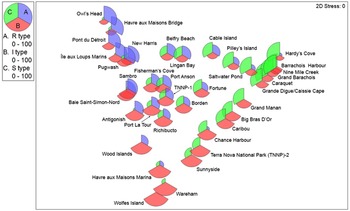


 Open access

