

Introduction
The Neolithic transition led to human groups in many parts of the world adopting a farming economy, sedentism, and new forms of social organisation. In temperate Europe, this change was driven by human groups originating from Anatolia and reaching the south-eastern edge of central Europe shortly after 6000 BCE (Blanz et al. Reference Blanz, Balasse, Frémondeau, Gál, Osztás, Biller, Nyerges, Fiorillo, Bánffy and Ivanova2023). By 5500 BCE in Transdanubia (Oross et al. Reference Oross, Jakucs, Marton, Gál, Whittle, Maric, Bulatovic, Markovic and Pavlovic2023), these groups shared a common material culture, characterised by longhouses and pottery decorated with incised linear patterns, the so-called Linear Pottery culture (German Linearbandkeramik, or LBK). The LBK spread through large areas of temperate Europe, and by 5100 BCE extended from the Paris Basin in the west to Ukraine in the east (see Shennan Reference Shennan2018 for an overview).
The rapid expansion of the LBK cultural phenomenon over several thousand kilometres has left archaeological remains of exceptional quantity and quality for prehistoric times. LBK longhouses are grouped together in hamlets, and flanked by long pits that yield evidence of agricultural, craft, and symbolic activities. Among these, pottery has been the subject of typological studies constructing relative chronologies based on the analysis of decoration motifs and techniques. This work has produced some of the most detailed periodisations available for the European Early Neolithic (e.g. Balkowski & Peters Reference Balkowski and Peters2024; Blouet et al. Reference Blouet, Bosquet, Constantin, Fock, Ilett, Jadin, Klag, Petitdidier and Thomashausen2021; Reference Blouet, Klag, Petitdidier and Thomashausen2013; Hohle Reference Hohle2023; Lefranc Reference Lefranc2007; Meunier Reference Meunier2012; Pavlů et al. Reference Pavlů, Rulf and Zápotocká1986; Pechtl Reference Pechtl2019; Stehli Reference Stehli1989; Strien Reference Strien2000), now increasingly augmented by AMS dating (Casanova et al. Reference Casanova and Evershed2020; Denaire et al. Reference Denaire, Lefranc, Wahl, Bronk Ramsey, Dunbar, Goslar, Bayliss, Beavan, Bickle and Whittle2017; Jakucs et al. Reference Jakucs, Oross, Bánffy, Voicsek, Dunbar, Reimer, Bayliss, Marshall and Whittle2018; Whittle et al. Reference Whittle, Marciniak, Pyzel, Krueger, Lisowski, Ramsey, Dunbar, Barclay, Bayliss and Gaydarska2022).
While palaeogenomic analyses suggest a major contribution of Near Eastern and Anatolian populations to LBK communities, and thus a relatively limited initial contribution of hunter-gatherers (Brunel et al. Reference Brunel and Pruvost2020; Gelabert et al. Reference Gelabert and Reich2024; Hofmanová et al. Reference Hofmanová and Burger2016; Lipson et al. Reference Lipson and Reich2017; Marchi et al. Reference Marchi and Excoffier2022; Nikitin et al. Reference Nikitin and Reich2019; Szécsényi-Nagy et al. Reference Alt2015), the question of the mechanisms of interactions between ‘local’ Mesolithic populations and ‘migrant’ LBK communities remains open. Before this issue began to be addressed by palaeogenomics, the impact of these possible interactions on the diffusion and development of the LBK had been widely debated by archaeologists (e.g. Allard Reference Allard, Whittle and Cummings2007; Amkreutz et al. Reference Amkreutz, Vanmontfort, Verhart, Hofmann and Bickle2009; Bánffy et al. Reference Bánffy, Eichmann, Marton, Kozłowski and Nowak2007; Eichmann Reference Eichmann and Huszár2004; Golitko Reference Golitko2015; Gronenborn Reference Gronenborn1999; Jeunesse Reference Jeunesse, Otte and Kozłowski2002; Manen & Hamon Reference Manen, Hamon, Guilaine and Garcia2018; Raczky et al. Reference Raczky, Sümegi, Bartosiewicz, Gál, Kaczanowska, Kozłowski, Anders, Gronenborn and Petrasch2010; Vanmontfort Reference Vanmontfort2008). In the western distribution area of the LBK, two specific types of pottery have fuelled this debate for the last thirty years, one known as La Hoguette pottery, the other as Limburg pottery. These types differ markedly from typical LBK productions by their bone temper, their open shape with thickened rims, and their distinct decoration style (Figure 1) (for a detailed history of research, see Constantin Reference Constantin1985; Constantin et al. Reference Constantin, Ilett, Burnez-Lanotte, Vanmontfort, Louwe Kooijmans, Amkreutz and Verhart2010b; Crombé Reference Crombé, Jordan and Zvelebil2009; Gomart Reference Gomart2014; Gomart & Burnez-Lanotte Reference Gomart and Burnez-Lanotte2012; Gomart et al. Reference Gomart, Constantin, Burnez-Lanotte and Burnez-Lanotte2017a; Gronenborn Reference Gronenborn1998; Hofmann Reference Hofmann, Amkreutz, Haack, Hofmann and van Wijk2016; Jeunesse Reference Jeunesse1987; Kirschneck Reference Kirschneck2021; Lüning et al. Reference Lüning, Kloos and Albert1989; Maletschek Reference Maletschek, Vanmontfort, Louwe Kooijmans, Amkreutz and Verhart2010; Manen & Mazurié de Keroualin Reference Manen, Mazurié de Keroualin, Besse, Stahl Gretsch and Curdy2003; Modderman Reference Modderman1981; Pétrequin et al. Reference Pétrequin, Martineau, Nowicki, Gauthier and Schaal2009; van Berg Reference Van Berg1987; Reference Van Berg, Cahen and Otte1990; van de Velde Reference Van de Velde, Vanmontfort, Louwe Kooijmans, Amkreutz and Verhart2010).
Summary of the main morphological features and examples of decorative styles of typical LBK pottery (left), La Hoguette pottery (centre), and Limburg pottery (right) (after Ilett & Constantin Reference Ilett, Constantin, Manen, Convertini, Binder and Sénépart2010; Lüning et al. Reference Lüning, Kloos and Albert1989; Pétrequin et al. Reference Pétrequin, Martineau, Nowicki, Gauthier and Schaal2009).

These two types of pottery are difficult to interpret: the vast majority has been found in LBK settlement contexts in close association with typical LBK pottery and always in small quantities. Except for a date obtained on bone temper from a La Hoguette vessel from Alizay in Normandy (5370–5222 cal BCE; Marcigny et al. Reference Marcigny, Aubry, Mazet, Liogier and Lequoy2013), there have been no attempts to date sherds directly. At the current stage of research, the chronological attribution of La Hoguette and Limburg pottery relies primarily on the dating of the archaeological features in which these vessels have been discovered. Thus, according to LBK relative chronology, the most reliable La Hoguette–LBK associations are with the Earliest LBK (c. 5400–5300 BCE), or to a lesser extent the Early (Flomborn) LBK (c. 5300–5200 BCE), while Limburg–LBK associations are Early to Later LBK (c. 5200–5000 BCE). Their distribution is broad, overlapping with the western zone of LBK distribution (Figure 2). La Hoguette sherds are mostly found from Rhineland-Palatinate and south-west Germany to Alsace, and Limburg sherds from the Belgian and Dutch Limburg to the western Hainaut and the Paris Basin.
Distribution map of La Hoguette and Limburg pottery (see Supplementary Table S1.1), with selected sites marked. The orange line marks the western limit of the Earliest LBK, the blue line indicates the western limit of the Latest LBK. White circles: La Hoguette pottery finds; black triangles: Limburg pottery finds. 1–10 Aisne valley sites analysed in the present study (for details, see Figure 3); 11 Aubechies ‘Coron Maton’; 12 Fexhe-le-Haut Clocher; 13 Rosmeer; 14 Metz-Nord (after Kirschneck Reference Kirschneck2021; Manen & Mazurié de Keroualin Reference Manen, Mazurié de Keroualin, Besse, Stahl Gretsch and Curdy2003; Remy Reference Remy2020).

Figure 2 Long description
Two boundary lines indicate the western extent of LBK settlement through time: an orange line marks the western limit of the earliest LBK and a blue line marks the western limit of the latest LBK, showing westward expansion. Numbered sites include ten Aisne Valley locations analysed in this study, alongside selected comparative sites in present-day Belgium, and northeastern France, including Aubechies ‘Coron Maton’, Fexhe-le-Haut Clocher, Rosmeer, and Metz-Nord. The figure highlights the spatial relationship between La Hoguette and Limburg pottery distributions and the changing western frontier of LBK distribution.
However, some La Hoguette and Limburg pottery has also been found in different contexts, occasionally outside the known limits of LBK settlement. La Hoguette pottery has been reported in Late Mesolithic contexts, as at Bavans in Bourgogne-Franche-Comté (Manen Reference Manen1997; Perrin Reference Perrin2002) and Stuttgart Bad-Cannstatt in Baden-Württemberg (Strien & Tillmann Reference Strien, Tillmann, Gehlen, Heinen and Tillmann2001). La Hoguette and Limburg pottery may also be present in the Cardial/Epicardial layers of the Gazel Cave in southern France (Guilaine & Manen Reference Guilaine, Manen and Jeunesse1995; Manen Reference Manen1997), and more recently Limburg sherds have been identified in Belgium on multi-period sites near the Scheldt estuary, with Mesolithic (Swifterbant) to Middle Neolithic occupations (Crombé et al. Reference Crombé, Sergant, Deforce, Perdaen and Meylemans2015; Teetaert et al. Reference Teetaert, Vannoorenberghe, Van de Velde, Boudin, Bodé, Kubiak-Martens, Baert, Lynen, Crombé and Boeckx2024; Vannoorenberghe et al. Reference Vannoorenberghe, Teetaert, Goemaere, Van Acker, Belza, Meylemans, Vanhaecke and Crombé2022). Intriguingly, La Hoguette pottery has been discovered in isolated contexts with no clearly associated material, notably at the type site at Fontenay-le-Marmion in Normandy (Cubas et al. Reference Cubas and Craig2020; Jeunesse Reference Jeunesse1987), at Choisey in Bourgogne-Franche-Comté (Pétrequin et al. Reference Pétrequin, Martineau, Nowicki, Gauthier and Schaal2009), and at Machecoul (Rousseau et al. Reference Rousseau, Forré, Hamon and Querré2015). The latter site is located in the Pays de la Loire region, near the Atlantic coast and far to the west of the known extent of LBK settlement. To date, Limburg pottery has only rarely been identified in isolated contexts, although a few occurrences are now documented (e.g. Remy Reference Remy2020).
Despite these isolated discoveries, La Hoguette and Limburg pottery are intimately linked with the LBK. Yet their specific style and spatial distribution, extending in some cases beyond the distribution area of the LBK, suggest transmission channels that differ from the typical LBK pottery. Current interpretations can be summarised as follows:
-
– Hypothesis 1: foragers? As their shape and decoration echo that of Early Mediterranean Neolithic pottery, some authors suggest that La Hoguette vessels were made by local Mesolithic producers, who had been partially acculturated by early farming communities from the western Mediterranean (Cardial) before the arrival of LBK communities from central Europe (Crombé Reference Crombé, Jordan and Zvelebil2009; Gronenborn Reference Gronenborn1999; Jeunesse Reference Jeunesse1987; Reference Jeunesse and Voruz1995; Reference Jeunesse, Otte and Kozłowski2002; Manen Reference Manen1997; Manen & Mazurié de Keroualin Reference Manen, Mazurié de Keroualin, Besse, Stahl Gretsch and Curdy2003; Pétrequin et al. Reference Pétrequin, Martineau, Nowicki, Gauthier and Schaal2009; van Berg Reference Van Berg1987; Reference Van Berg, Cahen and Otte1990; van de Velde Reference Van de Velde, Vanmontfort, Louwe Kooijmans, Amkreutz and Verhart2010). For Limburg ceramics that post-date La Hoguette pottery, but show strong stylistic links in terms of vessel forms and decoration, it is assumed that Mesolithic producers continued to make pottery under the ongoing influence of Mediterranean early farmers (Epicardial). The end of La Hoguette and Limburg styles would mark the definitive integration of the Mesolithic populations into LBK communities and would initiate the Middle Neolithic with a ‘recomposed society’ (Manen & Mazurié de Keroualin Reference Manen, Mazurié de Keroualin, Besse, Stahl Gretsch and Curdy2003, 139–40).
-
– Hypothesis 2: exogenous Neolithic? For others, the decoration on La Hoguette and/or Limburg ceramics could reflect direct contacts between western Mediterranean Early Neolithic groups and the LBK, possibly resulting from the expansion of the former northwards along the Rhône Valley corridor (Hauzeur & Löhr Reference Hauzeur and Löhr2009; Lichardus-Itten Reference Lichardus-Itten, Demoule and Guilaine1986; Lüning et al. Reference Lüning, Kloos and Albert1989), echoing transfers identified in worked bone industries (Sidéra Reference Sidéra, Burnez-Lanotte, Ilett and Allard2008).
-
– Hypothesis 3: endogenous? Finally, for others La Hoguette vessels, due to their close association with typical LBK pottery in settlement contexts, could correspond to a specific functional category produced by LBK communities themselves (Constantin et al. Reference Constantin, Ilett, Burnez-Lanotte, Vanmontfort, Louwe Kooijmans, Amkreutz and Verhart2010b). Limburg pottery would have emerged as a stylistic evolution of La Hoguette pottery, and continued to represent a functional category produced by LBK communities.
These contrasting interpretations underline that many aspects of La Hoguette and Limburg pottery remain poorly understood. In particular, the questions of the social identity of the producers of these vessels, the extent of their learning network, their distribution channels, as well as the social practices with which the vessels were associated remain entirely open. This article will focus on Limburg pottery, for which a large sample of material from well-defined contexts is available.
Our study is based on the premises that 1) pottery-making traditions are strongly correlated with the social identity of their producers (De Crits Reference De Crits, Binder and Courtin1994; Dietler & Herbich Reference Dietler, Herbich, Binder and Courtin1994; Gallay Reference Gallay1992; Gosselain Reference Gosselain2002; Mayor Reference Mayor2011; Roux Reference Roux and Hunt2016a) and 2) that the uses of ceramics, reflecting in particular cooking practices and dietary habits, are also key identity markers (Dolbunova et al. Reference Dolbunova and Craig2023; Saul et al. Reference Saul, Glykou, Craig, Whittle and Bickle2014). Here we contribute to the debate on Limburg pottery by reconstructing the entire life cycle of vessels, i.e. from their manufacture (from raw material procurement and paste preparation to forming and decorating) to their uses and finally to their patterns of discard in LBK settlements. Were Limburg vessels and typical LBK vessels made by producers belonging to the same learning network(s)? Or were these two wares associated with different technical traditions? If so, can we establish a link between the manufacture of Limburg vessels and that of Cardial/Epicardial pottery? Do Limburg ceramics correspond to a single technical milieu or to a mosaic of technical entities? Were Limburg vessels associated with specific uses?
To address these questions, the Aisne Valley (Picardy, France) provides a unique setting with both abundant Limburg and typical LBK pottery. Here, LBK sites yielded well-preserved plans of longhouses and their accompanying lateral pits, allowing detailed analysis of the finds associated with the houses. Furthermore, the ceramic assemblages have been analysed in terms of the whole production sequence (Constantin Reference Constantin1985; Gomart Reference Gomart2014; Gomart et al. Reference Gomart, Constantin, Burnez-Lanotte and Burnez-Lanotte2017a), enabling an in-depth approach to the relationships between Limburg and typical LBK pottery, from the level of the house to the entire settlement area. Thanks to previous technological analyses both of typical LBK pottery and Limburg vessels from Belgium and north-eastern France (Gomart Reference Gomart2014), the results obtained in the present study can be placed in the wider context of the western LBK sequence (Figure 3). The Aisne Valley sites date to the Later LBK, when La Hoguette pottery had apparently gone out of use. La Hoguette lies therefore outside the direct scope of the present study, although we believe that gaining a better understanding of Limburg pottery will also help orient future research on La Hoguette assemblages.
Location in the Aisne Valley of the ten LBK settlements analysed in the present study. BLF – Bucy-le-Long ‘La Fosselle’, BLH-BFT – Bucy-le-Long ‘La Héronnière’, MAC – Missy-sur-Aisne ‘Le Culot’, CGH – Chassemy ‘Le Grand Horle’, PBP – Presles-et-Boves ‘Les Bois Plantés’, CCF – Cuiry-lès-Chaudardes ‘Les Fontinettes’, BVT – Berry-au-Bac ‘Le Vieux Tordoir’, BCP – Berry-au-Bac ‘Le Chemin de la Pêcherie’, BCM – Berry-au-Bac ‘La Croix Maigret’, MDV – Menneville ‘Derrière le Village’.

Figure 3 Long description
The settlements are distributed along the river Aisne and include sites clustered around Bucy-le-Long and Berry-au-Bac, with additional locations at Missy-sur-Aisne, Chassemy, Presles-et-Boves, Cuiry-lès-Chaudardes, and Menneville. The figure provides the geographic context for the sampled settlements used in the analysis.
Materials and methods: reconstructing the production sequences and life cycles of Limburg vessels from an anthropological perspective
Altogether 19 LBK sites have been found in the Aisne Valley, 12 of which have been extensively excavated (Figure 3). Dating to the Latest LBK (starting shortly after c. 5100 BCE; Dubouloz Reference Dubouloz2003) these sites provide a total of over 90 houses clearly associated with lateral pits containing ceramics, lithics, and faunal remains (Allard et al. Reference Allard, Thevenet, Hamon, Allard and Ilett2013; Ilett & Constantin Reference Ilett, Constantin, Manen, Convertini, Binder and Sénépart2010). The ceramic assemblages from ten of these sites (corresponding to 4018 LBK and 153 Limburg vessel-units) have been the subject of new archaeometric analyses, including a high-resolution reconstruction of forming processes as well as decoration techniques. Observation of forming processes was not always possible, as some vessel-units are represented only by one or two small sherds. Comprehensive petrographic characterisation of both LBK and Limburg ceramic pastes was also carried out at five of these sites (1309 vessel-units, including 72 Limburg pots). In addition, lipid residue analyses were conducted on sherds from 26 Limburg vessel-units from the largest LBK site in the valley, Cuiry-lès-Chaudardes.
Each stage in the chaîne opératoire of an artefact, defined as ‘a series of operations that transform a raw material into a finished product’ (Cresswell Reference Cresswell1976, 13), can vary according to the physical constraints of the material and to cultural factors (Roux Reference Roux, O’Brien and Shennan2010, 6). This twofold dynamic gives rise to ‘ways of doing’, the transmission of which over time leads to the emergence of ‘traditions’. A tradition can be defined as ‘that which comes from a past, persists in the present, where it is passed on and remains active and accepted by those who receive it and who in turn pass it on over generations’ (Pouillon Reference Pouillon, Bonte and Izard2010, 710)Footnote 1. It is precisely this transmission mechanism that leads to the persistence of traditions.
The technical traditions implemented by an individual are the result of a learning process ‘of actions observed within a social group’ (Roux Reference Roux, O’Brien and Shennan2010, 6). At the end of the learning process, the skills required to make a vessel are ‘incorporated’, making it difficult for individuals to change their conceptions and ‘ways of doing’ before passing them on in turn (Bril Reference Bril, Bril and Roux2002; Roux Reference Roux, O’Brien and Shennan2010). It is therefore possible to establish a direct link between a technical tradition and a social group. These groups, or ‘communities of practice’ (Lave & Wenger Reference Lave and Wenger1991), correspond to networks of transmission or learning networks. The sociological nature of these groups is highly varied, as it results from different apprenticeship rules: they may, for example, be groups specific to ‘gender, a family, a caste, a faction, a class, a lineage, a clan, an ethnic group, a tribe, an ethnolinguistic group, etc.’ (Roux Reference Roux, O’Brien and Shennan2010, 4). Ultimately, the limits or ‘borders’ that can be observed between different technical traditions outline the spatial extent of transmission networks (Gosselain Reference Gosselain2002; Roux Reference Roux2019; Stark Reference Stark1998).
Still, technical traditions are not fixed in time and space. Anthropological studies have described cases of innovation (Shennan Reference Shennan2002) and borrowing (Gelbert Reference Gelbert2003) amongst others through direct or indirect contact, migration, or itinerancy (Gosselain Reference Gosselain, Manen, Convertini, Binder and Sénépart2010; Roux Reference Roux2019). These changes often do not affect all stages of the manufacturing sequence: producers may change their way of doing at a single stage as a result of innovation or borrowing, but maintain their way of doing for other stages (Gelbert Reference Gelbert2003). However, particularly complex sequences of technical gestures, which can include different stages of the chaîne opératoire, tend to be relatively resistant to change (Mayor Reference Mayor2011). This stability of complex sequences of gestures is related to the process of ‘incorporation’ of skills during the apprenticeship period, which implies ‘automatisms’ or motor habits (Gosselain Reference Gosselain2002, 26), but also to the fact that some technical gestures are not or only slightly visible on the finished vessel. In this study, then, we began by sorting the Limburg assemblages according to the complex sequence of technical gestures involved in forming (technical groups). Within these technical groups, we observed how the raw materials (techno-petrographic groups), morphotypes, and decorative architectures (techno-morpho-stylistic groups) were distributed.
The reconstruction of the forming operations involved recording the technical macro- and micro-traces visible on the surfaces of the vessels and in the sections. The examination focused on the characteristics of the surface topography, the orientation of the fracture and crack networks, variations in the thickness of the walls, variations in the texture of the surfaces, and the orientation of the particles and pores of the clay in the radial, equatorial, and tangential planes. The interpretation of the technical gestures underlying these macro- and micro-traces is based on several ethnoarchaeological and experimental studies (e.g. Courty & Roux Reference Courty and Roux1995; Degoy Reference Degoy, Livingstone-Smith, Bosquet and Martineau2005; Gelbert Reference Gelbert2003; Gosselain Reference Gosselain2002; Livingstone-Smith Reference Livingstone Smith2007; Rice Reference Rice1987; Roux Reference Roux2016b; Reference Roux2017; Rye Reference Rye1981; Thér Reference Thér2016). The characterisation of pottery pastes required a comprehensive stereomicroscopic examination of the nature and texture of the non-plastic inclusions, which made it possible to sort the assemblages according to macroscopic compositions. This approach was used for qualitative and quantitative classification of pottery and for targeted sampling for thin section analysis. Covered and polished uncovered thin sections (LBK: n = 137; Limburg: n = 5) were prepared for analysis using a polarised light microscope and a scanning electron microscope to determine the type, shape, and orientation of inclusions and voids, and to conduct a microfabric approach, i.e. characterise the specific microstructures stemming from the technical gestures carried out while making the vessels (Courty & Roux Reference Courty and Roux1995; Thér et al. Reference Thér, Květina and Neumannová2019). Five representative samples were selected for thin section analysis (Quinn Reference Quinn2022; Stroops & Vepraskas Reference Stroops and Vepraskas2003; Whitbread Reference Whitbread and Maniatis1989). Based on their techno-petrographic features, two of these samples were selected for microfabric analysis.
Vessel function was assessed using organic residue analysis (ORA; see Supplementary S2), which provides direct evidence of vessel contents by extracting lipids that accumulated in the clay matrix during use and subsequently degraded through time. The ceramic matrix of a selection of Limburg vessels (n = 26) from Cuiry-lès-Chaudardes was drilled from the interior surface and lipids were extracted using established acidified methanol protocols (Craig et al. Reference Craig and Jordan2013; Lucquin et al. Reference Lucquin and Craig2023). Molecular content was determined using gas chromatography-mass spectrometry (GC-MS) in total ion current mode for general screening purposes and in selected ion monitoring (SIM) mode to target specific markers of aquatic resources (isoprenoids and APAAs). Carbon isotope values of the most abundant fatty acid methyl esters (C16:0 and C18:0) were acquired using compound-specific isotope analysis (CSIA). The samples were also solvent-extracted (Evershed et al. Reference Evershed, Dudd, Charters, Mottram, Stott, Raven, van Bergen, Bland, Jones and Bada1999) to investigate the presence and distribution of triacylglycerols (TAGs) using high-temperature gas chromatography (HTGC-FID) and high-resolution mass spectrometry (Drieu et al. Reference Drieu, Lundy, Smith, Bergström, Talbot, Primavera, Fiorentino, Craig and Thomas-Oates2024).
Results
Forming and finishing: from macro- to microtraces
In the Aisne Valley, a total of 12 chaînes opératoires were identified for forming LBK pottery (Gomart Reference Gomart2010; Reference Gomart2014). Out of the 3406 LBK vessel units identified within LBK houses in the Aisne Valley, 1992 could be linked to a production sequence. Most vessels were built using the coiling technique from the base to the rim, although a few were produced using the sequential slab technique (Gomart et al. Reference Gomart, Constantin, Burnez-Lanotte and Burnez-Lanotte2017a; Reference Gomart, Anders, Kreiter, Marton, Oross, Raczky, Spataro and Furholt2020). These ‘ways of doing’ differ primarily in the processes by which the elements were assembled during roughing-out (i.e. superimposed non-deformed coils, crushed deformed coils) and in the techniques used to shape the vessels (i.e. finger pressure, beating technique). Across the entire forming sequence, the technical gestures used to build typical LBK vessels are quite varied. Four to 12 ‘ways of doing’ were identified at each site. So, despite the morpho-dimensional uniformity of LBK ceramics, there is considerable diversity in technical practices.
Regarding the Limburg ware from these sites, 97 vessel-units could be associated with a forming sequence (Supplementary Table S1.2). Two groups were identified.
Group A includes the majority of Limburg vessel-units examined (n = 61; 63%). These vessels are defined throughout their profile by regularly spaced external oblique discontinuities in the radial plane (Figure 4). In thin sections cut in the radial plane, the microfabric of these vessels is characterised by strongly-oriented meso- to mega-planar voids associated with oblique and parallel clusters. The porosity is also strongly oriented in an oblique pattern and shows parallel planes inclined to the internal surface (Figure 4). The combination of these observations leads to the following hypothesis: the vessels are formed from crushed coils joined together in an external overlap (or internal overlap in the case of a ‘top to bottom’ forming sequence). The coils do not appear to have been stretched very much, as their height measured in the radial plane is between 8 mm (for a 6 mm thick body) and 16 mm (for a 10 mm thick body). This forming chaîne opératoire is identified as Tradition 7 (Gomart Reference Gomart2014).
Macrotraces and microtraces identified on Limburg vessels attributed to Group A (top) and Group B (bottom) in the LBK settlements of the Aisne Valley.

Figure 4 Long description
Each row presents three forms of analysis: macroscopic observations in radial section, images of radial thin sections used for microfabric analysis, and microscopic examination of fabric structure. Group A vessels are characterised throughout their profile by regularly spaced external oblique discontinuities visible at both macroscopic and microscopic scales. In contrast, Group B vessels display different structural patterns, including elongated curved voids arranged in parallel, sinusoidal, and bow-like configurations. The figure highlights contrasting manufacturing traces between the two vessel groups.
Group B consists of Limburg vessels (n = 36; 37%) formed using the ‘ways of doing’ most commonly identified for typical LBK pottery (Traditions 1, 2, 4, 11 in Gomart Reference Gomart2014). These vessels are most often built using coils to rough out their whole profile from the base to the rim. The coils can be superimposed coils that were slightly or not deformed (Figure 4). In thin sections cut in the radial plane, the microfabric shows very different patterns from those associated with Group A, with parallel elongated and curved voids organised in sinusoidal and bow-like patterns (Figure 4).
Raw material sources and paste preparation: techno-petrographical groups
Work on the characterisation of raw materials indicates that most of the Aisne Valley LBK pottery was made from locally available clayey resources (Constantin Reference Constantin1985; Gomart et al. Reference Gomart, Constantin, Burnez-Lanotte and Burnez-Lanotte2017a; Ilett & Constantin Reference Ilett, Constantin, Manen, Convertini, Binder and Sénépart2010). Two main types of raw materials were used: 1) a carbonate-rich earth, characterised by the presence of frequent carbonate inclusions (i.e. micro- and macrofossils as well as rocks), originating from slope and floodplain deposits; and 2) a clay-rich material, characterised by the presence of common quartz, probably originating from an aeolian deposit preserved on the alluvial terraces. This quartz-rich, clay-rich material could also originate from the Tertiary sands and sandstones in the Aisne Valley (Cayeux Reference Cayeux1906; Laurentiaux et al. Reference Laurentiaux, Guérin, Barta, Laurain, Maucorps and Boureux1972; Pomerol et al. Reference Pomerol, Boureux, Bournérias, Dorigny, Maucorps, Solau and Vatinel1984). The 72 Limburg vessels analysed for their raw materials were made from the same local raw materials, in particular from the quartz-rich sources (Supplementary Table S1.2). In contrast to typical LBK pottery, however, the vast majority of Limburg vessels contained intentionally added crushed burnt bone and/or grog (Figure 5).
Microphotography of Group A (A–D) and Group B (E–H) Limburg pottery pastes: A) bone temper, limestone, and quartz inclusions (PPL); B) carbonate grog temper, quartz, and elongated voids (PPL); C) grog carbonate-rich matrix (right side of image) embedded in a non-carbonate matrix (XPL); D) phyllitic and quartz-rich non-carbonate matrix (XPL); E) abundant bone temper with different colours showing non-uniform preservation (PPL); F) quartz, bone temper, and bone-tempered grog (PPL); G) non-carbonate matrix of both grog and ceramic vessel (XPL); H) bone temper with grey-blue birefringence and quartz in non-carbonate oxidised matrix (image z focus with helicon focus software, XPL). PPL: Plane Polarised Light; XPL: Cross-Polarised Light.

Figure 5 Long description
Group A samples show mixtures of bone temper, carbonate inclusions, quartz, limestone, and grog embedded in both carbonate-rich and non-carbonate matrices. Group B samples contain abundant bone temper with variable preservation, quartz inclusions, bone-tempered grog, and predominantly non-carbonate oxidised matrices. Images taken under plane-polarised light and cross-polarised light reveal differences in temper composition and matrix structure between the two groups of Limburg pottery.
Stereomicroscopic and optical microscopy examination of Limburg vessels assigned to Group A (n = 15) shows the presence of carbonates (rocks and fossils) in their paste associated with siliceous minerals, generally dominated by quartz. Thin section analysis shows that the coarser fraction contains limestone (Figure 5A), shell, and occasionally a siliceous sponge-spicule rich rock (spongolite), and that the finer fraction is characterised by quartz, and in lesser proportions feldspar, white mica, glauconite, silica-rich rocks (opal, chalcedony, flint-like rocks), and heavy minerals. Burnt bone and grog are also present (Figure 5A–B). Non-plastic inclusions are embedded in a non-carbonate matrix (Figure 5C–D). Carbonate inclusions appear to be related to the presence of carbonate-rich grog, and not to the raw materials used to make the Limburg pottery. The samples analysed show that the grog particles are defined by a carbonate matrix with carbonate inclusions, and are embedded in a phyllite and Fe-oxide matrix (Figure 5C), suggesting the use of a non-carbonate raw material for the Limburg vessels of Group A (Figure 5D). For Group A, both the carbonate and non-carbonate raw materials, which were also recycled as grog, can therefore be regarded as local resources.
Stereomicroscopic and optical microscopy examination of Limburg vessels of Group B (n = 9) shows mainly the presence of bone, grog, and quartz and, to a lesser extent, other siliceous minerals and carbonate inclusions in their paste. The thin section analysis shows on the one hand a low variability in composition, and on the other hand the abundant use of burnt bone and non-carbonate bone-tempered grog (Figure 5E–G), not found in Group A. This indicates the use of crushed bone-tempered pots as grog for the production of Limburg vessels of Group B. While in Group A the samples analysed show use of local non-carbonate raw materials (Figure 5H), the provenance of the raw materials of the bone-tempered pots recycled as grog in Group B vessels remains undetermined.
Shape and decoration
The Aisne Valley Limburg vessels of Groups A and B were built according to distinct forming sequences, but they are very similar in shape (Figure 1). The predominant shape in both groups is a low, open vessel with a thickened rim (94%). Necked vessels are very rare (3.5%) and are not attested at all in Group B.
The decoration of Limburg vessels can usually be divided into two parts: a motif below the rim, and a main motif on the body of the vessel. The decoration below the rim is often a horizontal line of finger impressions made with the nail or by pinching, or a line of point impressions. The main decoration is made with shallow, parallel grooves, forming vertical motifs that are repeated several times around the vessel. At first glance, the two groups of Limburg vessels look very similar, but there are some differences in decoration motifs (Figure 6; Supplementary Table S1.3). Although a main motif of vertically organised grooves predominates in both groups, panels filled with multi-directional grooves are mostly represented in Group A (eight cases in Group A, one case in Group B). Rim decoration in Group A is characterised by a single row of finger impressions, absent in Group B. In contrast, the rim decoration with point impressions appears better attested in Group B.
Main decorative features defining Limburg vessels respectively attributed to Group A (left) and Group B (right) in the LBK settlements of the Aisne Valley.

Figure 6 Long description
Group A includes more elaborate decoration, with vessel surfaces divided into panels densely filled with multidirectional grooves that create complex patterned compositions. Group B vessels almost only show simpler ornamentation, primarily consisting of vertical grooves accompanied by a row of point impressions directly beneath the rim.
Use and techno-function
Substantial amounts of lipids were recovered from the 26 Limburg vessels sampled for the Aisne Valley (87 µg g−1 up to 58 mg g−1), well above the established threshold (Evershed Reference Evershed2008). Eleven samples were exceptionally preserved and contained >1 mg g−1 (Supplementary S2). Saturated fatty acids were the compounds observed (n = 25), generally characterised by a large predominance of palmitic (P or C16:0) and stearic acids (S or C18:0) in roughly equal amounts (P:S<1.5; n = 20), typical of degraded animal fat. In two samples (LM14, LM16), the high abundance of palmitic acid (P/S>4) is attributed to a plant source (Dunne et al. Reference Dunne, Mercuri, Evershed, Bruni and di Lernia2016). The high relative abundance of unsaturated fatty acids (>30%, n = 5) particularly octadecenoic acid C18:1 (C18:1/C18:0>0.5, n = 11), is also suggestive of plant oil but this compound is also ubiquitous in animal products, precluding secure attribution (Whelton et al. Reference Whelton, Hammann, Cramp, Dunne, Roffet-Salque and Evershed2021). The presence of long chain (>C20) saturated fatty acids (LCSFA>15%) with an even to odd carbon chain number prevalence was detected in two samples (LM17, LM20) and is typical of plant epicuticular waxes (Evershed et al. Reference Evershed, Heron and Goad1991).
Isoprenoid fatty acids, which are highly abundant in ruminant and aquatic organisms (Lucquin et al. Reference Lucquin, Colonese, Farrell and Craig2016), were detected in all samples, including TMTD (n = 13). The SRR diastereomer of one of the isoprenoids (phytanic acid) was not prominent (SRR% is between 45–76%), consistent with ruminant fats rather than aquatic oils.
Molecular markers of thermal transformation were also detected in 11 sherds. These include C18 ω-(o-alkylphenyl) alkanoic acids (APAAs), derived from C18 unsaturated fatty acids subjected to heating for at least one hour at more than 200°C (Bondetti et al. Reference Bondetti, Scott, Courel, Lucquin, Shoda, Lundy, Labra-Odde, Drieu and Craig2021). These were detected in seven samples, with three showing a high isomer E/H ratio (E/H>4) that can be attributed to various cereals, fruits, and non-leafy plants (Bondetti et al. Reference Bondetti, Scott, Courel, Lucquin, Shoda, Lundy, Labra-Odde, Drieu and Craig2021). Quick and intense heating of fatty acids and triglycerides can lead to the formation of long mid-chain ketones (i.e. 16-hentriacontanone, 16-tritriacontanone, and 18-pentatriacontanone); these were detected in four samples (Raven et al. Reference Raven, van Bergen, Stott, Dudd and Evershed1997). Isolated long chain ketones also occur in epicuticular leaf waxes of various plants. Traces of 16-hentriacontanone (n = 1) frequent in Allium species and 10-nonaconanone (n = 5) found in some Umbelliferae species were detected (Lundy et al. Reference Lundy and Craig2023).
Beeswax was securely identified in one sample containing trace amounts of long chain palmitic wax ester (WE44-48) associated with odd chain alkanes (C23-31) and even chain alkanol (C24-32). The most prominent alkanes, heptacosane (δ13C -26.3‰) and nonacosane (δ13C -26.6‰), both had carbon isotopic values enriched in comparison to plant epicuticular wax and were close to reported reference beeswax values (Evershed et al. Reference Evershed, Dudd, Anderson-Stojanovic and Gebhard2003). Beeswax may have been more frequent, as three other samples contained similar profiles of alkanes and fatty alcohols.
Despite good lipids recovery, small amounts of triglycerides were detected in only four samples. Narrow TAGs distribution (T46-54) and fatty acid composition of T48 (T48 C18:0/C16:0 between 0.18–0.33) suggest that they were derived from subcutaneous adipose tissues. The fatty acid composition of T52 (T52 C18:0/C16:0 between 1.8–2.5) indicates their ruminant origin (Drieu et al. Reference Drieu, Lundy, Smith, Bergström, Talbot, Primavera, Fiorentino, Craig and Thomas-Oates2024). One sample (LM07) yields an analysable amount of T44 whose fatty acid composition (T44 C16/C12 = 2.5 and T44 C16/C14 = 1.4) is close to modern sheep dairy fat (Drieu et al. Reference Drieu, Lundy, Smith, Bergström, Talbot, Primavera, Fiorentino, Craig and Thomas-Oates2024), caprine being relatively frequent in the faunal remains of the associated house (house 360 at Cuiry-lès-Chaudardes: Hachem Reference Hachem2011). This also suggests the potential mixing of subcutaneous and dairy fat in the vessel.
Carbon isotopes of the main fatty acids show a large range of values (-25.8<δ13C16:0<-33.27‰; -25.93<δ13C18:0 <-37.57‰) corresponding to a diversity of commodities present, such as porcine adipose, ruminant adipose, dairy, and other plant/terrestrial fats, as well as intermediate values resulting from their mixing (Figure 7). The isotopic values are in general more similar to other Early Neolithic vessels from France and elsewhere than to Swifterbant pottery (Figure 8), with a similar percentage of vessels (≈23%) used to process dairy products as in the LBK generally (≈26%, Evershed et al. Reference Evershed and Thomas2022). Porcine and ruminant products could be derived from wild non-ruminants (wild boar) or wild ruminants (deer) but, given the dairy findings, could well be from domesticated pigs, cattle, sheep, or goats.
Scatterplots of δ13C16:0 against δ13C18:0 from Limburg vessels from the Cuiry-lès-Chaudardes settlement (blue dots: Group A; green dots: Group B; black dots: undetermined forming). The ellipses are derived from authentic reference fats (Lucquin et al. Reference Lucquin and Craig2023) that are plotted at 67% confidence.

Figure 7 Long description
The x-axis shows carbon isotope values for palmitic acid (C16:0) and the y-axis for stearic acid (C18:0). Data points represent vessels assigned to Group A, Group B, and vessels of undetermined forming technique. Elliptical reference ranges derived from authentic fats are plotted at 67% confidence to aid interpretation of residue composition. Group A and Group B vessels show overlapping isotopic distributions, suggesting broadly similar residue signatures across vessel groups. Carbon isotope values span a wide range, from −25.8 to −33.27 per mil for palmitic acid and from −25.93 to −37.57 per mil for stearic acid, indicating a diversity of processed commodities, including porcine adipose fat, ruminant adipose fat, dairy products, plant or other terrestrial resources, and mixtures of these substances.
Scatterplots and heat map of isotopic values of fatty acids (δ13C16:0 against Δ13C values (δ13C18:0−δ13C16:0)) in lipid extracts. A) Limburg vessels from this study (circle) and previously published Limburg (square) and La Hoguette vessels (diamond); B) French LBK vessels and heat map of all LBK vessels; C) French Cardial/Epicardial vessels and heatmap of all western Mediterranean Early Neolithic vessels; D) Swifterbant vessels. The data are compared with modern reference ranges expressed as densities. The dotted line shows the upper Δ13C limit for dairy products (−3.1‰) after Evershed et al. (Reference Evershed and Thomas2022).

Figure 8 Long description
Scatterplots plot carbon isotope values of palmitic acid (C16:0) against the difference between stearic and palmitic acid isotope values (Δ13C), with heat maps showing the density of comparative datasets and modern reference ranges. Panel A compares Limburg vessels from this study with previously published Limburg and La Hoguette pottery. Panel B compares French Linearbandkeramik (LBK) vessels with a heat map of all LBK pottery. Panel C compares French Cardial and Epicardial vessels with a heat map of western Mediterranean Early Neolithic pottery. Panel D shows Swifterbant vessels. A dotted line marks the upper isotopic threshold commonly associated with dairy products at −3.1 per mil Δ13C. Overall, Limburg isotopic values overlap more closely with other Early Neolithic pottery traditions from France and elsewhere than with Swifterbant pottery.
Distribution in space and time
The sample of Limburg pottery from the Aisne Valley is large enough to comment on its spatial and temporal distribution. As far as forming techniques are concerned, Groups A and B appear to coexist at most sites, excepting BCM, MDV, and BLF (Figure 9). In the case of BLF, the apparent absence of Group A could simply result from many Limburg vessel-units being represented by small sherds, for which no forming technique could be identified. Group A predominates at almost all sites, with the exception of PBP and PPM, two sites with very few Limburg vessels.
Numbers of Limburg vessel-units by forming sequences (Groups A and B) in ten Aisne Valley LBK settlements. Abbreviations: see caption Figure 3.

The settlement with the largest amount of Limburg pottery is Cuiry-lès-Chaudardes (CCF, n = 64), which seems hardly surprising, given the size of the site and the number of features excavated. However, it is noteworthy that Limburg sherds are particularly frequent in the lateral pits of house 380. This is a large, centrally located house associated not only with an exceptional quantity of lithic finds, but also with specific faunal remains and pottery from other houses, all suggesting communal use of the building (Allard & Cayol Reference Allard and Cayol2022; Gomart Reference Gomart2014; Gomart et al. Reference Gomart, Hachem, Hamon, Giligny and Ilett2015; Reference Gomart and Binder2017a; Hachem Reference Hachem2011). The small number of Limburg vessels in the other settlements does not allow for comparable observations. It should be stressed, however, that in the vast majority of settlements Group A and Group B Limburg vessels frequently occur together in the same pits or in pits associated with the same building.
The distribution of Limburg vessel-units assigned to Groups A and B right through the short Aisne Valley LBK sequence (Figure 10) shows that their numbers increase between phases 1 and 2, then decrease in phase 3. By phase 4, which marks the transition to the post-LBK Blicquy-Villeneuve-Saint-Germain, this pottery type has almost disappeared. Despite these quantitative differences between chronological phases, both Groups A and B coexist in each phase. While Group A is predominant in the first, second, and third phases, it apparently disappears in transition phase 4.
Distribution of Limburg vessel-units in the Aisne Valley LBK sequence (c. 5100–4950 BCE), according to forming techniques. Aisne 1–3: successive LBK chronological phases; 4/BVSG: transition phase from LBK to post-LBK (BVSG).

Discussion
Limburg pottery in the Aisne Valley: different technical traditions, same usage
This study has shown that Limburg pottery from almost all LBK settlements in the Aisne Valley can be assigned to two distinct technical groups (Figure 11). The majority of the Limburg vessels analysed (Group A) were formed with a characteristic chaîne opératoire (crushed coils in an oblique external overlap) that was generally not used for typical LBK pottery. Group A vessels were made from the same local raw materials as the LBK pottery (carbonate-rich clayey material and quartz-rich clayey material), but with the deliberate addition of crushed bone particles and/or grog. Since these two tempers were not required for the structural performance of the vessels (as evidenced by typical LBK pottery made from the same clays without such additives), their inclusion reflects a conscious and purposeful technical choice rather than a functional necessity. Group A includes a few necked shapes and vessels with thickened rims. Although the most common decoration consists of vertical grooves, some pots display a more complex decorative scheme, as the entire surface of the vessel was divided into panels filled with multi-directional grooves. Cathy Costin and Melissa Hagstrum (Reference Courty and Roux1995) argue that more elaborate and formally constrained productions generally require greater technical control and longer learning processes. In the case of Lapita ceramics, Geoffrey Clark (Reference Clark and Sand2003) similarly shows that highly structured and dense decorative compositions are associated with a greater investment of skill. Such a segmentation of the vessel surface into structured panels implies that the producers had to conceptualise the decorative scheme as a whole prior to execution, while maintaining consistency in spacing, orientation, and rhythm across the entire surface. This suggests that the production of these Group A vessels required specific know-how.
Schematic synthesis of the main production characteristics of Group A and B Limburg pottery in the LBK settlements of the Aisne Valley.

Figure 11 Long description
The figure contrasts Group A, interpreted as ‘standard’ Limburg pottery, with Group B, interpreted as ‘imitated’ Limburg pottery, across five categories: forming techniques, raw materials, morphology, decoration, and vessel use. In terms of forming techniques, Group A is characterised by a distinctive and consistent forming sequence unique to Limburg pottery, whereas Group B displays a greater diversity of forming sequences similar to those used for domestic LBK pottery. Raw material selection differs between groups: both use local non-carbonate clay sources and added bone temper, but Group A incorporates carbonate-rich grog, while Group B uses non-carbonate, bone-tempered grog. Morphologically, both groups are dominated by large open vessel forms absent from typical LBK pottery assemblages. Rare necked vessels occur only in Group A, while Group B lacks necked forms. Decorative practices also differ, with Group A characterised by more complex panelled decorative schemes and Group B by simpler decorative motifs. Despite these technological and stylistic differences, both groups show similar patterns of vessel use, reflecting food practices associated with early farming communities in Europe.
Group B Limburg vessels are produced using typical LBK pottery chaînes opératoires. These pots were also made from the same local materials as the LBK pottery, again with the addition of crushed bone and/or grog. A notable feature of Group B Limburg vessels is the presence of bone-tempered grog in their paste. This implies that sherds from older Limburg vessels were crushed and used as grog to make new ones, using typical LBK forming techniques. Group B does not include any necked vessels. As in Group A, the predominant main motif for decoration consists of vertical grooves associated with a row of point impressions under the rim. However, the more complex decoration pattern of panels filled with multi-directional grooves is very rare. This contrast may suggest that most producers of Group B vessels did not possess the know-how required to execute this specific decorative scheme.
Both Limburg pottery groups display equivalent patterns of use, with a variety of processed organic products, including porcine and ruminant adipose fats, dairy products, and plant-based or terrestrial lipids, in stark contrast to the lipid profiles found in hunter-gatherer pottery across northern Europe, generally characterised by freshwater fish processing (Demirci et al. Reference Demirci, Lucquin, Çakırlar, Craig and Raemaekers2021; Dolbunova et al. Reference Dolbunova and Craig2023; Teetaert et al. Reference Teetaert, Vannoorenberghe, Van de Velde, Boudin, Bodé, Kubiak-Martens, Baert, Lynen, Crombé and Boeckx2024). Several Limburg vessels also yielded intermediate isotopic values, likely reflecting mixing or sequential use. The same variability in lipid profiles is found in typical LBK ceramics, as well as Cardial assemblages (Debono Spiteri et al. Reference Debono Spiteri and Evershed2016; Drieu et al. Reference Drieu, Lucquin, Cassard, Sorin, Craig, Binder and Regert2021). Importantly, the presence of dairy fats in both groups of Limburg vessels clearly contradicts the hypothesis that Limburg pottery was associated with forager lifeways. Instead, the evidence demonstrates that Limburg vessels were not marginal in LBK contexts, but functionally embedded into routine food practices firmly rooted in farming lifeways.
Limburg pottery production in and beyond the Aisne Valley: a standard and imitations
Limburg vessels built using crushed coils with an oblique external overlap (Group A) have been identified well beyond the Aisne Valley, sometimes in rather earlier contexts (Gomart Reference Gomart2014; Gomart & Burnez-Lanotte Reference Gomart and Burnez-Lanotte2012; Gomart et al. Reference Gomart, Constantin, Burnez-Lanotte and Burnez-Lanotte2017a), e.g. in Belgium in the Early/Middle LBK at Rosmeer (Hesbaye) and in the Late LBK at Fexhe-le-Haut-Clocher (Hesbaye) and Aubechies (Hainaut). It should be noted that at certain sites (Rosmeer, Aubechies, Cuiry-lès-Chaudardes) a very small number of LBK vessels were built using this specific chaîne opératoire. Limburg vessels built using typical LBK techniques, and therefore attributable to Group B, also occur at Rosmeer and Fexhe-le-Haut-Clocher, as well as at Metz-Nord in Lorraine. No Group B vessels were found in Aubechies: all the Limburg vessels analysed there can be attributed to Group A. In Rosmeer, differences in decorative architectures between Group A and B Limburg vessels are also present (Gomart & Burnez-Lanotte Reference Gomart and Burnez-Lanotte2012).
Based on the premise that technical practices transmitted over time reveal learning networks that are in turn constitutive of technical traditions specific to social groups (Pouillon Reference Pouillon, Bonte and Izard2010; Roux Reference Roux and Hunt2016a), we propose that the Group A and Group B Limburg vessels were made by distinct groups of producers:
-
– Group A pottery was made by a group of producers from a single apprenticeship network, active from the Earlier to the Latest LBK (c. 5300–4950 BCE). This group seems to have almost exclusively made Limburg vessels. There are a few LBK vessels built using the very specific Group A procedure in some assemblages, indicating occasional imitation. Group A, found throughout the western LBK sequence, can be described as ‘standard’ Limburg.
-
– Group B vessels were made by different producers from various apprenticeship networks. These producers seem to have usually produced typical LBK pottery, but occasionally imitated Limburg shapes and decorations, and used the same bone and grog tempers, while maintaining their own technical gestures during forming. In most cases, these producers did not reproduce the more complex decorative patterns found on some Group A Limburg vessels. We conclude that the vessels made by these producers are imitations, by the producers of typical LBK ceramics, of the Limburg style. Group B can thus be described as ‘imitated’ Limburg pottery.
Throughout the LBK sequence on its westernmost margins, a distinction can thus be made between a technically homogeneous manufacturing tradition (Group A Limburg vessels), found throughout the study area, and a technically diversified set of practices (typical LBK vessels and Group B Limburg vessels), in which forming methods and paste recipes vary from site to site. The co-occurrence of the two groups on the same sites, and often in the same pits in the LBK settlements of the Aisne Valley, indicates their synchronous use. It is therefore probable that both groups of producers interacted regularly, or even lived together.
In addition to the imitation of the Limburg style by the producers of typical LBK pottery, several cases of transfer between standard Limburg production and LBK production have been observed. The standard Limburg vessels from the Aisne Valley, but also from Rosmeer in Hesbaye, typically contain bone temper, often accompanied by grog. Yet grog dominates in certain LBK assemblages from Hesbaye, such as Fexhe-le-Haut Clocher or Rosmeer. This suggests that technical borrowing may have occurred between the producers of standard Limburg pottery and those of typical LBK pottery. These transfers may have taken place either locally in Hesbaye or over longer distances, as typical LBK pottery in the Aisne Valley does not contain grog temper (Gomart et al. Reference Gomart, Constantin, Burnez-Lanotte and Burnez-Lanotte2017a). At Aubechies in Hainaut, where Limburg vessels represent an unusually large proportion (13%), no imitation Limburg vessel was observed. However, some undecorated LBK vessels from Aubechies contain bone temper (Constantin Reference Constantin1985, 109). There are also a few bone-tempered and atypically decorated vessels, which Claude Constantin et al. (Reference Constantin, Allard and Demarez2010a, 17) consider a ‘production in which technical and decorative features of LBK and Limburg pottery coexist’ and which therefore cannot be clearly categorised as LBK or Limburg. As already mentioned, a few LBK vessels from Aubechies, Rosmeer, and Cuiry-lès-Chaudardes were made with the forming sequence characteristic of standard Limburg pottery. This suggests imitation of typical LBK pottery shapes by the producers of standard Limburg pottery. All this evidence points to prolonged interaction between the different groups of producers. That the nature of these transfers varies between settlements, and that they can sometimes be traced back to local LBK technical traditions, suggests that these interactions took place within the LBK villages themselves or in their immediate vicinity. This also implies that the standard Limburg vessels were strongly connected to LBK communities.
Standard Limburg: a group of producers within LBK communities
At almost all the sites analysed in this study, the Limburg pottery assemblages include both standard vessels and vessels imitated by the producers of typical LBK pottery. The producers of standard Limburg ware appear to have been part of a learning network active from the beginning to the end of the LBK sequence on its westernmost margin, and spread over several settlement regions. Although their pottery tradition differs from that of the producers of LBK pottery, should they nevertheless be regarded as external to LBK communities, as postulated in Hypotheses 1 and 2?
Several points can be raised here. It is important to note first of all that in contexts where foragers produce pottery, this practice is clearly visible in the archaeological record, with ceramic vessels found in occupation layers and clearly associated with other categories of finds (Craig Reference Craig2021; Dolbunova et al. Reference Dolbunova and Craig2023; Natsuki Reference Natsuki2022; Teetaert et al. Reference Teetaert, Vannoorenberghe, Van de Velde, Boudin, Bodé, Kubiak-Martens, Baert, Lynen, Crombé and Boeckx2024). Yet archaeological contexts showing a clear link between Limburg (or indeed La Hoguette) pottery and other Mesolithic artefacts are rare (Kalis et al. Reference Kalis, Meurers-Balke, van der Borg, Gehlen, Heinen and Tillmann2001) and often uncertain (Perrin Reference Perrin2002). In contrast, both La Hoguette and Limburg pottery are absent from the large Mesolithic palimpsests and well-dated Mesolithic sites recently discovered in north-eastern France, such as Ensisheim and Rémilly (Souffi et al. Reference Souffi, Gebhardt-Even, Foucher, Griselin, Guéret, Hamon, Leduc, Salavert, Arbogast, Griselin, Jeunesse and Séara2019).
Furthermore, the technology of Limburg pottery does not appear to be compatible with the hypothesis that it was made by foragers (Hypothesis 1). If we suppose that Mesolithic producers learned pottery techniques through contact with LBK communities as part of an acculturation process, we must assume that they imitated the gestures of LBK potters (e.g. Bril Reference Bril, Bril and Roux2002; Gagné Reference Gagné2014; Gandon et al. Reference Gandon, Nonaka, Coyle, Coyle, Sonabend, Ogbonnaya, Endler and Roux2021). Yet from the beginning of the western LBK sequence, the forming sequence for standard Limburg pottery differs markedly from that of typical LBK pottery in the different LBK settlement regions. Again, the technical uniformity of Limburg vessels strongly contrasts with the significant technical variability of LBK pottery: if Mesolithic individuals had been integrated into LBK communities, surely these individuals would have imitated the different technical traditions specific to each LBK village.
Lastly, although parallels between north-west Mediterranean Early Neolithic and Limburg decoration styles have been observed (e.g. Lichardus-Itten Reference Lichardus-Itten, Demoule and Guilaine1986; Manen Reference Manen1997; Manen & Mazurié de Keroualin Reference Manen, Mazurié de Keroualin, Besse, Stahl Gretsch and Curdy2003) and still need to be fully understood, new studies on the production of Cardial and Epicardial pottery show that their forming sequence differs markedly from those identified in the Limburg assemblages. Cardial and Epicardial vessels were produced using a unique technique known as ‘spiralled patchwork technology’, initially identified in Impressed Ware contexts in western Italy and southern France (Gomart et al. Reference Gomart and Binder2017b; Reference Gomart, Sorin, Binder and Manen2022a; Reference Gomart, Binder, Gabriele, Guilaine, Manen, Muntoni, Panelli, Binder and Manen2022b) and then in Cardial and Epicardial contexts in western Italy, southern France, and the Iberian Peninsula (Cámara Manzaneda et al. Reference Cámara Manzaneda, Clop García, García Rosselló, Camalich Massieu and Martín-Socas2021; Caro Reference Caro2020; Gomart et al. Reference Gomart, Binder, Gabriele, Guilaine, Manen, Muntoni, Panelli, Binder and Manen2022b). As this technique is not attested in Limburg pottery, the makers of Limburg pottery cannot have been integrated in the Mediterranean learning networks (Hypothesis 2).
Taken together, the technological observations made on Limburg pottery and the lipid residue evidence for dairy products do not support the hypothesis that this ceramic tradition was developed locally by Mesolithic forager groups as a result of contacts with Mediterranean Early Neolithic farmers. Hypothesis 3 emerges as the most plausible framework, although our results compel a rethinking of its scope and implications. The most likely scenario in our view is that the makers of standard Limburg pottery fully belonged to LBK communities, but formed a group of specialised producers making a distinct category of vessels with a defined social function. Although possibly intended for particular social practices, these vessels were clearly used to process foodstuffs similar to those associated with typical LBK ceramics.
The status of Limburg pottery
For a better understanding of the status of Limburg pottery, three factors must be taken into consideration. Firstly, no site has yet produced an assemblage composed exclusively of Limburg vessels in a reliable settlement context. In fact, Limburg pottery can be linked neither to a particular type of settlement nor to other specific artefacts. In the vast majority of cases, Limburg sherds are found in LBK settlement pits, in close association with typical LBK sherds. There are a few possible finds of Limburg pottery in Late Mesolithic and Epicardial contexts. Of particular interest are multi-period sites near the Scheldt estuary with Mesolithic to Middle Neolithic occupations, such as Bazel-Kruibeke (Crombé Reference Crombé, Sergant, Deforce, Perdaen and Meylemans2015), where Limburg and LBK sherds may be associated with Swifterbant material. Petrographic analysis of both LBK and Limburg sherds indicates their non-local origin, possibly from over 80 km further south in central Belgium, a region densely settled by the LBK (Teetaert et al. Reference Teetaert, Vannoorenberghe, Van de Velde, Boudin, Bodé, Kubiak-Martens, Baert, Lynen, Crombé and Boeckx2024). Although Limburg pottery was mostly used by LBK communities, this important new discovery provides evidence that it was also distributed outside the LBK and used by other communities with different lifeways.
Secondly, several studies on the finds contexts of Limburg vessels in LBK settlements suggest a link with communal activities or with specific areas within the sites. At Cuiry-lès-Chaudardes, a large number of Limburg vessels are associated with a centrally located building (house 380) that was probably a focus for communal activities. At Aubechies, Limburg vessels are found in association with large LBK vessels, and were thus possibly used for communal consumption of food or drinks (Constantin et al. Reference Constantin, Allard and Demarez2010a). At Rosmeer, Limburg vessels are mostly found in the south-eastern sector of the settlement (Gomart & Burnez-Lanotte Reference Gomart and Burnez-Lanotte2012), while at Fexhe-le-Haut-Clocher, the few Limburg sherds are associated with a ‘pioneer house’ (Bosquet et al. Reference Bosquet, Golitko, Salavert, Burnez-Lanotte, Ilett and Allard2008; Gomart Reference Gomart2014). These observations suggest that, although Limburg vessels were integrated into the routine culinary practices common in LBK settlements, their context of use was likely associated with specific social settings.
Thirdly, that the producers of typical LBK vessels occasionally imitated the Limburg style (paste recipes, morphology, and decoration) has important implications for the role of these vessels. It strongly implies that they were not only an integral part of the material culture of LBK communities, but also had a special status within LBK society on its westernmost margins.
In short, we consider Limburg pottery as not originating from outside the LBK, but as made by a group of producers within LBK communities. Although it would have been mainly intended for LBK consumers, this pottery was occasionally distributed outside the LBK, in hunter-gatherer (Late Mesolithic) or farmer (Mediterranean Early Neolithic) contexts. Interestingly, Limburg pottery disappears as a morphotype at the end of the LBK sequence, yet its specific technical production sequence (bone temper, external crushed coils) is subsequently found in significant proportions in Blicquy-Villeneuve-Saint-Germain (BVSG) ceramic assemblages from northern France and Belgium (Van Dooselaere et al. Reference Van Doosselaere, Burnez-Lanotte, Gomart and Livingstone Smith2013) with no distinctive stylistic feature. This use of the standard Limburg pottery production sequence for BVSG vessels indicates that the standard Limburg learning network remained active in the post-LBK. However, the producers and their vessels lost their specific social role (Denis et al. Reference Denis, Gomart, Burnez-Lanotte and Allard2024).
Hypotheses on the identity of producers of standard Limburg pottery (Group A)
One of the most important aspects of this study is that the Limburg vessels have been systematically analysed in relation to the LBK vessels with which they are associated. From this, we can make certain deductions concerning the social identity and practices of the makers of standard Limburg pottery (Group A). These individuals belong to a learning network that differs from the networks producing typical LBK vessels. The uniformity and stability of their technical practices stand in stark contrast not only to the diversity of LBK ceramic forming techniques, but also to the ceramic forming practices of the Early Neolithic north-western Mediterranean. They produced almost exclusively a single vessel type (open shape with thickened rims), which is absent in typical LBK assemblages and found throughout the western LBK sequence. These vessels were mostly discarded in LBK settlements and their use was apparently specific (communal settings or specific areas within the settlements), although evidence from Cuiry-lès-Chaudardes shows that they were put to similar uses as typical LBK vessels.
This pottery had a special status for LBK communities, as throughout the westernmost LBK sequence and in several settlement regions, the Limburg style was imitated by the producers of typical LBK pottery. The makers of standard Limburg pottery interacted closely with the producers of typical LBK pottery, as many technical and stylistic transfers can be identified in their respective outputs. These transfers can be linked to local LBK technical practices, which differ from settlement to settlement, possibly indicating close interactions or even cohabitation of Limburg and LBK pottery producers in the same settlements.
The striking technical and morphological homogeneity of standard Limburg pottery inevitably raises the question of how it was distributed within LBK communities. On the one hand, the present study has shown that the pastes used for making Limburg vessels, whether standard or imitated, were local in all LBK settlements of the Aisne Valley, and also at Aubechies (Constantin et al. Reference Constantin, Allard and Demarez2010a). In Fexhe-le-Haut-Clocher, on the other hand, it is assumed that the raw materials used for Limburg vessels are exogenous (Golitko Reference Golitko2015). These results point to a variety of distribution modes for these vessels and raise the question of the exact origin and geographical distribution of the learning network associated with standard Limburg pottery. While the observed technical transfers between the standard Limburg and the typical LBK pottery suggest close links between their respective producers, the occurrence of imitated Limburg pottery suggests that the producers of standard Limburg pottery were not constantly present at the LBK settlements where imitations occurred. It is indeed tempting to assume that the cases of imitation, which may have involved the use of recycled standard Limburg vessels (as evidenced by the bone-tempered grog identified in imitated vessels), occurred to make Limburg pots for use in their associated social settings, in the absence of their usual producers.
In the current state of research, the only site where no imitated Limburg vessels have been found is Aubechies. Here, all Limburg vessels are associated with the standard chaîne opératoire. This site is also unique for its typical LBK vessels made using bone temper, suggesting that producers of standard Limburg pottery significantly influenced producers of LBK pottery. This may indicate that the learning network for standard Limburg pottery originated in Belgian Hainaut, although further studies of LBK assemblages in this region, as well as in Belgian and Dutch Limburg, are required to test this hypothesis.
Beyond Aubechies, however, it appears that the learning network associated with standard Limburg pottery was not constantly active in all LBK settlements and that the associated producers were itinerant, either producing vessels from local raw materials in different LBK settlements (as in the Aisne Valley), or moving with their products (as in the LBK settlements of Hesbaye or in the Swifterbant settlements of the Scheldt Valley, where Limburg pottery vessels are exogenous). We can note that in many communities, travellers have a special social and symbolic status (not to say special powers), since they alone have access to knowledge of distant areas and communities (Clifford Reference Clifford1997; Furholt Reference Furholt2021; Helms Reference Helms1988; Hofmann Reference Hofmann2020; Manolakakis Reference Manolakakis2026; Schortman & Urban Reference Schortman, Urban, Schortman and Urban1992). In order to model these movements and networks in all their complexity, further petrographic and technological analyses are required, both for LBK and other contexts.
Limburg vessels as ‘boundary objects’
Whilst it is reasonable to assume that most of the practices associated with Limburg pottery took place in LBK villages, we can hypothesise that these vessels (and probably the practices as well) were also disseminated outside the LBK, possibly into Late Mesolithic forager and Cardial/Epicardial farming communities. This hypothesis is consistent with the rare but well-documented occurrence of limestone bracelets of southern French origin in the Seine Basin LBK, attesting to interactions with the north-west Mediterranean Early Neolithic (Constantin & Vachard Reference Constantin and Vachard2004; Manen & Hamon Reference Manen, Hamon, Guilaine and Garcia2018; Sidéra Reference Sidéra, Burnez-Lanotte, Ilett and Allard2008). This could explain stylistic parallels between Cardial/Epicardial and Limburg pottery decoration emphasised by certain authors (Lichardus-Itten Reference Lichardus-Itten, Demoule and Guilaine1986; Manen Reference Manen1997; Manen & Mazurié de Keroualin Reference Manen, Mazurié de Keroualin, Besse, Stahl Gretsch and Curdy2003; van Berg Reference Van Berg, Cahen and Otte1990). The implication is that the producers of standard Limburg pottery (Group A), while implementing their own pottery forming practices, regularly came into close contact with north-west Mediterranean early farmers, possibly through voyaging. Reproduction of some Mediterranean Neolithic stylistic codes suggests that the manufacture and use of Limburg vessels were probably entangled between different interacting communities of practice within the LBK sphere and beyond.
In the case of the rare ‘isolated’ finds of Limburg vessels, one can assume episodes of intra- or intercultural gatherings outside the areas of LBK settlement, where LBK communities (or only the producers of standard Limburg pottery) met with each other or with other groups associated with different cultural entities. This hypothesis is consistent with studies showing that LBK communities were aware of their surroundings over hundreds of kilometres beyond their dispersal front (e.g. Dubouloz et al. Reference Dubouloz, Moussa, Berger, Degioanni, Herrscher and Naji2021). Overall, outside LBK settlements areas, finds of Limburg pottery are always small-scale, suggesting a particular, ephemeral function rather than typical domestic use, associated with specific social practices (Crombé Reference Crombé, Jordan and Zvelebil2009).
Ultimately, in light of the new technological, functional, and contextual data presented in this article, we argue that Limburg vessels served as ‘boundary objects’, defined as ‘artefacts, practices, or concepts that facilitate communication and understanding between disparate groups’ (Mills Reference Mills2018, 1054). Limburg pottery, with its stylistic unity and its wide dissemination in western Europe, was clearly recognisable and meaningful to people from different communities (and possibly speaking different languages), acting as ‘points of translation and connection’ (Mills Reference Mills2018, 1057) between different social groups within LBK communities and with communities outside the LBK distribution (Figure 12). In line with the boundary object concept, the producers of Limburg pottery, their consumers, and the vessels themselves appear to have played an active role in connecting different communities of practice. They embodied interactions within and between communities, actively fostering cross-cultural exchange and enabling different groups to engage in shared practices (Halperin et al. Reference Halperin, Flynn-Arajdal, Wolf and Freiwald2021; Harrison-Buck & Pugh Reference Harrison-Buck and Pugh2020; Mills Reference Mills2018; Wenger Reference Wenger1998).
Interpretative model explaining the occurrence of Limburg pottery across distinct archaeological Early Neolithic and Late Mesolithic contexts in western Europe.

Figure 12 Long description
The model proposes that most practices associated with Limburg pottery, possibly including shared food consumption or commensality, took place within Linearbandkeramik (LBK) villages. Standard Limburg vessels are interpreted as being produced by itinerant potters with a particular social status, although local producers of typical LBK pottery may at times have imitated or replaced them. The model further proposes that Limburg vessels, and potentially the associated practices, circulated beyond LBK settlements into Late Mesolithic forager communities and Cardial or Epicardial farming groups. This interpretation is supported by evidence for long-distance interaction, including rare but well-documented limestone bracelets of southern French origin found in Seine Basin LBK contexts, indicating connections with the northwestern Mediterranean Early Neolithic, as well as the possible occurrence of exogeneous LBK and Limburg vessels in some Mesolithic contexts. The model also accounts for isolated finds of Limburg pottery outside LBK settlement areas by proposing episodes of intra- or inter-community gatherings, during which LBK communities, or Limburg pottery producers specifically, may have interacted with groups associated with different communities.
La Hoguette and Limburg: a coherent phenomenon
As outlined in the introduction, contextual evidence clearly shows that La Hoguette pottery emerged before Limburg pottery. Furthermore, both typological and technological observations strongly suggest that the latter developed out of the former. The close connection between Limburg pottery and the LBK is undeniable, and the shared features between Limburg and La Hoguette consequently extend this connection also to La Hoguette, as seen in vessel morphology, decorative principles, and aspects of the chaîne opératoire. Taken together, these elements provide substantial grounds for considering La Hoguette and Limburg pottery as part of a single, coherent phenomenon, rather than as distinct and unrelated entities. This perspective, in turn, justifies the application of a common interpretative framework to both assemblages.
A number of endogenous or exogenous processes, which have yet to be determined, could be behind the emergence of the La Hoguette/Limburg phenomenon. One possibility is that the arrival of LBK communities in west-central Europe brought them into increasingly close contact with people from other cultural entities (i.e. Mediterranean Early Neolithic farmers and Late Mesolithic hunter-gatherers). These contacts could have led to the emergence of new social practices and, consequently, new associated artefacts materialising the ties extending both within and beyond the LBK distribution area. Ultimately, the particular nature of the (moving) western frontier of LBK expansion, which regularly exposed LBK communities to encounters with other communities, would have led to the emergence, from the Earliest LBK onwards, of a special kind of vessel, playing a social role of boundary object: La Hoguette pottery. Limburg pottery subsequently took over this role as the frontier of farming expansion shifted further west. It can be assumed that the La Hoguette/Limburg phenomenon was closely linked to specific frontier conditions, that is to the particularities of the ties between LBK communities in a given area within their expansion path and the communities they then encountered. These specificities could explain why no Limburg pottery was used in the Later LBK east of the Rhine, in the core region of the emergence of La Hoguette pottery. The robustness of this general model will need to be tested through systematic and large-scale studies of Earliest LBK and La Hoguette ceramic forming practices.
Conclusion
In this study, we argue that the affiliation of the producers of standard Limburg pottery to a different learning network than the producers of typical LBK pottery is certainly not proof of their belonging to a different cultural entity. Contrary to what is generally advocated, we assert that standard Limburg pottery represents a distinct element of LBK material culture. These vessels acted as ‘boundary objects’, that is objects that ‘did not define boundaries but facilitated boundary crossing or bridging by potters’ (Mills Reference Mills2018, 1051), thereby reflecting both intra- and inter-community interactions among Early Neolithic communities as they expanded from central to west-central Europe.
In short, this article in no way questions the existence of contacts between LBK and hunter-gatherer communities or between LBK and Cardial/Epicardial farming communities. We propose that Limburg pottery was made by a specific group of producers within the LBK and that their production supported alliances and distant networks within LBK communities, but was also part of their ties with other communities with distinct lifestyles (and possibly different languages). The specific social practices associated with Limburg pottery (and possibly La Hoguette pottery), such as communal food or drink sharing, would have facilitated the connection between social actors from different communities. Ultimately, our model challenges the classic concept that a pottery tradition is equivalent to an archaeological culture. We hope to have shown that a technical tradition, highlighting a group of producers, can only be accurately assessed from a sociological point of view by thorough investigation of the archaeological contexts and the technical and stylistic variability of the assemblages. A broader analysis of the complete life cycles of Limburg and La Hoguette vessels, as well as their associated (LBK) ceramic assemblages, is now required within and outside LBK settlement regions, in order to accurately identify the contact networks they materialised and their impact on the Neolithisation of western Europe.
Supplementary material
To view supplementary material for this article, please visit https://doi.org/10.1017/ppr.2026.10086
Acknowledgements
The authors would like to thank the three anonymous reviewers and the PPS editors for their pertinent comments and helpful suggestions for improving the article. LG wishes to thank Divina Perla Barrera for fruitful discussions around the concept of boundary objects.
Funding statement
This research has been supported by Project HOMES (ANR-18-CE27-0011); Project MATRICES funded by the DIM PAMIR (IDF-DIM-MAP-2021-4-009); the European Research Council (ERC) under the European Union’s Horizon 2020 research and innovation programme (grant agreement no. 695539, “The Innovation, Dispersal and Use of Ceramics in NW Eurasia”); and the European Union’s EU Framework Programme for Research and Innovation Horizon 2020 under Marie Curie Actions Grant Agreement No 676154 (ArchSci2020 program).

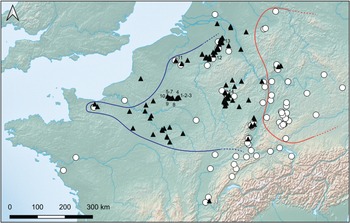


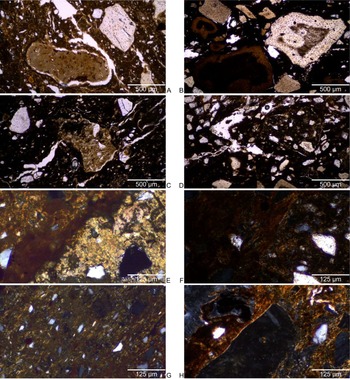

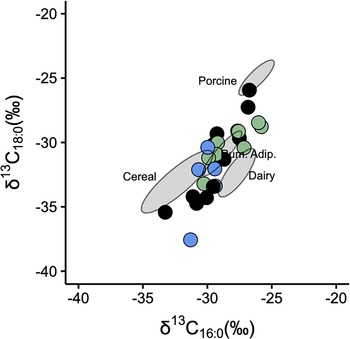


 Open access

