


Abundant evidence from prospective cohort studies of youth has indicated that the symptoms of depression emerge in childhood and adolescence. Reference Cohen, Cohen, Kasen, Velez, Hartmark and Johnson1–Reference Wittchen, Nelson and Lachner6 The symptomatic manifestations of depression in both clinical and community studies of adolescents resemble the presentation found among adults. Reference Ryan, Puig-Antich, Ambrosini, Rabinovich, Robinson and Nelson7–Reference Lewinsohn, Pettit, Joiner and Seeley9 Developmental differences in the symptoms of depression may nevertheless exist, Reference Weiss and Garber10 and there is some evidence that behavioural and somatic symptoms may be more prominent, and psychomotor symptoms less common, among children and adolescents. Reference Ryan, Puig-Antich, Ambrosini, Rabinovich, Robinson and Nelson7,Reference Strober, Green and Carlson8,Reference Roberts, Lewinsohn and Seeley11–Reference Kovacs13 Based on the widespread consensus regarding the heterogeneity of major depression, Reference Kendler, Eaves, Walters, Neale, Heath and Kessler14,Reference Gold and Chrousos15 there have been numerous efforts to identify distinct subtypes of major depression based on characteristics such as symptom clusters, age at onset, family history and course. Reference Parker and Brotchie16–Reference Nierenberg, Trivedi, Fava, Biggs, Shores-Wilson and Wisniewski18 A comprehensive overview of different subtyping models of depression, including models based on aetiology, symptoms, time of onset, gender and treatment response, was recently published by Baumeister & Parker. Reference Baumeister and Parker19 Statistical approaches such as factor analysis and latent class analysis (LCA) of data from both clinical and community samples of adults have shown that subtypes of depression were best discriminated by both severity and symptom profiles. Reference Lamers, de Jonge, Nolen, Smit, Zitman and Beekman20,Reference Sullivan, Kessler and Kendler21 Studies of adults have found differences in treatment response, Reference West and Dally22,Reference Quitkin, Stewart, McGrath, Liebowitz, Harrison and Tricamo23 biological correlates, Reference Asnis, McGinn and Sanderson24–Reference Posternak26 and course and stability of disorder, Reference Coryell, Winokur, Shea, Maser, Endicott and Akiskal27,Reference Coryell, Winokur, Maser, Akiskal, Keller and Endicott28 between the various subtypes, particularly the melancholic and atypical subtypes specified in DSM-IV.
Despite abundant efforts to identify depression subtypes in adults, there has been little research on the expression of distinct subtypes of depression in adolescents. Reference Leventhal, Pettit and Lewinsohn29 To date, studies using LCA to examine subtypes of depression have been limited to adult samples. Accordingly, the three goals of our study were to investigate the subtypes of major depressive disorder in a representative sample of US adolescents using LCA; to test the comparability of this structure across two nationally representative samples of adolescents and adults; and to examine sociodemographic and clinical correlates of derived subtypes across samples.
Method
The National Comorbidity Survey Replication (NCS-R) is a nationally representative community household survey of 9282 non-institutionalised adults aged 18 years and over in the USA. Reference Kessler and Merikangas30 Face-to-face interviews were held at the respondents' homes between February 2001 and April 2003. The National Comorbidity Survey Adolescent Supplement (NCS-A) is an extension of the NCS-R that included young people aged 13–18 years who resided in the homes of NCS-R participants (n = 879) and an additional school-based sample of young people (n = 9244), yielding a total of 10 123 adolescents. Reference Kessler, Avenevoli, Costello, Green, Gruber and Heeringa31,Reference Merikangas, He, Burstein, Swanson, Avenevoli and Cui32 Interviews were conducted between February 2001 and January 2004. The Human Subjects Committees of Harvard Medical School and the University of Michigan approved all NCS-R and NCS-A procedures, and all participants gave informed consent prior to the interview.
All respondents with a 12-month major depressive disorder from NCS-A (n = 912) and NCS-R (n = 805) were selected for the analyses. We used 12-month disorders because individuals without a current diagnosis may have more problems in accurately recalling their symptoms of depression. A non-hierarchical definition of major depressive disorder was used, in order to allow assessment of psychiatric comorbidity.
Measures
The World Health Organization's Composite International Diagnostic Interview (CIDI) version 3.0 was used for diagnostic assessment of psychiatric disorders. Reference Kessler and Ustun33 The CIDI is a fully structured interview administered by trained lay interviewers to generate DSM-IV diagnoses. The NCS-A used a modified version of the CIDI used in NCS-R for diagnostic assessment of psychiatric disorders. Reference Merikangas, Avenevoli, Costello, Koretz and Kessler34
Depressive symptoms
We included the nine DSM-IV symptoms of depression listed in the CIDI but separated weight changes from appetite changes, yielding a total of ten symptoms. All variables were coded as present or absent; however, variables for changes in weight, appetite, sleep and psychomotor activity included a further distinction between weight loss/gain, increased/decreased appetite, insomnia/hypersomnia and activation/retardation, leading to variables with three categories to better capture the differences in symptom profiles.
Characteristics to describe latent classes
Sociodemographic variables including gender and age were collected in both surveys. Clinical characteristics included number of depressive symptoms, number of episodes and age at onset, derived from the CIDI; severity, measured with a modified version of the Quick Inventory of Depressive Symptomatology; Reference Rush, Trivedi, Ibrahim, Carmody, Arnow and Klein35 and 12-month comorbidity with DSM-IV psychiatric disorders assessed in the CIDI (mania, hypomania, dysthymia, generalised anxiety disorder, panic disorder, social phobia, agoraphobia, specific phobia, substance use disorder, any binge eating disorder). Family histories of depression and mania were assessed. Further, we collected information on treatment in the past year for emotional or behavioural problems. We created variables to indicate whether participants had received any mental healthcare (out-patient mental health clinic, mental health professional, drug or alcohol clinic, admission to psychiatric hospital or other mental health facility) and any mental or medical healthcare (general medical care, any mental healthcare, and any school services for the NCS-A sample) during the previous year.
Several functional and health indicators were used to describe latent classes. The World Health Organization Disability Assessment Schedule (WHO-DAS) was used to assess functional impairment during the past month (NCS-R only), Reference Chwastiak and Von Korff36 and we created a dichotomous variable indicating which participants had severe or very severe disability (defined as scoring more than 6 on a scale of 0–10, based on the Sheehan Disability Scale Reference Leon, Olfson, Portera, Farber and Sheehan37 ). We calculated body mass index (BMI) in kg/m Reference Cole, Tram, Martin, Hoffman, Ruiz and Jacquez2 based on self-reported weight and height. Presence of somatic disorders was based on chronic conditions assessed in the US National Health Interview Survey. Reference Schoenborn, Adams and Schiller38 Respondents were asked whether they had ever experienced each of the conditions in this checklist. We included the following conditions: heart attack and heart disease (NCS-R only), diabetes or high blood glucose level, high blood pressure (NCS-R only), migraine, and other headaches.
Statistical analysis
Latent class analyses were performed using Mplus version 6.1 for Windows. Reference Muthén and Muthén39 In LCA it is assumed that an unobserved, latent categorical variable (i.e. class) explains the association among a set of observed variables (i.e. symptoms). It computes two sets of parameters: latent class probabilities or prevalences, and conditional probabilities (estimated probabilities of observed variables given that the individual is a member of that class). Ten categorical variables measuring depressive symptoms (as described earlier) served as latent class indicators, and models with one to five classes were estimated. The final model was chosen based on the Bayesian information criterion (BIC, smallest value preferred), the sample size-adjusted BIC (smallest value preferred), entropy (highest value preferred) and interpretability of the derived classes. Reference Nylund, Asparouhov and Muthen40–Reference Neuman, Todd, Heath, Reich, Hudziak and Bucholz42 Respondents were assigned to their most likely class based on posterior probabilities, classes were given subjective labels based on symptom probabilities, and correlates of classes were then evaluated in SAS version 9.2 (SAS Institute, Cary, North Carolina, USA) for Windows, separately for adolescents and adults. Class comparisons within samples were performed for correlates with a significant main effect (P<0.05), and further post hoc tests examined differences between NCS-A and NCA-R classes. All analyses corrected for the complex sampling design and were weighted to adjust for differential probabilities of selection, non-response and post-stratification.
Results
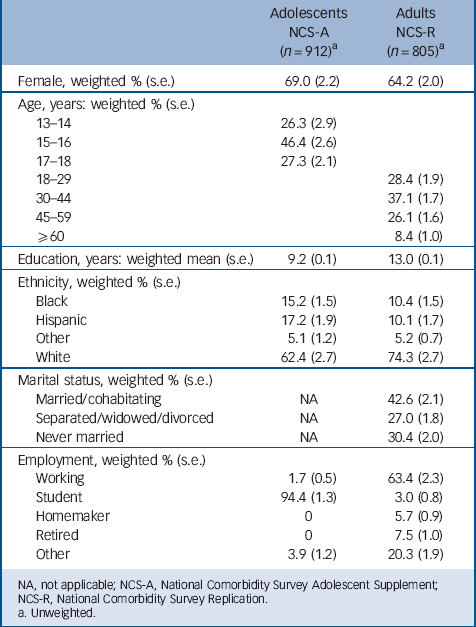
The sociodemographic characteristics of the two study samples are presented in Table 1.
Sociodemographic characteristics of the adolescent and adult samples
| Adolescents NCS-A (n = 912) a | Adults NCS-R (n = 805) a | |
|---|---|---|
| Female, weighted % (s.e.) | 69.0 (2.2) | 64.2 (2.0) |
| Age, years: weighted % (s.e.) | ||
| 13–14 | 26.3 (2.9) | |
| 15–16 | 46.4 (2.6) | |
| 17–18 | 27.3 (2.1) | |
| 18–29 | 28.4 (1.9) | |
| 30–44 | 37.1 (1.7) | |
| 45–59 | 26.1 (1.6) | |
| ≥60 | 8.4 (1.0) | |
| Education, years: weighted mean (s.e.) | 9.2 (0.1) | 13.0 (0.1) |
| Ethnicity, weighted % (s.e.) | ||
| Black | 15.2 (1.5) | 10.4 (1.5) |
| Hispanic | 17.2 (1.9) | 10.1 (1.7) |
| Other | 5.1 (1.2) | 5.2 (0.7) |
| White | 62.4 (2.7) | 74.3 (2.7) |
| Marital status, weighted % (s.e.) | ||
| Married/cohabitating | NA | 42.6 (2.1) |
| Separated/widowed/divorced | NA | 27.0 (1.8) |
| Never married | NA | 30.4 (2.0) |
| Employment, weighted % (s.e.) | ||
| Working | 1.7 (0.5) | 63.4 (2.3) |
| Student | 94.4 (1.3) | 3.0 (0.8) |
| Homemaker | 0 | 5.7 (0.9) |
| Retired | 0 | 7.5 (1.0) |
| Other | 3.9 (1.2) | 20.3 (1.9) |
NA, not applicable; NCS-A, National Comorbidity Survey Adolescent Supplement; NCS-R, National Comorbidity Survey Replication.
a Unweighted.
Model selection
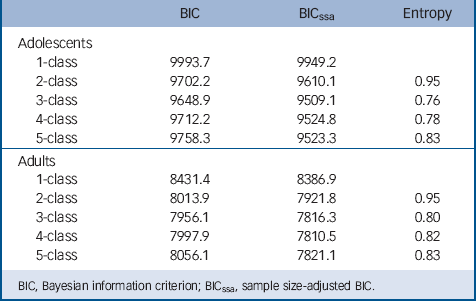
In the NCS-A sample both the BIC and the sample size-adjusted BIC were smallest in the three-class model, which was therefore chosen as the final model. In the NCS-R sample the BIC was smallest in a three-class model, whereas the four-class model yielded the smallest sample size-adjusted BIC and higher entropy than the three-class model (Table 2); additionally, the four-class model more closely approximated subtypes identified in previous research, Reference Lamers, de Jonge, Nolen, Smit, Zitman and Beekman20,Reference Sullivan, Kessler and Kendler21,Reference Sullivan, Prescott and Kendler43 and the current distinctions between atypical and typical depressive disorder subtypes in the DSM-IV. The four-class model was therefore chosen in the adult sample.
Class description
Adolescents
In the adolescent sample (NCS-A) the first class identified was labelled ‘moderate typical’ (prevalence 39.9%) owing to a typical symptom pattern characterised by decreased appetite and insomnia (Fig. 1). This class had the lowest proportion of young people with suicidal thoughts. The second class was labelled ‘severe typical’ (prevalence 34.6%) owing to a typical symptom pattern including weight loss, and higher symptom probabilities than the ‘moderate typical’ class. The third class was labelled ‘atypical’ (prevalence 25.5%) as it presented an atypical symptom pattern marked by increased appetite and weight gain.
Adults
In the NCS-R sample the first class was characterised by few changes in appetite or weight and psychomotor changes, and had a prevalence of 14.6%. This class was labelled ‘moderate’ owing to its moderately severe symptom pattern (Fig. 2). The second class, labelled ‘moderate typical’ because of its typical symptom pattern including weight loss, decreased appetite and insomnia, had a prevalence of 24.8%. The third class, ‘severe typical’ (prevalence 44.9%) had a typical symptom pattern but higher symptom probabilities and proportions of adults with insomnia and suicidal thoughts than the ‘moderate typical’ class. The fourth class, ‘atypical’ (prevalence 15.6%), had a distinct pattern of increased appetite and weight gain.
Comparison of adults and adolescents
We performed additional multiple-group LCA simultaneously in NCS-A and NCS-R samples to test whether the observed class symptom profiles were similar across the samples. For this purpose, we ran an unrestricted model and a restricted model using the KNOWNCLASS-option in Mplus, and performed a –2 log-likelihood test. In the unrestricted model all parameters were estimated freely, whereas in the restricted model the probabilities of symptoms within classes were held equal across samples. Because the NCS-R sample had four classes and the NCS-A sample only three, we used a restriction to fix the prevalence of the additional NCS-R class to zero in the NCS-A sample. These analyses showed that the restricted model, where all three classes were held equal, was significantly different from the unrestricted model (P = 0.03), but a model restricting only two classes was not significantly different (P = 0.43). These results indicate that the symptom profiles of the severe typical and atypical (but not the moderate typical) classes were the same across samples. Comparison of the prevalence rates of the adult severe typical and adult atypical classes with the prevalence rates of their adolescent counterparts showed that these rates differed significantly, with adolescents having a higher rate of the atypical subtype and a lower rate of severe typical subtype.
Fit indices from the latent class analyses
| BIC | BICssa | Entropy | |
|---|---|---|---|
| Adolescents | |||
| 1-class | 9993.7 | 9949.2 | |
| 2-class | 9702.2 | 9610.1 | 0.95 |
| 3-class | 9648.9 | 9509.1 | 0.76 |
| 4-class | 9712.2 | 9524.8 | 0.78 |
| 5-class | 9758.3 | 9523.3 | 0.83 |
| Adults | |||
| 1-class | 8431.4 | 8386.9 | |
| 2-class | 8013.9 | 7921.8 | 0.95 |
| 3-class | 7956.1 | 7816.3 | 0.80 |
| 4-class | 7997.9 | 7810.5 | 0.82 |
| 5-class | 8056.1 | 7821.1 | 0.83 |
BIC, Bayesian information criterion; BICssa, sample size-adjusted BIC.
Correlates
Adolescents
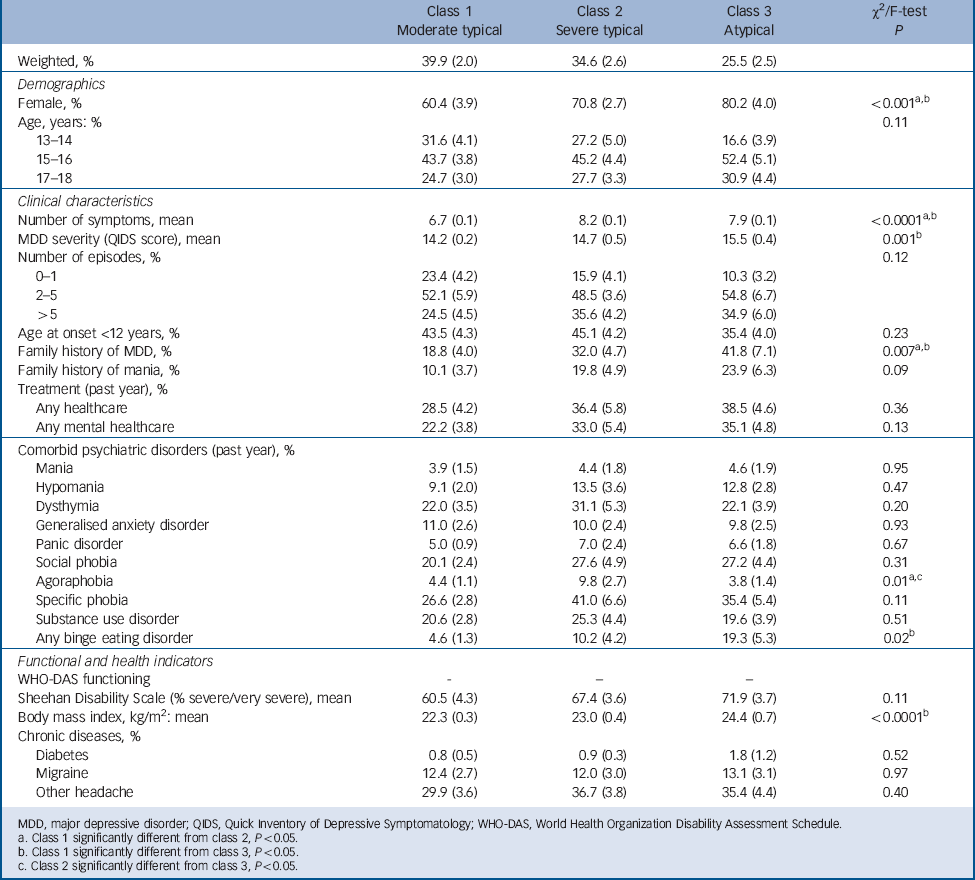
The sociodemographic, clinical and health correlates of the identified subtypes are presented in Tables 3 and 4. In adolescents, the atypical class had the highest proportion of female participants, and between-class differences were statistically significant. No other difference in demographic variables was observed. The number of symptoms was significantly higher in the severe typical class compared with the other two classes, but symptom severity was highest in the atypical class and significantly higher than in the moderate typical class. The proportions of adolescents with a positive family history of depression were significantly different between the adolescent classes, with both the severe typical and atypical classes having a higher proportion of young people with a positive family history relative to the moderate class.
Agoraphobia was differentially distributed across classes, with the severe typical class having double the prevalence rate of agoraphobia compared with the other two classes. Further, rates of any binge eating disorder were highest in the atypical class and lowest in the moderate class. No difference in treatment was observed across adolescent classes. In terms of health indicators, no difference in disability was found, but the atypical class had the highest BMI, and this was significantly higher than the moderate typical class. The percentage of adolescents who were overweight or obese (based on BMI z-score, >85th percentile) was also highest in the atypical group (45.6% v. 36.4–39.7%).
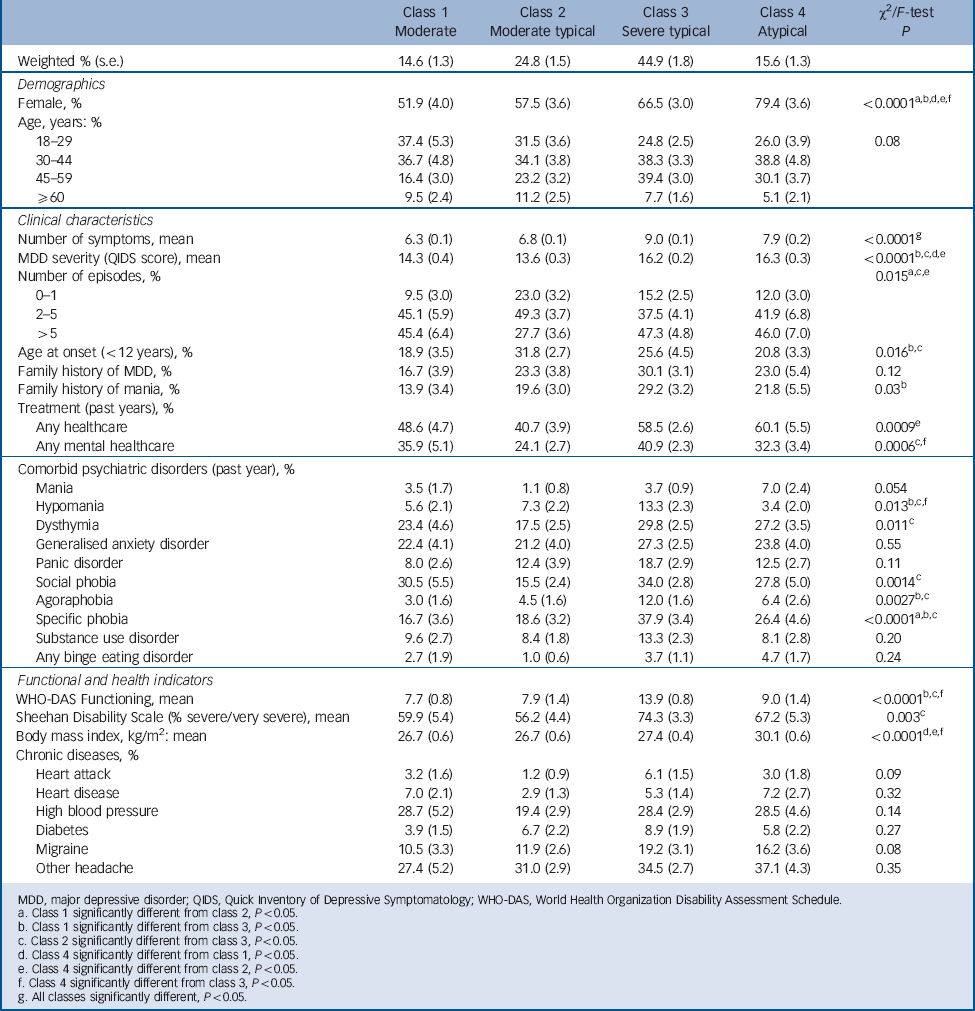
Adults
In the adult sample, the proportion of women increased with increasing severity of classes. The highest proportion of women was found in the atypical class, and this proportion was significantly higher relative to all other classes. There were significant differences between classes in the number of symptoms present, with the severe typical class having the highest mean number of symptoms, followed by the atypical class. Severity scores for depression were also higher in the severe typical and atypical classes. Differences in number of episodes between classes were found, with the moderate typical class having the fewest episodes. This class further had the highest percentage of adults with early disorder onset (<12 years of age), whereas the moderate class had the lowest percentage of adults with early onset. No difference was found in family history of depression, but the severe typical class more frequently had a family history of mania than the moderate class.
Symptom endorsement of subtypes in adolescents.

Symptom endorsement of subtypes in adults.

With respect to comorbid disorders, there was a significant difference between classes in mania, with the highest rates observed in the atypical class. Hypomania was significantly different across adult classes, with the highest rate in the severe typical class and the lowest in the atypical class. Social phobia, agoraphobia and specific phobia were all significantly different across latent classes; highest prevalence rates for these disorders were observed in the severe typical class. Those in the atypical class were most likely to have received any healthcare, and those in the severe typical class were most likely to have received any mental healthcare in the previous year.
Body mass index significantly differed across adult classes, with the atypical class having a significantly higher BMI than all other classes and also having the highest percentage of people with a BMI greater than 25 kg/m Reference Cole, Tram, Martin, Hoffman, Ruiz and Jacquez2 (77.6% v. 54.2–59.2% in other subtypes). The WHO-DAS health functioning scale further showed highest disability in the severe typical class. Severity of the severe typical class was also distinguished by disability, with
Sociodemographic and clinical correlates and health indicators of depressive subtypes in adolescents (values in parentheses are standard errors)
| Class 1 Moderate typical | Class 2 Severe typical | Class 3 Atypical | χ2/F-test P | |
|---|---|---|---|---|
| Weighted, % | 39.9 (2.0) | 34.6 (2.6) | 25.5 (2.5) | |
| Demographics | ||||
| Female, % | 60.4 (3.9) | 70.8 (2.7) | 80.2 (4.0) | <0.001 a,b |
| Age, years: % | 0.11 | |||
| 13–14 | 31.6 (4.1) | 27.2 (5.0) | 16.6 (3.9) | |
| 15–16 | 43.7 (3.8) | 45.2 (4.4) | 52.4 (5.1) | |
| 17–18 | 24.7 (3.0) | 27.7 (3.3) | 30.9 (4.4) | |
| Clinical characteristics | ||||
| Number of symptoms, mean | 6.7 (0.1) | 8.2 (0.1) | 7.9 (0.1) | <0.0001 a,b |
| MDD severity (QIDS score), mean | 14.2 (0.2) | 14.7 (0.5) | 15.5 (0.4) | 0.001 b |
| Number of episodes, % | 0.12 | |||
| 0–1 | 23.4 (4.2) | 15.9 (4.1) | 10.3 (3.2) | |
| 2–5 | 52.1 (5.9) | 48.5 (3.6) | 54.8 (6.7) | |
| >5 | 24.5 (4.5) | 35.6 (4.2) | 34.9 (6.0) | |
| Age at onset <12 years, % | 43.5 (4.3) | 45.1 (4.2) | 35.4 (4.0) | 0.23 |
| Family history of MDD, % | 18.8 (4.0) | 32.0 (4.7) | 41.8 (7.1) | 0.007 a,b |
| Family history of mania, % | 10.1 (3.7) | 19.8 (4.9) | 23.9 (6.3) | 0.09 |
| Treatment (past year), % | ||||
| Any healthcare | 28.5 (4.2) | 36.4 (5.8) | 38.5 (4.6) | 0.36 |
| Any mental healthcare | 22.2 (3.8) | 33.0 (5.4) | 35.1 (4.8) | 0.13 |
| Comorbid psychiatric disorders (past year), % | ||||
| Mania | 3.9 (1.5) | 4.4 (1.8) | 4.6 (1.9) | 0.95 |
| Hypomania | 9.1 (2.0) | 13.5 (3.6) | 12.8 (2.8) | 0.47 |
| Dysthymia | 22.0 (3.5) | 31.1 (5.3) | 22.1 (3.9) | 0.20 |
| Generalised anxiety disorder | 11.0 (2.6) | 10.0 (2.4) | 9.8 (2.5) | 0.93 |
| Panic disorder | 5.0 (0.9) | 7.0 (2.4) | 6.6 (1.8) | 0.67 |
| Social phobia | 20.1 (2.4) | 27.6 (4.9) | 27.2 (4.4) | 0.31 |
| Agoraphobia | 4.4 (1.1) | 9.8 (2.7) | 3.8 (1.4) | 0.01 a,c |
| Specific phobia | 26.6 (2.8) | 41.0 (6.6) | 35.4 (5.4) | 0.11 |
| Substance use disorder | 20.6 (2.8) | 25.3 (4.4) | 19.6 (3.9) | 0.51 |
| Any binge eating disorder | 4.6 (1.3) | 10.2 (4.2) | 19.3 (5.3) | 0.02 b |
| Functional and health indicators | ||||
| WHO-DAS functioning | - | – | – | |
| Sheehan Disability Scale (% severe/very severe), mean | 60.5 (4.3) | 67.4 (3.6) | 71.9 (3.7) | 0.11 |
| Body mass index, kg/m2: mean | 22.3 (0.3) | 23.0 (0.4) | 24.4 (0.7) | <0.0001 b |
| Chronic diseases, % | ||||
| Diabetes | 0.8 (0.5) | 0.9 (0.3) | 1.8 (1.2) | 0.52 |
| Migraine | 12.4 (2.7) | 12.0 (3.0) | 13.1 (3.1) | 0.97 |
| Other headache | 29.9 (3.6) | 36.7 (3.8) | 35.4 (4.4) | 0.40 |
MDD, major depressive disorder; QIDS, Quick Inventory of Depressive Symptomatology; WHO-DAS, World Health Organization Disability Assessment Schedule.
a Class 1 significantly different from class 2, P < 0.05.
b Class 1 significantly different from class 3, P < 0.05.
c Class 2 significantly different from class 3, P < 0.05.
significantly greater role disability in the severe typical v. the moderate typical class.
Comparison of correlates in adolescents and adults
Several similarities were observed between the adolescent and adult samples. In both samples the proportion of female participants was highest in the atypical class and was similar across samples (P = 0.88). In both samples the number of symptoms was highest in the severe typical class and the symptom severity score was highest in the atypical class. Comparisons of similar classes between adolescents and adults revealed no significant difference in number of symptoms and symptom severity between classes (data not shown). In both samples, BMI was highest in the atypical class, and there was no observed difference in chronic conditions. There were, however, several differences in correlates between the adolescent and adult samples: differences in number of episodes, age at onset and treatment between classes were observed only in the adult sample.
Discussion
This study provides novel information on the structure of depression in nationally representative samples of US adolescents and adults. The subtypes identified in these analyses suggest that both symptom patterns and severity of depressive symptoms are sources of heterogeneity in major depressive disorder. The central importance of symptoms that are somatic in quality (such as changes in appetite, weight, sleep and fatigue) in discriminating depressive subtypes has major implications for our understanding of the biologic pathways, treatment and opportunities for prevention of the consequences of this major public health problem in American youth. As in previous work, Reference Strober, Green and Carlson8,Reference Roberts, Lewinsohn and Seeley11,Reference Kovacs13 our results indicate that the structure of depression is largely similar across adolescent and adult age groups. Among adolescents, three distinct subtypes of depression were derived: one defined by a typical symptom presentation and moderate severity (moderate typical), one characterised by a typical symptom presentation and high severity (severe typical) and a third marked by an
Sociodemographic and clinical correlates and health indicators of depressive subtypes in adults (values in parentheses are standard errors)
| Class 1 Moderate | Class 2 Moderate typical | Class 3 Severe typical | Class 4 Atypical | χ2/F-test P | |
|---|---|---|---|---|---|
| Weighted % (s.e.) | 14.6 (1.3) | 24.8 (1.5) | 44.9 (1.8) | 15.6 (1.3) | |
| Demographics | |||||
| Female, % | 51.9 (4.0) | 57.5 (3.6) | 66.5 (3.0) | 79.4 (3.6) | <0.0001 a,b,d,e,f |
| Age, years: % | |||||
| 18–29 | 37.4 (5.3) | 31.5 (3.6) | 24.8 (2.5) | 26.0 (3.9) | 0.08 |
| 30–44 | 36.7 (4.8) | 34.1 (3.8) | 38.3 (3.3) | 38.8 (4.8) | |
| 45–59 | 16.4 (3.0) | 23.2 (3.2) | 39.4 (3.0) | 30.1 (3.7) | |
| ≥60 | 9.5 (2.4) | 11.2 (2.5) | 7.7 (1.6) | 5.1 (2.1) | |
| Clinical characteristics | |||||
| Number of symptoms, mean | 6.3 (0.1) | 6.8 (0.1) | 9.0 (0.1) | 7.9 (0.2) | <0.0001 g |
| MDD severity (QIDS score), mean | 14.3 (0.4) | 13.6 (0.3) | 16.2 (0.2) | 16.3 (0.3) | <0.0001 b,c,d,e |
| Number of episodes, % | 0.015 a,c,e | ||||
| 0–1 | 9.5 (3.0) | 23.0 (3.2) | 15.2 (2.5) | 12.0 (3.0) | |
| 2–5 | 45.1 (5.9) | 49.3 (3.7) | 37.5 (4.1) | 41.9 (6.8) | |
| >5 | 45.4 (6.4) | 27.7 (3.6) | 47.3 (4.8) | 46.0 (7.0) | |
| Age at onset (<12 years), % | 18.9 (3.5) | 31.8 (2.7) | 25.6 (4.5) | 20.8 (3.3) | 0.016 b,c |
| Family history of MDD, % | 16.7 (3.9) | 23.3 (3.8) | 30.1 (3.1) | 23.0 (5.4) | 0.12 |
| Family history of mania, % | 13.9 (3.4) | 19.6 (3.0) | 29.2 (3.2) | 21.8 (5.5) | 0.03 b |
| Treatment (past years), % | |||||
| Any healthcare | 48.6 (4.7) | 40.7 (3.9) | 58.5 (2.6) | 60.1 (5.5) | 0.0009 e |
| Any mental healthcare | 35.9 (5.1) | 24.1 (2.7) | 40.9 (2.3) | 32.3 (3.4) | 0.0006 c,f |
| Comorbid psychiatric disorders (past year), % | |||||
| Mania | 3.5 (1.7) | 1.1 (0.8) | 3.7 (0.9) | 7.0 (2.4) | 0.054 |
| Hypomania | 5.6 (2.1) | 7.3 (2.2) | 13.3 (2.3) | 3.4 (2.0) | 0.013 b,c,f |
| Dysthymia | 23.4 (4.6) | 17.5 (2.5) | 29.8 (2.5) | 27.2 (3.5) | 0.011 c |
| Generalised anxiety disorder | 22.4 (4.1) | 21.2 (4.0) | 27.3 (2.5) | 23.8 (4.0) | 0.55 |
| Panic disorder | 8.0 (2.6) | 12.4 (3.9) | 18.7 (2.9) | 12.5 (2.7) | 0.11 |
| Social phobia | 30.5 (5.5) | 15.5 (2.4) | 34.0 (2.8) | 27.8 (5.0) | 0.0014 c |
| Agoraphobia | 3.0 (1.6) | 4.5 (1.6) | 12.0 (1.6) | 6.4 (2.6) | 0.0027 b,c |
| Specific phobia | 16.7 (3.6) | 18.6 (3.2) | 37.9 (3.4) | 26.4 (4.6) | <0.0001 a,b,c |
| Substance use disorder | 9.6 (2.7) | 8.4 (1.8) | 13.3 (2.3) | 8.1 (2.8) | 0.20 |
| Any binge eating disorder | 2.7 (1.9) | 1.0 (0.6) | 3.7 (1.1) | 4.7 (1.7) | 0.24 |
| Functional and health indicators | |||||
| WHO-DAS Functioning, mean | 7.7 (0.8) | 7.9 (1.4) | 13.9 (0.8) | 9.0 (1.4) | <0.0001 b,c,f |
| Sheehan Disability Scale (% severe/very severe), mean | 59.9 (5.4) | 56.2 (4.4) | 74.3 (3.3) | 67.2 (5.3) | 0.003 c |
| Body mass index, kg/m2: mean | 26.7 (0.6) | 26.7 (0.6) | 27.4 (0.4) | 30.1 (0.6) | <0.0001 d,e,f |
| Chronic diseases, % | |||||
| Heart attack | 3.2 (1.6) | 1.2 (0.9) | 6.1 (1.5) | 3.0 (1.8) | 0.09 |
| Heart disease | 7.0 (2.1) | 2.9 (1.3) | 5.3 (1.4) | 7.2 (2.7) | 0.32 |
| High blood pressure | 28.7 (5.2) | 19.4 (2.9) | 28.4 (2.9) | 28.5 (4.6) | 0.14 |
| Diabetes | 3.9 (1.5) | 6.7 (2.2) | 8.9 (1.9) | 5.8 (2.2) | 0.27 |
| Migraine | 10.5 (3.3) | 11.9 (2.6) | 19.2 (3.1) | 16.2 (3.6) | 0.08 |
| Other headache | 27.4 (5.2) | 31.0 (2.9) | 34.5 (2.7) | 37.1 (4.3) | 0.35 |
MDD, major depressive disorder; QIDS, Quick Inventory of Depressive Symptomatology; WHO-DAS, World Health Organization Disability Assessment Schedule.
a Class 1 significantly different from class 2, P < 0.05.
b Class 1 significantly different from class 3, P < 0.05.
c Class 2 significantly different from class 3, P < 0.05.
d Class 4 significantly different from class 1, P < 0.05.
e Class 4 significantly different from class 2, P < 0.05.
f Class 4 significantly different from class 3, P < 0.05.
g All classes significantly different, P < 0.05.
atypical symptom pattern, including increased appetite, weight gain and fatigue (atypical). The structure of depression among adults displayed more heterogeneity, with four subtypes instead of the three found in adolescents. Two of the three subtypes in adolescents – severe typical and atypical – had symptom patterns identical to those in adults. Although the more complex presentation of depression in adults could illustrate developmental changes in depression parallel to those witnessed in the transition between childhood and adolescence, Reference Yorbik, Birmaher, Axelson, Williamson and Ryan44 it could also be in part an artefact of the lack of a clear-cut distinction between the moderate typical and moderate classes.
Subtypes and correlates
Our findings further confirm prior classification studies that have demonstrated the importance of inclusion of a severity component in subtyping depression in both adults and adolescents. Reference Kendler, Eaves, Walters, Neale, Heath and Kessler14,Reference Lamers, de Jonge, Nolen, Smit, Zitman and Beekman20,Reference Sullivan, Kessler and Kendler21 Compared with moderate groups, the severe groups were distinguished by a greater number of depressive symptoms, number of depressive episodes, symptom severity, treatment and role impairment in both adults and young people. Evidence for distinctions between subgroups by severity highlights the importance of implementing a dimensional severity rating for improving depression diagnosis. Aside from severity, the subtypes were also distinguished by differential symptom profiles. The typical subtype was the most prevalent subtype (approximately 70%) in both adults and adolescents. Although we did not assess all melancholic symptoms, the severe typical subtype that we identified was characterised by the core features of melancholia including more loss of appetite and weight loss, psychomotor change and feelings of guilt (the latter being more pronounced in the adult sample). Typical/melancholic subtypes have also been identified in several LCA studies in the USA and The Netherlands. Reference Lamers, de Jonge, Nolen, Smit, Zitman and Beekman20,Reference Sullivan, Kessler and Kendler21
The atypical subtype, demonstrated in numerous clinical and community samples of adults, Reference Carlson and Kashani12–Reference Quitkin, Stewart, McGrath, Liebowitz, Harrison and Tricamo23 has not previously been examined in community studies of adolescents. Reference Williamson, Birmaher, Brent, Balach, Dahl and Ryan45,Reference Klein, Mannuzza, Koplewicz, Tancer, Shah and Liang46 The prevalence of the atypical subtype in adults with depression (16%) was similar to that in one prior LCA study, Reference Lamers, de Jonge, Nolen, Smit, Zitman and Beekman20 but somewhat higher than has been generally found in other studies. However, the much higher prevalence of the subtype in adolescents with depression (26%) was well within the range reported from clinical samples of adolescents with depression (25–47%). Reference Williamson, Birmaher, Brent, Balach, Dahl and Ryan45,Reference Klein, Mannuzza, Koplewicz, Tancer, Shah and Liang46 Correlates of the atypical subtype were similar to those found in previous research. The female preponderance, increased rates of bipolar spectrum and anxiety disorders in adults, and higher BMI scores have been found in both clinical and community samples. Reference Lamers, de Jonge, Nolen, Smit, Zitman and Beekman20,Reference Sullivan, Prescott and Kendler43,Reference Angst, Gamma, Benazzi, Silverstein, Ajdacic-Gross and Eich47,Reference Matza, Revicki, Davidson and Stewart48 As demonstrated by previous studies, Reference Angst, Gamma, Benazzi, Silverstein, Ajdacic-Gross and Eich47,Reference Posternak and Zimmerman49 adolescents with this subtype more often had any binge eating disorder compared with those with the moderate type. This association is not surprising given the conceptual overlap between the two conditions. The earlier finding that the atypical subtype is associated with metabolic syndrome – a cluster of risk factors for cardiovascular disease and diabetes – suggests the importance of the somatic component in atypical depression. Reference Lamers, de Jonge, Nolen, Smit, Zitman and Beekman20 Therefore, the presentation of this subtype in adolescence provides an important target for developing assessment and treatment strategies that address possible somatic and metabolic abnormalities as well.
Overall, change in appetite was the most potent indicator that seemed to differentiate between subtypes. Interestingly, several previous studies using factor analysis found an appetite/weight factor, with positive factor loadings for increased appetite and weight, and negative loadings for decreased appetite and weight, suggesting that variations in appetite and weight are defining features of depression that may distinguish between affected individuals. Reference Ryan, Puig-Antich, Ambrosini, Rabinovich, Robinson and Nelson7,Reference Yorbik, Birmaher, Axelson, Williamson and Ryan44 Indeed, the atypical subtype observed in both adolescents and adults was primarily defined by appetite and weight gain, as has been also shown in prior work. Reference Kendler, Eaves, Walters, Neale, Heath and Kessler14,Reference Lamers, de Jonge, Nolen, Smit, Zitman and Beekman20,Reference Sullivan, Kessler and Kendler21,Reference Sullivan, Prescott and Kendler43
Limitations
This study has several limitations that should be considered when interpreting the results. First, the conditional branching inherent in the CIDI may have led to an underestimation of atypical symptoms. Skip rules were used in the interview for questions assessing changes in appetite or weight, changes in sleep and psychomotor changes, so that if one symptom was present (for example, decreased appetite), the question to assess its reverse (increased appetite) was not administered. Because some individuals present with different symptoms in different episodes, or even present with both variants during the same episode, this study may have underestimated the true prevalence of atypical depression. Nevertheless, our results are highly comparable to LCAs of data where skips were not used. Reference Lamers, de Jonge, Nolen, Smit, Zitman and Beekman20 Second, some variables, including number of episodes and family history, had substantial numbers of missing values. Third, only DSM-IV criterion symptoms were used in this study; other symptoms of depression that might be present in adolescents, such as irritability, were not included. Fourth, although the DSM-IV definition of atypical depression requires the presence of mood reactivity (in addition to two or more of the symptoms of weight gain or increased appetite, hypersomnia, leaden paralysis and interpersonal rejection sensitivity), it was not included in our LCA because no information on mood reactivity was available in NCS-A and NCS-R. The atypical subtype therefore does not strictly adhere to the DSM-IV criteria. However, the hierarchical DSM-IV definition of atypical depression has been debated in adults and adolescents. Reference Williamson, Birmaher, Brent, Balach, Dahl and Ryan45,Reference Angst, Gamma, Benazzi, Silverstein, Ajdacic-Gross and Eich47 In addition, mood reactivity did not play an important part in distinguishing subtypes in one previous LCA study. Reference Lamers, de Jonge, Nolen, Smit, Zitman and Beekman20
Implications
These findings provide new insights into subtypes of depression in adolescents. With respect to nosology, when taken together with previous research regarding distinct biological correlates, Reference Lamers, de Jonge, Nolen, Smit, Zitman and Beekman20,Reference Asnis, McGinn and Sanderson24,Reference Posternak26,Reference Stetler and Miller50 and treatment response of the atypical subtype, Reference West and Dally22,Reference Quitkin, Stewart, McGrath, Liebowitz, Harrison and Tricamo23,Reference Stewart and Thase51 our findings support retention of the atypical specifier in the DSM-5. As shown previously by Leventhal et al Reference Leventhal, Pettit and Lewinsohn29 and others, these results also demonstrate that specific subgroups of depression can be distinguished in community samples of adolescents. These subgroups appear similar to those identified in clinical samples of young people as well as both clinical and community samples of adults. Although these symptom profiles in adults and adolescents display substantial overlap, this does not provide evidence of continuity of profiles from adolescence to adulthood. Several studies of depression in both adults and adolescents have demonstrated that the stability of subtypes and symptoms appears low, Reference Lewinsohn, Pettit, Joiner and Seeley9,Reference Roberts, Lewinsohn and Seeley11,Reference Nandi, Beard and Galea52 and that a substantial proportion of young adults even meet criteria for different subtypes simultaneously. Reference Angst, Gamma, Benazzi, Ajdacic and Rossler53 Because subtype stability may be essential to its clinical usefulness, future research is needed to evaluate the continuity and correlates of subtypes over time. Increased understanding of the subtypes of depression in adolescence may also enhance our ability to provide timely and effective treatment, particularly because a substantial proportion of adolescents with depression do not respond to evidence-based treatment, Reference March, Silva and Vitiello54 and episode recurrence is common. Reference Lewinsohn, Allen, Seeley and Gotlib55,Reference Rao, Hammen and Daley56 Longitudinal research might also help to identify the timing of changes across subtypes that could inform the optimal timing of intervention.
Funding
The study was supported by the Intramural Research Program of the National Institute of Mental Health (Z01 MH002808-08). The National Comorbidity Survey (NCS) Adolescent Supplement and the larger programme of related NCS surveys are supported by the National Institute of Mental Health (U01-MH60220). The views and opinions expressed in this article are those of the authors and should not be construed to represent the views of any of the sponsoring organisations, agencies or the US government. F.L. is supported by a Rubicon Fellowship from The Netherlands Organisation for Scientific Research (NWO).




eLetters
No eLetters have been published for this article.