

Over the past two decades, a large body of evidence has accumulated supporting the use of clinician-guided, internet-based CBT (iCBT) programs as part of a stepped care model of care for the treatment of anxiety and depression (Andrews, Cuijpers, Craske, McEvoy, & Titov, Reference Andrews, Cuijpers, Craske, McEvoy and Titov2010; Dear et al., Reference Dear, Staples, Terides, Karin, Zou, Johnston and Titov2015; Hedman et al., Reference Hedman, Andersson, Lindefors, Gustavsson, Lekander, Rück and Ljótsson2014; Hedman, Ljótsson, Kaldo et al., Reference Hedman, Ljótsson, Kaldo, Hesser, El Alaoui, Kraepelien and Lindefors2013; Hedman, Ljótsson, Rück et al., Reference Hedman, Ljótsson, Rück, Bergström, Andersson, Kaldo and Lindefors2013; Mewton, Smith, Rossouw, & Andrews, Reference Mewton, Smith, Rossouw and Andrews2014; Mewton, Wong, & Andrews, Reference Mewton, Wong and Andrews2012; Olthuis, Watt, Bailey, Hayden, & Stewart, Reference Olthuis, Watt, Bailey, Hayden and Stewart2016; Priemer & Talbot, Reference Priemer and Talbot2013; Williams & Andrew, Reference Williams and Andrews2013). In a number of countries, however, access to iCBT is limited, and a majority of evidence-based programs for the treatment of anxiety and depression are in English. The International Society for Research on Internet Interventions (ISRII) has highlighted the importance of facilitating the dissemination of iCBT programs by providing translation into multiple languages (Ritterband, Andersson, Christensen, Carlbring, & Cuijpers, Reference Ritterband, Andersson, Christensen, Carlbring and Cuijpers2006). Translating and implementing existing iCBT programs, rather than developing new ones, can be a highly cost-efficient strategy (Lintvedt, Griffith, Eisemann, & Waterloo, Reference Lintvedt, Griffiths, Eisemann and Waterloo2013).
An established English iCBT program for the treatment of anxiety and depression is the the Wellbeing Course (Dear et al., Reference Dear, Titov, Schwencke, Andrews, Johnston, Craske and McEvoy2011; Titov et al., Reference Titov, Dear, Johnston, Lorian, Zou, Wootton and Rapee2013; Titov et al., Reference Titov, Dear, Johnston, McEvoy, Wootton, Terides and Rapee2014; Titov et al., Reference Titov, Dear, Schwencke, Andrews, Johnston, Craske and McEvoy2011). This program has been successfully implemented in a clinician-guided format at a national level in Australia through the MindSpot Clinic (www.mindspot.org.au; Titov, Dear, Staples, Bennett-Levy et al., Reference Titov, Dear, Staples, Bennett-Levy, Klein, Rapee and Nielssen2015; Titov et al., Reference Titov, Dear, Staples, Bennett-Levy, Klein, Rapee and Nielssen2016), and in Saskatchewan, Canada, in non-specialised community clinics that were offering primarily face-to-face therapy services (Hadjistavropoulos et al., Reference Hadjistavropoulos, Nugent, Alberts, Staples, Dear and Titov2016). Its short- and long-term efficacy as well as acceptability have been supported in feasibility and randomised controlled trials. As a transdiagnostic (or unified) program, the Wellbeing Course allows the treatment of both anxiety and depressive disorders, with gains similar to disorder-specific treatments (Dear et al., Reference Dear, Staples, Terides, Karin, Zou, Johnston and Titov2015; Fogliati et al., Reference Fogliati, Dear, Staples, Terides, Sheehan, Johnston and Titov2016; Hadjistavropoulos et al., Reference Hadjistavropoulos, Nugent, Alberts, Staples, Dear and Titov2016; Titov, Dear, Staples, Terides et al., Reference Titov, Dear, Staples, Terides, Karin, Sheehan and McEvoy2015). Compared to disorder-specific treatments, transdiagnostic treatments can have several practical benefits for both clients and service providers, including the opportunity for clients to learn to manage comorbid disorders, as well as reduced cost and training requirements, thereby increasing access to treatment.
Preliminary evidence supports the clinician-guided Wellbeing Course's transportability across cultures. Positive results have been found among cultures as diverse as the Arabic and Chinese linguistic minorities in Australia, using translated and culturally modified versions (Choi et al., Reference Choi, Zou, Titov, Dear, Li, Johnston and Hunt2011; Kayrouz et al., Reference Kayrouz, Dear, Johnston, Gandy, Fogliati, Sheehan and Titov2015). Other features of the Wellbeing Course may also be assets in the cross-cultural dissemination of iCBT, namely its transdiagnostic nature and the option to use a self-guided format of delivery without compromising treatment satisfaction or efficacy. Both features can potentially allow larger numbers of people to receive clinically and cost-effective treatments, thereby facilitating dissemination. The use of self-guided formats may also provide a better fit with clients’ preference, as found in a large internet psychotherapy clinic where only 75 of 2,660 (i.e., 2%) consecutive participants opted for clinician-guided over self-guided internet therapy (Klein, Meyer, Austin, & Kyrios, Reference Klein, Meyer, Austin and Kyrios2011).
Previous meta-analyses revealed limited benefits for self-guided iCBT programs compared to clinician-guided ones (e.g., Andrews et al., Reference Andrews, Cuijpers, Craske, McEvoy and Titov2010). Since then, a few self-guided iCBT programs have received preliminary support, producing similar clinical outcomes, treatment completion and satisfaction rates as guided iCBT programs for social anxiety disorder, panic disorder, generalised anxiety disorder and major depressive disorder (e.g., Dear et al., Reference Dear, Staples, Terides, Fogliati, Sheehan, Johnston and Titov2016; Dear et al., Reference Dear, Staples, Terides, Karin, Zou, Johnston and Titov2015; Fogliati et al., Reference Fogliati, Dear, Staples, Terides, Sheehan, Johnston and Titov2016; Titov, Dear, Staples, Terides et al., Reference Titov, Dear, Staples, Terides, Karin, Sheehan and McEvoy2015). At least two key differences are likely to exist between older and newer self-guided iCBT programs (Dear et al., Reference Dear, Staples, Terides, Fogliati, Sheehan, Johnston and Titov2016). One is the use of a telephone contact to assess treatment suitability, to orient and prepare participants for the treatment, and to answer questions. A second difference is that newer programs have been designed to work in a self-guided format, including, for example, carefully designed automated emails to guide and reinforce people for their progression through the therapy. Such strategies are part of the self-guided delivery of the Wellbeing Course, and encouraging results have been found in a randomised controlled trial (Titov et al., Reference Titov, Dear, Johnston, Lorian, Zou, Wootton and Rapee2013), with treatment gains maintained over a 12-month follow-up (Titov et al., Reference Titov, Dear, Johnston, McEvoy, Wootton, Terides and Rapee2014).
This feasibility study aims to assess the cross-cultural dissemination of iCBT for the treatment of anxiety and depression using a translated and self-guided version of a transdiagnostic iCBT program, the Wellbeing Course. The program was translated into French and its dissemination tested in Canada. No existing evidence-based iCBT programs are available in French, although it is spoken on all five continents with an estimated 274 million French speakers worldwide (International Organisation of La Francophonie, 2018). The conduct of such a demonstration project is of utmost importance given that access to iCBT is very limited in a number of countries, including Canada, and that additional empirical support is needed on the use of self-guided formats. Feasibility outcomes evaluated in this study were treatment adherence, attrition, treatment acceptability, and preliminary efficacy pertaining to anxiety, depression and life satisfaction. It was hypothesised that a majority of participants would: (1) complete the five lessons of the Wellbeing Course within 8 weeks, (2) report being satisfied with the Wellbeing Course, and (3) show a reduction of depression and anxiety, including generalised anxiety, social phobia, panic and agoraphobia.
Method
Ethics
The authors assert that all procedures contributing to this work comply with the ethical standards of the relevant national and institutional committees on human experimentation and with the Helsinki Declaration of 1975, as revised in 2008. The study was approved by the Human Research Ethics Committee of the Université de Moncton (New Brunswick, Canada), file number 1415-074. All participants provided informed consent electronically.
Participants
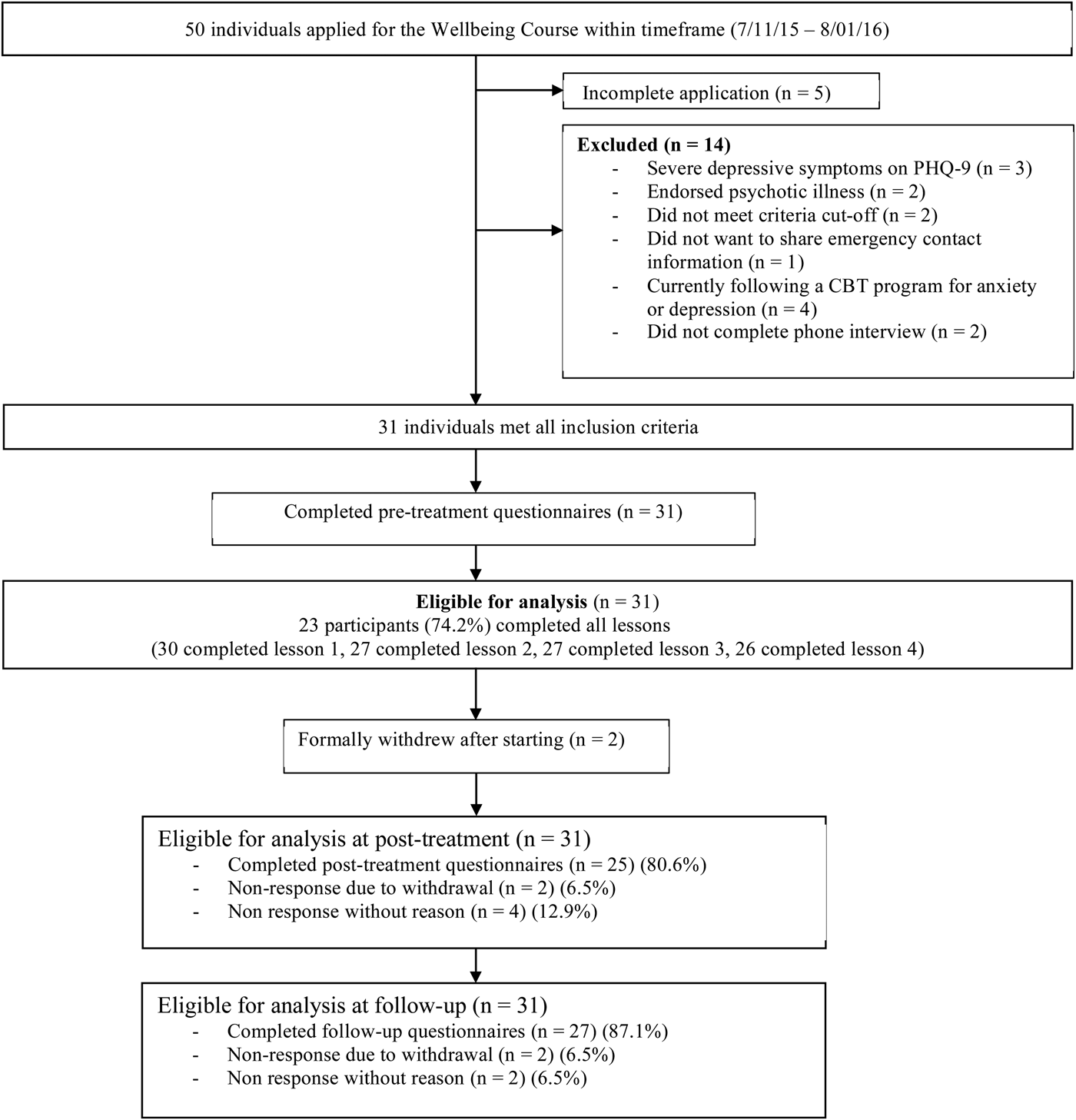
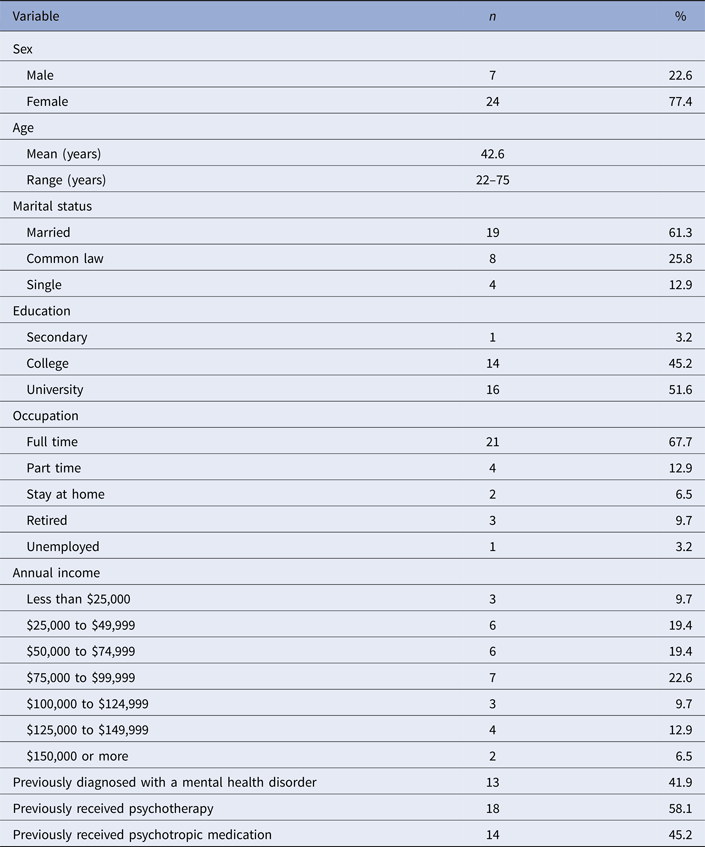
Participants were recruited among the general population of New Brunswick using advertisements in various media. Interested people applied online through a secure website (www.etherapies.ca). Eligibility criteria were: (1) residing in New Brunswick; (2) at least 18 years of age; (3) French as first official language spoken; (4) good understanding of written French; (5) reliable access to the internet; (6) clinical levels of depression, generalised anxiety, social anxiety or panic as indicated by the total score on at least one of the following measures: Patient Health Questionnaire-9 item (PHQ-9) > 9, Generalised Anxiety Disorder Scale-7 item (GAD-7) > 7, Liebowitz Social Anxiety Scale > 70, and Panic and Agoraphobia Scale ≥ 19; (7) not currently engaged in another cognitive behavioural therapy (CBT); (8) no change in medication for anxiety and depression in the past 4 weeks and no change expected over the next 2 months; and (9) willing to share personal contact information. Applicants with severe depression (score of ≥20 or a score of >2 on item 9 [suicidal ideation] of the PHQ-9) or currently experiencing mental health problems with psychotic symptoms were not eligible to participate. Fifty individuals filled out the online screening questionnaires. Of these 50 applicants, 31 met inclusion criteria and began Lesson 1. Participant flow is shown in Figure 1. Table 1 presents sociodemographic and mental health-related characteristics of the participants.
Study participant flow chart.
Participant Demographic Characteristics and Mental Health-Related Variables
Feasibility Outcome Measures
Treatment adherence
The percentage of participants who completed all five lessons of the Wellbeing Course within 8 weeks was used to measure adherence. Lesson completion was defined as viewing all pages of each lesson and was monitored using participants’ activity logs.
Attrition
Attrition was assessed using the percentage of participants who did not complete the post-test or follow-up outcome measures.
Treatment acceptability
Treatment acceptability was assessed posttreatment using four multiple choice or yes/no questions (adapted from Titov et al., Reference Titov, Dear, Johnston, Lorian, Zou, Wootton and Rapee2013): (1) ‘Overall, how satisfied are you with the Course?’ (totally unsatisfied, generally unsatisfied, mostly unsatisfied, neither satisfied nor unsatisfied, mostly satisfied, generally satisfied, and totally satisfied), (2) ‘How would you evaluate the quality of the material?’(poor, acceptable, good, very good, excellent), (3) ‘Would you recommend this treatment to a friend suffering from anxiety or depression?’ (yes or no), and (4) ‘Was it worth your time doing the Course?’(yes or no). Four open-ended questions were also included to get participants’ feedback on the intervention, what was the most and the least helpful to them, and any suggestions that they might have to improve the program. As well, participants provided feedback about the program over the phone at posttreatment, at which time their answers to the previous questions were reviewed.
Preliminary Treatment Efficacy
Outcome measures were self-report questionnaires administered online. Pretreatment Cronbach's alphas are reported for each measure. The primary psychological outcome measures for anxiety and depression were the same as the ones used by Titov and colleagues (Reference Titov, Dear, Johnston, Lorian, Zou, Wootton and Rapee2013) to facilitate comparison of the findings. Secondary measures were used to assess the impact of the program on disorder-specific measures of anxiety, including social phobia, panic disorder with or without agoraphobia, and generalised anxiety disorder, as well as life satisfaction.
Primary Psychological Outcome Measures
Patient Health Questionnaire
(PHQ-9; Kroenke, Spitzer, & Williams, Reference Kroenke, Spitzer and Williams2001, translation by MAPI Research Institute, 2016). The PHQ-9 is a nine-item scale assessing the symptoms and severity of depression based on the DSM-IV diagnostic criteria of major depression. Item scores are summed with higher scores representing higher levels of depression (α = .77).
Generalised Anxiety Disorder-7
(GAD-7; Spitzer, Kroenke, Williams, & Löwe, Reference Spitzer, Kroenke, Williams and Löwe2006; translation by MAPI Research Institute, 2016). The GAD-7 is a seven-item scale that measures the symptoms and severity of anxiety based on the DSM-IV diagnostic criteria of generalised anxiety disorder (Spitzer et al., Reference Spitzer, Kroenke, Williams and Löwe2006). Item scores are summed with higher scores representing higher levels of anxiety (α = .71).
Secondary Psychological Outcome Measures
Penn State Worry Questionnaire
(PSWQ; Meyer, Miller, Metzger, & Borkovec, Reference Meyer, Miller, Metzger and Borkovec1990; translation by Gosselin, Dugas, Ladouceur, & Freeston, Reference Gosselin, Dugas, Ladouceur and Freeston2001). The PSWQ is a 16-item trait measure of worry as found in generalised anxiety disorder. Item scores are summed with higher scores indicating higher levels of worry. The PSWQ is useful in distinguishing symptoms of generalised anxiety disorder from symptoms of other anxiety disorders. Adequate sensitivity (0.99) and specificity (0.98) have been reported (Behar, Alcaine, Zuellig, & Borkovec, Reference Behar, Alcaine, Zuellig and Borkovec2003; α = .93).
Liebowitz Social Anxiety Scale Self-Report
(LSAS-SR; Liebowitz, Reference Liebowitz, Ban, Pichot and Poldinger1987; French adaptation by Yao et al., Reference Yao, Note, Fanget, Albuisson, Bouvard, Jalenques and Cottraux1999). The LSAS-SR is a 24-item rating scale that assesses fear and avoidance in social and performance-related situations. Item scores are summed with higher scores indicating higher levels of anxiety and avoidance (α = .96).
Panic and Agoraphobia Scale
(PAS; Bandelow, Reference Bandelow1995; French-Canadian adaptation by Roberge, Marchand, Grenier, & Marchand, Reference Roberge, Marchand, Grenier and Marchand2003). The PAS is a 13-item measure of the severity of panic symptoms based on the diagnostic criteria of the DSM-IV for panic disorder with or without agoraphobia, with higher scores indicating more severe symptoms of panic disorder (α = .91).
Satisfaction With Life Scale
(SWLS; Diener, Emmons, Larsen, & Griffin, Reference Diener, Emmons, Larsen and Griffin1985; translation by Blais, Vallerand, Pelletier, & Brière, Reference Blais, Vallerand, Pelletier and Brière1989). The SWLS is a 5-item measure of global life satisfaction. Item scores are summed with higher scores indicating higher satisfaction with life (α = .88).
Translation
The translation of the Wellbeing Course into the Cours Mieux-être was carried out by two bilingual members of the research team, including a clinical psychologist with expertise in the treatment of anxiety and depression using CBT. A professional translator reviewed the translation and translated the ‘Do It Yourself’ guides and additional material. Differences of opinion were limited and focused primarily on maintaining a similar reading level. The translation was finalised after a consensus had been reached. The names in the vignettes were changed and statistics pertaining to Australia replaced by statistics relevant to Canada. During the posttreatment telephone interview, all study completers reported finding the program very easy to understand.
Intervention
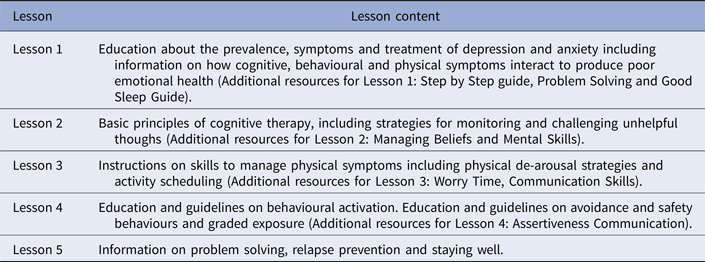
The Wellbeing Course incorporates evidence-based components of cognitive behavioural therapy for anxiety and depression (Titov et al., Reference Titov, Dear, Johnston, Lorian, Zou, Wootton and Rapee2013). It includes five lessons done over the course of eight weeks. Each lesson includes a ‘Do It Yourself’ guide and additional resources (see Table 2 for additional information on the content of each lesson). No guidance from a clinician was provided to participants. However, as used by Titov and colleagues (2013), they did receive weekly, standardised emails that were translated for the purpose of this study. The emails provided directives, reminders, normalisation of challenges, and reinforcement of practice and progress.
Wellbeing Course Lesson Content
Procedure
Memorandum of understanding
A memorandum of understanding was signed between Macquarie University and the Université de Moncton to allow access to the Wellbeing Course and its translation for the purposes of this study.
Design
A single-group open trial, including a 3-month follow-up, was used. Outcome measures were administered at pretreatment, posttreatment, and at the 3-month follow-up. Treatment satisfaction was assessed at posttreatment only.
Safety
Participants’ levels of anxiety and depression were monitored at the beginning of each lesson using the GAD-7 and PHQ-9. If participants’ scores increased by more than 5 points from the pretest and if their total score was ≥15 on the PHQ-9, an email was sent that included information about mental health resources to use in case of an emergency. If participants’ scores on the PHQ-9 were ≥20 or if they answered ‘3’ on question 9 (suicidal ideation), a management plan were to be provided. Over the course of the study, one participant was sent an email with emergency mental health resources, but his score decreased during the subsequent weeks of treatment. No participants scored ≥20 on the PHQ-9 or answered ‘3’ on question 9 (suicidal ideation) during the study.
Results
Attrition and Adherence
Four participants did not complete the posttreatment, two of whom formally withdrew during the treatment program due to time constraints and busy schedules. Posttreatment data were available for 25 participants (80.6%) and follow-up data for 27 participants (87.1%). As shown in Figure 1, the majority of participants completed all five lessons within the 8-week duration of the program (n = 23; 74.2%).
Acceptability
In response to the satisfaction questionnaire, 96% of the participants (24/25) reported being mostly to totally satisfied with the program while one participant indicated being neither satisfied nor unsatisfied. None of the participants reported being unsatisfied. All participants (100%) assessed the quality of the course as being good to excellent and reported that the course was worth doing and that they would recommend it to a friend with anxiety or depression. Answers to the open-ended questions revealed that nearly half of the participants reported that learning concrete psychological techniques, such as controlled breathing and thought challenging, was most helpful to them (n = 11/25; 44%), followed by reading the case-enhanced learning examples (n = 7/25, 28%) and consulting the ‘Do It Yourself’ guides (n = 3/25, 12%). Several participants (4/25, 16%) reported that a few techniques, such as graded exposure, were less helpful to them, while others (2/25, 8%) found that not all case stories were relevant to them. This may have been as a result of having either anxiety or depression, the program addressing both problems. None of the participants mentioned the lack of clinical guidance as being a limitation of the program.
Preliminary Treatment Efficacy
Changes in outcome measures from T1 (pretest) to T2 (posttest) and to T3 (3-month follow-up) were evaluated using intent-to-treat one-way repeated measures analysis of variance (ANOVAs) with the last observation carried forward model (LOCF).
Primary psychological outcome measures
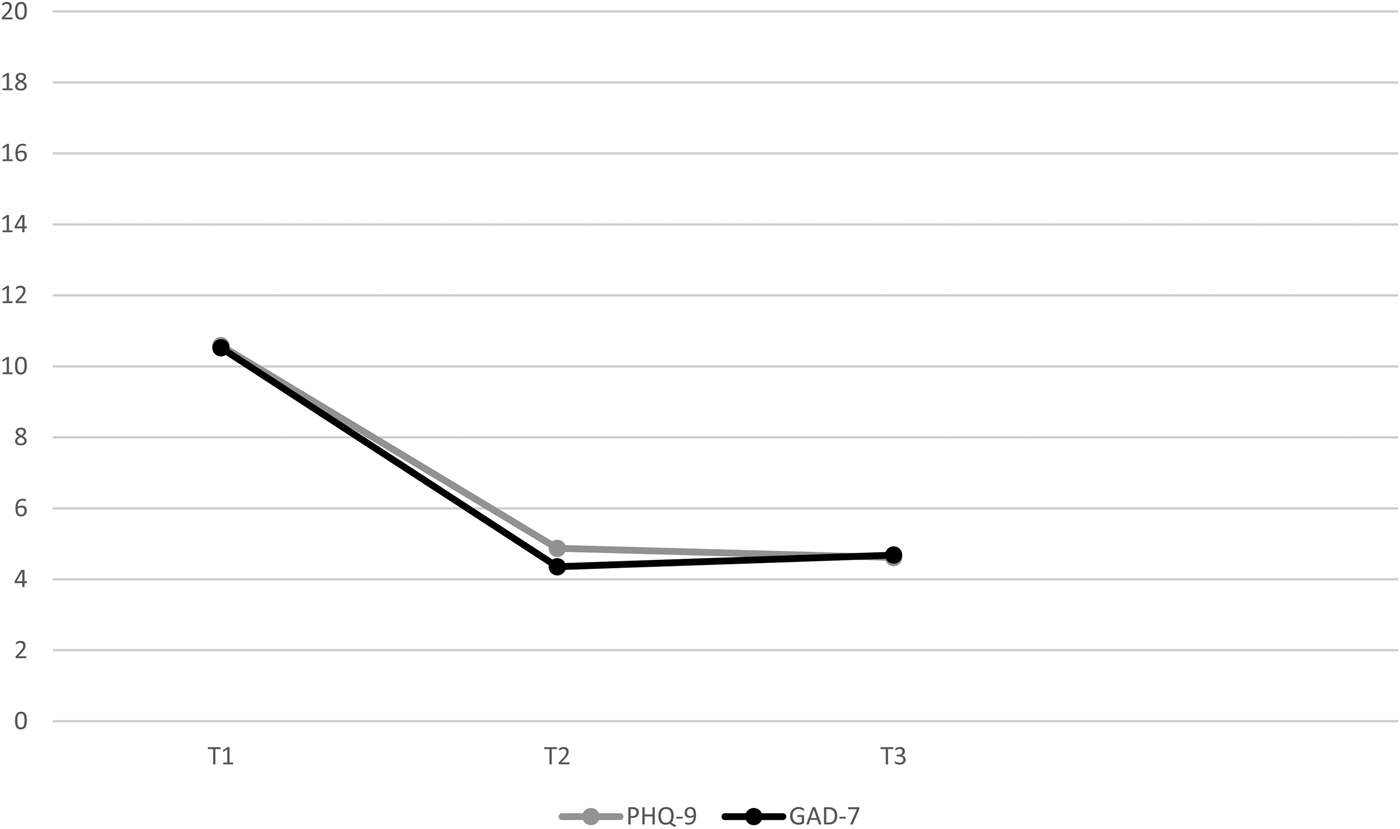
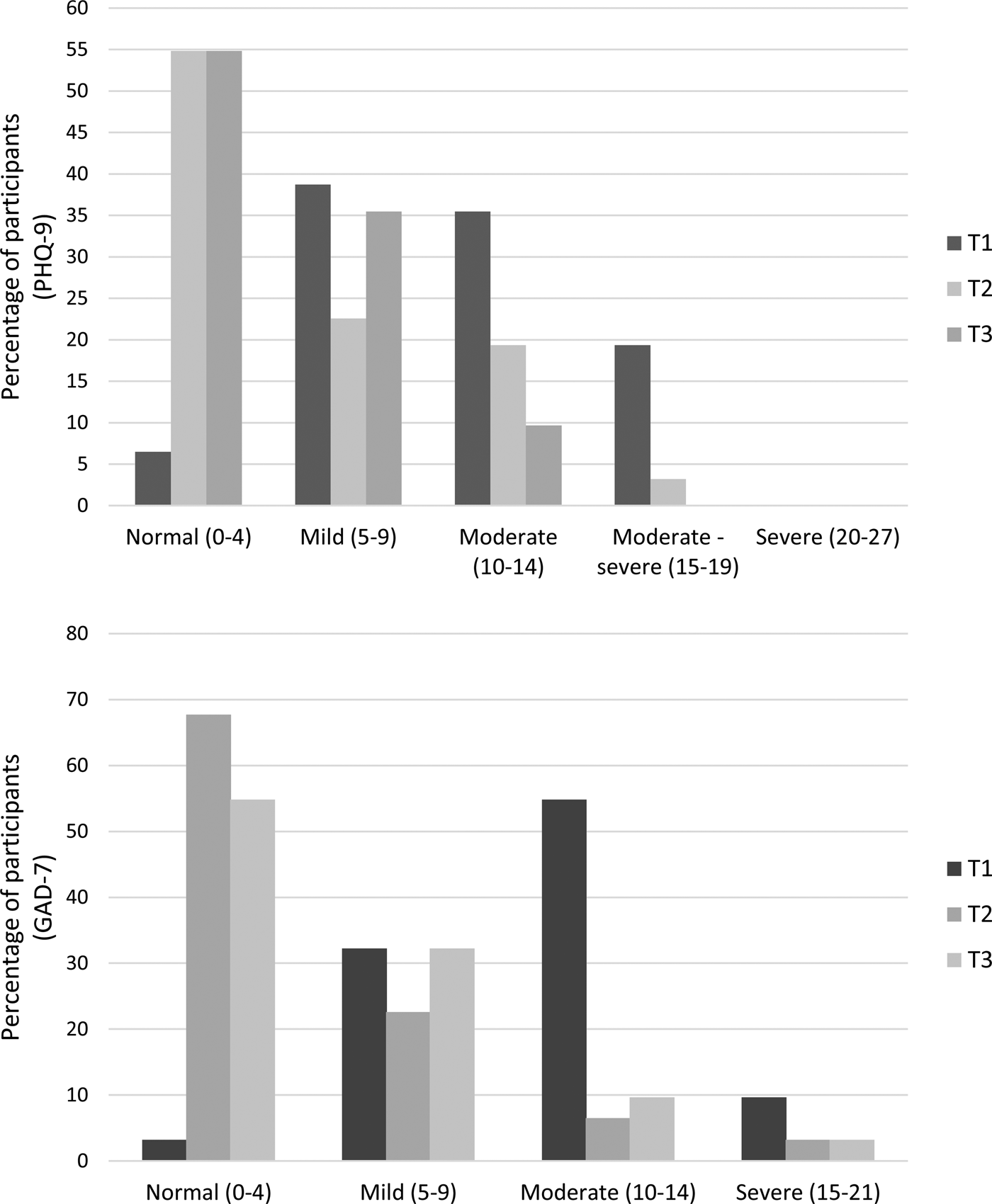
A one-way repeated measures ANOVA examining changes on the PHQ-9 revealed a significant and large effect for time on both primary outcome measures: PHQ-9, F(2, 29) = 30.36, p < .0001, multivariate partial eta squared = .68; and GAD-7, F(2, 29) = 38.43, p < .0001, multivariate partial eta squared = .73. For the PHQ-9 as well as the GAD-7, pairwise comparisons using Bonferroni corrections for multiple comparisons revealed that the mean score for T1 was significantly different from T2 and T3. No significant difference was found between T2 and T3 (see Table 3 for means and standard deviations). Changes in means on the PHQ-9 and GAD-7 from T1 to T3 are displayed in Figure 2. Figure 3 shows changes in the proportion of participants from T1 to T2 and T3 at each level of severity of the PHQ-9 and the GAD-7. A decrease can be observed in the severity of symptoms after treatment, with the majority of participants scoring within the normal range of symptoms at T2 and T3.
Means on the PHQ-9 and GAD-7 at T1, T2 and T3.
Change in PHQ-9 and GAD-7 scores from T1 to T2 and T3 based on severity among participants.
Means, Standard Deviations and Effect Sizes for Time (Partial Eta Squared; ηp2) for All Psychological Outcome Measures (n = 31)
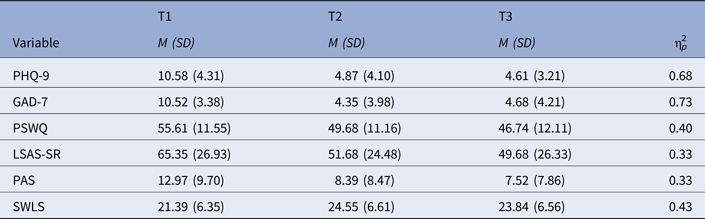
Note: T1 = pretest; T2 = posttest, T3 = follow-up; PHQ-9 = Patient Health Questionnaire-9; GAD-7 = Generalized Anxiety Disorder-7; PSWQ = Penn State Worry Questionnaire; LSAS-SR = Liebowitz Social Anxiety Scale Self-Report; PAS = Panic and Agoraphobia Scale; SWLS = Satisfaction with Life Scale.
Secondary psychological outcome measures
One-way repeated measures ANOVAs revealed significant and large effects for time on all secondary measures: PSWQ, F(2, 29) = 9.60, p = .001, multivariate partial eta squared = .40; LSAS-SR, F(2, 29) = 7.28, p = .003, multivariate partial eta squared = .33; PAS, F(2, 29) = 7.09, p = .003, multivariate partial eta squared = .33; and SWLS, F(2, 29) = 10.79, p < .0001, multivariate partial eta squared = .43. Pairwise comparisons using Bonferroni corrections for multiple comparisons revealed that the mean score for T1 was significantly different from T2 and T3. There were no significant differences in scores between T2 and T3 (see Table 3 for means and standard deviations).
Remission Rates and Deterioration
At T1, 17 (55%) participants had PHQ-9 scores at or above the clinical cut-off (≥10), while 23 (74%) had GAD-7 scores at or above the clinical cut-off (≥8). Of these participants, 10/17 (59%) showed remission on the PHQ-9 at T2, and 17/23 (73.9%) on the GAD-7. At T3, 14/17 (82.3%) showed remission on the PHQ-9 and 16/23 (69.6%) on the GAD-7. No participants showed a deterioration at T1 or T2, defined by an increase of at least 5 points on the PHQ-9 or GAD-7 compared to T1 scores (Titov et al., Reference Titov, Dear, Johnston, Lorian, Zou, Wootton and Rapee2013).
Discussion
This study aimed to examine the feasibility of a French translation of the transdiagnostic iCBT program Wellbeing Course when delivered in a self-guided format for the treatment of anxiety and depression. Feasibility outcomes included treatment adherence, attrition, acceptability, and a preliminary assessment of the therapy's efficacy. The results obtained for each of these feasibility outcomes were satisfactory. All study hypotheses were supported. These preliminary findings are consistent with those obtained by Titov et al. (Reference Titov, Dear, Johnston, Lorian, Zou, Wootton and Rapee2013) using the original English version of the Wellbeing Course with a self-guided format and standardised emails. A slightly higher rate of treatment adherence was achieved in this study (67.7%) compared to Titov et al. (58%). Very few participants dropped out despite the use of a self-guided administration. Treatment satisfaction was high with nearly all participants reporting being mostly to totally satisfied and all of them reporting that the Wellbeing Course was worth their time and that they would recommend it to a friend. This high rate of satisfaction is similar to the clinician-guided version of the program (Titov et al., Reference Titov, Dear, Schwencke, Andrews, Johnston, Craske and McEvoy2011). Similarly to Titov et al. (Reference Titov, Dear, Johnston, Lorian, Zou, Wootton and Rapee2013), significant and large improvements were found at posttreatment, and gains were maintained at follow-up with accompanying high levels of remission. There was no evidence of deterioration at posttreatment or follow-up, suggesting that a self-guided format can be safely used. The current study also suggests that the program can have a significant impact on generic and disorder-specific measures of anxiety, which had not been assessed yet using the self-guided English version. This is adding further support to the value of transdiagnostic treatments when used with a self-guided delivery. Furthermore, the Wellbeing Course had a significant impact on life satisfaction, suggesting that improvements following the Wellbeing Course may generalise to broader domains of life.
These initial results using the self-guided version of the Wellbeing Course are similar to those obtained using the guided English version of the program in Australia (Dear et al., Reference Dear, Titov, Schwencke, Andrews, Johnston, Craske and McEvoy2011; Titov et al., Reference Titov, Dear, Schwencke, Andrews, Johnston, Craske and McEvoy2011) and Canada (Hadjistavropoulos et al., Reference Hadjistavropoulos, Nugent, Alberts, Staples, Dear and Titov2016). Clinician contact may not be essential when using this program (Titov et al., Reference Titov, Dear, Johnston, Lorian, Zou, Wootton and Rapee2013). A series of randomised controlled trials have shown that the self-guided Wellbeing Course produces similar clinical outcomes, treatment completion, and satisfaction rates to guided iCBT programs for social anxiety disorder, panic disorder, generalised anxiety disorder, and major depressive disorder (Dear et al., Reference Dear, Staples, Terides, Fogliati, Sheehan, Johnston and Titov2016; Dear et al., Reference Dear, Staples, Terides, Karin, Zou, Johnston and Titov2015; Fogliati et al., Reference Fogliati, Dear, Staples, Terides, Sheehan, Johnston and Titov2016; Titov, Dear, Staples, Terides et al., Reference Titov, Dear, Staples, Terides, Karin, Sheehan and McEvoy2015).
Limitations of this study merit consideration. The first limitation is that this was a feasibility study that involved a small sample size study and no comparison or control group. Consequently, it is not possible to make any conclusions about the efficacy of treatment beyond that of spontaneous remission. However, it is important to note that the magnitude of change on the symptom measures observed was large and consistent with earlier trials of the Wellbeing Course, which were much larger and involved control groups (Titov et al., Reference Titov, Dear, Johnston, Lorian, Zou, Wootton and Rapee2013; Titov et al., Reference Titov, Dear, Johnston, McEvoy, Wootton, Terides and Rapee2014; Titov et al., Reference Titov, Dear, Schwencke, Andrews, Johnston, Craske and McEvoy2011). Our preliminary findings are superior to those of control groups involved in such pre-existing studies and support the initial effectiveness of the French-Canadian version of the program and generalisability of our findings. For example, control group remission rates obtained on the PHQ-9 and the GAD-7 using the clinician-guided English version of the Wellbeing Course were 24.1% and 21.9% respectively (Titov et al., Reference Titov, Dear, Johnston, Lorian, Zou, Wootton and Rapee2013). Nonetheless, additional research involving control groups is needed, and the encouraging findings of the current study provide the necessary support for larger scale randomised controlled trials. A limit to generalisability of our results was that our participants were mainly women (75.9%) and had high levels of education. Additional limitations of the study include the use of self-report measures, rather than diagnostic interviews, in an attempt to simulate an automated and publicly available website. The follow-up was brief, but the findings from the original version of the self-guided Wellbeing Course suggest that treatment gains can be maintained for up to 12 months (Titov et al., Reference Titov, Dear, Johnston, McEvoy, Wootton, Terides and Rapee2014).
Based on the evaluation criteria for feasibility outcomes proposed by Thabane and colleagues (Reference Thabane, Ma, Chu, Cheng, Ismaila, Rios and Goldsmith2010), this study suggests that future research on the translated self-guided version of the Wellbeing Course is feasible with no modifications required. Findings for each of the feasibility outcomes are encouraging and suggest that this version of the Wellbeing Course may reduce anxiety and depression among French-speaking people. The translation of transdiagnostic iCBT programs and their delivery in a self-guided format including strategies to ensure adherencse and retention may facilitate the cross-cultural dissemination of iCBT. This is of particular relevance in countries where there is a shortage of psychologists, limited access to iCBT and several linguistic communities.
Acknowledgments
This study was supported by a grant by the New Brunswick Health Research Foundation under Grant 2014-OPER-727. The French-Canadian translation of the Wellbeing Course was made possible in part with the financial assistance of the Translation Assistance Program of Alianco. We also thank Accra Solutions Inc. for their technical assistance throughout the study.
Declaration of Interest
None.



