


It is estimated that chronic diseases will account for 75 % of all deaths worldwide and that approximately half of the deaths are attributable to CVD(1). Epidemiologically, the strong cross-sectional associations between CVD and dietary pattern have been widely accepted(Reference Nettleton, Polak and Tracy2). The Western dietary pattern, characterised by high intakes of red meat, sugary desserts, high-fat foods and refined grains with high n-6:n-3 fatty acid ratios, has been associated with a greater risk of CVD incidence(Reference Heidemann, Schulze and Franco3). By contrast, the traditional Chinese diet, which typically has a high content of vegetables and whole grains, is regarded to be a relatively healthier dietary pattern compared to the Western diet. However, with rapid economic development and lifestyle changes, a dietary transition occurred in China leading to the increased consumption of vegetable oils and animal foods, resulting in increases of total fat intake and of the n-6:n-3 fatty acid ratio(Reference He, Zhai and Wang4, Reference Zhang, Meng and Jiang5). Today, CVD has also become the principal cause of mortality and morbidity among adult people in China. In 2010, the Chinese Ministry of Health reported that the death rate for cerebrovascular disease and CHD is 255/100 000 in urban areas, and women contributed to higher rates than men (44·1 v. 40·1 %, respectively)(6). Despite the advance of aggressive medical therapies that improve clinical symptoms and slow disease progression, CVD continues to cause disability in China. Therefore, disease prevention initiatives are being encouraged including nutritional approaches to consuming more healthy foods.
There is a considerable body of evidence indicating that inclusion of fish, particularly oily fish, in the diet is protective against CVD(Reference Mozaffarian and Rimm7–Reference De Caterina9). The beneficial effects of oily fish in reducing the risk of CVD are mainly related to its high content of n-3 long-chain PUFA (LC-PUFA), particularly EPA and DHA(Reference Harris10). The proposed mechanisms by which n-3 LC-PUFA protects against CVD is related to the incorporation of EPA and DHA into membrane phospholipids, thereby changing the membrane properties and leading to various beneficial effects, including lowering blood pressure, reducing serum TAG, thrombotic tendency, inflammation and improving endothelial function(Reference Moore, Bryant and Mishra11–Reference He, Liu and Daviglus13). Therefore, oily fish has been widely recommended to improve the present ‘unhealthy dietary pattern’. Based on this, we assumed that inclusion of oily fish in the modern Chinese diet could also play beneficial roles in reducing CVD risk markers, and this had been partly verified by our recent study(Reference Zhang, Wang and Li14). In this 8-week dietary intervention study, we found that by including Norwegian Atlantic salmon at the rate of 500 g/week in lunch, serum EPA and DHA concentrations were significantly elevated, whereas serum TAG and IL-6 decreased in dyslipidaemic adult Chinese men, as compared to when pork/chicken/beef or lean fishmeal was consumed as a control.
However, it is of note that ‘oily fish’ is only a generic name for a number of fish species, such as salmon, herring, tuna, mackerel and sardine, and the n-3 LC-PUFA content differs between fish species. In the majority of human dietary intervention trials using oily fish, only a single species of oily fish(Reference Hallund, Madsen and Bügel15, Reference Lindqvist, Langkilde and Undeland16), or a mixture of several oily fish, was involved(Reference Moore, Bryant and Mishra11, Reference Navas-Carretero, Pérez-Granados and Schoppen17). Therefore, information comparing the beneficial effects between different oily fish species is very limited. Although several oily fish such as salmon, trout, herring and tuna have been verified to offer protection from CVD risk, the geographical distribution of these oily fish is limited. In China, few oily fish species are commonly accepted by consumers and this is mainly due to two reasons: (1) in general, most oily fish live in cold water at high altitudes, whereas few oily fish live in warm water at relatively low altitudes. Thus, when compared with some countries in the northern hemisphere, for example Norway and Canada, relatively fewer oily fish species are available near the coast of China; (2) traditionally, most Chinese believe that the health benefits of fish consumption are due to its high protein and low fat content. Hence, lean seafood and fresh-water fish such as carp are favoured over oily fish.
However, the increasing CVD incidence in China as well as mounting evidence for the health benefits of the marine n-3 LC-PUFA supplied by oily fish points to the need for assessing the effects on CVD risk markers of local, affordable and acceptable oily fish species in comparison with those usually consumed in western countries in high-risk Chinese subjects. In addition, if some local oily fish species are found to have comparable benefits as those well-accepted oily fish in western countries, it could provide more food choices to the common Chinese population. In the present study, we chose to use a local farmed marine oily fish, pompano (Trachinotus ovatus), which contains about 10 % fat in fillet, almost equal to that of the typical oily fish species salmon and herring, and we assumed that it could also play a beneficial role in reducing CVD risk markers.
There is abundant evidence that pre-menopausal oestrogen levels inhibit the progression of CVD, and that after menopause, CVD becomes more invasive with the involvement of inflammation and the appearance of calcified atheromas in the vessel wall(Reference Maas and Franke18). Therefore, when compared with adult men, middle-aged and elderly women are more seriously affected by CVD(6), and have more specialised traits in physiology, food selection, living habits and the amount of attention paid to their health. Thus, we hypothesised that this group could also benefit from the dietary inclusion of oily fish in the primary prevention of CVD. The purpose of the present study was to investigate and compare the CVD-prevention effects of different oily fish in middle-aged and elderly Chinese women. To that end, an 8-week, parallel-arm and randomised dietary intervention study was performed in 126 women with hypertriacylglycerolaemia (aged 35–70 years), using salmon, herring or pompano compared to the mix of commonly eaten meats (pork/chicken/beef/lean fish) for 5 d/week. To the best of our knowledge, this is the first dietary intervention trial involving Chinese local farmed oily fish in middle-aged and elderly Chinese women.
Subjects and methods
Subjects
The present study was conducted according to the guidelines laid down in the Declaration of Helsinki. All procedures involving human subjects were approved by the Ethical Committee of the Institute of Nutrition and Food Safety, Chinese Center for Disease Control and Prevention (INFS 20100301) and registered at the Chinese Clinical Trial Registry (ChiCTR-TRC-10001164). Written informed consent was obtained from all subjects after they had received both oral and written information about the study. We recruited adult women from the community health service centre in Chaoyang District, Beijing. Women who were interested in the study contacted the staff of the research group and presented their former medical examination records and were interviewed by investigators using screening questionnaires, which included questions on basic health status and eating habits. Those who met the inclusion criteria were invited to take part in a physical examination. Eligible participants were women in apparently relatively good physical and cognitive health status, aged between 35 and 70 years, with serum levels of TAG ≥ 1·70 mmol/l. Exclusion criteria were: (1) diagnosed diabetes; (2) myocardial or cerebral infarction or cerebral haemorrhage; (3) liver or other endocrine dysfunction; (4) receiving hypolipidaemic therapy or any other medication known to interfere with lipid metabolism; (5) intake of n-3 fatty acid supplements or hypolipidaemic function foods; (6) heavy smoking ( ≥ 20 cigarettes/d) or consuming more than seven alcohol-containing drinks per week.
Study design
We performed a randomised, parallel, 8-week intervention study in middle-aged and elderly women with hypertriacylglycerolaemia. The subjects were randomised to consume the experimental lunch meal with 80 g fillet of salmon, herring or pompano for 5 d/week. The same weight of a mix of commonly eaten meats was used as the control meals comprising two days of pork meal, one day of beef, one day of chicken and one day of lean fishmeals, from Monday to Friday each week.
The lunch meal plan included ten different menus with usually consumed foods such as tomato, potato, Chinese cabbage, spinach, celery, carrot, onion, cucumber, mushroom, bean curd, egg, etc. The cooking oil habitually used by most of the subjects was peanut oil. The four test lunch meals were common in almost all aspects other than the type of animal meat. During the 2-week run-in and the 8-week intervention period, all subjects were encouraged to maintain their usual food choice and living style except for eating the test lunch in four different venues in their living community. The project staff and nurses from the community health service unit took responsibility for the distribution of the test meal and recording the compliance. A qualified fast-food company prepared the lunches according to a menu designed by project investigators and their invited nutritionists. The 4 d, 24 h dietary record was undertaken by trained staff at the beginning and the end of the study with the aid of an electric food scale and some food models such as reference bowls, cups, spoons, etc. The intake of total energy, macronutrients and fatty acids was calculated by using a Chinese Food Composition Table (version 2002 and supplement version 2004).
Anthropometric measures and blood pressure
The height of each volunteer was measured at baseline. Participants' body weight and waist circumference were measured after 12 h fasting at both the start and the end of study. The blood pressure of each participant was also measured using an automated manometer (Omron HEM 7000) at the start and end of the study.
Laboratory measurements
The 12 h fasting blood samples of subjects were collected by venepuncture at the beginning of the study (week 0) and after the intervention period (week 8) ended. Serum and plasma were prepared by centrifugation at 1500 g for 15 min at 4°C within 1 h of collection and were stored at − 70°C for batch analysis of the variables within 6 months.
Plasma total lipids were extracted using the method of Folch et al.(Reference Folch, Lees and Sloane Stanley19) by homogenising the samples in chloroform and methanol (2:1, v/v) containing 0·01 % butylated hydroxytoluene as an antioxidant under N2. Phosphoglyceride classes were separated by TLC on silica gel plates using the developing solvents chloroform, methanol and water (60:30:4, v/v) containing 0·01 % butylated hydroxytoluene. The bands were detected by spraying the developed plate with a methanolic solution of 2,7 dichloro-fluorescein (0·01 % w/v) and visualised under UV light. They were then compared to the lecithin standard provided by Beijing Chemical Reagent Limited. The choline phosphoglyceride (CPG) band was scraped from the silica plate and transferred to a tube, sealed and methylated with 15 % acetyl chloride in methanol by heating at 70°C for 3 h under N2. The resulting fatty acid methyl esters were separated by a gas chromatograph (Shimadzu GC 14B) fitted with a capillary column of 100 m × 0·25 mm inner diameter, 0·2 μm film, CP-SIL 88 (VARIAN). Helium was used as a carrier gas at a flow rate of 2 ml/min. The split ratio, and injector and detector temperatures were 40:1, 260 and 260 °C, respectively. The oven programme had an initial temperature of 140 °C, which was held for 5 min and subsequently increased to 240 °C at 4 °C/min. Fatty acid methyl esters were identified by comparison with retention times of commercially available fatty acid standards (catalogue no. 47 885-U, Supelco, Inc.) and peak areas were quantified with the use of a computer data system (CBM-101 workstation; Shimadzu).
Serum total cholesterol (TC), HDL-cholesterol (HDL-C), TAG, LDL-cholesterol (LDL-C) and glucose levels were measured using a Hitachi 7600 automated biochemical analyser (Hitachi Limited) with enzymatic assay kits from Leadman (Leadman Biochemistry Company Limited). ApoAI, apoB, apoCII, apoCIII and apoE were measured by the rate of light scatter resulting from an immunoprecipitation reaction with the Hitachi 7600. The intra- and inter-assay CV% were from 0·3 to 2·0 %, and from 0·5 to 2·6 %. Insulin, IL-6 and TNF-α were measured by using a γ-counter with radioimmunological assay kits (North Biotech Company). The intra- and inter-assay CV% were below 5 % and 10 %. Levels of both the intercellular adhesion molecule-1 and the vascular cell adhesion molecule-1 were measured using ELISA kits (R&D Systems, Inc.). The level of high-sensitivity C-reactive protein level was measured by an immunoturbidity kit (Diasys Diagnostic Systems Company Limited). The intra- and inter-assay CV% were below 1·7 and 2·6 %. Adiponectin was measured by the ELISA method (Adipo-Biotech) and the intra- and inter-assay CV% were below 4 and 10 %.
Insulin sensitivity was estimated using the homeostasis model assessment of insulin resistance, which was calculated using the following formula:
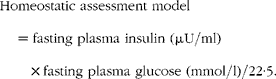 $$\begin{eqnarray} Homeostatic assessment model = fasting plasma insulin (\mu U/ml)\times fasting plasma glucose (mmol/l)/22\cdot 5. \end{eqnarray}$$
Statistical analyses
From reported studies that showed convincing changes in lipid profile with oily fish intake and supplementation of high content of n-3 LC-PUFA(Reference Harris10), we predicted that a sample size of twenty-nine participants in each group would be needed to detect a statistically significant difference in serum TAG within and between groups with a power of 80% and a two-sided α of 0·05. Data describing the characteristics of the subjects are summarised as the means and standard deviations except for some categorical variables and frequencies that are presented as percentages. The Kolmogorov–Smirnov test was used for distribution determination. Data of biochemical outcome are expressed as means and standard errors of the mean or median values and quartile ranges. The one-way ANOVA plus least significant difference test was used to compare differences between groups. The Kruskal–Wallis test followed by the Mann–Whitney U test was used for intergroup comparisons of skewed data, while categorical variables and frequencies were analysed by the χ2 test. Comparisons between the values of continuous variables before and after the intervention within each test group were made with the paired Student's t test; and the Wilcoxon rank sum test was used to determine intragroup differences for the skewed distribution data. Data were analysed using mixed-model ANOVA for treatment effects. A P value below 0·05 was regarded as significant. All statistical analyses were performed with the use of SPSS (version 13.0 for Windows; SPSS, Inc.).
Results
Participants and diet intake
A total of 131 women met the recruitment criteria and participated in the study, with thirty-three in the salmon group, thirty-two in the herring group, thirty-three in the pompano group and thirty-three in the control group. During the intervention period, three participants dropped out of the herring group (two participants because they had to leave Beijing to attend their relative's funeral, one developed high fever at the end of the study and could not participate in the final examination), one participant dropped out of the salmon group because her husband was hospitalised after suffering a stroke, and one participant discontinued her participation in the control group because she moved away from our eating venue. Therefore, the final sample number for statistical analyses was thirty-two, twenty-nine, thirty-three and thirty-two for the salmon, herring, pompano and control groups, respectively. Baseline parameters of the four groups are shown in Table 1 and there were no significant differences between groups at the beginning of the study. Although oily fish is not a food that is typical in the Chinese diet, the subjects were satisfied with the designed test meals and all subjects in each group came to the venue to eat the test lunch according to the study requirements. There was no unfavourable impact on the participants' basic health-related parameters, such as Hb albumin, detected during the intervention.
Baseline characteristics of participants (Mean values and standard deviations or percentages)

WC, waist circumference; SBP, systolic blood pressure; DBP, diastolic blood pressure.
As shown in Table 2, compared to the baseline level (week 0), the four intervention treatments significantly increased participant intake of protein, arachidonic acid (AA), EPA and DHA; however, significant increases in total PUFA, and total n-3 PUFA with a corresponding significant decrease in the n-6:n-3 PUFA ratio were only observed in the three oily fish groups. After the 8-week intervention, the average intakes of energy, fat, protein, carbohydrate, cholesterol, MUFA, n-6 PUFA, linoleic acid and α-linolenic acid were comparable between the four test groups. However, compared to the control group, the three oily fish groups had significantly increased AA intake (P < 0·01), and also very significantly increased intakes of n-3 LC-PUFA, including EPA, DHA and EPA+DHA (P < 0·01). Meanwhile, the n-6:n-3 PUFA ratio was very significantly reduced in the three oily fish groups compared to that in the control group (P < 0·01). Within the three oily fish groups, the pompano group had significantly lower intakes of EPA (P < 0·01) but higher AA than in the salmon and herring groups (P < 0·01). The salmon group showed significantly higher n-3 PUFA and DHA (P < 0·01), lower EPA (P < 0·01), but similar EPA+DHA and AA intake (P = 0·389, P = 0·365) when compared to that in the herring group. The n-6:n-3 PUFA ratio in the salmon and herring groups was comparable (P = 0·218), but significantly lower than that in the pompano group (P < 0·01). In addition, the intake of SFA was also significantly lower in both the salmon and herring groups than in the control group (P < 0·01, P = 0·014), but there was no significant difference seen between the pompano and control groups (P = 0·063). In short, dietary inclusion of the three oily fish mainly increased the n-3 LC-PUFA intake and decreased the n-6:n-3 PUFA ratio, but with different degrees as salmon ≥ herring>pompano.
Macronutrient and fatty acid intake at baseline and during the intervention period† (Mean values with their standard errors)

LA, linoleic acid; AA, arachidonic acid; ALA, α-linolenic acid.
a,b,c,d Mean values within a row with unlike superscript letters were significantly different (P < 0·05).
Mean values were significantly different from those of week 0: *P < 0·05, **P < 0·01.
† The post hoc comparison between four intervention groups (8 weeks) was carried out using the least significant difference multiple comparison test (SPSS 13.0; SPSS, Inc.).
Plasma choline phosphoglyceride fatty acid composition
As shown in Table 3, at baseline, all CPG fatty acids were comparable between groups, except the salmon group which had a significantly higher level of EPA than the pompano (P = 0·010) and control groups (P = 0·022). After the 8-week intervention, the percentage of total n-6 PUFA was significantly decreased in all groups, whereas the percentages of total n-3 PUFA, DHA and EPA+DHA were only significantly increased in the three oily fish groups (P < 0·01). Accordingly, the n-6:n-3 PUFA ratio decreased significantly in the three oily fish groups (P < 0·01), but not in the control group. Different from DHA, the significantly increased EPA was only observed in the salmon and herring groups, but not in the pompano group. To compare the effects of the three oily fish diets on increasing plasma n-3 PUFA, the net increased values of EPA, DHA, EPA+DHA and total n-3 PUFA are presented in Table 7. It showed that the net increase of EPA in plasma CPG in the salmon and herring groups was significantly higher than in the control group (P = 0·029, P < 0·01). There was no significant difference between the three oily fish groups. The net increase of DHA, EPA+DHA and total n-3 PUFA in the three oily fish groups was significantly higher than that in the control group (P < 0·01), and there were no significant differences between the three oily fish groups.
Plasma choline phosphoglyceride fatty acid levels in the four groups at the beginning and end of the intervention period† (Mean values with their standard errors)

LA, linoleic acid; AA, arachidonic acid.
a,b Mean values within a row with unlike superscript letters were significantly different (P < 0·05).
Mean values were significantly different within the group before and after the 8-week trial: *P < 0·05, ** P < 0·01.
† The fatty acids are presented as % of fatty acids.
Serum lipid profile
Serum lipid values are presented in Table 4. After the 8-week intervention, serum concentrations of TAG, apoB, apoCII and apoCIII decreased significantly in the groups consuming salmon (P < 0·01, P = 0·049, P =0·021, P =0·036), herring (P < 0·01, P =0·043, P =0·020, P < 0·01) and pompano (P < 0·01, P =0·049, P =0·016, P =0·011), but not in the control group. There were no significant intra-changes in serum concentrations of TC, HDL-C, LDL-C, apoAI and apoE observed in any of the groups. To compare the effects of the three oily fish diets in reducing serum lipids, the net decreased values of TAG, apoB, apoCII and apoCIII in the three oily fish and control groups are presented in Table 7. The net TAG reduction in the salmon and herring groups were comparable and both were significantly larger than that in the control group (P = 0·010, P = 0·019). However, the pompano group showed a non-significant difference when compared to the other groups. There were no significant differences between groups in the net decreases of apoB, apoCII and apoCIII. However, of note, we found that there was a tendency for the decreased serum lipid values to be positively related to the dietary EPA+DHA intake and negatively related to the dietary n-6:n-3 PUFA ratio, particularly in the case of TAG, apoB and apoCII. With these parameters, the pompano group showed the lowest effects among the three oily fish groups, accompanied by its lowest EPA+DHA intake and highest n-6:n-3 PUFA ratio.
Serum lipid concentrations of the four groups at the beginning and end of the intervention period (Mean values with their standard errors)

TC, total cholesterol; HDL-C, HDL-cholesterol; LDL-C, LDL-cholesterol.
Mean values were significantly different within the group before and after the 8-week trial: *P < 0·05, ** P < 0·01.
Serum inflammation-related markers
As to the inflammation-related markers shown in Table 5, dietary inclusion of the three oily fish did not significantly affect serum concentrations of high-sensitivity C-reactive protein, intercellular adhesion molecule-1 or vascular cell adhesion molecule-1. However, significant reduction of serum IL-6 and TNF-α was found in the salmon group (P =0·037, P =0·049), while only a decrease in TNF-α levels was observed in the herring group (P =0·018) after intervention. No comparable changes in these inflammation markers were seen in the pompano and control groups. Accordingly, serum concentration of adiponectin, an anti-inflammation factor, was elevated in the salmon (P = 0·045) and herring groups (P = 0·037), but not in the pompano and control groups. The net effects of the three oily fish diets in reducing IL-6, TNF-α and increasing adiponectin are presented in Table 7. Although the mean of these parameters showed a big difference between the oily fish groups and the control group, there appeared to be no significant differences between groups due to large variation. However, the tendency for greater decreases in inflammation markers to be associated with higher dietary EPA+DHA intake and lower n-6:n-3 PUFA ratios was still observed.
Serum concentrations of inflammation-related markers in the four groups at the beginning and end of the intervention period (Mean values with their standard errors; medians and interquartile ranges)

HsCRP, high-sensitivity C-reactive protein; ICAM-1, intercellular adhesion molecule-1; VCAM-1, vascular cell adhesion molecule-1.
* Mean values were significantly different within the group before and after the 8-week trial (P < 0·05).
Insulin sensitivity-related parameters
Serum concentrations of glucose, insulin and homeostasis model assessment of insulin resistance displayed no significant changes within each group after intervention (Table 6).
Serum glucose and insulin levels and homeostasis model assessment of insulin resistance (HOMA-IR) of the four groups at the beginning and end of the intervention period (Mean values with their standard errors)

Net changes* of parameters showing significant changes within groups after the 8-week oily fish intervention trial† (Mean values with their standard errors)

CPG, choline phosphoglyceride. a,b Mean values within a row with unlike letters were significantly different (P < 0·05).
* +or − means net increase or decrease in values within a group after the 8-week oily fish trial.
† The post hoc comparison between groups was carried out using the least significant difference multiple comparison test (SPSS 13.0; SPSS, Inc.).
Discussion
Dietary inclusion of oily fish improves plasma fatty acid profile
The recent FAO report recommends 0·25 g/d intake of EPA+DHA for adult males and non-pregnant/non-lactating adult females(20). However, in China, the average EPA+DHA intake is only 0·037 g/d for the entire population and 0·069 g/d in cities(Reference Zhang, Meng and Jiang5), much lower than 0·1–0·2 g/d in North America and European countries(Reference Kris-Etherton, Taylor and Yu-Poth21, Reference Givens and Gibbs22). In the present study, the baseline of dietary EPA+DHA intake was from 0·037 to 0·054 g/d in the subjects of four groups (with an average of 0·045 g/d), much lower than the FAO recommendation. Moreover, the baseline of dietary n-6:n-3 PUFA ratio reached 18–20 (with an average of 17·9), similar to typical Western diets but much higher than 4–6, which is recommended by the Chinese Nutrition Society(23). The inclusion of salmon and herring significantly raised the intake of EPA+DHA to about 1·6 g/d and sharply decreased the dietary n-6:n-3 PUFA ratio to about 5:1, which fits the recommendation. However, the EPA+DHA intake in the pompano group was just increased to 1·0 g/d from baseline, which is still higher than the FAO recommendation. The n-6:n-3 PUFA ratio in the pompano group was only decreased to 7·3, but this is also close to the recommendation of 6. Accordingly, these improvements to the dietary fatty acids profile by inclusion of oily fish were also reflected in the fatty acid profile of plasma CPG, in which the percentage of EPA+DHA was significantly elevated in the three oily fish groups when compared to the control. Interestingly, when compared with the salmon and herring groups, the pompano group had about 80 % less EPA intake and only 8 % less DHA intake, but the net increased EPA, DHA, EPA+DHA and total n-3 PUFA in plasma CPG were comparable between the three oily fish groups. This could be explained by the different incorporation efficiency between EPA and DHA. Previous animal and cell studies have demonstrated that compared to DHA, exogenous EPA is much easier to be degraded by mitochondrial β-oxidation(Reference Osmundsen, Braud and Beauseigneur24–Reference Du, Ma and Winterthun26). Thus, the differences in dietary EPA content would be moderated in the plasma fatty acid profile. Therefore, the present study provides more evidence that the incorporation of fish-sourced DHA is also more effective than EPA in humans.
Dietary inclusion of oily fish reduces serum TAG, but not cholesterol
To date, increasing evidence has suggested that there is a close link between CVD risk and hypertriacylglycerolaemia(Reference Miller, Stone and Ballantyne27) and, therefore, lowering circulating TAG levels could effectively help in reducing CVD prevalence. As compared to the numerous fish oil studies showing that marine n-3 PUFA lowers blood TAG, the effects of fish intake on blood TAG level are still not fully evaluated. Seierstad et al. (Reference Seierstad, Seljeflot and Johansen28) found that a salmon diet providing EPA+DHA at 2·9 g/d, but not 1·5 g/d, could significantly lower blood TAG levels in Norwegian subjects. In the present study, three oily fish diets provided EPA+DHA intake at the level from 1·0 to 1·6 g/d, but they all significantly reduced serum TAG levels about 20 % as compared to baseline. It has generally been known that the beneficial effects of n-3 LC-PUFA are more evident in dyslipidaemic subjects than in healthy subjects. Taking into account that hypertriacylglycerolaemia is more prevalent in the Chinese population than in the Western population(Reference Ford, Mokdad and Giles29, Reference Zhao, Zhang and Zhai30), and the baseline level of TAG in the present study is much higher than that in other similar studies performed in western countries, the effective dose of EPA+DHA needed to reduce TAG may be lower in hypertriacylglycerolaemic Chinese subjects than in Western subjects. Similarly, Lindqvist et al. (Reference Lindqvist, Langkilde and Undeland16) found that a herring diet providing EPA+DHA at only 1·2 g/d significantly lowered blood TAG, but the decreased TAG showed no significant difference when compared to the reference diet in that study. Thus, the authors concluded that the total dietary composition (protein, carbohydrates and fat) had a larger impact on TAG. In the present study, the net TAG decrease in the salmon and herring groups was significantly larger than that of the control group; moreover, the tendency that the net decreased TAG was dose-dependent with the EPA+DHA intake in the three oily fish groups as salmon ≥ herring>pompano was also noticed. This suggests that in the present study, dietary EPA+DHA intake, rather than total dietary composition, plays a key role in decreasing serum TAG levels. In TAG metabolism, apoCII and apoCIII are important in TAG hydrolysis. ApoCII is a protein that activates lipoprotein lipase in capillaries, which hydrolyses TAG and thus provides NEFA for the cell. In contrast, apoCIII inhibits lipoprotein lipase and hepatic lipase, which is thought to inhibit hepatic uptake of TAG-rich particles. Although apoCII and apoCIII have opposite biochemical properties, elevated blood levels of both lipoproteins as signs of abnormal TAG-rich lipoprotein metabolism have been regarded as predictors for CVD incidence(Reference Scheffer, Teerlink and Dekker31–Reference Furtado, Campos and Sumner33). In the present study, accompanied by decreased serum TAG, significantly decreased serum apoCII and apoCIII were also observed in the oily fish groups compared to baseline level, indicating that TAG metabolism was improved by the inclusion of oily fish.
A number of studies have shown that n-3 LC-PUFA had no significant effects on TC and LDL-C levels(Reference Harris10). Similarly, in the present study, oily fish inclusion did not lead to significant alterations in the markers related to cholesterol metabolism, including TC, HDL-C and LDL-C, although apoB levels were lowered only in the oily fish groups as compared to baseline. However, our previous study showed that a salmon diet providing EPA+DHA at 2·83 g/d significantly increased serum HDL-C in dyslipidaemic adult Chinese men(Reference Zhang, Wang and Li14). Probably because of the different EPA+DHA intake and sex difference of subjects between the two trials, we did not observe the favourable change of HDL-C in this study. However, the significantly decreased apoB observed in the oily fish groups still suggests that the inclusion of oily fish may contribute to the reduction of LDL, and thereby alleviate CVD risk.
Beneficial effects of dietary inclusion of oily fish on serum inflammation-related markers
Inflammation plays an important role in the initiation and the progression of atherosclerosis. Thus, it has been demonstrated to be at the centre of CVD(Reference Pearson, Mensah and Alexander34, Reference Libby35). Some epidemiological studies have indicated that inverse associations exist between n-3 LC-PUFA or fish intake and some inflammatory markers, such asC-reactive protein, IL-6, intercellular adhesion molecule-1 and TNF-α(Reference Lopez-Garcia, Schulze and Manson36). In our previous study of dyslipidaemic Chinese adult men, dietary inclusion of salmon could effectively lower serum IL-6 concentration as compared to the pork/chicken/beef group and the lean fish group. Similarly, in the present study, when compared with baseline levels, TNF-α and IL-6 in the salmon group and TNF-α in the herring group were significantly reduced after the 8-week intervention. Accordingly, the serum level of adiponectin, which is an anti-inflammatory factor released from the adipose tissue that displays beneficial effects in the prevention of CVD(Reference Matsuzawa, Funahashi and Kihara37), increased significantly in the salmon and herring groups, but not in the pompano group. Considering that the salmon and herring diets provide 60 % more EPA+DHA than the pompano diet (1·6 v.1·0 g/d), it can be deduced that relatively high EPA+DHA intake may be necessary for the beneficial regulation of inflammatory progress.
Effects of dietary inclusion of oily fish on systemic insulin sensitivity
In recent years, the incidence of type 2 diabetes mellitus has risen rapidly among middle-aged and elderly people in urban areas of China(Reference Zhang, Wang and Fu38, Reference Ning, Hong and Bi39). So the effect of any dietary modification on glucose metabolism and insulin sensitivity is of great concern. As an excellent source of EPA+DHA, oily fish intake was shown to have a protective effect on the development of insulin resistance through the reduction of insulin levels and increase in insulin sensitivity while maintaining pre-existing glucose concentrations(Reference Navas-Carretero, Pérez-Granados and Schoppen17, Reference Feskens, Bowles and Kromhout40). However, excessive intake of n-3 LC-PUFA (greater than 10 g/d) may decrease insulin sensitivity and deteriorate glucose metabolism in subjects suffering from type 2 diabetes mellitus(Reference Borkman, Chisholm and Furler41). In the present study, we did not observe any changes in serum glucose, insulin concentrations and insulin sensitivity as reflected by the homeostasis model assessment of insulin resistance among the three oily fish groups, indicating that oily fish diets providing 1·0–1·6 g EPA+DHA/d do not affect glucose and insulin metabolism in dyslipidaemic middle-aged and elderly Chinese women.
Comparison of salmon, herring and pompano as oily fish in reducing CVD risk markers
As opposed to fish oil which serves only as a good source of n-3 LC-PUFA, oily fish is a more complete package of nutrients including not only n-3 LC-PUFA, but also taurine, arginine and glutamine which have also been shown to be beneficial for cardiovascular function(Reference Militante and Lombardini42, Reference Moncada and Higgs43). In addition, inclusion of oily fish in the diet can also improve dietary structure. For example, in the present study, both the salmon and herring groups had significantly lower SFA intake than the control, which could also have beneficial effects on CVD prevention. However, in the majority of scientific publications, the beneficial effects of oily fish in preventing CVD incidence are still mainly attributed to the n-3 LC-PUFA content, particularly the EPA+DHA content of oily fish. Therefore, the content of EPA+DHA in oily fish is believed to be the most important index to evaluate for determining the potential benefits in the prevention of CVD. In the present study, dietary inclusion of salmon and herring provided almost equal EPA+DHA intakes of 1·6 g/d, which was much higher than 1·0 g/d in the pompano group, and 0·05 g/d in the control group. Interestingly, either a salmon, herring or pompano diet could significantly increase plasma n-3 LC-PUFA concentrations and reduce serum TAG during the 8-week intervention period, indicating that even the pompano diet which provides a relatively low amount of EPA+DHA can still effectively moderate CVD risk. However, when net TAG decrease was used to perform multiple comparisons between groups, only the salmon and herring groups, but not the pompano group, showed significantly larger TAG decrease than the control group. This could be caused by the relatively small sample size in the present study (only thirty participants per group), which might amplify the interference of inter-individual variability on the final results and lead to the potential significant difference between the pompano and control groups being eliminated. Alternatively, this also suggests that higher EPA+DHA intake had stronger effects in reducing CVD risk markers. Furthermore, data concerning inflammation-related markers more clearly indicated the different contributions of three oily fish to prevent potential inflammation: as compared to baseline levels, the salmon diet with the highest EPA+DHA intake affected three inflammation-related markers (IL-6, TNF-α and adiponectin), followed by the herring diet with the second highest EPA+DHA intake affecting two markers (TNF-α and adiponectin), whereas the pompano diet with the lowest EPA+DHA intake did not affect any inflammation-related markers. Taking blood lipids and inflammation-related markers into consideration, salmon, herring and pompano could provide benefits in preventing CVD risk with different efficacy as salmon ≥ herring>pompano.
Conclusion
The present study demonstrates that it is feasible to include salmon, herring and pompano as oily fish within the Chinese diet for middle-aged and elderly women. During the 8-week intervention period, consumption of the three oily fish can effectively raise serum CPG n-3 LC-PUFA levels, but only the salmon and herring diets significantly reduced plasma TAG as compared to the control group. However, when compared with baseline levels, the three oily fish diets significantly decreased serum concentrations of TAG, apoB, apoCII and CIII, but only the salmon and herring diets significantly lowered TNF-α while raising adiponectin levels, In addition, the salmon diet also reduced the serum concentration of IL-6. A dose-dependent relationship was found to exist between the beneficial effects of the oily fish diet and their EPA+DHA intake as salmon ≥ herring >pompano. Taken together, we conclude that oily fish may play a beneficial role in alleviating CVD risk dose-dependently by their EPA+DHA content.
Acknowledgements
The present study was financed by the Norwegian Research Council (project no. 165303) and the Norwegian Royal Ministry of Fisheries and Coastal Affairs. The Norwegian Seafood Export Council provided salmon fillets. The authors specially thank Lise Madsen for her invaluable help in manuscript organisation. The authors' contributions to this study were as follows: J. Z. designed and performed the study, analysed the data and wrote the manuscript; C. W., L. L., Q. M., L. M. and P. S. took responsibility for the blood sample collection, laboratory measurements and health survey investigation; L. F. gave advice on the data analysis and contributed to the manuscript writing; Z.-Y. D. designed the study, analysed the data and wrote the manuscript. The authors thank all participants for their cooperation in this intervention trial. The authors declare no conflicts of interest.



