



The worldwide prevalence of overweight and obesity combined rose by 27·1 % in adults and 47·1 % in children between 1980 and 2013( Reference de Onis, Blossner and Borghi 1 , Reference Ng, Fleming and Robinson 2 ). However, in the last decade, overweight and obesity levels among children and adolescents have shown a stabilization in several countries such as France( Reference Lioret, Touvier and Dubuisson 3 ), the Netherlands( Reference de Wilde, van Dommelen and Middelkoop 4 ), Australia( Reference Olds, Tomkinson and Ferrar 5 ) and the USA( Reference Ogden, Carroll and Flegal 6 ).
Low physical activity (PA) levels and unhealthy dietary habits are considered the most important risk factors for childhood obesity development( Reference Herman, Chaput and Sabiston 7 ). In children and adolescents, high levels of PA are known to reduce cardiometabolic risk due to its effect on body fat( Reference Janssen and Leblanc 8 ), lipid profile( Reference Ara, Vicente-Rodriguez and Jimenez-Ramirez 9 ) and blood pressure( Reference Janssen and Leblanc 8 ). Moreover, being physically active including three times per week of doing moderate-to-vigorous PA (MVPA) for at least 30 min was positively associated with a high cardiorespiratory fitness( Reference Hsieh, Chen and Huang 10 ), skeletal muscle mass( Reference Detter, Nilsson and Karlsson 11 ) and bone mineral density( Reference Janssen and Leblanc 8 ).
In children and adolescents, the majority of studies have investigated the association between intake of fruits and vegetables and incidence of obesity( Reference Vilchis-Gil, Galvan-Portillo and Klunder-Klunder 12 ), type 2 diabetes( Reference Li, Fan and Zhang 13 ), CHD( Reference He, Nowson and Lucas 14 ) and some cancers( Reference Holman and White 15 ). The prevalence of European children involved in sports activities for more than 4 h/week varied between 1·1 and 4·4 % for children younger than 6 years (girls and boys, respectively) and between 8·6 and 11·3 % for children aged 6–9 years (girls and boys, respectively)( Reference Santaliestra-Pasias, Mouratidou and Verbestel 16 ). There are a few studies assessing the association between PA levels and food intakes in this age group( Reference Al-Hazzaa, Abahussain and Al-Sobayel 17 – Reference Cavadini, Decarli and Grin 24 ) and all these respective studies, however, used self-reported information.
In French and Saudi Arabian pre-adolescents, high PA levels measured with questionnaires were positively associated with high consumption of vegetables, fruits and fruit juices( Reference Al-Hazzaa, Abahussain and Al-Sobayel 17 , Reference Platat, Perrin and Oujaa 23 ). However, no differences in intakes of sugar-sweetened beverages (SSB) or French fries were observed according to PA level measured by a questionnaire among French adolescents( Reference Platat, Perrin and Oujaa 23 ). In English adolescents, high sports participation was associated with high fresh food consumption( Reference Coulson, Eiser and Eiser 18 ), whereas in Iranian adolescents high PA levels (measured by metabolic equivalents of task (MET) derived from a validated PA questionnaire) were associated with high intakes of vegetables, fruits and dairy products( Reference Kelishadi, Ardalan and Gheiratmand 19 ). In European adolescents, a positive association was observed between high PA levels obtained from the International Physical Activity Questionnaire and consumption of fruits and milk products( Reference Ottevaere, Huybrechts and Beghin 20 ). Nevertheless, in the same sample of European adolescents, those males characterized by high MVPA levels had low-quality diets( Reference Ottevaere, Huybrechts and Benser 22 ). Also, Swiss adolescents practising sports nearly every day or every day had higher consumption frequencies for dairy products, fruit, fruit juices and salad than adolescents who did not practise sports regularly( Reference Cavadini, Decarli and Grin 24 ). Moreover, a high proportion of girls who never or almost never practised sports had a lower consumption frequency of sports drinks and a higher consumption frequency of salted snacks than those who used to practise sports nearly every day or every day( Reference Cavadini, Decarli and Grin 24 ).
To the authors’ knowledge, the association between PA levels measured using accelerometers and food and beverage intakes in children across Europe has not been reported until now. The aim of the current study was to determine the association between MVPA levels and food and beverage intakes in European children aged 2–10 years.
Materials and methods
Study population
The IDEFICS (Identification and prevention of Dietary and lifestyle induced health EFfects In Children and infantS) project is a cohort study with an intervention on lifestyle and nutrition among children from eight European countries (Sweden, Germany, Hungary, Italy, Cyprus, Spain, Belgium and Estonia). Findings from the baseline survey of this multicentre cross-sectional study are the focus in the current analysis. Between September 2007 and June 2008, 16 228 children aged 2–9 years from kindergartens, pre-schools and primary schools of selected regions fulfilled the study inclusion criteria (complete information on sex, height, weight and parental questionnaire).
Sample for the current analysis
For the current analysis, among the kindergarten, pre-school or primary-school children from the eight IDEFCS participant countries with data available on sex, weight, height and parental questionnaire, only those children with complete information from the FFQ and valid accelerometer data for at least three days were included (7158 children, 49·0 % females).
Parents signed an informed consent and children were asked to give verbal assent before examination. Participants were free to refuse specific modules. For each country, participating centres obtained ethical approval from the local authorities as established in the Declaration of Helsinki.
Socio-economic status
The International Standard Classification of Education (ISCED)( 25 ) was used as proxy indicator of socio-economic status. In the current analysis, the highest parental educational level defined by the ISCED category was selected as the reference socio-economic status for the family. Parents self-reported their educational level in the core questionnaire. ISCED was registered from low to high educational level (1–6). The educational level was re-categorized into low (1–2), medium (3) and high (4–5).
Anthropometric measurements
Weight (in kilograms) and height (in centimetres) were measured by trained personnel according to a standardized protocol with participants barefoot and in underwear. Body weight was assessed in fasting status on a calibrated scale (Tanita electronic scale model BC 420 SMA with an adapter; Tanita Europe GmbH) to the nearest 0·1 kg. Height of the children was measured with a calibrated stadiometer (Seca telescopic height-measuring stadiometer model 225; Seca) to the nearest 0·1 cm( Reference Nagy, Kovacs and Moreno 26 ). Finally, BMI was calculated as body weight in kilograms divided by the square of height in metres. BMI Z-scores and BMI categories were estimated according to Cole et al.( Reference Cole, Bellizzi and Flegal 27 ).
Physical activity
PA was assessed objectively using a validated uniaxial accelerometer( Reference Konstabel, Veidebaum and Verbestel 28 ) (ActiGraph GT1M or Actitrainer; ActiGraph LLC). Children were instructed to wear the accelerometer for at least two weekdays and one weekend day. Parents were asked to complete a diary and to report all times when the accelerometer was not worn. The device was located on the right hip with an elastic belt. The children were asked to wear the device the whole day except during water-based activities and during sleep. The monitor was set to record PA in 15 s epochs. The accelerometer counts were categorized according to the cut-off points of Evenson to categorize different intensities of PA( Reference Evenson, Catellier and Gill 29 – Reference Trost, Loprinzi and Moore 31 ): sedentary, 0–100 counts per minute (cpm); light, 101–2295 cpm; moderate, 2296–4011 cpm; and vigorous, ≥4012 cpm. The selection of MVPA as main PA indicator was based on the PA guidelines established at 60 min/d for children and adolescents( 32 , Reference Strong, Malina and Blimkie 33 ), and the Evenson cut-off points for MVPA levels were used to support comparability with other studies. Minutes were adjusted dividing the raw minutes by wearing time and multiplying the resulting fraction by the average wearing time. The time spent in MVPA was used to determine the association between PA and dietary intake. Consequently, time spent in MVPA was distributed in tertile groups separately by sex. Tertile 1 was named ‘low MVPA’, tertile 2 ‘medium MVPA’ and tertile 3 ‘high MVPA.’
FFQ
Food intake was assessed using the Children’s Eating Habit Questionnaire (CEHQ) which includes a validated( Reference Huybrechts, Bornhorst and Pala 34 , Reference Lanfer, Hebestreit and Ahrens 35 ) and reproducible FFQ( Reference Bel-Serrat, Mouratidou and Pala 36 ). Children’s parents or guardians filled in the questionnaire at home by reporting the number of times the child consumed the specified food groups during a typical week in the previous month. The FFQ gives reproducible estimates of children’s consumption frequencies derived from parental reports. Country-specific food examples were included to facilitate understanding. The CEHQ-FFQ contains forty-three food group items clustered into thirty-six according to their nutritional profiles. These food items were recoded into twenty-eight food groups according to their nutritional values: vegetables; potatoes; legumes; fruits; water; fruit juices; SSB; cereals; milk; yoghurt; fish; meat; eggs; soya replacement; cheese; chocolate; butter; honey; ketchup; bread; pasta; fast foods; nuts; savoury snacks; savoury pastries; candies; biscuits; and ice creams (see online supplementary material, Table S1, for foodstuffs included in each group). The twenty-eight food groups were used for the subsequent analysis.
Children’s parents or guardians filled in the questionnaire at home by reporting the number of times the child consumed the specified food groups during a typical week in the previous month. The FFQ led participants to choose how many times they were consuming each kind of food using the options ‘never/less than once a week’, ‘1–3 times a week’, ‘4–6 times a week’, ‘1 time/day’, ‘2 times/day’, ‘3 times/day’ and ‘4 or more times/day’. Food groups were recoded to establish groups organized by times daily: ‘never/less than once a week’ was recoded to 0 times/d, ‘1–3 times a week’ to 0·28 times/d and ‘4–6 times a week’ to 0·71 times/d. The options for 1 time/d, 2 times/d, 3 times/d and ≥4 times/d were not modified. After that, food and beverage consumption were dichotomized by specific median consumption of each food or beverage group.
Statistical analysis
The statistical software package IBM SPSS Statistics for Windows version 22 was used for statistical analysis. Descriptive statistics, including means and sd, were calculated for each variable.
The χ 2 test and the unpaired t test were used to compare sample characteristics stratified by sex. All analyses were done separately for boys and girls, due to the interaction effect observed between sex and the independent variable. Differences in food intake per tertile of time spent in MVPA were analysed stratified by sex using ANCOVA, adjusted by age, socio-economic status and BMI. Binary logistic regression analyses were performed to obtain OR and 95 % CI for food and beverage intakes above the median by tertile of MVPA after adjusting for BMI Z-score, socio-economic status and country. P values <0·05 were considered statistically significant.
Results
Table 1 shows descriptive information by sex regarding sociodemographic characteristics (age, socio-economic status, BMI), food and beverage consumption frequencies, and time spent doing PA. Sex differences were observed for age, food group consumption frequencies and PA levels (P<0·05). Of the boys, 81·3 %, and of the girls, 79·0 %, were normal weight. Boys showed higher consumption frequencies of potatoes, meat, cereals, snacks, fruit juices, yoghurt, ketchup and biscuits (P<0·05) and a lower consumption frequency of vegetables (P<0·05) than girls. Total sedentary time was higher in girls compared with boys (P<0·05), while boys accumulated more time in light PA and MVPA than girls (P<0·05).
Descriptive characteristics of the European children from the IDEFICS studyFootnote *
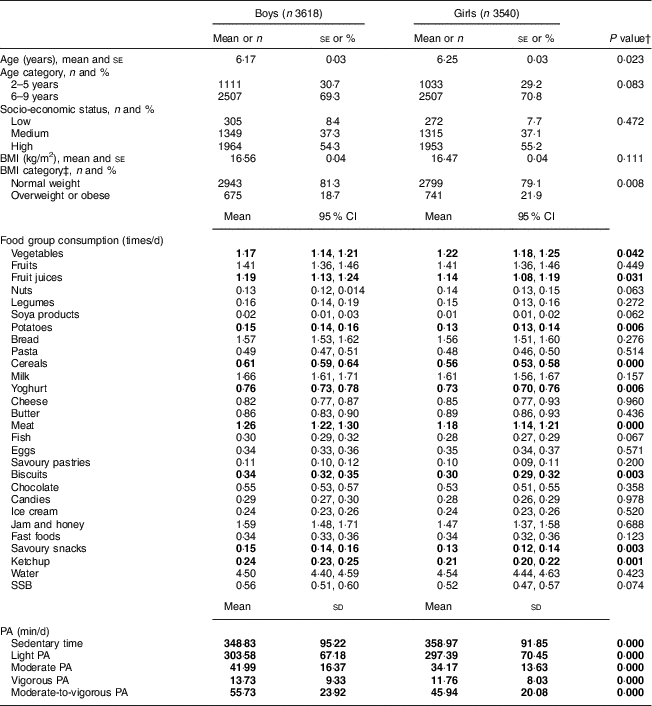
IDEFICS, Identification and prevention of Dietary and lifestyle induced health EFfects In Children and infantS; SSB, sugar-sweetened beverages; PA, physical activity.
* The IDEFICS study was carried out between September 2007 and June 2008 in eight European countries (Sweden, Germany, Hungary, Italy, Cyprus, Spain, Belgium and Estonia).
† Gender differences using Pearson’s χ 2 test for categorical variables and the t test for continuous variables. Results presented in bold font are statistically significant.
‡ Based on Cole et al.’s cut-off values( Reference Cole, Bellizzi and Flegal 27 , Reference Cole, Flegal and Nicholls 45 ).
Table 2 shows the ANCOVA results (means and se) for food group consumption by tertile of MVPA for boys and girls. Boys who spent less time in MVPA (low MVPA) had lower consumption frequencies of vegetables, fruits, yoghurt and jam/honey, and higher consumption frequencies of cheese, pasta, biscuits and fast foods (pizza, hamburger and hot dog) than boys who were in the high MVPA group (Table 2). On the other hand, girls who spent less time in MVPA had lower consumption frequencies of vegetables, yoghurt, eggs, cereals, butter and SSB than girls who were in the high MVPA group. At the same time, these girls had higher consumption frequencies of water, cheese and fast foods than those who were in the high MVPA group (Table 2).
ANCOVA of food group consumption (times/d), by tertile of MVPA level and by sexFootnote *, among the European children from the IDEFICS studyFootnote †
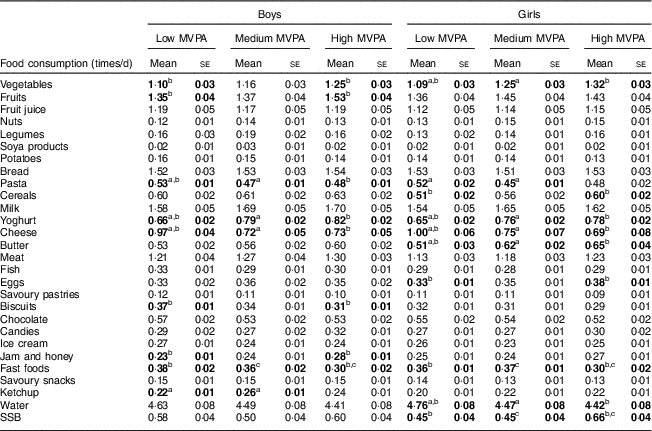
MVPA, moderate-to-vigorous physical activity; IDEFICS, Identification and prevention of Dietary and lifestyle induced health EFfects In Children and infantS; SSB, sugar-sweetened beverages.
a,b,cFor boys and girls separately, mean values were significantly different between afirst and second tertile, bfirst and third tertile and csecond and third tertile of MVPA (P<0·05).
* Covariates were age, BMI and socio-economic status. Results presented in bold font are statistically significant.
† The IDEFICS study was carried out between September 2007 and June 2008 in eight European countries (Sweden, Germany, Hungary, Italy, Cyprus, Spain, Belgium and Estonia).
Table 3 shows the results of binary logistic regression analyses of the association between tertile of MVPA and food and beverage consumption, stratified by sex. Boys with low MVPA levels reported lower probability of consuming healthy foods such as vegetables (OR=0·75, 95 % CI 0·63, 0·89), cereals (OR=0·62, 95 % CI 0·51, 0·76) and milk (OR=0·83, 95 % CI 0·70, 0·99) than boys in the high MVPA group. Also, boys from the low and medium MVPA groups reported lower probability of consuming unhealthy beverages such as SSB (i.e. sweetened and diet drinks; OR=0·81, 95 % CI 0·68, 0·96 and OR=0·79, 95 % CI 0·67, 0·93, respectively) than those who were in the high MVPA group.
Binary logistic regression analysis predicting food group consumption above the median, by tertile of MVPA level and by sexFootnote *, among the European children from the IDEFICS studyFootnote †
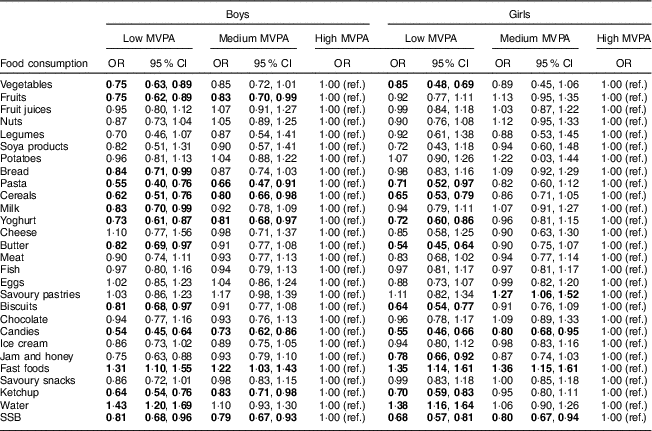
MVPA, moderate-to-vigorous physical activity; IDEFICS, Identification and prevention of Dietary and lifestyle induced health EFfects In Children and infantS; SSB, sugar-sweetened beverages; ref., reference category.
* Covariates were BMI Z-score, socio-economic status and country. Results presented in bold font are statistically significant.
† The IDEFICS study was carried out between September 2007 and June 2008 in eight European countries (Sweden, Germany, Hungary, Italy, Cyprus, Spain, Belgium and Estonia).
Boys in the low and medium MVPA groups showed lower probability of consuming several healthy groups such as fruits (OR=0·75, 95 % CI 0·62, 0·89 and OR=0·83, 95 % CI 0·70, 0·99, respectively) and yoghurt (OR=0·73, 95 % CI 0·61, 0·87 and OR=0·81, 95 % CI 0·68, 0·97, respectively) than boys in the high MVPA group. On the other hand, boys from low and medium MVPA groups showed higher probability of consuming unhealthy foods such as fast foods (i.e. pizza main dish and hamburger, hot dog, kebab, wrap and falafel; OR=1·31, 95 % CI 1·10, 1·55 and OR=1·22, 95 % CI 1·03, 1·43, respectively) than boys with high MVPA levels.
Girls with low MVPA reported lower probability of consuming healthy foods such as vegetables (OR=0·85, 95 % CI 0·48, 0·69), cereals (OR=0·65, 95 % CI 0·53, 0·79) and yoghurt (OR=0·72, 95 % CI 0·60, 0·86) than girls in the high MVPA group.
In addition, girls from low and medium MVPA groups showed lower probability of consuming unhealthy foods such as SSB (OR=0·68, 95 % CI 0·57, 0·81 and OR=0·80, 95 % CI 0·67, 0·94, respectively) and candies (OR=0·55, 95 % CI 0·46, 0·66 and OR=0·80, 95 % CI 0·68, 0·95, respectively) than girls in the high MVPA group. On the other hand, girls from low and medium MVPA groups showed higher probability of consuming unhealthy foods such as fast foods (OR=1·35, 95 % CI 1·14, 1·61 and OR=1·36, 95 % CI 1·15, 1·61, respectively) than girls in the high MVPA group.
Discussion
To our knowledge, the present study is one of the first performed in children across Europe aged 2–10 years that analyses the relationship between consumption of several food groups and levels of MVPA. The current results show that children who spent more time in MVPA are not necessarily consumers of healthy foods as expected. Also, different food intakes varied between levels of MVPA in European children. In our sample, only 30 % of the sample met the current PA recommendations taking into consideration the Evenson cut-off points for MVPA.
A recent review suggested that few studies have included objective measures such as accelerometry and during school play periods to reliable assess trends in PA, highlighting a need for further research( Reference Booth, Rowlands and Dollman 37 ). Previous studies have shown that a low proportion of IDEFICS participants achieved international recommendations for PA levels( Reference Santaliestra-Pasias, Mouratidou and Verbestel 16 , Reference Verbestel, De Henauw and Bammann 38 ) of 60 min/d( Reference Strong, Malina and Blimkie 33 ). Also in the current investigation, the studied groups did not spend enough daily time in MVPA to achieve the current recommendations. As the proportion of children complying with the recommendations was generally low, we decided to categorize the sample by tertiles of MVPA. The decision to set the lowest tertile (tertile 1) of MVPA duration as reference was based on the fact that this group of children is exposed to high risk of developing several diseases because they do not meet the current PA recommendations. We observed that more MVPA was practised by boys, and higher daily MVPA was associated with food and beverage consumption.
Some studies have shown a positive association among high levels of PA and vegetable and fruit intake( Reference Kelishadi, Ardalan and Gheiratmand 19 , Reference Ottevaere, Huybrechts and Beghin 20 , Reference Mushtaq, Gull and Mushtaq 39 , Reference Ranjit, Evans and Byrd-Williams 40 ). Our results are in line with Kelishadi et al.( Reference Kelishadi, Ardalan and Gheiratmand 19 ) who reported a positive association between PA level and vegetable intake in Iranian boys and girls, and with fruit consumption only in boys.
Results of the Healthy Lifestyle in Europe by Nutrition in Adolescence (HELENA) study showed a negative association between bread and cereal consumption and PA level derived from a PA questionnaire in European female adolescents( Reference Ottevaere, Huybrechts and Beghin 20 ). In contrast, our results have shown a positive association between the probability of cereal consumption and MVPA in European boys and girls. Ottevaere et al.( Reference Ottevaere, Huybrechts and Beghin 20 ) reported a positive association between consumption of grain products and PA level in European boys. In both sexes, our results have shown a positive association between the probability of pasta consumption and time spent in MVPA.
Moreover, in the HELENA study population, high consumption of milk and cheese was also observed in the most active girls( Reference Ottevaere, Huybrechts and Beghin 20 ). Our results have shown a positive association between MVPA level and the probability of milk consumption in both sexes and a negative association between MVPA level and cheese consumption. Additionally, Ottevaere et al.( Reference Ottevaere, Huybrechts and Beghin 20 ) showed a positive association between consumption of water, meat and meat products and PA in European boys. Our results are in concordance with those obtained by that group, being statistically significant in both sexes. In a sample of Pakistani children( Reference Mushtaq, Gull and Mushtaq 39 ), no association was found between PA level derived from a questionnaire and fast-food consumption. However, our results have shown a higher probability of consumption of fast-food products in those children with low MVPA levels compared with those from the high MVPA group. Furthermore, in the HELENA study no association was found between snack or ketchup consumption and PA level( Reference Ottevaere, Huybrechts and Beghin 20 ); but in our European children a higher probability of ketchup consumption was observed in those with high MVPA levels. Our results are in line with those of Kelishadi et al.( Reference Kelishadi, Ardalan and Gheiratmand 19 ) who showed a positive association between candy consumption and PA level derived from a questionnaire validated by accelerometer in Islamic students. On the other hand, Ranjit et al.( Reference Ranjit, Evans and Byrd-Williams 40 ) did not report any relationship between PA level obtained from a questionnaire and SSB consumption in American children. In the IDEFICS study, girls showed a positive association between MVPA and the probability of SSB intake.
The differences between studies could be caused by differences between the countries of origin or sample size. On the other hand, our results were focused only on MVPA levels, while other studies included total PA. Moreover, the use of different measurements (i.e. min/d, times/week, sports participation, in leisure time, etc.) to estimate the PA levels could have influenced the observed results. Along the same line, the comparability between studies is hampered because different measures are used to assess PA levels. Also, some of them were self-reported, whereas accelerometery gave the opportunity to focus on more reliable PA values in the current study.
Strengths and limitations
Several strengths can be noted in the present study. First, it is important to consider the broad range of examinations performed at European level, including a large number of participants from eight countries. In addition, the IDEFICS study was developed using a standardized and harmonized protocol across all involved countries. ActiGraph was the model which provided the strongest validity in the IDEFICS validation study( Reference Bammann, Sioen and Huybrechts 41 ). Nevertheless, the limitation that the fixed 60 s epoch underestimated MVPA should be taken into consideration( Reference Ojiambo, Cuthill and Budd 42 ). Also, the present study had additional limitations. It was an explorative investigation using cross-sectional data and no causal conclusions can be drawn. Moreover, although the FFQ is a useful tool to assess qualitative food intake and it has been validated for this population group( Reference Bel-Serrat, Mouratidou and Pala 36 ), it is necessary to take into consideration that the FFQ was parental-reported. The assessment of energy balance-related behaviours has been shown to be difficult and complex in young children( Reference Mouratidou, Mesana and Manios 43 ), and self- or parental reports are a source of error because they depend on participant’s memory and these estimates may be influenced by the desire to report healthy habits. Also, parents do not always know what their children are eating. We therefore acknowledge that a reporting bias cannot be excluded entirely. We also should mention that the data assessed were collected 10 years ago; however, there is limited research on temporal trends in children’s PA( Reference Booth, Rowlands and Dollman 37 ). The current evidence suggests that few changes have occurred in the last 20 years and that organized sport trends are inconsistent between countries( Reference Booth, Rowlands and Dollman 37 ).
Conclusions
Considering the results obtained from the IDEFICS study, we observed a low frequency of consuming fruits and vegetables in children that makes it difficult to for them reach the current intake recommendations. Moreover, the children who participated in the study had a high consumption frequency of sweets and candies, according to recommendations for food consumption( Reference Bach-Faig, Berry and Lairon 44 ).
Current results showed that dietary intake was different between children with different levels of MVPA. Moreover, our results showed that children who spent more time in MVPA did not necessarily consume healthy foods as expected. Food intakes varied between levels of MVPA in European children. In both sexes, low time spent in MVPA was associated with high consumption of high-energy-dense foods such as cheese or fast foods; and in boys with low consumption of low-energy-dense foods as vegetables, fruits or yoghurts. Moreover, in girls, low time spent in MVPA was associated with low consumption of low-energy-dense foods like milk, eggs, pasta and cereals, and low consumption of high-energy-dense foods such as yoghurt and nuts. Furthermore, it is important to perform additional research in order to know the relationship between diet and MVPA.
Acknowledgements
Acknowledgements: The authors thank all members of the study teams and especially the children and their parents for their participation in the study. This work was carried out as a part of the IDEFICS Study and is published on behalf of its European Consortium (http://www.idefics.eu). Financial support: The authors gratefully acknowledge the financial support of the European Community within the Sixth RTD Framework Programme, Contract No. 016181 (FOOD); as well as the Ministry of Science and Innovation (MICINN) and the European Region Development Fund (Fondo Europeo de Desarrollo Regional, FEDER) for their financial support. The funders had no role in the design, analysis or writing of this article. Disclaimer: The information in this document reflects the authors’ view and is provided as is. No guarantee or warranty is given that the information is fit for any particular purpose. The reader, therefore, uses the information at his/her sole risk and liability. Conflict of interest: The authors declare no conflict of interest. Authorship: A.M.S.-P. and J.E.L.D. had full access to all the data in the study and take responsibility for the integrity of the data and the accuracy of the data analysis. Study concept and design: A.M.S.-P., J.E.L.D., S.D.H., G.E., M.T., T.V., V.P. and L.A.M. Acquisition of data: A.M.S.-P., A.H., R.F., F.L, T.V., D.M. and L.A.M. Analysis and interpretation of data: A.M.S.-P., J.E.L.D., O.S., A.H., S.D.H., G.E., R.F., F.L., M.T., T.V., V.P. and L.A.M. Critical revision of the manuscript for important intellectual content: A.M.S.-P., J.E.L.D., O.S., A.H., S.D.H., G.E., R.F., F.L., M.T., T.V., V.P. and L.A.M. Statistical analysis: A.M.S.-P. J.E.L.D. and L.A.M. Administrative, technical and material support: A.M.S.-P., O.S., A.H., M.T., T.V., V.P. and L.A.M. Study supervision: S.D.H., G.E., M.T., T.V., V.P. and L.A.M. Ethics of human subject participation: For each country, participating centres obtained ethical approval from the local authorities as established in the Declaration of Helsinki. Parents signed an informed consent and children were asked to give verbal assent before examination. Specific ethics committee of each city involved: Ethics Committee, University Hospital, Ghent (Belgium); Cyprus National Bioethics Committee (Cyprus); Tallinn Medical Research Ethics Committee (Estonia); Ethics Committee, University of Bremen (Germany); Egészségügyi Tudományos Tanács, Pécs (Hungary); Comitato Etico, ASL Avellino (Italy); Comité Ético de Investigación, Clínica de Aragón (CEICA) (Spain); Regional Ethics Review Board, University of Gothenburg (Sweden).
Supplementary Material
To view supplementary material for this article, please visit https://doi.org/10.1017/S1368980018000046



