



Diabetes mellitus is a complex metabolic syndrome and has been cited by the WHO as the third most serious non-communicable disease that threatens people’s health, following cancer and CVD. It was reported that the prevalence of diabetes in China has reached a staggering 10·9 %; what is more, it was estimated that 388·1 million Chinese adults (200·4 million men and 187·7 million women) may have suffered from pre-diabetes in 2013(Reference Wang, Gao and Zhang1). Furthermore, according to the eighth IDF Diabetes Atlas in 2017, the cost of diabetes reached $727 billion, of which China’s medical expenses for diabetes reached $110 billion(Reference Farag and Gaballa2). Former studies have demonstrated that diabetes is caused by the combination of genetic, environmental and modifiable lifestyle factors which are considered extremely significant in the prevention of type 2 diabetes mellitus (T2DM)(Reference Kolb and Martin3–Reference Golozar, Khademi and Kamangar5).
After water, tea is the second most consumed beverages in many parts of the world and has been regularly consumed for centuries in China. Tea is generally divided into five categories based on how it is processed(Reference Yajima6): unfermented tea (green tea), 10–20 % fermented tea (white tea), semi-fermented tea (oolong tea) and fully fermented tea (black tea and dark tea)(Reference Chan, Soh and Pei7). Black tea is made by using endogenous enzymes (polyphenol oxidase) to promote fermentation, whereas dark tea is developed through a series of processes and fermented completely, also with the help of exogenous enzymes. Finally, the differences in the fermentation process may lead to different effects on diabetes with these diverse phytochemicals(Reference Sanlier, Gokcen and Altug8).
The predominant bioactive substance contained in tea, for example, catechin, caffeine, thearubigins and polyphenols, has been suggested to have anti-diabetic effects in diabetic mice(Reference Fu, Li and Lin9). In addition, researches(Reference Gondoin, Grussu and Stewart10,Reference Mao11) reported that tea consumption could prevent the development of obesity, T2DM and cancer. In recent years, population-based studies about association between tea consumption and diabetes have received significant attention. A survey conducted in Poland showed that tea consumption was negatively correlated with central obesity and fasting plasma glucose in adults(Reference Grosso, Stepaniak and Micek12). The Singapore Chinese Health Study aged 45–74 years reported that consuming ≥1 cup of black tea/d had a potential 14 % reduction in risk of T2DM (risk ratio 0·86; 95 % CI 0·74, 1·00) compared with non-consumers and reported no association with green tea(Reference Odegaard, Pereira and Koh13). Nevertheless, studies in Japan found that oolong tea may increase the risk of T2DM in Japanese women adults, but there was no correlation of green tea and black tea with the risk of diabetes(Reference Oba, Nagata and Nakamura14). A cross-sectional study conducted in a community-based specialised care centre in Pakistan observed that higher consumption of tea was independently associated with uncontrolled T2DM, as OR 1·5 (95 % CI 1·0, 2·2)(Reference Siddiqui, Avan and Mahmud15). In short, inconsistent results have been reported in different subjects; it seems to be prudent for tea drinkers to acquire effective prevention. The aim of the present study was to investigate the connection of tea consumption with T2DM within a large representative sample in the Chinese population.
Methods
Study design and population
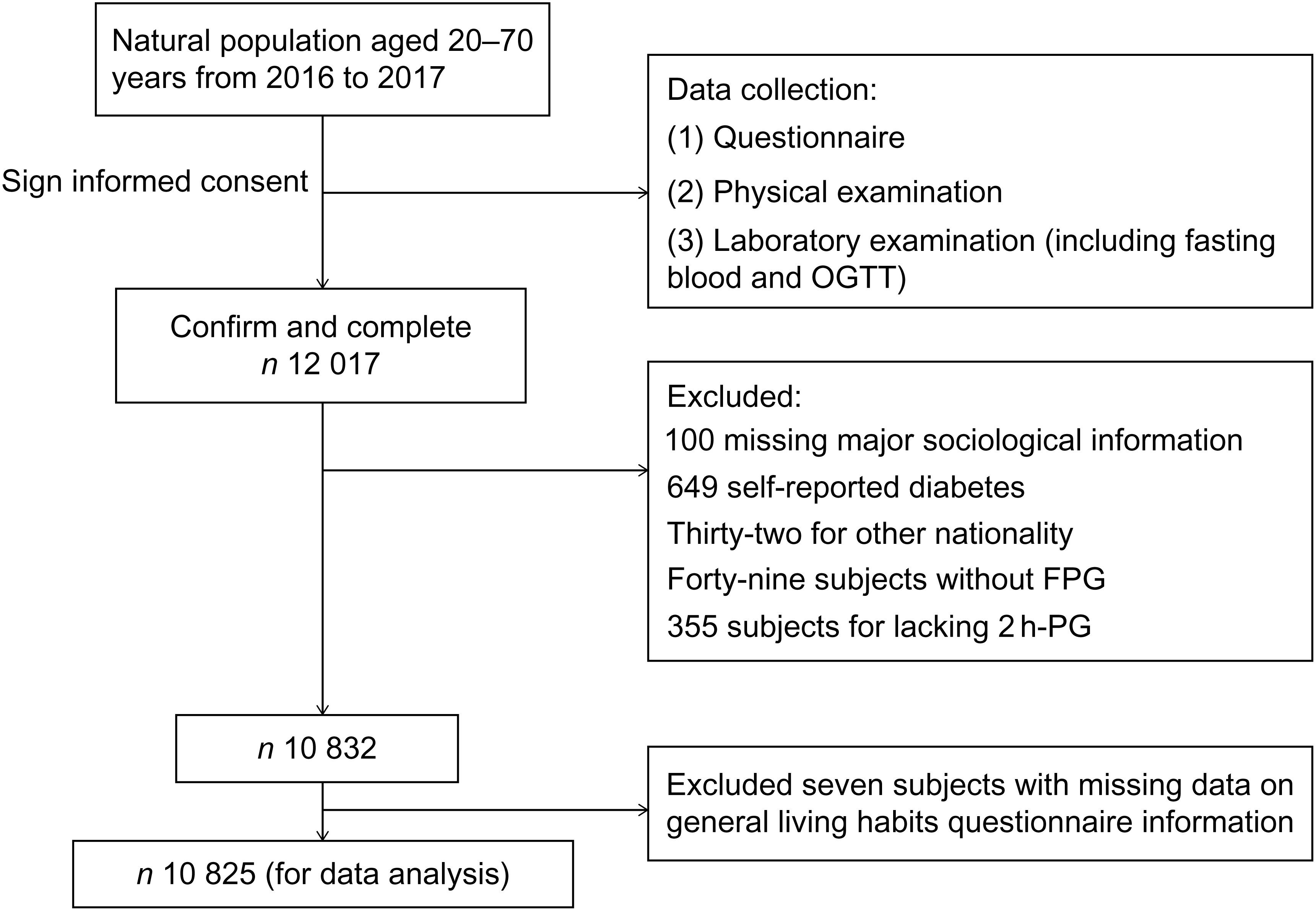
This multi-centre, cross-sectional study, based on the ‘Non-lab and semi-lab algorithms for screening undiagnosed diabetes’ study(Reference Li, Xie and Qiu16), was conducted in eight centres including seven provinces in China from November 2016 to June 2017. A multi-stage cluster and simple randomisation method was applied to recruit subjects aged 20–70 years in 1–2 provinces that were randomly selected in east, south, west, north and central regions across China. Finally, a total of 12 017 participants completed the investigation, including three parts: face-to-face questionnaire, physical examination and laboratory examination, in which fasting blood (at least 8 h) in the morning and postprandial blood (after oral administration of 75 g glucose) were drawn.
After excluding 100 subjects with missing data on socio-demographic information (e.g. age, sex and nationality), 649 with self-reported diabetes, thirty-two with defined other nationality, 355 with missing important laboratory indexes (including fasting plasma glucose, 2-h plasma glucose) or seven common lifestyle characteristics (such as diet habits, physical exercise, alcohol drinking, tea consumption and smoking status) and substituting the mean and the median for empty data (containing TAG, total cholesterol, HDL, LDL, waist circumference, height, weight, systolic blood pressure, diastolic blood pressure), outliers with waist circumference and BMI > 95·5 percentile or <0·5 percentile, a total of 10 825 participants were included in the final data analysis (Fig. 1).
Flow chart of the study population. OGTT, oral glucose tolerance test; FPG, fasting plasma glucose; PG, plasma glucose.
The present study protocols were approved by the ethics committee of Zhongda Hospital, School of Medicine, Southeast University and other sub-centre hospitals involved, and written informed consent were signed from each participant before the study.
Descriptive data collection
A standardised questionnaire was used to collect demographic characteristics (sex, age, ethnicity, education level, annual household income and family history of diabetes) and lifestyle factors (diet habit, vegetable and fruit consumption, smoking, alcohol consumption, tea consumption, regular exercise participation and sedentary work) by trained doctors and nurses during the face-to-face interview.
Clinical measurements
All measurement instruments were conformed to the national metrological certification requirements, and all measurement methods met the industrial standard of the People’s Republic of China human measurement methods (WS/t424-2013). Waist circumference was measured from the costal margin along the mid-axillary line to the iliac crest level at the horizontal plane. BMI was calculated as weight (kg) divided by height (m) squared. Blood pressure was measured three times at 2-min intervals by a sphygmomanometer, and then the average of three measurements was taken. Fasting venous blood samples from the antecubital vein were obtained, and participants without T2DM conducted a 75-g oral glucose tolerance test performed by a trained staff. All blood samples stayed at room temperature for no more than 4 h and within the prescribed time limit for cold-chain transport (2–8°C) to central laboratory for testing total cholesterol, TAG, HDL-cholesterol and LDL-cholesterol and blood glucose.
Assessments
Newly diagnosed diabetes were defined as fasting plasma glucose ≥ 7·0 mmol/l or 2-h plasma glucose ≥ 11·1 mmol/l according to diagnostic criteria published by the WHO in 1999(Reference Drouin, Blickle and Charbonnel17), without a history of diabetes. BMI was categorised for common obesity based on WHO suggestion: <25, 25–30 and >30 kg/m2. We define ‘drinking tea every day’ as daily tea drinkers, ‘drinking tea at least once a week’ as occasional tea drinkers, ‘drinking tea at least once a month’ as seldom tea drinkers. Smoking status and alcohol intake were assessed by using a structured questionnaire. Tea types in questionnaire are classified as green tea, white tea, oolong tea, black tea, dark tea, bottled tea beverage and other tea. To improve statistical power, white tea, oolong tea and bottled tea are combined with other types in the following analyses considering the small sample size.
Statistical analyses
First, 10 825 participants’ characteristics were assessed by diabetic status. The difference among newly diagnosed diabetes, pre-diabetes mellitus and non-diabetics was assessed with the χ 2 and Kruskal–Wallis test, respectively. Second, hierarchical logistic regression was used to examine the association of tea consumption with newly diagnosed diabetes. Third, the interactive effect between tea consumption and sex/age/BMI on diabetes was explored by using Stata MP version 15.0. Statistical significance was defined as a P value of < 0·05 and based on two-sided probability.
Results
Characteristics of study population
Baseline characteristics of the 10 825 participants according to diabetic status are presented in Table 1. Compared with non-diabetic group, the proportion of newly diagnosed diabetes in men was higher (41·6 % v. 29·1 %). Furthermore, these newly diagnosed diabetics were more likely to smoke cigarettes or drink alcohol, less likely to consume vegetables or fruit and had higher BMI, LDL, TAG, total cholesterol and systolic blood pressure. Of particular interest, the percentage of daily tea drinkers in diabetic patients was significantly lower than that of non-diabetic group (28·7 % v. 35·4 %).
Baseline characteristics of 10 825 study participants according to the status of diabetes mellitus
(Medians and interquartile ranges (IQR); numbers and percentages)
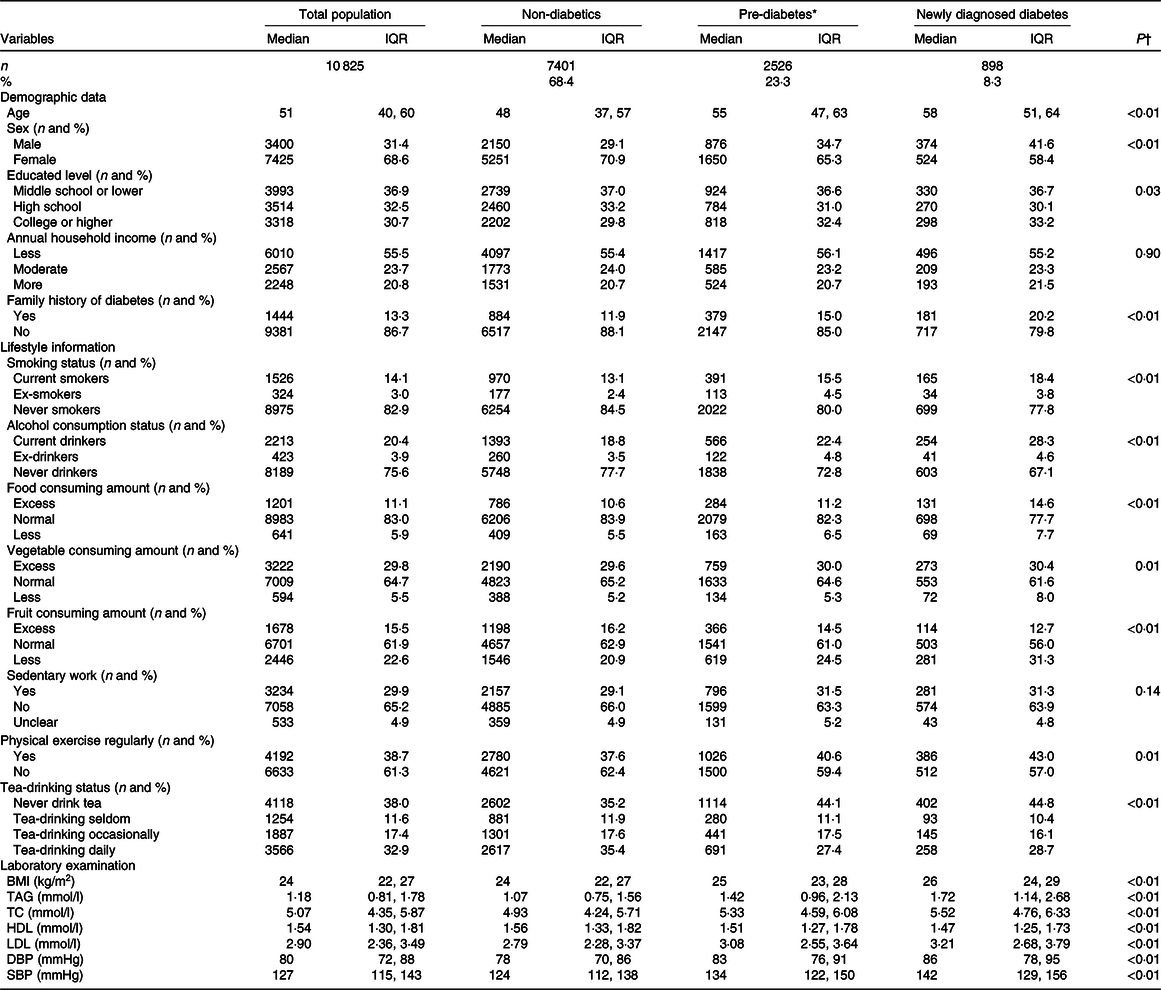
TC, total cholesterol; DBP, diastolic blood pressure; SBP, systolic blood pressure.
* Pre-diabetes: impaired fasting glucose (6·1–7·0 mmol/l), impaired glucose tolerance (7·8–11·1 mmol/l) or both exist, according to diagnostic criteria published by the WHO in 1999(Reference Drouin, Blickle and Charbonnel17).
† For continuous data with skewed distribution, the data are presented as medians and IQR and analysed by the Kruskal–Wallis test. Categorical data are presented as n and % and analysed by the χ 2 test. Significant level, α = 0·05.
OR for type 2 diabetes mellitus according to tea-drinking status
Table 2 shows the unadjusted prevalence of newly diagnosed diabetes: 9·8, 7·4, 7·7 and 7·2 % in the four groups. The crude OR of seldom tea drinkers, occasional tea drinkers and daily tea drinkers were 0·74 (95 % CI 0·59, 0·94), 0·77 (95 % CI 0·63, 0·94) and 0·72 (95 % CI 0·61, 0·85), respectively, compared with non-tea drinkers. In model 4, after multiple adjustments, the prominent prevention impact of daily tea drinkers on T2DM declined slightly, but remained significant (OR 0·78; 95 % CI 0·65, 0·94; P = 0·01).
Newly diagnosed incidence rates and risk for type 2 diabetes mellitus according to tea drinking status
(Odds ratios and 95 % confidence intervals)

Ref, reference.
* Model 4: adjusted for all factors in model 3 plus smoking status, alcohol consumption status, vegetable consumption, food consumption, fruit consumption, sedentary work (yes or no), physical exercise regularly (yes or no).
† Model 1: crude.
‡ Model 2: adjusted for factors in model 1 plus age, sex and BMI.
§ Model 3: adjusted for all factors in model 2 plus systolic blood pressure, TAG, education level, family history of diabetes mellitus (yes or no).
Interactive effect of tea drinking with sex, age and BMI on type 2 diabetes mellitus
To improve statistical power, we merged ‘non-tea drinkers’, ‘seldom tea drinkers’ and ‘occasional tea drinkers’ as ‘non-daily tea drinkers’. As shown in Table 3, daily tea drinking was associated with a decreased risk of diabetes in female, elderly and obese subjects, with the adjusted OR of 0·68 (95 % CI 0·54, 0·87), 0·77 (95 % CI 0·64, 0·93) and 0·66 (95 % CI 0·47, 0·94), respectively. These results demonstrate a significant interactive effect of tea drinking with sex, age and BMI on T2DM (P interaction1 = 0·014, P interaction2 = 0·043 and P interaction3 = 0·038).
Interactive effect of tea consumption on the risk of diabetes
(Odds ratios and 95 % confidence intervals)
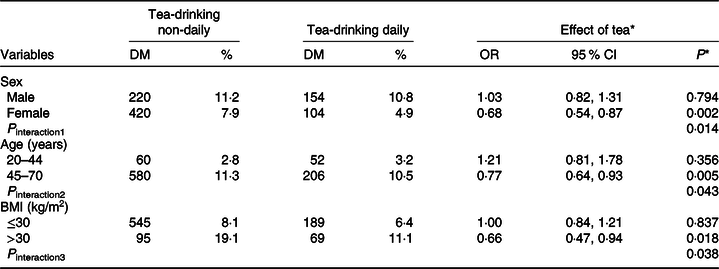
* Adjusted for other confounding factors other than interaction variables.
The impact of tea types on type 2 diabetes mellitus
To investigate the impact of tea types on the prevalence of undiagnosed T2DM, subgroup analyses were performed and are shown in Table 4. Those who consume dark tea (Pu’er) revealed the lowest newly diagnosed prevalence (5 %). After adjustments for covariates, including age, sex, BMI, systolic blood pressure, TAG, education level, family history of DM (yes or no), smoking status, alcohol consumption, vegetable consumption, food consumption, fruit consumption, sedentary work (yes or no) and regular physical exercise (yes or no), subjects consuming dark tea had a 46 % decreased risk of T2DM, compared with non-tea drinkers. However, subjects drinking green tea and black tea did not show significant reduction, with adjusted OR of 0·93 (0·74, 1·17) and 0·85 (0·65, 1·11), respectively.
Newly diagnosed incidence rates and risk for type 2 diabetes mellitus according to tea types
(Odds ratios and 95 % confidence intervals)
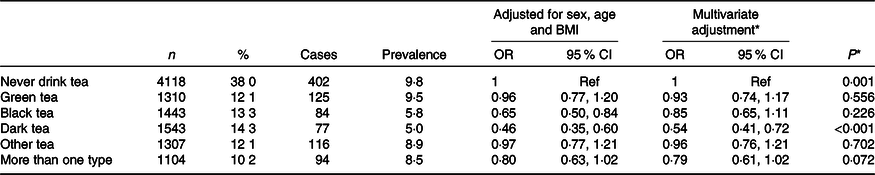
Ref, reference.
* Adjusted for sex, age, BMI, systolic blood pressure, TAG, education level, family history of diabetes mellitus (yes or no), smoking status, alcohol consumption status, vegetable consumption, food consuming, fruit, sedentary work (yes or no), physical exercise regularly (yes or no).
Discussion
According to our knowledge, this is the first national observational study addressing the relationship of tea-drinking status and various tea types with T2DM in China. In our study, about 62 % of Chinese is drinking tea, mainly dark tea, black tea and green tea, accounting for 14·3, 13·3 and 12·1 %, respectively. Moreover, 32·9 % of subjects have the habit of drinking tea daily. It is fully confirmed that it is necessary to study the impact of tea drinking on the risk of diabetes in the Chinese population. According to the research, the total food consumption, alcohol consumption and physical exercise regularly of daily tea drinkers were lower than those of non-daily tea drinkers; however, vegetable consumption and fruit consumption of them were more than those of non-daily tea drinkers in men and women (P < 0·05) (data not shown). It could be speculated that dietary and living habits of tea drinkers daily are significantly different from those of non-daily tea drinkers in China. The interaction between diet habits and tea drinking, which has been not reported by previous researchers, requires further exploration in the future. Furthermore, the diet and living habits have been adjusted to increase the credibility of those results in these following results.
Our results observed a negative association between tea consumption and risk of T2DM. These findings are inconsistent with several previous studies(Reference Siddiqui, Avan and Mahmud15,Reference Liu, Xu and Cai18,Reference Hayashino, Fukuhara and Okamura19) , which observed a higher risk of T2DM in tea consumers, but consistent with several previous studies(Reference Odegaard, Pereira and Koh13,Reference Deng, Lin-Shiau and Shyur20–Reference Yao, Gu and Zhang22) and meta-analyses(Reference Yang, Wang and Fan23,Reference Jing, Han and Hu24) , in which a negative association was discovered. This discrepancy could be due to subjects, types or frequency of tea drinking. Additionally, a positive association between pesticides and T2DM has also been found in several studies(Reference Montgomery, Kamel and Saldana25–Reference Son, Kim and Kang27). Liu et al.’s study in Shanghai also proposed that more pesticide exposures among tea drinkers may be associated with an increased risk of T2DM(Reference Liu, Xu and Cai18). Besides, drinking tea daily is more beneficial to prevent T2DM than seldom or occasional tea drinking in this research. Our result is in accordance with a meta-analysis(Reference Yang, Wang and Fan23) in which drinking more than three cups of tea per d was associated with a lower risk of T2DM. Additionally, Jing et al. (Reference Jing, Han and Hu24) also found that consuming more than four cups per d may reduce the risk of T2DM by approximately 20 % (risk ratio 0·80; 95 % CI 0·70, 0·93). Furthermore, experimental studies have discovered that several bioactive components, including catechins, gallic acid, polysaccharides and epigallocatechin-3-gallate, within tea show antioxidant activity(Reference Kongpichitchoke, Chiu and Huang28,Reference Chen, Qu and Fu29) and improve insulin sensitivity(Reference Zheng, Xu and Li30). The polysaccharides extracted from fully fermented black tea and dark tea contain a higher percentage of low molecular weight portions (antioxidants) than those extracted from green tea and oolong tea, resulting in more benefits to T2DM(Reference Fu, Li and Lin9). According to Bhupathiraju et al., the effect of tea on diabetes might be attributed to caffeine. The study demonstrated that caffeinated tea could lower the risk of T2DM among women(Reference Bhupathiraju, Pan and Malik31). To sum up, these effects and mechanisms mentioned above are discrepant, possibly caused by different subjects, various tea types or tea drinking frequencies in previous researches; therefore, further evidence of the impact of tea drinking on Chinese is required in the future.
In our study, the negative correlation of daily tea drinking with the risk of T2DM is likely influenced by sex, age and BMI, which was determined by the significant interaction effect. Our results suggest that daily tea drinking may diminish the risk of diabetes in female by 32 %, elderly by 23 % and obese subjects by 34 %. Yang et al.’s finding also demonstrated that drinking tea was associated with a reduced risk of diabetes in women and no significant effect in men was found(Reference Yang, Wang and Fan23); this disparity may be related to more men smoking than women, and a linear positive correlation between the amount of smoking and the risk of diabetes has previously been acknowledged(Reference Akter, Goto and Mizoue32). Additionally, the significant interaction effect between daily tea drinking and smoking is also found (P interaction = 0·015) (data not shown), which demonstrates that daily tea drinking is associated with lowering the risk of diabetes in non-smokers, not significant effective on smokers. Therefore, smoking (mostly male) would counteract the protective effect of daily tea drinking on diabetes, which is consistent with the above result. Moreover, in our study, daily tea consumption was not significantly associated with weight loss, which is supported by Greenberg et al.’s cohort study(Reference Greenberg, Axen and Schnoll33). Therefore, we can speculate that the negative association between drinking tea daily and the risk of T2DM in obese may be achieved through increasing insulin sensitivity of obese patients, but more research on the mechanisms is needed in the future. In addition, we showed a decreased risk of diabetes in the elderly, which coincide with that of the Singapore Chinese Health Study(Reference Odegaard, Pereira and Koh13). This difference could be due to young people’s preference for bottled or sugary beverage, which has been demonstrated to increase the risk of T2DM(Reference O’Connor, Imamura and Lentjes34). In our study, the proportion of young people drinking bottled tea (2·3 %) was three times that of the elderly (0·7 %). However, because of the small sample of subjects who drink bottled tea, larger sample studies are needed to verify this speculation. In addition, the shorter duration of tea drinking by young people may also be a factor of the results, long-term follow-up studies are necessary.
As for tea types, the diabetes-related research on rats(Reference Wu, Juan and Ho35) has suggested potential benefits of green and black teas in insulin and glucose metabolism. Mahmoud’s cohort work discovered that administrating three cups per d of black tea can ameliorate the progression of T2DM in adults(Reference Mahmoud, Haines and Al-Ozairi36). The Singapore Chinese study had a suggestive 14 % (risk ratio 0·86; 95 % CI 0·74, 1·00) reduction in risk of diabetes within participants drinking black tea more than one cup per d compared with non-consumers, but there was no association observed concerning green tea(Reference Odegaard, Pereira and Koh13). Additionally, daily consumption of black tea has been confirmed to increase the level of plasma antioxidants such as glutathione and decrease serum C-reactive protein level in diabetic populations(Reference Ãz, Luna and Estévez37,Reference Neyestani, Shariatzade and Kalayi38) . Moreover, Deng et al. (Reference Deng, Lin-Shiau and Shyur20) observed, in vitro and in vivo, that Pu’er (dark tea) could suppress blood sugar in diabetes by inhibiting α-glucosidase activity. In our study, both black tea and dark tea were related to reducing the risk of diabetes after adjusting for sex, age and BMI; however, after adjusting for other confounding factors, the effect of dark tea remained significant (OR 0·54; 95 % CI 0·41, 0·72; P < 0·001), while no significance was observed in black and green tea, consistent with the study in Japan(Reference Oba, Nagata and Nakamura14).
To our knowledge, as fully fermented tea, dark tea is a unique tea type in China and population-based research about dark tea is lacking. Our results showed that whole fermented tea, especially dark tea, is associated with a reduced risk of diabetes. Nevertheless, the disagreements with some of the previous studies about green or black tea could most likely be influenced by research population (ethnics), tea preparation methods, concentration of tea, level of pesticides exposure in tea or other unadjusted incorporated lifestyles.
These findings convey a potential high significance for public health because tea is the second most consumed beverages worldwide after water. Though China has a long history of tea drinking, former cohort studies on this topic had been limited to western populations. The highlights of the present study are summarised as follows: (1) The present study includes a large sample population from eight different sites in five areas in China, and the questionnaire information was comprehensive. (2) This is the first time to explore the interaction between sex, age and BMI with daily tea drinking on diabetes risk, and the result plays an instructive role in personalised prevention of diabetes. (3) The types of tea are classified in detail, whereas previous studies were mostly limited to green tea, black tea or oolong tea, solely. (4) The oral glucose tolerance test was tested for diagnosis of diabetes in the present study, and bias related to self-reports was avoided. (5) The present study did not contain already diagnosed patients, whose lifestyles had been influenced by medical intervention (data not shown).
However, several limitations of the present study should be considered: (1) This is a cross-sectional study that can only explain correlation and not causality. (2) The data related to lifestyles were obtained from the self-reported questionnaire, likely containing memory and self-reported bias. (3) The category of tea consumption status was not quantified (specific to frequency), possibly resulting in understanding bias. (4) Other unknown confounders potentially exist, such as milk, sweet foods and beverages consumption status, despite adjustments for multiple confounding factors. For example, Kazakhs and Uyghurs in China drink salty tea with mare milk at meal time, especially breakfast. It is not clear whether the effect of tea is affected by milk or salt, and the interaction of different micronutrients also needs to be clarified in the future. (5) The results of the present study are limited to the Chinese population and may be ineffective against other ethnic groups, such as Caucasians, with characteristic genes or habits.
In summary, our study suggests that daily tea consumption is negatively associated with the risk of T2DM among female, elderly and obese people. Furthermore, consuming dark tea in particular showed the greatest association with reduced risk of diabetes in the Chinese population. Further cohorts studies should be conducted to elucidate the effect of tea on T2DM.
Acknowledgements
We thank all the participants, cooperative hospitals and investigators who contributed their precious time in this research.
The present study was supported by the National Key R&D Program of China (no. 2016YFC1305700), the National Key Scientific Instrument and Equipment Development Project of China (no. 51 627 808) and the grants from the Excellence Project of Southeast University (no. SJCX17_0072).
Z. S., Y. C. and W. L. were responsible for the study design. Y. C., W. L., S. Q. and B. W. were responsible for data collection, data analysis, interpretation and writing of the manuscript. Z. S., S. H., X. X., C. V., X. W., X. N., Q. C., Q. W., P. T., L. Z., S. Y., K. L., J. C., H. W., X. W., X. W., J. L., M. C. and Z. W. assisted with the data collection and manuscript modification. All authors have read the manuscript critically and approved the submitted version.
The authors declare no conflicts of interest of any commercial or financial relationships.



