


Impact statement
Plastic pollution is an emerging environmental threat, negatively impacting terrestrial and aquatic ecosystems. Rivers play an important role in the global distribution of plastic pollution, transporting plastic toward the ocean and retaining plastic for long periods of time. Reliable observational data are crucial to identify plastic pollution sources, transport pathways, sinks and impact. Citizen science–based approaches offer a possibility to upscale river plastic monitoring, providing data to establish plastic pollution baselines, analyze trends and evaluate the effect of interventions. Here, we evaluated the suitability of river plastic measurement methods for citizen science applications through a case study in the Odaw River, flowing through the city of Accra, Ghana. A group of local citizen scientists was trained and applied four measurement methods (visual counting, macroplastic net sampling, microplastic net sampling, hydrometric measurements). We conducted a survey to evaluate citizen scientists’ experience with the different methods, focusing on the suitability of methods for citizen science. Although all methods received an overall positive evaluation, the visual counting method emerged as most promising for citizen science–based river plastic monitoring. The impact of our study is threefold. First, we demonstrated that citizen science may be a good option for long-term monitoring in the Odaw River. Second, we provided a transferable approach for citizen science–based river plastic monitoring in similar urbanized river systems and beyond. Our training and evaluation approach can be transferred to other rivers and communities, as perceptions and available plastic measurement methods may vary per case and community. Finally, our work feeds into the global knowledge on how to design effective citizen science–based approaches for plastic monitoring. As governments worldwide commit to reducing plastic pollution through the Global Plastics Treaty, our work contributes to the development of large-scale river plastic monitoring infrastructure.
Introduction
Plastic pollution has been widely recognized as an emerging environmental threat, posing risks to ecosystem health and human livelihoods (van Emmerik and Schwarz, Reference Van Emmerik and Schwarz2020; Persson et al., Reference Persson, Carney Almroth, Collins, Cornell, De Wit, Diamond and Hauschild2022). Rivers play an important role in the global transport and retention of plastic pollution (van Emmerik et al., Reference van Emmerik, Mellink, Hauk, Waldschläger and Schreyers2022; González-Fernández et al., Reference González-Fernández, Roebroek, Laufkötter, Cózar and van Emmerik2023). Through local and global initiatives, including the Global Plastics Treaty and the European Union Single-Use Plastics Directive, governments are committing to the reduction of plastic pollution in the terrestrial and aquatic environment (Morales-Caselles et al., Reference Morales-Caselles, Viejo and Martí2021; European Commission, 2022; UNEP, 2023). In turn, these call for baseline studies to determine the current state of pollution and assessment strategies to evaluate the impact of plastic reduction measures (Yadav et al., Reference Yadav, Fei, Arora, van Emmerik, Wang and Laurent2025). Reliable monitoring of plastic stocks and fluxes is imperative to achieve these goals (Wendt-Potthoff et al., Reference Wendt-Potthoff, Avellán, van Emmerik, Hamester, Kirschke, Kitover and Schmidt2020; Simon et al., Reference Simon, Raubenheimer, Urho, Unger, Azoulay, Farrelly, Sousa, van Asselt, Carlini, Sekomo, Schulte, Busch, Wienrich and Weiand2021). Plastic pollution monitoring in marine and freshwater environments is still a developing field, and methods and resources for large-scale and long-term monitoring are still lacking (Aliani et al., Reference Aliani, Lusher, Galgani, Herzke, Nikiforov, Primpke, Roscher, Da Silva, Strand, Suaria and Vanavermaete2023). Citizen science approaches have been shown to be successful at local and national levels, and may therefore offer an opportunity for increased plastic monitoring at the global scale (Rambonnet et al., Reference Rambonnet, Vink, Land-Zandstra and Bosker2019; Nelms et al., Reference Nelms, Easman, Anderson, Berg, Coates, Crosby, Eisfeld-Pierantonio, Eyles, Flux, Gilford and Giner2022; Fraisl et al., Reference Fraisl, See, Bowers, Seidu, Fredua, Bowser, Meloche, Weller, Amaglo-Kobla, Ghafari and Bayas2023).
Citizen science refers to the collection and analysis of data by members of the general public, either with or without training by scientists or professionals (Buytaert et al., Reference Buytaert, Zulkafli, Grainger, Acosta, Alemie, Bastiaensen and Zhumanova2014; Kawabe et al., Reference Kawabe, Ghilardi-Lopes, Turra and Wyles2022). Although the nature and quality of the data collection through citizen science approaches can differ from more traditional monitoring, citizen science offers new avenues for large-scale and long-term monitoring. Citizen science approaches for plastic monitoring have existed for nearly 20 years, although the majority focus on the marine environment (Kawabe et al., Reference Kawabe, Ghilardi-Lopes, Turra and Wyles2022). In freshwater systems, citizen science–based monitoring efforts are also increasing, yet their nature and protocols can vary considerably (San Llorente Capdevila et al, Reference San Llorente Capdevila, Kokimova, Ray, Avellán, Kim and Kirschke2020; Tasseron et al., Reference Tasseron, van Emmerik, de Winter, Vriend and van der Ploeg2024). Similar to more conventional plastic monitoring, most initiatives are limited to a specific size range (micro or macro), environmental compartment (river surface or riverbank) or measurement technique (visual observations, sampling, image-based). Recurring calls are made for harmonization in plastic monitoring, as more consistent and comparable data are crucial to overcome the current knowledge gaps and uncertainties (González-Fernández et al., Reference González-Fernández, Roebroek, Laufkötter, Cózar and van Emmerik2023). Harmonized approaches for designing plastic monitoring strategies based on citizen science are, however, still lacking.
This article presents an evaluation of the suitability of several river plastic monitoring methods for citizen science, based on field monitoring and subsequent surveys with citizen scientists. A group of local citizen scientists (teachers and participants of a plastic monitoring capacity building workshop) participated in a three-day field sampling effort in the Odaw River, Ghana, and provided feedback on four specific measurement methods (visual counting, macroplastic net sampling, microplastic net sampling, hydrometric measurements). We evaluated the suitability based on the survey outcomes, and through analysis of the monitoring data and comparison with previous studies in the same river. Given the global need for large-scale and long-term monitoring of plastics in terrestrial, freshwater and marine ecosystems, we emphasize the key role that citizen science can play in achieving this. This article can be used as a starting point and practical guide for governments, NGOs, practitioners and scientists to explore the full potential of citizen science for river plastic monitoring locally and globally.
Methods and materials
In this study, we combined (1) field monitoring activities and (2) surveys with citizen scientists. Field monitoring with citizen scientists was done in the Odaw River basin, Ghana, to measure macroplastic and microplastic concentration, transport and composition (Section “River plastic monitoring with citizen scientists”). The monitoring activities enabled direct feedback on the used methods from the citizen scientists (Section “Method evaluation survey”) and provided quantitative data on relevant plastic pollution variables, which were compared with previous field assessments. Note that in this article, macrolitter refers to anthropogenic items (e.g. plastic, metal, glass) larger than 0.5 cm, macroplastic to plastic items >0.5 cm and microplastic to plastic particles <0.5 cm.
River plastic monitoring with citizen scientists
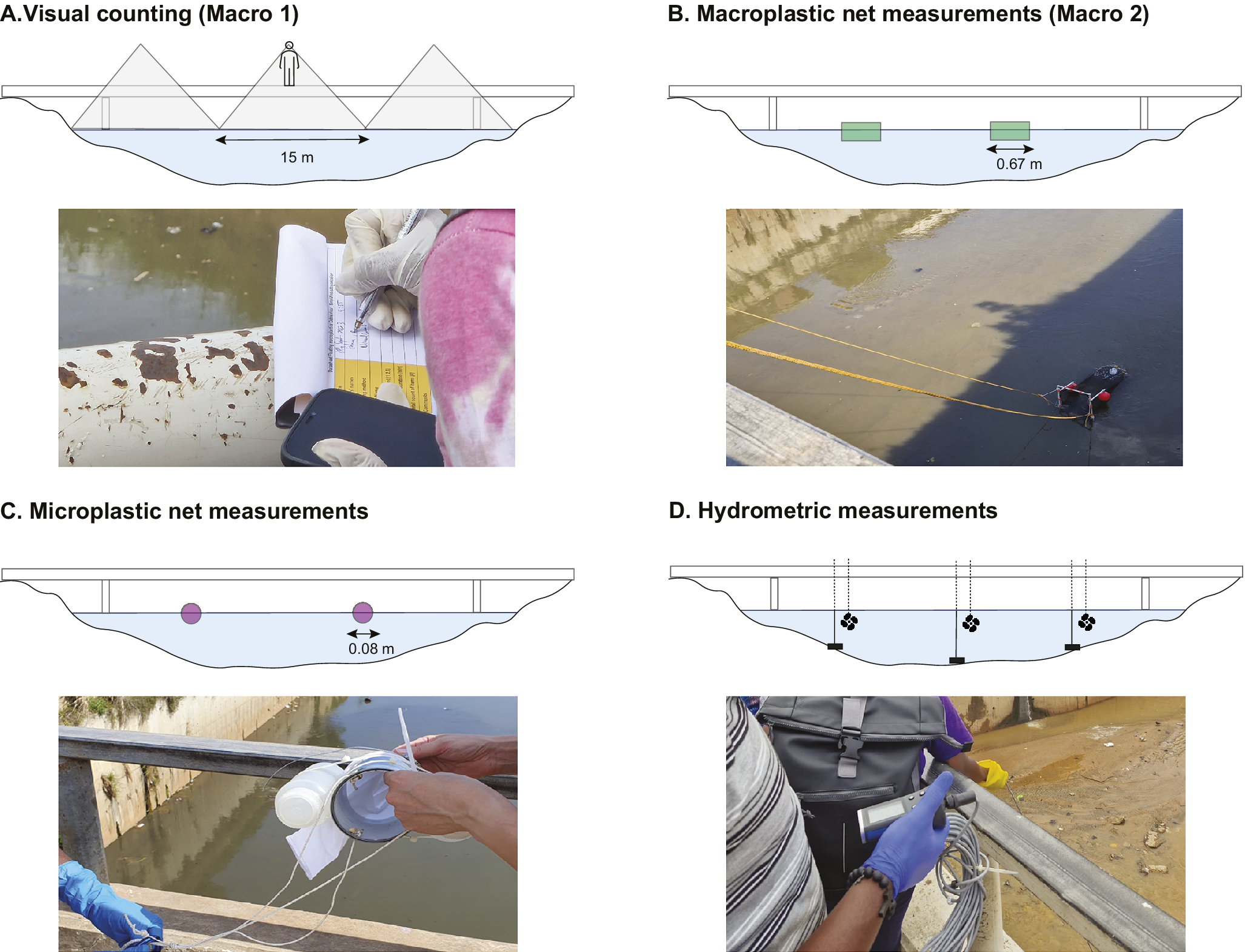
We conducted field monitoring activities in the Odaw River, Ghana. This involved the participation of government employees, university students and high-school teachers (n = 19), hereafter referred to as “citizen scientists.” Four sets of measurements were done: (1) visual counting of floating macroplastics, (2) floating macroplastic net sampling, (3) floating microplastic net sampling and (4) hydrometric measurements, including flow velocity and water depth (Sections “Visual counting,” “Macroplastic sampling,” “Microplastic sampling,” and “Hydrometry measurements”). Figure 1 provides an overview of the measurement set-up at monitored locations, the metrics derived from the measurement and the main equipment used. Flow velocity and water depth are essential data to estimate plastic concentrations at the river surface. They also provide essential metadata on the river’s hydrological conditions during the monitoring activities.
The four different measurement methods evaluated by the citizen scientists. (A) Visual counting of macroplastics from bridges (Macro 1), (B) macroplastic net measurements (Macro 2), (C) microplastic net measurements and (D) hydrometric measurements. Photo credits: Louise Schreyers (A, B, C) and Rose Pinto (D).

Prior to the measurements, the supervisory team consisting of three experts gave a general briefing to the citizen scientists. This briefing included safety instructions and the assignment of specific measurement tasks to each citizen scientist group, led by one or two expert supervisors. This training entailed a thorough explanation of the measurement techniques, potential equipment demonstrations, hands-on experience and open discussions with the citizen scientists regarding the measurement techniques used.
Field site
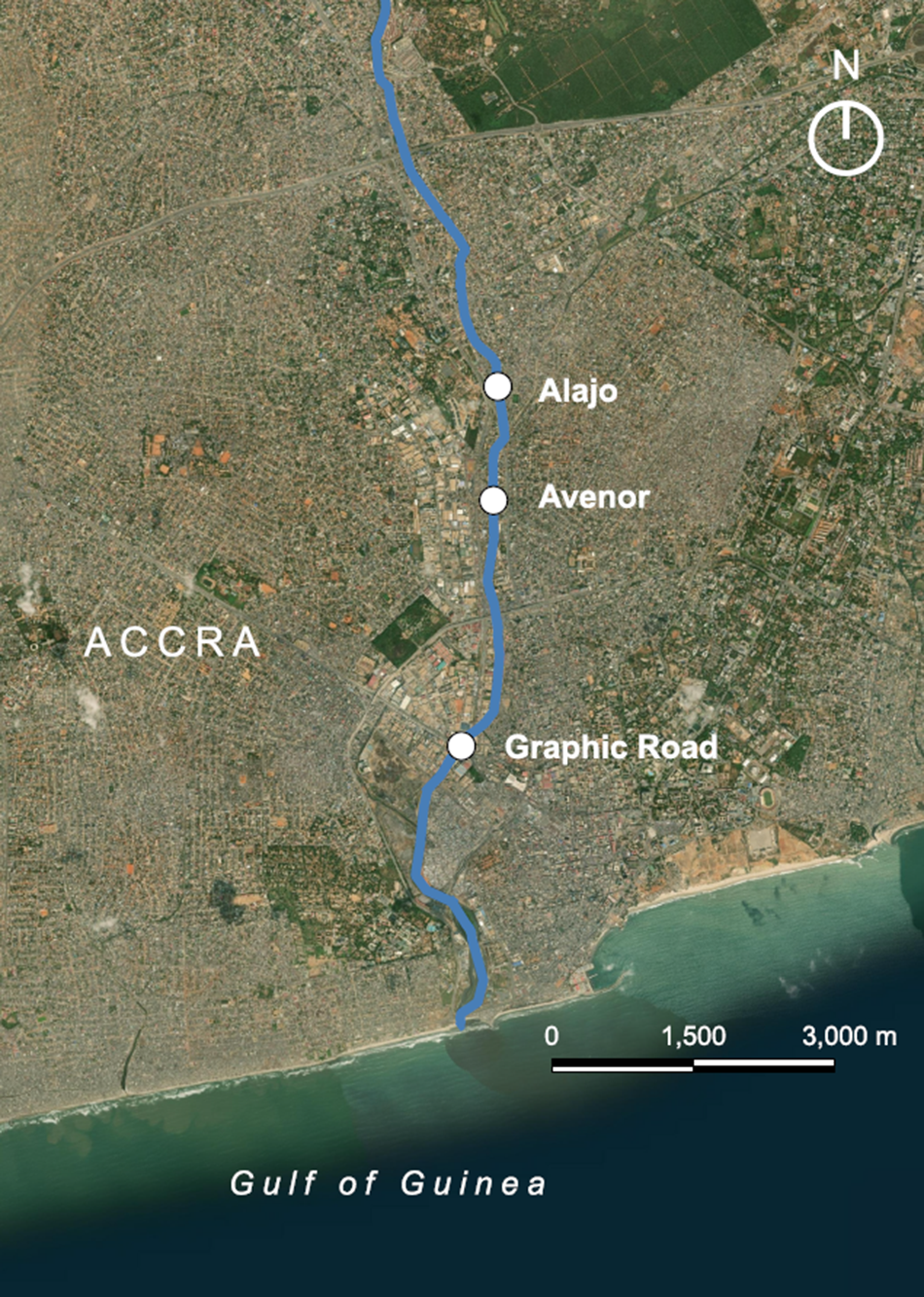
The Odaw catchment (270 km2) is located in southern Ghana and falls within the Greater Accra Metropolitan Area. As the capital city, Accra is one of the country’s industrial and commercial hubs. Due to the discharge of household sewage, industrial effluents and plastic waste, the Odaw is considered one of the most polluted rivers in Ghana (Ntajal et al., Reference Ntajal, Höllermann, Falkenberg, Kistemann and Evers2022; Acheampong et al., Reference Acheampong, Gyamfi and Arthur2023). The measurements were done at three different bridges along the Odaw River: Alajo (5°35′52.0″N 0°12′41.3″W), Avenor (5°34’47.2″N 0°13′05.1″W) and Graphic Road (5°33’23.1″N 0°13′16.6″W). See Appendix A, Figure A1 for an overview map of the field sites. The field measurements were done between 13 and 15 September 2023, from 09:00 to 16:00, with measurements at one location per day.
Visual counting
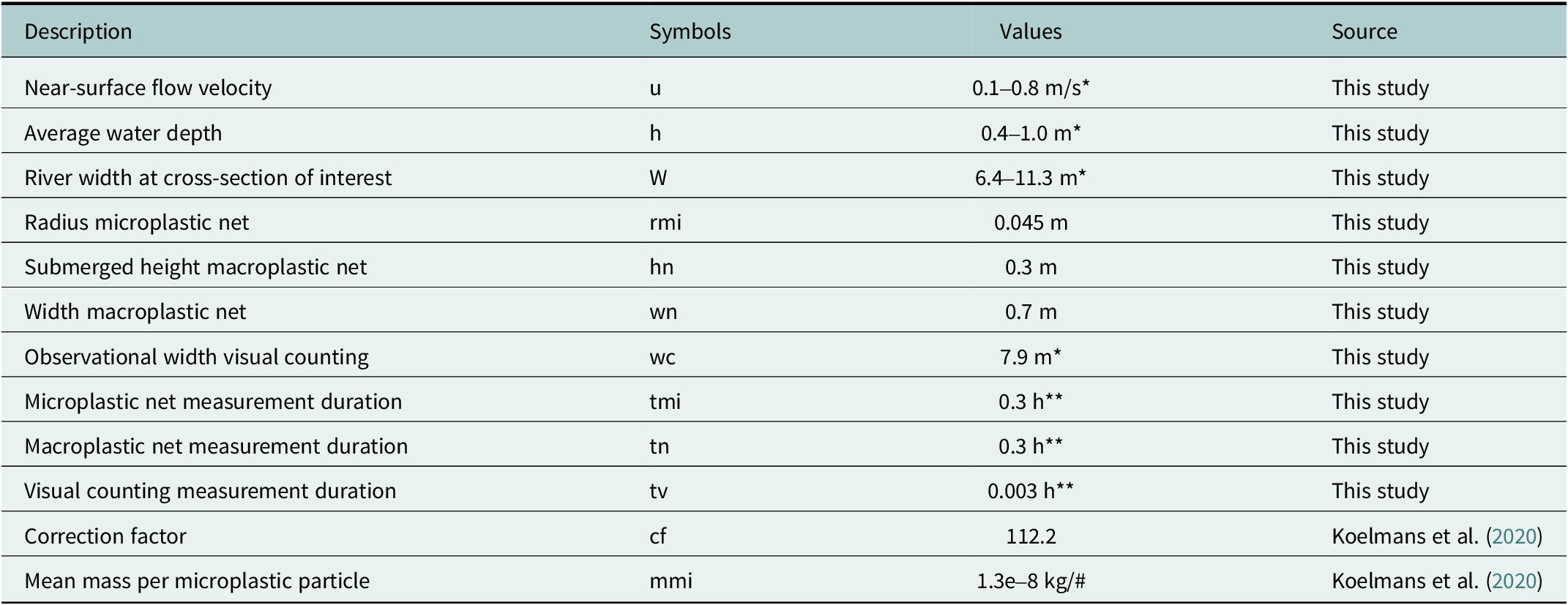
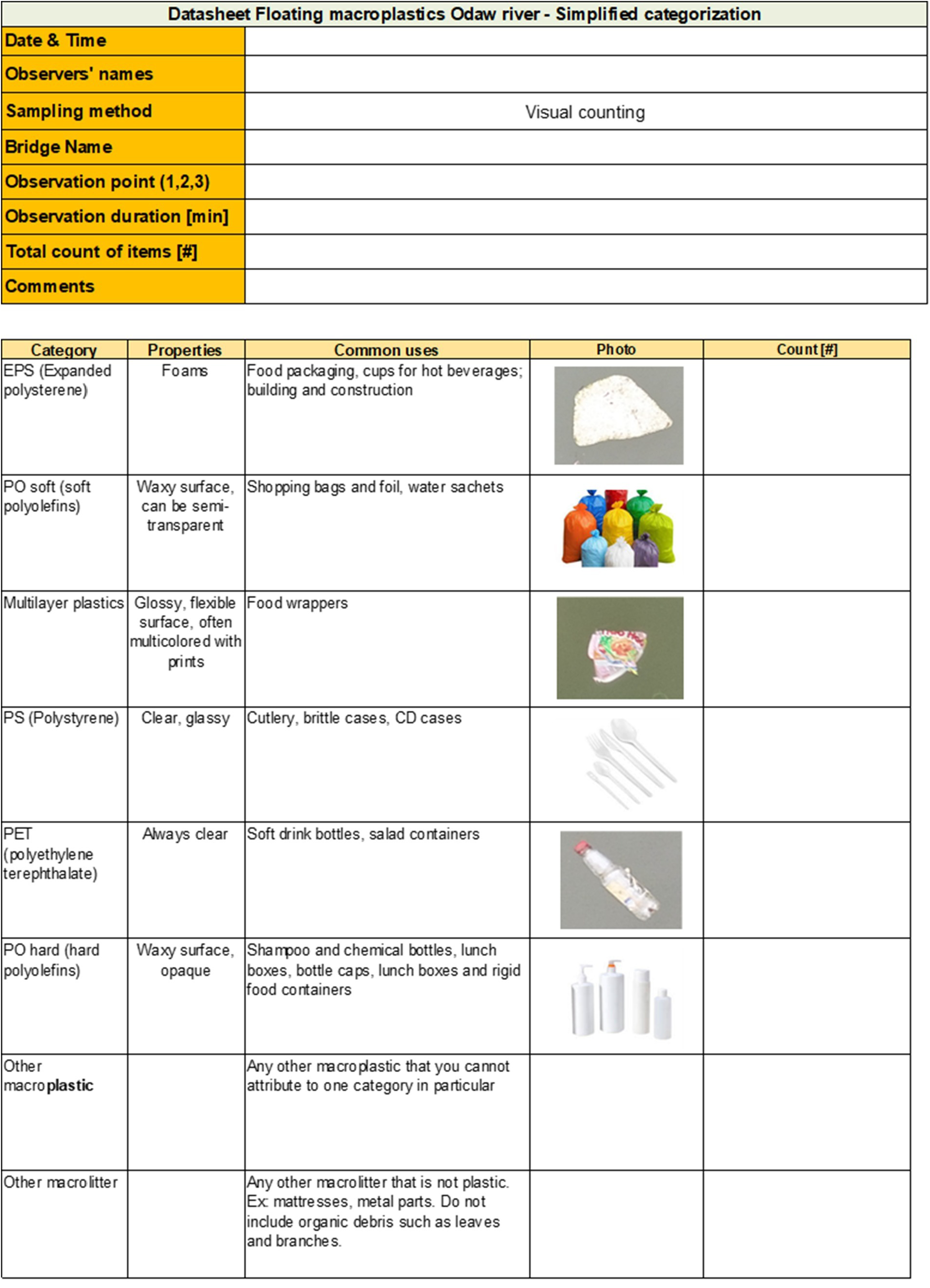
The visual counting method (Method 1) has been widely used to monitor floating plastics in rivers around the world (González-Fernández and Hanke, Reference González-Fernández and Hanke2017; van Calcar and van Emmerik, Reference van Calcar and van Emmerik2019). All floating macrolitter items are counted and categorized by observers from bridges during a predefined period of time, in our case, 2 minutes (Figure 1). At each bridge, two or three observation points were selected evenly spaced across the river cross-section. Counting was done facing downstream, to facilitate the identification of floating items. Macrolitter items were classified into eight categories, based on material and use: (1) soft plastic (POsoft), (2) expanded polystyrene (EPS), (3) polystyrene (PS), (4) hard plastics (POhard), (5) polyethylene terephthalate (PET), (6), multilayer, (7) other plastics and (8) non-plastics (see Appendix C, Tables C1–C3 for examples and a brief description of each category). We estimated macroplastic item transport (Pma) [#/h] and macroplastic mass transport (Mma) [kg/h]. To estimate item transport, macroplastic item counts (Nma) [#] were normalized over time and observation width. We multiplied the mean mass per item category j (mma) [kg/item] with the transport per item category j (Pma) [#/h] to quantify the mass transport rate [kg/h]. The mean mass per item category j (mma) [kg/item] was derived from the macroplastic net sampling measurements (see Section “Macroplastic sampling”). All used equations are presented in Appendix B, Tables B1–B3.
Macroplastic sampling
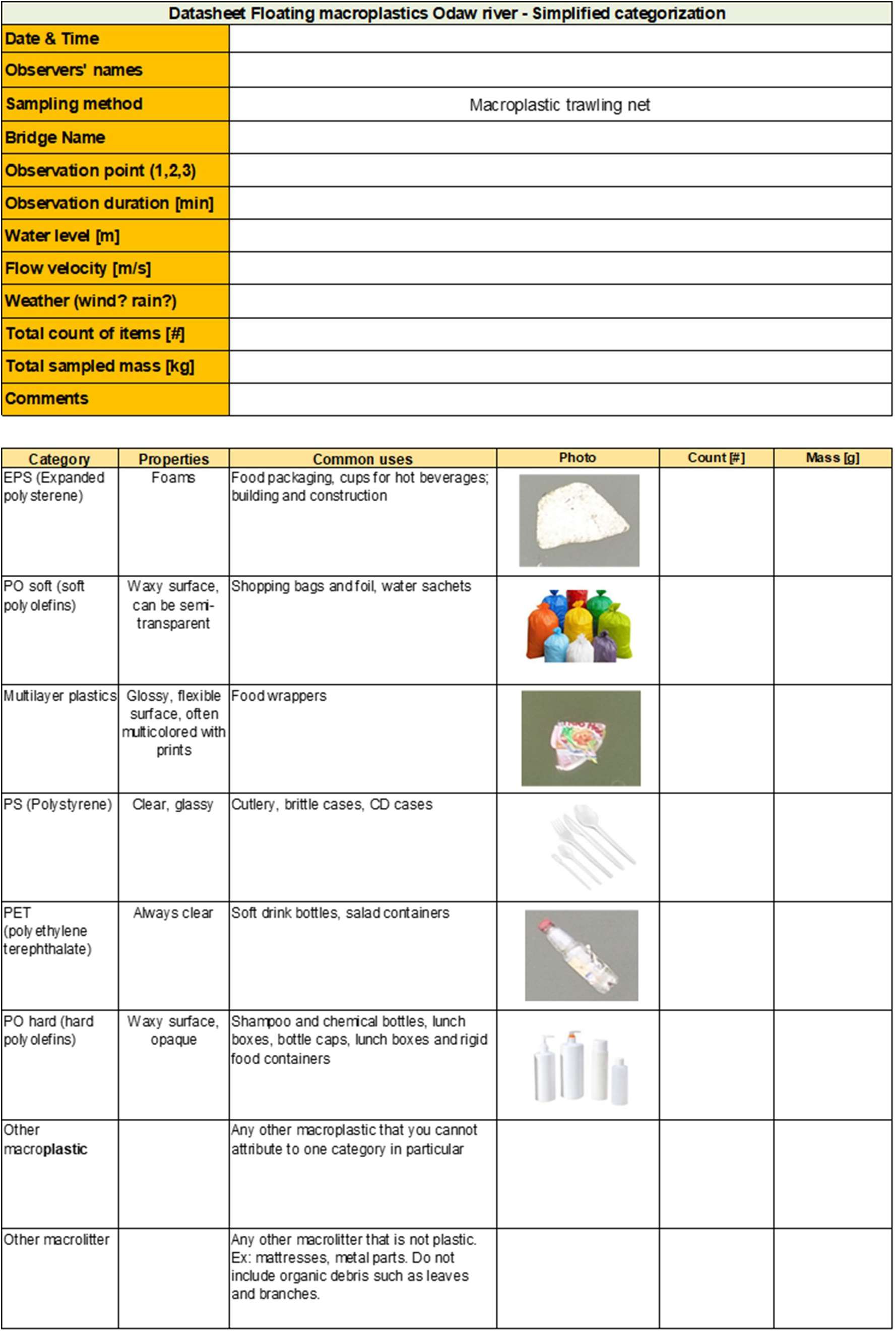
Macroplastic was sampled using a trawling net, which was deployed from bridges (Method 2). The trawling net aperture had a width and height of 67 cm (Figure 1). A 150-cm-long net was attached to the frame, with a square mesh size of 2 cm2. Buoys were attached on each side of the net frame to keep it afloat, and the submerged height was stable around 34 cm. Depending on the flow velocity and the level of plastic pollution, trawling deployments lasted between 5 and 50 minutes. The trawling net was deployed at the most convenient location across the bridge, depending on the flow conditions and the water depth. At Alajo and Avenor bridges, the limited water depth (<50 cm) constrained the deployment of the net at locations with at least 40 cm of water depth, typically at the deepest and fastest part of the river channel. The retrieved samples were analyzed on the bridge. Organic materials such as leaves, branches and food debris were separated from macrolitter items. Macrolitter items were divided into the same eight categories as used for the visual counting method. Items were counted and weighted per category. No facilities were available for drying, hence the mass refers to non-dried conditions. Macroplastic item and mass transport rates (Pma and Mma) were estimated using a similar approach as that for visual counting. In addition, we also derived from the macroplastic net measurements macroplastic number and mass concentrations (ci,ma and cm,ma), using the water volume sampled with the net (Vn). All used equations are presented in Appendix B.
Microplastic sampling
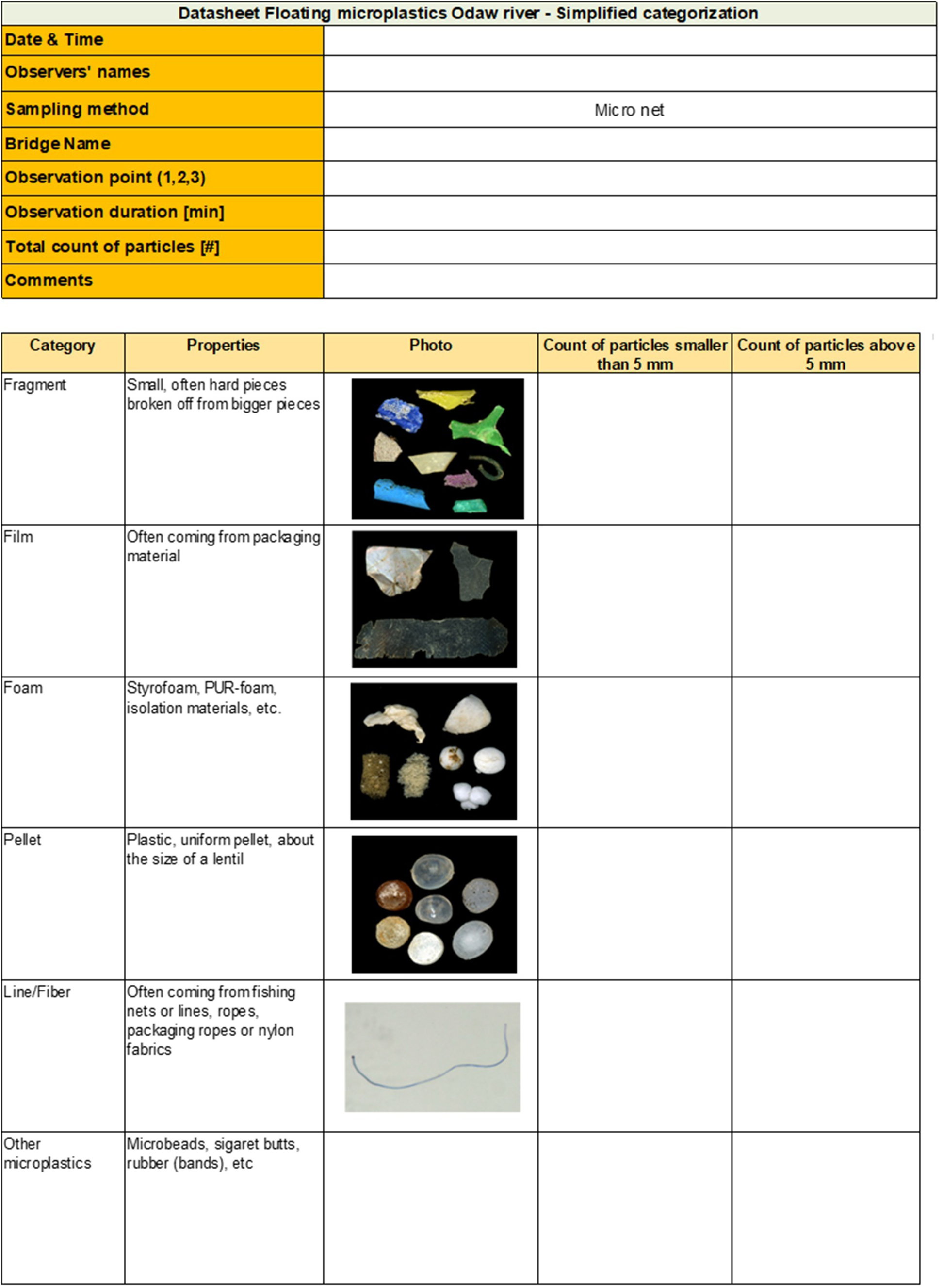
Microplastics sampling at the water surface was done using a self-made net sampler (WaterLab, 2025), see Figure 1. The frame was made using an 800 mL metal can. A single leg of a pair of nylon stockings (Ewers, Germany, size 80–92, white) was used as a sampling net. Two 500 mL polypropylene lab bottles were affixed to the sides of the can to maintain the sampler afloat (Figure 1C). The nylon did not have a known or fixed mesh size, thus the size range of sampled microplastics was determined by the mesh size of the sieve used to collect and sort the samples (1 mm × 1 mm). We focused on the size range of 1–5 mm. However, any larger items encountered during the sampling process were also recorded. This limitation was necessary for sample processing and evaluation on-site without access to a laboratory. The sampler was deployed between 5 and 35 minutes, after which the net was inverted over the sieve. The sample was retrieved by rinsing the sampler with clean water using a polyethylene squirt bottle. We handled microplastic particles with wooden toothpicks. All visible microplastics found in the sample were put back in the sieve, counted and photographed. No further laboratory analysis was done. Based on the particle count (Nmi) [#], we estimated microplastic particle (Pmi) [#/h] and mass transport rates (Mmi) [kg/h]. We used a correction factor (f) of 112.2 (Koelmans et al., Reference Koelmans, Redondo-Hasselerharm, Mohamed Nor and Kooi2020) to convert the observed particle count (Nmi) for the observed size range (1–5 mm) to the full microplastic range (1–5,000 μm). To estimate microplastic mass transport rates (Mmi) [kg/h], we used a mean mass per microplastic particle (mmi) derived from Koelmans et al. (Reference Koelmans, Redondo-Hasselerharm, Mohamed Nor and Kooi2020). We also estimated microplastic particle (cmi) [#/m3] and mass concentrations (mcmi) [kg/m3], using the water volume sampled with the net (Vmi). All used equations are presented in Appendix B.
Hydrometry measurements
Concurrently with visual counting measurements, the citizen scientists measured water depths [m] and flow velocities [m/s] (Figure 1). Water depth was measured using a marked rope. A weight was attached to the end of the rope to ensure that the rope would touch the riverbed. Near-surface flow velocities were measured using a propeller flow meter (Flowatch, JDC, Switzerland, https://www.jdc.ch/). The flow meter was lowered from the bridge into the water, at approximately 20 cm of depth from the surface, using a cable. Flow velocity measurements were repeated three times, and we used their average value for analysis.
Method evaluation survey
We conducted individual evaluation surveys of the measurement techniques used with the citizen scientists. The scope of these surveys was to assess the suitability of the measurement techniques for citizen-based and large-scale river plastic monitoring. All 19 citizen scientists from two groups answered the surveys after having conducted all four measurements: (1) high-school teachers specifically recruited for fieldwork activities (n = 12) and (2) participants of a capacity building workshop on plastic monitoring who expressed interest in joining the fieldwork measurements, including university students (n = 7). The majority of citizen scientists were men (68.4%) and aged 30 or younger (58%). The citizen scientists were predominantly individuals with Bachelor’s or Master’s degrees, with backgrounds primarily in social sciences, as well as environmental and natural sciences. The surveys were conducted by a single trainer who posed the questions and recorded the responses in writing. The survey had a total of 18 questions and was divided into two main parts: (1) General information about the interviewee (7 questions) and (2) Perception and future perspective in conducting the measurement techniques (11 questions). The survey was designed to assess the measurement techniques with a focus on the following aspects:
-
• Ease of use and training needs (five questions)
-
• Scalability potential (three questions)
-
• Safety and legal considerations (two questions)
-
• Accessibility of equipment and material (one question)
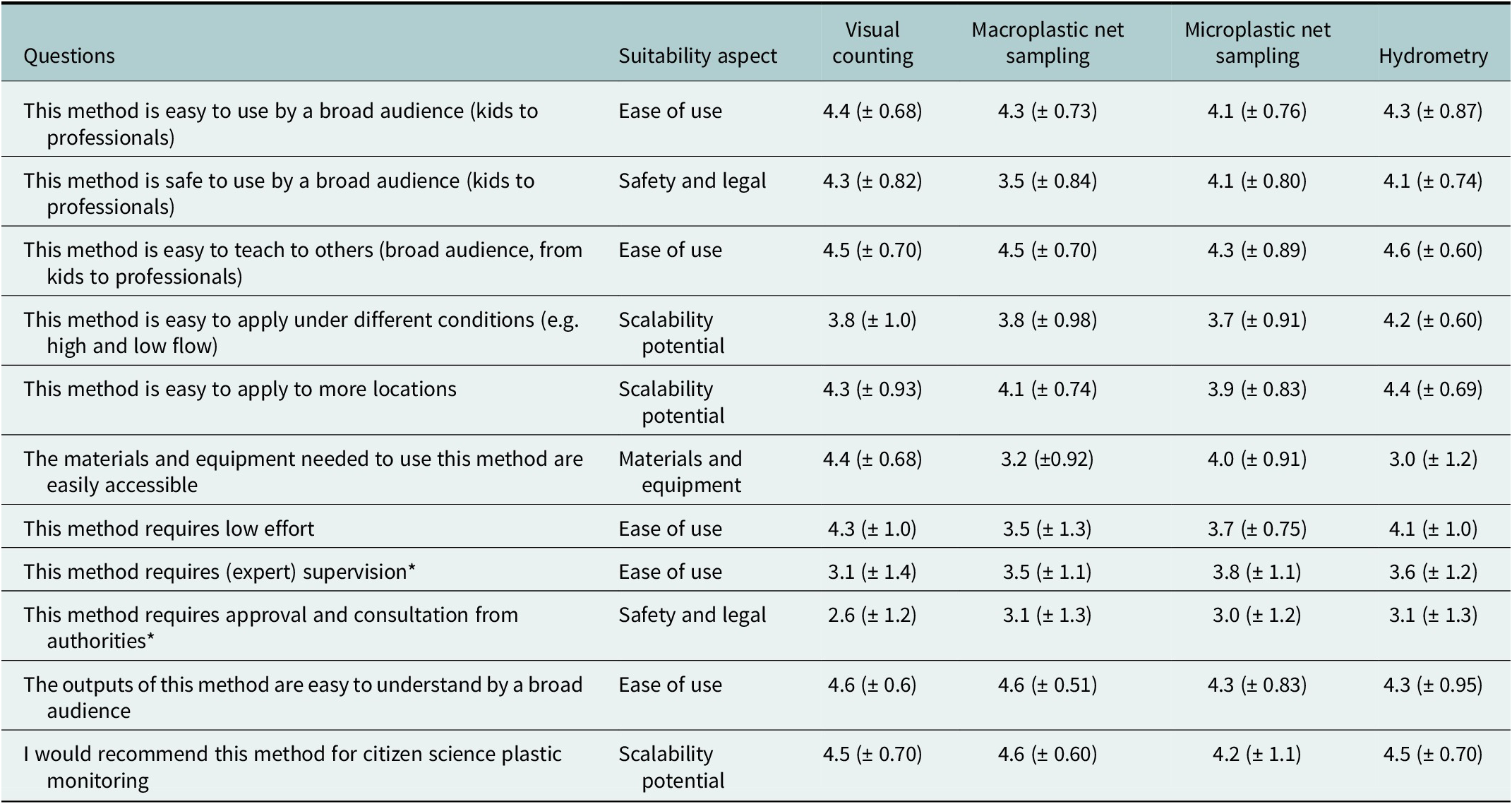
The questions are detailed in Table D1 in Appendix D. Citizen scientists answered the questions by indicating their level of agreement, on a scale ranging from 1 (strongly disagree) to 5 (strongly agree). We present the evaluation survey results, using a suitability score to assess the aforementioned aspects. This score indicates the level of suitability for citizen science–based monitoring and ranges from 1 (not suitable) to 5 (very suitable). For Safety and legal considerations, a high score indicates high safety and limited legal restrictions. Note that for two survey questions, the suitability score can follow an inverse scale compared to the agreement levels; strong agreement with those questions indicates lower suitability for citizen science approaches. Thus, for these two survey questions, the agreement scores were reversed when calculating the suitability scores. The questions for which the scores were ultimately reversed are marked with an asterisk in Table D1 in Appendix D. In addition to the numerical information, comments by the citizen scientists were noted and synthesized.
Results
River plastic measurement method evaluation
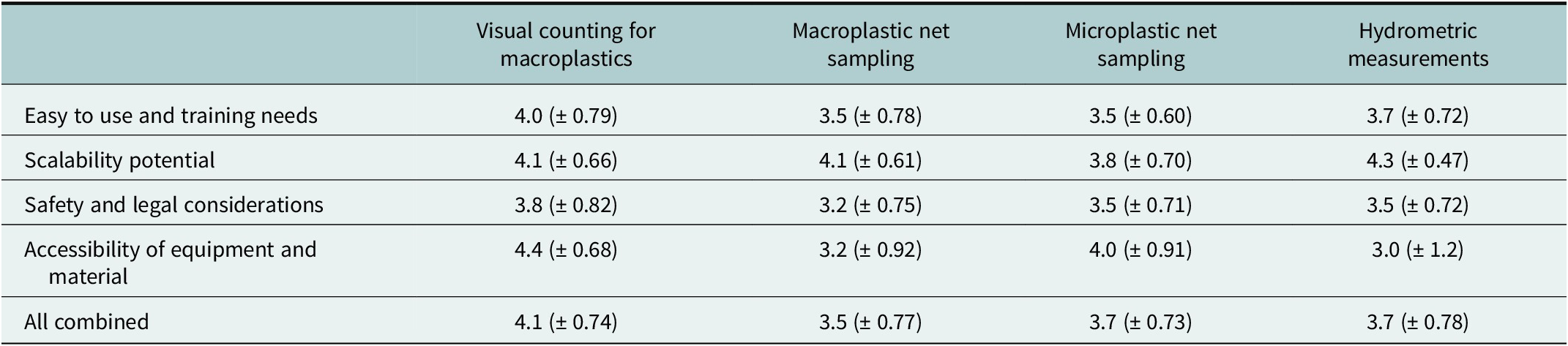
We evaluated the suitability of the measuring techniques for large-scale citizen science monitoring (Table 1), based on the surveys conducted with the citizen scientists. Our findings reveal a strong consensus on the suitability of the selected methods, with almost all scores except one exceeding 3. However, safety and legal considerations emerged as areas of concern, consistently scoring lower across all measurement methods (all below 4, within the range of 3.2 to 3.8). This may be explained by the fact that three out of four measurement techniques (all except visual counting) required lowering of equipment into the water, and thus careful handling and potential consultation with authorities. These three measurement techniques had lower scores compared to visual counting (3.5 and below). Additionally, citizen scientists verbally expressed safety concerns related to performing measurements from bridges, with occasional disruptions by bystanders. Visual counting had the highest score for safe use (4.3, see Table C1), followed by microplastic net sampling and hydrometry (4.1). Macroplastic net sampling scored considerably lower (3.5). Regarding legal considerations specifically, the scores generally averaged 3 (Appendix D, Table D1). This reflects the mixed perception among participants regarding the need to consult authorities for conducting such measurements. Some participants viewed the measurement techniques as disruptive of the water system and required the approval from authorities, while others did not.
Evaluation scores of the citizen scientists (n = 19) per monitoring method, including standard deviation

Note: The values are average values across all answers (scale from 1 (low) to 5 (high)). For Safety and legal considerations, a high score reflects high safety and limited legal restrictions.
In terms of equipment and material accessibility, both visual counting and microplastic net sampling received high scores (4.4 and 4.0, respectively), while macroplastic net sampling and hydrometric measurements scored relatively lower (3.2 and 3.0, respectively). This discrepancy may be explained by the specialized nature of the equipment required for the latter two techniques, which are not readily available off-the-shelf. In particular, the flow meter propeller stands out as specialized equipment. The visual counting method received the highest score in this category (4.4), as it involves minimal equipment (data sheets and pens, or a mobile phone application). The costs of the equipment and material may have also played a role, which are lower for the visual counting and microplastic net, than for the macroplastic net and hydrometric measurements.
For both scalability potential and ease of use and training needs, all monitoring techniques scored relatively high (3.5 to 4.1). Microplastic net sampling scored lower compared to the other methods in that respect (3.5 and 3.8 for ease of use and training needs, and scalability potential, respectively). This may be explained by the extended processing time associated with microplastic net sampling, which involves the rinsing and thorough examination of the collected samples. In the case of microplastic net sampling, the sample analysis is less immediate compared to both macroplastic (visual counting and net sampling) and hydrometric measurements. In the latter three methods, visible items are either collected or counted, and a numerical value is directly obtained from the measurements. However, microplastic net sampling involves an additional examination step after the sample is collected. Unsurprisingly, visual counting scored the highest in terms of ease of use (4.0).
River plastic monitoring results
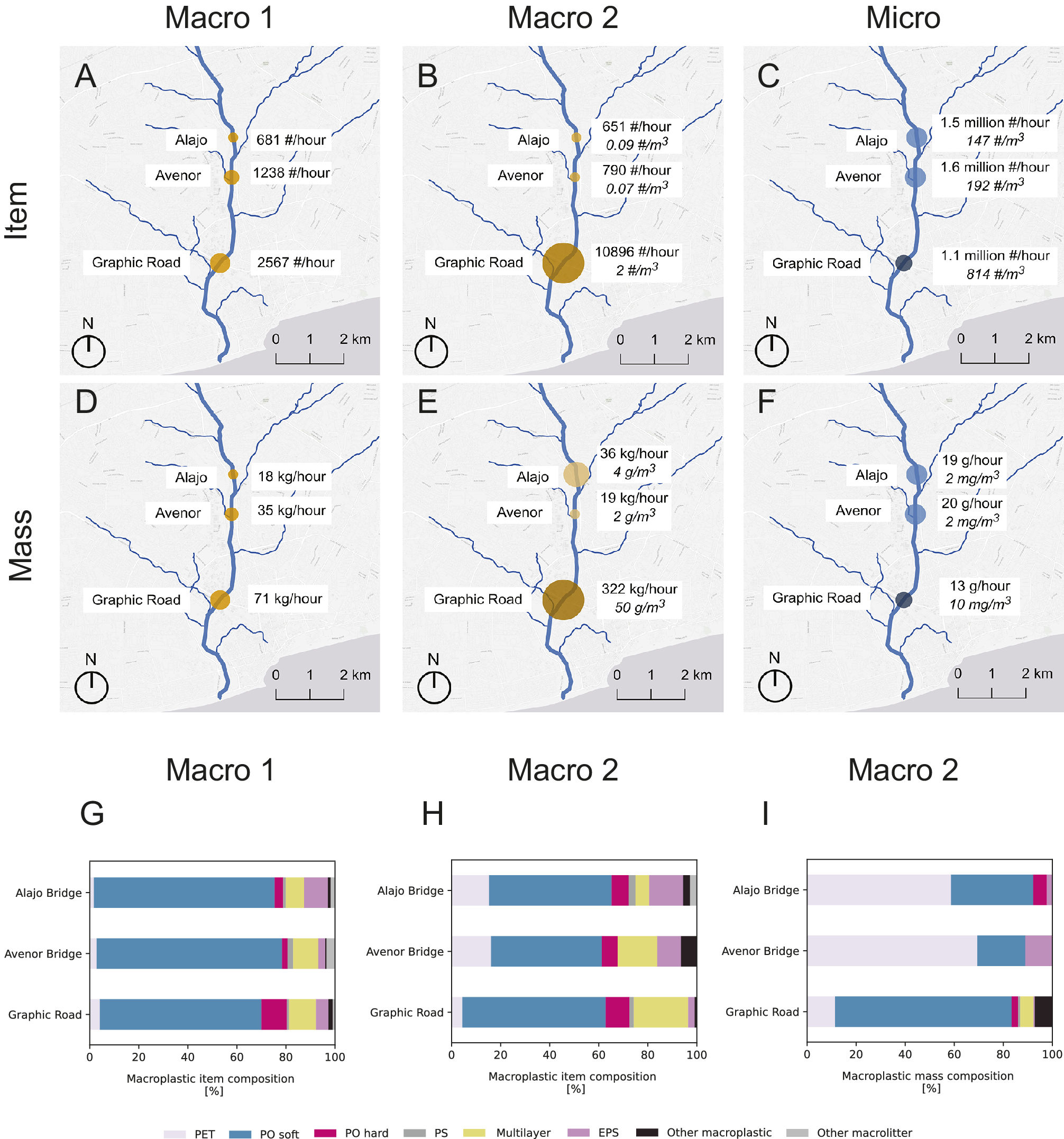
Floating macroplastic transport increased from upstream to downstream (Figure 2). The item transport varied from 681 to 2,567 #/h (visual counting) and 651 to 10,896 #/h (net sampling). The mass transport showed a similar trend, increasing from 19 to 71 kg/h (visual counting). For net sampling, the lowest value was found midstream (Avenor, 19 kg/h), and the highest downstream (322 kg/h). In contrast to macroplastic, microplastic transport decreased from upstream to downstream, from 1.1 million #/h to 1.5–1.6 million #/h. The mass transport varied from 13 to 19–20 mg/h. Macroplastic and microplastic item and mass concentrations increased toward the river mouth. The reverse trend for microplastics can be explained by lower flow velocity at the downstream location (Graphic Road). Macroplastic mass concentrations (2–53 g/m3) were around three orders of magnitude higher than microplastic concentrations (2–10 mg/m3). In contrast, the microplastic item concentration (146–814 #/m3) was two to three orders of magnitude higher than the macroplastic item concentration (0.1–2.0 #/m3).
Item transport and concentration for (A) macroplastic method 1 – visual counting (Macro 1), (B) macroplastic method 2 – net sampling (Macro 2), (C) microplastic. Mass transport for (D) macroplastic method 2 – visual counting, (E) macroplastic method 2 – net sampling, (F) microplastic. All show an increasing trend from upstream toward the river mouth. The mass concentration of macroplastics is around four orders of magnitude higher than microplastics. The item concentration of microplastics is around three orders of magnitude higher than macroplastics. Macroplastic item composition per location in terms of (G) items, from visual counting (Macro 1), (H) items, from net sampling (Macro 2) and (I) mass, from net sampling (Macro 2).

Overall, we found higher macroplastic transport and concentration downstream compared to upstream. This is in line with previous work, which showed that there are more potential sources and entry points further down the Odaw River, especially within the dense urban area of Accra (Dasgupta et al., Reference Dasgupta, Sarraf and Wheeler2022; Pinto et al., Reference Pinto, Van Emmerik, Duah, Van Der Ploeg and Uijlenhoet2024). Another reason for the increased downstream values is related to the tidal influence. Bidirectional flow in the tidal zone can limit net transport in the downstream direction (Schreyers et al., Reference Schreyers, Van Emmerik, Bui, van Thi, Vermeulen, Nguyen, Wallerstein, Uijlenhoet and van der Ploeg2024). Overall, our estimates are comparable with prior studies. The macroplastic transport at Graphic Road (2,567 #/h) is close to the 2,400 #/h reported by Pinto et al. (Reference Pinto, Barendse, van Emmerik, van der Ploeg, Annor, Duah and Uijlenhoet2023). At Alajo, our values (651–681 #/h) are lower than the previous value of 900 #/h (van Emmerik et al., Reference van Emmerik, Kirschke, Schreyers, Nath, Schmidt and Wendt-Potthoff2023), but still within the same order of magnitude.
The discrepancy between the spatial distribution of microplastic transport and concentration can be explained by the tidal influence at the downstream site (Graphic Road). Some measurements took place during slack tide, when discharge (0.3 m3/s) and flow velocity (0.01 m/s) were low. Microplastic concentration was high (2,010 #/m3), but almost none of it was transported. There are no previous studies on microplastics in the Odaw. Nuamah et al. (Reference Nuamah, Tulashie and Debrah2022) measured microplastic concentration in Ghanaian coastal waters with a 333 μm-mesh size, corresponding to 46–111 #/m3 for the full microplastic range (Koelmans et al., Reference Koelmans, Redondo-Hasselerharm, Mohamed Nor and Kooi2020). Our microplastic concentrations for the Odaw were higher (184–1,030 #/m3), although the size range was limited to >1 mm, suggesting that microplastic pollution is more concentrated in rivers than in the nearby marine environment. The specific size limitation of our microplastic assessment (1–5 mm) is a compromise between practicability in the field and time needed to obtain quantitative results on the one side and scientific or regulatory relevance and comparability of results on the other side. Few studies report particle counts in the same range, e.g. Yahaya et al. (Reference Yahaya, Abdulhazeez, Oladele, Obadiah, Umar and Salisu2022) who studied Badagry Lagoon in Nigeria. In their study, particles in the 1–5 mm range (fibers, fragments and films) made up roughly 10% of microplastic particles in the water, which corresponds to absolute values of even 10,000–20,000 #/m3. The catchment-wide multi-season study by Barrows et al (Reference Barrows, Christiansen, Bode and Hoellein2018) reported 26% of detected microplastics in the range of 1.5–5 mm. This indicates that the large microplastic fraction is relevant, and it may also be a useful indicator for the effect of pollution abatement measures, as the larger particles can be assumed to have a shorter history of fragmentation.
Most macroplastic items were POsoft, ranging from 45% to 76%, followed by multilayer (6–22%), PET (2–16%), EPS (3–10%) and POhard (2–10%), see Figure 2H and I. The range is mainly explained by the variation between visual counting and net sampling. In terms of mass, PET was the most abundant (59–69%) at Alajo and Avenor. Downstream at Graphic Road, POsoft accounted for most mass (72%). Multilayer contributed much less in terms of mass, ranging from 7% at Graphic Road to 0% at the other locations. This can be explained by the low mass per item and small size. Microplastics were dominated by fragments (71%), followed by films (16%) and foam (14%). No pellets, lines or fibers were detected in any of the samples, which may have been due to our manual analysis method. However, fragments and films were also prominent in another citizen science microplastic study in a Ghanaian river, both in water and in fish intestines (Adu-Boahen et al. Reference Adu-Boahen, Dadson, Mensah and Kyeremeh2022).
Discussion
Uncertainties in data collection and processing
In addition to the inherent uncertainties associated with measurements, sampling procedures and data processing, the use by nonexperts of measurement techniques could induce additional measurement errors. For instance, the categorization of items and particles often led to extensive discussions among citizen scientists, highlighting the complexity of this task when implemented for the first time. This insecurity applies to both macroplastics and microplastics, the latter also reported in a citizen science–based study of microplastics in River Akora, Ghana (Adu-Boahen et al. Reference Adu-Boahen, Dadson, Mensah and Kyeremeh2022). The use of specialized equipment required familiarization by the citizen scientists, as many were not experienced in using such instruments. Additionally, certain environmental conditions posed particular challenges for nonexpert observers. Notably, at Alajo, flow velocities were relatively high (~0.8 m/s). This made the hydrometric measurements and the deployment of the two nets more challenging. The macroplastic net capsized multiple times due to the strong currents, further complicating the data collection process. The visual counting method is well established, yet not all items may have been counted. Size, color and distance to the surface influence the detection rate and may vary between observers (Vriend et al., Reference Vriend, Bosker, Mellink, Collas, Moscoso Cruz, Kamp and van Emmerik2025). In general, increasing the robustness of observations might require the use of more specialized equipment, which may not be compatible with citizen science approaches. For instance, expanding the range of observed microplastics to reduce the uncertainty in concentration estimates requires access to laboratory facilities. A way to include laboratory analyses of microplastics into a citizen science–based approach could be the distribution of sampling containers, as has been conducted by Barrows et al. (Reference Barrows, Christiansen, Bode and Hoellein2018) in a catchment-wide approach over four seasons. Such an approach must, however, consider the costs and logistics for material, sample transport and sample processing and analysis. The participants would only perceive the outcomes of their activity long after the actual sampling and miss out on educational and data analysis opportunities. These considerations show the importance of considering both the capabilities of nonexpert citizen scientists and the suitability of equipment when designing and conducting citizen science–based monitoring programs (Kirschke et al., Reference Kirschke, van Emmerik, Nath, Schmidt and Wendt-Potthoff2023; Schmidtke et al., Reference Schmidtke, van Emmerik, Pinto, Schreyers, Schmidt, Wendt-Potthoff and Kirschke2024). Finally, we also acknowledge uncertainty in the survey. The survey situation (on-site) may have caused citizen scientists to provide expected answers. We mainly worked with teachers, students and workshop participants, and we recommend conducting similar surveys among other groups of the general public. In summary, we recommend for more in-depth analysis of the suitability of river plastic monitoring methods for citizen science, expanding geographically, in terms of participant diversity and the set of tested methods.
Method evaluation by citizen scientists
We evaluated the suitability of four measurement techniques to collect data on plastic abundance and composition by citizen scientists. Our findings indicate that these techniques were generally well-received by citizen scientists and are thus considered suitable for citizen science–based plastic monitoring. However, the evaluation of the suitability of these measurement techniques has several limitations. Our participants conducted fieldwork at only one monitoring site for a single day. Our assessment of the scalability potential is thus restricted, as the hydrological and environmental conditions encountered were relatively homogeneous. Additionally, participants expressed safety concerns, particularly because three out of the four measurement techniques involved lowering equipment into the water. In this respect, the visual counting technique stands out as more user-friendly by citizen scientists. Visual counting is suitable for long-term and large-scale monitoring primarily aimed at providing initial estimates of floating macroplastic transport rates. In contrast, net measurements for floating macroplastic can offer valuable data on mass statistics and detailed composition of items, as supported by previous studies (van Emmerik and Schwarz, Reference Van Emmerik and Schwarz2020; Vriend et al., Reference Vriend, Van Calcar, Kooi, Landman, Pikaar and Van Emmerik2020a; Hurley et al., Reference Hurley, Braaten, Nizzetto, Steindal, Lin, Clayer and Olsen2023). Net-based measurements can also be used for quantifying macroplastic and millimeter-size microplastic concentrations. However, ensuring or even estimating consistent submersion levels during measurements, as previously highlighted (Hurley et al., Reference Hurley, Braaten, Nizzetto, Steindal, Lin, Clayer and Olsen2023), can be challenging when carried out by nonexperts. Additionally, due to the considerable extrapolation factor from the observed sampled area to the entire river cross-section, net measurements require repeated measurements over time and space for accurate quantification. Future work may also explore the correlations between macroplastic and microplastic concentration and transport. Previous work found significant correlations between floating macrolitter and meso/microplastics, and floating macrolitter transport and riverbank macrolitter concentration (Kiessling et al., Reference Kiessling, Knickmeier, Kruse, Gatta-Rosemary, Nauendorf, Brennecke, Thiel, Wichels, Parchmann, Körtzinger and Thiel2021). Potential correlations between these variables in other rivers would allow for substitution of one method by another, reducing the required effort to provide a comprehensive assessment of the state of plastic pollution along rivers.
Other river plastic methods to consider for citizen science
Other techniques, such as riverbank monitoring, have not been tested in the field with citizen scientists in this study but have been reported as providing valuable insights into plastic abundance and composition in rivers (van Emmerik et al., Reference van Emmerik, Roebroek, De Winter, Vriend, Boonstra and Hougee2020; de Lange et al., Reference de Lange, Mellink, Vriend, Tasseron, Begemann, Hauk and van Emmerik2023). Schone Rivieren uses bi-annual citizen scientist clean-ups to collect and categorize macrolitter (including plastic) at over 600 riverbank locations across the main rivers in the Netherlands. Citizen scientists receive online training and in-person support if needed. The project has been ongoing since 2017, resulting in high-quality data used by scientists and policymakers. Plastic Pirates and Cientificos de la Basura (Rech et al., Reference Rech, Macaya-Caquilpán, Pantoja, Rivadeneira, Campodónico and Thiel2015; Kiessling et al., Reference Kiessling, Knickmeier, Kruse, Brennecke, Nauendorf and Thiel2019, Reference Kiessling, Knickmeier, Kruse, Gatta-Rosemary, Nauendorf, Brennecke, Thiel, Wichels, Parchmann, Körtzinger and Thiel2021) focus on micro, meso and macroplastics, on the surface and riverbanks in collaboration with schoolchildren. Surface plastics are measured using the visual counting method from bridges or riverbanks (macro), or using nets deployed from bridges (micro and meso). Macrolitter is monitored on riverbanks through targeted collection and categorization. The programs are implemented at the national scale in several countries across Europe and the Americas. These methods can be adapted for large-scale and long-term monitoring objectives and are considered suitable for use by citizen scientists (Vriend et al., Reference Vriend, Roebroek and Van Emmerik2020b).
Conclusions
The goal of this article was to assess the suitability of river plastic monitoring methods for citizen science, through field measurements and a subsequent survey with citizen scientists. Although all project activities focused on the Odaw River basin in Accra, Ghana, we anticipate that the findings and recommendations in this article are applicable regionally and globally.
Out of the methods evaluated, the visual counting method was evaluated to be the most suitable for citizen science-based river plastic monitoring. From the survey among the citizen scientists, this method ranked the highest in ease of use, scalability and safety. Furthermore, little equipment and material are required. Microplastic and macroplastic net sampling ranked lower, but compared to untested methods, still offer a high potential for citizen science–based monitoring. In this study, net sampling was done under normal flow conditions, and we emphasize that caution should be taken when sampling under high flow conditions.
Both macroplastic and microplastic concentration and transport were quantified in the Odaw River. River plastic concentrations increased in the downstream directions, both for microplastics (2–10 mg/m3) and macroplastics (2–53 g/m3). For river plastic transport, only macroplastics increased (651–681 #/h to 2,567–10,896 #/h). For microplastics, no clear increase was found. Macroplastics accounted for the largest share of the total plastic transport in terms of mass. PET bottles were the most abundant item type in terms of mass (59–69% of macroplastic total mass), and soft polyolefins (mainly water sachets and plastic bags) were the most abundant item type in terms of number (45–76%). For microplastics, the most abundant type was fragments (71%).
Citizen science offers a potential for large-scale and long-term monitoring of plastic pollution in rivers. However, we emphasize that there is no one-size-fits-all solution. With this article, we aim to provide insights into the potential of specific measurement methods for citizen science and their performance in the field.
Open peer review
To view the open peer review materials for this article, please visit http://doi.org/10.1017/plc.2025.10027.
Data availability statement
The datasets analyzed for this study are available on the 4TU Research repository through https://doi.org/10.4121/d109d044-0032-4e6d-9a5a-16182fb20c79.
Acknowledgments
We greatly acknowledge the volunteers who participated in the fieldwork activities and surveys. We thank Thomas Mani from The Ocean Cleanup for the use of the macroplastic sampling net. We thankfully acknowledge the editor and two reviewers for their kind, positive and constructive assessments, which helped to further improve the article.
Author contribution
LS: Writing – original draft, visualization, methodology, investigation, formal analysis, data curation, conceptualization; RP: Methodology, conceptualization, investigation, writing – review and editing; SK: Investigation, writing – review and editing; KWP: Investigation, writing – review and editing; LS: Investigation, writing – review and editing; CS: Methodology, conceptualization, writing – review and editing; THMv: Writing – original draft, methodology, conceptualization, formal analysis, supervision.
Financial support
This research was partly funded by the World Water Quality Alliance (WWQA), convened by the UN Environment Programme (UNEP), which is supported through funding from the Swiss Agency for Development and Cooperation (SDC).
Competing interests
The authors declare none.
Declaration of generative AI in scientific writing
No generative AI was used.
Appendices
Appendix A. Overview of study area
Overview of the three field sites, from Alajo in the North to Avenor and Graphic Road in the South. All field sites were bridges over the Odaw River in Accra, Ghana.

Appendix B. Calculations for plastic transport
Equations for calculating the main metrics of interest to characterize plastic transport and concentrations

Auxiliary equations to derive the metrics described in Table 1

Note: Values marked with “*” indicate that the values are not constant over the measurements; thus, a range is provided.

Appendix C. Field measurement datasheets
Visual counting measurement datasheet

Macroplastic net measurement datasheet

Microplastic net measurement datasheet

Appendix D. Complete evaluation survey results
Complete evaluation survey results

Note: The scores indicate the level of agreement with the question (1 = Strongly disagree, 2 = Disagree, 3 = Neutral, 4 = Agree, 5 = Strongly agree), including standard deviation. Note that the level of agreement can follow an inverse scale that the suitability score presented the results. For two questions, the scores were inverted, as strong agreement with the question translates to less suitability for citizen science approaches. The questions for which the scores were ultimately inverted are marked with an asterisk.



 Open access


Comments
Dear Editor-in-Chief:,
Please find attached our manuscript entitled “Suitability of river plastic monitoring methods for citizen science”, which we are submitting for potential publication in Cambridge Prisms: Plastics.
Rivers are assumed as a key source of marine plastic pollution. Monitoring river plastic pollution is therefore key to quantify, understand and reduce plastics in all aquatic ecosystems. Citizen science may offer a potential way to upscale data collection efforts, as has been demonstrated already for the coastal and marine environment. In our paper, we evaluate the suitability of several common macroplastic and microplastic methods for application by citizen scientists.
Given the global momentum to reduce plastic pollution, we the findings presented in our paper will appeal to a broad readership of Cambridge Prisms: Plastics. It should be of particular interest to scientists and policymakers concerned with understanding, mitigating and preventing plastic pollution of terrestrial, riverine, and marine ecosystems.
With kind regards,
dr.ir. T.H.M. van Emmerik
Associate Professor Hydrologic Sensing