


1. Introduction and motivation
The transition from a linear to a circular economy (CE) is a fundamental response to various sustainability challenges, particularly in ecological and economic dimensions, exemplified by increased material efficiency and the promotion of novel business models (BM). Central to this transition is the concept of product circularity, which quantifies the extent to which a product retains value, materials, and functionality within closed-loop systems throughout its entire lifecycle (Reference Neumann, Mörsdorf and VielhaberNeumann et al., 2025). In this context, precise and comprehensive evaluation of circularity performance is critical for informing both current and future design decisions (Reference Neumann, Mörsdorf and VielhaberNeumann et al., 2025), facilitating the identification of potential hotspots for redesign, and enabling benchmarking of progress toward circular economy implementation and broader sustainability objectives. However, existing circular assessment approaches (CAA) vary widely in scope, metrics, complexity, alignment with CE principles and design strategies (Reference Sassanelli, Rosa, Rocca and TerziSassanelli et al. 2019), amid a growing number of CE publications (Reference Daheim, Jöster‑Morisse, Störmer, Trier, Wintermann and WintermannDaheim et al., 2024).
In this context, this paper aims to evaluate existing CAAs, focusing on the most prominent and widely adopted methods, to identify their limitations and propose a refined framework designed to pinpoint hotspots that offer the greatest potential for circular optimization, while maintaining minimal overall complexity, ideal for novices in this domain. Therefore, this contribution aims to answer the research question: How can an improved DfCE-focused framework be developed to systematically resolve the deficiencies observed in current CAAs? Rather than measuring circularity as defined by ISO 59020 (2024), the framework focuses on product characteristics that best support circular principles and Design for Circular Economy (DfCE) strategies. In doing so, it contributes to the implementation of the circular economy and broader sustainability objectives, with particular emphasis on the ten retention options outlined by Reference Reike, Vermeulen and WitjesReike et al. (2018), by providing a foundation for identifying hotspots with the greatest potential for circular optimization.
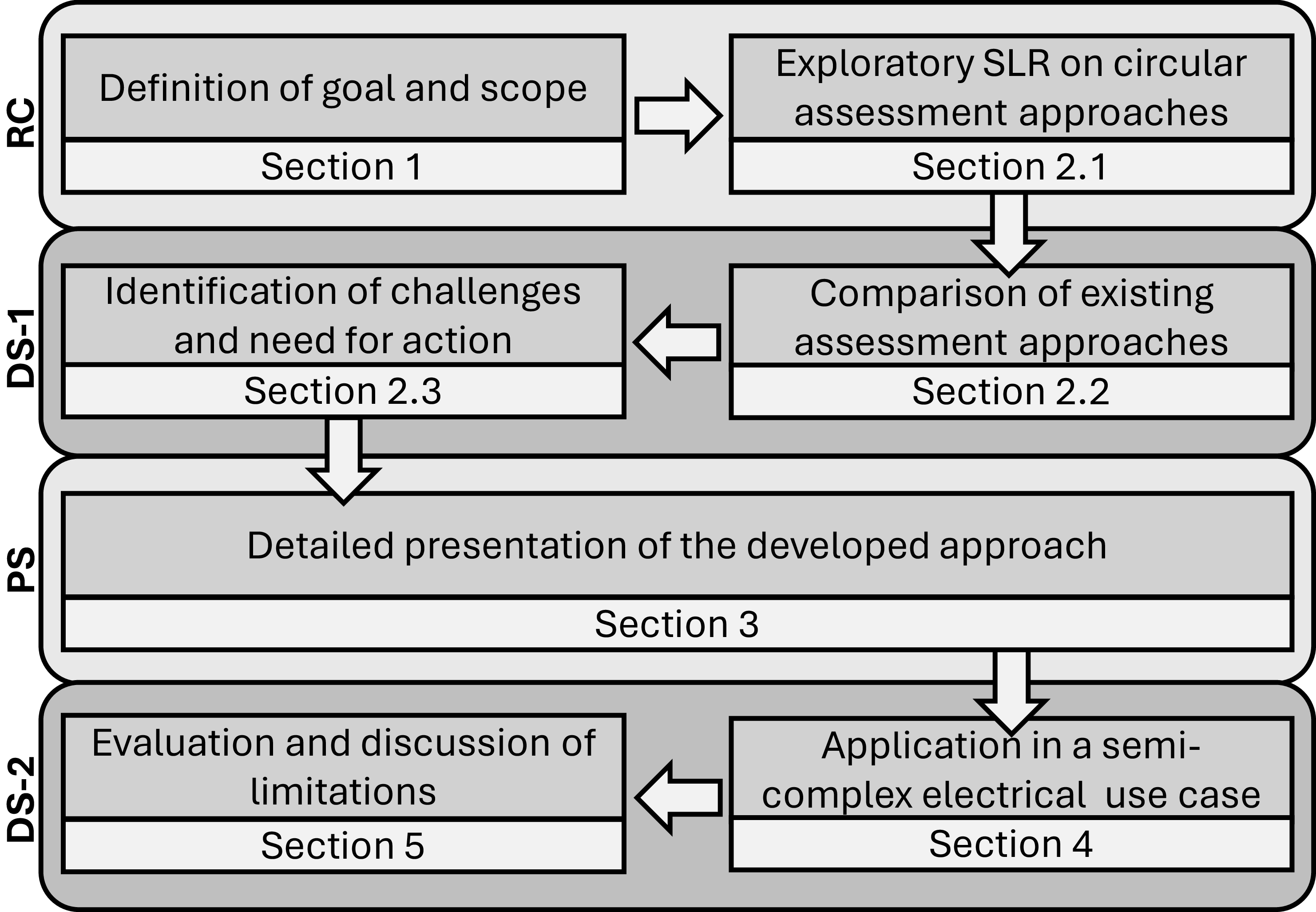
To meet this objective, the research follows the process shown in Figure 1, adapted from the Design Research Methodology (Reference Blessing and ChakrabartiBlessing & Chakrabarti, 2009). An overview and critical comparison of existing CAAs is briefly developed through an exploratory, but systematic literature review (SLR) guided by the PRISMA-ScR framework, presented in Section 2.1 (RC - Research Clarification). The SLR is specifically conducted to determine the potential weaknesses of the most cited, adopted and known methods and delineate requirements for a refined methodology. In Section 2.2, a selection of identified CAAs is critically compared against 21 predetermined DfCE characteristics, and requirements for a novel method are derived, along with practical challenges, which are addressed in Section 2.3 (DS1 - Descriptive Study 1). Based on these insights, the requirements for a refined methodology are delineated and the development of the proposed approach is introduced and detailed in Section 3 (PS - Prescriptive Study). In Section 4, the approach is applied in a case study to evaluate its functionality and limitations (DS2 - Descriptive Study 2). Finally, Section 5 discusses the approaches characteristics in relation to existing CAAs and suggests necessary future research steps.
Research method of the presented work

2. State of the art
2.1. Systematic literature review
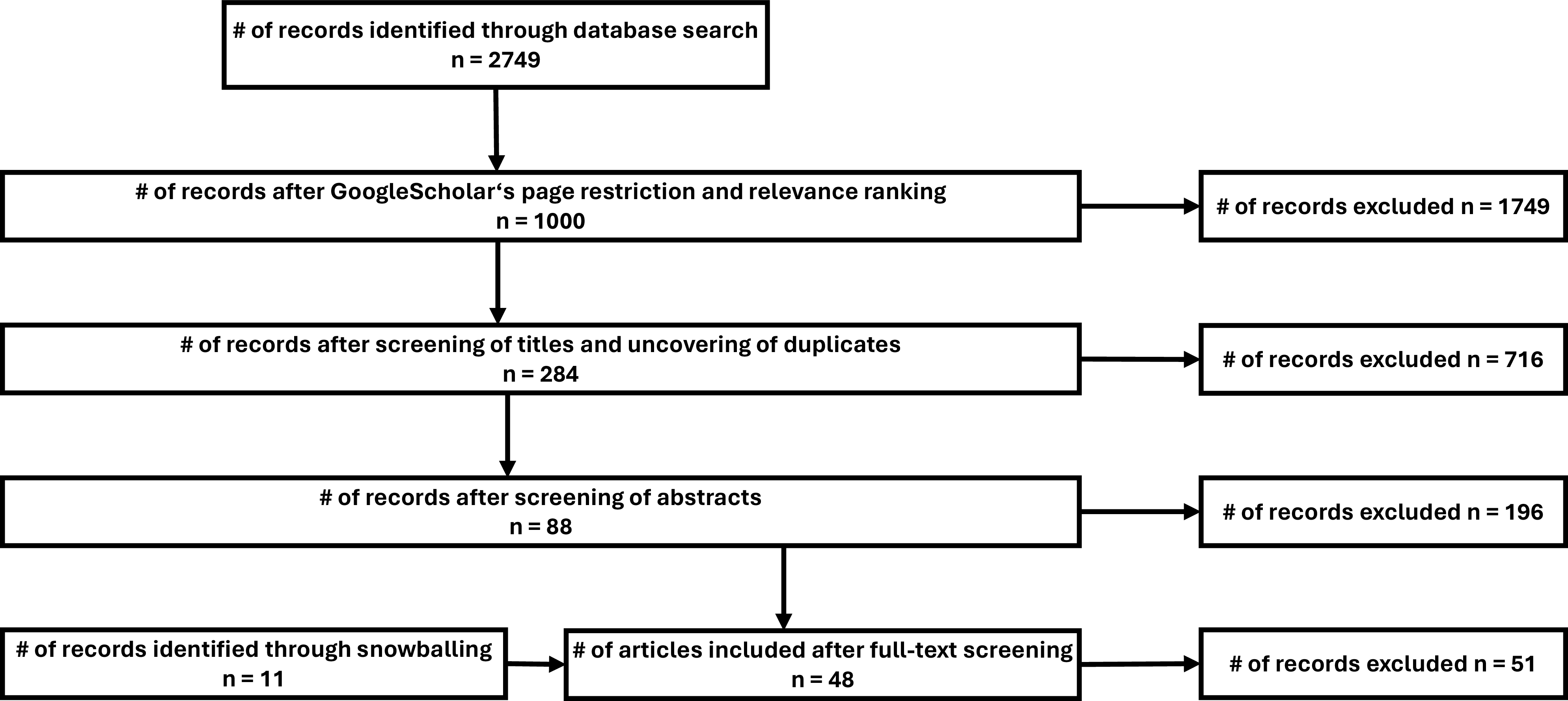
Most circular design tools lack a specific focus on DfCE principles as elaborated, among others, by Reference Bocken, de Pauw, Bakker and van der GrintenBocken et al. (2016) and Reference Diaz, Reyes and BaumgartnerDiaz et al. (2022), thereby leaving an important research gap. Furthermore, existing circular design tools tend to emphasize qualitative and physical aspects rather than quantitative and digital approaches (Reference Rotondo, Bakker, Balkenende and ArquillaRotondo et al., 2025). To examine the state of the art in CAAs, an exploratory SLR was conducted, providing a concise overview of the field rather than a fully exhaustive systematic review. Nevertheless, methodological rigor in identifying relevant CAAs was maintained by adhering to the PRISMA-ScR guideline. A preliminary comparison between Google Scholar, IEE and Web of Science, revealed similar search results. However, Google Scholar was ultimately selected as the sole database due to its broader accessibility, citation tracking capabilities, and aggregation of sources from multiple publishers, including Elsevier, Springer, Wiley, among others. Keywords such as “circular assessment,” “circular product analysis,” and “product circularity,” among others, were used to ensure comprehensive coverage. The resulting search query, (“circular”) AND (“product”) AND (“circular assessment” OR “circular evaluation” OR “circular analysis” OR “circularity analysis”), yielded 2749 results as of August 2025 (“Identification”). The final search string was established following a systematic sensitivity testing of multiple alternative search strategies, some of which yielded excessively broad, overly narrow, or irrelevant results. Key concepts were expanded with synonyms to account for variations in terminology, and Boolean operators were applied to ensure inclusion of studies addressing both the circular economy and product-level circular assessment. During the screening process, a total of 2712 publications were excluded. Of these, 1749 were removed due to Google Scholar’s page-limit restrictions beyond the 100th page and its respective relevance ranking. This step was carefully conducted by partitioning the search strings into distinct time periods, thereby enabling the retrieval of all 2,749 publications. Although the search was segmented temporally, the initially excluded 1,749 publications (duplicates included), already ranked by Google Scholar’s relevance algorithm, were subjected to title screening, however, none were subsequently included in the literature review. An additional 716 publications were excluded during the title screening phase, primarily because they lacked relevance to circular assessment tools, focused solely on general sustainability, represented duplicates or repeated entries across publishers, were not available in English or German, or addressed exclusively policy or economic frameworks without methodological assessment tools. A further 196 publications were excluded after the abstract review due to the absence of quantitative or qualitative assessment frameworks, the exclusive use of life cycle assessment without circularity-specific metrics, insufficient methodological transparency or validation, or a focus on non-industrial or non-product-related contexts such as urban planning or agriculture. The exclusion criteria Eligible publications comprised studies, standards, scoring systems, methods, methodologies, and tools, with English as the only accepted language in the initial search. The subsequent snowballing process also incorporated German sources. In total, 48 papers were deemed “eligible”, while 51 were excluded after full-text analysis due to overly specific case studies, insufficient data, methodological mismatch, a focus on sustainability rather than CE, outdated development, or limited scope. Of these, 11 were identified through snowballing. A representative subset of 12 “included” CAAs is shown in the left column of Table 1. A summary of the described literature review is presented in Figure 2.
Summary of the literature review

2.2. Analysis and comparison of existing circular assessment approaches
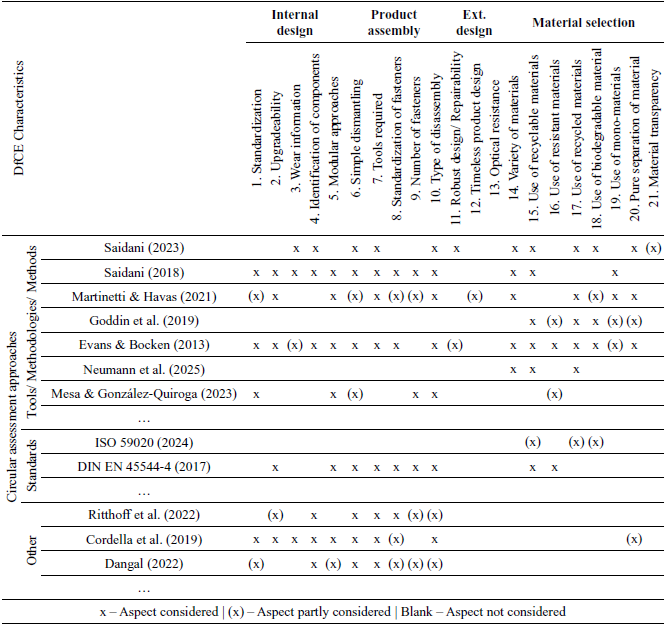
To address the research question of which CAAs consider which DfCE strategies, the identified approaches are analysed with respect to the CE strategies they encompass. For this purpose, 21 DfCE characteristics were defined by the authors, based on established DfCE strategies. These include, for example, design for modularity, identified by Bocken et al. as a key CE strategy for product longevity and recoverability (Reference Bocken, de Pauw, Bakker and van der GrintenBocken et al., 2016). In addition, more intrusive characteristics, such as design for timeless product design, elaborated by Reference Den Hollander, Bakker and HultinkDen Hollander et al. (2017), also play a pivotal role in advancing CE. To improve clarity, the 21 DfCE characteristics are grouped into four overarching categories, each reflecting a distinct perspective on the product: Internal Design, Product Assembly, Exterior Design, and Material Selection. Each category comprises specific product characteristics derived from DfCE strategies that have a significant influence on a product’s overall circularity. The fundamental objective of the 21 DfCE characteristics is to address different aspects of product circularity, each exhibiting varying degrees of relevance to the circular strategies of narrowing, slowing, and closing resource loops, as elaborated by Reference Bocken, de Pauw, Bakker and van der GrintenBocken et al. (2016). For instance, DfCE characteristic number 13, “optical resistance”, an aspect not typically associated with circular economy design, primarily contributes to the strategy of slowing resource loops, since it contributes to an intensified use-phase of a product and therefore offers a limited yet non-negligible potential for circular optimization. Although derived from well-established sources, the list of DfCE characteristics has not undergone peer review and may require further refinement in subsequent development stages. An overview of the aspects encompassed within the four observation categories is provided in the upper row of Table 1. Building on Reference Sassanelli, Rosa, Rocca and TerziSassanelli et al. (2019), who conducted an extensive SLR on CE performance assessment methods, most identified methodologies derive from established approaches such as LCA, Multi-Criteria Decision Making, or Design for X. This highlights that circularity can be assessed across different dimensions, levels, and industries. In this context, the literature from the authors’ SLR is analysed to determine which DfCE characteristics are explicitly addressed by each tool. It should be noted that Table 1 presents only a condensed excerpt of the overall comparison, with scoring systems and studies subsumed under the category “Other”.
Comparison of the identified CAAs in regard to the 21 predefined DfCE strategies

As shown in the table above, none of the identified CAAs appear to address all of the defined DfCE characteristics, although Reference Saidani, Yannou, Leroy, Cluzel and KendallSaidani et al. (2018) and Reference Evans and BockenEvans & Bocken (2013) already consider multiple aspects. Particular attention should be given to the limited focus on optical resistance, timeless product design, and robust construction, which are not substantially addressed by any of the identified CAAs. In contrast, aspects such as type of disassembly and use of recycled materials are well covered by several methods. Interestingly, ISO 59020 (2024), as the ISO standard for circular assessment, regulates only a small subset of the DfCE characteristics, mainly due its focus on other, more intrusive circular aspects. CAAs marked with “(x)” address the aspect only indirectly or insufficiently, while other tools provide clear, differentiated options that indicate the degree of consideration. For example, Reference Saidani, Bayless, Huey, Kim and AndersonSaidani et al. (2023) address the aspect of “simple dismantling” at four different levels to evaluate its CE performance. Another noteworthy observation is that some approaches encounter difficulties when analysing electrical products, due to their more integrated and complex structures and the corresponding lack of appropriate selection options, as outlined by Reference Bründl, Scheck, Nguyen and FrankeBründl et al. (2024). Another major observation is that these tools typically operate at the whole-product level rather than at the component or sub-module level, which can limit precision, as analyses at finer levels can yield more detailed and actionable insights with regard to CE optimization. A more detailed analysis of these CAAs reveals that many approaches consider other, more intrusive aspects not listed in Table 1, such as energy demand, CO₂ emissions and transport processes, covered by Reference Neumann, Mörsdorf and VielhaberNeumann et al. (2025), Reference Martinetti and HavasMartinetti & Havas (2021), Reference Goddin, Marshall, Pereira and HerrmannGoddin et al. (2019), among others. This observation suggests that relevant circular aspects may already be addressed, albeit from a different perspective and analytical level, as discussed by Reference Sassanelli, Rosa, Rocca and TerziSassanelli et al. (2019). However, with regard to design decision-making, these aspects pertain to a distinct dimension of circular performance assessment and are more closely aligned with LCA and more comprehensive approaches such as Life Cycle Sustainability Assessment (LCSA) (Reference Finkbeiner, Schau, Lehmann and TraversoFinkbeiner et al., 2010), as well as its circular adaptations (e.g., Circular LCSA by Reference Luthin, Traverso and CrawfordLuthin et al., 2024), rather than with DfCE–oriented decisions. This discrepancy further underscores a gap in the current literature, particularly with respect to less complex and more design-oriented assessment approaches.
2.3. Identification of challenges and need for action
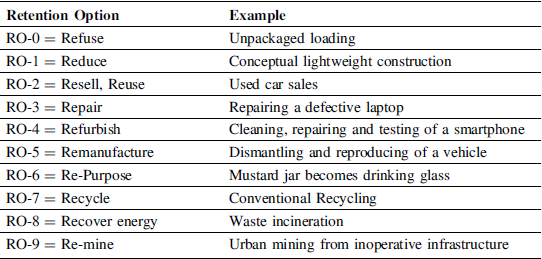
Based on the observations in Section 2.2, the identified CAAs, which primarily address existing products, differ not only in their levels of observation, ranging from macro, meso, micro, to nano, but also in the inherent characteristics considered at each level. As Reference De Oliveira, Dantas and Soaresde Oliveira et al. (2021) emphasize, each level requires specific methods to adequately assess circularity, ideally supported by standardized procedures tailored to the context. A more concrete and standardized approach, comparable to ISO 59020 (2024) but incorporating additional measures, is thus needed, especially with regard to multiple life cycle phases. The interconnection between different assessment levels adds further complexity. As highlighted in Reference Mesa and González‑QuirogaMesa & González-Quiroga (2023), tools must be aligned early with CE principles, enabling the evaluation of modularity, durability, reparability, and material efficiency while simultaneously providing design guidance. Building on these insights, there is a need for a tool that links different levels of circularity assessment, such as the retention options, with the outlined DfCE characteristics, thereby aligning design options with CE objectives. Such a tool should integrate a broad spectrum of DfCE characteristics with transparent, flexible selection options while keeping complexity manageable. Moreover, a weighting system addressing both DfCE characteristics and retention options individually is required. To enhance clarity, Table 2 provides an overview of the ten retention options along with corresponding examples.
Overview of the ten retention options (RO) based on Reference Reike, Vermeulen and WitjesReike et al. (2018) with an example

3. CDE - a retention-options-guided multi-criteria assessment tool
To address the challenges and limitations identified in Section 2 regarding existing CAAs, this contribution introduces the Circular Design Evaluator (CDE), a qualitative-quantitative approach that focuses on disassembly and product-internal aspects. The CDE incorporates a weighting system that links 21 predefined DfCE characteristics with the retention options of Reference Reike, Vermeulen and WitjesReike et al. (2018). This interlinkage sets the approach apart by systematically integrating CE principles with a diverse set of DfCE characteristics, an effort rarely undertaken in existing CAA research, thereby representing an original contribution to the field. The retention options were chosen as the related CE paradigm due to their strong correspondence with the CE strategies outlined by Reference Bocken, de Pauw, Bakker and van der GrintenBocken et al. (2016), namely “narrowing” (RO-0 and RO-1), “slowing” (RO-2 to RO-6), and “closing” (RO-7 to RO-9) resource loops, thereby enhancing the analytical rigor and application orientation of the tool. Consistent with the assessment levels defined by Reference Sassanelli, Rosa, Rocca and TerziSassanelli et al. (2019), the tool operates entirely on the micro and nano levels, i.e., on individual products (micro) and, where applicable, their components and materials (nano). Originally developed as part of a student project, its primary purpose is to identify weaknesses in existing products or assembly groups (AG) by analysing them to determine the extent to which they incorporate CE principles or have been designed with CE considerations, thereby facilitating their redesign in a systematic and straightforward manner. In this sense, the CDE provides a quantitative output that expresses the overall CE performance of a product in percentage terms, thereby enabling an easily interpretable assessment of its circularity performance. The objective, therefore, is to comprehensively uncover the CE optimization potential of existing products, by highlighting their circular hotspots in the respective DfCE characteristic. Noteworthy is the low level of complexity and, consequently, the broad range of potential users of the approach. To manage product complexity, particularly in the context of electric products, the CDE applies a component-wise approach, allowing CE performance to be assessed individually for each AG before aggregating results at the product level, by agglomerating each AG with a weight-based weighting. Each DfCE characteristic is linked to a dropdown menu with up to ten assessment options, accompanied by an information box explaining the distinctions between these options. An exemplary, but version reduced to certain DfCE characteristics overview of the tool’s software interface, including selected aspects and corresponding dropdown options, is presented in Figure 3.
Shortened screenshot-illustration of the CDE

As indicated in the figure above, the tool is structured across all predefined DfCE categories, covering a broad range of DfX criteria. This integration enables the CDE to assess CE hotspots across multiple circular stages, following Reference Bocken, de Pauw, Bakker and van der GrintenBocken et al. (2016). The results depend on the selected options within the dropdown menus, enabling a differentiated assessment. For example, an AG of a product might achieve full points in “Use of recycled materials” due to “100% usage of secondary materials”, while scoring zero points in “type of disassembly” because of entry “cannot be removed without damage”, which directly obstructs CE performance, as depicted in Figure 3. Each aspect is accompanied by a description box, illustrated in Figure 3, which explains the respective DfCE aspect and clarifies the meaning of its list entries within the scoring system. The dropdown menus combine quantitative options, where direct measurement is possible, with qualitative options, where only partial measurability is feasible, thereby enabling a systematic assessment of diverse aspects.
Analogous to the weighting of midpoint impact categories in LCA, the CDE recognizes that not all DfCE characteristics contribute equally to each retention option, for example, design for disassembly exhibits a stronger contribution to retention option 7 (recycling) than to retention option 9. A weighting system based on the Analytical Hierarchy Process (AHP), as described by Reference SaatySaaty (1990), was therefore implemented to capture the relative contribution of each characteristic to a given retention option. For instance, the characteristic “robust design/ repairability” is linked to retention option 2, but not to retention option 0 or retention option 1, thereby necessitating distinct weighting outcomes across the respective retention options. This procedure was applied to all 21 DfCE characteristics across the 10 retention options, yielding a total of 210 respective weighting values. All corresponding consistency ratios remained below 10%, thereby ensuring the methodological validity of the AHP application, as requested by Reference SaatySaaty (1990). To also enable a more “general weighting” approach, the system provides an overall weighting option that is not tied to a specific retention option, derived from the average values of the individual weighting sets. In addition, the CDE allows for the adjustment of weighting factors to accommodate specific user requirements. Notably, this weighting system is a key differentiator of the CDE compared to existing CAAs, most of which lack such a mechanism and therefore rely more heavily on subsequent user-dependent interpretations. For instance, in the case of retention option 8, material selection carries the highest weighting at 46.4%, followed by internal design at 24.2%, product assembly at 22.4%, and exterior design at 7.0%, with specific weightings assigned to each aspect within these categories. Accordingly, if the selected dropdown entries indicate that the product’s AG is insufficient in the higher-weighted groups, corresponding hotspots can be delineated on this basis. For example, if the target is to achieve a high performance for retention option 8, recycle, but the materials are difficult to disassemble into single-material fractions or are generally unsuitable for recycling processes, the corresponding hotspots can be identified from the CDE dropdown entries. On top of that, the CDE provides fully accessible weighting data, allowing users to adjust as required, especially for specific use-cases. Finally, to systematically generate targeted measures for identified weaknesses, the tool can be integrated with a systematic creativity methodology, enabling the efficient ideation of solutions.
4. Case-study: application of the CDE
To validate the effectiveness, the CDE was applied to a medium-complex electrical product, exemplified by a basic filter coffee machine. The coffee machine was selected due to its broad recognition, extensive user base, suitable level of technical complexity, and general availability. Additionally, it consists of multiple materials, including copper, polypropylene, polyvinyl chloride, metals, and rubber, making it particularly relevant for a comprehensive analysis. The analysed model, weighing 2.5 kg (dimensions: 32*18*28 cm, H*W*D) and manufactured in 2019, was analysed, while accessories, the packaging, and the business model were excluded from the system boundaries. For empirical testing, the machine was operated over a one-month period, producing one batch of coffee (200ml) per day.
To comply with the procedure of the CDE, the machine was subdivided into five AGs, each subsequently disassembled and characterized by its percentage of total mass: AG-1 housing and structural parts (34%), AG-2 water supply and boiler (26%), AG-3 filter and coffee holder (8%), AG-4 electrical unit and control elements (22%), and AG-5 carafe (10%). Each AG was evaluated using the CDE and its assessment options in the respective categories to identify CE hotspots and capture the overall CE performance. The overall result reached 65.7 %, indicating a moderate overall CE performance.
During the subsequent retention option-based analysis, by altering the retention option specific weighting, deficits were identified. In this context, the welded connection of AG-5 significantly hindered non-destructive disassembly, impeding retention option 2 to retention option 6. AG-1 revealed design weaknesses due to thin-walled polypropylene housing, which limited robustness and particularly impeded retention option 2. AG-2 presented further challenges, as its boiler could only be removed using specialized tools. The same applies to AG-4, where most connections were soldered and could only be removed using specialized tools, limiting access to the raw materials. These findings indicate that AGs containing more integrated systems, such as AG-2 and AG-4, were especially difficult to disassemble and exhibited the most critical CE shortcomings, due to the limited and difficult material recovery.
Based on these empirically identified hotspots, improvement strategies were formulated directly from the product’s evaluated deficiencies by applying a systematic creativity methodology, as elaborated by Reference Mohnke, Mörsdorf, Vielhaber, Malmqvist, Candi, Sæmundsson, Bystrom and IsakssonMohnke et al. (2024), aiming at generating circular solutions. It should be emphasized that these measures are derived from the analysed product and primarily serve as illustrative examples, with further optimization potential remaining. Suggested improvements include enabling spare-part exchange to extend service life and create continuous revenue streams, replacing welding and gluing with reversible joining methods such as screw or click connections to enable non-destructive disassembly, increasing the proportion of recyclable components, and substituting the high-weight polypropylene housing with stainless steel to enhance both timeless product design and long-term optical resistance. Implementing these measures in the assessment scenario increased the products’ CE performance within the CDE from 65.7% to 81.5%, corresponding to an improvement of more than 15%.
5. Discussion
Several key discussion points, pertaining both to the tool itself and its weighting system, can be derived from the above case study. In this regard, the CDE proves to be an effective and straightforward tool for identifying CE optimization, particularly with respect to design and manufacturing decisions. The structured approach integrates multiple critical DfCE characteristics and links them to overarching CE paradigms, thereby facilitating the holistic identification of circularity. Furthermore, the tool’s ease of use, intuitive interface, and the ability to provide explanatory information for each selection option constitute substantial improvements over existing CAAs, effectively addressing a gap in the domain of more straightforward assessment approaches.
Nevertheless, the application also revealed certain limitations. Primarily, the effectiveness of the CDE is highly dependent on the definition of assembly groups and the user’s expertise with respect to the analyzed product. This dependency is comparable to typical LCA-based applications but remains a factor that can substantially affect the tool’s outcome. Additionally, overlaps between DfCE characteristics imply that evaluating one aspect may affect another, a consideration currently not incorporated in the tool. Furthermore, the product’s business model is also not addressed in particular, despite its potential significance for CE, as highlighted by Reference Fraccascia, Giannoccaro, Agarwal and HansenFraccascia et al. (2021). Although grounded in an exploratory SLR, the assessment aspects could be further refined and expanded, and the SLR itself could be strengthened by incorporating a broader body of literature, particularly meta-reviews. Also the list of DfCE characteristics needs to be further tested and reviewed. Certain options, particularly qualitative ones such as “upgradeability,” are overly rigid, insufficiently differentiated, or challenging to assign a specific list entry, which may lead to inconsistent analyses. Finally, although the CDE addresses multiple life cycle stages, it does not provide the same holistic coverage as LCSA.
While the weighting system, a distinctive feature of the CDE, offers significant advantages, it also presents certain limitations. In this context, the AHP-based weighting system introduces certain challenges to the overall approach. As an additive method with inherent subjectivity, AHP can, in some cases, particularly for critical criteria, result in inaccurate assessments. Specifically, a significant deficit in one criterion can be offset by a very high score in another, which may be problematic when certain criteria are non-negotiable. Moreover, AHP assumes a linear benefit contribution of each criterion, whereas real-world effects are often non-linear. For example, a doubling of cost is frequently perceived as disproportionately negative. Such limitations can hinder the accurate CE assessment of products, given their complex interdependencies.
To address these issues, an extension of the classical AHP, such as Fuzzy-AHP, could offer significant improvements. Fuzzy-AHP reduces subjectivity associated with human uncertainty in assigning weights, enhances realism, and provides more stable results. Consequently, it renders the AHP method more robust and realistic by mathematically integrating uncertainty and human vagueness. Overall, the CDE provides a firm foundation for circular assessment approaches, but further validation, particularly for more complex products, and refinements are necessary for optimal application. Nevertheless, the tool’s adaptability, inclusion of multiple DfCE characteristics, and integration of various circular paradigms make it a valuable addition to existing approaches, especially as it bridges multiple levels of circular assessment.
6. Conclusion and outlook
In this contribution, an overview and comparison of circular assessment approaches across different levels has been provided. An exploratory literature review identified a wide range of approaches, ultimately leading to the proposal of steps required to improve current circular assessment for design options, with particular emphasis on manufacturing. Since circular performance can be assessed at different levels, the tool elaborated in this contribution focuses primarily on the micro and nano level. The proposed approach was presented in detail, with its requirements derived from the critical comparison of existing assessment methods. The methodology combines qualitative and quantitative aspects, enabling a detailed and versatile understanding of circularity across multiple life cycle stages. By integrating the tool into the assessment process, the efficiency and effectiveness of existing products can be analyzed, thereby identifying areas for circularity improvement and supporting corresponding design decisions.
A case study involving a basic filter coffee machine demonstrated the tool’s capability to identify product CE weaknesses and highlight targeted solutions and areas with circular optimization potential. Unlike existing assessment methods, which often provide only high-level or purely quantitative evaluations, the case study results highlighted specific design weaknesses at both the component and material levels, showing how different circular strategies would impact the product’s overall performance. The combination of qualitative insights (e.g., usability and disassembly considerations) with quantitative indicators (e.g., material recycling) enabled a more nuanced and actionable understanding of circularity. This level of detail and actionable guidance in respect to circular design decisions represents a clear improvement over some conventional CAAs, which typically lack either depth or direct design applicability. The subsequent discussion also highlighted multiple limitations within the tool, particularly in the domain of validity. Furthermore, the weighting system requires adaptation for diverse use cases and life-cycle scenarios, necessitating an adaptive weighting approach tailored to each specific context. Nevertheless, the tool remains effective within its designated scope, especially for novices in this field.
In addressing the research question, “How an improved DfCE-focused framework can be developed to systematically resolve the deficiencies observed in current CAAs?”, although not fully solving the proposed research question with its tool application, this work demonstrates that such a framework must arise from a structured integration of circularity assessment and practical design requirements. By harmonizing qualitative criteria with quantitative indicators, the approach captures both measurable and context-specific dimensions of circularity, facilitates transparent weighting and modularity, and incorporates product-specific design guidance directly into the assessment workflow.
Looking ahead, further development of the CDE will include independent evaluation by external groups, without author involvement, to achieve a higher method readiness level (MxRL) as described by Reference Köhler, Mahl and MohnkeKöhler et al. (2025) and to further validate its applicability, especially in the context of more complex products.
Acknowledgement
The authors thank the European Regional Development Fund (ERDF) and the Saarland Ministry of Economic Affairs, Innovation, Digitalization and Energy for supporting their research within the project PSS4CE.


 Open access

