


Introduction
Archaeological discoveries of organic residues on human remains, in containers or on medical instruments can attest to ancient pharmaceutical practices (Dai Reference Dai1983; Liang Reference Liang1988; Liu Reference Liu1989; Chen et al. Reference Chen2008; Salih et al. Reference Salih2009). Surgical procedures developed independently in multiple civilisations worldwide, with evidence for their performance found both on physical remains—for example, trepanned skulls from prehistoric Europe and the Americas (Verano. Reference Verano2016a; Verano. Reference Verano2016b)—and in ancient texts such as the Indian Ayurvedic compendium Suśruta Saṃhitā (Bhishagratna Reference Bhishagratna1907; Saraf & Parihar Reference Saraf and Parihar2006). The physical remains of individuals who underwent surgical procedures and the associated surgical implements, unearthed through archaeology (Jackson Reference Jackson1986; Jakielski & Notis Reference Jakielski and Notis2000), provide a valuable basis for evaluating and comparing the evolution of surgical techniques around the world.
In China, historical records documenting the materials and uses of ancient surgical tools are scarce, meaning relevant research is limited (Yi Reference Yi1977; Dai Reference Dai1983). Analysis of archaeological medical instruments and any surface residues, which may contain traces of medicinal chemicals, is therefore crucial for developing a medical archaeology. Residue analysis can help identify the components and characteristics of trace materials, employing techniques like stable isotope analysis, Fourier-transform infrared spectroscopy, desorption electrospray ionisation mass spectrometry and gas chromatography mass spectrometry (Barnard et al. Reference Barnard2007; Zhou & Zhang Reference Zhou and Zhang2011). Recent studies have revealed the presence of zinc oxide, pine resin and beeswax in small tablets found aboard the Pozzino shipwreck (c. 130 BCE, Italy), indicating a possible ophthalmic function (Giachi et al. Reference Giachi2013); identified beeswax triglycerides and lead white in a sixteenth-century ceramic jar from Bruges (Belgium), suggesting the jar contained a lead-based plaster ointment intended for application on the skin (Baeten et al. Reference Baeten2010); and confirmed the antibacterial properties of Pistacia resin and beeswax found in ceramic vessels from a Twenty-Sixth Dynasty (c. 664–525 BCE) embalming workshop at Saqqara (Egypt) (Rageot et al. Reference Rageot2023). However, early excavations in China paid little attention to residue analysis, leading to a scarcity of pertinent studies. Identified residues on instruments are often difficult to extract and fail to meet minimum sample requirements for identification through gas-chromatography spectrometry (Yang Reference Yang2008). Application of innovative, non-destructive analysis with low detection limits is therefore essential for the advancement of organic residue analysis.
Stimulated Raman scattering (SRS) is an advanced optical technique that integrates spectroscopy and Raman imaging (Julien Reference Julien2024). SRS can be used to accurately identify material compositions and map component distribution via diagnostic Raman peaks (Jonkman et al. Reference Jonkman2020), effectively overcoming the key challenges in residue research of minimal sample availability and the need to preserve archaeological material.
Jiangsu Province was a thriving centre for medical practice in China during the Ming (1368–1644 CE) and Qing (1644–1912 CE) dynasties; studying the medical instruments unearthed there can provide valuable insights into medical practices during these periods (Geng & Geng Reference Geng and Geng1979). This study analyses residue samples taken from Ming Dynasty medical instruments excavated from the Xia Quan (夏颧) tomb, now held at the Jiangyin Museum. The composition and use of the instruments are assessed through elemental analysis, with stimulated Raman scattering used to analyse herbal residues identified on the instrument surfaces. This study provides a detailed and reliable foundation for understanding the development of ancient Chinese surgical knowledge and technology.
Residue samples
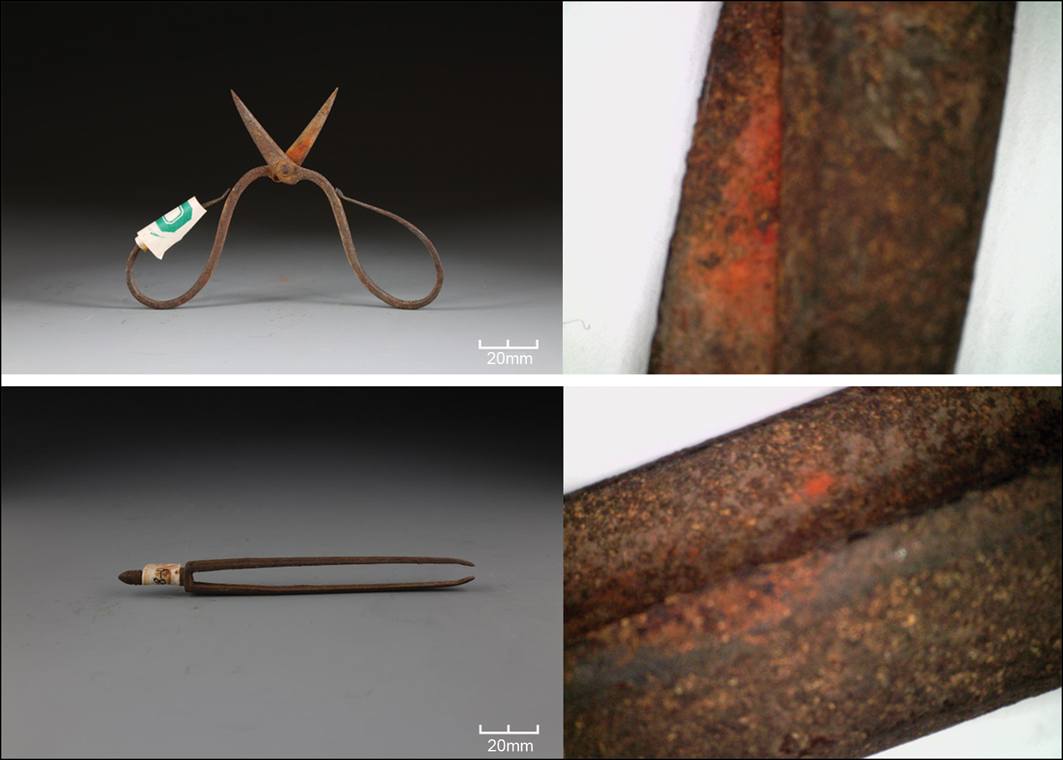
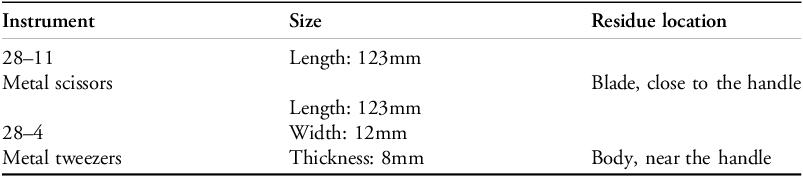
The residue samples, obtained from the Jiangyin Museum, were taken from metal instruments unearthed in 1974 in a Ming Dynasty tomb in Jiangyin County, Jiangsu Province (Figure 1, Table 1). Identification of the occupant of the tomb, Xia Quan (夏颧) (1348–1411 CE), provides a secure early Ming Dynasty date for the associated artefacts (Yi Reference Yi1977). As one of the few archaeological instances where medical tools are associated with a specific individual, the analysis of surface residues can provide key physical evidence for medicinal practices.
The sampled instruments and the residues analysed on each one. See Table 1 for details (photographs by authors).

Sampled instruments (see Figure 1).

Residues can be found on surgical tools in areas that are difficult to clean, such as the back of overlapping tongs or blades. Bright red rust micro-residues were sampled from these areas on two typical Ming medical instruments: scissors and tweezers. Sampling procedures strictly adhered to Article 29 of the ‘Law of the People’s Republic of China on the Protection of Cultural Relics’ (2023 Revision). Thus, a minimally destructive micro-extraction was performed under a microscope, collecting only 2mg of residue from each instrument (evident as slight red traces in the collection tube) for analysis.
Elemental analysis
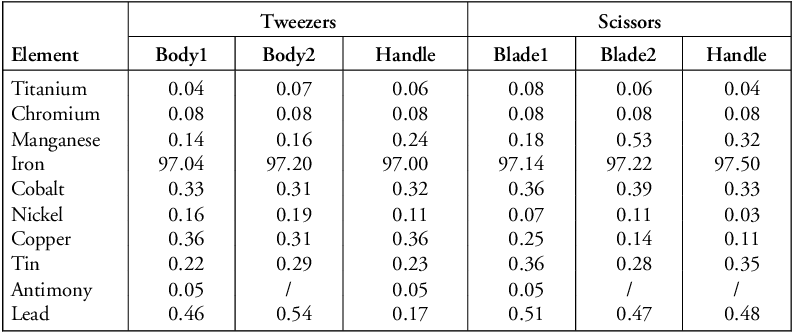
Working under the constraints of the Jiangyin Museum’s prohibitions on destructive sampling and the removal of artefacts from the museum premises, the use of portable x-ray fluorescence presented the most viable method for rapid, in situ, non-destructive analysis of the elemental composition of the artefacts. Analysis was undertaken using a Bruker Tracer5 micro-spectrometer (mode: ancient alloy; test time: 31s). The results for each sample location are shown in Table 2.
Results of elemental analysis for three locations on each instrument (wt%).

Both tools have an average iron content of around 97.1%, which is evenly distributed. Both also contain varying amounts of lead and cobalt. The lead content of the tweezers ranges from 0.17 to 0.54% and cobalt content is around 0.31%. In the scissors, lead content ranges between 0.47 and 0.51% and cobalt content is 0.35%. Copper content is higher in the tweezers: around 0.35% compared to 0.15% in the scissors. The presence of lead, cobalt and copper is likely due to the raw materials used in the casting process. The difference in copper content suggests that the two instruments were not cast from the same batch of material. Unfortunately, detection limits for key light elements, such as carbon, phosphorus, sulphur and silicon, on the model of spectrometer used are above 0.5wt%, restricting detailed micro-compositional comparison with contemporaneous iron artefacts. Nevertheless, the exceptionally high iron content of both artefacts indicates purity levels only achievable through the mature smelting technology of the Ming period.
Micro-Raman spectroscopy of residue particles
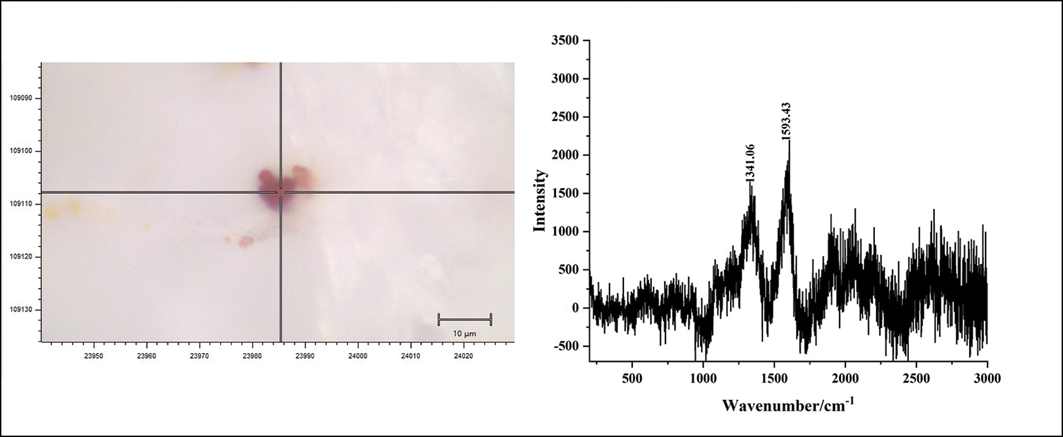
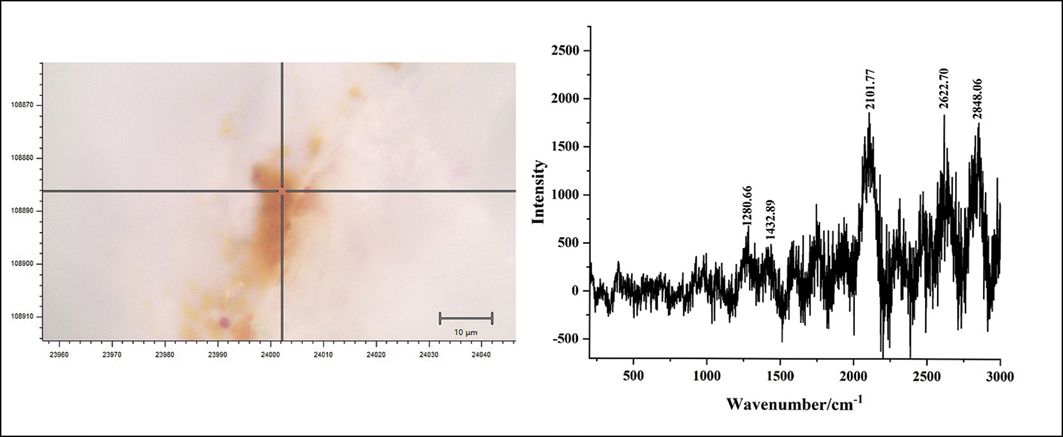
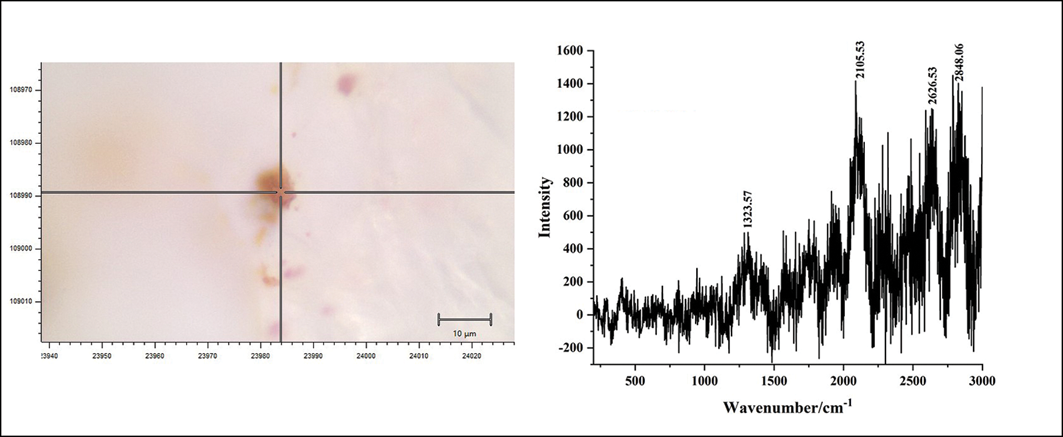
Using a cell tweezer under a microscope, one residue particle was selected from the surface of the tweezers and two from the surface of the scissors. These particles were analysed using a Renishaw InVia Qontor Raman spectrometer (laser: 785nm; objective: 50×; slit: 20µm; spectral range: 50–3500cm-1). The results are shown in Figures 2, 3 and 4.
Results of micro-Raman spectroscopy on particles of the red residue on the tweezers (figure by authors).

Results of micro-Raman spectroscopy on red residue particle 1 from the scissors (figure by authors).

Results of micro-Raman spectroscopy on red residue particle 2 from the scissors (figure by authors).

The spectrum for the red residue from the tweezers (Figure 2) shows increased vibrational intensity at 1341 and 1593cm-1, with no obvious peaks at low wavenumbers. The broad bands near 1341cm-1 correspond to the D-band fingerprint of amorphous carbon and the one near 1593cm-1 corresponds to the G-band fingerprint. This suggests a high organic content in the red particle. However, due to the small sample size and poor preservation of the residues, no effective Raman signals were obtained at high wavenumbers and a strong fluorescence effect hindered further analysis of the chemical bonds. The second red residue particle taken from the scissors also shows broad bands at 1323cm-1, indicating a D-band and high organic content with no significant peaks at low wavenumbers (Figure 4).
Peaks in the broad bands were observed at 1280 and 1432cm-1 in the Raman spectrum of the first red residue particle taken from the scissors (Figure 3). These correspond to twisting vibrations of the -CH2 and -CH3 groups in organic compounds such as oils and lipids. Peaks at 2848cm-1 in the spectra of both scissor samples correspond to the stretching vibrations of these groups (Czamara et al. Reference Czamara2014; Huang et al. Reference Huang2025). Peaks near 2101 and 2105cm-1 match the absorption bands of the cyano (-CN) functional group, found in hydrogen cyanide (Müller et al. Reference Müller1992), indicating medicinal and potentially anaesthetic properties for the residues.
Stimulated Raman scattering microscopic analysis
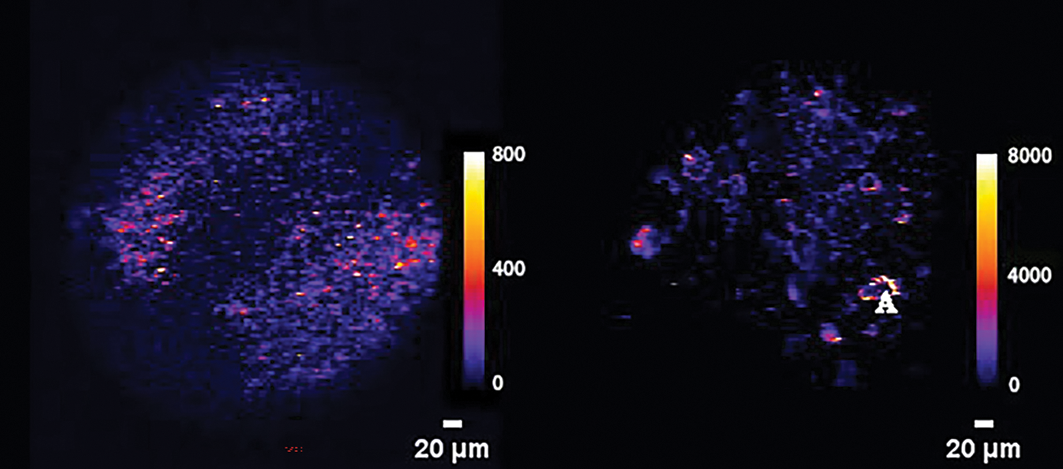
The SRS technique was employed to observe C-H bond vibrations in the collected residue particles within the wavenumber range of 2800–3050cm-1. This range is crucial for detecting organic phases, such as lipids and proteins (Bell et al. Reference Bell2002). Both VibroniX UltraView MK-II and Spectra-Physics microscopic imaging systems, capable of SRS (lasers: 801nm (30mW), 1045nm (50mW); spectral ranges: 2010–2280cm-1, 2750–3075cm-1), were used for this analysis. Figure 5 shows the SRS microscopic imaging results for the samples, which indicate that the rust particles contain widespread organic residue.
SRS microscopic imaging results for residue particle 2 taken from the scissors (left) and tweezers (right) (figure by authors).

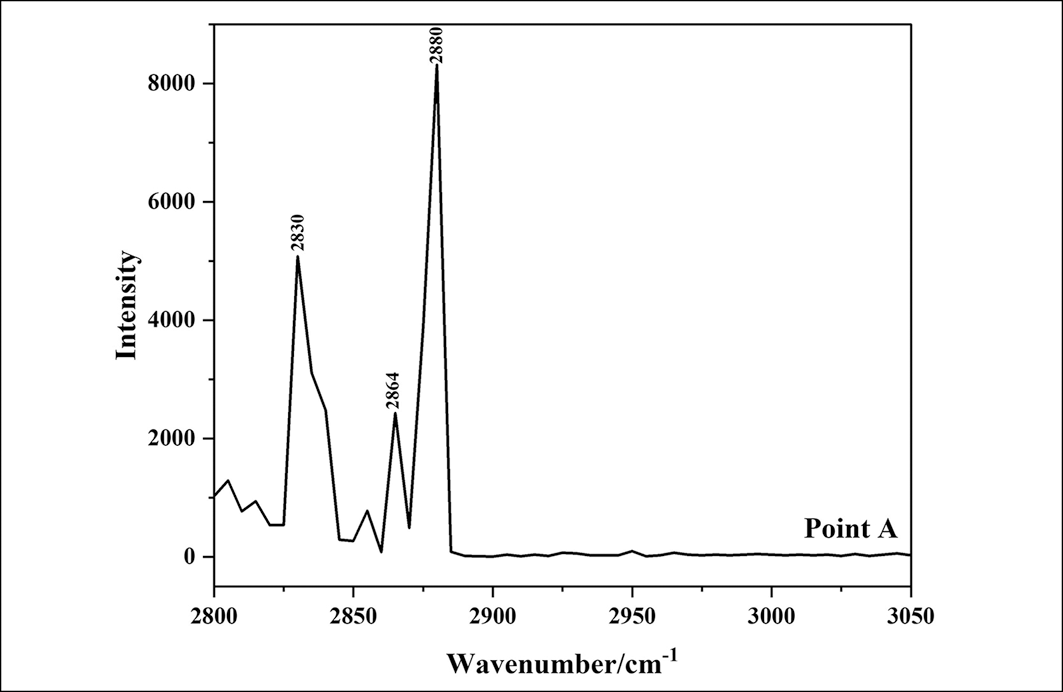
Residues on the tweezers primarily appear as sheets, with much stronger and more concentrated signals than in the sample from the scissors, indicating either a higher concentration of residue or denser packing. The rust on the scissors forms spot-like patterns with gentler signal transitions. Unlike conventional Raman techniques, SRS is not affected by background signals that are not related to the sample’s molecular vibrations. This means that the peaks in SRS spectra are clean and undistorted, matching those of standard Raman spectroscopy. (Cheng & Xie Reference Cheng and Xie2015). Using the ROI Manager tool in ImageJ (version 1.54p), multiple measurements were taken at the strongest signal spot (intensity: 8300) in the red rust on the tweezers. The resulting spectrum is shown in Figure 6.
Results of SRS analysis of red particulates from the tweezers (figure by authors).

Substantial peaks are evident at 2830, 2864 and 2880cm-1 in the spectrum of the organic phase. These correspond to the symmetrical and asymmetrical stretching vibrations of the -CH2 methylene group. The broad, low peak around 2850cm-1 is likely due to the stretching vibration of the -OH hydrogen bond (Ding & Wen Reference Ding and Wen2024).
The presence of these chemical groups could indicate that the organic residues originate from decaying flesh or medicines. However, identification of the characteristic -CN peak is more suggestive of a medicinal source, as blood lacks cyano-compounds (Cid et al. Reference Cid2007). Surgical residues are therefore the likely cause of the red corrosion.
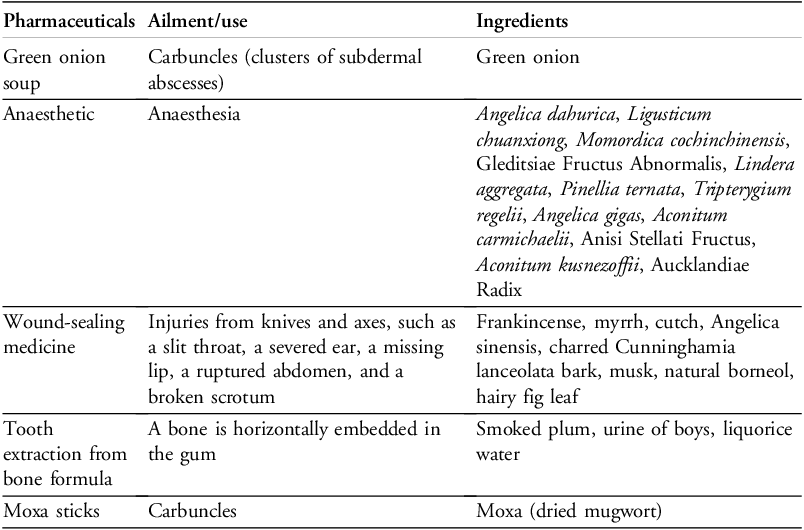
According to Ming Dynasty texts, clinical surgical instruments such as tweezers and scissors were likely used alongside medicines, including green onion soup (Chen Reference Chen1631), anaesthetic (Wang Reference Wang1602), wound-sealing medicine (Wang Reference Wang1602), tooth extraction from bone formula (using glutinous rice gruel, 离骨取牙方) and moxa sticks (compressed mugwort (Artemisia vulgaris) burned during acupuncture). See Table 3 for more information on these medicines, the diseases they were used to treat and their components.
Pharmaceuticals, their ingredients and the ailments they were intended to treat, as recorded in ancient Chinese literature.

Based on the Raman-detected presence of -CN bonds and -CH2/-CH3 vibrational features, and through comparison between relevant chemical literature and prescription components, the alkaloid toxin aconitine is suggested as a probable component of the residues. Plants of the Aconitum genus produce aconitine, including Aconitum carmichaelii and Aconitum kusnezoffii, which are frequently listed as ingredients in ancient Chinese medicinal prescriptions. The red rust on the surfaces of the scissors and tweezers is therefore most likely residue from anaesthetic compounds used during surgery.
Discussion
Analysis of the materials used in medical instruments
Historical records indicate that surgical instruments used during the Ming Dynasty were designed to meet a variety of surgical needs. These included willow-leaf scalpels, anal speculums and curved ‘wulong’ needles, which expanded the scope of procedures (Jiang Reference Jiang2011). Although the Ming period was contemporaneous with the Western Renaissance of the fourteenth to seventeenth centuries, Ming medicine diverged significantly from European practices. Core instruments (knives, needles and scissors) were used for internal treatment, holistic regulation and conservative operations (Gao Reference Gao2007), while European medicine pursued a scientific approach, emphasising wound disinfection and dressing (Klestinec Reference Klestinec and Distelzweig2016). Ming surgeries employed tweezers alongside scissors to remove necrotic flesh (Gao Reference Gao2015), with tweezers also being used to secure tissue for excision (Liu Reference Liu2021).
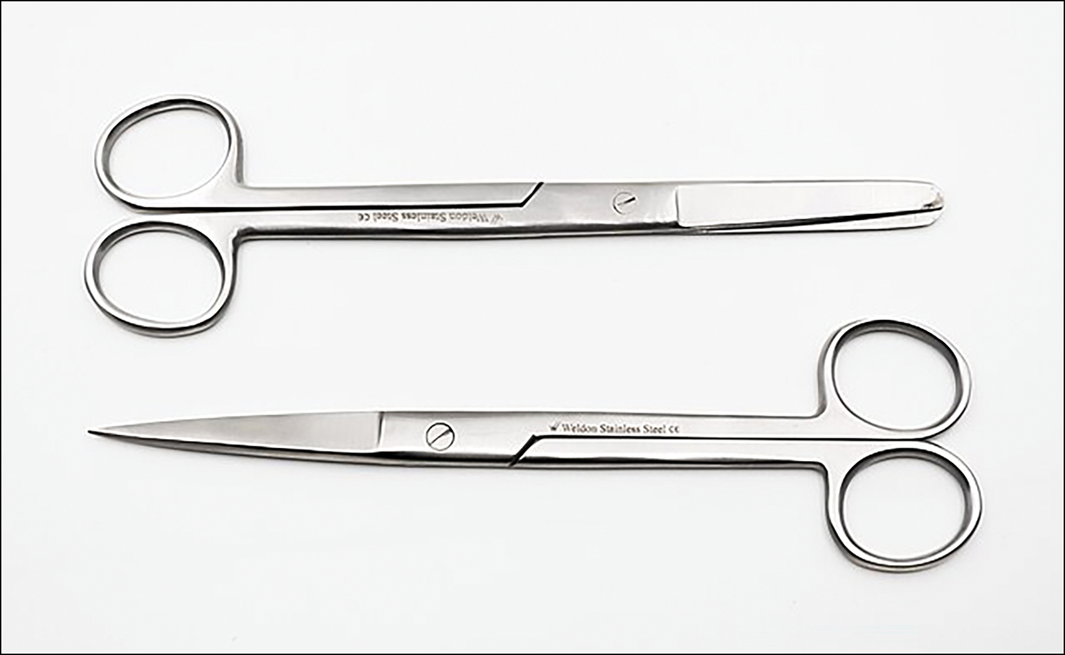
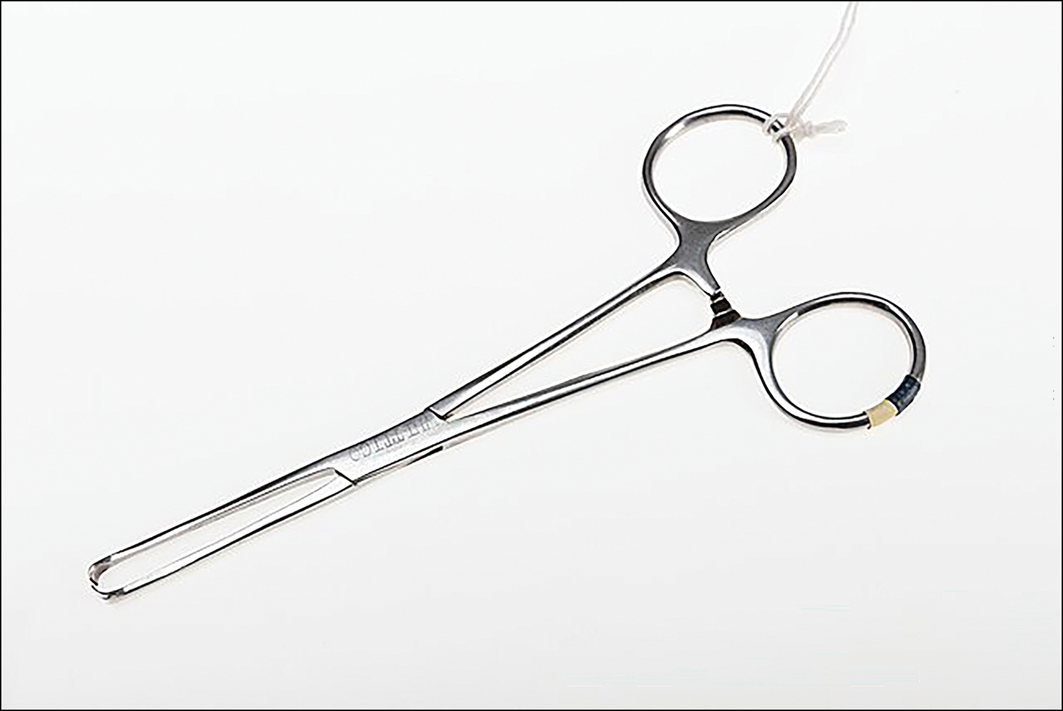
Modern surgical scissors include operating, anatomical, suturing and special-purpose types. Based on their shape and the proportions of the blade to the handle, the scissors studied here resemble straight operating scissors (Figure 7), which are typically used for precise cutting in superficial surgeries. Modern surgical tweezers also come in various specialised types, including tissue and forceps. The tweezers studied here perhaps most closely resemble modern Allis tissue forceps, with inward-curved serrated tips designed for gripping soft tissues (Figure 8). The context of use for modern forceps aligns with that of their Ming Dynasty counterparts, demonstrating that ancient practitioners understood the principles of instrument design.
Modern straight operating scissors (by Jacek Halicki).

Modern Allis tissue forceps (public domain).

Despite their differing appearances, ancient and modern instruments share some fundamental principles. Modern surgical instruments are typically made of stainless steel, which is primarily composed of iron, chromium and nickel. This material effectively prevents rust, ensuring the stability and durability of surgical tools in humid (bodily) environments and through repeated sterilisation (Parsapour et al. Reference Parsapour2012). Surgical instruments in the Ming Dynasty also had a high iron content, although without alloying with chromium and nickel this material was prone to rust in humid conditions. The choice of high-purity iron for surgical tools reflects the highly developed iron-smelting industry of the Ming Dynasty.
During this period, the iron-smelting industry underwent a substantial shift from state-run to private operations. The Zunhua Ironworks in north-east China were established in 1403, the first year of the Yongle reign, marking the peak of iron-smelting technology and state-run management. Meanwhile, private iron smelting also flourished, with improvements in both production scale and product quality. This met market demand and competed with state-run iron smelting. This transition reflected the prosperity of the iron-smelting industry during the Ming Dynasty and led to substantial growth in the range and quantity of iron-smelted products (Guan Reference Guan2024). Well-developed state and private iron smelting enabled Ming craftsmen to utilise mature techniques like casting, forging and hammering, producing diverse surgical instruments to meet procedural demands (Huang Reference Huang1984; Needham & Wagner Reference Needham and Wagner2008; Wang & Wang Reference Wang and Wang2018). The abundance of local iron-ore resources and advanced ironworking techniques meant that iron goods could be produced at a relatively low cost, making them affordable and well-suited to a variety of surgical requirements (Guo Reference Guo2006; Wang & Wang Reference Wang and Wang2018). The strength and hardness of iron also enable it to withstand stress and percussion without deforming or fracturing, which is crucial for handling tough tissues and performing precise actions such as cutting and grasping (Liu Reference Liu2024). The medical community of the Ming Dynasty had a limited understanding of concepts such as ‘asepsis’ and ‘epidemic disease’ (Wang Reference Wang2011; Li et al. Reference Li2022; Sang Reference Sang2024). As such, the impact of corrosion on infection risk was not fully appreciated, and the advantages of iron, such as its strength, hardness and workability, were more prominent decisions surrounding its use for surgical instruments.
Residues on implement surfaces
According to Wang Kentang’s Standards for diagnosis and treatment: Ulcer Treatment (证治准绳·疡医) (Wang Reference Wang1602), when using scissors in clinical surgery, one would “first apply a numbing agent to the area, then use the scissors to trim away the outer layer of skin” or “apply the wound-closing medicinal paste to the scissors’ blades, then thinly trim away some skin”. Miscellaneous sayings from the upper pool (上池杂说) records that when using tweezers (or forceps) in clinical dental surgery, one would “use a small amount of glutinous rice paste … then, with a clear-eyed and deft-handed person, grasp and remove it” (Feng Reference Feng and QIU1998: 47). These accounts both indicate that medical implements came into direct or indirect contact with medicinal residues. Analysis of red particles using micro-Raman spectroscopy and stimulated Raman scattering (SRS) techniques reveals that residue on the scissors and tweezers found in the Xia Quan tomb exhibits a characteristic cyano (-CN) peak at 2101–2105cm-1 and a methylene (-CH2-) stretching vibration peak at 2848cm-1. The resultant spectral signature is consistent with the chemical structure of aconite alkaloids.
Aconite is recorded as ‘堇’ in oracle bone script (c. 1250–1046 BCE) and later documented in Shen Nong’s Materia Medica (神农神草经), which was compiled during the Han dynasty (202 BCE–220 CE). By the Song Dynasty (960–1279 CE), cultivated (Aconitum carmichaelii) and wild forms (Aconitum kusnezoffii) were differentiated, with the latter noted as more toxic (Chen et al. Reference Chen2025). The principal constituents of both forms are aconite alkaloids along with polysaccharides, saponins and flavonoids. Crucially, these aconite alkaloids are active pharmacological components, exhibiting beneficial effects including anti-tumour activity, anti-inflammation and analgesia (Chen et al. Reference Chen2023; Li Reference Li2023). Despite their benefits, these substances were also understood to be extremely toxic (Wu Reference Wu1987; Zhang Reference Zhang1992), referring to their potent inherent side effects rather than modern pharmacological adverse reactions (Li Reference Li2008; H. Chen et al. Reference Chen2017; Z.Y. Chen et al. Reference Chen2025).
By the Ming Dynasty, practitioners had developed methods to mitigate toxicity, such as preparation with boys’ urine, soaking in a black soybean decoction, vinegar-boiling (Xu Reference Xu2015), detoxifying with mung beans and removing the outer skin of the aconite tuber (the tuberous root, not a seed or nut) (Li Reference Li1988). The resulting anaesthetic powder, also known as Caowu San (草乌散) or Anaesthetic Caowu San (麻药草乌散) (Si et al. Reference Si2023), is documented in Shiyi’s formulary of tested efficacy (世医得效方, volume 18), Compendium of medicine (医学入门, volume 2), Yitong (医统, volume 79) and The laryngologist’s private manual (喉科枕秘, volume 2). Its main function was to make patients insensitive to pain, enabling pain-free surgery. For severe injuries, an additional five qian (approximately 18.7g) each of Datura rhizome and Aconitum kusnezoffii were added to increase efficacy (Li Reference Li2008).
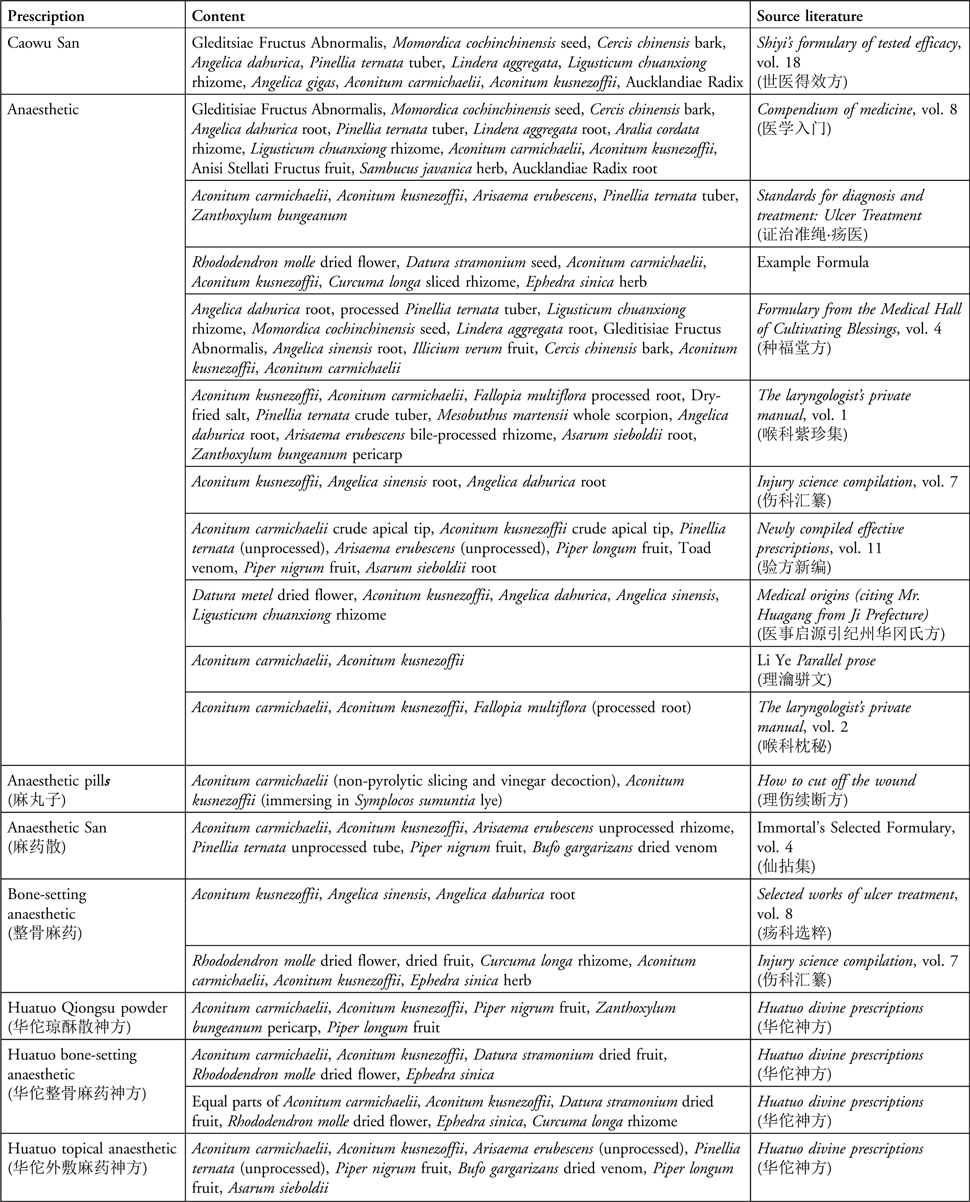
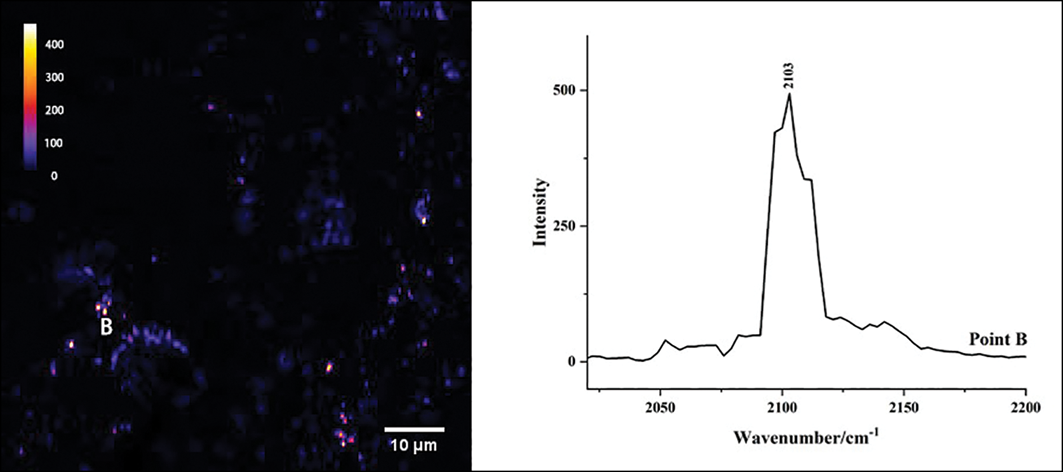
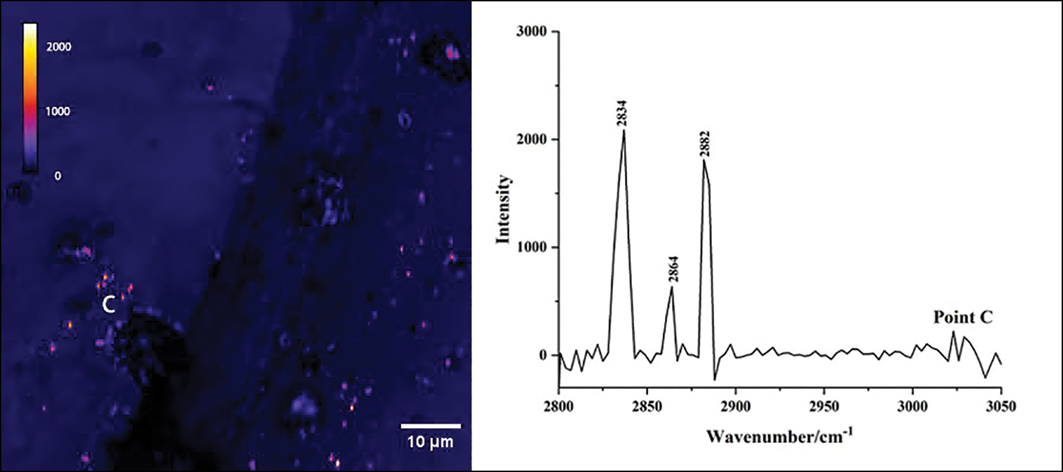
Consultation of historical Chinese medical anaesthetic prescriptions yielded 19 formulae, which are compiled in Table 4. Aconitum species such as Aconitum carmichaelii and Aconitum kusnezoffii were widely used in Ming Dynasty surgery. However, the strong intrinsic fluorescence of both species under laser makes it difficult to obtain reliable reference Raman spectra using conventional spontaneous micro-Raman spectroscopy. To accurately identify whether Aconitum was a source for components of the residue, we therefore focused on the characteristic peaks in the 2010–2280cm-1 (cyano-stretching) and 2750–3075cm-1 (C-H stretching) regions. Application of multimodal nonlinear SRS imaging to thin tissues sections of commercially prepared A. carmichaelii provided Raman spectra and micro-area maps in both key bands (Figures 9 & 10). This approach successfully overcame fluorescence interference, yielding high-resolution micro-area images and a clear, well-defined reference Raman spectrum for A. carmichaelii.
Compiled formulae for ancient Chinese anaesthetic preparations.

SRS micro-area image at 2103cm−1 and the SRS spectrum across 2010–2280cm−1 from the Aconitum carmichaelii reference sample slice (figure by authors).

SRS micro-area image at 2882cm−1 and the SRS spectrum across 2750–3075cm−1 from the Aconitum carmichaelii reference sample slice (figure by authors).

Spectroscopic comparison confirms that the residues contain compounds that originate from the Aconitum species. In the 2010–2280cm-1 region, the A. carmichaelii reference spectrum shows a clear peak at 2103cm-1 (attributed to cyano-stretching) that matches exactly the position of the peak detected in the residue particles. Similarly, within the 2750–3075cm-1 region, the reference spectrum displays characteristic peaks at 2834, 2864 and 2882cm-1, which correspond, respectively, to the symmetric and asymmetric methylene (-CH2-) stretches and the hydrogen-bonded -OH stretch. These peaks closely match the chemical bond information obtained from the residues. This cross-band spectral consistency provides strong evidence that components of the residues derive from Aconitum plants.
The residues were concentrated in functional areas of the instruments, consistent with application/transference during use rather than subsequent contamination. Aconitine is also unlikely to have arrived on the instruments accidentally; it is a specific plant alkaloid, the use of which aligns with Ming Dynasty surgical anaesthetic records, and not a common modern pollutant. Although the ester group (C=O) of aconitine may have partially hydrolysed, removing the characteristic peak at 1700–1740cm-1 from the residue spectra, the core cyano (-CN) and methylene (-CH2) groups remain stable. This makes the peaks detected by SRS reliable indicators for the use of ancient Aconitum. In the context of this study, where sampling restrictions limited the scope of analysis, the SRS-based vibrational identification provides direct chemical evidence for the presence of aconitine.
The red corrosion on the tweezers is concentrated near the handle and covers an area measuring 1.5mm in length. The high organic content, revealed by SRS, suggests that the corrosion most likely resulted from residue left behind when a medicinal liquid splashed onto this concealed area and escaped cleaning. This finding is consistent with historical instructions to apply anaesthetic to the affected area, representing an early form of ‘topical application’. Integrating Ming Dynasty prescription records with the identified aconitine-type residue shows that toxic substances were safely employed in surgery during this period. Physicians presumably mitigated systemic aconitine toxicity through meticulous topical application, compound prescriptions and strict procedural controls, thereby demonstrating their practical ability to balance drug toxicity and efficacy.
Conclusion
This study characterised trace organic residues on two Ming Dynasty medical instruments from the Jiangyin Museum. The instruments themselves were primarily fabricated from ferrous alloys with greater than 95wt% iron, reflecting the capabilities of the local iron industry and contemporaneous understanding of material properties. While distinct from modern surgical instruments, their design demonstrates a notable degree of scientific rationale and practical utility for the time. Application of SRS analysis revealed the presence of an aconitine-based compound on both instruments, with distribution mapping indicating that the residues potentially resulted from splashing during topical application of a medicinal liquid. This offers tangible evidence for surgical anaesthesia in Ming China, with topical application indicating an understanding and management of toxicity through refined practices—including precise dosing, formulated compounds and strict procedures—that served to balance potency with patient safety. This study demonstrates how residue analysis can help extract historical and scientific insights from archaeological artefacts, informing heritage conservation practices and expanding narratives in medical history.
Acknowledgements
We thank Zheng Li and Congcang Zhao for co-supervising this research, and Jiangyin Museum for providing samples and contextual information. We are also grateful to the VibroniX Company for their essential technical support in stimulated Raman scattering.
Funding statement
This study was funded by the National Key Research and Development Plan Project ‘Archaeological research on the origin and evolution of authentic medicinal materials’: Subproject One ‘Survey and sorting of native medicinal remains unearthed from archaeological sites across the country’ (2022YFC3500901).
Author contributions: CRediT categories
Xue Ling: Funding acquisition-Lead, Methodology-Equal, Project administration-Lead, Resources-Lead, Writing - review & editing-Equal. Jingyu Li: Formal analysis-Equal, Methodology-Equal, Writing - original draft-Equal, Writing - review & editing-Equal. Ge Zhao: Investigation-Equal, Resources-Equal. Xu Cao: Investigation-Equal. Xuehua Weng: Resources-Equal. Hong Zhang: Resources-Supporting. Zheng Li: Supervision-Equal. Congcang Zhao: Supervision-Equal.

 Open access

