




In the summer of 1955, the young psychologist and journalist Luigi De Marchi wrote a letter of gratitude to Clarence J. Gamble, the American heir to the Procter & Gamble soap manufacturing company and a well-known advocate of birth control. Gamble had offered to finance the establishment of a birth control service in Rome to promote family planning in Italy. The aim was to improve the quality of life for thousands of families who still bore the burden of Article 553 of the penal code.Footnote 1 The article was introduced under the Fascist regime in 1930, prohibiting the dissemination of contraceptive information, classifying it as propaganda against ‘the integrity and health of the lineage’. It survived for decades after the fall of fascism until it was declared unconstitutional in 1971 and formally repealed in 1978.Footnote 2
For over a decade, Gamble supported the Associazione Italiana per l’Educazione Demografica (Italian Association for Demographic Education, AIED). Founded in Milan in 1953, the association brought together members drawn from diverse economic backgrounds and social strata, who convened to discuss the pressing need for birth control in Italy.Footnote 3 Although some members had ties to Italian centre-left politics, the association maintained a broadly liberal stance and viewed the Catholic-inspired Democrazia Cristiana (Christian Democrats, DC), the Church, the Partito Comunista Italiano (Italian Communist Party, PCI), and the neo-fascists, as four distinct forces that hindered the country’s path towards modernization.Footnote 4 AIED’s political stance is closely aligned with that of one of its principal benefactors, Adriano Olivetti, head of the renowned typewriter company and a committed liberal democrat. From 1954, AIED was incorporated into the International Planned Parenthood Federation (IPPF), an international network established in 1952 and based in London, which brought together a wide range of associations from across the world.
The relationship between AIED and Gamble must be situated within the broader, global dynamics of family planning initiatives that gained prominence in the post–Second World War period. From the 1950s, what historian Matthew Connelly has described as the population control movement began to take shape: a heterogenous network of non-governmental organizations and Western philanthropic foundations such as the Population Council (PC) and the Ford Foundation (FF), informed by neo-Malthusian principles and animated by the belief that family planning was necessary to address the imbalance between demographic growth and available resources.Footnote 5 Calls to curb population growth intersected with several Cold War dynamics, as some actors increasingly framed family planning as a means to contain the spread of communism or to pre-empt forms of dissent.Footnote 6 The movement drew on a range of intellectual and ideological currents, from eugenics to approaches more attuned to women’s reproductive autonomy and health.Footnote 7 As Nicole Bourbonnais has argued, it also depended on local actors who adapted family planning to specific social and cultural contexts, not only to the imperatives of high politics.Footnote 8 This was particularly evident in Italy, whose highly distinctive situation offers valuable insight into the ideological, social, and economic processes that shaped debates and practices surrounding family planning.
The study of family planning and the fear of overpopulation has generated a growing body of scholarship that places at its centre how international movements built, consolidated, and sustained themselves in the face of political and ideological tensions.Footnote 9 Different scholars have shown that national population-control policies, whether driven from below or imposed from above, must be understood within a global history framework in which they displayed their own specificities, connecting the local, the national, and the global dimensions.Footnote 10 This article keeps these three scales in view while asking a straightforward question: how did global networks shape family planning within national settings—particularly in Italy?
Italy is situated within a global context where Italian and foreign family planners viewed birth spacing as vital for addressing economic and social backwardness. From the 1950s, Italy became an interstitial space between the categories of ‘underdeveloped’ and ‘developed’ countries, attracting international attention, especially regarding demographic growth in the Mezzogiorno—southern Italy. Key agents were not local governments, but intermediary figures connected to US family planning organizations. Within this context, the circulation of global knowledge—adapted to the national setting and often influenced by American eugenicist perspectives—was particularly significant.Footnote 11 I argue that the Italian case offers a valuable lens through which to conceive the global history of family planning as a layered and complex phenomenon.
Globalizing the history of Italian family planning reveals how international networks shaped both the domestic management of demographic anxieties and the institutional trajectory of AIED. As David Motadel has argued, globalizing European history means tracing connections that reposition phenomena often treated as strictly Western within a wider global framework. Clearly, such an approach requires sustained attention to interdependence.Footnote 12 The Italian case has a dual character: it reflects the post-war drive to modernize and to narrow the north–south divide, while it also mirrors dynamics visible in contexts in which Clarence Gamble played a decisive role. Studying Italy from the point of view of the global history of family planning, therefore, moves analysis beyond national and continental boundaries, and it also complicates a rigid Global North–Global South dichotomy. In the 1950s, international actors initially focused on Italy because they saw the country’s uneven path to socio-economic modernization as constrained by rapid demographic growth among the poorest strata. From this perspective, the Italian case demonstrates how observers framed marginalized groups within the Global North as inhabiting a distinct ‘developmental’ plane, defined by demographic behaviour and socio-economic status. As several historians have shown, the rhetorical and practical strategies for spreading family planning and directed at such marginal populations often echoed those applied to the Global South, transposing categories of ‘underdevelopment’ onto domestic settings.Footnote 13 Italy’s internal north–south divide, alongside the rural–urban cleavage, became a crucial mechanism through which global developmental paradigms entered and reshaped the national context in connection with the issue of population growth.
Most scholarship on Italian family planning has seldom been situated within a global frame, focusing only on the national dimension or on the general history of AIED.Footnote 14 This article departs from these contributions in two respects: first, it adopts a tighter chronological focus, from the early 1950s, when international and national concerns over overpopulation in Italy began to surface, to the 1970s, when AIED’s positions became marginal both internationally and nationally; second, it examines the development of Italian family planning through the AIED–Gamble relationship, situating this partnership within a broader global framework in which the American entrepreneur played a pivotal role.
Maud Bracke first demonstrated that the Italian case reveals how domestic advocates reproduced a justificatory logic long deployed to legitimate population control interventions in the Global South.Footnote 15 The present article endorses Bracke’s central claims while extending her analysis. Drawing on a range of US and Italian archival sources, the article shows how the global family planning movement shaped AIED’s ideas on birth spacing, influencing them in establishing its patterns of contraceptive distribution. In this way, AIED folded domestic demographic anxieties into a globalized rhetoric of poverty reduction, which targeted poor and southern women.Footnote 16
This article builds on a substantial body of scholarship that has mapped Gamble’s international connections, highlighted various national contexts, and linked his approach to his growing marginalization within the global family planning movement.Footnote 17 Building on and extending these analyses, it shows how Italy provided fertile ground for Gamble’s ideas, which were adapted to the complexities of the national context. It also uses the Italian case to illustrate how national settings could shape the global family planning movement ‘from below’, and vice versa, revealing internal equilibria that were both fragile and deeply conditioned by Cold War entanglements between national and global forces. The relationship between AIED and Gamble was mutually beneficial: AIED drew on Gamble’s financial support and technical know-how to expand access to contraception among southern popular classes and inhabitants of urban slums, while Gamble used Italy to trial ‘simple methods’ and to advance a low-cost contraceptive circuit through his international networks.
This article thus contributes to an understanding of how national family planning activists were not simply guided by US or British groups. Instead, they operated in a dialectical relationship with foreign non-state organizations. Situating Italy within a global context therefore enables a more nuanced exploration of the movement’s development and debates, as well as its contradictions and challenges.
‘A more decisive Marshall Plan’: Italy, the Mezzogiorno, and family planning
Post-war Italy had to confront publicly the consequences of Fascist natalist policies, which had produced population growth widely regarded as exceeding the nation’s capacity to provide employment. According to the historical geographer Anna Treves, the first scholar who traced debates and practices surrounding birth control in Italy over the longue durée, responses to this challenge were varied and reflected the differing perspectives of the major political parties; with few exceptions, however, they excluded family planning as a possible remedy. The DC—the largest political party—aligned with the Catholic Church’s opposition to contraception and promoted overseas emigration. By contrast, the PCI and, to a lesser extent, the centre-left Italian Socialist Party (Partito Socialista Italiano, PSI) adopted the USSR’s anti-Malthusian position, arguing that the solution lay in a more equitable distribution of resources rather than in birth control.Footnote 18 As a result, Italy’s birth rate largely ceased to be a matter of ‘high politics’ in the 1950s and the first half of the 1960s, even as the south’s perceived backwardness in relation to the north remained a dominant concern.Footnote 19 Fascist-era legislation remained in force and explicitly prohibited both contraception and advocacy of family planning. For its part, the Church exclusively advocated for the Ogino–Knaus method, actively employing censorship, legal actions, and public statements to block changes to sexual norms within the country.Footnote 20 Despite this domestic impasse, debates over birth control attracted attention from a range of international actors. American figures, in particular, approached the Italian situation with a distinctive combination of curiosity and concern.
According to the US eugenicist Robert C. Cook, the economic and social gap between north and south in Italy had produced a nation marked by uneven development, which could be addressed only by curbing demographic growth in the Mezzogiorno.Footnote 21 Drawing comparisons with countries where demographic pressure was seen as an obstacle to economic development—such as Puerto Rico, Egypt, and India—Cook portrayed southern Italy as racially distinct from the north, inhabited by populations whose high fertility rates allegedly exceeded the land’s capacity to provide sufficient resources.Footnote 22 More importantly, Cook invoked a topic that had become central in the United States in the debates following the Second World War: modernization. American economists and social scientists increasingly framed the dilemma of how to resolve the problems of economic backwardness in regions deemed underdeveloped—areas that, through the intertwined processes of decolonization and the Cold War, often came to coincide with what would later be designated as the Third World.Footnote 23 This modernizing vision had also underpinned the Marshall Plan, conceived as a means through which European nations might attain American standards of economic prosperity and welfare.Footnote 24 Communism, within this framework, was regarded as fundamentally incompatible with such processes, perceived as the product of an incomplete or distorted path to modernization.Footnote 25
As Simon Szreter underlined, social scientists, demographers, and economic planners operated within this broad theoretical framework of modernization, arguing that industrialization alone would not suffice to transform underdeveloped countries.Footnote 26 Demographers especially contended that rapid population growth constituted the principal obstacle to capitalist development. Accordingly, a decline in fertility was to be considered a necessary precondition of any prospective process of modernization.Footnote 27 These positions profoundly shaped the global history of the family planning movement, informed by neo-Malthusian principles, which consistently insisted upon the regulation of population growth as an essential component of the modernization process.Footnote 28
From this perspective, not all the measures proposed by Alcide De Gasperi (DC), Italy’s prime minister, were regarded as effective by Cook and other international observers. The agrarian reform was deemed inadequate, as an Italian journalist pointedly remarked, because the issue lay in ‘too little land and too many people’. Likewise, Cook considered the notion of industrializing the south utopian, given that the north was already ‘producing faster than present market conditions justify’, while southern Italy lacked sufficient raw materials ‘upon which an expansion of industry could be based’.Footnote 29 In these analyses, land was undoubtedly central, also because the Mezzogiorno’s ‘otherness’ was often articulated through the constrained development of agriculture in the region. Contemporary analyses linked soil aridity to underdevelopment, and post-war development plans cast the south as an environmentally distinct space requiring aggressive modernization policies to transform both its landscape and socio-economic structures.Footnote 30 This framing circulated in Italian and international debates, informing debates about demographic growth in Italy.
Not all observers of the Italian situation supported family planning. Many agreed on the imbalance between population growth, agricultural production, and land availability. For the most part, migration was considered the best option that the country had to follow to prevent a demographic explosion, as the DC often suggested.Footnote 31 In some explicit cases, international and national observers indicated southern Italy as problematic, since rapid population growth and increasing poverty were considered the root of a political radicalization that could have moved the peasantry to embrace communism.Footnote 32
Cook maintained that although emigration from the south to the United States might alleviate demographic pressure, the Mutual Security Act—which had succeeded the Marshall Plan—ought to be utilized to maintain the country’s demographic stability through a centralized family planning programme. Crucially, such an intervention, he argued, would eradicate at its root the spread of communist propaganda among the impoverished classes.Footnote 33 He was not alone in advancing this position. The Planned Parenthood Federation of America (PPFA), founded in 1942 by Margaret Sanger, published a series of articles between 1953 and 1955 that expressed growing anxiety about the perceived intersection of communism in Southern Europe, overpopulation, and poverty, presenting family planning as the only solution.Footnote 34
For its part, during the 1950s and 1960s, the IPPF divided its efforts between the Global South and several European countries. As Nicole Bourbonnais has shown, the IPPF considered Italy—alongside Austria, France, and Greece—as ‘backward’, citing the influence of the Catholic Church and cultural patterns that, especially in legal terms, impeded the spread of family planning programmes.Footnote 35 In the Mediterranean, developments followed a broadly similar pattern: in France, contraception became a public issue in the late 1950s, amid a stratified pronatalist drive and a growing focus on ‘population quality’; in Spain, the Franco regime banned contraception and the dissemination of contraceptive information; and in Turkey, population policy remained firmly pro-natalist until the early 1960s.Footnote 36 Notably, these issues remained peripheral within Italian political discourse until the second half of the 1960s. As shown by historian Gianfranco Porta—the first scholar who studied AIED’s national history—advocacy for family planning policies gained traction primarily among secular, liberal, and anti-communist minorities, who readily adopted such paradigms and, in doing so, shaped the course that the Italian association for family planning pursued throughout the 1950s and 1960s.Footnote 37
Since the early nineteenth century, neo-Malthusian ideas had spread across Italy, but Italian Fascism brought an end to these debates.Footnote 38 Following the Second World War, several medical practitioners began advocating for the introduction of various birth control methods in Italy, taking as their point of reference American organizations dedicated to family planning. Cook and the PPFA ideas found fertile ground in Italy in the writings of the journalist Rinaldo De Benedetti and the photographer Domenico R. Peretti Griva, both members of AIED. They both used Cook’s works to highlight the demographic growth in Italy relative to agricultural production and available land, identifying the Mezzogiorno as an area at risk of overpopulation.Footnote 39 They gave particular resonance to Italian journalists with a liberal and anti-communist background who argued for demographic control in the south, seeing the region as a conigliera (a breeding ground), which both exacerbated its economic decline and fuelled the growth of a working-class population who could support the PCI.Footnote 40
AIED framed family planning as one of the few viable hopes to bridge the north–south divide and advance modernization. Within these analyses, both international and Italian, a fundamental bias regarding the underdevelopment of southern Italy persisted largely unchanged among AIED activists. Concurrent with these international debates were concerns expressed by the Italian government regarding the country’s widespread poverty, culminating in the 1952 Parliamentary Commission of Inquiry into Poverty in Italy, whose work focused on analysing unemployment and exploring possible solutions.Footnote 41
From its inception, the organization’s international orientation significantly contributed to the expansion of its substantial financial resources. Initial interest in the state of family planning globally was largely driven by one of the founders, Vittoria Olivetti-Berla, a psychologist and social worker from Milan, as well as the daughter-in-law of Adriano Olivetti.Footnote 42 Attending the Fourth International Conference on Planned Parenthood in Stockholm in 1953, she established a network of connections with the IPPF, particularly with Dorothy Brush, editor of the IPPF’s newspaper and well-known eugenicist. Direct relations were also established with Margaret Sanger, who, in the summer of 1954, sent Dr Stone from New York as PPFA representative and Dr Helena R. Wright from London as IPPF representatives, to formalize ties with AIED and organize several conferences with the association’s members.Footnote 43
Thanks to Margaret Sanger, AIED was admitted into the IPPF in 1954. As Italy’s official representative, AIED took part in the Fifth Conference on Planned Parenthood held in Tokyo in 1955. There, Olivetti-Berla presented the organization’s history and its goals, attracting international attention. AIED’s analysis closely followed those published by Cook and the PPFA. According to the organization, Italy’s population grew immediately after Second World War, rising from 42 million to 45 million, with a birth surplus of about 10 per cent compared to deaths, which caused increasing underemployment that could not be absorbed. The main cause was identified mainly in ‘the very poorest regions’ of southern Italy, where resources, jobs, schools, and essential services for family progress were lacking.Footnote 44 AIED’s goal was therefore to promote the repeal of Article 553 and to educate all segments of the Italian population about family planning, as it ‘has long been accepted in the most highly civilized countries’.Footnote 45
These analyses cast demographic growth as the starting point of a purported causal sequence: land scarcity constrained agricultural production, industrial development lagged, and the spectre of communism loomed. Within this modernization framework, neo-Malthusian advocates therefore presented the spread of family planning as a necessary corrective. As Alison Bashford has argued, Cold War language and geopolitics were crucial in making population control appear central to modernization.Footnote 46 Although this logic is most familiar from demographic-transition accounts grounded in a First–Third World distinction, the Italian case shows that contemporaries also applied it to areas regarded as politically and economically problematic in the post–Second World War period. A direct connection thus emerged between international observers and Italian family planners, shaping both diagnoses of the Mezzogiorno question and subsequent patterns of contraceptive distribution.
Central in this history was the couple known in the foreign press as the ‘De Marchis’: Luigi De Marchi and Maria Luisa Zardini. Both worked for the United States Information Service (USIS), a foreign agency based in Rome and directed by Claire Boothe Luce, which promoted both American culture and politics.Footnote 47 The USIS agenda was rooted in anti-communism, viewing the presence of left-wing political groups in Italy as a sign of an underdeveloped nation.Footnote 48 The ‘De Marchis’ were influenced by these positions and by their strong alignment with the United States as the leader of global progress, which led them to attack left-wing parties for their opposition to birth control.Footnote 49 Most importantly, the couple built an international relationship that proved to be a double-edged sword for AIED: their connection with Clarence J. Gamble.
Clarence J. Gamble, the Pathfinder Fund, and the making of AIED’s international dimension
Gamble was a businessman with a background in the eugenics movement in the United States, becoming especially active in several cities in the US South and in Puerto Rico.Footnote 50 As underlined by Raúl Necochea López and Alexandra Barmpouti in analysing the distribution of cheap contraceptives in, respectively, Peru and Greece, Gamble’s career was shaped by two competing behaviours. On the one hand, he distributed contraceptives that were inexpensive but often of limited effectiveness; on the other, he wanted to spread family planning all over the world as fast as possible.Footnote 51 In 1957, he channelled this ambition into founding his own organization, the Pathfinder Fund, through which he sought to promote family planning programmes autonomously. For these reasons, other family planning associations increasingly marginalized the Pathfinder Fund, even as it continued, at times, to shape the agendas of national groups that had originally sought its support—an outcome exemplified by the Italian case.
The Pathfinder Fund formalized what Gamble had been doing since the early 1950s: sending field workers worldwide to persuade local authorities and organizations to promote family planning by distributing cheap contraceptives. From 1955 onward, Gamble’s representatives—especially Edith Gates, Margaret Roots, and Edna McKinnon—visited Italy. Gamble’s commitment to the Italian cause led him to go to Italy several times between 1955 and his death in 1966. Unlike the IPPF, the fieldworkers employed by Gamble and the Pathfinder Fund—including the De Marchis of AIED—were not medically trained. Rather, they were women in their fifties and sixties: loyal supporters of Gamble, capable of operating in international contexts, who regarded family planning as a social issue of such urgency that they believed it had to be disseminated as rapidly as possible.Footnote 52 This shared outlook became a crucial point of alignment between Gamble and the ‘De Marchis’ (Figure 1).
A 1965 photo of Clarence Gamble (first from the right) with the De Marchis and their children in Rome, H MS c23, box 254, Clarence J. Gamble Papers, 1920–1970s, Countway Library, Harvard University, Boston.

Gamble appreciated Luigi De Marchi’s provocative approach. De Marchi believed it was necessary to engage directly with working-class communities and to promote contraceptive distribution rather than ‘go on indefinitely writing articles and weeping lectures on the agricultural, industrial, demographical, and possibly astrological reasons why birth control is necessary’.Footnote 53 Gamble immediately began funding the activities of the Rome branch. Over time, his support was extended to branches in Naples (founded in September 1955) and Vibo Valentia (1958), followed by Palermo (1961). Funds also supported midwives who helped promote contraceptive use, as well as the De Marchi couple, who on several occasions received direct funding from Gamble to work part-time—he as a journalist, she as a fieldworker.
Gamble’s support proved crucial for AIED’s efforts, as did the contributions of several doctors, including Dr Stallone, an Italian-American gynaecologist who offered to assist De Marchi. ‘Maybe the “Gamble Aid” or the “Stallone Aid”’, De Marchi wrote to Gamble, ‘will appear in historical perspective as much more decisive than the Marshall Aid in solving Italian problems! Anyway, it is not coincidental that all three are Americans.’Footnote 54 Gamble’s funding was directed precisely to the areas where, as AIED often stressed, industrialization efforts in the south had failed.
Edith Gates was the first fieldworker to arrive in Italy on Gamble’s behalf in 1955. Milan was the final stop on a tour that had taken her through much of Africa, the Middle East, and parts of the Mediterranean. There she wrote that she could finally confront ‘the question I had had during all my work amid religious problems: How could a [Family Planning] Society work in Italy?’Footnote 55 As Necochea López and Bourbonnais have noted, Gamble and his fieldworkers cast the dissemination of family planning as a form of missionary work, promoting family planning by adapting their message to a range of religious contexts.Footnote 56 The Italian case, however, proved paradoxical. Although Gates appears to have been curious about how religion affected Italy and AIED’s activities, both sides framed family planning primarily as a means of tackling endemic poverty, particularly in the Mezzogiorno. The Italian case, therefore, complicates the place of religion in the work of Gamble and the Pathfinder Fund. It suggests that the Pathfinder Fund mobilized religious language pragmatically, using it to engage faith-based actors when it served their purposes, but allowing it to recede when their interlocutors were not themselves driven by religious concerns.
Interacting with Gates, Olivetti-Berla showed her bias against the economic and social state of the south. In her report, Gates noted that Olivetti was especially interested in identifying extremely inexpensive contraceptive methods that she ‘could possibly recommend in those backward, poor countries where I had travelled’. Olivetti, according to Gates, regarded ‘the poor, especially in the South’ as the central problem confronting AIED and Italy’s demographic growth. She showed particular interest in the so-called ‘salt method’, and Gamble subsequently sent several sponge samples to Olivetti-Berla.Footnote 57 Known as the salt-and-sponge solution, this method had been used by Gamble in clinics in North Carolina in the late 1930s and later in Alabama during the 1940s as a contraceptive aimed at controlling the growth of African American families. Subsequently, Gamble blamed the patients for its failure, considering them unable to properly use the method, rather than questioning the effectiveness of a solution made of 20 per cent table salt. Nonetheless, Gamble and the fieldworkers continued to use the solution as their focus shifted to other parts of the world.Footnote 58 The method later became a major source of internal tension within AIED and, above all, in its relationship with Gamble and the IPPF. What matters here is that Gates’s reports show that, from the outset, Olivetti-Berla posited a direct overlap between southern Italy and other settings he regarded as ‘backward’ contexts in which Gamble and his fieldworkers had previously operated.
The modernizing vision of American demographers remained an integral part of AIED’s stance, which regarded family planning as the solution to poverty in the Mezzogiorno. This position had been made even more explicit some time earlier by Olivetti-Berla, who, upon returning from the IPPF Congress in Berlin in October 1957, authored a report on the Italian case. ‘Some of our economists’, she wrote, ‘have recently realised that despite new investments …, the development of underdeveloped areas remained insufficient.’ Industrial development had failed to absorb the unemployment of southern labour, which then flooded en masse into northern cities in search of work, creating a migratory flow that resulted in ‘disorder, overcrowding, and illegal shantytowns’. Intervention was therefore necessary through limiting family growth in the Mezzogiorno, since ‘numbers cannot be considered power, but rather a cause of a material and moral disintegration’.Footnote 59 The link between southern migration to the north and rising crime in northern cities was central to Olivetti’s analysis, and she continued to raise it in talking to IPPF’s representatives.Footnote 60 These positions circulated through both international exchanges and the Italian press. Their proponents aimed to disseminate, as widely as possible, the view that demographic pressure in southern Italy mattered both to international and to Italian public opinion. Writing about Calabria in L’Europeo, for example, Luigi Laratta, head of the Vibo Valentia section, presented the region as emblematic: ‘due to its highest birth rate, Calabria has the lowest average regional income,’ to which must be added ‘the highest percentage of illiterates’.Footnote 61 For Laratta, industrialization alone could not resolve the problems of the Mezzogiorno without a widespread family planning programme.Footnote 62
Those positions were supported by foreign family planners. In his letters, Gamble often equated the situation in the Italian Mezzogiorno or the slums of Rome—where many migrants from the south lived—with that in Puerto Rico, one of the key sites for medical experimentation on contraception, whose underdevelopment was attributed primarily to the population growth and the consequent erosion and exploitation of land.Footnote 63 The IPPF, for its part, also took note of the Italian case, commenting on foreign newspaper articles focused on the Mezzogiorno, which were highly critical of the proposals to industrialize the south as a solution to its endemic poverty.Footnote 64
In the 1950s, the issue of family planning in Italy remained framed within a dichotomy between modernization and underdevelopment, often interpreted by Gamble and the Pathfinder Fund as a necessary step towards civilization. This perspective reinforced social hierarchies, placing the working class from the slums and the Mezzogiorno at the lowest rung. As Gates wrote to Luigi De Marchi, family planning ‘is the keystone of our western civilization’, and AIED was helping to reach that goal.Footnote 65
‘A great accomplishment for Italy and the world’: Pathfinder–AIED distribution of cheap contraceptives in Italy
The experimentation of contraceptives in Italy is part of the history of the population control movement’s global objective—the control of demographic growth—although AIED and Gamble approached this aim from different perspectives. For AIED, the priority was not only the repeal of Article 553, but also the diffusion of contraception among the southern popular classes and the residents of urban slums, thereby emulating international models in which demographic pressure was regarded as a threat to modernization. For Gamble, by contrast, the distribution of ‘simple methods’ in Italy served not only to demonstrate, internationally, their reliability, but also to persuade the global family planning movement to disseminate them worldwide. Moreover, the collaboration between Gamble and AIED placed Italy within a global circuit of contraceptive circulation, particularly low-cost methods that moved through the US magnate’s channels and his ties to manufacturing firms in England, which often relied on Italian women as test subjects for new contraceptives. As Maud Bracke has shown in her analysis of the pill’s distribution in Italy, Gamble and AIED’s promotion of low-cost contraceptives placed an emphasis that reinforced gender and class hierarchies by positioning women as instruments of modernization rather than as agents of reproductive autonomy.Footnote 66 The history of family planning in Italy must be, thus, understood within a context marked by experimentation with often ineffective methods distributed in a grey zone where it remains difficult to assess the agency of women from the poorer sectors of Italian society. Lacking legal avenues to control their fertility, many women assumed the risks, whether known or unknown, relying on the guidance of AIED fieldworkers.
A crucial initial step was to determine which types of contraceptives could be distributed. Initially, Gamble encouraged the Roman section to use the salt-and-sponge solution.Footnote 67 Although those attempts in Italy failed because, according to AIED’s representatives, women preferred medical contraceptive methods rather than domestically prepared methods.Footnote 68 The choice was therefore to promote foam tablets, successors to the unsuccessful foaming powders tested by Margaret Sanger in India in the 1930s.Footnote 69 Gamble secretly sent about a dozen tubes of foam tablets through the British manufacturer Rendell’s Company, labelling them as pharmaceuticals against vaginal infections.Footnote 70 These became the first medical product to be distributed by AIED. As he had done in the same years within the Greek context, Gamble tried to convince De Marchi of the ‘clinical effectiveness and acceptability’ of the product, emphasizing that he had personally tested foam tablets in India, Pakistan, and Sri Lanka (former Ceylon), with support from the Harvard School of Public Health.Footnote 71 The foam tablets were also tested in Puerto Rico with poor results, prompting the US demographer J. Mayone Stycos to criticize the trials as scientifically invalid.Footnote 72
For Gamble, Italy represented an opportunity to expand the scope of experimentation with the sponge and foam tablets, especially the Mezzogiorno, which, in their correspondence with Gamble, AIED’s representatives portrayed as one of the world’s poorest regions, often equating it with contexts such as China or Puerto Rico. Due to its climate and economic and social conditions, Gamble equated southern Italy with underdeveloped areas that required extremely low-cost methods to prevent overpopulation.Footnote 73
Given the difficulties of legally distributing foam tablets, AIED’s remaining option—aside from the sponges—was a spermicidal gel and oily suppositories produced by Rendell. The first was a vaginal suppository developed at the end of the nineteenth century, although its contraceptive effectiveness was widely disputed.Footnote 74 The latter—oily suppositories—were already available on the Italian market under the name ovuli solubili (soluble suppositories), commonly used as a ‘vaginal disinfectant for the treatment of leucorrhea’. Greasy and inexpensive, they were supplied to AIED by Rendell from 1958.Footnote 75 AIED distributed these contraceptives by sending midwives into working-class neighbourhoods in cities with local sections. Their visits served a dual purpose: to document the living conditions of poorer families and to build trust for the distribution of gels and suppositories. The data collected later informed assessments of both the methods’ effectiveness and working-class perceptions of family planning. To gauge perceptions, AIED also drew on a sociological–anthropological study conducted in 1958 in Perugia, financed jointly by the Olivetti family, the PC—the non-state organization focused on family planning founded by John D. Rockefeller III in 1953—and the guidance of Stycos.Footnote 76
Under the supervision of the ‘De Marchis’, AIED tested various contraceptive methods on 312 families in Naples, and Gamble covered the costs of contraceptive distributions.Footnote 77 But the support was not solely financial. In the spring of 1958, Gamble travelled to Italy to oversee AIED’s activities. In Rome, together with the ‘De Marchis’, he visited one of the city’s slums to understand how to distribute cheap contraceptives.Footnote 78 From there, Gamble continued to closely follow the couple’s work, particularly about the tabulation of data, which was expected to adhere to the methods of data collection he had previously employed in Puerto Rico.
AIED struggled to recruit participants without attracting the authorities, given the Vatican’s influence in Rome.Footnote 79 It therefore relied on politically progressive networks, above all the Unione Donne Italiane (UDI)—a women’s association aligned with the PCI and PSI—to reach working-class women in the slums.Footnote 80 The collaboration was tactically useful, but politically delicate for an organization keen to reassure foreign anti-communist donors. As illustrated by Bracke, this form of collaboration was not limited to the UDI.Footnote 81 Political figures such as Tullia Romagnoli Carettoni (PSI), organizations like the Italian Women’s Union (Unione Femminile Italiana)—founded in the liberal era—and local women’s clubs appear in the sources as interested in disseminating information about AIED’s activities.Footnote 82 Based on the archival material currently available, however, the UDI emerges as the actor most consistently involved in helping the Rome branch establish links with families in the slums. The decision to involve this left-wing women’s group was deemed necessary, albeit requiring different internal debates.Footnote 83
This connection had little effect on the relationship between AIED and its US donors. Most importantly, had little effect on the relationship with Gamble. The entrepreneur was aware that the Roman couple was ‘strongly anti-communistic’, and that collaboration with Italian left-wing organizations was essential.Footnote 84 This suggests not only that Gamble and the Pathfinder Fund promoted family planning across different religious settings, but also that, from the standpoint of dissemination, proximity to communism was not decisive, even though the Pathfinder Fund’s fieldworkers continued to view communism as an obstacle to the modernizing path Italy was expected to follow.Footnote 85
AIED’s efforts in the south, however, were constrained by the influence of powerful and repressive local authorities. Although Gamble continued to fund the Calabrian section in subsequent years, Rome and its working-class districts played a central role in contraceptive trials.Footnote 86 The Rendell suppositories also carried contra-indications.Footnote 87 Some women reported experiencing ‘burnings’, which led them to discontinue use.Footnote 88
The sample assisted by Zardini and Marcella Finzi, one of the fieldworkers recruited to work in the Roman slums, grew exponentially from 1959 to 1966, as the women continued to use the suppositories ‘in spite of unpleasant and sometimes severe burnings’.Footnote 89 Women, thus, continued to use these contraceptives, showing how the need to control their fertility intersected with AIED’s efforts to promote inexpensive contraceptive methods within the aforementioned grey zone. Although the reports noted the methods’ contra-indications, neither the ‘De Marchis’ nor Gamble expressed particular concern. As Necochea López has observed in relation to the distribution of foam tablets in Peru, for Gamble ‘determining the safety [of the methods] was less important than getting people to begin contracepting right away’—a stance the Italian couple also shared.Footnote 90 Although Zardini later stressed the importance of contraception for women’s lives, the reports present family planning primarily as an instrument of national modernization, closely linked to the perceived problem of entrenched poverty.Footnote 91 This emphasis helps to explain the scant attention they paid to the adverse effects of the methods they promoted, as well as the near-total absence, in the reports, of users’ perspectives on contraceptive use.
By that point, the central issue was less recruiting participants than securing enough suppositories to meet demand.Footnote 92 Although AIED continued to receive funding from Gamble to cover the costs of purchasing Rendell suppositories and gels, delays in deliveries and a series of internal crises—including a leadership crisis that led Olivetti-Berla and other AIED members to leave the association in 1964—caused interruptions in the work.Footnote 93 Nevertheless, despite these setbacks, AIED achieved several successes. At the end of 1960, Princess Rosita Lanza di Scalea—of noble descent, who had transitioned from a PSI activist to a member of the UDI—showed her interest in opening a branch of the association. Following her engagement with the ‘De Marchis’, an AIED centre was established on the island in 1961, where demographic growth was considered alarming.Footnote 94 While admitting that she was not ‘anti-natalist’, the princess argued that family planning would address the risks of overpopulation in Sicily, which was causing a widening economic divide between the north and south.Footnote 95 Gamble contributed to the work of the Palermo section by financing the trial of various contraceptives, including Rendell’s GENEXOL suppositories, which were based on a new medical formula not yet released on the market and required clinical testing.Footnote 96 Over twenty women monitored by the Palermo section became, then, as Rosita Lanza di Scalea wrote, ‘guinea pigs’.Footnote 97 There is no evidence that the women were informed about the trials, nor did internal discussions within AIED regarding the morality of experimenting with contraceptive methods appear.
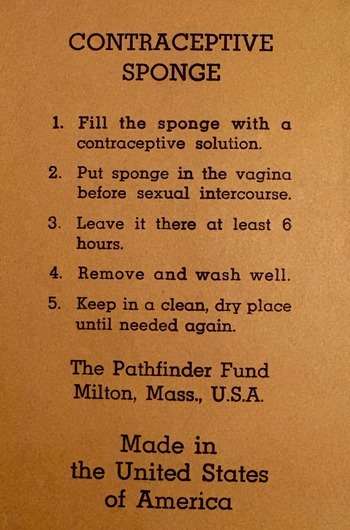
The difficulties in sourcing Rendell’s gels and suppositories in Italy pushed Gamble to promote the salt-and-sponge solution. The initial request made to Gamble by Luigi De Marchi was to obtain a label that would convince Italian women of the product’s medical efficacy.Footnote 98 Gamble proceeded with the camouflage operation by sending several labels bearing the inscriptions ‘The Pathfinder Fund’ and ‘Made in United States of America’—referring to a generic ‘contraceptive solution’—adding in his conversation with De Marchi that ‘if we can establish … salt-and-sponges are highly protective it will be a great accomplishment for Italy and the world’ (Figure 2).Footnote 99
An example of the contraceptive sponge-label, Maria Luisa Zardini Papers, private archive, Rome.

Gamble’s goal was to demonstrate to the IPPF that the criticisms against the salt-and-sponge method were unfounded. In 1962, the IPPF’s Medical Health Committee recommended using the sponge only with ‘vinegar or lemon juice’, mixed with twenty parts of warm water. Conversely, the ‘salt solution’ was ‘not recommended for use with a sponge or pad because a solution strong enough to be an effective spermicide’ often caused ‘a profuse watery secretion to flow from the walls of the vagina and irritation and soreness’.Footnote 100 This disagreement between Pathfinder and the IPPF over the issue of the sponge had not gone unnoticed by AIED. The National Committee initially decided to suspend its trial in the Roman slums following a meeting in Milan with the IPPF regional vice-president, Agnete Braestrup. The initiative resumed when the National Committee considered IPPF’s position as aiming only at attacking Gamble.Footnote 101
The sponge was then employed between 1962 and 1963 in Rome, Palermo, and Vibo Valentia. However, concerns about the contraceptive’s overall effectiveness persisted.Footnote 102 Tracing the distribution of the sponge through Italian archival sources remains challenging. Fragmentary information on the sponge trials is contained in the Maria Luisa Zardini Personal Papers in Rome, which are preserved by her family. In a letter, Edith M. Gates emphasized that, in the absence of any other means of contraception, Italian fieldworkers needed to promote the sponge-and-salt method and to tell women who expressed unease, ‘if you do not want a baby right away, then you will have to put up with some discomfort’.Footnote 103 Unlike other contraceptives, evidence for the sponge derives largely from reports in the Gamble Papers, which suggest that local branches prioritized its promotion, particularly among poorer women. Yet Zardini’s Inumane Vite (1970)—a book financed by the Pathfinder Fund, which was a recollection of her work in Roman slums—does not refer to the method, whereas a contemporary newspaper reported that, in 1964, AIED circulated illustrated leaflets nationwide explaining the sponge and saline solution as a low-cost option for less affluent users.Footnote 104 This discrepancy may reflect limits on what the De Marchis chose to record, shaped by internal tensions and, above all, by IPPF opposition to the method.
According to the reports, following the start of the trial, the percentage of women who became pregnant was considerably higher than among those who had used the Rendell suppositories and gel. The discomfort caused by the saline solution produced irritation to the women and, as underlined by Maria Luisa Zardini, after roughly two weeks of use, the solution produced visibly different bacteria. Faced with this evidence, Gamble attributed the responsibility for these difficulties to the women involved in the trials, whom he considered too moralistic to touch their genitals and properly insert the sponge.Footnote 105
In 1963, the rate of women refusing to use the sponge, as well as the number of pregnancies, increased, prompting Maria Luisa Zardini to request from Gamble the data concerning the success rates of the method in Asian countries—data which, however, never arrived. AIED’s confidence in Gamble nevertheless remained intact. He maintained ‘the impression that even the poorest Italian groups are too used to pharmacological preparations and are somewhat suspicious about home-made contraceptives’, interpreting the pregnancies as a consequence of errors in the use of the sponge.Footnote 106 The sponge thus became a further source of international tension within the triangular relationship between Gamble, the IPPF, and AIED, exposing the distinctive but fragile global balances that linked each family planning advocate.
The limits of the ‘Gamblian line’: AIED, international isolation, and the 1970s
In 1961, Luigi De Marchi made it clear to Edith Gates that the trial of the salt-and-sponge solution was not only a response to the need for an affordable and effective contraceptive for poorer families. ‘We are, therefore, in such a position as to start the sponge experiment along ‘Gamblian lines’:
The advantage of this settlement, in my opinion, is both scientific and ‘political’. On one hand, it will allow to compare the acceptability and the effectiveness of the ‘Gamble solution’ and of the ‘IPPF solution’ and will wipe out once and for all the rumors circulating in certain IPPF circles about the alleged dangers of the salt solution. On the other hand, it will allow AIED to present the whole trial as a research in ‘simple methods,’ without further aggravating the biased IPPF opinion of AIED as a ‘Gamble-controlled organisation’.Footnote 107
Aligning with that ‘Gamblian line’, however, had adverse consequences, intensifying internal and external tensions. In particular, conflicts came to a head at the 1963 IPPF Conference in Singapore, when Vittoria Olivetti-Berla accused Luigi De Marchi of violating different IPPF and AIED’s rules.Footnote 108 This accusation had a considerable impact on the IPPF board, which decided to send a supervisor to Italy. While initially AIED was suspended, in 1965, the IPPF proceeded with its formal expulsion.Footnote 109 The explanation of IPPF’s decision must be sought in two contingent factors closely related to the political ‘settlement’ that De Marchi had acknowledged in his association with Gamble. The first concerns the fraught relationship between the international network and Gamble. The second relates to a decline in the IPPF’s attention towards Italy—and Europe in general—which by that point was considered far less significant than the countries of the ‘Third World’.
Studies such as Bourbonnais’s show that Gamble’s conduct on the international stage ultimately contributed to his marginalization within the global family planning movement.Footnote 110 What scholars have examined less closely, however, is the uneven impact of that marginalization across different settings. Its consequences varied by context, revealing the limited capacity of the IPPF to discipline actors deemed central to population control efforts, but also the Pathfinder Fund’s fragility to maintain its presence in different contexts. From the 1960s onwards, Gamble sought rapprochement with the IPPF through a series of official meetings with its delegates. One of the accusations made against Gamble was the use of the salt-and-sponge solution. As in the past, in a 1960 meeting in New York City with George W. Cadbury, special representative of the IPPF president and governing body, Gamble was accused ‘of experimenting on other races in a way [he] wouldn’t on [his]’, with particular reference to the testing of the salt-and-sponge solution in Asia and Africa, which was described as ‘unwise and injurious’.Footnote 111 Nonetheless, the entrepreneur persistently pushed for AIED to trial the salt-and-sponge solution, despite the Pathfinder Fund’s fieldworkers having highlighted that the method had failed in other international contexts.Footnote 112 In a confidential letter sent to AIED a few months after the Italian organization decided to trial the salt-and-sponge solution, Agnete Braestrup wished to warn that ‘if AIED continues to accept financial support from the Pathfinder Fund, the IPPF might withdraw its own financial help’.Footnote 113 Upon learning of these statements from Luigi De Marchi, Gamble readily pointed out that those vague threats were indeed related to the use of the sponge, offering further proof of his willingness to operate outside the IPPF’s rules.Footnote 114
The minutes of meetings between Gamble and IPPF representatives make clear that the London-based network repeatedly used Italy as an example to underscore how his arbitrary decisions on contraceptive distribution—and his dealings with family planners across the network—were damaging the movement itself. However, the Italian case was not isolated since the Philippines was equally mentioned. There, Gamble and the IPPF often overlapped, generating tensions within the local family planning association.Footnote 115 This produced a prolonged crisis between family planners in the country, but funding continued, and the family planning association in the Philippines remained within the IPPF. The Philippines, along with other contexts where tensions between Gamble and the IPPF also arose, had assumed a central role in the broader issue of population control in underdeveloped regions of the world.Footnote 116 This did not, however, apply to the Italian case.
Notably, the 1960s were marked by two concurrent changes. On the one hand, there was a steady increase in funding available to organizations within the population control movement. On the other hand, intense competition emerged, particularly between the IPPF and organizations such as the PC and FF, which focused on Global South countries and possessed considerably greater financial resources than the IPPF.Footnote 117 This competition had become a subject of discussion, especially between the IPPF and the Pathfinder Fund. Gamble’s actions prompted the IPPF to begin to diminish Pathfinder’s influence by reducing the presence of the latter’s fieldworkers in countries such as Turkey and Egypt, replacing them with IPPF personnel and instructing Gamble to operate solely in states where the IPPF had no contacts.Footnote 118 In other cases, such as in the Philippines, Pathfinder was not marginalized because it was the only organization maintaining stable links with countries considered fundamental for the IPPF.
AIED’s expulsion, on the contrary, took place in the absence of any officially recognized IPPF affiliate, a decision motivated by the country’s lack of centrality within the new strategic framework of the population control agenda. At that time, there was indeed a marked shift among non-state actors focused on family planning, directing greater effort, especially financial, towards developing regions where it was possible to implement population control measures.Footnote 119 The IPPF, in particular, shifted its analysis in the second half of the 1960s. Whereas until the early 1960s it had published articles on the perceived backwardness of European states in the field of family planning, in 1967 it stated at its Eighth International Conference in Santiago (Chile) that European countries—Italy among them—had in previous years been ‘moving out of the Victorian Era’ and becoming more receptive to family planning as in other developed nations.Footnote 120 In later analysis, the IPPF noted that since at least 1965, Europe’s demographic growth had stabilized to the point that the incipient decline had prompted some governments, including Italy’s, to voice ‘concern about the downward trend in birth rates’.Footnote 121 This shift, however, was not reflected in its assessments of the Global South. A clear indication of this shift was the article published by Colville Deverell, in which he openly acknowledged that in the second half of the 1960s the IPPF had directed greater attention towards Global South countries—labelled as underdeveloped—such as the Philippines, where ‘modernity has not yet taken charge’.Footnote 122
In general, neither Italy nor the Mezzogiorno was presented any longer, either by organizations such as the IPPF or within Italian public discourse, as a region at risk of overpopulation. As Anna Treves has shown, the Italian press began to engage with the idea of a ‘population bomb’, but directing its gaze towards the Global South.Footnote 123 Moreover, in the second half of the 1960s, Italian society underwent a shift in its approach to sexuality. This change fostered a more animated public discussion of contraception, which also drew in political parties and culminated in the repeal of Article 553 in 1971.Footnote 124
More broadly, the Mezzogiorno itself had not remained unchanged. National industrialization policies led to a process of modernization in southern Italy between 1951 and 1971, driven particularly by the Italian ‘economic miracle’ (1958–63) that produced a substantial economic and social development of the country. This process significantly narrowed the gap between the north and the south until the 1973 oil crisis, which once again exacerbated regional inequalities.Footnote 125 In this respect, Italy gradually followed broader trends in the Western economy and experienced the repercussions of the global economic shock.Footnote 126 AIED appears to have been largely unaware of these wider changes. Luigi De Marchi continued to argue that family planning was essential to avert a population explosion in the Mezzogiorno, even as Italian and foreign demographers publicly emphasized that Italy had one of the lowest birth rates in Europe, as confirmed by the aforementioned IPPF’s analysis.Footnote 127
AIED offers a salient example of what scholars have identified as the relative insularity of the family planning movement. Processes of boundary work, institutionalization, and professional socialization limited the incorporation of critical perspectives and narrowed the scope of intellectual debate. From this perspective, political and programmatic priorities appear to have shaped organizational change more forcefully than advances in scientific knowledge.Footnote 128
Within the broader context of AIED’s expulsion from the IPPF, the international network appointed its first Italian affiliate only in 1968, when it recognized the Centro Educazione Matrimoniale e Prematrimoniale (Italian Union of Marriage and Premarital Education Centres, UICEMP), led by Giulia Filippetti Gentili, a former co-founder of AIED.Footnote 129 Even then, coverage of family planning in Italy appeared only sporadically—apart from a few exceptions—in the official publications of associations such as the IPPF. Whereas, in the 1950s, observers could construe Italy as a ‘Third World’ within the First, the country gradually ceased to occupy that position. The family planning movement was also changing. As underlined by Bourbonnais, from the early 1970s, PC, the FF, and USAID came to dominate the international field. They channelled funding towards the Global South, while the Pathfinder Fund and AIED’s earlier model of lay, fieldworker-led intervention came to appear increasingly antiquated.Footnote 130
Conclusion
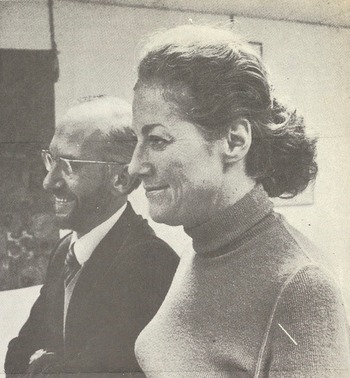
In June 1971, Luigi De Marchi sent a letter to the PC requesting funding. Such support would not only have provided financial assistance but also enhanced AIED’s international profile. Parker Mauldin, the PC’s vice-president, declined the funding request, stating: ‘As you perhaps know, the Population Council concentrates its work in developing countries’, and Italy was not one of them.Footnote 131 That clear, concise reply marked the end of a different era, shaped by the disappearance not only of the Mezzogiorno’s presumed demographic pressure but also of AIED’s international profile. Gamble died in 1966; for several years thereafter, the Pathfinder Fund remained AIED’s only foreign funder. The collaboration between Gamble and AIED was undoubtedly productive, as Luigi De Marchi emphasized when Pathfinder invited him and his wife to Boston in November 1971 to celebrate the repeal of Article 553 (Figure 3).Footnote 132 In subsequent years, the Pathfinder Fund focused largely on the Global South (it became Pathfinder International in 1991). Nonetheless, it funded AIED in 1974 to launch a large-scale KAP (knowledge and attitudes) study of changing Italian views towards contraception.Footnote 133 By then, Italy had changed and, as in other Western countries, the pill and IUDs had largely displaced ‘simple methods’.Footnote 134
Luigi De Marchi and Maria Luisa Zardini in Boston in 1971, published by The Christian Science Monitor, H MS c23, box 254, Clarence J. Gamble Papers, 1920–1970s, Countway Library, Harvard University, Boston.

The 1970s also brought renewed controversy over coercive tactics used by associations and funds focused on family planning and over the absence of informed consent in the testing of contraceptives. Criticism from the Global South toward Western foundations of the family planning movement gained visibility in the mid-1970s, notably at the 1974 World Population Conference in Bucharest.Footnote 135 In Italy, these debates produced a public rejection of neo-Malthusian stances, while the issue of consent was already under public scrutiny by Italian feminist groups.Footnote 136 In the early 1970s, AIED began a trial of an intravaginal contraceptive, the TA-RO cap, produced by the Italian pharmaceutical company Crinos, which paid AIED to conduct the experimentation.Footnote 137 Robust clinical findings on the device’s use emerged only in 1979,Footnote 138 although, as early as 1972, AIED and Luigi De Marchi had begun to promote the product, claiming 100 per cent effectiveness.Footnote 139
Critical voices within the Italian feminist movement—heavily influenced by Western reproductive rights and the circulation of the famous book Our Bodies Ourselves—including the newly formed Associazione per l’Educazione Demografica (Association for Demographic Education, AED), publicly denounced the trials to the Italian national broadcasting company RAI.Footnote 140 AED intervention produced a split within AIED in 1973, while the Italian feminist movement publicly underscored women’s reproductive agency and highlighted the power imbalance produced by the convergence of pharmaceutical interests and initiatives shaped by neo-Malthusians.Footnote 141 What had not surfaced during the joint AIED–Pathfinder Fund trials of the 1950s and 1960s now did so: women’s voices. These positions increasingly came to appear as part of a broader, global critique of neo-Malthusianism, and of the need to rethink contraceptive practices by placing women’s health and informed consent at the centre.Footnote 142 While the De Marchis left AIED in 1977, the association was forced to adapt, aligning itself with the broader feminist movement’s stances while remaining a predominantly national organization.Footnote 143
After all, since its foundation, AIED’s work combined not only social aims but also political intentions, grounded in the belief that family planning could address the issue of Italian underdevelopment. This study has shown that the Italian case offers a comprehensive lens through which to understand the tensions, ambivalences, and contradictions that permeated the population control movement. It has been demonstrated how the demographic question in Italy—particularly in the south—was interpreted in the post-war period as a significant social and political issue at both the national and international levels, situated within a broader discourse of modernization. This article has shown how global debates on modernization and population control intersected with national anxieties about the underdevelopment of southern Italy and political radicalization, shaping the work of AIED and Pathfinder. Gamble and the Pathfinder Fund’s tactic, which framed family planning as a pathway to civilization, found a strong affinity with AIED’s position. The latter inherited a clear liberal anti-clericalism but was also guided by a civilizing and modernizing ethos, consistently presenting family planning as a means to solve the country’s economic problems, focusing primarily on the demographic growth in southern Italy and among the working classes. However, contraceptive experimentation was far from a neutral arena. As in other international cases that composed the global history of the family planning movement, it became a site of conflict between local realities and the expectations of family planning advocates. The Italian case, thus, was part of a global pattern of unsafe contraceptive distribution, experimentation, and consumerism, which didn’t prioritize the health of poor women. Over time, both AIED’s ties to Gamble, who grew increasingly peripheral within the international movement, and the population control agenda reorientation toward the Global South contributed to AIED’s own marginalization within the international community. However, like the family planning movement as a whole, AIED was also shaped by the global shifts of the 1970s, even as it operated within an exclusively national framework.
In recent decades, Italy’s demographic trajectory has become entangled with a wider international debate about declining birth rates across the West. Within this discourse, the Far Right and conservative politics frame low fertility as a threat of ‘ethnic replacement’, allegedly driven by migration from the Global South. ‘Civilization’ and ‘whiteness’ often function as key watchwords.Footnote 144 Italy has not escaped this framing. Commentators, both domestic and international, increasingly cast the country through the lens of depopulation in its poorest localities, above all in the south.Footnote 145 From a different vantage point, then, Italy once again appears as a testing ground for both old and new demographic processes, situated within a global debate that nonetheless retains distinct national specificities.
Acknowledgements
I am indebted to Loretta Ross for our many conversations and for accompanying me to the W. E. B. Du Bois Library in Amherst, MA, where I consulted several volumes that shaped this article. I also thank Chiara Bonfiglioli, Carolina Topini, Betsy Hartmann, and the Five College Women’s Studies Research Center, MA, for their valuable suggestions concerning my research on Italy’s role in the global population control movement. I am also grateful to Maud Bracke, who, several years ago, helped lay the groundwork that made it possible to study the Italian case of family planning from a global perspective.
Financial support
This work was supported by ERC grant WO-NAM, Project Number 101088489. Funded by the European Union. Views and opinions expressed are however those of the author only and do not necessarily reflect those of the European Union or the European Research Council Executive Agency. Neither the European Union nor the granting authority can be held responsible for them.
Competing interests
The author declares none.
Bruno Walter Renato Toscano is a Research Fellow at Ca’ Foscari University of Venice and is a member of the ERC project ‘Women and Non-Alignment in the Cold War Era: Biographical and Intersectional Perspectives’ (Principal Investigator: Chiara Bonfiglioli). He holds a PhD in US History from the University of Pisa, where he defended a thesis on the transnational activism of African American women. He is currently exploring the global history of family planning, with a particular focus on the influence of US foundations in the Global South and in Italy.


 Open access

