

Background
Seniors account for a high proportion of Emergency Department (ED) visits, repeated visits and hospitalizations and longer ED and hospital admission lengths of stay; current rates of hospital use by older adults are expected to increase with our aging population (Aminzadeh & Dalziel, Reference Aminzadeh and Dalziel2002; Canadian Institute for Health Information, 2010; Shah, Rathouz, & Chin, Reference Shah, Rathouz and Chin2001). Older adults are at risk for poor outcomes following an ED visit, with increased likelihood of mortality and functional dependence (Friedmann et al., Reference Friedmann, Jin, Karrison, Hayley, Mulliken, Walter and Chin2001; McCusker et al., Reference McCusker, Bellavance, Cardin, Trepanier, Verdon and Ardman1999; McCusker et al., Reference McCusker, Dendukuri, Tousignant, Verdon, Poulin de and Belzile2003; Richardson, Reference Richardson2006). A number of studies have examined the experience of older adults in the ED and their satisfaction with the care received highlighting environmental and procedural changes that could improve care and outcomes within this setting (Kelley, Parke, Jokinen, Stones, & Renaud, Reference Kelley, Parke, Jokinen, Stones and Renaud2011; Lyons & Paterson, Reference Lyons and Paterson2009). While it has been suggested that EDs are challenged to meet the complex needs of older adults (Aminzadeh & Dalziel, Reference Aminzadeh and Dalziel2002; Grief, Reference Grief2003; Hwang & Morrison, Reference Hwang and Morrison2007), it is likely that what happens once seniors leave the ED and attempt to manage their care independently contributes significantly to their health outcomes. Inability to understand discharge instructions has been identified as a significant barrier to compliance with treatment recommendations made in the ED and is a threat to health outcomes, particularly as older adults are not typically asked about their ability to self-manage their health (Hastings et al., Reference Hastings, Barrett, Weinberger, Oddone, Ragsdale, Hocker and Schmader2011; Hedges et al., Reference Hedges, Singal, Rousseau, Sanders, Bernstein, McNamara and Hogan1992; Clarke et al., Reference Clarke, Friedman, Shi, Arenovich, Monzon and Culligan2005). Similarly, uncertainty about health conditions has been identified as a key reason for older adults to return to hospital following an ED visit (Rising et al., Reference Rising, Padrez, O’Brien, Hollander, Carr and Shea2015).
It is well documented that older adults experience challenges as they transition from inpatient medical units to community settings; poor transition has been attributed to a number of factors including limited continuity of care, poor communication among health care providers and older adults, poor or ineffective self-management and health behaviors, and limited patient understanding of their health condition, all of which can contribute to potentially preventable ED revisits and hospital readmissions (Grief, Reference Grief2003; Happ, Naylor, & Roe-Prior, Reference Happ, Naylor and Roe-Prior1997; Naylor, Reference Naylor2003; Oddone et al., Reference Oddone, Weinberger, Horner, Mengel, Goldstein, Ginier and Asch1996). While there have been many efforts aimed at enhancing patient transitions to the community following hospital admission (Balaban, Weissman, Samuel, & Woolhandler, Reference Balaban, Weissman, Samuel and Woolhandler2008; Dedhia et al., Reference Dedhia, Kravet, Bulger, Hinson, Sridharan, Kolodner and Howell2009; Jacob & Blechman Poletick, Reference Jacob and Blechman Poletick2008), less attention has been paid to understanding older adults’ transition from the ED to the community, particularly in terms of how well equipped they and their caregivers are to manage their health issues independently. Of particular relevance is older adults’ and caregivers’ understanding of what they need to do to remain healthy, compliance and adherence with treatment recommendations provided in the ED, and their knowledge of and ability to access community supports and services. The ability to self-manage care can improve health outcomes while reducing visits to physicians and hospital use (Bodenheimer, Lorig, Homan, & Grumbach, Reference Bodenheimer, Lorig, Homan and Grumbach2002; Bourbeau et al., Reference Bourbeau, Julien, Maltais, Rouleau, Beaupre, Begin and Collet2003).
The purpose of this study was to learn more about the perspectives of older adults and their caregivers on their experiences transitioning to the community following an ED visit, specifically in terms of their understanding of their health conditions and treatment recommendations, perceptions of their ability to self-manage care and identification of factors that enabled and challenged their ability to self-manage their care. Consistent with a person-centred approach to care (American Geriatrics Society Expert Panel on Person-Centred Care, 2016), there is growing appreciation for understanding the perspectives of patients of their healthcare needs and using their perspectives to inform health care service planning (Cook & Klein, Reference Cook and Klein2005; Crawford et al., Reference Crawford, Rutter, Manley, Weaver, Bhui, Fulop and Tryer2002). In this study, the perspectives of the caregivers, who frequently have the task of supporting their family members following an ED visit, were also valued. Understanding the barriers that older adults experience as they attempt to follow recommendations made in the ED and self-manage their health after an ED visit has important implications for understanding and preventing repeated ED visits, quality improvement, and cost of care.
Methods
Setting and Study Design
This study was conducted with older adults and their caregivers, who had visited the ED of a large urban hospital in Hamilton, southern Ontario, over a five-month period between October 27, 2014 and March 31, 2015. During this time period, all eligible older adults admitted to the ED and their caregivers present during data collection time periods were invited to complete a brief survey about their ED visit and were asked to indicate their willingness to participate in a follow-up telephone interview conducted within two to four weeks of their ED visit. This two-stage methodology was designed to provide an understanding of participants’ perspectives at the time of the ED visit and post-discharge. Hospital Decision Support provided data on the total number of individuals 65 years of age and older admitted to the ED during the study time period. This study was approved by the McMaster University Research Ethics Board.
Participants
Older adults visiting the ED were eligible to participate in this study if they were age 65 and older; able to read, write, and speak in English; cognitively intact as determined by medical staff; living independently in the community (own home, retirement home); and were to be discharged home. We selected this age parameter because it is used in many studies describing ED use by older adults (Aminzadeh & Dalziel, Reference Aminzadeh and Dalziel2002; Canadian Institute for Health Information, 2010; Shah et al., Reference Shah, Rathouz and Chin2001) and in studies examining community transition following hospitalization (Dedhia et al., Reference Dedhia, Kravet, Bulger, Hinson, Sridharan, Kolodner and Howell2009; Naylor et al., Reference Naylor, Bowles, McCauley, Maccoy, Maislin, Pauly and Krakauer2013). We excluded ED patients who were seriously or terminally ill, and living in long-term care. Eligible caregivers had to be the primary caregiver of someone who was admitted to the ED; they also had to be present in the ED and able to read, write, and speak English. Participants were not recruited as dyads; it was not necessary for both parties of a dyad to meet the inclusion criteria or to provide consent in order for one or the other to participate.
Emergency Department Survey
Prior to discharge from the ED, older adults and their caregivers were invited to complete a survey asking them about questions specific to the person admitted to the ED: their living location (own home, retirement home, assisted living, other) and situation (live alone, with others), availability of a caregiver (yes, sometimes, no), and reason for ED visit (chronic, acute condition). Both older adults and their caregivers were asked to indicate the extent to which they understood the information that was provided to them about what they needed to do once discharged from the ED and whether they thought they could manage their health once at home (yes, definitely; yes, somewhat; no, not at all; not sure). We specifically developed the survey for this study and pilot-tested it with a group of community-dwelling older adults, who made suggestions for improving the appearance and wording within the survey. We used this feedback to revise the survey.
Survey completion was anonymous; however, we asked those interested in participating in a follow-up telephone interview to provide, separate from their survey, their name and telephone number, year of birth, and living situation. The estimated survey sample size was 370 based on an estimated population (patients admitted to the ED during the study time period) size of 10,000, with a 5 per cent margin of error, and 95 per cent confidence level (Bartlett, Kotrlik, & Higgins, Reference Bartlett, Kotrlik and Higgins2001). Participants were recruited 7 days a week from 0900–2100 hours. ED admission rates for older adults tended to be lower after 2100 hours than at other times of the day; those admitted after 2100 hours and still in the ED at 0900 were recruited prior to their discharge.
Follow-up Interviews
Individuals interested in participating in an interview were contacted via telephone to schedule and conduct the interview. All interviews were conducted by one author (LMH) to ensure consistency. The interviewer did not know the participants. It was intended that a purposeful sample of 50 individuals (25 patients, 25 caregivers) would be invited to participate in an individual interview (or sufficient numbers to reach saturation; i.e., little or no new information was obtained in the last interviews we conducted), and as stratified by age (80 years and younger; 81 years and older), and living situation (alone, with others) to ensure a range of patient demographic characteristics. Within each stratum, we used consecutive sampling so that we selected participants meeting the inclusion criteria until the required sample size was achieved. Prior to conducting the interview, persons over age 65 completed the Memory Impairment Screen, a validated screening tool for use by community-dwelling older adults, by telephone (MIS-T) (Kuslansky, Buschke, Katz, Sliwinski, & Lipton, Reference Kuslansky, Buschke, Katz, Sliwinski and Lipton2005) to ensure their ongoing eligibility and competence to consent.
In this structured interview, we asked questions relating to the (a) health status of the person who visited the ED (poor, fair, good, very good, excellent), (b) extent to which they understood the recommendations they had been given and the signs and symptoms related to their condition that required emergent care (yes, definitely; yes, somewhat; no, not at all; not sure), (c) ability to manage health condition (5-point scale: 1 = not at all capable; 5 = extremely capable), (d) factors enabling them to follow recommendations provided in the ED (“What are some of the things that you/ your family member found helpful when trying to follow recommendations?”), (e) challenges or barriers to following recommendations (“What are some of the things that made it difficult for you/your family member to follow through on recommendations?”), and (f) resources needed to support their efforts to follow recommendations (“Is there anything that you/your family member currently do not have that would help you to follow recommendations?”). During the interview, responses to rating scales were recorded electronically. Responses to open-ended questions were also recorded electronically with the interviewer capturing as much of the responses verbatim as possible.
Data Analysis
We analysed quantitative survey and interview data using IBM’s SPSS 24.0 to generate descriptive statistics (frequencies, means, standard deviation). Chi-square, t-tests, and analysis of variance were used, as appropriate, to identify significant differences (p < .05) in ratings by group (patient, caregiver), age group, and living situation. Interview data were analyzed using a naturalistic inquiry approach to develop an understanding of patient experiences within their individual context (Lincoln & Guba, Reference Lincoln and Guba1985). We then categorized and contrasted responses to each question and created a summary of responses to identify recurring themes in the data without prior assumptions (Krueger & Casey, Reference Krueger and Casey2000). This initial coding generated broad categories and emerging themes that went through two iterations of review and discussion by two of the authors (LMH, AAH) to achieve greater clarity and finalize key themes generated by the analysis (Braun & Clarke, 2006); disagreements in coding were resolved with discussion and further review of the data. An audit trail of all procedures related to recruitment, data collection, and analysis, and review of the data by other authors ensured study rigor and confirmed saturation and reliability.
Results
During the study time period, 6,069 individuals age 65 and older were admitted to the ED; they accounted for 35 per cent of all visits and 64 per cent of all admissions. In total, 380 surveys were completed; 264 (70%) by patients and 116 (30%) by caregivers. The average age of ED patients was 79.5 years; a little over half (53%) were female and a third lived alone (Table 1).
Patient characteristicsa

Note. Percentages may not sum to 100% due to missing values. NA = Not applicable, not asked. a As reported by patients and caregivers. b Home of family members (children, nieces/nephews). c Chronic condition was defined as an issue/condition that has developed over a long time (a medical condition you have had for a long time). Acute condition was defined as an issue/condition that came on suddenly (flu, broken bone, new pain, or symptom).
Of those who completed a survey, 247 (65%) expressed an interest in a follow-up interview of which 24 could not be contacted, 18 declined when called, 147 were not eligible as the stratification criteria were met, one patient had died, and six were not available at the scheduled time and could not be contacted to reschedule. We completed 51 interviews: 26 with patients and 25 with caregivers (6 spouses/partners and 19 children). Caregiver age ranged from 32 to 88 years, with a mean age of 60.4 years (SD = 14.6). All of those who were asked to complete the MIS-T had scores reflecting normal cognitive status. Among those interviewed, significant differences (p < .03) arose among patients and caregivers in their ratings of the patient’s health status, with significantly more caregivers providing ratings reflecting poorer health status, whereas more patients rated their health more positively (Table 1).
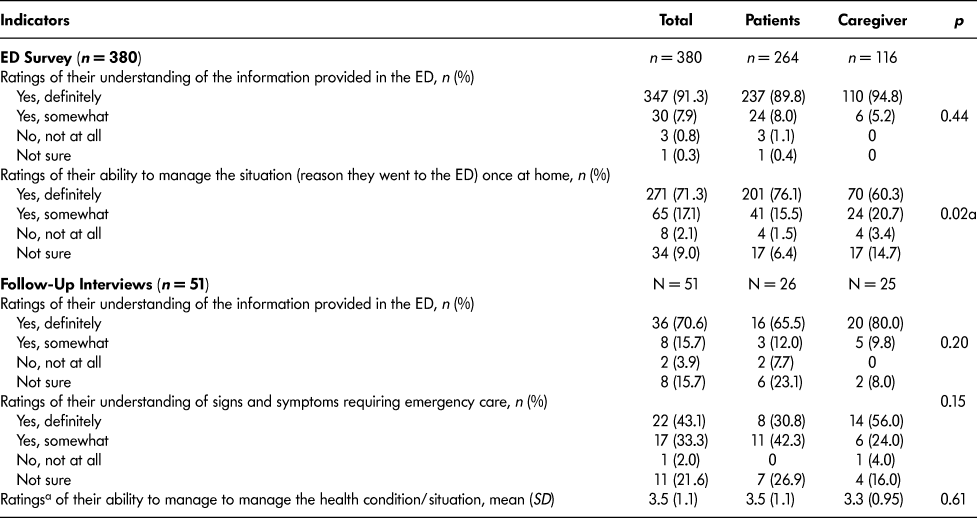
At the time of the ED visit, 90 per cent of patients indicated that they definitely understood the information they received during the ED visit; very few (2%) indicated that they did not understand or were unsure about the information provided (Table 2). Likewise, the majority of patients (76%) perceived themselves as definitely able to manage the health condition once at home, with a small proportion perceiving themselves as not able (2%) or unsure (6%). Similarly, at the time of the ED visit, the majority of caregivers (95%) indicated that they definitely understood the information they received; none indicated that they did not understand or were unsure, and most (60%) perceived themselves as definitely able to manage the health condition. Although patients and caregivers did not vary in their ratings of their understanding of the information provided while in the ED, significantly more patients (92%) than caregivers (81%) indicated that they were able to manage (sum of yes, definitely and yes, somewhat ratings) the health condition. Conversely, fewer patients (8%) than caregivers (18%) indicated that they were not able or unsure of their ability to manage the health condition.
Self-reported ratings of understanding information provided in the Emergency Department, ability to self-manage care, and understanding of signs and symptoms requiring emergent care as reported by survey respondents and interview participants
a 5-point scale: 1 = not at all capable; 5 = extremely capable.
At follow-up, the majority of patients (66%) indicated that they definitely understood the information they received during the ED visit; almost a third indicated that they did not understand or were unsure, which is in great contrast to the results obtained in the ED, when less than 2 per cent of patients indicated that they did not understand the information provided. Whereas 31 per cent of patients indicated that they definitely understood the signs and symptoms of their condition that required emergent care, a similar proportion (27%) were not sure. Caregiver ratings for these variables did not vary significantly from those of patients. There were no significant differences between patients and caregivers who were interviewed in their perceptions of their ability to self-manage, mean ratings of which were moderate (Table 2). None of these survey or interview ratings varied by patient age group or living situation.
Interview data analysis generated six categories (communication, limited understanding of health condition, availability of caregiver support, patient resistance to accept recommendations, inadequate support for caregivers, and various external factors), and 13 themes related to experiences with transition from the ED to home. Many of these themes reflect the challenges that patients and caregivers experienced in the ED and post-discharge. Caregiver availability and support was a key factor identified as facilitating self-management.
1. Communication
Perceived Lack of Attention to Concerns about how Patients Would Manage at Home
Interview participants perceived that ED staff did not consider their concerns about how patients would manage or follow through on recommendations once at home. This was an issue particularly for those patients who lived alone or who did not have an available caregiver and who perceived themselves as unable to manage independently.
I was so sick and when they said you can go home, I thought how am I supposed to go home? … I’m all alone and I don’t know what else to do. I don’t get any help. (PatientID47)
Limited Understanding of Communication with ED Staff
Difficulties understanding information or instructions provided by ED staff were identified; these were attributed to a number of factors including difficulty hearing, inability to ask the right questions, patient failure to indicate when they did not understand something, ED staff use of acronyms/medical terminology, and being overwhelmed with too much information.
I find they use a lot of medical terminology and I have to ask them to give it to me in layman’s terms, and usually I have to ask a lot of questions. (PatientID14)
I found that I was being bombarded with too much information. It was too much. (CaregiverID9)
Patient/Caregiver Difficulty with Recall
Interview participants noted that although they may have thought they understood what they were told while in the ED, once at home they either forgot what they were told or had questions once they tried to implement the recommendations. Reliance on providing verbal instructions was not viewed as helpful.
I thought I understood about how to take the eye drops, but I once I got home I couldn’t remember all the things they told me to do. (PatientID37)
Sometimes they come in and say: “It could be this, or could be that”, but then later I can’t remember which thing it actually was. (PatientID41)
Perceived Lack of Support in Cases where English is not the Patients’ First Language
Caregivers reported that patients for whom English was a second language had difficulty understanding instructions and recommendations and required caregiver support to ensure accuracy in understanding what they have been told.
A lot of times they’ll [health professionals] come in quickly, tell us something and then leave and then my father will look at me and say: “What did they say?” They assume he understands because his hearing is good, but really he relies on me to translate. (CaregiverID17)
2. Limited Understanding of Health Condition(s)
Lack of Understanding of What Was Causing the Symptoms/Problem that Brought Them to the ED
Patients and caregivers believed that, in the ED, they were not given adequate information to help them understand the cause of their condition and perceived that this lack of knowledge contributed to their inability to prevent or manage symptoms.
They didn’t really say anything other than that I didn’t have a stroke. (PatientID32)
Lack of Understanding as to Why the Patient Was Discharged
Interview participants, both caregivers and patients, indicated that they thought the ED discharge was premature as there was no resolution to the issue that brought them to the ED. They did not understand why the patient was being discharged home and expected that the condition would be “stabilized” prior to discharge or that the patient would be admitted to hospital.
I wasn’t sure why they decided to discharge her. I thought she was too sick to come home. (CaregiverID10)
Confusion Created by Inconsistencies in Recommendations between Care Providers
Patients and caregivers reported being confused when they received different directions or recommendations from different care providers. For example, confusion would result when they were told by home care nurses or family physicians that they needed to visit the ED, but ED staff did not consider the health issue an emergency and referred them back to community care.
We went to the Emergency Department because our family doctor told us to go, but they tell us to go to our family doctor. (CaregiverID38)
Sometimes you don’t get a whole lot of information or get different answers from different doctors and then what do you do? (PatientID11)
Inability to Discern Emergencies
Patients and caregivers reported having difficulty determining whether emergent care was needed, as for example, when symptoms were vague, or when they lacked understanding of symptoms or a potential cause. In one case, a patient reported a situation in which he had an adverse drug reaction, the symptoms for which he did not think were serious. He was later told that his wife saved his life by calling 911: “I had no clue this was an emergency.” (PatientID21)
3. Availability of Caregiver Support
Availability of family caregivers or friends to assist patients was perceived as critical to their ability to self-manage their care following an ED visit. Specifically, it was noted that caregivers (a) provide an opportunity to get advice (“run things by”) and seek clarity on health issues; (b) accompany patients to medical appointments, providing transportation as well as asking questions the patient will not or is unable to ask; (c) translate for those for whom English is a second language; (d) assist with monitoring medications and ensuring home safety; and, (e) advocate to ensure that patient needs are met. Conversely, limited caregiver support – as in cases where the primary caregiver has health issues of their own, or lives at a distance and may not want to “bother” others nearby to monitor the patient – poses a challenge to keeping the patient safe at home, following recommendations, and accessing available community services.
My mother really needs someone to go to appointments with her. Her memory is not always really good. She’ll think she knows what people are saying at the time but then later she forgets. (CaregiverID50)
Having family present so that they can hear all that the doctor says … do this, do that; if you’re sick, or really old, you might miss some of this. (PatientID26)
4. Patient Resistance to Accept Recommendations
Unwillingness to Follow Recommendations
Caregivers reported frustration with patient resistance to follow through on recommendations made in the ED, which caregivers perceived as a significant barrier to their ability to help the patient self-manage their care and which put the patient at significant risk. Caregivers reported patient unwillingness to follow through on recommendations to complete geriatric assessments, use mobility aids, move to supported living situations (retirement home, assisted living), accept home care and other services (e.g., adult day programs, housekeeping services), or attending medical appointments or tests, particularly in the winter.
She says she would sooner die than go to a nursing home. (CaregiverID9)
Don’t want a walker. Can’t use my grocery cart with a walker … Don’t want one, makes me feel like I’m an old lady. (PatientID24)
Need for Advocacy Support
Caregivers reported the need for support in advocating for services/interventions that have been recommended – particularly by care providers – to encourage patients to accept services or recommendations; they felt burdened with this responsibility especially in light of their lack of success.
She says she doesn’t want help, and I can understand that, but she really needs it. I need it. I can’t do this (advocate for services) all on my own. (CaregiverID25)
Patient Failure to Disclose Health and Safety Risks or Overestimate Ability to Self-Manage
In efforts to avoid recommendations that they would not accept, such as moving into long-term care or having home care services, caregivers reported that patients were hiding health and safety concerns from family members and care providers or were overestimating their ability to live and manage their health independently.
She gets asked if she can still do things and she says she can but in reality she can’t, so people overestimate her ability to do things and then things fall apart … My mother lives alone. … so no one really knew what was going on. (CaregiverID13)
5. Inadequate Support for Caregivers
Perceived Lack of Consideration of Caregiver Situation
Caregivers perceived a lack of recognition of their situation and needs. In one instance, a caregiver was told to take the patient home but not to leave her alone for the night; the caregiver had informed ED staff that the patient had refused to stay the night at the caregiver’s home, and the caregiver was unable to be away from her own family during the night, but no solution to this situation was offered. This left the caregiver feeling very guilty and worried as she left her mother at home alone.
Maybe helping us figure out how to manage him better or seeing what else we can do for him would be good to talk about too. (CaregiverID40)
Caregiver Willingness to Share Concerns Varied by Age
Younger caregivers, usually the children of the patients, were more likely to voice concerns about patients’ health status and ability to self-manage. Older caregivers were less likely to voice their concerns, perceiving themselves as unable to contribute information to the patient’s history because the ED staff relied on the patient to provide information, failed to ask the caregiver how they were managing, and because caregivers did not feel they could speak freely in front of the patient or felt their concerns would be dismissed.
I was a little worried about bringing him [spouse] home all by myself because both my daughters were away. … I didn’t say anything to them [ED staff] about this. Nobody even asked us how we were going to get home. (CaregiverID7)
Caregiver Stress
Stress was often reported as a barrier to the caregiver’s ability to assist the patient following an ED visit. Stressors included (a) being the sole caregiver with no one to share the role with, (b) balancing work and family commitments, (c) patient resistance to accept support from anyone other than the caregiver and their failure to recognize caregiver stress, (d) financial issues associated with living at a distance (travel, loss of work), and (e) concern for their own health issues and impact on the patient were they to become ill.
I’m healthy now, but if I got sick, even with the flu or something, he’s left on his own. (CaregiverID40)
We wish she could see that we can’t do it [manage patient care]. (CaregiverID9)
6. External Factors beyond the Patients’ and Caregivers’ Control
Both patients and caregivers identified a number of external factors beyond their immediate control, such as social determinants of health, which challenged their ability to follow through on ED recommendations. These included lack of transportation, limited financial support for medical equipment, inclement weather during which they did not want to travel, and lack of senior-friendly parking at medical offices.
It’s not always easy to get her to the specialist … There isn’t any parking close by and she can’t walk a long way. I can’t drop her off because I worry she’ll get confused and wander away. (CaregiverID50)
Discussion
The findings from this study revealed that the majority of patients and caregivers believed they understood the information given to them in the ED, and perceived themselves as able to manage the patient’s condition at home. However, there was a subset of patients and caregivers who perceived themselves as unable, or who were unsure of their ability, to manage at home (8% and 18% respectively) and who reported not understanding or being unsure of the information they received in the ED once they got home (31% and 8% respectively).
Other studies have also found a lack of understanding of instructions among older adults visiting the ED (Engel et al., Reference Engel, Heisler, Smith, Robinson, Forman and Ubel2009; Hedges et al., Reference Hedges, Singal, Rousseau, Sanders, Bernstein, McNamara and Hogan1992; Simmons et al., Reference Simmons, Sharp, Fowler, Fowkes, Paz-Arabo, Dilt-Skaggs and Carter2015). Questions and uncertainties may arise when patients try to follow instructions provided in the ED, and this is likely compounded (a) when patients live alone and have no one readily available to double-check with, or (b) when patients and caregivers do not truly understand their health condition or signs and symptoms of medical emergencies. Lack of clarity and poor communication regarding what is expected of older adults and their caregivers once they leave the ED was a key issue identified in this study. Interview participants perceived that recommendations were made without an understanding of the context within which patients were to follow these recommendations. Those acutely ill, living alone, or with minimal caregiver support questioned why they were being discharged when they were unable to follow recommendations. It is important that the perspectives of patients and caregivers are understood because those who feel that their needs have not been addressed or who continue to be uncertain about their condition are likely to return to the ED (Guttman et al., Reference Guttman, Afilalo, Guttman, Colacone, Robitaille, Lang and Rosenthal2004; Rising et al., Reference Rising, Padrez, O’Brien, Hollander, Carr and Shea2015).
For those patients and caregivers who feel unable to manage independently once discharged home, the risk of poor outcomes could potentially be reduced by identifying solutions to perceived barriers and capitalizing on existing strengths to support self-management. Those challenged to self-manage their care may benefit from transition support following an ED visit, just as they do following transition from a hospital admission (McCauley, Bixby, & Naylor, Reference McCauley, Bixby and Naylor2006; Naylor et al., Reference Naylor, Brooten, Campbell, Jacobsen, Mezey, Pauly and Schwartz1999). Greater community-based support following an ED visit could focus on ensuring that patients and their caregivers understand the health condition and understand and follow through on recommendations made in the ED. There are many examples in the literature of post-acute care transition support programs. Some programs consist of advanced practice nurses who conduct home visits following discharge, attend primary care appointments with physicians, provide education on health conditions, and coach patients to improve communication with their care providers (McCauley et al., Reference McCauley, Bixby and Naylor2006; Naylor, Reference Naylor2003; Naylor et al., Reference Naylor, Brooten, Campbell, Maislin, McCauley and Schwartz2004). These types of transitional care programs have demonstrated reduced use of acute care and improved health outcomes (Coleman, Parry, Chalmers, & Min, Reference Coleman, Parry, Chalmers and Min2006; Naylor et al., Reference Naylor, Brooten, Campbell, Maislin, McCauley and Schwartz2004).
Other initiatives include those focused on monitoring patient implementation of care plans focusing on their strengths and identifying and resolving barriers to treatment implementation. “Floating support” workers in the United Kingdom provide individualized support, education, and advocacy for community services to clients with mental health problems so as to increase their ability to live independently (George, Reference George1997; Sharples, Gibson, & Galvin, Reference Sharples, Gibson and Galvin2002). In Ontario, intensive geriatric service workers (IGSWs) provide intensive follow-up support to older adults transitioning from the ED to ensure that they follow treatment recommendations (McAiney et al., 2016). The IGSW role includes (a) the provision of self-management education and support, (b) accompaniment to follow-up medical appointments with debriefing to ensure that patients understand the outcomes of the appointment, (c) system navigation support, and (d) identification and resolution of barriers to treatment compliance. An evaluation of the IGSW role found that it improved self-management, adherence with treatment recommendations, and access to community services; key to the success of this program was the partnership with, and integration and coordination of, the service through the ED (McAiney et al., 2016).
It was suggested in this study that some older adults underestimate the extent to which they are living at-risk and overestimate their ability to self-manage. For those patients suspected to be at-risk, transition support following ED discharge may serve as a significant opportunity to validate their ability to self-manage at home and to leverage enabling factors (e.g., caregiver availability) and strengths, and to better understand barriers to accepting recommendations so as to better support them in the community. ED visits may represent, for some patients, the first signs that they may not be coping well at home as evidenced, for example, by injurious falls and exacerbations in chronic and acute illness symptoms. Follow-up support at this time would provide an opportunity for early intervention to ensure that they understand what they need to do to remain safe and healthy in the community. This would include the provision of support services, potentially preventing poor health outcomes resulting from poor self-management and preventing, or delaying, admission to long-term care. Moreover, programs that provide assistance and advice to inform decisions to visit the ED would provide the patient and caregiver with insight into the patient’s medical issues and the best way to manage them.
In this study, caregiver availability and support enabled patients to follow recommendations given in the ED. Caregivers were credited with supporting self-management by (a) providing clarity and advice on health issues, (b) ensuring that patients attended medical appointments, and (c) asking health care providers vital questions on patients’ behalf, ensuring medication and home safety. Additionally, caregivers supported patient self-management by assuming an advocacy role to ensure that patient health care needs were met. Although the caregiver role should be leveraged to better support patients, challenges associated with the caregiving role should also be addressed. The caregiver issues identified in this study related to struggles with caregivers’ own health issues, family and work obligations, negotiating access to care, and ensuring that services are well documented (Schulz & Tompkins, Reference Schulz, Tompkins and Olson2010).
In this study, caregivers expressed frustration in trying to support care recipients who were resistant to following recommendations made in the ED and noted their need for support in advocating for services or resolving the care recipients’ resistance. Providing support to caregivers post-ED discharge could provide a significant opportunity to enhance their ability to assist patients’ self-management and ensure that treatment plans are followed. In this study, caregiver willingness to voice concerns about patient ability to self-manage varied by age, with older caregivers being less likely to share concerns and, consequently, being less likely to have these addressed. Although caregivers are a significant resource for collateral history, sensitivity to the accuracy of their reports is required as they may not always be readily forthcoming about self-management concerns or may need to be given the opportunity to speak to care providers without the patient present.
Study findings that the majority of patients and caregivers seen in the ED understood what they had been told in the ED and felt able to self-manage at home highlight the effective role ED staff currently play in providing information on health conditions and explaining treatment recommendations. In the study setting, staff made concerted efforts to ensure that patients clearly understand what is expected of them when they leave the ED, and that they can recognize what changes might suggest they need to return; additionally, patients are given frequent opportunities to ask questions. However, despite best efforts, there is a subset of patients who nonetheless struggle post-discharge. Potentially, there are opportunities to better identify these patients and for implementing practice improvements in the ED, as well as opportunities for better integration and coordination with community services.
Recommendations for practice improvements, based on the findings from this study, and consistent with recommendations for senior-friendly EDs and hospitals (Hwang & Morrison, Reference Hwang and Morrison2007; Kelley et al., Reference Kelley, Parke, Jokinen, Stones and Renaud2011; Taylor & Cameron, Reference Taylor and Cameron2000), are presented in Table 3. Good communication about medical conditions, treatment recommendations, and regarding when to visit the ED has the potential to impact patient satisfaction with care as well as to prevent adverse outcomes resulting from poor understanding of treatment instructions (Downey & Zun, Reference Downey and Zun2010; Engel et al., Reference Engel, Heisler, Smith, Robinson, Forman and Ubel2009). There is evidence that communication in the ED can be improved when verbal instructions are accompanied by written instructions (Logan, Schwab, Salomone III, & Watson, Reference Logan, Schwab, Salomone and Watson1996; Spandorfer, Karras, Hughes, & Caputo, Reference Spandorfer, Karras, Hughes and Caputo1995). As comprehension of discharge instructions is significantly associated with compliance (Clarke et al., Reference Clarke, Friedman, Shi, Arenovich, Monzon and Culligan2005), validating patients’ understanding of instructions complements the provision of written information. Cartoon drawings accompanying written information can assist in conveying information where there are low-literacy or language barriers (Delp & Jones, Reference Delp and Jones1996). In the ED, potential exists for improving assessment of (a) the patient’s ability to self-manage care, (b) the availability of caregiver support, and (c) the caregiver’s stress; additionally, the potential exists for improving communication with older adults and caregivers about the health condition and treatment recommendations. These improvements may be facilitated by Geriatric Emergency Management (GEM) nurses, who conduct comprehensive geriatric assessments within the ED (Flynn et al., Reference Flynn, Jennings, Moghabghab, Nancekivell, Tsang, Cleland and Shipman-Vokner2010), or geriatric technicians, who are responsible for assessing for geriatric syndromes (Carpenter, Griffey, Stark, Coopersmith, & Gage, Reference Carpenter, Griffey, Stark, Coopersmith and Gage2011).
Practice implications: Recommendations for care of the elderly practice in a senior-friendly Emergency Department

Use of standardized risk assessment tools that have been validated for use with older adults, such as the Older Americans Resources and Services (OARS) (Fillenbaum, Reference Fillenbaum1988), Identification of Seniors at Risk (ISAR) (McCusker et al., Reference McCusker, Bellavance, Cardin, Trepanier, Verdon and Ardman1999), and interRAI ED Assessment System (interRAI, 2017) can assist in identifying those older adults at higher risk for poor outcomes and recidivism. These types of tools can be used to identify those patients who would benefit from intensive discharge planning and follow-up intervention (McCusker et al., Reference McCusker, Bellavance, Cardin, Trepanier, Verdon and Ardman1999), and from referrals to community services and geriatric outreach services (Wilding, DiMillo, Gilsenan, Dalziel, & Milne, Reference Wilding, DiMillo, Gilsenan, Dalziel and Milne2015). As an example, in the study ED, the use of the interRAI ED assessment system assists staff to flag potentially at-risk patients early, allowing for further assessment, planning, and provision of services needed to ensure that a safe discharge occurs during the course of the visit, rather than at the end of the ED visit when time is a factor in the discharging process.
Better communication with at-risk patients can be facilitated in a number of ways. Follow-up telephone calls made to patients within 24–72 hours of ED discharge can provide an opportunity for clarifying home care instructions, supporting compliance with treatment recommendations, and identifying needs for further support (Jones, Young, LaFleur, & Brown, Reference Jones, Young, LaFleur and Brown1997; Biese et al., Reference Biese, Lamantia, Shofer, McCall, Roberts, Stearns and Busby-Whitehead2014). ED discharge planning interventions that include (a) assessment of ability to self-manage and of knowledge needs related to the diagnosis and treatment, (b) written information on treatment recommendations, (c) referrals to community services, and (d) post-discharge follow-up telephone calls can support better health outcomes resulting in fewer return ED visits and hospital admissions (Guttman et al., Reference Guttman, Afilalo, Guttman, Colacone, Robitaille, Lang and Rosenthal2004). The use of a safe discharge checklist, completed by ED nurses, can assist in facilitating care transitions and ensure safe discharges to decrease adverse outcomes (Halasyamani et al., Reference Halasyamani, Kripalani, Coleman, Schnipper, van Walraven, Nagamine and Manning2006; Soong et al., Reference Soong, Daub, Lee, Majewski, Musing, Nord and Bell2013).
These types of interventions and the recommendations provided in Table 3 serve to ensure senior-friendly care in the ED. Many of the suggestions take no more (or very little) additional time to implement and can be adopted in the busiest of Eds. Suggestions include avoiding the use of medical terminology and acronyms, describing signs and symptoms requiring emergent care, and explaining the deviation between patient expectations and visit outcomes. In the ED participating in this study, physicians are encouraged to take a therapeutic pause wherein they take time at discharge to ask the patient whether their needs were met and validate that patients understand what has occurred. Provision of senior-friendly written information (large font, layman language, easy-to-follow instructions) can be facilitated with the use of standardized templates in which brief and simple information is inserted regarding diagnosis, prescribed medications and other treatment instructions, and changes requiring a return to the ED (Taylor & Cameron, Reference Taylor and Cameron2000). Ideally, written communication of assessment and discharge instructions would best be handled with a technological solution that would allow the communication to be copied to other care providers and services, as well as to the patient and caregiver.
Recommendations requiring further assessment to identify high-risk patients will require additional resources as it is unrealistic to expect ED physicians to assume this task while under pressure to manage the increasing volume of patients arriving in the ED. Further assessments to identify patients at-risk for poor outcomes upon discharge may be conducted by existing resources where available—for example, ED discharge planners and social workers, preferably those with additional training on geriatric issues and syndromes. EDs with a high proportion of visits by at-risk older adults may well consider additional investments in human resources, with geriatric expertise, such as geriatric technicians, GEM nurses, and other individuals who support community transition. Such investments can improve patient outcomes and reduce ED recidivism (Hastings & Heflin, Reference Hastings and Heflin2005; Sinha, Bessman, Flomenbaum, & Leff, Reference Sinha, Bessman, Flomenbaum and Leff2011). Guidelines currently exist for the resourcing of specialized Geriatric EDs to implement geriatric screening protocols (American College of Emergency Physicians, The American Geriatrics Society, Emergency Nurses Association, and the Society for Academic Emergency Medicine, 2013) that may have applicability to general EDs wishing to improve care for older adults.
Limitations and Future Directions
This study has a number of limitations. This study was conducted in a single ED setting, limiting generalizability. The inclusion criteria for this study limits representation of the findings to those patients who were well enough to complete the survey. The perspectives of very acutely ill patients were not included, although the perspectives of their caregivers may have been included. This may be the case as more of the interviewed caregivers provided poor health ratings for patients than did the patients who were interviewed. However, it is not known if fewer patients with poorer health status were included or if those in poor health overestimated their health status. Information was not collected on acuity levels (minor, serious clinical presentations), which may have influenced study findings. Requesting participants to self-assess whether they knew the signs and symptoms of their health condition that required emergent care may have introduced a bias, as they may not have known what they did not know. However, ensuring that participants were clear that this was in reference to the specific health issue that brought them to the ED and placing this within the context of requiring an ED visit assisted them in responding to this question. There may also have been a selection bias among those who volunteered to participate in a follow-up interview. The number of interviews completed represented a small proportion of those who completed a survey; however, this number may have been sufficient as saturation was reached.
Patients and caregivers were not required to participate in dyads; one or both, or multiple caregivers could participate in this study, potentially duplicating survey responses. There were no instances in which both the patient and their caregiver participated in an interview. As each survey does not represent a unique patient and we did not track the number of potentially eligible patients, it is not possible to calculate a survey response rate. Comparisons of patient and caregiver ratings of the outcome indicators for this study are not necessarily ratings based on similar contexts but on their unique perceptions of their understanding of the information they received and their ability to manage care. Participants’ ratings of their understanding of health and treatment related information was not tested against what they were actually told. Although participants may not have thought they were given information about their condition, it may be the case that this information was provided but they did not understand it or failed to recall it. We selected the four-week time period to follow-up interviews so that participants would have had ample opportunity to implement ED recommendations; this time period may have impacted their recall.
Person-centred care is now considered the gold standard of geriatric care (American Geriatrics Society Expert Panel on Person-Centred Care, 2016). Further research is needed to identify person-centred best practices for supporting transition from the ED to the community. Studies evaluating transitional care programs generally define successful transition as reduced acute care utilization (Jacob & Blechman Poletick, Reference Jacob and Blechman Poletick2008). More research is needed to evaluate successful transition from the ED to the community focusing on person-centred outcomes such as those reflecting individualized goals for care and ability to self-manage, in addition to health outcomes and health system utilization.
Conclusions
In this study, although many patients and caregivers attending the ED understood the information they received there and perceived themselves able to self-manage their care at home, there was a subset of patients who questioned their self-management abilities and who had difficulty understanding the information given to them in the ED once at home. Lack of understanding of the health condition, difficulty understanding or recalling information provided by ED staff, availability of caregiver support, patient resistance to accept or follow through on recommendations, and inadequate support for caregivers were key factors influencing self-management. As ED visits may represent the first signs that patients may not be coping well at home with changing health and functional status, the use of senior-friendly strategies in the ED and transitional support for at-risk patients following ED visits may provide a significant opportunity to support self-management, adherence to treatment recommendations, and prevent further decline that can result in increased acute care utilization.



