





Impact statement
This study advances Biodesign by showing how situated ecological engagements can support the cultivation of SCOBY cultures beyond standardized Kombucha starters for bacterial cellulose growth. These investigations led to the development of an open-source method that enables the cultivation of SCOBY through first-person engagements with local plants, microbes, and fermentation practices. Building on these insights, the research proposes Situated Growing Design as a novel trajectory that aims to advance the translation of Regenerative Ecology frameworks into situated growing material practices.
Introduction
Designers have, for decades, critically advanced inquiries into how design might foster forms of (re)engagement with nature, by rethinking material cultures, collaborating with other species, and situating design interventions within existing realities to address local configurations and urgencies (Ingold Reference Ingold2021; Papanek Reference Papanek1995). At the heart of these efforts lies a shared concern: how design can contribute to ways of living and producing that align more closely with biospheric dynamics (Hengge Reference Hengge2025; Lyle Reference Lyle1996; McDonough and Braungart Reference McDonough and Braungart2010), enabling societies to endure, and ideally regenerate, rather than merely persist. To explore this question, designers have increasingly worked within interdisciplinary research frameworks in which complementary forms of expertise are strategically woven together. Approaches such as Biodesign, Sustainable and Biological Human-Computer Interaction (SHCI, Bio-HCI), and Design Ethnography differ in methods, outputs, and sites of inquiry but converge in their attention to relationships and interactions: between forms of knowing and making, technologies, ecological, artificial, and living systems (DiSalvo et al. Reference DiSalvo, Sengers, Brynjarsdóttir, Grinter, Rodden, Aoki, Cutrell, Jeffries and Olson2010; Karana et al. Reference Karana, McQuillan, Rognoli and Giaccardi2023; Murphy and Marcus Reference Murphy, Marcus, Gunn, Otto and Smith2020; Myers Reference Myers2012; Pink et al. Reference Pink, Fors, Lanzeni, Duque, Sumartojo and Strengers2022). These frameworks support engagements with biological, socio-cultural, and technical dimensions, encouraging renewed encounters with nature and the development of multispecies sensibilities, aiming to support design interventions capable of holding the complexity of human and non-human life (Biggs et al. Reference Biggs, Rosén, Veselova, Ruano, Cerna, Poikolainen Rosén, Salovaara, Botero and Søndergaard2024; Groutars et al. Reference Groutars, Kim and Karana2024; Kim et al. Reference Kim, Kim, Martins, Karana, Gray, Ciliotta Chehade, Hekkert, Forlano, Ciuccarelli and Lloyd2024; Nicenboim et al. Reference Nicenboim, Lindley, Zaga, Berger, Forlano, Giaccardi, Gray, Ciliotta Chehade, Hekkert, Forlano, Ciuccarelli and Lloyd2024; Poikolainen Rosén et al. Reference Poikolainen Rosén, Salovaara, Botero and Søndergaard2025; Wakkary et al. Reference Wakkary, Oogjes, Tomico, Sakib and Kökel2025; Westerlaken et al. Reference Westerlaken, Mortimer and Luján Escalante2024).
This paper is positioned within Biodesign, a field rooted in material-driven design practices (Karana et al. Reference Karana, Barati, Rognoli and Zeeuw Van Der Laan2015) emerging through engagement with biological systems (Camere and Karana Reference Camere, Karana, Karana, Giaccardi, Nimkulrat, Niedderer and Camere2017). Specifically, the focus is on microorganisms capable of biofabricating substances and materials, both to investigate sustainable materials and to support experimental inquiries into restorative and regenerative design-driven approaches (Karana et al. Reference Karana, McQuillan, Rognoli and Giaccardi2023; Pollini and Rognoli Reference Pollini and Rognoli2024; Rognoli et al., Reference Rognoli, Albergati, Pollini and Langella2025).
This contribution aligns with these orientations and addresses foundational dimensions of Biodesign practices that often remain implicit. While the field seeks alternatives to current, unsustainable industrial paradigms, its practices frequently rely on microorganisms isolated by scientists from unspecified geographical locations, which are preserved and propagated in sterile environments until they reach designers’ hands. They are handled according to standardized protocols designed to be executed in exclusive research settings, such as scientific laboratories, and fed with highly purified and often imported nutrients to facilitate reproducibility. While these arrangements are fundamental for unpacking organisms and studying them systematically, they also reflect forms of abstraction, standardization, decontextualization, and ecological disconnection typical of the material culture that Biodesign aspires to challenge.
These aspects are particularly evident in the case of SCOBY (Symbiotic Culture of Bacteria and Yeasts), a microbial culture widely investigated in Biodesign for its ability to produce cellulose through a highly accessible fermentation process. Designers grow this type of cellulose themselves and use material-driven design methods (Karana et al. Reference Karana, Barati, Rognoli and Zeeuw Van Der Laan2015) to explore its various material states (Sicher et al. Reference Sicher, Uğur Yavuz and Cohen2023) and potential applications in packaging, sustainable fashion, compostable electronics, food products, interior elements, and speculative futures (Roussel et al. Reference Roussel, Haute, Dhulster and Teyssier2023; Sicher et al. Reference Sicher, Ayala-Garcia, Massari, Rognoli and Alexander2026). In most Biodesign case studies, designers cultivate SCOBY biomass using standardized methods utilizing Kombucha starters and sweetened tea media, while often overlooking both the ecologies (Chen et al. Reference Chen, Cachat, Pschetz, Yamashita, Evers, Yatani, Ding, Lee, Chetty and Toups-Dugas2025) and epistemologies that sustain the process and those present in the site of experimentation. The question driving this research is simple, yet it opens a Pandora’s box: how can a SCOBY be grown “from scratch”? While scientific explanations can offer useful clues, since the mixed culture is fundamentally produced by bacteria and yeasts, praxiological answers remain largely unknown to most designers, especially concerning where to find these microorganisms “in the wild” and what conditions enable a SCOBY to form spontaneously.
Recognizing that Biodesign, as well as scientific practices, are co-constituted by organisms, materials, conditions, and relational networks embedded in “the real world” (Chen et al. Reference Chen, Cachat, Pschetz, Yamashita, Evers, Yatani, Ding, Lee, Chetty and Toups-Dugas2025; Latour Reference Latour1993), this inquiry adopts a multi-sited fieldwork approach to investigate whether biomaterials can be grown from local ecologies; and, if so, whether such methods can be adapted across different sites. In exploring this, it seeks to identify the underlying conditions that facilitate successful SCOBY formation from local ecological contexts and to establish a case study that demonstrates the potential of Situated Growing Design as a novel practice-driven research trajectory aligned with regenerative design frameworks, including Regenerative Ecologies (Karana et al. Reference Karana, McQuillan, Rognoli and Giaccardi2023) and Design Terroir approaches (Rigobello and Evans Reference Rigobello, Evans, Gray, Ciliotta Chehade, Hekkert, Forlano, Ciuccarelli and Lloyd2024). This approach aims to focus on the exploration of which microorganisms and suitable nutrients can be sourced from local ecologies and networks, and how biofabrication processes could be informed by bioregional knowledge and practices.
This article begins with a critical overview of SCOBY cultivation within Biodesign practices, highlighting tensions between current procedures and regenerative aspirations. It then introduces situated engagements that were utilized as methods in this inquiry. The text continues by elaborating on exploratory field studiesFootnote 1 in Thailand and Germany, and solo experimentation situated in Berlin and Brandenburg, which led to the successful growth of SCOBYs from the maceration of foraged plant materials and the iteration of an open-source method aimed at supporting designers in growing SCOBY from local ecologies. The text concludes by outlining Situated Growing Design as a framework for future practice-based Biodesign inquiries, a trajectory that emerges directly from the insights and reflections developed throughout this investigation.
Critical considerations: SCOBY cultivation practices in Europe
SCOBY contains bacterial cellulose, which is a remarkable source of fibers. Rather than being extracted from plants, it is produced in pure form by various bacterial species as a component of a gelatinous extracellular matrix that provides them with hydration and protection from external threats and stresses (Serra and Hengge Reference Serra, Hengge, Cohen and Merzendorfer2019). SCOBY is composed of more than 90% water, polysaccharides (cellulose), and microbial cells, along with a range of functional compounds that are adsorbed from the fermentation liquid (Flemming et al. Reference Flemming, van Hullebusch, Neu, Nielsen, Seviour, Stoodley, Wingender and Wuertz2023; Picheth et al. Reference Picheth, Pirich, Sierakowski, Woehl, Sakakibara, de Souza and de Freitas2017; Watawana et al. Reference Watawana, Jayawardena, Gunawardhana and Waisundara2015). Thanks to its fiber-based composition and non-woven architectural assembly, bacterial cellulose can be processed in a variety of material states, including powder, sheets, solid foam, and gelatinous pellets (Ashjaran Reference Ashjaran2013; Crawford et al. Reference Crawford, Miller, Stefanov, Rinke and Hvejsel2025; Sicher et al. Reference Sicher, Uğur Yavuz and Cohen2023). Its versatility has sparked extensive research activities, encompassing both fundamental and applied approaches across disciplines such as microbiology, biotechnology, biomedicine, material sciences (Esa et al. Reference Esa, Tasirin and Abd Rahman2014; Iguchi et al. Reference Iguchi, Yamanaka and Budhiono2000; Klemm et al. Reference Klemm, Kramer, Moritz, Lindström, Ankerfors, Gray and Dorris2011), food sciences (Shi et al. Reference Shi, Zhang, Phillips and Yang2014); and design, often engaging in interdisciplinary frameworks such as Biodesign, More-than-Human Design, and Bio-HCI (Cohen et al. Reference Cohen, Sicher and Uğur Yavuz2020; Groutars et al. Reference Groutars, Martins, Karana, Nunes, Nisi, Oakley, Yang and Zheng2025; Ofer and Alistar Reference Ofer, Alistar, Schmidt, Väänänen, Goyal, Kristensson, Peters, Mueller, Williamson and Wilson2023; Roussel et al. Reference Roussel, Haute, Dhulster and Teyssier2023; Sicher et al. Reference Sicher, Ayala-Garcia, Massari, Rognoli and Alexander2026).
In Biodesign, SCOBY is grown across laboratories, workshops, and households relying on the preformed culture associated with the production of Kombucha, a fermented tea beverage originating from Manchuria (Villareal-Soto et al. Reference Villarreal-Soto, Beaufort, Bouajila, Souchard and Taillandier2018). The procedure consists of preparing a sweetened tea infusion to which a fragment of preformed SCOBY pellicle is added to initiate a two to three-week fermentation, resulting in new layers of cellulosic biofilm growing on the surface of the liquid medium. The inherent acidity of SCOBY allows the process to be conducted in non-sterile environments, making it widely accessible and therefore the most commonly used to grow bacterial cellulose in Biodesign practices (Roussel et al. Reference Roussel, Haute, Dhulster and Teyssier2023).
To address critical aspects of its cultivation procedure, we break down SCOBY as a “human-curated plant–microbe interaction” (Hengge Reference Hengge2025), unpacking it into its fundamental elements. We recognize the metabolic role of microorganisms, which produce the fibrous substance, and the role of humans and plants, which have a sustenance role, by supporting the metabolic work of microorganisms through the provision of nutrition and a favorable environment (Chen et al. Reference Chen, Cachat, Pschetz, Yamashita, Evers, Yatani, Ding, Lee, Chetty and Toups-Dugas2025). Interestingly, the broader ecological and epistemological implications associated with these organisms remain largely underexplored in Biodesign.
Beginning with the microbial component, designers frequently obtain a pellicle fragment either from other practitioners or from commercial Kombucha producers; in most cases, however, how the SCOBY came into “being” in the first place remains a mystery. A similar opacity concerns nutrients: the sugar and tea components are a product of hidden ecologies (Chen et al. Reference Chen, Cachat, Pschetz, Yamashita, Evers, Yatani, Ding, Lee, Chetty and Toups-Dugas2025) and production networks that do not necessarily align with regenerative or sustainable goals. Indeed, tea leaves, derived from Camelia sinensis plants, are imported in Europe, mainly cultivated in Southeast Asian and African countries through supply chains that are mostly directed by multinational corporations (Hicks Reference Hicks2009). These largely depend upon monoculture-based agriculture, leading to increased use of pesticides (Ali Abaker Omer et al. Reference Ali Abaker Omer, Zhang, Liu and Shan2025), which results in the strengthening of fungal species that target tea plants (Pandey et al. Reference Pandey, Sinniah, Babu and Tanti2021), turning into eco-social problems. Meanwhile, refined sugar production is distributed in Europe, relying on sugar beet cultivation, which still largely depends on intensive cultivation models that contribute to soil degradation and increased agrochemical use. While European research and policy initiatives have been working to enhance the sustainability of sugar beet cultivation (Cheesman Reference Cheesman2004; Märländer et al. Reference Märländer, Hoffmann, Koch, Ladewig, Merkes, Petersen and Stockfisch2003), various international scientific studies on bacterial cellulose are exploring the utilization of agro-industrial by-products as alternative carbon sources to reduce both cost and environmental impact of potential large-scale production of this promising biomaterial (Mohammadkazemi et al. Reference Mohammadkazemi, Azin and Ashori2015; Ul-Islam et al. Reference Ul-Islam, Ullah, Khan and Kon Park2020).
Through these investigations, critical issues concerning common Biodesign practices come into focus, particularly the opacity surrounding fundamental organisms, including their biological and geographical origins, ecological and socio-cultural implications, and additionally, the forms of practical-technical knowledge that are incorporated into growing material practices. This reflexive perspective addresses both the organisms used for biofabrication and those that are employed as their nutritional substrates, as well as culture preparation and growth processes. In response to these tensions, a situated approach to Growing Design is proposed, aiming to enhance transparency, sensitivity, and awareness of the complex entanglements that enable these practices to exist and to stimulate research into the development of methods and approaches that improve alignment of the field’s theoretical ambitions with its material practices. These considerations critically address multiple levels, including research design approaches and methods, sites of inquiry, biological species, and cultivation procedures; therefore, the first decision was to situate the investigation in order to ground it within existing configurations.
Research approach & positionality
Engaging with situated ecologies and epistemologies
This research emerges from a broader doctoral investigation into how biodiversity can be integrated into SCOBY growth, informed by the author’s ten years of experience in Biodesign-driven research on SCOBY. After an extended focus on Kombucha SCOBY production, derived material developments, and application-oriented explorations, the present study shifts towards a more fundamental level of inquiry, addressing essential yet underconsidered dimensions to develop methods and approaches that can more coherently support the advancement of SCOBY cultivation practices for Regenerative Ecologies. Resonating with broader discussions in Biodesign and Bio-HCI that emphasize engagement with microbes, plants, and ecological systems to cultivate multispecies sensibilities and ecological literacy (Chen et al. Reference Chen, Cachat, Pschetz, Yamashita, Evers, Yatani, Ding, Lee, Chetty and Toups-Dugas2025; Groutars et al. Reference Groutars, Kim and Karana2024; Karana et al. Reference Karana, McQuillan, Rognoli and Giaccardi2023; Ofer and Alistar Reference Ofer, Alistar, Schmidt, Väänänen, Goyal, Kristensson, Peters, Mueller, Williamson and Wilson2023; Webber et al. Reference Webber, Kelly, Wadley, Smith, Schmidt, Väänänen, Goyal, Kristensson, Peters, Mueller, Williamson and Wilson2023), as well as the need to develop interventions that take biodiversity and interdependence into account and foster more holistic worldviews (Ávila Reference Ávila2022), this investigation is grounded in situatedness as an approach for exploring how these principles can be translated into practical frameworks for existing configurations.
Situatedness is practiced through (1) the deliberate choice of a geographically defined context, consisting in the selection of a specific site such as the practice of a specific practitioner, a craft workshop, a biotope, a rural village, a specific community, an urban district, a valley, or a region connected to the research object; and (2) the recognition of knowledge as situated (Haraway Reference Haraway1988), and, as such, inevitably partial, context-dependent, and strictly interwoven with biographical, technical, sensorial, embodied, and relational experiences of the human element/s involved (Hook Reference Hook2018). By recognizing diverse forms of knowledge, Situatedness encourages collaboration and interaction with a wide range of organisms and practitioners, including non-academic experts such as herbalists and botanists, landscape stewards, custodians of socio-cultural, familial, and spiritual traditions and livelihoods, as well as individuals with intimate knowledge of specific practices, sites, and ecosystems that are connected to the research object.
The selection of sites within this inquiry is closely tied to practitioners conducting acetic fermentation practices, where SCOBY formation occurs through processes that differ significantly from the common Kombucha-based one. These sites were chosen as they enabled the exploration of situated variations in organisms and in procedures.
Methods
Overview of practical engagements
The methods adopted in the selected settings can be framed as mixed and multimodal, including semi-structured interviews, audio-visual, and text-based documentation, sketching, digital visualizations, and three key practical engagements, grounded in first-person, practice-based approaches, namely: apprenticeship, foraging, and solo experimentation.
-
1) APPRENTICESHIP: Drawing on Serina Tarkhanian’s perspectives on studentship (2025), apprenticeship is understood as a reflexive set of hands-on practices through which designers learn from situated practitioners. This activity is grounded in respect, reciprocity, compassion, humility, and genuine appreciation, alongside a commitment “to remain teachable,” that is, to stay open to the wisdom emerging from mistakes and from the ongoing process of interaction (ibid.). Engaging in apprenticeships allows designers to experience ecological practices and relational dynamics alongside guiding practitioner/s, which promotes the growth of embodied knowledge and sensibilities that deepen their understanding of the practice. In particular, through active participation, designers can observe how organisms, principles, and personal values are integrated into practice in ways that are highly context-dependent.
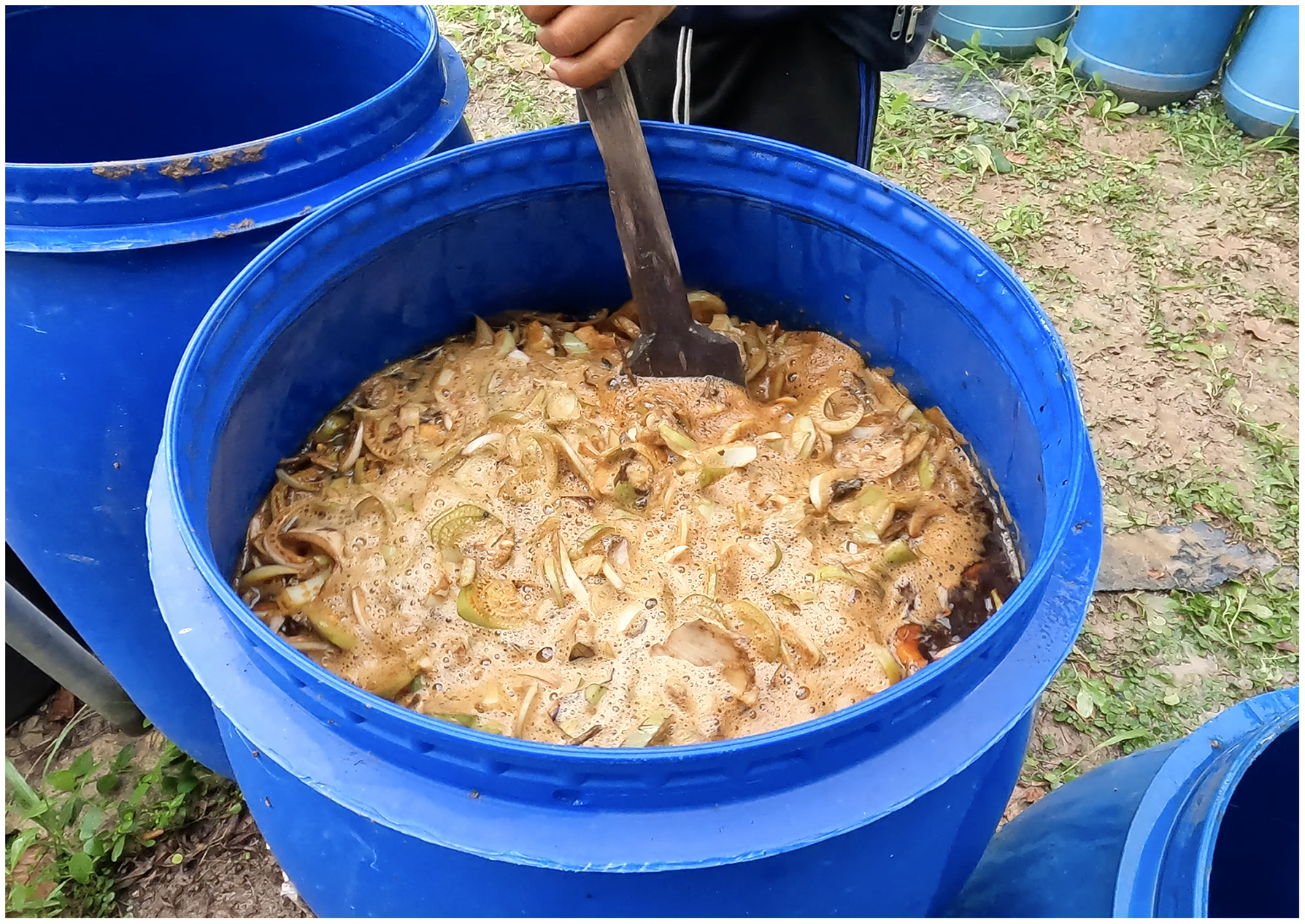
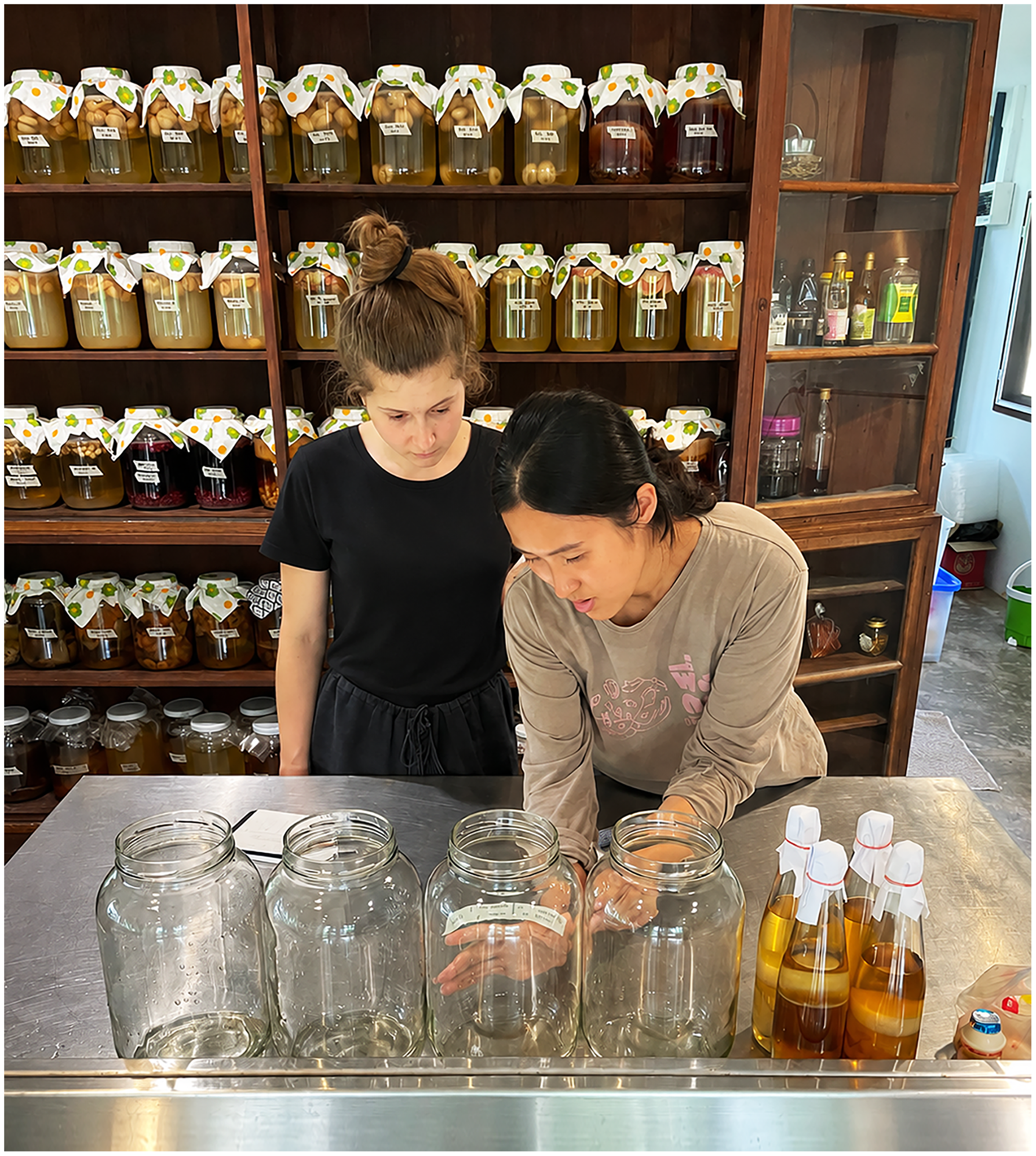
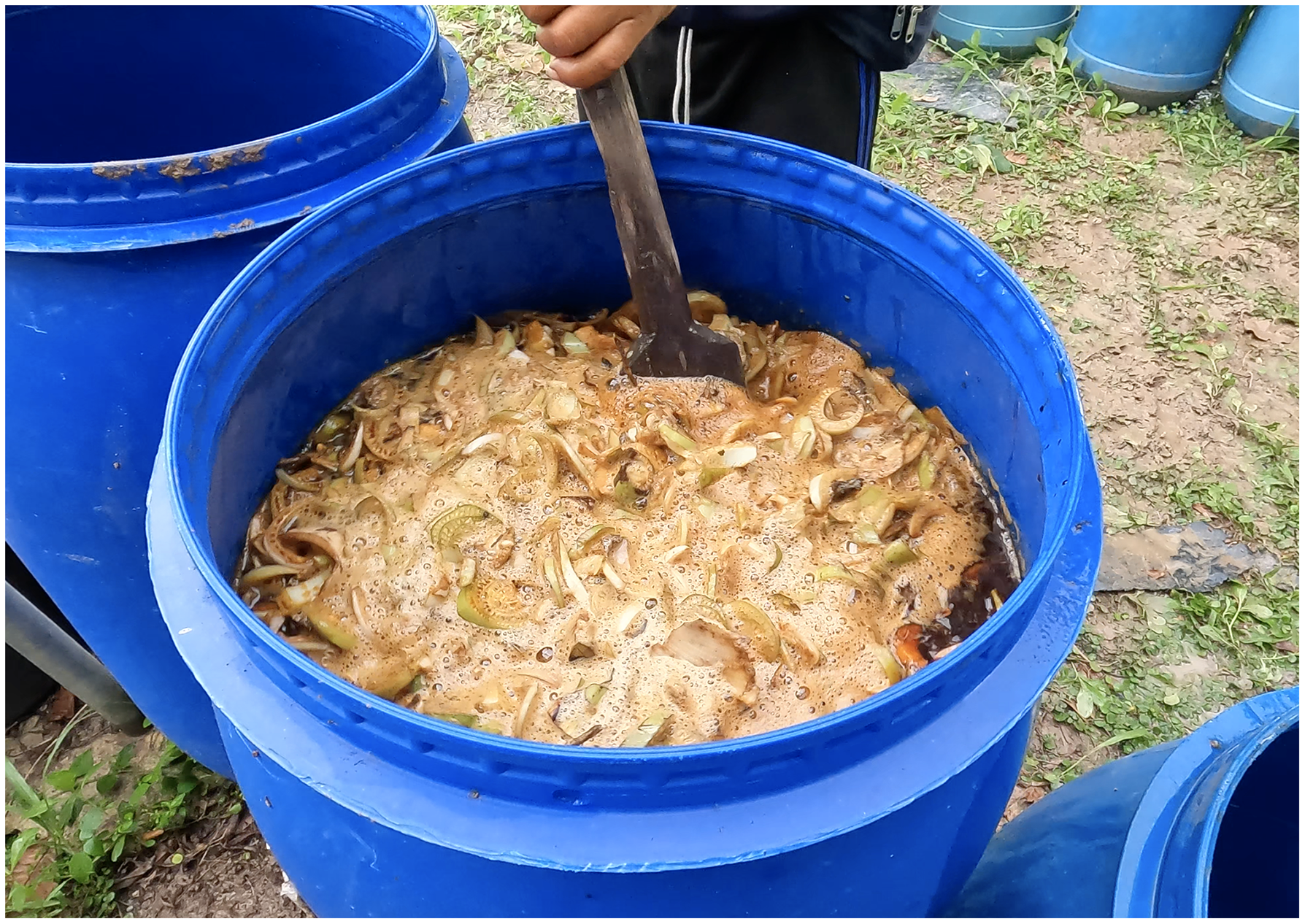
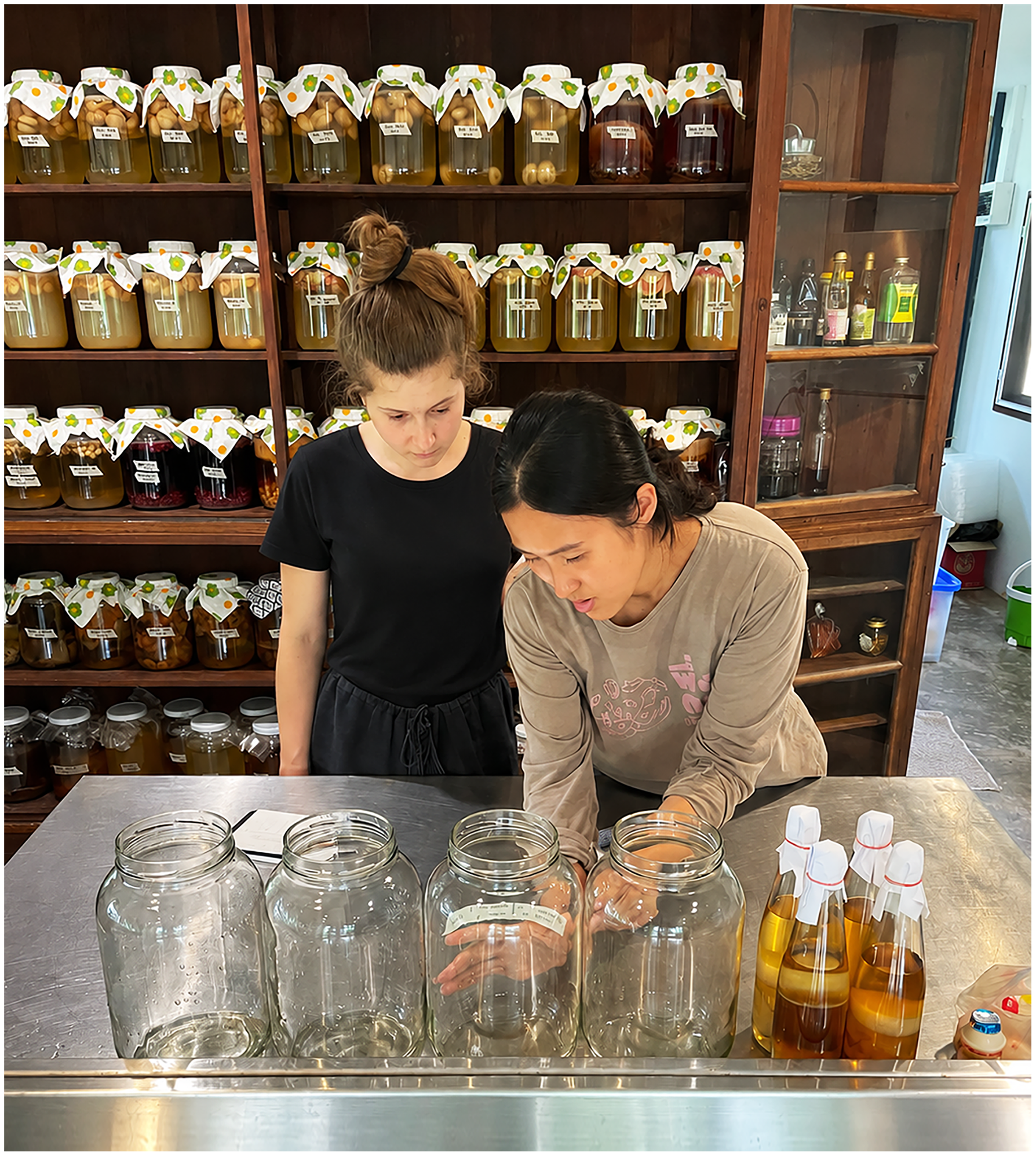
Thailand: Thanks to acquaintances engaging in amateur fermentation practices, I learned about Nam Mak (Thai: นําหมัก), meaning “fermented water,” a vernacular acetic fermentation technique based on prolonged maceration of plant materials, used to produce balsamic fermented liquids. These liquids are primarily used to promote human, soil, and plant health. In Thailand, farmers use them commonly as soil fertilizers or for pest treatments, while in domestic contexts, they are produced for human use, either through ingestion or for external applications such as the treatment of skin conditions. My curiosity was sparked after discovering an Italian mutual-aid community platform where fermenters exchanged knowledge, advice, and content about their macerating cultures. To my surprise, many of these images showed gelatinous pellicles resembling SCOBY, even though the open-source method described did not involve the use of a starter culture. Interestingly, I was unable to find any references to Nam Mak in the English-language literature, which further motivated me to conduct field research in Thailand. By communicating with the advisors of the community, I managed to get in contact with Stefano, an Italian man who had relocated to Thailand in 2006 and had lived there ever since with his Thai wife, Somporn, and their children. He opened the online group after his Nam Mak master, a Thai woman called Sornwan Sirisuntharin, also known as “Pa Cheng” (Aunt Cheng), asked him to disseminate and spread the knowledge about the technique, which he renamed after “FerVida” to make it more evocative to his Italian audience, sounding similar to “fermenti di vita,” meaning “ferments of life,” in line with the probiotic and spiritual values they associate with the liquids. After exchanges in which I introduced myself, described my intentions, and discussed rhythms, structure, and treatment of information, he agreed to have me for a short apprenticeship at their place in the Nakhon Ratchasima Province. By coincidence, it was in the same province that I found the practitioners for my second apprenticeship, facilitated by Thai-German fermentation expert and friend Eve Jazmati. It took place at a farmstay called Baan Ama, where Waratchanat Thongthiangtham prepares Nam Mak for plant cultivation (Figure 1), and Tanyaporn Tantasathien curates her business called Micro Friends (Figure 2), producing fruit cider vinegars as probiotic dressings and for household uses with organic fruits cultivated all across Thailand, which also exhibit SCOBY formation without the use of a Kombucha starter culture.
Waratchanat Thongthiangtham mixing freshly prepared Nam Mak with chopped baby banana tree stems in water, molasses, and a fraction of already fermented Nam Mak, in Baan Ama Farmstay, Pak Chong District, Nakhon Ratchasima Province, Thailand, May 28th, 2024. Credits: All pictures were taken and/or digitally elaborated by the author. All tables were structured and compiled by the author based on practitioners’ and own’s knowledge.
Tanyaporn Tantasathien and I preparing fruit cider vinegar in her Micro Friends workspace, in Pak Chong District, Nakhon Ratchasima Province, Thailand, May 29th, 2024. Credits: All pictures were taken and/or digitally elaborated by the author. All tables were structured and compiled by the author based on practitioners’ and own’s knowledge.
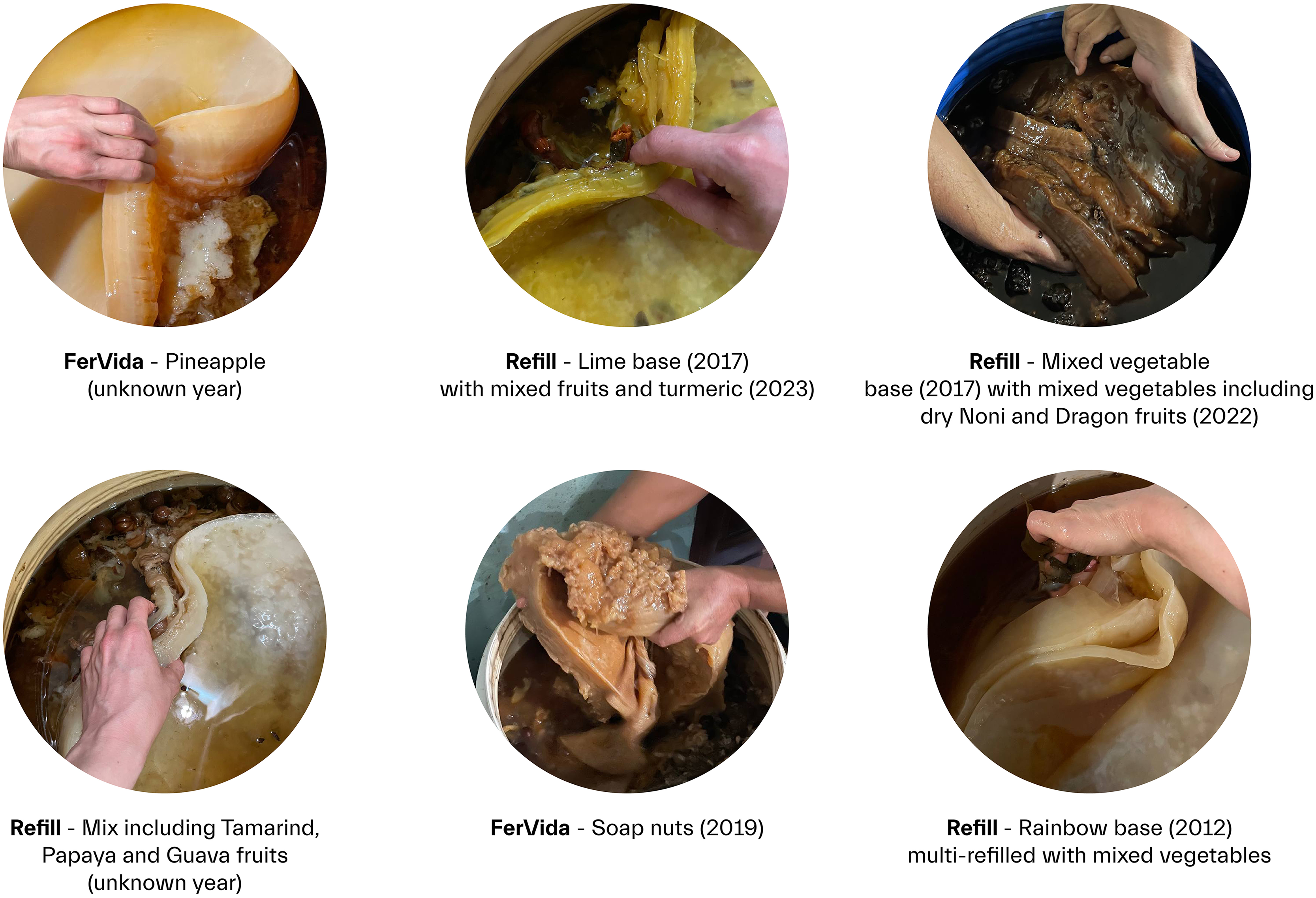
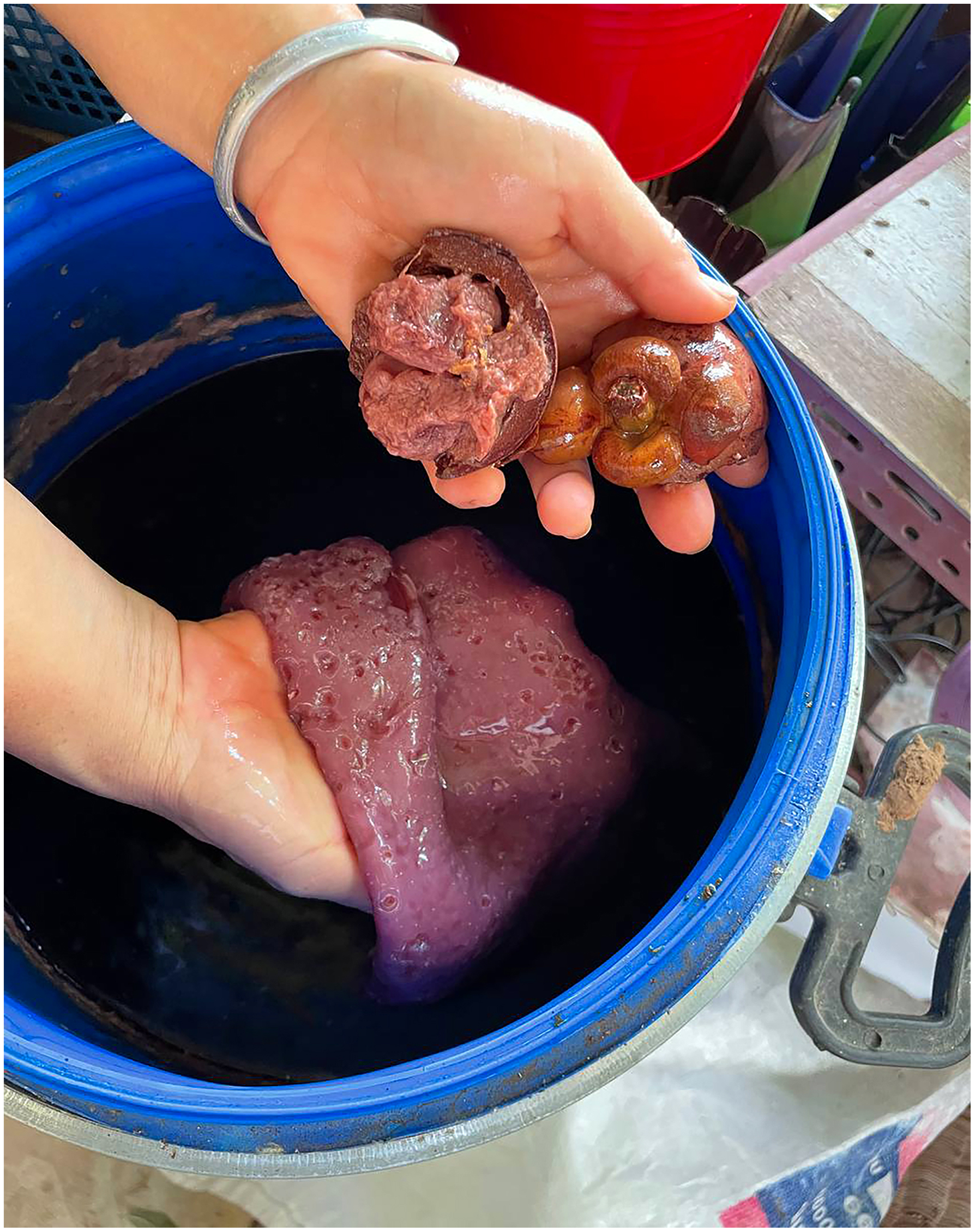
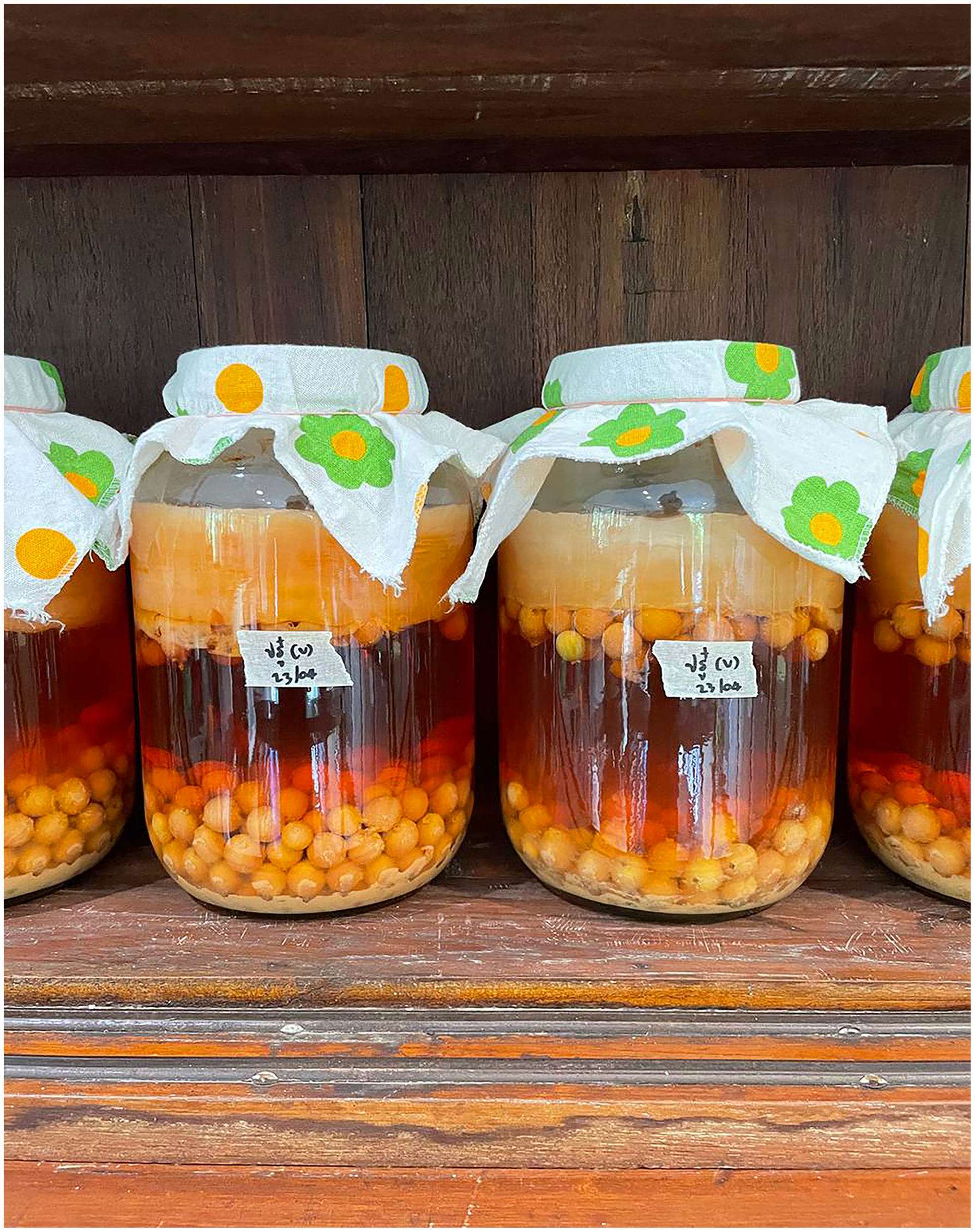
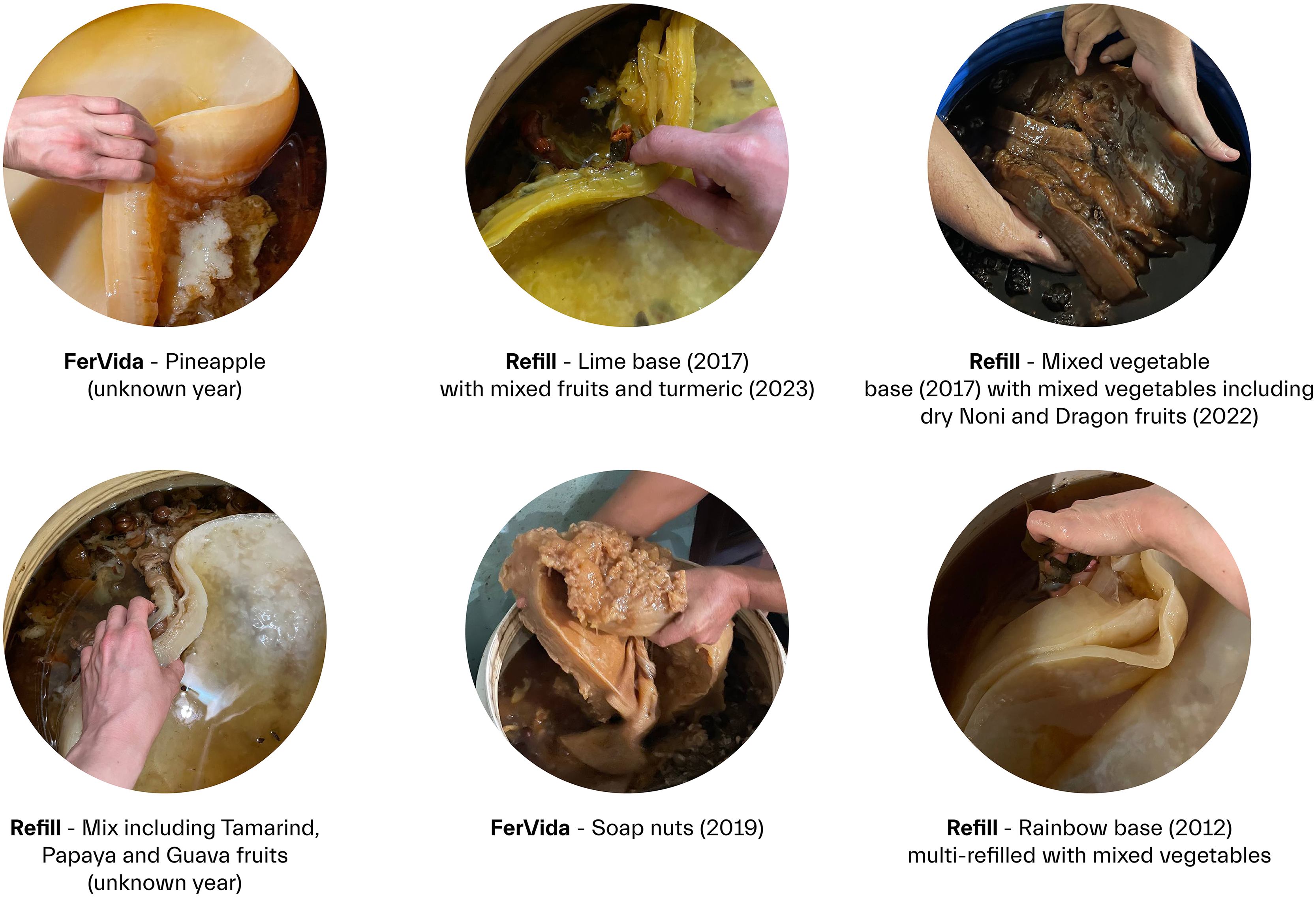
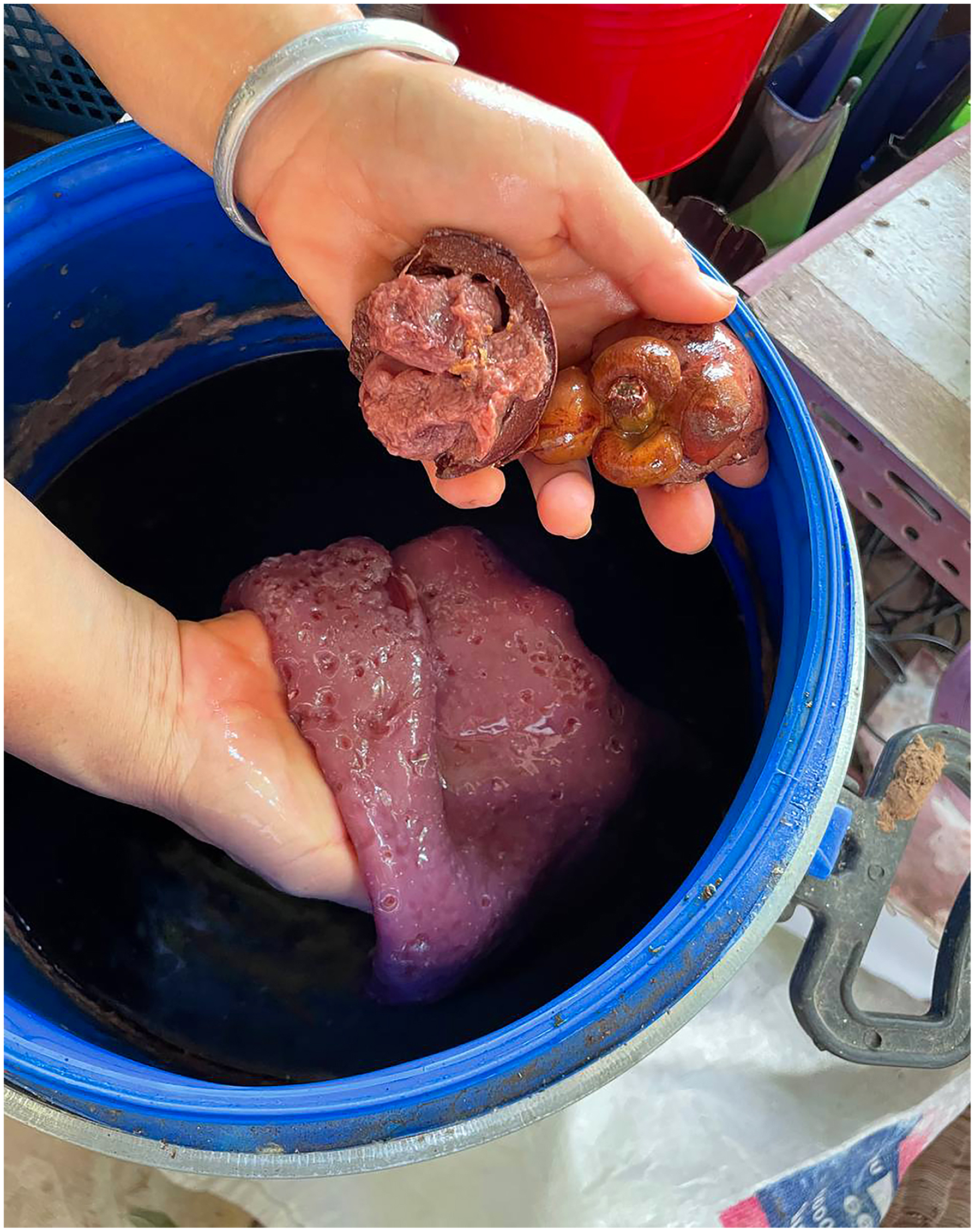
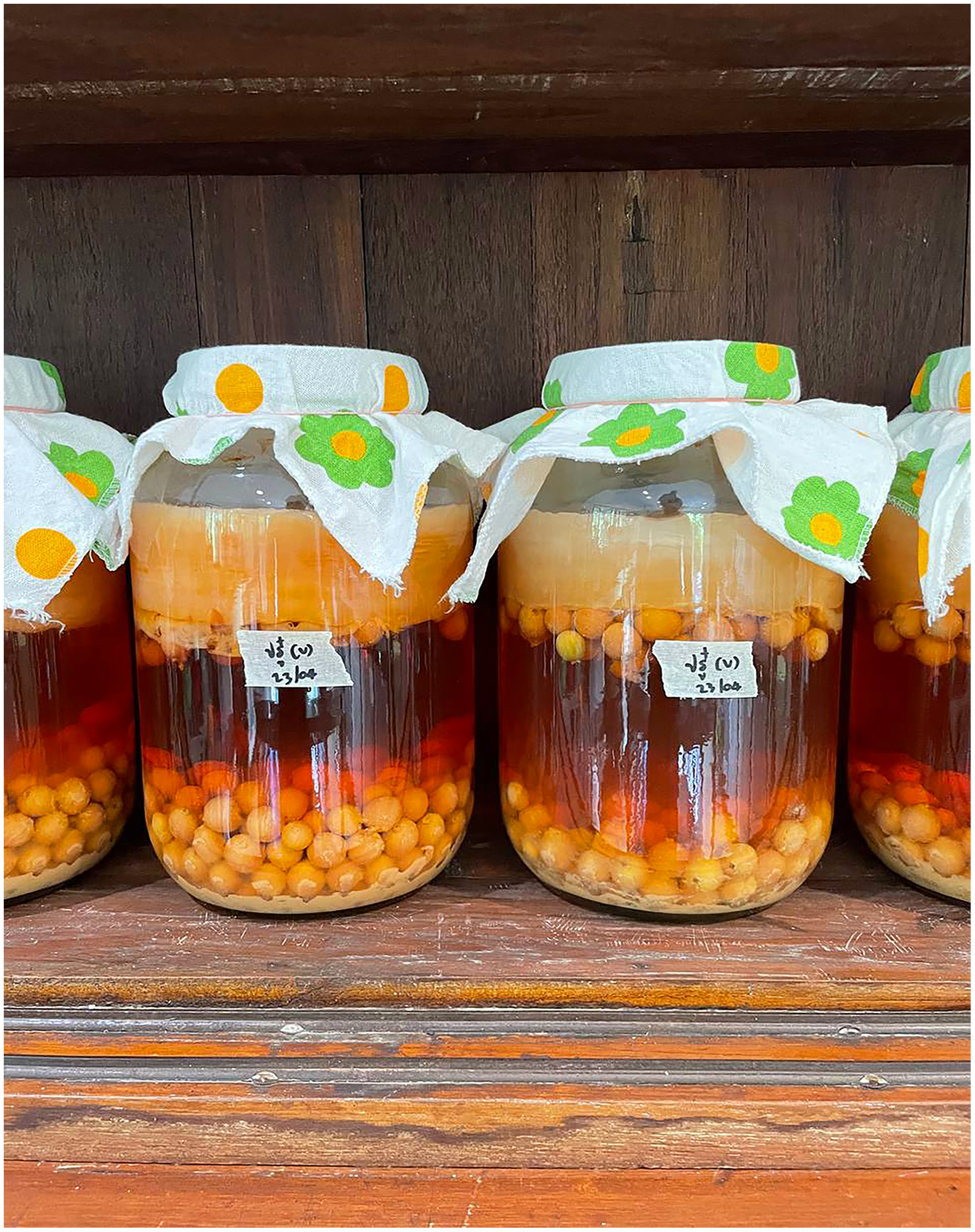
In Thailand, I spent four days at each site, in accordance with the practitioners’ availability. During those days, activities were actively conducted for approximately half of the day. The remaining time was dedicated to organizing and elaborating on data. Due to the short duration of my stay in Thailand, I was not able to observe SCOBY growth over time. Instead, I observed maturing ferments maintained by the practitioners (Figures 3–5) and participated in sessions in which we co-performed the techniques, allowing me to practice and document their individual preparation methods firsthand.
Selected pictures of spontaneous SCOBYs grown in maturing FerVida cultures prepared by Stefano and Somporn Abbruzzese in Khon Buri District, Nakhon Ratchasima Province, Thailand, pictures taken on May 23rd, 2024. Credits: All pictures were taken and/or digitally elaborated by the author. All tables were structured and compiled by the author based on practitioners’ and own’s knowledge.
Spontaneous SCOBY pellicle (right hand) grown from Mangosteen-based Nam Mak, and mangosteen residues (left hand) shown by Waratchanat Thongthiangtham in Baan Ama Farmstay, Pak Chong District, Nakhon Ratchasima Province, Thailand, May 28th, 2024. May 2024.
SCOBY pellicles grown from Sage-leaved Alongium cider vinegars prepared by Tanyaporn Tantasathien in her Micro Friends workspace, in Pak Chong District, Nakhon Ratchasima Province, Thailand, May 29th, 2024. May 2024. Credits: All pictures were taken and/or digitally elaborated by the author. All tables were structured and compiled by the author based on practitioners’ and own’s knowledge.
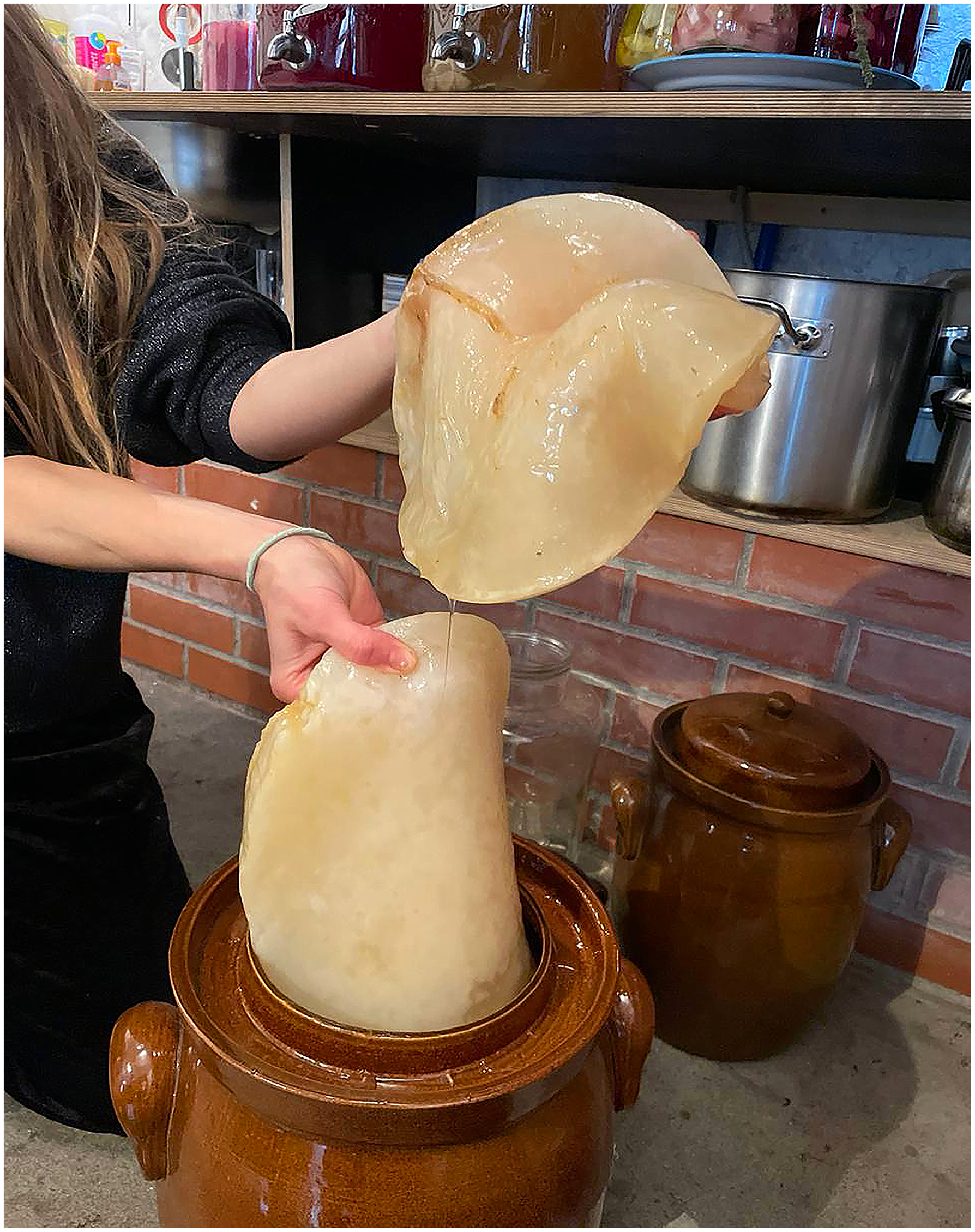
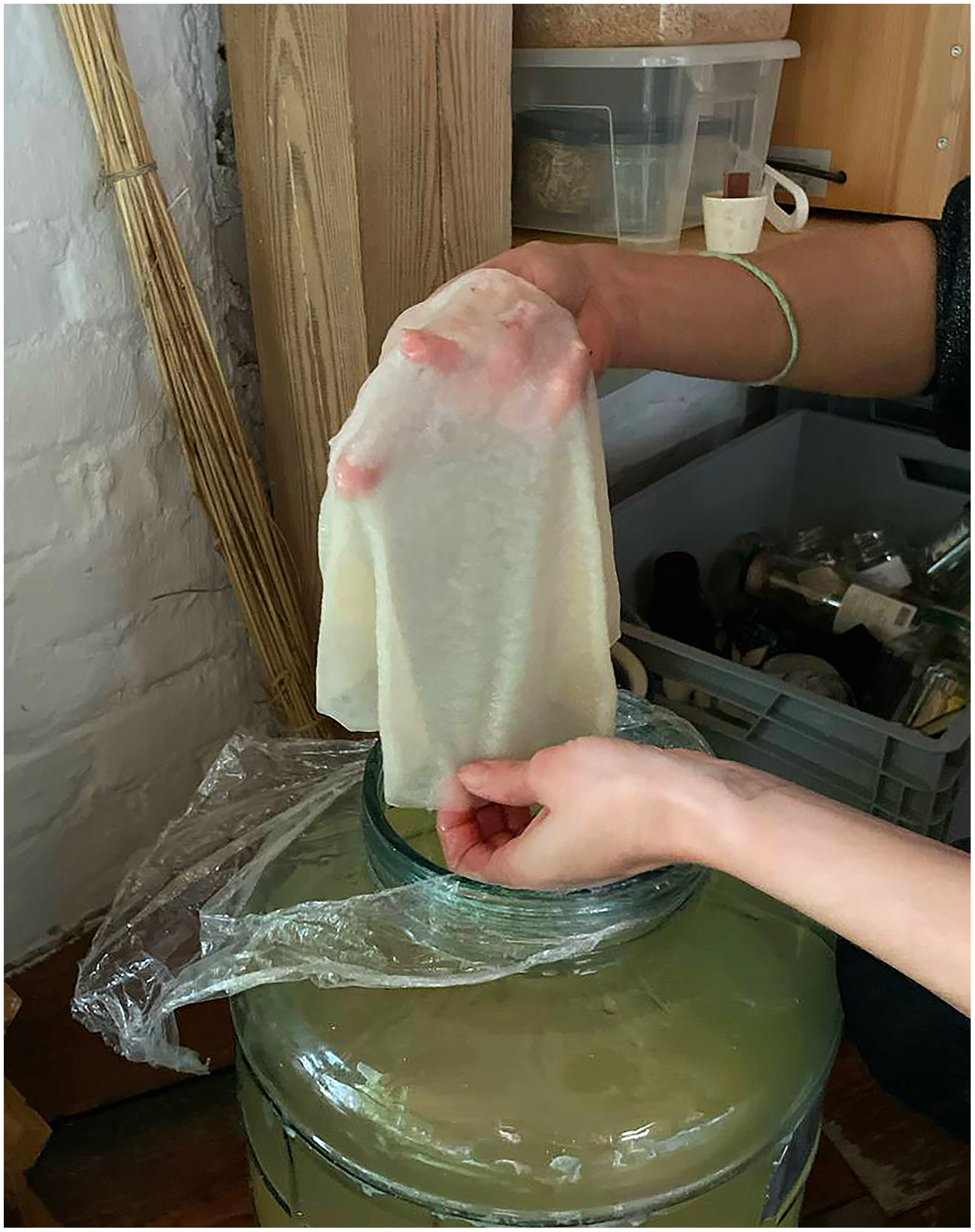
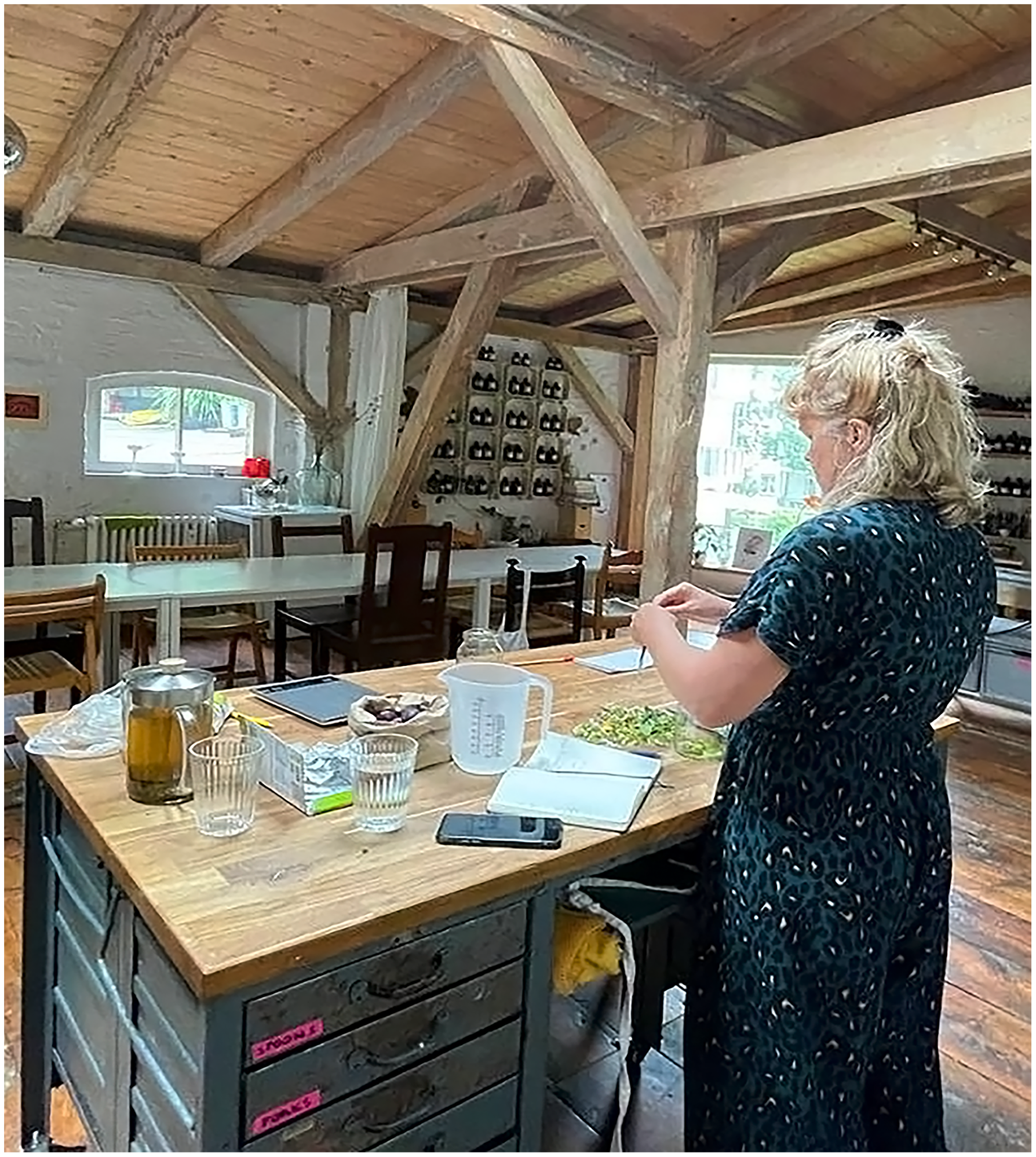
Germany: Once I came back to Berlin, I decided to expand the insights gathered in Thailand by further connecting with locally based practitioners. I had the pleasure of having several exchanges with Dr. Anika Dreilich, a botanist working at the Späth Arboretum botanical garden (HU Berlin), with whom I could learn more about local plant species and ecologies, growing my knowledge about edible plants present in the area. This information was integrated with sessions with two experts in foraging, herbalism, and fermentation, with whom I engaged in sessions focusing on wild vinegars: Tash English of Avant Garden and Alexis Görtz of Edible Alchemy. I have known Alexis since 2022, after attending an urban foraging walk she organized. Since then, I have occasionally participated in foraging and fermentation activities at MOOS in Berlin, a space that also hosts Tash’s activities on herbalism, seasonal living, and holistic medicine. Already familiar with Alexis’ practice, I organized a visit during which she showed me spontaneous SCOBYs grown from two wild vinegar batches (Figures 6 and 7) made with organic fruits collected from local meadow orchards and provided insights into SCOBY formation within her practice. The session with Tash included a foraging walk in Treptower Park (Berlin), during which we gathered various edible plants and fruits. This was followed by a hands-on fermentation session at the MOOS space, where we experimented with wild fermentationFootnote 2 techniques using the freshly foraged harvest (Figure 8).
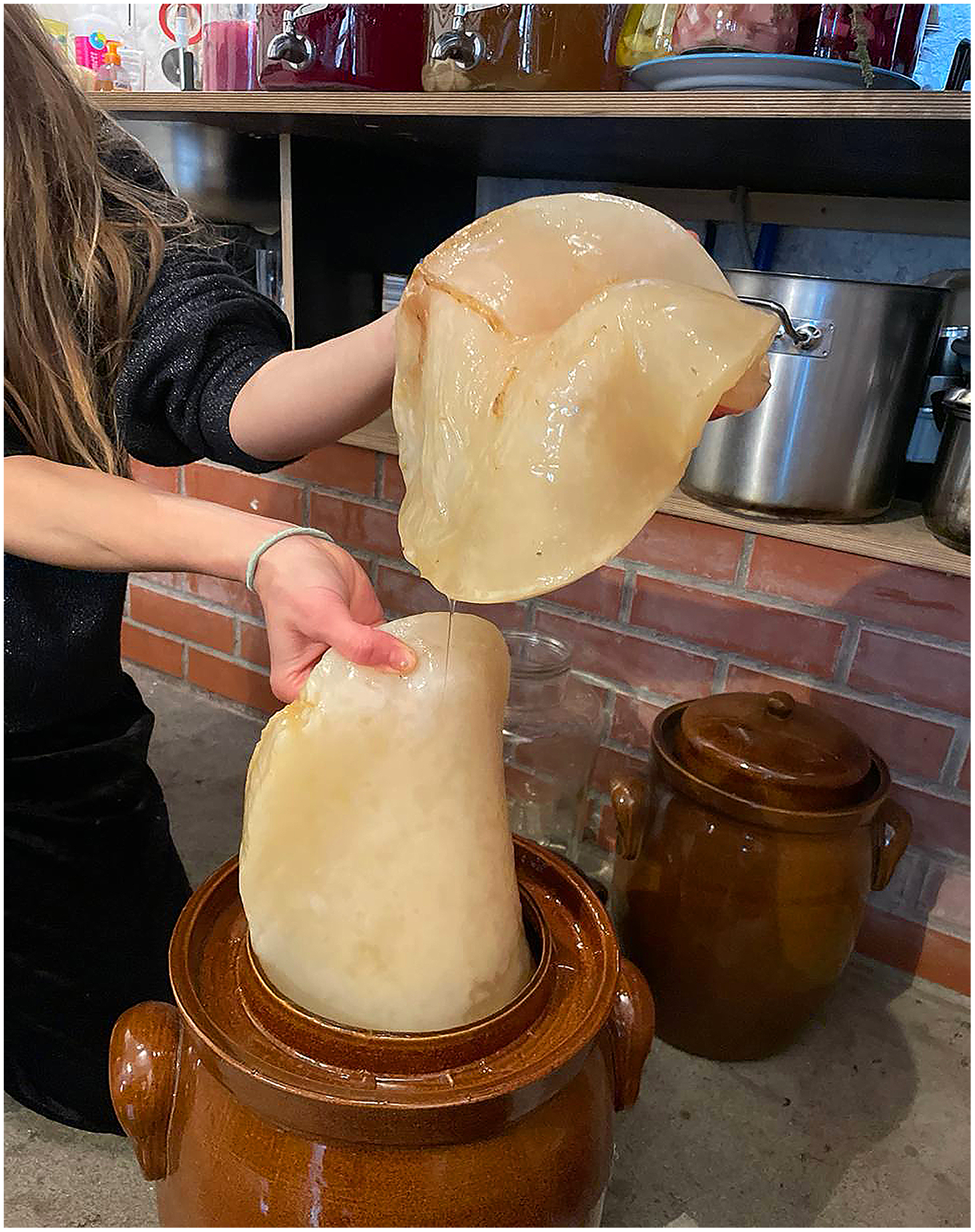
Alexis Görtz showing a spontaneous SCOBY grown from wild apple vinegar, in MOOS Space, Berlin, Germany, November 18th, 2024. Credits: All pictures were taken and/or digitally elaborated by the author. All tables were structured and compiled by the author based on practitioners’ and own’s knowledge.
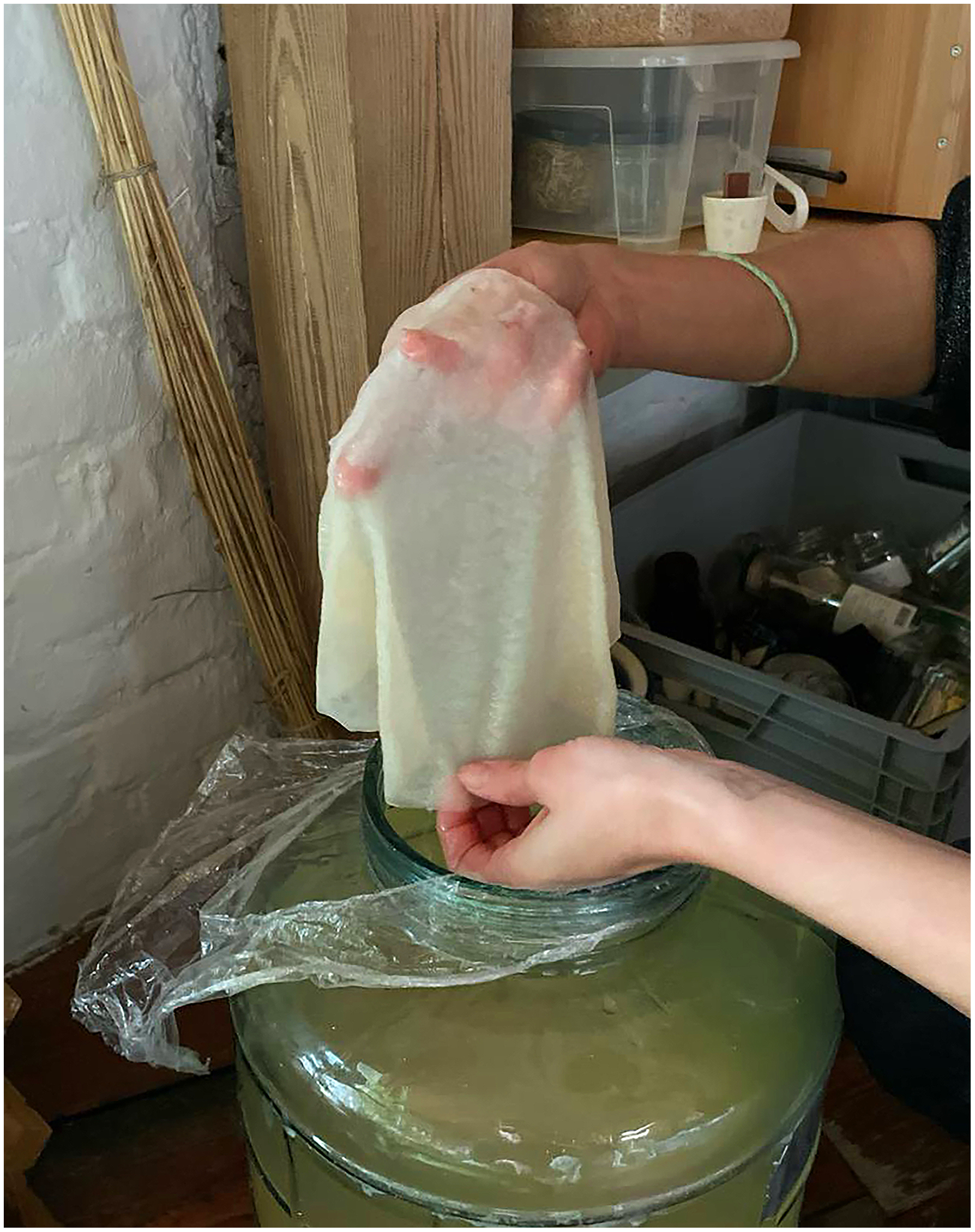
Alexis Görtz showing a spontaneous SCOBY grown from wild quince vinegar in MOOS Space, Berlin, Germany, November 18th, 2024. Credits: All pictures were taken and/or digitally elaborated by the author. All tables were structured and compiled by the author based on practitioners’ and own’s knowledge.
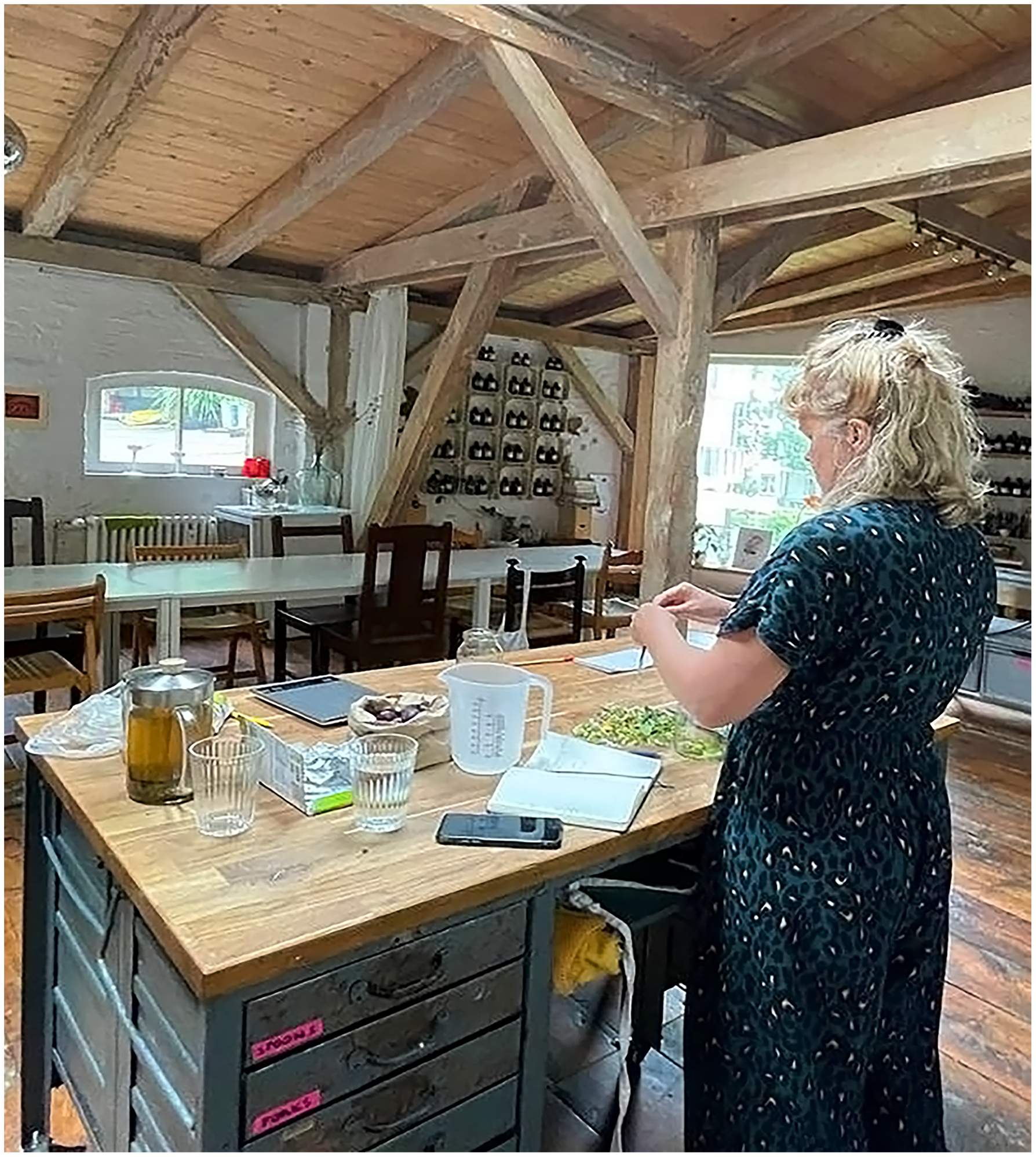
Wild vinegar fermentation session with Tash English in MOOS Space, Berlin, Germany, July 24th, 2025. Credits: All pictures were taken and/or digitally elaborated by the author. All tables were structured and compiled by the author based on practitioners’ and own’s knowledge.
Altogether, these experiences revealed situated acetic fermentation as a nuanced spectrum of multispecies relations that allows to integrate diverse forms of knowledge, plant species, and experimentation with processual approaches grounded in embodied intuition.
-
2) FORAGING: Commonly refers to the activity of collecting edible resources such as fruits, flowers, leaves, herbs, roots, mushrooms, or seaweeds from various environments, instead of growing or buying them. This practice entails a direct engagement with nature and locally occurring organisms, which requires ecological literacy, an awareness of seasonal cycles, the ability to notice (Tsing Reference Tsing2015), and accurately identify species to ensure safe and responsible consumption.
I have been practicing foraging for a long time before my doctoral investigation, in Italy, particularly in Trentino-South Tyrol, as well as in Germany, in Hesse, and in the province of Uusimaa in Finland. In the realm of this investigation, foraging is employed as a method to “gather materials for design” (Tarkhanian Reference Tarkhanian, Morrison, Culén and Habib2025), particularly microorganisms and the plants used as their nourishment through direct engagements with local ecologies. This activity was practiced together with Thai and Berlin-based practitioners during apprenticeships, and later became fundamental to the solo experimentation phase.
In brief, my foraging approach involves selecting vegetation-rich areas, such as parks or low-traffic peripheral zones, and engaging in either open-ended walks without a fixed destination, focusing on living in the moment with presence and attentive observation of the plant species growing on site or a precise plan for collecting a specific plant that I previously observed growing in a particular location. Spring and summer are particularly suitable, as plants thrive in the warmer seasons, showing the presence of lush leaves, flowers, buds, and fruits. When an edible plant is recognized, only small amounts are harvested, avoiding over-collection to ensure resources remain available for other organisms and allow the plant to continue its biological cycle. Harvesting is carried out carefully to prevent damage to the plant, sketches and notes are made about the location and date of picking. Each session lasts several hours, during which I try to collect some hundred grams per resource, which can be gathered from multiple plants. The collected materials are brought home and immediately processed into fermentation cultures.
-
3) SOLO EXPERIMENTATION: GROWING SCOBY FROM LOCALLY-FORAGED PLANTS: The techniques explored with Stefano, Tanyaporn, Waratchanat, and Tash primarily focused on the production of fermented liquids, with SCOBY formation not being the primary objective. By contrast, my solo experimentation was informed by the practitioners’ acetic fermentation techniques, while introducing adaptations derived from collective insights and empirical observations that appeared to favor the spontaneous formation of SCOBYs in plant-macerating cultures. This investigation spanned 1.5 years, experimenting with plant materials foraged across the Berlin–Brandenburg region. It resulted in SCOBYs that spontaneously formed from these substrates, through an iterative method later shared to encourage practitioners to engage with local plant ecologies and cultivate situated SCOBYs.
Data collection
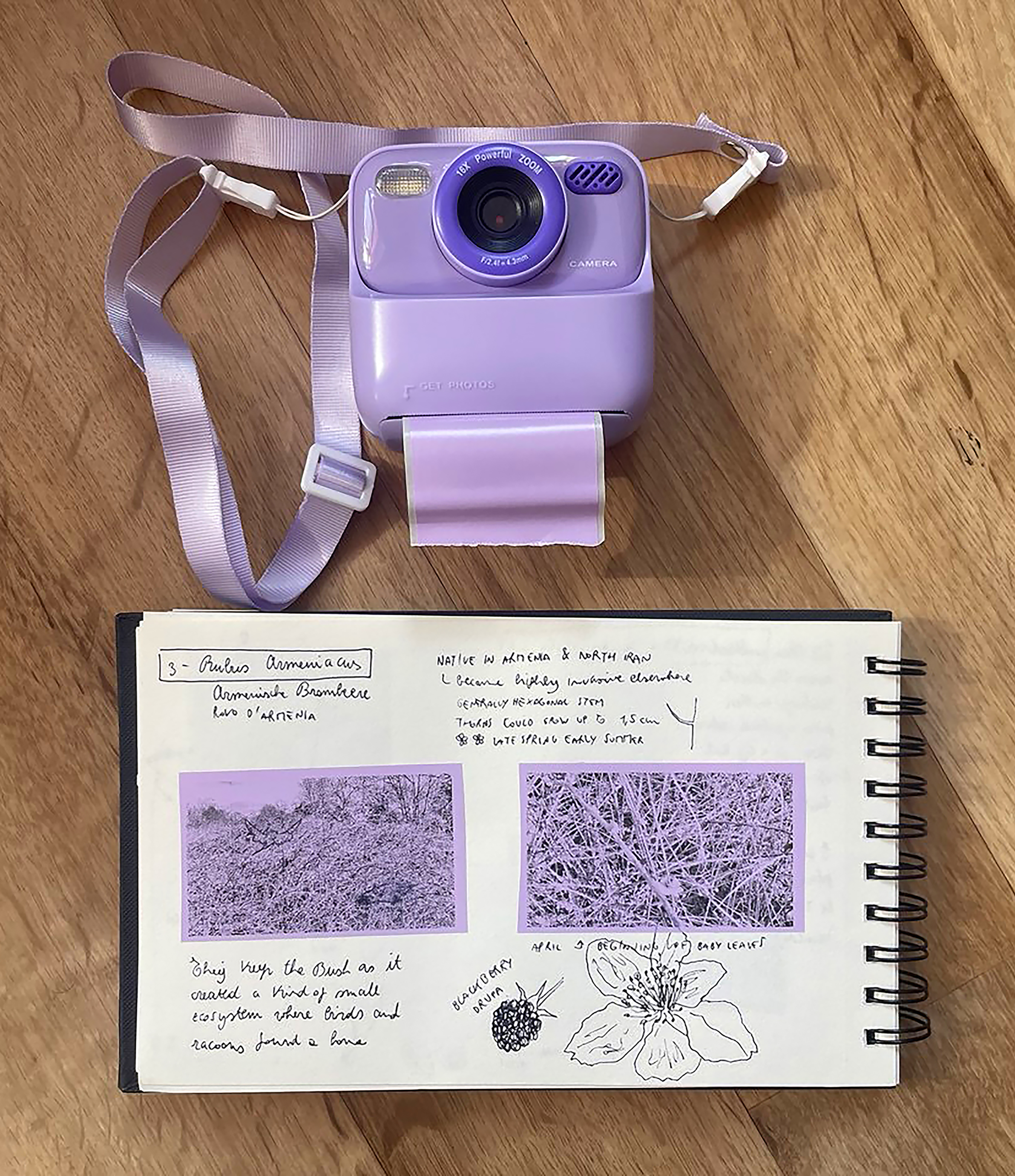
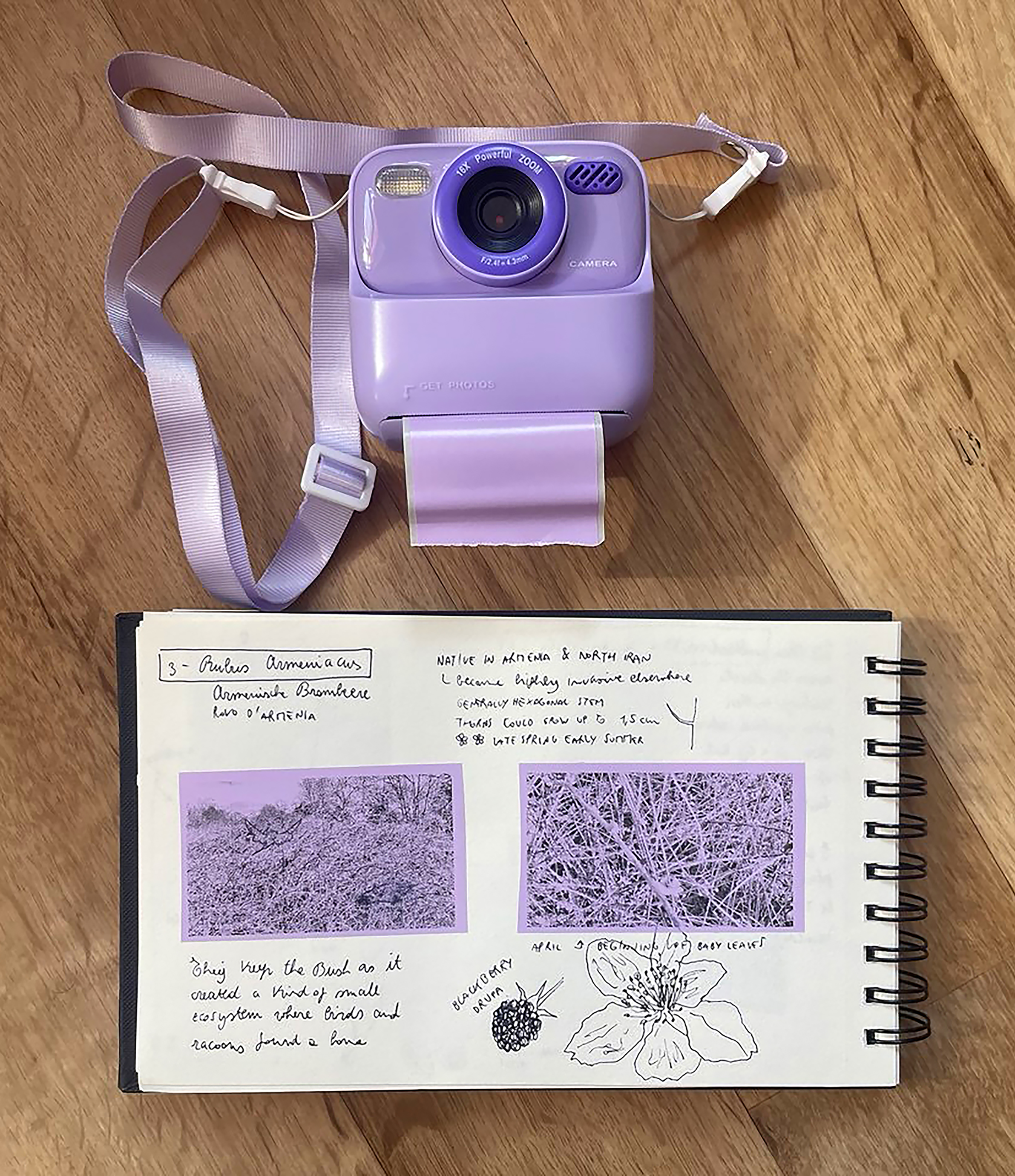
EQUIPMENT: During the activities, I took notes in a notebook that included text, sketching, and attaching stickers made with an instant thermal-print camera (Figure 9), which allowed me to practically integrate contextual and visual references in the notes. I documented the audio-visual contents with a GoPro outdoors (Model: 10 Black) and with an iPhone 12 mini indoors, and stored the data on different SD memory cards and on a cloud drive daily (Google Drive and a private Telegram channel).
Instant thermal-print camera with adhesive-backed paper and sketchbook page with notes and thermally printed instant adhesives taken during a walk with Dr. Anika Dreilich at Späth Arboretum (Berlin) in April 2025. Credits: All pictures were taken and/or digitally elaborated by the author. All tables were structured and compiled by the author based on practitioners’ and own’s knowledge.
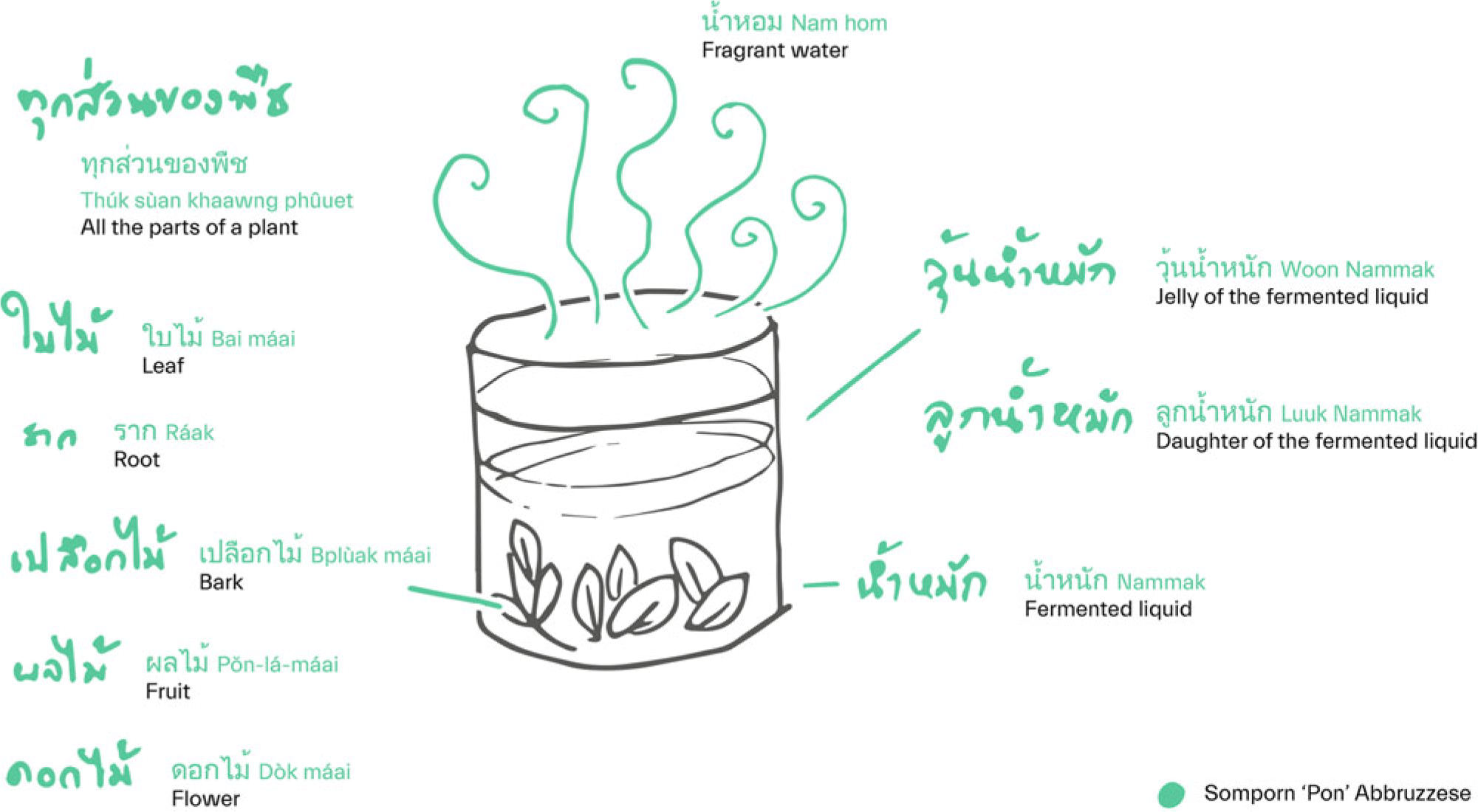
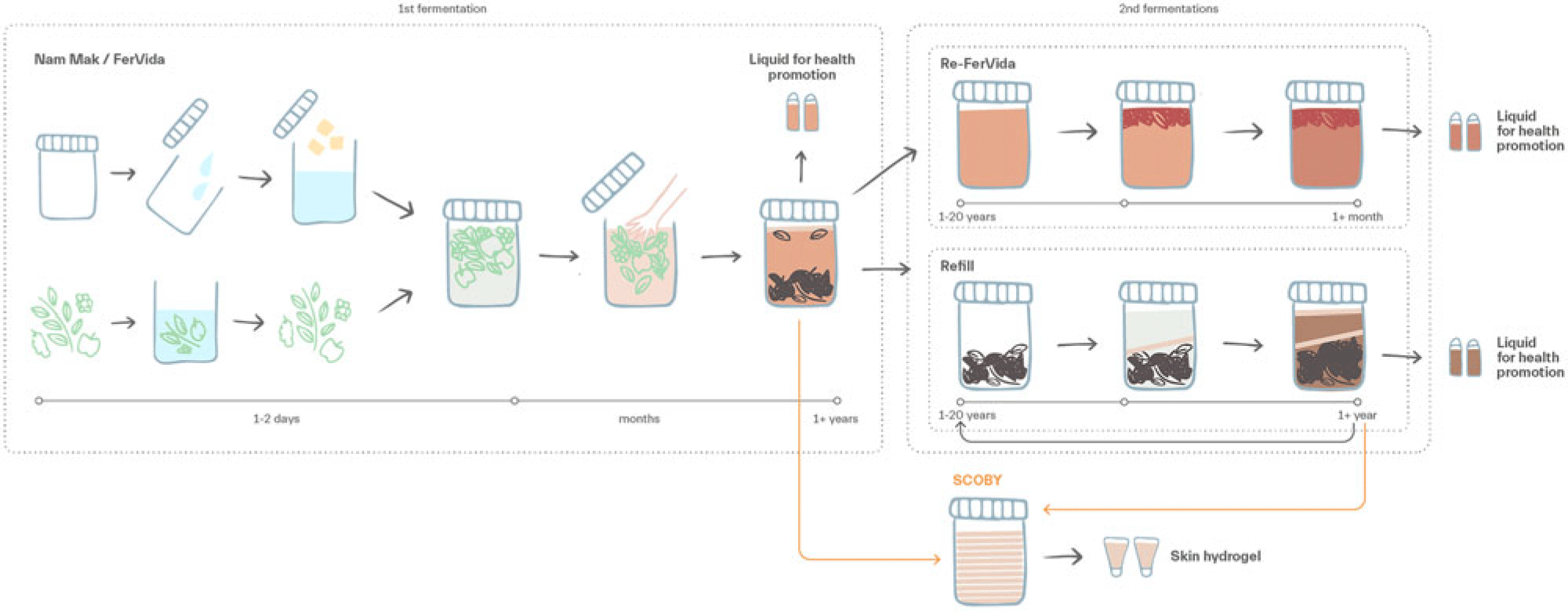
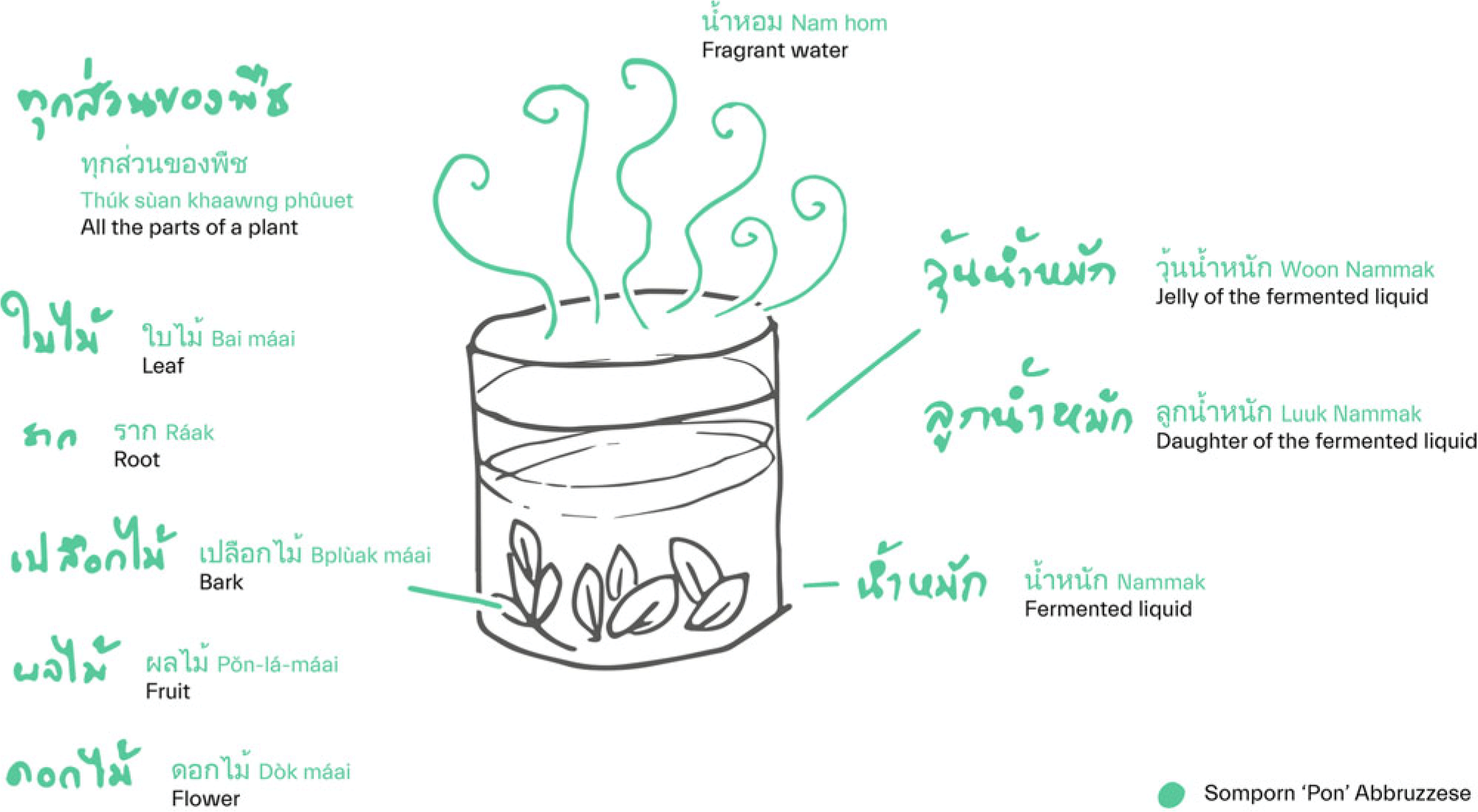
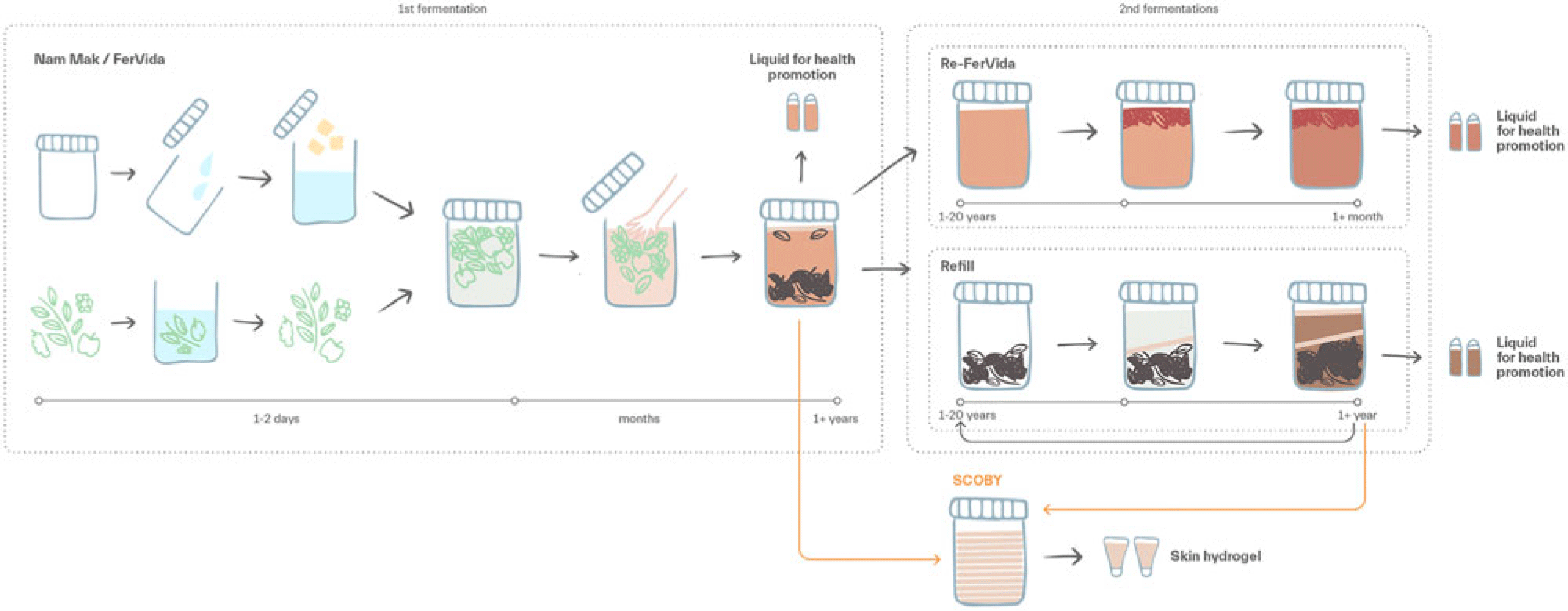
VISUALIZATION: To visualize the procedural sequencesFootnote 3 of the techniques, hand sketches were digitized and further developed in Adobe Illustrator, including annotated sketches with terminology (see Figure A1, in the Appendix), procedural sequence visualizations (see Figure A2, in the Appendix), and additional maps illustrating site-specific plant and fermentation ecologies. These visual materials helped unpack the complexity and nuances of the practices, improving understanding of each procedure and facilitating comparison across cases.
Exploratory field studies
In line with the autoethnographic approach adopted in the situated engagements, the use of first-person narration is employed to emphasize the situated, embodied, and reflexive character of the investigation.
Overview of SCOBYs growing in alternative acetic fermentation practices
The techniques I had the opportunity to experience included the Nam Mak technique carried out by Waratchanat (Figure 1), practices derived from experimentation with Nam Mak developed by Stefano under the name FerVida, fruit cider vinegar by Tanyaporn (Figure 2), and wild vinegar fermentation with Tash (Figure 8). Compared to the Kombucha procedure, all of these processes involve longer temporalities, ranging from approximately six weeks to up to seventeen years of maceration, and culture volumes, ranging from one to 150L.
All of them are based on the maceration of raw plant materials in sweetened water at room temperature, differing from Kombucha, which relies on the fermentation of a sweetened tea infusion. Except for Tanyaporn’s technique, none of the other three practices use a fermentation starter; instead, they rely on microbial ecologies naturally present on the plant materials, some of which are inhabited by yeasts and acetic acid bacteria capable of fermenting the liquid and producing cellulose, resulting in spontaneous SCOBY formation.
Overall, all four techniques exhibited SCOBY pellicles, displaying a remarkable variety of textures, thicknesses ranging from a few millimeters to up to about a hand span (see FerVida Soap Nuts in Figure 3), and pigmentations, naturally imparted by the plant materials used to compose the cultures. Each one of the SCOBYs showcased is a unique entity, which cannot be precisely replicated, as each one is the result of complex combinations of organisms and factors, including direct skin interaction, intuitive plant mixtures, water typologies, situated environmental conditions, and unquantified, intuitive care and troubleshooting practices.
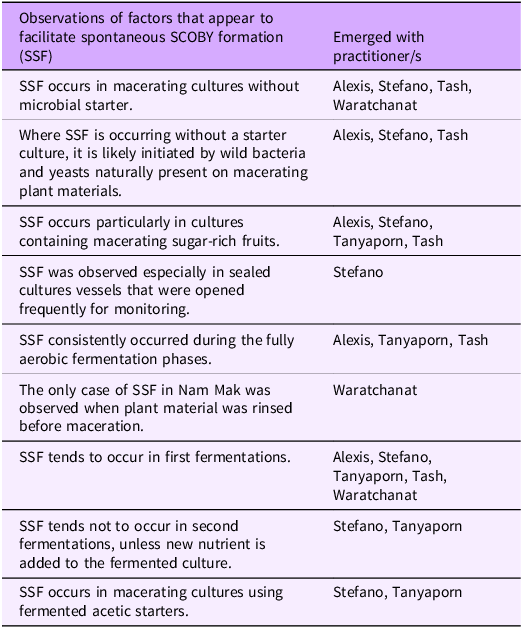
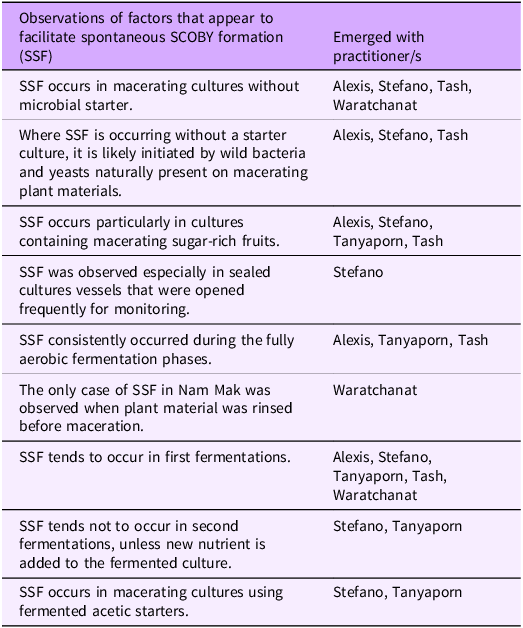
SCOBYs observation sessions took place with all practitioners, including comments on visual, sensory, and tactile dimensions, comprising direct hand interaction with them, which allowed the perception of textural differences; some were very stiff, others very soft and would break with minimal pressure; as well as olfactory observations, with odors ranging from acidic and balsamic to floral and intensely pungent, depending on the plant materials utilized in the cultures. Discussing SCOBY formation in the pellicles’ presence often functioned as an evocative medium, facilitating the recollection of memories in the practitioners and the emergence of relevant details. The discussions primarily focused on factors that appeared to facilitate spontaneous SCOBY formation, according to the practitioners’ experience. Notably, most of these factors were identified by more than one practitioner. They are summarized in Table 1, together with the names of the practitioners with whom they emerged (in alphabetical order).
Observations of factors that appear to facilitate spontaneous SCOBY formation (SSF) as reported by respective practitioners (reported in alphabetical order)
Credits: All pictures were taken and/or digitally elaborated by the author. All tables were structured and compiled by the author based on practitioners’ and own’s knowledge.
Overview of the techniques experienced in the apprenticeships
All techniques were performed in bio-rich environments, including households, shared kitchens, and HACCP-compliant workspaces. Practitioners were aware of microbial presence but did not employ tools for their quantification or identification, nor to monitor the cultures during fermentation. Instead, demonstrated how their embodied attunement played a central role across preparation, care, evaluation, and troubleshooting (Hey Reference Hey2021). This attunement represents a fundamental epistemology in fermentation practices, which is personally cultivated through apprenticeship and ongoing hands-on sensorial engagements. It enables practitioners to perceive information from the fermenting culture through multisensory cues (sight, smell, taste, hearing, touch) and to develop the capacity to intervene and influence its development (ibid.). Practical examples of embodied attunement include the ability to detect early signs of contamination through smell before visual manifestation, or to perform adjustments in response to taste indicators such as persistent sweetness or a lack of acidity, or visual cues such as bubbling activity, liquid transparency, or turbidity, which stimulate responses that manifest in extending fermentation temporalities, increasing oxygenation, adding nutrients, or previously fermented liquid.
Firsthand engagement with these diverse techniques, however, revealed a similar foundational process based on the fermentation of cultures containing raw plant materials in sweetened water. At the same time, each practitioner employed personally adapted procedures aimed at different outcomes, highlighting the open-ended and adaptable nature of these processes. Standardization was not a concern for any of the practitioners; instead, variability in outcomes was valued and actively fostered through practice. Quantities were approximate, often measured through containers as volumetric references, while rhythms and temporalities, the typology of plant materials, care routines, direct or mediated bodily interactions, and assessments of readiness were all shaped by personal preferences matured through embodied experience. Together, these elements reveal the intuitive, relational, and situated nature of these fermentation practices.
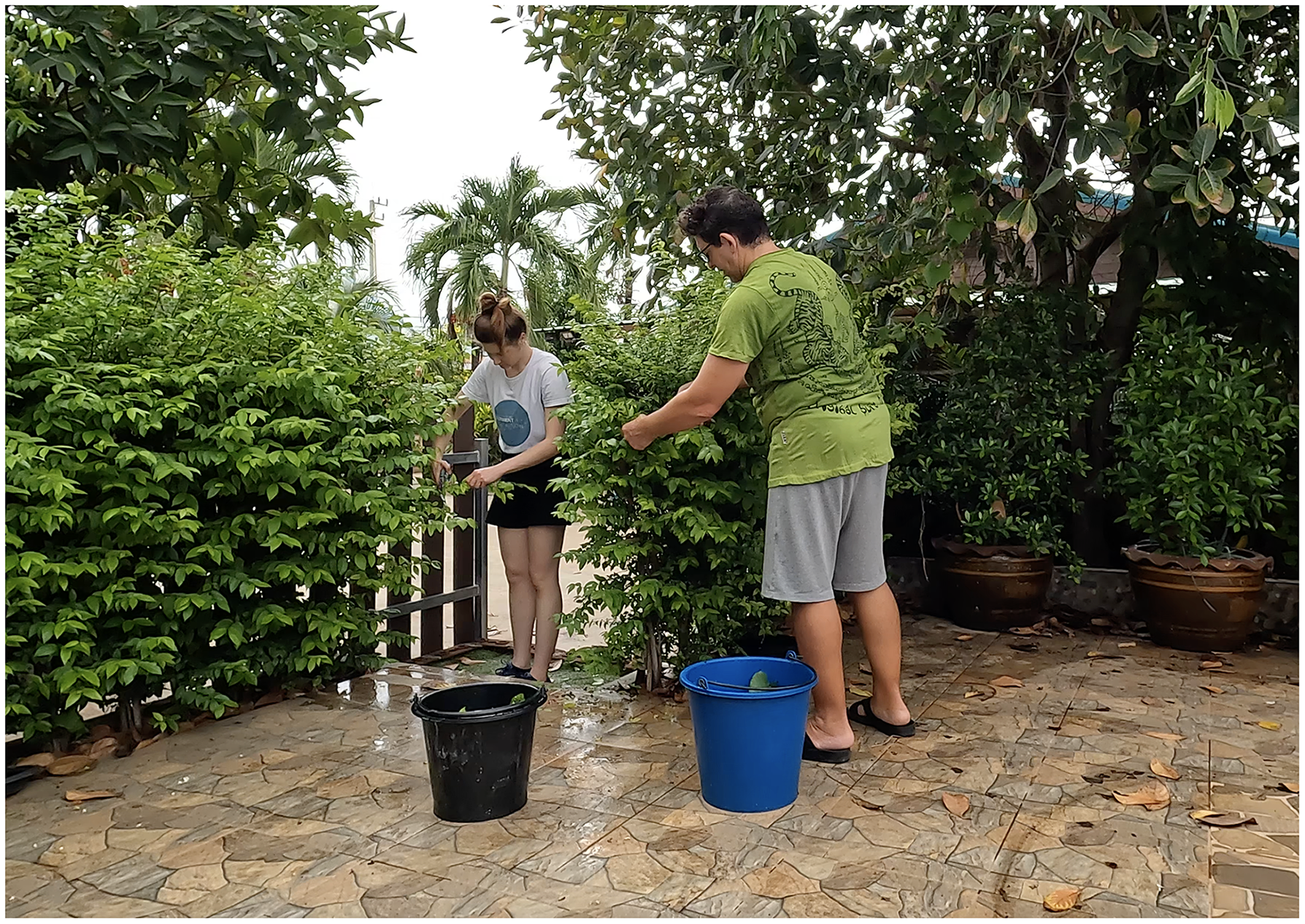
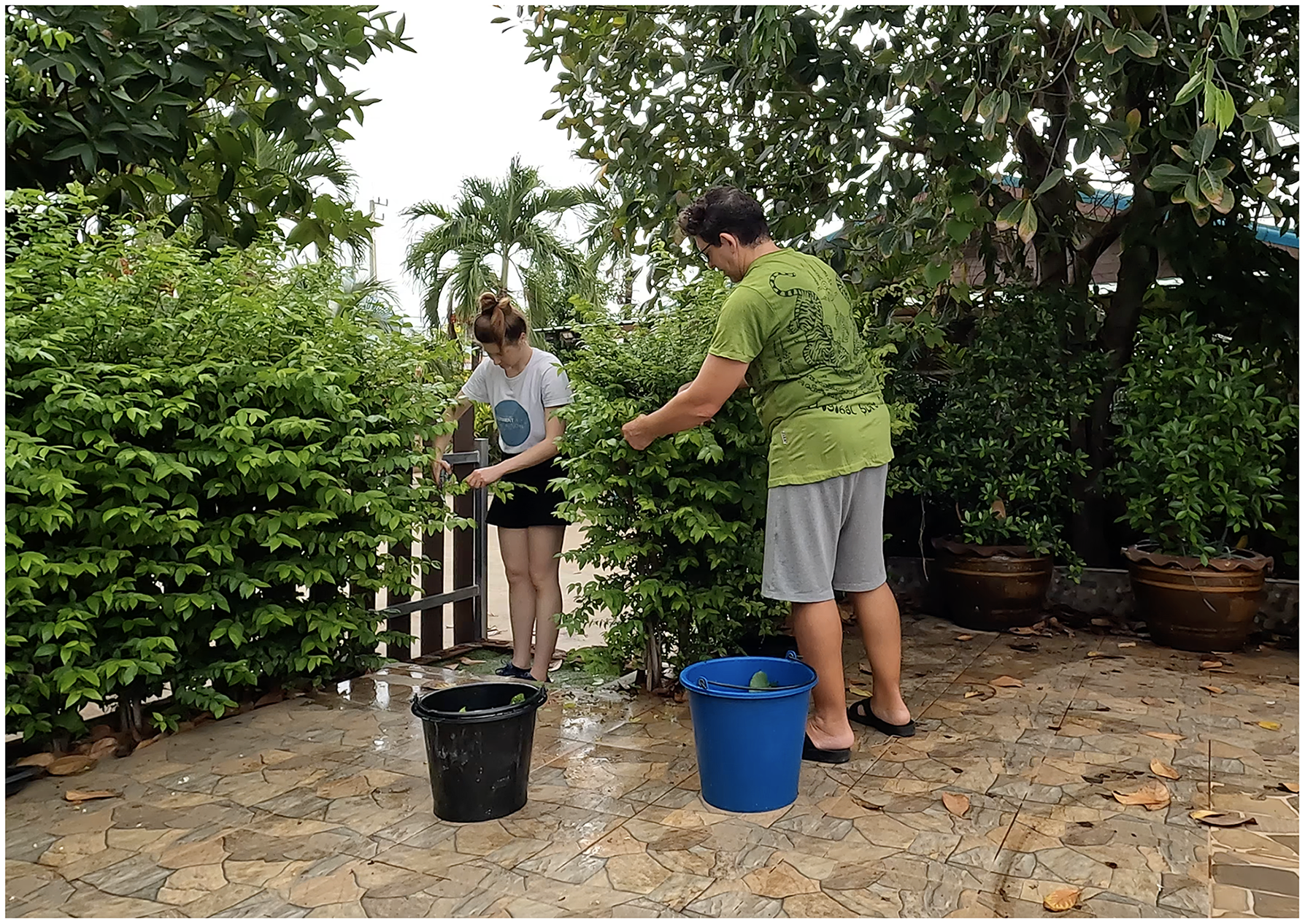
Within the constraints of this dissemination format, this contribution necessarily omits a substantial body of knowledge. This includes descriptions of the practitioners’ intimate engagement with their practices, information on “right moments” to forage or collect plant materials and which ones (Figure 10), ontological positionings, detailed procedural and temporal specificities, criteria guiding plant selection, and broader geographical and socio-cultural contexts.
Stefano Abbruzzese and I picking leaves from water jasmine growing in his garden to prepare a leaf-based FerVida in Khon Buri District, Nakhon Ratchasima Province, Thailand, May 22nd, 2024. Credits: All pictures were taken and/or digitally elaborated by the author. All tables were structured and compiled by the author based on practitioners’ and own’s knowledge.
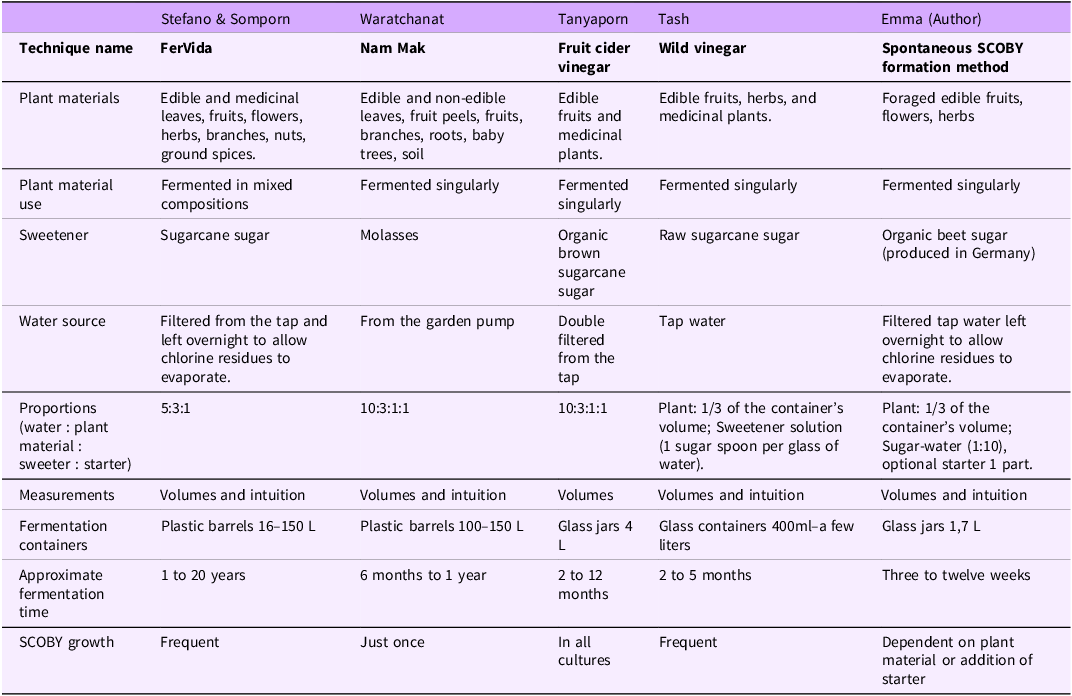
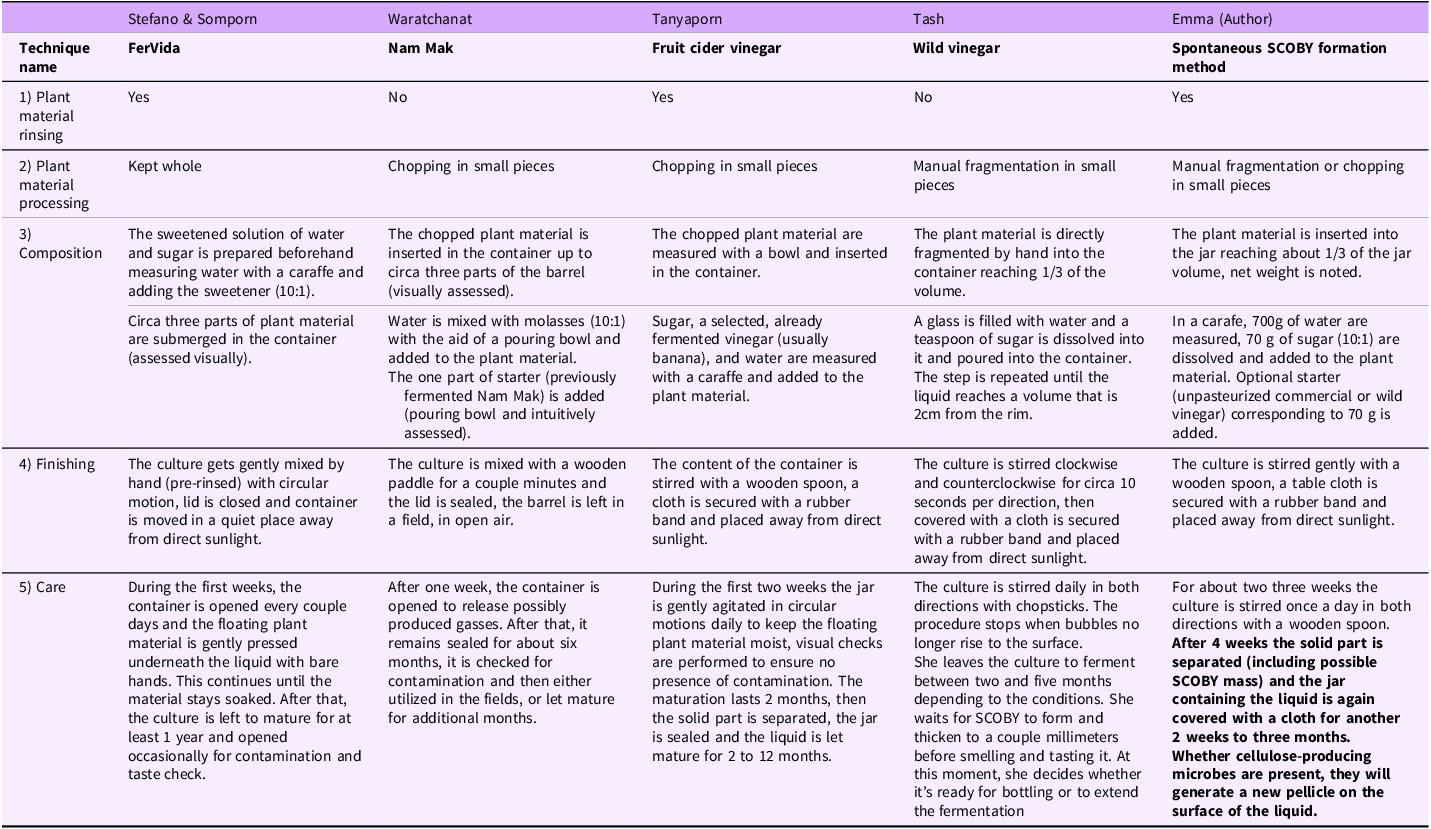
For pragmatic reasons, key elements of the techniques (see Table A1 in the Appendix) and procedural sequences (see Table A3 in the Appendix) are presented in a condensed format to facilitate the identification of similarities and differences. These tables also include the method resulting from the solo experimentation, in order to facilitate comparison.
Results
Solo experimentation: Growing SCOBY from locally foraged plants
The solo experimentation, conducted across 2024 and 2025, aimed to explore how to grow spontaneous SCOBYs through the maceration of raw plant materials foraged on different occasions in the Berlin–Brandenburg region. Initial tests followed the same proportions and procedural sequences of the techniques learned from the practitioners (overview in Table A1 in the Appendix), performing Stefano’s, Tanyaporn’s, and Tash’s techniques on the same plant resources; Waratchanat’s procedure was excluded because SCOBY formed just once over many years of her practice.
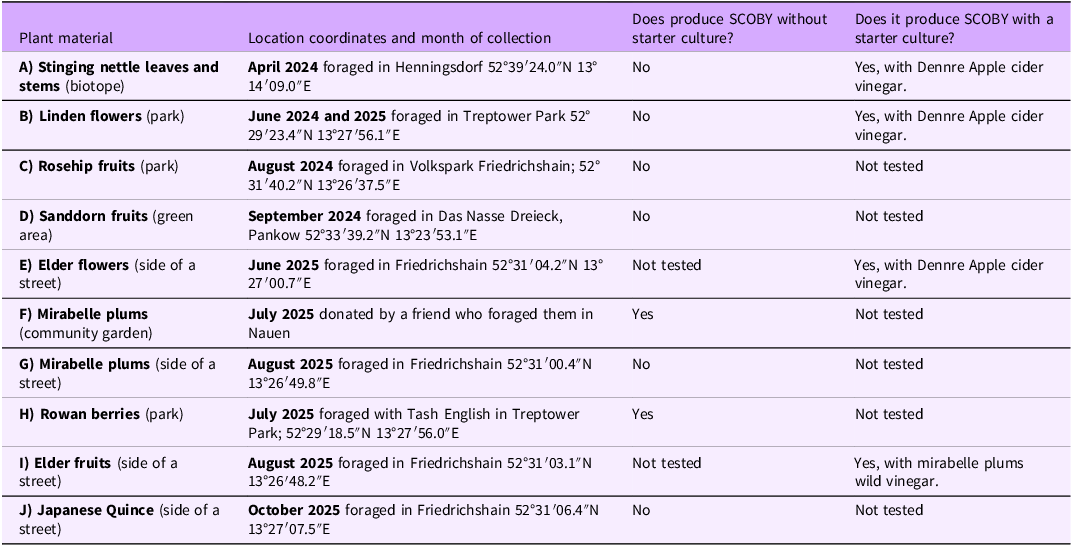
As this was an exploratory and qualitative investigation, each procedure was conducted with a single culture rather than multiple replicates. To facilitate comparison across observations, a few conditions were kept consistent, namely, the use of 1.7 L glass jars, organic beet-derived sugar produced in Germany, and filtered tap water. The first series of tests conducted in 2024 (summarized in Table A2 in the Appendix) involved the maceration of raw stinging nettle, linden flowers, rosehip fruits, and sea buckthorn fruits foraged from urban and peri-urban sites. Unfortunately, none of the cultures without a starter produced SCOBY; however, parallel tests using organic apple vinegar produced in Germany (Dennre) as a starter, following Tanyaporn’s method, successfully generated SCOBYs from independent cultures with macerating raw nettle and linden flowers.
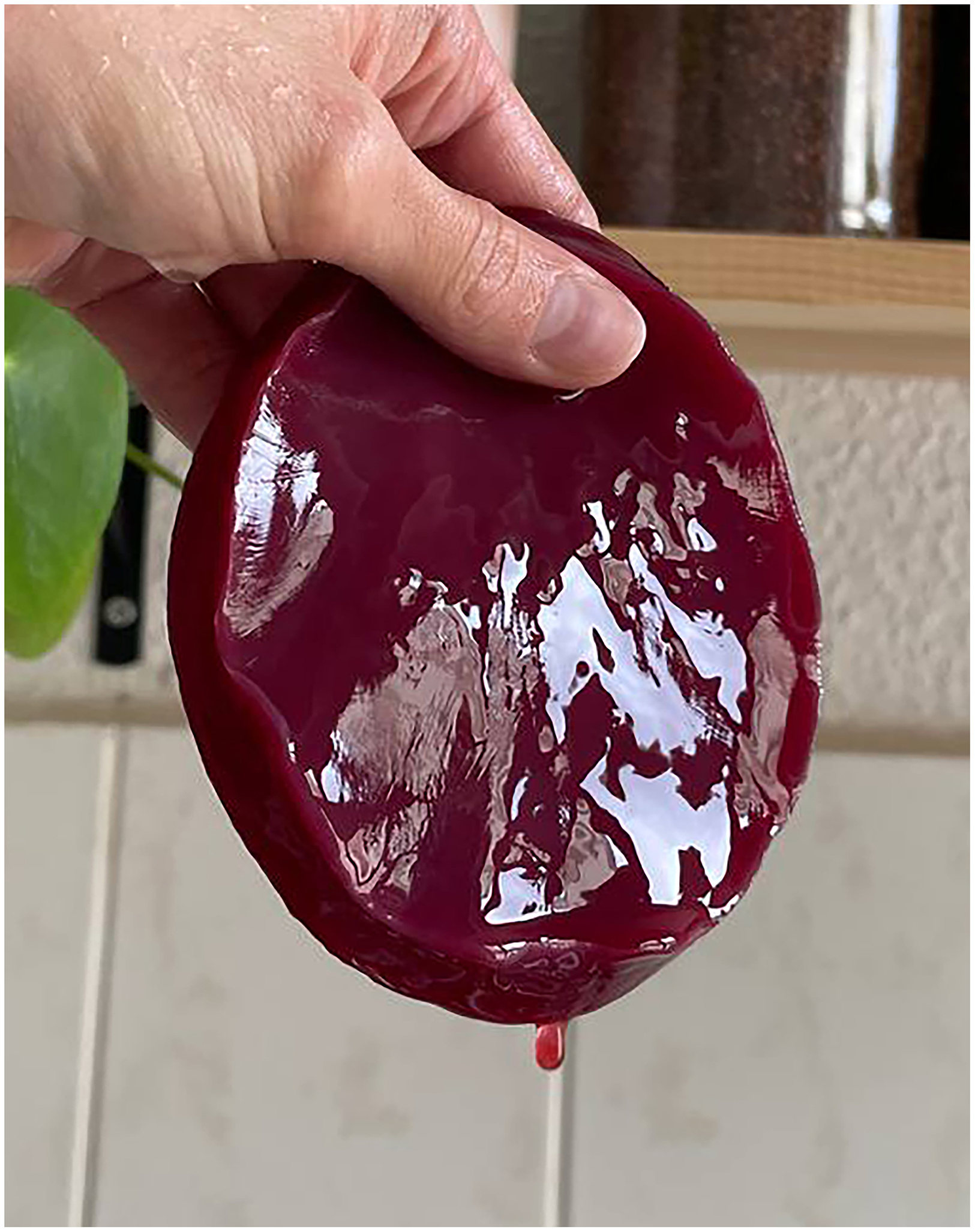
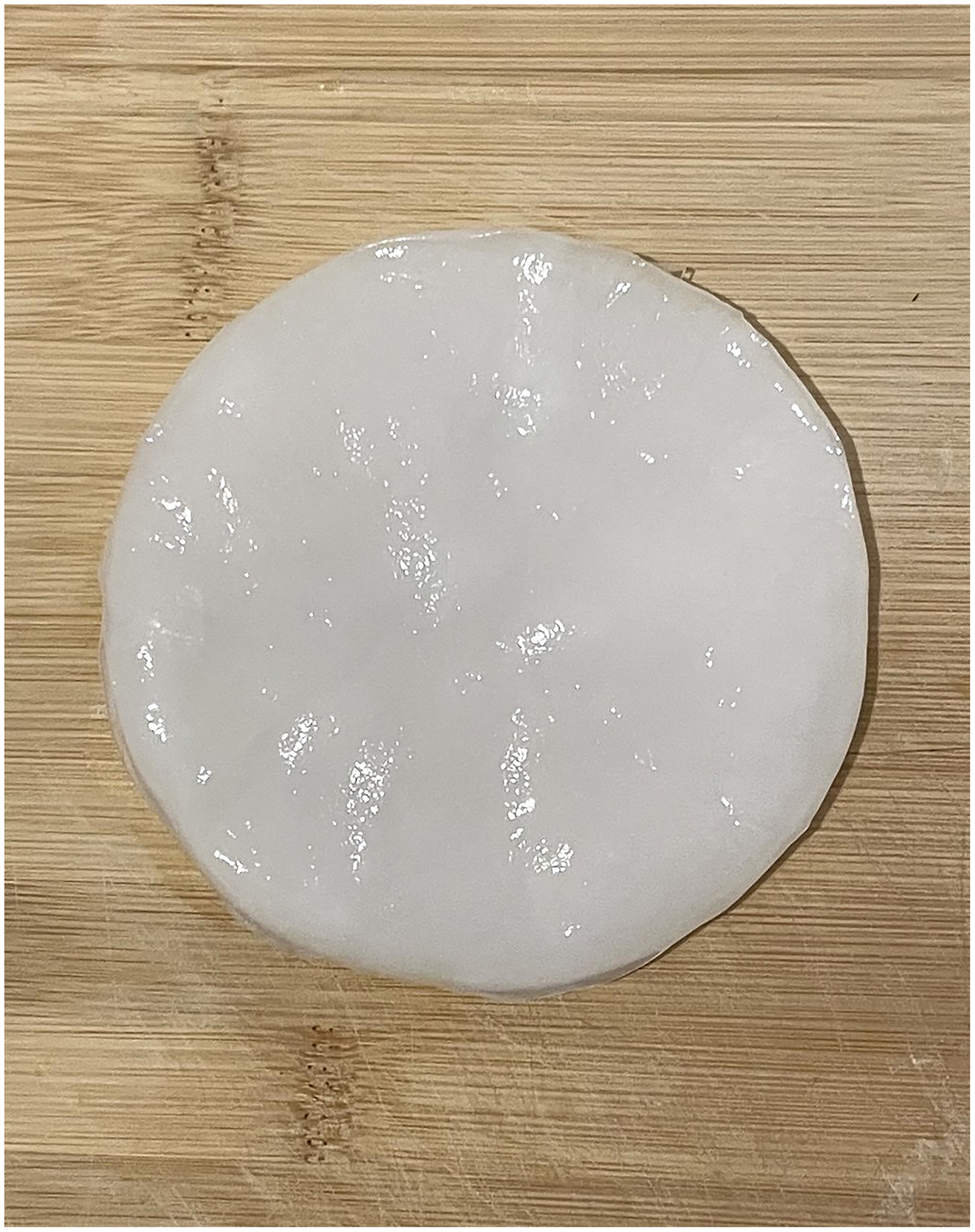
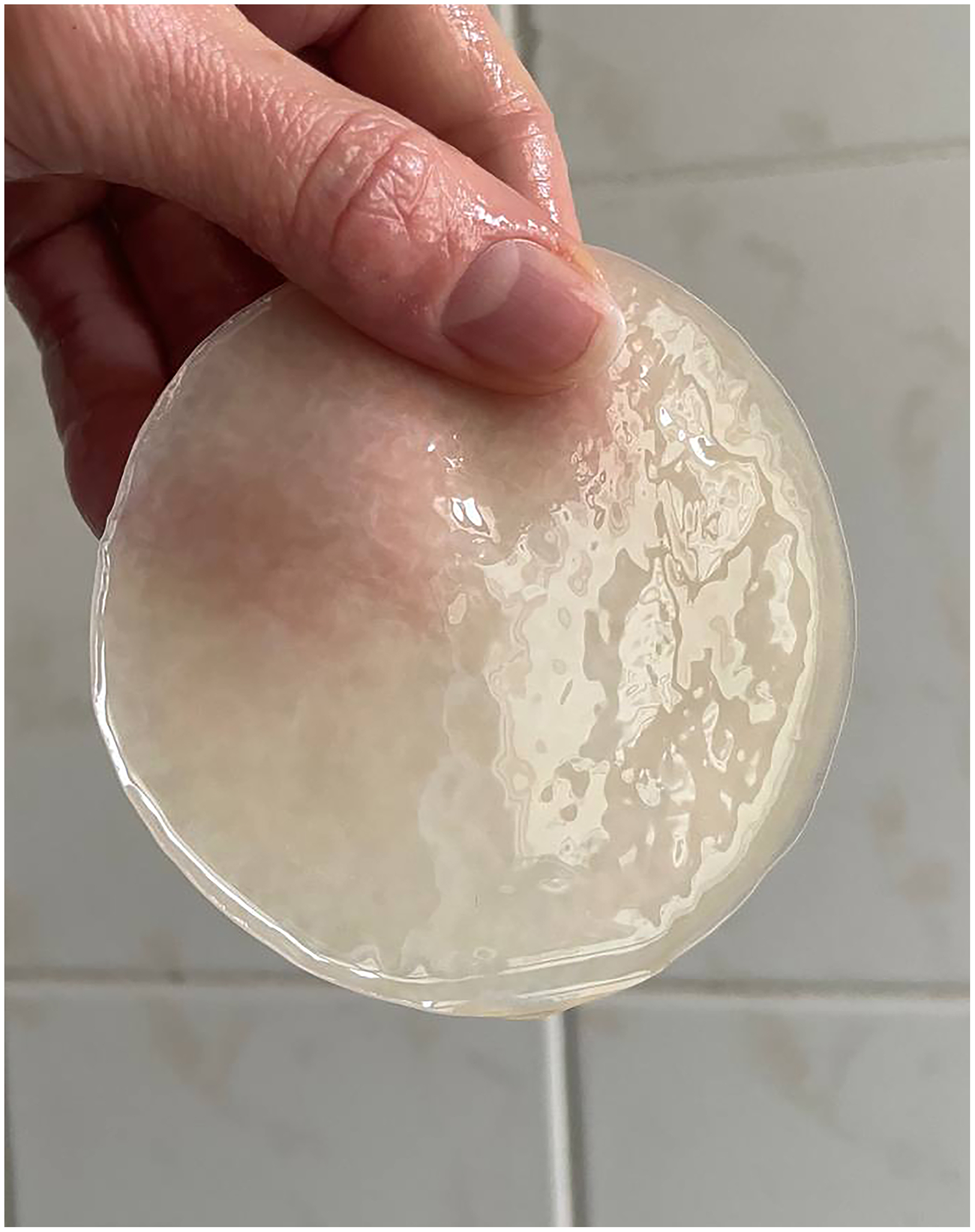
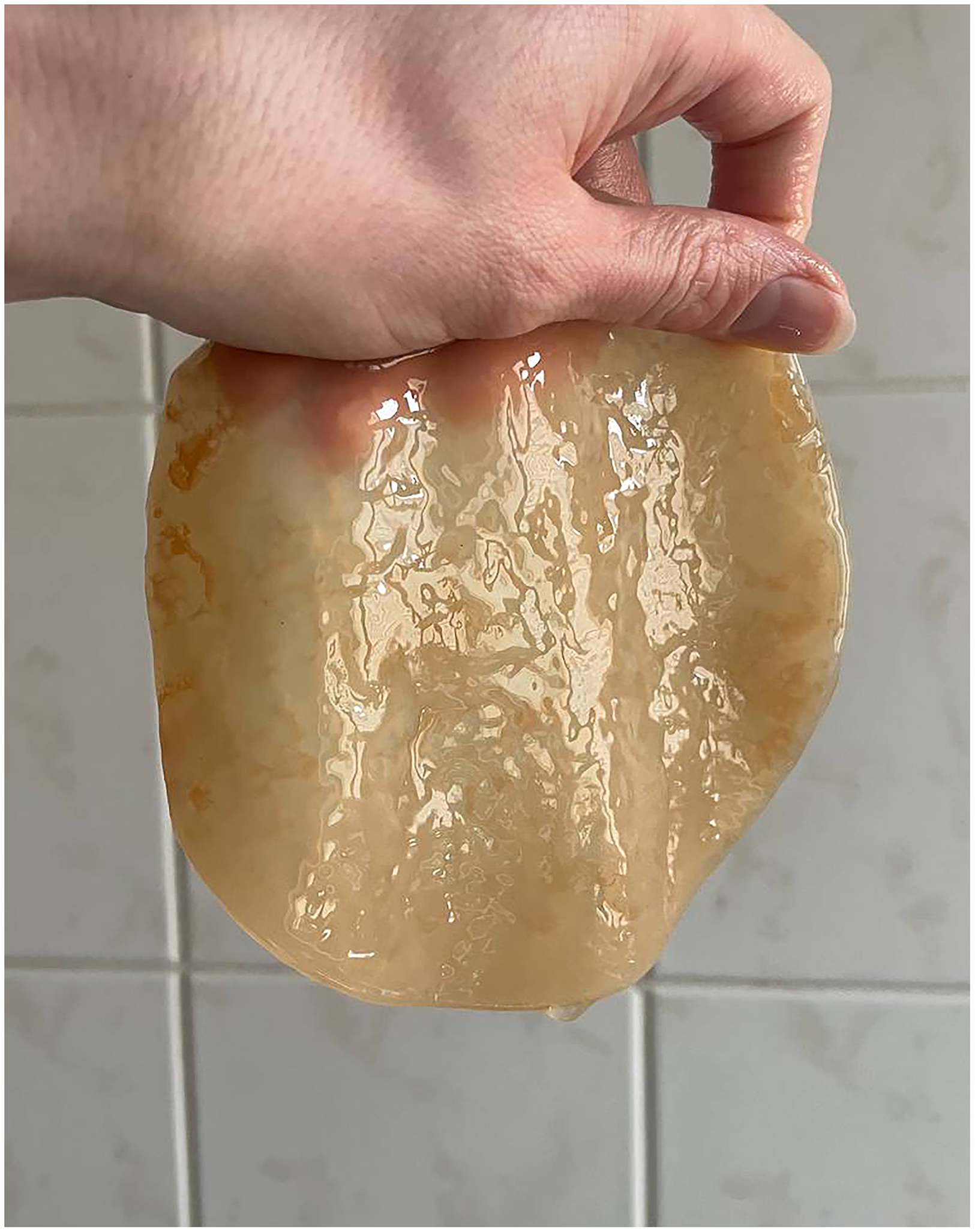
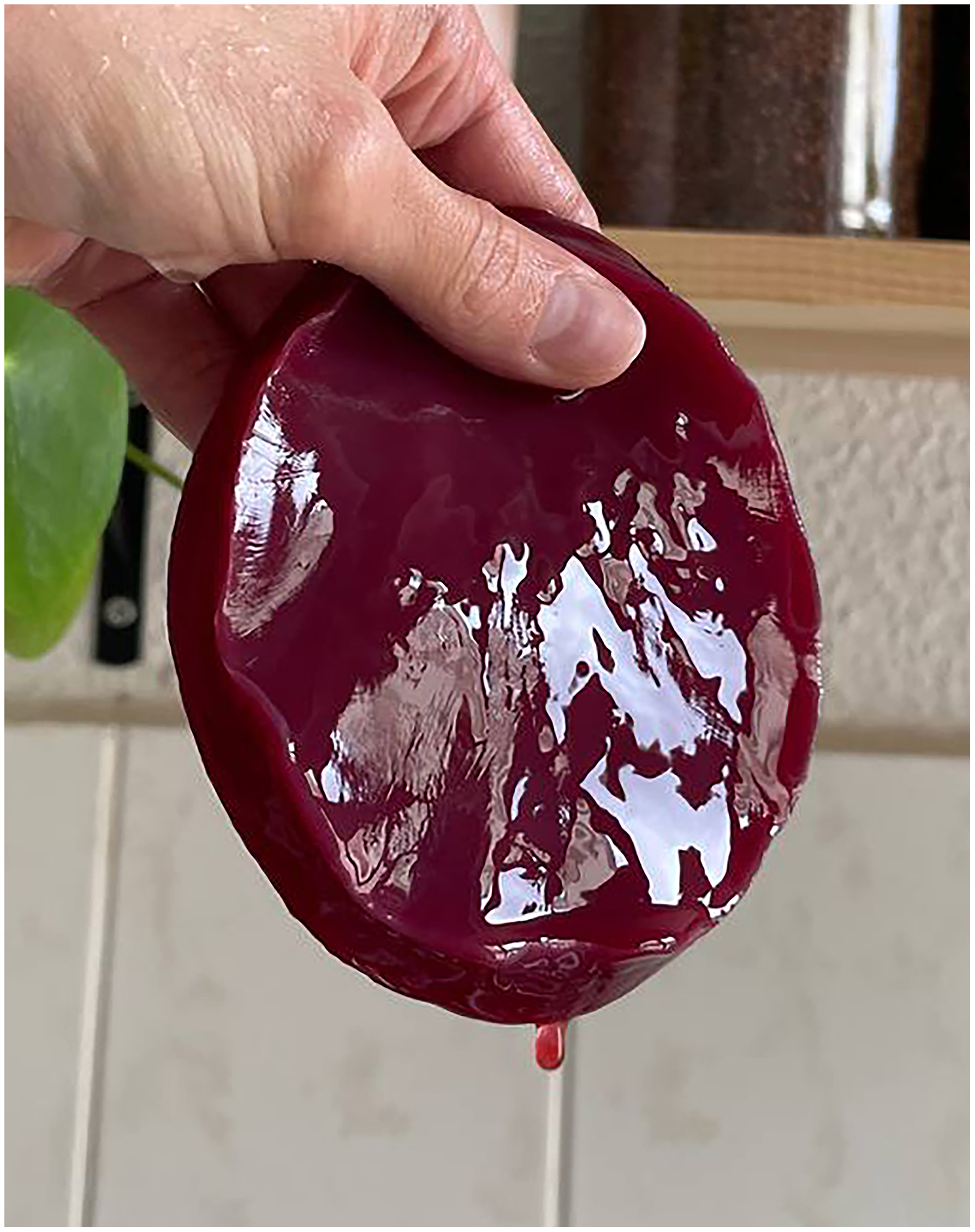
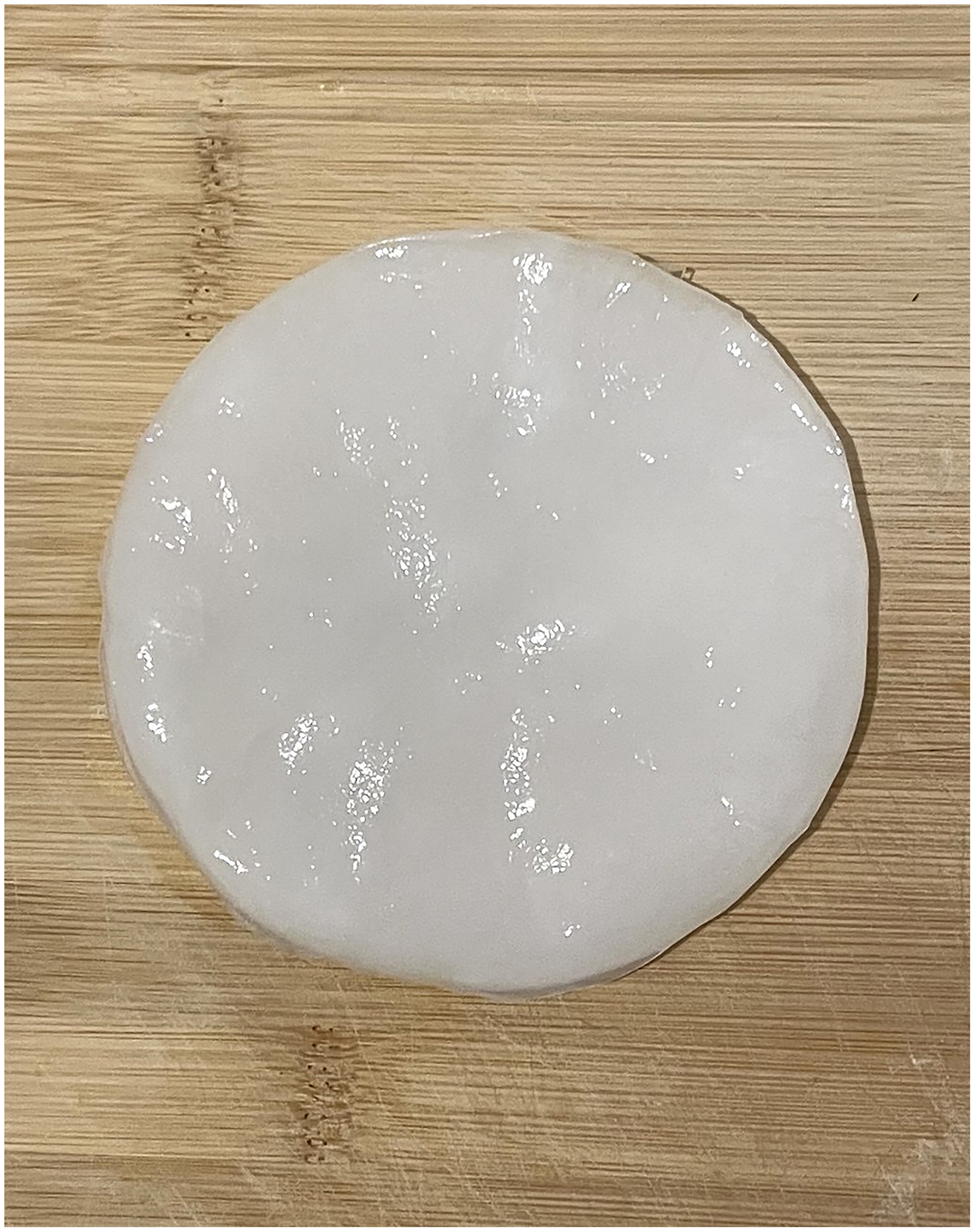
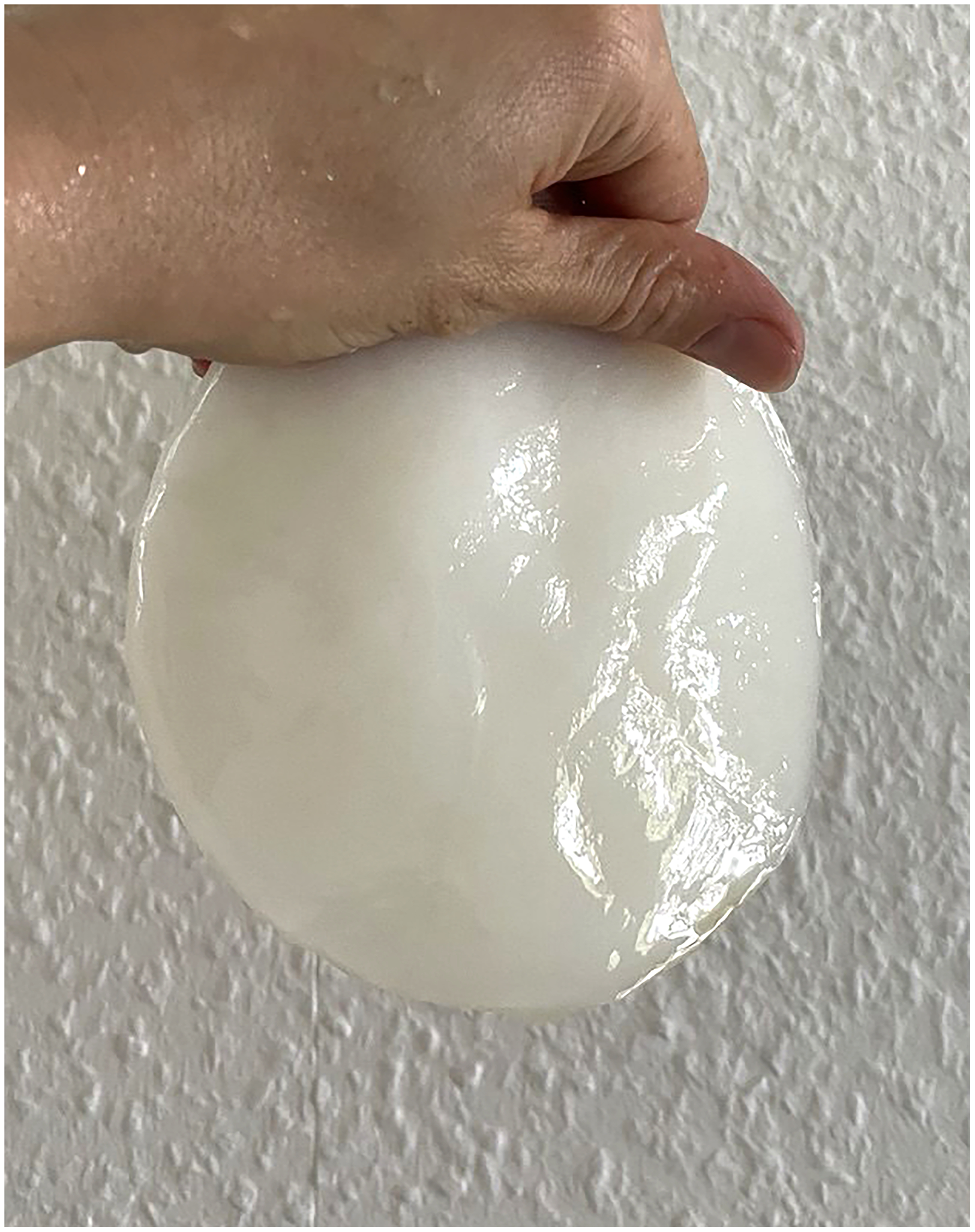
During the following year, in 2025, particularly after the sessions with Tash and Alexis, the experimentation increasingly embraced a “tinkering with process” approach (Karana et al. Reference Karana, Barati, Rognoli and Zeeuw Van Der Laan2015; Rognoli and Parisi, Reference Rognoli, Parisi, Clèries, Rognoli, olanki and Llorach2021), exploring how to integrate insights gathered through the apprenticeships regarding the factors that appeared to facilitate spontaneous SCOBY formation (Table 1). More targeted tests were conducted using elder and tilia flowers, rowan berries, elderberries, mirabelle plums, and Japanese quince foraged locally. Since spontaneous SCOBY formation appeared more likely to occur in sugary fruit macerations, foraged fruits were simultaneously tested as both nutrient source and inoculum, experimenting with Stefano’s and Tash’s techniques. These experiments allowed me to test adjustments according to Table 1 and develop a refined method (reported below), which resulted in the successful growth of spontaneous SCOBYs from rowan berries (Figure 11) and mirabelle plums (Figure 12) relying solely on the microbial ecologies present on the plant materials. In addition, to continue exploring alternative starters beyond the common Kombucha as inspired by Tanyaporn’s technique, a raw elderberry culture was inoculated with wild mirabelle plum vinegar (obtained from the liquid of the mirabelle culture which successfully grew spontaneos SCOBY shown in Figure 12), which led to the formation of a highly pigmented SCOBY (Figure 13), and a raw nettle culture enriched with a portion of the already tested commercial organic apple cider vinegar generated a milky white homogeneous pellicle (Figure 14). These experiments confirm that alternative starter cultures can be used for SCOBY growth.
Spontaneous SCOBY pellicle grown from rowan berries foraged in Berlin, September 2025. Credits: All pictures were taken and/or digitally elaborated by the author. All tables were structured and compiled by the author based on practitioners’ and own’s knowledge.
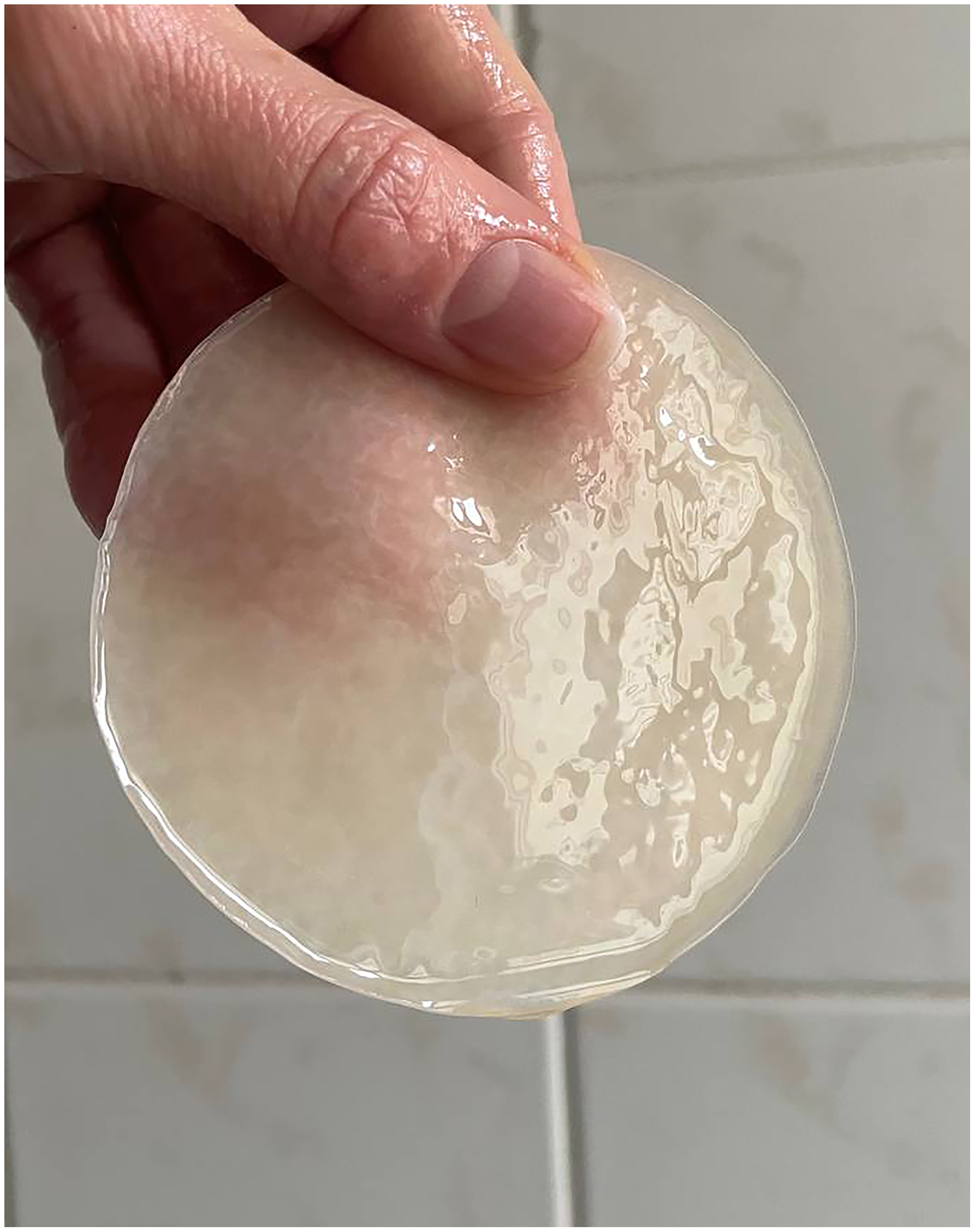
Spontaneous SCOBY pellicle grown from mirabelle plums foraged in Nauen, Brandenburg, September 2025. Credits: All pictures were taken and/or digitally elaborated by the author. All tables were structured and compiled by the author based on practitioners’ and own’s knowledge.
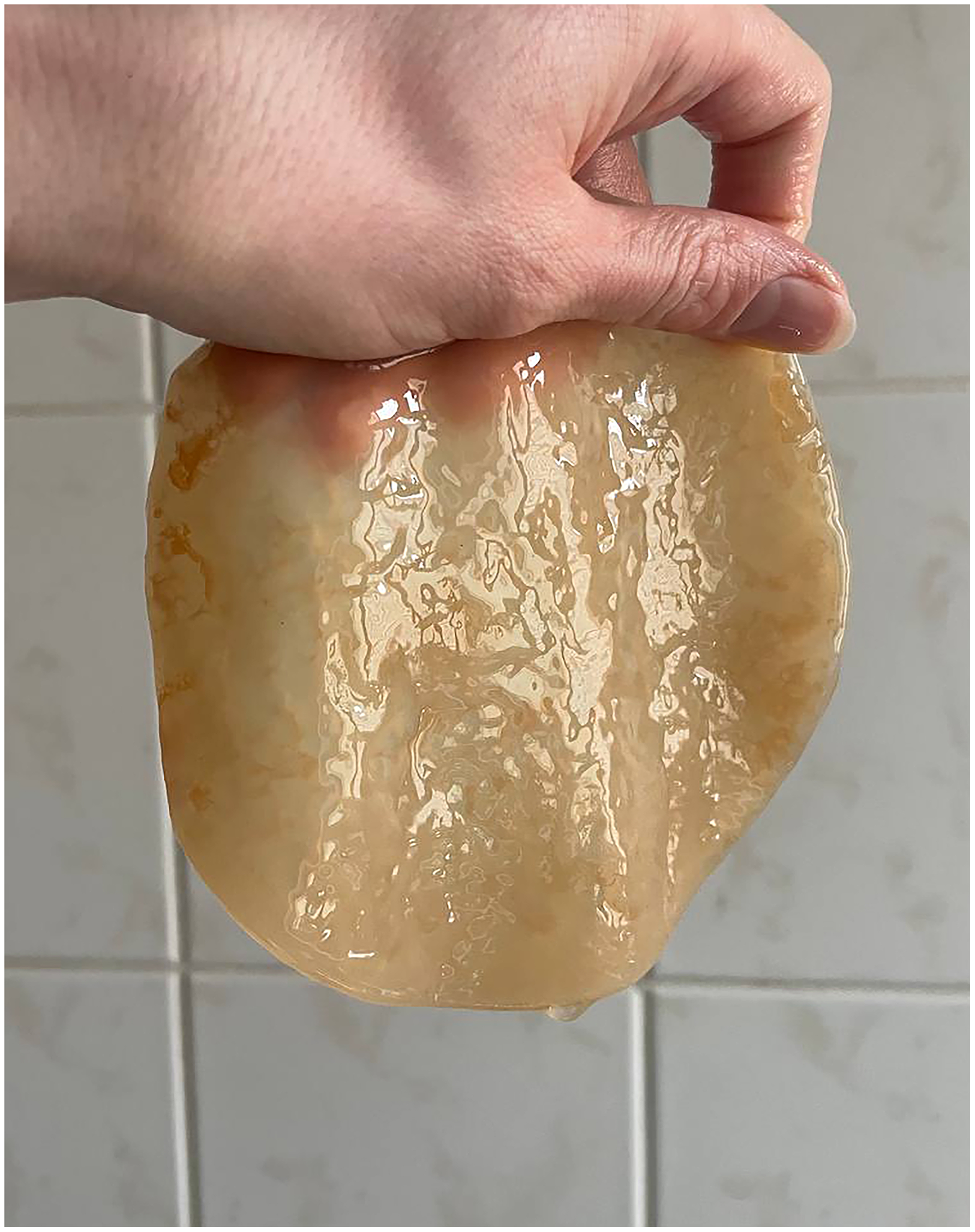
SCOBY pellicle grown from raw elder fruit (from which the pigment originates) and mirabelle wild vinegar starter culture, both foraged in Berlin, September 2025. Credits: All pictures were taken and/or digitally elaborated by the author. All tables were structured and compiled by the author based on practitioners’ and own’s knowledge.
SCOBY pellicle grown from raw stinging nettles foraged in Berlin and organic apple cider vinegar starter culture produced in Germany (Dennre), August 2025. Credits: All pictures were taken and/or digitally elaborated by the author. All tables were structured and compiled by the author based on practitioners’ and own’s knowledge.
All measurements, observations, and interventions were systematically recorded in an experimental notebook, including initial mass of the ingredients, subsequent care practices and interventions, such as stirring to increase aeration and later sugar additions to stimulate cultures not showing pellicle formation. This reflexive, iterative process allowed the gradual definition of proportions and procedures that appeared to support microbial activity, nutrient and oxygen circulation, within the container, as well as the removal of plant material at a defined point to enable undisturbed pellicle growth whether cellulose-producing microorganisms are present. Crucially, these adjustments diverge from the practitioners’ original protocols, which do not explicitly prioritize SCOBY formation (overview in Table A3 in the Appendix), while aligning with the aims of this design-driven investigation into spontaneous SCOBY formation from local plant ecologies, thereby demonstrating the effective feasibility of applying a situated approach to growing material practices.
Experimental method: Facilitating spontaneous SCOBY formation from local plant ecologies
This refined method encourages practitioners in engaging with local plant ecologies and developing familiarity with acetic fermentation practices to explore situated SCOBY cultivation. It enables experimentation with various plant materials through maceration in sweetened water, allowing for the empirical observation of which vegetal matter may support microbial ecologies capable of spontaneous SCOBY formation. The method focuses on medium preparation based on, but not limited to, foraged plant matter. This protocol is intended to be used only with edible plants and ingredients that are compatible with the human body. Practitioners, especially those who are new to fermentation, are encouraged to take time to familiarize themselves with the technique and to develop their own bodily attunement. Learning under the guidance of a more experienced fermenter is strongly recommended as it significantly supports interpreting the cultures’ ways of communicating and working with them safely and responsibly.
Materials: Tap water; organic table sugar; freshly foraged plant materials, ideally gathered from locations away from heavy traffic and known sources of pollution; a bowl; one 1.7 L glass jar; a knife and cutting board; a wooden spoon; a measuring jug; a filtered water pitcher; a breathable kitchen cloth; a cotton cloth and a rubber band to protect the container from contamination; a scale. Quantities are indicated for one container.
Procedure
Day 1: If possible, filter 1 liter of tap water with the filtered water pitcher, pour it into a bowl, and cover it with a breathable cloth. Leave it to rest overnight so that traces of chlorine can evaporate.
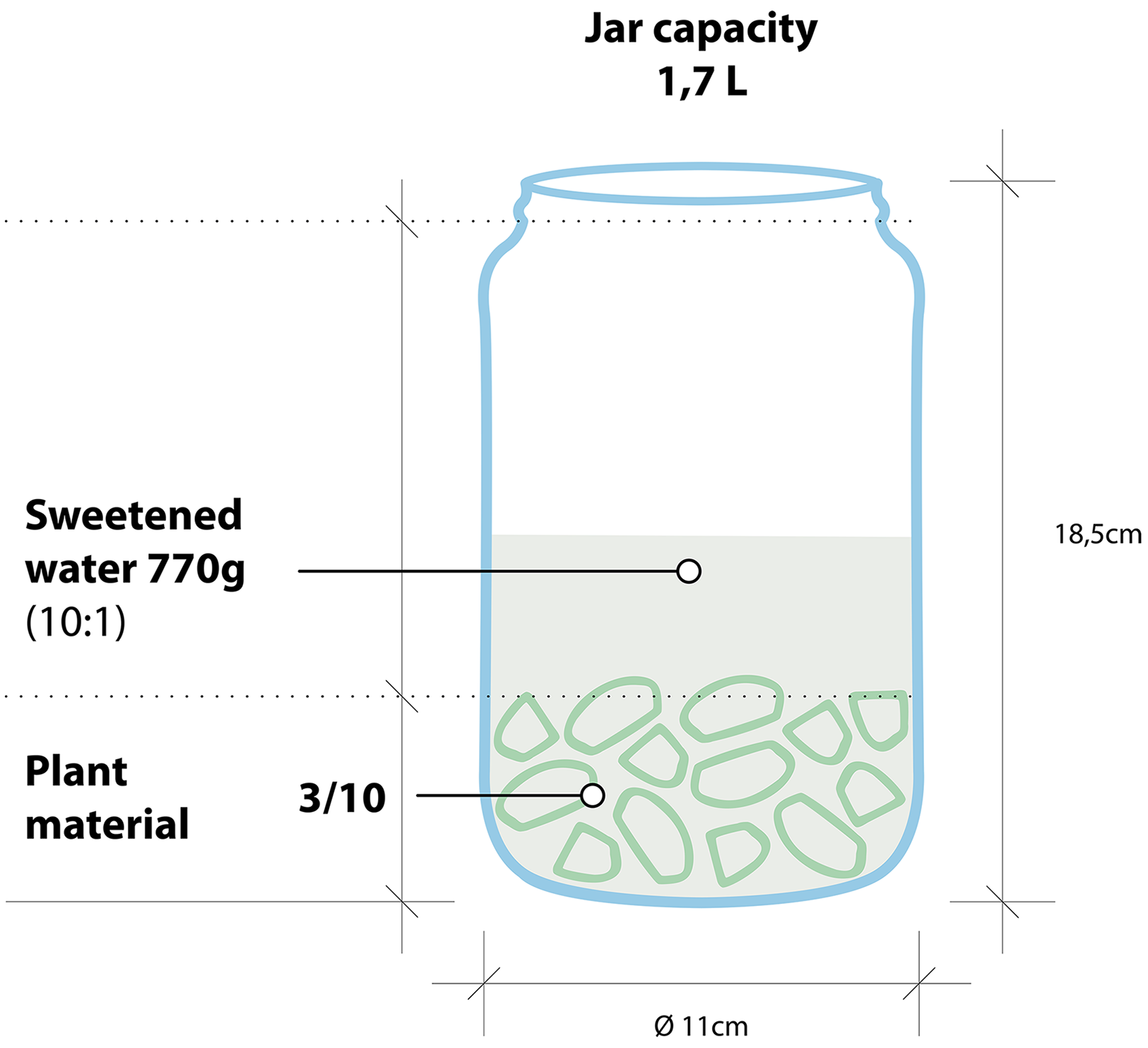
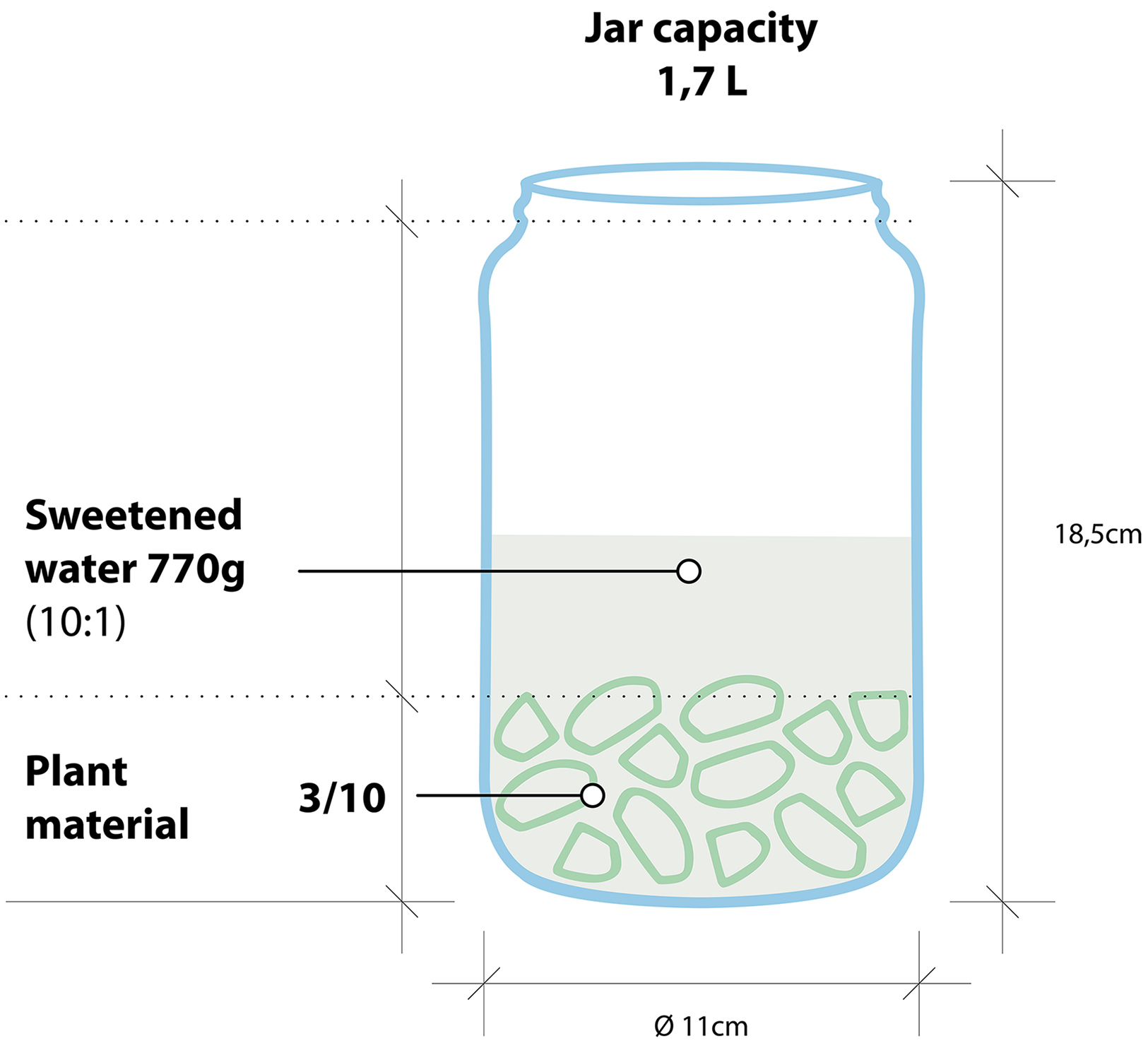
Day 2: Forage for the plant material and process it while still fresh. The culture can include a single resource as well as mixed ones. Rinse the plant materials gently under cold water without rubbing. Where possible, break it by hand into coarse pieces or use the knife if necessary. If using fruit, ensure that the skin is broken in at least a few points, including in small berries, to facilitate interactions between the pulp and the microbes inhabiting the skin. Take a 1.7-liter glass jar, wash it, and dry it. Place the glass jar on the scale and tare it. Fill the jar with roughly chopped raw plant material until it occupies approximately three-tenths of the jar’s volume, allowing the pieces to fill the gaps without being compressed (Figure 15). Note down the weight of plant material for documentation. In the measuring jug, pour 700 g of the water that rested overnight. Add 70 grams of sugar (ratio 10:1) and stir until it dissolves. Pour the liquid into the jar and mix everything with the wooden spoon.
Schematic visualization of the experimental method’s medium composition in the 1.7L glass jar. Credits: All pictures were taken and/or digitally elaborated by the author. All tables were structured and compiled by the author based on practitioners’ and own’s knowledge.
If you want to experiment with a starter culture, add in this moment 70 g of unpasteurized fruit vinegar, and mix.
Cover the jar with a cotton cloth and secure it with a rubber band, and place the container in a quiet, well-ventilated area, away from direct light and sources of dust.
Care: For three weeks, stir the mixture once a day clockwise and counterclockwise with the wooden spoon to stimulate aeration, and then cover it again with the cotton cloth. After one month of fermentation, strain the solid plant material from the liquid, using a strainer. Press the plant material to obtain more liquid and return the fermenting liquid to the container, cover it again with the cloth, and let it ferment in static conditions for another 2 to 12 weeks. If cellulose-producing microbes are in the culture, an even SCOBY will form on the surface of the liquid. If no pellicle is present after 12 weeks, it indicates that the appropriate microbial ecology was not present or there were factors inhibiting it. If clear signs of contamination appear, such as the development of colorful and/or filamentous mold, it is recommended to discard the entire batch, sanitize the equipment thoroughly, and preferably avoid reusing the same container for food preparation.
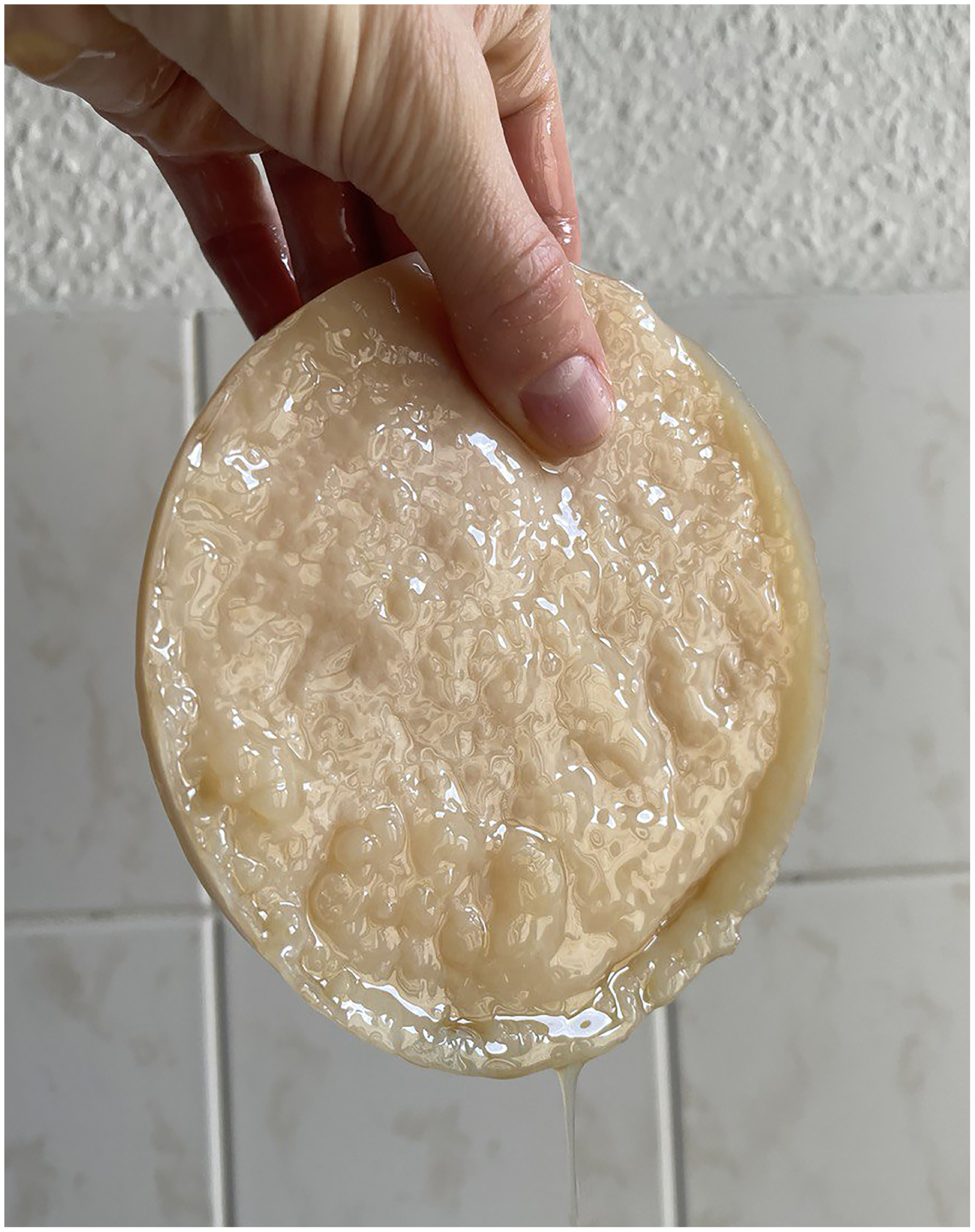
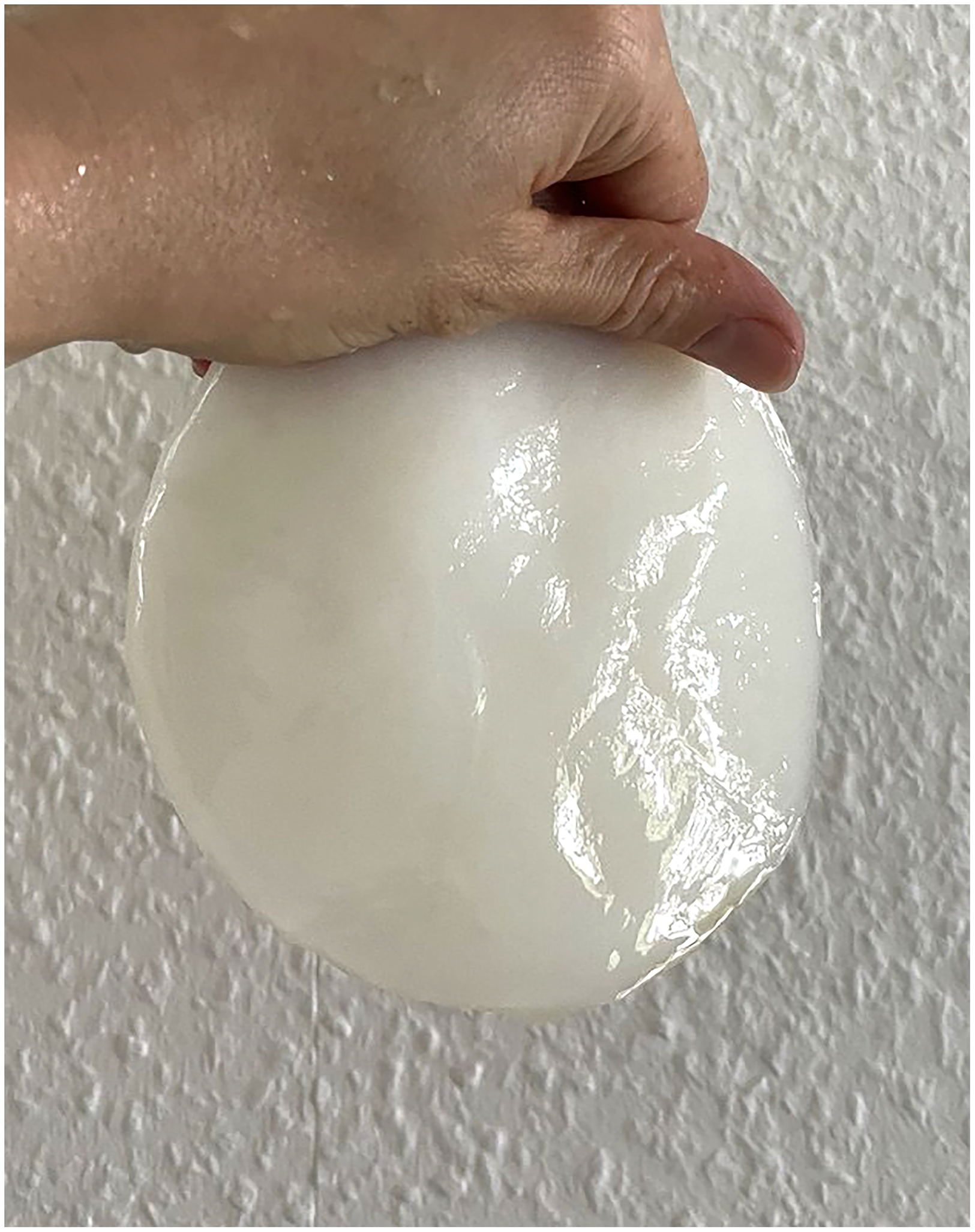
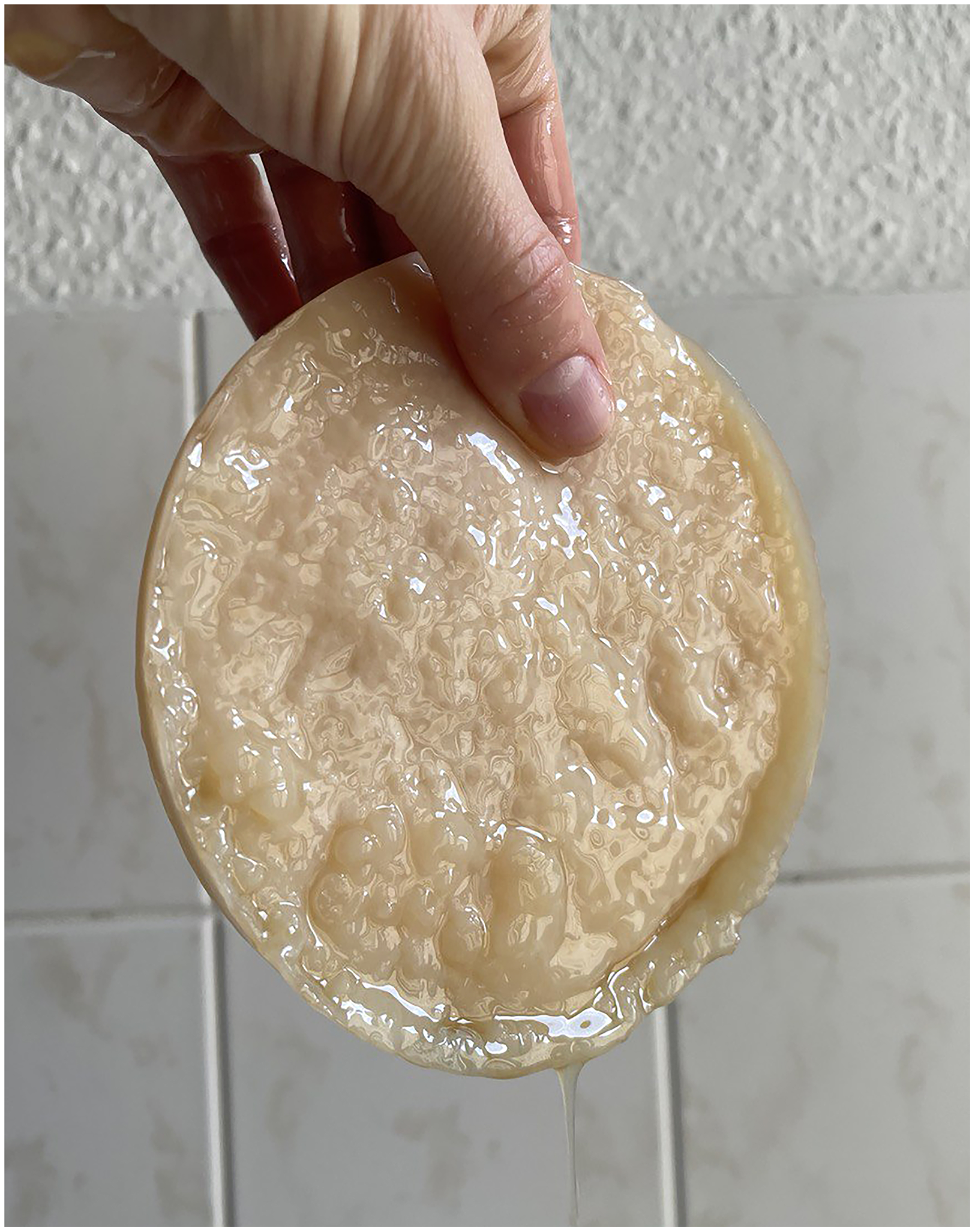
Observations: In some cases, it has been observed that a SCOBY may already begin to form during the first month of fermentation. However, it often appears uneven because plant materials tend to float on the surface of the liquid (Figure 16). For this reason, after one month, all the solid material, including the first SCOBY, should be removed. When the second SCOBY forms, it shows a more uniform texture (Figure 17). At this stage, both the SCOBY produced and the liquid can be used as a starter culture to grow more SCOBYs, as qualitatively demonstrated in the pellicle grown from the mirabelle/elderberries culture in Figure 13. Following experimentation can involve both nutrients in a raw state or plant-based infusions, drawing from the common Kombucha process. However, it is important to highlight that the microbial ecologies present on the new raw plant material would likely interact with those within the spontaneous starter culture, potentially leading to pellicles that reflect a range of interactions between organisms, sites, configurations, and forms of knowledge, but could also result in the risk of contamination and pellicle formation failure.
Uneven first SCOBY grown from raw stinging nettles foraged in Berlin, and organic apple cider vinegar starter culture produced in Germany (Dennre), August 2025. Credits: All pictures were taken and/or digitally elaborated by the author. All tables were structured and compiled by the author based on practitioners’ and own’s knowledge.
Homogeneous second SCOBY grown from raw stinging nettles foraged in Berlin, and organic apple cider vinegar starter culture produced in Germany (Dennre), August 2025. Credits: All pictures were taken and/or digitally elaborated by the author. All tables were structured and compiled by the author based on practitioners’ and own’s knowledge.
Discussion
Research answers: Can SCOBY grow “from scratch”?
The guiding question proved to be misleading. In fact, SCOBY does not emerge from an absence of biological input, but rather from situated microbial ecologies. These are either present in established cultures, such as Kombucha SCOBYs or wild/unpasteurized vinegars, or naturally occurring on plant materials embedded in the fermentation cultures. This answer found in the field is consistent with scientific studies that have isolated cellulose-producing bacteria from the skins of sugar-rich fruits (Rangaswamy et al. Reference Rangaswamy, Vanitha and Hungund2015; Serra and Hengge, Reference Serra, Hengge, Cohen and Merzendorfer2019), confirming that plant substrates themselves can host microbial organisms capable of SCOBY formation.
Solo experimentation demonstrated that SCOBY can be cultivated using foraged plants and locally produced vinegars, revealing the possibility of growing biomaterials relying almost entirely on local resources. This process underscored the essential role of bodily attunement to fermentation practices, developed through ongoing multispecies interactions and experimental engagement. It enabled “learning about microbes through plants, and about plants through microbes” [insight framed by Dr. Maya Hey, in conversation on March 6th, 2024], supporting decisions about whether specific plant materials could function primarily as nutrients or simultaneously as nutrient and microbial sources. The research process also fostered engagement with foraging and a deeper understanding of plant ecologies in Berlin-Brandenburg, providing insights into species and phenomena occurring in local biodiversity, including shifts in species composition in response to changing ecological conditions, which can further inform future situated investigations. It is also important to note that the temporalities involved in the formation of a spontaneous SCOBY can be significantly longer than those of trained cultures, such as Kombucha SCOBY, sometimes requiring several months before a spontaneous pellicle begins to form.
Growing situated SCOBYs is envisioned as a form of foundational research within Biodesign practice, focused on cultivating cultures that can serve as starting points for subsequent situated biomaterial development. These processes can then be extended into material tinkering and prototyping, or used more broadly as a means for engaging and increase familiarity with situated biological and epistemological diversity. In addition, Material-Driven Design methods (Karana et al. Reference Karana, Barati, Rognoli and Zeeuw Van Der Laan2015), could support designers to explore the distinctive properties of the pellicles and to speculate on applications that weave material affordances together with situated configurations and specificities, exploring how to align growing design practices with bioregional principles (Wahl, Reference Wahl2016; Rigobello and Evans, Reference Rigobello, Evans, Gray, Ciliotta Chehade, Hekkert, Forlano, Ciuccarelli and Lloyd2024). The dissemination of this approach is supported by the provided method, which is intentionally designed as open-ended. At the same time, the project functions as a case study aimed at fostering situated engagements with globally distributed acetic fermentation practices and local ecologies through SCOBY cultivation, which could collectively provide exploratory foundations for Situated Growing Design.
Introducing situated growing design: A practice-based translation of regenerative frameworks
Following insights generated by this investigation, Situated Growing Design is proposed as a new trajectory within Biodesign aimed at translating theoretical frameworks such as Regenerative Ecologies (Karana et al. Reference Karana, McQuillan, Rognoli and Giaccardi2023) and Design Terroir (Rigobello and Evans Reference Rigobello, Evans, Gray, Ciliotta Chehade, Hekkert, Forlano, Ciuccarelli and Lloyd2024) into situated growing material practices. At its core, this trajectory fundamentally and critically addresses the microbial growth and fermentation processes, focusing on both the organisms used for biofabrication and those used as nutrients, alongside the broader biological and epistemological ecologies that sustain these practices.
Situated Growing Design aims to complement and diversify contemporary Biodesign practices by foregrounding situatedness, local engagement, and embodied multispecies interactions. Central to this trajectory is the idea that Biodesign endeavors to concretize its regenerative ambitions should engage more directly with existing configurations and their specificities. Through situated collaborations, designers are stimulated to develop greater awareness of the ecological and epistemological implications of the biofabrication processes they (could) employ. Indeed, this approach is not limited to SCOBY and aims to encourage engagements with diverse microbial species including bacteria, mycelia, algae, as well as mixed cultures, and macroorganisms like plants.
Situated experimentation with local species holds significant potential for discovering new biomaterial expressions and novel applications of growing substances beyond the current status quo. Importantly, this diversification concerns not only biological diversity, but also epistemological nuances. Situated Growing Design recognizes the plurality of worldviews, knowledge systems, and making practices that can inform regenerative material production (Ávila Reference Ávila2022; Escobar Reference Escobar2018; Wahl Reference Wahl2016). Consequently, it highlights the need for open-ended methodologies capable of adapting to localized configurations, rather than standardized practices that flatten situated specificities. This point suggests that regenerative practices within Biodesign require expanded constellations of expertise. Situated engagements must expand current collaborations by involving practitioners active in gastronomy, conservation, cultural heritage, landscape stewardship, environmental ecology, botany and herbalism, anthropology and ethnography, and governance. Such collaborations would support the integration of eco-social and bioregional approaches within growing material practices, grounding regenerative and sustainability-oriented interventions within existing realities.
At the same time, this research recognizes that Situated Growing Design would require research temporalities that might be difficult to reconcile with conventional didactic workflows. Developing meaningful situated engagements demands time to establish collaborations, cultivate practical skills, and conduct extended experimental inquiry. As such, this type of work may be more compatible with longer-term research frameworks such as doctoral or postdoctoral investigations, rather than short-term semester-based projects, unless workflows are strategically designed by educators to ensure a continuum in which successive stages build upon one another. Furthermore, field-based research involving local ecologies and situated knowledge systems requires careful attention to ethics, genuine, respectful, and reciprocal collaboration, and compliance with international regulations governing the handling of biological materials and genetic resources, such as the Nagoya Protocol (Desmeth Reference Desmeth and Kurtböke2017). For this reason, collective endeavors and interdisciplinary collaborations with anthropologists and ethnographers will be fundamental for the development of ad hoc field methodologies to support these forms of inquiry.
Another critical tension concerns standardization and scalability, dimensions embraced within Biodesign endeavours oriented towards industrial production, which may be difficult to reconcile with regenerative principles. This applies particularly within practices such as wild fermentation, where high variability and broader ecological responsiveness are intrinsic characteristics of the process. However, rather than viewing this potential incompatibility as a limitation, Situated Growing Design could operate as a site for exploration of alternative models of material production, adaptability, and application. As such, responsiveness to shifting ecological, as well as socio-cultural conditions, may constitute a key design quality in its own right.
Conclusion
This contribution departs from a critical examination of SCOBY cultivation in Biodesign, emphasizing how standardized organisms and processes may sustain dynamics that are not necessarily aligned with regenerative principles. In response, a multi-sited inquiry into vernacular acetic fermentation practices explored spontaneous SCOBY formation with practitioners in Thailand and Germany. The findings show that SCOBY can emerge as a dynamic result of multispecies interactions grounded in situated microbial and plant ecologies. SCOBY can thus be understood as a relational biomaterial that can incorporate both biological and epistemological diversity, taking form through adaptive embodied engagements shaped by local conditions and situated forms of knowledge and relating. As a contribution to ongoing research, this study introduced an open-ended, open-source experimental method designed to support designers in engaging with local ecologies and in exploring the emergence of SCOBY cultures from locally sourced plant materials and microbes. The insights and reflections emerging from this investigation have directly informed the proposal of Situated Growing Design as a new trajectory in Biodesign, grounded in these findings and with potential extension to other biofabrication processes. Specifically, it aims to concretize regenerative frameworks and bioregional principles (Karana et al. Reference Karana, McQuillan, Rognoli and Giaccardi2023; Rigobello and Evans Reference Rigobello, Evans, Gray, Ciliotta Chehade, Hekkert, Forlano, Ciuccarelli and Lloyd2024; Wahl, Reference Wahl2016) through the development of methods and approaches that support the situated investigation of material growing practices within existing configurations.
Data availability statement
Data subject to third-party restrictions: The data that support the findings of this study are not publicly available at this time, as they form part of ongoing doctoral research. They will be made available from the author upon completion of the study and/or following the publication of the corresponding results upon request.
Acknowledgements
I would like to express my sincere gratitude to my microbiology supervisor, Prof. Dr. Regine Hengge, for her trust and support throughout this project, and to the Cluster of Excellence Matters of Activity (MoA) of the Humboldt University of Berlin for providing bureaucratic support, methodological knowledge, and financial backing for field research activities. I am thankful to my design supervisor, Prof. Dr. Markus Holzbach, the Institut für Materialdesign (IMD), and the Hochschule für Gestaltung (HfG) Offenbach am Main for recognizing and supporting the value of situated research practices.
My deepest thanks go to the practitioners I had the privilege of working with in Thailand: Stefano Abruzzese, Somporn Abruzzese, Tanyaporn Tantasathien, and Waratchanat Thongthiangtham, whose livelihoods and situated approaches forever changed my own approach and perception of fermentation, allowing me to develop a deeper connection to my own Biodesign practice.
I gratefully acknowledge the methodological guidance and equipment consultancy provided by Dr. Laurence Douny (MoA), whose support was essential in preparing the fieldwork, as well as Dr. Christine Schmid (HU Berlin) and Dr. Christian Stein (MoA) for their valuable inputs in fieldwork methods and equipment. I also thank my friend Eve Jazmati for her logistical and networking support in Thailand and for sharing her fermentation expertise, and Phakhini Charukamnerdkanok for additional logistical assistance.
My gratitude extends to Dr. Anika Dreilich of the Späth-Arboretum, part of the Institut für Biologie at the Humboldt-Universität zu Berlin, for her expertise on local plant ecologies, and to Rahel Kesselring for facilitating this connection. I also warmly acknowledge the enriching exchanges with Tash English and Alexis Görtz, whose expertise in fermentation, herbalism, and foraging has been invaluable on a personal and practical level.
Finally, I would like to express my sincere gratitude to Prof. Dr. Elvin Karana (TU Delft), as well as the participants of the Summer School 2025 at the Center of the Social Studies of Microbes (CSSM) at the University of Helsinki: Dr. Maya Hey, Stephanie Sacco, Fe Versteeg, Nikolai Siimens, Dr. Jose A. Canada, Paula Palanco Lopez, Jihad Snobre, and Marie-Louise Wohrle; for their constructive feedback on earlier drafts of this article.
Author contributions
The author is the sole contributor to this manuscript and carried out all stages of the research, including conceptualization, methodological design, fieldwork and experimental execution, data collection, visualization and analysis, and the writing and revision of the paper.
Financial support
The author acknowledges the support of the Cluster of Excellence »Matters of Activity. Image Space Material« funded by the Deutsche Forschungsgemeinschaft (DFG, German Research Foundation) under Germany’s Excellence Strategy – EXC 2025 – 390648296.
Competing interests
None.
AI utilization statement
ChatGPT was employed for voice-to-text transcription, synonym suggestions, and recommendations for improving the clarity and grammatical correctness of the content. All content was conceived by the authors and double-checked. The same AI system was employed to visually adjust Figure 2 to improve suitability for scientific publication. The modification was limited to the subject’s attire (replacement of a black tank top with a black T-shirt) and did not alter any other contextual information or data represented in the image.
Ethical standards
This research was conducted in accordance with the principles of research integrity and publication ethics as outlined by the Committee on Publication Ethics (COPE). Given the plurality of sites, actors, and epistemologies involved, ethical considerations were continuously addressed and made explicit throughout the project. Particular attention was paid to compliance with the Nagoya Protocol on “Access to Genetic Resources and the Fair and Equitable Sharing of Benefits Arising from their Utilization”. In strict adherence to its regulations (Desmeth Reference Desmeth and Kurtböke2017), no biological material encountered in Thailand was further utilized in research contexts in Germany. All microbial and plant species employed in the Berlin-based SCOBY experiments were sourced locally within the Berlin-Brandenburg area.
Practitioners in Thailand were fully informed in advance about the aims, scope, and potential outcomes of the research, and were actively involved in discussions regarding knowledge exchange and appropriate forms of transactional compensation. Participants were given full freedom to determine compensation arrangements according to their own preferences, ensuring that modalities matched their expectations and the collaboration context. Informed consent forms were provided and explained before the beginning of the activities, including the explicit right to withdraw at any stage without consequences. The same procedure was followed with practitioners resident in Germany. All practitioners were provided with the sections of the manuscript pertaining to their involvement, and their requested changes were incorporated. Informed consent was obtained from all practitioners for the publication of the information presented herein.
To conclude, the open-source “Experimental Method: Facilitating Spontaneous SCOBY Formation from Local Plant Ecologies” draws on knowledge contributed by practitioners; however, the procedure presented reflects the author’s own experimental practice with local plant materials over approximately two years and differs from practitioners’ methods in certain adjustments of sequence and scope (see Tables A1 and A3 in the Appendix).
Appendix
Example of an annotated sketch with terminology. A digitized and integrated sketch with terminology in Thai and English about the components of Nam Mak/FerVida provided by Somporn Abbruzzese, in Khon Buri District, Nakhon Ratchasima Province, Thailand, May 21st, 2024. Credits: All pictures were taken and/or digitally elaborated by the author. All tables were structured and compiled by the author based on practitioners’ and own’s knowledge.
Example of procedural sequence visualization. Procedural sequence visualization of Nam Mak/FerVida preparation, integrating first and second fermentation stages with indicated timelines. As highlighted, both the first fermentation and the “Refill” second fermentation phases tend to show spontaneous SCOBY formation. Produced during an apprenticeship by Stefano and Somporn Abbruzzese in Khon Buri District, Nakhon Ratchasima Province, Thailand (May 20–24, 2024). Credits: All pictures were taken and/or digitally elaborated by the author. All tables were structured and compiled by the author based on practitioners’ and own’s knowledge.
Overview of key elements of the acetic fermentation practices of the practitioners and the author
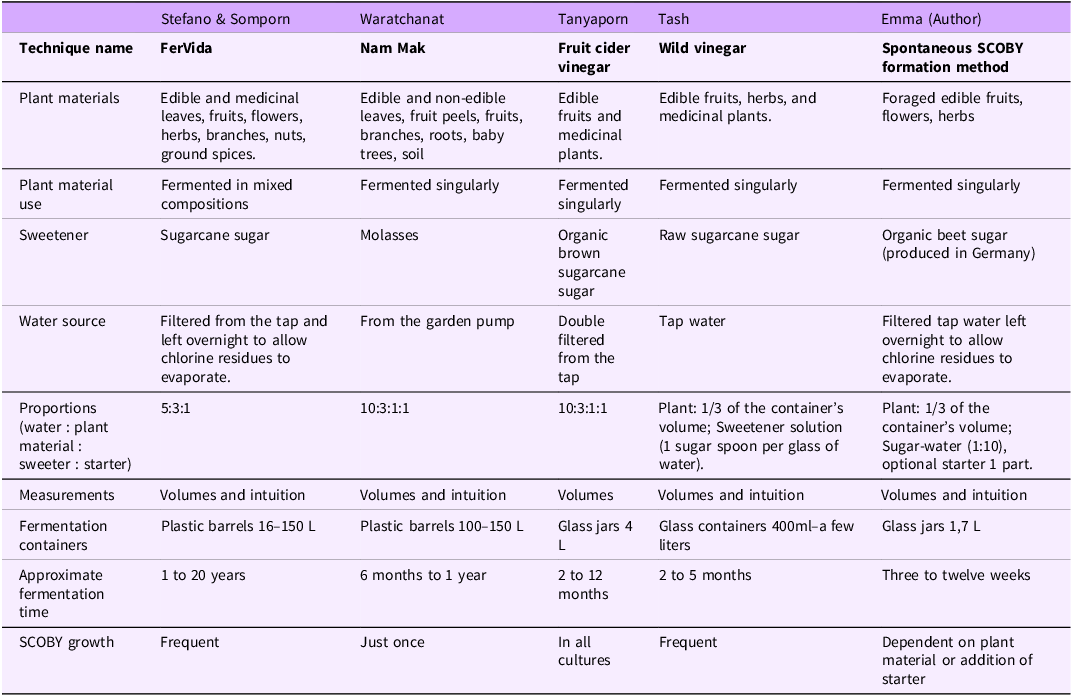
Credits: All pictures were taken and/or digitally elaborated by the author. All tables were structured and compiled by the author based on practitioners’ and own’s knowledge.
Table showcasing the local plant materials, with geographical coordinates of collection, utilized to grow situated SCOBYs in Berlin-Brandenburg and experimental results
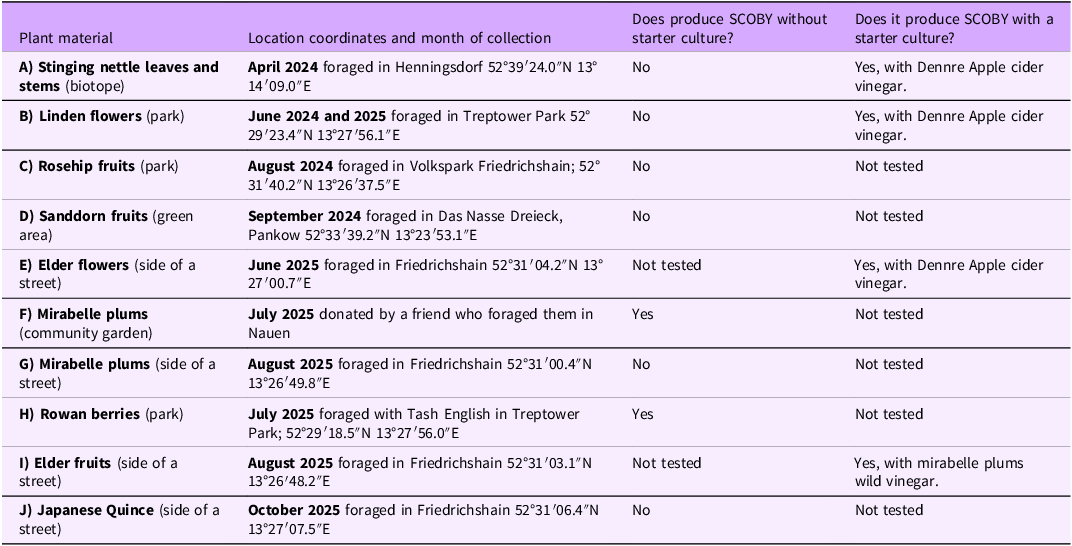
Credits: All pictures were taken and/or digitally elaborated by the author. All tables were structured and compiled by the author based on practitioners’ and own’s knowledge.
Comparative procedures listed vertically in chronological order from 1 to 5. In bold, the specific step that appeared to stimulate SCOBY formation according to insights collected in Table 1
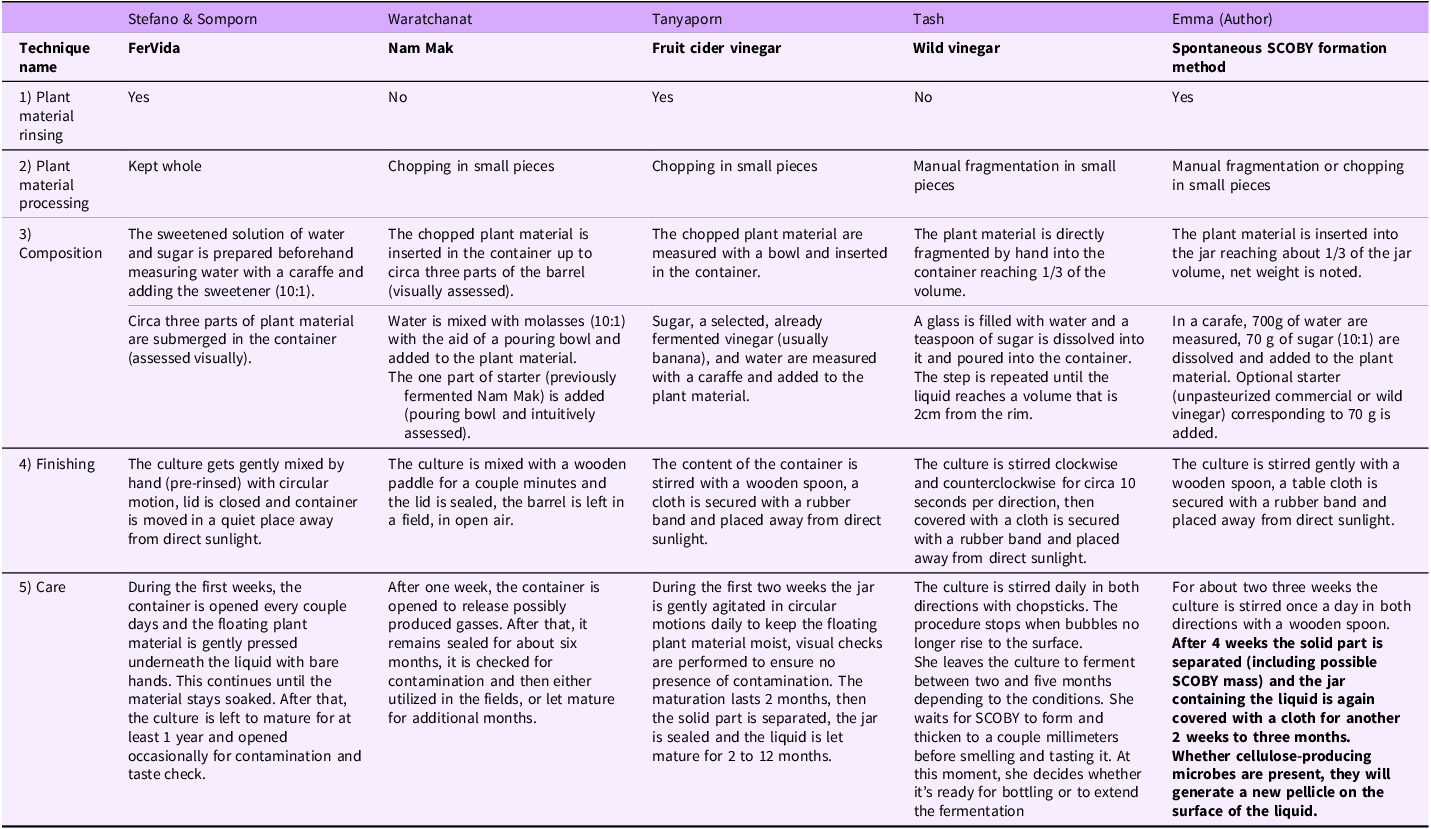
Credits: All pictures were taken and/or digitally elaborated by the author. All tables were structured and compiled by the author based on practitioners’ and own’s knowledge.

 Open access

