




Introduction
A recent State of Nature Report (State of Nature Partnership 2023) underlined the UK’s unfortunate position as one of the world’s most nature-depleted countries. Flowering plant distributions have fallen in Britain by 54% since 1970, and some 16% of all species (almost 1,500 species in total) are currently under threat of extinction. UK biodiversity continues to decline, despite burgeoning restorative efforts. How we use our land and seascapes are cited alongside climate change as key contributing factors to this decline. Statistics such as these, together with media renditions that evoke both the wonder and the loss of global wildlife – from the mysterious communicative capacities of mycorrhizal fungi to the tiny and shrinking geographical range of the Galápagos Pink Land Iguana – feed our growing sense of ecoclimate crisis (cf. Robb Reference Robb and Smith2023, 256), and understandably, prompt action in what the UN has declared to be ‘The Decade of Ecosystem Restoration’, from 2021 to 2030. Initiatives are underway across the globe to conserve endangered species, to restore valued ecosystems and to develop more nature-friendly ways of using our land and seascapes. Tackling the symptoms of ecoclimate crisis has become a headline-grabbing agenda for governments and research funding bodies alike. In archaeology, this movement has sparked a reawakening of interest in how we can realign our work to meet the needs of a wide set of pressing environmental agendas, and in how the interests of nature, people and heritage can be balanced as we restore nature.
This paper stems from work on the UKRI-funded ‘Rewilding’ later prehistory project (‘Rewilding’) – a collaboration between Oxford Archaeology; the Universities of Exeter, Oxford and York; Centre for Anthropobiology and Genomics of Toulouse (CAGT); and nature restoration practitioners at Knepp Castle Estate (a pioneering rewilding project on the heavy clays of the Low Weald in southern England) and Hepple Estate (a newer rewilding initiative on the upland heath of the Simonside Hills in Northumberland, north-east England). The project aims to build a novel holistic account of wildlife in later prehistoric Britain and to use this as a basis to connect with current nature recovery agendas. Our specific focus here is on if and how archaeological ideas and approaches can inform understandings of and responses to biodiversity loss and nature restoration (including rewilding). Most recent accounts of archaeology and the current ecoclimate crisis are broad-brush and have tended either to subsume archaeology within wider disciplinary definitions – as an aspect of heritage, of anthropology or of historical or political ecology – or to examine the role of archaeology in attending to a full gamut of issues surrounding the Anthropocene (see Dawson et al. Reference Dawson, Nimura, López-Romero and Daire2017; van der Noort Reference van de Noort2013 for discourse on ‘Climate Change Archaeology’; Internet Archaeology 62 (Special Issue on Archaeology and the Natural Environment) for practical considerations of how to balance ecological and archaeological needs in protected landscapes; Cipolla et al. Reference Cipolla, Crelin and Harris2024 for an account of how archaeological theory can be employed in addressing diverse contemporary issues (including the Anthropocene); Bauer and Bahn Reference Bauer and Bhan2018; Boivin and Crowther Reference Boivin and Crowther2021; Braje Reference Braje2015; Guttmann-Bond Reference Guttmann-Bond2019; Isendahl and Stump Reference Isendahl and Stump2019; for summaries of how evidence from the past at a broad level, as well as from contemporary Indigenous knowledge, can be wielded to inform Anthropocene-related challenges more widely). In these accounts, archaeology tends to be rendered narrowly as a scientific pursuit rather than as the multifarious and interdisciplinary field that we understand it to be (see, however, Lane Reference Lane2015; Mitchell Reference Mitchell2008; Pétursdóttir Reference Pétursdóttir2017; Bauer Reference Bauer2018; Bauer and Bahn Reference Bauer and Bhan2018; Cipolla et al. Reference Cipolla, Crelin and Harris2024). Meanwhile, the potential for archaeology to inform biodiversity loss and nature recovery specifically has not been explored in detail.
We situate recent recognition of the past’s potential role in addressing issues surrounding ecoclimate crisis by revisiting insights from archaeological and ecological co-operations over the last 50 or so years. In doing so we highlight both ecology’s changing needs in the current understandings of ‘crisis’, and archaeology’s shifting capacity to meet these needs. This is important because in the recent and understandable rush to reposition archaeological agendas to attend to pressing environmental matters, careful work already undertaken in this area has sometimes been overlooked. Archaeologists and heritage professionals more widely run the risks of rehashing old arguments and of failing to appreciate investigative limits already reached. With this in mind, and heeding accounts of previous misuses of information about the past in creating ‘wildness’ (Cronon Reference Cronon1996; Lorimer Reference Lorimer2020), we bring to the fore archaeology’s potential to harness some of its ‘softer’, less tangible, analytical strengths in attending to emerging ecological interests. This includes archaeological understandings of human–landscape relationships (people in nature), of landscape change (time), and of the positive potential of interpretative uncertainty. Our intention is not to provide firm answers, but to spark further conversation about if and how archaeology matters in a time of global environmental instability.
Beyond crisis? Twentieth-century considerations of archaeology and wildlife conservation
Whilst some accounts have implied that archaeologists and heritage professionals more broadly have only recently woken up to the topic (Sloane Reference Sloane2023), joint working between archaeology and wildlife conservation is certainly not new. Within Britain, many nineteenth-century local societies, such as the Dorset Natural History and Archaeology Society, combined these fieldwork pursuits, nurturing a fertile realm of disciplinary cross-pollination that lasted long into the 20th century. Ecological experiments were undertaken in the 1950s and 1960s specifically to investigate the role of archaeological earthworks in generating valuable grassland ecologies (Wells Reference Wells and Lambrick1985). By the mid-1980s, shared concerns about the impact of arable farming on both archaeology and wildlife sparked a joint conference in Oxford on Archaeology and Nature Conservation. Even at this time, the slow pace, poor coordination, and low profile of joint archaeology–ecology initiatives was thought to be problematic: ‘work which has been quietly continuing for some time and which deserves to be appreciated more widely’ (Lambrick Reference Lambrick1985). Themes raised at that conference permeate much subsequent discourse in this area: (1) commonalities between archaeological and ecological interests and the frequent spatial coincidence of landscapes of archaeological and ecological value (Lambrick Reference Lambrick1985); (2) the potential role of environmental archaeology in informing current ecological understandings (e.g. of ‘pristine wilderness’) and practices (Robinson Reference Robinson and Lambrick1985); (3) the complexities involved in seeking straightforwardly to recreate past ecological relationships (Robinson Reference Robinson and Lambrick1985); and (4) the importance of communicating archaeological and ecological interests together for audiences well beyond these specialisms (Perring Reference Perring and Lambrick1985, 31). Much of the archaeological–ecological experimentation it was hoped the conference – now over 40 years ago – would provoke, has yet to be realised.
During the 1990s and early 2000s, discussions about wildlife conservation and archaeology in northwest Europe were led by environmental archaeologists, focussed primarily on ecologically rich settings (mainly wetlands, for example, Cox et al. Reference Cox, Straker and Taylor1995) or on the potential contributions of key specialisms (e.g. zooarchaeology, Lauwerier and Plug Reference Lauwerier and Plug2002), and were typically published in edited volumes. These discussions mainly served to underline, nuance and provide diverse working examples of the four broad themes raised in Lambrick (Reference Lambrick1985). Papers in Cox et al. (Reference Cox, Straker and Taylor1995) also charted growing disconnections between archaeologists and wildlife conservation practitioners in Britain. Louwe-Kooijmans (Reference Louwe-Kooijmans, Cox, Straker and Taylor1995) highlighted how archaeological evidence from the Netherlands had been over-romanticised in archaeological visualisations for the public, and consequently misunderstood and misused as a frame of reference by nature development enthusiasts, linked to feelings of guilt about the ongoing human destruction of landscapes and of longing for pure and unspoiled (past) wilderness. Conversely, Roberts (Reference Roberts, Cox, Straker and Taylor1995) warned that wildlife practitioners in Britain were often disregarding archaeology entirely. Other themes that have become increasingly relevant in recent years (see below) were evident but not discussed in detail in these volumes: the potential for archaeology to inform political and philosophical agendas surrounding nature recovery (Plug Reference Plug, Lauwerier and Plug2002, viii) and awareness of the complexities of linking information about past ecologies not only with current ecological observations, but also with understandings of future ecological impacts (Roberts Reference Roberts, Cox, Straker and Taylor1995).
Centred mainly in the US, and over broadly the same era, significant work at the interstices of archaeology and nature conservation emerged as an element of interdisciplinary ecologically oriented social sciences and humanities subdisciplines – primarily in historical ecology and political ecology.
Purposefully interdisciplinary in approach, and globally and future-oriented in scope, historical ecology’s core concerns have been to develop long-term understandings of relationships between people and landscapes, to consider the cumulative global outcomes of these relationships and to elicit how findings from these studies can be applied to current nature restoration (see Crumley Reference Crumley1994; Balee Reference Balée1998; Rackham Reference Rackham and Sutherland1998 for early definitions). Significant archaeological contributions have been made under the banner of historical ecology. However, archaeology is not always considered as a central strand of historical ecology’s interdisciplinary makeup, with anthropology, geography, history and ecology featuring most prominently. Partly in relation to this context, the overall emphasis of historical ecological studies has been on global regions with local Indigenous communities who bring other important ideas and practical considerations to the subject, and/or on historical periods for which there is a clear abundance of evidence – archival, anthropological, oral historical, scientific and so on – to draw on. Rackham’s pioneering contributions to historical ecology in Britain were therefore unusual (e.g. Reference Rackham1975, Reference Rackham1986, Reference Rackham and Sutherland1998). With remarkable foresight, Rackham raised the ideas that fingerprints of past ecologies are integral to emerging ecologies, that archaeological stories beyond environmental histories can add to the biological (as well as to the cultural) value of current landscapes, and that wildlife conservation practices go through ‘fashions’ relative to which archaeology can operate as a standard. He also discussed the intricacies involved in balancing the (at times conflicting) needs of people and of nature, and the likelihood that factoids – statements that look like facts – and visions about what natural areas should look like play a strong role in shaping environmental policies and in practical decision-making in wildlife conservation settings. Whilst political ecology itself has a longer genealogy, archaeological political ecology is a fairly recent phenomenon – see papers in Uneven terrain: archaeologies of political ecology (Morehart et al. Reference Morehart, Millhauser and Juarez2018) for an excellent overview. A distinctive agenda for political ecology at a broad level has been to investigate the extent to which unequal relationships (between people and between human and nonhuman aspects of landscapes) are an element of the creation of meaningful places and of environmental concerns more widely, from framings of ‘nature’ to configurations of land tenure, farming practices and so on.
In considering more recent archaeological contributions to wildlife conservation below, our core interest is in the role played by archaeological evidence and approaches, rather than on identifying researchers’ alignments to specific disciplinary or sub-disciplinary realms – archaeological studies from archaeology, archaeoecology, historical ecology, applied archaeology, political ecology, etc., are intentionally presented together. This is not to deny the importance of earlier efforts to unpick the distinctive worth of separate ecologically oriented sub-disciplines within the social sciences and humanities (e.g. Balée Reference Balée2006), or to defy more recent arguments about the analytical power of upholding and identifying with these distinctive sub-disciplinary traditions (Isendahl and Stump Reference Isendahl and Stump2019, 583; Crabtree and Dunne Reference Crabtree and Dunne2022). Following Pryor (Reference Pryor, Straker and Taylor1996), however, we see archaeology as an already profoundly interdisciplinary pursuit with its own distinctive evidence base and wide set of analytical strengths that merit consideration in their own right. It is certainly possible that in seeking to stake a position in wider interdisciplinary ecologically oriented discourse, archaeology has lost sight of the strength of some of its own perspectives (cf. Lane Reference Lane, Isendahl and Stump2019).
A key point here is that interdisciplinary work investigating themes of common interest to archaeologists, geographers, biologists, anthropologists, ecologists, historians, wildlife conservation practitioners, farmers and beyond were underway long before our current configuration of ecoclimate ‘crisis’. Insights from these earlier (and in some ways less pressurised) accounts are still highly relevant to current discourse. Rather than treading old ground, it therefore seems vital (and more interesting) to move the conversation on by asking what the specificities of the emerging ecological emergency are, how seemingly old debates in this realm might be approached differently (cf. Cipolla et al. Reference Cipolla, Crelin and Harris2024, 12), and if and how archaeology can contribute positively in this context.
Ecology’s changing needs
Recognition that we have entered a state of ‘nature crisis’ has radically altered the prominence and perceived significance of ecological interests and has put archaeology’s relationship with ecology on a different footing. Interdisciplinary research over the last 25 years to define and to characterise the increasingly rapid and intensive human-influenced Earth system transformations widely termed the Anthropocene (Crutzen and Stoermer Reference Crutzen and Stoermer2000), and accumulating scientific evidence for climate change and biodiversity loss that are beyond human control, have propelled previous environmental concerns to a point of crisis. Whatever the merits of labels such as the Anthropocene and of definitions of crisis (e.g. Lorimer Reference Lorimer2020; Robb Reference Robb and Smith2023), this sense of crisis has shifted the urgency of, and the value attributed to, ecological needs, as governments, scientists and educated publics alike seek desperately to counter global tendencies towards environmental catastrophe. One practical outcome of this shift is the extent to which it has catalysed attempts to recover and restore nature. International initiatives aimed at recreating valued ecosystems (e.g. wetlands), protecting threatened species and landscapes (e.g. corncrakes and traditional farming practices in the Western Isles of Scotland, inselberg ecologies in southern India (Bauer 2018)), prioritising natural processes over human needs in landscapes previously used for farming and industry (e.g. European rewilding initiatives) and reintroducing locally extinct species (e.g. beaver), or simulacra of these species, which are of key ecological importance, are underway on an unprecedented scale. In Britain, the ambitious government target to create or restore more than 500,000 ha of wildlife-rich habitat beyond existing protected landscapes by 2042 is one key manifestation of work in this vein (Environment Act 2021).
Alongside these practical responses to ecoclimate crisis, wider multi-disciplinary discussions have spawned other, less direct outcomes that are of particular interest to archaeology. Geologists, ecologists, climate scientists, social scientists and latterly, archaeologists (e.g. Kintigh et al. Reference Kintigh, Altschul, Beaudry, Drennan, Kinzig, Kohler, Limp, Maschner, Michener, Pauketat, Peregrine, Sabloff, Wilkinson, Wright and Zeder2014; Edgeworth et al. Reference Edgeworth, deB Richter, Waters, Haff, Neal and Price2015, Reference Edgeworth, Bauer, Ellis, Finney, Gill, Gibbard, Maslin, Merritts and Walker2024; Gibbard et al. Reference Gibbard, Walker, Bauer, Edgeworth, Edwards, Ellis, Finney, Gill, Maslin, Merritts and Ruddiman2022; Rich and Campbell Reference Rich and Campbell2023) have sought to explore temporal aspects of the Anthropocene in general and of human impact on the environment in particular. As one social geographer put it: ‘much of Anthropocene science has focused on the past’ (Lorimer Reference Lorimer2017, 11). A ‘new conservation’ has emerged that emphasises environmental change as the norm and dispels dreams of conserving wilderness as a bounded space – untouched, unchanged and separated from humans (Marris Reference Marris2011; Büscher and Fletcher Reference Büscher and Fletcher2019). As part of this ‘historical turn’, there has been substantial critique of how historical concepts such as ‘ecological baselines’ are applied (‘pristine’ (pre-humanised) ecological systems that offer broad targets for nature restoration), and of the definitions of and values attributed to ‘native’, ‘non-native’ and ‘invasive’ species (e.g. Thomas Reference Thomas2011, 216-7; Rodrigues et al. Reference Rodrigues, Monsarrat, Charpentier, Brooks, Hoffmann, Reeves, Palomares and Turvey2019; Atmore et al. Reference Atmore, Aiken and Furni2021; Warren Reference Warren2023; Lundgren et al. Reference Lundgren, Bergman, Trepel, le Roux, Monsarrat, Kristensen, Pedersen, Pereyra, Tietje and Svenning2024).
Despite widespread academic interest in past dimensions of the current environmental crisis, and the growing scrutiny of historical concepts in ecology, it is possible to highlight continuing issues with how the past is employed in wildlife settings and in developing global strategies for addressing environmental decline. Discussions with nature restoration practitioners during work on the ‘Rewilding’ project suggest that deeply ingrained orientations towards pristine (pre-human) wilderness, idealised past ecological baselines and native species and ecologies still haunt nature restoration efforts (old habits die hard). Reified versions of the past have also been wielded to underpin prominent international agendas for tackling detrimental Anthropocene effects (Asafu-Adjaye et al. Reference Asafu-Adjaye, Blomquist, Brand, Brook, DeFries, Ellis, Foreman, Keith, Lewis, Lynas, Nordhaus, Pielke, Pritzker, Roy, Sagoff, Shellenberger, Stone and Teague2015). Once harmful prehistoric human impacts on biodiversity – for instance, links made between Pleistocene hunting practices and the extinction of mammoths – are presented in parallel with, and as being as significant as, the damage caused by modern industry and farming (ibid. 2015, 16), it is possible to demonise past human activity in general, to deflect attention from positive environmental outcomes of past human–landscape cooperation and to gloss over the extreme (and often now knowingly enacted) detrimental effects of ongoing industrial practices.
Exposure of humanity’s increasingly dominant environmental role alongside wider social changes, for instance, rising sensitivity to global mental health (e.g. Comprehensive Mental Health Action Plan 2013–2030 (World Health Organization 2021)), have also prompted novel considerations of the relationship between people and nature. Ecomodernists and environmental advisory groups alike point to current human society’s unprecedented knowledge of environmental systems and unique capacity to respond to planetary changes (e.g. Asafu-Adjaye Reference Asafu-Adjaye, Blomquist, Brand, Brook, DeFries, Ellis, Foreman, Keith, Lewis, Lynas, Nordhaus, Pielke, Pritzker, Roy, Sagoff, Shellenberger, Stone and Teague2015, 7; State of Nature 2023, 3). Social scientists have observed the extent to which ‘beyond human’ theories – stemming from the notion that human and other (nonhuman) aspects of landscapes share ‘charismatic’ properties, are fundamentally entangled, and emerge in relation to one another – have been ‘powered up’ by the emergence of the Anthropocene (e.g. Lorimer Reference Lorimer2017, 9; Tsing Reference Tsing2017). Creative writers and social scientists alike have flagged up the surprising capacity of nature to flourish in contexts of extreme human impact from toxic military waste dumps to nuclear fallout zones (Cronon Reference Cronon1996, 57; Flyn Reference Flyn2021). Emphasis on the negative environmental impact of certain human practices – intensive farming and fishing and industry, as well as, in the context of an overpopulated island such as Britain, of even ‘passive’ activities such as walking, climbing and birdwatching (Tree and Burrell Reference Tree and Burrell2023, 385–6) – has heightened anxieties about people’s place in nature and fuelled conflict between alternative visions of how to care for nature and its people (Costello Reference Costello2020; Mikołajczak et al. Reference Mikołajczak, Jones, Sandom, Wynne-Jones, Beardsall, Burgelman, Ellam and Wheeler2022). Meanwhile, the capacity of biodiverse landscapes to foster a sense of human well-being has become both a selling point for nature recovery practitioners (e.g. Tree and Burrell Reference Tree and Burrell2023, 384–5) and a focus for academic research in its own right (Lovell et al. Reference Lovell, Wheeler, Higgins, Irvine and Depledge2014). In this context, ecotourism ventures – such as Knepp Castle Estate’s popular safaris and workshops – and natural capital initiatives – such as Nattergal – have blossomed as farmers, landowners and nature recovery practitioners seek to negotiate the complex and sometimes contradictory needs of people and nature, and importantly, to remain economically viable in unstable financial times (see DeSilvey and Bartolini Reference DeSilvey and Bartolini2019 for a recent European example). Attempts to extoll the beneficial properties of nature are growing in even the most densely peopled settings, for instance, via the creation of ‘urban wilds’ (Lorimer Reference Lorimer2015; Threlfall and Kendal Reference Threlfall and Kendal2018). Reconnecting people with nature and building strong relationships between ecologists and Indigenous and local people (e.g. farmers) are lauded as being vital to the success of future nature restoration (Isendahl and Stump Reference Isendahl and Stump2019; State of Nature Partnership 2023).
Uncertainty about the future natures we are creating (Lorimer 2017, 4; Reference Lorimer2020, 4), about how to measure environmental change, about what to believe from the diverse and often contradictory wealth of environmental information now at our fingertips and even about what nature is, is another attribute of the emerging ecoclimate crisis that is of interest here (see also Lane Reference Lane, Isendahl and Stump2019, 63–64). The term ‘uncertain’ appears no less than 79 times in the recent State of Nature Report (State of Nature Partnership 2023).
Important implications for archaeology of the shifting needs of ecology in the context of an emerging environmental emergency are as follows. Archaeological research that can potentially inform ecological patterning, understandings and practices has taken on new levels of public interest and significance. A podcast on ‘The Archaeologists’, produced with colleagues from Historic England and Knepp Castle Estate for the popular Knepp Wildland series as part of the ‘Rewilding’ project, was downloaded more than 6,000 times in the first 8 months. The need to understand whether and how escalating habitat creation practices affect the survival of archaeological remains and could also potentially be informed and even improved by certain kinds of archaeological evidence and ancient land use practices (e.g. Bauer 2018; Apostolova et al. Reference Apostolova, Sopotlieva, Valcheva, Ganeva, Shivarov, Velev, Vassilev, Terziyska and Nekhrizov2022) has become more urgent. Perhaps most importantly, the relationship between archaeology and ecology has profoundly changed. Versions of a ‘usable past’ (Brooks Reference Brooks1918; Pelkonen Reference Pelkonen2023) are being shaped and wielded by non-specialists (politicians, farmers, social scientists, land managers) in new ways to underpin political agendas (e.g. ecomodernism, Anthropocene narratives) and ecological decision-making (e.g. about where to locate and how to enact new tree planting schemes, and which species are suitable for reintroduction), and to inform diverse wider audiences (e.g. visitors to nature restoration settings). Core concerns about environmental crisis – preoccupations with time and with human–environment relationships; dealing with uncertainty – align with some of archaeology’s key analytical strengths.
Of course, archaeology has also changed in recent years – new ways of investigating and interpreting past environments have sprung from archaeology’s most recent ‘scientific’ and ‘organic’ revolutions (Kristiansen Reference Kristiansen2014; Johnston et al. Reference Johnston, Booth, Carlin, Cramp, Edwards, Knight, Mooney, Overton, Stevens, Thomas, Whitehouse and Griffiths2022). Shifts in peatland palaeohydrological conditions can now be charted using testate amoebae (Marcisz et al. Reference Marcisz, Jassey, Kosakyan, Krashevska, Lahr, Lara, Lamentowicz, Lamentowicz, Macumber, Mazei, Mitchell, Nasser, Patterson, Roe, Singer, Tsyganov and Fournier2020), faecal biomarkers can be employed to characterise past faunal populations (Harrault et al. Reference Harrault, Milek, Jardé, Jeanneau, Derrien and Anderson2019) and so on. Developments in stable isotope and ancient DNA analysis (e.g. Massilani et al. Reference Massilani, Morley, Mentzer, Aldeias, Vernot, Miller, Stahlschmidt, Kozlikin, Shunkov, Derevianko, Conard, Wurz, Henshilwood, Vasquez, Essel, Nagel, Richter, Nickel, Roberts, Pääbo, Slon, Goldberg and Meyer2022) and in computational modelling (e.g. Burry et al. Reference Burry, Marconetto, Somoza, Palacio, Trivi and D’Antoni2018) widen the archaeological toolkit available for approaching ecological questions. Conceptual shifts across the social sciences and humanities – in particular the development of ‘new’ materialist and posthumanist approaches that emphasise the vibrant contribution of nonhuman materials and organisms, alongside humans, in shaping emergent worlds, and seek to rebalance interpretations of social phenomena (e.g. landscapes) accordingly (e.g. Latour Reference Latour2005; DeLanda Reference DeLanda2006; Haraway Reference Haraway2008; Bennett Reference Bennett2010; Ingold Reference Ingold2012) – bring new ideas and investigative interests to bear on ecological matters (see Bauer and Bahn Reference Bauer and Bhan2018 for a helpful summary). In the rest of this paper, we explore ‘green shoots’ in archaeology’s ongoing role in nature recovery, discuss challenges that have been experienced in this regard and ask how archaeologists might productively respond.
Recent directions in direct archaeological contributions to nature recovery
Much recent work at the interface of archaeology and wildlife conservation has, for understandable reasons, sought to employ scientific palaeoecological findings to address practical problems in wildlife conservation. Isendahl and Stump (Reference Isendahl and Stump2019, xxix, following Stump Reference Stump2013) make a distinction between ‘direct’ research in this vein – work that offers immediate solutions to practical contemporary problems – and ‘abstract’ research that addresses broader ecological themes and concepts (discussed below). Earlier direct archaeological contributions to nature conservation (summarised above) have been extended and applied in new ways and have reached certain limits.
Archaeological analyses that seek to set current ecological dynamics and relationships in the context of long-term patterning continue, with computational modelling playing an increasing role in helping to examine complex relationships between archaeological and modern ecological data (e.g. Fukasawa and Akasaka Reference Fukasawa and Akasaka2019). Responding to the now widespread understanding that humans are integral to nature, recent research places greater emphasis on unpicking the particular roles played by humans and other environmental attributes (e.g. climate change) in long-term ecological dynamics (e.g. Bell and Walker Reference Bell and Walker2013, 244; Bunting and Whitehouse Reference Bunting and Whitehouse2008; Boivin et al. Reference Boivin, Zeder, Fuller, Crowther, Larson, Erlandson, Denham and Petraglia2016; Ekblom Reference Ekblom, Isendahl and Stump2019, 72). Important work has also been undertaken to characterise human and ecological responses to environmental change, focussing on examples of resilience to such changes, on predicting how future responses to change might unfold and on finding past analogies for emerging ecological relationships that lack contemporary parallels (e.g. Tipping et al. Reference Tipping, Buchanan, Davies and Tisdall2001; Isendahl and Stump Reference Isendahl and Stump2019, 581; Lane Reference Lane, Isendahl and Stump2019, 59; Lyman Reference Lyman, Isendahl and Stump2019). The varied ecological outcomes of Indigenous and traditional modes of landscape care have been investigated productively, particularly in Africa and the Americas (e.g. Ekblom Reference Ekblom, Isendahl and Stump2019, 84; Isendahl and Stump Reference Isendahl and Stump2019). In some cases, archaeological evidence has been used specifically to address a practical ecological problem, for example, isotope analysis on historic elephant bone has cast light on African elephants’ current tendencies to roam outside national park boundaries in search of a more varied diet (Coutu Reference Coutu, Isendahl and Stump2019). In sync with wider critique of the application of ecological baselines (see above) and growing awareness of the importance of thresholds and targets not least for policymaking purposes, some archaeologists have sought to refine understandings of the timings and makeup of ecological tipping points over extended time periods (e.g. Froyd and Willis Reference Froyd and Willis2008; Ekblom Reference Ekblom, Isendahl and Stump2019, 83; Lyman Reference Lyman, Isendahl and Stump2019).
In the US, successful collaborations have developed between historical ecologists and state institutions responsible for the management of protected landscapes (e.g. National Parks) (Crumley Reference Crumley, Isendahl and Stump2019). More specifically, in Britain, archaeological evidence has been wielded to clarify identifications and to inform the protection of ‘native’ and other threatened species and ecologies, from small leaved lime trees (Bell and Walker Reference Bell and Walker2013, 245) to bog woodland (Bunting and Whitehouse Reference Bunting and Whitehouse2008) (see also Ayres et al. Reference Ayres, Sayer, Skeate and Perrow2008; Ekblom Reference Ekblom, Isendahl and Stump2019). As nature recovery efforts have blossomed, archaeology has offered both broad inspiration for (e.g. DeSilvey and Bartolini Reference DeSilvey and Bartolini2019), and a critical perspective on, species reintroductions (e.g. Coles Reference Coles2006; Boivin and Crowther Reference Boivin and Crowther2021). This is one realm in which ancient DNA studies have been fruitful, for instance, in demonstrating that although existing taxa (e.g. Longhorn cattle) can, at one level, play broadly similar roles in ecological processes to extinct species (e.g. aurochs), the resulting reduction in overall genetic diversity can lead to unproductive genetic ‘bottlenecks’ and thus ultimately to biodiversity loss (Lyman Reference Lyman, Isendahl and Stump2019, 192). Mitchell et al. (Reference Mitchell, Charman and Warner2008) highlight the potential for certain lines of evidence (in their case, testate amoebae) to be used not only to reconstruct past environments, but also to monitor the immediate ecological benefits of habitat creation practices such as peatland restoration. Although many years ago Rackham was dismissive of the idea that valuable ecologies could be created elsewhere in situations where construction work needed to take priority over nature conservation (Reference Rackham and Sutherland1998, 159), this principle is now central to current environmental initiatives such as statutory Biodiversity Net Gain. In this context, the purposing of archaeological evidence (and heritage more broadly) to inform the development of biodiversity metrics and environmental policies is an emerging and important research realm (Isendahl and Stump Reference Isendahl and Stump2019; Lyman Reference Lyman, Isendahl and Stump2019, 199; Culture and Heritage Capital | Historic England).
Challenges for archaeological contributions to nature recovery
In presenting their edited volume as a ‘critical friend’ rather than as a simple advocate of historical ecology, Isendahl and Stump (Reference Isendahl and Stump2019, xviii) stress the importance of recognising the limits of historical ecology in terms of the data themselves and what they can offer for the contemporary world. Our own focus on ‘challenges’ reflects not only on the need to be realistic about what archaeology can and cannot do for nature recovery, but also on how we can use these challenges productively as prompts for thinking through other ways of contributing to this realm.
One key challenge that archaeologists have faced in demonstrating the value of their (scientific) work for addressing ecological matters lies with the character of archaeological evidence itself (Robinson Reference Robinson and Lambrick1985; Louwe-Kooijmans Reference Louwe-Kooijmans, Cox, Straker and Taylor1995; White and Walker Reference White and Walker1997; Rackham Reference Rackham and Sutherland1998, 170; Bunting and Whitehouse Reference Bunting and Whitehouse2008, 2054; Isendahl and Stump Reference Isendahl and Stump2019, 581; Lane Reference Lane, Isendahl and Stump2019, 63–64). Palaeoenvironmental evidence (both physical archives and digital data) is often scattered across diverse repositories and data producing organisations, and even now is only rarely made publicly available (Isendahl and Stump Reference Isendahl and Stump2019; Roushannafas et al. Reference Roushannafas, Baker, Campbell, Jenkins, Wooding, Pelling, Linden, Worley and Cooper2024). Taphonomic factors such as differential preservation and recovery, coarse spatial and temporal resolution and the intricacies involved in identifying species using highly fragmentary remains also complicate the process of interpreting palaeoenvironmental data, particularly for non-specialists. Indeed, researchers beyond archaeology have described palaeobiological data as ‘not good enough to be used for [wildlife] restoration goals’ (White and Walker Reference White and Walker1997, 345) and as ‘ultimately unsatisfying’ (Hofreiter and Barnes Reference Hofreiter and Barnes2010). Some archaeologists have contested such claims (Lyman Reference Lyman, Isendahl and Stump2019, 185–88) whilst others have pinpointed specific complexities that can arise in attempting to interpret archaeological evidence for contemporary wildlife conservation purposes (e.g. Reitz Reference Reitz, Lauwerier and Plug2004, 31). More widely, the Portuguese national nature conservation body, Instituto da Conservação da Natureza e das Florestas (ICNF), reputedly rejected applications for ibex reintroduction in the Côa Valley, Portugal, because the numerous depictions of ibex in Palaeolithic rock carvings were not deemed to be sufficiently robust ‘physical evidence’ of the former presence of ibex in this landscape (DeSilvey Reference DeSilvey, Tamm and Olivier2019, 198). Importantly, awareness of the complexities of using archaeological data to address current matters has generated some concerning trends. On the one hand, detailed long-term investigations of palaeoecological relationships have stopped short of linking their findings to contemporary matters such as biodiversity loss, arguing that further collaborative work is needed to do so (Woodbridge et al. Reference Woodbridge, Fyfe, Smith, Pelling, de Vareilles, Batchelor, Bevan and Davies2021, 1407; de Vareilles et al. Reference de Vareilles, Woodbridge, Pelling, Fyfe, Smith, Campbell, Smith, Carruthers, Adams, Hégaratle and Allot2023). On the other hand, archaeologists’ understandable desire to contribute to practices and policies beyond the discipline has led some researchers to present evidence-based certainties to non-specialists, when, in truth, the evidence base is far from certain (Rackham Reference Rackham and Sutherland1998, 175; Ekblom Reference Ekblom, Isendahl and Stump2019, 85; Lane Reference Lane, Isendahl and Stump2019, 67). The tendency for policymakers to require ‘hard facts’ to support decision-making (Isendahl and Stump Reference Isendahl and Stump2019, 591) undoubtedly perpetuates such practices.
Communicative obstacles for archaeologists, ecologists and other relevant non-specialists are another major hindrance to archaeology’s aims to link its findings to current environmental concerns. Ongoing tensions between archaeological and ecological agendas go well beyond the separation that has developed between policies guiding archaeological and ecological work in regions such as Britain (Cox et al. Reference Cox, Straker and Taylor1995; Bell and Walker Reference Bell and Walker2013). Importantly, landscape managers and decision-makers more widely are often trying to juggle multiple and conflicting opinions and ideals (of ecologists, visitors to wildlife settings, local farmers and so on) which can lead them to sometimes overlook (less immediate-seeming) archaeological interests. Rackham (Reference Rackham and Sutherland1998) gave the example of an Iron Age hillfort in Britain where land managers decided to replace traditionally coppiced lime trees with trees for timber – a prospect that threatened the archaeological remains, but which met the aesthetic preferences of visitors to the site. Rackham also noted how this kind of balancing act could foster situations in which landscape managers worked with, and thus embedded, ‘pseudohistories’ that then become difficult to dispute and to dislodge (Reference Rackham and Sutherland1998; see also Stump Reference Stump2010; Ekblom Reference Ekblom, Isendahl and Stump2019; Lyman Reference Lyman, Isendahl and Stump2019). Broad adherence in European rewilding settings to Vera’s (Reference Vera2000) ecological model of herbivore-managed vegetational succession, when archaeologists (e.g. Whitehouse and Smith Reference Whitehouse and Smith2010; Robinson Reference Robinson2014; Dark Reference Dark, Pollard, Armitage and Makarewicz2023) and some ecologists (e.g. Hodder et al. Reference Hodder, Bullock, Buckland and Kirby2005) have long since questioned the relevance of this model for Holocene landscapes, is one key example.
A mismatch between the local or regional scale at which archaeological evidence and approaches tend to contribute most effectively to ecological practices (e.g. Bunting and Whitehouse Reference Bunting and Whitehouse2008, 2054; Costello Reference Costello2020), and the global scope of much interdisciplinary academic discourse at the interstices of archaeology and wildlife restoration (e.g. Isendahl and Stump Reference Isendahl and Stump2019; Morehart et al. Reference Morehart, Millhauser and Juarez2018), potentially compounds these communicative difficulties. Tellingly, all case studies in Lambrick’s (Reference Lambrick1985) volume on Archaeology and Nature Conservation are located in southern Britain where the conference from which these proceedings arose was held, and where most contributors operated on a day-to-day basis in archaeological or ecological settings. By contrast, both Isendahl and Stump’s (Reference Isendahl and Stump2019) edited volume Oxford Handbook of Historical Ecology and Applied Archaeology and Morehart et al.’s (Reference Morehart, Millhauser and Juarez2018) Uneven terrain: archaeologies of political ecology include only one case study from Britain. The British case study in Isendahl and Stump (Reference Isendahl and Stump2019) is part of a chapter that includes three other international examples (French Reference French, Isendahl and Stump2019). On the one hand, the overall global coverage (but mostly local and regional orientation) of interdisciplinary contributions to multi-authored academic volumes can make it difficult for site-based nature recovery practitioners in overlooked regions (e.g. Britain) to fully appreciate the relevance of these studies to their own work. On the other hand, as Bauer and Bahn pointed out (Reference Bauer and Bhan2018, 11), the local and regional scope of many archaeological narratives also means that archaeology has sometimes been overlooked in international multi-disciplinary discourse, for instance, surrounding the Anthropocene, because non-specialists find it difficult to see the relevance of these narratives to planetary matters.
Another communicative disconnect is evident between the often highly specialised and abstract tendencies of academic discourse and the practitioners – conservation managers, landowners, farmers, policymakers and so on – who are directly involved in nature restoration. For instance, only one contributor to Isendahl and Stump (Reference Isendahl and Stump2019) – a farmer – derives from beyond a research institution. This is not to suggest that, in collective efforts to tackle urgent global issues, archaeologists and Anthropocene researchers more widely should not share and develop their ideas with other academics in international specialist forums. We are aware that this paper follows the same communicative trope. Rather, it is to underline that this effort cannot be effective unless equal effort is invested in listening and responding to the needs of, and developing research ideas with, non-specialist practitioners in public bodies, on farms and in wildlife settings who are, at various levels, more directly involved in decision-making regarding how nature restoration is enacted.
Overall, in recognising these challenges it seems important to ask (a) to what extent they are surmountable and (b) whether archaeology is currently valuing its evidence and attending to concerns surrounding the current ecoclimate crisis in the right way (cf. Dawdy Reference Dawdy2009, 132). Achieving a balance between selling the potential of archaeological evidence and practices to non-specialist audiences and listening and responding to the immediate needs of these audiences is tricky, and as others have noted, will require a multi-stranded collaborative effort. On the basis of the discussion above, key aspects of this effort will be becoming more adept at traversing scale (tying into local concerns whilst remaining alert to global patterning and agendas (see also Bauer and Bahn Reference Bauer and Bhan2018, 74)), diversifying research outputs (written and other) to engage wider audiences and valuing the archaeological evidence base for what it is (interesting and often uncertain) rather than for what we might aspire for it to be.
Harnessing archaeology’s ‘softer’ qualities for nature recovery
In highlighting alternative, more abstract, offerings that archaeology can make to nature recovery, we focus here on two research areas – people in nature and time – that attend to emerging ecological priorities and that require evidence and expertise beyond the usual (scientific and practical) realm of most archaeological contributions thus far. As Cipolla et al. (Reference Cipolla, Crelin and Harris2024, 12) note, ‘archaeology as a mode of thinking and a mode of doing can provide us with new tools for conceptualizing [contemporary] problems’.
Relations between people and landscapes have long been a mainstay of archaeological research, and as noted above, are of crucial interest to land managers struggling to meet the needs of wildlife, human visitors and economic survival, as well as to scholars interested in nature recovery practices and seeking to foreground more-than-human contributions to landscape (Lorimer Reference Lorimer2025). This topic is especially important given wide recognition that the creation of wilderness has often been accompanied by the erasure of human lifeways and histories and the displacement of people from wildlife reserves (Cronon Reference Cronon1996, 79; Bauer and Bahn Reference Bauer and Bhan2018, 74; Ekblom Reference Ekblom, Isendahl and Stump2019; Lorimer Reference Lorimer2020, Chapter 6), and that (re)connecting people with nature is seen as central to the success of attempts to thwart biodiversity decline. As outlined above, environmental archaeologists are already targeting their efforts increasingly on unpicking human roles in shaping broadscale palaeoenvironmental dynamics, and in tracking human and biological responses to environmental change (e.g. climatic shifts) more widely. Archaeological evidence and ideas more broadly can also contribute in this regard.
At a basic level, revisiting and working creatively with the simple but powerful practice of presenting human (archaeological) and other natural landscape elements (wildlife) jointly, particularly in publicly accessible nature restoration settings and in museums, is vital. As Perring asked many years ago, ‘need any learned booklet on an ancient monument omit to mention the special ferns and wildflowers which occur in the walls or the jackdaws nesting in the ruined tower, or any nature trail fail to explain the origin and significance of visible archaeological features?’ (Reference Perring and Lambrick1985, 31). There is now a strong tradition in Britain of foregrounding archaeological, ecological and wider cultural interests in parallel, particularly within the outputs of designated landscapes (National Parks and National Landscapes) and in National Lottery Heritage Fund Landscape Partnership Schemes (e.g. Living Levels; Carneddau, Isle of Axholme and Hatfield Chase). Whilst longstanding, such approaches are still not widely heeded and gain fresh relevance in the context of burgeoning nature restoration initiatives that require swift outcomes to meet ambitious global and national environmental targets, and in which archaeological and other seemingly less pressing interests can easily be marginalised. Moving forward, there is considerable scope for experimenting with (1) approaches that mix up (not simply produce in parallel) diverse landscape perspectives (archaeology, wildlife, farming, etc.) in nature restoration settings; (2) tactics that enable the incorporation of multi-scalar and dynamic research findings into interpretative outputs; (3) developing engaging mediums for co-presenting archaeological and other landscape interests beyond traditional formats such as web pages and fixed interpretation boards; and (4) highlighting the extent to which wildlife and aspects of landscapes more broadly are integral to artefacts displayed in museums, for instance, by foregrounding more clearly the clay, plant matter and animal parts from which ancient objects were made and mended. Importantly, building archaeology into nature restoration practices and public-facing interpretations requires close joint working and knowledge exchange between archaeologists, ecologists, farmers (e.g. McKerracher Reference McKerracher2021), business managers, museum practitioners and creative experts, and need not be parochial – imaginatively done, these interpretations can link landscape-specific interests with global interdisciplinary research and with novel presentational modes. They can also potentially engage new, more diverse, audiences in nature restoration.
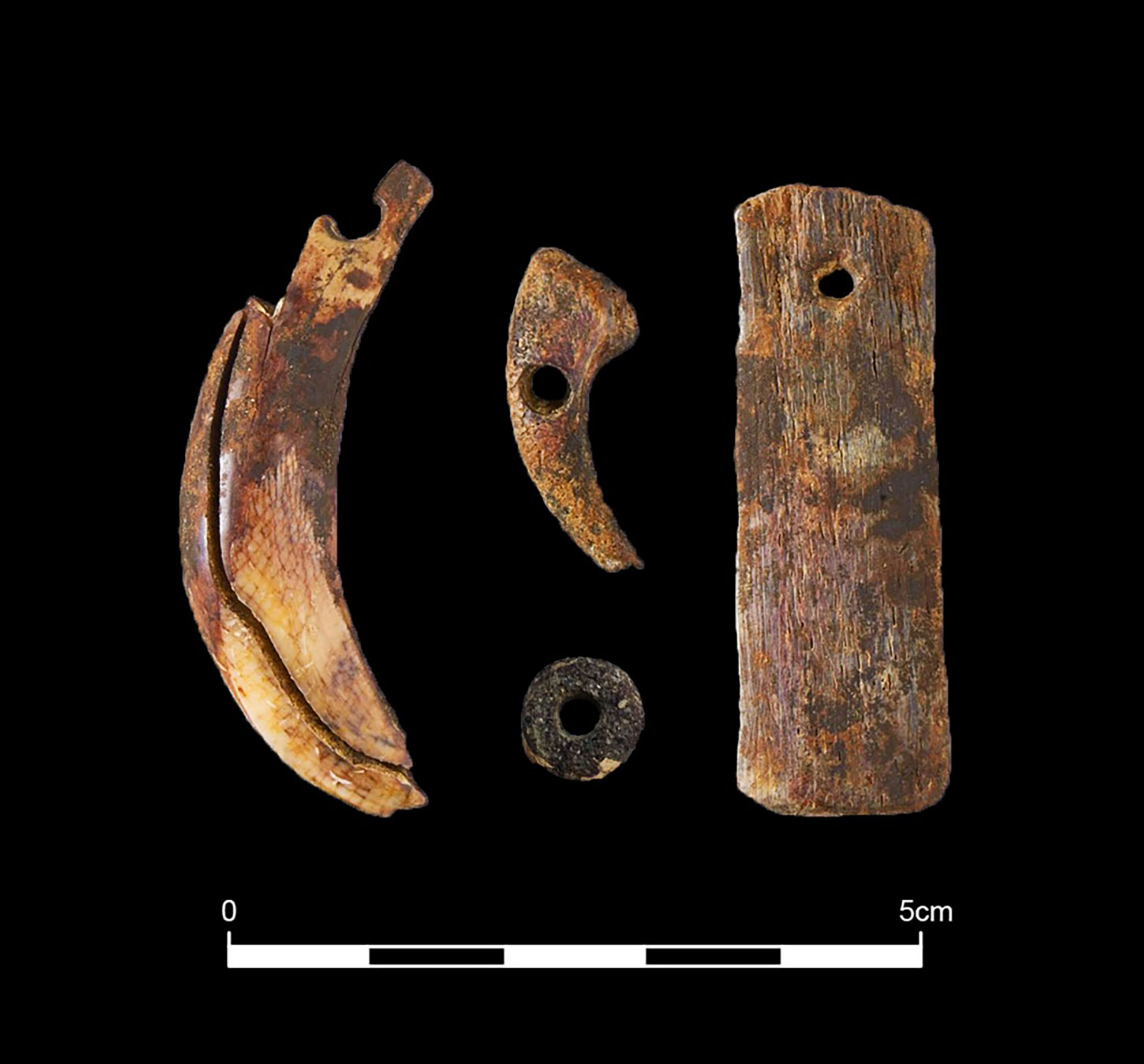
Archaeology can also contribute in this vein by using evidence for, and multi-disciplinary considerations of, the diverse ways in which people coproduce, experience and imagine landscapes at a broad level and specific environmental phenomena such as ‘wildlife’ (see also Bauer and Bahn Reference Bauer and Bhan2018, 13–14; Cipolla et al. Reference Cipolla, Crelin and Harris2024, Chapter 9). Alternative (Indigenous) understandings of wildlife are increasingly used to inform nature restoration in some regions (e.g. the Pacific northwest; Crumley Reference Crumley2021). By contrast, as far as we know, past human understandings of wildlife – from prehistory to recent times – rarely feature in European nature recovery settings, beyond where archaeological evidence is a specific inspiration for the nature restoration programme itself (e.g. DeSilvey and Bartolini Reference DeSilvey and Bartolini2019). Rather than operating merely as a ‘standard’ against which nature conservation fashions can be measured (Rackham Reference Rackham and Sutherland1998), archaeology has a key role to play in revealing the degree to which all understandings of environmental concerns are imaginative, transient (context specific) and should be considered both critically and with wonder (cf. Lorimer Reference Lorimer2017). Bauer and Bahn suggest that ‘calling to attention the historicity of Nature’ should perhaps be archaeology’s core contribution to Anthropocene discourse (Reference Bauer and Bhan2018, 29). Archaeological evidence can elicit healthy examples of wildlife taking advantage of humans (beavers stealing human worked wood for their lodges, Haskins Reference Haskins2014), co-creating landscapes (Brittain and Overton Reference Brittain and Overton2013; Last Reference Last2024) and prompting biomimicry (Lorimer Reference Lorimer2025). In certain periods of the past (e.g. in prehistoric Britain) there is strong evidence to suggest that people did not draw a clear line between humans and other aspects of landscape and that natural things played a core role in shaping human identities (Brück Reference Brück2021, 169–7; Fowler Reference Fowler2013; Overton Reference Overton2019) (Figure 1). Contemporary archaeology approaches (e.g. Buchli and Lucas Reference Buchli, Lucas and Cox2001; Journal of Contemporary Archaeology) could also be used beneficially to integrate the material traces and identities of recent land curators (farmers, gamekeepers and so on) into emerging nature recovery settings.
Pierced sea eagle talon, mammal rib, boar tooth and clay bead from a necklace buried with an Early Iron Age child (ca 2800 BP) at Soham, Cambridgeshire (Image: CFA Archaeology).
Time is central to all archaeological practice (Harris Reference Harris2021, 105). Archaeology’s capacity to generate long-term narratives has been described as ‘both our burden and our distinctive means of intervening in contemporary debate’ (Mitchell Reference Mitchell2008; Fowles in Alberti et al. Reference Alberti, Fowles, Holbraad, Marshall and Witmore2011, 899). Archaeologists are also adept at traversing and mingling timescales creatively in the process of connecting momentary ‘experienced’ past human actions (Bailey Reference Bailey2007) – disposing of pest-ridden crops, collecting poor quality fuel when wood becomes scarce, casting human remains into a river as offerings to supernatural beings – to multi-generational broad brush patterns of change. By doing so, it is possible to gain insight into how past people perceived of, and responded to, their immediate conditions within the context of their uncertain imagined futures. Investigating temporal dimensions of the palaeoenvironmental record – change over time, and critical points and phases in time (origins, thresholds, baseline eras) – has been at the core of previous archaeological efforts to link to current ecological agendas. Communicating the idea that landscape change is normal, and listening to the difficulties that non-specialists experience when landscapes familiar to them do change, is a cornerstone of practical interdisciplinary heritage initiatives (e.g. Ferraby et al. Reference Ferraby, Fluck, DeSilvey and Samuel2023). During an ecoclimate crisis in which temporal themes – e.g. resilience, sustainability and non-equilibrium ecology – have become of critical interest (Lane Reference Lane, Isendahl and Stump2019, 50), we outline here recent thought-provoking archaeological work that puts concepts of time and how these are articulated in environmental discourse centre-stage and highlight possibilities for further work in this vein. As questioning friends of time and as practitioners in reactivating time (Olivier Reference Olivier2015), archaeologists are surely in a prime position to play a strong role in the current ‘historical turn’ in debates about contemporary phenomena (Lane Reference Lane, Isendahl and Stump2019; Cipolla et al. Reference Cipolla, Crelin and Harris2024).
In an early contribution to the Anthropocene Working Group (AWG) – the interdisciplinary group established in 2009 to explore Anthropocene issues – Edgeworth et al. (Reference Edgeworth, deB Richter, Waters, Haff, Neal and Price2015) offered a compelling archaeological perspective on discourse surrounding the onset of the Anthropocene. This drew on archaeological (and geological) notions of stratigraphic sequence in proposing a likely diachronous character of transition into the Anthropocene: similar to other global shifts (e.g. the emergence of agriculture), this transition almost certainly occurred via an agglomeration of many local events that took place at different times and in different ways, is almost certainly still happening and only in time will be definable materially in the stratigraphic record (2015, 2). Searches for a singular origin date, a crucial component of establishing the Anthropocene as a formal geological epoch or series (Gibberd et al. Reference Gibbard, Walker, Bauer, Edgeworth, Edwards, Ellis, Finney, Gill, Maslin, Merritts and Ruddiman2022), thus misrepresent the time-transgressive character of the Anthropocene. In the wake of the International Commission on Stratigraphy’s (ICS) and International Union of Geological Sciences’ (IUGS) rejection of the Anthropocene as a formal epoch or geological series (Witze Reference Witze2024), pursuit of a unique Anthropocene start date (e.g. Gauci Reference Gauci2025) and debate over whether the Anthropocene constitutes a geological event or an epoch continues (Edgeworth et al. Reference Edgeworth, deB Richter, Waters, Haff, Neal and Price2015; Turner et al. Reference Turner, Waters, Zalasiewicz and Head2024). The point to underline here is that Edgeworth et al.’s (Reference Edgeworth, deB Richter, Waters, Haff, Neal and Price2015) and others’ (e.g. Ruddiman Reference Ruddiman2003; Bauer and Bahn Reference Bauer and Bhan2018) archaeologically informed dismissals of searches for singular environmental origins are important and have scope for wider development. For instance, significant effort has been invested over the years in investigating singular origins for species involved in nature recovery (e.g. Lorimer and Driessen Reference Lorimer and Driessen2016). Despite recent critiques of these concepts (see above), nature conservation practitioners continue to field anxieties surrounding the authenticity and relative ‘nativeness’ of species that make their way or are actively reintroduced into nature restoration settings (e.g. white stork at Knepp Castle Estate). One way in which archaeologists can contribute positively to this debate is with continued efforts to employ their datasets and analytical approaches to question the importance and the character of environmental ‘origin’ stories and to highlight the emergent properties of all phenomena (see also Gosden and Malafouris Reference Gosden and Malafouris2015; Bogaard et al. Reference Bogaard, Allaby, Arbuckle, Bendrey, Crowley, Cucchi, Denham, Frantz, Fuller, Gilbert, Karlsson, Manin, Marshall, Mueller, Peters, Stépanoff, Weide and Larson2021; Cipolla et al. Reference Cipolla, Crelin and Harris2024).
Lane (Reference Lane, Isendahl and Stump2019) examines critically diverse usage of the concept ‘long term’ in environmental debates in seeking to demonstrate important misalignments in current understandings of time across different disciplines. Whilst environmental policymakers and researchers in agriculture, ecology, soil science, geography typically use ‘long term’ to refer to periods of between 1.5 and 50 years (see also State of Nature Partnership 2023), archaeologists and palaeoecologists use the same term to discuss periods of between 400 and 100,000 years (Lane Reference Lane, Isendahl and Stump2019, 57, Table 4.1). This is problematic because uncritical and/or variable usage of temporal concepts creates misunderstandings, leads to uncertainty in using and thinking with these concepts and ultimately hinders interdisciplinary working (ibid. 2019, 49; see also Costello Reference Costello2020 for a discussion of how variable understandings of the term ‘traditional farming’ have hindered the effectiveness of nature recovery in Ireland). Helping to align and to interrogate understandings of time that are central to current ecological thinking is therefore another role that archaeology can play in nature recovery.
Bearing in mind the possibility that discussions of complex archaeological and philosophical thinking about time could further alienate non-specialist audiences, we suggest that archaeologists can, in the future, play a key role in scrutinising and highlighting temporal aspects of ecological matters, both in academic discourse and through site-specific interventions. Whilst most ‘direct’ or scientific contributions to ecological discourse are underpinned by linear understandings of time, it could be interesting, for example, to raise the value of understandings of time driven by memory and contemporaneity in ecological settings, not least because this is the way in which most of us experience time (Harris Reference Harris2021). This includes the idea that in any one moment, multiple temporalities (past, future and present) are co-present (see also Cipolla et al. Reference Cipolla, Crelin and Harris2024, 160). It might, for instance, be possible to develop site-specific interpretations that elicit the wonderous multi-temporalities of wildlife settings – the ability of living trees to carry forward the imprint of histories developed over hundreds of years, the extent to which global future-oriented visions of restoring wildlife over the next 20–30 years shape the enactment of current nature restoration (Ogg and Wartmann Reference Ogg and Wartmann2023) and revitalise elements from a ‘useable past’ (see also Isendahl and Stump Reference Isendahl and Stump2019; Lorimer Reference Lorimer2020) and so on. Archaeologies of futurity – that examine the material traces of people’s attempts to imagine and to shape future happenings (e.g. Reilly Reference Reilly2019) – and approaches that explore the productive role of uncertainty in and well beyond archaeological thinking (Sørensen Reference Sørensen2016) could offer other effective ways of connecting with and even casting a positive light on current widespread feelings of uncertainty about the future (novel) ecologies being created in responding to nature crisis.
Conclusions
The ecoclimate crisis we are experiencing can operate as a wakeup call for all archaeologists, whether or not we feel the need to ‘save the planet’ (something that archaeology clearly cannot do in itself). Current ecological concerns present an opportunity to revisit excellent (and sometimes overlooked) work already conducted in environmental archaeology and historical ecology. They also offer a chance to familiarise ourselves with the contours of an emerging global matter that we all must learn to live with, to reconsider the capacities and values of archaeology as a discipline and to shift the emphasis of archaeological practices accordingly. Archaeological science has faced specific frustrations in its attempts to connect with and to influence ecological practices and interests. Viewed in its fullest sense, however, and in relation to the shifting contours of ongoing ecological crisis, we feel that archaeology has much more to give in this realm. Current environmental agendas, and the funding these afford, provide a prospect for archaeologists to reconcile different aspects of a multi-stranded discipline, and to reconnect with various kinds of fieldworkers – farmers, ecologists and so on – with whom we share fundamental common interests. Just as recent declarations of environmental crisis have revealed previously unrecognised attributes of the natural world – its multiplicity, its hybrid character (neither entirely natural or human), its unpredictability and its political dimensions (Lorimer Reference Lorimer2015) – we very much hope that they can also elicit new facets of and purposes for archaeology in all its guises, as it continues to respond to a changing world.

 Open access

