


Introduction
The 7th update of the Canadian Stroke Best Practice Recommendations (CSBPR) suite of guidelines introduces a new module on the management of cerebral venous thrombosis (CVT). Cerebral venous thrombosis is defined as thrombosis of the veins of the brain, including the dural venous sinuses and/or cortical or deep veins. Cerebral venous thrombosis is a rare but potentially life-threatening type of stroke, representing 0.5–1.0% of all stroke admissions.Reference Bousser and Ferro1 The risk of CVT is higher in women and often associated with oral contraceptive useReference Amoozegar, Ronksley and Sauve2 and with pregnancy and the puerperium.Reference Green, Styles and Russell3 This guideline addresses care for adult individuals who present to the healthcare system with current or recent symptoms of cerebral venous thrombosis. The recommendations cover the continuum of care from diagnosis and initial clinical assessment of symptomatic CVT, to acute treatment of symptomatic CVT, post-acute management, person-centered care, special considerations in the long-term management of CVT, including pregnancy and considerations related to CVT in special circumstances such as trauma and vaccination.
The diagnosis and management of CVT can be challenging as the disease is rare and the clinical presentation is often atypical. The most common genetic risk factors associated with CVT are hereditary thrombophilias.Reference Green, Styles and Russell3 Other, more common risk factors of CVT include antiphospholipid syndrome, anemia, obesity, infections of the head and neck, anemia, and cancer.Reference Silvis, de Sousa and Ferro4 The long-term prognosis of CVT is generally favorable, with functional independence in 80% to 90% of patients (modified Rankin Scale score of 0–1 or 0–2).Reference Ferro, Canhão and Stam5–Reference Dentali, Poli and Scoditti7 The longer-term risk of death is approximately 8% to 10%, with half of the deaths due to an underlying condition, usually cancer.Reference Dentali, Gianni and Crowther6
The CSBPRs are intended to provide up-to-date evidence-based guidelines for the prevention and management of all forms of stroke and to promote optimal recovery and reintegration for people who have experienced CVT including patients, families, and informal caregivers. We work collaboratively with people with lived experience to ensure their values, preferences and experiences are considered and integrated throughout. The goal of disseminating and implementing these recommendations is to optimize evidence-based care across Canada to reduce practice variations in care delivery, and narrow the gap between current knowledge and clinical practice. These recommendations have been developed in collaboration with the Canadian Stroke Consortium.
Guideline Development Methodology
The Canadian Stroke Best Practice Recommendations development and update process follows a rigorous frameworkReference Graham, Harrison and Brouwers8,Reference Vernooij, Alonso-Coello and Brouwers9 and addresses all criteria defined within the Appraisal of Guidelines, Research and Evaluation Trust model.Reference Brouwers, Kho and Browman10 The methodology for development and updates to the CSBPR has previously been publishedReference Heran, Lindsay and Gubitz11 and detailed methodology can be found on our Canadian Stroke Best Practices website at www.strokebestpractices.ca. A broad interdisciplinary group of experts was convened and participated in reviewing, drafting, and revising all recommendation statements. A group of people having lived experience with stroke also actively participated in the review and update process in a parallel review process.Reference Lindsay, Gierman and Harris12
Experienced personnel conducted searches to identify peer-reviewed literature that examined each topic area addressed in the current module. Systematic reviews, meta-analyses, randomized controlled trials, and observational studies were included, as available. The literature for this module was current to January 2024. Following a standardized abstraction format, evidence tables were constructed including content from selected studies and provided to the writing group for review. The writing group discussed and debated the strength, importance, clinical relevance and applicability of the evidence, risks, benefits and harms, and values and preferences of individuals with CVT. Through consensus, the group developed a draft set of proposed recommendations. During this process, additional literature may have been identified and used to develop a final set of proposed recommendations. Evidence levels were assigned based on the quality of available evidence, using the Grading of Recommendations, Assessment, Development and Evaluations systemReference Guyatt, Oxman and Akl13–Reference Guyatt, Oxman and Vist15 where appropriate and feasible. Expert opinion was used to formulate recommendations in the absence of evidence. These guidelines have undergone extensive internal and external review, and consensus was achieved for all content. For additional details of the methodology and additional materials to support these recommendations, including rationales, system implications, performance measures, knowledge translation and implementation tools, evidence tables and an extended summary of the evidence, please visit: https://www.strokebestpractices.ca/
Section 1: Diagnosis and Initial Clinical Assessment of Symptomatic Cerebral Venous Thrombosis
Summary of the evidence
Incidence of CVT is approximately 10–20 per million in the general population.Reference Zhou, Yu and Ngo16 CVT is distinct from other stroke types. It is relatively uncommon within the general population, presenting symptoms can be gradual and non-focal, and it most commonly affects younger individuals, particularly women.Reference Ferro, Canhão and Stam5,Reference Duman, Uluduz and Midi17–Reference Coutinho, Zuurbier and Aramideh19 This combination of factors makes it critical for front-line clinicians to be aware of the disease and its presenting symptoms and risk factors in order to avoid diagnostic delay. In general, both younger adults and women with stroke are at increased risk for initial misdiagnosis and/or diagnostic delay.Reference Newman-Toker, Moy and Valente20,Reference Yu, Hill and Asdaghi21
Risk factors are summarized in Figure 1 and have been explored in detail in a recent meta-analysis of genetic and non-genetic risk factors.Reference Green, Styles and Russell3 The most common risk factors for CVT include oral contraceptive use, pregnancy, and the puerperium and hereditary thrombophilias.Reference Green, Styles and Russell3,Reference Silvis, Middeldorp and Zuurbier22
Patient characteristics, risk factors and conditions associated with cerebral venous thrombosis.^^
Patient characteristics, risk factors and associated medical conditions associated with cerebral venous thrombosis, from less frequent to more frequent.
* Hereditary Thrombophilia includes, but is not limited to, Factor V Leiden Mutation, Prothrombin Gly20210Ala mutation Antithrombin Deficiency and Hereditary Protein C/S Deficiency.
^^ Adapted from Silvis Nature Neurology 2017.Reference Silvis, de Sousa and Ferro4 Estimates of prevalence are based on data from the International Study on Cerebral Vein and Dural Sinus ThrombosisReference Ferro, Canhão and Stam5, VENOST studyReference Duman, Uluduz and Midi17 and other case-control studies which examined particular risk factors.

A recent large prospective cohort study found that adults with an identified risk factor had an earlier age of onset of CVT.Reference Ranjan, Ken-Dror and Martinelli23 Malignancy in particular was associated with older age of CVT onset.
CVT often presents differently from arterial stroke, usually with a more insidious onset of symptoms. Overall, recent large series reported that less than half of patients present to medical attention within 48 hours of symptom onset, although more acute presentations can occur with thunderclap headache or stroke-like sudden focal symptom onset in addition to seizures.Reference Duman, Uluduz and Midi17,Reference Yaghi, Shu and Bakradze18,Reference Lindgren, Silvis and Hiltunen24 Symptoms may result from increased intracranial pressure, focal parenchymal injury, and/or mass effect. Headache is the most common symptom, reported in approximately 90%, although it may be a less common presenting feature in older individuals presenting with CVT.Reference Coutinho, Stam and Canhão25 The other most common presenting symptoms include focal deficits, seizures, vision loss, encephalopathy or depressed level of consciousness or cranial neuropathies (Table 1).
Common clinical features at the time of presentation with cerebral venous thrombosis (CVT)^

^This table summarizes the most common presenting symptoms from participants in the two largest prospective published series of symptomatic CVT but is not an exhaustive list of all potential presenting symptoms.Reference Ferro, Canhão and Stam5,Reference Duman, Uluduz and Midi17
Several small studies and meta-analyses have examined diagnostic imaging modalities for CVT. A 2020 critical review of English and Dutch neuroimaging studies examining performance of CT/CT venography and MRI for the diagnosis of CVT concluded that studies were observational, mostly small, outdated and with a high risk of bias.Reference van Dam, van Walderveen and Kroft26 The review found that, using digital subtraction angiography (DSA) as the reference standard, small studies comparing CT venography to DSA have reported sensitivity and specificity of both 100%.Reference van Dam, van Walderveen and Kroft26 Non-contrast-enhanced time-of-flight (TOF) MR venography, compared with DSA, was not sensitive in the assessment of small veins but accurate for larger veins and sinuses. When compared against contrast-enhanced MRI, TOF MRV and non-contrast phase contrast MRV had a sensitivity of 64–100% and 48–100%, respectively, with wide confidence intervals, and lower accuracy for identifying cortical vein thrombosis.Reference van Dam, van Walderveen and Kroft26 Studies comparing contrast-enhanced MRI to DSA reported sensitivities of 86–97% and specificities of 55–97% for diagnosis of CVT. MRI with gradient-echo or susceptibility-weighted imaging had the most consistently reported adequate sensitivity and specificity for cortical vein thrombosis (97–98% and 100%, respectively).Reference Linn, Michl and Katja27–Reference Idbaih, Boukobza and Crassard29 Acknowledging the limitations of the available literature, we recommend contrast-enhanced CT venography or contrast-enhanced MR venography for diagnosing CVT, with additional MRI with gradient-echo or susceptibility-weighting imaging for suspected cortical vein thrombosis if the diagnosis is not made using contrast-enhanced venography.
Best practice recommendations
1. Diagnosis and Initial Clinical Assessment of Symptomatic Cerebral Venous Thrombosis, Recommendations 2024
1.0 Clinical Presentation
-
i. Awareness of CVT as a possible differential diagnosis is an important part of maintaining an appropriate index of clinical suspicion. Front-line physicians and other healthcare professionals should receive education related to the clinical presentation and diagnosis of this condition [Strong recommendation; Low quality of evidence].
-
ii. In considering a diagnosis of CVT, healthcare professionals should consider both the individual’s symptoms and CVT risk factors [Strong recommendation; Moderate quality of evidence].
Refer to Table 1 – Common Clinical Features at the Time of Presentation with CVT
Refer to Figure 1 – Patient Characteristics, Risk Factors, and Conditions Associated with Cerebral Venous Thrombosis
1.1 Initial Clinical Assessment of Symptomatic CVT
-
i. Symptomatic CVT is a medical emergency. Individuals with confirmed or suspected CVT should receive urgent and appropriate neuroimaging and clinical evaluation [Strong recommendation; Low quality of evidence]. Refer to Section 1.2 for more information on imaging.
-
ii. Individuals with confirmed or suspected CVT should be assessed for ongoing clinical stability (airway, breathing, circulation), active seizures, and increased intracranial pressure including fundoscopy [Strong recommendation; Moderate quality of evidence].
1.2 Diagnosis of CVT and Other Investigations
1.2.1 Imaging Recommendations
-
i. Individuals with a suspected diagnosis of CVT should receive both parenchymal and neurovascular imaging (non-contrast CT and CT venography or MRI brain and MR venography as described in 1.2.1.ii) immediately following clinical stabilization to confirm diagnosis [Strong recommendation; Moderate quality of evidence].
-
ii. Individuals with a suspected diagnosis of CVT should undergo either contrast-enhanced CT venography or contrast-enhanced MR venography for diagnosis of CVT [Strong recommendation; Moderate quality of evidence].
-
a. Isolated non-contrast CT head is not recommended as it is not sufficient to rule in or rule out a diagnosis of CVT [Strong recommendation; Moderate quality of evidence].
-
-
iii. Contrast-enhanced MR venography is recommended over time-of-flight MR venography due to the possibility of false positive diagnoses as a result of flow-related artifacts [Strong recommendation; Moderate quality of evidence].
-
a. Time-of-flight MR venography without contrast is not recommended as it is insufficiently sensitive for the diagnosis of cortical vein thrombosis [Strong recommendation; Moderate quality of evidence].
-
b. For individuals with a suspected diagnosis of isolated cortical vein thrombosis not confirmed with first-line imaging, additional imaging with MRI gradient echo or susceptibility-weighted imaging is recommended [Strong recommendation, Moderate quality of evidence].
-
1.2.2 Other Investigations
-
i. D-dimer measurement has limited diagnostic utility for the assessment of individuals with suspected CVT due to insufficient sensitivity to exclude cases where pre-test probability of a CVT diagnosis is lower. Using the results of D-dimer testing to determine whether neuroimaging should be performed in individuals with suspected CVT is not recommended [Strong recommendation; Moderate quality of evidence].
-
ii. Routine lumbar puncture is not recommended for the diagnosis of CVT [Strong recommendation; Very low quality of evidence].
-
iii. The following laboratory investigations should be routinely considered in individuals with CVT as part of the initial evaluation: hematology (complete blood count), electrolytes, coagulation (activated partial thromboplastin clotting time, International Normalized Ratio), renal function (creatinine, estimate glomerular filtration rate), random glucose, alanine transaminase, thyroid stimulating hormone, and beta human chorionic gonadotropin pregnancy test in individuals able to become pregnant [Strong recommendation; Low quality of evidence].
Section 1.2: Clinical Consideration
-
1. Symptomatic CVT can be challenging to diagnose in the absence of appropriate clinical suspicion, and without appropriate neurovascular imaging.
Refer to Section 3.1 for additional laboratory tests related to hypercoagulability workup and recommended timing.
Refer to online supplemental information in Appendix One for other laboratory tests which may be considered in specific circumstances, depending on clinical presentation and risk profile; and Appendix Two for Antiphospholipid Antibody Testing in CVT flowsheet.
Section 2: Acute Treatment of Symptomatic CVT
Summary of the evidence
Anticoagulation is the mainstay of acute treatment for CVT, with the objectives of facilitating venous recanalization, preventing thrombus extension and treating the overall hypercoagulable state. Unlike with primary intracranial hemorrhage, the presence of intracranial bleeding in the context of CVT should not delay initiation of anticoagulation. Approximately 30–40% of individuals with CVT may have some type of intracranial hemorrhage (ICH) on their initial scans.Reference Girot, Ferro and Canhão30,Reference Afifi, Bellanger and Buyck31 Approximately 5–10% of patients will go on to develop new ICH (either expansion of pre-existing ICH or a de novo ICH) following diagnosis.Reference Girot, Ferro and Canhão30,Reference Afifi, Bellanger and Buyck31 Although baseline ICH is associated with a higher risk of delayed ICH,Reference Busch, Hoffmann and Einhäupl32 there is no evidence suggesting that anticoagulation increases the risk of delayed ICH.Reference Girot, Ferro and Canhão30,Reference Shakibajahromi, Borhani-Haghighi and Ghaedian33 We note that the available literature in this regard is limited and may be biased by a lack of timed prospective follow-up early neuroimaging.
The evidence supporting low-molecular-weight heparin over unfractionated heparin as the initial therapy for CVT is based on observational and small randomized studies that may be confounded by indication. These studies demonstrate non-significant trends in favor of LWMH for better functional outcomes and less intracranial bleeding and reduced mortality.Reference Al Rawahi, Almegren and Carrier34,Reference Coutinho, Ferro and Canhão35 Benefits of LMWH over unfractionated heparin for treatment of acute venous thromboembolism include more predictable pharmacokinetics without laboratory monitoring, more reliable anticoagulant effect and lower rates of heparin-induced thrombocytopenia (HIT).
Two randomized trials comparing DOACs to warfarin required a 5–15 day initial lead-in with parenteral anticoagulation (i.e. unfractionated heparin or low-molecular-weight heparin).Reference Ferro, Coutinho and Dentali36,Reference Connor, Sánchez van Kammen and Lensing37 The small SECRET trial, which compared rivaroxaban to standard-of-care anticoagulation (warfarin or ongoing LWMH) did not have any requirement for lead-in parenteral therapy.Reference Field, Dizonno and Almekhlafi38 Median time to initiation of rivaroxaban was 3 days (IQR 2 - 6), with 46% of patients initiated on rivaroxaban within 48 hours of diagnosis and 73% prior to day 5. Only one participant on DOAC received no lead-in. There were no complications related to symptomatic intracranial bleeding or early (day 30) symptomatic extension of CVT or early recurrent VTE in either group. There is insufficient evidence to support routine use of DOACs as first-line anticoagulation for CVT, although first-line DOAC may considered on a case-by-case basis.Reference Carrion, Allison and Samuel39
Rates of seizure-complicating CVT are high. Over one-quarter will have seizures at the time of their presentation.Reference Ferro, Canhão and Stam5,Reference Duman, Uluduz and Midi17 Predictors of early seizures include hemorrhagic or non-hemorrhagic parenchymal lesions or subarachnoid blood, cortical vein or sagittal sinus involvement, focal deficits and OCP- or pregnancy/puerperal CVT. A recent study of 1,281 adults with CVT found that less than 10% of those with seizures in hospital had no seizure prior to admission. The authors concluded that prophylactic anti-seizure therapy was not warranted in individuals presenting without seizure.Reference Lindgren, Silvis and Hiltunen24 Another large prospective study of CVT (n = 624) found that of those who did not present with seizure, 3% had a new seizure within 2 weeks of diagnosis.Reference Ferro, Canhão and Bousser40
Headache is a presenting feature in approximately 90% of individuals with CVT and is presumed to be due to increased intracranial pressure in most cases.Reference Coutinho, Stam and Canhão25 Beyond its role in the management of increased intracranial pressure, the role of acetazolamide in headache management for CVT is not known. The Idiopathic Intracranial Hypertension Treatment Trial (IIHTT), which enrolled individuals with idiopathic intracranial hypertension, not CVT, found no reduction in headache-related disability, measured by the Headache Impact Test (HIT-6) at six months between individuals randomized to acetazolamide (maximum 4g/day) versus placebo.Reference Wall, McDermott and Kieburtz41
Increased intracranial pressure can be associated with visual disturbances due to increased pressure transmitted along the optic nerve sheath, causing papilledema (swelling at the optic nerve head due to increased pressure). Individuals with papilledema may not be aware of any visual disturbances. Thus, it is important to assess for, and identify, papilledema as early as possible to facilitate timely, appropriate management to reduce the likelihood of any permanent visual loss. In addition to the initial bedside neurologic assessment, including fundoscopy, routine early involvement of dedicated expertise in ophthalmology is important for several reasons. First, papilledema is better detected on dilated fundoscopic exam than at the bedside. Second, appropriate assessments, including stereoscopic fundoscopic assessment with papilledema grading, and automated perimetry, can detect subclinical visual abnormalities, and can assess response to therapy over time. In the IIHTT, in the acetazolamide arm, there was a modest statistically significant improvement in the primary outcome of average perimetric mean deviation in the more affected eye (0.71 light stimulus decibels [95% CI 0 to 1.43 dB; p = 0.050). Although this did not meet the predetermined threshold for clinical significance (1.3 dB), treatment effects were greater in participants with higher-grade papilledema at baseline. There were also significant improvements with acetazolamide for secondary outcomes including cerebrospinal fluid opening pressure, papilledema grade on fundus photography and optical coherence imaging, and quality of life in patients with mild visual field loss.Reference Smith and Friedman42
The role of endovascular therapy (EVT) in the management of CVT is not well defined, and practices vary, including use of EVT as first-line versus rescue therapy, candidate selection, and approaches.Reference Goyal, Fladt and Coutinho43 The Thrombolysis or Anticoagulation for Cerebral Venous Thrombosis (TO-ACT) trial randomized patients with CVT with one or more pre-defined risk factors for worse prognosis, including intracranial bleeding, GCS<9, “mental status disorder,” or deep venous involvement, to EVT as per local practices versus conservative therapy.Reference Coutinho, Zuurbier and Bousser44 Endovascular techniques included mechanical thrombectomy alone, intradural thrombolysis or both. The primary outcome was an mRS of 0–1 at 12 months. At enrollment, median GCS was 11 and median National Institutes of Health Stroke Scale was 12. The trial was stopped early for futility after 67 of a planned 164 patients were randomized. There was no difference between groups with respect to the primary outcome (67% vs. 68%, RR 0.99, 95% CI 0.71–1.38). Sinus perforation occurred in 3/33 in the EVT group.
Although systematic reviews of case series of CVT receiving EVT report high rates of favorable outcomes,Reference Goyal, Fladt and Coutinho43 studies comparing outcomes between patients undergoing EVT versus anticoagulation alone for CVT report higher rates of mortality with EVT. This excess of mortality suggests that the procedure is being performed in participants with worse clinical presentations. A recent systematic review and network meta-analysis examining patients with CVT treated with anticoagulation or EVT (n = 17 studies) found an increased odds of death (OR 1.83, 95% 1.04 – 3.21) in those treated with EVT.Reference Naik, Smith and Dharnipragada45 A recent review of cases of CVT undergoing mechanical thrombectomy (MT) between 2005 and 2018 in the US-based National Inpatient Sample found that MT had a higher proportion of markers in line with more severe presentations, including a higher prevalence of coma, ICH, and intubation.Reference Wahood, Rizvi and Patel46
Decompressive hemicraniectomy for CVT has been described in retrospective case series and systematic reviews. The results of the prospective DECOMPRESS-2 study were previously presented at the 2021 European Stroke Organization Conference but are not yet published. In DECOMPRESS-2, 118 individuals received a decompressive hemicraniectomy for CVT. Of those, 35% had an mRS of 0 – 2 at 12 months, which is lower than what is reported in previous systematic reviews.Reference Ferro, Crassard and Coutinho47
Best practice recommendations
2. Acute Treatment of Symptomatic CVT Recommendations 2024
Notes
These recommendations refer to initial acute management of CVT. Outpatient management of CVT in the post-acute phase is discussed in Section 3.
Anticoagulation treatment: Anticoagulation management for CVT can be categorized into 3 phases: (1) acute management, which is immediately around the initial diagnosis; (2) “primary” management, which is the period of time when a person is treated with therapeutic anticoagulation for their initial CVT; (3) “secondary prevention,” which is any further antithrombotic therapy after the primary phase aimed at preventing VTE recurrence (ASH Guideline 2020).Reference Ortel, Neumann and Ageno48
Symptomatic CVT - where the diagnosis is associated with neurological symptoms such as headache, focal neurological symptoms, seizure, or signs of increased intracranial pressure.
2.0 Stroke Unit Management
-
i. Individuals with a diagnosis of CVT requiring inpatient management should receive routine stroke unit care [Strong recommendation; High quality of evidence]. Refer to CSBPR Acute Stroke Management module, Section 8 for additional information.
-
ii. Individuals with CVT should receive supportive care with hydration, management of intracranial pressure, headache, nausea and vomiting, and seizures [Strong recommendations; Low quality of evidence]. Refer to Section 3 for additional information on late seizures and epilepsy and post-acute headaches. Refer CSBPR Acute Stroke Management module, Section 9 for additional information on post stroke complications and management.
2.1 Antithrombotic Management
-
i. Therapeutic-dose subcutaneous low-molecular-weight heparin (LMWH) or intravenous unfractionated heparin (UFH) should be initiated as soon as possible following diagnosis of symptomatic CVT [Strong recommendation; Moderate quality of evidence].
-
a. Subcutaneous LMWH is preferred over intravenous UFH infusion for most individuals with CVT due to more reliable and longer duration of anticoagulant effect, predictable pharmacokinetics enabling administration of fixed doses without laboratory monitoring, and lower risk of heparin-induced thrombocytopenia [Conditional recommendation; Moderate quality of evidence]
-
b. Intravenous UFH is typically reserved for individuals with CVT who have severely impaired renal function or require a surgical or invasive procedure [Conditional recommendation; Low quality of evidence].
-
c. If using intravenous UFH, it should be administered as a bolus followed by infusion and adjusted based on institutional protocols [Conditional recommendation; Low quality of evidence].
-
d. Heparin should be avoided in individuals with CVT with a history of heparin-induced thrombocytopenia (HIT) [Strong recommendation; Moderate quality of evidence].
-
e. For any individuals with CVT with a history of HIT consider consulting hematology to discuss anticoagulant management [Strong recommendation; Low quality of evidence].
-
-
ii. There is currently insufficient evidence to recommend the routine use of direct oral anticoagulants (DOACs) as the initial antithrombotic of choice (i.e., without parenteral lead-in anticoagulation) in the acute management of CVT [Conditional recommendation; Low quality of evidence].
-
iii. The presence of intracranial or subarachnoid blood is not a contraindication to anticoagulation [Strong recommendation; Moderate quality of evidence].
-
iv. Systemic intravenous thrombolysis is not recommended in the acute treatment of CVT [Strong recommendation; Low quality of evidence].
Section 2.1 Clinical Considerations
-
1. There may be rare cases where there are concerns regarding the safety of anticoagulation (e.g., large or rapidly expanding intracranial hemorrhage, anticipated emergency surgical intervention, meningitis/encephalitis with cortical venous hemorrhage) that will require case-by-case collaborative decision-making by neurology, neurosurgery and hematology/thrombosis. The benefits of anticoagulation should be weighed against the risks of symptomatic hemorrhage and should be regularly re-evaluated based on clinical and neuroimaging reassessment. If experts are not available on site, arrangements should be in place to contact the nearest center providing these services. Refer to Section 2.7 on “Surgical Management, Clinical Consideration 2” for additional information.
-
2. The presence of concurrent head or neck infection is not an absolute contraindication to anticoagulation.
-
3. There is insufficient evidence to support routine use of DOACs as first-line anticoagulation for CVT, although first-line DOAC may be considered on a case-by-case basis.
2.2 Inpatient Seizure Management
-
i. In individuals with CVT who have not had clinical seizures, use of prophylactic anti-seizure medications (ASMs) is not recommended [Strong recommendation; Low quality of evidence].
-
ii. Acute symptomatic seizure(s) (occurring within 7 days of presentation) requires management with ASMs per local protocols to prevent further acute symptomatic seizures [Strong recommendation; Low quality of evidence].
-
iii. Late seizures (occurring after 7 days of presentation), regardless of the presence or absence of acute symptomatic seizures, may require long-term management with ASMs [Strong recommendation; Moderate quality of evidence].
-
iv. Status epilepticus should be treated as per accepted local protocols [Strong recommendation; High quality of evidence].
-
v. Electroencephalography should be considered for individuals with episodic or prolonged unexpected alterations in level of consciousness to rule out non-convulsive seizures or status epilepticus [Strong recommendation; Low quality of evidence].
Section 2.2 Clinical Considerations
-
1. The choice of ASMs will be dependent on individual factors including co-morbidities and interactions with other treatments including anticoagulation. The duration of treatment with ASMs will be person-dependent. Long-term management with ASMs (greater than 3 months) may not be required.
2.3 Acute Headache Management
Note, no evidence-based recommendations included for this section.
Section 2.3 Clinical Considerations:
-
1. Headache from CVT is most commonly secondary to increased intracranial pressure or intracranial hemorrhage. Early treatment with anticoagulation to reduce venous hypertension may help with headache management.
-
2. It is reasonable to treat headache secondary to increased intracranial pressure with acetazolamide.
-
3. The use of prolonged nonsteroidal anti-inflammatory drugs for headache management while taking concurrent anticoagulation should be avoided given the risk of bleeding.
Refer to Section 3 for additional information on longer-term management of chronic headaches.
2.4 Vision
Section 2.4 Vision
-
i. Individuals with visual symptoms or signs of increased intracranial pressure (ICP) on the initial treating physician’s bedside examination should have an urgent ophthalmologic assessment, ideally within 24–48 hours of CVT diagnosis [Strong recommendation; Low quality of evidence].
Section 2.4 Clinical Considerations:
-
1. All individuals with a new diagnosis of CVT should have an initial ophthalmological assessment including fundus examination and assessment for papilledema, visual fields and enlarged blind spots at the time of their diagnosis.
-
a. Individuals with evidence of visual abnormalities or severe papilledema should receive an urgent ophthalmology assessment and be started on acetazolamide.
-
-
2. Individuals without visual symptoms or signs of increased ICP should have an ophthalmologic assessment, ideally within 7 days of CVT diagnosis.
-
3. Individuals without ophthalmic abnormalities related to the CVT on initial assessment should have a subsequent ophthalmologic assessment to rule out development of later-onset papilledema (as outlined above).
-
4. The initial formal ophthalmological assessment should be performed by a neuro-ophthalmologist or ophthalmologist.
-
a. If there are no ophthalmologists locally accessible, then an optometrist capable of performing a dilated fundus examination can perform the initial assessment with an ophthalmologist or neuro-ophthalmologist consulted remotely for advice.
-
-
5. Ophthalmologic assessment should include:
-
a. Best-corrected visual acuity and color vision
-
b. Dilated fundus examination with stereoscopic viewing of the fundus.
-
c. If papilledema is present, there should be automated threshold visual field testing with standard automated perimetry with white-on-white stimuli, which has the best evidence base for reliable, operator-independent longitudinal assessment of vision changes secondary to increased ICP. Papilledema can be graded using the modified Frisén scale for longitudinal follow-up.
-
-
6. In the case of ophthalmologic diagnostic uncertainty as to whether there is papilledema secondary to increased intracranial pressure (vs. drusen, crowded discs, hyperopia), lumbar puncture with opening pressure and cerebrospinal fluid analysis should only be undertaken to clarify the presence of increased intracranial pressure if the benefits are deemed to outweigh the potential risks related to herniation and/or disrupting anticoagulation.
-
7. Optimal timing for ophthalmologic reassessment is unclear; follow-up can be considered at 4 weeks and 3–6 months following diagnosis to exclude later-onset papilledema or vision loss.
2.4.1 Management of Papilledema
-
i. Acetazolamide may be initiated with dose escalation depending on the response of the papilledema to therapy. The risks of acetazolamide therapy, including fluid loss, metabolic acidosis, and hypokalemia, should be monitored, and individuals with CVT should be counseled to be aware of paresthesia as a common side effect with higher doses [Strong recommendation; Low quality of evidence].
-
ii. If, despite optimal medical management with anticoagulation and acetazolamide, there are either (1) worsening of visual field deficits, acuity, or color vision; or (2) severe visual field loss or abnormal acuity; then surgical intervention should be considered. The optimal approach (i.e. optic nerve sheath fenestration or cerebrospinal fluid diversion with shunting) can be considered as a shared decision with relevant experts (i.e. ophthalmologists, neurosurgeons) [Strong recommendation; Low quality of evidence].
Section 2.4.1 Clinical Considerations:
-
1. Individuals with papilledema or visual symptoms that could be attributed to increased intracranial pressure should be managed by a neuro-ophthalmologist or ophthalmologist.
2.5 Neurocritical Care Management for CVT
-
i. Individuals with CVT should be routinely and regularly monitored clinically for signs or symptoms of increased intracranial pressure [Strong recommendation; Low quality of evidence].
-
ii. Individuals with CVT identified to have elevated ICP should be treated emergently based on the severity of signs and symptoms using standard protocols [Strong recommendation; Low quality of evidence].
-
a. Those who fail medical management for elevated ICP and are at risk of life-threatening increased ICP should be considered for surgical and/or endovascular management, as appropriate [Strong recommendation; Low quality of evidence]. Please refer to Endovascular (Section 2.6) and Surgical management (Section 2.7) sections for additional information.
-
Section 2.5 Clinical Considerations:
-
1. For signs and symptoms of ICP elevation, acetazolamide could be considered.
-
2. Appropriate referrals to critical care and neurosurgical services should be considered for management of worsening ICP.
-
3. Noninvasive or invasive ICP monitoring technologies can be considered in comatose patients.
2.6 Endovascular Management
-
i. Endovascular therapy should not be routinely used as first-line therapy for the acute treatment of cerebral venous thrombosis [Conditional recommendation; Moderate quality of evidence].
Section 2.6 Clinical Considerations
-
1. The optimal candidates for endovascular therapy (EVT) for CVT are not known.
-
2. The optimal technical approaches for endovascular therapy for CVT, if any, are not known, and the procedure should be performed by an experienced neurointerventionalist.
-
3. The optimal timing for EVT, if any, is not known.
-
a. Endovascular therapy (EVT) may be considered for treatment of cerebral venous thrombosis in cases where there is clinical deterioration despite optimal medical therapy and mechanical recanalization is considered to be of potential benefit.
-
b. In select cases where the treating physician and neurointerventionalist agree that the benefits of early intervention are highly likely to exceed potential risks, EVT may be considered alongside anticoagulation as first-line therapy for the acute treatment of CVT.
-
-
4. EVT should be considered as a complement, and not a substitute, to anticoagulation unless anticoagulation is otherwise contraindicated (e.g., active and uncontrolled bleeding).
2.7 Surgical Management
-
i. Decompressive hemicraniectomy should be considered in cases of life-threatening malignant mass effect due to venous infarction and/or hemorrhage [Strong recommendation; Moderate quality of evidence].
Section 2.7 Clinical Considerations:
-
1. Insertion of an external ventricular drain can be considered as a treatment and/or monitoring option for elevated ICP and/or hydrocephalus.
-
2. If anticoagulation must be disrupted for a neurosurgical procedure, the approach to restarting anticoagulation should be made on a case-by-case basis in discussion with a neurosurgeon and with review of repeat neuroimaging with relevant specialists involved (e.g., stroke neurology, hematology).
-
3. Long-term management of chronically elevated ICP may require surgical management including insertion of a shunt (ventriculoperitoneal or lumboperitoneal); or optic nerve sheath fenestration.
Section 3: Post-Acute Management of CVT and Person-Centered Care
Summary of the evidence:
Refer to Section 2.1, “Antithrombotic Management,” for discussion of the evidence related to timing of transition from parenteral anticoagulation to DOAC.
Recently, multiple observational studies and small randomized trials have compared efficacy and safety of DOACs against warfarin for CVT. The RE-SPECT CVT trial randomized 120 individuals with CVT 1:1 to six months with dabigatran 150 mg bid, versus warfarin, target INR 2.0 – 3.0.Reference Ferro, Coutinho and Dentali36 The pediatric EINSTEIN-Jr trial randomized 114 children with CVT 2:1 to three months of 20 mg equivalent dosing of rivaroxaban versus standard-of-care anticoagulation with either VKA, target INR 2.0 – 3.0, or low-molecular-weight heparin.Reference Connor, Sánchez van Kammen and Lensing37 The SECRET trial randomized 50 individuals with CVT 1:1 to a minimum of six months with rivaroxaban 20 mg daily versus standard-of-care anticoagulation with either warfarin, target INR 2.0 – 3.0, or low-molecular-weight heparin.Reference Field, Dizonno and Almekhlafi38 Rates of efficacy outcomes, including recurrent VTE and recanalization, were similar between groups in all trials. Rates of bleeding events were also low overall. In RE-SPECT CVT, there were two major hemorrhages (GI bleeding) with dabigatran and one major hemorrhage (symptomatic ICH) with warfarin. In EINSTEIN-Jr, there was more clinically relevant non-major bleeding with rivaroxaban (6.8% vs 0%) and the one major bleeding event (symptomatic ICH) was in the comparator group. In SECRET, one major bleeding event (symptomatic ICH) and two clinically relevant non-major bleeding events occurred in the rivaroxaban group, with no bleeding events in the comparator group. ACTION-CVT was a large (n = 845) non-randomized retrospective observational study comparing safety and efficacy of DOACs versus VKA prescribed as part of routine clinical care for CVT.Reference Yaghi, Shu and Bakradze18 Apixaban was the most commonly prescribed DOAC (67%). Rates of recurrent VTE did not differ between groups (aHR 0.94, 95% CI 0.15 – 1.73). There was a lower risk of major hemorrhage in the DOAC group (aHR 0.35, 95% CI 0.15 – 0.82), primarily driven by a lower risk of ICH. There were no differences in rates of recanalization at a median of 345 days (IQR 140–720).
DOACs are contraindicated in pregnancy and breastfeeding, and Vitamin K antagonist is the treatment of choice for antiphospholipid antibody syndrome, where multiple trials comparing DOAC against warfarin have demonstrated an excess of arterial thromboembolic events with DOAC.Reference Pengo, Denas and Zoppellaro49–Reference Woller, Stevens and Kaplan51 Other groups, including those with depressed level of consciousness, malignancy, major trauma or central nervous system infection, have been excluded or underrepresented in studies in adults comparing DOACs to VKA.
In those without a permanent indication for anticoagulation following CVT, including antiphospholipid antibody syndrome, active malignancy, or major-risk hereditary thrombophilia, the optimal duration of anticoagulation for CVT is not known. Previous guidelines for the management of CVT recommend the initial use of parental heparin followed by transition to oral vitamin K antagonists (VKA) for 3–12 months in the context of transient risk factors, or indefinitely in the context of chronic major risk factors for thrombosis or recurrent VTE.Reference Saposnik, Bushnell and Coutinho52–Reference Einhäupl, Stam and Bousser54 Previous studies of international and Canadian physician practices suggest that most patients without an indication for permanent therapy are currently treated for 6–12 months.Reference Coutinho, Seelig and Bousser55,Reference Field, Camden and Al-Shimemeri56 This approach diverges somewhat from current recommendations around management of DVT/PE from the general VTE literature. It should be noted, however that the CVT population, in contrast to those with DVT/PE, includes a high proportion of younger women with transient sex-specific provoking risk factors, including oral contraceptives and the puerperium. Outside of high-risk thrombophilias and those with a history of recurrent events, overall risks of recurrent CVT and other VTE appear to be low.Reference Shu, Bakradze and Omran57 However, certain groups, including those with unprovoked events, men, and heterozygotes for genetic thrombophilias such as Factor V Leiden and prothrombin gene mutation,Reference Palazzo, Agius and Ingrand58,Reference Pires, Ribeiro and Oliveira59 may have a higher risk. Estimated risks of recurrence are somewhat variable. There are additional inconsistencies in the literature around whether risk of recurrence is heightened in the first year as compared to subsequent years,Reference Shu, Bakradze and Omran57 versus a more linear increase over subsequent years.Reference Palazzo, Agius and Ingrand58
Whether degree of venous recanalization should inform duration of anticoagulation remains an area of uncertainty.Reference Kim, Honig and Alimohammadi60–Reference Aguiar de Sousa, Lucas Neto and Canhão63 Although a subset of clinicians will modify their duration of anticoagulation based on the degree of venous recanalization on repeat neuroimaging,Reference Field, Camden and Al-Shimemeri56 it is unclear if this strategy is beneficial. A recent prospective neuroimaging study noted that partial or complete recanalization occurred in nearly 70% of patients with CVT on anticoagulation within the first 8 days of treatment, and was associated with fewer new non-hemorrhagic lesions and less extension of pre-existing non-hemorrhagic lesions.Reference Aguiar de Sousa, Lucas Neto and Arauz61 However, recanalization was not associated with a reduction in headache or improved functional outcomes at day 90.Reference Aguiar de Sousa, Lucas Neto and Arauz61 Most of the CVT literature, however, focuses on later recanalization past the three-month mark. A recent meta-analysis of observational data found that complete or partial venous recanalization was associated with an improved odds of a favorable functional outcome as compared with no recanalization as well as lower risk of recurrence and less presence of common headache.Reference Aguiar de Sousa, Lucas Neto and Canhão63 However, there was significant heterogeneity of the studies, and the directionality of the association between recanalization and outcomes remains uncertain. The available literature suggests that most patients will achieve recanalization within the first three months, with lower likelihood of additional recanalization over time.Reference Field, Dizonno and Almekhlafi38,Reference Kim, Honig and Alimohammadi60,Reference Arauz, Vargas-González and Arguelles-Morales64,Reference Salehi Omran, Shu and Chang65
There is no strong evidence to date to suggest that individuals with CVT should receive enhanced cancer screening. A recent Danish population-based study with a median follow-up of 6.2 years found that overall, rate of incident cancer was not significantly higher in individuals with a diagnosis of CVT. Of 811 patients with CVT, 43 had an incident cancer diagnosis over time, rates that were similar to another recent Swedish population-based study.Reference Sipilä, Ruuskanen and Heervä66 The authors estimated that the number of patients to be screened in the six months after CVT to detect one additional incident cancer was 85.5 (95% CI 55.3 - 188.2) overall, similar to those of DVT/PE.
Practices and recommendations around hypercoagulability testing following VTE continue to evolve. The recent guidelines from the American Society of Hematology for thrombophilia testing for management of venous thromboembolism included a conditional recommendation for patients with CVT where anticoagulation would otherwise be discontinued.Reference Middeldorp, Nieuwlaat and Baumann Kreuziger67 This recommendation was based on an estimate of an annual recurrence risk of 38/1000/year.Reference Dentali, Poli and Scoditti7,Reference Palazzo, Agius and Ingrand58,Reference Martinelli, Bucciarelli and Passamonti68,Reference Miranda, Ferro and Canhão69 They concluded that a strategy of testing for thrombophilia followed by indefinite anticoagulation in patients with thrombophilia, and stopping anticoagulation in patients without thrombophilia, would result in 18 (range 14–23)/1000 fewer recurrent VTE compared to a no-testing strategy.
Although rates of functional independence after CVT are high, survivors are noted to have reduced quality of life, with a high prevalence of residual symptoms related to headache, depression, fatigue and cognitive impairment. In the Canadian SECRET trial, 72% of participants were functionally independent (modified Rankin 0 – 2) at the time of their diagnosis.Reference Field, Dizonno and Almekhlafi38 However, mean baseline assessments were indicative of mild-moderate depression, substantial-severe impact of headache, substantial fatigue and impaired cognitive performance. On average, participants experienced improvements in all patient-centered metrics over time between baseline and day 180 and at day 365. Other retrospective studies suggest that reduced participation may persist in many survivors. A retrospective study from China including CVT patients who were employed or in school prior to their index event found that 42% had not returned at six months, with aphasia, cognitive impairment and recurrent CVT being independent predictors for an inability to return to previous activities.Reference Liu, Jiang and Wei70
Rates of later seizures (i.e. after one week following diagnosis)Reference Beghi, Carpio and Forsgren71 were 11% over a median follow-up of 2 years in a large cohort (n = 1127).Reference Sánchez van Kammen, Lindgren and Silvis72 Median time to late seizure was 5 months. Predictors of late seizures included status epilepticus within the first week of admission, decompressive hemicraniectomy, subdural hematoma and intracerebral hemorrhage.
Best practice recommendations
3. Post-Acute Management of Cerebral Venous Thrombosis and Person-centered Care, Recommendations 2024
3.1 Factors Related to Clinical Decision-Making for Anticoagulation
-
i. Vitamin K antagonists (dose-adjusted to target INR 2.0–3.0) and/or DOACs are suitable options for oral anticoagulation for individuals with CVT. [Strong recommendation; Moderate quality of evidence].
-
ii. Vitamin K antagonists are the preferred standard of care for individuals with a confirmed diagnosis of antiphospholipid antibody syndrome, and always for those with triple antiphospholipid antibody positivity. [Strong recommendation; Moderate quality of evidence].
Section 3.1 Clinical Considerations
-
1. Unless there is a clear indication for ongoing parenteral anticoagulation (e.g., pregnancy), individuals with CVT should be transitioned to an oral anticoagulant for primary treatment once clinically stable.
-
2. Anticoagulation should be continued for a minimum of 3 months. The optimal duration of primary anticoagulation is not known. The net clinical benefit of long-term anticoagulation for secondary prevention of idiopathic CVT after initial 3 to 12 months of primary treatment is also not known.
-
3. In making decisions around duration of anticoagulation, individuals with CVT can be stratified according to the presence or absence of transient and chronic thrombotic risk factors, as well as other factors known to be associated with recurrent CVT and/or VTE (e.g., unprovoked event, male sex), which influence the risk of recurrence after discontinuation of anticoagulation.
-
a. Individuals with CVT associated with a major transient risk factor (e.g., isolated oral contraceptive use, early post-partum period) should receive primary anticoagulation treatment for at least 3 to 6 months. Refer to CVT and Pregnancy (Section 4) for additional information on thromboprophylaxis.
-
b. Individuals with a first episode of CVT without a prior history of VTE, or other identifiable risk factors, should receive primary anticoagulation treatment for 6 to 12 months. Decisions regarding further extension of anticoagulation for secondary prevention should be based on the estimated risk of recurrent CVT and/or VTE and bleeding, and with shared clinical decision-making in conjunction with the individual and with thrombosis expertise when necessary.
-
c. Individuals with a major chronic thrombotic risk factor (e.g., active cancer), recurrent CVT, recurrent VTE, or high-risk thrombophilia (antiphospholipid antibody syndrome, homozygous factor V Leiden, homozygous prothrombin gene mutation, combination inherited thrombophilia, deficiencies of natural anticoagulants [protein C, protein S, antithrombin]) should be considered for indefinite anticoagulation, without disruption between the primary treatment and secondary prevention phases of therapy. Consider consultation with a clinician with thrombosis expertise for ongoing management.
-
-
4. Recommendations for ongoing antithrombotic therapy for secondary prevention and choice of agent should be made on a case-by-case basis based on the estimated risk of recurrent CVT and/or VTE and bleeding, and with shared clinical decision-making in conjunction with the individual with CVT and with thrombosis expertise when necessary.
3.1.1 CVT Workup: Cancer Screening and Hypercoagulability Testing
-
i. Individuals with CVT should be assessed for additional risk factors for CVT and managed as per usual care, including ensuring guideline-recommended age-appropriate cancer screening is up to date. [Strong recommendation; Moderate quality of evidence].
3.1.2 Inherited Thrombophilia
Note, no evidence-based recommendations included for this section.
Section 3.1.2 Clinical Considerations
-
1. Limited observational data suggest that inherited thrombophilia may increase the risk of VTE recurrence after CVT.
-
a. Testing for inherited thrombophilia and the spectrum of thrombophilia workup is an area of ongoing controversy, as is decision-making around testing.
-
b. Current guidelines from the International Society on Thrombosis and Hemostasis recommend testing for inherited thrombophilia in individuals with CVT who would otherwise not have an indication for indefinite anticoagulation.
-
-
2. Screening for inherited thrombophilia should include testing for antithrombin-3, protein C, and protein S deficiencies, factor V Leiden, and prothrombin gene mutation (G20210A) according to ISLH guidelines.Reference Marlar, Gausman and Tsuda73,Reference Barbhaiya, Zuily and Naden74
-
a. Levels of antithrombin, protein C and protein S can be affected by acute thrombosis, anticoagulation, and pregnancy/puerperium. Therefore, testing is not recommended in the acute setting (based on ISLH guidelines), and rather when making the decision as to if or when to transition to anticoagulation for secondary prevention.
-
-
3. Consultation with hematology/thrombosis should be considered for guidance regarding the appropriateness, timing and interpretation of testing.
3.1.3 Antiphospholipid Antibody Syndrome (APS)
-
i. Individuals with CVT without a known history of antiphospholipid antibody syndrome should be tested for antiphospholipid antibodies as it may influence antithrombotic decision-making (choice of antithrombotic agent or duration of treatment) [Strong recommendation; Low quality of evidence]. Refer to Online Supplement, Appendix Two for additional information.
-
a. As per the 2023 American College of Rheumatology/European Alliance of Associations for Rheumatology criteria, an individual must meet required clinical and laboratory criteria for a diagnosis of APS. Testing includes measurement of nonspecific inhibitor (lupus anticoagulant), anticardiolipin antibody, and anti-beta2 glycoprotein-I antibody according to guidelines [Strong recommendation; Low quality of evidence].Reference Marlar, Gausman and Tsuda73,Reference Tripodi, Cohen and Devreese75–Reference Baker, Platton and Gibson77
-
b. Testing for a nonspecific inhibitor (lupus anticoagulant) should be conducted prior to initiation of anticoagulation, which interferes with the results of testing. Anticoagulation should not be delayed pending testing [Strong recommendation; Low quality of evidence].
-
3.2 Role of Routine Follow-up Vascular Neuroimaging
Section 3.2 Follow-Up Neurovascular Imaging
-
i. Routine follow-up vascular neuroimaging should be repeated within 3 to 6 months after initiating anticoagulation [Strong recommendation; Low quality of evidence].
Section 3.2 Clinical Considerations
-
1. The ideal timing of follow-up vascular neuroimaging is uncertain.
-
2. Although the role of late venous recanalization in predicting outcomes or guiding anticoagulation strategy is uncertain, repeat neuroimaging allows the treating clinician to visualize changes in thrombus burden over time and to establish a newer baseline if there are additional concerns about recurrent thrombosis in the future.
-
3. Ideally, repeat vascular neuroimaging should be performed with either CT or MRI contrast-enhanced vascular imaging.
-
4. Beyond six months of treatment, the role of routine subsequent vascular neuroimaging is uncertain but can be considered if it will change antithrombotic treatment considerations (i.e., duration of treatment).
-
5. In the clinically stable individual with CVT who has completed primary treatment with anticoagulation, with no recurrent symptoms and recanalization of a chronic stable thrombus, the role of ongoing surveillance with vascular neuroimaging is unlikely to be of benefit.
-
6. There is no indication for routine surveillance imaging after CVT in asymptomatic individuals to rule out development of dural arteriovenous fistula.
-
7. Choice of modality for repeat neuroimaging (i.e., CT vs MR), particularly in instances where there will be multiple follow-ups, should be considered in the context of resources (i.e., availability and wait-lists) as well as risks of repeat radiation exposure, particularly in younger individuals.
3.3 Management of Other Post-acute Sequelae of Cerebral Venous Thrombosis
3.3.1 Post-CVT Management
Note, individuals with CVT tend to be younger than other individuals with lived experience of stroke. Their post-CVT care needs are unique, less studied and will vary depending on their individual work, school and home situations. Cognitive complaints, headaches and fatigue may be significantly disabling without radiologic evidence of residual CVT sequalae. Some basic principles do apply to all individuals post CVT.
-
i. All individuals with CVT should be assessed for mood, cognition, fatigue, functional impairments (including visual deficits), headache and rehabilitation needs at the time of their event and throughout their recovery [Strong recommendation; Low quality of evidence].
-
ii. All individuals with CVT with functional impairments and rehabilitation goals should undergo early rehabilitation as per Canadian Stroke Best Practice Recommendations [Strong recommendation; Moderate quality of evidence]. Refer to CSBPR Rehabilitation, Recovery and Community Participation Following Stroke for additional information. Reference Teasell, Salbach and Foley78
-
iii. Individuals with mood disturbance following CVT should be treated and referred to appropriate mental health support services [Strong recommendation; Moderate quality of evidence].
-
iv. Individuals with post-CVT fatigue should be assessed for reversible causes and be advised on pharmacologic and non-pharmacologic strategies for management [Strong recommendation; Low quality of evidence].
-
v. Individuals with CVT with cognitive concerns should be screened with validated screening tools [Strong recommendation; Low quality of evidence]. Refer to CSBPR Vascular Cognitive Impairment module for additional information. Reference Lanctôt, Lindsay and Smith79
-
a. Further neuropsychological evaluation is recommended if impairments are identified on screening, or the individual continues to have subjective cognitive complaints which are interfering with their daily functioning. This is especially important in individuals who are still working or in school, to establish the degree and severity of deficits, in order to inform return to work and school, and to determine what accommodations can be made [Strong recommendation; Low quality of evidence].
-
-
vi. Individuals with CVT should be assessed for return to work or school at follow-up and throughout transitions of care [Strong recommendation; Low quality of evidence]. Refer to CSBPR Rehabilitation, Recovery and Community Participation Following Stroke for additional information.Reference Mountain, Patrice Lindsay and Teasell80
-
vii. Individuals with CVT with residual impairments and/or seizures should be assessed for return to driving when appropriate. Recommendations for return to driving should be guided by provincial licensing requirements [Strong recommendation; Low quality of evidence]. Refer to CSBPR Rehabilitation, Recovery and Community Participation Following Stroke Reference Teasell, Salbach and Foley78
-
viii. Individuals with lived experience of CVT should be advised about what is known regarding the natural history of post-CVT sequalae and should be made aware of peer support groups [Strong recommendation; Low quality of evidence].
3.3.2 Late Seizures and Epilepsy
-
i. Individuals with CVT who develop late seizures (>7 days post-diagnosis) should be treated with appropriate ASM per standard guidelines [Strong recommendation; Moderate quality of evidence].
-
ii. Most late post-CVT seizures will be associated with an elevated risk of recurrent seizures (epilepsy) related to chronic structural lesions (e.g. encephalomalacia). This will likely require long-term management with ASM, which is to be reviewed as part of routine clinical follow-up [Strong recommendation; Moderate quality of evidence].
Section 3.3 Clinical Considerations
Post-Acute Symptoms
-
1. Individuals with CVT with an adverse change in headache pattern, worsening seizures, new focal deficits, visual symptoms, or pulsatile tinnitus following initial CVT should be evaluated clinically and with repeat parenchymal and vascular neuroimaging to exclude complications including CVT recurrence, intracranial hypertension or dural arteriovenous fistula.
-
2. After the acute phase, individuals with CVT who continue to experience headaches should be assessed and treated according to chronic headache management principles. If after standard management, the individual with CVT continues to have persistent and debilitating headaches, consider referral to a practitioner with expertise in treatment of headaches.
Section 4: Special Considerations in the Long-term Management of Individuals with Cerebral Venous Thrombosis
Summary of the evidence
Rates of pregnancy-associated CVT are estimated to be 9/100,000 pregnancies.Reference Swartz, Cayley and Foley81 A meta-analysis of 13 studies found that after a pregnancy-associated CVT, that the absolute risk of another pregnancy-associated VTE was low, but substantially higher (16-fold risk of CVT and 80-fold risk of VTE) compared to the general population.Reference Aguiar de Sousa, Canhão and Ferro82 Prophylactic anticoagulation during pregnancy and the puerperium is indicated in women who experienced a CVT and who are no longer on anticoagulation.Reference Saposnik, Bushnell and Coutinho52 The Highlow trial examined dosing regimens for prophylaxis during pregnancy.Reference Bistervels, Buchmüller and Wiegers83 The trial recruited 1110 women with a history of venous thromboembolism who were currently pregnant and at a gestational age of 14 weeks or less. Participants were randomized 1:1 to weight-adjusted intermediate-dose vs. fixed low-dose low-molecular-weight heparin subcutaneously once daily until 6 weeks postpartum. There were 11 (2%) VTE events in the intermediate-dose group and in 16 (3%) in the low-dose group (RR 0.69; 95% CI 0·32–1·47). On-treatment major bleeding (N = 1045) occurred in 23 (4%) in the intermediate-dose group and in 20 (4%) of 525 in the low-dose group (RR 1·16; 95% CI 0·65–2·09). The authors concluded that fixed low-dose prophylaxis was appropriate given the lack of superiority of a higher-dose strategy.
Heavy menstrual bleeding (HMB) or abnormal uterine bleeding are estimated to occur in 70% of menstruating individuals who are on anticoagulation.Reference Micaily and Samuelson Bannow84,Reference De Crem, Peerlinck and Vanassche85 HMB is associated with reduced quality of lifeReference Lancastle, Kopp Kallner and Hale86 and can potentially worsen iron deficiency and anemia. Importantly, HMB in patients on anticoagulation is treatable.Reference DeLoughery and Bannow87 Collaborative management with gynecology and thrombosis medicine is encouraged. Options can include reinitiation or continuation of hormonal therapy while patients are anticoagulated, which is not associated with increased risk of recurrent VTE and reduces risk of bleeding, or procedural management, including endometrial ablation.Reference DeLoughery and Bannow87
Evidence to support the safety of continued use of oral contraception on anticoagulation after VTE comes from post-hoc analyses of DOAC trials for VTE. Use of oral contraception was not randomized. A sub-analysis of 1888 women aged 60 and younger in the EINSTEIN-DVT and PE trials found that hormonal therapy was not associated with an increased risk of recurrent VTE in women receiving therapeutic anticoagulation (3.7% versus 4.7%, aHR 0.56, 95% CI 0.23 – 1.39).Reference Martinelli, Lensing and Middeldorp88 A similar post-hoc analysis of the RE-COVER trial in 1264 women aged 18–50 found no association between hormonal contraception and VTE recurrence during anticoagulation (OR 0.59, 95% CI 0.20 – 1.72).Reference Huisman, Ferreira and Feuring89 However, an international multicentre case-control study of VTE on oral contraceptives identified that the thrombogenic effect of estrogen-containing contraceptives persists within the three months following discontinuation.90 Thus, timing of cessation may need to be considered in patients who continue oral contraceptives while on temporary treatment with anticoagulation.Reference Schulman91
Best practice recommendations
4. Special Considerations in the Long-term Management of Individuals with Cerebral Venous Thrombosis, Recommendations 2024
4.1 Cerebral Venous Thrombosis and Pregnancy
-
i. A history of CVT is not a contraindication to pregnancy [Strong recommendation; Moderate quality of evidence].
-
ii. Individuals with a history of CVT who are not receiving long-term anticoagulation, and, who become pregnant, should receive prophylactic low-dose thromboprophylaxis with low-molecular-weight heparin during their pregnancy and during the first six weeks postpartum, and should receive an assessment by a thrombosis specialist and/or obstetric medicine specialist [Strong recommendation; Moderate quality of evidence].
-
iii. Individuals who develop CVT during pregnancy should be anticoagulated with therapeutic Low Molecular Weight Heparin and receive follow-up by a Thrombosis and/or Obstetric Medicine specialist during their pregnancy [Strong recommendation; Moderate quality of evidence].
-
a. A thrombosis specialist and/or obstetric medicine specialist should also be involved in anticoagulation management around the time of delivery [Conditional recommendation; Low quality of evidence].
-
-
iv. Direct oral anticoagulants (DOACs) and warfarin should not be used for anticoagulation in individuals who are pregnant [Strong recommendation; Low quality of evidence].
-
v. DOACs should not be used in individuals who are breastfeeding [Strong recommendation; Low quality of evidence].
Refer to CSBPR Acute Stroke Management during Pregnancy module for additional information. Reference Ladhani, Swartz and Foley92
Section 4.1 Clinical Considerations
4.1.1 CVT and Pregnancy
-
1. There is uncertainty regarding the optimal mode of delivery in pregnant women with CVT. Discussion among the clinical team including neurology and obstetrics is recommended.
4.1.2 Anticoagulation and heavy menstrual bleeding
-
1. Individuals who menstruate who are initiating anticoagulation should be counseled around the possibility of heavy menstrual bleeding on anticoagulation and should be referred to a thrombosis specialist if this issue arises.
-
2. Referral to gynecology should be made for definitive management of heavy menstrual bleeding or any post-menopausal vaginal bleeding on anticoagulation.
-
3. Use or continuation of OCP is acceptably safe if the individual is being concurrently anticoagulated. However, OCP should be discontinued if anticoagulation is discontinued.
-
4. Individuals with a history of CVT should be counseled to be vigilant for venous thromboembolism symptoms and should be assessed for thromboprophylaxis for venous thromboembolism during higher-risk scenarios (e.g., hospitalization, post-operative).
Section 5: Considerations Related to Cerebral Venous Thrombosis in Special Circumstances
Summary of the evidence:
Head trauma is a well-documented risk factor for CVT, although rates are challenging to ascertain from observational CVT cohorts, which may focus primarily on individuals presenting with a diagnosis of new symptomatic CVT. A recent Canadian single-center study found that one-quarter of 289 CVT cases identified over a 10-year period through discharge diagnosis coding and validated through chart review were associated with traumaReference Zhou, Yu and Hall93 and an US-based study using State Inpatient data from New York and Florida found that 11.3% of cases identified between 2006–2016 were associated with a comorbid code for trauma.Reference Otite, Patel and Sharma94 The literature examining secondary injury attributable to CVT after head trauma is limited and with methodological limitations. Rates of venous infarction and edema reported in three studies including adults were highly variable (5–46%).Reference Netteland, Mejlænder-Evjensvold and Skaga95
The benefit of anticoagulation as a means for reducing secondary injury is uncertain, and risk of hemorrhage may vary depending on the nature of other injuries, including traumatic brain injury. In the absence of supportive evidence for a particular strategy, case-by-case collaborative management is recommended.
With increased use of routine vascular neuroimaging, incidental CVT may be diagnosed more frequently. A single-center Canadian study found that 11% of CVT cases identified between 2008 and 2018 were new incidental diagnoses. In the general VTE literature, the majority of prognostic studies on incidental VTE focus on populations with cancer. One registry including a non-cancer population (n = 68 incidental, 1501 symptomatic) found that 90-day VTE recurrence was similar after incidental versus symptomatic VTE (1.5% vs. 2.3%, HR 1.02, 95% CI 0.30–3.42).Reference Spirk, Sebastian and Barco96 Thus, assessment for suitability for anticoagulation is warranted. Ophthalmological assessment is also warranted given that patients may be unaware of visual deficits complicating CVT.
COVID-19 has been associated with increased risk of CVT in both community- and hospital-based cohorts. Community-based studies have cited incidence rates with SARS-CoV-2 infection that are substantially higher than baseline incidence rates, though estimates have varied widely.Reference McCullough-Hicks, Halterman and Anderson97–Reference Baldini, Asioli and Romoli100
Vaccine-induced immune thrombotic thrombocytopenia (VITT) was first identified as an entity in 2021, occurring as a rare complication after adenovirus vector-based vaccination against COVID-19 (ChAdOx1 nCoV-19 [AstraZeneca-Oxford] and Ad26.COV2.S [Janssen/Johnson & Johnson]). Antibodies directed against platelet factor-4 (PF4) were soon identified in association with the disorder. VITT is extremely rare. Estimated incidence rates range from 1/265000 to 1/127000 per first doses and 1/518181 after second doses of ChAdOx1 nCoV-19 (AstraZeneca-Oxford) vaccination, respectively, and 1/263000 Ad26.COV2.S (Janssen/Johnson & Johnson).Reference Klok, Pai and Huisman101,Reference Pai102 As an autoimmune-mediated process, management is distinct from non-VITT-associated CVT. VITT management guidelines commonly recommend (1) immunomodulation, with intravenous immunoglobulin recommended in particular due to selective inhibition of VITT-mediated platelet activation of PF4 (2) non-heparin-based anticoagulation including DOACs, fondaparinux, danaparoid or argatroban, due to the theoretical risk of worsening the HIT-like response with heparin or heparinoids, and (3) supportive care, avoiding platelet transfusions when possible to reduce additional substrate for the autoimmune response.Reference Klok, Pai and Huisman101 The prognosis of VITT has improved over time, likely due to a combination of improving awareness with associated earlier diagnosis and treatment, in addition to the establishment of management guidelines alongside evolving understanding of pathophysiology.Reference Scutelnic, Krzywicka and Mbroh103
A history of CVT is not a contraindication to receiving mRNA vaccinations against COVID-19 or vaccinations against other infections. One observational study of 62 patients with a history of CVT receiving COVID-19 vaccination (69% Pfizer, 11% Moderna, 11% AstraZeneca ChAdOx1 and 9% Janssen Ad26.COV2.S) found no thrombotic recurrences within 30 days of vaccination (95% CI 0.0 – 5.8%).Reference Gil-Díaz, Gil-Hernández and Lozano-Jiménez104 In the general population, most studies have not found an increase in the risk of CVT following mRNA COVID-19 vaccination;Reference Simpson, Shi and Vasileiou105–Reference Houghton, Wysokinski and Casanegra107 one UK population-based study identified a small increased risk of CVT associated with mRNA vaccination on the order of 1 per 500000 doses.Reference Hippisley-Cox, Patone and Mei108,Reference Nicholson, Goubran and Chan109 One retrospective study from the Mayo Clinic Health system that also examined risk associated with 10 common non-COVID-19 vaccines (n = 771,805 doses) found no difference in risk of CVT in the 30 days pre- versus post-vaccination.Reference Pawlowski, Rincón-Hekking and Awasthi110
Best practice recommendations
5. Considerations Related to Cerebral Venous Thrombosis in Special Circumstances
5.1 Trauma-Associated CVT
Note, no evidence-based recommendations included for this section.
Section 5.1 Clinical Considerations
-
1. The antithrombotic management of individuals with CVT in the context of major head trauma should be managed with multidisciplinary expertise on a case-by-case basis. Management decisions may evolve over time and should incorporate clinical reassessment, when possible, and repeat neuroimaging.
-
2. The need for anticoagulation should be assessed in the context of whether the CVT is clinically symptomatic, demonstrates extension on follow-up vascular neuroimaging, and/or is associated with signs of parenchymal changes independently attributable to the CVT (i.e., venous edema/infarction, venous hemorrhage), as opposed to from an evolving traumatic brain injury.
-
3. The benefits of anticoagulation and dosing should be weighed against risks of intracranial or extracranial hemorrhage related to the traumatic brain injury and/or other extracranial injuries.
5.2 Incidentally Diagnosed Cerebral Venous Thrombosis
Note, no evidence-based recommendations included for this section.
Section 5.2 Clinical Considerations
-
1. The clinical relevance of incidentally detected CVT in the context of vascular neuroimaging performed for other indications is not known. Indications for hypercoagulable testing should be the same as in symptomatic CVT.
-
2. Individuals with incidentally diagnosed CVT should be referred for routine thrombosis and ophthalmology assessments.
-
3. Suitability for primary anticoagulation and secondary prevention should be considered on a case-by-case basis in clinical and radiologic context.
-
4. It should be noted that dural arteriovenous fistula is associated with CVT and definitive investigations and management are outside the scope of this guideline. Individuals with dural arteriovenous fistula without definite preceding history of CVT should be evaluated by a multidisciplinary team to determine if there is any clinical suspicion of preceding history of CVT which will guide further investigations and management.
5.3 COVID-19-associated Cerebral Venous Thrombosis
Note, no evidence-based recommendations included for this section.
Section 5.3 Clinical Considerations
-
1. Severe acute respiratory syndrome coronavirus 2 (COVID-19) infection may be associated with an increased risk of CVT. CVT in the context of COVID-19 infection should not be managed differently than other cases of CVT. All recommendations and consensus statements in this module should be applied where appropriate.
-
2. Testing for COVID-19 infection in the context of CVT should be performed as per local protocols.
-
3. For individuals with CVT who have an indication for ritonavir, the treating physician should be aware of a potential drug-drug interaction with DOACs with increased anticoagulant effect. An individualized approach should be considered in adjusting management.
5.4 Vaccinations and Vaccine-induced Immune Thrombotic Thrombocytopenia (VITT) - Associated CVT
Note, no evidence-based recommendations included for this section.
Section 5.4 Clinical Considerations
-
1. A history of CVT is not a contraindication to receiving mRNA vaccinations against COVID-19 or vaccinations against other diseases. Anticoagulant therapy is not a contraindication to receiving vaccinations. Application of prolonged pressure at the injection site following vaccination is recommended to reduce bruising.
-
2. VITT as the cause of CVT is extremely rare. Cases should only be considered in the specific context of recent adenovirus vector-based COVID-19 vaccination (AstraZeneca/Oxford ChadOx1 nCov-19 or Janssen/Johnson & Johnson Ad26.COV2.S).
-
3. Diagnostic criteria for VITT have varied depending on timing of publication, concurrent state of knowledge, and local clinical environment. Common elements of most diagnostic criteria include elevated D-dimer, reduced fibrinogen, positive anti-Platelet Factor 4-antibodies by enzyme-linked immunosorbent assay testing, thrombocytopenia and onset of symptoms after 4 days of adenovirus vector-based COVID-19 vaccination. Diagnosis as per local protocols is advised.
-
4. Management of VITT-associated CVT is distinct from other types of CVT. Treatment guidelines have been published by several national and international societies and generally involve use of high-dose intravenous immunoglobulin, use of non-heparin anticoagulation, and avoidance of platelet transfusions unless there is life-threatening bleeding or immediate major surgery is indicated.
-
5. In cases of CVT where VITT is a potential consideration, expert thrombosis consultation should be sought immediately and prior to the initiation of therapy. Transfer to an EVT-capable center should also be considered.
Challenges and future directions
Our understanding of the management and prognosis of CVT continues to evolve thanks to international cooperative efforts, randomized trials, and collaborative work with individuals with CVT. Delayed diagnosis remains an ongoing challenge due to the relative rarity of the disease. Improved education of front-line healthcare providers and the public should be prioritized to facilitate timely diagnosis and treatment. Access to specialists for multidisciplinary expertise, including stroke neurology, thrombosis, ophthalmology and, as needed, obstetrics/gynecology, will help to address management of the disease and may reduce the likelihood of post-CVT sequelae. Providers should ensure that affected individuals are empowered with appropriate counseling and follow-up around post-CVT complications, including epilepsy, heavy menstrual bleeding and other common non-motor concerns, such as headache, mood, fatigue and cognitive issues.
Several knowledge gaps persist in the management of CVT, including the role for endovascular thrombectomy in acute management; how to best optimize and personalize anticoagulation strategies; and how risks and prognosis of CVT may differ in individuals underrepresented in the CVT literature, including individuals with nonWhite-European ancestry and those with non-symptomatic CVT (e.g. trauma-related and incidental CVT). Ongoing international collaborations between individuals with CVT, clinicians, researchers and policy-makers will be key in addressing these important needs.
Summary
The 7th update of the Canadian Stroke Best Practice Recommendations for cerebral venous thrombosis provides a detailed series of recommendations applicable to the care of adults in Canada who have experienced a CVT. These recommendations and clinical considerations are comprehensive and span the spectrum of care from symptom onset through follow-up in the community using a standardized framework, and working in collaboration with individuals living with CVT to ensure their experiences, values and preferences have been integrated throughout. The focus throughout has been on advocating for an integrated system to provide seamless care to the individual with CVT as they navigate the complexities of the health system to achieve optimal outcomes. Such an approach requires coordinated systems to be in place in all regions of Canada; a challenge given its vast geographical area with many smaller isolated communities, and the relative rarity of this stroke type.
Supplementary material
To view supplementary material for this article, please visit https://doi.org/10.1017/cjn.2024.269.
Acknowledgements
Heart & Stroke gratefully acknowledges the Cerebral Venous Thrombosis writing group leaders and members all of whom have volunteered their time and expertise to develop these new recommendations. Members of the Canadian Stroke Consortium were involved in all aspects of the development of these recommendations. These recommendations (in whole or specific parts) underwent external review by Diana Aguiar de Sousa, Lana Castellucci, Luciana Catanese, Johnathon Coutinho, Laura Gioia, Brett Graham, Sherry Hu, Sylvain Lanthier, Neshika Samarasekera, Arturo Tamayo and Katie White. We thank the Canadian Stroke Best Practices and Quality Advisory Committee members, including Eric Smith (Co-Chair), Anita Mountain (Co-Chair), Leanne Casaubon, Gord Gubitz, Dar Dowlatshahi, Dylan Blacquiere, Louise Clement, Thalia Field, Farrell Leibovitch, Christine Papoushek, Jeffrey Habert, Barbara Campbell, Joyce Fung, Michael Hill, Tim Hillier, Thomas Jeerakathil, Eddy Lang, Pascale Lavoie, Beth Linkewich, Colleen O’Connell, Melanie Penn, Jai Shankar, Debbie Timpson, Theodore Wein and Katie White. We acknowledge and thank Norine Foley and the evidence analysis team at workHORSE; Laurie Charest of Heart & Stroke for her coordination of the CSBPR teams and processes; Communications, Translation (Francine Forget Marin), Knowledge Translation, Engagement, Health Policy and Digital Solutions. Heart & Stroke is especially grateful to the members of the Community Consultation and Review Panel who reviewed all sections of this module, shared their personal experiences and insights on what did or would have made their journey optimal. The members of the CVT Community Consultation and review Panel include Annette Greenwood, Estee Polnau, and Aviva Rappaport.
Author contributions
Thalia S. Field (First Author) and Jennifer Mandzia (Senior Author) are cochairs of the Cerebral Venous Thrombosis expert writing group and lead authors contributing to all aspects of the development, data analysis, writing, editing and final approval of this manuscript; Derek B. Debicki, Johnathon Gorman, Leonard Levin, Mahendranath Moharir, Lissa Peeling, Kanjana S. Perera, Deborah Siegal and Steve Verreault are all members of the Cerebral Venous Thrombosis expert writing group and contributed by reviewing, analyzing and discussing the evidence and collectively finalizing the wording of all included recommendations, and contributed to additional supporting content. M. Patrice Lindsay is corresponding author, senior editor of the guidelines and this manuscript, involved in all aspects of scientific literature review, writing group deliberations, external review process, manuscript preparation and a writer of supplementary documentation. Theodore Wein is the senior advisor to this writing group and contributed significantly to the methodology and recommendation development and provided review and edits to the overall documents. Eric E. Smith and Anita Mountain are cochairs and senior leaders of the stroke best practices advisory committee and oversee all guideline development and participate in ongoing review and feedback of the content. Norine Foley conducted the evidence searches and completed the evidence tables and evidence summaries supporting this guideline update and contributed to the writing of this manuscript. Rebecca Lund and Chelsy Martin are the Heart and Stroke Foundation stroke best practice project leads and supported the internal and external review process and the final revisions of the guidelines and manuscript, and are writers of supplementary documentation.
Funding statement
The development of the CSBPR is funded in its entirety by Heart & Stroke. No funds for the development of these guidelines come from commercial interests, including pharmaceutical and device companies. All members of the recommendation writing groups and external reviewers are volunteers and do not receive any remuneration for participation in guideline development, updates, and reviews. All participants complete a conflict of interest declaration prior to participation.
Competing interests
The following authors have identified actual or potential conflicts of interest which have been mitigated through the design of a multidisciplinary writing group model and additional measures by the advisory committee as required. Thalia S Field holds a Sauder Family/Heart and Stroke Professorship of Stroke Research, UBC for Protected time; Professional Investigator Awards from Bayer Canada, Heart and Stroke Foundation, CIHR, Health Research BC (Michael Smith); In-kind study medication (Bayer) for CIHR Project; research grants from the Heart and Stroke Foundation of Canada and Health Research BC; Educational events, personal fees from HLS Therapeutics; Expert witness - personal fees from AstraZeneca, Bayer Canada, Roche, HLS Therapeutics; Board member, DESTINE Canada and DESTINE Canada Stock options. M Patrice Lindsay is a voluntary member of the March of Dimes After Stroke Advisory Board. Theodore Wein holds grants from CIHR, Ipsen, AbbVie; receives consulting fees from AbbVie, Servier, Ipsen; honoraria for lectures from Ipsen, Servier, AbbVie; support for attending meetings from Ipsen; advisory board member for Pacers, Sunrise, Revance. Derek B. Debicki is a member of speakers’ bureau for UCB Canada. Johnathon Gorman received honoraria from Astra Zeneca; Principal Investigator for the OCEANIC-Stroke study with Bayer; support for attending investigator meetings from Bayer. Leonard A Levin received grant funding from CIHR, US Department of Defense, National Institutes of Health, Canada Research Chairs, Canadian Foundation for Innovation; Royalties from Elsevier for books unrelated to manuscript; Consulting fees from Dompe, Perfuse, Quark, Santen, Neuroptika, Annexon, Roche, Galimedix, Eyevensys, UNITY, Janssen, LifeBiosciences, Prilenia. Honoraria at various nonprofit universities and scientific conferences unrelated to manuscript; Advisory board member for Gilbert Family Foundation and National Eye Institute; Former chair of Ophthalmology and Visual Sciences at McGill. Lissa Peeling serves as Data Safety and Monitoring Board/Clinical Events Classification member for 2 trials with Styker Neurovascular. Kanjana S. Perera received an education grant from Bayer AG; Clinical trial investigator for NAVIGATE-ESUS, Y-ESUS, CATIS-ICAD, AXIOMATIC, SECRET, TIMELESS, ACT. Deborah Siegal received consulting fees from Astra Zeneca (paid indirectly to institution); honoraria for lectures, presentations, speakers bureaus, manuscript writing or educational events from Astra Zeneca, BMS-Pfizer, Roche, Servier; board member for Thrombosis Canada, Anticoagulation Forum, Hemostasis and Thrombosis Research Society. Anita D Mountain received grants from CIHR, Brain Canada, Heart and Stroke Foundation, Canadian Partnership for Stroke Recovery, Governors of the University of Calgary, Drs. Miriam and Adelson Medical Research Foundationship for Stroke Recovery; Site PI for Multi-center studies FLOW: FLuoxetine to Open the critical time period Window to improve motor recovery after stroke, CAMAROS: The Canadian Maraviroc Randomized controlled trial to Augment Rehabilitation Outcomes after Stroke, MODEX: MODafinil and EXercise for PostStroke Fatigue; Rehab Co-Lead for Canadian Stroke Best Practice Advisory Committee, Heart and Stroke (no remuneration). Jennifer Mandzia received study-specific payments for participating site in the SECRET study; Member of the SECRET Study Steering Committee. The following authors have no conflicts of interest to declare: Rebecca Lund, Chelsy Martin, Norine Foley, Manraj KS Heran, Mahendranath Moharir, Steve Verreault, Eric E. Smith.

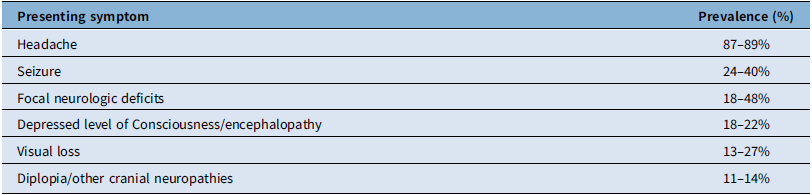


 Open access

