





Stunting is a recognised indicator of inadequate child growth and development. It is defined as a height or length below 2 sd below the WHO child growth standard(1). Stunting is an irreversible consequence of insufficient nutrition and recurrent infections within the first 1000 d of a child’s life(1). The long-term consequences of stunting include compromised cognitive and physical growth, decreased productivity, health challenges and heightened susceptibility to chronic illnesses(Reference Adepoju and Allen2,Reference De Sanctis, Soliman and Alaaraj3) .
Given the severe impact of stunting, the World Health Assembly has set a global goal to reduce the number of children aged < 5 years with stunted growth by 40 % in 2025(1). In 2020, approximately 22 % (149·2 million) of the children aged < 5 years experienced stunting(4). This figure remains consistent in 2022, with 22·3 % (148·1 million) of the population in that age group being affected(5).
As the fourth most populous country worldwide, Indonesia has contributed 5 % to the global burden of stunting over the past decade(4). An analysis of the 2018 Basic Health Research of Indonesia reported that the proportion of stunted children aged < 2 years living in eastern Indonesia was higher than in other regions(Reference Titaley, Ariawan and Hapsari6). This disparity was evident across Indonesian provinces in 2022, with stunting rates ranging from 8 % in Bali (western region) to 35·8 % in Sulawesi Barat Province (eastern region)(7). This difference underscores the importance of examining local risk factors in eastern Indonesia, which might be likely to differ from those in other regions due to its unique challenges, including limited access to healthcare, higher poverty rates and a higher prevalence of infectious diseases such as diarrhoea or acute respiratory infections that could adversely affect children’s nutritional status(8,Reference Laksono, Wulandari and Rohmah9) .
The Presidential Regulation of the Republic of Indonesia, No. 18 Year 2020, states that the prevalence of stunting should be reduced to 14 % by 2024(10). However, preliminary results of the 2023 Indonesian Health Survey reported a stunting prevalence of 21·5 % in children aged < 5 years(11). This survey also reported that the prevalence of stunting in children aged < 5 years in eastern Indonesia was higher than the national average. Based on this evidence, the target for 2024 may not be achieved. Consequently, the Ministry of National Development Planning/Bappenas has set new targets to reduce stunting to 18·8 % by 2024 and 5·0 % by 2045(12). This evidence underlines the urgent need to implement effective and targeted interventions, including nutrition-specific and sensitive measures, particularly in eastern Indonesia, to meet national and international targets(1).
The period from pregnancy to the child’s first 2 years, known as the golden period of life, is crucial, as during this period, children undergo significant growth and development(Reference Petersen13). Children aged under 2 years represent the most critical age group for stunting surveillance, as growth faltering typically begins during this period and is largely irreversible after age of 2 years(Reference Georgieff, Ramel and Cusick14). This period is also a critical window when interventions are most effective in preventing or reversing stunting. Therefore, using data from the 2010, 2013 and 2018 Indonesian Basic Health Research, our study aimed to identify the factors contributing to stunting among children aged < 2 years, living in eastern Indonesia. The findings of this analysis will provide valuable insights for policymakers and programme managers to develop targeted interventions and policies to reduce and prevent stunting in this region, which is particularly affected by this issue. Additionally, this analysis will help fill the gap in understanding the specific risk factors for stunting in eastern Indonesia, where unique challenges may contribute differently to stunting than in other regions of the country. By focusing on this age group, our analysis captures the window of greatest vulnerability and opportunities for effective intervention.
Methods
Data source and survey design
The data used in this study were obtained from the 2010, 2013 and 2018 Indonesian Basic Health Research conducted by the National Institute of Health Research and Development of the Ministry of Health, Republic of Indonesia(15–17). We pooled data from these three surveys into a single analytic dataset. Each survey was a nationally representative, repeated cross-sectional survey conducted using a multistage systematic random sampling design. To account for differences across survey years, we included the survey year as a covariate in the analysis. This approach enabled us to assess both overall associations and temporal changes in stunting among children aged under 2 years in eastern Indonesia.
Since 2007, the Ministry of Health has conducted a 5-year cross-sectional survey to collect baseline data and determine health-related indicators to assess public health at the district, provincial and national levels. The survey evaluated community health at various levels and identified significant changes in health. The sample sizes in the 2013 and 2018 surveys allowed for estimations up to the district level, whereas the 2010 survey provided only provincial-level data. Information regarding the sample size and census block for each survey is provided in online Supplementary Table 1.
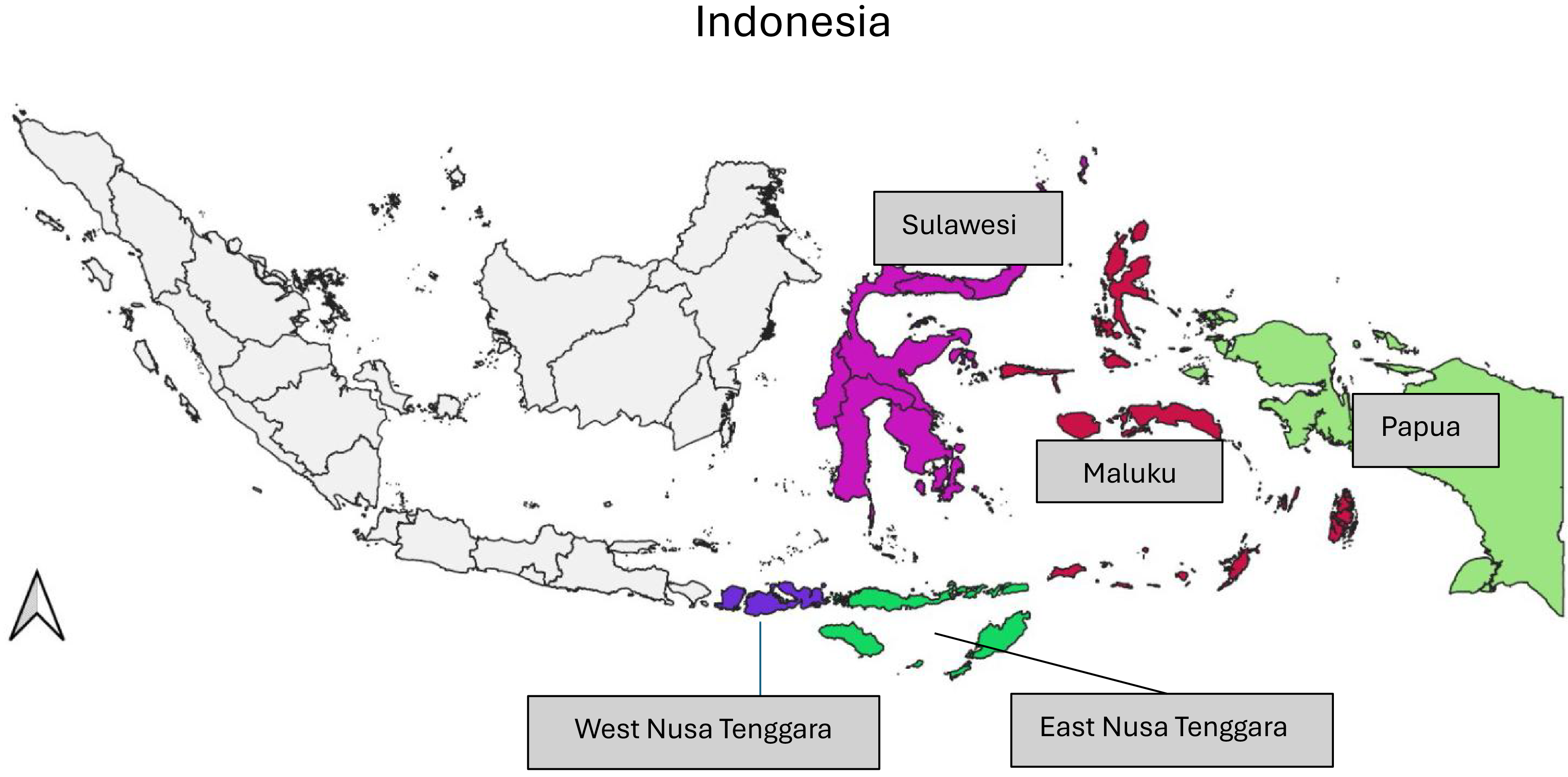
The 2010 Indonesian Basic Health Research included a representative sample of households from thirty-three provinces and 441 districts/cities (online Supplementary Table 1). However, the number of districts increased in the 2013 and 2018 surveys, resulting in data being available only for the new districts and not present in the earlier 2010 survey. Detailed survey methodology has been explained elsewhere(15–17). For this analysis, we used data from 6076 respondents (1379 in 2010, 3738 in 2013, and 959 in 2018) who had children aged < 2 years and lived in eastern Indonesia, specifically from the provinces of Nusa Tenggara Barat, Nusa Tenggara Timur, Sulawesi, Maluku and Papua (Figure 1).
Variables
Based on the theoretical framework developed by the WHO for childhood stunting(Reference Stewart, Iannotti and Dewey18), this analysis included different variables to assess the association between potential predictors available in the survey dataset and stunting in children aged < 2 years.
The main outcome of this analysis was stunting (low length-for-age) in children aged < 2 years. A child was considered stunted if their length-for-age Z-score (HAZ) was below –2 sd (Reference de Onis, Borghi and Arimond19). In this survey, a specialised multifunction stadiometer, designed to measure adult height and baby length, was used to determine the child’s body length. The stadiometer had a maximum measuring capacity of 135 cm for young children and a precision of 0·1 cm. Recumbent length was measured in children aged < 2 years. Length-for-age compares a child’s measured length with the average length of healthy children of the same age and sex and is typically quantified as z-scores. Stunted children were assigned a score of 1, and non-stunted children were assigned a score of 0.
This analysis included nineteen potential predictors of stunting, classified into six categories: survey year, community, household and housing, maternal and paternal, antenatal care and child characteristics. Community characteristics included region and type of residence. Household and housing characteristics included the number of children aged < 5 years, total household members, source of drinking water and household wealth index. The household wealth index was constructed using principal component analysis based on twelve variables: (1) main source of drinking water, (2) type of cooking fuel, (3) ownership of toilet facilities, (4) type of toilet, (5) waste disposal method, (6) source of household lighting, (7) motorcycle ownership, (8) television ownership, (9) water heater availability, (10) 12 kg gas cylinder ownership, (11) refrigerator ownership and (12) car ownership.
Maternal and paternal characteristics included evaluations of maternal and paternal education, maternal and paternal employment, and maternal age at childbirth. Antenatal care services included the number of antenatal care visits and the number of iron/folic acid supplements consumed during pregnancy. According to the antenatal care guidelines from the Ministry of Health of the Republic of Indonesia, which adopted the WHO recommendations, antenatal care should be conducted at least six times – twice during the first trimester, once during the second trimester and three times during the third trimester(20). Finally, the child characteristics included sex, breast-feeding status, time of breast-feeding initiation after birth, age at the time of the interview, birth weight and maternal age at the beginning of pregnancy.
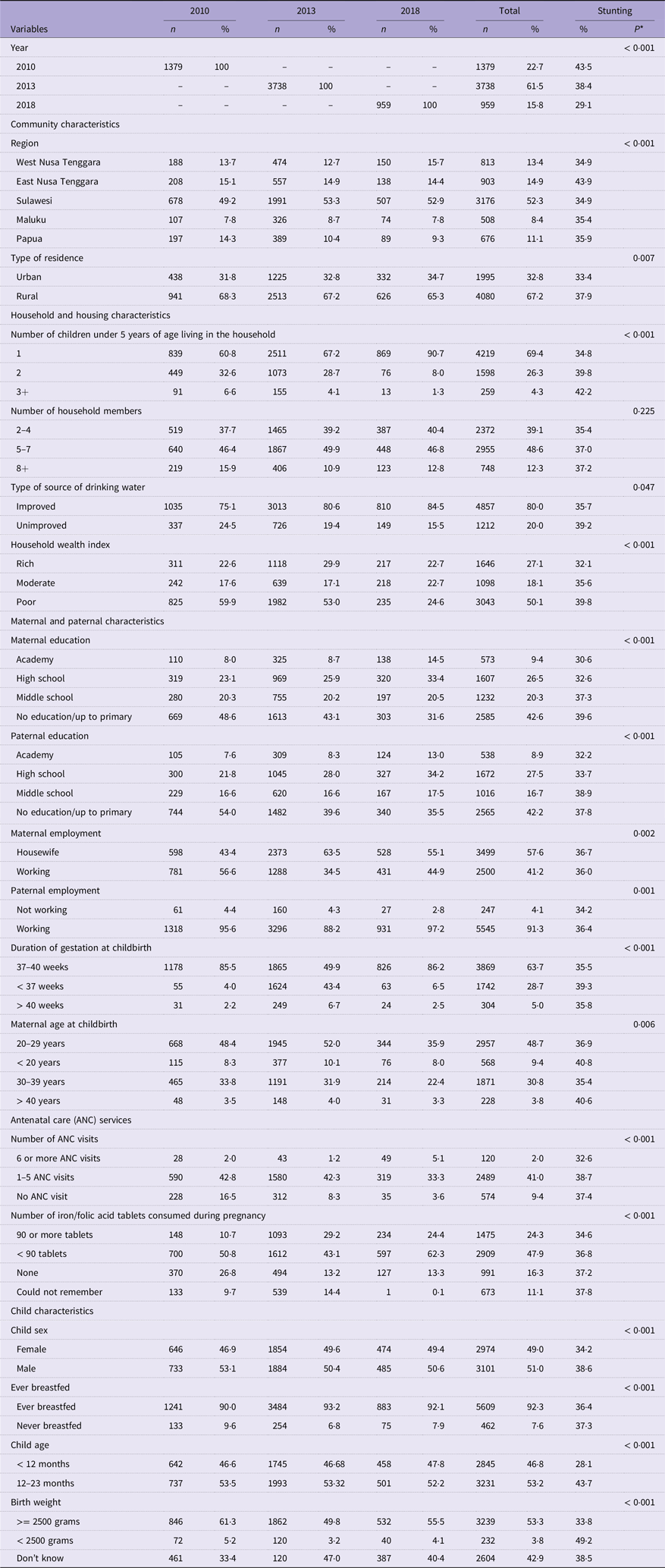
All variables were obtained from the structured questionnaires of the Indonesian Basic Health Research Survey. The definitions and categorisations of these variables were based on the original questionnaires and are listed in Table 1.
The frequency distribution of variables analysed in this study by year of survey and stunting status, Indonesia Basic Health Research 2010–2018

All estimates are weighted for sampling probabilities.
* P was derived from the χ 2 test.
Data analysis
We used descriptive statistical methods in the initial phase to analyse all variables involved. Bivariate analysis was conducted to explore the distribution of these variables across the stunting status. Subsequently, a multilevel analysis was performed, which included two sequential models that incorporated random intercepts. First, a null model (also known as an empty model) was developed to assess the role of districts and provinces without adjusting for all potential predictors at the individual, household and community levels. We computed the median OR for each level to measure its association with stunting status. Subsequently, model 1 was developed to investigate the association of variations at the district and province levels, along with the characteristics at the community, individual and household levels, with stunting status, with adjustments made for each factor. In this model, we used adjusted OR (aOR) to measure the association. We applied a backward elimination process to discard any individual or household characteristics that were not significantly associated with the study outcome, using a significance level of 0·05. Two variables, type of residence (urban/rural) and household wealth index, were chosen a priori and retained in the final model, regardless of their significance level.
The final model provided all the aOR and 95 % CI for the predictors. This analysis accounted for the complexity of the sample design. Multilevel models were constructed using Stata/MP software (version 14.2; StataCorp) with the melogit routine.
Results
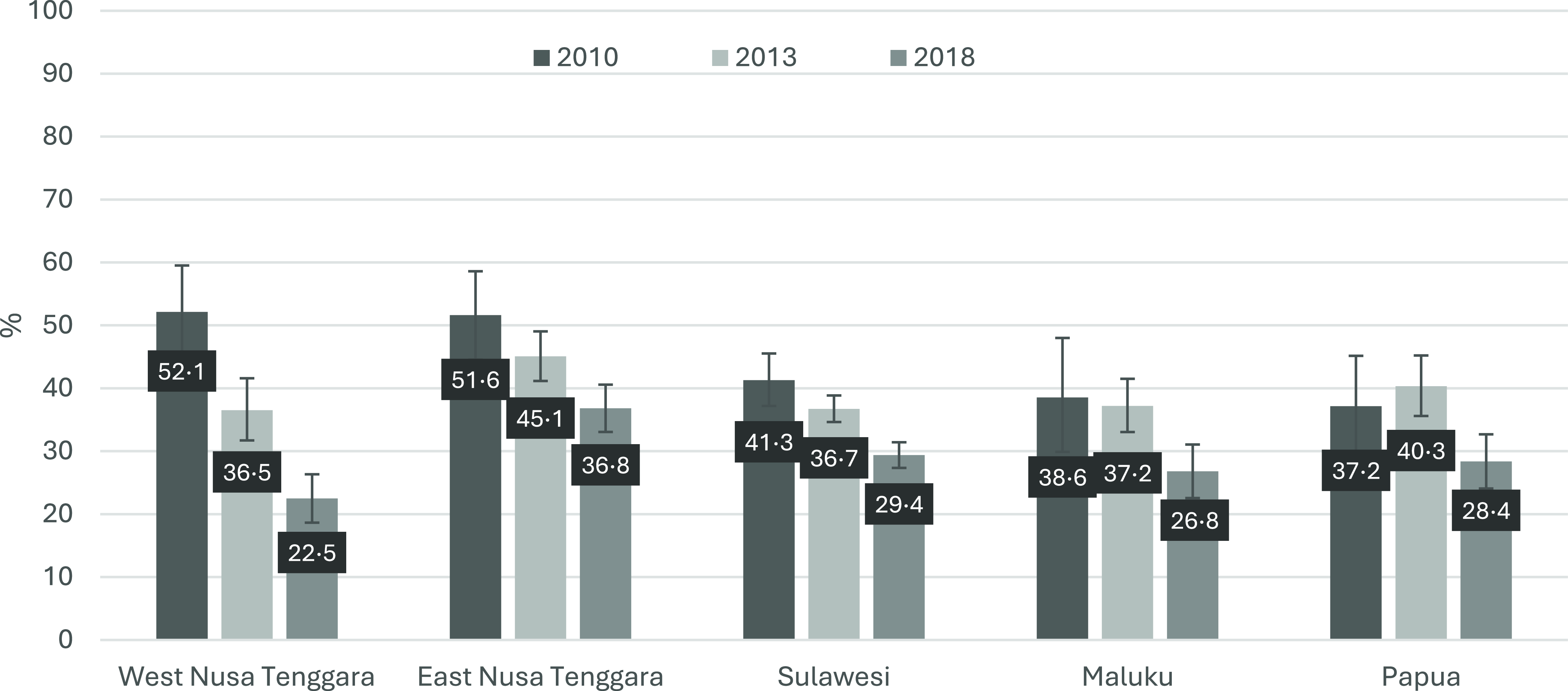
Of the 6075 children aged < 2 years analysed in this study, 37·85 % (95 % CI 36·67, 39·04 %) demonstrated stunted growth. Figure 2 shows the proportion of stunted children under 2 years of age from eastern Indonesia in the 2010–2018 surveys. In 2010, the percentage of stunting was 43·51 % (95 % CI 40·62, 46·45) and reduced to 29·09 % (95 % CI 27·61·61, 30·62) in the 2018 survey. The highest reduction was observed in West Nusa Tenggara, from 52·14 % to 22·49 %. The smallest decrease was observed in Papua (from 37·17 % to 28·38 %). The stunting rates by district and year of the survey for each region are shown in online Supplementary Figures 1–5. The prevalence of stunted children under 2 years of age ranged from 16·1 % to 27·7 % in West Nusa Tenggara, 16·9–57·5 % in East Nusa Tenggara, 4·3–65·4 % in Sulawesi, 8·0–45·1 % in Maluku and 0–67·5 % in Papua Region.
Regions in eastern Indonesia.

Percentage of stunted children under 2 years of age in Eastern Indonesia by year of survey, the Indonesia Basic Health Research 2010–2018.

Table 1 shows the distribution of all respondents by community level, household and housing, maternal and paternal care services, antenatal care services and children’s characteristics. The prevalence of stunting was highest in the East Nusa Tenggara Region. The prevalence was higher in households with three or more children under 5 years of age (42·2 %), households with a low wealth index (39·8 %), children aged 12–23 months, infants weighing less than 2500 g at birth and infants delivered before 37 weeks of maternal age.
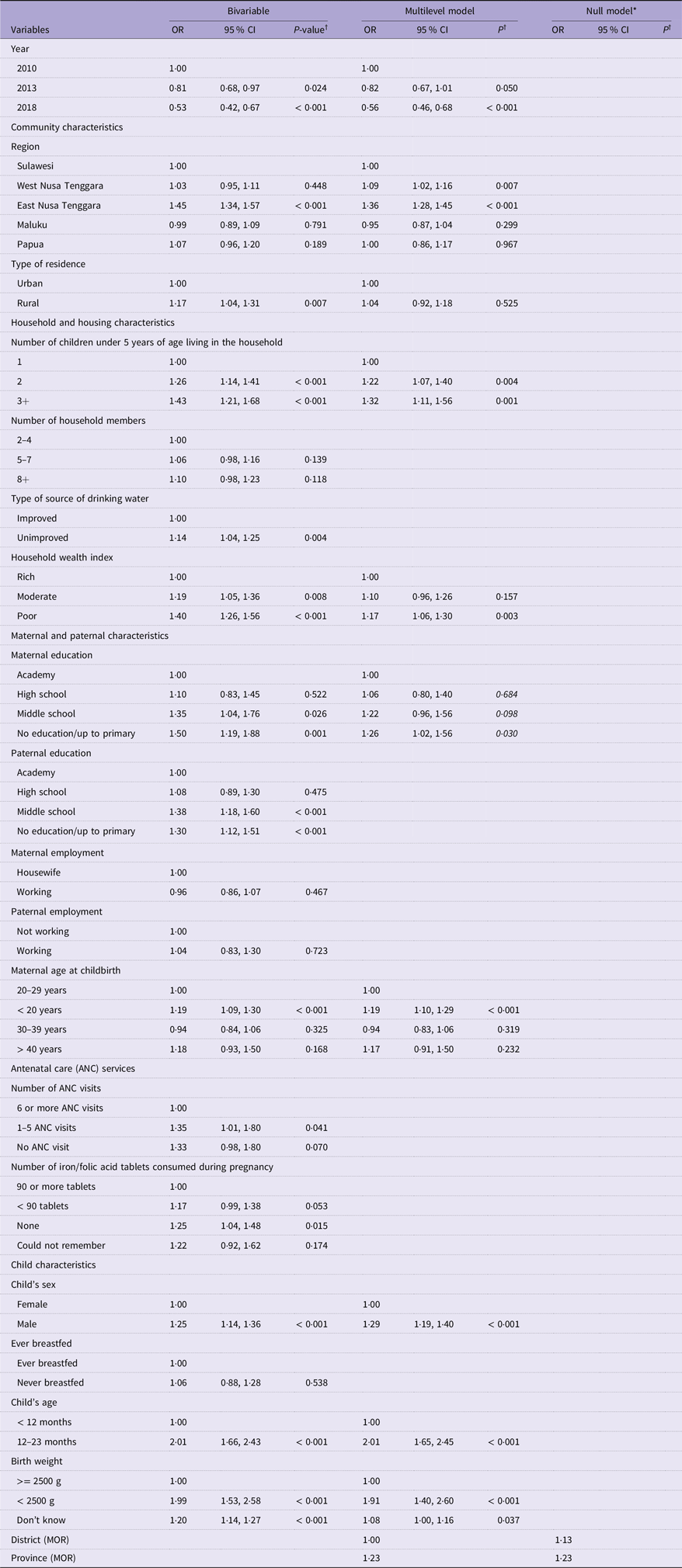
The results of the multilevel model of factors associated with stunting in children aged < 2 years in eastern Indonesia are presented in Table 2. For bivariable multilevel modelling, a significant association was observed between stunting and the year of the survey, region, type of residence, number of children aged < 5 years in the household, source of drinking water in the household, household wealth index, maternal and paternal educational status, maternal age at childbirth, number of antenatal care visits, number of iron/folic acid supplements used during pregnancy, child sex, age at the time of interview, birth weight and maternal age at childbirth.
Factors associated with stunting in children under 2 years of age in eastern Indonesia, Indonesia Basic Health Research 2010–2018

All estimates are weighted for sampling probabilities.
* Model that contains only random effects, without any explanatory (independent) variables.
† P-value was derived from multilevel modelling.
The results of the multivariable multilevel modelling (Table 2) showed that the odds of stunting were significantly lower in children aged < 2 years surveyed in 2018 than in those surveyed in 2010 (aOR = 0·56, 95 % CI 0·46, 0·68, P < 0·001), after adjusting for other covariates. Of the community characteristics included in our analysis, we found significantly higher odds of stunting in infants from West Nusa Tenggara (aOR = 1·09, 95 % CI 1·02, 1·16, P = 0·007) and East Nusa Tenggara (aOR = 1·36, 95 % CI 1·28, 1·45, P < 0·001) than in those from the Sulawesi Region.
Among household and housing characteristics, the odds of stunting increased significantly in children living in households with two children aged < 5 years (aOR = 1·22; 95 % CI 1·07, 1·40, P = 0·004). The odds were even higher for children living in households with three or more children aged < 5 years (aOR = 1·32; 95 % CI 1·11, 1·56, P = 0·001). Moreover, the odds of stunting increased in poor households (aOR = 1·17; 95 % CI 1·06, 1·30, P = 0·003).
Maternal education emerged as a significant predictor of stunting among maternal and paternal characteristics. Children born to mothers with no education or only primary school education had higher odds of being stunted (26 %) than those born to mothers with a university degree (aOR = 1·26; 95 % CI 1·02, 1·56, P = 0·030). The findings also showed that infants born to mothers aged < 20 years at childbirth had significantly increased odds of stunting (aOR = 1·19, 95 % CI 1·10, 1·29, P < 0·001).
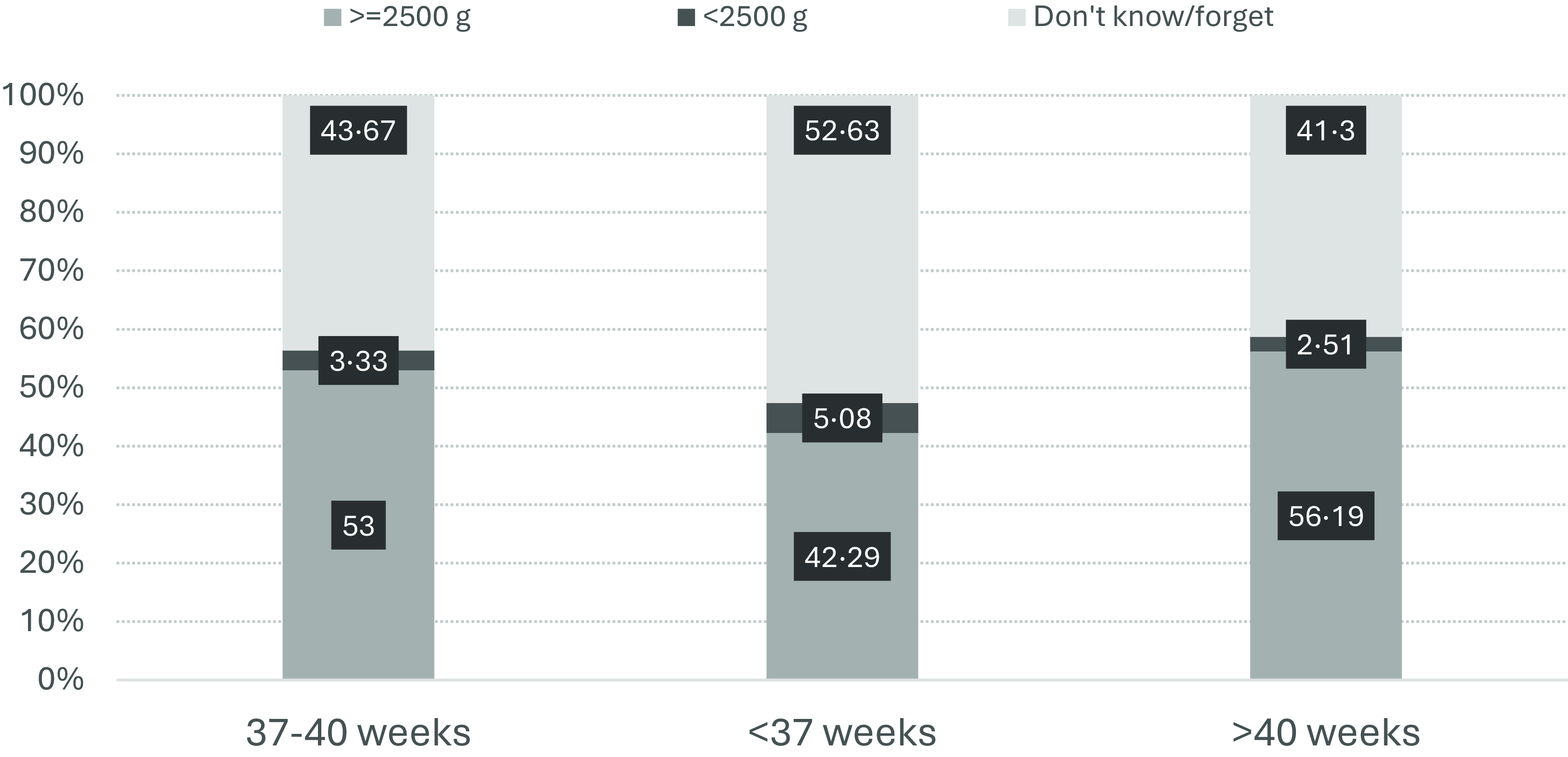
Among the child characteristics, male infants had approximately 30 % higher odds of being stunted than female infants (aOR = 1·29, 95 % CI 1·19, 1·40, P < 0·001). The odds of stunting in children aged 12–23 months were twice as high as those in infants (< 12 months) (aOR = 2·01; 95 % CI 1·65, 2·45, P < 0·001). In children who weighed < 2500 g at birth, the odds of being stunted were 1·91 times higher than those weighing ≥ 2500 g at birth (aOR = 1·91; 95 % CI 1·40, 2·60, P < 0·001). However, when the birth weight variable was replaced by the age of pregnancy at childbirth, higher odds of stunting were associated with children born at < 37 weeks of gestation than with those born at 27–40 weeks of gestation (aOR = 1·14; 95 % CI 1·05, 1·24, P = 0·001). Our analysis also showed that the odds of stunting were higher in infants whose birth weight was not recorded/not recalled by their mothers (aOR = 1·08; 95 % CI 1·00, 1·16, P = 0·037). However, the highest percentage of these infants was found in those born at < 37 weeks’ gestation (52·63 %) (Figure 3).
Frequency distribution of children’s birth weight by maternal age at childbirth, the Indonesia Basic Health Research 2010–2018.

Table 2 also shows that in the null model (i.e. model that contains only random effects without any explanatory (independent) variables), there was a larger role of the province than the district, as the median OR of province and district were 1·23 and 1·13, respectively. When community-, household- and individual-level factors were added to the null model, the median OR of the province remained unchanged. In contrast, the median OR of the district level was reduced to 1·00.
Discussion
Main findings
This analysis demonstrated a high proportion of stunted children aged < 2 years in eastern Indonesia. However, infants whose mothers were interviewed in the 2018 survey were less likely to experience stunting, indicating a reduction in the stunting rate over the survey period. The factors significantly associated with an increased likelihood of stunting were households with a high number of children aged < 5 years, poor households, less-educated mothers, male children, children aged 12–23 months, children weighing less than 2500 g at birth and children born at < 37 weeks of gestation. These findings provide valuable insights for developing targeted interventions and policies to reduce the prevalence of stunting and improve child health outcomes in the eastern region of Indonesia.
Stunting in children aged < 2 years living in eastern Indonesia
Despite a decrease in the proportion of stunted children in eastern Indonesia over the years, this percentage remains higher than the national target of 14 %(10). This indicates slower progress in the health sector in this region than in central and western Indonesia(Reference Djajawinata, Permana, Yudhistira, Indrawati, Anas, Ananda and Zen21). This slow progress has also been demonstrated in previous studies reporting lower Human Development Index scores in eastern Indonesia than in other regions(Reference Amalia, Kesuma and Auliansyah22,23) . The implementation of nutrition-specific and nutrition-sensitive interventions in eastern Indonesia, as recommended by the government to accelerate stunting reduction efforts, also lags behind other regions. For example, the percentage of women receiving at least six antenatal care services during pregnancy was lower (8·7 %) than that in Western (18·3 %) and central (23·8 %) Indonesia(24). The percentage of pregnant women who took ≥ 90 iron tablets during their last pregnancy was the lowest in Indonesia (28·43 %)(24). This evidence emphasises the need to employ specific strategies to address the distinct challenges faced by communities in eastern Indonesia and a continuous and regular monitoring system to help identify barriers and areas requiring enhancement and ensure that interventions effectively reach those who require them the most.
Our analysis found high stunting rates in some regions, such as West and East Nusa Tenggara, highlighting the urgent need for accelerated interventions targeted at these areas. There was also a wide range of stunting by district within each region and a higher median OR at the district level than at the province level. This suggests that there was more unexplained variation at the district level than at the provincial level, reflecting the contribution of local environmental factors that were not measured in the surveys.
There is a wide range of variations across districts, for example, the accessibility or density of health facilities, which might influence the use of preventive and curative healthcare services. There is also variation in the burden of infectious diseases, such as malaria, dengue, diarrhoeal diseases and intestinal worm infections, which could impair the nutritional status of children. Additionally, the availability of local agricultural produce and market access that affect food security status remain important drivers of undernutrition in many districts. Therefore, stunting reduction interventions should be designed to target district-specific factors; however, further research is required to characterise these factors. Policymakers must consider district-level data to understand unique local challenges and develop customised intervention programmes. This approach can help allocate resources more efficiently and implement strategies tailored to each district’s specific conditions.
Improving economic status in eastern Indonesia
Our analysis confirmed an association between household economic status and stunting, as reported in other studies(Reference Beal, Tumilowicz and Sutrisna25,Reference Yani, Rahayuwati and Sari26) . Household economic constraints often lead to inadequate access to nutritious foods that are essential for proper growth and development and restricted access to healthcare services. Consequently, the increased prevalence of illnesses may hinder nutrient absorption and exacerbate growth deficiencies. Low household wealth has frequently been associated with poor sanitation and unsafe drinking water, as reported in the literature, and has been associated with stunting(Reference Rah, Sukotjo and Badgaiyan27).
According to national data for 2023, the percentage of people living below the poverty line in eastern Indonesia is generally higher than the national average (9·36 %)(8). As these data showed that four of the five provinces with the highest poverty rates are located in eastern Indonesia, targeted economic development initiatives are essential. Furthermore, enhancing ownership of the national health insurance system is crucial to ensure that economically disadvantaged communities have access to high-quality maternal and child healthcare services. However, national insurance coverage in eastern Indonesia remains low(24). There were four provinces located in this region, which had the lowest coverage of national health insurance. This indicates a strong need for targeted efforts to increase the enrolment and use of national insurance among communities in eastern Indonesia.
Strengthening basic and advanced maternal and child healthcare services
As reported in previous studies, children born weighing less than 2500 g or before 37 weeks of gestation are more likely to experience stunting(Reference Titaley, Ariawan and Hapsari6,Reference Vats, Walia and Saxena28) . Therefore, low birth weight and preterm delivery should be reduced to ensure long-term health and development. Ensuring adequate maternal nutrition, regular antenatal care and managing other risk factors for low-birth-weight babies and preterm deliveries are essential(Reference Bater, Lauer and Ghosh29,Reference Pusdekar, Patel and Kurhe30) . The provision of quality healthcare services to vulnerable infants is vital. This should be a priority, particularly in eastern Indonesia, where disparities in healthcare services, facilities, medical professionals and essential supplies are frequently reported(Reference Hikmah, Rahman and Puspitasari31). Prioritising essential medical interventions is critical to supporting the growth of these vulnerable infants, such as promoting optimal breast-feeding practices, fortifying breast milk with essential nutrients and implementing appropriate complementary feeding practices after exclusive breast-feeding(Reference Parker, Stellwagen and Noble32,Reference Aryastami, Shankar and Kusumawardani33) .
Our analysis aligns with previous studies, revealing a higher likelihood of stunting in infants from households with three or more children aged < 5 years(Reference Yani, Rahayuwati and Sari26,Reference Tafesse, Yoseph and Mayiso34) . Having several young children in a household often indicates a short interval between births, which can negatively affect a child’s health. This increases the demand for healthcare and the risk of infectious diseases, thereby compromising children’s nutritional status and growth potential. Improving the availability and access to family planning services is important to help families adequately space pregnancies and allocate sufficient time and resources to each child during their critical early years.
Promoting effective health education interventions
As shown in another study, we found that children born to mothers with low education levels were more likely to experience stunted growth(Reference Wulandari, Laksono and Kusrini35). Limited knowledge of nutrition and health practices during pregnancy and early childhood, in addition to limited access to healthcare resources, may result in insufficient prenatal and postnatal care. Our result is consistent with previous literature that infants born to young mothers have an increased likelihood of stunting(Reference Astuti, Azka and Rokhmayanti36,Reference Nguyen, Scott and Khuong37) . Pregnancy during adolescence leads to higher nutritional needs in adolescent girls who have not completed their growth and development. Therefore, pregnancy during adolescence leads to a struggle for nutrition between the mother and the fetus. This will create nutritional competition between the mother and fetus, often leading to conditions such as low birth weight and potential future health issues(Reference Nguyen, Scott and Khuong37). We also confirmed higher odds of stunting in male than female children, as reported in previous studies(Reference Thompson38). Male children are more susceptible to infections and undernutrition owing to sex-based biological differences.
This evidence highlights the need for effective health promotion strategies to raise awareness among parents, caregivers and the general community. In eastern Indonesia, limited access to quality education, a shortage of qualified teachers, inadequate resources, geographic isolation and economic constraints contribute to lower literacy rates and reduced opportunities(Reference Patandung and Panggu39). Therefore, educating communities on proper nutrition, hygiene and healthcare practices can empower parents and caregivers to make informed decisions that support their children’s growth and development.
Our study also confirmed an increased likelihood of stunting in older children, a trend observed in other studies(Reference Islam, Zafar Ullah and Mainali40). This might stem from poor nutrition and increased exposure to infections and illnesses in older children, which impair nutrient absorption and use. Therefore, increasing family awareness of the early detection of infant growth delays will allow timely intervention. Family awareness of growth milestones and signs of stunting encourages effective collaboration with healthcare providers to address issues promptly. Community-based programmes that disseminate information on the long-term impact of stunting are crucial for reducing stunting and improving child health outcomes in eastern Indonesia.
Strengths and limitations
This study used nationally representative data from the Ministry of Health, including a large sample size suitable for examining the association between various factors and stunting in children aged < 2 years. A multilevel modelling approach was employed to investigate the significance of provinces and districts in reducing stunting. However, the use of cross-sectional data was a major limitation of this study, which precluded causal inferences. Furthermore, our analysis was constrained by the availability of variables in the dataset, excluding factors associated with stunting, such as nutritional diversity, diseases and infections, food security status and maternal stature. Additionally, the data relied on the mothers’ memories, which could have affected the accuracy.
Conclusions
In summary, our study demonstrated a high prevalence of stunting in eastern Indonesia. Various factors, including community and child characteristics, contribute to stunting. This highlights the need for comprehensive initiatives to address immediate nutritional deficiencies and broader socio-economic challenges in eastern Indonesia. These initiatives could include strategies to alleviate poverty, improve the healthcare system and expand family planning services to help mothers manage their pregnancy intervals. Consistent and continuous health promotion programmes are crucial for raising community awareness of effective stunting prevention strategies and for monitoring children’s growth, especially among less-educated women. Policymakers and programme managers should prioritise localised interventions over broad province-wide strategies to address the unique conditions of each district. This will help optimise resource allocation and have a greater impact on reducing stunting rates in eastern Indonesia.
Supplementary material
For supplementary material/s referred to in this article, please visit https://doi.org/10.1017/S0007114525105771
Acknowledgements
The authors express their gratitude to the Ministry of Health, Republic of Indonesia, for providing a subset of the 2013 Basic Health Research data for our analysis. The authors thank the Rector of Pattimura University, the Dean and the faculty members of the Faculty of Medicine at Pattimura University in Ambon, Indonesia, for their support throughout the study.
This study did not receive any external funding.
C. R. T., I. A., D. H. T. and M. J. D. contributed to conceptualisation. C. R. T. and D. H. T. contributed to the data curation. C. R. T., I. A. and M. J. D. contributed to the study methodology. C. R. T. and I. A. performed the formal analysis. M. J. D. and D. H.T. provided advice on data analysis. C. R. T. and R. F. I. prepared the original draft of the manuscript. R. F. I., N. Z. and Y. W. performed the literature search. C. R. T., I. A., R. F. I., D. H. T., N. Z., Y. W. and M. J. D. reviewed and edited the final manuscript. All authors have read and approved the final manuscript.
The authors declare that they have no conflicts of interest.
This study was conducted according to the guidelines of the Declaration of Helsinki, and all procedures involving research study participants were approved by the National Institute of Health Research and Development Ethics Committee under the Ministry of Health, Republic of Indonesia. Written informed consent was obtained from all the participants.


 Open access

