




Introduction
In 1993, Henry Cleere – world heritage coordinator at the International Council on Monuments and Sites (ICOMOS) between 1992 and 2003 – proposed including submerged archaeological sites in the World Heritage List, following the establishment of the International Scientific Committee for Underwater Cultural Heritage (ICUCH) two years earlier.Footnote 1 Following the adoption of the UNESCO Convention on the Protection of the Underwater Cultural Heritage in 2001 (hereinafter “the 2001 Convention”), interest in protecting underwater cultural heritage (UCH) also became evident within the framework of the 1972 Convention Concerning the Protection of the World Cultural and Natural Heritage (hereinafter “the World Heritage Convention”), as illustrated by nominations such as the multinational and transboundary prehistoric pile dwellings of the European Alpine region and the Red Bay Basque whaling station in Canada, both of which underscored the importance of recognizing submerged heritage within world heritage sites.
Martin’s analysisFootnote 2 argued for the feasibility of inscribing shipwrecks on the World Heritage List, citing the exceptional significance of submerged sites such as RMS Titanic. In fact, the 2001 Convention does not cover all submerged archaeological sites, only those that have been for a period of 100 years under the water,Footnote 3 but leaves to the states to increase this protection to other sites that have been submerged for fewer years. The debate surrounding the classification of UCH often centers on perceptions of mobility, where sometimes shipwreck sites are viewed as movable artifacts, unlike traditionally immovable sites, highlighting the need for clearer guidelines on heritage legal regime.
The World Heritage Centre launched the World Heritage Marine ProgrammeFootnote 4 in 2005 to support marine heritage site management, yet the focus has primarily been on nature, neglecting cultural heritage elements. This gap was discussed in the 2021 UNESCO Conference on Identifying Critical Science Gaps, which focused on the future of the World Heritage Marine Programme where cultural heritage was identified as a critical knowledge gap for sustainable conservation.Footnote 5 The recommendations emerging from this meeting emphasized the integration of UCH into national inventories, management plans, and broader conservation strategies to enhance awareness and protect these significant historical resources.
While the underrepresentation of UCH in the World Heritage List is often framed as a matter of visibility or technical complexity, this article argues that there are also normative causes. The World Heritage Convention is built upon a territorial model of state responsibility and jurisdiction that was never designed with submerged, offshore, or transboundary heritage in mind. These legal assumptions have had concrete consequences for how UCH is evaluated, nominated, and managed within the World Heritage framework.
This paper is the result of the discussions and work of the ICOMOS ICUCH regarding the management of submerged cultural heritage within the World Heritage List. It is intended as a strategic call to action, concluding with targeted recommendations addressed to heritage managers, states parties, and nomination teams to reassess and update management frameworks and nomination dossiers to account for the often-overlooked value of marine and submerged heritage. It will be crucial for the state of rivers, lakes, seas, and oceans to be integrated into cultural and natural values, since many places on Earth owe their Outstanding Universal Value (OUV) to the interaction between people and the environment, particularly water. This symbiosis should be included in protection efforts and may also provide insights from the past to help sustain the values created over time.
The importance of underwater cultural heritage in world heritage
UCH represents a vital, yet often overlooked, dimension of humanity’s shared legacy. These submerged cultural assets (ranging from shipwrecks and ports to ceremonial sites and sunken cities, or marine cultural landscapes), as well as their associated intangible values, offer invaluable insights into the evolution of trade, migration, conflict, belief systems, and adaptation to the environment and environmental change. Many are touchstones of technological innovation and cultural expression, connecting past human lives with contemporary societies, creating knowledge and cultural identity.
However, this heritage is confronted by unprecedented threats. Climate change is altering the very environments in which UCH is preserved: not only rising sea levels but also shifting currents, increasing storm intensity, temperature fluctuations, and ocean acidification are transforming underwater contexts in ways that can either expose or erode sites. Coastal erosion, sediment displacement, and deoxygenation further complicate preservation.Footnote 6 In addition, twentieth-century shipwrecks classified as potentially polluting wrecks contain oil, fuel, and hazardous cargo that threaten marine ecosystems while complicating their treatment as heritage. These risks converge with long-standing pressures from pollution, looting, illegal salvage, and unregulated tourism. Marine infrastructure development – including wind farms, seabed mining, oil and gas extraction, ports, and subsea cables – often advances with insufficient regard for cultural impacts.Footnote 7 Without immediate attention, these irreplaceable records of our collective past risk being lost, degraded, or contaminated before their significance is even recognized.Footnote 8
The cultural, historical, and scientific value of UCH is immense. It fosters identity, but it also contributes to biodiversity through, for instance, becoming artificial reefs. Despite this, it remains dramatically underrepresented in the UNESCO World Heritage system, the so-called international arbiter of heritage management and preservation.Footnote 9 This omission undermines the goal of a truly balanced, credible, and representative World Heritage List that most World Heritage regional strategies are calling for.
Because the relationship between people and water has been central to the development of many cultures; because large parts of human history lie within rivers, lakes, seas, and ocean beds due to inundations and shifting waterways; and because many societies maintain a deep bond with water as a core element of their identity, UCH should be regarded as an integral component of humanity’s common heritage. These sites, both tangible and intangible, reflect stories of endurance, innovation, and interconnectedness.
Several fundamental questions remain unresolved. Whereas UCH is often absent from policy and nominations simply because it is less visible and harder to access, other major concerns relate to management: Does its inclusion complicate World Heritage processes or even conflict with natural values in marine sites? And most critically, can submerged heritage be preserved over the next fifty or one hundred years in ways that ensure the continuity of its values? At present, the answer is uncertain, as it is with most of the inscribed sites. Shipwrecks and many other sites inevitably degrade underwater. If we accept this, we must ask: How much degradation is tolerable, how fast is it occurring, and what role does visibility play in heritage protection? These unresolved issues demand attention rather than avoidance.
To overlook UCH from the central mechanisms of heritage protection and celebration, such as the World Heritage Convention, is to ignore a substantial part of human history, largely connected to many already inscribed sites. This process could also be enriched with a fruitful dialogue not only between the World Heritage Convention and the 2001 Convention, but with other UNESCO conventions as well, such as the 2003 Convention on Intangible Heritage and – today dramatically – the 1954 Convention for the Protection of Cultural Property in the Event of Armed Conflict.
The 2001 Convention defines this heritage as “all traces of human existence that have been partially or totally submerged underwater, which are of cultural, historical, or archaeological interest.”Footnote 10 This definition encompasses a wide spectrum of material culture (from ancient harbors to modern shipwrecks) and affirms their significance across time and space. Although the 2001 Convention focuses solely on the protection of tangible remains, this heritage extends beyond physical artifacts. Although not covered by the 2001 Convention, UCH also carries intangible cultural associations, including oral traditions, spiritual meanings, and societal memories. Furthermore, submerged sites act as indicators to understand climate change, as well as repositories of environmental data, crucial to develop current adaptation strategies. These values must be protected alongside the physical remains, as they deepen the meaning and relevance of submerged sites for descendant communities and wider audiences; actually, the definition embodied in the Convention includes not only the “archaeological context” but the “natural context” as well.
The World Heritage Convention remains the principal framework for identifying and preserving sites of OUV, which fully supports the inclusion of UCH. The OUV refers to the cultural or natural significance of a site that is so exceptional that it surpasses national boundaries and holds universal importance for humanity.Footnote 11 Article 4 establishes the duty of each state party to ensure the identification, protection, conservation, and transmission to future generations of cultural and natural heritage referred to in Articles 1 and 2 and situated on its territory, thereby anchoring the entire World Heritage regime in a territorial logic that presupposes clear sovereignty, jurisdiction, and enforceable state control, assumptions that are not easily reconciled with submerged, transboundary, or offshore cultural heritage. This obligation applies therefore to all territories under the jurisdiction of the state, including internal waters, coastlines, and maritime zones under national sovereignty.
Moreover, Article 5 requires state parties to adopt “effective and active measures” for heritage protection, which include submerged heritage located within their territories. Thus, while the World Heritage Convention does not explicitly define UCH, its mandates encompass such heritage.
In sum, UCH has a shared global importance whose cultural and ecological value transcends national boundaries and disciplinary silos. Its inclusion in the World Heritage system is not only justified but also necessary. Recognition, preservation, and interpretation of submerged heritage under the convention framework is essential to delivering on UNESCO’s mission and ensuring a heritage system that truly reflects the breadth and richness of the human experience.
The 2001 UNESCO Convention as a complement to the World Heritage Convention
The 2001 Convention plays a critical complementary role to the World Heritage Convention, particularly in addressing gaps in heritage protection below the waterline. While the World Heritage Convention provides a globally recognized framework for inscribing sites of OUV, it does not explicitly define or reference UCH. This may be one of the causes of the underrepresentation and inconsistent treatment of submerged sites. The 2001 Convention fills this gap by offering a comprehensive legal and ethical framework for the identification, protection, and management of UCH, including detailed operational principles in its Annex that guide responsible research and conservation.Footnote 12
The rules of the Annex of the 2001 Convention serve as a best practice, providing a framework for the preservation and management of submerged archaeological sites. These rules emphasize the significance of protecting UCH from destructive practices and ensuring that archaeological activities are conducted responsibly. They outline essential principles such as the prohibition of commercial exploitation of underwater sites, the need for proper documentation, and the requirement to ensure that any research or excavation activities are conducted following established scientific methodologies. The rules aim to safeguard the integrity of UCH for future generations, constituting an essential instrument in its management, regardless of whether it is found in a country that has not ratified the convention.
One of the primary reasons these rules are crucial is that they help establish a global standard for the protection of submerged sites. Given that many sites are in waters beyond the jurisdiction of the states or even span multiple jurisdictions, a uniform set of rules facilitates cooperation among nations and institutions. This can be essential in transboundary World Heritage nominations or sites beyond national jurisdiction, which are indeed protected under the 2001 Convention but not under the World Heritage Convention.Footnote 13 Such cooperation is vital for effective monitoring and protection, especially in regions where heritage sites may be vulnerable to illegal activities like treasure hunting or unregulated salvage operations.
Importantly, the principles of the 2001 Convention (such as in situ preservation, noncommercial exploitation, or international cooperation) align with and strengthen the obligations under the World Heritage Convention, particularly regarding integrity, authenticity, and long-term safeguarding.Footnote 14 Even for states that have not ratified the 2001 Convention, its rules are widely regarded as a best-practice tool by most UNESCO member states well before the convention came into force.Footnote 15 The Annex was directly derived from the 1996 ICOMOS Charter on the Protection and Management of the Underwater Cultural Heritage. Recognizing and leveraging the synergies between these two instruments is therefore essential to building a truly inclusive and effective global heritage strategy.
Underwater cultural heritage in World Heritage properties: Gaps and missed opportunities
Although the World Heritage Convention does not explicitly mention UCH, some World Heritage sites include submerged elements that are often excluded from formal recognition, despite their significant contribution to OUV. These elements are frequently neglected in management and interpretation, yet they form an integral part of the sites and enrich both their cultural and natural significance. They should therefore not be forgotten. A significant proportion of existing sites include submerged or marine cultural components, yet these elements are rarely acknowledged, managed, or evaluated as UCH. This oversight distorts the representativeness of the World Heritage List and undermines the convention’s goal of reflecting the full diversity of the world’s heritage.
One of the most significant World Heritage sites that contains UCH is the Bikini Atoll Nuclear Test Site, located in the Marshall Islands.Footnote 16 Inscribed on the UNESCO World Heritage List in 2010, Bikini Atoll is notable for its dual historical and underwater significance as it was the site of numerous nuclear tests conducted by the United States of America between 1946 and 1958, which played a pivotal role in the development of nuclear weapons during the Cold War.Footnote 17 These tests had profound impacts on the environment, the local population, and global geopolitics. The underwater site includes the wreckage of vessels from Operation Crossroads, one of the most famous nuclear test series, where several decommissioned warships were used as targets. Among these shipwrecks are the USS Saratoga, an American aircraft carrier, and the Japanese battleship Nagato, which once served as the flagship of Admiral Yamamoto during the attack on Pearl Harbor.Footnote 18 These shipwrecks, part of the World Heritage site, have become artificial reefs and are now home to rich marine biodiversity.
Another World Heritage site that contains submerged heritage is Nan Madol,Footnote 19 located in the Federated States of Micronesia. Designated a World Heritage site in 2016, Nan Madol is an ancient ceremonial and political center built between the thirteenth and seventeenth centuries by the Saudeleur dynasty. The site is comprised of around 100 artificial islets consisting of basalt and coral boulders, interconnected by a network of canals. Nan Madol is often referred to as the “Venice of the Pacific” because of its unique layout and the use of waterways as transportation routes.Footnote 20 While much of the monumental architecture is visible above water, a significant part of its cultural heritage extends into the submerged sections of the site. Some of the islets and structures have partially collapsed into the surrounding lagoons, and underwater surveys have revealed submerged ruins, ancient walls, and pathways.
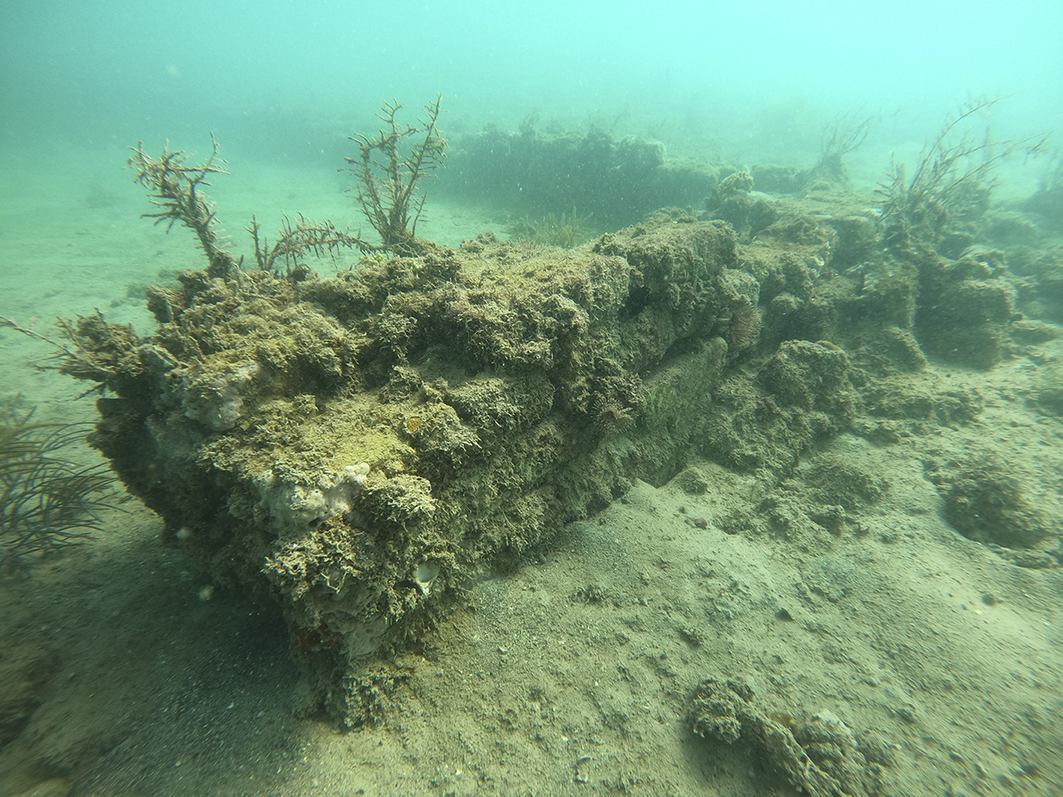
More recently, on 12 July 2025, UNESCO inscribed the archaeological ensemble of seventeenth-century Port Royal,Footnote 21 Jamaica, onto the World Heritage List, recognizing its exceptional value as a submerged colonial urban site (Figure 1). Port Royal was a thriving Caribbean port and hub for transatlantic trade, including the trade of enslaved people from Africa that was destroyed by a devastating earthquake in 1692. In its heyday it was called “the wickedest and richest city in the world.”Footnote 22 It was a free city and home of many pirates and religion refugees. Lying submerged, protected by sediments, much of the old town is preserved and now forms a unique snapshot of colonial life. This inscription marks a significant milestone for Jamaica and the Caribbean, highlighting the importance of underwater cultural heritage in a region where most of its states are party to the 2001 Convention. The well-preserved remains of Port Royal, including six defensive forts and a network of streets, offer rare insights into seventeenth-century urban planning and colonial society. The World Heritage Committee’s decision also emphasized the urgent need for conservation, as the site faces threats from coastal erosion, storms, and increasing commercial shipping. The listing of Port Royal sets a vital precedent for the recognition and protection of underwater heritage worldwide.
Submerged structure of the sunken city of Port Royal. Photo courtesy of SAS-INAH-JNHT.

Another powerful example is Papahānaumokuākea Marine National MonumentFootnote 23 (USA), inscribed in 2010 as the country’s only mixed cultural–natural World Heritage site. Covering more than 36 million hectares, it is one of the largest protected marine areas in the world, encompassing coral reefs, seamounts, lagoons, and submerged banks that sustain some 7,000 different species of organisms, a quarter of them only living there in that area. The site is profoundly anchored in Native Hawaiian cosmology, regarded as both the origin and final resting place of life, while its sacred shorelines and archaeological remains on Nihoa and Mokumanamana testify to centuries of customary presence. As one of the earliest marine inscriptions and a catalyst for UNESCO’s World Heritage Marine Programme, Papahānaumokuākea demonstrates how seascapes integrate natural systems with living cultural traditions and exemplifies the potential of what underwater and marine cultural heritage could, and should, encompass.
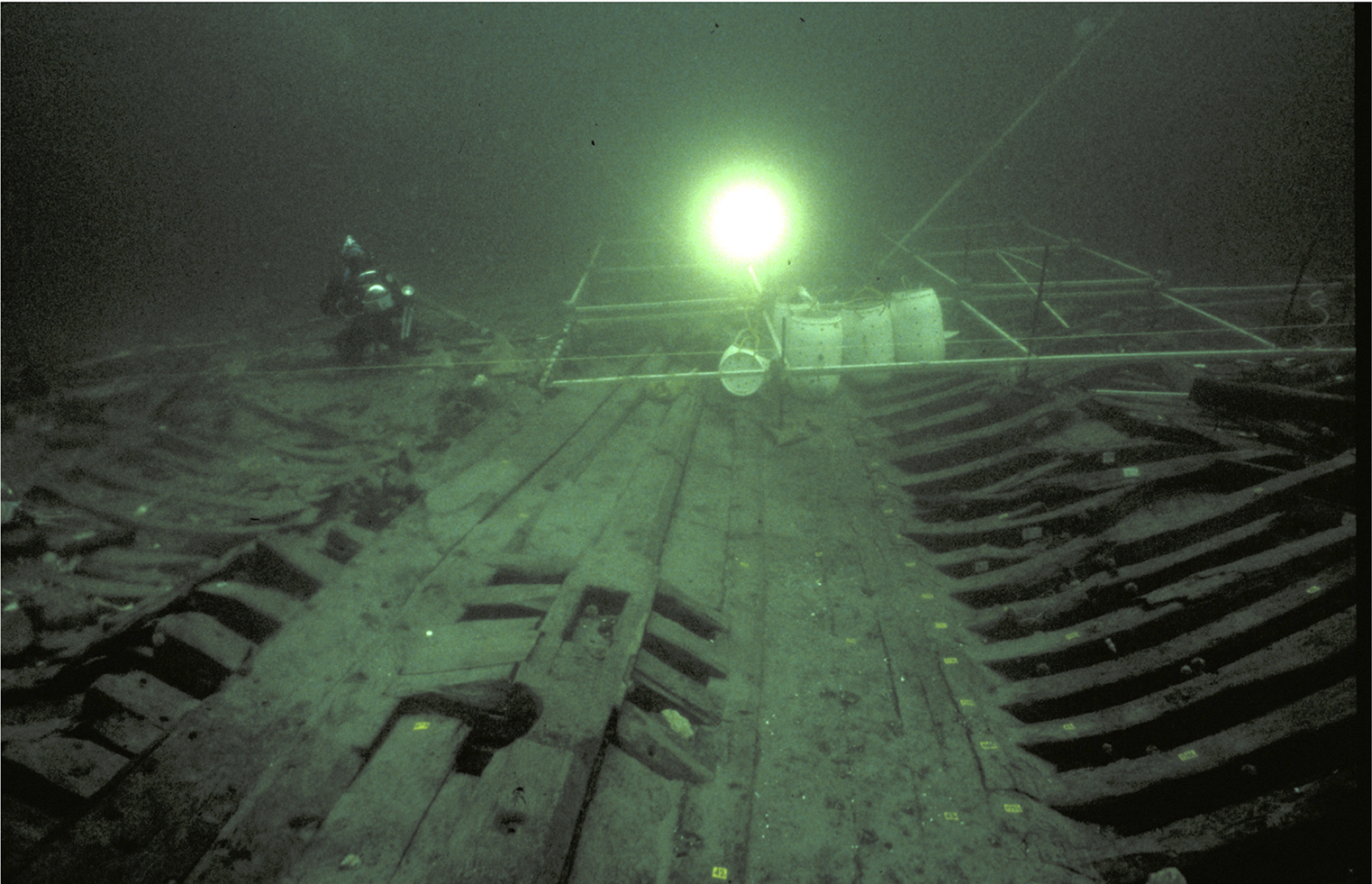
Many World Heritage sites also contain significant submerged cultural elements that remain underrecognized in their official designations. The Red Bay Basque whaling station,Footnote 24 for instance, contains crucial underwater remains of sixteenth-century whaling activities (Figure 2). Similarly, the prehistoric pile dwellings in the Alpine region mentioned previously, inscribed in 2011, though comprising over 100 underwater archaeological sites across six countries, are categorized as terrestrial heritage despite their exceptional preservation in lake environments.
San Juan Whaling shipwreck, Red Bay. Photo courtesy of Parks Canada.

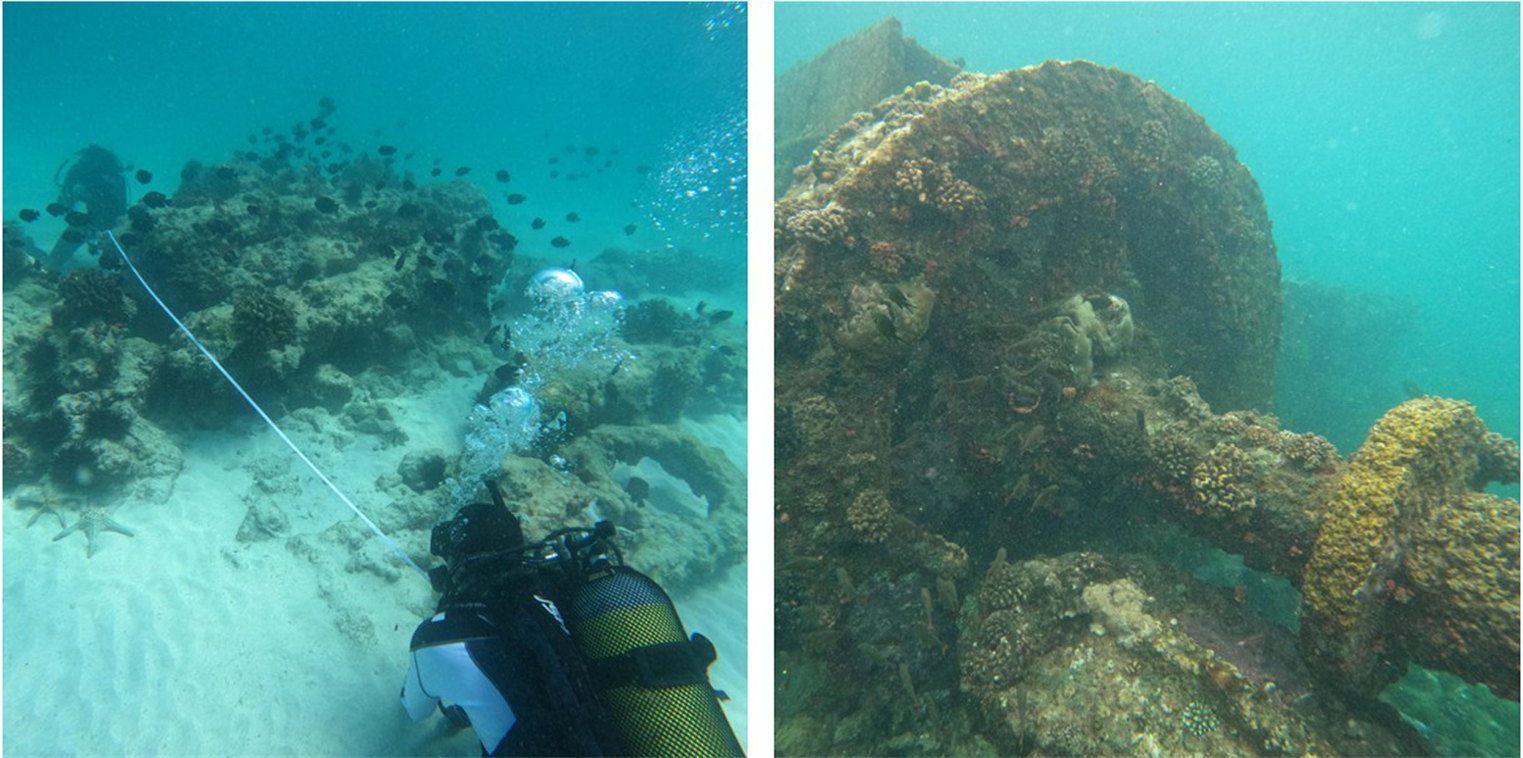
Other sites demonstrate how underwater heritage is either marginalized or emerging due to environmental changes. Meanwhile, coastal sites like L’Anse aux MeadowsFootnote 25 (Canada, 1978) face impending transformation into underwater heritage due to rising sea levels and erosion, a critical preservation challenge not addressed in current management plans. The Island of MozambiqueFootnote 26 (inscribed 1991) presents a particularly urgent case: This Swahili–Arab trading post and Portuguese colonial hub sits amid waters containing centuries of shipwrecks from the Indian Ocean trade network (Figure 3). Despite its World Heritage status, the surrounding seabed has suffered systematic looting of artifacts from these wrecks, with commercial salvage operations compromising archaeological integrity while yielding little benefit to local communities.Footnote 27 These examples collectively reveal a systemic pattern where submerged cultural elements, whether long-established or newly emerging, are consistently undervalued in World Heritage documentation and conservation strategies. Numerous other properties feature components of submerged heritage as well. During the 46th session of the World Heritage Committee, 24 properties were added to the World Heritage List, bringing the total number of inscribed sites to 1,223. Perez-Alvaro et al. reveal that of those 1,223 World Heritage properties on the list, at least 355 contain elements of UCH, accounting for approximately 29 percent of the total.Footnote 28 Perez-Alvaro categorizes these 355 sites into 17 distinct groups divided by their functions. The largest categories, “historic cities by rivers” or “by a river,” make up 27 percent of the sites. In contrast, categories such as “wetlands,” “sites that may have been underwater thousands of years ago,” as well as “shipwrecks,” “harbours/ports,” and “routes” are the least represented, each constituting just 1 percent. Other categories include underwater cultural heritage in military constructions and lighthouses, royal residences, water management systems, archaeological ruins by rivers or by the sea, human settlements, human practices leaving underwater cultural heritage, prehistoric rock art, diving sites, and aqueducts. This research emphasizes the importance of recognizing UCH not just in marine and coastal areas, as UNESCO’s statistics often highlight, but in other types of water bodies. Of the 355 sites analyzed, 145 are in marine environments, 123 in rivers, 27 in lakes, and 13 in various other environments, and 47 are classified as aquatecture.
Left: Shipwreck IDM-017 from the seventeenth century. Right: Metal shipwreck from mid-twentieth century. Photos: Arturo Rey da Silva / University of Edinburgh.

The underrecognition of UCH is particularly problematic given UNESCO’s repeated calls for a more balanced and representative World Heritage List. Paragraphs 53–55 of the WHC Operational GuidelinesFootnote 29 emphasize the need for representativity in the list, encouraging nominations that reflect the cultural and natural diversity of all regions and heritage types. The failure to recognize UCH, especially in regions where this heritage predominates, contributes to a skewed and incomplete global picture. This is even more incomprehensible given the increasing number of states ratifying the 2001 Convention supported by the frequent training courses provided by UNESCO and partners to develop capacities in underwater archaeology and UCH management.Footnote 30
The issue is not only one of terminology but of conceptual framing. Many nomination files fail to apply the lens of UCH, even when submerged or aquatic features are integral to the site. A clear example is the Wadden Sea, jointly nominated by the Netherlands, Denmark, and Germany, which was inscribed solely for its natural OUV, with no consideration given to cultural, let alone underwater, heritage. This omission has been attributed, in part, to concerns about complicating the nomination process. Yet the Wadden Sea has shifted between land and sea repeatedly throughout history, leaving archaeological traces such as early medieval farming on the seabed, as well as evidence of intense maritime activity. Notably, the Texel Roads served as a major anchorage where ships were loaded and unloaded for voyages across the globe, and hundreds of sixteenth- to eighteenth-century shipwrecks remain in the area.Footnote 31 Excluding UCH in such cases has serious repercussions: Submerged components may fall outside designated boundaries, lack appropriate legal protection, and remain absent from management strategies. More broadly, the omission reinforces a bias toward terrestrial, built, and monumental heritage. This concern was already underscored in the 2011 UNESCO External Audit of the Global Strategy for a Representative, Balanced and Credible World Heritage List, which urged the expansion of the World Heritage List to include underrepresented heritage types, explicitly calling for the recognition of submerged sites (UNESCO, IOS/EVS/PI/101 REV).
UNESCO’s own documentation increasingly acknowledges the importance of addressing this imbalance. The 2023 Policy Document on Climate Action for World Heritage explicitly states that cultural heritage impacted by sea level rise and submersion should be studied and managed in collaboration with UCH experts.Footnote 32 This recognition supports the need to reevaluate both inscribed and future sites by UCH experts.
The continued marginalization of UCH not only reduces the visibility of maritime and water-based civilizations but also ignores the unique preservation and interpretive value that submerged sites offer. Without correction, this omission risks weakening the credibility and comprehensiveness of the World Heritage system. Future revisions of nomination dossiers, retrospective statements of OUV, and management plans should incorporate UCH where appropriate, ensuring that these submerged narratives are brought to the surface of global heritage discourse.
Outstanding Universal Value and UCH
The concept of OUV plays a central role within the framework of the World Heritage Convention, as outlined in its Operational Guidelines (2019). According to paragraph 49 of the guidelines, sites with OUV are deemed to possess attributes that justify their protection for the benefit of both present and future generations. This principle is fundamental to the selection of World Heritage sites, ensuring that they represent the most remarkable aspects of the world’s cultural and natural heritage legacy. In this sense, to qualify as world heritage, a site must meet at least one of the ten criteria outlined in the World Heritage Operational Guidelines and demonstrate integrity, authenticity, and an adequate management system. Do these OUVs then not apply to UCH?
As with all different types of heritage, certain submerged archaeological sites can clearly satisfy these requirements through their historical, archaeological, aesthetic, and scientific significance. Some, by their very nature, should even be evaluated and protected under the concept of OUV, as they represent a significant and irreplaceable link to human history and the development of civilizations. To maintain a “representative, balanced, and credible” World Heritage List,Footnote 33 the World Heritage List must include these underwater cultural heritage sites. Without their inclusion, the list will remain unrepresentative, as only 4.7 percent of the sites currently listed are classified as marine.Footnote 34
Iconic examples of such underwater sites that are still not on the list include the RMS Lusitania, resting on the floor of the North Atlantic off the coast of Ireland, which represents a symbol of early twentieth-century maritime engineering and social historyFootnote 35; the City of Alexandria (Egypt), whose underwater remains provide invaluable insight into the city’s once-thriving cultural and economic hub, giving information about the Hellenistic world and beyondFootnote 36; or Pavlopetri (Greece), submerged and considered one of the oldest known cities. The latter offers a unique view into prehistoric urban planning and maritime trade in the Bronze Age.Footnote 37
UCH is closely tied to the transatlantic slave trade, with shipwrecks and harbor remains forming submerged memorials to this global tragedy. While World Heritage sites such as Gorée Island in SenegalFootnote 38 or Elmina Castle in GhanaFootnote 39 commemorate the trade on land, the vast underwater record – sunken slave ships, ports, and maritime landscapes – remains largely absent from recognition and management. Integrating these submerged testimonies into the World Heritage framework would provide a fuller account of this history, honor the resilience of enslaved peoples, and strengthen the role of heritage as a space for remembrance and dialogue.
As paragraph 78 of the Operational Guidelines states, “to be deemed of Outstanding Universal Value, a property must also meet the conditions of integrity and/or authenticity and must have an adequate protection and management system to ensure its safeguarding.” Integrity refers to the wholeness and intactness of cultural and natural heritage and is particularly relevant to UCH, where sites often remain hidden under layers of sediment that act as protective barriers. Yet, despite this natural preservation, they remain vulnerable to erosion, environmental change, and human activity, which can gradually undermine their condition. Authenticity, in turn, is the ability of a site to credibly convey its values through attributes such as form, design, materials, function, traditions, techniques, setting, and even intangible dimensions like spirit and meaning. Iconic wrecks such as the RMS Titanic and RMS Lusitania Footnote 40 illustrate how submerged sites can preserve these attributes – naval design, function, and historical context – in ways that meet the requirements of the World Heritage Convention.
However, Article 1 of the World Heritage Convention states that “cultural heritage” includes “sites: works of man or the combined works of nature and man, and areas including archaeological sites which are of OUV from the historical, aesthetic, ethnological, or anthropological point of view.” The application of this definition to UCH raises certain challenges. The phrase “works of man” is generally interpreted as referring to places where deliberate human effort has shaped or transformed a particular landscape – through construction, adaptation, or long-term interaction with the environment.Footnote 41 By contrast, many UCH sites, although equally the result of deliberate human effort in their construction, are the product of accidental events or sudden catastrophes (such as shipwrecks or cities submerged by earthquakes) rather than intentional landscape modification. As noted by Pérez-Álvaro et al.,Footnote 42 this discrepancy complicates the evaluation of UCH under Article 1, which often prioritizes sites where human design and purposeful engagement with a landscape are evident. Nonetheless, the World Heritage Committee has recognized other forms of heritage where intentional planning was absent but human presence and activity are still embedded in the landscape (e.g., battlefields, industrial ruins, or sacred cultural seascapes).
As shown, UCH sites can and do fulfil the criteria of OUV. They offer unique contributions to our understanding of the past, often with a high degree of preservation, cultural resonance, and scientific potential. Recognizing UCH within the World Heritage framework is both feasible and necessary to reflect the full diversity of human heritage on Earth, above and below the waterline.
Climate change and the future of coastal and submerged heritage
Building on the legal and conceptual challenges outlined previously, climate change introduces an additional layer of risk that further complicates the protection of underwater cultural heritage within the World Heritage framework.Footnote 43 These sites, often located in coastal regions with significant historical and economic importance, offer unique maritime views and are home to numerous heritage sites. Beyond their historical neglect at the national level, often due to their invisibility and the difficulties of in situ protection,Footnote 44 underwater sites now face unprecedented challenges linked to the climate crisis, with sea-level rise posing one of the most critical threats. As the International Court of Justice recently said, states are obliged to face the challenges and consequences of climate change and, in particular, of the sea-level rise.Footnote 45
As global sea levels continue to rise, with drastically changing environments and climate changes, irreplaceable sites and coastal cities are becoming increasingly vulnerable, placing their invaluable cultural heritage at risk.Footnote 46 This rising threat not only endangers centuries-old architectural landmarks but also imperils the entire urban landscape, including waterfronts that have long been central to the identity and function of these cities.Footnote 47 This process has already begun in some regions, with portions of cities that once stood above water now submerged beneath the waves. The city of AyutthayaFootnote 48 in Thailand, a UNESCO World Heritage site, is facing severe flooding from heavy monsoon rains. In 2021, over 40 temples were submerged, with monks at Wat Satur temple paddling small boats through nearly neck-deep water. The site, which features temples, pagodas, rice paddies, and villages, now has areas partially underwater, creating significant underwater cultural heritage. VeniceFootnote 49 (Italy) is one of the most iconic examples of a cultural heritage site threatened by rising sea levels. Venice has long struggled with flooding, which has become more frequent and severe in recent decades. As the waters continue to rise, and unless measures such as the proposed tidal barrier become a reality, the city’s historic architecture, monuments, and cultural identity are at risk of becoming underwater cultural heritage. Climate change presents a major threat not only to UCH but also to terrestrial heritage sites, which may eventually become submerged due to rising sea levels and increased flooding. UNESCO’s Policy Document on Climate Action for World Heritage (2023) identifies climate change as one of the most significant dangers to the integrity and authenticity of World Heritage properties. In this context, experts in underwater archaeology may play a vital role in assessing and managing these newly submerged sites. Their specialized knowledge and experience will be essential in evaluating the condition of these cultural resources, understanding the impact of their new underwater environment, and developing appropriate preservation and conservation strategies. As noted in the UNESCO Policy Document,Footnote 50 natural World Heritage sites can act as natural buffers against climate impacts and other disasters, while cultural World Heritage sites can serve as examples of strategies for mitigating the effects of climate change over time.
The natural–cultural Nexus in UCH
These challenges also expose the artificial separation between natural and cultural heritage that continues to shape World Heritage evaluation and management. The World Heritage List recognizes and classifies heritage sites into three distinct categories: natural properties, cultural properties, and mixed properties.Footnote 51 Cultural properties encompass sites that are of outstanding importance due to their historical, artistic, architectural, or archaeological significance. These properties represent the creative achievements and cultural expressions of human societies, reflecting their beliefs, technologies, and social organizations across time. Natural properties are sites of exceptional natural beauty, ecological importance, or scientific interest. These properties are often recognized for their biodiversity, unique ecosystems, or geological formations. Mixed properties are sites that demonstrate both cultural and natural significance, representing the interrelationship between humans and the environment. These sites meet the criteria for both natural and cultural heritage, often embodying traditional practices, religious beliefs, or historic settlements that are in harmony with their surrounding landscapes.Footnote 52
While UCH is primarily valued for its cultural significance, its context within the natural environment adds layers of complexity to both its preservation and its interpretation. For instance, many submerged sites, such as shipwrecks and sunken aircraft from World War II, have become artificial reefs, attracting diverse species of fish, coral, and other marine organisms.Footnote 53 The multiple values of these sites contribute not only to their overall OUV but also to management challenges. Rather than privileging one dimension over the other, both natural and cultural values should be considered jointly if effective management systems are to be established. This is why Article 1 of the 2001 Convention, when defining UCH, refers to its natural context. In some cases, such as the underwater archaeological sites of the Black Sea, this tension is less pronounced: Oxygen-depleted waters have preserved entire vessels, offering archaeologists unparalleled insights into ancient maritime history.Footnote 54 More broadly, the intersection of natural and cultural elements in UCH creates a complex yet enriching dynamic that enhances both historical significance and ecological value, making such sites particularly relevant to the expansion of the cultural landscapes category of the World Heritage List.
Movable and immovable heritage in the context of underwater cultural heritage
At the heart of these evaluative difficulties lies a persistent conceptual distinction within the World Heritage Convention between movable and immovable heritage. The World Heritage Convention focuses on sites that are “immovable” – monuments, groups of buildings, and sites that are fixed in place (Article 1). This definition has often created uncertainty about the eligibility of UCH, particularly shipwrecks, which are sometimes mistakenly classified as movable objects rather than fixed cultural sites. In fact, while a functioning ship is a movable object, once it becomes a shipwreck it constitutes a site and should be regarded as immovable heritage.
Once submerged, incorporated into marine environments and often embedded in the seafloor, many sites (e.g., shipwrecks, sunken cities, harbors, and airplanes) acquire spatial fixity and ecological context.Footnote 55 These sites are no longer “movable” in any practical or meaningful sense. Over time, they become integrated into the surrounding environment, both culturally and biologically, often developing as artificial reefs or as parts of broader cultural landscapes.Footnote 56 Their archaeological and scientific value is deeply tied to their location, stratigraphy, and preservation conditions in situ.
The 2001 Convention acknowledges this shift explicitly, as seen earlier in the definition of UCH, which stresses the preservation of heritage in its original context, underlining the site-specific significance of UCH regardless of its original mobility.
Precedent already exists for this interpretive flexibility within the World Heritage system. The inscription of Bikini Atoll (Marshall Islands) in 2010 recognized the combined historical, archaeological, and intangible value of sunken warships within a defined maritime area. Similarly, theprehistoric pile dwellings around the Alps, a serial transnational site spanning multiple countries, includes waterlogged settlements and submerged structures that, while potentially dismantlable, are acknowledged for their contextual and immovable cultural significance.
Therefore, when considered through the lens of archaeological integrity and cultural landscape theory, many UCH sites meet the same thresholds for inscription as terrestrial immovable heritage. The key factor is not the object’s theoretical movability, but rather its being currently embedded in place, its interpretive coherence, and its ability to meet the criteria of OUV under the World Heritage Convention. Concerns may however arise when dealing with objects excavated from UCH sites, which become again “movable,” but an answer could come from the principle of integrity of collections referred to in Rule 33 of the Annex of the 2001 Convention.
This conceptual uncertainty has concrete legal consequences within the World Heritage system, as the operational guidelines on integrity, boundaries, and management have historically been interpreted through terrestrial and static understandings of heritage, reinforcing the marginalization of submerged sites despite their archaeological fixity.
To address confusion, the World Heritage Committee should consider issuing clarifying guidance or an interpretive note confirming that the definition of cultural heritage under the World Heritage Convention encompasses in situ UCH, regardless of original mobility. This would align the Convention with evolving heritage theory and international practice, ensuring that submerged sites –such as the Titanic or shipwrecks around Red Bay, the Wadden Sea, or Mozambique Island – are not excluded from the World Heritage List based on outdated classifications.
In conclusion, the immovable/movable heritage distinction should not pose a barrier to the nomination of UCH. When evaluated in their current underwater contexts, many such sites are effectively immovable, meet the same standards of integrity and authenticity, and are equally deserving of global recognition and protection.
The case for UCH in the high seas and the area
These structural limitations become most pronounced in areas beyond national jurisdiction, where the territorial logic of the World Heritage Convention reaches its limits. Nevertheless, certain sovereign rights and functional jurisdictions subsist in maritime zones established under the 1982 United Nations Convention on the Law of the Sea (UNCLOS): the Contiguous Zone (up to 24 nautical miles), the Exclusive Economic Zone (EEZ, up to 200 nautical miles), and the Continental Shelf (generally up to 200 nautical miles, but extendable to 350 nautical miles in certain circumstances). Beyond these limits lies the Area, defined by UNCLOS as “the seabed and ocean floor and subsoil thereof, beyond the limits of national jurisdiction.”
At present, the Area and its mineral resources are under increasing pressure due to the economic interests of states and private entities. Although Article 149 UNCLOS makes a limited reference to the protection of UCH in the Area, it does so while safeguarding “preferential rights” of specific stakeholders (states and private owners), which may conflict with the principle of the “benefit of mankind as a whole.”
No universal institutional mechanism currently exists for the protection of UCH in the Area. The 2001 UNESCO Convention establishes a cooperative framework, but it is only binding on its states parties. The International Seabed Authority (ISA), established under UNCLOS, does not have explicit, primary jurisdiction over UCH.Footnote 57 However, it is currently engaged in drafting regulations on the exploitation of mineral resources in the Area, which could pose significant risks to UCH located in the deep seabed. In this context, ICUCH has endorsed and supported Spain’s proposal within the ISA framework to include regulatory provisions for the protection of UCH in the Area, inspired by the 2001 Convention while remaining subject to UNCLOS.
Currently, as mentioned, under the World Heritage Convention, sites with the World Heritage designation are found within the territorial boundaries of sovereign states.Footnote 58 However, there is growing conversation on how to recognize areas of the high seas as World Heritage sites due to their essential role in preserving global biodiversity, maintaining critical ecosystems, and protecting unique cultural and natural heritage.
While the 2001 Convention establishes a cooperation-based regime for UCH beyond national jurisdiction, the World Heritage Convention lacks any equivalent legal mechanism. Its inscription system presupposes a nominating state capable of exercising territorial control, enforcing protection measures, and guaranteeing long-term management. As a result, UCH sites that could be widely recognized as possessing OUV remain structurally ineligible for inscription, irrespective of their cultural significance.
The idea of extending World Heritage protection to the high seas gained traction among the members of the World Heritage Committee, following an independent external audit conducted in 2011 on its global strategy. This audit recommended that the World Heritage Committee consider ways to protect sites of OUV that are not tied to the sovereignty of any state. The recommendation urged the committee to explore mechanisms for extending World Heritage designation to regions that exist beyond national borders, reflecting the increasing need to safeguard shared global heritage. As a direct consequence of this recommendation, UNESCO and the International Union for Conservation of Nature (IUCN) released a report in 2016 that highlighted the potential for World Heritage designation in areas beyond national jurisdiction. This reportFootnote 59 underscored the OUV of numerous high seas regions. While the 2016 UNESCO and IUCN report focused primarily on the natural heritage of the high seas, it laid the groundwork for further discussions on expanding World Heritage protections to these regions and mentions the notification and cooperation system of the 2001 Convention for the protection of UCH in international waters as a possible approach to achieve this.
UCH must be a central part of discussions on the preservation of areas on the high seas and the Area. Many submerged sites, such as the wreck of the RMS Titanic, hold OUV due to their historical, cultural, or archaeological significance, yet remain unprotected in international waters despite the entry into force in 2019 of the Agreement concerning the protection of the Titanic’s remains. There are other examples. For instance, the Salas y Gómez and Nazca ridges are culturally rich and diverse, encompassing a history that spans from the Indigenous cultures that first ventured into this remote region nearly a thousand years ago to the era of European colonial exploration and the emergence of the modern global economy. Activities such as voyaging, fishing, and the transport of goods across these isolated waters have left enduring marks of human exploration and exploitation throughout history.Footnote 60 These ridges offer a unique opportunity to protect and study a globally significant area located in the high seas.
UCH and natural heritage on the high seas and the Area must be protected in tandem, as both face significant challenges in preservation due to their remote locations and the complex nature of managing areas beyond national jurisdiction.Footnote 61 It is crucial to recognize that any conversation about designating World Heritage properties on the high seas cannot be complete without considering the cultural heritage that lies on the ocean floor in these less regulated waters. This must also be done regarding the deep-sea mining in the Area, as explained. Ignoring cultural heritage in favor of only focusing on natural heritage would be a disservice to understanding the full significance of the high seas.
Pathways to World Heritage listing
Against this background of threats, governance gaps, and normative constraints, the following section outlines how existing World Heritage procedures could nevertheless be mobilized to address UCH. As climate change and rising sea levels threaten many submerged archaeological sites, proactive measures are necessary to prevent their loss. World Heritage sites are at the front line of heritage preservation in case of emergencies and climate change. They are states’ priorities in terms of budget, human resources, and preparedness and response strategies. Recognizing submerged sites within the World Heritage framework would not only enhance their protection but also promote global awareness of the cultural significance they hold.
For instance, rising sea temperatures and increased salinity can accelerate the decay of underwater structures, while activities such as fishing, shipping, tourism, and other threats mentioned previously may further disturb these sites. The urgency of preserving UCH is underscored by the increasing threats posed by natural deterioration, human activities, and environmental changes. This is also evidenced by the increasing ratification rate of the 2001 Convention, with now 81 states parties that are also signatories of the World Heritage Convention.Footnote 62 By nominating UCH for World Heritage status or including it within the boundaries of already inscribed sites, states can ensure that comprehensive protective measures are enacted, facilitating not just conservation but also education and research. This would align with the principles of the 2001 Convention and, particularly, with its Annex.
The process of nominating UCH to the World Heritage List involves several key steps. Once a site has been identified, the next step is to insert it into the Tentative List, which serves as a preliminary step toward formal nomination. The Tentative List allows states to signal their intent to nominate specific sites while providing time to gather further research and community support. It also enables UNESCO to allocate resources and expertise for the eventual evaluation of the nominated sites. After a site is added to the Tentative List, the formal nomination process begins.
First, the site must meet the eligibility criteria outlined in the convention, which includes demonstrating its OUV based on factors like integrity and authenticity. Next, a comprehensive nomination dossier must be prepared, detailing the site’s significance, current state of preservation, and management plans. This dossier is then submitted to the World Heritage Committee for evaluation. During this process, experts from the convention’s advisory bodies assess the site’s cultural, historical, and environmental value, as well as its vulnerability to threats such as climate change or human activities. Finally, the World Heritage Committee decisions are based on these evaluations in determining whether the site will be inscribed on the World Heritage List. This decision-making process emphasizes the importance of community involvement, sustainable management practices, and the integration of intangible cultural heritage associated with the underwater sites.
Recommendations
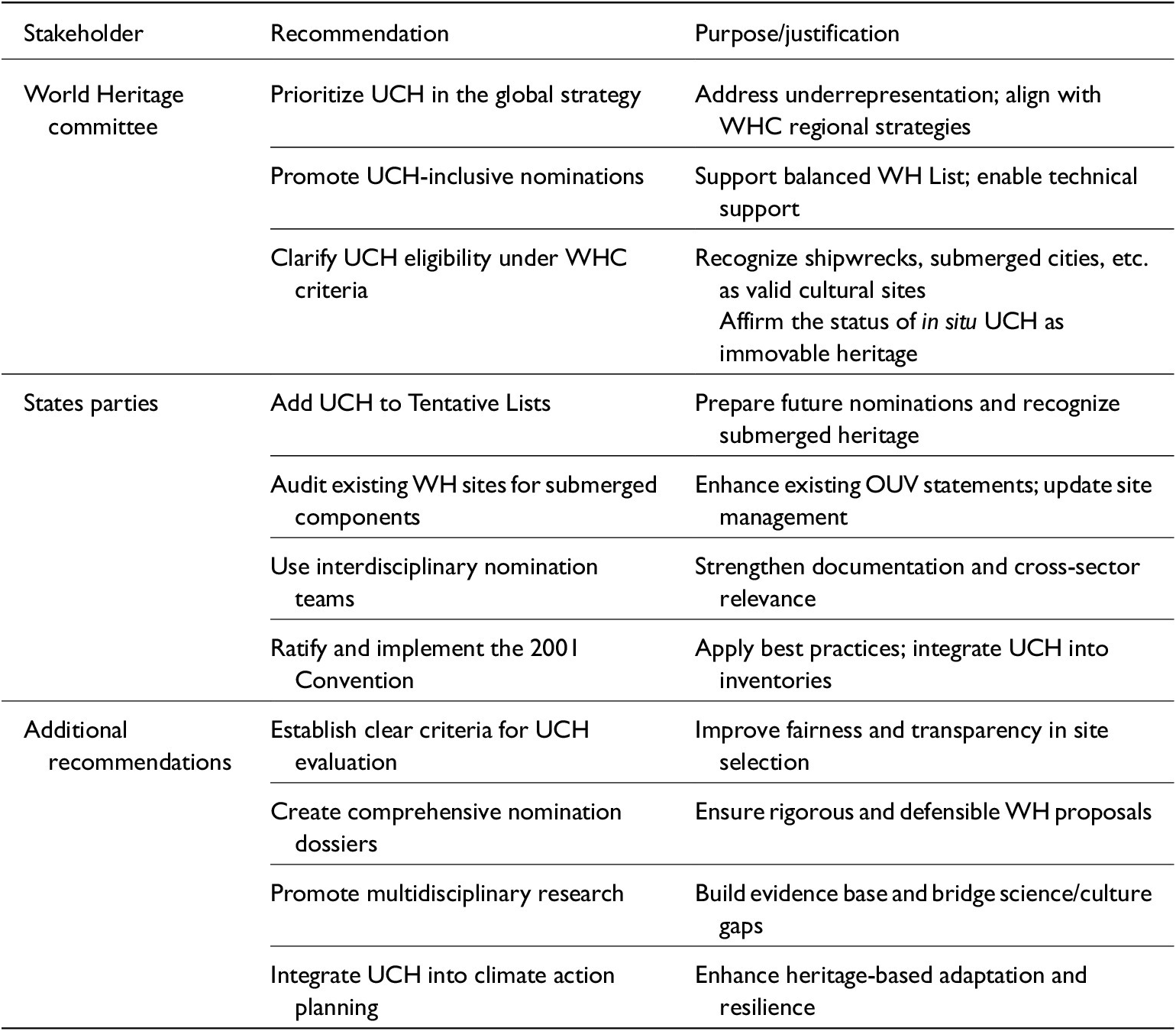
Based on the challenges, legal gaps, and governance constraints identified previously, the following targeted recommendations are proposed by the ICOMOS–ICUCH Working Group. The following recommendations are directed at key stakeholders to ensure UCH is fully integrated into the framework, criteria, and future of the World Heritage Convention.The following recommendations synthesize the main legal, conceptual, and procedural gaps identified throughout this article. For clarity, Table 1 provides a consolidated overview of the proposed measures, organized by stakeholder and purpose, while the subsections below elaborate their normative and operational implications.
-
A. To the World Heritage Committee
-
1) Prioritize UCH in the Global Strategy Formally recognize UCH as a priority within the Global Strategy for a Representative, Balanced and Credible World Heritage List, acknowledging its current underrepresentation and cultural value.
-
2) Encourage UCH-Inclusive Nominations Actively promote and support nominations that include UCH elements either as standalone sites or as part of mixed or serial properties. Provide technical guidance and mobilize ICOMOS and ICUCH expertise to assist States Parties.
-
3) Clarify UCH Eligibility under Existing Criteria Issue an interpretive note or an update to the Operational Guidelines confirming that submerged heritage, including sites not intentionally constructed to be where they lay, such as shipwrecks is eligible under existing definitions of cultural and mixed heritage.
-
4) Affirm the Status of in situ UCH as Immovable Heritage Provide guidance within the Operational Guidelines that explicitly recognizes in situ underwater cultural heritage -regardless of its original mobility- as fulfilling the requirement of immovability under Article 1 of the World Heritage Convention.
-
-
B. To States Parties
-
1) Include UCH in Tentative Lists Survey and document submerged cultural assets and integrate them into national Tentative Lists as part of a proactive World Heritage strategy.
-
2) Audit Existing World Heritage Sites for UCH Elements Review inscribed sites, especially those in coastal, riverine, or lacustrine environments, to identify and incorporate submerged heritage that contributes to their OUV.
-
3) Adopt Interdisciplinary Nomination Practices Ensure nomination dossiers and site management plans are prepared with input from underwater archaeologists, marine scientists, heritage managers, and local communities.
-
4) Ratify and properly implement the 2001 Convention Ratifying the 2001 Convention provides legal and ethical tools, including the Annex Rules, to enhance national capacity in UCH protection. Full implementation ensures UCH is included in national inventories, better enabling World Heritage nominations.
-
5) Address Management Challenges in Mixed Nominations Acknowledge that mixed natural–cultural nominations may raise management complexities but emphasize that addressing these issues early facilitates more effective long-term protection and sustainable use.
-
-
C. Cross-Cutting and Additional Recommendations
-
1) Establish Specific Criteria or Guidance for UCH Develop supplementary evaluation guidance or thematic studies to ensure that UCH is fairly and systematically assessed alongside terrestrial heritage.
-
2) Support Robust Nomination Dossiers Encourage States Parties to develop comprehensive dossiers for UCH sites, addressing all elements of the WH framework-OUV, integrity, authenticity, and management.
-
3) Promote Multidisciplinary Research and Collaboration Facilitate joint research between archaeologists, historians, ecologists, climate scientists, and Indigenous knowledge holders to improve understanding of UCH and its connection to environmental systems.
-
4) Integrate UCH into Climate Action and Resilience Strategies Recognize the dual role of UCH as both cultural heritage and an indicator of environmental change. Incorporate UCH into heritage-based climate adaptation and coastal planning frameworks.
-
Summary of the recommendations resulting from the work of the ICOMOS/ICUCH Working Group on Underwater Cultural Heritage and World Heritage

Building on this work, ICOMOS–ICUCH seeks to further integrate UCH into the World Heritage framework by developing evaluation tools that demonstrate how UCH can meet the conditions of OUV, integrity, and authenticity. It also aims to strengthen advisory capacity by training ICOMOS, IUCN, and other experts in underwater site assessment, with particular emphasis on climate-related risks, environmental contexts, and preservation methodologies. At the same time, ICUCH is working to deepen coordination with UNESCO and related marine policy initiatives, fostering collaboration with the Secretariat of the 2001 Convention, the World Heritage Centre, and emerging high seas heritage frameworks to ensure that UCH is firmly embedded in global ocean governance.
Conclusion
Many underwater cultural heritage sites offer invaluable insights into human history, trade, and cultural exchange in waterbodies, yet they often remain underrepresented in the World Heritage List. The unique challenges posed by climate change, erosion, and human activities further highlight the need for dedicated preservation efforts. Moreover, the application of the criteria for evaluating UCH requires careful consideration, as these sites may not always align with traditional concepts of intentional human design and purpose.
While the cultural significance of UCH is widely recognized in heritage scholarship, this article argues that its continued marginalization within the World Heritage system is better understood as the result of the convention’s underlying normative structure, compounded by persistent capacity gaps in relation to UCH, rather than merely a problem of recognition.
The inclusion of UCH in the World Heritage system is not only overdue: It is essential. As climate change, development, and neglect continue to endanger submerged sites, a coordinated global response is needed to ensure their protection, recognition, and transmission to future generations. UCH offers unique stories and insights that deepen our understanding of human history and our relationship with the aquatic world. By embracing UCH within the framework of the World Heritage Convention, the international community affirms its commitment to a more inclusive, representative, and forward-looking heritage system. Now is the time to act collectively and decisively to bring this vast and vital heritage to the surface of global awareness.
Acknowledgments
We gratefully acknowledge the support and collaboration of the UNESCO Secretariat, ICOMOS International, the ICOMOS International Committee on the Underwater Cultural Heritage (ICUCH), and the members of the ICUCH-World Heritage Working Group. Their expertise, guidance, and shared commitment to the protection and recognition of underwater cultural heritage have been instrumental in shaping this paper.

 Open access

