





1. Introduction
Very small glaciers  $ \lt 0.5\,\mathrm{km}^2$ make up for over 80% of the total number of the glacier population in mid- to low-latitude mountain ranges (Kuhn, Reference Kuhn1995; Fischer and others, Reference Fischer, Huss, Barboux and Hoelzle2014; Paul and others, Reference Paul2020), occupying cirques and protected niches, partly far below the regional equilibrium line (Debeer and Sharp, Reference DeBeer and Sharp2009; López-Moreno and others, Reference López-Moreno2016; Arie and others, Reference Arie, Narama, Fukui and Iida2025). Although the total area of very small glaciers is limited, they are relevant for regional volume assessments due to their considerable number (Bahr and Radić, Reference Bahr and Radić2012). Furthermore, very small glaciers prevail in mountain regions whose highest peaks are close to the climatological boundary of glacier existence (Grunewald and Scheithauer, Reference Grunewald and Scheithauer2010; Vidaller and others, Reference Vidaller2021; Gachev and others, Reference Gachev, Meshini, Matev, Iliev, Gachev and Gacheva2024). Monitoring efforts on very small glaciers have expanded recently, benefiting from the potential to assess their changes with an observational coverage of their entire extent, e.g. based on in situ, terrestrial laser scanning or drone-based surveys (Carturan and others, Reference Carturan2013; Colucci and others, Reference Colucci2015; Fischer and others, Reference Fischer, Huss, Kummert and Hoelzle2016; Securo and others, Reference Securo2024). However, accelerating glacier wastage worldwide has resulted in the imminent or complete loss of valuable multi-decadal measurement series (Ramírez and others, Reference Ramírez2001; Carturan and others, Reference Carturan2013; Pelto and Pelto, Reference Pelto and Pelto2025; Revuelto and others, Reference Revuelto2025). This termination of long-term monitoring efforts threatens the interpretability of observational series from the local to the regional scale, and is a process that will gain in importance in the coming years.
Glaciers in the European Alps are in a phase of rapid mass loss (Beniston and others, Reference Beniston2018; The GlaMBIE Team, 2025). The recent extreme years 2022 and 2023 have resulted in unprecedented glacier wastage (Cremona and others, Reference Cremona, Huss, Landmann, Borner and Farinotti2023; Voordendag and others, Reference Voordendag, Prinz, Schuster and Kaser2023; Menounos and others, Reference Menounos, Huss, Marshall, Ednie, Florentine and Hartl2025). In Switzerland alone did more than 100 small glaciers (or 8% of the total count) vanish between 2016 and 2022 (Huss and others, Reference Huss, Bauder, Hodel and Linsbauer2024). The disappearance of glaciers is therefore becoming an increasingly relevant point on the agenda of monitoring programmes across the globe. This requires the initiation of new strategies to interpret time series of glaciers on the verge of extinction and a replacement of these series in a timely manner (see e.g. Pelto and Pelto, Reference Pelto and Pelto2025).
In this context, the definition of a glacier should be highlighted. According to Cogley and others (Reference Cogley2011), a glacier is defined as ‘a perennial mass of ice, and possibly firn and snow, originating on the land surface by the recrystallisation of snow or other forms of solid precipitation and showing evidence of past or present flow’. Although this definition is highly comprehensive, it leaves some room for interpretation and adaptation to local settings, as it does not feature any quantitative measures for glacier area and flow velocity. For practical purposes, thus, a minimum area threshold of 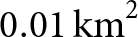 $0.01\,\mathrm{km}^2$ is often used in glacier inventories, which no longer consider smaller ice bodies as glaciers (Leigh and others, Reference Leigh, Stokes, Carr, Evans, Andreassen and Evans2019; Paul and others, Reference Paul2020; Linsbauer and others, Reference Linsbauer2021). Problems may also arise from the partial or total debris coverage of small ice bodies, which limits the unambiguous detection of glacier surfaces below that threshold (e.g. Capt and others, Reference Capt, Bosson, Fischer, Micheletti and Lambiel2016).
Located in the northeastern Swiss Alps, Pizolgletscher was a very small glacier with long-term monitoring efforts for length change, geodetic ice volume change, area change and mass balance. Annual surveys of the glacier terminus position date back to 1893 (GLAMOS, 1881-2024), and detailed measurements of the seasonal mass balance were initiated with different techniques in 2006 (Huss, Reference Huss2010; Fischer and others, Reference Fischer, Huss, Kummert and Hoelzle2016). However, in 2021, we were forced to stop mass balance monitoring due to the almost complete wastage of the glacier and the increasing risk of rockfall. Four other very small Swiss glaciers with in situ mass balance monitoring series were subject to the same fate in 2022 and 2023 (Corvatsch, Plattalva, Schwarzbach, St. Anna).
A series of images documents the shrinkage and disappearance of Pizolgletscher in an impressive way (Fig. 1). The region has progressed from an ice-coated mountain cirque and gentle snow slopes up to the crest into a virtually glacier-free environment with steep and brittle rock flanks over the last decades. The ultimate demise of Pizolgletscher did not come as a surprise and was already anticipated when detailed monitoring began in 2006 (Huss, Reference Huss2010). In-depth surveys over 18 years now allow tracking the extinction of the glacier and understanding the processes that are at work.
Comparison images documenting the disappearance of Pizolgletscher between 1969 and 2025. All images are acquired from the same position (Wildseeluggen,  $1.5\,\mathrm{km}$ north-east of Pizolgletscher) and are cropped to the same field of view. Images were taken in August or September. The decay of the remaining glacier ice after 2017 is clearly visible. Photos: U. Eugster, M. Huss.

Beyond scientific interest, very small and vanishing glaciers have considerable symbolic, cultural and recreational relevance. Ski resorts depend on their presence (Abegg and Mayer, Reference Abegg and Mayer2023), and hiking and climbing routes are directly affected if they shrink or disappear (Ritter and others, Reference Ritter, Fiebig and Muhar2012; Salim and others, Reference Salim, Mourey, Crépeau and Ravanel2023). For many alpine citizens, glaciers are part of their home, and ice-free summits are perceived as a serious loss, sometimes exerting an impact on local traditions and communal identity (e.g. Bussard and Reynard, Reference Bussard and Reynard2023). This resulted in prominent commemoration ceremonies organised in recent years to bid goodbye to vanishing glaciers on different continents. The first and most recognised of these ‘glacier funerals’ took place at Okjökull, Iceland, in August 2019 (Howe and Boyer, Reference Howe and Boyer2024b). On 22 September 2019, a ceremony was also organised on Pizolgletscher with around 250 participants who committed to a 2-hour hike in rough terrain up to the glacier. Some of them attended the ceremony in traditional black clothes. The event achieved a last spotlight on Pizolgletscher and gained significant public attention, both locally for people attached to the glacier and its environment from recreational activities, but also through the international press (e.g. CNN, 2019). Pizolgletscher is also part of the Global Glacier Casualty List (Howe and Boyer, Reference Howe and Boyer2024a) documenting outstanding cases of glaciers having recently disappeared or being at the brink of demise.
In this paper, monitoring data documenting the final years of Pizolgletscher are presented. The results are interpreted in view of the particular processes that are related to the disintegration and ultimate disappearance of glaciers. This allows tracking and investigating the extinction of an individual glacier in great detail. Vanishing glaciers shed light on a transition that will occur more and more in the coming years and decades with further atmospheric warming. This will eradicate long-term glaciological time series and deeply affect glacier monitoring strategies.
2. Study site
Pizolgletscher was a very small glacier that occupied a mountain cirque beneath the summit of Pizol (2844 m a.s.l.) in northeastern Switzerland. With its maximum extent during the Little Ice Age, it filled the entire valley down to a proglacial lake (Fig. 2a), reaching an extent of  $0.58\,\mathrm{km}^2$ around 1850 (Maisch and others, Reference Maisch, Wipf, Denneler, Battaglia and Benz2000) and an estimated volume of about $15\times10^6\,\mathrm{m}^3$. By 1973, the glacier had strongly retreated and exhibited an area of $0.31\,\mathrm{km}^2$ according to the corresponding Swiss Glacier Inventory (Müller and others, Reference Müller, Caflisch and Müller1976). We note that historical glacier areas may be subject to uncertainties due to unclearly defined ice margins during mapping, e.g. with perennial snow fields overlapping the glacier front (Paul and others, Reference Paul, Kääb, Maisch, Kellenberger and Haeberli2002). The extent of the glacier was $0.08\,\mathrm{km}^2$ in 2006 at the start of detailed mass balance studies at Pizolgletscher (Fig. 1). With the retreat of the glacier to steeper headwalls, the average surface slope increased from 19 to $24^{\circ}$ from 1961 to 2014. Between 1850 and 2006, about 85% of the area and 90% of the ice volume were lost.
(a) Current topographic situation and long-term evolution of Pizolgletscher based on repeated inventories (Müller and others, Reference Müller, Caflisch and Müller1976; Maisch and others, Reference Maisch, Wipf, Denneler, Battaglia and Benz2000; Linsbauer and others, Reference Linsbauer2021). Lines refer to the Swiss Glacier Inventories of 1850 (red), 1973 (green) and 2014 (blue). Debris cover is shown with the hatched area. The inset indicates the position of Pizolgletscher in Switzerland. Background map: swisstopo. (b) Mapped outlines of Pizolgletscher for selected years between 2006 and 2024. (c) Measurement sites for the determination of annual mass balance (red dots) and snow probing location (grey crosses) are shown for the year 2014. Stakes with time series shown in Figure 4 are labelled. The surface elevation (blue contours) and the annual mass balance distribution (black contours) for 2014 are illustrated.

The altitudinal range of Pizolgletscher was already small in 2006, extending from 2610 to  $2790\,\mathrm{m}$ a.s.l. The glacier’s median elevation is thus about $50\,\mathrm{m}$ lower than the average for glaciers larger than $1\,\mathrm{km}^2$ within a $50\,\mathrm{km}$ distance, owing to preferential snow deposition in the cirque and its northerly exposure. Although there was no or only very limited supraglacial debris coverage until about 2010 (Fig. 1), rockfall activity from the sub-vertical and previously ice-covered rock walls surrounding the glacier increased and resulted in a significant fraction of the ice being buried beneath a debris layer. The glacier showed some crevassing until about 2010, but the crevasses afterwards gradually disappeared due to too limited ice thickness and a corresponding lack of flow dynamics (Fig. 1).
The region around Pizolgletscher is frequented by hikers during the summer season. A famous hiking trail (5-Seen-Wanderung) with a view to the former glacier and the proglacial lake Wildsee with its characteristic blue colour, is undertaken by almost a hundred thousand tourists annually. Therefore, Pizolgletscher has gained local significance and public awareness despite its small size. In addition, the Pizol summit is often climbed with the route leading across the glacier until 2012. The trail was then relocated to follow a ridge next to the glacier, but needed to be closed between 2020 and 2023 due to the instability of the mountain flank and frequent rock falls owing to glacier retreat.
3. Data and methods
Changes in glacier area over the last decades are available from repeated Swiss-wide inventories (Fig. 2a Müller and others, Reference Müller, Caflisch and Müller1976; Maisch and others, Reference Maisch, Wipf, Denneler, Battaglia and Benz2000; Paul and others, Reference Paul, Kääb, Maisch, Kellenberger and Haeberli2002; Linsbauer and others, Reference Linsbauer2021), as well as mapping based on additional aerial images acquired by the Federal Office of Topography (swisstopo) and in situ surveys with a handheld GPS. This resulted in glacier outlines in 5–10-year intervals between 1968 and 2010, and almost annual updates of the glacier extent afterwards up to 2024 (Fig. 2b). Glacier outlines were normally mapped in September when snow cover depletion was at its maximum.
The retreat and disappearance of Pizolgletscher is also very well documented with photographs from the same view angle (Fig. 1). Based on repeated swisstopo imagery, digital elevation models are available with a spatial resolution of  $2-10\,\mathrm{m}$ (Huss, Reference Huss2010; swisstopo, 2022), which allows calculating the change in surface elevation and ice volume (e.g. Bauder and others, Reference Bauder, Funk and Huss2007).
The ice thickness of Pizolgletscher was determined in February 2010 based on radio-echo sounding (Huss, Reference Huss2010). In total, approximately 4 kilometres of profiles that covered the entire glacier were acquired. The maximum ice thickness was almost  $40\,\mathrm{m}$ and a total volume of $1.2\times10^6\,\mathrm{m}^3$ was found. With an average thickness of $15\,\mathrm{m}$, Pizolgletscher corresponded well to other glaciers of that size class throughout the Swiss Alps (Grab and others, Reference Grab2021). In 2014, ice thickness was still greater than $20\,\mathrm{m}$ over roughly $0.01\,\mathrm{km}^2$ or 20% of the glacier surface.
The change in glacier terminus position has been monitored in situ between 1893 and 2024 in annual intervals (GLAMOS, 1881-2024). From a set of reference points, the distance to the glacier front was determined using a measuring tape. With this complete and very long time series, Pizolgletscher served as an example to document the length response of very small glaciers in various studies (e.g. Hoelzle and others, Reference Hoelzle, Haeberli, Dischl and Peschke2003).
Detailed mass balance measurements on Pizolgletscher were initiated in 2006 (Huss, Reference Huss2010). The annual mass balance was determined at 2-9 ablation stakes with a survey in September. The measurement sites are distributed throughout the glacier surface (Fig. 2c). The spatial density of annual measurements is 1-3 orders of magnitude higher than for comparable monitoring programmes on other Alpine glaciers (Vincent and others, Reference Vincent, Le Meur, Six and Thibert2007; Carturan and others, Reference Carturan2013; Zemp and others, Reference Zemp2013; Huss and others, Reference Huss, Dhulst and Bauder2015). Winter snow accumulation was measured during a survey in April with manual snow depth probing at between 36 and 129 locations (Fig. 2c). Snow density was determined in a pit or by coring. Additional readings of the mass balance stakes throughout the summer season are available in most years, documenting the short-term temporal evolution of melting. After the disintegration of Pizolgletscher started in 2018, it became increasingly difficult to maintain the measurements, and the monitoring was finally abandoned in September 2021. On the one hand, this was due to the inaccessibility of the remaining ice body and the excessive debris coverage, and on the other hand, to the risk of rockfall.
For analysing the horizontal and vertical variability of local mass balance on Pizolgletscher, as well as other glaciers in the Swiss Alps for reference, we rely on an extensive data set of seasonal point mass balance measurements (Geibel and others, Reference Geibel, Huss, Kurzböck, Hodel, Bauder and Farinotti2022). Differences in mass balance are evaluated for all combinations of two points for each glacier and every year, and the results are related to the distance and elevation difference between those locations. This allows quantifying both horizontal and vertical mass balance gradients directly from the measurements.
To extrapolate the observed point mass balance to the entire glacier surface, a distributed mass balance model is utilised, constrained with all seasonal measurements. The daily model accounts for the relevant processes of snow accumulation, as well as snow and ice melt (see Huss, Reference Huss2010; Huss and others, Reference Huss2021, for details). The model is driven by meteorological observations at Säntis ( $2502\,\mathrm{m}$ a.s.l., $32\,\mathrm{km}$ from the study site and in the same climatic region) and is annually optimised to match local observations during the winter and late-summer survey. It provides the glacier-wide mass balance (Fig. 2c), as well as homogenisation to comparable fixed-date time periods (GLAMOS, 2024a). To relate Pizolgletscher’s mass balance variations to a regional signal, we also used a data set documenting the Swiss-wide glacier mass balance based on an extrapolation of annual balances of about 20 glaciers in conjunction with glacier-specific geodetic mass balances (GLAMOS, 2024b; Huss and others, Reference Huss, Bauder, Hodel and Linsbauer2024).
4. Results and discussion
4.1. Glacier retreat and mass balance
As documented by photographic evidence (Fig. 1) and mapped glacier outlines (Fig. 2b), wastage of Pizolgletscher has been dramatic over the past two decades. Between 2006, when detailed observations began, and 2024, more than 90% of the glacier area and 98% of the ice volume have been lost (Fig. 3). The year 2018 represented a tipping point. Continuous thinning rates up to that year triggered the disintegration of the glacier (Fig. 1). While negative mass balances only resulted in a glacier area loss of 24% between 2006 and 2016, more than 30% of the remaining glacier area disappeared just in the summer of 2018. The glacier was divided into two sections and then further into five minor ice bodies in 2019 (Fig. 2b), before all but one disappeared in 2022. By the end of summer 2022, the remaining glacier area fell below the critical threshold of  $0.01\,\mathrm{km}^2$ required to be included in the Swiss glacier inventory (Linsbauer and others, Reference Linsbauer2021). Therefore, Pizolgletscher officially lost its status as a glacier (Fig. 3).
Temporal evolution of (a) glacier area, (b) ice volume and (c) average ice thickness of Pizolgletscher between 2006 and 2024. Volume change after 2021 is estimated based on measured mass balance on neighbouring glaciers (GLAMOS, 2024a). The year of the ice thickness survey is indicated (blue dot in (b)) and relative changes with respect to 2006 are given for 2016, 2020 and 2024 (red numbers).

In situ mapping surveys in August 2023 and 2024 showed that a contiguous dead ice area of  $5'900\,\mathrm{m}^2$ (or about $80\times80\,\mathrm{m}$ in extent) persists. This remnant glacier ice is located in a maximally sheltered north-exposed slope where high amounts of winter snow accumulate (Fig. 1). Furthermore, the ice is covered by a debris layer that varies between a few centimetres and probably more than a metre in thickness. The ice body has a slope between 30 and $35^{\circ}$. With melting, supraglacial debris is constantly removed by sliding processes during the summer season in some sections but accumulates in others. This makes it inherently difficult to recognise the actual extent of the ice, either in the field or even more on aerial imagery. On roughly half of the remaining ice surface, old and dirty glacial ice is recognisable after snow depletion, whereas the rest is protected by thick debris. Although the remaining ice volume is estimated to be around $25'000\,\mathrm{m}^3$ with a mean thickness of roughly $4\,\mathrm{m}$ by the end of 2024 (Fig. 3b), it clearly no longer qualifies as a glacier according to the definition of Cogley and others (Reference Cogley2011).
Processes such as topographically enhanced snow accumulation, expanding and thickening debris cover and reduced solar radiation due to retreat into steep north-facing slopes may result in feedbacks leading to decreasing ice melt rates (e.g. Izagirre and others, Reference Izagirre2024). Thus, projecting the ultimate disappearance of the last remnants of Pizolgletscher is highly uncertain. Vanishing glaciers enter a transition phase to periglacial landforms and buried ice may even find a new equilibrium with climate (see e.g., Capt and others, Reference Capt, Bosson, Fischer, Micheletti and Lambiel2016); Revuelto and others, Reference Revuelto2025). The prolonged survival of this remnant ice hinges on very limited ablation. From a certain point onward, the remaining ice bodies covered with thick debris will become invisible and can only be located using in situ geophysical methods or the differencing of terrain models (Colucci and others, Reference Colucci2015; Leigh and others, Reference Leigh, Stokes, Carr, Evans, Andreassen and Evans2019).
Seasonal observations of point mass balance at three selected sites (see Fig. 2c) provide insight into the year-to-year variability of the mass balance (Fig. 4). Winter mass balance at those sites was between 1.4 and  $2.3\,\mathrm{m}$ water equivalent (w.e.) in most years, indicating a regime with rather high accumulation rates. An increasing trend can be detected over the 15-year period (+17% per decade). This should support glacier survival, as also noted by Colucci and others (Reference Colucci2021) for very small glaciers in Italy. The homogenised meteorological record of Säntis also shows a consistent increasing trend in winter precipitation. However, with higher winter air temperatures and thus decreasing solid-to-liquid precipitation fraction, this does not necessarily lead to more snow accumulation (see e.g. Pelto, Reference Pelto2008). We note that the correlation between winter precipitation (Nov-Apr) at Säntis and snow water equivalent on Pizolgletscher is surprisingly limited ( $\mathrm{r}^2=0.34$, $\mathrm{n}=15$). These observations may indicate a resilience of the winter balance of very small glaciers to regional-scale annual precipitation variations, as snow accumulation processes are partly driven by wind redistribution and avalanching and, thus, non-climatic terrain characteristics.
Measurements of winter and annual mass balance of Pizolgletscher between 2007 and 2021 at three selected sites (see Figure 2c). The thick black line shows the average of the three sites. Data were acquired in early April (winter) and mid-September (annual), respectively.

At site P2 ( $2690\,\mathrm{m}$ a.s.l.), the mass budget was balanced in 2008, 2010, 2012 and 2013, but the measured annual point mass balances were clearly negative for all other sites and years of the monitoring programme. Although the mass balance difference between sites 1 and 2 is consistent and large until 2014, the three measurement points vary within a narrow range afterwards (Fig. 4). This peculiar behaviour may be explained by three potential factors: (1) A persistent layer of new or old firn was present at site P2 up to about 2014 but was then depleted and replaced by old and darker glacier ice (Fig. 1). (2) With glacier retreat, the geometry changed with new rock outcrops appearing in the middle of the glacier. This may have impacted both the winter snow distribution and the summer ablation pattern. (3) Due to the rapid disintegration of the glacier, the three sites could not be maintained at exactly the same location, which may also have impacted the local mass balance.
4.2. Mass balance variability
During the period 2007-2021, both the horizontal and average vertical mass balance gradients of very small glaciers (including Pizolgletscher) are higher by a factor of 2 to 5 relative to larger Swiss glaciers (Fig. 5). This is the case for both the annual mass balance and the winter balance. Although the high spatial mass balance variability of very small glaciers was previously highlighted (e.g. Kuhn, Reference Kuhn1995; Fountain and Vecchia, Reference Fountain and Vecchia1999; Huss and Fischer, Reference Huss and Fischer2016), the difference from the larger glaciers is striking. For example, a vertical mass balance gradient of more than  $2\,\mathrm{m}$ w.e. / $100\,\mathrm{m}$ is found for Pizolgletscher (Fig. 5c). This is higher than mass balance gradients reported for the most maritime glaciers in the world (Anderson and Mackintosh, Reference Anderson and Mackintosh2012). A horizontal mass balance variability of $0.5\,\mathrm{m}$ w.e. / $100\,\mathrm{m}$ is evident for Pizolgletscher with important year-to-year variations, while values for medium-sized to large glaciers in Switzerland are consistently around $0.1\,\mathrm{m}$ w.e. / $100\,\mathrm{m}$ (Fig. 5a). We note that the horizontal and vertical mass balance gradients are interrelated via their higher surface slope (Fig. 5), and therefore should be interpreted in connection to each other.
Horizontal (a/b) and vertical (c/d) mass balance gradients evaluated between 2007 and 2021 from in situ point measurements over the annual and the winter period for three very small and five medium-sized to large Swiss glaciers (Geibel and others, Reference Geibel, Huss, Kurzböck, Hodel, Bauder and Farinotti2022). Note that axis ranges are halved for the winter with respect to the annual period. The median over the analysed years is given by a coloured line and boxes and bars represent the 25/75% and 10/90% quantiles, respectively. The area ( $\mathrm{km}^2$) and average slope in the centre of the study period are given for all glaciers at the bottom. The average number of evaluated point observations is indicated by small numbers.

The high horizontal and vertical mass balance gradients of very small glaciers clearly stem from the winter season. Snow accumulation shows much higher elevation gradients compared to large glaciers (Fig. 5d). This is not related to actual precipitation gradients or orographic processes, as observed variations in snow accumulation occur over short distances. Rather, it is the local terrain characteristics that drive high accumulation variability through preferential snow deposition and redistribution processes (see e.g. Dadic and others, Reference Dadic, Mott, Lehning and Burlando2010; Fischer and others, Reference Fischer, Huss, Kummert and Hoelzle2016). This is also confirmed by observations on the disappeared Ice Worm Glacier, where avalanche activity resulted in snow accumulation near the glacier terminus but significant ice wastage in the upper reaches (Pelto and Pelto, Reference Pelto and Pelto2025).
4.3. Surface elevation and length change
The acceleration of glacier surface elevation changes between the periods 1985–2014 and 2014–2022 are clearly visible (Fig. 6a/b). Maximum local elevation change rates of  $-1.4\,\mathrm{m}$ $\mathrm{a}^{-1}$ (1985–2014) and $-2.8\,\mathrm{m a}^{-1}$ (2014-2022) were found, which is in agreement with the local mass balance observations (see Fig. 4). This points out the limited importance of ice-flow dynamics. Ice loss is strongly concentrated on the elevation range between ca. 2640 and $2690\,\mathrm{m}$ a.s.l. in both periods. This is the region where the ice reached the largest thickness and was thus available for melting over the entire duration of both periods considered. Furthermore, the melt rates in this lower and steeper part of the glacier were found to be maximal (Fig. 2c) due to reduced snow accumulation and therefore a longer ice ablation season. Geodetic mass balance rates assuming a density of volume change of $850\,\mathrm{kg m}^{-3}$ (Huss, Reference Huss2013) are $-0.63\,\mathrm{m}$ w.e. $\mathrm{a}^{-1}$ for 1985-2014 and $-1.47\,\mathrm{m}$ w.e. $\mathrm{a}^{-1}$ for 2014-2022, respectively.
Observed surface elevation change rate between (a) 1985–2014 and (b) 2014–2022. The respective glacier outlines are shown (black/blue) and the inferred annual geodetic mass balance for the period is given on top. Panel (c) shows observed cumulative length changes of Pizolgletscher since the beginning of the measurements. The periods of the elevation changes depicted in (a) and (b) are indicated.

Long-term observations in glacier length only vaguely reveal this acceleration in glacier mass loss (Fig. 6c). During 131 years of measurements, Pizolgletscher retreated by  $490\,\mathrm{m}$ but also showed substantial intermittent terminus advances in individual years. This is most prominent in 1966 and 1978, when a growth in length of around $100\,\mathrm{m}$ was reported. However, these short-term increases in glacier length are not related to a dynamic response of the ice mass, but are due to the persistence of multiyear firn at the glacier snout (Huss, Reference Huss2010). Even after the formal extinction of the glacier in 2022, the length change was determined at the remnant dead ice patch. The results imply a counter-intuitive stabilisation of the glacier terminus in recent years, with an annual retreat of only around $5\,\mathrm{m}$ despite the extreme melt events of 2022 and 2023 (GLAMOS, 1881-2024). This demonstrates that year-to-year variations in glacier length-change series are difficult to interpret in a climatological sense, as they are strongly affected by absolute glacier extent and the current conditions at the glacier snout, which for Pizolgletscher are now governed by supraglacial debris coverage.
4.4. Glacier-wide mass balance
The glacier-wide mass balance of Pizolgletscher based on in situ point balance measurements evaluated over the annually updated glacier mask shows values of between  $-2.2\,\mathrm{m}$ w.e. (2011) and $-0.6\,\mathrm{m}$ w.e. (2013) within the investigated period (Fig. 7a). On average between 2007 and 2021, the mass balance of Pizolgletscher was $-1.2\,\mathrm{m}$ w.e. $\mathrm{a}^{-1}$ which is a highly negative value with respect to longer-term assessments at the scale of the Swiss Alps. For example, Schytt Mannerfelt and others (Reference Schytt Mannerfelt2022) reported a mass balance of $-0.5\,\mathrm{m}$ w.e. $\mathrm{a}^{-1}$ for the Swiss Alps between 1931 and 2016, and Fischer and others (Reference Fischer, Huss and Hoelzle2015) found a value of $-0.62\,\mathrm{m}$ w.e. $\mathrm{a}^{-1}$ between 1980 and 2010. Maximum winter mass balances were recorded in 2012 and 2018 with values of almost $+2\,\mathrm{m}$ w.e., while the summer mass balance was most negative in 2018 (Fig. 7a).
(a) Seasonal mass balance of Pizolgletscher evaluated for the winter season (blue, 1 Oct - 30 Apr), the summer season (red, 1 May - 30 Sept) and the annual period (grey, 1 Oct - 30 Sept). The dashed red line shows the Swiss-wide annual mass balance inferred from 20 monitored glaciers. (b) Correlation of the annual mass balance of Pizolgletscher against the two closest glaciers with long-term monitoring during the time interval 2007-2021 (Clariden,  $39\,\mathrm{km}$ from the study site, blue; Silvretta, $53\,\mathrm{km}$, red).

The regional representativeness of the mass balance records is key to assessing the response of glaciers on the mountain range scale (e.g. Cogley and Adams, Reference Cogley and Adams1998; Zemp and others, Reference Zemp, Hoelzle and Haeberli2009; Huss, Reference Huss2012). Previous studies implied that very small glaciers respond differently to climatic and non-climatic drivers than large glaciers (Kuhn, Reference Kuhn1995; Colucci and others, Reference Colucci2021; Vidaller and others, Reference Vidaller2021). They may thus, for instance, show higher sensitivities to precipitation change. Furthermore, the effect of topographic shading and debris coverage is probably more important. With the disintegration of a glacier and its imminent disappearance, a series of additional feedbacks, such as long-wave radiation emitted from emerging rock outcrops or increasing rockfall activity, may come into play (e.g. Securo and others, Reference Securo2024; Revuelto and others, Reference Revuelto2025).
To assess the representativeness of the Pizolgletscher mass balance record, we compared annual mass balance variations with the regional average (GLAMOS, 2024b), as well as the two closest long-term mass balance series (GLAMOS, 2024a, Clariden, Silvretta). The results indicate that the year-to-year fluctuations are reasonably correlated with the regional average ( $\mathrm{r}^2=0.45$, $\mathrm{n}=15$, Fig. 7a). This comparison should consider that various climatological influences govern mass balance variations on the mountain range scale. The correlation with individual nearby mass balance records within a distance of $50\,\mathrm{km}$ is even higher ( $\mathrm{r}^2=0.57-0.60$, $\mathrm{n}=15$, Fig. 7b).
On average, between 2007 and 2016, the mass balance of Pizolgletscher was about  $0.3\,\mathrm{m}$ w.e. $\mathrm{a}^{-1}$ more negative than the regional mean. During the last five years of the record (2017–2021), the difference to the regional mean was reduced to $-0.1\,\mathrm{m}$ w.e. $\mathrm{a}^{-1}$ (Fig. 7a). The same trend is evident when the Pizol mass balance record is compared to individual series of two nearby glaciers. First, this analysis indicates that the mass balance of very small glaciers, even if entering its last stage of disintegration, may remain a reliable indicator for seasonal and annual mass balance at a larger scale, both in terms of absolute thinning rates and year-to-year variations. Similar findings have been reported for the disappearing Ice Worm Glacier in the North Cascades, Western U.S. (Pelto and Pelto, Reference Pelto and Pelto2025), indicating that the high correlation for Pizolgletscher is not exceptional. This is relevant because monitoring the mass balance of small glaciers is often logistically much easier because of their limited extent, and uncertainties are inherently lower as a high spatial density of observations can be acquired. Furthermore, increasingly popular remote-sensing approaches (drones, laser scanning) are applicable to the entire surface of very small glaciers (Fischer and others, Reference Fischer, Huss, Kummert and Hoelzle2016; Colucci and others, Reference Colucci2021; Izagirre and others, Reference Izagirre2024; Revuelto and others, Reference Revuelto2025). Second, after an accelerated area loss of Pizolgletscher started in 2018, the positive feedback on its mass balance is recognisable with respect to the regional mean (Fig. 7a). However, the measured annual variations of the mass balance still agree with the large-scale signal. This is rather unexpected considering the glacier’s state at that time with several tiny, non-dynamic ice patches (Figures 1 and 2b).
5. Conclusion
In all mountain ranges worldwide, the processes of glacier disintegration and disappearance are becoming more important. Although many small glaciers have already vanished, the rate is likely to increase in the near future with continued warming and the negative effects of the recent extreme melt years. In addition, larger glaciers with touristic or cultural significance, as well as sites with long-term glaciological monitoring series, will be increasingly affected. Tracking an individual glacier with continuous detailed observations from a healthy state to extinction is an exception (Pelto and Pelto, Reference Pelto and Pelto2025) but provides insight into the related processes.
In this contribution, we document the disappearance of Pizolgletscher. The very small glacier was admired by thousands of tourists annually and represented an important element of the local landscape. In 2019, a commemoration ceremony with an international reach was held, that highlighted the glacier’s imminent disappearance. Moreover, with the decline of Pizolgletscher, glaciological measurement series covering more than a century needed to be abandoned with corresponding impacts on national monitoring strategies.
Repeated mapping of the glacier surface and extent at high temporal and spatial resolution allows us to detect the processes at play during Pizolgletscher’s disappearance. Between 2006 and 2024, the ice volume decreased by 98% and the glacier lost its status in 2022 after the area of the remaining strongly debris-covered ice body dropped below  $0.01\,\mathrm{km}^2$. Detailed seasonal observations of the mass balance since 2006 based on a dense measurement network indicate large small-scale variations in accumulation and melt. The patterns are highly characteristic of very small glaciers. Horizontal and vertical mass balance gradients are substantially higher than on medium-sized to large glaciers. Comparison of the Pizolgletscher mass balance record with a regional signal and neighbouring glaciers shows that, despite the glacier’s decay and minimal extent, year-to-year variability remains representative at a larger scale. The processes of glacier disintegration and potential feedback on mass change, for example, by increasing debris coverage or topographically enhancing snow accumulation, thus did not decouple the mass balance signal from meteorological variations until monitoring was abandoned in 2021.
Continuity is the highest good of glacier monitoring. The ultimate loss of a glacier puts an abrupt end to sometimes century-scale traditions of glaciological observations. Discontinued measurement series are intrinsically difficult to interpret and link with long-term trends. The rapid increase in global temperatures will not stop before claiming many more iconic glaciers in the Alps and around the world during the coming decades, and termination is imminent for additional observational records. Monitoring programmes must thus elaborate strategies on how to deal with glacier disappearance. Efforts should focus on larger and more resilient glaciers in a timely manner, ensuring an overlap period with measurements on the vanishing glacier. This promotes the maintenance of long-term consistent data series documenting the response of glaciers to climate change.
Acknowledgements
Long-term monitoring on Pizolgletscher was conducted within the programme Glacier Monitoring Switzerland (GLAMOS). GLAMOS is supported by the Federal Office for the Environment, MeteoSwiss in the frame of GCOS Switzerland, the Swiss Academy of Sciences and the Federal Office of Topography swisstopo. The length change measurements were conducted by the forestry service of the canton St. Gallen over one century. The authors thank numerous field helpers for facilitating data collection on Pizolgletscher. Raw and processed data from the entire monitoring programme are openly accessible via www.glamos.ch. Comments by two anonymous reviewers and the scientific editor E. Berthier were helpful in finalising the paper.
Competing interests
The authors declare that they have no competing interests.


 Open access

