




1. Introduction
There is no doubt that the design field, as many others, is at a crossroads moment regarding the advent of generative artificial intelligence (GenAI) (e.g., Verganti, Vendraminelli & Iansiti Reference Verganti, Vendraminelli and Iansiti2020). These are models that synthesize new outputs (e.g., text, images) from learned data distributions. With its rapid technological advancements, GenAI has started being extensively explored as a tool for designers, be it to support problem exploration (e.g., Chen et al. Reference Chen, Wu, Li, Zhang, Zhou, Yao, You and Sun2025; Chong et al. Reference Chong, Lo, Rayan, Dow, Ahmed and Lykourentzou2025), inspiration (e.g., Kwon, Rao & Goucher-Lambert Reference Kwon, Rao and Goucher-Lambert2023; Berni et al. Reference Berni, Borgianni, Rotini, Gonçalves and Thoring2024) or ideation (e.g., Kim & Maher Reference Kim and Maher2023), to name a few. Studies have also highlighted GenAI’s potential to overcome the limitations of human cognition, diminishing the difficulty in the creation of novel ideas within an ever-expanding landscape of solutions (Lee & Chung Reference Lee and Chung2024; Sarica & Luo Reference Sarica and Luo2024). However, as many celebrate the potential of AI-empowered design, concerns have been raised regarding the unreflective use of GenAI in the design process (e.g., Zhou et al. Reference Zhou, Rudin, Gombolay, Spohrer, Zhou and Paul2023). Research in general educational settings indicates that, while ChatGPT supports educational tasks like drafting assignments, excessive dependence may diminish critical thinking, creative problem-solving and essential skill development (Hussain et al. Reference Hussain, Pietrosanto, Liguori, Paciello and De Santo2025; Passlack, Gerholz & Schlottmann Reference Passlack, Gerholz and Schlottmann2025). In fact, many advocate that educational institutions should take a more deliberate stance on the use of AI academia (Guest et al. Reference Guest, Suarez, Müller, van Meerkerk, Oude Groote Beverborg, de Haan, Reyes Elizondo, Blokpoel, Scharfenberg, Kleinherenbrink, Camerino, Woensdregt, Monett, Brown, Avraamidou, Alenda-Demoutiez, Hermans and van Rooij2025), as its indiscriminate use can harm independent and critical problem solving. This apprehension is especially relevant in creative design education, as it refers to a period of the designers’ formative years, when both technical abilities but also creative thinking habits and sense of creative selves are shaped.
This study will focus on ChatGPT, given its pivotal role in popularizing generative AI, gaining 1 million users within 5 days of release and 100 million monthly active users within 2 months (Hu Reference Hu2023). By virtue of its web-based delivery, minimal setup requirements and accessible-free tier, ChatGPT is more readily available to students than most specialized design tools. This accessibility, however, is not unconditional: premium features are paywalled, usage can be rate-limited and the free tier operates under data-sharing and retention policies that require user oversight. Furthermore, although not specifically designed for creativity, it is now widely used in creative activities, such as content creation and ideation. Therefore, understanding its impact on students’ design creativity holds particular relevance for design education.
Within the design process, ideation has long been recognized as a central and cognitively demanding phase, during which designers explore problems by generating and refining ideas before selecting a few directions to develop further (e.g., Reinig, Briggs & Nunamaker Reference Reinig, Briggs and Nunamaker2007; Cash & Storga Reference Cash and Storga2015; Gonçalves & Cash Reference Gonçalves and Cash2021). Ideation involves iterative cycles of divergent and convergent thinking, which are essential for the creation of creative ideas. While recent studies on the use of ChatGPT in education have mentioned “brainstorming” or idea generation as activities students use the tool for (Meron & Araci Reference Meron and Araci2023; Stojanov, Liu & Koh Reference Stojanov, Liu and Koh2024; Passlack et al. Reference Passlack, Gerholz and Schlottmann2025), very few have addressed, so far, its potential to either enhance or constrain creative cognitive processes, particularly in the context of design. This gap is particularly pressing as GenAI may alter how novices engage with fundamental aspects of creative exploration, such as problem framing, idea expansion and conceptual risk-taking. These formative years are especially important for design students, as they are acquiring essential design skills but also shaping their creative identity. As such, a complementary dimension of creative work concerns the self-beliefs that shape people’s willingness to participate in creative activities. The broader literature on creative self-beliefs highlights constructs such as creative self-efficacy, creative identity and creative metacognition (Karwowski & Barbot Reference Karwowski, Barbot, Kaufman and Baer2016), all of which influence whether individuals choose to engage with creative tasks. Within this family of constructs, creative confidence refers to the self-belief that one is able to think or act creatively across domains (Karwowski, Lebuda & Beghetto Reference Karwowski, Lebuda and Beghetto2019), which is formed based on the build-up of experiences. Creative confidence is an essential “intervening factor in the link between people’s potential to act creatively and their actual creative behavior” (Beghetto & Karwowski Reference Beghetto, Karwowski, Reiter-Palmon and Hunter2023, p.179). For designers, this means that engagement in ideation requires not only cognitive skills but also the belief that they can generate valuable ideas, navigate uncertainty and take creative risks. However, if novice designers are increasingly delegating certain creative tasks to GenAI tools, they may bypass essential learning experiences that contribute to the development of both creative cognition and creative confidence, a possibility that has not been empirically examined so far.
With that in mind, this study aims to address the following research question: How does the use of ChatGPT in ideation influence designer’s creative confidence, creative cognitive processes, experience and creative artifacts? Considering that this study explores emerging patterns, rather than test predetermined relationships, no a priori hypotheses were formulated. The conceptual framework detailing these constructs is introduced in Section 2. Section 3 outlines the study’s aim and significance, and Section 4 describes the research methodology. Our empirical evidence comes from a course-embedded sample of N = 35 students from a User Experience Design course, which is presented in Section 5 and subsequently discussed in Section 6, in light of its context-specific and methodological limitations. We conclude in Section 7 with our contributions to design creativity, education and design practice.
2. The conceptual framework and theoretical background
Creativity is widely understood as a multifaceted and situated process. Glăveanu’s 5A framework (Glăveanu Reference Glăveanu2012) proposes that creativity involves five interconnected elements: actors (those who act creatively), actions (their behaviors), artifacts (usually defined to be creative if they are both novel and useful/appropriate (e.g., Amabile Reference Amabile1983), audiences (those who engage with and evaluate creative artifacts) and affordances (the material and socio-cultural context). In this study, we will explore ChatGPT’s impact on design ideation, as a situated, socio-material practice embedded in a studio course (involving students, briefs, tools, artifacts and assessment practices), rather than as a purely intra-individual cognitive process. Thus, we structured our research question and multi-layered empirical data through three of these key dimensions, which compose our conceptual framework (Figure 1): Actors (captured by their creative confidence beliefs), Actions (cognitive strategies and behaviors) and Artifacts (the actors’ observable creative outputs, i.e., ideas). To more fully account for the Actor’s experiential dimension of creativity, we included an additional dimension to our conceptual framework: creative process experience. Positioned at the intersection of creative confidence and creative cognitive processes, this construct captures the affective, motivational and cognitive states that emerge during ideation. This comprises the Actor’s experience in the ideation process, such as engagement, stimulation, flow and energy, which shape how designers feel and function while generating ideas.
The conceptual framework considers the influence of ChatGPT on four interrelated dimensions.

Although Audience and broader socio-material Affordances (the remaining two As from Glăveanu’s framework (Glăveanu Reference Glăveanu2012)) certainly shape creativity, they fall outside the scope of our study. We focus on Actors, Actions and Artifacts as these elements are most directly involved in students’ moment-to-moment ideation with ChatGPT. Because research on GenAI in design is still nascent, we apply an exploratory conceptual framework. Rather than proposing fixed causal relationships, it provides a holistic understanding of how ChatGPT may affect creativity in design education by examining these four interrelated components. This allows for a multidimensional lens on affective, motivational and cognitive facets of design ideation and how it might be influenced by use of ChatGPT. In the following sections, we deepen our understanding of the literature by providing a theoretical background on each component.
2.1. Creative confidence
Creative confidence refers to a person’s belief that they can think and act creatively independently of the field (Karwowski et al. Reference Karwowski, Lebuda and Beghetto2019). Following Beghetto & Karwowski (Reference Beghetto, Karwowski, Reiter-Palmon and Hunter2023), creative confidence consists of two components: (1) creative self-efficacy, which is one’s confidence in performing specific creative tasks (Bandura Reference Bandura1997), and (2) creative self-concept, which reflects a broader perception of oneself as a creative person (Karwowski et al. Reference Karwowski, Lebuda and Beghetto2019). These components differ in their temporality and stability: creative self-efficacy is future-oriented and more dynamic, that is, one’s creative self-efficacy might change depending on an upcoming task (Tierney & Farmer Reference Tierney and Farmer2011), whereas creative self-concept is grounded in accumulated experiences and internalized feedback, making it more stable over time (Zandi et al. Reference Zandi, Karwowski, Forthmann and Holling2025). Because both are shaped by internal sense-making (e.g., interpretations of prior successes and failures) and external inputs (e.g., instructional guidance, social comparison, feedback), creative confidence is considered a malleable self-belief rather than a fixed trait (Karwowski et al. Reference Karwowski, Lebuda and Beghetto2019; Beghetto & Karwowski Reference Beghetto, Karwowski, Reiter-Palmon and Hunter2023). In creativity research, the term is frequently used as an umbrella construct captured through self-reported measures (e.g., Likert scales) encompassing both creative self-efficacy and creative self-concept (Beghetto & Karwowski Reference Beghetto, Karwowski, Beghetto and Corazza2019; Faiella et al. Reference Faiella, Zielińska, Karwowski and Corazza2025). Consistent with this broad approach, the present study uses single-item indicators as pragmatic, task-situated proxies for creative self-efficacy beliefs within an educational setting, rather than as comprehensive psychometric assessments of the full construct. While validated brief scales exist (Karwowski, Lebuda & Wiśniewska Reference Karwowski, Lebuda and Wiśniewska2018), single items represent a methodological trade-off, which prioritizes feasibility in a classroom context over the psychometric breadth of multi-item scales.
Creative confidence is particularly relevant in the context of design process because it inherently requires exploration, uncertainty navigation and iterative ideation (Cash, Gonçalves & Dorst Reference Cash, Gonçalves and Dorst2023). Personal factors, such as abilities or cognitive capacity, influence a person’s creative performance (Glăveanu Reference Glăveanu2012), but creative confidence acts as the gateway for creative engagement and behavior. Individuals who believe that they can think creatively are more willing to explore, take creative risks and embrace uncertainty during open-ended tasks, which in turn can improve opportunities for original ideas (Amabile Reference Amabile1996; Karwowski et al. Reference Karwowski, Lebuda and Beghetto2019). These behaviors are central in design ideation (Dorst & Cross Reference Dorst and Cross2001). Importantly, creative confidence has been shown to be able to predict creative achievement (Faiella et al. Reference Faiella, Zielińska, Karwowski and Corazza2025), making it a critical antecedent of creative action.
2.1.1. Implications of ChatGPT for student’s creative confidence
Hasanein & Sobaih’s (Reference Hasanein and Sobaih2023) qualitative study suggests that ChatGPT use in Higher Education can boost students’ general academic confidence. While Hasanein & Sobaih’s study does not focus on creative confidence specifically, it raises the question of whether similar positive consequences could apply for creative self-beliefs. However, Faiella et al. (Reference Faiella, Zielińska, Karwowski and Corazza2025) indicate that AI-supported work may reshape self-beliefs in more complex ways. In their study, specifically on creative confidence and AI, they suggest that, when creativity becomes mediated by AI tools, people’s sense of creative agency may shift, rather than simply increase or decrease. However, their data come from self-report surveys rather than observed ideation tasks. As such, their findings do not refer to actual changes in creative artifacts or cognitive processes. From a design educational perspective, it is crucial that students develop creative confidence and guided mastery (Bandura Reference Bandura1997) independently of the tools used. Karwowski et al. (Reference Karwowski, Lebuda and Beghetto2019) emphasize that active engagement in creative processes is essential to maintaining a strong creative self-concept, as the effort invested in solving problems or achieving goals is directly tied to the sense of accomplishment, which over-reliance on AI may weaken. Additionally, if designers perceive AI as outperforming them, it could undermine the belief in their creative abilities, consequently diminishing their creative self-efficacy.
Given that previous studies suggest that ChatGPT could impact participants’ confidence in multiple ways, this study examines how the AI-assisted ideation process, and potential over-reliance on ChatGPT, may affect design students’ creative self-beliefs. The study concentrates specifically on student’s creative self-efficacy, as it precedes self-concept and can be more meaningfully measured in a single study. We test whether ChatGPT-assisted ideation, relative to ideation without GenAI, is associated with systematic differences in perceived creative confidence, using both between condition comparisons and in relation to pre-experiment confidence.
2.2. Creative cognitive processes and experience
The creative cognitive process involves both intuitive and analytical thinking, which interact dynamically and influence designers in both idea generation and evaluation (Gonçalves & Cash Reference Gonçalves and Cash2021). Creativity is not solely a process that takes place in our minds. It is expressed by actions and design representations (artifacts) and influenced by the material and social world that surrounds us (which is considered in Glăveanu’s 5A framework (Glăveanu Reference Glăveanu2012) as affordances and audience). As such, the designer’s understanding of problem and solution evolves through an iterative process between created artifacts, external influences, the designer’s cognition and memory (Cash et al. Reference Cash, Gonçalves and Dorst2023). This phenomenon of iterative reframing in which problem and solution representations develop together is known as co-evolution (e.g., Dorst & Cross Reference Dorst and Cross2001; Crilly Reference Crilly2021; Cash et al. Reference Cash, Gonçalves and Dorst2023).
Classic accounts of divergent thinking conceptualize fluency and flexibility as central abilities of divergent production (Guilford Reference Guilford1967). In design ideation, generating many ideas and shifting across conceptual categories has been associated with increased likelihood of higher quality concepts downstream (Shah, Smith & Vargas-Hernández Reference Shah, Smith and Vargas-Hernandez2003; Yilmaz et al. Reference Yilmaz, Daly, Seifert and Gonzalez2015). In parallel, creativity depends on problem representation and elaboration, deepening understanding, reframing constraints and integrating information (Dorst & Cross Reference Dorst and Cross2001; Paton & Dorst Reference Paton and Dorst2011). With that in mind, our study measures how fluency (generating many ideas), flexibility (ideating multiple perspectives) and perceived problem understanding/knowledge (representation/elaboration) may be impacted by the use of ChatGPT. We treat these as cognitive-process mechanisms because they capture how students structure and explore the problem and solution space during ideation (Gonçalves & Cash Reference Gonçalves and Cash2021).
Beyond cognition, the moment-to-moment experience of ideation shapes creative performance. Flow (deep absorption and challenge–skill balance) supports persistence and higher quality work (Csikszentmihalyi Reference Csikszentmihalyi1990). Furthermore, engagement and intrinsic motivation predict creative output via attention and exploration (Amabile Reference Amabile1996). Perceived creative stimulation reflects whether a context triggers associations and idea movement, while energy indicates mental resources available for sustained exploration (Ryan & Frederick Reference Ryan and Frederick1997). Therefore, in this study, we analyze engagement, stimulation, flow and energy to understand whether the ideation context feels conducive to creative work. Because these experiential constructs (engagement, stimulation, flow, energy) enable or constrain cognitive exploration (fluency, flexibility, problem elaboration), we discuss creative cognitive processes and creative process experience together in the remainder of this article.
2.2.1. Implications of ChatGPT for creative cognitive processes and experience
Studies have posited that GenAI can be beneficial for both problem understanding (Chen et al. Reference Chen, Zhao, Rong, Li and Bei2022; Chong et al. Reference Chong, Lo, Rayan, Dow, Ahmed and Lykourentzou2025) and solution exploration (e.g., Kim & Maher Reference Kim and Maher2023; Kwon et al. Reference Kwon, Rao and Goucher-Lambert2023; Berni et al. Reference Berni, Borgianni, Rotini, Gonçalves and Thoring2024). However, as ChatGPT was not designed for creative ideation, its interaction model does not entirely align with designers’ needs to co-evolve between problem and solution understanding. Nielsen (Reference Nielsen2023) notes that AI tools shift interaction from command-based to intention-based, requiring designers to articulate broad intent rather than give step-by-step instructions, which may complicate early ideation when problem understanding is still forming.
Additionally, ChatGPT’s text-based interface contrasts with designers’ preference for visual stimuli (Gonçalves, Cardoso & Badke-Schaub Reference Gonçalves, Cardoso and Badke-Schaub2014; Jang Reference Jang2014). However, textual stimuli with appropriate semantic distance (the conceptual distance between prompts/stimuli and the target problem domain) can lead to creative ideas (Goldschmidt & Sever Reference Goldschmidt and Sever2010; Gonçalves, Cardoso & Badke-Schaub Reference Gonçalves, Cardoso and Badke-Schaub2013). ChatGPT’s reliance on prompts raises questions about how designers balance proximity to the problem with abstraction. Excessive proximity might risk design fixation (Jansson & Smith Reference Jansson and Smith1991), that is, over-reliance on known examples that constrains exploration of alternative concepts, while too much abstraction may hinder meaningful exploration (Fu et al. Reference Fu, Chan, Cagan, Kotovsky, Schunn and Wood2012; Gonçalves et al. Reference Gonçalves, Cardoso and Badke-Schaub2013).
Lastly, reflection is essential in selecting the most beneficial inspiration sources (Gonçalves, Cardoso & Badke-Schaub Reference Gonçalves, Cardoso and Badke-Schaub2016). Unlike conventional search engines that require designers to sift through vast results, ChatGPT curates responses, automating part of this selection. Given these insights, it remains unclear whether this impairs active reflection and evaluation of adequate stimuli, as well as how the use of ChatGPT might affect designers’ creative experience and actions.
2.3. Artifacts’ creativity
(Creative) artifacts are the outcomes of the creative process, ranging from tangible concepts to conceptual ideas (Glăveanu Reference Glăveanu2012). In design, an idea must be not only novel but also address the design problem and be feasible within given constraints (Amabile Reference Amabile1983; Stacey & Eckert Reference Stacey and Eckert2010). For this article, we adopt Dean et al.’s (Reference Dean, Hender, Rodgers and Santanen2006) dimensions of creativity: Novelty (level of originality), Workability (level of practicality, implementability), Relevance (level of alignment with goals) and Thoroughness (level of detail). These dimensions may vary in importance throughout the design process: early stages, where divergence and fluency are prioritized, novelty and relevance take precedence (Gonçalves & Cash Reference Gonçalves and Cash2021); in later stages, as ideas are refined and developed into cohesive solutions, greater emphasis is placed on workability and thoroughness to ensure alignment with the design brief (Snider, Dekoninck & Culley Reference Snider, Dekoninck and Culley2016).
2.3.1. Implications of ChatGPT for the artifacts’ creativity
ChatGPT generates ideas by mimicking patterns found in its training data, but it lacks human creativity’s intentionality and originality (Runco Reference Runco2023). While it can produce both conventional and novel ideas, its reliance on existing patterns risks creating derivative content that may lack the uniqueness found in human-generated works (Ray Reference Ray2023). To evaluate the impact of ChatGPT-assisted ideation on artifacts’ creativity, we analyze ideas generated from two complementary vantage points: (1) student’s perception and (2) expert evaluation of the delivered concepts in relation to the creativity dimensions. Considering both perspectives allows triangulation of artifact creativity, separating subjective appraisal from discipline-grounded evaluation and revealing convergence or divergence between student’s perception and the experts’ assessment of creativity.
3. Study aim and significance
Research on GenAI and ChatGPT’s impact on ideation is growing, but holistic studies on their influence on creative processes and creative confidence in educational contexts remain scarce. This study addresses that gap by examining how ChatGPT shapes design creativity by focusing on critical aspects of creativity during ideation: creative confidence, design cognition and experience, and artifacts’ creativity (Figure 1). Specifically, we ask: How does the use of ChatGPT in ideation influence designer’s creative confidence, creative cognitive processes, experience and creative artifacts? The aim of this article is not to claim that humans or GenAI are more creative than the other: as a tool, there is clear evidence that ChatGPT can support creativity (e.g., Lee & Chung Reference Lee and Chung2024). Instead, our aim is rather to understand the impact of this tool on the creative processes of designers and their creative confidence. Our findings contribute to the discourse on GenAI’s role in design creativity, highlighting its educational and practical implications.
4. Methods
We conducted a mixed-methods, within-subject repeated-measures study, in which all participants were exposed to both conditions. We compared ideation with and without ChatGPT support, focusing on students’ creative confidence, creative cognitive processes and experience, and the creativity of resulting artifacts. The study was embedded in a second-year design studio course, from a User Experience Design (UXD) bachelor program, where the students were asked to design interactive shared spaces, for one of six different design briefs of comparable complexity. For instance, one of the six briefs was “Design a meeting place where government, developers and citizens can collaborate to stimulate participation by sharing information and encouraging citizen engagement.” Because the sample was course-based, the study is powered to detect moderate effects and its generalizability beyond user experience design studios context is limited. Nevertheless, the design briefs were intentionally domain agnostic and open-ended, to enable an investigation of creative mechanisms, across design domains.
4.1. Participants and setting
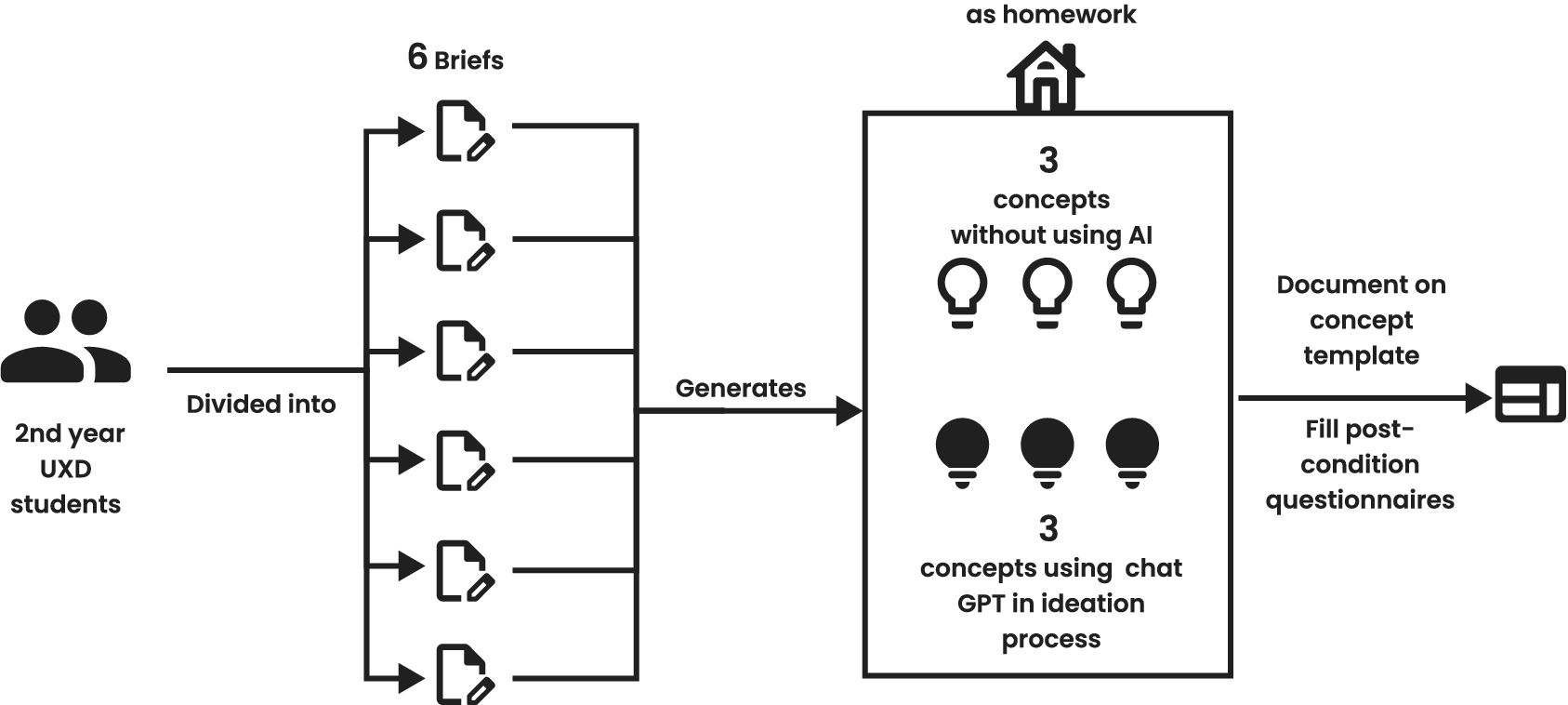
The experiment timeframe coincided with the initial ideation phase of the students’ projects. Across the course, there were 96 enrolled students, organized into 16 project groups of approximately six students each. We were able to use this setup as part of our study by simply updating the course concept template and adding an online pre- and post-questionnaire (Figure 2).
Data collection setup.
Participants were recruited during a kick-off session, with follow-up recruitment for absentees in subsequent studio class. Of the 96 students, 63 provided informed consent to take part in the study. To be included in the final sample, participants had to complete all required experiment materials: (1) a pre-experiment online questionnaire, (2) post-ideation reflection online questionnaires for each experiment condition and (3) all required ideation materials (concept templates and, for the ChatGPT condition, conversation transcripts). Thirty-five students met these criteria and formed the final sample (N = 35). Attrition (44.5%) may have occurred because participation in the research components (questionnaires and transcripts) was entirely voluntary within a mandatory course activity. All students joined the ideation tasks as part of the course, but only those who chose to submit research materials were included in the study dataset. We did not have access to additional baseline measures allowing a direct comparison between completers and non-completers, which we acknowledge as a limitation.
Participants were young adults aged 20–29 years, with 76.5% between 20 and 24 years (one student who mistakenly entered “2024” as year of birth was excluded from age analysis but retained in the remainder analysis). The sample was 77.1% female (N = 27) and 22.9% male (N = 8). Regional distribution was 77.1% from Europe, 8.6% from Asia, 5.7% from the Middle East and 2.9% each from Africa, North America and South/Central America.
4.2. Experiment design
We employed a within-subject design in which each participant completed ideation under two conditions: (1) No-GenAI condition: students generated three design concepts without any generative AI tools and (2) ChatGPT condition: students generated three additional concepts with the support of ChatGPT.
Thus, each student produced six concepts in total, aligning with the course requirement while enabling controlled comparison between conditions. The study used ChatGPT 3.5, the freely available web-based model at the time of data collection, representing the most capable no-cost tier. Students had 2 weeks to perform individually the ideation as homework; hence, no behavioral observations were possible. No constraints were imposed on ideation techniques, outside of using ChatGPT to support their creative process on the second experiment condition.
We used a fixed order (first no support, followed by ChatGPT use) to avoid contaminating the non-AI baseline with AI-derived prompts and examples. This design may incur order effects: learning (task familiarity), fatigue, contamination (experience from Block 1 shaping Block 2) and expectation/demand effects (infer study goal and adjust response accordingly). Given that ideation naturally involves co-evolution and cross-fertilization of ideas (Dorst & Cross Reference Dorst and Cross2001; Cash et al. Reference Cash, Gonçalves and Dorst2023), some contamination is characteristic of design practice rather than an artifact of our protocol. Nevertheless, we mitigated risks pragmatically, preserving the non-AI phase from AI-specific inspiration by placing ChatGPT second and inserting a reflection checkpoint, but residual order effects cannot be ruled out. Figure 3 illustrates the sequential procedure followed by participants. Participants completed Condition 1 (No-GenAI ideation), followed by a reflection questionnaire, and then Condition 2 (ChatGPT-assisted ideation), followed by a second reflection questionnaire, before submitting all concept templates.
Experiment procedure. Participants followed the activities and order above.

Beyond the ideation ideas resulting from each part, we collected self-reported Likert scale ratings in relations to students’ experience in each condition, as well as complementary qualitative data to explain and contextualize the quantitative findings. First, the post-condition reflection questionnaire for the ChatGPT condition contained open-ended questions in which participants described how ChatGPT had supported or harmed their creative process. Second, a subset of these participants (N = 5) took part in semi-structured follow-up interviews conducted within a week after the ideation tasks. These interviews probed in more depth how students approached ideation in each condition, how they integrated ChatGPT into their process and how they perceived its impact on their creative confidence and ideas. An overview of the data artifacts per experiment stage can be found in Figure 4 and is detailed in Section 4.3.
Data collection timeline and data collected.

4.3. Materials and measures
4.3.1. Ideation tasks and concept templates
The six course briefs, each addressing a different “shared space” design challenge but of comparable scope and complexity, formed the basis for the ideation task. Each project groups worked on one brief; however, ideation for the study was carried out individually. Over a two-week period corresponding to the early ideation phase of the course (Figure 3), each student was required to develop six distinct design concepts for their group’s brief.
For both conditions, students documented the diverging material of their process (e.g., sketches, notes) as well as each of the six design concepts using a structured Word template (Appendix A of the Supplementary Material). For every concept, they: (1) described the design challenge in their own words, (2) provided a written concept description and (3) attached a sketch or image representing the idea.
In the ChatGPT condition, students additionally explained how ChatGPT had influenced the concept and submitted an anonymized link to the corresponding ChatGPT conversation transcript for qualitative analysis.
The concept template structure was refined through a pilot test with three first-year UXD students to ensure clarity and feasibility. Feedback from this pilot was used to resolve ambiguities and adjust instructions before deploying the template with the second-year cohort.
4.3.2. Questionnaires
We used online questionnaires to capture baseline characteristics, creative confidence beliefs, perceived creative cognitive processes and experience, and perceptions of artifact creativity. All Likert-scale items were rated on a 5-point ordinal agreement scale (1 = strongly disagree, 5 = strongly agree).
i. Pre-experiment questionnaire
Before the ideation task, participants completed an online questionnaire covering demographics (e.g., age, gender, region), prior ChatGPT experience (recent use, frequency of use, self-rated proficiency) and baseline creative confidence. Baseline creative confidence was measured with a task-specific creative self-efficacy statement adapted from Karwowski et al. (Reference Karwowski, Lebuda and Beghetto2019): “I am confident I can come up with a creative way (i.e., original and useful) to solve my design challenge.” This item was used to benchmark participants’ creative confidence before the experiment and to compare with post-condition ratings.
ii. Post-ideation reflection questionnaires
After each ideation condition, participants completed a reflection questionnaire. Both questionnaires consisted mainly of Likert-type statements rated on a 5-point agreement scale (1 = strongly disagree, 5 = strongly agree), complemented by open-ended questions, in the ChatGPT condition. The statements were designed as indicators, theoretically grounded, that map onto our dependent variables (see Figure 1): creative confidence, creative cognitive processes and experience, artifacts). Rather than providing full psychometric scales for each construct, we opted for a small number of focused items per dimension to keep the burden acceptable in a classroom setting while still enabling within-participant comparisons across conditions. This choice trades some psychometric precision for feasibility, which we partially offset by triangulating patterns with qualitative reports.
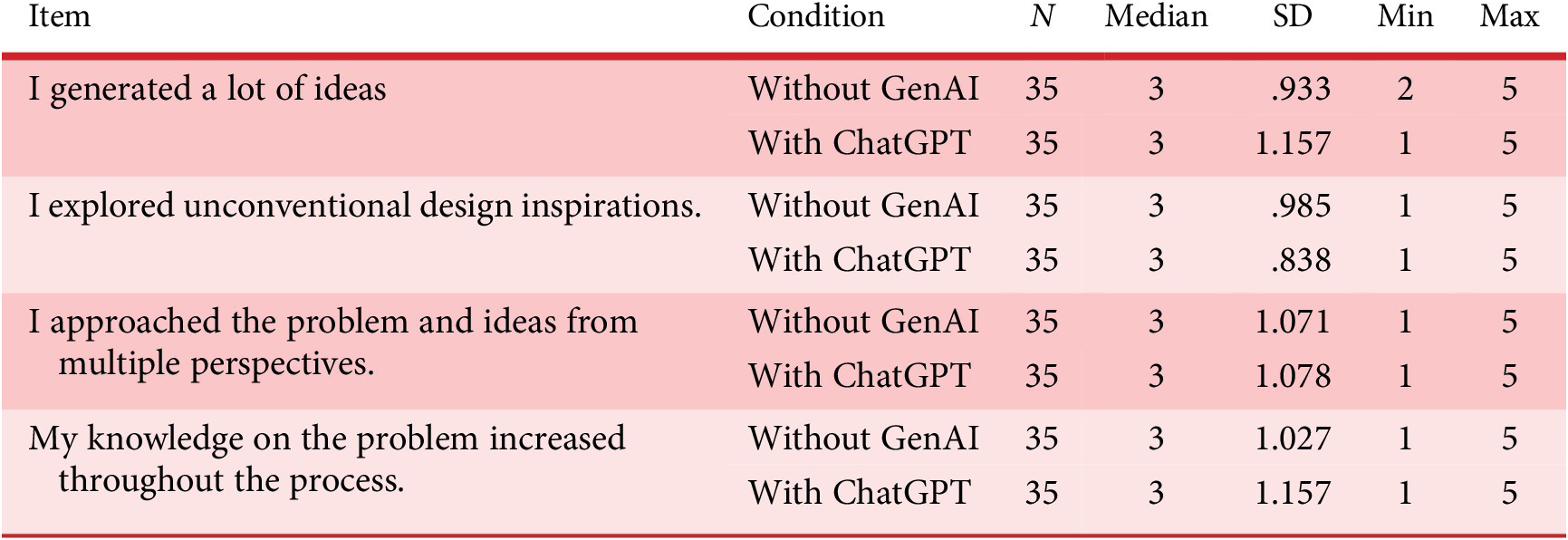
To assess students’ creative cognitive mechanisms, we focused on constructs emphasized in creativity research, as means to assess whether ChatGPT changes how students think during ideation using statements adapted from each construct definition: (1) Fluency: “I generated a lot of ideas.” (2) Flexibility: “I explored unconventional design inspirations”; and “I approached the problem and ideas from multiple perspectives.” (3) Problem representation/elaboration: “My knowledge on the problem increased throughout the process.” A limitation is that each sub-dimension is represented by one or two items only; they should therefore be interpreted as pragmatic indicators of perceived process, not as full diagnostic scales of, for example, divergent thinking ability.
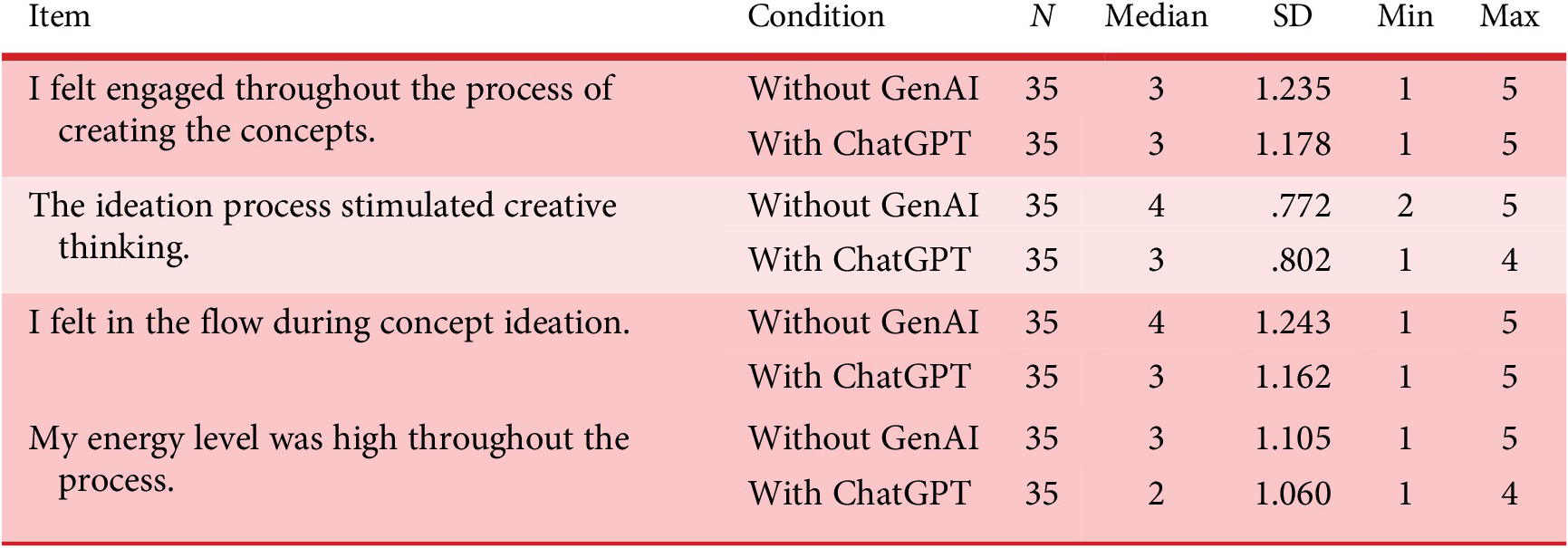
We also used Likert scales to asses students’ motivational and affective states that are often theorized as important for creativity but are less visible in artifact creativity (Amabile Reference Amabile1983; Csikszentmihalyi Reference Csikszentmihalyi1988, Reference Csikszentmihalyi1990): (1) Engagement: “I felt engaged throughout the process of creating the concepts.” (2) Creative stimulation: “The ideation process stimulated creative thinking.” (3) Flow: “I felt in the flow during concept ideation.” (4) Energy: “My energy level was high throughout the process.” These items allowed us to examine whether ChatGPT changes the quality of the creative experience, even if artifacts’ creativity does not change. At the same time, they are self-reported, momentary judgments and cannot fully capture dynamic fluctuations in engagement or flow during the session; we address this limitation by triangulating them with qualitative accounts and ChatGPT transcripts.
To capture students’ own appraisal of the resulting artifacts, we used (1) usefulness: “The ideation resulted in the development of useful concepts”; and (2) novelty: “The ideation resulted in the development of novel concepts.” A key limitation is that these are self-evaluations, which may be optimistic or biased; we explicitly complement them with independent expert ratings (Section 4.3.3).
Lastly, we assessed creative confidence with the same item we measured pre-experiment: “I am confident I came up with creative ideas to solve my design challenge” (Karwowski et al. Reference Karwowski, Lebuda and Beghetto2019). We also had a second statement that was only relevant after the ideation process: “I feel confident with my design choices.” These statements capture how confident students feel about both their decisions and the creativity of their ideas after each condition. These items function as pragmatic, task-situated indicators of perceived creative self-efficacy, consistent with the study’s within-classroom design. They should be interpreted as focused proxies for moment-to-moment confidence beliefs rather than as comprehensive assessments of creative confidence as a full construct; the study does not claim to measure creative self-concept or creative identity, which require multi-item scales developed over longer time horizons (Karwowski et al. Reference Karwowski, Lebuda and Wiśniewska2018; Zandi et al. Reference Zandi, Karwowski, Forthmann and Holling2025).
The second reflection questionnaire (administered after the ChatGPT condition) also included all mentioned Likert scale statements, enabling within-subject comparisons between ideation with and without ChatGPT. It also included additional items specific to perceived AI-tool value: (1) “I would recommend ChatGPT as a useful tool for the ideation process”; (2) “To what extent do you feel using ChatGPT impacted your creative process?” (this last statement had a scale of 1 – Not at all – to 5 – Extremely).
To address limitations inherent in this compact set of Likert statements and potential response biases, we complemented the questionnaires with two open-ended questions (regarding in which way ChatGPT (1) harmed and (2) supported their creative process), as well as expert artifact ratings (Section 4.3.3), interviews (Section 4.3.4) and ChatGPT transcripts analysis. In the analysis and discussion, we, therefore, interpret the Likert-based results in conjunction with these additional data sources, rather than treating them as stand-alone evidence.
4.3.3. Expert creativity ratings
To assess artifact-level creativity, we collected 214 concepts (six per participant in the full sample) across the six briefs. Two expert designers, each with more than 5 years of professional experience and holding or pursuing a Master’s degree, independently rated these concepts blind to condition.
The rating procedure followed a standardized protocol. For each brief, experts first familiarized themselves with the design challenge and then sequentially evaluated the corresponding concepts. One brief was reviewed in person with the researcher for clarification; the remaining evaluations were completed independently over 3 weeks. Experts were instructed to focus on the textual descriptions rather than visual refinement, as sketches and images varied widely in quality and style (Figure 5).
Examples of concepts submitted by the participants.

Concepts were rated on Dean et al.’s dimensions (see Section 2.3). We have decided to exclude some sub-dimensions considering that the experiment focused only on the early ideation stage and the participants had limited time for concept detailing, making it harder to evaluate some of the subdimensions. A comprehensive account of the underlying reasoning is detailed elsewhere (Krajcer Reference Krajcer2024).
Assessed dimensions included Originality (a component of novelty), Applicability (whether it addressed the problem) and Effectiveness (its potential to solve the problem), both components of Relevance, Workability regarding brief constraints and Clarity (linked to ChatGPT’s possible impact on thoroughness). Each dimension was rated on a 5-point scale (1 = lowest, 5 = highest). Based on expert feedback and reliability inspection, we removed Workability from subsequent analyses because it showed low reliability given the limited conceptual detail; its removal improved overall inter-rater reliability (see Section 4.5.2).
Because each participant generated three concepts per condition, we analyzed both idea-level scores (all individual concepts) and participant-level scores (mean creativity score across the three concepts per condition).
4.3.4. Interview protocol
A semi-structured interview guide was developed to explore participants’ ideation approaches, experiences with and without ChatGPT, perceived changes in their creative confidence and reflections on the creative process. The guide expanded on themes introduced in the reflection questionnaires and included prompts about how participants searched for inspiration, iterated on ideas and integrated AI-generated suggestions. The full script is provided in the Supplementary Material.
4.4. Ethical considerations
This study received approval from the Human Research Ethics Committee (HREC) from the main author’s institution (approval dated 20 March 2024) and was conducted in accordance with institutional guidelines for human-participant research. All participants were informed about the study aims, procedures, potential risks, data handling and their rights, and they provided written informed consent prior to participation. Participation was voluntary and could be discontinued at any time without penalty; procedures for withdrawal of data were communicated and implemented.
Data handling followed the approved Data Management Plan. Personally identifiable information, shared for consent and interview scheduling only, was stored separately from research data and deleted on completion. Analytical datasets comprised demographic information, ideas created (sketches and concept descriptions), questionnaire responses and ChatGPT conversation transcripts. To protect privacy, transcripts were contributed via anonymous links and exported under participant IDs; participants were instructed on how to unshare or delete links after export.
Anonymized datasets were kept on restricted-access institutional storage. They are archived in the university repository under a semi-open access model (shared upon reasonable request) in line with the collaborating institution’s constraints on full anonymization of student work.
4.5. Data analysis
We adopted a mixed-methods approach (Figure 6) to examine ChatGPT’s impact on ideation across the following dimensions: creative confidence, creative cognitive processes and experience, and artifact creativity.
Data analysis per data collected.

4.5.1. Quantitative analysis
Likert-scale responses from pre- and post-experiment reflection questionnaires and experts’ ratings of student’s concepts were analyzed in SPSS, an IBM statistical analysis software used for quantitative data analysis. The study employed a within-subject repeated-measures design, in which each participant completed both conditions and thus served as their own control, increasing statistical power by accounting for individual differences (Charness, Gneezy & Kuhn Reference Charness, Gneezy and Kuhn2012). A Shapiro–Wilk test, a statistical test appropriate for small samples (Razali & Wah Reference Razali and Wah2011) used to assess whether sample data deviate from a normal (Gaussian) distribution, confirmed non-normal distributions (Sig < 0.05). As a result, paired outcomes were analyzed with Wilcoxon signed-rank tests (two-tailed), a non-parametric test that ranks within-pair differences rather than comparing means directly, making it appropriate for ordinal data (Corder & Foreman Reference Corder and Foreman2014).
We applied multiple-testing correction to control the familywise risk of false positives across related comparisons. Because several tests were conducted simultaneously, the probability of at least one Type I error increases; the Holm–Bonferroni correction addresses this by sequentially adjusting significance thresholds (Holm Reference Holm1979).
Likert-scale responses were organized along the dependent variables: (A) Creative confidence, (B) Creative cognitive processes and experience, and (C) Artifacts’ creativity.
-
• Within Category A (Creative confidence), we distinguish two subcategories because they address distinct comparisons. First subcategory (A1) compares creative confidence post-task with no-GenAI use versus when using ChatGPT (tool effect), and second subcategory (A2) compares Baseline creative confidence versus post no GenAI condition and Baseline versus condition when ChatGPT was used (state change from expectations to experience; contrasts share the same baseline).
-
• Category B (Creative cognitive processes and experience) combines design cognitive mechanisms (B1) (fluency, flexibility and problem understanding/knowledge) with creative process experience (B2) (engagement, creative stimulation, flow, energy).
-
• Category C (Artifacts) contains perceived usefulness, perceived novelty and expert-rated creativity (idea- and participant-level) from the ideas created.
We controlled the familywise error rate with Holm–Bonferroni corrections within each subcategory in the case of categories A and B and category in the case of C.
For each Wilcoxon test, we report Rosenthal’s r as the effect size measure, a standardized index independent of sample size, therefore appropriate to a study with a small sample size (Rosenthal Reference Rosenthal, Cooper and Hedges1994). Negative r indicates lower scores with ChatGPT. We calculated effect sizes to quantify the magnitude of differences beyond statistical significance. We provide 95% confidence intervals (CIs) for r using the Fisher z transformation (Cohen Reference Cohen1988). CIs that exclude zero indicate effects unlikely to reflect sampling error alone. We interpret magnitudes using conventional benchmarks (small ≈ 0.10, medium ≈ 0.30, large ≈.50) (Cohen 1998; Rosenthal Reference Rosenthal, Cooper and Hedges1994). Results are considered robust when CIs do not cross zero and pHolm < .05; otherwise, we report findings as inconclusive.
Lastly, we conducted power analyses to evaluate the study’s sensitivity given the sample size. To contextualize null and significant findings, we conducted a sensitivity power analysis in G*Power 3.1 software to determine the smallest effect the study could detect at 80% power. For our final sample (N = 35), the design had 80% power to detect within-subject effects of approximately dz ≈0.49 (i.e., about medium size). We use this threshold to frame interpretation: effects exceeding this magnitude are well within the study’s detection range, whereas non-significant results may reflect effects smaller than this sensitivity.
Regarding the expert ratings of the artifacts’ creativity, analyses were conducted at both the individual concepts (N = 107) and participant average creativity score (N = 35) per condition. Importantly, expert ratings are not intended as absolute judgments of concept quality, but are used exclusively for within-subject, between-condition comparisons. More specifically, it is meant to examine whether the same participant’s concepts differed in creativity depending on whether ChatGPT was used or not. It followed the same statistical procedure as the other scale items.
For the statements that were exclusive to the ChatGPT condition, designed to capture participants’ specific experiences with the tool, we examined the distribution of ratings by calculating the frequency, median (a non-parametric measure of central tendency) and standard deviation for each statement.
4.5.2. Qualitative analysis
Qualitative data comprised of (1) open-ended responses from the post-ChatGPT reflection questionnaire, (2) interview transcripts and (3) ChatGPT conversation transcripts submitted by participants.
The first two were analyzed in Atlas.ti (a qualitative data analysis software package used for coding and thematic analysis) using deductive coding approach. In the first coding cycle, we used a codebook informed by themes implied by the questionnaire items. As new insights emerged, we expanded and refined the codebook with additional categories and subcodes. A second coding cycle led to refined categories, sub-codes and definitions, done by the first author. To ensure reliability, a second coder (a PhD researcher, external to the research team) independently analyzed a data subset. Inter-rater reliability, the extent to which independent evaluators agree when coding or rating the same items, was measured with Krippendorff’s alpha (c-a-binary), a coefficient that accounts for chance agreement and handles multiple coders (Hayes & Krippendorff Reference Hayes and Krippendorff2007). Values above 0.800 are considered acceptable (Krippendorff Reference Krippendorff2004). Reliability improved from 0.714 to 0.812 after resolving minor discrepancies. Final themes are presented in the Results section.
To increase our confidence on our findings, we compared the insights from the thematic analysis with the ChatGPT transcripts and quantitative results.
5. Results
5.1. Pre-experiment experience with ChatGPT
First, participants were surveyed about their recent ChatGPT usage. Most participants (94.7%) had used it in the past month, with 54.3% using it at least weekly. Regarding proficiency in using it for creative activities, 51.4% rated themselves as intermediate (some experience using ChatGPT in creative workflows), 34.3% as experienced (comfortable leveraging the tool’s capabilities) and 14.3% as inexperienced (aware of the tool, but rarely applied for ideation), suggesting most participants felt somewhat confident using ChatGPT in a creative context. Participants were also asked how they used ChatGPT in their creative process; 62.9% used ChatGPT for idea generation, 57.1% for content creation (text, design or code) and over 40% used it as an attempt to overcome creative blocks, exploring concepts or research. Fewer used it for obtaining feedback (28.6%) or learning new skills (14.3%).
5.2. Quantitative results
We analyzed paired questionnaire outcomes and expert creativity ratings with Wilcoxon signed-rank tests, reporting results by category: (1) creative confidence, split in between-condition and baseline contrasts; (2) creative cognitive processes and experience; and (3) artifacts’ creativity, split between self-report and expert evaluation. Within each defined (sub-) category, we report Wilcoxon signed-rank Z. We interpret results as robust when CIs do not cross zero and pHolm <.05, otherwise as inconclusive. Negative r indicates lower scores with ChatGPT.
5.2.1. Creative confidence
A Wilcoxon signed-rank test revealed that the participants’ confidence in their design choices was significantly lower when using ChatGPT in ideation (Mdn = 3) than when no generative AI was used (Mdn = 4) (see Table 1), z = −2.097, p = .036. Similarly, confidence beliefs in their ability to have generated creative solutions for their design challenge were lower when using ChatGPT (Mdn = 3) compared with no generative AI (Mdn = 4), z = −2.301, p = .021. Effects were of medium to large magnitude; confidence intervals did not include zero, and Holm-adjusted p values indicated statistical significance (Table 2). As noted in Section 4.3.2, these items serve as pragmatic, task-situated indicators of perceived creative self-efficacy and should not be interpreted as comprehensive measures of the full creative confidence construct.
Descriptive statistics subcategory A1 creative confidence items between condition

Results between-condition comparison subcategory A1 creative confidence

A second Wilcoxon signed-rank test, comparing participants’ baseline confidence versus the reported confidence after each condition, indicated no significant change from baseline to ideation without GenAI (Mdn = 4 for both conditions (see Table 3); z = −.470, p = .638). However, there was a significant decline in confidence when ChatGPT was used (Mdn = 3) in comparison with the baseline confidence (Mdn = 4; z = −2.353, p = .019), suggesting that the decrease in creative confidence is specifically linked to the integration of ChatGPT (Table 4).
Subcategory A2: descriptive statistics creative confidence conditions vs baseline

Subcategory A2: results creative confidence experiment condition contrast with baseline

5.2.2. Creative cognitive processes and experience
When analyzing participant’s cognitive mechanism during ideation, the Wilcoxon signed-rank test comparing the results of the Likert scale statements between the experiment conditions indicated no significant differences regarding perceived fluency (z = −1.382, p = .167) and flexibility (approaching problem and ideas from multiple perspectives, z = −.456, p = .648; and exploring unconventional design inspirations, z = −.356, p = .722). In contrast, the Wilcoxon signed-rank test resulted in a significant decrease in perceived improvement in problem understanding (z = −2.182, p = .029) when using ChatGPT. However, the negative effect observed for problem understanding did not remain significant following Holm adjustment (see Table 5 for descriptive analysis and Table 6 for comparison).
Subcategory B1: descriptive statistics design cognitive mechanisms items
Subcategory B1: results conditions-comparison of items of design cognitive mechanisms subcategory

In contrast, all the items related to participants’ creative process experience (how they experienced the ideation process) were consistently lower with ChatGPT. The Wilcoxon signed-rank test showed that the ChatGPT use was associated with a significant decrease in the participants’ engagement in the creative process (z = −2.249, p = .025). The engagement item had a median of 3 in both conditions (see Table 7). Furthermore, creative stimulation (z = −3.615, p < .001) and flow (z = −3.345, p < .001) were reported as lower during ideation with ChatGPT (Mdn = 3) than without (Mdn = 4), and energy levels were significantly reduced (z = −2.974, p = .003) when ChatGPT was used (Mdn = 2) compared to when not (Mdn = 3). Effects were of medium to large magnitude, CIs excluded zero, and all comparisons retained significance after Holm correction, increasing the confidence on our results (see Table 8).
Subcategory B2: descriptive statistics creative process experience items
Subcategory B2: results conditions-comparison of items of creative process experience items.

Despite these significant results, when asked about ChatGPT’s usefulness for ideation after the ChatGPT condition, students (N = 35) rated more positively (Mdn = 4, SD = 1.027), with only 8.6% of participants rating it negatively.
5.2.3. Artifacts’ creativity
A Wilcoxon signed-rank test compared participants’ perceptions of their creative ideas. There was no significant difference in perceived novelty between conditions, z = −1.631, p = .103. However, perceived usefulness was significantly lower when ChatGPT was used (Mdn = 3; see Table 9) compared when ideated with no GenAI use (z = −2.976, p = .003; Mdn = 4). For perceived usefulness, ChatGPT-assisted concepts received lower ratings; the effect size was medium to large, the CI excluded zero, and the comparison remained significant after Holm adjustment (see Table 10).
Category C: descriptive statistics artifact creativity
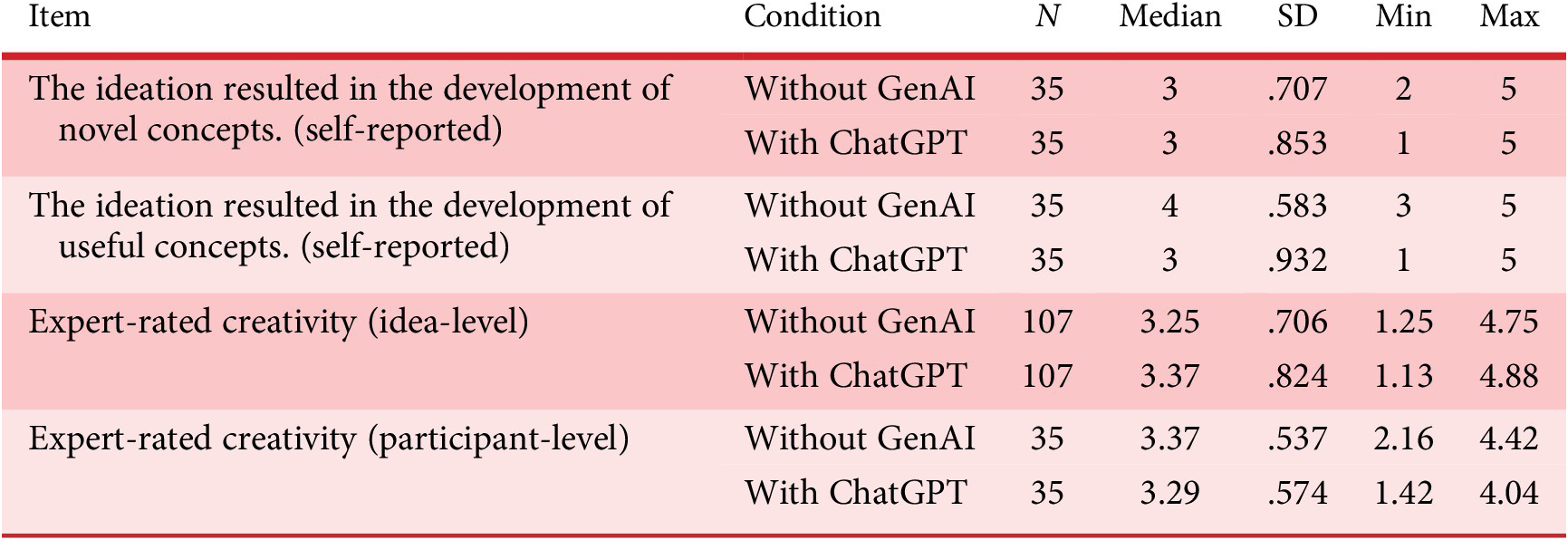
Category C: results conditions-comparison of items related to artifact creativity

The second Wilcoxon signed-rank test examining experts’ assessment of the artifacts’ creativity revealed no significant difference between conditions, z = −.281, p = .779. Similarly, the test comparing participants’ mean creativity scores showed no significant difference between the two conditions, z = −0.418, p = .676 (see Table 10).
5.3. Qualitative thematic analysis results
Through a thematic analysis of the questionnaire open-ended questions (Table 4) (N = 35) and interviews (N = 5), we were able to identify multiple themes and categories that provide insight into how ChatGPT influences designers’ creative processes, idea selection, iteration and inspiration search during the experimental conditions. We detail them below.
5.3.1. Creative confidence
i. Diminished sense of creative ownership, self-concept and efficacy
Although ChatGPT enabled rapid idea generation, our results indicate that it might have undermined designers’ creative confidence by reducing their sense of ownership and pride (N = 16).
I felt less proud of my ideas and felt less engagement with them. It felt more like my teammate in my group created an idea and I had to ideate on it further. Even when asking to not finish the idea completely ChatGPT still provides very detailed responses which can hinder creativity. (Participant 44, open-ended answer)
The tool’s detailed suggestions contributed to a feeling of creative constraint, potentially making it harder for students (N = 8) to feel creative during the process:
I don’t think I could be extra creative in terms of the amount of craziness I put on my ideas with ChatGPT. (Participant 22, open-ended answer)
Some participants (N = 5) reported a reduced confidence in their own skills, particularly in writing. They found themselves depending on the AI to articulate ideas, which led to doubts about their own abilities.
It was so hard to explain the design without ChatGPT. Recently, me and my friend realized that the only piece of writing that we have that is our own words is something that we wrote in late November, late October. After that everything is AI. It’s touched by AI in some percentage. (Participant 15, excerpt of interview)
5.3.2. Creative cognitive processes and experience
i. Over-reliance on ChatGPT and lack of iterative ideation and creative thinking
Participants indicated a potential over-reliance on ChatGPT during ideation, which seems to have influenced their iterative creative process. Rather than engaging in hands-on methods like collage and sketching, the use of traditional techniques diminished when ChatGPT was available (Figure 7). The small subset of participants (N = 3) that prompted ChatGPT in using a specific creative method instructed it to execute the method by itself rather than as a support for them to perform the method themselves. Furthermore, they asked the AI to generate the concept from scratch, transferring all the creative agency to the AI.
Overview of diverging methods artifacts in both experiment conditions.

Furthermore, the text-based nature of ChatGPT, along with its capability to give a targeted answer to more complex prompts than normal search engines, shifted inspiration search toward potentially more fixating and concrete stimuli.
I kind of just asked GPT to create one concept. Oh yeah, I kind of gave it basically our design brief in one sentence and then I looked at what it would give me. (Participant 27, excerpt from interview)
Like the participant above, participants predominantly prompted the tool for generating a detailed concept (N = 30), majorly inputting their own “How Might We” questions or even the design brief. However, participants reported that it was challenging to get effective results. As one participant noted:
Can become a bit too much at times, and sometimes hard to make it understand what I wanted. (Participant 52, open-ended answer)
We could also observe a difficulty in getting creative stimuli with participants (N = 5) clearly expressing it through prompting. For example, participant 13 expressed frustration prompting ChatGPT to
please get out of the box already. (Participant 13, ChatGPT transcript)
Feeling constrained by strict requirements pushed one of the interviewed participants to request a complete concept rather than using ChatGPT for exploration. This can indicate that a lack of abstraction skills could lead students to an approach that limits the tool’s potential for supporting expansive thinking. The student noted:
Because the direction was already quite specific due to the client’s requirements, I feel that I couldn’t give the chatbot enough space to come up with a bunch of random nonsense that I could take inspiration from, so instead I decided to just ask it for a complete concept. (Participant 47, open-ended answer)
The reliance on ChatGPT also impacted the iterative process. Although idea combination, selection and refinement occurred in both conditions (N = 3), the ChatGPT condition was characterized by a prevalent “copy and paste” (N = 8) behavior, participants directly transferring AI-generated ideas with minimal modification. As one participant explained:
I think I just took that idea. (…) This one also I did that, now I realize it. (Participant 15, excerpt from interview)
ChatGPT also diminished creative thinking by reducing the active role of the participant, leading to a more passive engagement (N = 17). Participants reported that the tool’s ready-made, fully formed ideas bypassed critical stages of deeper analysis, thereby diminishing opportunities for personal ideation or even motivation:
It’s hard for me to be creative when I’m using ChatGPT since it already does everything for me. (Participant 6, open-ended answer)
The completeness of ChatGPT’s responses reduced the participants’ perceived need for active involvement, with one participant remarking:
Some of the ideas were already relatively good by themselves, so it was a little tricky to not use them directly. (Participant 5, open-ended answer)
ii. ChatGPT (mis)fit within ideation process
While ChatGPT was mentioned as a useful starting point and refinement tool, it introduced limitations in aligning with the participants’ workflows and mental models. Its text-based nature created challenges in translating ideas into visuals, and its need for specific prompting encouraged convergent thinking, restricting the breadth of exploration (N = 5). Additionally, the solitary nature of interacting with ChatGPT contrasted with the dynamic exchange of human collaboration (N = 3).
Instead of focusing on diverging my thinking process in order to create more ideas, I had to converge my thinking process to make the GPT write something that makes sense. (Participant 29, open-ended answer)
5.3.3. Artifacts’ creativity
i. Rapid idea generation yet not novel
Participants expressed appreciation of ChatGPT’s capacity to generate a large number of ideas quickly (N = 7), giving them multiple directions they can skim and select:
It can generate a lot of ideas in a short time so it helps me skimming what to select and develop more. (Participant 29, open-ended answer)
However, participants noted a lack of originality, as the tool often repeated similar concepts (N = 11).
I saw that there were some ideas that were coming back such as comfortable seating, so ChatGPT was using similar database all the time. (Participant 16, open-ended answer)
ii. Enhanced clarity and easier knowledge access, yet shallow understanding
Interacting with ChatGPT might have contributed to participants’ understanding of the design problem by providing technical knowledge and contextual insights. It was particularly helpful for exploring technologies, materials and features (N = 6).
It reminded me of possible features that I could miss or forget. Participant 35 (open-ended answer)
ChatGPT influenced the thoroughness of creative ideas. Participants (N = 4) noted that the tool often produced clear and concise descriptions, effectively articulating ideas in a structured manner. ChatGPT’s command of language seemed to have made participants feel like they communicate their concepts more clearly and efficiently.
It described the concepts and the ideas well, whereas I usually lack the skills to do it concisely. Participant 15 (open-ended answer)
On the other hand, we observed some undesirable effects from relying on ChatGPT, specifically, a lack of depth in conceptual understanding. For each concept, participants were required to explain how one would interact with their design solutions. Particularly in the ChatGPT condition, participants (N = 3) struggled to describe key elements such as context, purpose and detailed breakdowns during the interview, indicating an incomplete grasp of their submitted ideas.
6. Discussion
This study aimed to explore ChatGPT’s impact on design creativity by examining interconnected dimensions of creative practice (Figure 1): creative confidence, creative cognition, creative process experience and artifacts’ creativity. Our findings, derived from both quantitative measures and rich qualitative insights, offer a multifaceted view of how generative AI, particularly ChatGPT, can influence the development of novice designers and, as such, affect the landscape of creative design education.
6.1. Creative confidence
In our study, the use of ChatGPT was associated with diminished perceived creative confidence among the novice designers (see Table 2). Participants reported significantly lower confidence in their design choices and in their ability to generate creative solutions when using ChatGPT compared to when not using it. This pattern holds when comparing conditions with baseline reported creative confidence in relation to the challenge.
These insights on creative confidence (in particular, creative self-efficacy) should be interpreted in light of the study’s short duration (approximately 2 weeks) and the cohort’s considerable prior exposure to ChatGPT. Additionally, creative confidence was assessed through single-item indicators rather than multi-item validated scales, and as such, our study was not powered to confirm enduring change beyond the immediate context. Therefore, we interpret the short-term confidence drop as a context-bound adjustment (how student’s used ChatGPT in this course setting) rather than evidence of a general or lasting decline in creative potential (across all contexts). While we discuss the potential long-term effects based on existing theory (e.g., Bandura Reference Bandura1997; Tierney & Farmer Reference Tierney and Farmer2011), a longitudinal follow-up study would be necessary to establish whether the observed confidence drop endures over time.
The quantitative findings are echoed in qualitative responses, where participants expressed a reduced sense of ownership of ideas and perceived creative confidence. Several participants noted that the detailed, ready-made outputs from ChatGPT not only constrained their own ideation but also led them to question the authenticity of their own creative contributions. At the same time, most participants did not explore alternative prompt approaches that might have produced more distantly related stimuli. The analysis of ChatGPT transcripts revealed that most participants simply input their How Might We (HMW) questions or design challenges and requested idea generation. Multiple participants followed up by asking ChatGPT to be more creative or create more “out of the box” ideas, indicating a tendency to delegate creativity to the tool as well as a limited knowledge or interest in formulating prompts that elicit more abstract or innovative responses.
Karwowski et al. (Reference Karwowski, Lebuda and Beghetto2019) emphasized that active involvement in creative processes is essential for maintaining a strong creative confidence. Our findings similarly suggest a possible causal relationship between low engagement (Section 5.2.2) and the significant decrease in the participants’ creative confidence (Section 5.2.1). When novice designers are not actively engaged in the ideation process, they may fail to see themselves as creative actors. It is reasonable that this lack of active involvement can result in fewer opportunities to build and strengthen their creative confidence, but future studies should investigate its long-term effects.
Another concern is that by adopting a more passive role and over-relying on ChatGPT, design novices may not adequately develop the skills required to build creative confidence independently of the tool. Our qualitative data support the concern that participants might lose confidence in their own abilities if they perceive AI as outperforming them, which in turn increases their reliance on the tool. This issue was especially apparent in the context of writing, where some participants admitted to diminished confidence in their writing skills when not assisted by AI. These insights clearly resonate with the findings from Mei et al. (Reference Mei, Brewis, Nwaiwu, Sumanathilaka, Alva-Manchego and Demaree-Cotton2025), in the context of creative writing. In our study, one participant even mentioned that it had been around 7 months since he had a piece of writing not touched by AI in some percentage (Section 5.3.1). This observation illustrates how a weakened creative confidence can potentially trigger a cycle of over-reliance, where diminished confidence might reinforce dependence on AI tools. Figure 8 presents a speculative heuristic for a potential cycle of over-reliance on AI tools. We stress that this should be read as a theory-informed heuristic for future longitudinal research rather than a finding of this study. As such, the dotted arrows do not imply causal relationships, as this was an explorative study, but used to signal theoretically plausible directions. Our assumption, based on our findings, is that increasing over-reliance on GenAI could lead designers to take a more passive role in ideation, reducing their engagement and limiting opportunities for iterative exploration and deeper cognitive processes (Baltà-Salvador, Brasó-Vives & Peña Reference Baltà-Salvador, Brasó-Vives and Peña2025). As a result, designers may not feel ownership on their creative process (Runco Reference Runco2023), which could weaken creative confidence (Mei et al. Reference Mei, Brewis, Nwaiwu, Sumanathilaka, Alva-Manchego and Demaree-Cotton2025). In turn, this may further reinforce reliance on AI tools, creating a self-reinforcing cycle.
Speculative, theory-informed cycle of over-reliance on ChatGPT and reduced creative confidence.

It is important to consider that our research does not imply that the novice designers believed ChatGPT outperformed them overall. In fact, four out of five interviewed participants expressed higher confidence in ideas generated without ChatGPT, perceiving AI-assisted ideas as less useful or precise. However, as GenAI tools continue to improve and novice designers increasingly rely on such tools, for writing but also ideating, this scenario warrants further attention.
Therefore, our results suggest that while AI can accelerate idea generation, over-reliance on the tool, at least in the short term and within this context, inadvertently interferes with the development of the creative self. This is an essential component that links creative potential and creative action (Beghetto & Karwowski Reference Beghetto, Karwowski, Reiter-Palmon and Hunter2023). Our context and time-bound results suggest that over-reliance and low creative confidence may reinforce one another. Given these short-term findings, educators and practitioners may wish to be attentive to how generative AI tools are integrated into learning environments, in particular, ensuring that novice designers engage actively in the creative process rather than defaulting to passive reception of AI-generated outputs. The learning context and assignment parameters should also reflect an attentive and purposeful integration of ChatGPT in education, highlighting if, how and when should design students use the tool in a creative context, with an awareness of its possible limitations on creativity.
6.2. Creative cognitive processes and experience
Our quantitative results indicate that most participants viewed ChatGPT as a useful ideation tool (Section 5.2.2). ChatGPT’s ability to generate numerous ideas quickly was appreciated for making ideation feel more convenient and less time consuming. Furthermore, qualitative analysis revealed that participants reported it particularly helpful for overcoming creative blocks and generating initial ideas, a finding that aligns with their pre-experiment use of the tool for brainstorming (62.9%) and overcoming creative blocks (40%) (Section 5.1). This familiarity likely contributed to their positive ratings.
In contrast, many participants expressed frustration with ChatGPT’s outputs either due to its generic nature or lack of relevance or usefulness to their design goal, noting that its tendency to generate overly detailed, generic and closely related ideas hindered their divergent thinking (Section 5.3.2). Possibly, the user experience of inputting the prompts was experienced as straightforward, as it mimics a known social (conversational) and digital (chat) pattern, which might be what led to the positive ratings. However, communicating the more nuanced intents effectively to the tool seemed to have been challenging based on the qualitative data (Section 5.3.2).
Analysis from the ChatGPT transcripts showed that the need to articulate such nuanced details from their design brief was particularly significant due to the type of stimuli most participants searched: a preference for concrete stimuli, often using ChatGPT to generate complete ideas rather than distantly related stimuli. Achieving precise AI-generated outputs requires detailed, iterative prompts (Ray Reference Ray2023), which could be frustrating and potentially hinder divergent thinking by imposing premature structure on ideation. According to Gonçalves et al. (Reference Gonçalves, Cardoso and Badke-Schaub2016), stimuli that are too concrete or closely related to the design problem can limit creativity by promoting design fixation behaviors (e.g., Jansson & Smith Reference Jansson and Smith1991). Moderately distantly related stimuli, in contrast, encourage more flexible and original thinking. While a few participants combined concepts or words from ChatGPT’s suggestions with their own ideas, which helped mitigate limitations associated with relying solely on the AI, this practice was minimal, and the overall impact on the search for inspiration remained negative. Giving an answer close to the prompt is in the very “nature” of this AI tool. As such, when one is not experienced in prompting, ChatGPT pre-selects answers that are most likely to be related, thus potentially limiting the designers’ exploration space (Sarica & Luo Reference Sarica and Luo2024).
A notable consequence of these dynamics was the emergence of a “copy and paste” approach. Some creativity patterns remained consistent across conditions, including idea evaluation (Runco Reference Runco2004), idea selection and combination (Cash et al. Reference Cash, Gonçalves and Dorst2023), and internal inspiration (Gonçalves et al. Reference Gonçalves, Cardoso and Badke-Schaub2016). Participants frequently reported directly transferring AI-generated content with minimal modification, rationalizing this by noting that ChatGPT’s language and tone allowed them to articulate ideas better than they could do themselves. In an educational context, such practices are concerning because, as Igo, Bruning & McCrudden (Reference Igo, Bruning and McCrudden2005) suggest, unrestricted “copy and paste” practices lead to shallow cognitive processing and reduced engagement, possibly affecting the quality of education – insights also identified by Baltà-Salvador et al. (Reference Baltà-Salvador, Brasó-Vives and Peña2025). This was observed in our research as well, given that both quantitative (Section 5.2.2) and qualitative data (Section 5.3.2) indicated a lack of stimulation for creative thinking and lower engagement in the creative activity when ChatGPT was used.
Additionally, reliance on ChatGPT’s text-based prompting and outputs led to a diminished use of analog ideation methods such as sketching and mind mapping. These traditional techniques are known to support iterative visual experimentation and help manage cognitive load by enabling designers to manipulate and reinterpret complex ideas (Purcell & Gero Reference Purcell and Gero1998). The heavy, detailed textual outputs from ChatGPT, in contrast, seem to have increased cognitive load by forcing novice designers to mentally parse and integrate extensive textual information, making it harder to visualize the concepts.
These factors could have contributed to the significant negative impact on creative flow (Section 5.2.2). Although ChatGPT supported certain aspects of creative cognition (such as facilitating fluency by generating numerous ideas and occasionally acting as a memory aid), the overall effect was considered to be negative. Some novice designers indicated a desire to get more open-ended stimuli, however expressed a struggle to do so, opting for narrow, task-focused requests, such as “Generate a design concept for X.” This denotes a gap in the novice designers’ knowledge on how to leverage the tool for getting more abstract and diverging-inducing stimuli.
Moreover, while ChatGPT did offer overviews of technologies, materials and user contexts that aided problem space exploration, our quantitative data revealed that participants perceived a greater improvement in problem understanding when participants worked without it (Section 5.2.2). In this context, reliance on ChatGPT appeared to be associated with reduced engagement in critical creative cognitive processes and a more superficial understanding of the information it provided, raising questions about the depth of their learning within this particular task and timeframe. This highlights their detachment, lack of engagement and effort when using ChatGPT, which results in them not developing and understanding their submitted ideas in depth.
All these findings trigger a broader reflection on how over-reliance on AI may shape creativity over time. Prior work highlights that friction (Beghetto Reference Beghetto2021) and uncertainty (Ball & Christensen Reference Ball and Christensen2019; Cash et al. Reference Cash, Gonçalves and Dorst2023) are essential for creative exploration. Many participants described ChatGPT as a way to bypass creative blocks, which raises a theoretical question: does AI help novice designer’s work through meaningful challenges, or does it enable avoidance of the productive friction that supports creative development? By smoothing over these challenges within this setting, reliance on ChatGPT may have encouraged a more passive approach to creativity, in the short term, potentially fostering an “easy way out,” particularly for those who are less inclined to engage deeply with the creative process or who lack creative confidence. Whether this pattern persists beyond a single course task or in the longer term remains an open question. While our study does not allow us to see long-term learning effects, our findings resonate with these wider educational concerns and invite us to reflect on how creative processes should be taught in AI-supported environments.
6.3. Artifacts’ creativity
We found no statistically significant difference in the overall creativity of concepts when participants used ChatGPT compared to when they did not. Our sample consisted of novice designers, who may lack the expertise to critically evaluate, guide, or refine AI-generated outputs, leading to greater reliance on the tool without deeper exploration (Saadi & Yang Reference Saadi and Yang2023). In contrast, experienced designers might be more creative in using the tool and better integrate AI suggestions into their ideation process, potentially enhancing creativity.
Participants perceived ChatGPT-assisted artifacts as less useful in general. While creativity assessments showed no significant differences, the participants’ perception aligns with difficulties in obtaining tailored, nuanced outputs. Conversely, participants felt more confident in ideas created without ChatGPT, viewing them as more relevant and effective.
6.4. Practical recommendations
Our findings highlight the dual role of ChatGPT in creative processes: while it delivers speed and convenience, over-reliance on the tool seems to undermine cognitive engagement and creative confidence, fostering dependency and a passive approach that bypasses the valuable friction inherent in creative development. To address these challenges in design education, a balanced approach is essential, to allow for an iterative dialogue between AI and humans. As Sidra & Mason (Reference Sidra and Mason2024) note, AI tools are not as successful when dealing with unstructured, novel tasks. This pattern underlines how crucial human input is for creative tasks, which confronts what we observed in our study: many students adopted a largely passive role, often relying on ChatGPT’s initial suggestions with minimal reinterpretation or development. Therefore, our recommendations focus on helping educators and students reconfigure this relationship so that ChatGPT functions as a catalyst for active exploration rather than a substitute for it.
First, we propose that metacognitive training should be emphasized in design education. Metacognitive skills can help individuals recognize when to take control over ideation rather than relying solely on AI, ensuring that the natural friction, obstacles and uncertainty, which are essential for creative development, are not bypassed. In our study, students who described “letting ChatGPT take over” or “just going with what it gave me” illustrate precisely the absence of such monitoring and regulation, which is why we see metacognitive training as a central lever for addressing the patterns observed in our results. Research by Hargrove (Reference Hargrove2012) showed that designers can improve creativity by focusing on metacognitive thinking in the classroom. Being more reflective and consequently aware of how the use of ChatGPT or other AI tools influence their thought and creative process could potentially provide novice designers the knowledge of when, where and why to use specific cognitive approaches or tools. Design students need to understand general design and creative processes, as well as their own personal creative obstacles and assets, in order to reflectively consider when and how such AI tools can empower them in their creative process. In the same way, only by reflecting on their creative process and ideas, novice designers can develop essential critical thinking capabilities.
Second, it is crucial that educators support novice designers with their interaction with AI tools, as well as consider how learning contexts, assignments and even assessments should be adapted. Support should address how to craft prompts that elicit broader, more abstract responses from ChatGPT, thereby prioritizing creativity over convenience and precision. Rather than relying on narrowly defined “How Might We” questions or overhasty prompting, novice designers should be encouraged to reframe their briefs to elicit broader, more abstract responses that stimulate diverging thinking (Palmiero Reference Palmiero2020) and avoid “low-hanging fruits” offered by ChatGPT. Engaging in an iterative dialogue with AI tools (Ray Reference Ray2023) may allow for a richer understanding of the problem and solution spaces.
Third, ChatGPT can serve as a metacognitive tool by posing probing questions, such as those from the SCAMPER framework (Chulvi et al. Reference Chulvi, Ruiz-Pastor, Royo and García-García2025), to help novice designers broaden their perspectives during divergent thinking and refine ideas during convergent phases (e.g., Boonpracha Reference Boonpracha2023). This ensures that the tool supplements human creativity rather than substitutes it, preventing the development of designers who overly depend on automated outputs, as the AI merely stimulates further thought rather than doing the work for them.
Finally, we propose that AI tools should complement, not replace, traditional creative methods. ChatGPT and similar tools can be used as catalysts that enrich established strategies. For example, consider the Creative Confrontation method, where the problem solver “force fits” two or more incompatible frames of thought to provoke new associations (Heijne & Van Der Meer Reference Heijne and Van Der Meer2019): novice designers might use ChatGPT to generate diverse, distantly related stimuli and then manually apply force-fitting to combine and reinterpret these ideas. This iterative process reinforces active engagement and human creativity. Instead of passively accepting AI-generated outputs, novice designers must actively synthesize and reinterpret the generated ideas, thereby reinforcing their creative skills.
ChatGPT can undoubtedly accelerate the ideation process, as many studies have shown (e.g., Chong et al. Reference Chong, Lo, Rayan, Dow, Ahmed and Lykourentzou2025; Sarica & Luo Reference Sarica and Luo2024; Chen et al. 2023). However, its benefits must be carefully balanced with strategies that promote active engagement, reflective thinking and the preservation of creative exploration, which can feel uncomfortable but necessary.
6.5. Limitations and future research directions
Our study’s results should be considered in light of a number of limitations: First, the sample could be considered demographically skewed (77.1% female, 76.5% in their early 20s), which resulted from the pool of students and their context where we collected the data from. While this may limit broader generalizability, it is also representative of the student body of this particular design school context. Future studies could use stratified recruitment across gender identities, age bands, cultural regions, design experience level and prior AI familiarity to test for moderation. Exploring, for example, how expert designers interact with generative AI tools, compared to novice designers, in relation to their creative confidence and actions.
Furthermore, there was an initial drop from the initial body of students to 35 completed cases, which was not considered in our analysis, as we did not have access to the data of the non-completers. Although attrition was high, this seems to be consistent in voluntary studies done in higher-education contexts (Kizilcec, Piech & Schneider Reference Kizilcec, Piech and Schneider2013; Henneberger et al. Reference Henneberger, Rose, Feng, Johnson, Register, Stapleton, Sweet and Woolley2023). Nevertheless, it is important to acknowledge that the final sample might overrepresent students who were more motivated to reflect on their use of GenAI tools in their ideation, which may limit generalizability.
Second, because ideation without GenAI systematically preceded ideation with ChatGPT, internal validity may be affected by order effects. We mitigated the contamination from AI-specific inspiration in the non-AI phase by placing ChatGPT condition second, but residual order effects cannot be ruled out. Future studies should counterbalance condition order and/or include wash-out activities to disentangle these effects more rigorously. More broadly, the study is course-embedded and non-randomized within a single institution, which limits causal attribution and institutional generalizability. Future work should incorporate random assignment where feasible and report baseline equivalence checks.
Third, longitudinal research, involving repeated observations of the same participants over time, is needed to explore the long-term effects of generative AI on creative self-concept and self-efficacy. This could also be used to test our conceptual understanding of the cycle of over-reliance on AI tools (Figure 8). In our study, we measured creative confidence over roughly 2 weeks, which is insufficient to infer durable change. Creative confidence beliefs are malleable and dynamic (Karwowski et al. Reference Karwowski, Lebuda and Beghetto2019) and, as such, evolve through time and vary in relation to the task at hand. As such, the observed short-term decrease may reflect a transitory adaptation to a new tool rather than a lasting detrimental effect. Most participants already used ChatGPT regularly (94.7% in the past month; 54.3% at least weekly) and felt capable (51.4% intermediate; 34.3% experienced; 14.3% inexperienced). Using it for idea generation (62.9%), content creation (57.1%), and, for >40%, to overcome blocks, explore concepts or research/synthesis. This relatively high baseline familiarity, particularly with ideation, makes it less likely that the observed decrease is a mere novelty effect of first-time AI use; instead, it may reflect a short-term recalibration of creative self-judgments as students learn to situate their own abilities relative to the system’s outputs. However, our study was not powered to test differences by prior-use level, so longitudinal designs that stratify by exposure are needed to distinguish temporary adjustment from enduring change. An interesting future direction is to explore creative confidence training (e.g., Mathisen & Bronnick Reference Mathisen and Bronnick2009), specifically related to human–AI interaction.
Additionally, creative confidence was assessed through single-item pragmatic indicators rather than multi-item validated scales. While this approach enabled efficient within-participant comparisons in the classroom setting, single items cannot capture the full dimensionality of creative self-beliefs or distinguish between creative self-efficacy and creative self-concept with the precision of comprehensive instruments (Karwowski et al. Reference Karwowski, Lebuda and Wiśniewska2018; Zandi et al. Reference Zandi, Karwowski, Forthmann and Holling2025). Future research should employ validated multi-item scales administered longitudinally to assess whether AI-assisted ideation affects both the dynamic, task-specific component of creative confidence (self-efficacy) and the more stable, trait-like component (self-concept) over extended timeframes.
Fourth, ideation occurred as homework, so we were not able to rely on behavior observations to supplement the self-reported data. Future studies should collect process telemetry and think-aloud data.
Fifth, we studied one LLM (ChatGPT) and did not compare across model families or interface modalities (text-only vs multimodal). Because model behavior, prompting affordances may differ across systems, model-specific effects are possible. Comparative studies across multiple LLMs and interface modalities would clarify whether observed patterns are general or tool-specific.
Lastly, future studies should also assess the effectiveness of the proposed practical recommendations (presented in Section 6.4) and examine how different prompts and GPT configurations perform relative to our findings, enabling more precise recommendations for enhancing creative practice. Such future studies are necessary if we want to support educators and designers in harnessing the power of AI without sacrificing the critical, hands-on engagement that is essential for genuine creative development.
7. Conclusion
In this article, we set out to investigate how the use of ChatGPT in design ideation influences designer’s creative confidence, creative cognitive processes and experience, and artifacts’ creativity. We conducted an experiment with 35 novice designers who generated six design directions for one of six design briefs: first, three concepts without GenAI and later three using ChatGPT.
Through the analysis of the concepts, ChatGPT transcripts and self-reported experiences through both quantitative and qualitative data, we found that, within this course-embedded context and over a two-week period, ChatGPT was perceived as speeding the fluency of idea generation, but it was associated with lower self-reported creative confidence, creative stimulation, engagement, flow and energy. In this setting, over-reliance on the tool appeared to foster a “copy-paste” behavior, shallower cognitive processing and reduced engagement with the productive and inherent friction of creative problem solving.
We do not assume uniformity across design disciplines. In domains where visual synthesis and style exploration dominate (e.g., graphic design, illustration), or where component libraries and micro-interactions constrain the space (e.g., user interface design), the affordances and frictions of generative AI, and thus students’ confidence and experience, may differ. Similarly, in engineering-heavy or fabrication-oriented settings, feasibility and thoroughness criteria emerge stronger and may interact differently with AI support. For this reason, our conclusions are context-specific and their application to other design settings should take this into account.
Our research invites us to consider two questions: If tasks can be increasingly outsourced to AI, should design students be encouraged to outsource this part of design creativity? Additionally, if AI is eventually capable of outperforming human creativity in certain areas, is it still relevant to “teach” creativity? While the notion of outsourcing creativity is intriguing, our results are consistent with the view that nurturing human creative skills is essential, not only for devising effective creative strategies and utilizing AI innovatively but also for critically reflecting on and guiding the outcomes of AI-generated work. Though the long-term implications of AI-assisted design education require further empirical investigation, our findings reflect then the need for educational strategies that promote metacognitive awareness, critical evaluation and active human input iteration to co-create with the tool. It is inevitable that GenAI tools become an inherent part of designers’ practices and processes (and for many, this is already the case). Nevertheless, as we discover new technological breakthroughs and explore workarounds, we too should reflect on how the tool changes us and the way we create.
Supplementary material
The supplementary material for this article can be found at https://doi.org/10.1017/dsj.2026.10060.
Acknowledgments
We thank Cristina Dias and Guadalupe Álvarez Villagómez for their significant contributions to the study that inspired this article. In addition, the authors used AI-assisted tools (ChatGPT) for grammar and clarity improvements during manuscript preparation. All substantive content is the work of the authors.
Funding statement
Open access funding provided by Delft University of Technology
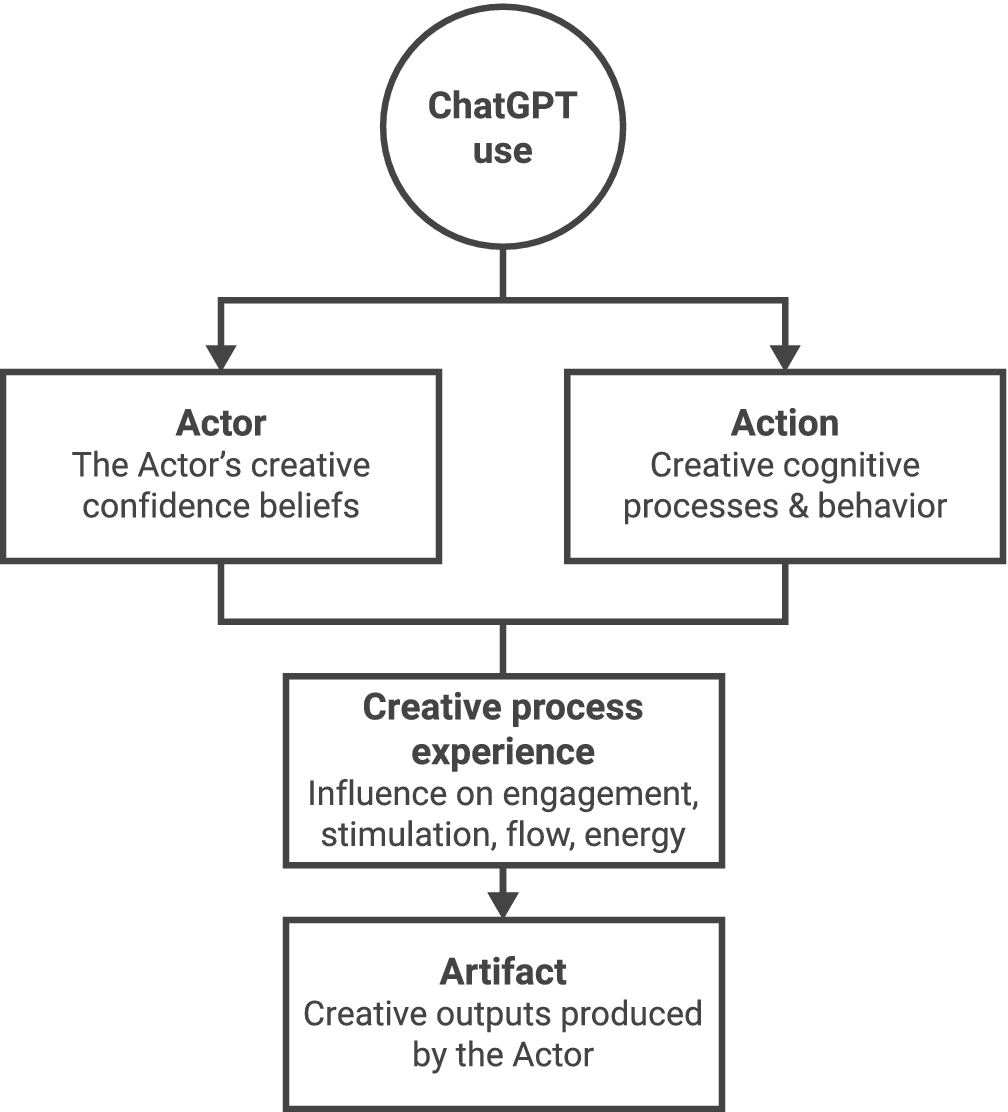
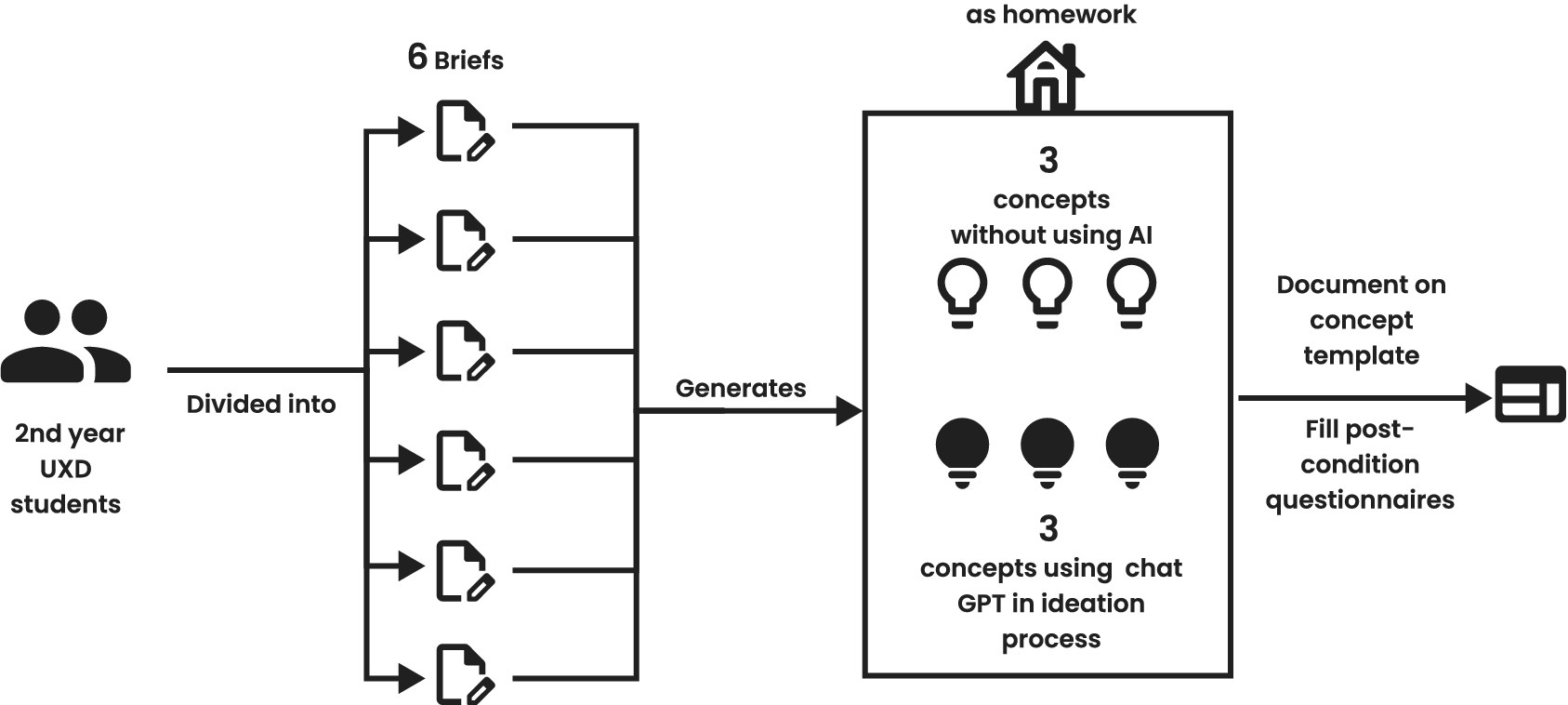
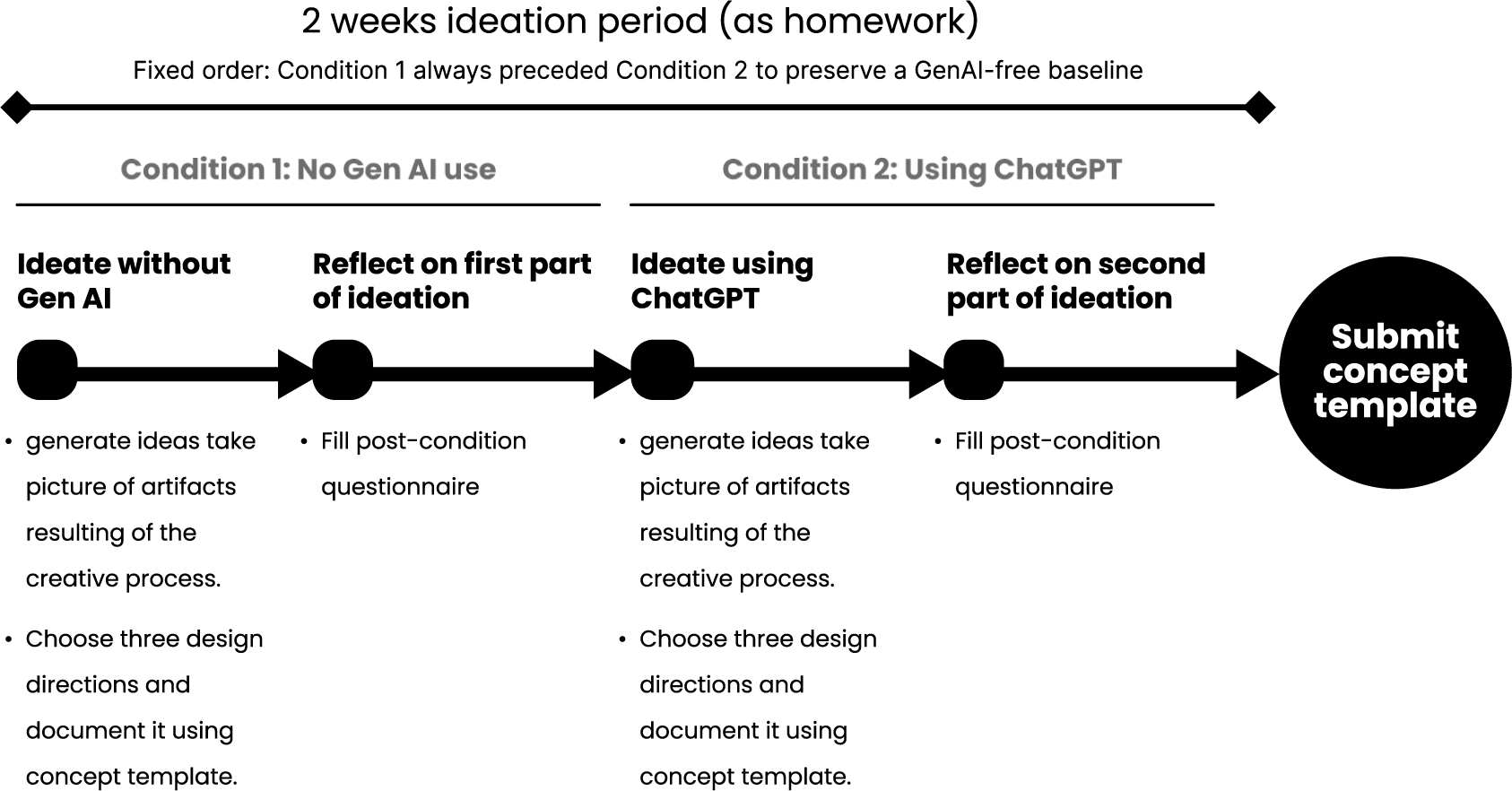
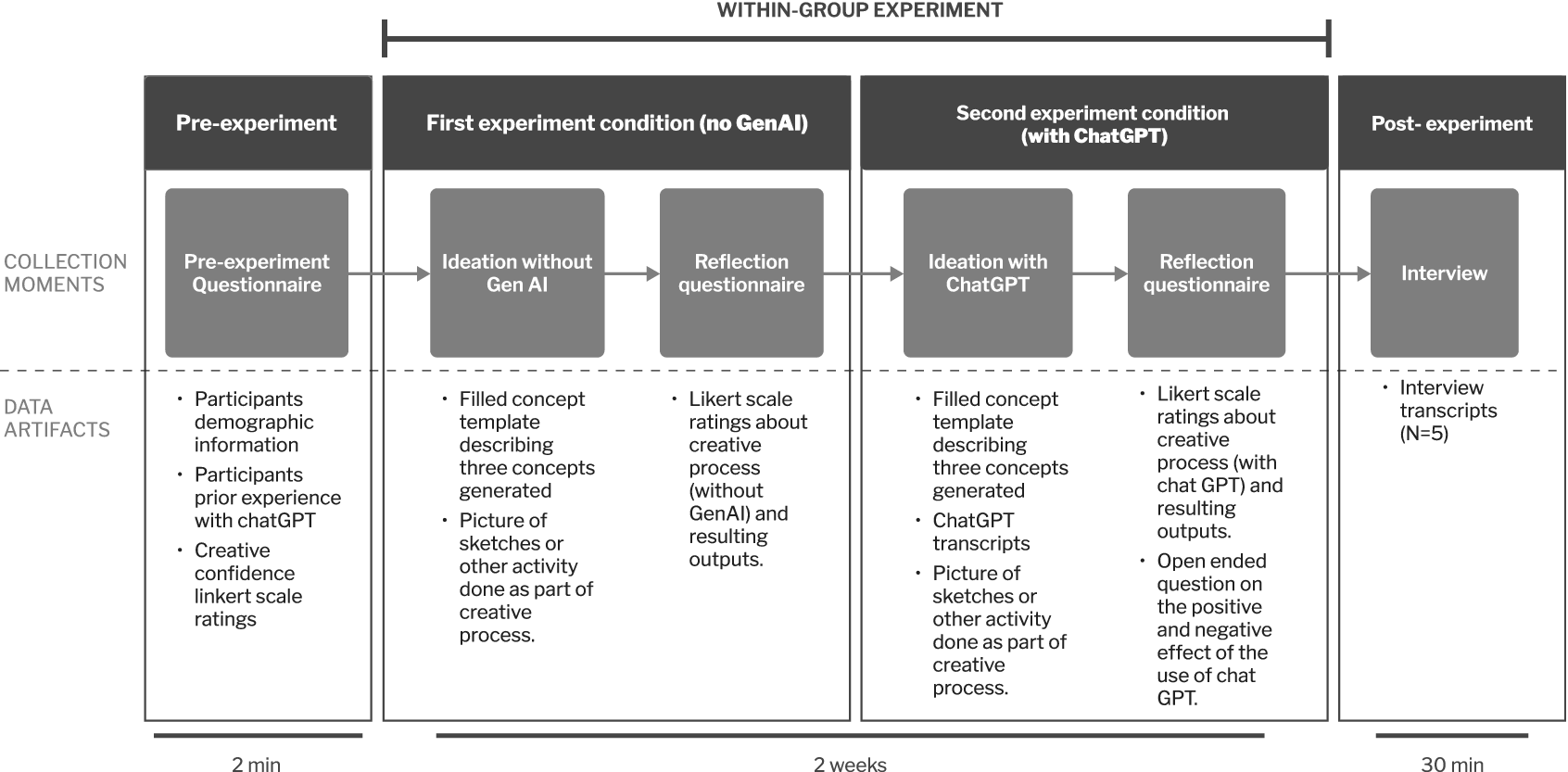
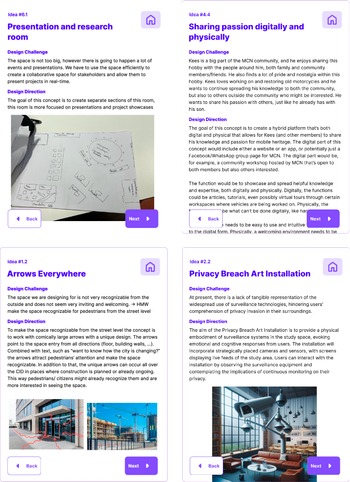
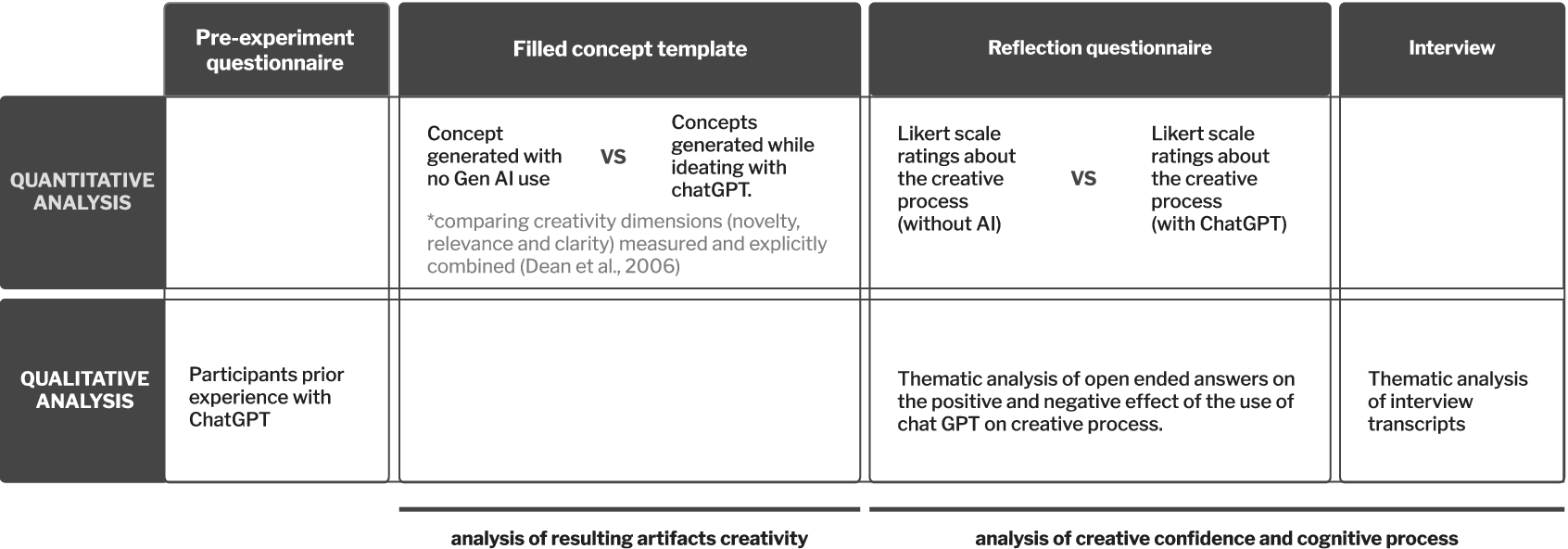




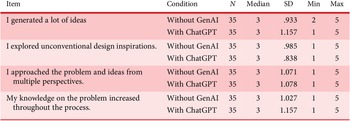
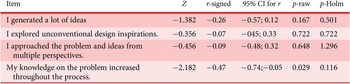
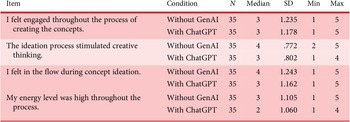
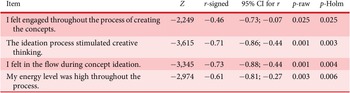
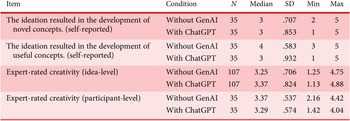
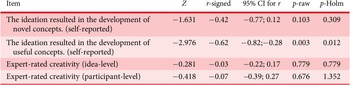
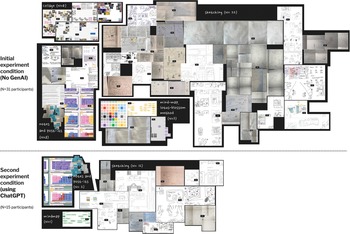
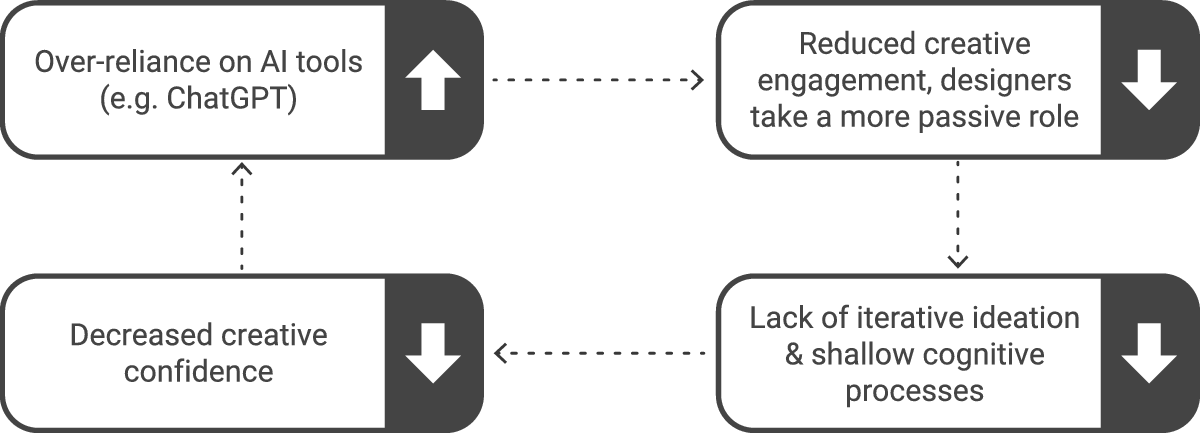


 Open access

