


On March 10, 2023, a few hours after China’s president secured an unprecedented third term at a legislative session, cementing his position as the country’s most powerful leader in decades (Buckley and Bradsher Reference Buckley and Bradsher2023), the US Embassy in China posted an article, “Why Democracy Improves a Country’s Economy,” on China’s major social media platforms.Footnote 1 The article, citing academic research, discusses how democratization leads to greater investment in human capital, freedom of innovation, the unleashing of human potential, and ultimately better economic growth in the long run. Although its timing may have been coincidental, the post throws into sharp relief China’s authoritarian entrenchment despite decades of socioeconomic transformation, as well as its economic difficulties following the COVID-19 pandemic. Does this kind of democracy promotion through public diplomacy work in an authoritarian society?
Although public diplomacy—that is, the state and nonstate actors’ use of media and other communication channels to influence foreign public opinion and attract foreign publics (Gilboa Reference Gilboa2008; Nye Reference Nye2008)—has a long history and is thought to have been essential in helping the United States win the Cold War (Nye Reference Nye2008), little is known about its actual effects in authoritarian societies. The small empirical literature on the effects of public diplomacy has focused on how activities like leader visits and political speeches influence public opinion in democratic nations (e.g., Dragojlovic Reference Dragojlovic2013; Reference Dragojlovic2015; Goldsmith, Horiuchi, and Matush Reference Goldsmith, Horiuchi and Matush2021). Studies about public diplomacy targeting authoritarian societies, whether radio broadcasting during the Cold War (e.g., Nelson Reference Nelson1997; Puddington Reference Puddington2000) or more recent social media postings by diplomatic missions (e.g., Jiang Reference Jiang2017; Strauß et al. Reference Strauß, Kruikemeier, van der Meulen and van Noort2015; Zhong and Lu Reference Zhong and Lu2013), focus on message senders’ strategies and message content, rather than how they influence message receivers. The effectiveness of democratic public diplomacy in the authoritarian context is often assumed and not investigated. In fact, most studies on effects of public diplomacy involving authoritarian states are about authoritarian public diplomacy in foreign nations, particularly democracies (Fisher Reference Fisher2020; Reference Fisher2021; Mattingly et al. Reference Mattingly, Incerti, Ju, Moreshead, Tanaka and Yamagishi2025), rather than the other way around. The issue is especially important in the US-China context: understanding how public diplomacy from the world’s most powerful democracy fares in arguably the world’s most powerful authoritarian country has significant policy implications, given their increasing competition on the global stage for influence and soft power (Blair, Marty, and Roessler Reference Blair, Marty and Roessler2022; Repnikova Reference Repnikova2022). Understanding the effect of public diplomacy also has immediate policy implications as the second Trump administration scales back US global engagement through cuts in foreign aid, planned closure of diplomatic missions, and dismantling of international broadcasting (Andrews Reference Andrews2025; Demirjian et al. Reference Demirjian, Nolen, Crowley and Dias2025; Wong and Mazzetti Reference Wong and Mazzetti2025).
In this article I investigate the impact of the US Embassy in China’s public diplomacy efforts championing American democracy on Chinese social media. In the digital age, the internet provides crucial means for citizens in nondemocracies to learn about the outside world, including how other forms of government function (Bailard Reference Bailard2014; Placek Reference Placek2020). Public diplomacy on the internet—particularly social media—is also regarded as particularly effective because it allows broad, continuous engagement with targeted audiences (Nye Reference Nye2008; Peterson Reference Peterson2002). Yet there has been little direct research on the effectiveness of this increasingly important type of public diplomacy in authoritarian societies.
In addition, authoritarian governments like to blame domestic problems and unrest on foreign influences (Associated Press 2022; Osborn and Lebedev Reference Osborn and Lebedev2023), and the Chinese government is no exception. At least since the 1989 Tiananmen Movement and the collapse of communist rule in Eastern Europe, the Chinese Communist Party (CCP) has been wary about the threat of US-initiated “peaceful evolution” (和平演变); that is, the political transformation of China through peaceful means such as the dissemination of Western ideas and the formation of domestic discontent (Ong Reference Ong2007). The subsequent Color Revolutions in post-Soviet Eurasia further amplified this fear (Chen Reference Chen2010). Consequently, the Chinese government frequently blames citizen grievances and activism, such as the widespread anti-Zero-COVID protests in late 2022, on the influence of “foreign forces” (境外势力; Lam Reference Lam2022; Su Reference Su2021). In an authoritarian or non-Western country, there is perhaps no “foreign force” more visible than the US Embassy.Footnote 2 This research will therefore help elucidate whether such foreign forces have significant influences on Chinese society and are cultivating citizens’ political demands.
Because effects of political messaging and public diplomacy may depend on context, I conducted two survey experiments in different international environments. The first experiment took place in November 2018, midway through the first Trump administration, which was a relatively normal period in China-US relations (see the later discussion). The second experiment was conducted around Trump’s departure from the White House in January 2021, when the United States’ unsuccessful handling of the pandemic during its first year and the violent January 6 attack on the Capitol had tarnished its reputation (Freedom House 2021; Pew Research Center 2020). The relationship between the United States and China had also significantly soured because of disputes over COVID-19 and the dramatic intensification of their trade war.
Using content published by the US Embassy on Chinese social media introducing various aspects of American democracy, I examined the effects of exposure to such content on a broad sample of Chinese internet users, the natural target of the embassy’s online messaging. Both standard regression analysis and randomization inference showed that the embassy’s messages promoting American democracy failed to improve the Chinese public’s attitudes toward the United States in 2018. The same messages, however, did improve Chinese audiences’ views of the United States in 2021, likely due to their lower baseline evaluations of it at the time. This important and seemingly paradoxical result suggests that democratic public diplomacy can have an impact in an authoritarian society, but more as a defense mechanism when the sending country’s image is under threat than as a tool of proactive influence in normal times.
I also examined the effects of the US Embassy’s public diplomacy on Chinese audiences’ attitudes toward democracy, views on China, and behavioral intentions. Here the messaging had little effect in both 2018 and 2021. These results indicate that democracy promotion in the world’s largest and most prominently rising authoritarian power through public diplomacy has significant challenges. At least in the short run, the democratic sound is mostly met with silence in a society with high national identity, high levels of trust in government, and until recently rapid economic growth. Importantly, this lack of impact also undermines the Chinese state’s frequent blaming of citizen grievances and activism on external forces, because even the most notable foreign force has limited effects on domestic political demands in China. In addition, I found little difference in effects between public diplomacy messages attributed to the embassy and those attributed to a (domestic) anonymous source, suggesting that the diplomacy’s lack of effect was not due to concerns about the identity or motives of the messenger.
These findings illuminate how democratic digital diplomacy may have mixed outcomes in authoritarian societies, with scope conditions and research limitations that I discuss later. By revealing both the limits and potential of political public diplomacy, the article also suggests future research directions.
The US Embassy Presence on Chinese Social Media
China has a vibrant social media landscape (Huang Reference Huang2017; King, Pan, and Roberts Reference King, Pan and Roberts2013), and the US Embassy has maintained an active presence on the country’s two leading social media platforms: Weibo and WeChat. Because almost all major foreign media outlets and social media platforms are blocked in China, foreign embassies’ Chinese social media accounts serve as a rare channel through which Chinese citizens can directly and legally acquire potentially sensitive information from foreign sources without circumventing the country’s “Great Firewall.” In addition, Weibo, an X/Twitter-like microblogging platform, has been China’s most prominent online public square since its launch in 2009 (Borak Reference Borak2018). Although the significant political tightening in China in the last decade has smothered a great deal of critical speech on Weibo, it remains a unique venue for direct and open communications between foreign governments and Chinese citizens and at times has been a focal point for the Chinese public to express collective grievances.Footnote 3
The US Embassy’s Weibo account was launched in 2010 and currently has about 3.5 million followers, making it the most-followed Weibo account among foreign embassies. Whereas most foreign diplomatic missions on Weibo generally post nonpolitical content (Ryan Reference Ryan2018; Timsit and Li Reference Timsit and Li2021), focusing on such topics as culture, tourism, and bilateral friendship, the US Embassy consistently publishes political messages and news (Jiang Reference Jiang2017). An embassy officer explains the goal of the embassy’s Weibo postings as follows: “Our mission is to provide the Chinese public an exclusive window into American politics, culture, history and values as well as US-China relations and current affairs” (quoted in Zhong and Lu Reference Zhong and Lu2013, 546). A former ambassador further comments that the media operation is meant to “give the Chinese people, who … get a distorted sense from their own government, [information] about who we are” (US Mission China 2023). As table S1 in appendix 1.1 shows, political public diplomacy about the US government and political institutions, rule of law, and democratic values is one of the most frequent themes of the embassy’s posts. Although almost all the embassy’s posts, including those on nonpolitical topics such as American scenery, culture, and education, can be regarded as public diplomacy, the aforementioned political topics are best characterized as democracy promotion, because they introduce various aspects of American democracy to the Chinese public, and are thus the focus of this research.Footnote 4
Figure 1 provides an example of the embassy’s democracy-promotion posts on Weibo. Figure 1a is a Weibo post that asks how many elections Americans participate in during their lifetimes, ending with a link to an article that explains various elections that Americans participate in: general elections, midterm elections, special elections, and local elections. Figure 1b shows an excerpt of the linked article, which was also posted on Weibo. As is usual in these democracy-promotion messages, neither the post nor the associated article explicitly mentions China, but the implicit contrast of the United States with China, in this case the latter’s lack of competitive political elections, cannot be missed.

These full articles are concurrently posted on the embassy’s official account on WeChat, a popular super-app built around mobile messaging. A WeChat Official Account (微信公众号) functions more like a subscription-based newsletter than an open, public forum, with limitations on audience commenting and interaction; however, it can still significantly increase the reach of the embassy’s messaging, given WeChat’s status as China’s dominant social networking application. The exact number of subscribers to the embassy’s account is not publicly known. Figure 2 shows the embassy’s WeChat news feed that contains the title of the article about how democratization improves a country’s economy, mentioned earlier, and an excerpt of the full article posted on the same platform.

The US Embassy’s social media postings follow some of the best practices of public diplomacy: they emphasize the transmission of a set of simple themes and, in the case of Weibo, engagement with the audiences (Nye Reference Nye2004; Reference Nye2008).Footnote 5 Although censorship is pervasive in China, these democracy-promotion posts are rarely removed by social media platforms, perhaps because they do not explicitly mention China. Pu, Wang, and Zhou (Reference Pu, Wang and Zhou2023) show that even the milder but more common form of censorship of the embassy’s posts, “disabling comments,” is usually restricted to those regarding US-China interactions at the elite/leadership level and, to a lesser extent, to news regarding US foreign policies, rather than to posts on American political institutions or democratic values.Footnote 6
Between Weibo and WeChat, the public diplomacy articles posted by the embassy can thus reach a sizable audience in China through direct exposure and reposting, including reposts by the US diplomatic mission’s various consulates and sections. At the same time, in a populous nation where social media influencers often have tens of millions of followers, and major state media outlets such as People’s Daily and China Central Television News boast more than one hundred million followers, proportionally speaking the embassy’s number of followers is not huge. This is an advantageous setup for the following experimental studies. If the account has too narrow a follower base, then whatever effect is revealed in the studies will have limited practical significance. However, if the embassy’s posts are very widely followed, study participants might have already been pretreated by content from the posts before taking part in the experiments (Gaines et al. Reference Gaines, Kuklinski, Quirk, Peyton and Verkuilen2007). The fact that the embassy has a decent but not massive following means that the likelihood a given participant had been pretreated is low. Indeed, my survey results show that the vast majority of respondents could not correctly guess the source of the embassy’s articles when it was not revealed. They thus reflect both its messaging’s existing effects (or lack thereof) on Chinese public opinion and the potential effect of exposing more citizens to the messaging.
Given that this article focuses on the effects of the embassy’s messages, rather than their publication mechanism, explaining how the embassy navigates China’s censorship apparatus or why the latter allows the messages to be posted is beyond its scope. Nevertheless, three points warrant brief discussion. First, Chinese state censorship prioritizes domestic contentions, rather than foreign topics (King, Pan, and Roberts Reference King, Pan and Roberts2013). By avoiding explicit references to (let alone comparisons with) China in its discussions of American democracy, the embassy remains largely beneath the censorship radar. Its diplomatic status may provide additional protection, particularly given potential US demands for social media reciprocity between the two countries.Footnote 7 Second, the Chinese government’s information control is not absolute. Pro-Western content—including discussions romanticizing foreign democratic systems and socioeconomic prosperity—appears somewhat regularly on Chinese social media, sometimes from prominent influencers and especially during the time period of my studies (Huang and Yeh Reference Huang and Yeh2019; Lin Reference Lin and Zhao2021; Zhou Reference Zhou2022). The embassy’s straightforward descriptions of American politics may even appear mundane by comparison. Third, from Beijing’s perspective, such content may not pose a critical threat. After decades of rapid economic growth, Western allure has diminished among younger Chinese generations (Hornby Reference Hornby2019; Qin Reference Qin2019), with some students studying abroad even becoming disenchanted by Western experiences (Ma Reference Ma2020; Tea Leaf Nation 2015). China’s propaganda apparatus can counter prodemocracy narratives, and the embassy’s follower count still cannot match domestic media organizations. Regular censorship of the embassy’s posts has thus not been a priority for Chinese authorities.
However, future research should examine the production side of the embassy’s messaging, which would complement this article’s focus on reception and effects. Specifically, what political strategies guide the State Department staffers who write these messages? What is the process by which messages are generated, and what relationship does the embassy maintain with Chinese authorities regarding these social media operations? Addressing these questions would provide a richer understanding of democratic public diplomacy in authoritarian settings.
Theoretical Expectations and Research Design
Theoretical Expectations
Existing studies pertinent to public diplomacy have generated somewhat mixed results and do not provide clear expectations about the effects of US public diplomacy in China. On one hand, studies have shown that foreign elite communication can be persuasive to citizens in democracies, sometimes even more so than domestic voices (Dragojlovic Reference Dragojlovic2015; Hayes and Guardino Reference Hayes and Guardino2011), and that foreign templates can shift voters’ policy positions (Linos Reference Linos2011). Social media diplomacy can also improve the message-sender’s image in democratic societies, even when the sender is an authoritarian regime or rebel organization (Jones and Mattiacci Reference Jones and Mattiacci2019; Mattingly et al. Reference Mattingly, Incerti, Ju, Moreshead, Tanaka and Yamagishi2025). Because opinion formation occurs in similar ways in authoritarian and democratic societies (Geddes and Zaller Reference Geddes and Zaller1989), public diplomacy may also have its intended effects in an authoritarian society. Given that the US Embassy’s messaging positively portrays American democracy, a natural expectation is therefore that it will improve Chinese audiences’ views of the United States, which is likely the embassy’s foremost goal. It may also improve attitudes toward democracy in general because the United States is a leading example of an established democracy, as well as enhancing interest in moving abroad given the increased attraction of foreign countries.
Moreover, the international benchmarking literature has shown that people form political judgments by comparing the performances of their own countries and foreign countries (Huang Reference Huang2015; Kayser and Peress Reference Kayser and Peress2012). Although the literature has mostly focused on comparisons of socioeconomic performance, it is reasonable to expect that people will compare political institutions too. Because the embassy’s messaging champions American democracy and implicitly criticizes the Chinese system, it can be expected to negatively affect the audiences’ opinions of China and the Chinese government. Consequently, in terms of behavioral intentions, the audiences may develop a stronger inclination to voice dissent against the government. In short, the embassy’s messaging is likely to improve Chinese audiences’ attitudes toward the external world while making them more critical of China.
Conversely, previous research has also shown that public diplomacy can backfire (Matush Reference Matush2023) or that its effects are conditional on factors like affinity between the sending and receiving countries, the prior attitudes of the recipients, and the perceived motives of the senders. For example, Entman (Reference Entman2008) and Sheafer et al. (Reference Sheafer, Shenhav, Takens and Van Atteveldt2014) argue that successful international frame building and narrative acceptance require a degree of political and cultural congruence between the sending and receiving nations or, at least, ambiguity between the two. Observational studies about US government-connected television and radio programs in the Arab world have shown that these outlets have relatively low credibility there, and exposure may even worsen audiences’ attitudes toward US foreign policies (El-Nawawy Reference El-Nawawy2006; Fahmy, Wanta, and Nisbet Reference Fahmy, Wanta and Nisbet2012). Similarly, the Confucian Institutes (CIs), China’s major public diplomacy initiative, did not succeed in the United States: high school students participating in CI programs in fact developed less favorable views of China than American teens in general (Green-Riley Reference Green-Riley2022). The lack of political and regime norm congruence between the United States and China and their global competition thus do not bode well for the effectiveness of US public diplomacy in China.
Relatedly, studies have shown that unfavorable prior attitudes toward message senders can cancel out positive effects of public diplomacy and even lead to backlash (Dragojlovic Reference Dragojlovic2013). Nye (Reference Nye2008, 95) warns that “broadcasts that extol the virtues of government policies that are seen by others as arrogant will be dismissed as mere propaganda and not produce the soft power of attraction” and that “[p]reaching at foreigners is not the best way to convert them” (103). Given the Chinese public’s well-known high level of trust in government and high degree of national identity (Cunningham, Saich, and Turiel Reference Cunningham, Saich and Turiel2020; Tang Reference Tang2016), their increasingly hawkish foreign policy beliefs (Weiss Reference Weiss2019), and China’s rapid economic rise in recent decades, Chinese audiences may regard the US Embassy’s advocacy of democracy as unwelcome lecturing or remain unimpressed by it. Indeed, the embassy’s posts tend to attract negative rather than positive comments on Weibo, many of which are ultranationalist (Jiang Reference Jiang2017). Although comments are self-selected and cannot represent the distribution of opinions regarding a post, let alone any causal effect, the large number of negative comments under the embassy’s posts does not induce optimism about their effects.
In short, the theoretical expectations for the effect of public diplomacy are ambiguous: the messaging may have its intended effects, but it may also have counterproductive effects that neutralize or even prevail over them. Specifically, the embassy’s messaging may positively affect the audiences’ views of the external world—attitudes toward the United States, views of democracy, or interest in moving abroad—but it can also fail or even backfire. Similarly, the messaging may or may not make Chinese audiences more critical of their own country, as reflected in their views of China, attitudes toward the Chinese government, and the willingness to protest.
Because public diplomacy is not the exclusive domain of government actors, and other opinion leaders and even ordinary citizens can participate in prodemocracy advocacy, it is worth considering whether messages championing democracy achieve different outcomes depending on their sources. In particular, is the US Embassy a more persuasive messenger than an anonymous source? A priori, the expectation is unclear. Articles attributed to the embassy may be viewed as more credible and authoritative and thus have stronger effects; a large literature has shown that individuals draw on trusted source cues in making political judgments (e.g., Druckman Reference Druckman2001), including from foreign political actors (Dragojlovic Reference Dragojlovic2013). Yet, source cues matter less when the issues are relatively familiar (Nicholson Reference Nicholson2011), and freedom and democracy may be such issues. The embassy’s posts extolling the virtues of American democracy may also appear obvious or be discounted as propaganda. In addition, people generally evaluate unfamiliar information sources charitably and can be influenced by them to an extent similar to established sources (Peterson and Allamong Reference Peterson and Allamong2022). Thus, the theoretical expectation for the effect of the embassy’s source label is also ambiguous.
Regarding the timing of the two experiments, one might anticipate that the embassy’s messaging would be more effective when international opinion of the United States was more positive. Political messaging needs a conducive environment, and Goldsmith and Horiuchi (Reference Goldsmith and Horiuchi2009) show that American leaders’ visits to foreign countries often had positive effects on public opinion in those countries; however, after the Iraq War, these effects weakened and even turned negative. As discussed in the next subsection, the United States’ international image declined and the China-US relationship significantly soured by the time of my second study. Therefore, it is reasonable to expect that the embassy’s messaging in 2021 would have less positive or more negative effects on the Chinese public’s opinions of the United States and democracy than the same messaging in 2018.
At the same time, when a country’s reputation is damaged, audiences are saturated with negative information and have lower baseline expectations. Under these conditions, positive information about a country’s institutional features becomes more informative and attention-grabbing precisely because it contrasts with the prevailing narrative. When respondents were constantly exposed to negative headlines about the United States’ mishandling of the pandemic and the January 6 insurrection, the embassy’s posts could help them see that there is more to American democracy than those headlines suggested, thus improving their opinion. This aligns with research showing that novel or unexpected information receives greater cognitive attention and is more persuasive (Berinsky Reference Berinsky2023; Fiske and Taylor Reference Fiske and Taylor2020; Huang Reference Huang2017). The elaboration likelihood model (Petty and Cacioppo Reference Petty, Cacioppo and Berkowitz1986) also suggests that when motivation to process information is high—as it would be when a major power’s reputation is in question—audiences engage in more systematic processing, potentially leading to greater message effectiveness.
Relatedly, Nye’s (Reference Nye2004; Reference Nye2008) framework on soft power emphasizes that attraction depends not just on message content but also on perceived credibility and the fit between messaging and context. When a country’s reputation suffers from specific failures, messaging that highlights enduring institutional strengths can rebuild credibility by demonstrating that problems are circumstantial, rather than systemic. Indeed, in the domain of foreign policy and public diplomacy, media messages have greater independent impact when they highlight information or frames not fully aligned with the prevailing narrative (Baum and Potter Reference Baum and Philip2008) or when audiences are less familiar with the situation (Chapman and Gerber Reference Chapman and Gerber2019). For these reasons, it is possible that the US Embassy’s messages were more effective in changing perceptions about the United States in 2021 than in 2018. In other words, public diplomacy could function more as a “shield” to maintain residual credibility when a country’s image is under threat than as a “sword” for proactive influence in relatively normal times.
In summary, there are competing expectations regarding the effectiveness of the US Embassy’s championing of American democracy in China and whether explicitly attributing the messaging to the embassy may make it more credible and effective. In addition, the more unfavorable international image of the United States in early 2021 could make the embassy’s messages more or less effective.
Research Design
General Design
I conducted two nearly identical survey experiments, one in November 2018 and another in January 2021, to study the effects of the US Embassy’s promotion of American democracy on Chinese people’s political attitudes.Footnote 8 In both studies, participants were randomly assigned to a control group and five treatment groups, and those in the treatment groups were exposed to readings that provide a general introduction to some important aspects of American democracy. To represent the experience common to readers on both Weibo and WeChat, I used full articles as the treatments, rather than short teasers such as Weibo posts; the latter are also too brief to be sufficiently informative. Each of the five treatment groups received a different article posted by the embassy, whereas the control group was not exposed to any reading. Because the treatment articles discuss long-standing rather than time-sensitive features of American democracy, the two studies used the same treatment articles to control for the content of the treatments while varying the international context (discussed further later). The treatment articles used in both studies are as follows:
-
1. “General Elections, Midterm Elections, Special Elections, and Local Elections: How Many Elections Will Americans Participate in during Their Lifetimes?” which describes the aforementioned elections in the United States (the election treatment)Footnote 9
-
2. “Press Freedom Day and America’s News Media,” which discusses the importance of media freedom and why the US government does not operate any mainstream media outlets or domestically oriented propaganda organizations (the media treatment)Footnote 10
-
3. “Senior Public Officials Must Disclose Their Assets,” which describes the Ethics in Government Act and how high-level US federal officials must disclose their family assets on an annual basis (the disclosure treatment)Footnote 11
-
4. “On the Funding of Political Parties and the Government in the US,” which discusses how political parties in the United States rely on donations rather than government funding and how government funding and expenditures are regulated (the funding treatment)Footnote 12
-
5. “Can American People Criticize the President Online?” which discusses how freedom of speech in the United States is protected by the First Amendment and people can publicly criticize the president, elected officials, and government, with some restrictions on government employees (the criticism treatment)Footnote 13
These articles were chosen because each discusses an important aspect of democracy: elections, news media, government ethics, political funding, and freedom of speech. Information in each article also contrasts clearly with the corresponding situation in China—the lack of competitive elections, media control, the absence of government officials’ financial disclosure, the intermingling of the Communist Party with the government and its finances, and the lack of freedom of speech—thus clearly suggesting the deficiencies of China’s authoritarian system. In addition, using articles on a range of political topics was useful for examining the general effects of democracy promotion and ensuring that the findings about the embassy’s messaging did not hinge on any particular message.
Professionally written in a matter-of-fact manner, these articles contain significant new information for Chinese audiences and thus represent meaningful knowledge provision, as is discussed later. Their topics are also not time sensitive, and therefore these articles can be reposted from time to time.Footnote 14 Typical of the embassy’s posts at the time, these articles were written in Chinese by Chinese-speaking staffers of the US State Department and appeared to target the Chinese public.Footnote 15 In the experiments, they were slightly edited for length and clarity (see appendix 1.3 for English translations). The treatments contained the article text alone, without any accompanying social media comments, thereby isolating the effects of the article content.
To examine the effects of source cues, in the 2018 study each of the five treatment groups was further divided into two subgroups: in one subgroup the treatment article was attributed to the US Embassy, and in the other it was attributed to “雾谷飞鸿” (Wild Geese from Foggy Bottom), a collective blog name used by the Chinese-speaking State Department staffers who wrote the articles; this name carries a Chinese cultural flavor.Footnote 16 Because neither the blog name nor the location of the State Department alluded to in the name is familiar to most Chinese internet users, articles with this attribution may appear to be written by an anonymous person. In a separate survey in spring 2019, I showed the same articles, all attributed to “Wild Geese from Foggy Bottom,” to more than 800 respondents recruited from the same survey platform and asked them to guess the identity of the author. The vast majority thought the author was a Chinese scholar, expert, media professional, or public intellectual.Footnote 17 This alleviates the potential concern that audiences may regard the articles as originating from the United States, regardless of the attribution. Given that anonymous, domestic-sourced internet posts in China during the study period often praised foreign countries and the United States, in particular, such articles with a domestic-sounding byline were not unusual (Huang and Yeh Reference Huang and Yeh2019). In the 2021 study, all treatment articles were attributed to the US Embassy, as explained later.
In both studies, to test the respondents’ knowledge about American democracy and to see whether the treatments provided new information to them, all participants answered five pre-treatment true-or-false knowledge questions that corresponded to some key information in the treatment articles. Questions included whether members of Congress, state governors, and most county sheriffs and mayors are directly elected (election), whether any major media outlet in the United States uses taxpayers’ money for domestically oriented propaganda (media), whether high-level federal officials must disclose their assets annually (disclosure), whether political parties in the United States, particularly the governing party, receive government funding (funding), and whether people will be charged or convicted for criticizing the president (criticism). On average, of the five true-or-false questions, respondents answered 2.54 correctly in 2018 (SD = 1.04) and 2.23 in 2021 (SD = 1.02), which is no better than random guesses. This indicates at most a moderate level of knowledge about the United States among the respondents and that the content of the treatment articles did contain significant new information, alleviating potential concerns about weak treatment. Moreover, these questions could pique the respondents’ interest in the embassy’s articles and thus enhance the intensity of the treatment. In addition to the knowledge questions, respondents were asked a set of pre-treatment questions about their social and political predispositions, including pro-Western orientation, political interest, life satisfaction, and national pride (see appendix 1.4 for question wording).
After the treatment, all respondents in both studies were asked two sets of outcome questions: attitudes toward the external world and attitudes toward China. Because the embassy’s posts aim to introduce the United States to a foreign audience and possibly transmit American values, the most important and directly related outcome was attitudes toward the United States (the US variable), measured by an additive index of two items: how good the respondents’ overall impression of the United States was and whether they thought the American political system was worthy of emulation for China. Because messaging about US democracy may also affect views on democracy in general, I similarly constructed an index of two questions about democracy (the democracy variable): whether democracy was the best political system available and whether adopting it would make China stronger and more prosperous. The last external attitude variable was the behavioral intention to “exit”: the interest in moving abroad (the move abroad variable).
Regarding the concept of democracy in the survey, the Chinese government sometimes describes China as a “Chinese-style” democracy or “whole-process people’s democracy.” These restrictive modifiers are important because they indicate that even the Chinese government does not characterize China as a regular democracy. Perhaps more importantly, the survey’s wording about whether adopting democracy would make China stronger and more prosperous made it clear to respondents that the question was about democracy in its conventional meaning, rather than “Chinese-style” democracy. In addition, as shown in figure S3 in appendix 4.2, the respondents’ attitudes toward democracy shifted in the same direction as their attitudes toward the United States from 2018 to 2021, opposite to the movement of their views on China over the same period, which strongly suggests that they associated democracy more with the United States than with China. For these reasons, respondents were unlikely to mistake the questions on democracy as being about China’s current political system.Footnote 18
Given that the embassy’s posts were implicitly critical of China and that they might lead Chinese audiences to benchmark their own country against the United States, I also asked a set of questions about respondents’ domestic attitudes: attitudes toward China as a country (China country), attitudes toward China’s governing system (China government), and willingness to participate in a “collective walk,” a popular code word for protest in China, against the government for its poor performance (protest). China country was measured by a two-item index: China’s overall current situation and future prospects. China government was measured by three items: the responsiveness of the Chinese government, the competence of the Chinese government, and the appropriateness of China’s political system. To avoid multiple hypotheses testing, I report results on the aggregate indexes for both external and domestic attitudes, rather than individual items.Footnote 19
Research Context
The two studies were conducted in different international contexts with respect to China-US relations and the United States’ international image. Initially China was relatively Trump-friendly compared to many other countries (Lin Reference Lin2020; Stone Reference Stone2016). Although tensions existed in 2018, they were mild compared to those at the end of Trump’s first term. The United States began raising tariffs on Chinese imports in 2018, but the dispute was initially moderate; it was further deescalated by a ceasefire deal reached at the sidelines of the G20 Summit around the time of the 2018 survey, under which the United States kept tariffs on $200 billion of Chinese imports at 10%, rather than raising them to 25% (Rampton and Martina Reference Rampton and Martina2018). Consistent with this level of tension, Chinese online attitudes toward the United States were relatively stable from 2016 to 2018 (Xie et al. Reference Xie, Yang, Huang, He, Zhou, Qian, Cai and Zhou2024). After 2019, the trade war escalated sharply: the United States implemented the previously suspended tariff hike, and coverage eventually expanded to roughly US$550 billion of Chinese goods (Mullen Reference Mullen2022). China was then compelled to sign a one-sided Phase One Agreement—making 105 commitments on purchases, financial market access, and intellectual property protection, with the United States making only 5—while tariffs largely remained in place, prompting widespread talk in China of a “surrender” and an “unequal treaty”Footnote 20 (Nakazawa Reference Nakazawa2019). Alongside the targeting of Chinese technology firms such as Huawei and the detention of Huawei executive Meng Wanzhou in Canada at the United States’ request, these developments contributed to a sharp decline in Chinese attitudes toward the United States after 2019 (Xie et al. Reference Xie, Yang, Huang, He, Zhou, Qian, Cai and Zhou2024).
Perhaps a more important driver of worsening Chinese attitudes toward the United States late in the first Trump administration was the COVID-19 pandemic. Bilateral relations deteriorated as each side blamed the other for the outbreak and inadequate responses to it (Christensen Reference Christensen2020; Yang Reference Yang2021). More importantly, Chinese media closely tracked the United States’ perceived failure to contain the pandemic and the high death toll in 2020, drawing substantial public attention.Footnote 21 Surveys reported a marked decline in Chinese views of the United States after the pandemic’s onset (Xie et al. Reference Xie, Yang, Huang, He, Zhou, Qian, Cai and Zhou2024), as Americans’ views of China also worsened significantly during the pandemic (Silver, Devlin, and Huang Reference Silver, Devlin and Huang2020).Footnote 22 In addition, the violent attack on the US Capitol on January 6, 2021, tarnished the country’s reputation as a beacon of democracy (Freedom House 2021), including in China, where media seized the opportunity to drive home a narrative of American chaos and dysfunction (Dou Reference Dou2021).
In sum, although the United States’ image in China was relatively neutral in 2018, surveys show a significant decline in Chinese public views of the United States by the end of the first Trump presidency (Fang, Li, and Liu Reference Fang, Li and Liu2022; Xie et al. Reference Xie, Yang, Huang, He, Zhou, Qian, Cai and Zhou2024). The second study was conducted in this context by design, shortly after the January 6 insurrection.Footnote 23
Data
For studying social media diplomacy, internet users are the natural population of interest, and online survey experiments are a natural research mode. Participants in both studies were recruited through a market survey firm used in prior social science research,Footnote 24 and each unique user and IP address was permitted to participate in the survey only once (2018 participants were also excluded from recruitment for the 2021 study). Respondents were directed to a US-based survey website to complete the survey anonymously, allowing me to maintain control over the instrument and reduce concerns about government surveillance. Respondents were also informed that the recruitment company would not have access to the data.
Respectively, 1,840 and 1,798 participants completed the 2018 and 2021 studies (Huang Reference Huang2026), yielding about 300 respondents per experimental arm and appropriate statistical power.Footnote 25 Appendix tables S2 and S3 show that respondents came from diverse sociodemographic backgrounds, spanning occupations, education levels, age groups, and regions. Relative to China’s internet population, the samples were similar in gender, region, CCP membership, and multiple occupational sectors, but they skewed younger and more educated—typical of online surveys in China (Li, Shi, and Zhu Reference Li, Shi and Zhu2018). This is not necessarily a drawback because young people, whose views may be more malleable, are often considered a primary target of US public diplomacy (Peterson Reference Peterson2002). Moreover, the analyses show little treatment-effect heterogeneity across demographic or predispositional characteristics, mitigating concerns about sample representativeness. Appendix tables S4 and S5 show that treatment groups were well balanced on demographics and predispositions in both studies.
For quality control, I embedded a simple attention check at the beginning of the surveys and screened out respondents who failed the check. To ensure that treatment-group respondents read the articles, I imposed a timer on the treatment pages, requiring a pretested threshold of 50–55 seconds before they could proceed.
The 2018 Study
Version-level Treatment Effects: Comparing Message Sources
Given that each treatment article in the 2018 study had two versions, one attributed to the US Embassy and the other to an anonymous source, I first report the average treatment effects when each version of each article is regarded as a separate treatment before moving to the article-level analysis in the next subsection. To facilitate interpretation, all outcome variables in the following analyses are rescaled to lie between 0 and 1. Table 1 shows that in general the version-level treatments did not have significant effects on respondents’ political attitudes: Among the 60 effects tested, only two achieved conventional levels of significance.Footnote 26
Version-level Treatment Effects and Equality of Effects Tests

Note: Regression coefficients with robust standard errors in parentheses; see table s6 in appendix 3.1 for full results. The p-values are those of the null hypotheses that the two versions of the same treatment articles have equal effects. * $ p<0.05 $
, **
$ p<0.05 $
, ** $ p<0.01 $
, ***
$ p<0.01 $
, *** $ p<0.001 $
.
$ p<0.001 $
.
In addition to the treatment coefficients, for each outcome variable table 1 also reports the results of equality of effects tests for the two versions of each article. With only 1 exception among the 30 tests, the null that the two versions of each article had equal effects on the respondents’ attitudes cannot be rejected. By and large, then, the two versions of the articles had no significant differences in effects. This provides a useful finding about the source effect: in general, the source cue of the US Embassy neither helps nor harms its messaging. Note that, as discussed earlier, a large majority of respondents regarded the authors of the anonymous articles as Chinese scholars, experts, or intellectuals. Therefore, if the embassy’s public diplomacy lacks effectiveness, it is not because of the audiences’ concerns about the messenger’s identity or motives.Footnote 27 More likely it is due to the inherent difficulty of impressing or persuading them.Footnote 28
Article-level Treatment Effects
In addition to its substantive implications, the lack of treatment differences between the two versions indicates that they can be combined to increase statistical power. In the following, I pool the two versions of each article into the same treatment while controlling for the source label (embassy or anonymous). In all these results, the source label is not significant, validating this pooled approach.
Figure 3 shows the regression coefficient estimates of each treatment’s effects on attitudes toward the external world, both with and without covariates (i.e., demographic, pre-treatment attitudinal, and source-label variables). It also reports the effect of a pooled treatment variable that equals 1 if a respondent received any treatment and 0 otherwise. The estimates are typically negative but generally insignificant. In fact, a treatment occasionally even significantly reduced respondents’ evaluation of the United States or their interest in moving abroad. In other words, the articles championing American democracy failed to improve the respondents’ attitudes toward the United States and the outside world in general.
Article-level Treatment Effects on External Attitudes (2018)
Note: Coefficient estimates of treatment effects on attitudes toward the United States, democracy, and moving abroad, with 95% confidence intervals. See tables S7 and S8 in appendix 3.1 for full regression results.

Figure 4 shows the treatment effects on domestic attitudes. Here the effects were more consistently null. Reading social media articles promoting American democracy simply did not affect respondents’ views of China or its government, even though those articles were implicitly critical of China.
Article-level Treatment Effects on Domestic Attitudes (2018)
Note: Coefficient estimates of treatment effects on attitudes toward China as a country, China’s governing system, and protest, with 95% confidence intervals. See tables S9 and S10 in appendix 3.1 for full regression results.

For robustness, I also conducted Fisher’s randomization inference to test the sharp null hypothesis that the treatments had zero effect for all subjects (Gerber and Green Reference Gerber and Green2012; Imbens and Rubin Reference Imbens and Rubin2015), a stronger hypothesis than no average treatment effect. This is particularly useful because the observed null average treatment effect might mask opposing individual-level effects. Unlike standard econometric methods that derive asymptotic p-values by treating the sample as a random draw from an infinite population, randomization inference treats the sample as fixed and only the treatment assignment as random. By comparing the observed (average) treatment effect with those from all possible random assignments under the sharp null hypothesis, or a large random sample thereof, we can calculate the probability of obtaining a treatment effect at least as large as the observed one if the true effect is zero for all subjects. Following Young (Reference Young2019), I use 10,000 permutations of possible assignments. Table 2 reports randomization inference-based p-values of the treatment effects in parentheses. With rare exceptions, the sharp null hypothesis cannot be rejected, consistent with the null average treatment effects reported earlier. In addition, similarly to figure 3, the effects of the pooled treatment on external attitudes were on the negative side (albeit insignificant), particularly with regard to views of the United States.
Randomization Inference for Article-level Treatment Effects (2018)

Note: Estimated treatment effects on external and domestic attitudes with randomization inference-based p-values in parentheses.
The previous section discussed how the treatments contained significant new information and were thus not weak. There is nevertheless a concern that subjects might not have been paying attention, which could explain the lack of treatment effects. The attention check and required minimum reading time (50–55 seconds) were designed to mitigate this concern. In fact, the median reading time was 72 seconds, indicating that most respondents spent substantially more time than required. To further address the concern of inattention, I analyzed subjects whose reading time was at least 75 seconds—those who spent at least 36% more time than required on the articles. Figure S1 in appendix 3.2 shows that the treatment effects for these subjects were similar to those reported earlier; in fact, the pooled treatment’s effect on attitudes toward the United States and democracy became somewhat more negative. This is not my main analysis, because dropping respondents based on time spent on the treatment may introduce post-treatment bias (Montgomery, Nyhan, and Torres Reference Montgomery, Nyhan and Torres2018); however, the results suggest that inattention was unlikely the reason behind the lack of intended treatment effects.
One may also wonder whether the audiences’ pre-treatment attitudes were already too positive to be improved or too negative to be worsened. Judging by the control group, this is not the case. The control group’s baseline attitudes toward the United States in 2018 were rather neutral: 0.517 on a scale from 0 to 1. There was a great deal of room for improvement, but the treatments’ effects on attitudes toward the United States tended to be negative, albeit insignificant. In contrast, the control group’s baseline attitudes toward China in 2018 were 0.793; this relatively high level did not decrease in the treatment groups, even though there was room to do so.Footnote 29
Yet another question about the null effects concerns political desirability; that is, respondents might not be willing to express true opinions on sensitive questions. This might explain why attitudes toward the United States did not improve following the treatment but not why they tended to move in the opposite direction. In addition, on the question about protest inclination—perhaps the most sensitive in the entire survey—54.3% of control group respondents in 2018 (and 37.1% in the 2021 study) indicated they would consider participating in a “collective walk” if dissatisfied with the government. This suggests that fear was not a major concern, partly because the survey was not especially sensitive during the study period, as mentioned earlier, and partly due to the anonymity guarantee and the recruitment firm’s lack of access to the data.
To further examine the robustness of the null effects, I dichotomized the demographic and predispositional variables and analyzed the pooled treatment’s effects on each subgroup separately while controlling for other covariates. Figure S2 in appendix 3.2 shows generally no significant effect heterogeneity between corresponding subgroups (e.g., those with vs. those without college degrees). Importantly, the treatment did not improve any demographic or predispositional subgroup’s attitudes toward the United States, democracy, or moving abroad, nor did it affect their domestic attitudes. For example, it did not improve but nearly worsened attitudes toward the United States among young people, who might be the primary target of American public diplomacy (Peterson Reference Peterson2002). This lack of effect heterogeneity is consistent with recent findings that political messaging typically works similarly across demographic and predispositional groups (Coppock Reference Coppock2023), and it significantly alleviates potential concerns about the representativeness of the sample.
It might be particularly instructive to consider the subjects’ prior knowledge about democracy in America and pro-Western orientations, given that a primary goal of the US Embassy’s public diplomacy efforts is to spread knowledge about American democracy and disseminate democratic values. Previous research has also emphasized knowledge and prior attitudes as key moderators of the effectiveness of public diplomacy messaging (e.g., Dragojlovic Reference Dragojlovic2013). The treatments did not significantly improve the respondents’ external attitudes (or affect their domestic attitudes) whether they had high or low US knowledge and whether they had high or low pro-Western orientations. In fact, the treatments worsened attitudes toward the United States among those with low knowledge about American democracy.
These results indicate the challenges the US Embassy faces with its democracy-promotion public diplomacy efforts in China. In fact, those theoretically more likely to be receptive also showed resistance, suggesting that public diplomacy from the most powerful democracy faces a significant uphill battle in the world’s most powerful authoritarian state with high levels of public trust in the government and strong national identity.
The 2021 Study and 2018–21 Comparisons
The 2021 study was conducted between January 12 and 28, shortly after the January 6 US Capitol attack, to examine whether the US Embassy’s public diplomacy championing American democracy would have different effects in a different context. Recall that the 2021 experiment used the same treatments as in 2018, but all articles were attributed to the embassy given the lack of source cue effects found in the 2018 study. Because the study spanned the US presidential transition from Donald Trump to Joe Biden (N = 1,273 before Biden’s inauguration and N = 525 after it), in the following analysis I control for the timing of the respondents’ participation along with other covariates.
Figure 5 shows regression coefficient estimates of the treatment effects on attitudes toward the external world. The treatment effects on attitudes toward the United States tended to be positive and reached statistical significance with the election, disclosure, and pooled treatments, unlike in 2018 when the treatment effects tended to be on the negative side.Footnote 30 Using the specification with the pooled treatment and covariates, the treatment effect size was 2.4 percentage points, which is consistent with the finding in persuasion studies that when persuasion occurs the effect is typically small (Coppock Reference Coppock2023). Similar to the 2018 study, however, the treatments had insignificant effects on the respondents’ attitudes toward democracy and moving abroad (although the effects were in the positive direction on moving abroad).
Article-level Treatment Effects on External Attitudes (2021)
Note: Coefficient estimates of treatment effects on attitudes toward the United States, democracy, and moving abroad, with 95% confidence intervals. See tables S11 and S12 in appendix 4.1 for full regression results.

Attitudes toward the United States are the most direct and, from the embassy’s perspective, the most important outcome of the messaging, and these results suggest that the embassy’s public diplomacy was more positively received in early 2021 than in 2018. To formally test this, I pool the two studies’ data and interact the treatments with a 2021 dummy in the following difference-in-differences model:
 $$ {\displaystyle \begin{array}{l}U.S{.}_i=\alpha +\sum \limits_{j=1}^5{\beta}_j\cdot {\mathrm{Treatment}}_{ij}+\gamma \cdot \mathrm{Year}{2021}_i\\ {}\hskip5.5em +\hskip2px \sum \limits_{j=1}^5{\tau}_j\cdot \left({\mathrm{Treatment}}_{ij}\cdot \mathrm{Year}{2021}_i\right)+{\varepsilon}_i,\end{array}} $$
where $ i $
denotes respondents and the coefficient
$ i $
denotes respondents and the coefficient $ {\tau}_j $
represents the difference in treatment
$ {\tau}_j $
represents the difference in treatment $ j $
’s effects on attitudes toward the United States between 2021 and 2018.
$ j $
’s effects on attitudes toward the United States between 2021 and 2018.
Figure 6 shows that, except for the criticism treatment, the embassy’s messaging had significantly more positive effects on respondents’ views of the United States in 2021 than in 2018. In other words, the embassy’s posts had more positive effects on Chinese audiences’ views of the United States when China-US relations and the international image of the United States were substantially worse in early 2021. A potential reason for this result is that Chinese attitudes toward the United States had a lower baseline in early 2021, and thus it was easier for opinion to respond to information intervention. That is, when audiences had been constantly exposed to negative news such as the United States’ mishandling of the pandemic and the January 6 insurrection, the embassy’s posts could provide a more balanced perspective and help them see that American democracy was more than what news headlines suggested, thus improving their views.
Differences in Treatment Effects on Attitudes toward the US (2021–18)
Note: Coefficient estimates with 95% confidence intervals. See table S13 in appendix 4.1 for full regression results.

To examine this possibility, figure 7 compares the baseline attitudes of the two studies’ control groups toward the United States and China. The average evaluation of the United States in the 2018 control group was 0.517 out of 1 (SD = 0.220), similar to the level of favorable views of the United States in China—50%—in Pew’s Global Attitudes Survey in 2016 (Pew Research Center 2016), the last year that the survey was conducted in China. In the 2021 control group, the average evaluation of the United States dropped 37% to 0.325 (SD = 0.170), which is consistent with surveys that show the Chinese public’s views of the United States had declined significantly in the later part of the first Trump term (Fang, Li, and Liu Reference Fang, Li and Liu2022; Xie et al. Reference Xie, Yang, Huang, He, Zhou, Qian, Cai and Zhou2024). In contrast, baseline attitudes toward China, averaged over views of China as a country and views of the Chinese government, improved 10 percentage points from an already high level of 0.796 (SD = 0.196) in 2018 to 0.895 (SD = 0.136) in 2021, likely because China at the time had successfully contained COVID-19 and life had largely returned to normal (Hessler Reference Hessler2020), before the abrupt and unprepared abandoning of the Zero-COVID policy in late 2022 led to a dramatic rise in infections and mortality (Du et al. Reference Du, Wang, Bai, Wang, Cowling and Meyers2023). The positive effects of the embassy’s 2021 messaging on attitudes toward the United States therefore were not due to the respondents’ lower level of satisfaction with China in 2021.Footnote 31 Incidentally, nor did they occur because the 2021 treatments made respondents think of Biden’s electoral victory in November 2020 and thus more hopeful about the United States: Xie et al. (Reference Xie, Yang, Huang, He, Zhou, Qian, Cai and Zhou2024) showed that China’s public opinion toward the United States continued to decline from November 2020 to August–October 2022, and social media sentiments toward the United States followed a similar trend.
Baseline Attitudes toward the United States and China in the Control Groups
Note: Data in the right panel refer to the average of views of the China country and China government.

This suggests that, perhaps ironically, public diplomacy can be more effective when a country’s image is under threat than as a tool of proactive influence during relatively normal times. When there are significant challenges to a country’s reputation and performance, public diplomacy about how the country operates on the ground can give audiences a perspective that somewhat balances their information and helps them see beyond the widespread negative headlines about its failures, which consequently improves their opinion.Footnote 32 When opinions are more neutral or balanced to start with, however, they are harder to improve with normal information.
With regard to the treatments’ effects on domestic attitudes, results in 2021 were more similar to those in 2018. Figure 8 shows that exposure to the embassy’s messages generally did not change respondents’ attitudes toward China as a country or the Chinese government, with the occasional exception of the funding treatment on protest willingness.
Article-level Treatment Effects on Domestic Attitudes (2021)
Note: Coefficient estimates of treatment effects on attitudes toward China as a country, China’s governing system, and protest, with 95% confidence intervals. See tables S14 and S15 in appendix 4.1 for full regression results.

As with the 2018 study, I conducted randomization inference to test the sharp null hypothesis that the treatments had zero effects for all respondents. Table 3 shows that randomization inference results are consistent with figures 5 and 8: the treatments generally improved the respondents’ attitudes toward the United States, whereas the sharp null hypothesis for other outcome variables cannot be rejected.
Randomization Inference for Article-level Treatment Effects (2021)

Note: Estimated treatment effects on external and domestic attitudes with randomization inference-based p-values in parentheses.
I also analyzed respondents who spent at least 75 seconds on the readings, as in the 2018 study. Figure S4 in appendix 4.2 shows results very similar to those with the full sample. Again note that my main analysis uses the full sample, but these results with more attentive respondents suggest that inattention was unlikely to be a significant concern in the study. In addition, I examined the potential effect heterogeneity of the 2021 treatments, not only with regard to demographic and pre-treatment dispositional variables but also whether the respondents were surveyed when Trump or Biden was the president. Similar to the 2018 study, figure S5 shows that there was generally no significant effect heterogeneity across the various corresponding subgroups.
Overall, the results show that the embassy’s public diplomacy in 2021 had similar non-effects on the respondents’ political attitudes to those in 2018, except for views of the United States. A potential alternative explanation for the 2018–21 difference could be sampling differences between the two studies. However, the two samples were drawn from the same recruitment firm’s internet panel, and their demographics were similar (see appendix 2). Moreover, as discussed earlier, there was no significant heterogeneity in the messaging’s effects, not only in terms of demographics but also with regard to predispositions. Therefore, the changing international context is a more likely explanation than sampling differences for the divergence in effects on attitudes toward the United States.
Discussion
The findings speak directly to debates about whether democratic or authoritarian models are more effective in winning global influence (Kurlantzick Reference Kurlantzick2007; Nye Reference Nye2004; Reference Nye2008) and whether the United States and China have a “balance of soft power” (Repnikova Reference Repnikova2022). Recent research shows that Chinese state media messaging about the “China Model” can be more persuasive to global audiences than American public diplomacy about the American system (Mattingly et al. Reference Mattingly, Incerti, Ju, Moreshead, Tanaka and Yamagishi2025). My findings complement this by showing the defensive utility of democratic messaging: it can protect a democracy’s image during crises, but it struggles to proactively convert audiences in a rising authoritarian power. This does not mean that authoritarian messaging necessarily has an upper hand in the age of democratic backsliding and authoritarian resilience, because even soft Chinese persuasion can generate backlash when international audiences perceive a security threat (Davies, Edney, and Williams Reference Davies, Edney and Williams2025). But it does suggest that the competition for hearts and minds is no longer a one-sided projection of democratic ideals.
The results contrast sharply with earlier studies on international benchmarking showing that Chinese citizens often exhibit enthusiastic admiration for perceived economic prosperity in foreign countries (Fong Reference Fong2011) and update their political attitudes, including views on China, as they receive new information about foreign economic and social conditions (Huang Reference Huang2015; Huang and Yeh Reference Huang and Yeh2019). Together with previous research, the present findings suggest that, at the current stage of China’s development, the Chinese public tends to have more socioeconomic yearnings than political aspirations and hence is more influenced by socioeconomic than political information about foreign countries. Politically critical citizens (Norris Reference Norris1999) with liberal and democratic demands have yet to emerge in China at scale; hence, the general silence that greets the democratic sound.
Relatedly, the results align with the well-established observation that economic development has not substantially fostered prodemocratic attitudes in China. Modernization theory predicts that economic growth and industrialization facilitate democratic transitions, partly through education and value transformation toward “self-expression values” emphasizing freedom and individual autonomy (Inglehart and Welzel Reference Inglehart and Welzel2005; Wang Reference Wang2007). Yet despite decades of rapid growth, demand for liberal democracy in China has not markedly increased. Chinese citizens, including young people and the expanding middle class, continue to exhibit high trust in their government and strong adherence to authoritarian values endorsed by the Chinese Communist Party (Chen and Lu Reference Chen and Lu2011; Liu, Su, and Wu Reference Liu, Su and Wu2023; Nathan Reference Nathan2016; Wu Reference Wu2025). Given this context, it is perhaps unsurprising that democratic messages from a foreign embassy face considerable challenges in persuading the Chinese public.
This suggests that, at least in some countries and under some circumstances, citizens need to see democracy delivering good performance to support it (Acemoglu et al. Reference Acemoglu, Ajzenman, Aksoy, Fiszbein and Molina2025; Fukuyama, Dann, and Magaloni Reference Fukuyama, Dann and Magaloni2025; Nyhan and Titiunik Reference Nyhan and Titiunik2024), rather than always using elections and civil liberties as criteria for understanding and evaluating democracy (Chu, Williamson, and Yeung Reference Chu, Williamson and Eddy2024). The findings thus challenge assumptions about cross-border political learning and democratic diffusion. Although scholars have demonstrated democratic diffusion (Brinks and Coppedge Reference Brinks and Coppedge2006; Gleditsch and Ward Reference Gleditsch and Ward2006) and cross-border learning (Kern and Hainmueller Reference Kern and Hainmueller2009), my research suggests significant scope conditions—diffusion may fail when the target state is rising, economically successful, and actively cultivating an alternative legitimation narrative.
It should be noted that this research is not just about the impact of the US Embassy’s messaging on its existing followers, who are self-selected and have probably already formed some views on the United States and democracy. By sampling from the general public, the article is also about the messages’ potential impact on the “nonconverted,” who may be exposed to the messages through others’ sharing/reposting, enhanced outreach efforts, or other means. In other words, what would be the effects of the embassy’s messaging if more ordinary people received it or followed the account? Given that the messages’ impact on these potential audiences is limited in general, its impact on existing followers, who likely have more fixed views, can be expected to be similar or smaller. This enhances the validity of the article’s main findings.
The findings do not suggest, however, that foreign political information cannot sway public opinion in China or other authoritarian societies under any circumstances. Several scope conditions may contribute to the largely null effects of the US Embassy’s messaging. Perhaps most importantly, the treatments in the studies were temporary, one-shot stimuli that did not provide long-term exposure. Although such a design mimics much real-world exposure on social media, longer-term exposure may help overcome initial resistance to the messaging (Redlawsk, Civettini, and Emmerson Reference Redlawsk, Andrew and Emmerson2010) and produce stronger effects. To be sure, the positive effects on attitudes toward the United States in the 2021 study indicate that short-term exposure can also change opinions and is therefore not the sole reason for the studies’ null effects in other areas. For example, the contrasting results of the present studies with previous research on the effects of foreign socioeconomic information, which also relied on short-term exposure, suggest that the type of information and underlying international environment may play a significant role. But studying long-term exposure is nevertheless an important next step because public diplomacy is inherently a long-term effort, especially in an age of information overload in which any messaging has to compete with other, possibly incongruent messaging for attention and persuasion.
Second, China was performing relatively well in 2018 (prepandemic) and 2021 (mid-pandemic). In the postpandemic era, after China’s COVID policies turned out to be significantly less effective than originally thought (Du et al. Reference Du, Wang, Bai, Wang, Cowling and Meyers2023; French Reference French2022) and as the Chinese economy faced significant and structural difficulties, the public might have been more receptive to democratic governance and persuasion. In other words, not only does the context of China–US relations and the US image matter but also China’s status as a well-performing rising power may shape the outcome of foreign public diplomacy.
Third and relatedly, China has an extensive propaganda apparatus that often portrays Western democracies, particularly the United States, in a negative light (Carothers and Freedman Reference Carothers and Freedman2025; Fu Reference Fu2023). Conversely, positive propaganda about China’s achievements and promotion of national confidence have led citizens to substantially overestimate China’s global standing (Huang Reference Huang2025). These efforts, along with high governmental trust and nationalism, potentially diminish the appeal of messages highlighting the merits of foreign political systems. In contexts characterized by more limited propaganda, lower governmental trust, and weaker national pride, citizens may prove more receptive to alternative political systems.
Fourth, the messages studied here focus on the merits of the sending country, not issues in the receiving country. Information about the receiving country may be more relevant to local audiences and thus be more effective. Indeed, when the US Embassy in China made use of an air-quality sensor placed on its roof and started publishing Beijing’s air pollution data on social media in 2008, it earned considerable goodwill from Chinese internet users and contributed to the country’s environmental movement and air-quality improvement (Kay, Zhao, and Sui Reference Kay, Zhao and Sui2015). Recent research has also shown that incentivizing Chinese university students to read the Chinese edition of the New York Times, which focuses on China-related news, reduces their trust in and evaluation of the Chinese government (Chen and Yang Reference Chen and Yang2019). Future research can thus focus on public diplomacy messaging more related to the target country’s domestic issues, which has not been the focus of the US Embassy’s messaging.
Fifth, the US-China rivalry may have reduced Chinese receptivity to American messages. Public diplomacy from other democracies may fare better. So far this has been difficult to study, because non-US foreign embassies in China have tended to focus on nonpolitical topics on social media. But future opportunities may arise for scholars to study other democracies’ digital diplomacy in China and beyond.
Finally, the embassy’s messaging is text-based and focuses on factual information. Other forms of public diplomacy, such as video-based messaging with emotional appeals or testimonials, may prove more powerful. Relatedly, the embassy’s social media feeds also frequently feature nonpolitical content about America’s natural beauty, cultural diversity, and economic and social dynamism. These may not directly affect readers’ views on democracy or their own political system but may nevertheless influence views of the United States as a country. These different types of public diplomacy are worth future study.
Conclusion
Prior research has generally overlooked the impact of democratic public diplomacy in authoritarian societies, despite the significance of the issue. The present studies address this gap by examining the public diplomacy messaging of the world’s most powerful democracy in arguably the most powerful authoritarian regime, yielding several key findings. Perhaps most importantly, the US Embassy’s social media messages championing American democracy did not improve Chinese audiences’ attitudes toward the United States in 2018 but were more successful in early 2021, following the deterioration of the United States’ international image and China-US relations. This suggests that democratic public diplomacy can be effective in a rising authoritarian power, but more as a “shield” to maintain residual credibility when a country’s image is under threat than as a “sword” for proactive influence in relatively normal times. This novel finding expands our understanding of how public diplomacy works.
At the same time, the embassy’s messaging in both studies largely failed to influence Chinese audiences’ attitudes toward democracy, views of China, or behavioral intentions such as protest. These generally null effects highlight the significant challenges that democratic public diplomacy faces in a rising authoritarian power with high political trust and national identity, an extensive propaganda apparatus, and until recently high economic growth. They also call into question the Chinese state’s frequent blaming of “foreign forces” for citizen grievances and activism. In addition, whether a message is attributed to the US Embassy or an anonymous source does not matter for its effects, suggesting that the ineffectiveness is not due to perceptions about the messenger’s identity or motives but rather the inherent difficulty of impressing the public in a proud, rising power.
In terms of policy implications, the findings suggest that democracy promotion through public diplomacy should focus on defensive reputation management rather than aggressive ideological conversion. This requires maintaining a robust public diplomacy infrastructure even when immediate effects are unclear, enabling effective crisis response when needed. Given the ineffectiveness of political messaging during normal times, other topics such as socioeconomic dimensions of democratic governance and messages about domestic issues might resonate with citizens of the recipient country. More broadly, a shift from values to performance is worth exploring, because confidence in democratic institutions may improve with information about democratic performance.
Finally, the article’s finding that democratic public diplomacy can play a defensive role when a country’s image is under threat rests on two assumptions: the presence of a robust domestic democratic system with strong residual credibility and a capable public diplomacy apparatus that can effectively transmit democratic messages. In the current US context, however, weakening democratic norms, mounting institutional stress, and a retrenchment of international engagement call these assumptions into question. Under such conditions, the defensive function of democratic public diplomacy may no longer operate as expected. Future research should investigate whether—and how—democratic messaging can still play a meaningful role amid these constraints.
Supplementary material
The supplementary material for this article can be found at http://doi.org/10.1017/S1537592726104770.
Data availability
Data replication sets are available in Harvard Dataverse at: https://doi.org/10.7910/DVN/N06TG7.
Acknowledgments
I am grateful to Quintin Beazer, Xing Chen, Martin Dimitrov, Iza Ding, Yue Hou, Holger Kern, Marcus Kurtz, Cheng Li, Erin Lin, Hanzhang Liu, Jean Oi, Kai Ou, Jennifer Pan, Amanda Robinson, Li Shao, Victor Shih, Wenfang Tang, Andrew Walder, Xu Xu, Dali Yang, as well as seminar and conference participants at Stanford University, UCSD, the University of Hong Kong, Zhejiang University, EPSA, MPSA, and SPSA, and four anonymous reviewers for helpful comments. Chaohong Pan provided excellent research assistance. Part of the research was conducted when I was a National Fellow at the Hoover Institution, whose support is hereby acknowledged.


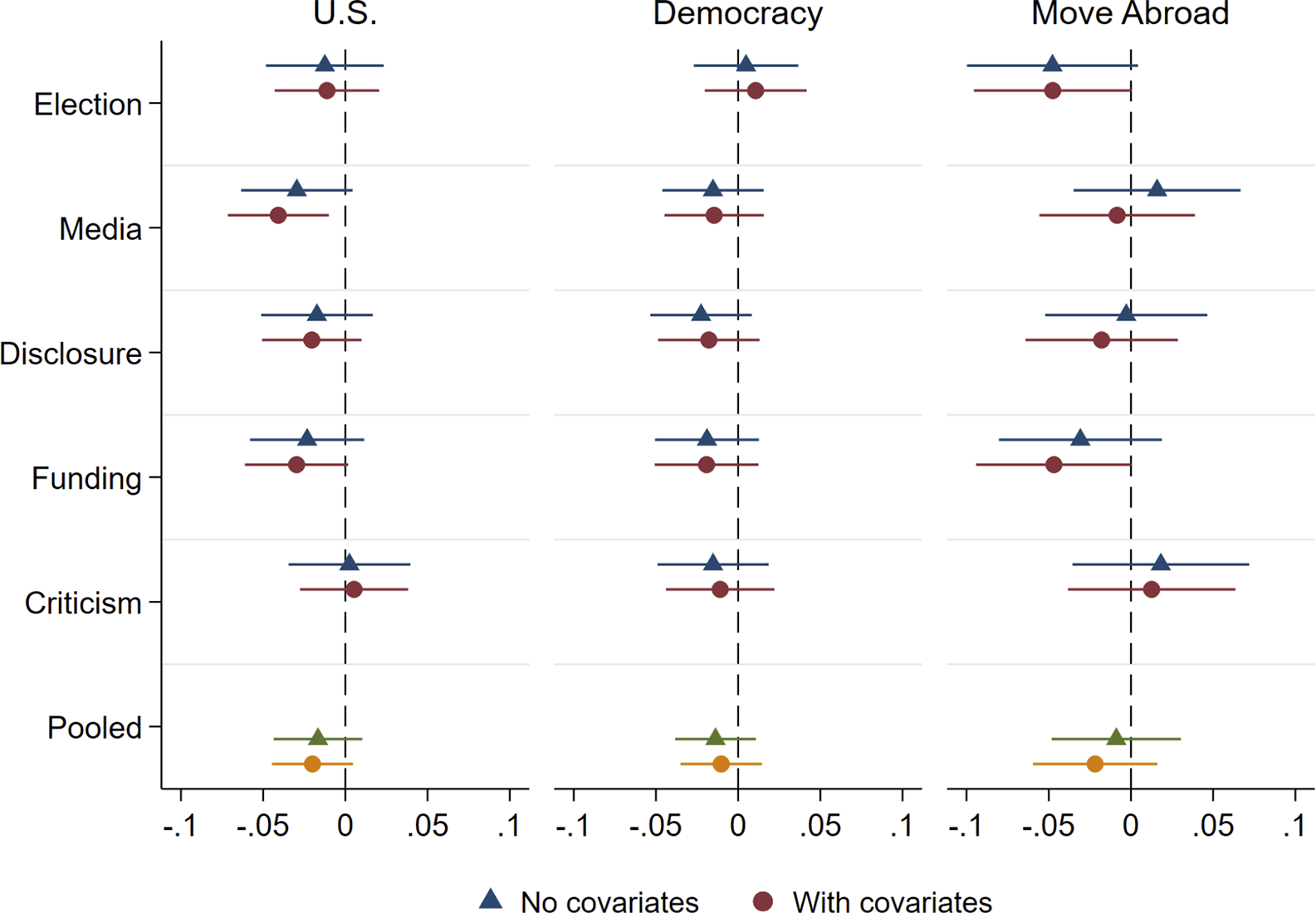
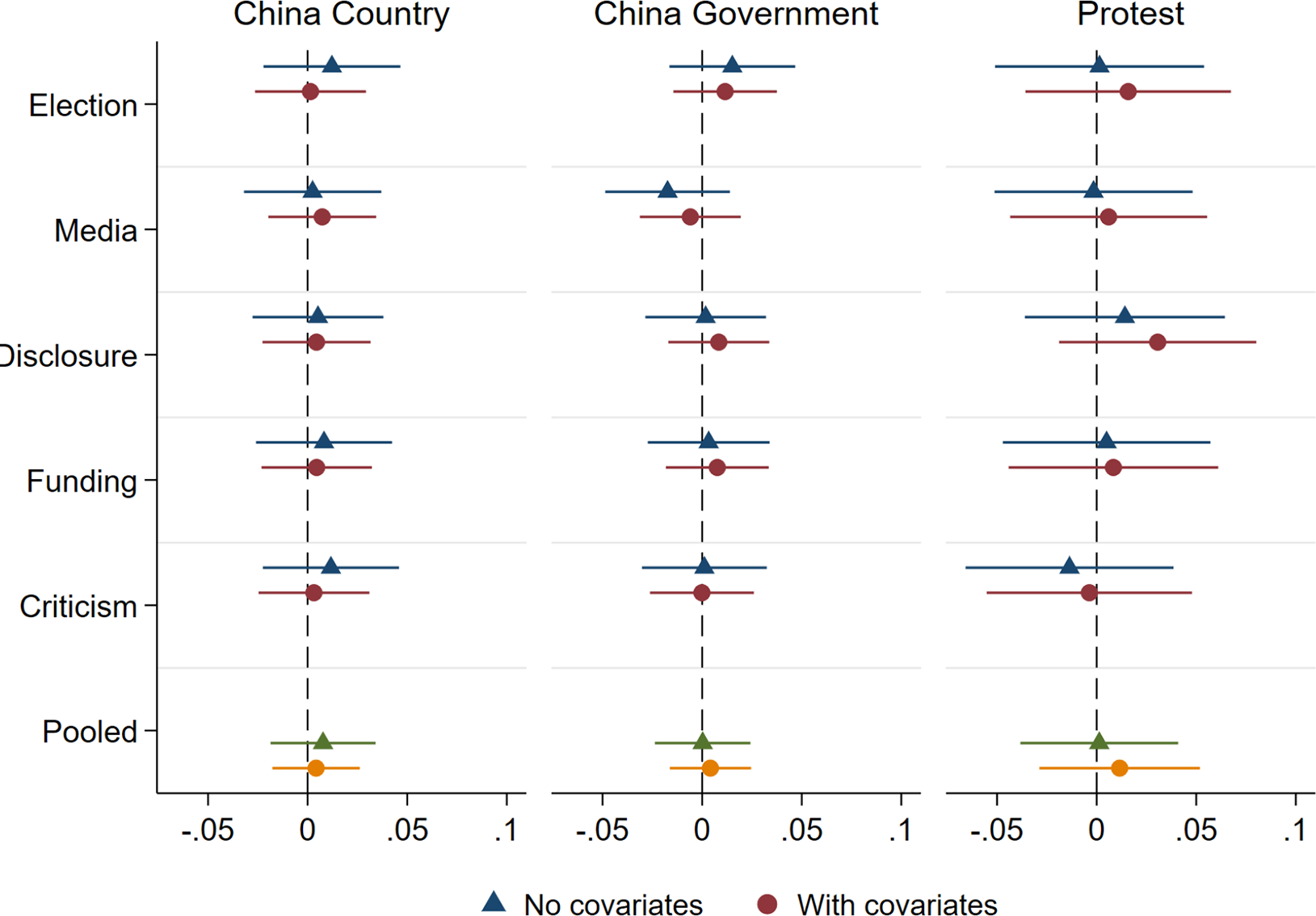
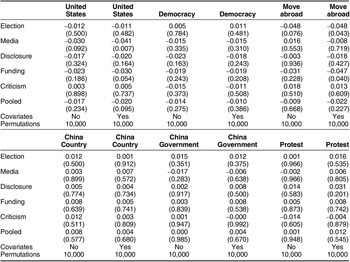
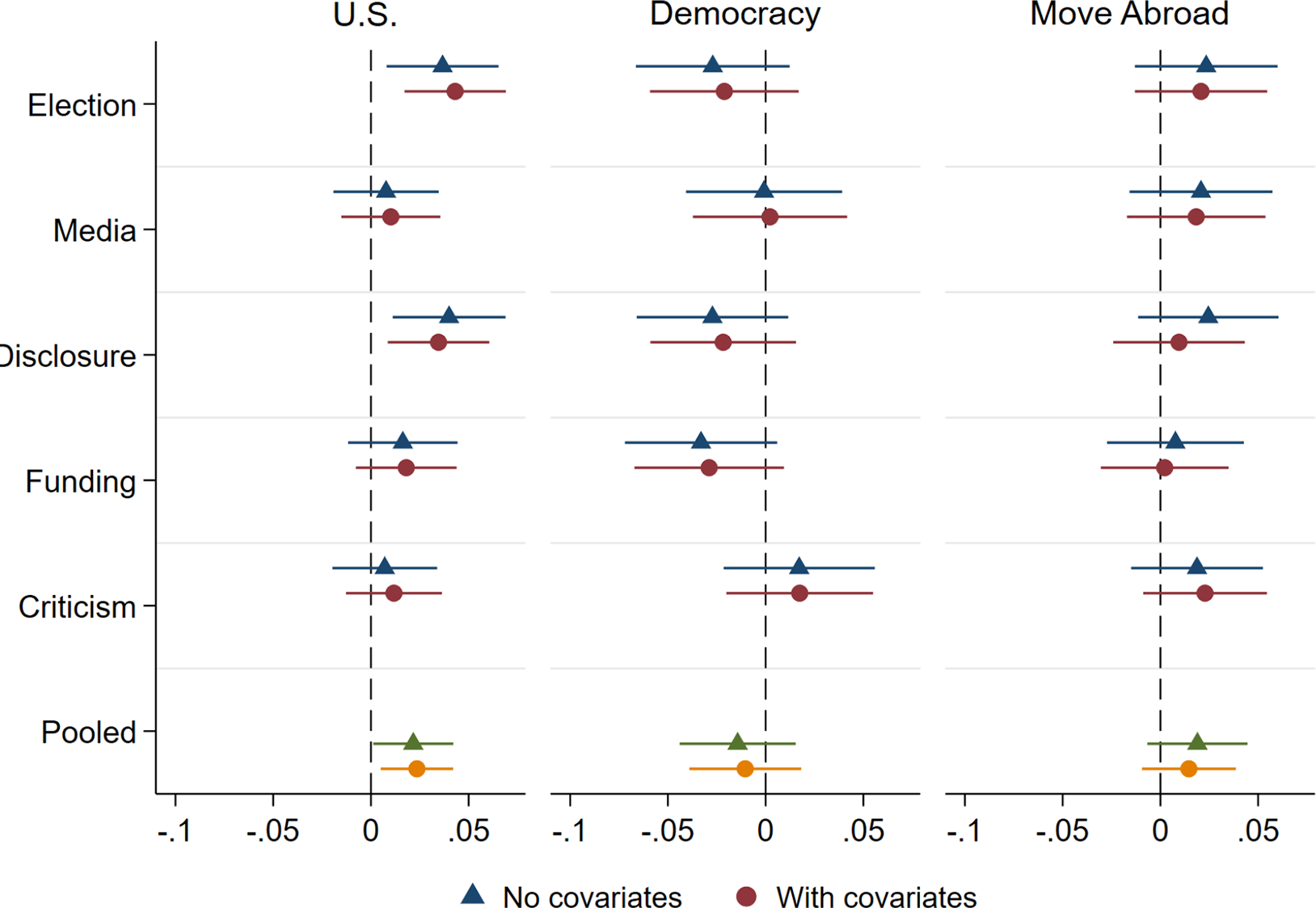
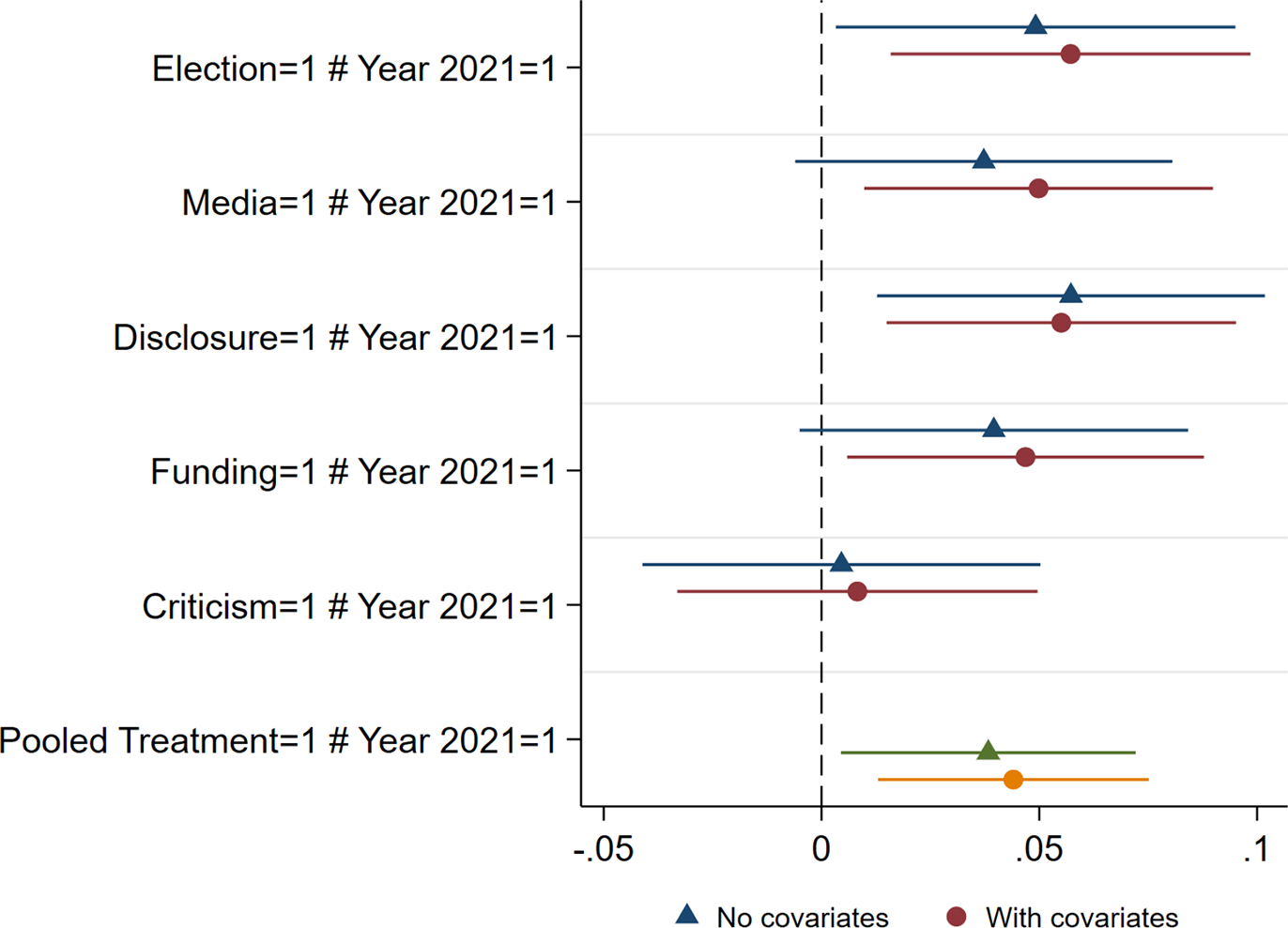
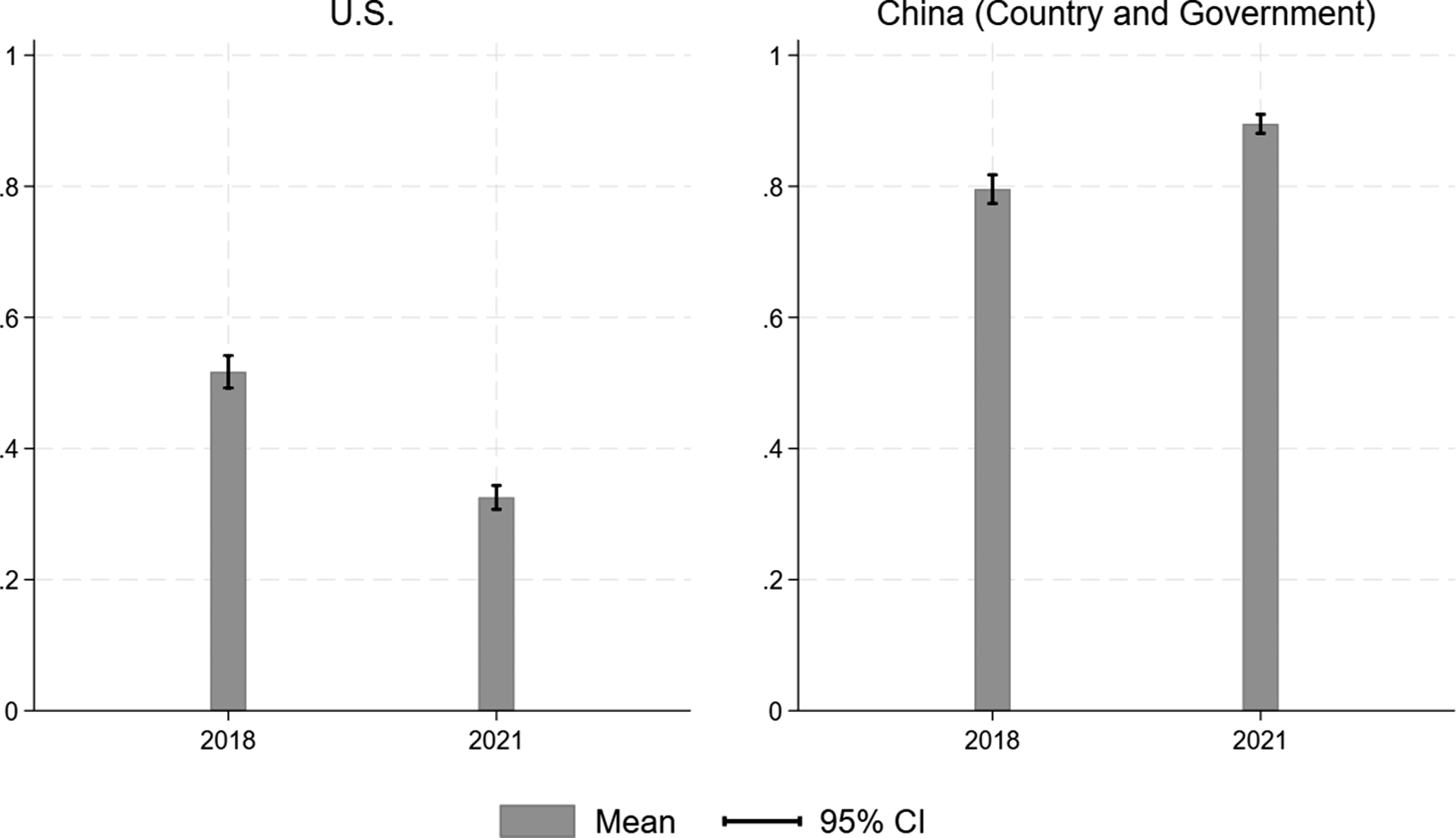
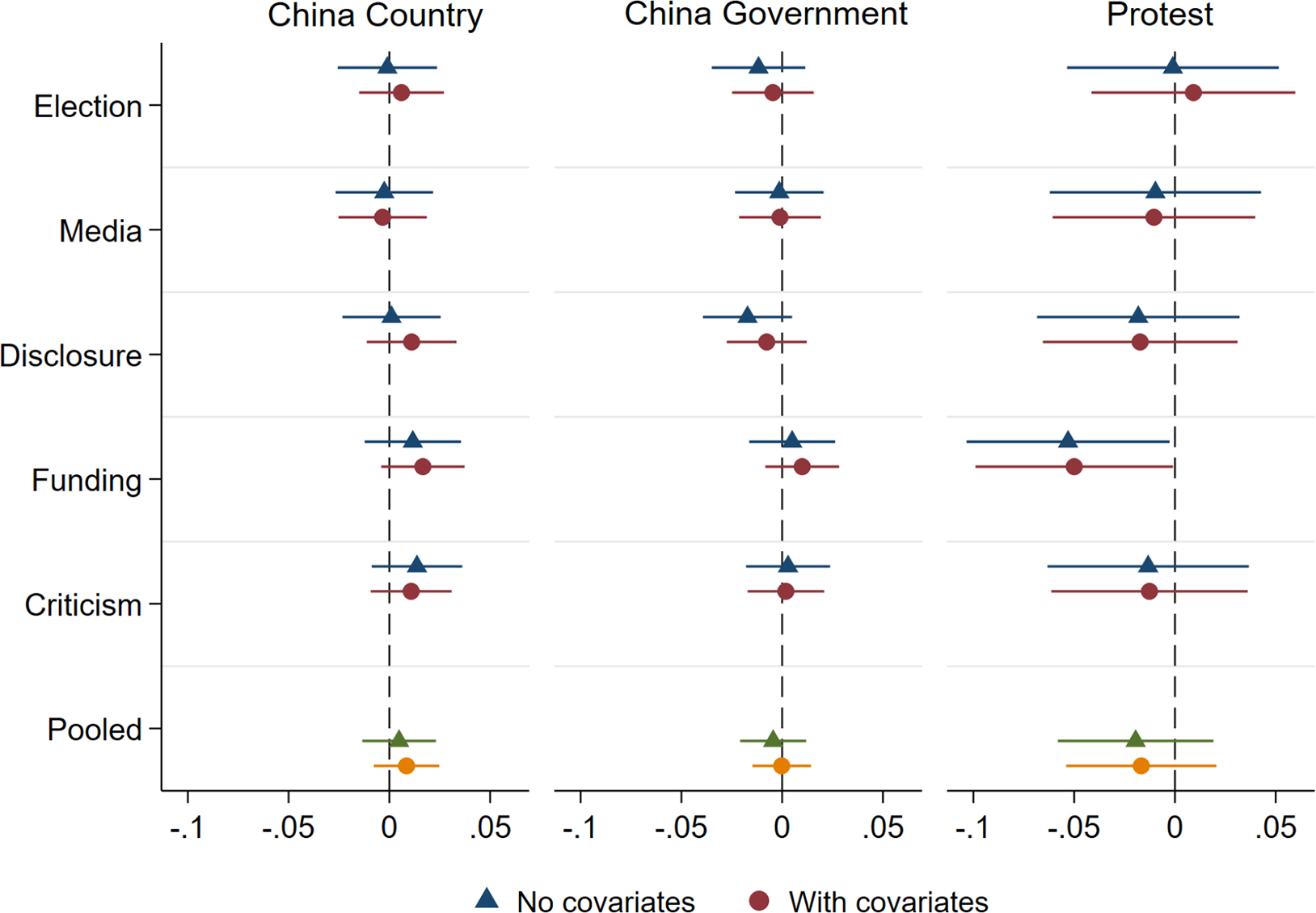
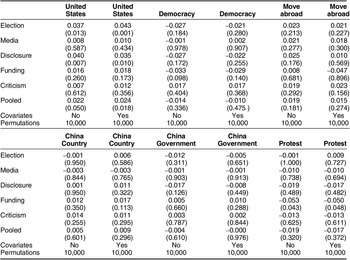


 Open access

