The dietary record (DR), which widely used in dietary surveys, requires participants to record all foods and beverages they have consumed in a specified period(Reference Shim, Oh and Kim1, Reference Thompson, Subar and Loria2). Although the DR has many advantages, recording all food items is time-consuming and requires a high level of motivation on the part of participants(Reference Shim, Oh and Kim1–Reference Matsuzaki, Michie and Kawabata3). Moreover, foods are not typically eaten as single foods but as composite dishes prepared or cooked together with other foods(Reference Bognár and Piekarski4–Reference Ishihara, Takachi and Hosoi7). Hence, it is difficult to accurately describe the types and amounts of all single food ingredients in mixed dishes, especially for people who are not involved in cooking(Reference Date, Yamaguchi and Tanaka5, Reference Imaeda, Goto and Fujiwara8). Consequently, albeit dish names are provided in a DR, the type or amount of each ingredient is not always captured, particularly for cooked foods or seasonings(Reference Imaeda, Goto and Fujiwara8).
To estimate dietary intake from mixed dishes, standard recipe databases are often used in national dietary surveys(Reference Imaeda, Goto and Fujiwara8–Reference Bodner and Perloff15). Several countries have also made continuous efforts to develop and harmonize food composition databases, including nutrient composition of mixed dishes, for epidemiological studies(Reference Bognár and Piekarski4, Reference Merchant and Dehghan16–Reference Gurinović, Milešević and Kadvan25). These databases of recipes or dish composition are essential to estimate dietary intake from mixed dishes in each country, and they have been used to support food-based dietary assessment methods, such as DR or dietary recall. In addition, dish-based FFQ have been developed recently in countries such as South Korea(Reference Kim, Kim and Lee26–Reference Park, Noh and Song29), Bangladesh(Reference Lin, Bromage and Mostofa30), Iran(Reference Keshteli, Esmaillzadeh and Rajaie31) and Sweden(Reference Christensen, Möller and Bonn6, Reference Christensen, Möller and Bonn32). Validation studies of dish-based FFQ against DR(Reference Yum and Lee28–Reference Lin, Bromage and Mostofa30, Reference Christensen, Möller and Bonn32) and doubly labelled water(Reference Christensen, Möller and Bonn6) have shown adequate ranking abilities for intakes of most foods and nutrients. However, to our knowledge, there have been a limited number of studies assessing the validity of dietary intake estimated based on information collected about individual dishes(Reference Christensen, Möller and Bonn6, Reference Yum and Lee28–Reference Lin, Bromage and Mostofa30, Reference Christensen, Möller and Bonn32).
Because cooking methods and the composition of dishes are different among countries, a dish composition database (DCD) should be developed in each country. In particular, Japanese dishes are prepared from various ingredients using different approaches and these are mixed with many seasonings(Reference Shim, Oh and Kim1, Reference Matsuzaki, Michie and Kawabata3, Reference Kobayashi, Tanaka and Toji33–Reference Kimira, Takachi and Kudo35), thus making it complicated to estimate ingredients prior to cooking(Reference Imaeda, Goto and Fujiwara8, Reference Kobayashi, Tanaka and Toji33, Reference Takachi, Kudo and Watanabe34). Although there is some information on dish composition in the Standard Table of Food Composition of Japan(36), the number of dishes is limited. To date, several previous studies have developed a DCD(Reference Takachi, Kudo and Watanabe34, Reference Kimira, Takachi and Kudo35, Reference Imai, Otsuka and Katou37, Reference Hayabuchi, Hisano and Matsunaga38) or have assessed the validity of a DCD(Reference Matsuzaki, Michie and Kawabata3, Reference Imaeda, Goto and Fujiwara8, Reference Takachi, Kudo and Watanabe34, Reference Kimira, Takachi and Kudo35, Reference Imai, Otsuka and Katou37, Reference Imai, Kato and Otsuka39, Reference Kito, Ishihara and Kimira40). Most of these studies tried to establish dish-based dietary assessment methods based on the idea that use of a DCD can reduce the burden on participants and staff in a dietary survey by omitting or standardizing the process of disaggregation of dishes into food items(Reference Matsuzaki, Michie and Kawabata3, Reference Takachi, Kudo and Watanabe34, Reference Kimira, Takachi and Kudo35, Reference Imai, Otsuka and Katou37, Reference Imai, Kato and Otsuka39, Reference Kito, Ishihara and Kimira40). However, the validity of such DCD has not been assessed(Reference Hayabuchi, Hisano and Matsunaga38), or this has been assessed only in groups consisting of mostly women(Reference Matsuzaki, Michie and Kawabata3, Reference Takachi, Kudo and Watanabe34, Reference Kimira, Takachi and Kudo35, Reference Imai, Otsuka and Katou37, Reference Imai, Kato and Otsuka39) or for only a limited number of dish items among elderly adults(Reference Imaeda, Goto and Fujiwara8); also, the sample sizes of all of these studies were small. Moreover, the validity was assessed by comparing a DR and a list of dish names recorded by participants on the same day as recording in the DR(Reference Matsuzaki, Michie and Kawabata3, Reference Kimira, Takachi and Kudo35, Reference Imai, Otsuka and Katou37, Reference Imai, Kato and Otsuka39). Because it is possible that participants recorded more accurate information about dishes that they consumed, as compared with the case that they did not maintain the DR, the validity of the DCD might be overestimated in these previous studies. Furthermore, the validated databases were developed based on a 1 d DR or a 3 d DR conducted during one season among participants in certain prefectures(Reference Takachi, Kudo and Watanabe34, Reference Kimira, Takachi and Kudo35, Reference Imai, Otsuka and Katou37). Given that dietary intake varies depending on the season(Reference Tokudome, Imaeda and Nagaya41–Reference Suga, Asakura and Sasaki43) and region(Reference Ishihara, Takachi and Hosoi7, Reference Kito, Ishihara and Kimira40, Reference Tsugane, Sasaki and Kobayashi44), these databases may not contain comprehensive information on dishes in Japan.
Hence, we developed a DCD based on data from 16 d weighed DR obtained from Japanese men and women. To assess the ability of the DCD to estimate dietary intake based on dish names, food group and nutrient intakes were calculated from a 4 d DR conducted in a different population using the DCD and the estimated values were compared with those estimated using the standard food composition database (FCD) of Japan(36). Moreover, to determine whether information on the portion size (PS) of dishes is necessary for dietary assessment using the DCD, we assessed the consequences of using reported PS of dishes instead of standard PS in the DCD on estimated intakes. We expected that a DCD would be helpful not only in supporting food-based DR, but also in developing dish-based dietary assessment methods in future.
Methods
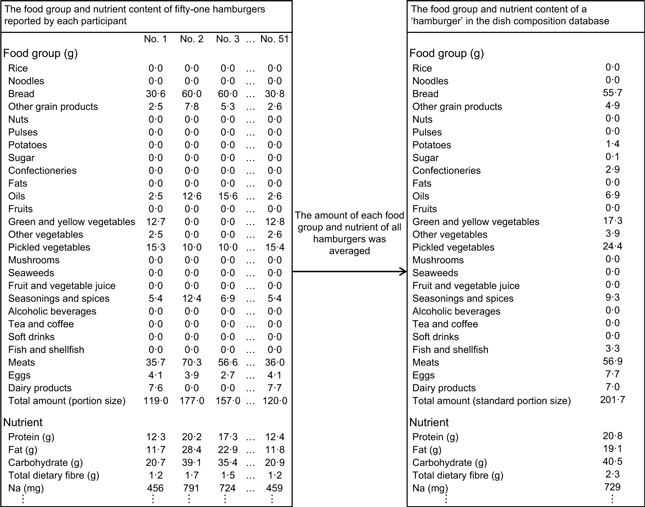
The study consisted of the two phases. First, we developed the DCD using dietary data obtained from a 16 d DR. Second, the ability of the DCD to estimate dietary intake was assessed using a 4 d DR obtained from a different population, by comparing food group and nutrient intakes estimated using the DCD with those estimated using the FCD (Fig. 1).
Study framework (DCD, dish composition database; DR, dietary record; FCD, food composition database)

Development of the dish composition database
Data source
The DCD was developed based on dietary information derived from a 16 d DR survey administered between November 2002 and September 2003 in four areas of Japan, namely Osaka (urban), Okinawa (urban island), Nagano (rural inland) and Tottori (rural costal). Details of the survey have been described elsewhere(Reference Murakami, Sasaki and Takahashi45–Reference Tani, Asakura and Sasaki47). Briefly, apparently healthy women (n 126) aged 31–69 years and their cohabitating spouses (n 126) completed a four non-consecutive-day weighed DR (three weekdays and one weekend day) during each of four seasons. Women were recruited such that each 10-year age class (30–39, 40–49, 50–59 and 60–69 years) contained eight women (without consideration of age of men). None of them was a dietitian or had received dietary therapy by a doctor or dietitian, and there was no case of history of educational admission for diabetes mellitus. The participants were asked to record and weigh all beverages and foods consumed on each recording day. Registered dietitians explained to participants how to complete the DR using both written and verbal instructions, and they provided recording sheets and a digital scale. Recording sheets were checked by trained registered dietitians in the respective local centre and then again in the study centre. The records were coded by trained dietitians at the study centre in accordance with uniform procedures using the FCD(36).
Generation process of the dish composition database
A total of 3941 d of DR were obtained from the participants. In the present study, ‘dishes’ were defined as all those recorded in the column ‘dish name’ in the DR by participants, even if the dish consisted of only one food item (i.e. milk or apple consumed alone was regarded as a dish). As a result, a total of 71 213 dishes appeared in the 16 d DR (Fig. 2). Dishes with identical names were combined, resulting in 2409 dish names. The mean food group and nutrient contents of dishes were calculated for each dish name using the FCD(36). Food groups were based mainly on the FCD and the similarity of nutrient composition or culinary use of foods (see online supplementary material, Supplemental Table 1). Dishes were aggregated into dish groups based on degree of similarity of the dish name(Reference Imaeda, Goto and Fujiwara8, Reference Kim, Kim and Lee26, Reference Takachi, Kudo and Watanabe34), main ingredient (food group with the largest proportion in all ingredients in a dish)(Reference Ishihara, Takachi and Hosoi7, Reference Kim, Kim and Lee26, Reference Park, Kim and Kim27, Reference Takachi, Kudo and Watanabe34, Reference Imai, Otsuka and Katou37, Reference Hisano, Hayabuchi and Matsunaga48), cooking method (raw, mixed, boiled, steamed, stewed, grilled, stir-fried and deep-fried)(Reference Date, Yamaguchi and Tanaka5, Reference Kim, Kim and Lee26, Reference Takachi, Kudo and Watanabe34, Reference Imai, Otsuka and Katou37, Reference Tsugane, Sasaki and Kobayashi44, Reference Gabriel, Ninomiya and Uneyama49), and energy and nutrient contents per portion (protein, fat and carbohydrate)(Reference Date, Yamaguchi and Tanaka5, Reference Kim, Kim and Lee26, Reference Hisano, Hayabuchi and Matsunaga48). Dishes with low frequencies of consumption were integrated with those having high occurrence frequencies (≥20 times) when possible. Dishes that could not be classified into a specific dish group due to a lack of the information necessary for classification were categorized as dish groups about which details are unknown. For example, grilled fish dishes were categorized based on the type of fish; however, if the type of fish was not written in the dish name, it was categorized as ‘grilled fish (details unknown)’. This process yielded 383 dish groups.
We then reviewed the classification of dishes, as follows. First, the mean food group and nutrient contents of each dish group were calculated. Next, food groups accounting for 5 % or more of the total weight of each dish group were identified. If there were any unusual ingredients or excessively high or low nutrient contents for a dish group, we reviewed dishes classified in that dish group and reclassified them if necessary. Furthermore, some dish groups that could be further combined based on their similarity with other groups were aggregated. After this process, all dishes were categorized into a total of 371 dish groups.
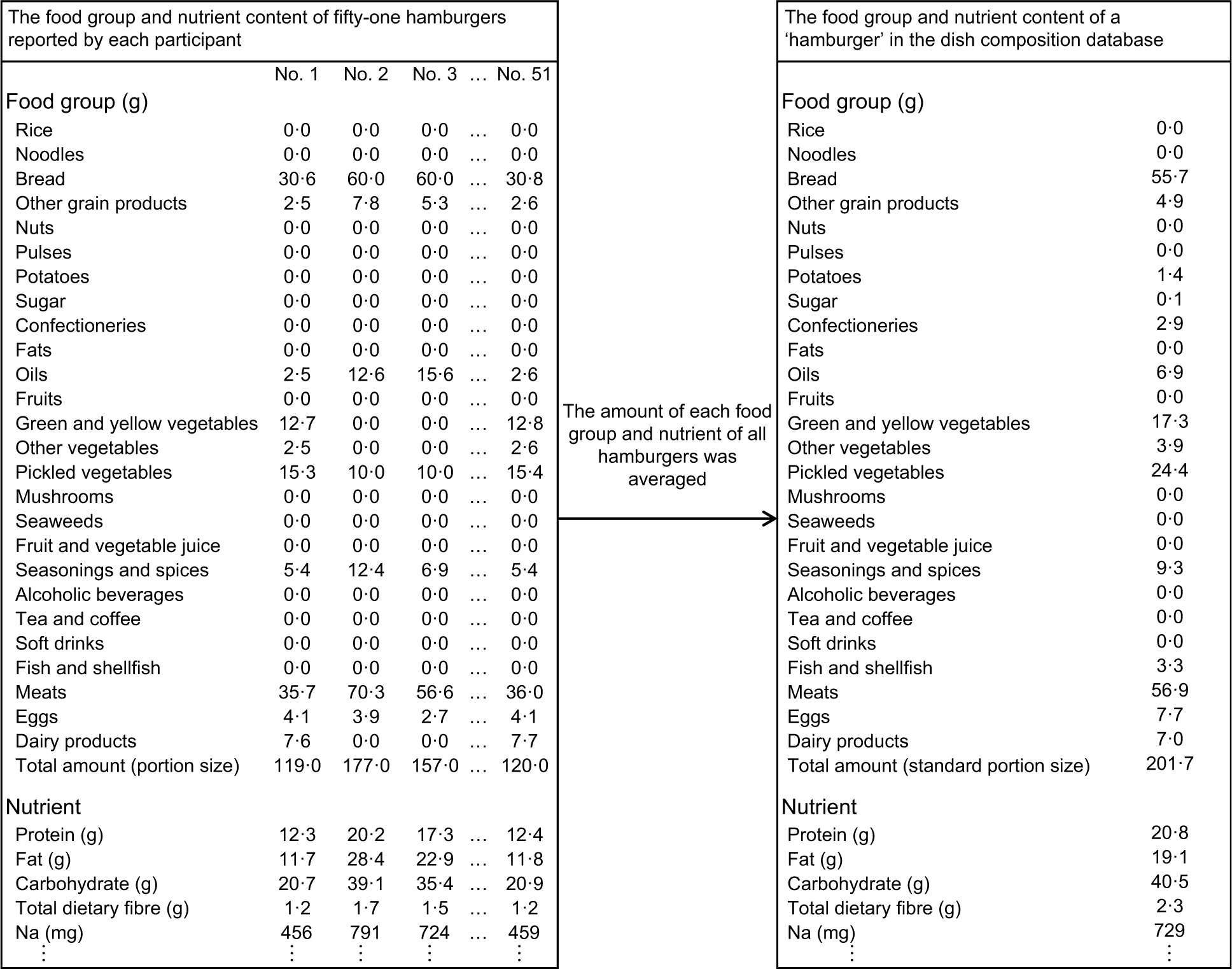
Each dish group was given a dish name and dish code (i.e. minor code). To assess the ability of the DCD to estimate dietary intake according to the aggregation level of dishes, the 371 types of dishes were further aggregated based on their similarities, and each dish was assigned another dish code (major code). For instance, the minor codes ‘potato croquette’ and ‘cream croquette’ were aggregated into the major code ‘croquette’ (see online supplementary material, Supplemental Table 2). This process yielded 128 major codes. We calculated the mean of weight, food group and nutrient content of individual dishes assigned to each coded dish for the minor and major codes in the DCD (Fig. 3). In the DCD, the mean of weight of dishes categorized into the same dish code was regarded as a standard PS of that dish. For example, for a major code ‘hamburger’, we obtained fifty-one recipes from the DR. Therefore, the standard PS of a major code ‘hamburger’ in the DCD was calculated as the mean of weight of these fifty-one hamburgers.
Flowchart for the aggregation process of dishes from the 16 d dietary record conducted among 252 Japanese adults between 2002 and 2003

Example of calculation process of the standard portion size and food group and nutrient contents in the dish composition database, with ‘hamburger’ as an example of a major code
Simulated validation of the dish composition database
Data source
The simulated validation of the DCD was assessed using dietary intake information derived from a 4 d DR conducted in February and March 2013 in twenty study areas consisting of twenty-three prefectures (including Osaka and Okinawa but not Nagano or Tottori). Details of the survey have been described elsewhere(Reference Asakura, Uechi and Sasaki50). Briefly, the study targeted apparently healthy men and women aged 20–69 years working in welfare facilities in each area. Each of the twenty areas included four apparently healthy adults (two men and two women) from each of five 10-year age groups. One individual per household was permitted to participate in the survey. None of the participants was a dietitian, had received dietary therapy by a doctor or dietitian, or had history of educational admission for diabetes mellitus. In total, 196 men and 196 women completed a weighed DR for four non-consecutive days (three working days and one non-working day). The participants were asked to record all foods and drinks they consumed on each recording day. Research dietitians explained how to record foods and drinks and asked participants to weigh them with a provided digital scale or measuring spoon and cup. The main recorded items on the DR sheets were dish names, names of foods (including beverages and any ingredients in dishes), and approximate amounts or measured weights of foods and dishes consumed. Recording sheets were checked by research dietitians and two other research dietitians at the central office of the study.
Assignment of food codes to foods in the 4 d dietary records using the food composition database
A total of 1568 d of the DR were obtained from participants. The coding of records using the FCD(36) was performed by the two research dietitians at the study centre in accordance with uniform procedures. Each item recorded in the column of names of foods (91 045 items) was assigned a food code in the FCD. The FCD has a total of 1878 food codes, whereas only sixteen items (0·9 %) of those are prepared foods such as frozen croquettes. Hence, almost all recorded items were coded by a food code consisting of single food items.
Assignment of dish codes to dishes in the 4 d dietary records using the dish composition database
The coding of the DR using the DCD was performed by a registered dietitian not involved in the coding using the FCD. Each item appearing in the column of dish names in the 4 d DR (26 642 dishes consisting of 9727 dish names) was categorized using a minor code in the DCD, based on its name(Reference Kimira, Takachi and Kudo35). If there was any special supplementary information on a dish (e.g. name of the brand or manufacturer), it was also used for categorizing the dish. If there was no corresponding dish name in the DCD, we assigned a code of a dish that was similar in its ingredients, type of dish or cooking method included in the dish name. A major code in the DCD was also assigned to each dish based on its corresponding minor code.
Statistical analysis
Age, BMI and energy intake were compared between participants completing the 16 d and 4 d DR, using a two-sample t test. Daily intakes of food groups, energy and nutrients were calculated using the FCD as well as using both the major and minor codes of the DCD. The food groups used in the analysis were the same as those used in development of the DCD. In the calculation of dietary intake using the DCD, the amount consumed of a dish was replaced by the standard PS according to major or minor code in the DCD. To investigate the effect of using the PS of dishes reported by participants instead of the standard PS in estimating dietary intake, dietary intakes from the DCD adjusted by the reported PS of each dish in the DR were also computed. The values were calculated as follows: estimated food group or nutrient intake from a dish adjusted by reported PS = food group or nutrient content in the dish in the DCD (g) × reported PS of the dish in the DR (g)/standard PS of the dish in the DCD (g).
We performed simulated validation of food group and nutrient intakes estimated by the DCD, in comparison with those estimated by the FCD. The ability of the DCD to estimate median intake was evaluated using the Wilcoxon signed-rank test and ranking ability was evaluated using Spearman correlation coefficients. For food groups, energy and macronutrients, a Bland–Altman plot was used to assess the agreement for estimated values between the DCD and the FCD(Reference Bland and Altman51). Additionally, we examined differences in the ability to estimate and rank dietary intakes between the methods using major codes and minor codes, and standard PS and reported PS. The ability to estimate median dietary intake was assessed by comparing the median percentage differences in median intake for each food group or nutrient estimated by the DCD from that estimated by the FCD, using the Wilcoxon signed-rank test. The median correlation coefficients were also compared using the Wilcoxon signed-rank test. Although the DCD was developed without regard for sex, statistical analyses were conducted for men and women separately, using the statistical software package SAS version 9.4. We analysed dietary intakes using both crude values (amount per day) and energy-adjusted values based on the density method (percentage of energy for energy-providing nutrients and amount per 4184 kJ energy for food groups and other nutrients). Because similar associations with the FCD were observed for both calculations, only results for crude values are presented. Two-sided P < 0·05 was considered statistically significant.
Results
Table 1 shows basic characteristics of the participants completing the 16 d DR used for developing the DCD and of participants completing the 4 d DR used for assessing the simulated validation. Mean age was higher in participants completing the 16 d DR than in those completing the 4 d DR in both sexes. Mean BMI and energy intake were not different in either sex.
Basic characteristics of the participants in each study

DCD, dish composition database.
* P < 0·05 compared with the corresponding value for each sex of participants completing the dietary records (DR) used for development of the DCD (two-sample t test).
† Measured without shoes to the nearest 0·1 cm. n 123 for each sex due to missing values.
‡ Measured in light clothing to the nearest 0·1 kg. n 123 for men and n 122 for women due to missing values.
§ Calculated by dividing body weight (kilograms) by the square of body height (metres). n 123 for men and n 122 for women due to missing values.
║ Calculated from 16 d DR for development of the DCD and 4 d DR for simulated validation of the DCD, both using the Standard Table of Food Composition in Japan(36).
Table 2 shows food group intakes estimated based on major codes of the DCD and those estimated based on the FCD. For median intakes of twenty-six food groups, the number of food groups that differed significantly between the DCD and the FCD was similar between standard PS and reported PS in both sexes, ranging from seventeen to twenty (65–77 %). More than half of these values were considered overestimation rather than underestimation. In men, food group intakes were underestimated more often using standard PS than using reported PS. The median percentage differences in food group intakes did not differ between standard PS and reported PS in either sex (range: 15·3–17·2 %).
Comparison of food group intakes estimated based on the food composition database (FCD) and those estimated based on the dish composition database (DCD), with use of standard portion size data or reported portion size data

P25, 25th percentile; P75, 75th percentile.
† Food group intake estimated using the DCD for 128 kinds of dishes developed from 16 d dietary records in 126 men and 126 women.
‡ Food group intake estimated from each food using the Standard Table of Food Composition in Japan(36).
§ Food group intake estimated using the weight of each dish in the DCD.
║ Estimated food group intake calculated by adjusting weight of a food group of a dish in the DCD by reported portion size of the dish in the dietary records. The calculation method was as follows: estimated food group intake from a dish adjusted by reported portion size = weight of a food group in the dish in the DCD (g) × reported portion size of the dish in the dietary records (g)/standard portion size of the dish in the DCD (g).
¶ The difference compared with values derived from the FCD was tested using the Wilcoxon signed-rank test.
Energy and nutrient intakes estimated by the FCD and major codes of the DCD are shown in Table 3. Energy intake was overestimated by the DCD but was underestimated only when the standard PS was used for men. Regarding median intakes of forty-two nutrients estimated using standard PS of the DCD, the number of nutrients that differed significantly between the FCD and the DCD was twenty-eight (67 %) and twenty-one (50 %) in men and women, respectively. For intakes estimated from reported PS, the respective numbers were thirty-seven (88 %) and thirty-five (83 %). More than 90 % of the differed values were considered overestimation when standard PS was used in women or reported PS was used in men or women, whereas underestimation by DCD was observed more often (79 %) when standard PS was used in men. The median percentage difference in nutrient intakes (including energy) was larger in reported PS (8·0 %) than in standard PS (6·5 %) in men (P = 0·02).
Comparison of energy and nutrient intakes estimated based on the food composition database (FCD) and those estimated based on the dish composition database (DCD), with use of standard portion size data or reported portion size data

P25, 25th percentile; P75, 75th percentile.
† Nutrient intake estimated using the DCD for 128 kinds of dishes developed from 16 d dietary records in 126 men and 126 women.
‡ Nutrient intake estimated using the Standard Table of Food Composition in Japan(36).
§ Nutrient intake estimated using the weight of each dish in the DCD.
║ Estimated nutrient intake calculated by adjusting nutrient content of a dish in the DCD by reported portion size of the dish in the dietary records. The calculation method was as follows: estimated nutrient intake from a dish adjusted by reported portion size = nutrient content of the dish in the DCD (g) × reported portion size of the dish in the dietary records (g)/standard portion size of the dish in the DCD (g).
¶ The difference compared with values derived from the FCD was tested using the Wilcoxon signed-rank test.
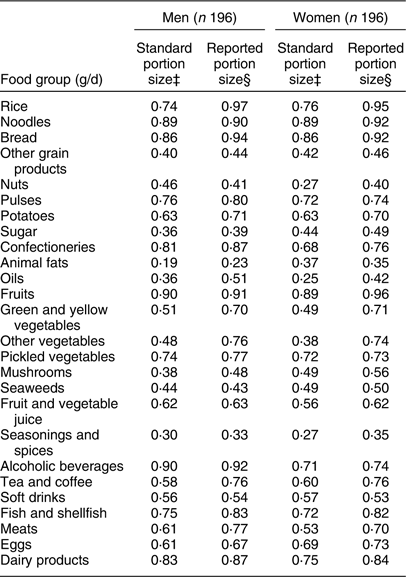
Spearman correlation coefficients for estimates of food group intakes in the FCD v. the major codes of the DCD are shown in Table 4. In both sexes, correlation coefficients for standard PS were ≥0·7 for rice, noodles, bread, pulses, fruits, pickled vegetables, alcoholic beverages, fish and shellfish, and dairy products, and <0·4 for animal fats, oils, and seasoning and spices. The median correlation coefficients between the two methods were 0·61 (range: 0·19–0·90) and 0·58 (range: 0·25–0·89) in men and women, respectively. The use of reported PS provided higher median correlation coefficients (0·73, range: 0·23–0·97 in men; 0·72, range: 0·35–0·96 in women) than use of standard PS.
Spearman correlation coefficients between food group intakes estimated based on the food composition database and those estimated based on the dish composition database (DCD)†, with use of standard portion size data or reported portion size data
† DCD for 128 kinds of dishes developed from 16 d dietary records in 126 men and 126 women.
‡ Food group intake estimated using the weight of each dish in the DCD.
§ Estimated food group intake calculated by adjusting weight of a food group of a dish in the DCD by reported portion size of the dish in the dietary records. The calculation method was as follows: estimated food group intake from a dish adjusted by reported portion size = weight of a food group in the dish in the DCD (g) × reported portion size of the dish in the dietary records (g)/standard portion size of the dish in the DCD (g).
Spearman correlation coefficients for estimates of energy and nutrient intakes in the FCD v. the major codes of the DCD are shown in Table 5. For standard PS, the median correlation coefficients were 0·60 (range: 0·25–0·90) and 0·53 (range: 0·15–0·74) in men and women, respectively. For reported PS, the respective values were 0·75 (range: 0·26–0·93) and 0·74 (range: 0·19–0·90), which were higher than the median correlation coefficients for standard PS (P < 0·0001 for both).
Spearman correlation coefficients between energy and nutrient intakes estimated based on the food composition database and those estimated based on the dish composition database (DCD)†, with use of standard portion size data or reported portion size data

† DCD for 128 kinds of dishes developed from 16 d dietary records in 126 men and 126 women.
‡ Nutrient intake estimated using the weight of each dish in the DCD.
§ Estimated nutrient intake calculated by adjusting nutrient content of a dish in the DCD by reported portion size in the dietary records. The calculation method was as follows: estimated nutrient intake from a dish adjusted by reported portion size = nutrient content of the dish in the DCD (g) × reported portion size of the dish in the dietary records (g)/standard portion size of the dish in the DCD (g).
Bland–Altman plots were used to assess the agreement between the FCD and DCD with reported PS for intakes of selected foods, energy and macronutrients. In both men (Fig. 4) and women (online supplementary material, Supplemental Fig. 1), there was moderate agreement at the group level whereas agreement at the individual level was somewhat poor.
Bland–Altman plot assessing the agreement between the food composition database (FCD) and the dish composition database (DCD) with reported portion size for intakes of (a) rice, (b) oils, (c) fruits, (d) fish, (e) energy, (f) protein, (g) fat and (h) carbohydrate in Japanese men (n 196). ——— represents the mean difference and – · – · – represent the lower and upper 95 % limits of agreement

The results for minor codes of the DCD are presented in the online supplementary material, Supplemental Tables 3–6. The numbers of food groups and nutrients (including energy) that differed significantly from the FCD were similar to those for major codes. The median percentage differences for food group intakes did not differ between minor codes and major codes, except when standard PS was used in women (17·2 % for minor codes, 17·1 % for major codes, P = 0·0497). The median percentage differences for energy and nutrient intakes were, when reported PS was used, larger in major codes than minor codes in men (8·0 v. 7·6 %, P = 0·03), while larger in minor codes than major codes in women (7·8 v. 8·3 %, P = 0·02). The median correlation coefficients for food group intakes and those for energy and nutrient intakes were higher in minor codes than major codes, for both standard PS and reported PS, and in both sexes. For standard PS, the median correlation coefficients for food group intakes and energy and nutrient intakes were 0·65 (range: 0·26–0·90) and 0·65 (range: 0·46–0·90) in men, respectively, and 0·67 (range: 0·28–0·90) and 0·55 (range: 0·27–0·82) in women, respectively. The respective values for reported PS were 0·77 (range: 0·32–0·97) and 0·77 (range: 0·53–0·94) in men and 0·76 (range: 0·33–0·96) and 0·76 (range: 0·43–0·90) in women, each of which was higher than the corresponding values for standard PS.
Discussion
To our knowledge, the present study is the first to develop a DCD and assess its ability to estimate food group and nutrient intakes using different dietary data in a reasonably large sample of Japanese men and women. Although median intakes of many food groups and nutrients were significantly different between the DCD and the FCD, the median correlation coefficients were moderate for both food groups and nutrients. These results show that the DCD developed in the present study had acceptable ranking ability for intakes of many food groups and nutrients.
Our results are consistent with those of previous studies showing that representative values (mean or median) of the intakes of many food groups and nutrients were different between the DCD and FCD(Reference Matsuzaki, Michie and Kawabata3, Reference Takachi, Kudo and Watanabe34, Reference Imai, Otsuka and Katou37, Reference Imai, Kato and Otsuka39, Reference Kito, Ishihara and Kimira40). The application of the DCD to a DR can lead to measurement error by diluting detailed information on specific foods. This error becomes larger if the PS or composition of each dish differs markedly between dietary data used for the development of a DCD and those used for assessment of applicability of the DCD. It has been suggested that PS and dish composition vary according to between-individual factors such as age, sex and geographic region and also vary within the same dish consumed by the same individual(Reference Ishihara, Takachi and Hosoi7, Reference Kito, Ishihara and Kimira40, Reference Wakimoto and Block52). In the present study, the mean age of participants for the 16 d DR was higher than those for the 4 d DR. Furthermore, two surveys were conducted in different areas, seasons and years. These differences could cause measurement error of the DCD. We calculated food group and nutrient intakes using reported PS of the 4 d DR to examine whether the use of reported PS improves the ability of the DCD to estimate dietary intakes. However, this did not reduce either the number of the food groups and nutrients in which median intakes were different between the DCD and the FCD or the median percentage difference. This suggests that there were differences in dish composition between the 16 d and 4 d DR, which would be a major factor affecting the performance of the DCD. In addition, the process of applying dish codes of the DCD to each dish can be problematic. Dish codes were assigned on the basis of dish names recorded in the DR. Hence, if an inaccurate dish name was written in the DR, an incorrect dish code was assigned and dietary intake from the dish was incorrectly estimated.
Food group and nutrient intakes were often underestimated when standard PS was used in men. Because the DCD was developed for men and women combined, standard PS reflects the PS for both men and women. This may result in underestimation of food group and nutrient intakes in men because women generally eat smaller amounts of food than men. Nevertheless, we did not separate men and women during development of the DCD, based on the fact that the reliability of dietary intake estimation using the DCD would be higher with a greater number of different types of dishes constituting the DCD(Reference Takachi, Kudo and Watanabe34). Additionally, to our knowledge, there has been no DCD developed for men and women separately. However, sex differences should be taken into consideration when interpreting food group and nutrient intakes estimated using the DCD.
Despite poor agreement at individual level, the DCD showed acceptable ranking ability for food groups, energy and nutrients. The median correlation coefficients with the FCD for food groups, energy and nutrients were within the ranges reported in previous studies (0·54–0·92 for food groups(Reference Takachi, Kudo and Watanabe34, Reference Kimira, Takachi and Kudo35, Reference Imai, Otsuka and Katou37, Reference Imai, Kato and Otsuka39, Reference Kito, Ishihara and Kimira40) and 0·50–0·81 for energy and nutrients(Reference Matsuzaki, Michie and Kawabata3, Reference Takachi, Kudo and Watanabe34, Reference Kimira, Takachi and Kudo35, Reference Imai, Otsuka and Katou37, Reference Imai, Kato and Otsuka39, Reference Kito, Ishihara and Kimira40)). The correlation coefficient was relatively high (≥0·7) for food groups generally eaten in large portions such as staple foods (rice, noodles, bread), those eaten as main ingredients in Japan (pulses, fish and shellfish), or those eaten as a single food (fruits, pickled vegetables, alcoholic beverages and dairy products). Meanwhile, the correlation coefficient was low (<0·4) for food groups consumed in small portions or that are ‘integrated’ within a dish such as animal fats, oils, and seasoning and spices. These food groups with high correlation or with low correlation are similar to those in previous studies(Reference Takachi, Kudo and Watanabe34, Reference Kimira, Takachi and Kudo35, Reference Imai, Otsuka and Katou37, Reference Imai, Kato and Otsuka39, Reference Kito, Ishihara and Kimira40). It has also been reported that foods used in relatively large amounts in a dish were likely to be reflected in the dish name and had high correlation(Reference Takachi, Kudo and Watanabe34). In addition, it has also been suggested that between-individual variation in intake is large for foods or beverages such as yoghurt, fruits, natto (fermented soyabeans), and tea and coffee(Reference Ishihara, Takachi and Hosoi7). On the other hand, between-individual variation has been reported to be small for animal fats, oils, and seasoning and spices(Reference Ishihara, Takachi and Hosoi7), which can lead to low correlation coefficients. Nutrients with correlation coefficients of about 0·7 or above for both sexes in the present study had high correlation coefficients for those food sources; for example, EPA and DHA for fish, and alcohol for alcoholic beverages.
We compared the results on reported PS and standard PS, and major codes and minor codes. As mentioned above, the use of reported PS did not improve the estimation ability of median intake of the DCD; however, the correlation coefficients were improved between the DCD and FCD for both food groups and nutrients. This indicates that if the PS of dishes is reported by participants in addition to a dish name, the DCD can rank individuals more accurately with respect to food group and nutrient intakes. When comparing major codes and minor codes, there was no great difference in estimation of median intakes of food groups, energy and nutrients, indicating that the level of aggregation of dishes in the present study did not profoundly affect the ability of the DCD to estimate median intakes. However, compared with major codes, minor codes ranked food group and nutrient intakes well, suggesting that detailed classification of dishes in the DCD may be effective to improve the ranking ability of the DCD. Nevertheless, the difference in correlation coefficients between minor codes and major codes was small. Given that the benefits of dish-based dietary assessment methods include reducing the burden on participants and staff involved in dietary surveys(Reference Imaeda, Goto and Fujiwara8, Reference Takachi, Kudo and Watanabe34, Reference Kimira, Takachi and Kudo35, Reference Kito, Ishihara and Kimira40), the use of minor codes may not always be required.
Several limitations of the present study should be acknowledged. First, the comparison of the DCD and the FCD is not exactly an appropriate evaluation of the validity of the DCD because estimation using the DCD and the FCD were conducted based on the same DR. Although this method would minimize errors regarding inaccurate recording and selection of dishes, the concordance between the intakes estimated by the DCD and by the FCD is likely overestimated. Ideally, the validity of the DCD should be assessed by comparison of results of a dish-based dietary assessment with values estimated from objective measures of dietary intake (e.g. biomarkers or duplicated methods). However, since these methods are expensive and few validation studies of DCD have been previously conducted, we conducted the present study as the initial step towards development of a dish-based dietary assessment method in Japanese people. Despite the limitation of study design, the estimated intakes of the DCD were moderately correlated with those of the FCD, thus the DCD may be useful in the practical assessment of food group and nutrient intakes. Nevertheless, a stricter evaluation of validity is required to examine the ability of the DCD to estimate dietary intake in the future. Second, the dietary survey for developing DCD was conducted in four seasons, whereas that for simulated validation was conducted in one season. Although the DCD developed reflecting seasonal variation in dietary habits(Reference Tokudome, Imaeda and Nagaya41–Reference Suga, Asakura and Sasaki43) is a strength of the current study, the difference in seasons between two dietary surveys might affect the results of validation. Hence, the validation of the DCD in other seasons should be confirmed in future studies. Third, the 16 d DR was obtained from cohabiting couples (with the percentage of single foods eaten at home: 77 %), which might reduce between-individual variation of dishes. However, the number of dishes used for development of the DCD in the present study (71 213) was larger than those in previous studies (4814(Reference Takachi, Kudo and Watanabe34), 10 533(Reference Kimira, Takachi and Kudo35), 42 508(Reference Hayabuchi, Hisano and Matsunaga38) and 67 532(Reference Imai, Otsuka and Katou37)). Fourth, the participants were not randomly selected and thus may not be representative of the general Japanese population. Participants were volunteers who were considered to be more health conscious than the general population. Nevertheless, the weight and height of our participants were similar to those of the general population in Japan(53). Finally, dish classification can be subjective, as no standardized protocol has been available. Subjectivity also exists in how participants named each dish. Furthermore, beyond the scope of the study, we did not examine whether the performance of the DCD is dependent on individual characteristics such as education, age and obesity (because of sample size limitations). Increasing sample size and evaluating the effect of participant characteristics on dish composition should be considered in future.
Conclusion
In conclusion, we developed a DCD and assessed its ability to estimate food group and nutrient intakes. Whereas it is difficult to accurately estimate dietary intake using the DCD developed in the present study, it has acceptable ranking ability for intakes of many food groups and nutrients commonly consumed in Japan. The DCD may be useful for future dietary surveys not only to rank individuals, but also to characterize dietary patterns of populations, because mixed dishes represent combination of foods and cooking methods. However, consideration should be given to issues concerning study design and further investigations are needed to establish a dish-based dietary assessment method.
Acknowledgements
Acknowledgements: The authors are grateful to all participants and local staff for their participation in this study. They also thank N. Hirota, A. Notsu, A. Miura, M. Fukui, H. Todoriki and C. Date for data collection. Financial support: This study was funded by a Health and Labour Sciences Research Grant (number H23-jyunkankitou (seishuu)-ippan-001) and H13 Health Sciences Research Grant (Kenkou-kagakusougoukenkyujigyou) from the Ministry of Health, Labour and Welfare, Japan. The Ministry of Health, Labour and Welfare had no role in the design, analysis or writing of this article. Conflict of interest: None of the authors has any conflict of interest to declare. Authorship: N.S. contributed to conceptualization of the research, developed the dish composition database, performed the statistical analysis, wrote the first draft of the manuscript and prepared the revised version of the manuscript. K.M. contributed to conceptualization of the research, provided critical input to the final draft of the manuscript and contributed to the preparation of the revised version of the manuscript. S.M. contributed to data collection. S.S. directed the survey and contributed to data collection. All authors read and approved the final manuscript. Ethics of human subject participation: The study purpose and protocol were explained before the study and written informed consent was obtained from each participant. Use of data on the 16 d dietary record survey and the study protocol of the 4 d dietary record were approved by the Ethics Committee at the University of Tokyo, Faculty of Medicine (numbers 3421 and 10005, respectively).
Supplementary material
To view supplementary material for this article, please visit https://doi.org/10.1017/S1368980019000600
Author ORCID
Satoshi Sasaki, 0000-0002-8998-5066.