

Introduction
Within Turkey's dwindling Greek Orthodox population, there is a sub-group that has attracted relatively little attention in relation to its rich history. The Arabic-speaking Greek Orthodox community (cemaat or jama'a)Footnote 1 of the Hatay (Antakya) province,Footnote 2 on Turkey's southern border with Syria has inhabited one of the most historic regions of the Levant, where Antioch, one of the greatest cities of the ancient and medieval era once thrived. Known in the interwar years as the Sanjak of Alexandretta (Iskenderun), this province remained outside the borders of Turkey and within French-mandate Syria when the Greek-Turkish mandatory population exchange agreement of 30 January 1923 was signed. This meant that the Greek Orthodox population of the province was not deported to Greece.Footnote 3 While the 1939 annexation of the Sanjak of Alexandretta by Turkey led thousands of Orthodox to the decision to emigrate to Syria or overseas, a substantial part of the population decided to remain and become citizens of Turkey,Footnote 4 mainly in the cities of Antakya and Iskenderun, the towns of Arsuz, Altınözü (Qusayr) and Samandağ (Süveydiye), and their adjacent villages. Those who remained maintained their Greek Orthodox (Rum) Footnote 5 identity: Identifying with the Sunni Arab minority of Turkey was never an option. As in the Ottoman era, their Arabic linguistic identity was one of their identity features, but never strong enough for them to identify with Turkey's Arab Sunni Muslim minority. Citizens of Turkey, members of the Greek Orthodox Church and Arabic speakers, this small but historic community stood at the crossroads of three nationalisms. They have faced the option of either integrating into the Turkish mainstream by emphasizing their citizenship and abandoning their primordial identity bonds based on local community and Orthodoxy;Footnote 6 integrating with Turkey's Sunni Muslim Arab minority on the basis of language; or integrating into the Greek minority by focusing on their religious identity. The Hatay Greek Orthodox community could be viewed as a ‘double minority,’ a minority within a minority.Footnote 7
The ‘vestigial millet’ and the role of linguistic and religious pluralism
This study begins with an overview of the history of the Hatay, which is essential for the exploration of the complex identity of its Greek Orthodox community. It is based on primary ethnographic research, semi-structured interviews, and personal communications, which the author conducted with members of the community in the Hatay, as well as with members of the community diaspora and officials in Athens, Damascus, and Istanbul, who chose to maintain their anonymity. It is also based on observations which the author collected through his participation in various activities of the community in the Hatay and the diaspora. It engages with the concept of ‘vestigial millet system’Footnote 8 introduced by Barkey and Gavrilis, and Brubaker's work on language and religion as identity components, to explore the identity of the Hatay Greek Orthodox community. Barkey and Gavrilis have argued that, despite the formal abolition of the millet system with the demise of the Ottoman Empire and the establishment of the Republic of Turkey, vestiges of the millet system have continued to shape identities and state policies.Footnote 9 Such vestiges can help explain the identity dynamics of the Hatay Arabic-speaking Greek Orthodox community: primordial affiliations have proved resilient in the face of the pressures of modernization and urbanization. Brubaker has argued that language and religion have been ‘arguably the two most socially and politically consequential domains of cultural difference in the modern world.’Footnote 10 Language and religion have been the most consequential elements of the identity of the Hatay Greek Orthodox community, as its complex history attests. Brubaker has explored and contrasted the roles of linguistic and religious pluralism in the formation of identity in traditional and modern settings:
Individuals routinely change their linguistic repertoires….But they do so in differing ways and with differing consequences. For adults, at least, language change is mainly additive, though there may of course be some attrition of proficiency in languages that are seldom used. Religious change, on the other hand, is often substitutive and transformative. When adults add a new language to an existing repertory of languages, this may inflect their identity, but it is unlikely to transform it. Yet when they convert from one religion to another, or from one form of religious engagement to another, this can involve a basic transformation of identity.Footnote 11 People do not ordinarily simply add a new religion to a repertory of religions, notwithstanding the flourishing of various forms of hybridity and syncretism…
Tracing the identity dynamics of the Hatay Greek Orthodox community between Arabic-speaking Sunni Muslims, Greek-speaking Greek Orthodox and the mainstream Turkish population, as well as their position between Greece, Syria and Turkey with the analytical tools offered by Barkey and Gavrilis and by Brubaker is the main aim of this study.
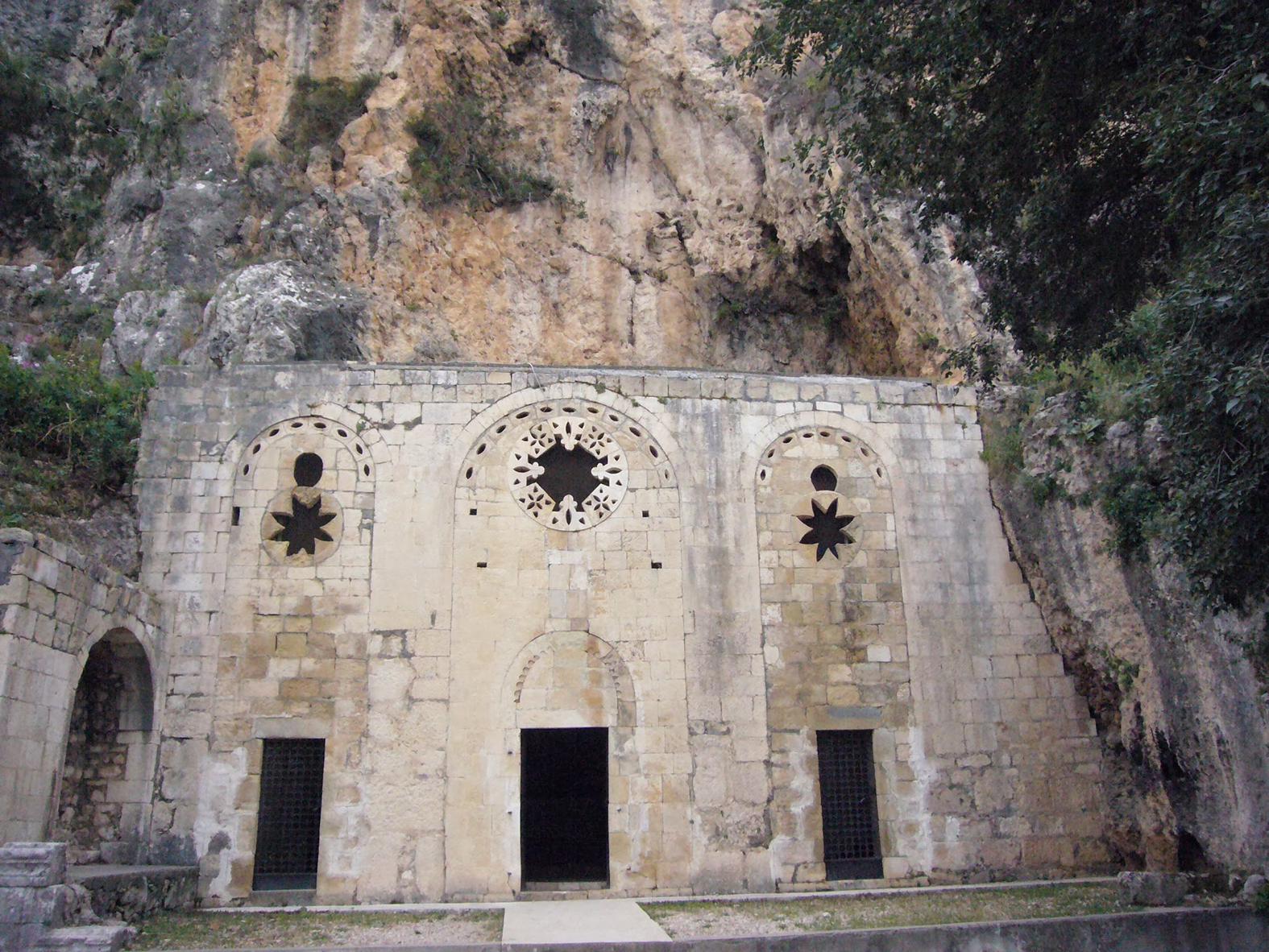
Fig. 1. The Cave Church of St Peter, one of the oldest churches in the world, is located at the outskirts of modern Antakya. (Copyright: Author)
The rise and fall of a glorious metropolis
Antioch on the Orontes was one of the numerous cities Seleucus I Nicator, the founder of the Seleucid Empire, founded to honour his father Antiochus. Built on the banks of the Orontes (Asi), a few kilometres from the Mediterranean, it was destined to become the most famous of all the cities of that name: the capital of the Seleucid Empire, a major economic, cultural and religious centre for the whole Levant, and one of the largest and richest cities of antiquity. In the Hellenistic and Roman worlds, Antioch was second only to Alexandria, the capital of Ptolemaic Egypt, in its economic and political significance.Footnote 12 The emergence of Christianity marked another landmark in the history of Antioch, as the city became the leading Christian centre of the Roman Empire.Footnote 13 The diocese of Antioch was raised to one of the five Patriarchates of Christianity, evidence of its significance and influence; St John Chrysostom, author of one of the most popular Christian liturgies, was a native of the city. Antioch maintained its crucial position while Justinian was trying to heal sectarian divisions within Christianity until the transformation of Syria into a battlefield first between the Roman and Persian Sassanid Empires, and later between the Roman and Arab Umayyad and Abbasid Empires, exacted a heavy toll. A series of invasions, sieges and other calamities devastated northern Syria and led to the rise of new regional city centres such as Aleppo and Aintab. The Arab conquest of the Levant in the early seventh century did not bring an end to war and conflict in the following centuries.Footnote 14 Northern Syria and Antioch remained contested between the Eastern Roman and the Umayyad and Abbasid Empires until the Crusades. Between the ninth and eleventh centuries, in particular under the administration of Emperors Nicephorus Phocas and John Tzimiskes, Antioch and much of northern Syria were restored to the Empire through a series of successful wars against the Abbasids. Antioch also played a central role in the Crusades: the First Crusade was legitimized with the restoration of Eastern Roman sovereignty over Antioch and Syria. The break of the Eastern Roman-Crusader alliance and the establishment of Crusader kingdoms in the Levant – not least the Principality of Antioch – brought again the city to the forefront of Levantine politics. Eventually Antioch became a capital of one of the leading Crusader states. The defeat of the Crusaders signalled the end of a century-long military struggle over Syria, and the annexation of the region to the Mamluk kingdom left Antioch devastated and shrunk. The Greek Orthodox Patriarchate moved to Damascus in the fourteenth century, while maintaining its title as ‘Patriarchate of Antioch and All the East.’Footnote 15
From Antioch to Antakya
Antioch under Mamluk and later Ottoman rule was no longer a dominant city of the Levant. It was more commonly known as Antakya, the Arabic adaptation of the Greek Antiocheia. Despite its demographic and economic decline, the region maintained its multi-confessional and multicultural identity. Sunni Muslims, Arabic-speaking Alawites (Nusayris), Christians of different denominations, and Jews coexisted in a city that no longer commanded the economy of the region. There was no drastic change in the Ottoman era. Aleppo and Aintab were the two cities that dominated the economy of northern Syria. Iskenderun, founded by Alexander the Great as Alexandria ad Issum and renamed in the Middle Ages Alexandretta or ‘little Alexandria’ as Egypt's Alexandria monopolized the name, rose to the most significant port of the region, serving Aleppo, Aintab and the Orontes valley.
As the Ottoman conquest of the Levant in the early sixteenth century integrated the region within the Ottoman institutions,Footnote 16 the Arabic-speaking Greek Orthodox of the Levant were eventually subsumed into the Rum millet.Footnote 17 As in the Balkans, where the Ecumenical Patriarchate was consolidating its hegemonic position over the Greek Orthodox subjects of the Ottoman Empire, it sought to establish firm control over the Orthodox dioceses of the Levant. While the province of Antakya remained under the ecclesiastical jurisdiction of the Damascus-based Patriarchate of Antioch and All the East, the effective influence of the Ecumenical Patriarchate and its involvement in the election of the bishop of Aleppo (Beroea) and the Patriarch of Antioch increased in the eighteenth and early nineteenth century. This could be viewed as a response by the Ottoman authorities to growing Catholic proselytization among the Christians of the Levant: Armenian, Assyrian and Orthodox. Enjoying the support of French consular authorities throughout the eighteenth century, Catholic missionaries had succeeded in making adherents among a sizeable part of the Greek Orthodox population, particularly in the major trade hub of Aleppo.Footnote 18 Demands for recognition by the nascent Greek Catholic community were presented as reasons for the consolidation of the hegemonic position of the Ecumenical Patriarchate over the Rum millet and Christian communities that were not recognized by the Ottoman state.Footnote 19 Nevertheless, the outbreak of the 1821 Greek War of Independence broke the trust of Ottoman authorities towards the Ecumenical Patriarchate, led to the loss of the privileged position of the Greek Orthodox and the official recognition of a Greek Catholic (Melkite) millet in 1848. Melkites laid more emphasis on Arabic language as an element of their identity and insisted on maintaining control over ecclesiastical affairs at the local level. This facilitated the rise of a secular Arab nationalism in the late nineteenth and early twentieth century.Footnote 20
The rise of nationalism and the collapse of the Ottoman Empire led to the redrawing of borders and identities in the region.Footnote 21 Following the signature of the Mudros Armistice on 30 October 1918, France established a mandate in the territories comprising today's Syria and Lebanon, including the sanjak of Alexandretta.Footnote 22 Since Antakya, Iskenderun and their adjacent villages belonged to the French mandate Syria, the Orthodox populations of the sanjak were not included in the population exchange negotiations between Greece and Turkey.Footnote 23 Nevertheless, the Republic of Turkey maintained its claim over the sovereignty of the province, which it considered illegitimately detached from the Turkish landmass. The term ‘Hatay’ was coined in an attempt to connect the ancient Hattian history of the province with Anatolia and by implication to reinforce republican Turkish territorial claims.Footnote 24 Despite the opposition of nascent Syrian Arab nationalism, French foreign policy had an interest in engaging with Turkey.Footnote 25 Gathering fears about the prospect of war and Turkey's strategic position made France willing to negotiate with Turkey the annexation of the sanjak of Alexandretta in return for Turkey's joining an alliance against Nazi Germany.Footnote 26 The sanjak of Alexandretta became officially part of Turkey on 29 June 1939, following the declaration of independence of the ‘Republic of Hatay’ on 2 September 1938 and a controversial referendum on the future of the province. While the annexation by Turkey of the sanjak of Alexandretta (or the province of Hatay, as the province was renamed) was a triumph for Turkish diplomacy, it did not deliver Turkey's entry into the war on the side of France with the outbreak of the Second World War in September 1939. This development separated the Greek Orthodox community of the province from the other Arabic-speaking Greek Orthodox in French-mandate Syria and bound them to Turkey, a country that had forcibly expelled most of its Greek Orthodox population less than twenty years before.
From Antakya to Hatay
Being the latest addition to the territory of Turkey, the province of Hatay took part in the socioeconomic transformations that reshaped Turkey during the Cold War.Footnote 27 Iskenderun attracted the bulk of public investment with the development of heavy industry and port infrastructure and became closer integrated with the mainstream. In contrast, Antakya remained relatively neglected, which contributed to the preservation of its distinct cultural identity and the preservation of minority cultures.
Relations with Syria remained acrimonious throughout the Cold War. The annexation of the province by Turkey was a move Syrian nationalism could never accept. As the end of the French mandate regime and Syria's independence in 1946 did not produce any border changes, this territorial dispute became one of the impediments to the consolidation of friendly relations between Syria and Turkey. Syria demanded the cancellation of what it called a ‘colonialist deal against the interests and will of the local population’ and the annexation of the province to Syria.Footnote 28 Official Syrian maps depicted the Hatay as part of Syrian territory, while Syrian-Turkish relations further soured in the 1980s, due to the construction of the Atatürk dam on the upper route of the Euphrates and Syria's covert support for the Kurdish Workers’ Party (Partiya Karkaren Kurdistan-PKK).Footnote 29 Syrian territorial claims receded between 2002 and 2011, following the temporary rapprochement in Syrian-Turkish bilateral relations with the advent of the AKP administration and its new Middle East foreign policy. Yet relations reached a new low following the outbreak of the Syrian civil war and Turkey's fully-fledged support for the Syrian opposition forces. The Hatay was heavily affected by refugee movements and military operations and was often instrumentalized in the justification of Turkey's policies in war-torn Syria: In their effort to justify Turkey's military operations in north-western Syria, Turkish officials linked Turkey's presence in northern Syria with its sovereignty over the Hatay.Footnote 30
Between citizenship, language, and religion
From a minority in the early imperial Roman era to a dominant majority in the late Roman years and again a minority in the Ottoman years, the Christians of Antioch were characterized by linguistic diversity. In the Hellenistic, Roman and Byzantine years, Syriac, Aramaic, Greek and Hebrew were among the main spoken languages in the region. The Umayyad conquest of the Levant in the seventh century added Arabic culture and language to the Antiochene mosaic. Over the centuries, Arabic eventually rose to a dominant position in the province,Footnote 31 while Greek, Syriac and Aramaic survived only as liturgical languages.Footnote 32 Despite the dominance of Arabic, the Greek Orthodox of the Levant continued defining themselves not on the basis of language but of religion, as a part of the Rum ta'ife or millet.Footnote 33 While they were recognized as a congregation, not of the Ecumenical Patriarchate of Constantinople, but of the Damascus-based Patriarchate of Antioch and All the East, they maintained close relations with the Ottoman bureaucracyFootnote 34 and the Greek Orthodox community throughout the Ottoman Empire.Footnote 35 Religion remained the defining feature of their identity,Footnote 36 even though some secularized Greek Orthodox Arabic-speaking Christian intellectuals became leading figures of the Arab nationalist movement, playing a crucial role in the rise of pan-Arabism.Footnote 37 Russian involvement in the affairs of the Patriarchate of Antioch was also significant, peaking in the late nineteenth century. Aiming to curb the influence of Greece and the Ecumenical Patriarchate, which it viewed as agents of British interests, and to reinforce Russian influence among the local Greek Orthodox population,Footnote 38 Russian foreign policy succeeded in transferring control of the Synod of the Patriarchate of Antioch and All the East from Greek-speaking to Arabic-speaking bishops. Meletios II, the first ethnic Syrian Arabic-speaking Patriarch of Antioch in almost two centuries, was elected under Russian auspices in 1899.Footnote 39
On the other hand, identifying with the Arab minority of Turkey was never an option for the Hatay Greek Orthodox community.Footnote 40 As in the Ottoman era, the Arabic language remained a strong defining feature of their identity over against non-Arabic speaking Orthodox Christians, but never pushed them to identify with Turkey's Arab Sunni Muslim minority. Moreover, the annexation of the sanjak of Alexandretta by Turkey meant that Arabic would no longer be taught in schools and that Turkish would enjoy a monopoly in the field of education. As Arabic remained the mother tongue of the community, bilingualism grew, with Turkish increasingly used in the public sphere and Arabic in domestic settings -- though less in younger generations, which had no formal education in the language, as well as limited opportunities to practice it.Footnote 41
Migration to Istanbul and its Effects
Urbanization from the 1950s had a profound effect on the identity of the Hatay Greek Orthodox. Joining the urban migration wave, thousands moved to Istanbul and to a lesser extent Ankara and Izmir. Those who settled in Istanbul established contact with the city's Greek minority.Footnote 42 Since maintaining their primordial Rum identity was increasingly difficult in the urban context of Istanbul, they were provided with new opportunities of self-identification. Existing research has pointed to great diversity of views among members of the Istanbul-based community of Hatay Greek Orthodox. Some viewed themselves as ‘a minority within a minority,’Footnote 43 reflecting the multi-layered identities of both Istanbul and Hatay Greek Orthodox. Others identified as Christian Arabs, while in others the Rum element of their identity has emerged more strongly and brought them closer to Istanbul's Greek minority.Footnote 44 Their de facto integration with the Greek minority of Istanbul was a development with profound consequences for both communities.Footnote 45 Legally they did not comprise part of Turkey's Greek minority,Footnote 46 and language and cultural barriers existed: the use of Arabic as the liturgical language in the Hatay churches was a prime example. On the other hand, the identification of the Hatay Greek Orthodox with the Rum millet and Orthodox Christianity was so strong that such obstacles could be overcome. Many of the Greek Orthodox who had moved from the Hatay found employment with the Ecumenical Patriarchate and Greek minority foundations in churches, schools and associations, filling the gap left by the steep demographic decline of the Greek community.Footnote 47 They emerged as a crucial lifeline to Istanbul's dwindling and ageing Greek minority.Footnote 48 The demographic decline of Turkey's Greek minority was the result of emigration induced by long-term discriminatory policies of republican Turkey, culminating in the November 1942 Property Tax (Varlık Vergisi), the 6–7 September 1955 pogrom and the March 1964 deportations. As in the nineteenth- century Balkans, members of the Rum millet had to make a choice between the emerging Orthodox nations, and many Hatay (Antakya) Greek Orthodox opted for integrating with Turkey's Greek minority.Footnote 49 The decision to integrate with the Greek minority was sometimes reinforced by the opportunities that this entailed: solidarity networks, employment and social mobility.Footnote 50
Education became a crucial instrument in that respect. When many members of the Hatay Greek Orthodox diaspora in Istanbul decided to enrol their children in the Greek minority schools, despite their not being in legal terms members of the minority, their initiative met with the acquiescence of the Turkish state.Footnote 51 The Turkish authorities allowed them to register their children with the Greek minority educational institutions, which were already running short of pupils. The language barrier proved no match for the affinity bonds of the millet. This eventually led to a more complex language situation: schoolchildren would speak Arabic at home, Greek at school, and Turkish in the public sphere.Footnote 52 This linguistic diversity further complicated the already complex identity of this community. Although the presence of these children in Greek minority schools was a demographic boost essential for the viability of the Greek minority school system and a signal for their wish to integrate with the Greek minority, responses on the part of the Istanbul Greeks varied.Footnote 53
Some Istanbul Greeks reacted in a defensive and xenophobic manner, questioned the Greek credentials of the Hatay-derived population, and continued treating its members as foreign to the Greek Orthodox minority. To them, the Hatay Greek Orthodox were nothing but ‘Arabs,’ foreigners keen on exploiting the resources of the Greek minority and taking control of its pious foundations and assets.Footnote 54 There were several incidents which recorded unease regarding the participation of the Hatay Greek Orthodox in the activities and affairs of the Greek minority.Footnote 55 Nevertheless, the Ecumenical Patriarchate and the majority of the Greek minority welcomed their integration. In their view, the Hatay Greek Orthodox provided a crucial boost (some 20 percent) at a time when the steep demographic decline of the Istanbul Greek minority put the very survival of the community and the viability of schools, pious foundations and other institutions of the minority in question. Tense relations within different subgroupings of the Greek minority were in fact no novelty. Relations between Istanbul and Gökçeada-Bozcaada Greeks have also been rather problematic. The migration of minority Greeks from the two Aegean islands to Istanbul in the 1960s and 1970s caused tension with the local Greek population. While these tensions eventually receded in light of the sharp demographic decline of the minority, they were rekindled since the 1990s with Hatay Orthodox succeeding the Aegean islanders as objects of suspicion and discrimination. While in the case of Hatay Greek Orthodox ethnicity was an additional point of contention, class, economic and social stereotypes were reproduced as in the case of the Aegean island Greeks. In fact, such stereotypes were not absent even in the relations between the urban elements of the community in Antakya and Iskenderun and its rural component in the villages of the Hatay province.Footnote 56 The Hatay Greek Orthodox rose to an important and indispensable new element of Turkey's Greek minority. This allowed for the growing integration of the Hatay Greek Orthodox with the Greek minority.
It should not be forgotten, however, that the acquiescence of the Turkish bureaucracy was a condition for such integration. When Hatay Greek Orthodox parents applied to register their children in the Greek minority schools or to participate in the administration of Greek minority institutions, no obstacles were raised. While the millet system was formally abolished with the demise of the Ottoman Empire and the emergence of the Republic of Turkey, it has continued to serve as a point of identity reference in manifold ways and in unexpected circumstances. While the 1923 Treaty of Lausanne recognized national minorities and not millets, and the introduction of the Swiss Civil Code in 1926 promised equal rights to all citizens regardless of ethnic and religious affiliation, bureaucratic thinking along the lines of the millet system survived. Institutionalized discrimination against minorities was combined with policies which underscored the enduring legacy of the millet system. The move of the majority of the Istanbul diaspora of the Hatay Greek Orthodox to enrol their children in the Greek minority school system in Istanbul, and the decision of Turkish authorities to allow enrolment, is a clear manifestation of a ‘vestigial millet system,’ along the lines of the argument advanced by Barkey and Gavrilis.Footnote 57
Relations with Greece
The partial integration of the Hatay Greek Orthodox with Istanbul's Greek minority also meant that they came into closer contact with Greece and with Greek national identity revolving around the nation state.Footnote 58 Unlike the Turkish-speaking Orthodox of Anatolia, which came to be known as Karamanlı, the Arabic-speaking Orthodox of the Levant did not attract the attention of the Kingdom of Greece in the nineteenth century. No educational campaigns were held with the aim to propagate the Greek language among the Greek Orthodox population of the vilayets of Adana, Aleppo, Beirut and Damascus, and no significant element in the Orthodox population was drawn to higher education in Greece.Footnote 59 This contributed to a rather equivocal treatment by the Greek state. Greek consular authorities had no consistent policy regarding their recognition as members of Turkey's Greek minority or Hellenism at large.Footnote 60 Sometimes Hatay Greek Orthodox were regarded as Greek minority members or diaspora Greeks. Sometimes, however, they were treated as non-Greeks with no entitlement to the benefits the Greek state accorded members of Greek minorities or the diaspora. In the case of those who had emigrated to Istanbul, Greek consular authorities had to decide whether or not to treat them as members of the local Greek minority. The fact that a large part of the student body of the Greek minority schools had Hatay origins was an important factor that had to be considered.Footnote 61 In other words, the decision to join the Greek minority education system in Istanbul came to be understood as willingness to adopt a Greek national identity and evidence of Greek ethnic descent and facilitated recognition as members of the Greek minority. In practice, the Greek government appeared to follow the Ecumenical Patriarchate benchmark.Footnote 62 Those who were closely affiliated with the Greek minority institutions in Istanbul had higher chances of being recognized as Greeks compared to those who took a more distanced approach.Footnote 63 The situation was different in the case of the Greek Orthodox still resident in the Hatay province. As citizenship applications from Hatay Orthodox rose in numbers, Greek state officials had to conclude whether there was a real bond between the applicant and Greek identity, or if the application was made for purely instrumental reasons.Footnote 64 The absence of Greek minority education in Hatay meant that it could not serve as a criterion for diagnosing willingness to adopt Greek national identity. In some cases, state authorities proved willing to recognize Greek ethnic descent and issue passports accordingly.Footnote 65 In other cases, they were more circumspect and requested more evidence. This often resulted in paradoxical situations where some members of a family were recognized as Greek and awarded Greek passports, while other members of the same family were not.Footnote 66 This attitude was matched with the relative lack of knowledge in the Greek public sphere about the Hatay Greek Orthodox.Footnote 67 Such incidents clearly pointed to the need for a new policy as far as the leadership of the Greek minority and the Greek government were concerned.
Relations with Syria
Following the annexation of the Hatay to Turkey in 1939, a large part of the local Greek Orthodox population chose to emigrate to Syria. This meant that even the remaining part of the population developed strong family connections with Syria, in addition to economic links that predated annexation. Both elements were subject to the vicissitudes of bilateral Syrian-Turkish relations. Ending the instruction of Arabic in the province and launching an assimilation campaignFootnote 68 inevitably affected the Greek Orthodox community, and so did the emergence of the status of the province as a dispute in Syrian-Turkish relations.Footnote 69 While the Hatay Greek Orthodox diaspora in Syria emerged as one of the main proponents of Syrian irredentism,Footnote 70 decreasing cross-border contacts and Turkish assimilation efforts meant that the Greek Orthodox community living in the Hatay remained relatively unaffected by Syrian Arab nationalism and detached from Syria's Greek Orthodox community of –then– approximately one million.Footnote 71 Soviet involvement in the affairs of the Patriarchate of Antioch and the Syrian Greek Orthodox community was also not to be underestimated, in contrast with Turkey's 1952 NATO membership and rising anticommunism. These links strengthened Turkey's interest in cutting off all religious and intellectual links between the Hatay Greek Orthodox and Syria-based religious institutions.Footnote 72 From the 1970s onwards, Turkey's relations with Syria became more tense, and disputes such the management of the waters of the Euphrates following the construction of the gigantic Atatürk dam, and the Kurdish insurgency -with reference to Syria's treatment of the PKK) were added to existing frictions. While the brief rapprochement between 2002 and 2011, including booming bilateral trade and visa-free travel across the Syrian-Turkish border, allowed for the reestablishment of close connections between the Hatay and Syria's Greek Orthodox community, relations once again hit rock bottom with the outbreak of the Syrian civil war in March 2011.Footnote 73
The Syrian civil war destabilized the whole Levant, including the Hatay province. The state of the Hatay Greek Orthodox community in its ancestral lands, already weakened because of emigration, became yet more precarious. The influx of tens of thousands of predominantly Sunni Muslim refugees from Syria, Turkey's growing involvement in the Syrian civil war and the development of support infrastructure for the Syrian insurgents within the Hatay province disturbed its delicate demographic and political balance.Footnote 74 Greek Orthodox settlements located next to the Syrian border like the town of Altınözü (Qusayr) and the village of Tokaçlı (Cünte) were inevitably affected.Footnote 75 The abduction and apparent murder by jihadists of one Greek Orthodox and one Syriac Jacobite bishop travelling from Hatay to Aleppo pointed to the level of polarization that the war had brought about and to security concerns about the Greek Orthodox on both sides of the Syrian-Turkish border.Footnote 76 The 11 May 2013 terrorist attack in the border town of Reyhanlı, one of the deadliest in the history of the Republic of Turkey, with 52 casualties, highlighted the fragile position of the Hatay province.Footnote 77 Mounting socio-political polarization in Turkish politics also took its toll, as the relations between the Sunni and the Arabic-speaking Alawite (Nusayri) communities of the province became increasingly strained. The Greek Orthodox community remained one of the most vulnerable, given its demographic weakness (approximately 10.000 people in the 2010s) and its potential exposure to acts of terrorist sectarian or religious violence.
Conclusion
Brubaker's remarks on linguistic and religious pluralism help illuminate the identity shifts of the Hatay Greek Orthodox diaspora in Istanbul, as well as the primacy of religion over language on the question whether nurturing one identity element can result in the undermining of the other. Since conversion to Sunni Islam was viewed as a primary threat and given the Sunni bias of the Turkish public education system, convergence with the Greek minority and its educational institutions became a priority. The language barrier was, for this community, not as important as providing Greek Orthodox religious education and deterring the threat of conversion or alienation from the community. Learning Greek in the Greek minority schools of Istanbul inflected the identity of the younger generation, at a time when their Arabic language skills were declining. This young generation became a bridge between the Hatay Greek Orthodox community and the Istanbul Greek minority.
The last legatees of the glorious city of Antioch, the Hatay Arabic-speaking Greek Orthodox community comprise an ample manifestation of both the cultural diversity of the Levant that has straddled millennia and the complexities of identity-formation in the transition from the age of empires to the age of nation-states. With their distinct cultural identity, they have failed to fit any of the nationalist moulds in Greece, Syria and Turkey. Citizens of the Republic of Turkey, but with a religion and language distinguishing them from the mainstream and other minorities, they have been a double minority: Greek Orthodox among Sunni Muslims and Arabic-speaking among Greek-speaking Greek Orthodox. They have shaped their identity through a dynamic process of redefining the borders of their community vis-à-vis other groups with which they shared common elements. Refusing to integrate with Turkey's Arabic-speaking Sunni Arab community, they largely opted for integration with Istanbul's Greek minority when emigration to Istanbul made the contact between the two possible. The fear of forfeiting Greek Orthodox religious and cultural traits and eventual conversion to Sunni Islam prevailed over linguistic barriers. The Greek minority education system became the bridge connecting the two communities, manifesting their wish to deepen their bonds beyond religion. For the children of the Hatay Greek Orthodox diaspora in Istanbul, learning Greek in the Greek minority school system further inflected their identity, facilitating their integration with the Greek minority. On the one hand, their Arabic linguistic skills declined, given the absence of any formal Arabic-language education in the Hatay or Istanbul. On the other hand, their increased exposure to Greek language in Istanbul reduced heterogeneity not within the Turkish majority but within the realm of the Greek minority. These bear witness to the continued relevance of vestiges of the millet system, almost a century after the demise of the Ottoman Empire and its official abolition by the Treaty of Lausanne. The acquiescence of Turkish authorities in the integration of the Hatay Greek Orthodox with Turkey's Greek minority shows how the millet system continued to influence public policy, remaining alive not only in the minds of members of parochial communities, but also within the bureaucracy of the state that took pride in abolishing it.
Acknowledgements
The author would like to thank Dr Emel Olga Önay and Dr Ege Can Şerefoğlu whose support has been indispensable for the conclusion of this study.
Ioannis N. Grigoriadis is Associate Professor and Jean Monnet Chair of European Studies in the Department of Political Science and Public Administration, Bilkent University, and Senior Fellow and Head of the Program on Turkey in the Hellenic Foundation for European and Foreign Policy (ELIAMEP). In 2018-19, he was Visiting Professor at the Keyman Modern Turkish Studies Program, Buffett Institute for Global Studies, Northwestern University, and in 2016-17 was IPC-Stiftung Mercator Senior Research Fellow in the German Institute for International and Security Affairs (Stiftung Wissenschaft und Politik-SWP) in Berlin and Stanley J. Seeger Research Fellow at Princeton University. His research interests include comparative, European, Middle Eastern and Turkish politics and history.

 Open access

