



It has long been recognised that a fibre-rich diet is beneficial for health. As early as in the fourth century, the ancient Greek Physician and the ‘Father of Western Medicine’, Hippocrates, stated that ‘To the human body it makes a great difference whether the bread be made of fine flour or coarse, whether with the bran or without the bran’( Reference Burkitt 1 ). Early pioneers within the field of nutritional epidemiology suggested that fibre-rich and unrefined foods are particularly healthful and that highly refined foods are the cause of many chronic diseases in the Western part of the world( Reference Burkitt, Morley and Walker 2 – Reference Walker 7 ). Since then, a number of studies have found a lower mortality with high intake of dietary fibre, particularly from grain( Reference Walker 7 – Reference Park, Subar and Hollenbeck 9 ), just as intake of whole grain (WG) and WG products has been shown to be associated with lower risk of obesity/abdominal fatness( Reference Karl and Saltzman 10 ), type 2 diabetes( Reference Ye, Chacko and Chou 11 ), hypertension( Reference Lillioja, Neal and Tapsell 12 ), CVD( Reference Ye, Chacko and Chou 11 ) and colorectal cancer( Reference Aune, Chan and Lau 13 ). Clinical trials have shown that increasing the intake of WG lowers body weight( Reference Katcher, Legro and Kunselman 14 – Reference Pol, Christensen and Bartels 17 ), plasma insulin and insulin resistance( Reference Rave, Roggen and Dellweg 16 , Reference Juntunen, Niskanen and Liukkonen 18 – Reference Pereira, Jacobs and Pins 20 ), blood pressure( Reference Kelly, Summerbell and Brynes 21 – Reference Saltzman, Das and Lichtenstein 24 ), in addition to lipids, total cholesterol and LDL-cholesterol( Reference Katcher, Legro and Kunselman 14 , Reference Poppitt, Keogh and Prentice 15 , Reference Kelly, Summerbell and Brynes 21 ). However, in studies with no concomitant effect on weight or waist circumference, intake of WG did not affect cardiovascular risk factors( Reference Brownlee, Moore and Chatfield 25 – Reference Leinonen, Poutanen and Mykkanen 28 ). An effect on prostate-specific antigen has also been reported( Reference Landberg, Andersson and Zhang 19 ), indicating the potential effects on cancer progression as well. Only six studies (two of the references represent the same study) have investigated the intake of WG products in relation to the ultimate end point, mortality( Reference Jacobs, Meyer and Kushi 29 – Reference van den Brandt 35 ). Except for one study( Reference van den Brandt 35 ) where intake of WG was not the primary focus, these studies have found beneficial/inverse associations between intake of WG products and all-cause or cause-specific mortality. One study( Reference He, van Dam and Rimm 36 ) has investigated the intake of quantitative WG, cereal fibre, bran and germ in relation to all-cause and cause-specific mortality among 7827 US women with type 2 diabetes and has found lower all-cause and CVD mortality with higher intake of bran. However, most of the studies have been carried out in low-intake populations. To our knowledge, no study has yet investigated the association between WG types, i.e. WG from different cereal types in relation to mortality.
In Denmark, Norway and Sweden, WG is defined as whole, cracked, flaked or milled kernels of rye, oats, wheat, barley, rice, maize, millet and sorghum, where the bran, germ and endosperm are present in the same proportions as in the intact kernel( Reference Frolich, Aman and Tetens 37 ). This definition is similar to that established by the American Association of Cereal Chemist International( 38 ), except for the inclusion of pseudo-cereals such as amaranth, buckwheat and quinoa in the American definition. WG is not only a rich source of dietary fibre, but also contains a range of vitamins, minerals and phytochemicals present in the outer, nutrient-rich layers( Reference Okarter and Liu 39 ).
We investigated the intake of different WG products and WG types in relation to all-cause and cause-specific mortality in a large combined Scandinavian cohort.
Materials and methods
Study population
The HELGA cohort is a large Scandinavian cohort combining three prospective studies: the Norwegian Women and Cancer Study( Reference Lund, Dumeaux and Braaten 40 ), the Västerbotten Intervention Programme (VIP) cohort( Reference Winkvist, Hornell and Hallmans 41 ), and the Danish Diet Cancer and Health Study( Reference Tjonneland, Olsen and Boll 42 ). The three cohorts are also part of the European Prospective Investigation into Cancer and Nutrition study (EPIC)( Reference Riboli, Hunt and Slimani 43 ) and are described in detail elsewhere( Reference Winkvist, Hornell and Hallmans 41 , Reference Tjonneland, Olsen and Boll 42 , Reference Hjartaker, Andersen and Lund 44 ). Briefly, participants were all recruited from the general population in 1992–8, which included 37 231 Norwegian women aged 40–55 years; 13 294 and 12 431 Swedish women and men aged 30, 40, 50 or 60 years, respectively; in addition to 29 875 and 27 178 Danish women and men aged 50–64 years, respectively. In total, 197, 120 and 174 individuals from Denmark, Norway and Sweden, respectively, were excluded due to missing data on vital status, WG intake or potential confounders.
Ethics
The three cohorts were approved by the respective local ethics committees.
Data collection
At baseline, participants filled in a semi-quantitative, country-specific and validated FFQ regarding their habitual diet including WG and alcohol intake( Reference Winkvist, Hornell and Hallmans 41 , Reference Hjartaker, Andersen and Lund 44 – Reference Tjonneland, Overvad and Haraldsdottir 46 ). In Denmark, the FFQ contained 173 items, in Norway eighty-eight, and in Sweden ninety-eight, where the number of items was defined as the number of foods plus the number of standard mixed recipes. In addition, they filled in a comprehensive lifestyle questionnaire covering their lifestyle habits in addition to information on education and smoking intensity. Anthropometrical measurements were carried out by trained professionals at the study centres in Denmark and Sweden; in Norway, these measurements were self-reported.
Assessment of whole-grain intake
In the present study, WG products were assessed from questions referring to the intake of breakfast cereals, non-white bread and crisp bread. WG types refer to subfamilies of the Gramineae family, i.e. oat (Avena), wheat (Triticum), rye (Secale) or other grains, which consist of barley (Hordeum), rice (Oryza) and dried maize (Zea), with rice being the main contributor. Quantification of the intake of different types of WG was based on the intake of breakfast cereals, non-white bread and crisp bread after retrieval of data on the WG content of the three WG products/items from 24-h dietary recalls conducted in a random sample of 8716 participants of the HELGA cohort as part of the calibration study of the EPIC( Reference Slimani, Kaaks and Ferrari 47 ). For each of the three WG food items, the WG content was calculated as a weighted mean from the different more specific foods recorded in the 24-h dietary recalls. These calculations were done country-specific due to differences in the products consumed in the three countries. In Norway and Sweden, the estimation was based on recipes, ingredient lists and data from WG product manufacturers. In Denmark, the estimation was based on a report from the Danish National Food Institute( Reference Mejborn, Biltoft-Jensen and Trolle 48 ). Values were expressed as the WG content of the unprepared ingredients divided by the weight of the prepared food as it is eaten. When comparing the WG intake measured using 24-h dietary recalls v. FFQ, 68 % of the participants had a WG intake in the same ( ± 1) quintile( Reference Kyro, Skeie and Dragsted 49 ). In Denmark, two-thirds of WG bread intake was rye bread, whereas the largest contributor to WG bread intake in Norway and Sweden was mixed-grain bread. In all the three countries, the category crisp bread consisted mostly of products with a high (75 %) WG content, whereas about 20 % was crisp bread with no or a low content of whole grains. Approximately 80 % of breakfast cereals consisted of muesli, porridge, oatmeal or other WG breakfast cereals, and the remaining 20 % were refined grain products such as cornflakes( Reference Kyro, Skeie and Dragsted 49 ).
Ascertainment of mortality
Data on vital status was extracted from the National Central Population Registries and cause of death in the National Cause of Death Registries using the participants' personal identification number given to all citizens in Denmark, Norway and Sweden. End of follow-up was 15 April 2008 in the Danish sub-cohort, 15 December 2009 in the Norwegian sub-cohort and 15 February 2009 in the Swedish sub-cohort. In the Danish sub-cohort, 2173 women and 3333 men died during a median follow-up of 11·9 years. In the Norwegian sub-cohort, 966 women died during a median follow-up of 11·1 years. In the Swedish sub-cohort, 519 women and 848 men died during a median follow-up of 14·2 years.
Concerning cause-specific mortality, 1775 women and 1375 men died from cancer, 298 women and 858 men died from CHD, 137 women and 143 men died from stroke, 125 women and 111 men died from respiratory disease, twenty-four women and seventy men died from diabetes, and 1299 women and 1624 men died from other causes.
Assessment of covariates
Data on alcohol intake (g/d), BMI (kg/m2) and total energy intake (kJ/d) were retrieved from the FFQ. Data on education (none, primary, technical/professional, secondary and longer), smoking intensity (never; former, quit 20+ years; former, quit 11–20 years; former, quit ≤ 10 years; current, pipe/cigar/occasionally; current, 1–15 cigarettes /d; current, 16–25 cigarettes/d; current, 26+ cigarettes/d, unknown) and the Cambridge physical activity index( Reference Wareham, Jakes and Rennie 50 ) (a cross-tabulation of occupational activity and time spent on sports and cycling, only Denmark and Sweden) were retrieved from the lifestyle questionnaire.
Statistical analyses
The association between WG intake and sex-specific all-cause mortality was estimated on the basis of Cox proportional hazards models with age being the underlying time scale. Subjects were followed from the age at which they completed the questionnaires to their age at exit, defined as the age of death, emigration, loss to follow-up or end of follow-up, whichever came first. The hazard rate was allowed to change with time under study and was modelled as a linear spline with boundaries at 1, 2 and 3 years after entry to the cohort. Furthermore, the underlying hazard was stratified according to the study centre to control for differences in mortality, questionnaire design, follow-up procedures and diagnosis or screening procedures. Cause-specific mortality was analysed using a competing risks model.
The WG variables (total WG product intake, different WG products, total intake of WG types or different WG types) were included simultaneously in the three models with different sets of adjusting variables. The basic model included all variables related to WG products or WG types in addition to age (time scale) and follow-up time (linear spline with boundaries at 1, 2 and 3 years after entry). The second model extended the first model by further including the potential confounders, education (categorical: none, primary, technical/professional, secondary, longer and unknown), smoking intensity (categorical: never; former, quit 20+ years; former, quit 11–20 years; former, quit ≤ 10 years; current, pipe/cigar/occasionally; current, 1–15 cigarettes/d; current, 16–25 cigarettes/d; current, 26+ cigarettes/d, unknown), alcohol intake (linear spline with boundary at 15 g/d), BMI (linear spline with boundaries at 18·5, 25 and 30 kg/m2) and total energy intake (continuous). In the third model, the potentially mediating variables in the causal pathway between WG and mortality, BMI and total energy intake were excluded. In order to allow WG to act via appetite regulation and BMI, the last model was considered the most appropriate.
The intake of ‘other types of WG’ was very low and was not related to mortality; therefore, ‘other types of WG’ was omitted from Tables 3–5, although the analyses are still adjusted for this variable, and it is still part of the ‘total WG types’ variable.
The association between WG variables and mortality seemed to level-off; consequently, a log2 transformation was applied. Estimates from the Cox regression models, therefore, corresponded to a doubling of the WG intake. Quantitative variables were included linearly in the Cox model after linearity had been evaluated by linear spline models( Reference Greenland 51 , Reference Greenland 52 ). No deviation from linearity was observed for any of the variables after transformation. Heterogeneity of the effects of WG intake on mortality was evaluated among the three countries, among women and men, as well as among WG types and WG products; no significant heterogeneity was found among WG products or types or among countries. Consequently, the amount of WG consumed could be added up across WG products, across types of WG and across countries.
Hazard rate ratios according to quartiles of specific WG products, specific WG types, total WG product intake and total intake of WG types were also estimated. To ensure an equal statistical power in the four quartiles, the definition of quartiles' cut-points/boundaries were based on the distribution of intake among individuals who died during the follow-up; consequently, the number of observations is the same in the four quartiles. Non-consumers of WG (individuals with a WG intake of 0 g/d) were included as part of the first quartile. Specific WG products or types were mutually adjusted and further adjusted for age, follow-up time, education, smoking intensity and alcohol intake.
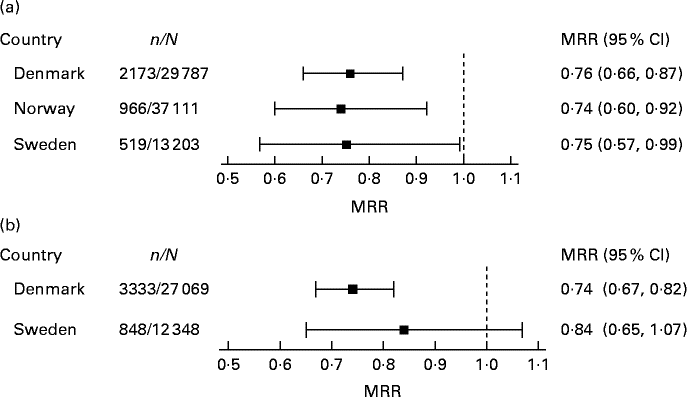
A forest plot including sex- and country-specific mortality rate ratios for the comparison between the highest and the lowest quartile of intake of total WG types (adjusted for age, follow-up time, education, smoking intensity and alcohol intake) was produced.
A range of sensitivity analyses were conducted to evaluate the stability of the results in subgroups of individuals (using the model including the intake of total WG types and all-cause mortality, adjusted for age, follow-up time, education, smoking intensity and alcohol intake): (1) the proportional hazards assumption was evaluated by performing separate analyses of deaths within three intervals of follow-up time (boundaries at 1, 2 and 3 years after baseline); (2) a possible interaction with age was investigated (using baseline age 50 years as cut-point) to examine whether older people may particularly benefit from intake of WG; (3) a possible interaction with BMI was investigated to examine whether overweight or obese individuals may benefit more from intake of WG than individuals with low or normal weight; (4) stratifications on physical activity (only Denmark and Sweden) and intake of fruits and nuts, vegetables, meat and alcohol were conducted to ensure that subgroups of individuals identified by their intake of vegetables, fruits and nuts, meat and alcohol (active/inactive or above/below the median intake) had the same mortality; (5) since data on physical activity was only available for Denmark and Sweden, a sensitivity analysis with adjustment for the Cambridge physical activity index( Reference Wareham, Jakes and Rennie 50 ) was performed in the Danish and Swedish data; (6) correspondingly, as the availability of data on cardiovascular risk factors such as hypertension, hyperlipidaemia and waist circumference as potential confounders was limited in Sweden and Norway, a sensitivity analysis with further adjustment for hypertension, hyperlipidaemia and waist circumference was conducted using the Danish data; (7) to evaluate potential residual confounding by smoking intensity or any diverging results between smokers and non-smokers, a sensitivity analysis was conducted in non-smokers (never smokers and former smokers); (8) to evaluate potential confounding by diet, the analyses were also adjusted for a seven-item diet score that was originally described by Trichopoulou et al. ( Reference Trichopoulou, Costacou and Bamia 53 ) and slightly modified for the present study to include the intake of fruits and nuts, vegetables, fish, meat, milk products, vegetable fat and alcohol. Each individual was assigned one point for each food item where she/he had an intake above the median for foods considered healthy (fruits and nuts, vegetables, fish and vegetable fat) and an intake below the median for foods considered unhealthy (meat, milk products and alcohol); finally (9) in the Danish data, we were able to exclude individuals with a previous diagnosis of CHD, stroke or angina pectoris, as they may not conform to the assumption of proportional hazards.
Two-sided 95 % CI for the mortality rate ratios (MRR) were estimated based on Wald's test of the Cox regression parameter on the log(MRR) scale, and tests of effect modification were performed using the likelihood ratio test. The SAS procedure PHREG on Windows platform was used for the statistical analyses (SAS version 9.3; SAS Institute). Forest plots (based on the results from the PHREG) were generated using the SAS procedure TEMPLATE.
Results
Descriptive analyses
The median age at recruitment was 51 years for women and 54 years for men, and the median BMI was 24 and 26 kg/m2, respectively (Table 1). Alcohol intake was 2·4 g/d among women and 12 g/d among men, and total energy intake was 7·1 and 9·8 MJ, respectively. Moreover, 39 % of women and 31 % of men had never smoked, and among both women and men, about 10 % were current smokers and, in addition, smoked sixteen or more cigarettes per d. Regarding education, 27 % of women and 33 % of men had no education or primary school as their highest educational level.
Baseline characteristics of cohort participants in the HELGA study (Number of participants and percentages; medians and 5th–95th percentiles)

occas., Occasionally; cig, cigarettes.
The median intake of breakfast cereals in Swedish women and men was 29 and 31 g/d, respectively, and close to zero in the Danish and Norwegian cohorts (Table 2, upper part). Similarly, Swedish women and men had crisp bread intakes of 34 and 57 g/d, whereas the intakes in the two other cohorts were very low. In contrast, intake of non-white bread was low in the Swedish cohort and of a considerable size in the Danish and Norwegian cohorts (i.e. 103 and 118 g/d among Danish women and men, respectively, and 100 g/d among Norwegian women).
Country-specific intakes (g/d) of whole-grain products and whole-grain types of cohort participants in the HELGA study (Medians and 5th–95th percentiles)

The median intake of WG oats was 2 g/d among both women and men in the combined HELGA cohort, with Sweden having a slightly higher intake than Denmark and Norway (Table 2, lower part). In all the three countries and in both women and men, a considerable intake of rye was observed. Swedish men had the highest intake (50 g/d) compared with Danish women and men (21 and 33 g/d), Norwegian women (10 g/d) and Swedish women (28 g/d). The median intake of WG wheat in the total cohort was 12 g/d among women and 5 g/d among men, and the higher intake among women confer to a rather high intake among Norwegian women (37 g/d). The intake of WG from sources other than oat, rye and wheat was very low (women: median 0·1 (5th–95th percentile 0–0·5) g/d; men: median 0·1 (5th–95th percentile 0–0·9) g/d). The total median intake of different types of WG in the combined HELGA cohort was 47 g/d among women and 48 g/d among men.
All-cause mortality
The MRR and 95 % CI for all-cause mortality in relation to intake of WG are presented in Table 3. For the association between all-cause mortality and intake of WG products, we found lower mortality for each doubling of both breakfast cereals (women: MRR 0·95 (95 % CI 0·94, 0·97); men: MRR 0·96 (95 % CI 0·94, 0·97)) and non-white bread (women: MRR 0·94 (95 % CI 0·92, 0·96); men: MRR 0·97 (95 % CI 0·95, 0·99)). For the intake of total WG products and all-cause mortality, we found lower all-cause mortality for each doubling of total WG product intake (women: MRR 0·89 (95 % CI 0·86, 0·91), men: MRR 0·89 (95 % CI 0·86, 0·91)).
The association between intake of whole grain and all-cause mortality of cohort participants in the HELGA study (Mortality rate ratios (MRR) and 95 % confidence intervals)

* Whole-grain products and whole-grain types (including ‘other types’ of whole grain) mutually adjusted and adjusted for age (time scale) and follow-up time (linear spline with boundaries at 1, 2 and 3 years after entry).
† First model/column with further adjustment for education (categorical: none, primary, technical/professional, secondary and longer), smoking intensity (categorical: never; former, quit 20+ years; former, quit 11–20 years; former, quit ≤ 10 years; current, pipe/cigar/occasionally; current, 1–15 cigarettes/d; current, 16–25 cigarettes/d; current, 26+ cigarettes/d, unknown), alcohol intake (linear spline with boundary at 15 g/d), BMI (linear spline with boundaries at 18·5, 25 and 30 kg/m2) and total energy intake (continuous: kJ/d).
‡ Second model/column without adjustment for the potentially mediating variables, BMI and total energy intake.
§ Sum of intake of oat, rye, wheat and other types of whole grain.
Intake of WG oats, rye and wheat was associated with a statistically significant lower all-cause mortality in both women and men. A doubling of the intake of WG oats was associated with the MRR of 0·98 (95 % CI 0·96, 0·99) for women and 0·98 (95 % CI 0·97, 1·00) for men. A doubling of the intake of WG rye was associated with the MRR of 0·96 (95 % CI 0·93, 0·99) in women and 0·95 (95 % CI 0·92, 0·97) in men. A doubling of the intake of WG wheat was associated with the MRR of 0·93 (95 % CI 0·92, 0·95) for women and 0·96 (95 % CI 0·95, 0·98) for men. A doubling of the total intake of different types of WG cereals was also associated with statistically significant lower all-cause mortality in both women and men (women: 0·88 (95 % CI 0·86, 0·92); men: 0·88 (95 % CI 0·86, 0·91) for a doubling of intake).
In general, adjustment for potential confounders did not change the estimates considerably.
Cancer mortality
A total of 1775 women and 1375 men died from cancer. In the cause-specific associations between WG products and cancer mortality (Table 4), we found lower mortality with higher intake of breakfast cereals (women: MRR 0·97 (95 % CI 0·95, 0·99); men: MRR 0·95 (95 % CI 0·93, 0·97) for a doubling of intake), non-white bread (women: MRR 0·97 (95 % CI 0·94, 1·00); men: MRR 0·96 (95 % CI 0·92, 0·99) for a doubling of intake) and total WG products (women: MRR 0·94 (95 % CI 0·90, 0·99); men: MRR 0·88 (95 % CI 0·84, 0·93) for a doubling of intake). We found a borderline statistically significant association between the intake of crisp bread and cancer mortality (women: MRR 0·98 (95 % CI 0·95, 1·00); men: MRR 0·96 (95 % CI 0·93, 1·00) for a doubling of intake). When investigating the association between the intake of WG types and cancer mortality, we found lower mortality for each doubling of the WG wheat intake among both women and men (women: MRR 0·95 (95 % CI 0·93, 0·97); men: MRR 0·95 (95 % CI 0·93, 0·97) for a doubling of intake). The intake of total WG types was associated with lower cancer mortality in men (MRR 0·89 (95 % CI 0·84, 0·93) for a doubling of intake).
The association between intake of whole grain and cause-specific mortality of cohort participants in the HELGA study (Mortality rate ratios (MRR) and 95 % confidence intervals)

* Whole-grain products and whole-grain types (including ‘other types’ of whole grain) mutually adjusted and adjusted for age (time scale) and follow-up time (linear spline with boundaries at 1, 2 and 3 years after entry).
† First model/column with further adjustment for education (categorical: none, primary, technical/professional, secondary, longer), smoking intensity (categorical: never; former, quit 20+ years; former, quit 11–20 years; former, quit ≤ 10 years; current, pipe/cigar/occasionally; current, 1–15 cigarettes/d; current, 16–25 cigarettes/d; current, 26+ cigarettes/d, unknown), alcohol intake (linear spline with boundary at 15 g/d), BMI (linear spline with boundaries at 18·5, 25 and 30 kg/m2) and total energy intake (continuous: kJ/d).
‡ Second model/column without adjustment for the potentially mediating variables, BMI and total energy intake.
§ Sum of intake of oat, rye, wheat and other types of whole grain.
CHD mortality
A total of 298 women and 858 men died from CHD. In the cause-specific associations between WG products and CHD mortality (Table 4), we found lower CHD mortality with higher intake of breakfast cereals (women: MRR 0·91 (95 % CI 0·86, 0·96); men: MRR 0·96 (95 % CI 0·93, 0·99) for a doubling of intake), total WG products (women: MRR 0·85 (95 % CI 0·77, 0·94); men: MRR 0·92 (95 % CI 0·86, 0·99) for a doubling of intake) and total WG types (women: MRR 0·82 (95 % CI 0·74, 0·91); men: MRR 0·90 (95 % CI 0·84, 0·96) for a doubling of intake). Among women, intake of oat and wheat was associated with a borderline statistically significantly lower CHD mortality (WG oat: MRR 0·95 (95 % CI 0·90, 1·00); WG wheat: MRR 0·95 (95 % CI 0·90, 1·00)).
Stroke mortality
A total of 137 women and 143 men died from stroke. When investigating the cause-specific associations between the intake of WG products and stroke mortality (Table 4), we found lower stroke mortality with higher intake of total WG products (MRR 0·84 (95 % CI 0·72, 0·98) for a doubling of intake) and total WG types (MRR 0·82 (95 % CI 0·71, 0·95) for a doubling of intake) among men.
Respiratory disease mortality
A total of 125 women and 111 men died from respiratory disease. In the cause-specific associations between respiratory disease mortality and intake of WG types or WG products (Table 4), only breakfast cereals, total WG types and WG wheat was associated with lower mortality from respiratory disease in women (breakfast cereals: MRR 0·89 (95 % CI 0·82, 0·98); total WG types: MRR 0·84 (95 % CI 0·71, 0·99); WG wheat: MRR 0·88 (95 % CI 0·83, 0·94) for a doubling of intake).
Diabetes mortality
A total of twenty-four women and seventy men died from diabetes. In the cause-specific associations between diabetes mortality and intake of WG types or WG products (Table 4), we found lower diabetes mortality with higher intake of breakfast cereals (women: MRR 0·79 (95 % CI 0·62, 0·99); men: MRR 0·88 (95 % CI 0·78, 0·98) for a doubling of intake). Among men, higher intake of non-white bread was associated with higher diabetes mortality (MRR 1·30 (95 % CI 1·03, 1·64) for a doubling of intake).
Other causes of mortality
A total of 1299 women and 1624 men died from other causes (i.e. causes other than cancer, CHD, stroke, respiratory disease and diabetes). We also investigated other causes of mortality in relation to intake of WG types and WG products (Table 4); here, we found intake of breakfast cereals (women: MRR 0·95 (95 % CI 0·93, 0·97); men: MRR 0·96 (95 % CI 0·94, 0·98) for a doubling of intake), non-white bread (women: MRR 0·91 (95 % CI 0·88, 0·94); men: MRR 0·96 (95 % CI 0·93, 1·00) for a doubling of intake) and total WG products (women: MRR 0·83 (95 % CI 0·80, 0·87); men: MRR 0·87 (95 % CI 0·83, 0·91) for a doubling of intake) to be associated with lower mortality from other causes. In analyses of different types of WG, intake of WG rye and wheat was associated with lower mortality (rye, women: MRR 0·91 (95 % CI 0·87, 0·96), men: MRR 0·93 (95 % CI 0·90, 0·96); wheat, women: MRR 0·92 (95 % CI 0·89, 0·94), men: MRR 0·97 (95 % CI 0·95, 0·99) where all estimates corresponds to a doubling of intake). The total intake of different WG cereal types was also associated with lower mortality from other causes (women: MRR 0·83 (95 % CI 0·79, 0·88); men: MRR 0·88 (95 % CI 0·84, 0·92) for a doubling of intake).
Quartiles of whole-grain intake
In the analyses of quartiles of WG intake in relation to all-cause mortality, we found lower mortality in the highest quartile compared with the lowest quartile for breakfast cereals, non-white bread, total WG products, oat, rye (only men), wheat and total WG types (Table 5).
The association between quartiles of whole-grain intake and all-cause mortality of cohort participants in the HELGA study (Mortality rate ratios (MRR) and 95 % confidence intervals)

* Whole-grain products and whole-grain types (including ‘other types’ of whole grain) mutually adjusted and adjusted for age (time scale), follow-up time (linear spline with boundaries at 1, 2 and 3 years after entry), education (categorical: none, primary, technical/professional, secondary, longer), smoking intensity (categorical: never; former, quit 20+ years; former, quit 11–20 years; former, quit ≤ 10 years; current, pipe/cigar/occasionally; current, 1–15 cigarettes/d; current, 16–25 cigarettes/d; current, 26+ cigarettes/d, unknown), alcohol (linear spline with boundary at 15 g/d), BMI (linear spline with boundaries at 18·5, 25 and 30 kg/m2), total energy intake (continuous: kJ/d) and alcohol intake (g/d).
† Median intakes of whole grain in each quartile in online Appendix Table.
‡ Sum of oat, rye, wheat and other types of whole grain.
The MRR for highest v. lowest quartile of intake of breakfast cereals was 0·75 (95 % CI 0·69, 0·82, P trend over quartiles< 0·0001) for women and 0·74 (95 % CI 0·68, 0·81, P trend over quartiles< 0·0001) for men. The MRR for highest v. lowest quartile of intake of non-white bread was 0·72 (95 % CI 0·65, 0·81, P trend over quartiles< 0·0001) for women and 0·78 (95 % CI 0·69, 0·88, P trend over quartiles< 0·0001) for men. MRR for highest v. lowest quartile of intake of total WG products was 0·68 (95 % CI 0·62, 0·75, P trend over quartiles< 0·0001) for women and 0·75 (95 % CI 0·68, 0·81, P trend over quartiles< 0·0001) for men.
The MRR for highest v. lowest quartile of intake of oat was 0·78 (95 % CI 0·70, 0·87, P trend over quartiles< 0·0001) for women and 0·76 (95 % CI 0·69, 0·85, P trend over quartiles< 0·0001) for men. The MRR for highest v. lowest quartile of intake of rye among men was 0·86 (95 % CI 0·78, 0·95, P trend over quartiles= 0·001). The MRR for highest v. lowest quartile of intake of wheat was 0·63 (95 % CI 0·53, 0·74, P trend over quartiles< 0·0001) for women and 0·71 (95 % CI 0·64, 0·78, P trend over quartiles< 0·0001) for men. The MRR for highest v. lowest quartile of intake of total WG types was 0·74 (95 % CI 0·67, 0·81, P trend over quartiles< 0·0001) for women and 0·75 (95 % CI 0·68, 0·82, P trend over quartiles< 0·0001) for men.
In the analyses of quartiles of WG intake in relation to cause-specific mortality, we found lower cancer mortality with higher intake of breakfast cereals, total WG products, oat and wheat (Table 6). Among men, the intake of non-white bread and total WG types was also associated with lower cancer mortality. The MRR for highest v. lowest quartile of intake of breakfast cereals was 0·85 (95 % CI 0·74, 0·98, P trend over quartiles= 0·003) for women and 0·75 (95 % CI 0·64, 0·87, P trend over quartiles< 0·0001) for men. The MRR for highest v. lowest quartile of intake of total WG products was 0·86 (95 % CI 0·74, 0·99, P trend over quartiles= 0·0236) for women and 0·70 (95 % CI 0·60, 0·81, P trend over quartiles< 0·0001) for men. The MRR for highest v. lowest quartile of intake of oat was 0·84 (95 % CI 0·71, 0·99, P trend over quartiles= 0·007) for women and 0·75 (95 % CI 0·64, 0·89, P trend over quartiles= 0·003) for men. The MRR for highest v. lowest quartile of intake of wheat was 0·74 (95 % CI 0·61, 0·89, P trend over quartiles= 0·006) for women and 0·58 (95 % CI 0·49, 0·69, P trend over quartiles< 0·0001) for men. Among men, the MRR for highest v. lowest quartile of intake of non-white bread was 0·79 (95 % CI 0·64, 0·97, P trend over quartiles= 0·019) and 0·74 (95 % CI 0·63, 0·87, P trend over quartiles< 0·0001) for highest v. lowest intake of total WG types.
The association between quartiles of whole-grain intake and cause-specific mortality of cohort participants in the HELGA study (Mortality rate ratios (MRR) and 95 % confidence intervals)

* Whole-grain products and whole-grain types (including ‘other types’ of whole-grain) mutually adjusted and adjusted for age (time scale), follow-up time (linear spline with boundaries at 1, 2 and 3 years after entry), education (categorical: none, primary, technical/professional, secondary, longer), smoking intensity (categorical: never; former, quit 20+ years; former, quit 11–20 years; former, quit ≤ 10 years; current, pipe/cigar/occasionally; current, 1–15 cigarettes/d; current, 16–25 cigarettes/d; current, 26+ cigarettes/d, unknown), alcohol (linear spline with boundary at 15 g/d), BMI (linear spline with boundaries at 18·5, 25 and 30 kg/m2), total energy intake (continuous: kJ/d) and alcohol intake (g/d).
† Median intakes of whole-grain in each quartile in online Appendix Table.
‡ Sum of oat, rye, wheat and other types of whole grain.
In the analyses of quartiles of WG intake according to CHD mortality, we found lower CHD mortality with higher intake of breakfast cereals and total WG types. Among women, the intake of total WG products, oat and wheat (borderline) was also associated with lower CHD mortality. The MRR for highest v. lowest quartile of intake of breakfast cereals was 0·53 (95 % CI 0·37, 0·77, P trend over quartiles= 0·0002) for women and 0·75 (95 % CI 0·61, 0·91, P trend over quartiles= 0·009) for men. The MRR for highest v. lowest quartile of intake of total WG types was 0·65 (95 % CI 0·46, 0·91, P trend over quartiles= 0·003) for women and 0·74 (95 % CI 0·61, 0·91, P trend over quartiles= 0·012) for men. Among women, the MRR for highest v. lowest quartile of intake of breakfast cereals was 0·53 (95 % CI 0·37, 0·77, P trend over quartiles= 0·0002). The MRR for highest v. lowest quartile of intake of oat was 0·66 (95 % CI 0·45, 0·96, P trend over quartiles= 0·048). The MRR for highest v. lowest quartile of intake of wheat was 0·67 (95 % CI 0·45, 1·00, P trend over quartiles= 0·062).
In the analyses of quartiles of WG intake according to stroke mortality, we did not find any statistically significant associations between WG intake and stroke mortality.
In the analyses of quartiles of WG intake according to respiratory disease mortality, we found lower respiratory disease mortality with higher intake of oat. Among women, intake of breakfast cereals and total WG types was also associated with lower respiratory disease mortality. The MRR for highest v. lowest quartile of intake of oat was 0·51 (95 % CI 0·28, 0·93, P trend over quartiles= 0·006) for women and 0·52 (95 % CI 0·28, 0·97, P trend over quartiles= 0·063) for men. Among women, the MRR for highest v. lowest quartile of intake of breakfast cereals was 0·39 (95 % CI 0·23, 0·65, P trend over quartiles< 0·0001) and 0·47 (95 % CI 0·28, 0·77, P trend over quartiles= 0·005) for highest v. lowest intake of total WG types.
In the analyses of quartiles of WG intake according to diabetes mortality, we found lower diabetes mortality with higher intake of breakfast cereals and oat among men. The MRR for highest v. lowest quartile of intake of breakfast cereals was 0·45 (95 % CI 0·23, 0·90, P trend over quartiles= 0·004), and the MRR for highest v. lowest quartile of intake of oat was 0·40 (95 % CI 0·20, 0·81, P trend over quartiles= 0·003).
In the analyses of quartiles of WG intake according to other causes of mortality, we found lower mortality from other causes with higher intake of breakfast cereals, non-white bread, total WG products, oat (only borderline among men), rye, wheat and total WG types. The MRR for highest v. lowest quartile of intake of breakfast cereals was 0·74 (95 % CI 0·65, 0·84, P trend over quartiles< 0·0001) for women and 0·78 (95 % CI 0·68, 0·90, P trend over quartiles= 0·0002) for men. The MRR for highest v. lowest quartile of intake of non-white bread was 0·54 (95 % CI 0·45, 0·64, P trend over quartiles< 0·0001) for women and 0·65 (95 % CI 0·54, 0·79, P trend over quartiles< 0·0001) for men. The MRR for highest v. lowest quartile of intake of total WG products was 0·57 (95 % CI 0·47, 0·68, P trend over quartiles< 0·0001) for women and 0·70 (95 % CI 0·61, 0·80, P trend over quartiles< 0·0001) for men. The MRR for highest v. lowest quartile of intake of oat was 0·81 (95 % CI 0·67, 0·98, P trend over quartiles= 0·0006) for women and 0·85 (95 % CI 0·73, 1·00, P= 0·107) for men. The MRR for highest v. lowest quartile of intake of rye was 0·81 (95 % CI 0·68, 0·97, P trend over quartiles= 0·007) for women and 0·76 (95 % CI 0·65, 0·89, P trend over quartiles= 0·0003) for men. The MRR for highest v. lowest quartile of intake of wheat was 0·51 (95 % CI 0·39, 0·67, P trend over quartiles< 0·0001) for women and 0·75 (95 % CI 0·64, 0·88, P trend over quartiles= 0·0009) for men. The MRR for highest v. lowest quartile of intake of total WG types was 0·61 (95 % CI 0·51, 0·73, P trend over quartiles< 0·0001) for women and 0·71 (95 % CI 0·62, 0·82, P trend over quartiles< 0·0001) for men.
Country-specific results
The forest plots in Fig. 1(a) and (b) illustrate the sex- and country-specific MRR (95 % CI) for the association between intake of total WG types and all-cause mortality. The forest plots illustrate the homogeneity in results between countries.
(a) Forest plot of the mortality rate ratios (MRR) and 95 % CI for the association between intake of total whole-grain types and all-cause mortality of female participants in the HELGA study. (b) Forest plot of the MRR and 95 % CI for the association between intake of total whole-grain types and all-cause mortality of male participants in the HELGA study.
Sensitivity analyses
Totally, nine sensitivity analyses were conducted (see sections on Methods and Statistical analyses) with the analysis of total intake of WG types and all-cause mortality as the basis model (Table 3, third and seventh column: MRR of 0·88 (95 % CI 0·86, 0·92) for women and 0·88 (95 % CI 0·86, 0·91) for men, for each doubling in the intake of total WG types): (1) the assumption of proportional hazards were not violated; (2) and (3) tests for effect modification by age or BMI showed no statistically significant effect modification by age or BMI on the association between WG intake and all-cause mortality; (4) stratification by physical activity (only Denmark and Sweden) and intake of fruits and nuts, vegetables, meat and alcohol did not reveal any inconsistent results below/above median activity or intake; (5) adjustment for the physical activity index (only Denmark and Sweden) revealed MRR of 0·89 (95 % CI 0·86, 0·93) for women and 0·90 (95 % CI 0·87, 0·93) for men; (6) further adjustment for hypertension, hyperlipidaemia and waist circumference (using only the Danish data) did not change the results the least; (7) results in non-smokers (never-smokers and former smokers) revealed MRR of 0·91 (95 % CI 0·87, 0·96) for women and 0·94 (95 % CI 0·90, 0·99) for men; (8) the analyses adjusted for the diet index gave a MRR of 0·90 (95 % CI 0·87, 0·93) for women and 0·89 (95 % CI 0·87, 0·92) for men; (9) exclusion of individuals with a previous diagnosis of CHD, stroke or angina pectoris did not change the results (change in MRR < 1 %).
Discussion
In this large Scandinavian population, intake of WG products was associated with lower all-cause mortality. In particular, in the analyses of continuous WG variables, intake of breakfast cereals and non-white bread was associated with lower mortality. Also, the total intake of different cereal types was associated with lower all-cause mortality, and this association was due to lower mortality associated with higher intake of WG oat, wheat and rye. The estimates were, with few exceptions, all in the same direction and of the same magnitude, and many were also highly statistically significant. Adjustment for potential confounders generally did not change the strength of associations, and the many sensitivity analyses further supported the overall conclusion of the study.
In the analyses of cause-specific mortality, intake of total WG products and total WG types was associated with lower mortality (except for mortality from respiratory disease, and total WG product intake and cancer mortality in women). The large part of the remaining associations had MRR below unity, in the range of 1–12 % lower mortality for each doubling in the intake of specific WG products or specific WG types (Table 4) and in the order of 3–17 % for total WG products or total WG types. Crisp bread was not associated with mortality after adjustment for potential confounders.
In the analyses of quartiles of WG intake in relation to all-cause mortality, we found lower mortality in the highest quartile compared with the lowest quartile for breakfast cereals, non-white bread, total WG products, oat, rye (only men), wheat and total intake of different WG types. The analyses on cause-specific mortality according to quartiles of WG intake were characterised by lower power, but still supported the overall results of the study.
The present study has a major advantage in being carried out in a population with a considerable and large variation in the intake of different types of WG. Furthermore, the combination of three large, prospective, population-based cohorts with linkage to National registries ensures a complete and valid follow-up of deaths and causes of death in addition to high statistical power. Consequently, the results were consistent and highly statistically significant. The study does, however, also have some limitations: there may be some degree of misclassification in the assessment of WG intake due to the self-reported data from the FFQ, to a large variation in WG contents of WG products, and to the fact that the questionnaires were not designed to measure the intake of WG. However, the questionnaires were validated locally and performed well( Reference Johansson, Hallmans and Wikman 45 , Reference Tjonneland, Overvad and Haraldsdottir 46 , Reference Parr, Veierod and Laake 54 ), and the most likely consequence of this non-differential misclassification is attenuation of associations. Diet was assessed only at baseline and may not reflect diet earlier in life nor changes during the relatively long follow-up; consequently, the relevance of a single measure of exposure depends on the degree to which it tracks over time. When comparing the first 5, 5–10 and 10–15 years with the rest of the follow-up, the associations were not weakened with longer follow-up. If study participation was associated with a risk factor for mortality, there is a chance of selection bias. However, as disease status was unknown at baseline, selection bias is less likely to have affected the results, but cannot be completely ruled out. To evaluate possible bias from prevalent disease (non-proportionality), we allowed the mortality rate ratios to change with time under study. Furthermore, the results from analyses of the first, second and third year of follow-up were compared with results from the remaining part of follow-up; no differences were found. There is always a risk of residual confounding from unknown factors or measurement error in known confounders. In particular, individuals with a high intake of WG may, in general, have a healthier lifestyle and a better health than non-consumers, also regarding factors not included in our three sets of potential confounders. Last, as the three population samples do not completely reflect the general population, the external validity and generalisability is limited to a population slightly healthier than the general population.
The present findings of lower mortality with higher intake of WG products are in line with all, except one, studies on WG and mortality. The single study( Reference van den Brandt 35 ) that did not find an association did not have intake of WG as the primary focus (but the Mediterranean diet) and had been characterised by a study population with an exceptionally low intake of WG. A study of US male health professionals( Reference Liu, Sesso and Manson 32 ) has investigated the frequency of intake of whole-grain and refined-grain breakfast cereals in relation to total and cause-specific mortality. Consistent with our study, they found a strong association between intake WG breakfast cereals and all-cause mortality. In the Iowa Women's Health Study, consisting of 41 836 postmenopausal women aged 55–69 years( Reference Jacobs, Meyer and Kushi 29 , Reference Jacobs, Andersen and Blomhoff 31 ), they have found a strong association between total WG product intake and all-cause and cause-specific mortality. This association was confined to a lower mortality with higher intake of dark bread, but not to intake of WG breakfast cereals and cause-specific mortality. Another study of Norwegian women and men has investigated a WG bread score in relation to total and cause-specific mortality( Reference Jacobs, Meyer and Solvoll 30 ), and consistent with our analyses on WG product intake and mortality, they found lower all-cause mortality in women and men with a high WG bread score. The remaining two, rather small studies with 187 and 867 deaths( Reference Jacobs, Meyer and Kushi 29 , Reference Jacobs, Andersen and Blomhoff 31 , Reference Sahyoun, Jacques and Zhang 33 , Reference Steffen, Jacobs and Stevens 34 ), were conducted in American populations where the intakes of WG were extremely low and associated with other healthy behaviours. Still, after adjustment for potential confounders, they found lower mortality with higher intake of WG. In the study by Sahyoun et al. ( Reference Sahyoun, Jacques and Zhang 33 ), the lower mortality associated with higher number of WG servings per day was confined to cardiovascular mortality. This is in line with a recent and combined study of the Nurses Health Study and the Health Professionals Follow-up Study( Reference Wu, Flint and Qi 55 ) and with the present results on CHD where intake of both WG products and WG types was associated with lower CHD mortality.
The sub-study of the Nurses Health Study, conducted on 7822 women with type 2 diabetes( Reference Frolich, Aman and Tetens 37 ), has found a borderline significant trend for the relative risks over quintiles of WG intake. The lowest intake in the highest quintile was only 25·5 g/d, corresponding to a considerably lower intake than in the present study and only one-third of the official recommendation. However, the relative risks were of the same size as in the present study (relative risk 0·89 (95 % CI 0·71, 1·11) in the highest quintile compared with the lowest), and it is most likely that with more deaths and a larger range of intake, the study would find stronger associations between WG intake and mortality.
The present study indicates that particularly WG wheat, but also WG oats and WG rye, are associated with lower mortality. Rye is characterised by the highest amount of dietary fibre among cereals, and the proportion of soluble fibre components is much higher in rye than in wheat( Reference Andersson, Olsson and Johansson 56 ). Minimally processed oat products are rich in viscous forming β-glucans, which have well-established cholesterol-lowering properties( Reference Wolever, Tosh and Gibbs 57 ). The analyses on different WG types and mortality are justified by the possible differential effects of different types of grain, but in the present study, there were no large differences between the different types of (whole) grain cereals.
The remarkable consistency of the present results between women and men, between the cause-specific analyses (disregarded the lower statistical power in split analyses), between the type and the product measures of WG and the fact that the estimates with few exceptions are all below unity increases our belief that the findings reflect true associations and not chance or bias. The size of the estimates may seem small (1–17 % lower mortality for each doubling in WG intake), but considering the fact that WG is just one single dietary component, and diet is just one of a range of lifestyle factors predicting mortality, it is still a valuable and achievable goal for the Scandinavian populations. In the Scandinavian countries, an official recommendation of 75 g of WG/10 MJ/d has been published( 58 – 60 ). Between 16 % (Danish men) and 35 % (Norwegian women) reached the recommended daily intake of WG( Reference Kyro, Skeie and Dragsted 49 ), and although the intake of WG is part of the traditional diet in the Scandinavian countries, effort has to be made to increase and keep the intake high.
In conclusion, the intake of WG (products or cereal types) was associated with lower mortality in the HELGA cohort. These results were found quite consistently for different causes of death and across categories of sex and types or products of WG. The present study indicates that intake of WG is an important aspect of diet in preventing early death, and there were no indications that the associations between WG and mortality were caused by one specific type or product of WG.
Supplementary material
To view supplementary material for this article, please visit http://dx.doi.org/10.1017/S0007114515001701
Acknowledgements
The authors acknowledge the contributions of Katja Boll (programmer, Danish Cancer Society), Connie Stripp (dietitian, Danish Cancer Society) and Jytte Fogh Larsen (secretary, Danish Cancer Society) in the collection and management of the Danish data. They also thank Knut Hansen (engineer and data manager, University of Tromsø) for handling the combined HELGA database.
The study was supported by Nordforsk and the Danish Cancer Society.
None of the authors has any conflicts of interest to declare.
The authors' contributions are as follows: E. L., K. O. and A. T. designed the study and were responsible for the collection of data; N. F. J., G. S. and J. H. estimated the WG type intake; N. F. J. analysed the data and wrote the manuscript; K. F. and J. C. supervised the statistical analyses; A. O. and R. L. contributed to the interpretation of the results. All authors reviewed the manuscript and approved the final version.



