


Introduction
Due to the ageing population, welfare states have explored new ways to organise health and social care in response to the increasing need for care and to achieve cost reductions. In several countries which have adopted universal health-care systems, this has led to the introduction of health and social care policies that emphasise living in the community as long as possible alongside a reduction in the availability of institutional long-term care services (Anttonen and Häikiö Reference Anttonen and Häikiö2011, Connolly; Gillespie and O'Shea Reference Connolly, Gillespie and O'Shea2014; Da Roit Reference Da Roit2012; Schön, Lagergren and Kåreholt Reference Schön, Lagergren and Kåreholt2016). The possible situation where a higher number of older people with health problems are living at home shifts the responsibility of daily care to informal care-givers, often family members such as a spouse or children, and also to formal homecare services.
We will study the trends in the use of care in the Netherlands in the years 1992–2012, and add to other trend studies on the use of care in the Netherlands (Alders, Comijs and Deeg Reference Alders, Comijs and Deeg2016; Plaisier, Verbeek-Oudjik and de Klerk Reference Plaisier, Verbeek-Oudjik and de Klerk2017; Swinkels et al. Reference Swinkels, Suanet, Deeg and Broese van Groenou2016), and other European countries (Johansson, Sundström and Hassing Reference Johansson, Sundström and Hassing2003; Pickard Reference Pickard2012), by focusing on a population that is largely dependent on others, that of cognitively impaired older adults.
In this study, we examine how the use of informal care and publicly funded services, i.e. formal homecare and community services, and the use of residential care has changed over time among those with cognitive impairment aged 65–85 in the Netherlands. The people with cognitive impairment are of interest because of their higher use of care compared with those without cognitive impairment (Vecchio et al. Reference Vecchio, Fitzgerald, Radford and Fisher2016; Zhu et al. Reference Zhu, Sano, Ferris, Whitehouse, Patterson and Aisen2013). People with cognitive impairment have disability problems in several areas compared with people with intact cognition (Dodge et al. Reference Dodge, Kadowaki, Hayakawa, Yamakawa, Sekikawa and Ueshima2005). This causes a loss of independence and increases the need for care provided by informal care-givers or formal health-care professionals and, at the more severe stage of the illness, a higher use of institutional care (Luppa et al. Reference Luppa, Luck, Weyerer, Brähler, König and Riedel-Heller2010; Matthews et al. Reference Matthews, Bennet, Wittenberg, Jagger, Dening and Brayne2016). Austerity measures may thus harm the cognitively impaired in particular. The availability of informal help is considered highly important in preventing or postponing institutionalisation (Luppa et al. Reference Luppa, Luck, Brähler, König and Riedel-Heller2008). As the presence of potential informal care-givers has become more important for the allocation of publicly provided formal and residential care over time, we study in particular how the use of care is associated with the presence of a spouse and family in the vicinity and the size of their social network.
The use of care is determined by individual characteristics, societal factors and the health-care system (Andersen and Newman Reference Andersen and Newman1973). Observation of long-term trends within countries are needed to increase insight into how policy initiatives are reflected in the use of care over time, in addition to individual determinants of care use such as health and social resources (Andersen and Newman Reference Alders, Comijs and Deeg1973). Due to the fact that care networks are usually complex (Jacobs et al. Reference Jacobs, Broese van Groenou, Aartsen and Deeg2016), and the policy initiatives may change the interdependency between the care types, the use of care is studied in different observational years to reveal the possible changes in substitution between the services among cognitively impaired older people.
Individual determinants of care use
To investigate the trends in care use, the behavioural model of health service use was employed. The conceptual framework was introduced by Andersen and Newman (Reference Andersen and Newman1973), and since then has been widely used and elaborated on by several authors (e.g. Alders, Comijs and Deeg Reference Alders, Comijs and Deeg2016; Luppa et al. Reference Luppa, Luck, Brähler, König and Riedel-Heller2008; Pot et al. Reference Pot, Portrait, Visser, Puts, Broese van Groenou and Deeg2009). According to the model, the use of care relies on predisposing, enabling and need factors. Predisposing factors include demographic and social characteristics which exist prior to the onset of illness, such as age, gender and education. Enabling components represent conditions that make health service resources available to the individual and include factors such as income and family resources. Need factors consist of illness-related factors that are the immediate cause for the use of care.
Of predisposing factors, the level of income and education have increased among older people in the Netherlands (Galenkamp et al. Reference Galenkamp, Deeg, de Jongh, Kardaun and Huisman2016) and in other countries as well (Fors and Thorslund Reference Fors and Thorslund2015; Jagger et al. Reference Jagger, Matthews, Wohland, Fouweather, Stephan, Robinson, Arthur and Brayne2016). This may suggest improvements in health due to the fact that low education is associated with poor health (Fors and Thorslund Reference Fors and Thorslund2015; Hoogendijk et al. Reference Hoogendijk, Broese van Groenou, van Tilburg and Deeg2008, Reference Hoogendijk, van Hout, Heymans, van der Horst, Frijters, Broese van Groenou, Deeg and Huisman2014; Leopold and Engelhardt Reference Leopold and Engelhardt2013). Education and income can also be seen as enabling components in care use due to the fact that those who have a higher education and higher income might have better access to care (Paraponaris, Davin and Verger Reference Paraponaris, Davin and Verger2012).
With regard to the enabling factors and informal care use, the most common informal care-givers are co-resident partners and non-residing children, although the care networks can be complicated and often consist of both. Care is also provided by other informal care-givers, including kin and non-kin care-givers (Jacobs et al. Reference Jacobs, Broese van Groenou, Aartsen and Deeg2016; Johansson, Sundström and Hassing Reference Johansson, Sundström and Hassing2003). Due to societal changes, the availability of potential informal care-givers has changed over time. Increases in the number of people surviving to old age also increases the number of people living with a partner (Agree and Glaser Reference Agree, Glaser and Uhlenberg2009). Thus, among older people, the younger cohorts are more likely to have a spouse than the older cohorts, and family availability has improved (Ryan et al. Reference Ryan, Smith, Antonucci and Jackson2012) or at least remained at the same level (Suanet, Van Tilburg and Broese van Groenou Reference Suanet, Van Tilburg and Broese van Groenou2013). In the Netherlands, the social network size of older people had increased between 1992 and 2012 (Swinkels et al. Reference Swinkels, Suanet, Deeg and Broese van Groenou2016), as had the number of non-kin relationships (Suanet, Van Tilburg and Broese van Groenou Reference Suanet, Van Tilburg and Broese van Groenou2013), which increased the scope of people who could provide informal care. Yet, the availability of informal care is not only dependent on the existence of family members, friends or neighbours, but also on their willingness or ability to provide informal care within their life circumstances and other obligations. Due to increasing longevity, people live with disabilities and chronic conditions to an older age than before, which might pose a challenge for the spouse care-giver, especially if they also suffer from poor health (Agree and Glaser Reference Agree, Glaser and Uhlenberg2009). Increase in retirement age of the potential care-giver, the rise in divorce rates, smaller family sizes (Agree and Glaser Reference Agree, Glaser and Uhlenberg2009; Broese van Groenou and De Boer Reference Broese van Groenou and De Boer2016) and the weakening norms of family obligations (Fingerman et al. Reference Fingerman, Pilleman, Silverstein and Suitor2012; Tsutsui, Muramatsu and Higashino Reference Tsutsui, Muramatsu and Higashino2013) all limit the possibilities to provide informal care. In addition, some of the potential care receivers are not willing to be dependent on their family members and are reluctant to receive informal care (Johansson, Sundström and Hassing Reference Johansson, Sundström and Hassing2003).
The trends in the need factors, i.e. the number of chronic conditions and functional limitations, varies between countries and different age cohorts but the conclusion is that the most severe disabilities have decreased while mild disability has increased (Rechel et al. Reference Rechel, Grundy, Robine, Cylus, Mackenbach, Knai and McKee2013), as has the number of chronic conditions (Prince et al. Reference Prince, Wu, Guo, Gutièrrez-Robledo, O'Donnel, Sullivan and Yusuf2015). In the Netherlands, Galenkamp et al. (Reference Galenkamp, Braam, Huisman and Deeg2012, Reference Galenkamp, Deeg, de Jongh, Kardaun and Huisman2016) had similar findings. The number of chronic conditions and mild disabilities had increased, results supported later by Alders, Comijs and Deeg (Reference Alders, Comijs and Deeg2016), and the increase was stronger among the older old (aged 75–85) than among the younger old (aged 60–74) (Galenkamp et al. Reference Galenkamp, Braam, Huisman and Deeg2012). The increased prevalence of chronic conditions and functional limitations added to the increase in admissions to acute care (Galenkamp et al. Reference Galenkamp, Deeg, de Jongh, Kardaun and Huisman2016), but simultaneously the admissions to long-term care decreased (Alders, Comijs and Deeg Reference Alders, Comijs and Deeg2016).
The trends in cognitive impairment are also mixed and vary between different countries and age cohorts. In the United States of America, cognitive impairment decreased between the years 1993 and 2002, but remained greater among people aged 80 or older than among the younger old. In addition, cognitive impairment was reported to be concentrated in fewer individuals with a more rapid decline (Langa et al. Reference Langa, Larsond, Karlawishe, Cutlerf, Kabetoa, Kimg and Rosen2008). Also in the United Kingdom (UK), cognitive functioning improved between 1991 and 2011 in the population aged 65 or older (Jagger et al. Reference Jagger, Matthews, Wohland, Fouweather, Stephan, Robinson, Arthur and Brayne2016). In the Netherlands, cognitive status among people aged 65–85 improved slightly (Galenkamp et al. Reference Galenkamp, Deeg, de Jongh, Kardaun and Huisman2016). In Sweden, the proportion of those with cognitive problems increased among people aged 77+ (Parker, Ahacic and Thorslund Reference Parker, Ahacic and Thorslund2005). Thus, there are positive trends in the prevalence of cognitive impairment at least among the younger old, yet due to the increasing longevity and ageing of the population alone, the number of people with cognitive impairment is predicted to increase within the next decades. This will cause serious implications for individuals and their families, and for demands on health and social care (Jagger et al. Reference Jagger, Matthews, Lindesay, Robinson, Croft and Brayne2009; Van Bussel et al. Reference Van Bussel, Richard, Arts, Nooyens, Coloma, de Waal, van den Akker, Biermans, Nielen, van Boven, Smeets, Matthews, Brayne, Busschers, van Gool and Moll van Charante2017).
Changes in care and care policy in the Netherlands
In addition to individual determinants of care, the allocation of care can also change over time. Reforms in long-term care have been considerable over the past decades in the Netherlands. Since the 1980s, de-institutionalisation of care and expansion of homecare services was conceived as a cost-containment strategy. Since then, the use of institutional long-term care has fallen and has been compensated for by an increase in homecare use (De Meijer et al. Reference De Meijer, Bakx, Van Doorslaer and Koopmanschap2015). Yet, the homecare services have not been as cost-containing as expected, and different service supply and funding strategies have been introduced in homecare during the past decades, during which the role and recognition of informal care-givers has also been widened (Da Roit Reference Da Roit2012). A consumer-directed scheme called the ‘personal budget’ was introduced in 1995, which after 1997 also included family members. The care recipient could choose either regular homecare or the services from the care provider they preferred, or buy the care from a family member (Kremer Reference Kremer2006). In 2005, the definition of the expected care contribution of the co-resident family member of the chronically ill person was widened, and co-resident family members were also expected to help with the household activities. In 2007, the Social Support Act was introduced which stated that local communities should provide services and domestic care for people in need and their informal care-givers. In 2004–2008, a stricter eligibility criterion for access to homecare in the presence of co-resident family members was introduced (Da Roit Reference Da Roit2012).
De-institutionalisation and the effect of policy initiatives examined in previous research found that in the last decades the use of institutional long-term care in the older Dutch population has decreased (Alders, Comijs and Deeg Reference Alders, Comijs and Deeg2016; De Meijer et al. Reference De Meijer, Bakx, Van Doorslaer and Koopmanschap2015) while formal homecare use has increased. Simultaneously, the use of informal care decreased, but there are signs that formal and informal homecare have become more complementary rather than a substitute for each other in recent years. (Swinkels et al. Reference Swinkels, Suanet, Deeg and Broese van Groenou2016).
As the availability of informal care-givers has mainly increased, it is possible that the use of informal care has increased over time. Care policy trends have increasingly shifted towards homecare provided by informal care-givers and formal homecare. In addition to this policy development, mixed health trends imply there are more chronic conditions and mild disability, but less severe disability, which may have increased the need for and the use of informal care and formal homecare instead of institutional care. Due to these developments, it is possible that in the group of cognitively impaired people, who are usually in higher need for care, the combination of informal care and formal care has increased, while the use of residential care has decreased.
Research questions
(1) To what extent has the use of informal care, formal homecare, community services and residential care changed between the years 1992–2012 among people aged 65–85 with cognitive impairment in the Netherlands?
(2) To what extent is the use of different types of care associated with the availability of potential informal care-givers, and has that changed during the study years?
(3) Is there an interdependency between the use of informal care, formal care and community services by cognitively impaired older people, and has that changed during the study years?
Methods
Data
This study employs the Longitudinal Aging Studies Amsterdam (LASA) data. LASA is an ongoing longitudinal study focusing on the consequences of ageing, including information on physical, cognitive, psychological and social functioning in older age, the use of care and the changes that occur over time (Hoogendijk et al. Reference Hoogendijk, Deeg, Poppelaars, van der Horst, Broese van Groenou, Comijs, Pasman, van Schoor, Suanet, Thomése, van Tilburg, Visser and Huisman2016). The first interviews were carried out in 1992–1993 among respondents aged 55–85 (N = 3,107). Measurement time periods are conducted every three years. In addition to the baseline cohort, in 2002–2003 a new cohort aged 55–65 was added to the sample (N = 1,002). They are included in subsequent measurements. The latest available data are from the years 2011–2012 (N = 1,522). In this study, data from all seven measurement time periods are used. The original LASA sample is based on a nationally representative sample of older adults, based in three geographic regions in the Netherlands (Huisman et al. Reference Huisman, Poppelaars, van der Horst, Beekman, Brug, van Tilburg and Deeg2011). At all measurement waves, both community-dwellers and people living in residential homes were included in the survey.
The Mini-Mental State Examination (MMSE) was employed in every data collection. MMSE is used as a screener of cognitive impairment. It includes 20 interview questions concerning different cognitive domains and the score ranges from 0 to 30, a higher score indicating better cognitive functioning.
Sample of cognitively impaired persons
The MMSE score is strongly influenced by age and education. A lower MMSE score without cognitive impairment is associated with lower education and higher age (Feng et al. Reference Feng, Chong, Lim and Ng2012; Schmand et al. Reference Schmand, Lindeboom, Hooijer and Jonker1995). We used age- and education-specific norms (Kempen, Brilman and Ormel Reference Kempen, Brilman and Ormel1995) to determine cut-off points to identify people with cognitive impairment in every cohort (age- and education-based mean MMSE score − 1.5 standard deviations). According to this classification, the MMSE cut-off point had a range from 27 of those highest educated 65–69 year olds to 21 of the lowest educated 80–85 year olds. In all, the MMSE score range among those who were classified as cognitively impaired was 2–27. In every study year around 10 per cent of the total study population were classified as cognitively impaired. Only those who had valid MMSE scores were included in the study population. To make samples of different cohorts comparable, and to keep the cohorts similar in age to the group to whom the findings will be generalised between the study years, only those who fell in the age range of 65–85 were included. In terms of the age range used in this study, it should be acknowledged that the findings represent younger old people with cognitive impairment, i.e. those aged 65–85, not the oldest old.
The proportion of those who fell into the group of cognitively impaired in consecutive study time periods was rather low: 22 per cent of those who were classified as cognitively impaired and fell into the age range of 65–85 in the first wave were also included in the study sample in the second wave. From the second sample of cognitively impaired, 23 per cent were included in the third sample; from the third, 23 per cent in the fourth; from the fourth, 19 per cent in the fifth; from the fifth, 21 per cent in the sixth and from the sixth, 26 per cent in the last time period. More detailed examination showed that around 30 per cent also participated in the interviews in the next time period but were no longer cognitively impaired according to the age- and education-adjusted MMSE score, around 8 per cent were older than 85 and thus did not fall into the age range any more, 21 per cent had died before the next interview, 13 per cent did not participate in the next face-to-face interview but only in a telephone or proxy interview, 3 per cent refused, 2 per cent were ineligible to participate and 1 per cent were not contacted. This indicates that more than half of the respondents were included in the study sample only once. The total number of interviews in the seven time periods amounts to 1,022, gathered from 813 respondents.
Measurements
Outcome variables
This study concentrates on five outcomes. The four care types studied were informal care, publicly provided formal homecare, community services and residential care. Two questions were asked: ‘Do you receive help with personal care, for example washing, bathing, dressing?’ and ‘Do you receive help with domestic activities, for example cleaning, shopping, cooking?’ If answered in the affirmative, the respondent was asked who provided this type of help. Informal care included personal and domestic help provided by an unpaid care-giver (partner, son or daughter, other relative, neighbour or friend). Formal care included personal and domestic help provided by a professional care-giver from a homecare organisation. Community services included the use of telephone help services, meals on wheels, open table (a type of meal service), volunteers, transport services or domestic services (help with small household tasks). Residential care is the care offered in a residential care facility round-the-clock for those who are unable to live in the community and have the most demanding care needs. The fifth outcome variable consisted of those persons who did not use any of the above-mentioned care types, or private homecare, and was therefore titled the no care group.
Explanatory variables
The year of observation is used as an explanatory variable that refers to the historical time period, created using the year of interview (Swinkels et al. Reference Swinkels, Suanet, Deeg and Broese van Groenou2016). Predisposing variables consist of socio-demographic factors, in this study age, gender, and educational level ranging from low (elementary school only), median (secondary education) to high (college, university or higher). The need variables include MMSE score, number of functional limitations (range 0–3, highest score refers to highest difficulty) and number of chronic conditions out of seven major conditions. Functional limitations were measured in three areas: the ability to use stairs, to use own or public transport, or to cut own toenails. Chronic conditions included (a) lung disease, (b) cardiac disease, (c) peripheral arterial disease, (d) diabetes, (e) cerebrovascular accident, (f) osteoarthritis or rheumatoid arthritis and (g) cancer. Enabling variables included living with a partner, having a partner outside the household, living with a son or daughter, i.e. a child, at least one child living nearby (approximately 30 minutes travelling distance) and the social network size (range 0–78, higher score indicates larger network size). A sense of mastery, i.e. the feeling that one has control of events and ongoing situations (range 5–25, higher score indicates a greater sense of mastery), and private care, i.e. personal or domestic care that is paid out of pocket, are used in this study as enabling factors. The data included help provided by volunteers and other non-kin, but as their share in this sample was minor or non-existent they were not included in the analysis.
Analyses
The descriptive statistics were adjusted for age and gender, using analysis of variance in every time period so that the changes in care use between the observation years would not reflect age and gender differences in different time periods but rather the differences between them. For statistical analysis, generalised estimating equations (GEE) logistic regression analysis was applied using IBM Statistics 23. This method corrects within-subject correlations; GEE combines within-subject relationships with a between-subject relationship, resulting in one single regression coefficient (Galenkamp et al. Reference Galenkamp, Braam, Huisman and Deeg2012; Twisk Reference Twisk2013). An unstructured correlation matrix was used because it assumes all correlations to be different. In community services Models 3–6 the exchangeable correlation matrix was used due to better model fit. All five outcome variables were dichotomous variables (1 = uses the services, 0 = does not use), measured in every time period. Time trends in care use might be non-linear, thus the year of observation is included in Models 1–4 and 6 as a continuous variable, and in Models 1 and 5 as a categorical variable, to show the yearly differences. Time-squared (year2) was tested in every model yet it was statistically significant only in the interaction term formal homecare × year2 (significance level p < 0.10) in community services (Table 4), thus we dropped the variable time-squared.
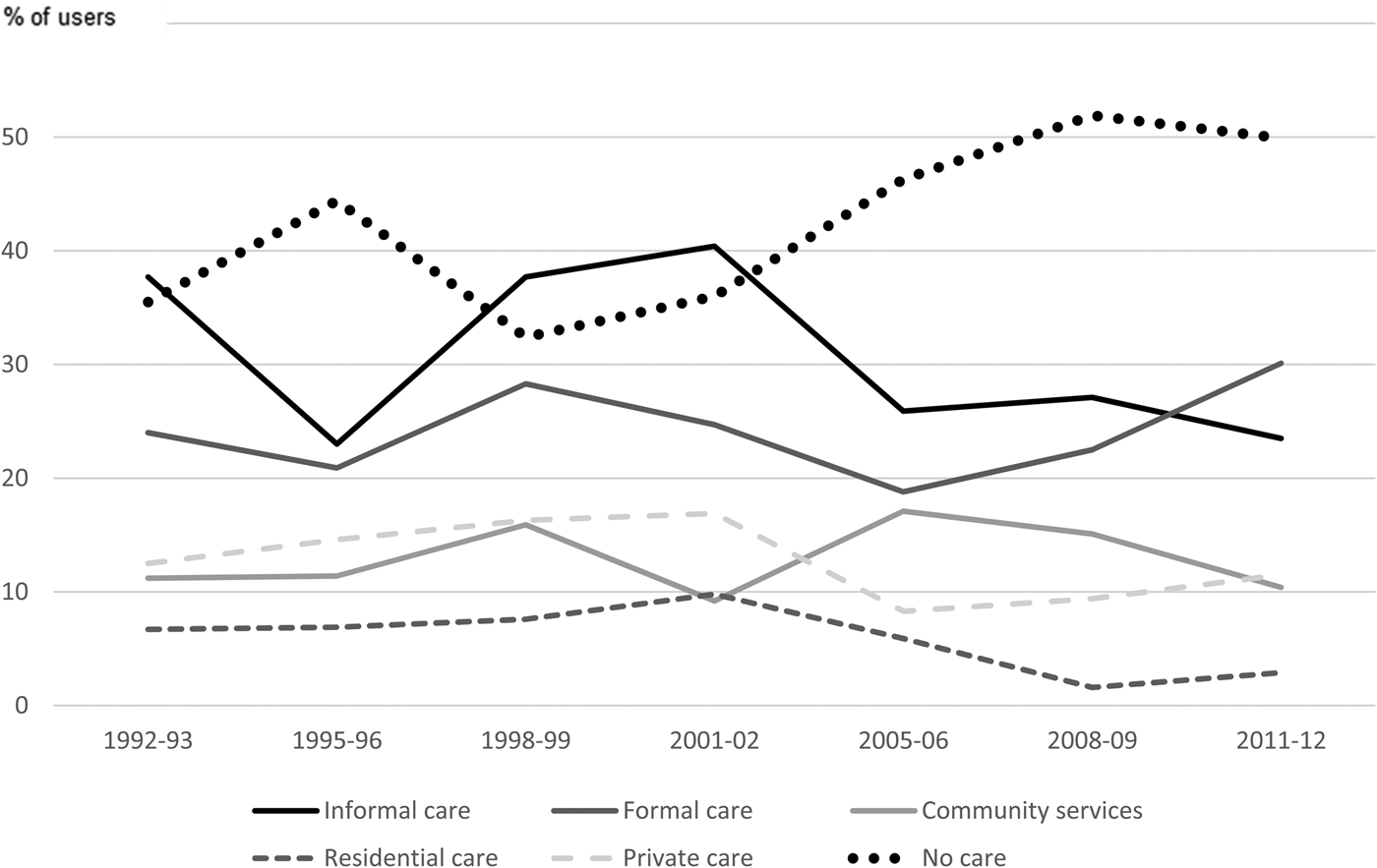
In univariate models, every explanatory variable was included separately in the model to describe the univariate association with the outcome variable before other explanatory variables were taken into account (Model 1). Next, the predisposing characteristics and health-related factors were included in Model 2. In Model 3, the enabling variables were added. When informal care, formal homecare or community services were studied, the potential interdependent types of care were included in Models 4 and 5. Different services may be complementary, or be substitutes for each other, and thus different types of care were used as explanatory variables. Residential care is offered in a care facility, thus homecare is not complementary care to residential care. In Model 6 (Model 5 in residential care), the explanatory variables of interest (i.e. potential informal care-givers and other types of care), of which significance was proven in Models 4 and 5 (p < 0.05), were studied with interaction terms with observation year to reveal the possible changes over time (interaction term significance level p < 0.10). To illustrate the use of different care types in different observation years when predisposing, enabling and health-related individual characteristics are taken into account using the analysis of variance, the proportions of users are shown in Figure 1.
Proportion of care users in 1992–2012.
Results
Description of the study population
Between the study years the mean age varied from 73.4 to 76.7 years. The study population was slightly younger in later years due to selective drop-out of the older frail respondents and the addition of 55–65 year olds in 2002–2003 (Table 1). About half were female. The level of education increased during the years studied. In the early study years about a quarter had intermediate or higher education, but in later years more than half had achieved this. The mean MMSE score was slightly higher in later years. The mean number of functional limitations and the mean number of chronic conditions fluctuated but increased between the first and the last time periods, although the increase was statistically significant only in chronic conditions.
Description of the study sample: means and percentages of the variables in seven waves, cognitively impaired, age 65–85 years
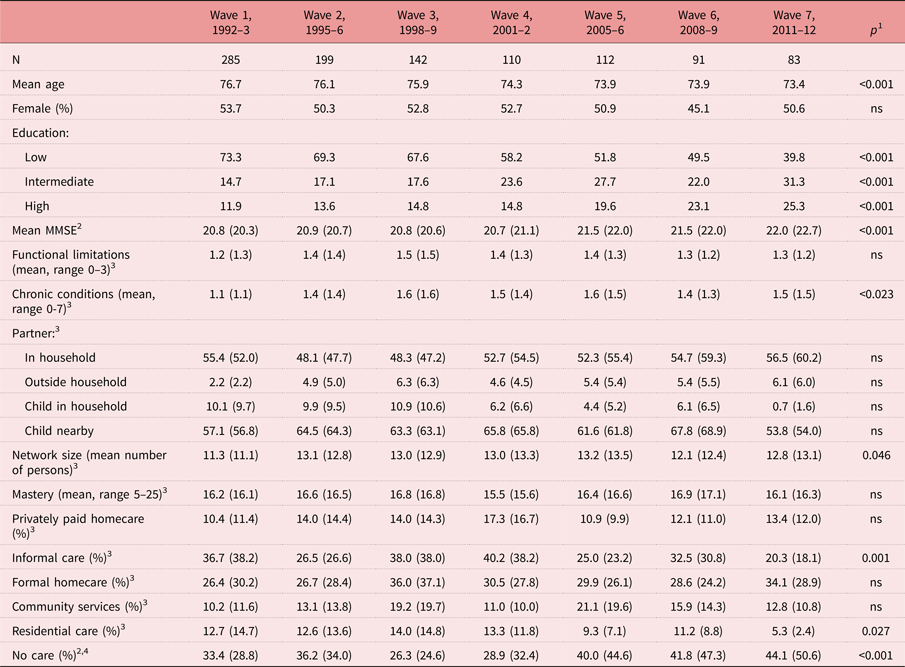
Notes: 1. Independent samples t-test or chi-square test (significance level p < 0.005; ns: not significant). 2. Adjusted for age, gender and education; unadjusted figures in parentheses. 3. Adjusted for age and gender; unadjusted figures in parentheses. 4. The proportion of those who did not use any of the five types of care (informal care, formal homecare, community services, residential care or private care). MMSE: Mini-Mental State Examination.
The change in use of care between 1992 and 2012
The proportion of users of different types of care fluctuated between the study years when age and gender were taken into account (Table 1). Between the earlier and later study years, the use of informal care and residential care decreased: in Figure 1, informal care and residential care both show decreasing trends, especially after 2001–2002. The decrease in informal care and residential care was statistically significant in univariate models (Tables 2 and 3), and in the models where all explanatory variables were taken into account when studying informal care between the reference years (1992–1993) and the years 1995–1996 and 2011–2012 (Table 2, Model 5), and residential care in Model 3 (Table 3).
Factors associated with the use of informal care (logistic regression analysis)
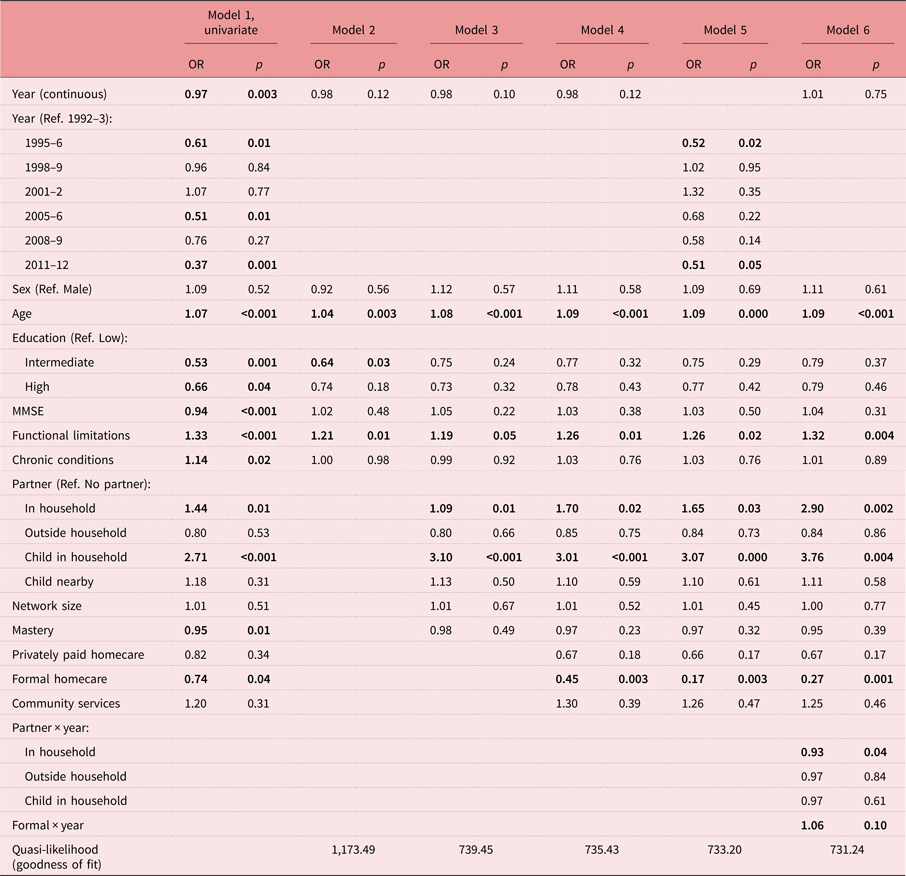
Notes: Binary logistic regression models with generalised estimating equations. Ref.: reference category. MMSE: Mini-Mental State Examination.
Significance levels: Statistically significant (p < 0.05) odds ratios (OR) are bold; for interaction terms the significance level is p < 0.10.
Factors associated with the use of residential care (logistic regression analysis)
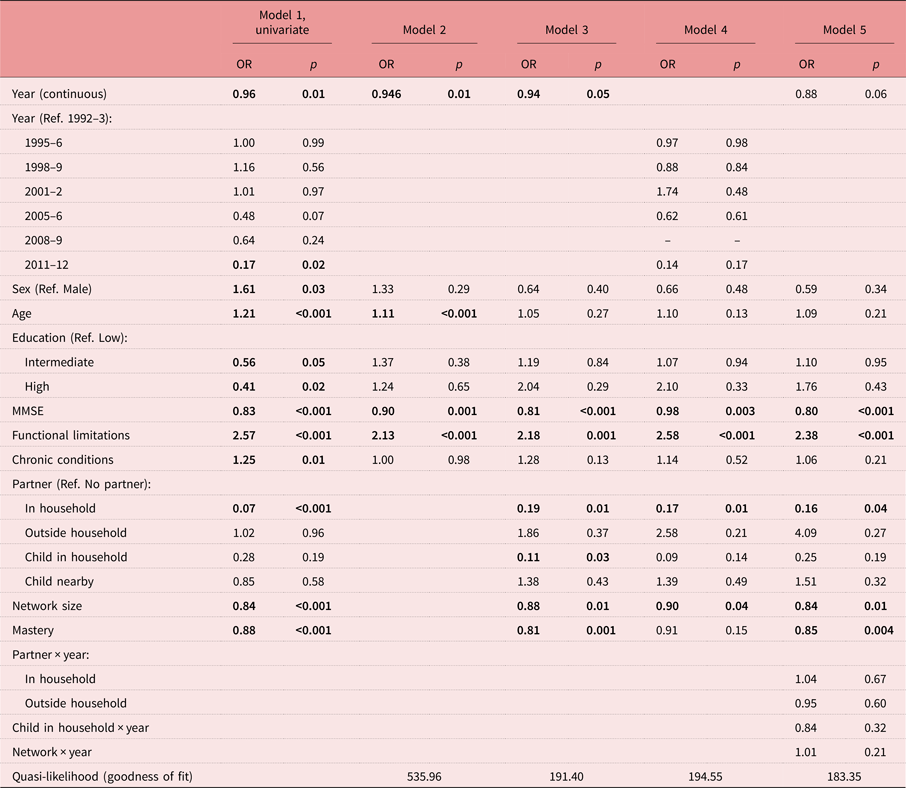
Notes: Binary logistic regression models analysed with generalised estimating equations. Ref.: reference category. MMSE: Mini-Mental State Examination. –: information not available.
Significance levels: Statistically significant (p < 0.05) odds ratios (OR) are bold; for interaction terms the significance level is p < 0.10.
When age and gender were taken into account, the use of formal homecare and community services increased, as did the proportion of those who used privately paid homecare services, but these changes were not statistically significant (Table 1). When the explanatory variables were taken into account, the proportion of community service and formal homecare users fluctuated between the study years (Figure 1). The differences in formal homecare use between the observation years were not statistically significant in any of the models (Table 4). In community services, the increase was statistically significant in the univariate model between the reference years and the years 1998–1999 and 2005–2006 (Table 5). However, the statistically significant differences were no longer present after the predisposing and health-related factors were included (Model 2).
Factors associated with the use of formal homecare (logistic regression analysis)
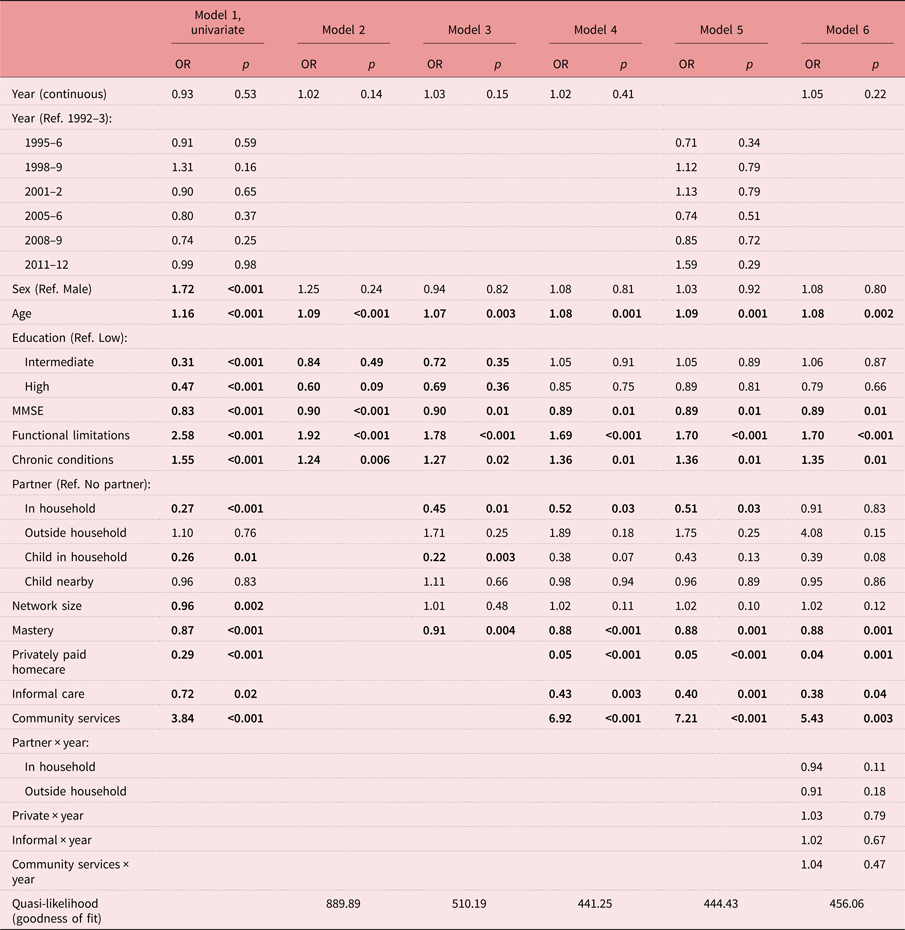
Notes: Binary logistic regression models analysed with generalised estimating equations. Ref.: reference category. MMSE: Mini-Mental State Examination.
Significance levels: Statistically significant (p < 0.05) odds ratios (OR) are bold; for interaction terms the significance level is p < 0.10.
Factors associated with the use of community services (logistic regression analysis)
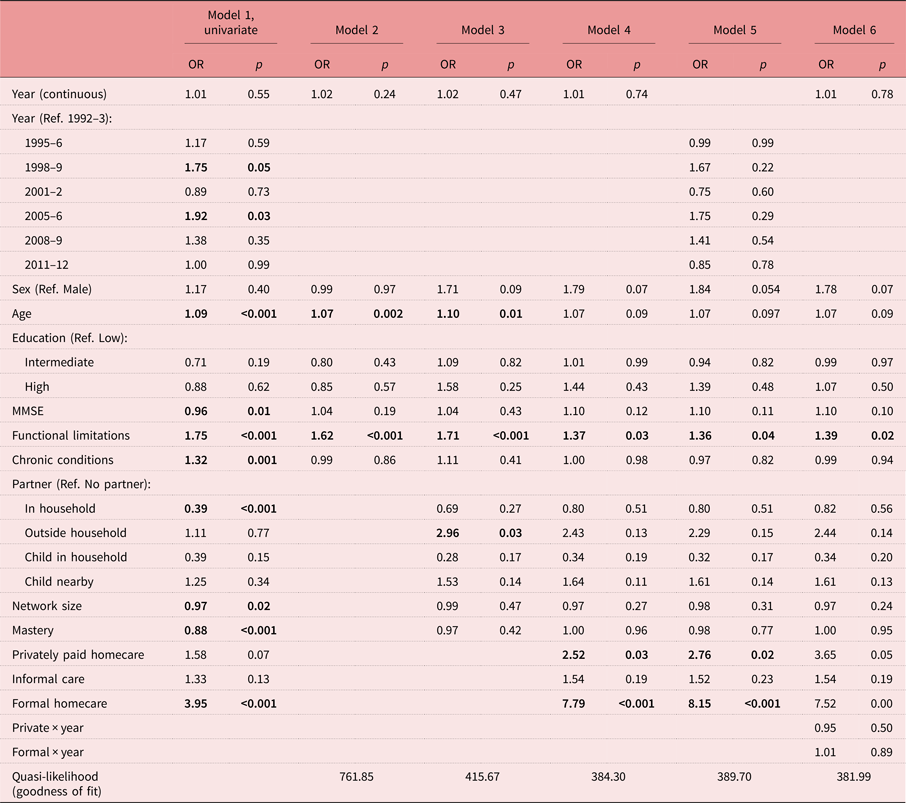
Notes: Binary logistic regression models analysed with generalised estimating equations. Ref.: reference category. MMSE: Mini-Mental State Examination.
Significance levels: Statistically significant (p < 0.05) odds ratios (OR) are bold; for interaction terms the significance level is p < 0.10.
When all of the care types were totalled, the no care group increased, especially after the late 1990s (Figure 1). The increase in the no care group was statistically significant when all of the explanatory variables were included in the models (Table 6, Models 3 and 4).
Factors associated with those who did not use informal care, formal homecare, community services, residential care or private homecare (logistic regression analysis)
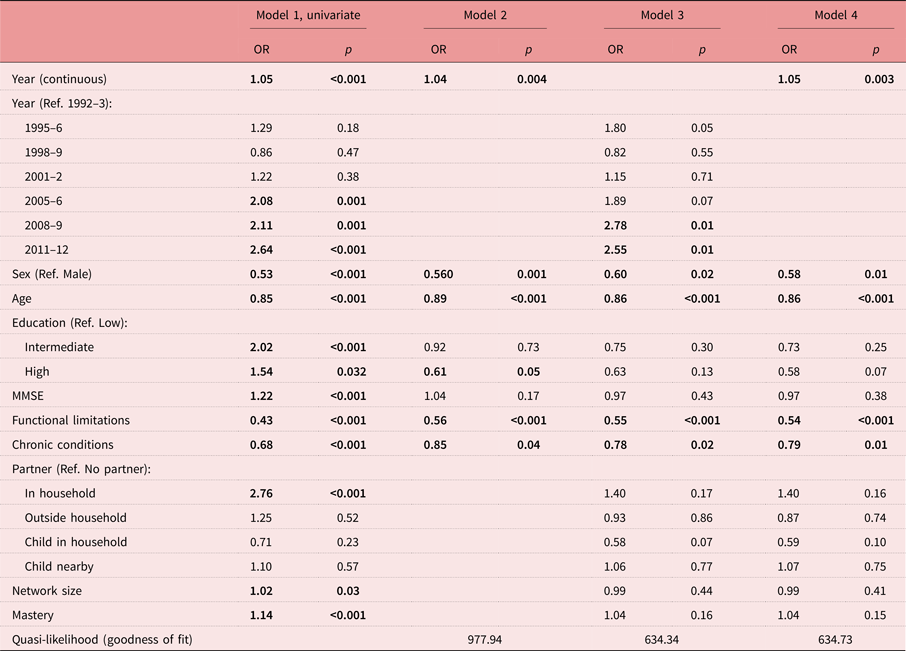
Notes: Binary logistic regression models analysed with generalised estimating equations. Ref.: reference category. MMSE: Mini-Mental State Examination.
Significance level: Statistically significant (p < 0.05) odds ratios (OR) are bold.
Potential informal care-givers
The proportion of persons living with a partner decreased until 1999, after which it increased to about the same level as in 1992–1993 (Table 1). The proportion of those who had a partner outside the household increased, although the proportion was low during the whole study period. Living with a child in the same household was also relatively uncommon and decreased over time. Having a child living nearby fluctuated between the observation years but was lower in the last time period than in the first. Network size increased between the observation years and was the only element in this category that showed statistically significant changes over time.
After all explanatory variables were included in the models, the association of living with a partner increased the use of informal care and decreased the use of formal homecare and residential care. Living with a child increased the likelihood of using informal care (Table 2) and decreased the likelihood of using residential care (Table 3). A larger network size decreased the likelihood of using residential care (Table 3). After all explanatory variables were included, none of the potential informal care-givers had a significant effect on the no care group.
The interaction terms suggest that the effect of potential informal care-givers did not change over time with the exception of living with a partner on informal care (Table 2, Model 6). The association of living with a partner with informal care use diminished during the study years. More detailed examination of those living with a partner showed that among this group, informal care use increased until 2002, after which it decreased (analysis not shown).
The interdependency between different types of care
Formal homecare showed significant negative association with the use of informal care, and vice versa (Model 5 in Tables 2 and 4), which suggests they are each other's substitutes. However, the positive interaction term formal homecare × year for informal care (Table 2) suggests that the complementarity between these services has increased. This means that informal care and formal homecare were increasingly used simultaneously: in more detailed examination, in 1992–1993 about a fifth but in 2011–2012 almost half of the respondents used formal care in addition to informal care (analysis not shown). The use of private care decreased the likelihood of using formal homecare, which suggests private care is a substitute for formal homecare. Community services provided complementary provision and had a positive association with the use of formal homecare and private care (Table 5). None of these associations between private care, formal homecare or community services changed over time.
Other explanatory variables
Of the health-related variables (Tables 2–6), the higher number of functional limitations increased the likelihood of the use of all four types of care, and decreased the likelihood of belonging to the no care group. Those who had lower MMSE scores were more likely to use formal homecare (Table 4, Models 4 and 5) and residential care (Table 3, Models 3 and 4) than those with higher MMSE scores. A higher number of chronic conditions increased the likelihood of using formal homecare (Table 4, Models 4 and 5), and decreased the likelihood of belonging to the no care group (Table 6, Models 3 and 4). Higher age increased the use of informal and formal homecare, while younger age and male gender were associated with belonging to the no care group. A higher sense of mastery decreased the likelihood of using formal homecare and residential care.
Discussion
The aims of this study were to examine to what extent has the use of informal care, public homecare services, community services and residential care changed in the course of time among people aged 65–85 with cognitive impairment. Exploring the extent to which the changes in care use are likely to reflect changes in the care system, as opposed to changes only in individual characteristics, was of special interest to us. In addition, we studied to what extent the use of different types of care is associated with the availability of potential informal care-givers, and whether there is an interdependency between the use of different care services.
The use of informal care and residential care decreased between the observation years among cognitively impaired people. The decreases were partly explained with the changes in individual characteristics such as younger average age and higher education in the later study years. However, because age and education were controlled in Models 2–6, this does not explain fully why informal care was used less in the later observation years. In residential care, the larger network size and higher MMSE score in later years explain some of the decrease over time, but not all. Use of formal homecare and community services fluctuated but did not show any clear changes between the observation years.
Use of informal care reflects the availability of potential informal care-givers, and one of the main interests of this study was to investigate the association of potential informal care-givers with the use of different types of care. Availability of informal care-givers, especially living with a partner, was important in the use of different types of care. The importance of having a co-habiting partner to the use of informal care is supported by previous studies (Bonsang Reference Bonsang2009; Pickard Reference Pickard2012). Yet, even though the availability of potential informal care-givers remained at the same level between the observation years, the use of informal care decreased. In agreement with our findings, national trends in informal care seem to be fluctuating. In the Netherlands, the proportion of informal care-givers in the population aged 50 and over increased from 11.4 per cent in 2004–2006 (OECD 2011) to 16.9 per cent in 2010 (OECD 2013), but then decreased to 15.9 per cent in 2013 (OECD 2015). A similar fluctuating trend is also observed in the OECD average (OECD 2011, 2013, 2015). Eom, Penkunas and Chan (Reference Eom, Penkunas and Chan2017) found that immediate family care-givers experience lower wellbeing and higher subjective burden than non-immediate family care-givers. Also societal changes, for instance the increase in retirement age, the individualisation of lifestyles and weakening norms of family obligations may reduce the family member's possibilities to engage in an informal care relationship (Anttonen and Häikiö Reference Anttonen and Häikiö2011; Fingerman et al. Reference Fingerman, Pilleman, Silverstein and Suitor2012). These effects might be even stronger if the potential care recipient is cognitively impaired, since the care-givers to people with cognitive impairment are found to face more problems in coping with their everyday lives than care-givers to the cognitively intact (Van Bruggen et al. Reference Van Bruggen, Gussekloo, Bode, Touwen, Engberts and Blom2016). Due to lack of information on informal care-givers’ experiences and life situations, or the potential care receiver's willingness to receive care from a family member, our study cannot investigate the causes behind the decrease in partner contribution to informal care. In all, our findings suggest that efforts which enable informal care and support the coping mechanisms of informal care-givers would not only increase the wellbeing of the informal care-givers but would also reduce the need for formal care services (Bonsang Reference Bonsang2009; Pickard Reference Pickard2012).
Decrease in residential care was an expected result due to the de-institutionalisation policy in the Netherlands (De Meijer et al. Reference De Meijer, Bakx, Van Doorslaer and Koopmanschap2015), and a result supported by previous studies (Alders, Comijs and Deeg Reference Alders, Comijs and Deeg2016; De Meijer et al. Reference De Meijer, Bakx, Van Doorslaer and Koopmanschap2015). According to OECD statistics, of all-cause institutional long-term care use, the proportion of long-term care recipients has decreased during the 2000s among people aged 65–80 and among those aged 80 and over in the Netherlands (OECD 2018). In our study, a lower MMSE score was associated with the higher use of residential care, which was not a surprise since a low MMSE score is an important need factor for professional care (Vecchio et al. Reference Vecchio, Fitzgerald, Radford and Fisher2016; Zhu et al. Reference Zhu, Sano, Ferris, Whitehouse, Patterson and Aisen2013). The age- and education-adjusted average MMSE score was around 21–22 in every observation year, implying that in most cases the level of cognitive impairment varied from mild to moderate, thus they might be in ‘too good a health’ for residential care, especially in the later study years when the eligibility for residential care probably was stricter. This interpretation is supported by the fact that the use of residential care decreased even when we took into account the individual determinants of care use, including the health factors, in the analyses. This means that even if the health status of the respondents – MMSE score, number of functional limitations and chronic conditions – held constant over years, the use of residential care would have decreased. The trend of emphasis on those in highest need is observed also in Finland (National Institute for Health and Welfare 2016) and in the UK (Matthews et al. Reference Matthews, Bennet, Wittenberg, Jagger, Dening and Brayne2016), where long-term care residents were found to be increasingly of people with cognitive impairment and/or dementia.
Unexpectedly, the proportion of persons receiving no care at all increased over the years. This change was not explained by changes in individual characteristics and was found particularly in younger men with less functional disabilities and chronic conditions. This suggests that care services in general are offered increasingly to those in the most severe need measured by physical disability. The association of not using informal or formal care with better functional ability was also found by Paraponaris, Davin and Verger (Reference Paraponaris, Davin and Verger2012). Even among those cognitively impaired, physical impairment was a more important need factor in order to be eligible for professional care services than the gravity of cognitive impairment in this group where the dominating level of cognitive impairment was mild. People with mild to moderate dementia have reported unmet needs in domains of psychological distress, company and information on available services (Kerpershoek et al. Reference Kerpershoek, de Vugt, Wolfs, Woods, Jelley, Orrell, Stephan, Bieber, Meyer, Selbaek, Handels, Wimo, Hopper, Irving, Marques, Gonçalves-Pereira, Portolani, Zanetti and Verhey2017; Mazurek et al. Reference Mazurek, Szcześniak, Urbańska, Dröes and Rymaszewska2017; Van der Roest et al. Reference Van der Roest, Meiland, Comijs, Derksen, Jansen, van Hout, Jonker and Dröes2009). Mazurek et al. (Reference Mazurek, Szcześniak, Urbańska, Dröes and Rymaszewska2017) stated that care offered to older people, also to those with cognitive problems, is more likely to meet the basic needs in the domains of accommodation, food and household activities than in the social and psychological areas. Our study does not provide information on the extent to which those without care use experienced unmet needs in domestic help, personal help, or in social or psychological domains, yet it would be important information in terms of the quality of life of the respondents (Mazurek et al. Reference Mazurek, Szcześniak, Urbańska, Dröes and Rymaszewska2017). The factors behind the increase in those who did not use any of the care types measured in this study should be further studied: whether they manage without any help, or they lack the care they need, or the reduction in care is substituted with some other form of help, for example day care, or if living at home without any potential informal care-givers has contributed to unplanned hospitalisations (Pimouguet et al. Reference Pimouguet, Rizzuto, Lagergren, Fratiglioni and Xu2016).
This study showed the interdependency between different care types and how this has changed over the years. Our results show that informal care and formal homecare could be substitutes for each other, but were also increasingly complementary services, i.e. they were used simultaneously. Substitution in formal and informal care is also found in previous studies of older adults (Bonsang Reference Bonsang2009; Li Reference Li2005; Pickard Reference Pickard2012; Swinkels et al. Reference Swinkels, Suanet, Deeg and Broese van Groenou2016; Van Houtven and Norton Reference Van Houtven and Norton2004). The expansion of formal care decreased co-resident care, but when access to formal care decreased, use of informal care rose (Pickard Reference Pickard2012). However, according to Li (Reference Li2005), increasing amount of formal care does not replace informal care, but rather serves as a complementary service and may provide relief to the informal care-giver's burden. This may be the situation in our study where in addition to a decrease in informal care, informal care was increasingly provided with the support from formal homecare. Privately paid care was a substitute for formal care and this association proved robust over the years. This suggests that financial resources are important in order to deal with potential further reductions in formal homecare. Of other care services studied here, the associations did not change over the years. The striking increase in those who did not use any of the care types implies that the decrease in informal care and the reduction in institutional long-term care capacity has not been substituted by other types of care.
Despite the significant findings in informal care and residential care, the results show rather modest changes between the study years. This might originate in three possible explanations: to the changes in individual determinants of care use described above, to the generosity of the Dutch care system or to the small sample size used in this study. The Dutch care system has been, and regardless of reductions still is, rather generous. In 2013, the population receiving long-term care in the Netherlands was the highest of the OEDC countries, the share of people aged 65 receiving long-term care at home was above the OECD average and the amount of funding on health-care resources was in the top five of the largest spenders of the OECD countries (OECD 2015). It is possible that the reductions in this system have not influenced the care use of cognitively impaired adults. One major limitation of this study was the small sample size of cognitively impaired people in the various time periods. The results, i.e. a decrease in informal care and in residential care and the non-significant slight increase in formal homecare, follow the same patterns found in past studies on the Dutch older population. These previous results are shown to be at least partly resulting from the changes in care policy (Alders, Comijs and Deeg Reference Alders, Comijs and Deeg2016; De Meijer et al. Reference De Meijer, Bakx, Van Doorslaer and Koopmanschap2015; Swinkels et al. Reference Swinkels, Suanet, Deeg and Broese van Groenou2016). With a larger sample size, it is possible that the effect of the observation years would have been stronger.
This study has several limitations. The above-mentioned small sample size due to the fact that only those with valid MMSE scores from personal interviews could be included, might affect the statistical power of the analysis. The LASA also uses telephone interviews and proxy answers. However, for the MMSE score, a proxy answer cannot be used and the telephone interviews using the short-scale MMSE were not available for every study period, thus comparisons over time were not possible to conduct using the short-scale MMSE. Because personal participation was required, those with severe cognitive impairment, i.e. those with the highest care needs, are under-represented, as are the oldest respondents, i.e. those aged over 85. With the constant age range over time, we are able to define to which population our findings can be generalised, that is, people with cognitive impairment aged 65–85. A similar age range in every study year is crucial to keep the samples as comparable as possible over the years. Of course, an 85-year-old in 2012 differs from an 85-year-old in 1992, with the latter possibly being more frail in many aspects, but taking differences in educational level, social resources and physical health into account enables the comparison of age groups over time. The proportion of those who were either temporarily impaired, the proportion of those who dropped out due to inability to answer the long interview in later years, or were unwilling to answer, or were deceased, is in line with the previous study investigating the course of cognitive impairment in LASA data (Comijs et al. Reference Comijs, Dik, Deeg and Jonker2004). A decline in the MMSE score might be a symptom of dementia, yet people may suffer from cognitive impairment for many reasons other than dementia, for instance depression, stress and physical diseases. Thus, it should be acknowledged that our sample includes both people with dementia and those who suffer from cognitive decline due to some other cause. A major strength is the reliable survey data, gathered from the nationally representative sample of older adults over two decades. A specific concern for studies on ageing is that attrition is considerable. However, attrition in LASA can be attributed, for the largest part, to mortality and, to a lesser extent, to refusal or other reasons (Huisman et al. Reference Huisman, Poppelaars, van der Horst, Beekman, Brug, van Tilburg and Deeg2011). In terms of explanatory variables, the LASA data include an extensive number of explanatory variables that cover health, functioning and social circumstances, which all potentially affect the need and use of care. This study adds to the previous LASA studies of care use among the older Dutch population (Alders, Comijs and Deeg Reference Alders, Comijs and Deeg2016; Swinkels et al. Reference Swinkels, Suanet, Deeg and Broese van Groenou2016), with a focus solely on those who were cognitively impaired, the group that is likely to be the most vulnerable group in terms of care need. Because of the small sample size, generalisation of these results should be done with caution. However, this study provides novel information, and to our knowledge is the first study investigating the changes in the use of different types of care in the course of time among cognitively impaired people in the Netherlands.
To conclude, care policy should be prepared for the possible increase in the number of those with cognitive impairment, including dementia, and should not rely excessively on the availability of informal help, but should rather guarantee adequate formal help for those in need. This study suggests that the decrease in informal care, the reduction in the availability of formal homecare and also of residential care capacity have all contributed to the number of people aged 65–85 with cognitive impairment living at home without any care. This development is worrisome and future research should investigate how this group of people without informal or formal care, or residential care, cope with their everyday lives.
Acknowledgements
This work was conducted as a part of the Centre of Excellence in Research on Ageing and Care, funded by the Academy of Finland (grant number 312311). Data are from the Longitudinal Aging Study Amsterdam, which is largely funded by the Dutch Ministry of Health, Welfare and Sport. We thank the Helena Lavikainen Foundation for granting support for travel costs.
Author contributions
The corresponding author is responsible for the study design, analyses and is the main author of the manuscript. Co-authors have read the paper and are aware of its submission. M.A., M.B.G. and H.C. have made a substantial contribution to the conception and design, M.A. and J.R. to analyses and interpretation of data. All authors have contributed to the drafting of the article and have given critical comments throughout the writing process. All authors have approved the version to be published. M.A. controlled the decision to publish.
Financial support
This study is based on data from the Longitudinal Aging Study Amsterdam, which is largely funded by the Dutch Ministry of Health, Welfare and Sport. The corresponding author had a postdoctoral position in the Institute for Advanced Social Research (Research Collegium), University of Tampere, Finland. Travelling costs were funded by a travelling grant from the Helena Lavikainen Foundation.
Conflict of interest
There are no conflicts of interest.
Ethical standards
The Longitudinal Aging Study Amsterdam (LASA) has received approval by the medical ethics committee of the VU University Medical Center. Signed informed consent was obtained from all study participants. For the present study, the permission to use data was obtained from the LASA steering group using the official analysis proposal form (http://www.lasa-vu.nl/data/availability_data/availability_data.htm).



