


Governments increasingly confront policy challenges that expose the limits of existing institutions. Climate change, postconflict transitions, rapid technological innovation, and global pandemics each generate regulatory demands that require bold actions, which existing frameworks are ill-equipped to meet (Hancké, Van Overbeke, and Voss Reference Hancké, Van Overbeke and Voss2022; Keohane and Victor Reference Keohane and Victor2011; Leckie Reference Leckie2008; Ulnicane Reference Ulnicane, Hoerber, Weber and Cabras2022). In response, governments enact new institutional frameworks that do not simply extend the existing order but rather constitute qualitatively distinct efforts to reshape the terms of regulation. The European Union’s Green Deal, for example, introduced far-reaching institutional reforms to drive decarbonization (Hoon and Pype Reference Hoon and Pype2022). Postconflict land restitution regimes in South Africa and Colombia created novel legal procedures for addressing historical dispossession (Blanco Cortina, Güiza Gómez, and Santamaría Chavarro Reference Blanco Cortina, Gómez and Chavarro2017; Comisión Colombiana de Juristas 2018; Van Ho Reference Van Ho2016). These initiatives represent what we term extraordinary institutional reform.
Extraordinary reform refers to nonincremental institutional innovation that regulates state action through fast-tracking procedures, expanded mandates, and normative recalibration in domains previously unregulated or weakly institutionalized. As French minister Roland Lescure explained in the context of climate policy, “‘[d]ecarbonising’ the economy is a two-part process: making incumbent industrial actors greener and developing a new decarbonisation industry” (Messad and Bourgery-Gonse Reference Messad and Bourgery-Gonse2023). This formulation illustrates how extraordinary reform first generates entirely new regulatory frameworks in domains without precedent while also altering the rules of the game for neighboring frameworks.
Like all institutional changes, extraordinary reforms unsettle prior institutional ecosystems, thus triggering far-reaching distributional implications (Knight Reference Knight1992; Patterson Reference Patterson2021). They endow specific agencies or regulatory bodies with novel authority, while reconfiguring the responsibilities of preexisting offices. At the same time, extraordinary reforms create formal access for constituencies previously excluded from institutional regulation while generating frictions with vested actors. Such frictions often escalate into policy conflict wherein newly mandated agencies and constituencies encounter resistance from previous institutional frameworks. How do governments resolve policy conflicts when extraordinary reform collides with entrenched rules and interests embedded in previous institutional frameworks?
We argue that governments resolve policy conflict by engaging in discretionary implementation—to wit, the strategic use of authority to shape the pace, scope, and direction of reform. Such discretion allows governments to navigate a delicate balance between competing pressures. On one hand, they must demonstrate a credible commitment to extraordinary reforms, which are often deemed as urgent and politically consequential. Emerging challenges demand action while newly created agencies and mobilized constituencies hold governments accountable for delivering on reform promises. On the other, governments rarely possess the unilateral capacity to dismantle or bypass preexisting institutional arrangements.
Governments deploy discretionary implementation through two key mechanisms: layering and conversion. Through layering, governments introduce procedural changes that modify fast-tracking rules, thus prolonging procedures. Via conversion, governments reinterpret expanded mandates, thereby shifting their initial objectives. Layering and conversion enable governments to address policy conflict without openly undermining extraordinary reform or confronting vested actors. In doing so, governments shift from reformers to spoilers of their own reform. Under discretionary implementation, reform failure may be attributed to external constraints, such as limited state capacity, rather than deliberate governmental sabotage.
Although analytically distinct, layering and conversion are not mutually exclusive, as governments can deploy them simultaneously or sequentially. However, the choice of which mechanism becomes dominant in each area of implementation is not arbitrary. Rather, it depends on the extent to which governments enjoy control over reform implementation. When implementation is centralized within executive agencies, layering is the preferred strategy. Conversely, when implementation is shared with more autonomous actors—such as courts—conversion is more suitable.
To test the observable implications of our argument, we conduct an in-depth case study of Colombia’s ethnic land restitution program—an archetypical case of extraordinary reform—from 2012 to 2018. In 2011, President Juan Manuel Santos introduced a transitional justice framework, which established novel institutions for land return to Indigenous and Afrodescendant victims. Ethnic land restitution involved fast-tracking procedures, provided a new administrative body and courts with expanded mandates, and enshrined new rights for civil war victims. Once this program gained traction, it quickly triggered distributive implications within the government as well as existing agencies and actors anchored to extractive industries. Against a backdrop of the country’s economy reliance on mining and hydrocarbon activities, the government strengthened mechanisms for foreign investment and relaxed regulations for the extractive sector. By 2015, when local courts issued landmark rulings that halted extractive activities in lands requested by ethnic victims, policy conflict between reparations and extractivism became evident. Thus, Colombia provides a critical case to examine government strategies aimed at addressing policy conflict between ethnic land restitution and rules and interests embedded in prior institutions (e.g., extractivism).
We employ process tracing to examine how Santos’s administration managed policy conflict between ethnic land restitution and preexisting rules and actors tied to extractive industries. We draw on a unique dataset of 328 administrative cases and 21 judicial rulings (2012–18), supplemented by archival materials and 14 interviews with bureaucrats and judicial actors.Footnote 1 We integrate qualitative and quantitative causal-process observations (CPOs) to assess our main hypothesis vis-à-vis the alternative explanation, which posits that discretionary implementation was driven primarily by limited state capacity relative to the power of mining companies. Our findings suggest that layering was initiated in 2015 when a new oversight office was informally inserted into the Land Restitution Unit, adding rules and procedures to an already bottlenecked administrative process. Using regression analysis, we show that layering extended delays in the administrative stage and reduced the likelihood of cases advancing to judicial review, particularly in municipalities with significant mining activity. Additionally, we identify that conversion reshaped expanded mandates originally granted to courts, limiting the scope of judicial decision making in favor of restitution claimants.
Our argument contributes to prior research on historical institutionalism and policy survival. First, we theorize how governments employ covert mechanisms to reshape—and to some extent dilute—extraordinary reform. In contexts where governments face either internal divisions or powerful vested interests from preexisting institutions, discretionary implementation becomes a key arena in which governments reconcile the political stakes of extraordinary reform with the constraints imposed by previous frameworks. Building upon Holland’s (Reference Holland2017) notion of forbearance, we argue that implementation outcomes reflect not only state capacity but also governments’ strategic discretion in shaping the pace, scope, and direction of extraordinary reform. We extend Holland’s logic from enforcement to implementation, explaining how governments selectively carry out extraordinary reform to address policy conflict.
Our theory also builds on Mahoney and Thelen’s (Reference Mahoney, Thelen, Mahoney and Thelen2010b) theory of gradual institutional change, particularly their mechanisms of layering and conversion. While these mechanisms are associated with gradual institutional change, we argue that they can also be used to recalibrate nonincremental institutional innovation (Van der Heijden Reference van der Heijden2011). Moreover, we move away from explanations that attribute resistance solely to external veto players and instead underscore forms of opposition that originate from within the government. Rather than viewing governments as either unitary reformers or spoilers (Mahoney and Thelen Reference Mahoney and Thelen2010a), we claim that governments can play both roles at once, thereby advancing reform while simultaneously diluting it from within. In a similar vein, we expand prior research on policy survival, which primarily focuses on external forces that trigger either positive or negative feedback effects (Michener Reference Michener2018; Patashnik Reference Patashnik2008; Pierson Reference Pierson1994). Reform survival, we argue, hinges not only on societal response but also on how governments choose to implement what they have already created.
Second, we introduce the concept of extraordinary reform to capture institutional innovation amid periods of rapid change that generate new regulatory demands. This concept bridges strands of scholarship on institutional change, transitional justice, and climate adaptation. On one hand, historical institutionalism primarily focuses on institutional shifts in conventional policy issues—such as social policy, tax reform, or healthcare—leaving aside questions on institutional change in new policy realms. On the other hand, transitional justice and climate adaptation studies have largely examined the determinants and effects of novel institutions, opening questions on what these institutions entail and how they adapt to previous ecosystems (Greiff Reference Greiff and Greiff2006; Patterson Reference Patterson2021; Teitel Reference Teitel2000). We identify the core constitutive elements of extraordinary reform, which distinguish it from other forms of institutional change, such as Patashnik’s (Reference Patashnik2008) general-interest reform. In particular, we propose extraordinary reform as an institutional paradigm shift—as developed by Hall (Reference Hall1993) to conceptualize third-order institutional change—in new rather than old lines of policy.
Our argument is particularly relevant in the field of transitional justice, which has extensively shown how vested actors from the old political order can obstruct extraordinary mechanisms (Nalepa Reference Nalepa2010). We examine how governments preserve the core of such institutions while weakening their most politically contentious elements. Empirically, we offer the first comprehensive and systematic analysis of ethnic land restitution in Colombia.Footnote 2 As one of the most prominent property-return initiatives worldwide, the program holds particular significance for peacebuilding and transitional justice for other contexts facing similar challenges.
A Theory of Enforcement of Extraordinary Reform: Discretionary Implementation and Covert Mechanisms
Rapid or large-scale changes in policy domains often overwhelm the capacity of existing institutions. Political transitions from civil war or authoritarian rule, for instance, elicit heightened demands for justice, accountability, and reparations that existing institutions are ill-prepared to meet (Murphy Reference Murphy2017; Teitel Reference Teitel2000). Climate change poses similarly wide-reaching challenges that cut across administrative boundaries and strain regulatory frameworks originally built for discrete, localized risks (Khan, Gao, and Abid Reference Khan, Gao and Abid2020; Timmerman et al. Reference Timmerman, Matthews, Koeppel, Valensuela and Vlaanderen2017). Under such circumstances, existing rules and procedures may lack the mandate, instruments, or legitimacy to address emerging policy demands.
To confront these gaps, governments often enact what we call extraordinary reforms—to wit, one-shot institutional innovations that regulate state response through fast-tracking procedures, expanded mandates, and normative recalibration in areas where inherited institutions are fragmented, normatively limited, or entirely absent. Such reforms do not merely extend existing institutional frameworks to new policy issues. Instead, they entail institutional paradigm shifts—akin to what Hall (Reference Hall1993, 279) calls third-order institutional change—which reconfigure not only rules and procedures but also overarching policy goals. Examples include transitional justice mechanisms that exceeded the capacity of conventional courts and agencies, and climate adaptation policies that span jurisdictions and time horizons beyond standard environmental regulations (Elster Reference Elster2004; Greiff Reference Greiff, Williams, Nagy and Elster2012; Khan, Gao, and Abid Reference Khan, Gao and Abid2020; Murphy Reference Murphy2017; Teitel Reference Teitel2000).
Extraordinary reforms are defined by three features: fast-tracking procedures, expanded mandates, and normative recalibration. Each dimension enables governments to overcome legal constraints, jurisdictional fragmentation, or normative inertia that previous institutions are marred with. First, extraordinary reforms accelerate state action to address policy issues with urgency. In particular, these reforms modify the tempo and procedural rules through which state agencies make decisions. Unlike routine reforms that improve efficiency within existing rules, extraordinary reform overrides those rules to allow for expedited interventions. For example, transitional justice tribunals relax evidentiary standards and assess responsibility through macrocriminal patterns rather than individualized cases. Such expedited rules and procedures enable tribunals to process widespread human rights violations in condensed time frames (Atuahene Reference Atuahene2014; Cassese Reference Cassese2004; Elster Reference Elster2004; Roper and Barria Reference Roper and Barria2017).
Second, extraordinary institutions operate under expanded mandates that consolidate authority across otherwise jurisdictionally fragmented policy domains, redefining where authority is exercised. Unlike typical interagency coordination efforts, extraordinary reform often grants cross-sectoral and cross-jurisdictional authority to new agencies. Restitution commissions and courts, for instance, have been granted authority to determine land ownership, order infrastructure provision, and change development priorities, which are otherwise attributed to courts, land registries, and planning ministries—as in the South African and Colombian cases (Atuahene Reference Atuahene2014; Elster Reference Elster2004).
Third, extraordinary institutions engage in normative recalibration by redefining the issues over which authority is exercised. For example, some reparation programs recognize entire communities as collective victims, departing from individualized legal standards in conventional administrative and judicial proceedings (Hayner [2001] Reference Hayner2010; Verdeja Reference Verdeja2008).
These three features—fast tracking, expanded mandates, and normative recalibration—are not exclusive to transitional justice. In climate policy, for example, fast-tracking procedures have been institutionalized to accelerate renewable energy deployment through streamlined processes that compress conventional environmental review timelines (Hoon and Pype Reference Hoon and Pype2022; Popielak, Majchrzak-Kucęba, and Wawrzyńczak Reference Popielak, Majchrzak-Kucęba and Wawrzyńczak2024). Expanded mandates have been introduced in climate adaptation institutions like the Netherlands’ Delta Programme, which consolidates authority across multiple jurisdictions—national, provincial, and municipal—to coordinate water management, urban planning, and resilience initiatives that would otherwise be fragmented across sectoral agencies (Zevenbergen et al. Reference Zevenbergen, Khan, van Alphen, van Scheltinga and Veerbeek2018). Finally, normative recalibration is evident in carbon offset and ecosystem-based mitigation schemes, which redefine legal and moral responsibility for environmental harm by recognizing forests, wetlands, and rivers as entities with rights or value claims (Aba Reference Aba2023; Savaresi and Setzer Reference Savaresi and Setzer2022).
Together, these features distinguish extraordinary reform from incremental or sector-bound change in already regulated areas. Rather than emerging through gradual adaptation—as observed in Brazil’s healthcare reform during the 1964–88 period (Falleti Reference Falleti, Mahoney and Thelen2010)—extraordinary reform is a one-shot institutional innovation through which governments seek to reassert regulatory capacity in areas where existing institutions have proven inadequate. Crucially, extraordinary reform redefines how authority is exercised, by whom, and for what purposes. That is, it extends beyond institutional change that merely adds new procedures to prior arrangements. Further, extraordinary reforms do not merely resemble general-interest reform, which Patashnik (Reference Patashnik2008, 16) defines as “a conscious, non-incremental shift in a preexisting line of policymaking intended to produce general benefits.” Both types of reform entail nonincremental institutional change, yet they differ in scope. While general-interest reform reconfigures existing institutions to improve performance within established domains, extraordinary reform introduces rules and procedures into emerging policy issues. Since these areas often lack a coherent institutional order to displace, extraordinary reforms do not dismantle existing arrangements by design.
Nonetheless, extraordinary reforms are introduced into broader institutional ecosystems, where new authorities and mandates can unsettle existing practices or jurisdictions in adjacent domains. This redistribution of authority generates distributional conflicts along two axes (Knight Reference Knight1992). First, interagency tensions may arise when newly established bureaucracies pursue goals that conflict with the mandates of preexisting bodies. Restitution authorities, for example, promote the return of displaced populations, challenging the priorities of infrastructure, energy, or housing ministries committed to competing development strategies. Second, extraordinary reform reshapes policy constituencies, granting formal access to actors previously excluded while diminishing the influence of established actors. Transitional justice mechanisms, for instance, afford victims a standing to claim accountability, truth seeking, and reparations where no previous institutions recognized their claims.
How do governments resolve policy conflicts when extraordinary reform collides with entrenched rules and interests embedded in previous institutional frameworks? We argue that governments exercise discretionary implementation—that is, they strategically use authority to shape the pace, scope, and direction of implementation. Discretionary implementation allows governments to maintain credibility and momentum behind extraordinary reform while contending with entrenched rules, agencies, and actors from existing institutions. On one hand, new agencies and mobilized constituencies can block rollback—as in Guatemala, where accountability institutions from the 1996 peace accords survived government dismantlement efforts due to the mobilization of victims and citizens (Burt Reference Burt2021; Roht-Arriaza Reference Roht-Arriaza2008). On the other hand, governments remain tied to prior bureaucracies and vested interests—as in Brazil, where left-wing administrations expanded environmental agencies but these operated under strong constraints from the agribusiness lobby (Castro Reference Castro, Castro, Koonings and Wiesebron2014; Mueller Reference Mueller, Love and Baer2009; Sauer Reference Sauer2019). Discretionary implementation allows a middle ground amid policy conflicts where governments have limited ability to dismantle the old institutional order but also lack the ability to fully implement the new one. Within this liminal space, implementation emerges as a key site of political maneuvering.
Discretionary implementation mirrors Holland’s (Reference Holland2017) concept of forbearance, defined as the intentional and temporary nonenforcement of formal rules. As in forbearance, discretionary implementation assumes a baseline level of state capacity and intent. Governments that enact extraordinary reform typically invest in building institutional capacity to support it. Hence, the issue is not whether they can implement reform, but how they choose to do so. Moreover, discretionary implementation reflects a deliberate political choice to diverge from original reform designs in response to resistance. Discretionary implementation, however, differs from forbearance in the realm of state action: governments do not restrain the enforcement of existing rules, but rather actively deploy authority to reshape the outcomes of reform.
We posit that layering and conversion serve as the primary mechanisms governments have at their disposal to strategically implement extraordinary reform. These two mechanisms allow governments to effectively shift their role from reformers to spoilers while minimizing resistance and maintaining legitimacy—unlike the more confrontational or passive approaches of displacement and drift (Mahoney and Thelen Reference Mahoney and Thelen2010a). In contrast to displacement, which entails the overt replacement of extraordinary reform, layering and conversion are less likely to spark open confrontation with stakeholders invested in extraordinary reform. Unlike drift, which implies passive neglect as decision makers fail to adapt institutions as contexts evolve, layering and conversion enable governments to actively reshape reform by embedding new elements within existing structures or redirecting institutional purposes. Through these covert mechanisms, governments restrict extraordinary policies in a less costly and more strategic manner without openly abandoning it. Figure 1 lays out the argument.
Argument

Layering refers to the introduction of new rules alongside existing ones to subtly delay implementation. In historical institutionalism, layering enables gradual change by embedding new procedures or mandates that shift institutional trajectories over time (Mahoney and Thelen Reference Mahoney, Thelen, Mahoney and Thelen2010b, 16). In the context of extraordinary reform, layering takes a distinctive form: it undermines the very fast-tracking procedures that constitute a core feature of extraordinary reform, thereby attenuating its capacity to deliver swift change. Layering occurs when governments insert additional bureaucratic procedures that extend case processing timelines, delay decision making, or dilute institutional focus.
Conversion occurs when rules and mandates are reinterpreted or redirected to serve new policy objectives, effectively altering their original purpose (Hacker, Pierson, and Thelen Reference Hacker, Pierson, Thelen, Mahoney and Thelen2015, 185). In historical institutionalism, conversion typically arises in contexts of rule ambiguity, where actors—both state and nonstate—reinterpret institutional mandates without formally changing them. This mechanism often plays out in contested arenas, such as courts or regulatory agencies, where implementation heavily hinges upon ongoing interpretation (189). In judicial settings, governments exploit ambiguities in extraordinary rules to constrain judicial discretion in enforcement. For instance, governments may introduce competing legal claims about the scope and intent of rules or strategically withhold key evidence, shaping judicial rulings in ways that reinforce institutional inertia rather than implementing extraordinary reform. Over time, these incremental shifts in judicial interpretation undermine expanded mandates—a core defining feature of extraordinary reform—thereby diminishing reform implementation. By redirecting policy conflicts away from highly visible arenas, such as legislative debates or executive orders into lower-profile judicial processes, conversion allows governments to recalibrate policy trajectories with minimal public scrutiny.
Although one mechanism may predominate in each area of implementation, layering and conversion are not mutually exclusive; governments can and often do deploy both simultaneously and sequentially as part of a broader strategy of discretionary implementation. Each mechanism is useful depending on the extent to which governments enjoy authority over implementation. When governments solely enjoy decision-making authority over implementation, layering emerges as the preferred option. On the contrary, in arenas where implementation depends on more autonomous actors, such as courts, conversion offers key advantages for governments to diminish extraordinary reform implementation.
Both institutional layering and conversion prove instrumental in diminishing extraordinary reform. These mechanisms manifest as deliberate inefficiencies, such as procedural delays or the exclusion of certain scenarios from the regulatory sphere of extraordinary rules. Moreover, these strategies enable governments to attribute implementation failures to structural constraints, such as limited state capacity vis-à-vis business power, rather than government obstruction. This is particularly effective in resource-poor contexts, where narratives of state weakness provide cover for strategic inaction.
Based on the foregoing discussion, we hypothesize the following:
When extraordinary reform generates policy conflict, governments are more likely to rely on discretionary implementation. They will use covert mechanisms, such as layering and conversion, to undermine the implementation of extraordinary reforms while upholding commitment to it.
While our argument emphasizes governmental discretionary implementation to undermine extraordinary reform, we do not claim that all such reforms are inevitably stalled or eroded. Our theory specifically applies to cases where governments navigate conflicting policy priorities due to internal divides, such as governmental factions that pursue competing policy goals, or external constraints, such as powerful actors who are embedded in prior institutions and retain institutional leverage. Importantly, our argument applies to policy conflicts in which neither defenders of the status quo nor reformist coalitions hold a decisive advantage, forcing governments to strategically navigate institutional contradictions. The extent to which extraordinary reform is implemented—or undermined—depends on the intensity of political conflict and the relative strength of both entrenched interests and newly mobilized constituencies. Where powerful institutional actors control the state, reforms may be openly rolled back or displaced. Where beneficiaries such as victims’ groups are well organized, they can pressure governments to implement reforms and resist dilution.
Our argument builds on prior research on historical institutionalism by examining how governments covertly manage policy conflict through discretionary implementation. While existing accounts distinguish between the defenders and challengers of new rules, they largely assume that governments fall squarely on one side of this divide (Hacker, Pierson, and Thelen Reference Hacker, Pierson, Thelen, Mahoney and Thelen2015; Mahoney and Thelen Reference Mahoney and Thelen2010a). We argue that governments can be both reformers and spoilers—that is, they initially invest in costly reforms yet then limit their implementation to align with preexisting institutional ecosystems. Finally, we join prior accounts that challenge explanations that attribute institutional reform failure solely to weak state capacity relative to structural and instrumental business power (Evans Reference Evans1995; Fairfield and Charman Reference Fairfield and Charman2017; Holland Reference Holland2017; Migdal Reference Migdal1988). Rather than merely acting as agents of economic power, governments can play a spoiling role despite their formal responsibility as reformers.
The Case of Colombia: Reparations and Extractivism
To test our argument, we examine Colombia’s ethnic land restitution program under President Juan Manuel Santos (2010–18), which represents an archetypical case of extraordinary reform. Enacted in 2011 amid peace negotiations with insurgent groups, Law 1448 established a transitional justice framework to redress dispossession and violence, including a land restitution program that treated victims as rights holders. At its signing, United Nations Secretary-General Ban Ki-moon praised the law as a “foundation for a just and hopeful future” (UN Department of Public Information 2011). These institutions constituted a far-reaching reform that introduced fast-tracked procedures and expanded mandates to address the claims of victims, who were henceforth regarded as rights holders.Footnote 3 Early on, however, ethnic land restitution clashed with previous institutional frameworks and actors anchored to extractive industries. Hence, the Colombian case provides strong analytical leverage for examining how governments navigate policy conflicts emerging from extraordinary reforms.
The land restitution program establishes new rules and administrative and judicial bodies to address civil war land conflicts for two types of claims: individual holdings and collective land. We focus on the latter, which addresses dispossession affecting Indigenous and Afrodescendant communities. These communities bore disproportionate levels of violence, comprising approximately 21.20% and 24.91% of all victims, respectively, compared with 16.58% of nonethnic victims (Comisión para el Esclarecimiento de la Verdad, la Convivencia y la No Repetición 2022b, 138). Although communal land property regimes shielded them from formal expropriation, Indigenous and Afrodescendant communities faced persistent disputes over land use, particularly from armed actors and extractive industries.Footnote 4
Ethnic land restitution meets the defining criteria of extraordinary reform. First, it expedites administrative and judicial proceedings, including procedural shifts in the burden of proof from victims to third parties who contest restitution claims. Victims are not required to prove displacement or formal ownership—which is the standard in prior civil law procedures—while private economic actors must demonstrate “good faith free of fault” in acquiring land rights, showing they did not exploit wartime dynamics for economic gain.
Second, the program entails the Land Restitution Unit (LRU)—an administrative body under government oversight—and local lower courts—as entities autonomous of the government—with expanded mandates. At the first stage, the LRU documents displacement and dispossession while providing legal assistance to victims. At the second stage, courts evaluate evidence to determine victims’ restitution rights and issue property-return orders.
The LRU is equipped with interdisciplinary teams comprising lawyers, anthropologists, sociologists, geographers, and psychologists, who gather data on land dispossession and the broader impacts of war on communities. Specifically, the LRU’s Ethnic Affairs Directorate is responsible for addressing ethnic claims at the administrative stage and supporting victims in judicial proceedings. Local lower courts are staffed with judges, magistrates, and court clerks mostly appointed through public competitive examination and trained in transitional justice. Crucially, both administrative and judicial bodies enjoy the authority to address ancillary disputes that would otherwise fall under separate state institutions. For instance, the LRU must account for land-use restrictions related to mining on lands claimed by victims, while courts are required to resolve such conflicts in their rulings.Footnote 5
Third, the program redefines victims of dispossession as rights holders with legal standing before the state, positioning them as strong political constituencies (García-Godos and Lid Reference García-Godos and Lid2010; Voytas and Crisman Reference Voytas and Crisman2023). It prioritizes victims’ right to land restitution over monetary compensation and imposes restrictions on extractive activities on returned lands. In collective cases, monetary compensation is explicitly prohibited as a substitute, underscoring the reform’s commitment to justice and collective autonomy.Footnote 6 In this way, the land restitution policy fundamentally alters property rights and land-use regimes by establishing victims’ rights as a new guiding principle of public policy.
The land restitution program quickly clashed with Colombia’s entrenched extractive economy. Alongside transitional justice, Santos’s administration promoted mining and hydrocarbons as pillars of economic growth, building on policies from the administrations of Álvaro Uribe (2002–10), which had expanded mining concessions from 1.13 to 8.53 million hectares (Rudas Lleras Reference Rudas Lleras2011). By 2009, mining and oil accounted for 80% of foreign direct investment and 50% of export revenues. During Santos’s administration, extractive industries retained direct influence over policy-making processes (Bermúdez Liévano Reference Bermúdez Liévano2013). The government further institutionalized this extractive-dependent model by creating three key mechanisms to incentivize extraction. First, mining strategic zones granted resource exploration rights in vast territories—including ethnic communal lands—before formal licensing. Second, new rules relaxed requirements and expedited licensing processes for corporations to conduct extractive projects even in protected areas. Third, centralized decision making allowed national authorities to approve extractive projects regardless of opposition from local governments or victims seeking restitution (Gobierno de Colombia 2011). These dual governmental priorities reflected internal divides between reparations and extractivism.Footnote 7
Once the ethnic land restitution program gained traction, it directly conflicted with these extractive-industry institutions, agencies, and actors. As the maps in figure 2 show, there is a clear overlap between mining activities and restitution cases. In the first judicial rulings, courts invalidated mining titles granted in ethnic land under restitution requests, intensifying the internal governmental divide between reparative justice and extractivism. These judicial decisions credibly threatened extractive interests, which were expanding across communal land held by Indigenous peoples and Afrodescendant communities, including plots subject to land restitution requests.
Restitution Cases and Mining Titles by Department
Note: The map on the left displays the number of restitution cases and the map on the right shows the logged number of mining titles. Both maps display the information aggregated at the department level for visual clarity. LRU local offices are labeled in the map on the left.

Research Design
We employ process tracing to track down the causal pathway linking the emergence of policy conflict to diminished implementation of the ethnic land restitution program. To elucidate this pathway, we integrate qualitative and quantitative CPOs, which are evaluated in light of the research question and hypotheses (Collier, Brady, and Seawright Reference Collier, Brady, Seawright, Brady and Collier2004). CPOs capture both the mechanisms at work and the linkages in the causal chain. In particular, we develop an analytic narrative tracking the step-by-step pathway that Santos’s administration followed to delay administrative proceedings (layering) and repurpose institutional goals in courtrooms (conversion).
We conduct both qualitative analysis of judicial rulings and government responses to judicial authority voiding licenses, as well as quantitative analysis of all cases at both administrative and judicial stages. Our data corpus includes a novel dataset capturing the administrative and judicial stages of ethnic land restitution cases coupled with archival materials—such as newspapers and judicial decisions—and 14 in-depth interviews with bureaucrats and judicial actors (see sections 1 and 2 of the online appendix for further details about the interviews). The dataset documents the length of administrative (N = 328) and judicial (N = 21) processes from 2012 to 2018, as well as key procedural orders at each stage. Qualitative analyses of archival sources and in-depth interviews with bureaucrats and judicial actors help us to identify pivotal events in the causal chain. Quantitative methods allow us to assess internal validity by estimating the prevalence and variation of outcomes across cases within the ethnic land restitution program.
We evaluate our evidence based on a primary hypothesis against a rival explanation (Collier Reference Collier2011; Liu Reference Liu, Cyr and Goodman2024). As depicted in figure 3, our main hypothesis posits that, once policy conflict arose, the government exercised discretionary implementation of the ethnic land restitution program through layering and conversion, leading to our primary outcome of diminished implementation. If our theory holds, we expect to see more delays and decisions against ethnic claims where land restitution potentially perils mining activities. In contrast, as outlined in figure 4, the rival explanation suggests that, once policy conflict emerged, mining interests outweighed state capacity to implement ethnic land restitution, forcing the government to displace restitution.
Causal Flow Chart

Causal Flow Chart for the Rival Hypothesis

In assessing these hypotheses, we first document the emergence of policy conflict (see the following section). Then, we turn to tracking the mechanisms adopted by the government to exercise discretionary implementation. Specifically, we pinpoint the government’s decision to grant an ad hoc working group oversight capacity to monitor procedural timelines and influence the scope of administrative decisions and lawsuits brought before courts (see the Government Role Shifting amid Policy Conflict section below). To examine how layering worked, we first compare the length of administrative proceedings before and after the ad hoc working group was inserted. Additionally, we use regression analysis to estimate the probability of cases stalling at the administrative stage in municipalities where mining activities are prevalent (N = 206). Our dependent variable measures whether the case advances to judicial proceedings (scored as one) or whether it stays trapped in the administrative stage (scored as zero). Our independent variable measures the prevalence of mining activities in a given municipality, including the (log-transformed) number of mining titles in each municipality and binary indicators recording whether a top 50 or top 100 mining company holds titles in the municipality. We control for case-level factors, such as the number of households requesting restitution, whether the claim involves an Afrodescendant (scored as one) or Indigenous community (scored as zero), and the total hectares requested per case. These variables help us to capture confounding factors like the relevance of cases and the collective-action capacity of petitioners. We include location fixed effects to account for unobserved variation across different regions of the country and varying levels of state capacity.
Finally, we map how conversion unfolded after the ad hoc working group was introduced. By comparing judicial orders and reasoning across cases, we trace how the judges’ scope for rulings was constrained by the new group, which moderated victims’ claims against extractive industries. Table 1 provides a summary of key qualitative and quantitative pieces of evidence (CPOs). In the following section, we offer a detailed examination of each piece of evidence, following the structure outlined in this table.
Causal-Process Observations in Colombia’s Policy Conflict

Sources: † interviews 1, 4, and 14, and news coverage; ‡ interviews 2, 4, and 11; § interviews 1, 2, 6, 12, and 13; ∥ interviews 1, 3, 4, 6, 7, 8, 9, 10, 11, 13, and 14; # interviews 6, 7, 8, and 14.
Tracing Policy Conflict between Reparations and Extractive Development in Colombia
In Colombia, policy conflict between land restitution policy and extractive-industry institutions upsurged when local lower courts issued the first rulings addressing Indigenous and Afrodescendant claims in 2014 and 2015. On September 23, 2014, a lower court in Antioquia delivered the first ethnic land restitution ruling, recognizing the Emberá Katío Indigenous community’s right to full control over 50,000 hectares in Bagadó, Chocó. Despite existing communal land property rights, Bagadó had been designated as a strategic mining zone under Santos’s administration. Victims’ claims contested mining titles over 31,000 hectares (62%) of the requested land plot, which had been awarded to five large mining companies, including the multinational corporation AngloGold Ashanti. The LRU supported Indigenous victims in filing the lawsuit, initially urging the Antioquia court’s magistrates to annul mining licenses and instruct the National Mining Agency to reject further licensing petitions in this ethnic territory. Amid the judicial process, by February 2013, a judge in Chocó had already suspended 15 mining contracts and halted 10 licensing requests pending a final ruling. Mining companies appealed to the Antioquia court, arguing that extraction complied with national legal regulations—since subsoil rights were allegedly controlled by the central government—and were unrelated to civil war violence. However, the court rejected these claims and instead ordered mining activities to cease until prior and informed consultation with the Indigenous communities had taken place. Although the judicial ruling did not declare mining titles null and void as requested by the LRU, the ruling marked a victory for ethnic land restitution, setting a precedent for future rulings favoring ethnic rights over mining.
This decision was widely praised for paving the way for future cases. The Indigenous Emberá Katío peoples celebrated that judges had halted mining titles, which had infringed upon their land rights (Chocó Territorio Étnico 2014). Along similar lines, Ricardo Sabogal, the LRU’s director, commended the Alto Andagueda judicial ruling but noted that mining could resume if conducted lawfully, following informed and prior consultation (Molano Jimeno Reference Molano Jimeno2014). Such caveats hinted at the growing clashes between the ethnic land restitution program and mining institutions. In a symposium cohosted by the LRU and the National Mining Agency, Sabogal further asserted that “land restitution and mining should unfold in tandem and be compatible,” emphasizing that “we cannot see them as opposing [policies]” and “we should not see mining actors as enemies” (Agencia Nacional de Minería 2014).
By the time of this first ruling, several peasant movements were calling for popular consultations over mining projects, which posed a credible threat to mining operations due to concerns over environmental impacts and the exclusion of local communities from developmental decision making (Jaskoski Reference Jaskoski2022; Rodriguez-Franco Reference Rodriguez-Franco2017; Shenk Reference Shenk2022). Under such circumstances, mining entrepreneurs feared that restitution rulings would embolden peasant opposition to extraction. Hence, mining companies’ lawyers expressed concerns about the effects of restitution rulings on ongoing mining projects, raising these issues to the National Mining Agency. In response, the agency sought to de-escalate tensions with major business interests by emphasizing that “it and the Ministry of Mines and Energy were advocating for mining companies’ rights in land restitution courtrooms” (Agencia Nacional de Minería 2015). Henceforth, the agency’s legal strategy shifted toward denying the existence of mining conflicts over requested lands, which limited judges’ ruling scope by withholding detailed information about ongoing mining projects on ethnic-held land. Further, the agency explicitly stated that it was coordinating with the Ministry of Mines and Energy and the LRU to ensure that the land restitution program would not jeopardize the rights of third parties that had behaved in good faith (Agencia Nacional de Minería 2015).
The first judicial ruling set the benchmark for subsequent cases involving ethnic collective property and mining interests that had been closely associated with the civil war. For instance, AngloGold Ashanti and Exploraciones Chocó Colombia held mining titles over the Emberá Katío territory and the Afrodescendant Cocomopoca territory, which spans 73,000 hectares—of which around 51,000 were dedicated to mining through issued titles or under-review petitions. The Cocomopoca restitution lawsuit was submitted to judicial review on December 19, 2014, a few weeks after the Emberá Katío judicial ruling that ceased these large companies’ mining activities by judicial order (Comisión para el Esclarecimiento de la Verdad, la Convivencia y la No Repetición 2022a). The legal framework of ethnic land restitution did not establish clear rules for judges and magistrates to solve such conflicts. Hence, the first two judicial rulings filled this void and offered legal grounding for future ethnic land restitution cases of this sort.
By early 2015, the ethnic land restitution program posed credible threats to prior mining institutions and companies. Judges leveraged their exceptional authority to suspend mining titles held by major companies that were central to the government’s mining-driven economic agenda. This conflict marks the initial step in the causal chain anticipated by our primary hypothesis. Additionally, it serves as a starting point for the rival explanation of relative state capacity. Under this rival hypothesis, policy conflict would trigger government responses that limit implementation—what Zaks (Reference Zaks2017) terms “coincident” evidence. However, as we argue in the following sections, this alternative explanation is not plausible in the Colombian case based on the evidence presented.
Government Role Shifting amid Policy Conflict: From Reformer to Spoiler
Although the national government publicly maintained a neutral stance on policy conflict, it chose discretionary implementation to protect mining interests while publicly upholding commitments to ethnic land restitution. On May 29, 2015, the LRU inserted an ad hoc working group, the Office of Environmental, Infrastructural, and Mining Matters (OEIMM), into the Legal Affairs Directorate, which was positioned at the same bureaucratic level as the Ethnic Affairs Directorate. The OEIMM was never explicitly integrated into the LRU’s organizational structure, yet it was a de facto working group tasked with overseeing the Ethnic Affairs Directorate.
An LRU bureaucrat understood this administrative shift as a deliberate governmental strategy to diminish mining companies’ opposition to land restitution.Footnote 8 An advisor to the Office of the Inspector General described the OEIMM as a mechanism the governmental used to “filter the work carried out by the Ethnic Affairs Directorate, adding another layer to administrative proceedings.”Footnote 9
In contrast, LRU director Ricardo Sabogal did not view this measure as a hindrance to ethnic land restitution, but rather as a necessary mechanism to reduce policy conflict between reparations and economic development. In his words, “anthropologists—referring to bureaucrats at the Ethnic Affairs Directorate—did not know of mining, hydrocarbons, or environmental issues” (Verdad Abierta 2015). Echoing this perspective, a bureaucrat who led the OEIMM described the working group as “a coordinating effort between the land restitution program and preexisting regulations and agencies in environmental, mining, and infrastructure matters, which pursued goals that overlapped with restitution.”Footnote 10
Notably, the OEIMM severely restricted and complicated an already bottlenecked system in two ways. First, this procedural change imposed new steps and rules, deaccelerating fast-tracking procedures—what we label layering. Even advanced cases had to undergo OEIMM review before progressing to the judicial stage, which significantly prolonged administrative procedures.Footnote 11 Second, the OEIMM reinterpreted expanded mandates, narrowing the scope of judicial review powers that repurposed institutional goals—what we call conversion. Specifically, the new office required the Ethnic Affairs Directorate to moderate lawsuits for approval prior to judicial submission. Together, layering and conversion effectively diminished the implementation of ethnic land restitution, protecting extractive-industry institutions. This diminished implementation is evident in two outcomes: (1) extended administrative procedures causing significant delays and (2) weakened judicial rulings that failed to instruct the cessation of extraction activities, often leaving mining interests unchallenged.
According to the rival hypothesis, we would expect the government to displace the ethnic restitution program under pressure from mining rules, agencies, and companies during this policy conflict. Had mining companies indeed outweighed state capacity to limit ethnic land restitution, the government would likely have adopted overt and explicit strategies to overrule or sideline the restitution program in favor of protecting mining interests. However, several key aspects of government behavior indicate that this hypothesis does not fully explain the Colombian case. Santos’s administration did not deploy explicit strategies to displace or hinder the ethnic land restitution program but rather invested larger resources in its implementation (see figure 3 in section 4 of the online appendix). Contrary to the rival explanation, the government covertly established a new working group that was neither formally integrated into the LRU’s structure nor granted official authority. Operating under the supervision of an LRU subdirectorate, this new group exercised unofficial oversight powers, which covertly altered existing rules in both administrative and judicial procedures. The government layered new rules over previous ones and converted them to shift policy objectives.
Figure 5 illustrates the chain of causal events from the emergence of policy conflict and governmental discretion in undermining implementation of ethnic land restitution via the mechanisms of layering and conversion. In the following sections, we analyze how each mechanism contributed to the outcome of interest.
Timeline: Conflict between Ethnic Restitution and Extractivism

The OEIMM’s disruptive influence soon became apparent to other institutions beyond the land restitution program. Between July and September 2016, the Constitutional Court cautioned the LRU about growing backlogs in both administrative proceedings and filing lawsuits before local lower courts following the establishment of the OEIMM.Footnote 12 In response, the LRU clarified that the OEIMM did not oversee the Ethnic Affairs Directorate but provided technical support to ensure ethnic victims’ rights, environmental protection, and natural resource extraction in a lawful fashion.Footnote 13 Following this exchange, the court issued a follow-up report urging institutions to open participatory platforms for victims’ involvement in procedures.Footnote 14 In a subsequent decision, the court requested further clarification from the LRU regarding the legal status of the OEIMM’s technical and legal assessments, the conflicts between the OEIMM and the Ethnic Affairs Directorate, modifications in legal strategies for ethnic cases involving mining titles, and feedback from Indigenous and Afrodescendant communities on the new office’s policies.Footnote 15 The LRU’s response vaguely addressed these inquiries, asserting that the OEIMM’s assessments were nonbinding and emphasizing that ethnic communities had been informed of and consulted about changes in legal strategies.Footnote 16
Layering of Bureaucratic Procedures
The working group OEIMM functioned as an oversight body, introducing procedural steps to an already bottlenecked administrative stage. Although the OEIMM did not have formal supervisory powers, it reviewed all administrative files prepared by the Ethnic Affairs Directorate.Footnote 17 Adding a new layer of approval to the process represents a clear case of layering, which we hypothesize hindered ethnic restitution implementation via significant delays. Moreover, these delays are anticipated to be more pronounced in cases that explicitly overlap with mining titles than in cases showing no mining conflict. Three CPOs suggest that the proposed hypothesis plausibly explains diminished implementation of the ethnic land restitution program vis-à-vis the alternative state capacity explanation. Evidence shows that the OEIMM’s oversight role created a large bottleneck in the administrative process. As emphasized by a former LRU local office director, “[p]rocedures became extremely slow because they had to undergo multiple reviews by numerous individuals, and debates were endless.”Footnote 18 Similarly, officials from the Office of the Inspector General confirmed that the OEIMM reviewed all cases at the administrative phase, thereby prolonging administrative processes.Footnote 19
We systematically analyze this outcome through a cross-case comparison of the length of the administrative stage (CPO 3 in table 1). Figure 6 illustrates the relationship between case entry date into the administrative stage (x-axis) and the length of administrative procedures (y-axis) before and after the OEIMM’s establishment. Circles denote cases that exited the administrative stage before the OEIMM’s enactment (cases unaffected by layering), while triangles represent cases still in the administrative stage when the OEIMM was introduced (cases affected by layering). The figure clearly demonstrates that cases subject to layering experienced substantially longer processing times. On average, cases resolved before layering was introduced lasted 316 days at the administrative stage, whereas those affected by the OEIMM averaged 1,039 days. This suggests that layering extended administrative procedures by approximately two years. A difference-in-means test further supports this finding, with a 95% confidence interval of the difference ranging from −847.2 to −597.5.
Days in the Administrative Stage before and after the Creation of the OEIMM

We evaluate whether this observation maps more systematically onto the universe of ethnic restitution cases by testing whether potential mining conflict prevents cases that were in administrative proceedings at the onset of layering from advancing to courtrooms. Since we cannot observe explicit mining conflict, we employ a proxy of extraction that captures mining activities in municipalities where land is located. We conduct ordinary least squares regression (CPO 4 in table 1) where our binary outcome variable is coded as one if a case exited the administrative phase and as zero otherwise. To capture the prevalence of extractive industries, we employ three independent measures: (1) the log-transformed number of mining titles in the municipality where the requested land is located; (2) a binary variable coded as one if a top 50 mining company holds mining titles in the municipality of the disputed land; and (3) a dummy variable set to one when a top 100 mining company holds titles in the same municipality. We identify top 100 and top 50 companies by raking companies per the total number of active mining titles by 2012.
Tables 2 and 3 present the estimated effect of extractive industries on the probability of advancing to the judicial phase and on the number of days cases are stalled at the LRU, respectively (CPOs 4 and 5 in table 1).Footnote 20 As shown in the tables, each independent variable is estimated across three models. Model 1 is a simple bivariate regression. Model 2 introduces controls for case complexity and petitioners’ collective-action capacity. While more complex cases may require additional time at the administrative stage, cases involving already organized petitioners may proceed more efficiently. Specifically, the model includes two proxies for case complexity: the number of households involved per case and the total hectares of land claimed. To account for variation in collective action, it includes a binary indicator coded as one for cases involving Afrodescendant communities and zero for those involving Indigenous communities. Model 3 adds fixed effects at the LRU local branch processing each case. This helps us to gauge variation in workload across regional branches (e.g., branches located in larger cities may handle a greater volume of cases), differences in lobbying pressure (e.g., mining companies may put greater lobbying pressure on offices located in Bogotá, Medellín, or Cali), and varying levels of state resources (e.g., peripheral offices may operate under limited resources to process claims).
The Effects of Potential Mining Conflicts on Cases Advancing to the Judicial Stage (Binary Outcome)

Note: IV = independent variable; FE = fixed effects. ∗ p <0.1; ∗∗ p <0.05; ∗∗∗ p <0.01.
The Effects of Potential Mining Conflicts on Cases Advancing to the Judicial Stage (Delay in Days)

Note: IV = independent variable; FE = fixed effects. ∗ p <0.1; ∗∗ p <0.05; ∗∗∗ p <0.01.
The effects are substantial in magnitude for both outcomes across all model specifications. In model 3, where the independent variable is measured as the logged number of titles, a 1% increase in the number of mining titles is associated with a 2% decline in the probability of moving forward to the judicial phase (about one-tenth of the standard deviation) at a 0.01 statistical significance level (see table 2). Similarly, cases involving land located in municipalities where a top 100 or top 50 company does business are associated with around a 13% decline in the probability of existing administrative proceedings. This effect is large in magnitude as it represents approximately half a standard deviation decline. Model 3 in table 3 for the independent variable measured as the logged number of titles shows that a 1% increase in the number of mining titles is associated with an increase of approximately 43 days. Cases involving land located in municipalities where a top 100 or top 50 company does business are associated with approximately 227 additional days, almost half of a standard deviation.Footnote 21
Under the assumptions of the rival explanation, we would expect a higher probability of cases stalling in administrative proceedings at local offices where indicators of state capacity are typically low. In such areas, mining companies may more effectively counterbalance bureaucratic capacity, leading to greater impediments in implementing ethnic land policies. Based on subnational patterns of state capacity, the rival explanation would predict fewer delays in administrative procedures for cases handled by LRU branches in municipalities recording high state capacity, such as Bogotá, Cali (Valle del Cauca), and Medellín (Antioquia), where the LRU might be better staffed relative to branches based in low-capacity municipalities. In contrast, the rival hypothesis would predict longer delays in cases overseen by LRU offices in regions with lower state capacity, including Caquetá, Chocó, and Putumayo. Similarly, under the rival hypothesis, one would expect that cases are more likely to advance to the judicial stage in higher-capacity offices.
Figures 7 and 8 display the average number of days and the progress rate of case advancement to courts for each regional office (CPO 5 in table 1).Footnote 22 The color coding indicates whether the values for each regional office differ significantly from those of Bogotá’s office, which is arguably the highest-capacity office and staffed with the largest number of bureaucrats. Contrary to the rival hypothesis, our findings suggest that local offices in departments with high levels of state capacity experience greater delays in administrative proceedings than those in departments with low capacity. For instance, the Bogotá office reaches final decisions on ethnic cases in approximately 2,033 days, associated with a 35% probability of advancement to the judicial stage. In contrast, the Caquetá branch processes cases within an average of 772 days, corresponding to a 65% probability of case progression to court. In section 4 of the online appendix, we show the results of estimating simple ordinary least squares regressions with the regional offices as explanatory variables as well as descriptive statistics for the duration of cases in each local office (see appendix table 4).
Number of Days for Case Advancement by Regional Office

Case Progress Rate by Regional Office

In addition, we test more directly whether the LRU’s bureaucratic capacity correlates with delays in processing cases. We measure bureaucratic capacity as the percentage of all ethnic requests resolved and the number of tenured and nontenured bureaucrats per LRU local office. We find no correlation between the number of ethnic requests and the number of cases pending resolution across the LRU’s offices (see figure 1 in section 4 of the online appendix). Moreover, we also test whether delays are associated with the number of tenured personnel per LRU office. We observe no correlation between staffing levels—tenured or nontenured—and the average number of days taken to process ethnic cases (see figure 2 in section 4 of the online appendix). In short, delays in ethnic cases cannot be attributed to excessive workload or deficiencies in personnel capacity across local offices. Finally, as figure 3 in section 4 of the online appendix shows, funds allocated to restitution increased over time, indicating that the government continued to show commitment to reform. Taken together, these findings challenge the alternative explanation.
A derivative version of the rival hypothesis would posit that offices in low-capacity departments may operate more efficiently because organized Indigenous and Afrodescendant victims can more effectively push cases forward, while offices in high-capacity departments are more vulnerable to pressure from extractive interests concentrated in better-connected urban centers. However, interview data contradict this claim. First, organized victims had similar access to the LRU across regions. While Bogotá’s office outsourced empirical research to ethnoracial movements to document dispossession,Footnote 23 offices in Chocó and Antioquia also collaborated with organized victims to map complex dispossession patterns through interviews and participatory social mapping.Footnote 24 Despite comparable access, offices in higher-capacity departments underperformed. Second, offices in low-capacity departments also contended with large companies represented by “well-resourced law firms” and national public entities such as the Ministry of Mines and Energy.Footnote 25 Thus, regardless of business institutional leverage, we do not observe administrative performance patterns that support the rival hypothesis.
Santos’s administration also enacted measures that aligned implementation outcomes with extractive-industry institutions and interests, weakening the program’s effectiveness. LRU director Ricardo Sabogal framed these decisions as efforts to bolster bureaucratic capacity and improve service to victims. In 2017, Sabogal closed the Chocó office, transferring its cases and personnel to other locations (Resolution 00945 and Resolution 00946). Weeks earlier, ethnic victims’ movements had warned the Office of the Inspector General that the closure would endanger their land restitution rights. Despite these warnings, Sabogal defended the decision, claiming that the Chocó office required restructuring due to its limited bureaucratic capacity to process a large volume of petitions (Verdad Abierta 2018).
Our evidence challenges Sabogal’s justification. Table 3 in section 4 of the online appendix shows that although Chocó’s branch processed the highest number of cases (58), it ranked as one of the quickest offices, having an average processing time of 1,389 days. Moreover, cases from this office had a high probability of advancing to the judicial stage, recording a progression rate around 66%. These data do not support the claim that the office suffered from inefficiency or capacity problems. Interviews with former bureaucrats further dispute this narrative. As one former official recalled, “[a] regional office is usually shut down when it meets around 80% of its goals but that was not the case in Chocó, where we had cases pending. Just as we began to show results, they [the government] closed us down.”Footnote 26 Together, the evidence points against the state capacity explanation and supports our hypothesis that this was yet another way in which the government added more layers and hurdles to an already bottlenecked process in an attempt to diminish the implementation of land restitution, especially where it was more threatening to mining interests.
Conversion in Courtrooms
Conversion emerged as the second mechanism through which the government covertly constrained the implementation of ethnic land restitution. In the Colombian case, ambiguity in restitution rules created opportunities for reformers and opponents to advance competing interpretations about judicial authority to nullify or suspend mining titles in conflict with ethnic victims’ land rights. Although new judges were legally empowered to declare null and void administrative or judicial decisions that undermined ethnic communities’ collective ownership rights, the new framework did not explicitly permit judges to overturn administrative decisions granting mining titles to business firms.Footnote 27 Therefore, once policy conflict became evident, the LRU and mining bureaucracies exploited such ambiguity to minimize the threat restitution posed to extractive activities.
After May 2015, conversion unfolded through two key strategies employed by government agencies to limit the scope of judicial decision making. First, the LRU shifted its legal approach in drafting lawsuits and presenting evidence in courts as a representative of victims’ claims. In sharp contrast to cases submitted before May 2015, the LRU ceased documenting direct connections between civil war dispossession and mining activities and refrained from explicitly requesting judges to nullify mining titles.Footnote 28 Second, the mining bureaucracy refined its legal strategies to undermine victims’ claims. These efforts not only involved restricting judicial access to crucial evidence regarding mining titles allocated on disputed land but also bolstering mining companies’ legal positions. Specifically, the Ministry of Mines and Energy and the National Mining Agency advanced arguments to disconnect victims’ claims from extractive conflicts, contending that mining titles were legally valid and did not infringe the collective rights of ethnic groups.Footnote 29 Notably, these strategies remained covert. On paper, neither the LRU nor mining bureaucracies exercised direct influence over local courts, which retained formal independence from the government.Footnote 30 New judges were appointed through a merit-based process and received extensive training on reparations and ethnic-specific rights (Dávila Sáenz Reference Dávila Sáenz2018). As an interviewee noted, “[j]udges are very protective of their autonomy, but I recall academic forums where they clashed with sectoral institutions over how to interpret the restitution mandate in mining cases.”Footnote 31 Over time, conversion effectively restricted judges’ ability to uphold victims’ land rights in disputes involving mining companies. In lieu of isolated initiatives within government branches, these actions were carried out in a coordinated fashion across offices responsible for both ethnic land restitution and extractive industries. While mining agencies had initially developed legal arguments to shield mining companies from judicial orders that could undermine their operations, these efforts soon expanded to the LRU, which was originally conceived as an enforcement agency tasked with providing legal assistance to victims during judicial proceedings.
Moreover, the LRU partnered with the National Mining Agency to deliver training programs for its bureaucrats on managing claims that conflicted with extractive-industry operations (Orduz Reference Orduz2016). As an interviewee recalled, “[m]any LRU bureaucrats developed expertise in mining to ensure legal certainty in court rulings, allowing judges to make decisions with a full understanding of the conditions on the land. Even agencies like the National Mining Agency and the National Hydrocarbons Agency brought in restitution specialists to address our partnership.”Footnote 32 Consequently, government agencies significantly curtailed the ability of judges to issue rulings that could effectively protect victims’ rights against mining interests. In doing so, an institution designed to protect ethnic land rights transformed into a spoiler within courtrooms.
To trace conversion, we conduct a comprehensive content analysis of judicial cases filed before and after the creation of the OEIMM in 2015. Table 4 codes the main case features along three dimensions: LRU litigation strategies in drafting lawsuits and presenting evidence (CPO 6 in table 1), mining bureaucracies’ legal arguments when opposing or intervening in judicial proceedings (CPO 7 in table 1), and judges’ orders (CPO 8 in table 1). Per our main hypothesis, we expect that lawsuits filed after May 2015—when the OEIMM assumed oversight of the Ethnic Affairs Directorate’s litigation—will feature softened legal claims, such as requesting suspension rather than nullification of mining titles, contingent on compliance with prior consultation requirements. These lawsuits are also likely to exclude evidence connecting dispossession to extractive conflicts. We further anticipate mining bureaucracies intensifying efforts to craft legal arguments and restrict judicial access to evidence that could undermine mining operations. Finally, we expect judicial rulings to largely sideline direct clashes between ethnic victims’ rights and extractive activities, ranging from overlooking mining conflicts to temporarily suspending extraction until prior and informed consultation is conducted.
Process Tracing of Conversion in Courtrooms

Note: We do not include the following judicial rulings: Iroka (April 2017), Selvas del Putumayo (November 2017), Tenteya (December 2017), Cuenca del Rio Yurumanguí (December 2017), Tule—Cuti (June 2018), Rio Curiche (August 2018), Tanela (December 2018), Puerto Colombia (June 2019), Cabildo Kwe’sx Yu Kiwe (September 2019). These did not involve mining conflict, and consequently we do not expect conversion to be present.
Before May 2015, the LRU’s legal strategy focused on requesting judicial orders to nullify or suspend mining titles, citing their direct links to civil war dispossession and their harmful impacts on ethnic collective lands.Footnote 33 The Ethnic Affairs Directorate collaborated closely with Indigenous and Afrodescendant advisory bodies and social movements—such as the Mesa Permanente de Concertación, Proceso de Comunidades Negras and the Asociación Afrocolombianos Desplazados—to gather evidence and draft legal strategies for courtroom proceedings.Footnote 34 This approach was particularly evident in the first lawsuit submitted in February 2014. As detailed in the Tracing Policy Conflict section, the Alto Andagueda case marked a milestone for ethnic land restitution, producing the first judicial ruling to explicitly address mining-related conflicts. In September 2014, a lower court in Antioquia ordered the suspension of mining operations until prior and informed consultation with affected communities was conducted, underscoring heightened policy conflict.
Similar strategies were employed in other cases, such as Renacer Negro and Dóbida Dogibi. Like Alto Andagueda, these cases were filed before May 2015, prior to the LRU’s establishment of the ad hoc OEIMM working group. The Renacer Negro lawsuit, submitted in June 2014, requested the restoration of Afrodescendant land rights over a 71,149-hectare collective land plot in Timbiquí, Cauca. The LRU documented mining titles granted to international companies during the civil war, urging the court to nullify these titles. In July 2015, amid escalating policy conflict, the judge ordered the suspension of mining titles covering approximately 18,000 hectares until prior and informed consultation with the affected ethnic group had been conducted.
Various stakeholders quickly responded to this ruling. The Afrodescendant Renacer Negro community welcomed the judicial ruling, which recognized civil-war-related land dispossession and took a firm stance against mining in ethnic territories. Saturnino Venté, the movement’s representative, stated that the case constituted a nonrecurrence guarantee for grassroots communities to enjoy rivers, forests, and a dignified life (UNHCR 2015). Ricardo Sabogal also praised the decision, noting that the land restitution program was at its peak and the national government was committed to implementing judicial orders that ensured grassroots communities could fully enjoy their property rights (UNHCR 2015).
In April 2016, a judge in Chocó issued the third ethnic ruling, siding with victims’ claims. This case concerned a collective landholding of 3,157 hectares in Unguía, Chocó, belonging to the Indigenous Emberá Dóbida Dogibi people. Although the ruling came after May 2015, administrative proceedings had concluded in November 2014, when the LRU filed the lawsuit. The filing preemptively required the judge to suspend mining title petitions until prior and informed consultation with the affected Indigenous community had been conducted. Consistent with reasoning in earlier cases, the judge ordered the National Mining Agency to halt mining title petitions until consultations took place, emphasizing that mining activities hindered ethnic land restitution by preventing effective control over collective lands.
In June and August 2016, following heightened policy conflict driven by strong judicial orders against extractive industries, the Cartagena lower court issued the fourth and fifth judicial rulings involving competing interests between ethnic victims and mining companies. In the fourth case, the court addressed the Wayuu Nuevo Espinal community’s claim over a 421-hectare collective land plot in Barrancas, La Guajira. Filed in June 2014, before policy conflict intensified, the LRU’s lawsuit documented extensive evidence that coal-mining activities by the Cerrejón company had displaced the Indigenous community through environmental degradation. The LRU requested the nullification of mining titles for coal extraction and an order directing the National Mining Agency to reject pending mining title applications. Echoing the coal company’s legal arguments, the National Mining Agency argued that no mining title was in effect on the disputed land and urged the court not to adopt specific measures regarding mining. The Cartagena lower court issued an ambiguous ruling, instructing the National Mining Agency and the Ministry of Environment and Sustainable Development to ensure mining titles complied with Indigenous peoples’ rights to collective ownership and prior informed consultation.
Similarly, the fifth ruling involved the Indigenous Yukpa Menkue Misaya and Pista peoples, who were affected by hydrocarbon and oil conflicts. Filed in June 2014, the LRU’s lawsuit revealed that mining conflict had escalated in 2006, when the National Hydrocarbons Agency issued licenses to private companies for feasibility assessments of hydrocarbon and oil extraction on Indigenous land. The lawsuit sought to prevent the National Hydrocarbons Agency from granting further titles over this territory. However, the court employed vague language, refraining from suspending issued or under-review titles until prior informed consultation was conducted. Instead, magistrates instructed the National Hydrocarbons Agency and the Ministry of the Interior to uphold ethnic groups’ rights to consultation for development projects overlapping with collective lands.
Unlike earlier cases, magistrates neither halted coal extraction nor required administrative bodies to suspend mining title applications until prior consultation was completed. These two rulings do not fully align with the conversion hypothesis. In the Nuevo Espinal case, mining conflict began in the 1970s when coal extraction was formalized by the national government, predating the emergence of nationwide armed confrontation during the civil war. Collective property rights for Indigenous peoples were not legally recognized in Colombia until the late 1980s and early 1990s, further complicating the legal context of this case. In the Menkue Misaya case, extractive companies had only been granted titles for feasibility assessments, leaving the conflict ambiguous. Without active mining titles in place, the court lacked a robust legal and empirical foundation to issue decisive orders against mining companies.
The seventh case, decided in November 2017, marks a breakthrough in ethnic land restitution, emerging as the first judicial ruling where conversion occurs explicitly as observed in LRU and mining bureaucracies’ strategies and judges’ decisions. A judge in Quibdó reviewed restitution claims brought by the Indigenous Emberá Katío Mondó and Mondocito peoples over 1,379 hectares of collective land in Tadó, Chocó. Filed in February 2016, after the OEIMM had begun its oversight, the lawsuit requested that the National Mining Agency delay mining concession petitions until prior and informed consultation had been conducted. Notably, the LRU refrained from seeking judicial orders to cancel concession petitions and instead sought a suspension of these bureaucratic processes pending consultation.
Other government entities, including the Ministry of Mines and Energy and the National Mining Agency, further refined their legal arguments to protect extractivism from judicial scrutiny. While acknowledging that concession petitions were under review, these agencies advanced claims dissociating mining conflict from violent dispossession. Echoing opposition from AngloGold Ashanti, these administrative bodies argued that mining titles should remain unaffected by restitution rulings, asserting that judges lacked the legal authority to interfere with extractive industries, which they deemed beyond the purview of reparation policies. The judge concurred with the argument that mining projects were not connected to civil war dynamics and, therefore, judicial authority did not extend to halting mining activities on the contested ethnic collective land. Instead, the judge instructed the National Mining Agency to provide notice of any new mining titles overlapping with the requested land.
Conversion became more evident in the 11th case, decided in April 2018, which marked the first mining conflict case submitted after the OEIMM began its oversight. Filed in 2015, the case represented the claims of the Indigenous Emberá Katío Tule people over a 241-hectare collective land plot in Unguía, Chocó. In its lawsuit, the LRU emphasized that mining titles had been granted without prior and informed consultation. However, it did not provide evidence linking mining activities to civil war dispossession, nor did it request judicial orders addressing mining-related issues. The Ministry of Mines and Energy argued that mining titles were unrelated to civil war dynamics and contended that the judicial ruling should not impact ongoing mining activities. With limited evidence presented on the connection between mining activities and dispossession, the judge refrained from issuing any orders regarding mining titles, leaving the conflict unresolved. In its legal reasoning, the ruling explicitly cited the LRU’s approach, which led to mild orders overlooking mining conflicts:
The evidence introduced by LRU does not establish a link between mining activities and the armed conflict. LRU did not request the nullification or suspension of these titles. While there is limited evidence of potential breaches of prior consultation, there is neither reasoning nor evidence connecting it to the armed conflict. Therefore, no orders will be issued on this matter, which should be addressed through ordinary, not transitional, mechanisms.Footnote 35
Interviews provide additional evidence that the LRU gradually shifted from acting as a reformer to becoming a spoiler in courtrooms. Under the OEIMM’s instruction, the Ethnic Affairs Directorate refrained from requesting judicial measures to halt mining activities or pursuing claims to nullify mining titles. In an interview, a former LRU bureaucrat noted that “in its concept notes, OEIMM explicitly discarded lawsuit claims aimed at declaring mining titles null and void based on ethnic victims’ rights to restitution and prior informed consultation.”Footnote 36 Similarly, a former bureaucrat from the LRU’s Chocó office, which initially received large restitution petitions from ethnic communities, also underlined that “the issue got out of hand when OEIMM was established. This office radically changed legal strategies that had been previously agreed upon between LRU and victims.Footnote 37
These shifts in the LRU’s legal strategy did not go unnoticed by other state officials involved in judicial proceedings. A deputy from the Office of the Inspector General also described how the LRU’s litigation strategy increasingly excluded bold claims from judicial scrutiny:
We quickly noticed how the Ministries of Agriculture and Mining clashed over tensions between satisfying Indigenous and Afrodescendant communities’ rights to restitution and advancing extractive policies. This shift was evident in LRU lawyers’ arguments. Initially, these lawyers made very bold claims in their lawsuits, requesting the immediate suspension or annulment of mining titles. Later, you see how these issues disappeared from their claims.Footnote 38
In a similar vein, other interviewed deputies underscored that the LRU no longer requested the annulment of mining titles in lawsuits following the OEIMM’s insertion into administrative proceedings.Footnote 39
In subsequent rulings involving mining conflicts, conversion became more consistent in both government and judicial reinterpretations of land restitution rules. These cases include Ette Enaka (November 2018), San Lorenzo (December 2018), Bochoroma-Bochoromacito (November 2020), and Nueva Esperanza (August 2021). The LRU ceased documenting links between mining conflicts and dispossession and no longer requested judges to nullify or suspend mining titles. Furthermore, mining bureaucracies increasingly aligned with mining companies’ claims, prioritizing their interests over victims’ rights. They avoided introducing evidence on mining activities and argued that land restitution judges lacked the authority to address the impacts of mining on collective land ownership. Judges, in turn, issued rulings that refrained from directly addressing mining conflicts. Instead, their orders typically postponed licensing procedures until prior and informed consultation with affected communities was completed.
The Cocomopoca case seemingly stands out as an exception to the conversion hypothesis. In July 2021, the Antioquia lower court reviewed the Afrodescendant Cocomopoca community’s claim over a 73,317-hectare collective land plot spanning Bagadó, Lloró, Atrato, and Cértegui in Chocó. This court ordered the National Mining Agency to suspend mining petition proceedings until affected ethnic communities provided informed, prior, and free consent. This decision was grounded in ethnic land restitution rules, which grant judges the authority to nullify or suspend administrative and judicial decisions affecting collective land ownership. However, this outcome aligns with our hypothesis when considering the timeline of events. The LRU filed the lawsuit in December 2014, several months before the government implemented constraining mechanisms. At that time, the LRU widely documented links between extractivism and violent dispossession and requested judges to nullify mining titles. Since the LRU was still operating as a reformer when the lawsuit was submitted, magistrates faced no restrictive claims from the LRU and were able to issue rulings that upheld victims’ rights.
Following the alternative hypothesis, we should expect that variation in the LRU’s litigation strategies and judicial orders depends on limited state capacity relative to external opponents. Specifically, mining companies may have successfully influenced the LRU and judges to avoid documenting links between armed conflict and extractivism or requesting or issuing orders to nullify or suspend mining titles. Consequently, we should expect lawsuits and judicial rulings to pose minimal threats to mining activities, particularly in cases drafted by LRU branches operating in municipalities with low state capacity or involving large mining companies.
Table 5 lists mining or oil and gas companies raising competing claims, LRU local branches filing lawsuits, and judges reviewing victims’ claims in each case (CPO 9 in table 1). We matched these opposing companies with measures of extractive capacity, including the number of titles and total area. The evidence highlights that opposition consistently involved highly influential actors across cases, irrespective of the LRU’s litigation strategies or the content of judicial rulings. Furthermore, the data suggest that legal strategies threatening mining interests typically originated from LRU branches operating in low-capacity municipalities, such as Chocó, Cauca, and Putumayo. However, this evidence also shows that the LRU’s litigation strategies do not follow consistent patterns across local offices. For instance, while the Chocó branch initially drafted lawsuits requesting strong judicial orders against mining companies, it later shifted to filing less confrontational lawsuits regarding extractivism. Together, these pieces of evidence demonstrate that the alternative hypothesis falls short in explaining the observed outcome, lending further support to our main hypothesis.
Assessing the Alternative Explanation

Note: † Company ranking in the top 10 by either the number of titles or total area; ‡ company ranking in the top 50 by either the number of titles or total area; § the largest state-owned oil and gas company; ∥ multinational oil and gas company in the top 1,500 of the Forbes world ranking.
Conclusion
In this paper, we develop and test a theory of how governments address policy conflict arising from extraordinary reform. We argue and show that, when extraordinary reform clashes with preexisting ecosystems of rules, agencies, and actors, governments exploit discretionary implementation of extraordinary reform via layering and conversion. Rather than acting as passive arbiters constrained by external pressures, governments covertly shape the pace and scope of extraordinary reform implementation, signaling commitment to reform while prioritizing existing institutional and political interests.
This article advances our understanding of institutional change and policy survival in several ways. First, we develop a theory of government strategies to address high-stakes policy conflict. Our argument extends core assumptions and conceptualizations about institutional change into new empirical and theoretical terrain. In particular, we suggest that mechanisms commonly associated with incremental change—such as layering and conversion—are also activated in nonincremental, one-shot institutional innovation, specifically when new reforms collide with entrenched institutional ecosystems (Falleti Reference Falleti, Mahoney and Thelen2010; Rocco and Thurston Reference Rocco and Thurston2013; Sandoval-Rojas Reference Sandoval-Rojas2025; Van der Heijden Reference van der Heijden2011). Second, we show how governments can operate simultaneously as defenders and spoilers of reform, challenging a conventional view of governments as unitary actors that are committed reformers or spoilers. This analytical shift opens new ways in future research to examine how reform entrenchment and reversal may derive from intragovernment divisions instead of external opposition alone.
Third, we introduce the concept of extraordinary reform as a specific form of institutional change that reconfigures rules and policy goals in realms that remain unregulated. This notion distinguishes institutional innovation in moments of emergence or disruption—such as political transitions and climate crises—from neighboring definitions of institutional reform like general-interest reform or third-order institutional change, which primarily capture wide-ranging change in previously regulated policy issues.
This concept not only brings coherence to empirical variation across cases but also connects emerging domains to overarching theories of institutional change. Recent developments in technological regulation and pandemic governance illustrate the broader relevance of extraordinary reform. New institutional frameworks in digital currency and the COVID-19 pandemic encompass agencies with expanded mandates that cut sectorial boundaries, such as state economic regulation, technological innovation, and public health (Bibi and Canelli Reference Bibi and Canelli2025; Morgan Reference Morgan2022; Prieto Reference Prieto2023). In these areas, our argument helps to identity the institutional design features, political conflicts, and implementation trade-offs that arise when states attempt to regulate fast-moving, massive changes with limited institutional precedent.
Finally, our framework expands prior scholarship on policy survival by introducing discretionary implementation as a factor driving the durability of policy reform. Prior research emphasizes how positive feedback—through new constituencies with concentrated benefits—can entrench reform over time, while negative feedback from powerful, displaced interests often undermines reforms, especially when beneficiaries are diffuse or marginalized (Michener Reference Michener2018; Patashnik Reference Patashnik2008; Pierson Reference Pierson1994). We show that governments themselves play an active role in mediating these feedback effects through the use of covert implementation strategies. Although extraordinary reform strengthens new actors who trigger initial positive feedback, governments may deploy mechanisms like layering and conversion to contain conflict or soften distributive impacts. Thus, we suggest that policy survival is a function of not only societal reactions to reform but also government discretion.
Future research should investigate the long-term consequences of discretionary implementation. While such strategies may defuse immediate conflict, they raise open questions about reform durability: Do they slowly erode extraordinary reforms by narrowing their reach and effectiveness? Or do they stabilize reforms by containing conflict to specific sectors, allowing other elements to consolidate? Answering these questions requires attention to the presence of feedback effects, the forms they take, and the political conditions under which they reinforce or hollow out reform over time.
Supplementary material
To view supplementary material for this article, please visit http://doi.org/10.1017/S1537592725104301.
Acknowledgments
For their generous feedback, we thank three anonymous reviewers and Aníbal Pérez-Liñán, Juan Albarracín, Abby Córdova, Natán Skigin, Jane Esberg, Jorge Mangonnet, Chris Carter, Sarah Moore, Ana Arjona, Wendy Pearlman, James Mahoney, Jason Seawright, Pilar Manzi, Ulaş Erdoğdu, and other participants at the Notre Dame Kellogg Institute Workshop, the miniconference “The Politics of Property Rights and Redistribution” at the 2023 American Political Science Association Annual Conference, and Northwestern University’s Comparative Politics Workshop.





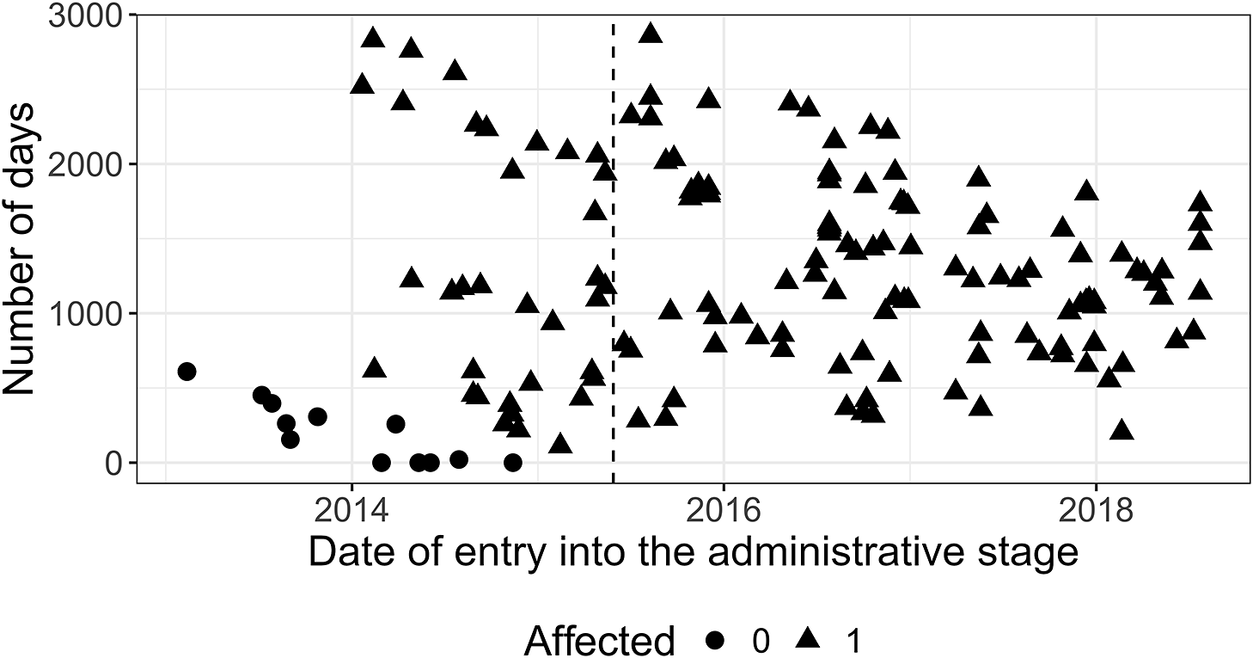
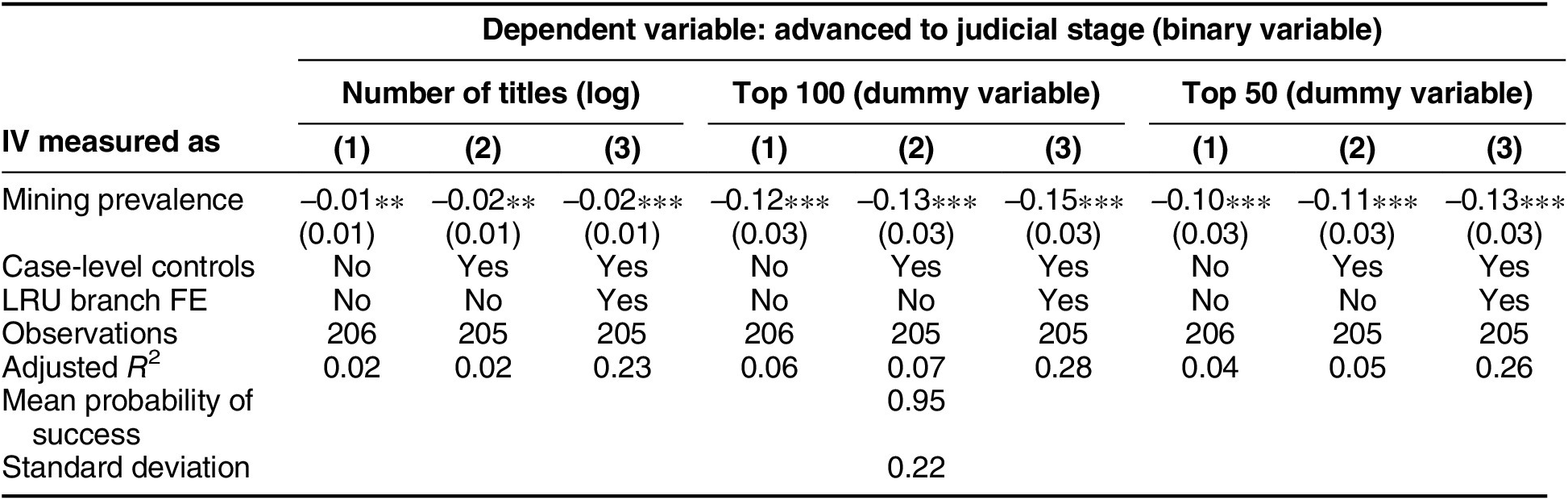


 Open access

