




Over the past two decades, archaeologists have focused increasingly on identity studies (e.g. Meskell Reference Meskell and Insoll2007). In place of approaches that once focused on separate aspects of an identity, such as age, gender or status, scholars now adopt a multidimensional, integrated and fluid approach, appreciating that individuals have many overlapping identities, and that these social identities can change over the life-course (Meskell & Preucel Reference Meskell, Preucel, Meskell and Preucel2008). Analyses of gender in Chinese archaeology, however, remain limited, focusing on political status and wealth—inferred from the burial record—of males vs females. Drawing on wider developments in the archaeological study of identity, we demonstrate, in this article, the variety of identities displayed in mortuary practices at a Late Neolithic site in eastern China.
The Dawenkou Neolithic culture (4300–2600 cal BC) in Shandong, northern Jiangsu and Anhui provinces in China has been investigated intensively, providing important insights into the development of complex societies (Chang Reference Chang1986; Underhill Reference Underhill2002; Liu Reference Liu2004; Liu & Chen Reference Liu and Chen2012; Luan Reference Luan and Underhill2013). The late Dawenkou period is regarded as particularly important due to its evidence for the emergence of social hierarchy, especially as expressed through mortuary ritual. The preceding Beixin culture in this region was relatively egalitarian (Wang Reference Wang and Underhill2013). Social hierarchy—particularly evident in mortuary treatment and settlement size—is more pronounced in the Longshan culture, which followed Dawenkou (Liu Reference Liu2004; Liu & Chen Reference Liu and Chen2012). Scholars have also observed the development during the Dawenkou period of distinct, elite mortuary traditions, characterised by specific styles of tomb construction and elaborate grave goods. These foreshadow the Early Bronze Age Shang dynasty (c. 1600–1050 BC) of northern China—the first Chinese dynasty with written records (Luan Reference Luan2006). Finally, research tends to emphasise that, sometime during the Dawenkou period, males attained positions of authority and power over females, resulting in the development of a gender hierarchy. Scholars have framed this social change, after Engels (Reference Engels and Leacock1884), in terms of the development of patriarchal kin groups with patrilineal descent (He Reference He1994; Luan Reference Luan1997).
A more holistic understanding of the late Dawenkou period requires a broader consideration of social differentiation. Rather than expecting a simple correlation between indicators of wealth and political power, we should instead allow for multiple material expressions in mortuary ritual, representing different aspects of identity. Differences in spiritual or other kinds of power may also be important and can possibly manifest in the archaeological record (Diaz-Andreu Reference Diaz-Andreu, Diaz-Andreu, Lucy, Babic and Edwards2005). Evidence for a decline in the status of women through the prehistoric period of northern China also requires further analysis (Pearson Reference Pearson1988; Liu Reference Liu2004: 138–41). Drawing on Parker Pearson (Reference Parker Pearson2000) and Diaz-Andreu (Reference Diaz-Andreu, Diaz-Andreu, Lucy, Babic and Edwards2005), we argue that wealth and elite status are not the only dimensions of social life relevant to gender relations that may be expressed in Dawenkou mortuary rituals.
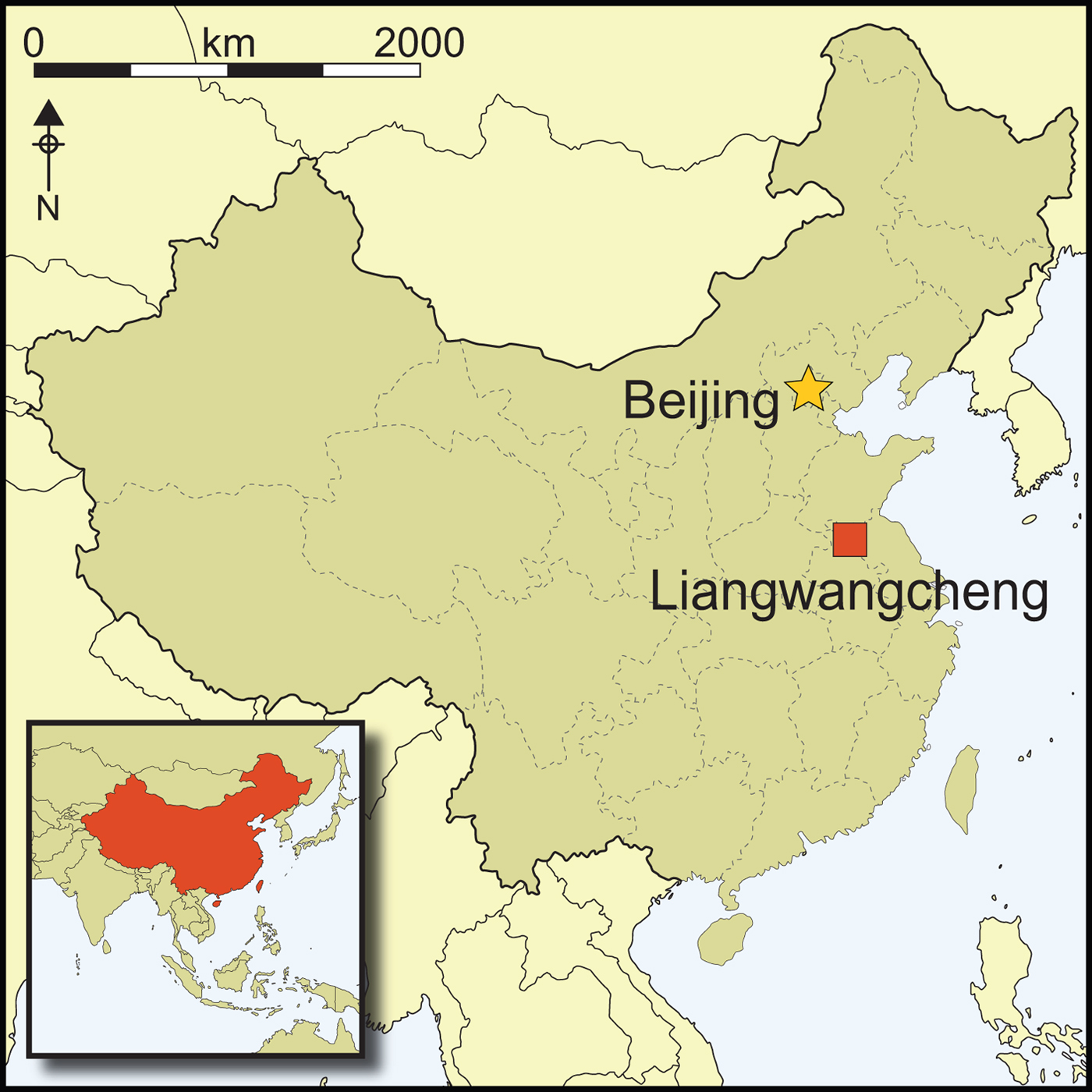
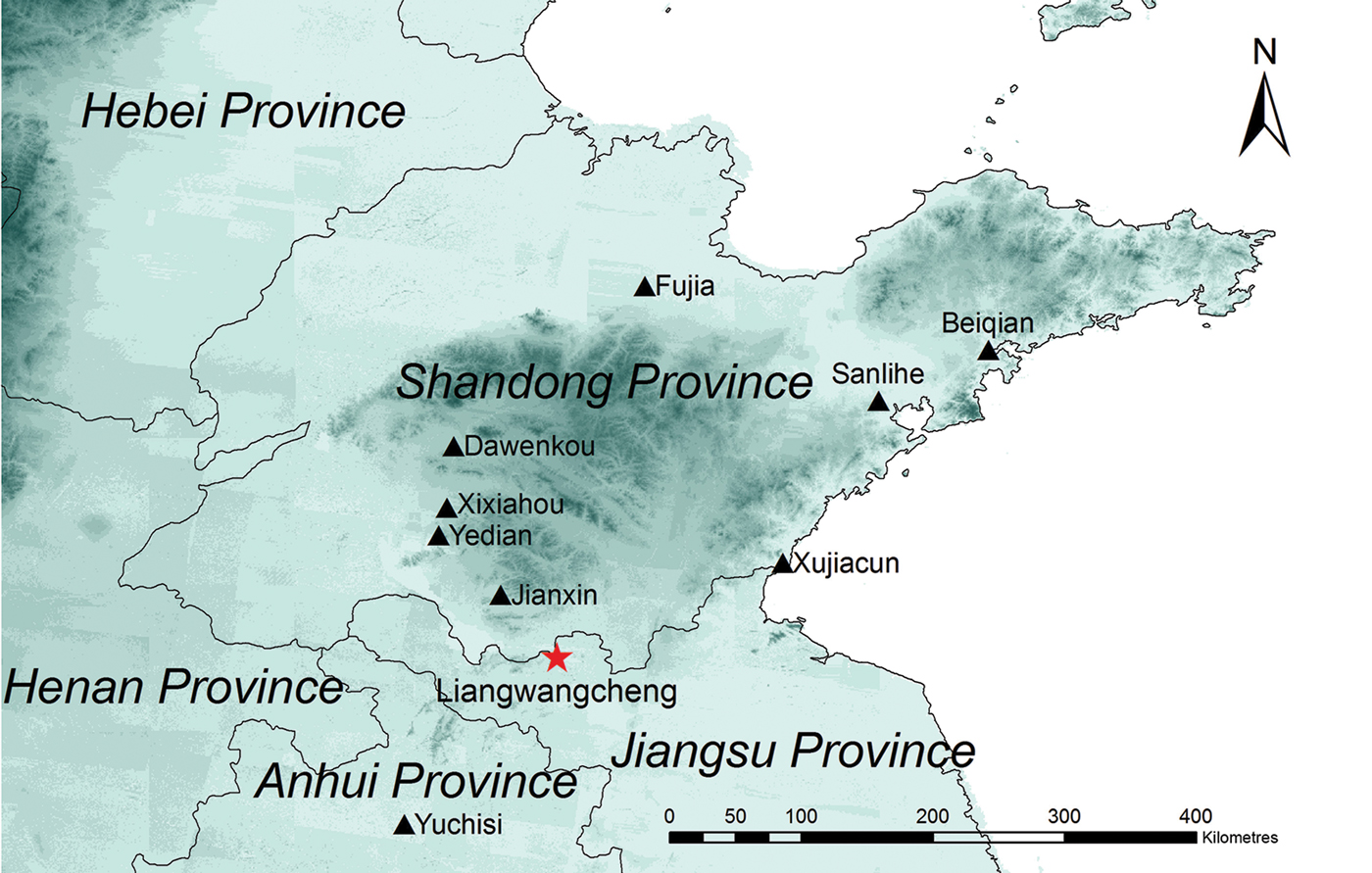
This article utilises new excavation data from the Liangwangcheng site in northern Jiangsu province (Figure 1), along with the use of more refined dating methods than previously available, to re-evaluate the assumption that late Dawenkou society was based on a male-dominated hierarchy. We also present our analysis of the graves and their contents and use stable isotope analysis to explore possible links between diet and expressions of gender identities (for a relevant analysis of Bronze Age remains, see Dong et al. Reference Dong, Morgan, Chinenov, Zhou, Fan, Ma and Pechenkina2017). We find that social differentiation is more pronounced and diversely expressed—particularly for females—through differential burial treatment and dietary data. In the discussion, we compare the Liangwangcheng evidence to that from three other Dawenkou sites: Jianxin, Sanlihe and Fujia (see Figure 1).
The location of the Liangwangcheng site and other Dawenkou culture sites mentioned in the text (map by Yu Dong).
The Liangwangcheng site
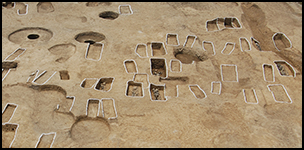
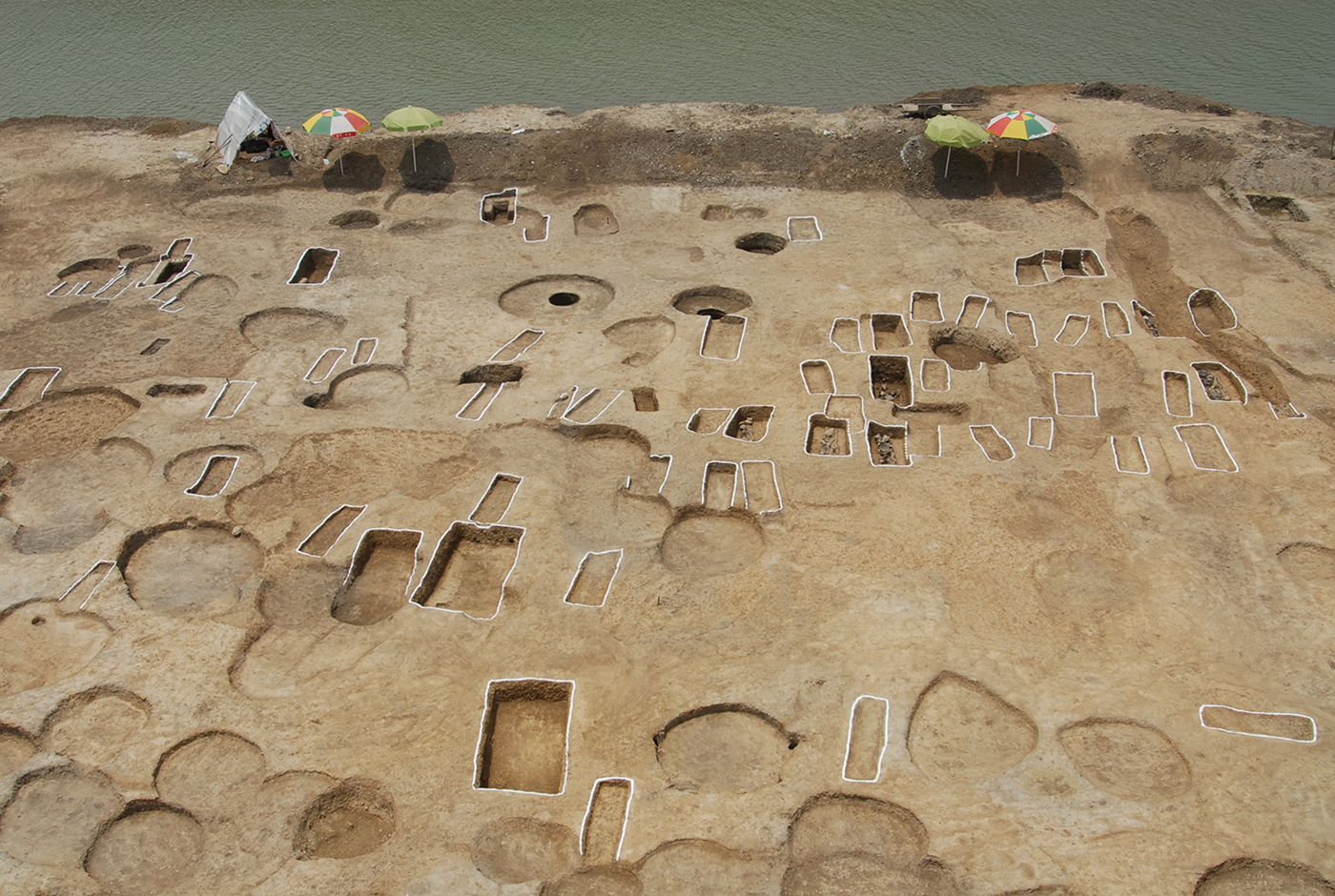
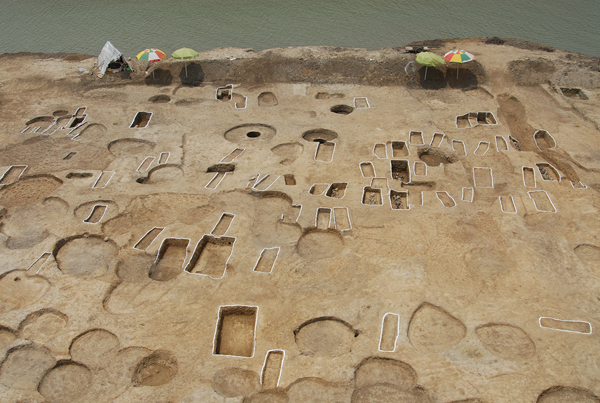
Liangwangcheng is located in Pi County, Jiangsu province, near the border of Jiangsu and Shandong (Nanjing Museum et al. 2013). The site was excavated as a salvage project prior to the widening of a canal located to the west. The fieldwork took place from 2004–2009, during which time a total area of 9505m2 was excavated (Figure 2). Liangwangcheng has multiple cultural components, including the Neolithic Dawenkou and Longshan, the historical Western Zhou (c. 1050–771 BC) and Eastern Zhou (770–256 BC), and later dynastic periods.
2008 excavation season at Liangwangcheng (burials outlined with chalk) (photograph courtesy of Runken Zhou).
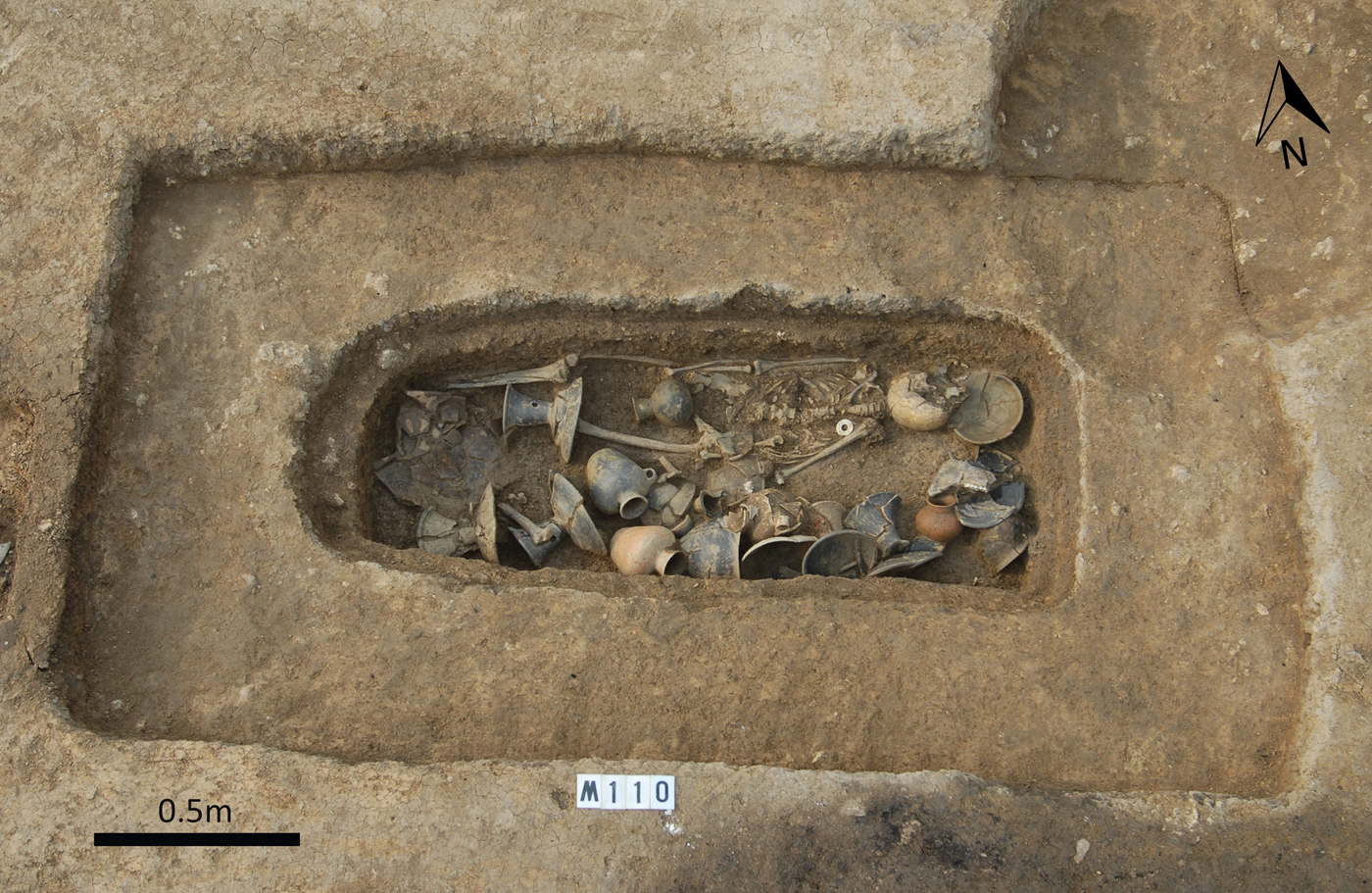
Excavations revealed 12 houses, a road paved with burnt clay, a pottery production complex, five ditches, 70 pits and one large (>300m2) earthern foundation of unknown function; all date to the Dawenkou period. In addition, 139 Dawekou burials were excavated. These form the focus of the present article (Figure 3).
Burial M110 at Liangwangcheng (photograph courtesy of Runken Zhou).
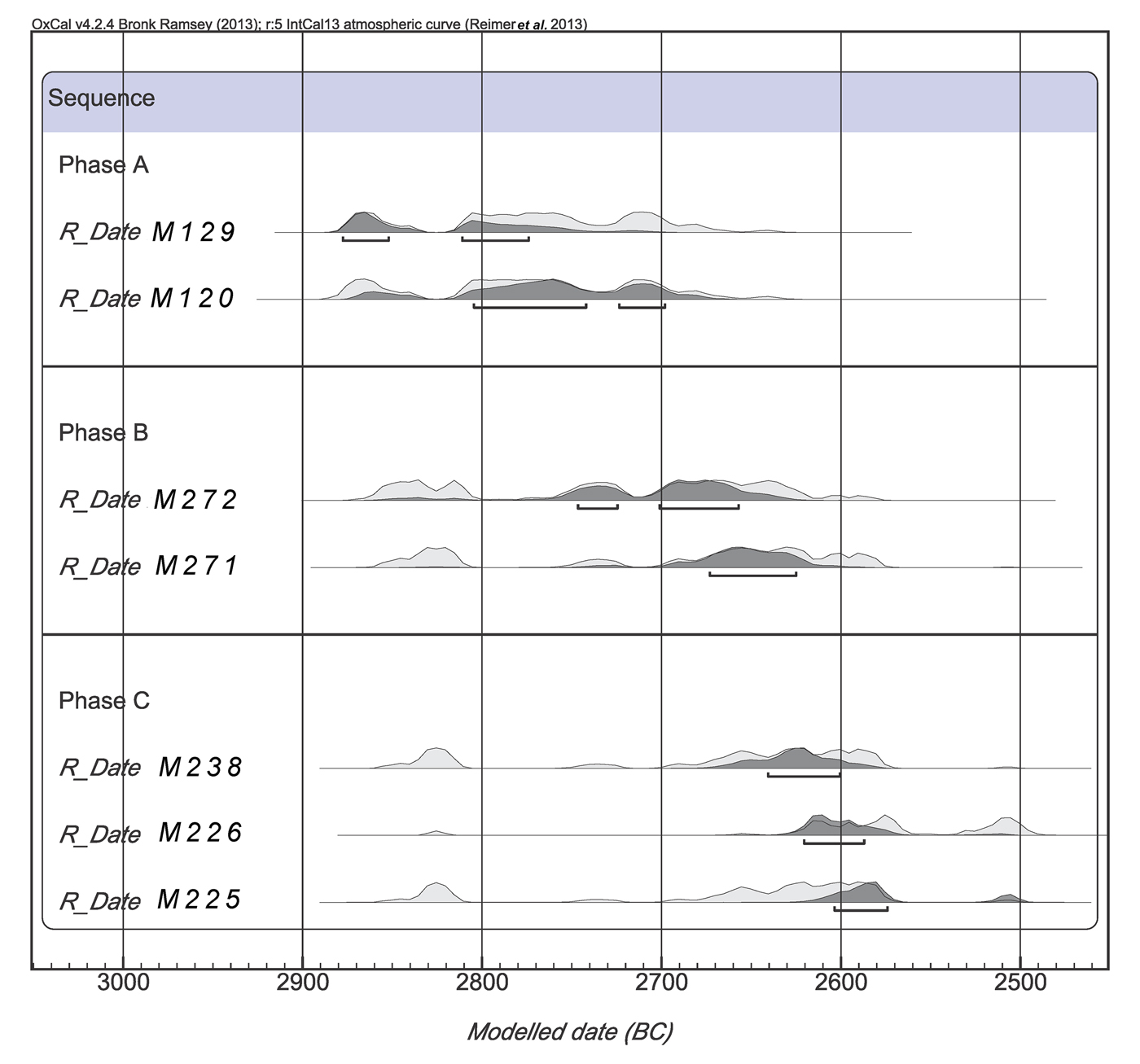
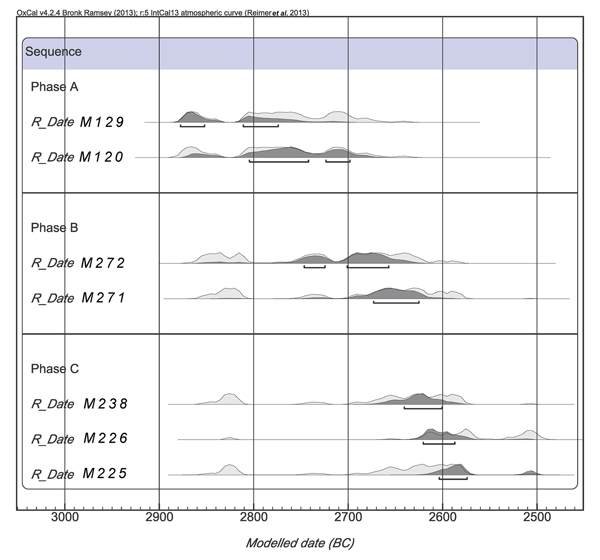
The burials are divided into nine phases, based on well-established ceramic typologies (Nanjing Museum et al. 2013). We selected human bone samples from seven burials assigned to ceramic phases 1–7 for radiocarbon dating (Table S1 in the online supplementary material (OSM)). Tree-ring calibration and modelling (in OxCal v4.2.4 using IntCal13 calibration curve, Bronk Ramsey Reference Bronk Ramsey2009; Reimer et al. Reference Reimer2013) show that Liangwangcheng was occupied in three major phases during the late Dawenkou period. These comprise phase A, 2880–2700 cal BC, which incorporates ceramic phases 1 and 2; phase B, 2750–2620 cal BC—ceramic phases 3 and 4; and phase C, 2640–2570 cal BC—ceramic phases 5, 6 and 7 (Figure 4). Unmodelled, calibrated dates show some overlap between ceramic phases 1–2, phases 3–4 and phases 5–7.
Radiocarbon dating results and calibrated date ranges for the seven samples and three major phases at Liangwangcheng (figure by Yu Dong).
First, we used traditional methods of assessing variation in mortuary treatment at Liangwangcheng, focusing on the types of burial structures and the types and quantities of grave goods. The presence of gender hierarchy based on wealth and political power would be expected to demonstrate a consistent pattern of male burials associated with more labour-intensive burial structures, greater quantities of grave goods and more valuable goods than female burials. Subsequently, we related these results to those from isotope analysis, which provide insight into diet.
Burial analysis
In a pattern reflected at other late Dawenkou sites, most of the 139 graves at Liangwangcheng are primary burials, 130 of which contain one individual. Three types of burial are represented at Liangwangcheng: urn burials, which comprise one or two pots containing the body and are used for infants and young children aged six or younger (n = 15); taoguanzang burials, in which broken ceramic sherds act as a coffin, completely covering the body. These are reserved mainly for children and adolescents aged between seven and 17 years old (n = 17), although the age of one taoguanzang individual is unknown. And lastly, pit burials, mostly containing adults (n = 107). Our discussion focuses on the pit burials (Table S2), as the lack of diagnostic pottery in urn and taoguanzang burials precludes reliable phasing.
We performed osteological analysis of the human skeletons. Morphological differences in the pelvis were used as the main criteria for sex estimation, alongside relevant sexually dimorphic features of the cranium and mandible. Age estimation was based on pubic symphyseal modification, teeth eruption and attrition, and fusion of the cranial sutures and epiphyses (Buikstra & Ubelaker Reference Buikstra and Ubelaker1994; Zhu Reference Zhu2004; Zhu et al. Reference Zhu, Lin and Zhu2013).
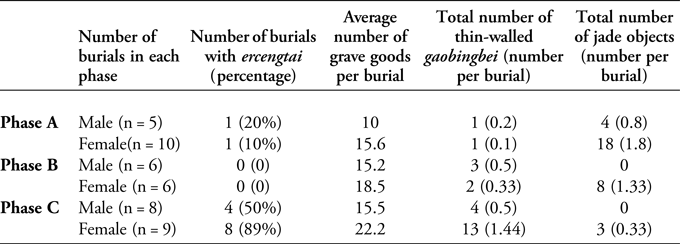
There are two important trends in mortuary style observable at Liangwangcheng. First is the increasing occurrence of ercengtai (earthen ledges) over time, which require more labour to construct than a simple pit. There are 27 single burials with ercengtai at Liangwangcheng: three from phase A (11.5 per cent of phase A burials), one from phase B (6.3 per cent) and 18 from phase C (66.7 per cent). Due to an absence of grave goods, five cannot be dated. The three phase A graves with ercengtai (M110, M118 and M154) also contain relatively more goods than phase A graves without ercengtai; although many more burials from phase C have ercengtai, some have very few grave goods. This change indicates that, by phase C, adults of both sex had wider access to this type of grave (Table 1).
The average number of grave goods and the number of more labour-intensive grave goods in undisturbed male and female adult burials during different phases at Liangwangcheng.
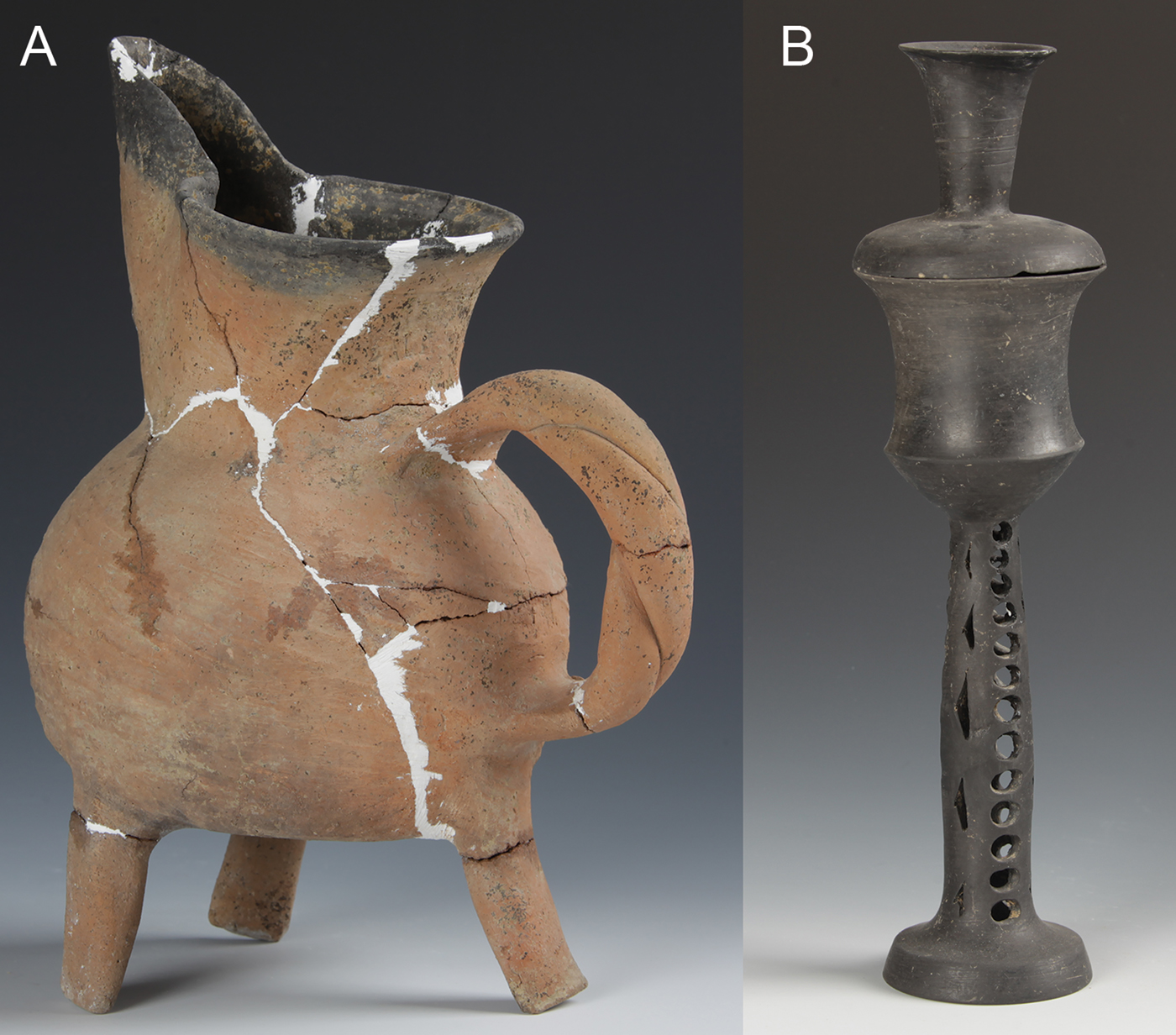
The second trend is that mingqi begin to appear in phase B graves and become more common in phase C adult burials. Mingqi are pottery vessels thought to have been made exclusively for funerals, rather than for everyday use (Underhill Reference Underhill2002: 123). Their shape often resembles utilitarian vessels, although they are smaller and of generally lower quality. Mingqi seem to have been made quickly, possibly to meet high demand by mourners. Fine gaobingbei (tall-stemmed cups, Figure 5), for example, usually have thin walls, and require considerable skill to produce. Thick-walled gaobingbei (probably mingqi) requiring less skill to manufacture, however, appear in graves of later phases at Liangwangcheng. These changes indicate that the variety of options for mortuary rituals increased over time. While increasing numbers of mourning families used funerals to distinguish themselves from others, the funerary rites were not strictly prescribed, suggesting dynamic and negotiable social relations during any phase. Our stable isotope analysis supports this interpretation, as discussed below.
Characteristic pottery at Liangwangcheng: A) gui (tripod pitcher, burial M226:12); B) gaobingbei (tall-stemmed cup, burial M226:16–17) (photograph courtesy of Runken Zhou).
The relative quantity of grave goods by sex can be assessed for 49 adult pit burials, after exclusion of multiple and disturbed burials, and those of indeterminate sex. Female graves generally have more grave goods than their male counterparts. The median number of objects is nine (n = 21) in male graves and 16 (n = 28) in female graves. On average, female graves have more objects than male graves for all three phases (Table 1). A notable pattern is that burials with the most grave goods (>30) are of older females, defined here as aged 40+ (Figure S1). This supports the suggestion that old age was honoured in some Dawenkou mortuary rituals (for older females at Dawenkou and Xixiahou, see Underhill Reference Underhill2002: 109, 111 & 118).
Next, we assess the number of labour-intensive artefacts, such as thin-walled gaobingbei and jade objects, found in each grave (Table 1). At Liangwangcheng, different types of labour-intensive goods are associated with adult males and females over time. Although slightly more thin-walled gaobingbei were found in phases A and B male burials than female, this trend is reversed in phase C. More jade artefacts are found in female burials during phase A, and become exclusive to female burials in phases B and C. Thus, every phase witnessed the honouring of some adult females with special funerary treatment.
The differential use of red pigment in burials is also significant, as it again shows that more females received special mortuary ritual treatment than males. Although red pigment is found in only five burials, mostly of older adults, four are females; the fifth individual is of indeterminate sex. Analysis of red pigment on human bone from burial M118 (female, phase A) by Raman spectrometry indicates that it is made of cinnabar, which, given its scarcity in eastern China, was presumably a precious material (Dong & Fang Reference Dong and Fang2017). Further analysis of red pigments from the other burials would help to determine whether they are red ochre or cinnabar. The five burials with red pigment (M110, M118 and M140 from phase A; M99 from phase B; and M106 from phase C) are relatively elaborate, with a large number of accompanying grave goods; two of them have ercengtai (M110 and M118). One of the individuals with red pigment (M140: a female aged 40 years, from phase A) was accompanied by the largest number of grave goods in the entire cemetery. The rare red pigment was probably acquired through exchange, and possibly indicates the associated individual's special status.
We therefore argue that mourners at Liangwangcheng preferentially honoured the social roles of some females during funeral rites. The mortuary practices identified here contrast with the common expectation for the lower status of women during the late Dawenkou period, as defined solely by material indicators of wealth and political power. Below, we further propose that a few females at Liangwangcheng were distinguished in other ways, not previously considered in archaeological studies of the Dawenkou.
Dietary analysis
Although no flotation to recover plant remains was undertaken during the excavations, comparison with other Dawenkou sites suggests that millet and rice were possibly grown and consumed at Liangwangcheng. Millet was a major crop in northern China during the Neolithic and has been discovered at early sites in Shandong province (Ma & Jin Reference Ma, Jin, Luan, Wang and Dong2017: tab. S2). Rice, a staple in southern China (Yan Reference Yan2000; Crawford Reference Crawford and Stark2006), has been found at Beiqian, Xujiacun, Yuchisi and other Dawenkou sites (Figure 1; Ma & Jin Reference Ma, Jin, Luan, Wang and Dong2017: tab. S2). Rice farming was common in Shandong during the following Longshan period (Figure S2; Ma & Jin Reference Ma, Jin, Luan, Wang and Dong2017). Analysis of faunal remains from Liangwangcheng suggests that pig is the most abundant species among other mammals, including deer. A few bivalves, amphibians and reptiles were also found (Song Reference Song2013).
Diet can reveal important dimensions of social and ritual life (Hastorf Reference Hastorf, Gero and Conkey1991; Dietler & Hayden Reference Dietler and Hayden2001; Twiss Reference Twiss2007, Reference Twiss2012; Fuller & Rowlands Reference Fuller and Rowlands2009; Curet & Pestle Reference Curet and Pestle2010). We explore whether people at Liangwangcheng consumed different foods in relation to their social identities—age, gender, ethnicity or social status, for example—with some individuals having increased access to special or preferred foods. Preferred foods could be those with better taste, were easier to prepare, required higher labour input to produce, or were difficult to procure (Smith Reference Smith2006). Such foods could be widely accessible occasionally or more accessible for a minority of people. Dawenkou communities probably realised the social and economic qualities of rice compared to millet—not least, the former was more labour-intensive to produce (Smith Reference Smith2006). For the same reason, meat was probably favoured too (see Underhill Reference Underhill2002; Ambrose et al. Reference Ambrose, Buikstra and Krueger2003).
Stable isotope analysis was conducted to investigate diet at Liangwangcheng. Twenty-seven human samples were selected. The sampling strategy included a balance of male and female adults, burials dated to different phases and groups of burials defined by variation in grave goods and grave type (Table S3). Twelve faunal samples, comprising five deer, three pigs, one dog, two turtles and one fish, were also analysed to provide a local dietary baseline.
Dietary reconstruction using stable isotopes is based on the assumption that stable carbon and nitrogen isotope ratios (13C/12C, 15N/14N) of animal tissues are direct and constant functions of diet (DeNiro & Epstein Reference DeNiro and Epstein1978, Reference DeNiro and Epstein1981). Where these ratios of dietary sources differ significantly and consistently, their proportions in the diet can be reconstructed. Collagen extraction and stable isotope analysis were carried out following Ambrose (Reference Ambrose1990); details can be found in Dong (Reference Dong2013). The analytic precision was ±0.1‰ for δ13C and 0.2‰ for δ15N, respectively.
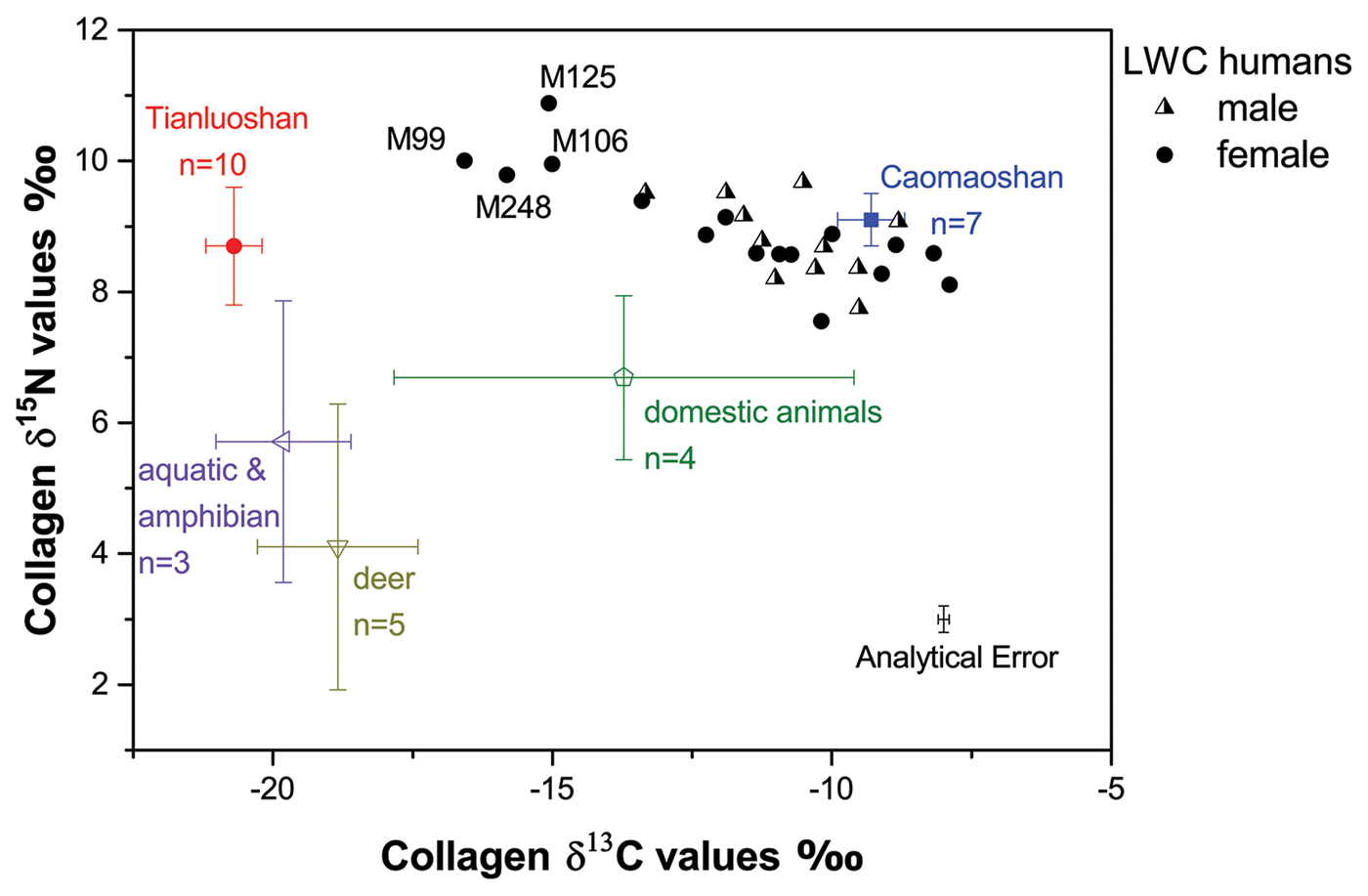
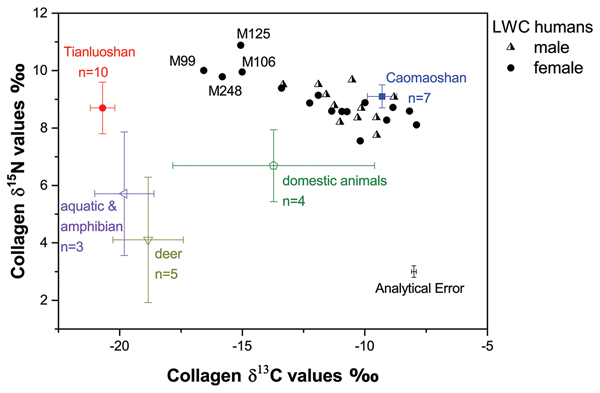
All samples are well preserved, with C:N ratios within the range of 2.9–3.6 (Table S3; DeNiro Reference DeNiro1985; Ambrose Reference Ambrose1990). The collagen concentrations ranges from 0.2–12.0 per cent, with a mean of 4.2 per cent. There is a wide range of δ13C values for Liangwangcheng individuals, from −16.6‰ to −7.9‰, with a mean of −11.3‰. This suggests variation in diet, with some individuals consuming more millet, and others consuming more rice and other C3 resources. The δ15N values of Liangwangcheng individuals range from 7.6‰ to 10.9‰, with a mean of 8.9‰. All the Liangwangcheng individuals probably had mixed plant- and animal-based diets, while some may have consumed more meat or aquatic resources than others (Figure 6). The δ13C values and δ15N values of the domestic animals (i.e. pigs and dogs) show significant variability (Table S4 & Figure 6), making it difficult to predict how much they contributed to the human diet. Cereals were possibly consumed by both humans and domestic animals. Future isotopic analyses of a larger sample of domestic animals and carbonised plant remains from other Dawenkou sites should help to clarify this issue.
Scatter plot of human collagen δ15N and δ13C values and the mean and standard deviation of faunal collagen δ15N and δ13C values from Liangwangcheng. For comparative purposes, the stable isotope analysis results of humans from sites farther south and north are also included. Tianluoshan (6900–6600 BP, Zhejiang province; Minamikawa et al. Reference Minamikawa, Matsui, Nakamura and Sun2011) is a well-known rice-agriculture site, and Caomaoshan (5800–5300 cal BC, Inner Mongolia; Liu et al. Reference Liu, Jones, Zhao, Liu and O’Connell2012), is a millet-agriculture site (figure by Yu Dong).
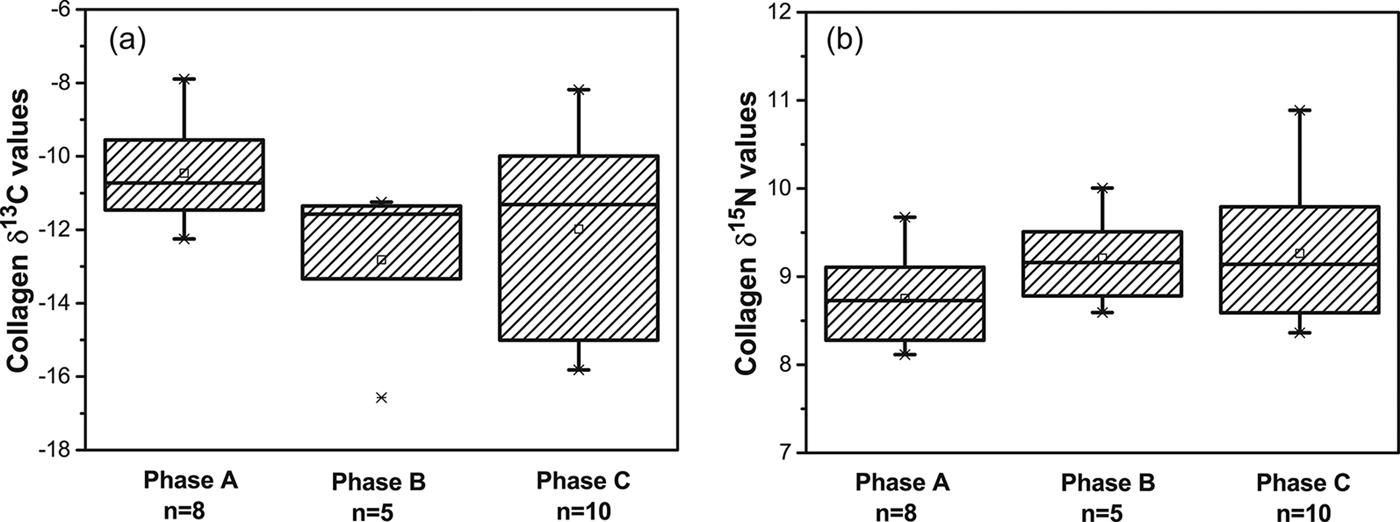
To investigate potential dietary changes through time further, we plotted the δ13C and δ15N values by phase (Figures 7 & S3). The results show that all individuals dated to phase A had a C4- (i.e. millet) dominant diet. The range of δ13C values clearly expanded and shifted towards C3 plants during phase C, probably indicating the introduction, or increased consumption of rice, during later phases. This pattern is mirrored in the changing range of δ15N values over time. Both isotopes suggest that phase C is characterised by an increasing range of food choices and more differentiation in food consumption. We propose that along with increased use of ercengtai and mingqi in later phases at Liangwangcheng, the consumption of rice—probably a preferred and/or relatively new food—was another method by which some people differentiated themselves from others.
Box plot of collagen isotope values of Liangwangcheng human remains, grouped by phase: a) collagen carbon; b) collagen nitrogen. The top and bottom of the box denotes the 25 per cent and 75 per cent quartiles, with the middle line being the median; whiskers denote the maximum and minimum (figure by Yu Dong).
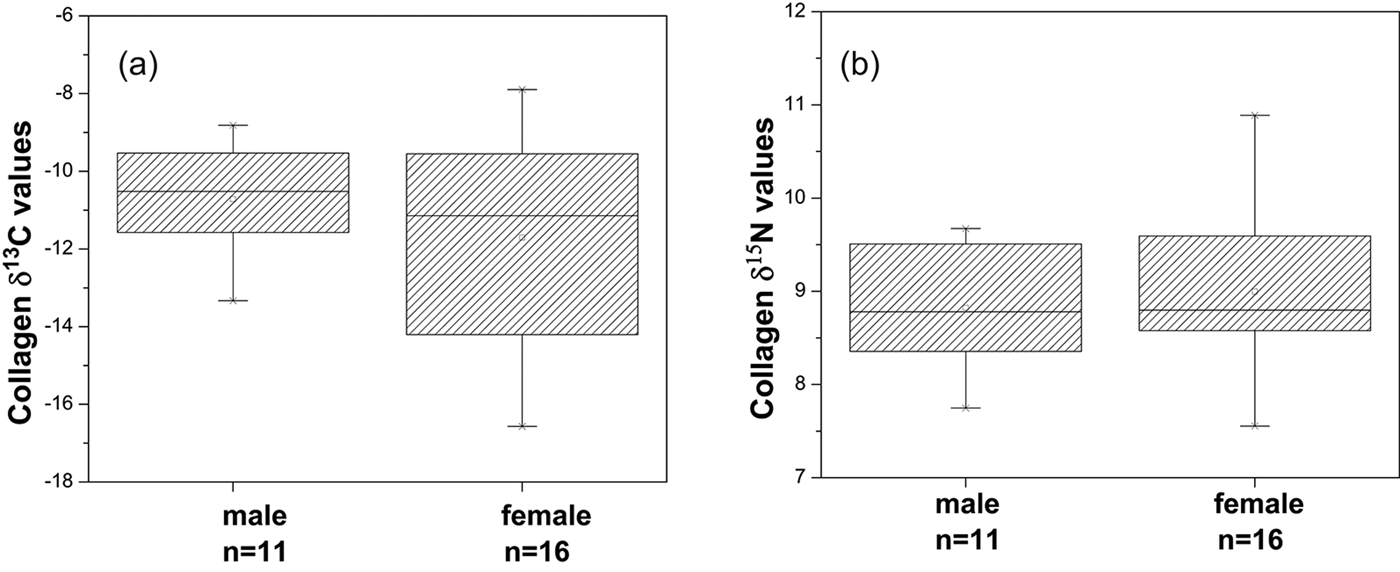
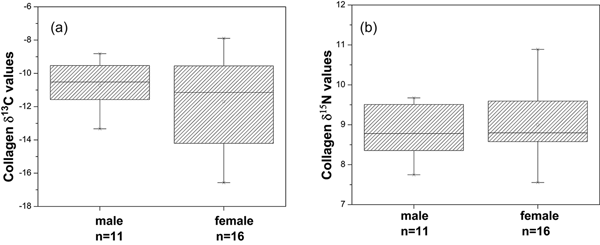
The δ13C and δ15N values of females span a larger range than those of males (Figure 8). This difference between males and females can be partly explained by the four female individuals (M99 from phase B; M106, M125 & M248 from phase C), who stand out from the rest of the Liangwangcheng population in their isotope values. These four females exhibit both lower carbon isotope ratios and higher nitrogen isotope ratios (Figure 6), probably indicating an increased consumption of rice, meat and/or aquatic resources compared with the other individuals. These burials are associated with moderate quantities of grave goods—from 6–19 per grave. Grave M106 contains one awl made of a jade type that probably was not available locally. Thus, the deceased probably had access to a larger social network than others buried at the site. The rare red pigment was also found on human bone from grave M106, and on one pottery vessel from grave M99. Grave M125 contained 11 grave goods, including one elegant gui tripod pitcher and one thin-walled gaobingbei (for examples, see Figure 5). Grave M248 had six grave goods, including one thin-walled gaobingbei, although this burial was disturbed by a later pit, the digging of which may have removed some evidence.
Box plot of collagen isotope values of Liangwangcheng human remains, grouped by sex: a) collagen carbon; b) collagen nitrogen. The top and bottom of the box denotes the 25 per cent and 75 per cent quartiles, with the middle line being the median; whiskers denote the maximum and minimum (figure by Yu Dong).
These four female burials do not differ significantly from other burials in the cemetery in the quantity of grave goods. Phase B burial M89—a male who had a millet-dominated diet (δ13C value = −11.2‰)—has, for example, 23 grave goods, including one gui and one thin-walled gaobingbei. Phase C grave M225 contains a male with 26 associated grave goods, including one gui pitcher and one thin-walled gaobingbei. Although this individual may have consumed slightly more C3 foods, he still had a diet dominated by millet (δ13C value = −11.9‰). While these two males have more associated grave goods than the four females, both had diets more dependent upon millet. This comparison suggests that at Liangwangcheng, the consumption of rice vs millet did not necessarily correspond to social status based on wealth (the latter represented by grave goods). Instead, food consumption provided opportunities for individuals to differentiate one or more aspects of their identities from the others and for mourners to honour these identities in mortuary rituals.
These results should, however, be considered as preliminary. The carbon and nitrogen isotope ratios of human bones can be influenced by physiological stresses, so they may not necessarily reflect dietary differences (Fuller et al. Reference Fuller, Fuller, Sage, Harris, O'Connell and Hedges2005; Beaumont et al. Reference Beaumont, Montgomery, Buckberry and Jay2015). Although no stress-related pathology was identified affecting the sampled individuals, we cannot exclude the possibility that some of them suffered from pathological conditions, which have left no diagnostic markers on the bone.
Discussion
Our research demonstrates that studies of social differentiation in the late Dawenkou period should investigate multiple lines of evidence to establish the variety of identities expressed in mortuary treatment and not just those explicable by wealth and status. Social differentiation—broadly defined—increased over time at Liangwangcheng; methods used to differentiate individuals in mortuary rituals became more diverse by phase C. This is reflected in the increased use of ercengtai ledges and mingqi grave goods in the later phases (B–C). Our analysis of labour expenditure in mortuary ritual—the quantity and quality of grave goods, including rare materials, such as red pigment—reveals that some older females were afforded special funeral treatment, in contrast with males. Our dietary analysis suggests that some women also had a wider range of food choices than men, as they consumed more rice and meat.
Given the inter-site diversity in mortuary rituals for adult females in comparison to males during the late Dawenkou period, it is not appropriate to generalise concerning gender relations and the expression of gender identities for the entire Dawenkou period. Burials at the late Dawenkou Sanlihe and Jianxin sites, for example, exhibit different mortuary patterns. At Sanlihe, male individuals (n = 33) are associated with an average of 21.5 grave goods (n = 33), while females (n = 20) have an average of 14.6. At Jianxin, male graves (n = 38) contain 17.8 objects on average, while females (n = 11) have 11.1 (Luan Reference Luan2015: tab. 13). During the early phase at Jianxin, male and female graves had similar quantities of grave goods, but in later phases, the distribution of these was more weighted towards male than female graves (Table S5).
Furthermore, it was not always women who consumed preferred foods during the late Dawenkou period. At Fujia in north-eastern Shandong, the carbon and nitrogen isotope ratios of males and females do not differ significantly, suggesting that both sexes consumed similar foods (Dong Reference Dong2013: tab. 5.4). Thus, the burials from Liangwangcheng, Sanlihe, Jianxin and Fujia indicate that there were no rigid rules for material expression of social differentiation in mortuary ritual across late Dawenkou sites. People at Liangwangcheng, located in the southern Dawenkou culture area (Figure 1), would have participated in different social networks from those in the north, possibly including networks that facilitated increased access to rice and, potentially, women possessing the skills to grow rice who entered the Liangwangcheng community from areas farther south (Guedes et al. Reference Guedes, Jin and Bocinsky2015: 10). Future oxygen and strontium isotope analysis in this region could potentially confirm this hypothesis. As demonstrated by this and other archaeological studies, identity should be considered as multidimensional, with the potential for change during the life-course (Meskell & Preucel Reference Meskell, Preucel, Meskell and Preucel2008). In particular, age and gender identities are fluid and variable, depending on individual life experiences (Gowland Reference Gowland, Gowland and Knüsel2006; Soafer Reference Sofaer, Gowland and Knüsel2006).
Conclusions
Our burials and dietary analyses demonstrate increasing diversity over time in the material expression of social differentiation at Liangwangcheng. Our results do not support the assumptions of static social relations during the late Dawenkou period, including a male-dominated hierarchy. Rather, some older adult females were afforded special mortuary treatment in the form of rare red pigment and grave goods probably obtained through exchange. Furthermore, our stable isotope analysis suggests a previously unrecognised dimension of social differentiation—the consumption of preferred foods by females.
The material expressions of diverse social identities during the Dawenkou period require further research to extend consideration beyond the current emphasis on social differentiation based on wealth as inferred from the quantity and quality of grave goods. Our sample size is small, particularly for the isotope analysis. More samples from late Dawenkou sites need to be analysed, and more robust comparisons between areas undertaken. The first results from Liangwangcheng, however, have wider implications for research on the expression of social identities through mortuary treatment in other regions of China and around the world.
Acknowledgements
This research was funded by a Dissertation Fieldwork Grant from the Wenner-Gren Foundation (grant 8296), a Fellowship for East and Southeast Asian Archaeology and Early History from the American Council of Learned Societies with funding from the Henry Luce Foundation, the National Natural Science Foundation of China (41703003), and the Programme of Introducing Talents of Discipline to Universities (grant 111-2-09). We are grateful to Yingfang Hu and Runken Zhou (Nanjing Museum) who kindly helped in obtaining samples and providing field and artefact photographs, and Hong Wang (Illinois Geological Survey) who helped with preparing samples for radiocarbon dating. We also thank Stanley H. Ambrose (University of Illinois at Urbana-Champaign) and anonymous reviewers for their insightful comments on earlier drafts of the manuscript.
Supplementary material
To view supplementary material for this article, please visit https://doi.org/10.15184/aqy.2019.34







 Open access

