




Introduction
Housing the poor and setting them to work were central preoccupations of the poor laws. Workhouses stood at the intersection of these concerns and developed from the seventeenth century onwards, with numbers rising over the course of the long eighteenth century.Footnote 1 Parish workhouses were promoted during the eighteenth century as a way to remediate pauperism through labour and moral reformation, with the Society for Promoting Christian Knowledge (SPCK) central to this via publication activities which helped to expand workhouse adoption nationally.Footnote 2 The SPCK was also influential in the passing of the 1722–23 Workhouse Test Act (Knatchbull’s Act) which confirmed the right of any parish to found a workhouse and allow the denial of relief to those who refused to enter, being the first time a ‘workhouse test’ could be applied in order to gain relief.Footnote 3 Timothy Hitchcock has argued that the fundamental quality of Knatchbull’s Act was deterrence.Footnote 4 Work and loss of independence within a workhouse, it was argued, allowed for the discernment of the deserving from undeserving poor, with the ‘workhouse test’ aiming to dissuade applications for poor law relief and limit relief options to the workhouse.Footnote 5 It followed that this would lead to a reduction in recipient numbers, resulting in a lowering of relief costs.Footnote 6 This logic led to an increased adoption of parish workhouses across the country during the middle decades of the eighteenth century.Footnote 7 However, debate around relief costs, the administration of the poor law, and the effectiveness of parish workhouses led to the passing of the 1782 Gilbert’s Act.Footnote 8 This allowed for parishes, most commonly joining as a union, to form workhouses which focussed not on deterrence but on support for the vulnerable poor, with the able-bodied to be relieved out-of-doors.Footnote 9 Parallel to these two pieces of enabling legislation was workhouse adoption through an act of Parliament, allowing for the formation of an incorporation of parishes which used a workhouse jointly.Footnote 10 No matter how a workhouse was formed, adoption pivoted around a set of core themes.Footnote 11 Alongside providing relief, workhouses aimed to manage paupers more effectively for the financial benefit of the parish; instigate moral reform and self-supporting tendencies through labour; and offer a deterrent which aimed to lower the number of people applying for relief.Footnote 12 These combined with the goal of reducing relief expenditure.Footnote 13
Much of what has been written on Old Poor Law indoor relief has focussed on urban workhouses. For example, Jeremy Boulton, Leonard Schwarz, John Black, Lynn MacKay, and Louise Falcini have all focussed on London workhouses; Alannah Tomkins has explored workhouses in Oxford, Shrewsbury, and York; Philip Anderson has concentrated on Leeds workhouse; and Joseph Harley has researched Dorset’s Beaminster workhouse.Footnote 14 Although vital for understandings of Old Poor Law workhouses, how far such urban studies are representational of the broader national landscape of indoor relief is unclear, with large London workhouses acknowledged by Jeremy Boulton and John Black to have been distinct during the long eighteenth century.Footnote 15 This point is exasperated by the fact that both Jeremy Boulton and Lynn MacKay have primarily focussed on just one London workhouse from the parish of St. Martin in the Fields.Footnote 16 Similarly, the research of Anne Digby, Susannah Ottaway, and John Shaw focussing on East Anglia, where high concentrations of incorporations formed by act of Parliament and sharing one workhouse were common but divergent from practice in other areas of the country, can be questioned on how far it is representative.Footnote 17
Importantly, a major gap exists in understandings of workhouse relief in the countryside under the Old Poor Law, particularly within smaller parish workhouses, a point made by Geoffrey Oxley in the 1970s which still largely stands.Footnote 18 Thus, how far rural parishes adopted workhouses and what place indoor relief played within their relief regimes remains relatively understudied.Footnote 19 In defining a parish workhouse, this article adopts Timothy Hitchcock’s classification of ‘any house…with at least one…manager, wherein all types of paupers were housed and where some attempt was made to put them to work’.Footnote 20 Management here can relate to a broad administrative grouping which could include parish officers or individuals contracting with the parish to manage the poor.
This article tackles the paucity of research on parish workhouses in the countryside by focussing on Lincolnshire, a large rural county whose poor law history has received little recent attention.Footnote 21 A focus on Lincolnshire is important because it exhibited a range of differing workhouse types and saw an increase in workhouse provision during the later Old Poor Law, evidenced by three reports which highlighted workhouse use in 1776, 1802–3 and the years ending Easter 1813 to Easter 1815 (Figure 1).Footnote 22 In 1776, 7.38% of Lincolnshire parishes used a workhouse; by 1802–3, 19.25%; and by 1813–15, 25.28%.Footnote 23 By the early nineteenth century, workhouse use in Lincolnshire was high by national standards.Footnote 24 This rise can be contextualised in a series of prolonged economic crises. Thomas Richardson has seen the decades between the 1790s and the 1810s as times of increasing food prices and falling wage value in the county, with a drop in wheat pricing after 1812 leading to a protracted period of low wages and unemployment in Lincolnshire lasting until the 1830s, embedded more broadly in the post-Napoleonic Wars national depression.Footnote 25 In this crisis period of the Old Poor Law, Carl Griffin has noted that workhouses were harnessed to deal with increasing poverty.Footnote 26
Parishes using a workhouse in Lincolnshire: 1777, 1802–3 and 1813–15.
Sources: Report from the Committee appointed to inspect and consider the Returns made by the Overseers of the Poor, in pursuance of Act of last Session-Together with Abstracts of the said Returns. Reported by Thomas Gilbert, Esq. the 15th May 1777 (London, 1777), pp.386–395; Abstract of Answers and Returns under the Act for Procuring Returns Relative to Expense and Maintenance of Poor in England (London, 1803–1804), pp.265–292; Abridgement of the Abstract of the Answers and Returns so Far as Relates to the Poor (London, 1818), pp.236–259.

Analysis via the county subdivisions of Holland, Kesteven, Lindsey, and the City and Liberty of Lincoln (Figure 1 and map 1) highlights the variety of workhouse types found within Lincolnshire. Many market towns had workhouses.Footnote 27 Lincoln, the county capital, had a workhouse by 1776, with workhouse use expanded within the City and Liberty of Lincoln by the formation of the Lincoln Incorporation in 1796, consisting of fifteen parishes with nineteen additional rural parishes contracting to provide relief within its workhouse, the majority of which joined officially in 1821.Footnote 28 The rise in workhouse use within the City and Liberty of Lincoln between 1776 and 1802–3, shown in Figure 1, was a consequence of this. Apart from one Nottinghamshire parish, all rural parishes of the Lincoln Incorporation were in Kesteven and Lindsey, seeing eight parishes each, again influencing rises in workhouse use in these subdivisions between 1776 and 1802–3, as shown in Figure 1. Other groupings of parishes sharing one workhouse existed: in 1828, a union of six parishes and one hamlet utilised a workhouse in Wainfleet All Saints, and by 1832, Grimsby’s workhouse, founded around 1807, was used by six additional parishes.Footnote 29 Three Gilbert unions were formed within Lincolnshire: Winterton in 1782, Caistor in 1800, and Claypole in 1817.Footnote 30 Both the Winterton and Caistor Gilbert unions were located in Lindsey, impacting the increase in workhouses in that subdivision noted in Figure 1.Footnote 31 Indeed, 67% of the seventy-six Lindsey parishes who utilised a workhouse in 1813–15 did so as members of the Caistor Gilbert union. The Claypole union incorporated six parishes in Nottinghamshire and fourteen in Lincolnshire, primarily in western Kesteven.Footnote 32 Lincolnshire’s incorporations and Gilbert unions question the county-framing of analysis widely adopted by the literature by including parishes from differing counties. Such played important roles in the county’s poor law practice, questioning the radicality of the poor law union system instigated by the 1834 Poor Law Amendment Act. These are potent issues, with research currently underway for a sustained study.
The parish selection. Base map taken from Stewart Bennett and Nicholas Bennett (eds.) An Historical Atlas of Lincolnshire (London and Frome, 2001). Map created by Ms A. Holden, the University of Lincoln.

However, numerically most workhouses in Lincolnshire were those used by a single parish. In part, the scarcity of research on rural parish workhouses is related to source survival, with urban workhouses, incorporations, and Gilbert unions generating a depth of documentation, such as administrative logs and published governance, which is largely missing for smaller parish workhouses. Examining these relies heavily on parish overseer accounts and vestry minutes, which have varied survival rates and were not explicitly curated around indoor relief.Footnote 33 Although important, limited studies of indoor relief in the countryside, such as those conducted by Susannah Ottaway and Samantha Williams, tend to focus on parishes which have unusually detailed record sets.Footnote 34 This is not representational of parish archives nationally and says little in a comparative sense about workhouses in a specific locale. These are current issues and have similarly been tackled by Myungsu Kang.Footnote 35
Another issue of debate is how far the able-bodied were relieved indoors given the contrasting place this group had within the two key pieces of Old Poor Law workhouse enabling legislation, the 1722–23 Workhouse Test Act (Knatchbull’s Act) and the 1782 Gilbert’s Act, with the former targeting the workhouse at the able-bodied and the latter explicitly not, albeit with Samantha Shave suggesting that in practice the able-bodied were relieved within workhouses formed under Gilbert’s Act.Footnote 36 The term able-bodied has generally been used as shorthand for the able-bodied man. Joseph Harley noted a rise in able-bodied male inmates in Beaminster’s workhouse in the final decades of the Old Poor Law, with men entering the workhouse with their families for brief periods of time.Footnote 37 This can be contextualised in the national economic depression after 1815. Similarly, Jeremy Boulton and John Black and Lynn MacKay’s studies of St Martin in the Fields’ workhouse also showed rises in male inmates after 1815, attributed to demobilisation after the end of the Napoleonic Wars, with males staying in the workhouse for shorter periods than other pauper types.Footnote 38
However, no clear definition of the able-bodied existed, with designation resting on localised judgements. Thus, identifying an individual as able-bodied within the records is difficult, as vestry minutes, overseers accounts and workhouse records are usually mute on the subject and often do not explicitly differentiate individuals by age, making the reconstruction of workhouse populations difficult, a persistent issue when examining Old Poor Law workhouses, as the detailed nineteenth-century census data which aids the historian of the New Poor Law workhouse in such a task does not exist.Footnote 39 The recording of a male name as an inmate was not necessarily synonymous with that individual being an able-bodied man, with male children, infirm, sick, and elderly men all noted within workhouses. These are pertinent issues, which will be tackled in this article.
As this article is concerned with parish workhouses, it concentrates on areas of Lincolnshire which were less impacted by the formation of multi-parish unions, namely Holland and eastern Kesteven. Analysis of the three national reports noted above and records held in the Lincolnshire Archives led to the identification of ten sample parishes (Table 1 and map 1). Alongside parish records, other source types were engaged with, including magisterial documents, newspaper archives, maps, and small bill collections, complementing the recent work of Peter Collinge and Louise Falcini.Footnote 40 Map 1 shows that the parishes of study were clustered in western Holland and eastern Kesteven, albeit with two parishes located in north-central Kesteven. There has been a link made between population size and workhouse adoption, with many bigger villages forming workhouses due to the pressure their larger populations put on relief regimes, particularly at times of economic downturn.Footnote 41 Table 1 shows that the parish selection had large population sizes within the context of their respective wapentakes, meaning that they were sizeable settlements within the surrounding locale, which saw population rises between 1801 and 1831.Footnote 42 Table 1 also highlights that in all census years between 1801 and 1831, the largest single employment type in every parish of study was agricultural work. Thus, the parishes of study are well placed to support a study of rural workhouse relief.
The parish selection

This article structures itself around three thematic sections. Firstly, it explores how the workhouse was offered by examining when and why workhouses were formed, the relationship between indoor and outdoor relief, and the composition of workhouse populations. Secondly, it investigates the experience of workhouse life by analysing the material life of indoor relief, regimentation through rules and regulations, and the central place of work to workhouse routines. Lastly, it conducts a study of workhouse management practices, emphasising the importance of workhouse masters, alongside their wives, to the delivery of indoor relief.
Offering the workhouse
Table 1 shows that six parishes had confirmed earliest workhouse foundation dates in the eighteenth century, with four in the nineteenth. The literature has argued that adopting a workhouse aimed to lower relief costs in periods of rising spending, with indoor relief often reducing expenditure in the short term.Footnote 43 Digby’s and Aslackby’s overseer accounts, which covered the period of workhouse formation, conform to this. Figure 2 shows that Digby formed a workhouse in 1771 after increasing costs from 1767, with expenditure remaining lower than that recorded in 1771 until the mid-1780s. Aslackby founded a workhouse in 1805, with Figure 3 noting that spending decreased after adoption, only seeing notable rises from the late 1810s. Founding a workhouse was a significant cost, particularly when the parish built a workhouse, as was the case in Aslackby, Billinghay, Digby, and Leadenham, as opposed to converting an already existing residential building to workhouse use, as seen in Navenby, Heckington, and Billingborough.Footnote 44 Indeed, Aslackby’s 1805 peak in spending shown in Figure 3 related to the building of its workhouse, with 61% of expenses for that year spent on construction.Footnote 45 Thus, the foundation of a workhouse constituted a sustained investment, representing a change in relief policy which in part aimed to decrease spending through deterring applicants, and to relieve parish officers of the logistics of providing support by contracting the maintenance of the indoor poor to workhouse masters, a common practice in the parishes of study discussed below.
Digby: poor relief spending, 1763–1829.
Source: Overseer accounts, Digby Parish 13/1, the Lincolnshire Archives. Data is missing or incomplete for 1768, 1778–1780, 1797, 1806-1808, 1813-1814, 1820–1822, and 1828–1829.

Aslackby: poor relief spending, 1804–1834.
Source: Overseer accounts, Aslackby Parish 13/3-5, the Lincolnshire Archives. Data is missing for 1817.

However, workhouse adoption was not necessarily a singular event, with parishes founding and discontinuing workhouses only to reform or enlarge them at later dates.Footnote 46 Heckington was recorded as having a workhouse in 1776, but this seemed to have closed by 1795, as vestry minutes noted the foundation of a new workhouse in that year, with another workhouse established in Heckington in 1813 after the previous institution burnt down.Footnote 47 Unfortunately, the overseer accounts for Heckington do not survive, but analysis of the two national reports from 1776 and 1802–3 suggests that a renewed emphasis on indoor relief from the 1790s onwards aligned with a period of increasing poverty.Footnote 48 Between 1776 and 1785, Heckington’s relief expenditure rose by 51% before increasing by 141% between 1785 and 1802.Footnote 49 Thus, the readoption of a workhouse in the parish in 1795 can be contextualised within the crisis decade of the 1790s, with Carl Griffin noting an emphasis on indoor relief nationally in this period.Footnote 50 Similarly, Donington in Holland formed enlarged workhouses in 1757, 1769, 1805, and 1827, with the iterations in 1769 and 1805 being previous domestic buildings and that of 1827 purpose-built.Footnote 51 Although Donington in Holland’s overseer accounts are incomplete for the years up until 1811, Figure 4 shows that after an 1817 peak, expenditure fell until the mid-1820s, with rises between 1824 and 1825 leading to a focus on indoor relief as the mode inmate average rose to thirteen in 1826 compared to eight in 1825, and with 1826 seeing the largest monthly average of workhouse inmates since 1817. It was within this context that the parish decided to build a new workhouse in 1827, as ‘the present workhouse is insufficient and incapable of being enlarged’.Footnote 52 Therefore, emphasis on indoor relief was versatile, with parishes refocussing on workhouse regimes in periods of financial stress and rising levels of pauperism.
Donington in Holland: poor relief spending and average monthly relief recipients, 1782–1834.
Source: Overseer accounts, Donington in Holland Parish 13/1/1/1-7, the Lincolnshire Archives. Data is missing or incomplete for 1775, 1779, 1800–1811, and 1816.

In part, this was because workhouses were ‘hybrid institutions’, to use Susannah Ottaway’s phrasing, which combined relief with deterrence.Footnote 53 Billinghay’s vestry minutes highlight that the workhouse was adopted as a rhetorical device in the negotiated process of relief, harnessed to restrict levels of relief and to limit applications, therefore aiming to reduce spending.Footnote 54 The vestry stated on multiple occasions that if certain individuals could not maintain themselves, the workhouse would be the only relief on offer to them. The workhouse in Billinghay was also harnessed as a means of controlling behaviour deemed problematic. Presenting a persona of deservingness on the part of the poor in their dealings with relief administrators was important because it often underpinned relief outcomes. There is a sense that indoor relief was offered to those seen as undeserving through non-conformance to expected notions of good conduct. In August 1822, Sarah Wright was offered the workhouse if ‘she is not content with her weekly allowance’, with Wright being taken into the workhouse for ‘keeping bad company’ in October of that year. Sarah Rowett, whose aggressive attitude to the overseer and perceived bad behaviour led to her being threatened with the workhouse throughout 1835, was finally sent there in September 1836 for continued abusive behaviour. Billinghay’s vestry minutes show that entry to the workhouse was perceived negatively by the poor and was known to have been viewed as such by administrators, with the offering of the workhouse targeted to discourage applications or ensure acceptance of lower relief levels.Footnote 55
However, it has been noted that the provision of indoor relief for all proved financially and logistically unrealistic, meaning that the workhouse sat in relation to continued outdoor aid.Footnote 56 In Donington in Holland, outdoor relief fell after the formation of a workhouse in 1769, and until 1772, all were relieved indoors.Footnote 57 Over the course of the 1770s, the numbers of those aided outside of the workhouse increased; for example, in April 1777, six paupers were relieved indoors compared to fifteen outdoors.Footnote 58 After 1782, Donington in Holland’s overseer accounts were detailed in outlining who received indoor, permanent outdoor, and occasional outdoor relief, although with records incomplete for some years.Footnote 59 Figure 4 shows that between 1782 and 1798, all relief was given in permanent outdoor or indoor forms. However, with rising relief costs and increasing numbers of able-bodied men approaching the parish for relief from the 1790s onwards, occasional outdoor relief was instigated. As the nineteenth century progressed, permanent and occasional outdoor relief became the most common form of relief given in Donington in Holland.
Especially during the sustained depression of the post-1815 years, outdoor relief re-emerged as parishes faced rising levels of pauperism. Figure 3 illustrates that between 1808 and 1818, the majority of relief spending within Aslackby went to paying the workhouse master, suggesting a focus on indoor relief after the formation of a workhouse in 1805. With rising relief costs from 1814 onwards, Aslackby increased outdoor relief and instigated parish work schemes to relieve able-bodied males, a common practice.Footnote 60 From 1820, direct mention of a workhouse was missing within the overseer accounts. The workhouse reemerged in Aslackby in 1824 but in a remodelled form, with masters paid weekly by paupers rather than through a fixed monthly salary. Figure 3 highlights that this policy led to a reduction in the amount of money spent on indoor relief, with the overseer accounts showing that the workhouse was increasingly used to relieve the vulnerable poor alongside mothers of illegitimate children. A similar trajectory was noticeable in Digby. The parish formed a workhouse in 1771, and until the late 1810s, indoor relief remained at the forefront of relief policy, with minimal amounts of occasional outdoor relief given.Footnote 61 With increasing pauperism, Digby started permanent weekly outdoor allowances from 1820 onwards, with Figure 2 noting that the proportion of money given to the workhouse master decreased over the course of the 1820s. As in Aslackby, renumeration to masters changed to weekly payment per pauper rather than a fixed sum, allowing a tighter control of finances and suggesting a more discerning approach to indoor relief, with Table 2 also demonstrating reductions in Digby’s workhouse capacity between 1776 and 1820.Footnote 62
Workhouse capacities
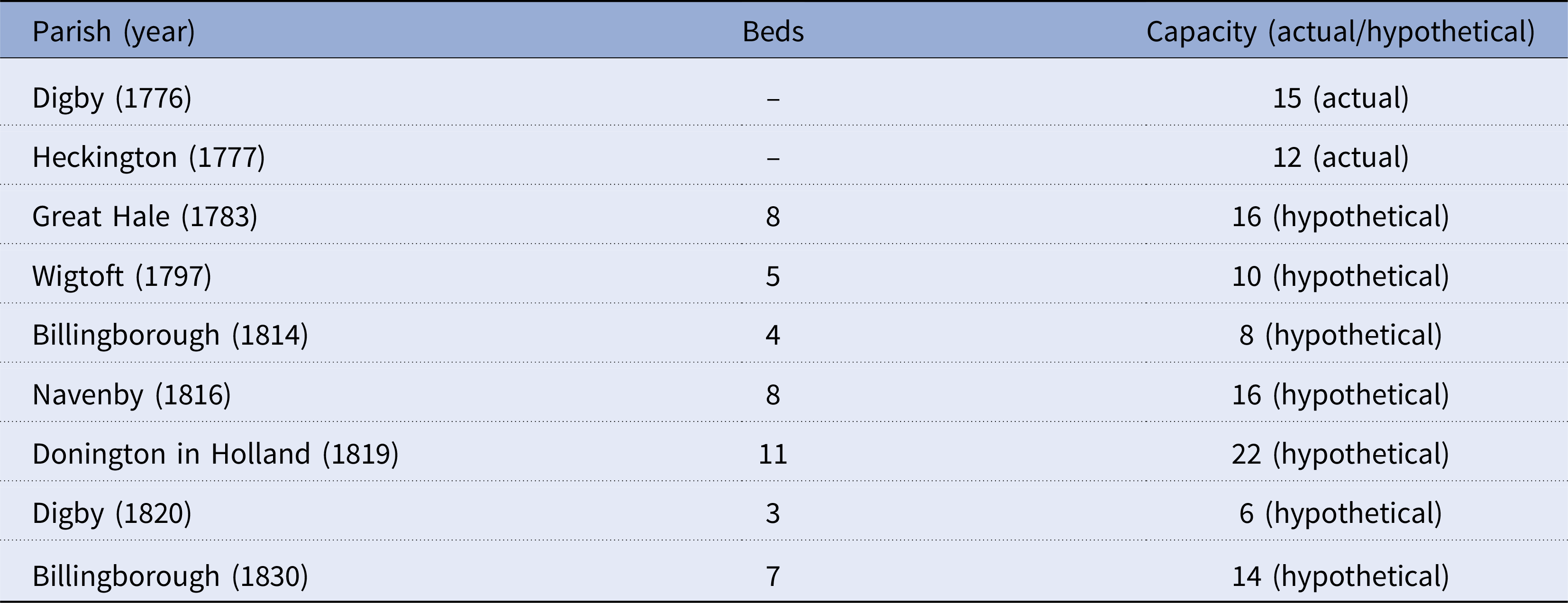
Sources: Report from the Committee appointed to inspect and consider the Returns made by the Overseers of the Poor, in pursuance of Act of last Session-Together with Abstracts of the said Returns. Reported by Thomas Gilbert, Esq. the 15th May 1777, (London, 1777), p.386 and p.388; Workhouse Inventory, 2nd May 1783, Great Hale Parish, 10/3; Workhouse Inventory, 15th July 1819, Donington in Holland Parish, 13/2/22; Workhouse Inventories, 6th April 1814 and 28th March 1830, Billingborough Parish 13/35-36; Workhouse Inventory, 16th November 1820, Digby Parish 13/1; Workhouse Inventory, 6th April 1816, Navenby Parish 13/2/3. All workhouse inventories are from the Lincolnshire Archives.
Such policies were influenced by cost. Outdoor aid remained cheaper, with workhouse relief being around four times as expensive per individual.Footnote 63 In March 1815, Leadenham relieved four individuals within its workhouse, spending 2s 6d a week per person for three individuals and 3s 6d for one.Footnote 64 In the same month, twelve paupers received weekly outdoor allowances, at a mean average of 1s 6d. For those that could make do with minimal amounts of outdoor relief, it was often preferred because of lower costs. There was a tendency to offer indoor relief to those who would procure higher costs and a greater administrative workload if remaining out-of-doors.Footnote 65
Moreover, parish workhouses were not large enough to relieve all who sought relief at times of crisis. Between 1776 and 1803, the average workhouse capacity nationally was just twenty to thirty individuals.Footnote 66 Workhouse capacities were listed in the national report of 1776, with Joseph Harley and Alannah Tomkins also counting beds in workhouse inventories to reconstruct capacities at a specific time.Footnote 67 Using both approaches and the presumption that beds could accommodate up to two people, Table 2 suggests capacities for the parish workhouses of study of between six and twenty-two inmates in specific years, well below the national average. Monthly inmate numbers for Leadenham between 1808 and 1818 show that only two to eleven individuals were in the workhouse at any time across that decade, emphasising that the parish workhouses of study were small institutions.Footnote 68 However, Table 2 shows that both Digby and Billingborough recorded different capacities in differing years, evidencing a flexibility to accommodation dependent on need.Footnote 69
Even so, those relieved permanently within workhouses remained the minority in the parish selection by the closing decades of the Old Poor Law. The seven parishes which recorded workhouses in the returns of 1802–3 relieved between two and thirteen individuals permanently indoors, consisting of 10% to 50% of all relief recipients dependent on the parish.Footnote 70 Discounting Digby, whose eight relief recipients were relieved equally between occasional outdoor and permanent indoor relief, giving a proportion of 50% relieved indoors, and Billinghay, where the foundation of a workhouse in 1800 meant that the returns of 1802–3 sat in a period where indoor relief sat at the forefront of parish policy, evidenced by 40% of all relief recipients being relieved indoors, the percentage of those relieved permanently indoors in 1802–3 fell to 10% to 34%. Similarly, the returns of 1813–15 show that across the parish selection, two to twenty individuals were relieved permanently indoors dependent on the parish, consisting of between 14% and 38% of recipients.Footnote 71 In both data sets, there was a general rule that the larger the total amount of relief recipients a parish recorded, the smaller the proportion relieved within the workhouse. There was thus variation in how far the workhouse was used between parishes of study; however, the returns of 1802–3 and 1813–15 suggest that by the early nineteenth century, the majority of paupers were relieved outside of the workhouse.
All this suggests that after an initial enthusiasm for indoor relief in the immediate wake of workhouse formation, parishes moved towards targeted workhouse use alongside outdoor relief to keep finances within acceptable bounds.Footnote 72 Therefore, for much of the period, the workhouse was not conceived as an institution for all the poor. However, the fact that parishes continued to maintain workhouses despite the dominance of outdoor relief means that they were deemed to play important functions. To understand this, it is necessary to examine the composition of workhouse populations. Unfortunately, apart from Donington in Holland and some years in Aslackby, inmate information is limited to sporadic references in vestry minutes and overseer accounts. To counteract this, magisterial records; settlement and removal documentation; parish baptismal and burial registers; and newspaper archives have all been engaged with, as these sometimes mentioned if individuals were relieved in a workhouse.
Workhouse populations were dominated by children, women, and the sick and elderly of both genders, with able-bodied men less common but with rises seen in periods of increased pauperism.Footnote 73 This is unsurprising as it mirrors the general composition of poor law receipt. The characteristics of both the indoor and outdoor poor were similar, with susceptibility to poverty heightened in childhood; in adulthood, when beginning to raise children, particularly for female-headed households which lacked a male wage earner; and in old age, alongside circumstances such as sickness or unemployment.Footnote 74 An 1814 workhouse inventory from Billingborough listed four inmates: two men and two women, one with a dependent child.Footnote 75 In 1820, Digby’s overseer accounts mention three widows in the workhouse, with two men entering in 1821.Footnote 76 In Aslackby, nine individuals entered the workhouse between March 1827 and March 1829: three persons of unknown gender, and four women, one of whom was pregnant and one accompanied by two children.Footnote 77
Donington in Holland provided weekly lists of workhouse inmates between 1812 and 1833, allowing a reconstruction of the workhouse population across this period, as shown in Figure 5. Children were prominent and were principally inmates due to dependency, especially as members of female-headed households such as those of widowed women and mothers of illegitimate children. As such, female inmates were common in Donington in Holland’s workhouse, noticeably elderly women, widows with dependent children, and women with illegitimate children. Men consisted of a smaller proportion of inmates, albeit with elderly males forming a consistent minority.
Donington in Holland: workhouse inmates, 1812–1833.
Source: Overseer accounts, Donington in Holland Parish 13/1/1/4-7, the Lincolnshire Archives. Data is missing for 1816.

An issue of discussion has been how far able-bodied males were relieved indoors. There were rises in men entering Donington in Holland’s workhouse in the immediate years after 1815, linked to economic depression after the end of the Napoleonic Wars, conforming to similar trends noted by Joseph Harley, Jeremy Boulton, John Black, and Lynn MacKay.Footnote 78 In October 1815, between one and two males per week were in Donington in Holland’s workhouse, consisting of 14% to 25% of the workhouse population. By October 1817, this number had risen to seven male inmates in the two weeks which recorded inmate names in the overseer accounts, consisting of 44% to 47% of the workhouse population. Figures 4 and 5 note high levels of adult males within the Donington in Holland workhouse until late 1819, with the influx of men responsible for peaks in inmate numbers. Although there is no definite evidence that these men were able-bodied, the fact that this increase was drastic and aligned to a period known to have seen increasing male able-bodied need nationally strongly suggests that at least some were.
However, increases in male inmates within Donington in Holland’s workhouse paralleled similar rises in able-bodied male receipt overall in the years between 1815 and 1819, with men most commonly relieved by occasional outdoor relief in this period in the parish. Thus, the offering of the workhouse to men in the immediate years after 1815 was not based purely on a designation as able-bodied. Noticeably, the majority of men entering the Donington in Holland workhouse in this period did so without any dependent family, suggesting they were single. Billinghay’s vestry minutes highlight a similar policy of offering the workhouse to single, able-bodied men in the early 1830s, a period of high able-bodied male unemployment.Footnote 79 The parish instigated work schemes for unemployed labourers in 1831, resolving that no men were to be given outdoor relief. By 1834, the vestry stated that any single man without family who applied for parish work was to go into the workhouse, suggesting a dual approach which acted to both deter applicants and triage relief so that parish work was targeted for men with dependents. Rather than move all able-bodied men with their dependents into the workhouse, indoor relief was targeted at single males, a policy which proved cheaper and logistically simpler, especially due to the short-term nature of able-bodied male need which primarily pivoted around periods of sickness or unemployment. This differentiation was seemingly applied in Donington in Holland in the years after 1815, explaining both the rise in adult male workhouse inmates and the number of men in receipt of occasional outdoor relief.
A renewed emphasis on the workhouse was observable in parishes which adopted a select vestry under the terms of the 1818 and 1819 Sturges Bourne’s Acts, which Samantha Shave has seen as placing a greater focus on discerning the deservingness of the poor through character and conduct.Footnote 80 Restrictions on outdoor relief and the utilisation of the workhouse as a deterrent were key to this.Footnote 81 Heckington’s select vestry minutes evidence that the workhouse was offered to men in lieu of outdoor aid throughout the 1820s and early 1830s.Footnote 82 In Donington in Holland, Figure 5 shows that the workhouse became an increasingly adult institution after the adoption of a select vestry in the parish in the 1820s and the rebuilding and enlargement of the workhouse in 1827. This was due to increases in able-bodied men with their dependents entering the workhouse, a change in policy towards the able-bodied male from that seen in the immediate years after 1815. For example, one male-headed family entered the workhouse in 1817, compared to three in 1822 and five in 1831.Footnote 83 Figure 4 suggests that this policy was effective in both reducing costs and the number of relief recipients in Donington in Holland from the late 1820s onwards, with a higher proportion of paupers relieved indoors.
The aiming of the workhouse at the able-bodied in parishes such as Billinghay, Donington in Holland, and Heckington which adopted a select vestry differentiates workhouse use across the parish selection because it varies from the trends noted above in Aslackby and Digby, parishes which did not adopt select vestries and saw indoor relief increasingly targeted at the vulnerable poor in the decades after 1815. Table 1 shows that in the 1821 and 1831 censuses, Billinghay, Donington in Holland, and Heckington had the largest populations in the parish selection, whereas Aslackby and Digby had the smallest. In the returns of 1813–15, parishes which later adopted a select vestry had larger totals of relief recipients than those that didn’t, also evidencing more able-bodied pauperism. In the year ending Easter 1815, Donington in Holland relieved a hundred and nine individuals; Heckington, seventy-two; and Billinghay, twenty-eight, compared to fifteen and nine in Aslackby and Digby, respectively.Footnote 84 Larger populations and greater numbers of relief recipients, including a higher proportion of able-bodied paupers, put pressure on relief regimes within parishes which later founded select vestries, with Samantha Shave arguing that aspects of the 1818 and 1819 Sturges Bourne’s Acts were adopted primarily to reduce relief spending through restrictive measures.Footnote 85 Relieving the able-bodied indoors and using the workhouse as a deterrent aimed to achieve this.
However, the dichotomy often presented between outdoor and indoor relief was softened through the lived experience of paupers. Across a life cycle of need, individuals could move between both.Footnote 86 Richard Body was in receipt of outdoor aid in Navenby since at least 1816.Footnote 87 At some point, Body entered the Navenby workhouse with his family, presumably due to sickness, as Body died in the workhouse aged forty-two in 1819.Footnote 88 Paupers could also leave the workhouse and be relieved outdoors. George Tindall, an inmate at Navenby workhouse in December 1834, was in receipt of outdoor relief by June 1836, receiving 1s a week.Footnote 89 A pauper identified as Vicars and his wife were inmates at Leadenham in November 1808 after having been outdoor recipients from at least 1801.Footnote 90 Their stay in the workhouse was short, with the couple again listed in receipt of outdoor relief in April 1809.
Indeed, workhouse relief can be embedded within the ‘economies of makeshifts’ used by historians to make sense of the diverse ways the poor maintained themselves, comprising multiple strands alongside explicit poor law relief such as work and familial support.Footnote 91 Ann Baker gave birth to her illegitimate son, Thomas Baker, in Digby’s workhouse in December 1819.Footnote 92 In 1845, Ann was interviewed as part of the settlement examination of her son, who was an inmate at the Sleaford union workhouse:
‘I am forty six years of age or thereabouts. The Pauper Thomas Baker…is my son and was born in the month of December one thousand eight hundred and nineteen in…Digby…I had not then ever been married. My maiden name was the Ann Baker. I took him to his Grandfather Thomas Baker at Newton when he was about Three Weeks old’.Footnote 93
This source illustrates that shortly after giving birth within Digby’s parish workhouse, Ann took her baby to her father’s house in Newton, Lincolnshire, utilising kin networks to provide support. It is unclear how Ann supported herself after 1819, but an Ann Baker was paid by the overseer of Digby to lodge paupers and vagrants at various points throughout the 1820s, with this nominal link perhaps relating to the individual in question.Footnote 94 More firmly, Ann did receive maintenance support for her son from his putative father, Thomas Speed, in 1825.Footnote 95 In June 1831, Ann married William Sidney in Newton, the residential parish of her father.
Thus, workhouse stays were usually not permanent. Between March 1827 and March 1829, the nine inmates in Aslackby’s workhouse were resident for between three and twenty-one months. In Donington in Holland, Figure 4 shows that the years 1817, 1826, and 1831 saw the largest average monthly inmate numbers in years with available data, and 1819, 1820, and 1822 the lowest. Although inmate lists did not record names in 1819, making it impossible to track an individual’s flow through the workhouse, Table 3 highlights that in all other years with the lowest or highest average monthly inmate numbers, individuals in the workhouse for all listed weeks were in a minority, with well over half of inmates in most recorded years staying in the workhouse for two months or under. Even in years which say comparatively low average monthly inmate numbers, protracted stays were not the norm, suggesting a workhouse population consisting of a core of long-term inmates alongside a larger changeable group. All this suggests that offering the workhouse was based on specific individual circumstances, with paupers often leaving the workhouse when their circumstances changed.
Donington in Holland: length of workhouse stays, 1817, 1820, 1822, 1826 and 1831
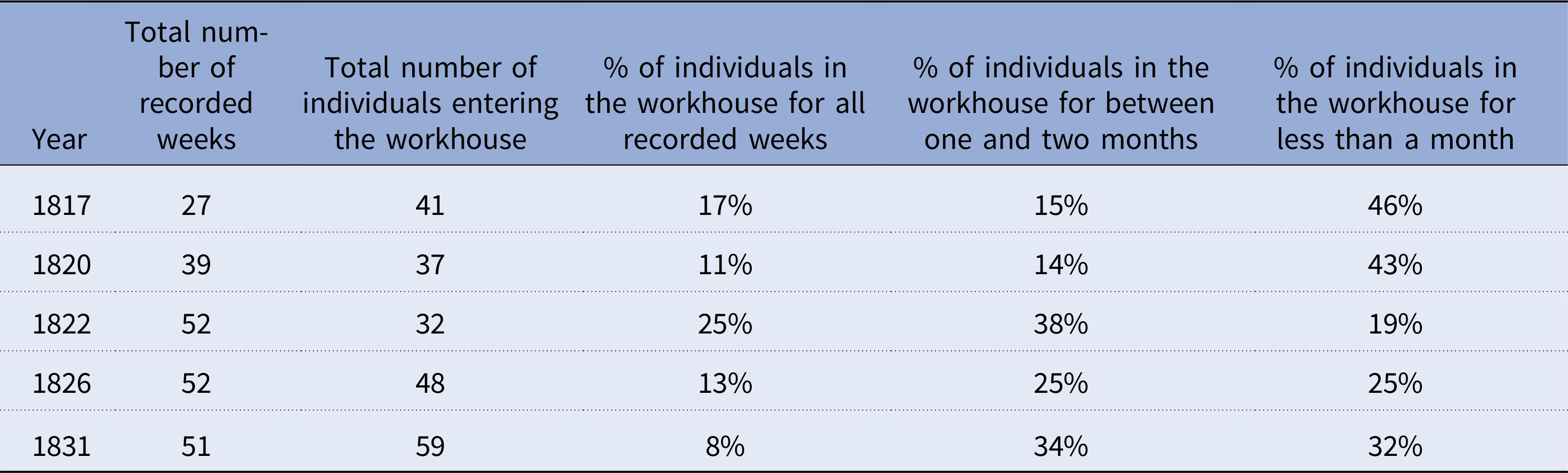
Source: Overseer accounts, Donington in Holland Parish 13/1/1/1-7, the Lincolnshire Archives.
For many, outdoor relief was given in the first instance before they were moved into the workhouse because it was no longer logistically or economically viable to support them out-of-doors. Two Aslackby inmates were identifiable as having been in previous receipt of outdoor relief: a female pauper identified by the surname Lacey and Mary Brittain.Footnote 96 Brittain had been receiving an allowance until entering the Aslackby workhouse in April 1828, becoming a long-term resident and noted as an inmate until July 1832. Lacey entered the workhouse in July 1827 due to sickness, having previously been nursed by her sister and then by Widow Brant, a fellow pauper, in 1826. Lacey remained in Aslackby workhouse until records end in 1834. In Donington in Holland, Widow Dawson was in receipt of outdoor relief and had a nurse paid for by the parish before being moved into the workhouse in May 1831, dying there in June 1831.Footnote 97 Dawson was the most expensive outdoor recipient in April 1831, receiving 8s per week, and by moving her into the workhouse the parish saved money, time, and effort. Thus, the workhouse was used for those who could no longer independently maintain themselves, with these individuals often becoming long-term inmates. The elderly were prominent in this respect, with workhouses increasingly used to support the old from the later eighteenth century onwards.Footnote 98 Sarah Thacker, a seventy-year-old widow dying in the Billingborough workhouse in 1816, was identifiable as having been an inmate since 1814.Footnote 99 Burial registers show that Joseph Lun died in the Billingborough workhouse aged sixty-one in 1813, with James Francis dying in the same workhouse in 1826 at the age of eighty-four.Footnote 100
Parishes continued to maintain workhouses in part because they were conceived of as part of parish-owned housing stock. Both John Broad and Graham Rawson have shown that housing the poor was an important part of relief during the later Old Poor Law.Footnote 101 Paupers could move between parish-owned properties and the workhouse as resources were prioritised. In October 1829, William Sharpe was given a parish house in Billinghay ‘until it is wanted for a…family and then [he is] to go to the Workhouse’.Footnote 102 There is a sense that the workhouse was offered to those without dependents who could no longer sustain an independent household or those whose families were too poor to support them, a point stressed by Susannah Ottaway.Footnote 103 This was particularly relevant for elderly men, with Nigel Goose and Janet Finch arguing that familial support and lodging opportunities were more commonly open to elderly women rather than men, who frequently ended up in workhouses.Footnote 104 Although men were generally a minority within workhouse populations, they were over-represented in the ranks of long-term inmates, as shown in Donington in Holland.Footnote 105 In 1817, five of the seven inmates who were in the workhouse for all recorded weeks were male. In 1820, all four individuals who were in the workhouse all year were men; in 1821, seven out of eight; in 1826, five out of seven; and in 1831, the four inmates recorded as residents for the whole year were males.
In addition to providing protracted accommodation, workhouses were linked to settlement and removal practice, as they were used to house those recently removed to the parish and thus lacked secure residential dwellings. William Darbyshire, his wife, and three children were removed from Nottingham to Donington in Holland in 1827, appearing in the workhouse in late June 1827 and staying for around a month.Footnote 106 Deborah Parsley, a pregnant woman abandoned by her husband, was removed to Donington in Holland’s workhouse in January 1822.Footnote 107 Similarly, Sarah Maxey, a pregnant single woman, was removed to Aslackby in September 1827, being an inmate in the parish workhouse from that month until March 1828.Footnote 108
Pregnant single women were often removed because their relief proved expensive, with removal generally sought for those who would incur higher costs.Footnote 109 Single women, either pregnant or with illegitimate children, were explicitly observable amongst paupers who entered the workhouse. The discussion around how far the able-bodied were relieved indoors has tended to ignore adult females, in part because contemporary debates around the relief of the able-bodied focussed primarily on males, with the historiography following suit. Able-bodied females in the guise of pregnant single women and mothers of illegitimate children were far more consistently relieved within workhouses than their male counterparts, in part because they were conceived as the undeserving poor.
Workhouses were commonly used as places for mothers of illegitimate children to give birth, with workhouse contracts explicitly giving extra provision for pregnant women and subsequent children, suggesting an expectation that such paupers would enter workhouses. The Billinghay workhouse master was paid 10s 6d extra for women who were lying-in, 1s per week extra for the child for the first five months after birth, and 2s per week extra for the next six months.Footnote 110 In Wigtoft, the 1833 workhouse contract gave the master an extra 30s for lying-in women.Footnote 111 Elizabeth Glenn gave birth in the Aslackby workhouse in 1826, with the master’s wife being paid extra for nursing her during her lying-in and delivery.Footnote 112 Glenn remained in the workhouse until June 1828, presumably with her new baby but explicitly joined by two of her children in April 1828, with Glenn’s children staying in the workhouse until December 1828 before they too left. As these examples suggest, children were often in the workhouse due to being dependents of adults. Billingborough’s burial register noted five children dying in the workhouse between 1813 and 1826, aged between two months and ten years old.Footnote 113 Sarah Taylor, aged two months old at the time of her death in the Billingborough workhouse in 1814, was the daughter of the inmates Francis and Frances Taylor.Footnote 114 At Aslackby, Elizabeth Allen was born in the workhouse to the paupers James and Dorothy Allen in April 1814, with William Gibbons, the illegitimate child of Sarah Gibbons, born in the workhouse in November 1824.Footnote 115
Although by the final decades of the Old Poor Law most paupers were not relieved indoors, workhouses were still maintained and were used to relieve a range of paupers alongside demonstrating a deterrent function. However, this deterrent capacity was only effective if life indoors was distinct in some way from that experienced outside of the workhouse. It is to this aspect that this article now turns, arguing that workhouse life purposefully underscored a loss of independence in order to bolster the poor’s aversion to it.
Workhouse life
Entering a parish workhouse meant relocation, often to a peripheral workhouse site. A mid-1820s map of Lincolnshire shows that both Billingborough’s and Aslackby’s workhouses were located along roads to the west of the village, isolated from the main parish settlement.Footnote 116 Similarly, Leadenham’s workhouse was sited to the north of the parish, away from the village centre.Footnote 117 The physical location of the workhouse marked a separation from the main parish community, underscoring both a loss of independence and an identity of pauperism.
This was further felt by the forfeiture of material goods. Various policies were adopted towards paupers’ goods when they entered a workhouse. Parishes could store items and return them to paupers once they had left the workhouse, a policy noted in Billingborough in 1799.Footnote 118 A more common approach was the appropriation of belongings for sale or in exchange for relief, observable in both Donington in Holland and Digby.Footnote 119 Such items were often used within workhouses, with the Digby master chided in 1819 for taking the goods of dead paupers, being reminded that they were ‘to remain in the…House for the use of the Parish’.Footnote 120 Workhouses also acted as repositories for items which were then lent as outdoor relief. Thomas Sharpe received a bed and bedding taken from the Wigtoft workhouse in April 1822, with Navenby providing two paupers with a bed, a box and linens from the workhouse in April 1816.Footnote 121
Joseph Harley, Alannah Tomkins, and Susannah Ottaway have all analysed goods listed in pauper and workhouse inventories to explore the lived experience of poverty and workhouse life.Footnote 122 Figure 6 outlines six workhouse inventories identified for the parish selection. They support Joseph Harley and Susannah Ottaway’s conclusions that workhouses provided a basic but adequate level of material life to meet necessary functions.Footnote 123 Non-essential items were missing from all inventories, with items serving the practical purposes of sleeping, seating, storage, heating, and food consumption. These functions influenced the use of the workhouse internal space, with the inventories showing workhouses divided into separate sleeping and living quarters, with areas for the preparation and eating of food. Although it is uncertain whether inventories listed all items found within workhouses, with Digby’s failing to note any food or drink items which presumably existed, they can say something about the general composition of the material life inmates experienced.Footnote 124
Workhouse inventories.
Sources: Workhouse Inventory, May 2nd 1783, Great Hale Parish, 10/3; Workhouse Inventory, July 15th 1819, Donington in Holland Parish, 13/2/22; Workhouse Inventories, 6th April 1814 and March 28th 1830, Billingborough Parish 13/35-36; Workhouse Inventory, 16th November 1820, Digby Parish 13/1; Workhouse Inventory, April 6th 1816, Navenby Parish 13/2/3, all the Lincolnshire Archives.

How far workhouse material life differed from that experienced in paupers’ own homes can be ascertained by comparing workhouse inventories to those made of items owned by paupers. In regard to pauper inventories, Figure 7 shows three identified for the parish selection. The 1783 list of Widow Hall’s goods from Great Hale seems to be a sale inventory, as it included valuation comments, stating that Hall owned a blanket with ‘the other bedding worth nothing’.Footnote 125 It is unclear whether the 1821 inventories made of Robert Pacey’s and Samuel Woods’ goods when they entered Digby workhouse were storage inventories or a record of goods appropriated by the parish, although the second option seems most probable as this was a policy noted in Digby, as stated.
Pauper inventories.
Sources: Overseer accounts, Digby Parish 13/1 and Workhouse Inventory, May 2nd 1783, Great Hale Parish, 10/3, both the Lincolnshire Archives.

Despite showing differences in the total amount and variety of goods owned, Figure 7 highlights that the most common items listed in all three pauper inventories were those relating to food and drink, such as cooking utensils and cutlery. It has been stated that cooking pots, frying pans, and tea-drinking items were common inventory items, illustrating a diet which relied on stews and pottage-like meals alongside tea and bread.Footnote 126 Indeed, both Wood’s and Pacey’s inventories demonstrated tea-related items, including caddies, kettles, and teaspoons, alongside pots, pans, and pippins to store apples. Hall’s food-related items were limited to trenchers and a wooden dish; bottles and pitchers; two cups and three saucers; and a single fork. The second most common inventory item was furniture, with all inventories listing beds, chairs and stools, storage furniture, and tables. Often, these were owned in bulk, suggesting that inventories were made of multi-room dwellings with furniture located throughout. For example, Hall owned two bedsteads, three tables, and two chairs, and Pacey had four chairs, two stools, and two tables. Linked to furniture were linens, primarily blankets, sheets, and bedding, observable in all three inventories. Utility items, defined as items not related to food and drink, furniture, or linen, were generally limited to fire-related items such as tinderboxes, grates, and rakes, with the three spinning wheels listed in Hall’s inventory having been included in this category, emphasising the importance of small-scale textile industries for the poor. However, both Woods and Pacey owned non-essential items, which included mirrors in both cases and four pictures in the case of Woods, demonstrating a limited capacity to ornament homes.
A comparison of the workhouse and pauper inventories given in Figures 6 and 7 suggests that although there was a similarity in the types of goods found within the poor’s own homes and workhouses, there was a reduction in the scope of the material life available to the poor when entering a workhouse. Indeed, both Woods and Pacey recorded equal or more pieces of furniture in their own homes in 1821 than listed in the whole of Digby’s workhouse in 1820, with Hall’s eight items of furniture being equal to 18% of the total amount of furniture recorded in Great Hale’s workhouse in 1783. The non-essential items recorded in Woods’ and Pacey’s inventories were entirely missing from the workhouse inventories of the study. Alongside the fact that items within a workhouse would have been shared between all inmates, the limitation in the amount and variety of goods available to paupers within workhouses suggests that the material life of the poor outside and inside of the workhouse was not synonymous, underscoring a differentiation between the experience of outdoor and indoor relief.
A discussion of beds in regard to workhouse capacities has already been made, with the sharing of beds possible and with wards or gendered sleeping quarters noted in some workhouses.Footnote 127 There is evidence for gendered sleeping arrangements in Billingborough’s 1814 workhouse inventory, as two males had their own rooms, with women and children sleeping collectively in a separate area. Navenby’s inventory listed eight beds located in three rooms, suggesting that inmates slept in multiple locations. Similarly, five beds were recorded in various rooms in Wigtoft’s workhouse in 1797.Footnote 128 The location of beds throughout workhouses may have been a response to the practical needs of accommodation but could also be read as evidence for the differentiation of the workhouse space between pauper types. Alannah Tomkins has observed an absence of candlesticks in workhouse inventories, suggesting that this was a means of compelling inmates to retire to bed when night fell.Footnote 129 Candlesticks were listed in four inventories (Great Hale, Billingborough in 1814, Navenby, and Digby), with numbers limited to one or two, supporting the idea that workhouse life was ordered by natural light cycles.
All workhouse inventories of the study listed chairs and stools. Where it was possible to locate furniture, seating was predominantly in dining areas to facilitate food consumption. In Navenby’s inventory, chairs were noted in two of the five rooms of the workhouse, with most located in the dining area. Five of the six chairs listed in Billingborough’s 1814 inventory were located in the kitchen, with all specific seating given in Donington in Holland’s inventory being in the kitchen. This suggests a general absence of seating from other areas of workhouses, albeit with informal seating possible, with the limitation of seating controlling inmates’ use of the workhouse space, restricting areas of congregation and reinforcing notions of control.
Figure 6 shows that items relating to food and drink were prominent within workhouse inventories. No prescribed diets have been found for the workhouses of study, and it is likely that diets in smaller parish workhouses were informal, mirroring domestic consumption habits.Footnote 130 Overseers’ accounts give some sense of food consumed, with Donington in Holland buying mutton, bacon, vinegar, oatmeal, and bread for the poor in the workhouse throughout 1769, and Aslackby buying cheese in 1806.Footnote 131 It has been stated that trenchers and spoons were common workhouse cutlery items, as pottages, gruels, and stews were widely eaten, often because boiling was the most efficient way of cooking, with liquid-type foods also being easier to portion out equally.Footnote 132 The two Billingborough inventories indicate that inmates ate from tins and trenchers, with the 1814 inventory only listing spoons as cutlery, albeit with a limited number of knives and forks noted in 1830. Similarly, Donington in Holland’s inventory suggests that meals were eaten from tins and wooden trenchers. Great Hale’s inventory recorded eight trenchers, six wooden dishes, and seven wooden spoons, with cooking equipment limited to saucepans and pots.
Utility items within the workhouse inventories clustered around spinning equipment; fire-lighting and fire-maintaining items; and cleaning objects such as sweeping brushes. Figure 6 highlights that linens were heavily recorded, primarily relating to bedding and blankets, with Louise Falcini making a link between the regular changing of linen and workhouse cleanliness routines.Footnote 133 Cleanliness also included the daily washing of hands and faces, with chamber pots used for bodily functions alongside outdoor toilets.Footnote 134 Apart from Navenby and Digby, all inventories listed chamber pots, with Donington in Holland including hand basins and a night stool.
The regular provision of clothing to inmates also related to hygiene but played important symbolic functions.Footnote 135 Many parishes of study mandated inmate attendance at church, with Wigtoft also allowing attendance at dissenting chapels.Footnote 136 Inmates would have thus been regularly visible to the ratepaying community, with the presentability of inmates through clothing marking good workhouse management.Footnote 137 In Donington in Holland a pew located next to the vestry room was made for workhouse inmates in 1817, implicitly linking the appearance and demeanour of inmates to the governance of the parish.Footnote 138 The presentation of inmates underscored the reformatory pretensions of workhouses, with the pauper transformed into a respectable and moral, albeit theoretically passive, individual.
Figure 8 summarises lists of inmate clothing found for the parishes of study. Judging by Susannah Ottaway’s assertion that labouring men should own a jacket, breeches, shirts, stockings, and shoes, with women having a gown, petticoat, a shift, stockings, aprons, handkerchiefs, caps, and shoes, Figure 8 suggests that inmates were provided with an adequate quantity of clothes.Footnote 139 The clothes of five inmates listed in Billingborough’s 1814 inventory showed ownership of multiple items, meaning that regular changing was possible, again linking to cleanliness routines with the high provision of items which would have made direct bodily contact (petticoats, shifts, caps and shirts) and handkerchiefs, versatile items which could have been used for cleaning, noted in Figure 8.Footnote 140 In Billingborough’s 1814 inventory, William Scales had fifteen different pieces of clothing, including two hats, three shirts, two waistcoats, two pairs of breeches, and four handkerchiefs. A male pauper identified as Tailor had nine pieces of clothing, including three shirts and two ties. Adult women in Billingborough’s workhouse had more clothing, ostensibly due to female dressing conventions. Sarah Thacker had twenty-seven pieces of clothing, including two gowns, two petticoats, three shifts, two coats, four aprons, four handkerchiefs, six caps, two pairs of stockings, and two bonnets. Elizabeth Sandales had twenty-three items, with two gowns, four shifts, two coats, four pairs of stockings, two aprons, three caps, and three handkerchiefs. Finally, Sandales’ child had nineteen items consisting of five frocks, two coats, four caps, three shirts, and five ties. Thus, paupers had variable amounts of clothing, suggesting the accumulation of items over time and differing appearances of dress, with no sense of the imposition of a standard mode of dress outside of contemporary conventions.
Workhouse inmate clothing.
Sources: Undated correspondence, Billinghay Parish 13/29; Loose sheet dated March 13th 1830 found inside vestry minutes, Billinghay Parish 10/1; Workhouse Inventory, 6th April 1814, Billingborough Parish 13/35, all the Lincolnshire Archives. ‘Dabs’ refers to a handkerchief.

Sporadic references in overseer accounts and vestry minutes show that workhouse life was structured by rules, particularly in regard to restriction of movement, seen as a key feature in other workhouses.Footnote 141 In 1820, Billingborough’s inmates were to be inside the workhouse by nine at night during spring and summer and seven at night in the autumn and winter, whilst in 1823, paupers in Wigtoft had to receive the permission of the master to leave the workhouse.cxxxii Although such suggests that inmates did leave the workhouse, particularly to conduct work as it was noted in both Navenby and Billinghay that inmates laboured outside of the house, permission was needed.Footnote 142 How far rules were implemented or followed within the workhouses of study is difficult to say due to the nature of available sources, with research noting that paupers contested rules and showed agency in the face of workhouse regimes.Footnote 143 However, the existence of rules suggests an expectation that workhouse life would be ordered and overseen by a workhouse master. Indeed, the newly constructed workhouse in Donington in Holland in 1827 included rooms for the workhouse master to live in, increasing opportunities for surveillance and control.Footnote 144
Importantly, regimentation included work, with Susannah Ottaway reminding historians that they should ‘take seriously…systems of labour discipline’ within workhouses.Footnote 145 Contracts with workhouse masters consistently stated that the poor should be put to work, with ableness to do so defined by workhouse masters and parish officers, potentially encompassing a wider group of paupers than suggested by categorisations used within the literature.Footnote 146 In 1805, inmates within Donington in Holland’s workhouse worked from the age of twelve.Footnote 147 Peter Collinge has shown that many parish workhouses owned or rented land and gardens, primarily to provide food for workhouse inmates and to create horticultural work to promote industrious habits.Footnote 148 References to workhouse gardens or land have been found at Leadenham, Billingborough, Billinghay, and Donington in Holland.Footnote 149 It is likely, given the predominantly agricultural socio-economic structure of the parishes of study, that inmates laboured on workhouse land, presumably with some produce being incorporated into workhouse diets. Louise Falcini has also noted that female inmates were used to conduct domestic duties within workhouses, with it recorded that women and girls made and mended inmate clothing in the Donington in Holland workhouse in 1815.Footnote 150 Therefore, pauper labour contributed to the daily running of workhouse life.
Spinning industries were the usual type of formalised labour given in workhouses.Footnote 151 Billinghay’s contracts from 1823 to 1829 show that inmates were spinning and knitting stockings, also bleaching cloth off the workhouse site.Footnote 152 From 1825, the vestry provided flax for spinning if the master had no work for inmates, suggesting a commitment to labour, ostensibly in both a deterrent and reformatory capacity.Footnote 153 During the 1820s, inmates in Billinghay and Billingborough were paid a small sum for their labour, presented as an incentive to work diligently and develop self-supporting skills.Footnote 154 However, both parishes sold pauper-made textiles as a revenue source, meaning that heightened production incentivised through payment was beneficial to the parish coffers.
Although the claim has been made that a focus on the profitability of workhouse labour waned by the early nineteenth century, evidence from the parish selection suggests otherwise, supporting Susannah Ottaway’s revaluation of the importance of money generated through pauper work.Footnote 155 The right to employ paupers and keep their earnings was a recurring issue in workhouse contracts because it often underscored how indoor relief would in part be financed. Such is seen in Wigtoft between 1821 and 1833.Footnote 156 From 1821 to 1823, the parish reserved the right to retain earnings, but with this privilege going to the workhouse master from 1824. In 1826, a compromise was struck, with it being agreed that ‘if…a Man and his Family be put into the Workhouse…the Parish take the earnings of the Man’, with the master keeping the earnings of other paupers. This was further rectified in 1829 when, in addition to retaining the earnings of male inmates with families, the parish would also employ single male inmates outside of the workhouse and keep half of their earnings. In 1830, it was agreed that the parish would take half the earnings of all the poor employed in the workhouse, with this clause staying in place until 1833. In some parishes, masters kept money earned through labour in lieu of renumeration for specific pauper types; in 1820, George Clark, master at Billingborough, was not paid for male inmates, instead keeping money made through their work.Footnote 157
There was thus a financial incentive to put as many paupers to work as possible, which presumably fed into definitions of ableness to labour. John Robinson, master in Heckington between 1829 and 1835, was paid per inmate head and kept money earned through their labour.Footnote 158 In 1834, he was warned by the vestry ‘not to take Paupers into the House belonging to any other Parish’, suggesting Robinson was allowing paupers into the workhouse without vestry permission, potentially to increase earnings.Footnote 159 In periods of high relief spending, the proceeds of pauper labour were utilised as a revenue source. In 1785, rates collected in Donington in Holland did not cover annual relief costs, with the difference paid for through the sale of pauper-spun cloth.Footnote 160 The sale of textiles spun by paupers was also utilised in Leadenham as a funding source between 1800 and 1818.Footnote 161 However, paupers were also spinning cloth in Leadenham before the foundation of its workhouse in 1804, presumably in their own homes, with accounts from Donington in Holland showing that the outdoor poor were also paid to spin.Footnote 162 Thus, workhouse labour can be contextualised within a broader desire to put the poor to work, with work utilised for the financial benefit of the parish.
Alongside work for those deemed able, children were provided with schooling and training, evidencing the reformatory aspect of indoor relief. Wigtoft’s workhouse contracts from the 1790s stated that children should be sent to school until they were ten, and Navenby’s 1812 contract noted that the workhouse master was to ‘teach…and instruct all such Poor Children to Read, Write, Knit and Sew’, with the churchwardens and overseer of the poor choosing children from the workhouse to attend school.Footnote 163 Parishes apprenticed workhouse children, with Billinghay’s vestry minutes noting such in the 1830s.Footnote 164 Such attitudes support a moral reading of workhouse provision, operating in a capacity to promote self-supporting habits and the education of the young.Footnote 165
Within the workhouses of study, life was primarily overseen by workhouse masters, individuals hired by the parish to maintain and manage the poor.Footnote 166 Workhouse masters played important roles in setting the poor to work and training children, alongside providing the basic necessities of material life. Thus, the lived experience of the workhouse was influenced by managerial practice, which this article will now examine.
Workhouse management
All parishes of study showed evidence for contracting the management of the indoor poor to workhouse masters, with the 1832 Royal Commission on the Poor Laws noting this as a common practice within Lincolnshire.Footnote 167 Contracting aimed to reduce costs. With the building of a workhouse in Digby in 1771, maintenance of the poor was initially contracted to Baker Sharpe for two years.Footnote 168 The parish officers seemingly ran the workhouse directly between 1775 and 1788 before rising costs influenced returning to contracted maintenance. In 1789, Digby paid Thomas Harness £48 6s to maintain the poor for a year, a sum significantly lower than the £70 8s 6d spent on providing relief in 1788. Contracting maintenance to workhouse masters became the status quo in Digby until 1829, when extant records end.Footnote 169 Contracting relieved the parish officers of the daily logistics of providing care, particularly for paupers with complex care needs or those who could incur significant costs and effort. Contracts from across the parish selection showed a similarity in workhouse master responsibilities, including the provision of food, clothing, fuel, and work for the indoor poor, alongside care for the sick and burial of the dead. Thus, the decision to contract maintenance was two-fold, intending to alleviate the parish of both the cost and practicalities of providing relief for the indoor poor.
Despite a focus on workhouse masters, contractual management was conceived as a duty for a married couple. Evidence from Leadenham, Digby, and Donington in Holland shows that masters’ wives were paid for making inmate clothing, nursing the poor, and preparing paupers for burial.Footnote 170 Direct female management of workhouses was also shown through masters’ widows running workhouses independently. At Donington in Holland, Mary Stalworth managed the workhouse in 1796 after the death of her husband, Edward Stalworth, and in Wigtoft, Catherine Rilott, the widow of Thomas Rilott, contracted with the parish to run the workhouse between 1813 and 1815.Footnote 171 Further relations between workhouse masters were observable in Wigtoft, with Robert Wright holding the position between 1818 and 1828 before his son, Samuel Wright, became master in 1829.Footnote 172 Similarly, William Philips, Aslackby’s workhouse master in 1814, was the son of a previous master.Footnote 173
Such may suggest a professionalism in the trade, further supported by the fact that in some parishes, masters held their positions for substantial periods. Thomas Mablethorpe was master in Billinghay from 1808 until 1834, consistently renewing on the same terms and price, underpinning the reason for his prolonged employment.Footnote 174 Leadenham had four workhouse masters between 1806 and 1819, serving from three to four years each, and from 1805 to 1822, only three individuals acted as master in Great Hale.Footnote 175 Between the 1770s and 1820s, Digby’s six masters served terms of between one and thirteen years, with Richard Roberts holding the position between 1808 and 1821 and again in 1825 to 1829.Footnote 176 Wigtoft saw eight workhouse masters between 1803 and 1836, with the above-mentioned Robert Wright holding the position for a decade after 1818.Footnote 177 There was often a stability in workhouse masters, presenting an important stratum of poor law administration which has gone largely understudied, with this article complementing Susannah Ottaway’s work on masters and Alannah Tomkins’ and Samantha Shave’s research exploring an expanded Old Poor Law administrative demography.Footnote 178
A common practice within the parish selection when contracting was to advertise in local newspapers. In February 1804, the Donington in Holland vestry resolved that ‘an Advertizement be inserted…in the Stamford Newspaper informing the Publick of the intention…of letting the Poor’.Footnote 179 There was therefore a possibility that the position of master could be filled by an individual from outside of the parish, in contrast to vestries and parish offices which were stocked by leading ratepayers.Footnote 180 However, how far such played out in practice is debatable. Despite advertising in the press, Peter Curtis became workhouse master in Donington in Holland in 1804, being described as a yeoman inhabitant of the parish.Footnote 181 Henry Winton, who served as Navenby’s workhouse master between 1812 and 1815, was described as a resident yeoman, with Richard Duncombe, fulfilling the capacity in Navenby in 1816, being a local labourer.Footnote 182 There was seemingly a difficulty in recruiting workhouse masters. In 1816, no one applied to be workhouse master in Donington in Holland after the parish had advertised the position in the press.Footnote 183 Similarly, Great Hale contracted between 1823 and 1827 before moving to direct management in 1828 because of difficulties recruiting a workhouse master at the salary offered.Footnote 184 Between 1829 and 1834, the parish again contracted until reverting back to direct management in 1835 as ‘no Proposals for maintaining…the Poor were received’.Footnote 185
The stability in workhouse masters noted above, with the same individuals remaining in the position for years, may in part have been influenced by the fact that the occupation of master was not an attractive one. Alannah Tomkins’ recent work on salaried overseers’ assistants in the final three decades of the Old Poor Law may be of some help in understanding the socio-economic position of workhouse masters.Footnote 186 Tomkins concludes that assistant overseers often received limited renumeration, combining their position with other employment in accumulated support strategies.Footnote 187 The Poor Law Commission reported salaries of assistant overseers as sitting between £20 to £80 per annum.Footnote 188 Contracts from Digby show that workhouse masters were paid roughly on-par with salary levels identified for assistant overseers.Footnote 189 In 1790, Thomas Idle was paid a set sum of £150 for three years’ service, giving an annual renumeration of £50. In 1805, Samuel Body was paid just £33 12s annually to fulfil the same role. In various years between 1813 and 1828, Richard Roberts’ yearly wages as Digby’s workhouse master ranged from £70 to £120, also including grazing rights for cattle. Roberts’ salary noticeably decreased in the period after 1817, reaching a low of £70 in 1825 as the parish moved to weekly renumeration by head and with fewer people entering the workhouse.
Although masters oversaw workhouse provision, vestries instigated supervisory bodies to monitor their actions, with workhouse inspection committees noted in Aslackby, Billingborough, Billinghay, and Navenby.Footnote 190 This suggests conceptions of standards; however, exactly what these were is largely opaque within the records.Footnote 191 Despite this, vestries did reprimand masters for perceived malpractice. In 1820, the Billingborough’s vestry stated that the master should not ‘compel…the…Poor to labor unmoderiatley nor…misuse or abuse any’, with the fact that it was felt necessary to mention this suggesting that such treatment had happened previously.Footnote 192 In July 1829, Billinghay’s vestry resolved that the master, Thomas Mablethorpe, ‘is to be talked to about his conduct respecting the poor & Thomas Hubbard in particular’.Footnote 193 Despite circumstantial evidence for poor management, Mablethorpe stayed in his position until the end of the Old Poor Law. In both cases, intervention seemed reactive. Even so, the fact that complaints were investigated suggests that the actions of masters were under surveillance and that notions of acceptable levels of treatment existed which from time to time needed to be enforced. Therefore, workhouses were not places where paupers were meant to be neglected, with management practice aiming to provide basic necessities alongside work or training, all structured through rules and regimentation.
Conclusion
By focussing on Lincolnshire, an understudied county, this article has contributed to understandings of the national landscape of indoor relief during the Old Poor Law, helping close the gap in understandings of the place of workhouses within rural relief regimes. In adopting a thematic analysis utilising evidence from ten parishes, it suggests an approach applicable to the variable nature of parish archives, moving away from case studies of parishes with unusually rich source material towards a way of approaching the incomplete parish archive, a far more common scenario. This article is thus a more representational study. In order to explore rural parish workhouses, institutions whose presence within the archives is often ephemeral despite constituting the bulk of workhouses under the Old Poor Law, this is an approach which could be replicated.
This article’s study of management practice is particularly novel and has emphasised the centrality of workhouse masters to the provision of indoor relief, a severely understudied persona in discussions of Old Poor Law administration despite evidence for the persistence of the same masters for years and the crucial role they played in the daily logistics of workhouse life. Importantly, management practice included female involvement, either via the roles performed by workhouse masters’ wives or through their widows directly contracting with parishes to maintain the indoor poor. This article has moved the study of Old Poor Law administration away from a purely male domain, with further studies needed to explore women’s place in the provision of the poor law. Similarly, it has called for a reassessment of women amongst the ranks of the able-bodied poor, with the workhouse looming far larger in the lives of women and children than of men.
In approaching the issue of able-bodied male indoor relief, this article suggests that further differentiation is needed within this subset of pauperism. It was often single men who entered the workhouse, albeit with rises in able-bodied male inmates with dependents seen in parishes which adopted a select vestry, emphasising a refocussing on the ‘workhouse test’ in some parishes from the 1820s onwards. This stresses that parish workhouses were not monolithic institutions. The identification that workhouses were often discontinued before being refounded or reformed at later dates is important and suggests an awareness of indoor relief as a policy to be pursued, adapted or retreated from dependent on circumstance.
This article has also softened the division between indoor and outdoor relief so often presented in the literature by tracing pauper life cycles, showing that the experience of the workhouse often sat within a broader biography of receipt, which commonly included outdoor aid and other avenues of support within the wider ‘economies of makeshifts’. However, the experience of life indoors was not synonymous with that outside of the workhouse, with parishes purposefully underscoring a loss of independence through a restricted material life and regimented daily routine. Work was central to this, with this article adding to recent reappraisals of the importance of pauper labour by showing that money generated by the work of the poor was deemed important by parishes, often being utilised as a funding source. Therefore, the etymology of the workhouse was apt.
The 1834 Poor Law Amendment Act instigated a restructuring of indoor relief in England and Wales. Workhouses were no longer to be located in the parish, instead being located within a poor law union. However, the lag between poor law union formation and the opening of union workhouses necessitated the short-term continuation of parish workhouses to offer indoor relief. This is seen within the Sleaford Poor Law Union, within which the majority of the parish selection was incorporated. Between unionisation in September 1836 and the opening of its union workhouse in 1838, the Sleaford union appropriated both the Heckington and Billinghay parish workhouses to deliver indoor relief.Footnote 194 With the opening of the Sleaford union workhouse in 1838, the use of Heckington’s and Billinghay’s parish workhouses ceased. Billinghay’s vestry decided to rent the old parish workhouse as tenements, with ‘the Workhouse Furniture…brought up into the Town…and publicly sold’ in March 1838.Footnote 195 In the early years of the New Poor Law, parishes often sold parish-owned property to fund the building of union workhouses; however, this could not be compelled.Footnote 196 Many retained property, including previous workhouses, and converted them into housing. Navenby’s workhouse was split into four tenements, rented from 1837 onwards.Footnote 197 Aslackby converted its workhouse into residential dwellings with these being sold alongside other property in 1840.Footnote 198 Billingborough’s workhouse had closed by April 1837 as a rental agreement explicitly mentioned occupation of ‘part of the Old Workhouse’.Footnote 199 At Wigtoft, the parish workhouse ceased operating at some point between November 1836 and March 1837, with the previous workhouse master, William Palmer, renting the old workhouse as a private residence from this later date.Footnote 200 As part the rental agreement, Palmer allowed for ‘the Relieving Officer and the Poor [to] meet at the House weekly’,Footnote 201 highlighting a continuing role of the previous workhouse building in relief procedure, acting as a venue for the delivery of outdoor relief by union officials. However, this arrangement was short-lived, with Wigtoft selling the old workhouse building in February 1838.Footnote 202 Thus, by 1838, parish workhouse use within the parish selection had ended, with the era of the New Poor Law union workhouse commencing.
Acknowledgments
Alongside the anonymous reviewers for their insightful feedback, I would like to thank Carl Griffin for his continued support throughout the writing of this article. His patience and direction have been invaluable. I would also like to thank Samantha Shave and Steven King for their comments, as well as the staff at the Lincolnshire Archives.
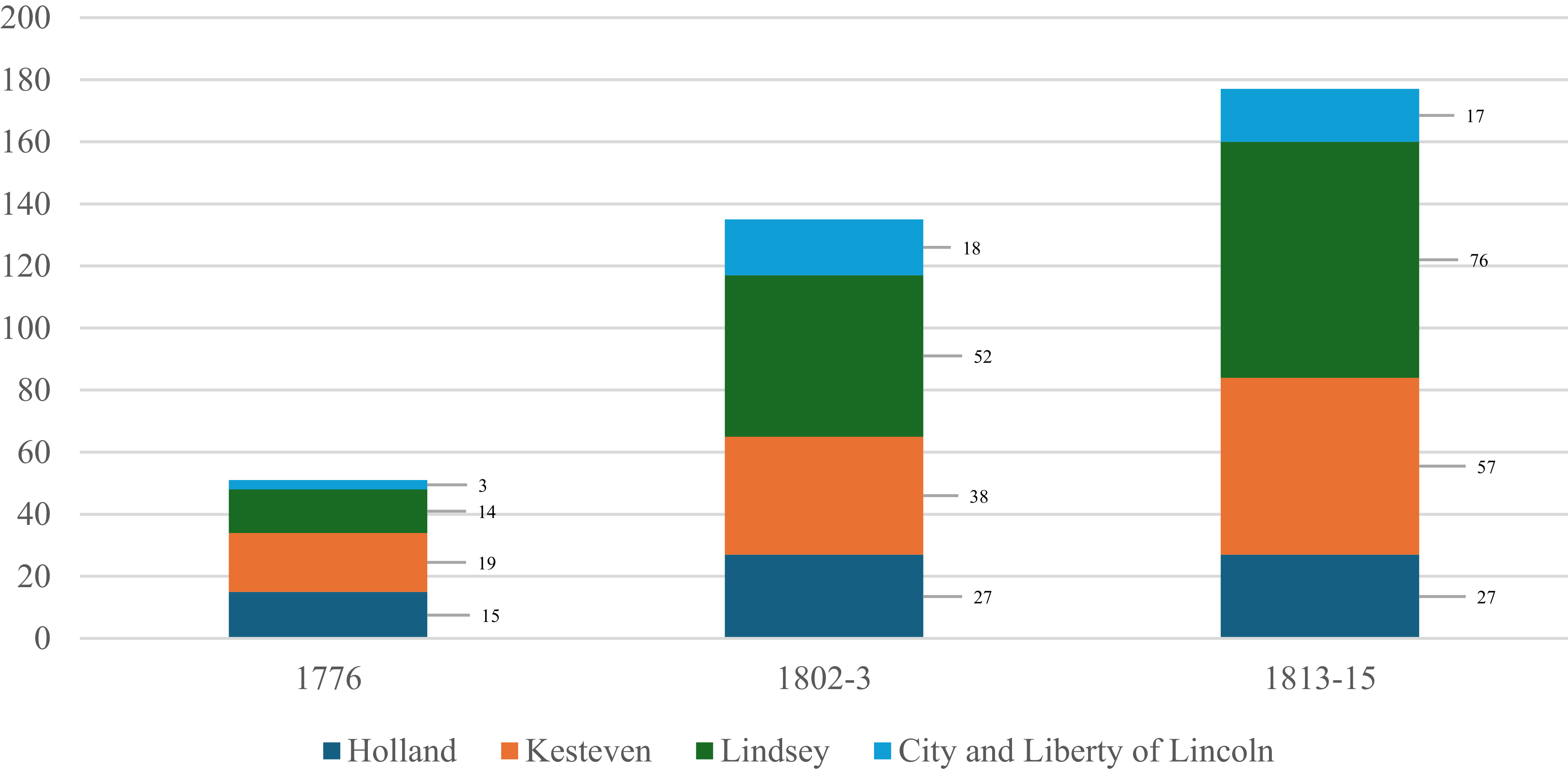
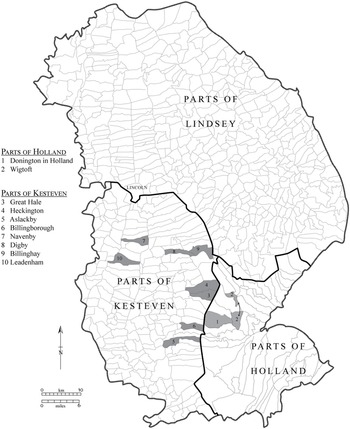

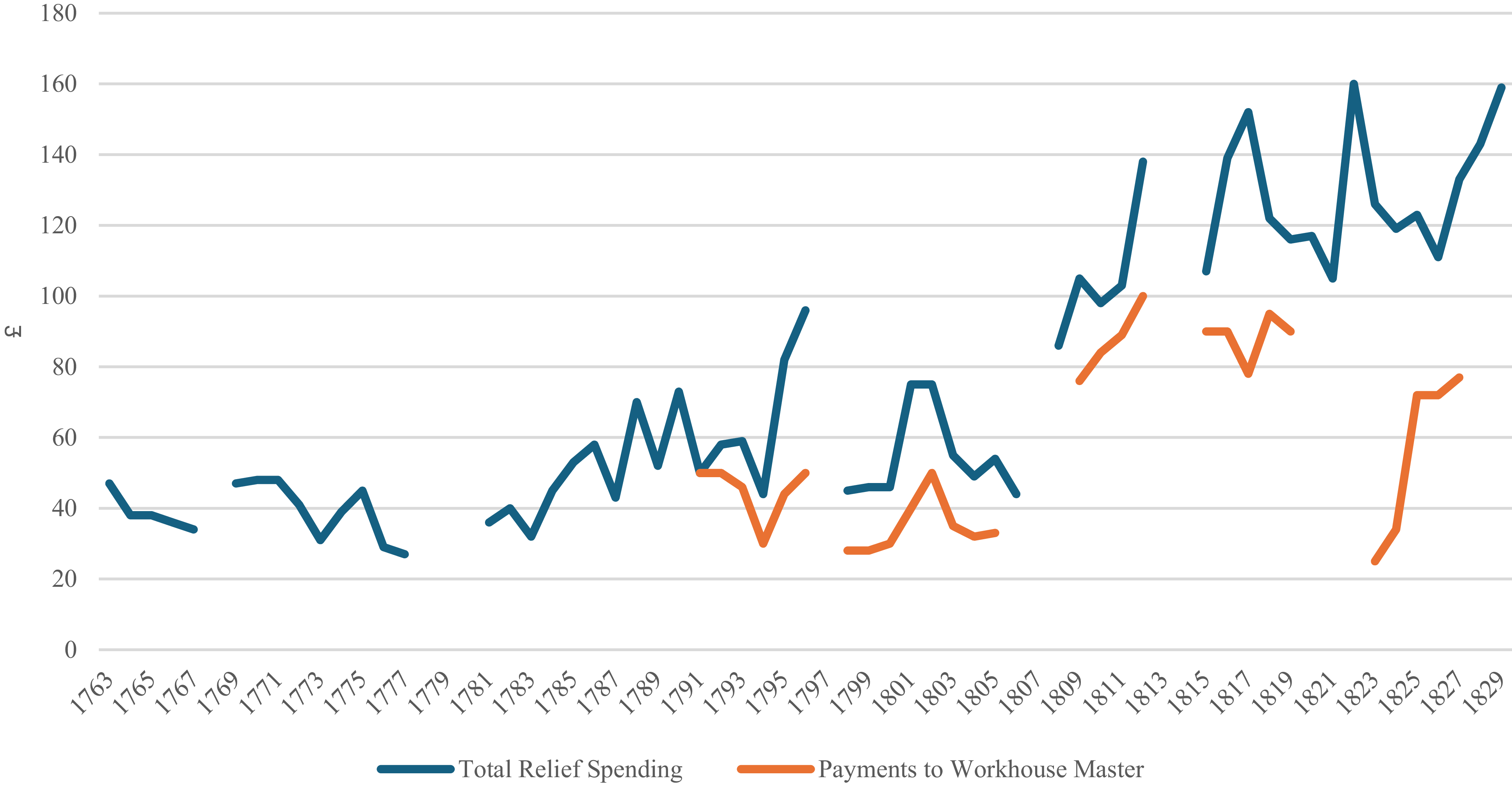
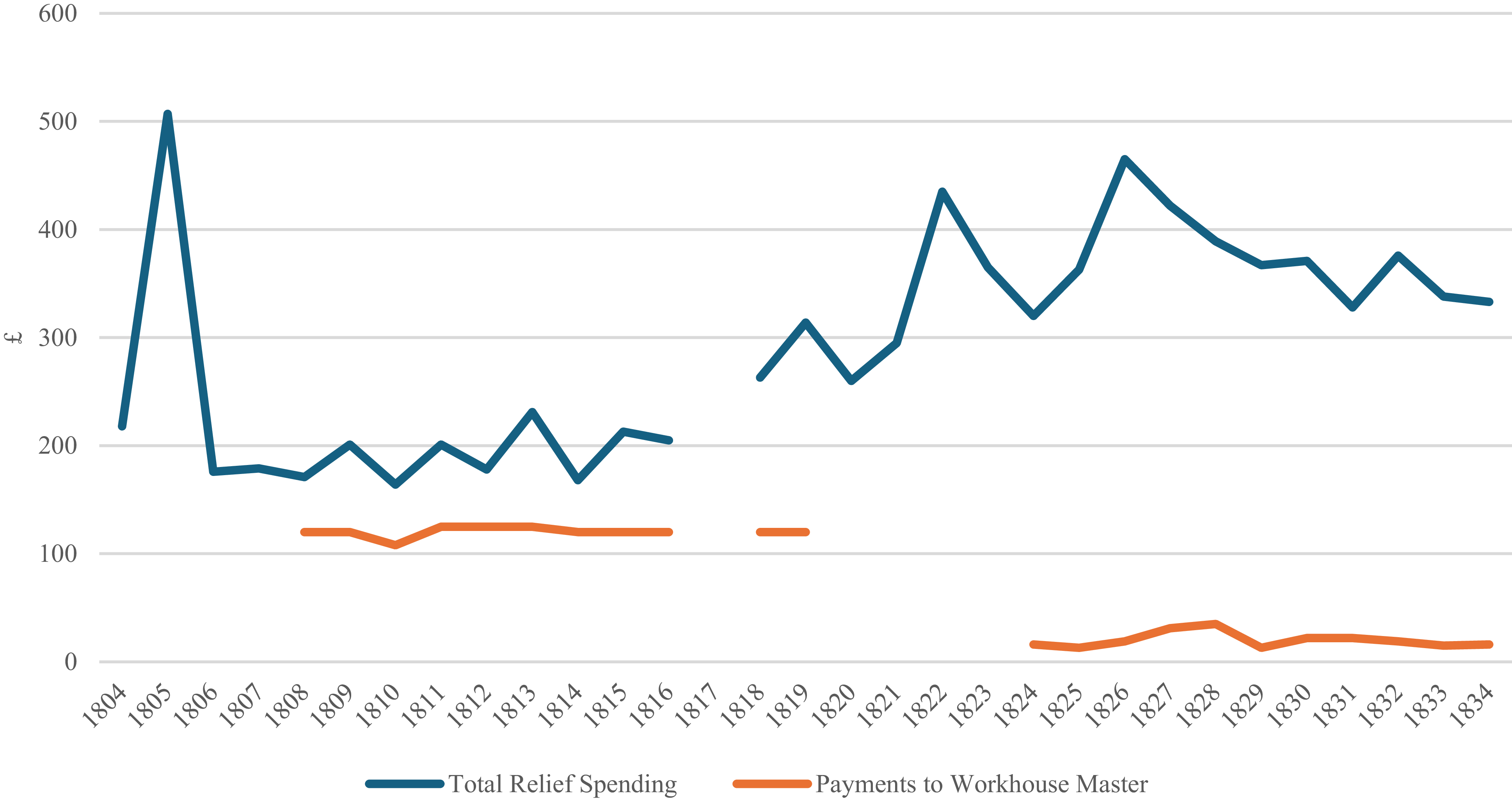
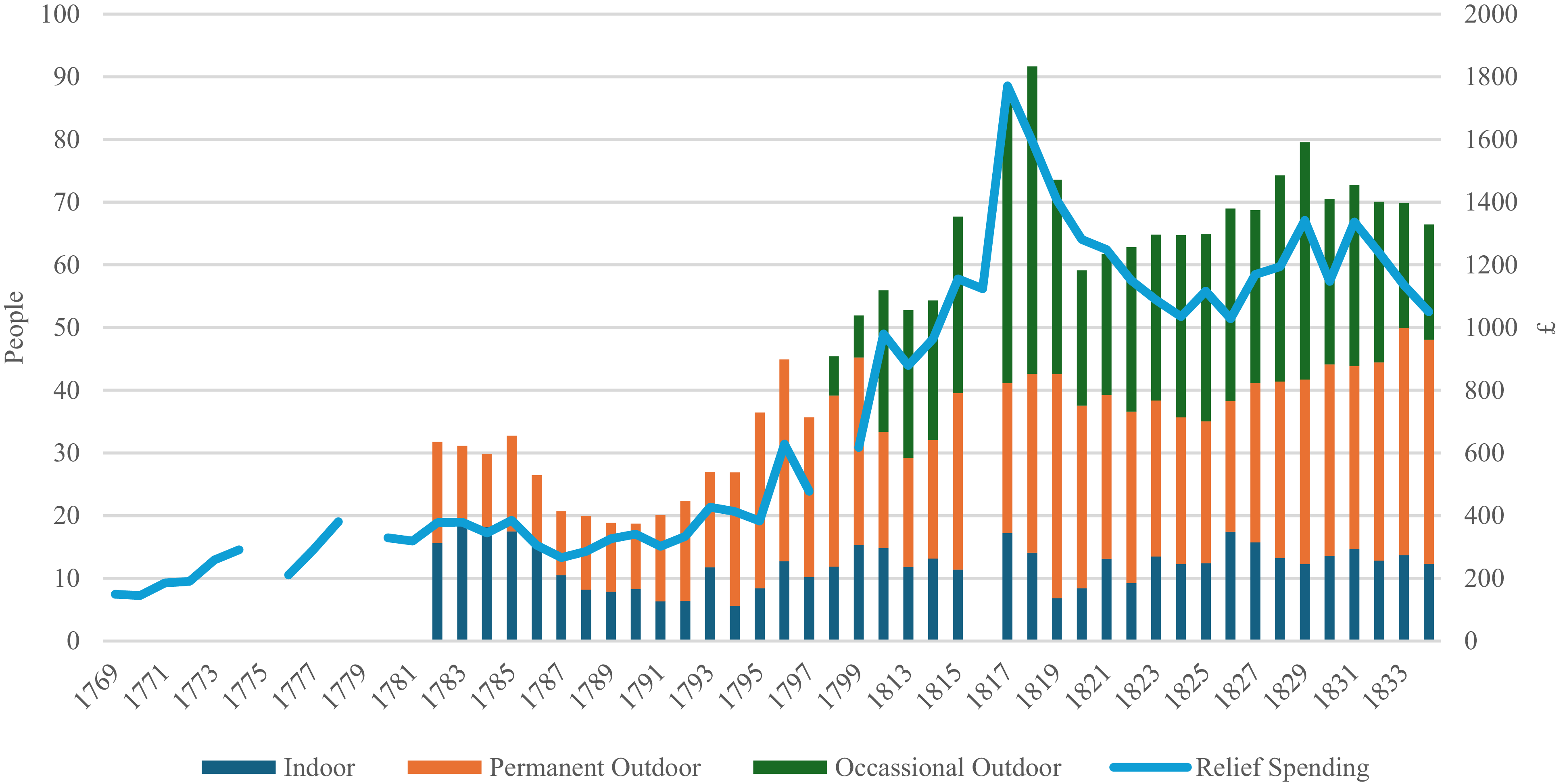
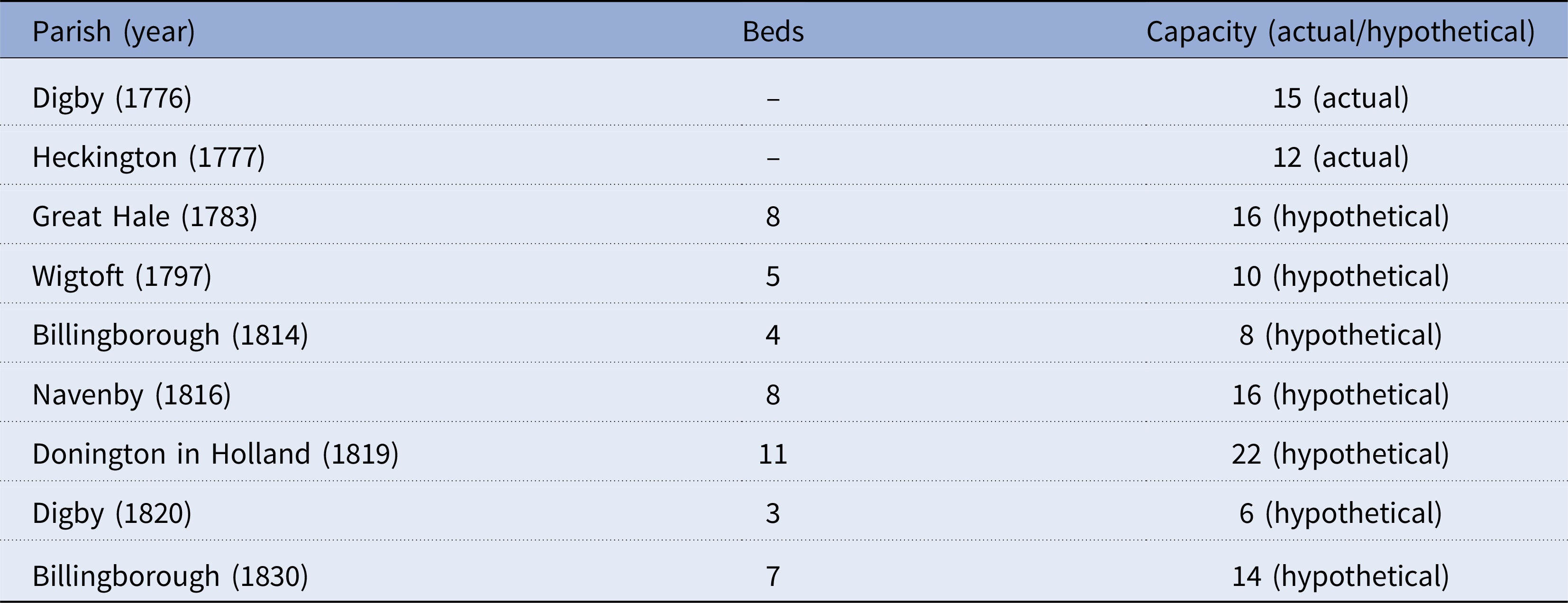

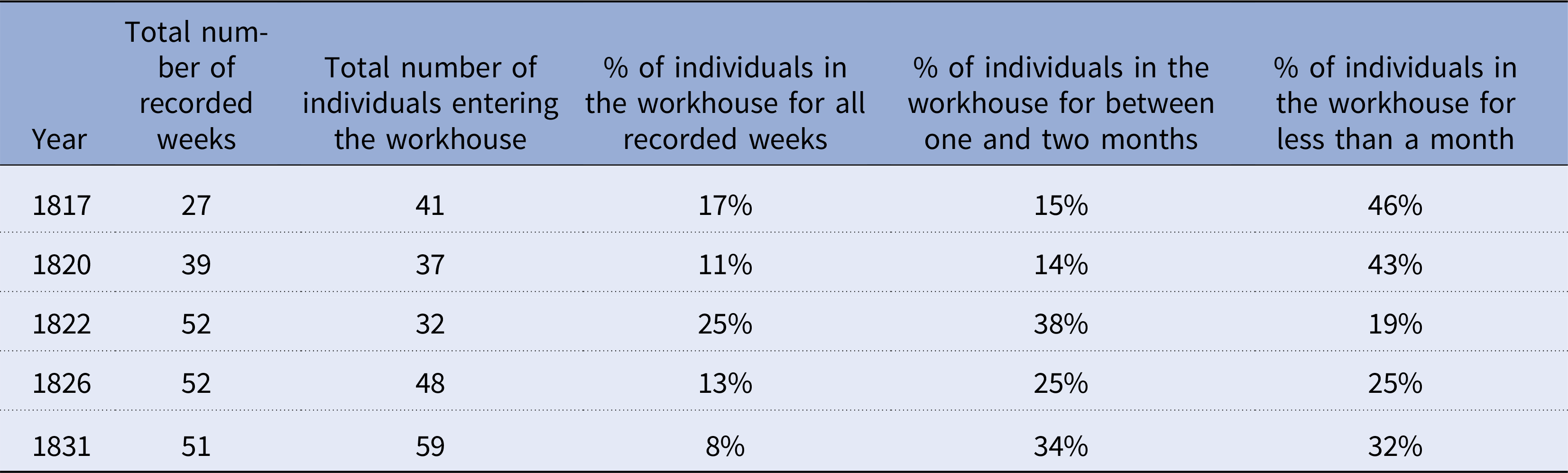
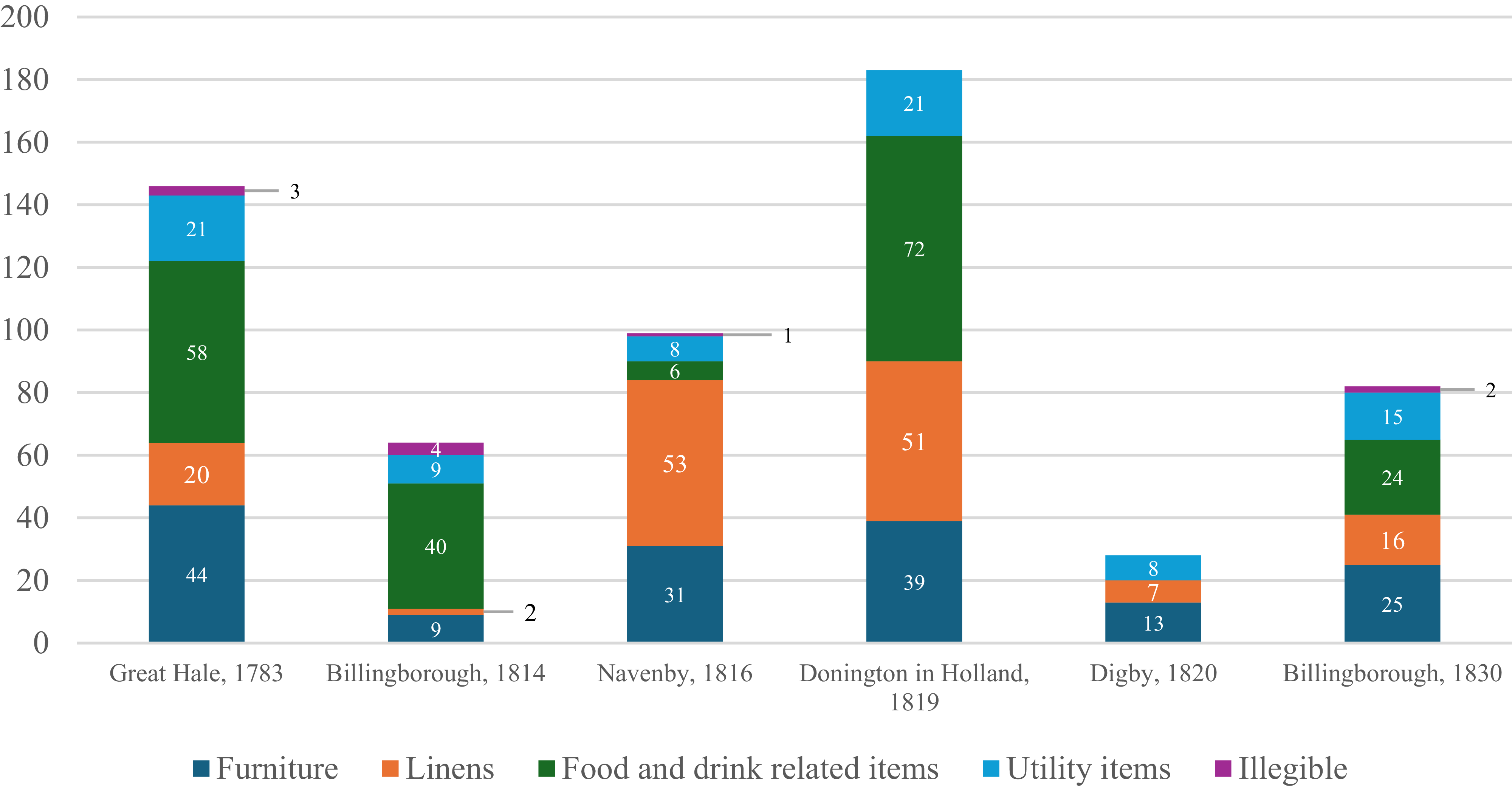
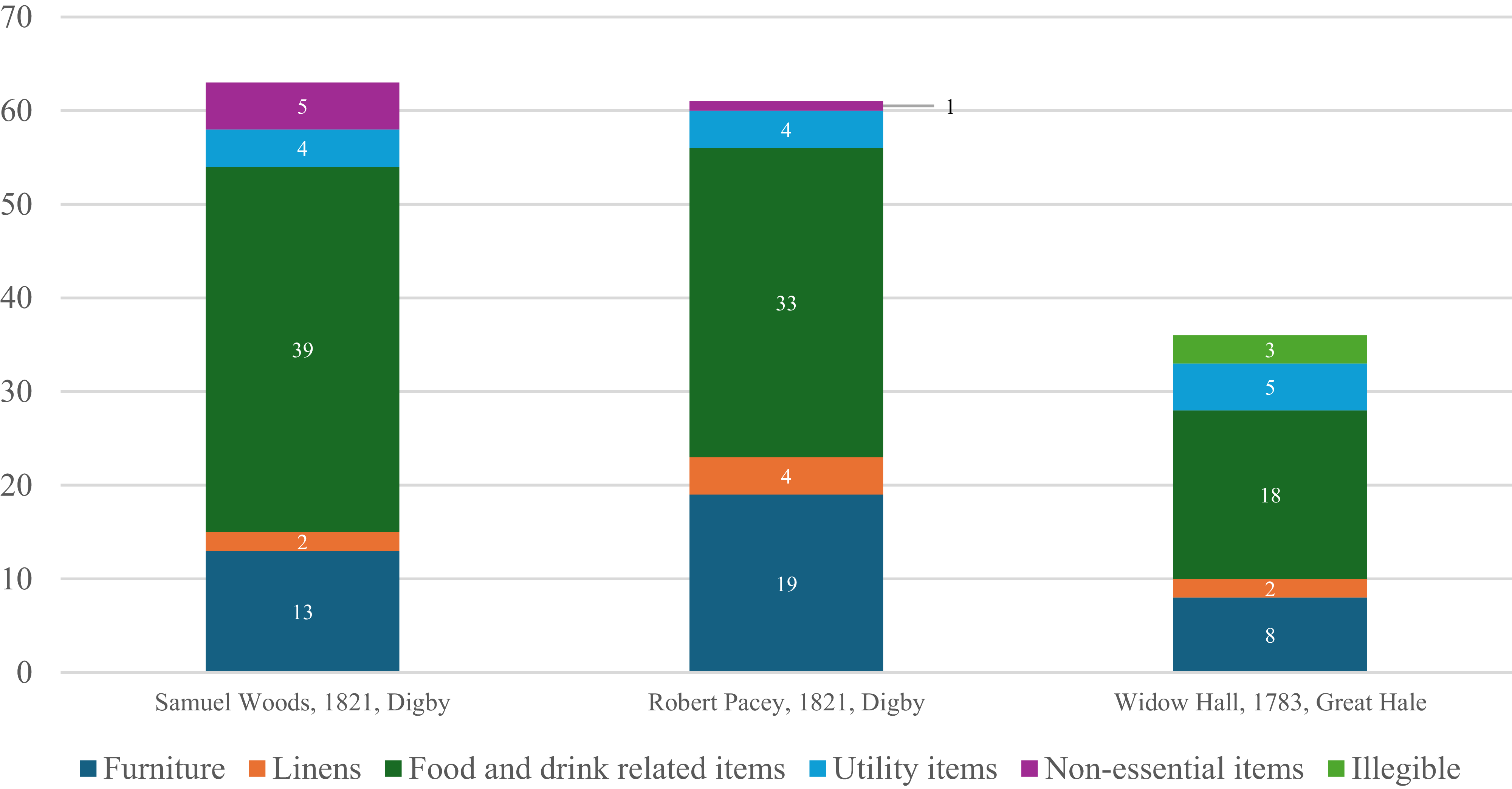
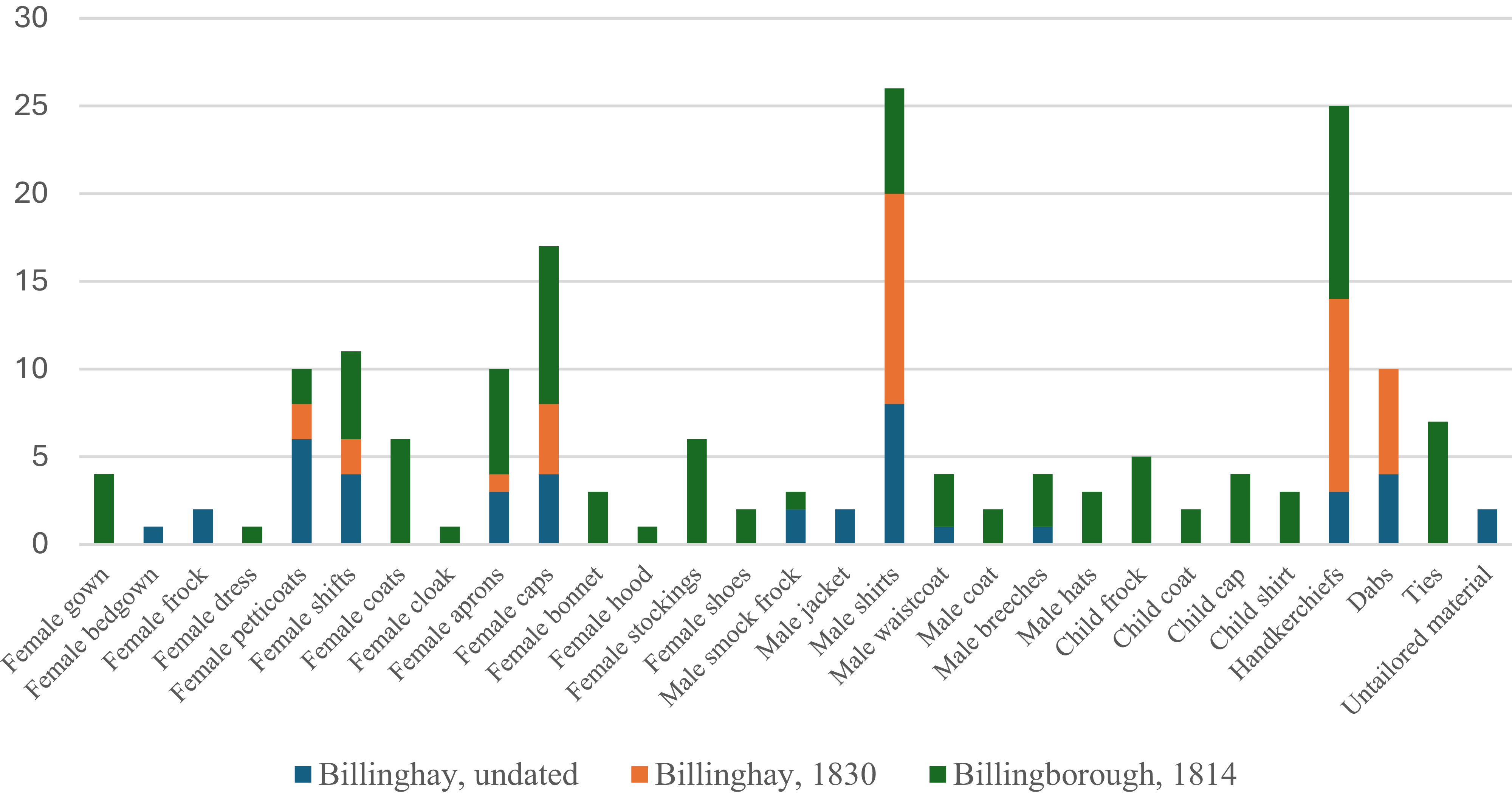

 Open access

